Monthly Archives: April 2026

Do You Know your Oropendolas!

What the heck is an Oropendola?!  A very large bird … raven sized that you might see in Costa Rica. In addition, my thanks to Janet, a faithful reader of this site who contacted me to point out I had my Oropendolas mixed up in my Bird Colony in the Sky post!  Given our 2nd winter storm in three days up here in northern Minnesota, its seemed a good time to correct my posts from “a warmer world”!

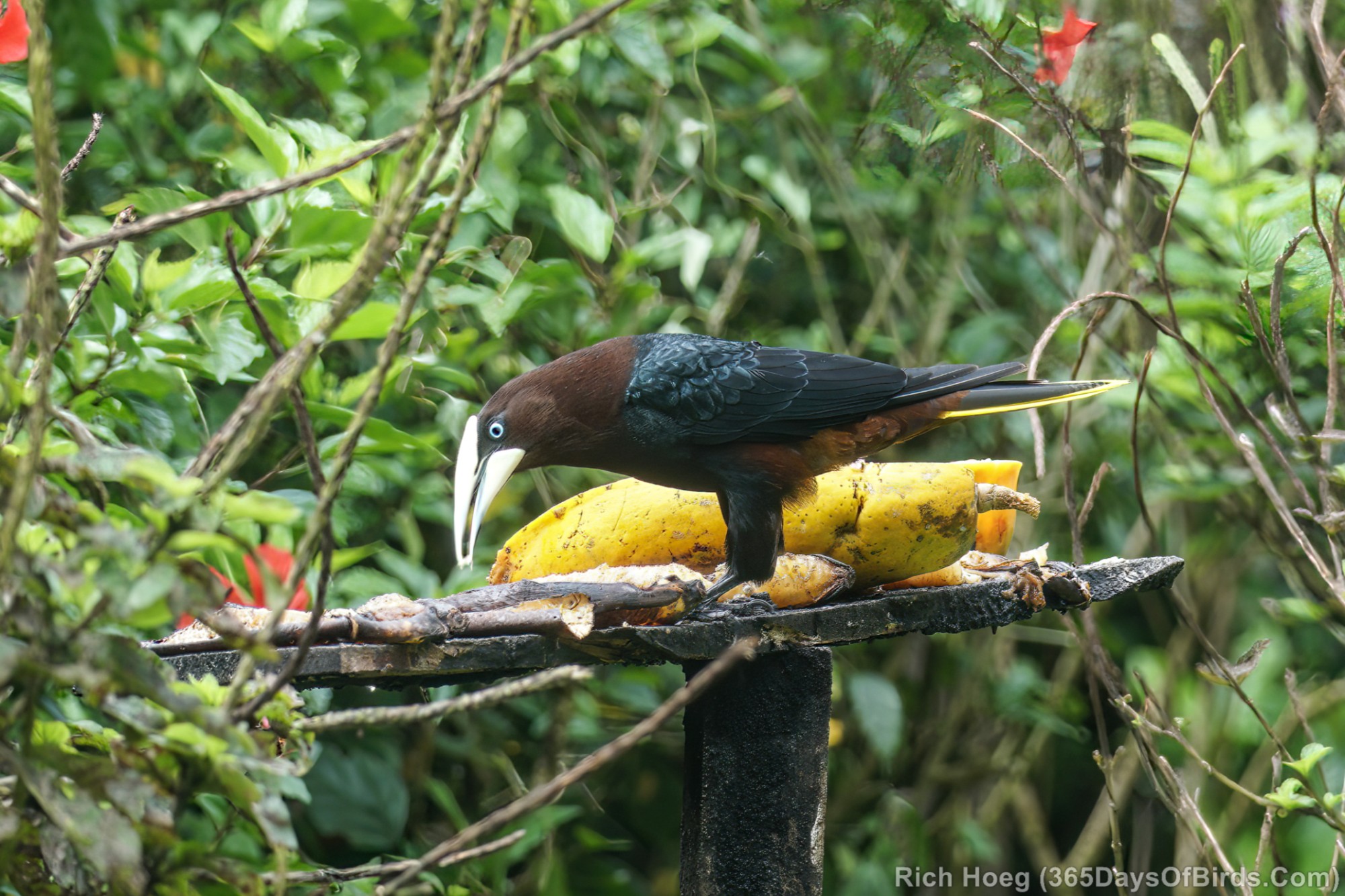
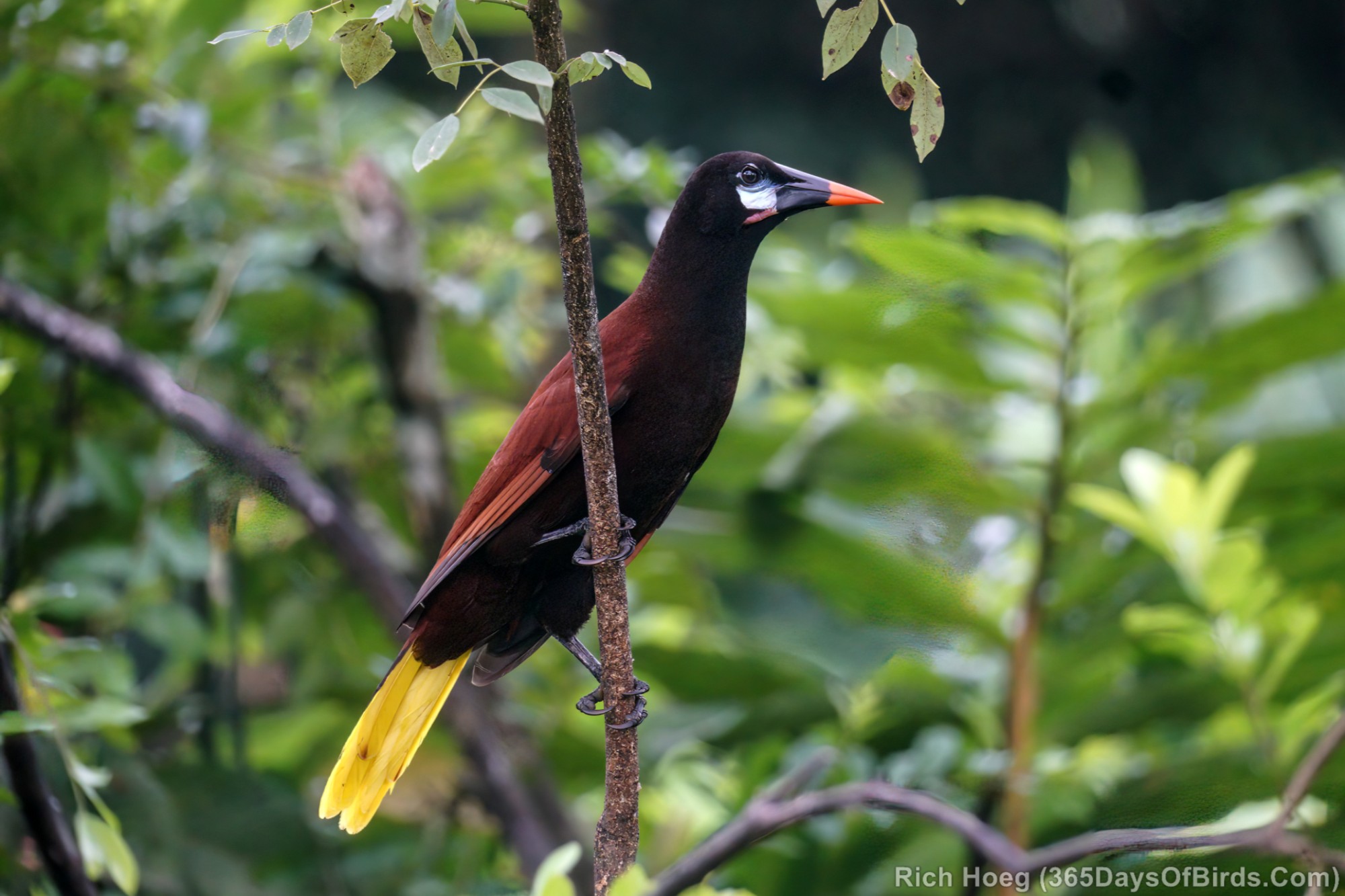
Here are the two types of Oropendolas

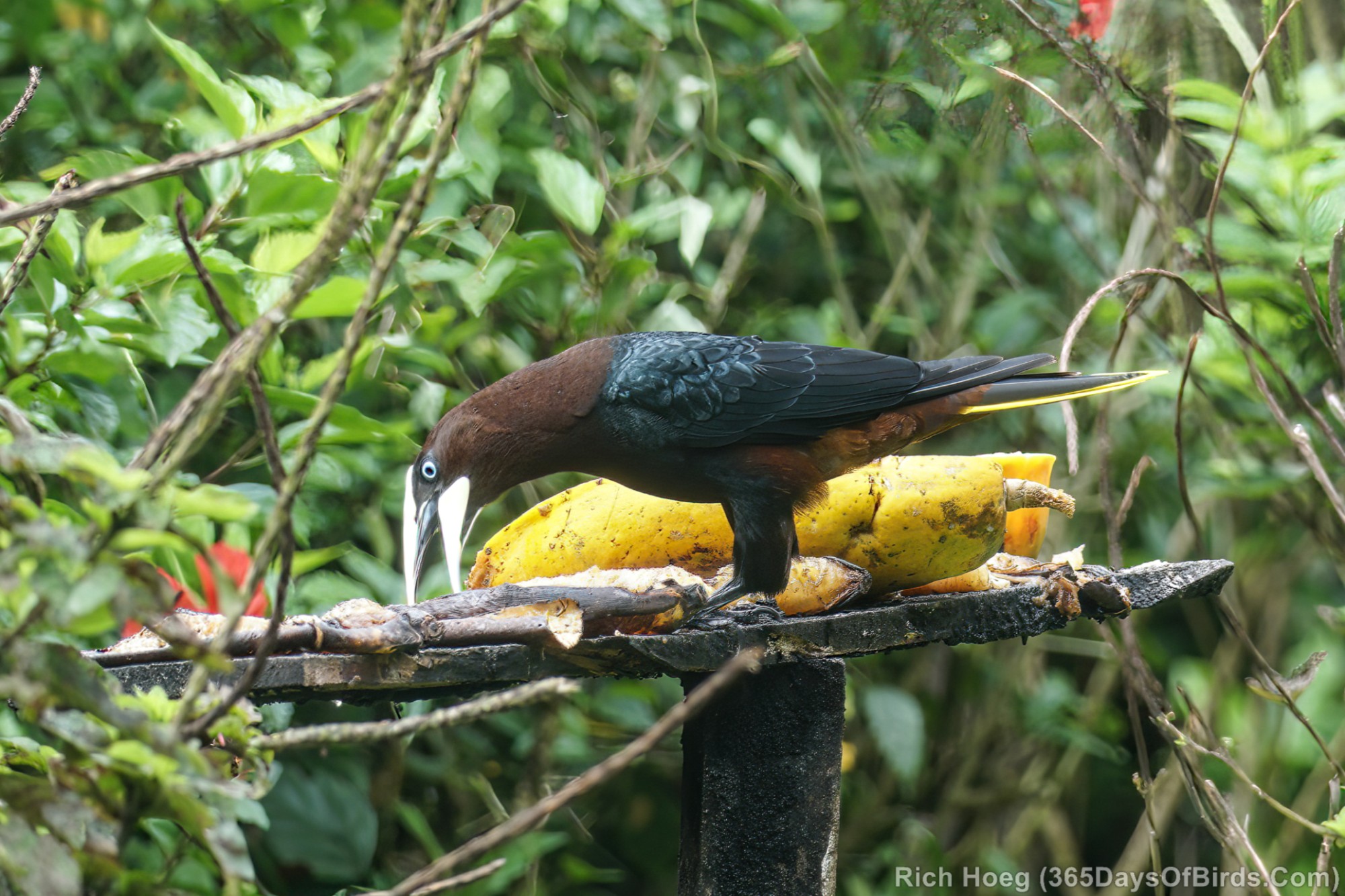
The real Chestnut-Headed Oropendola

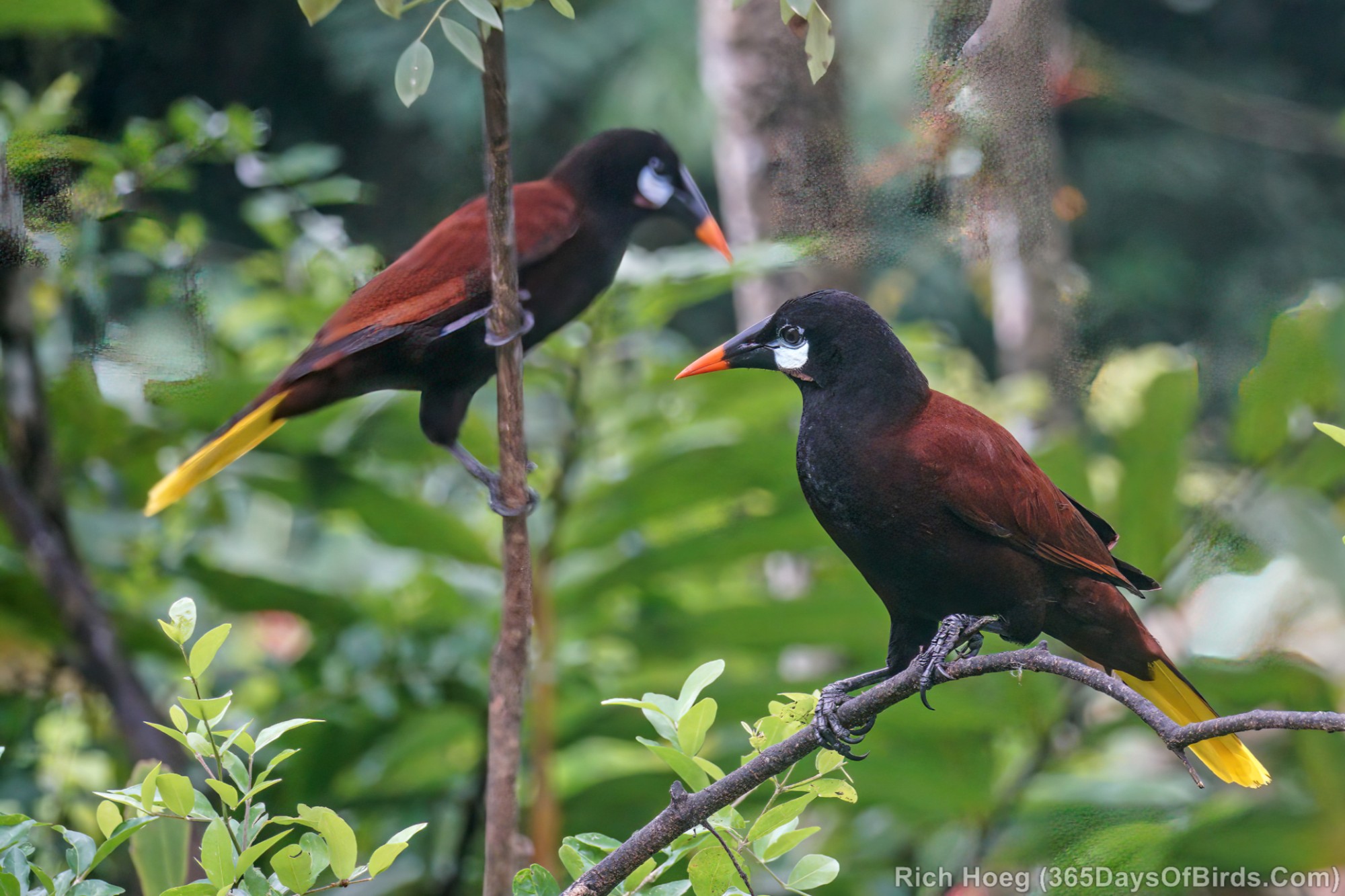
My mis ID’d Montezuma Oropendola (now correct)

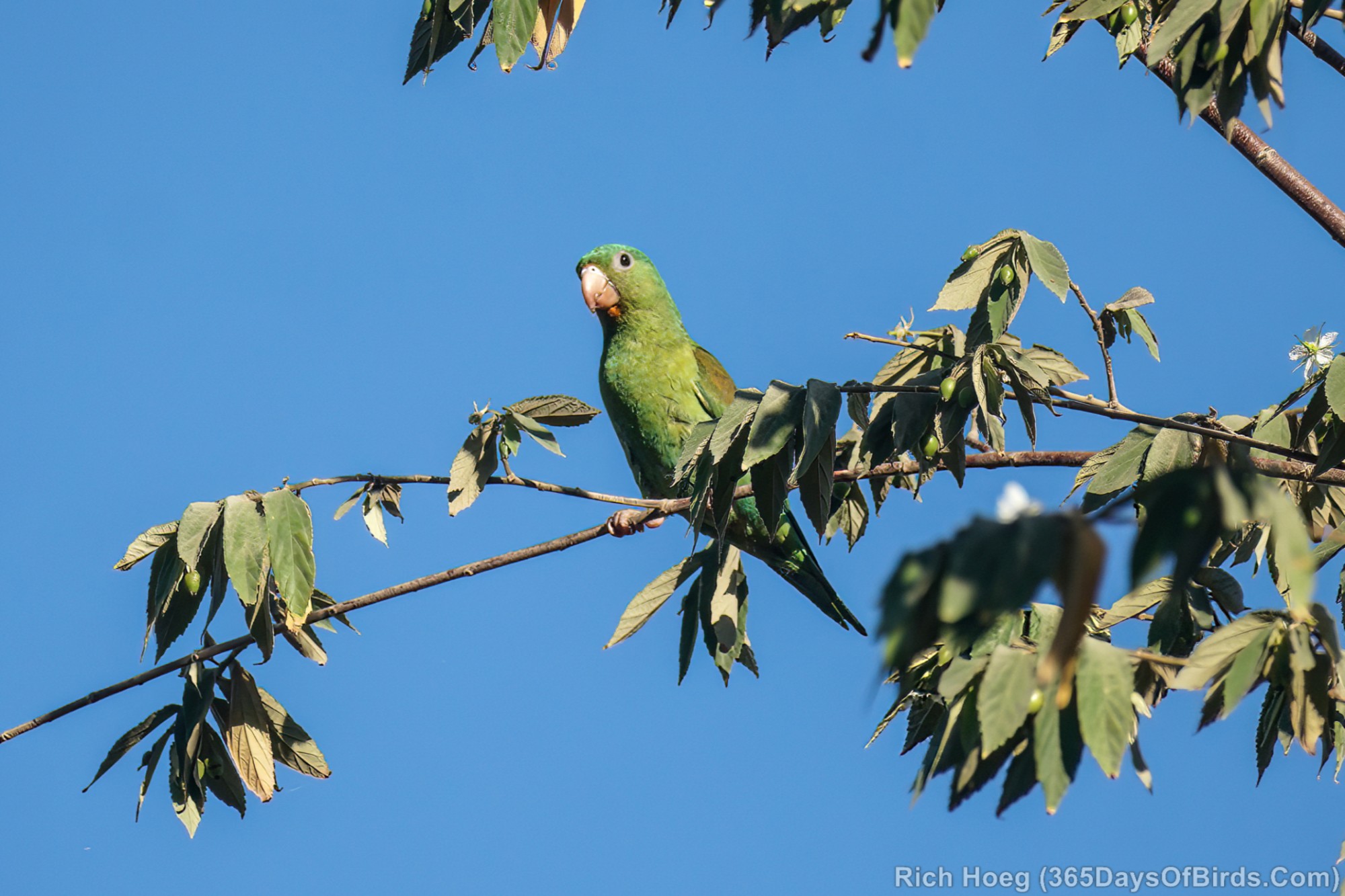
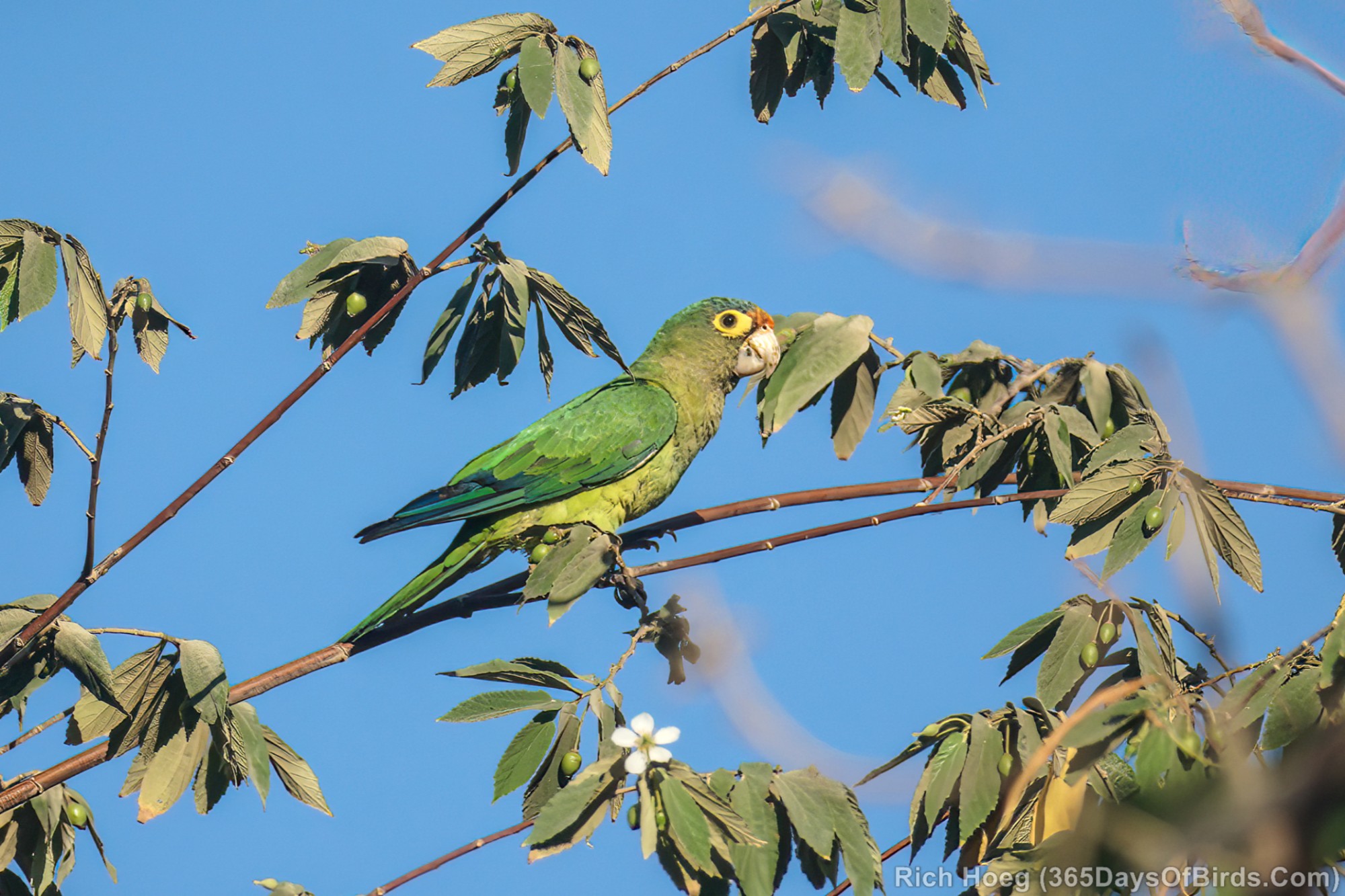
One thing that is fun about visiting Costa Rica is there are SO MANY bird species. It’s amazing I don’t make more mistakes. For instance … here are a lot of green birds, that look very similar. Their sizes are not too different, and the birds tend to use the same habitat. I actually saw all three of these parrots/parakeets within 100 yards of each other in the same Dry Creek Bed Habitat (read prior post about the habitat)

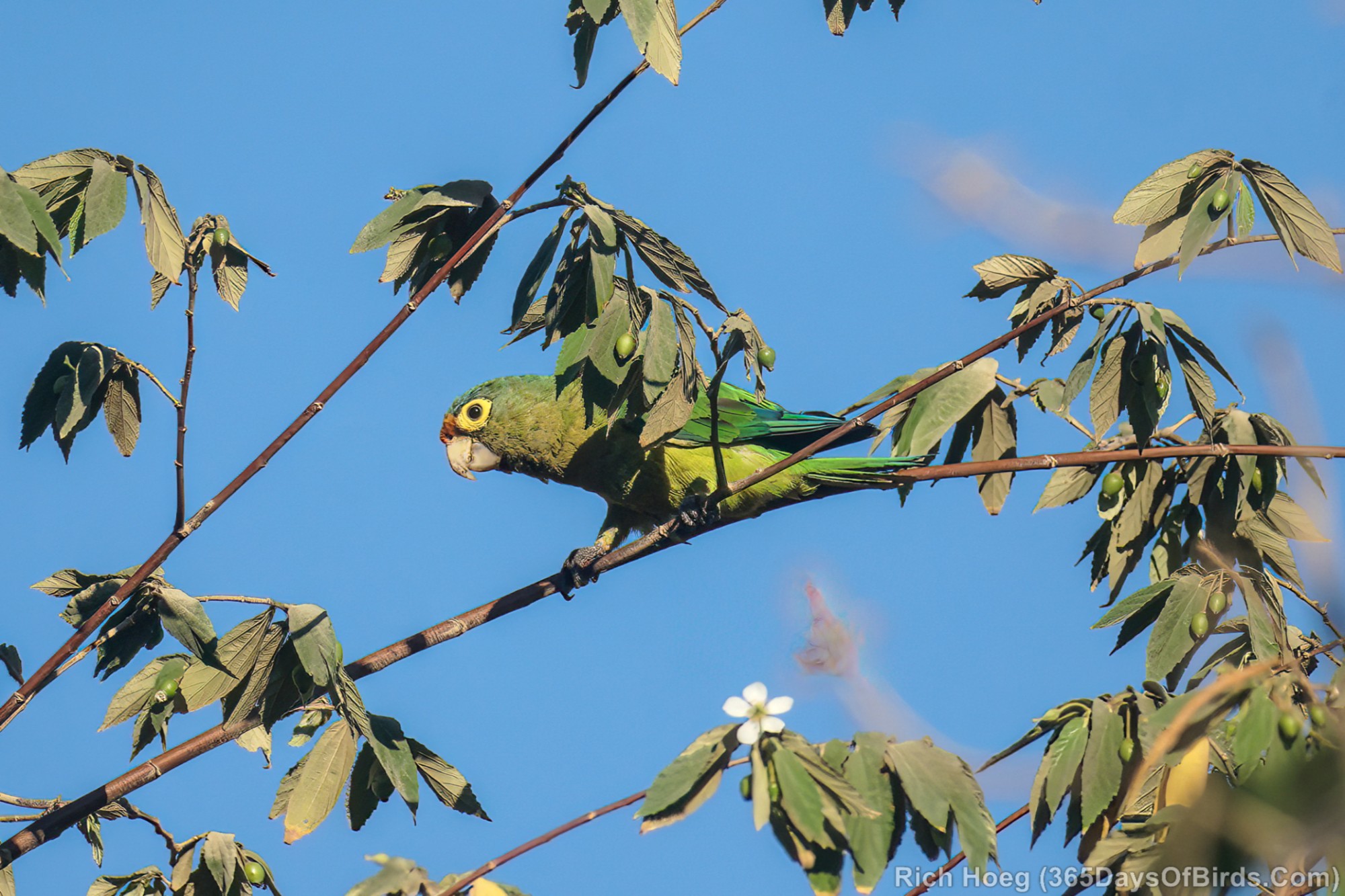
Orange-Chinned Parakeet

Orange-Fronted Parakeet

White-Fronted Amazon Parrot
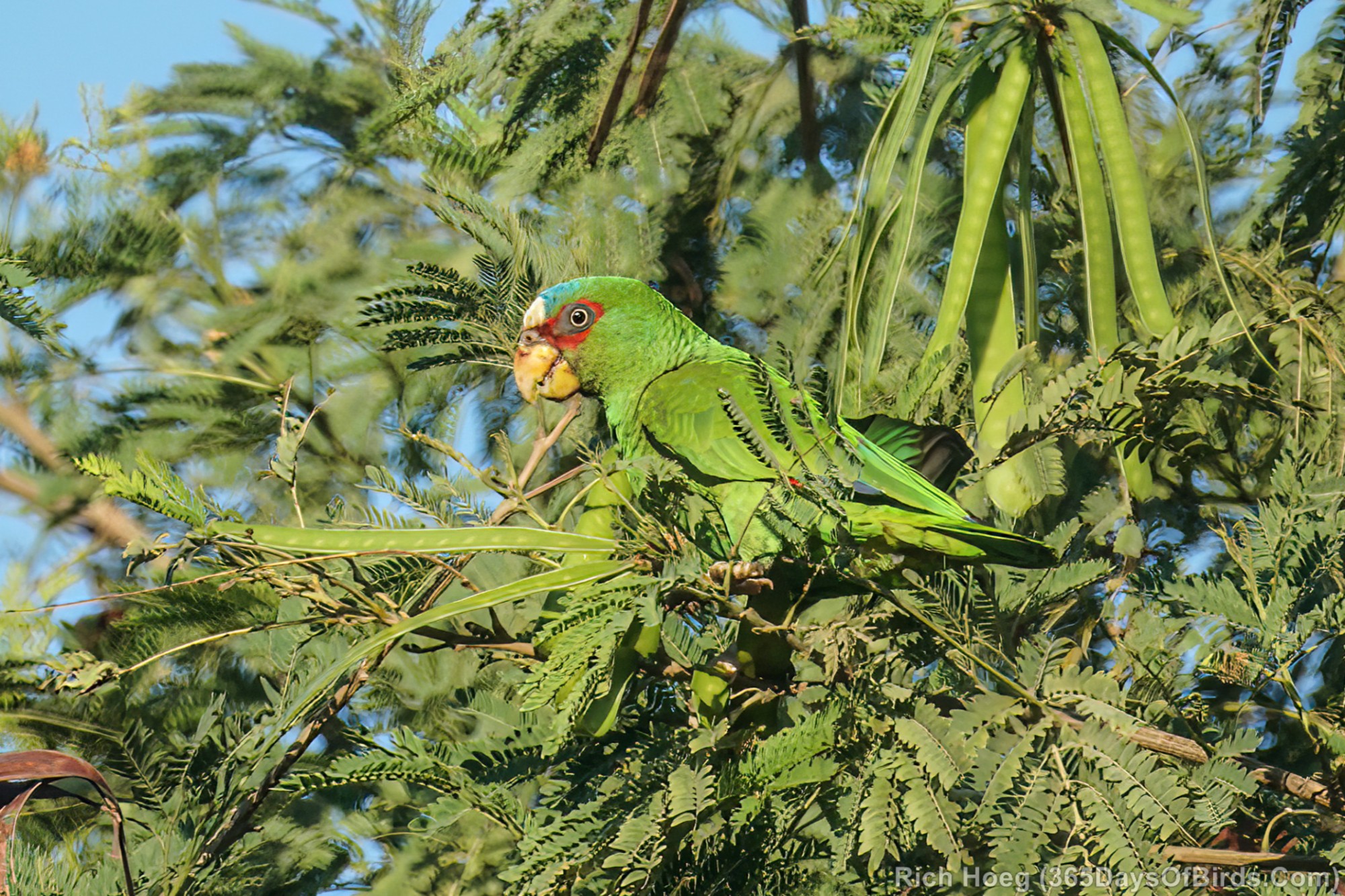

One final aside, did you know you may actually find monk parakeets … flocks of escapees living as far north year round in the Chicago area? Uff Dah! Perhaps someday I will photograph a parakeet and Snowy Owl at the same time here on the Arctic Riviera? I think not.
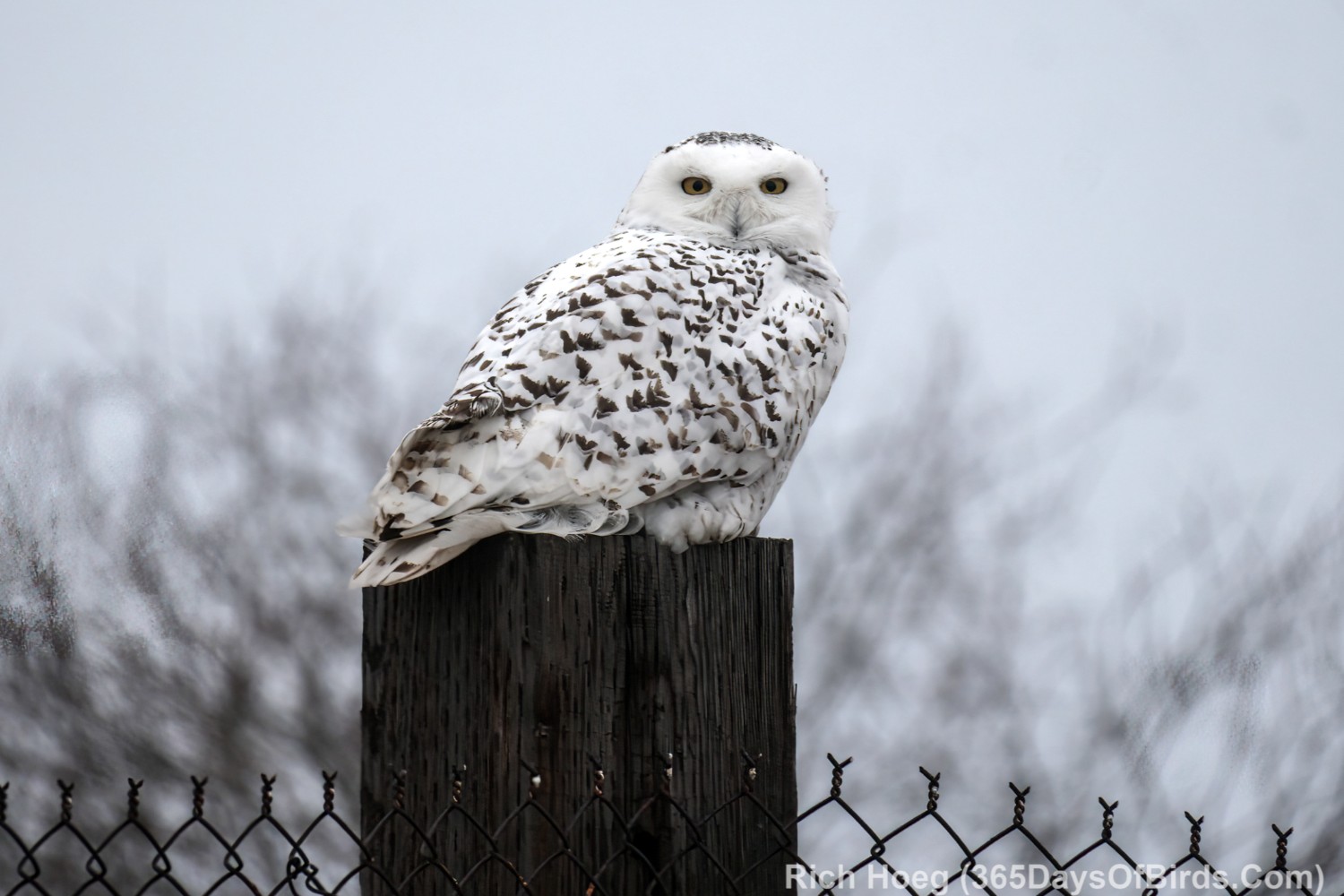
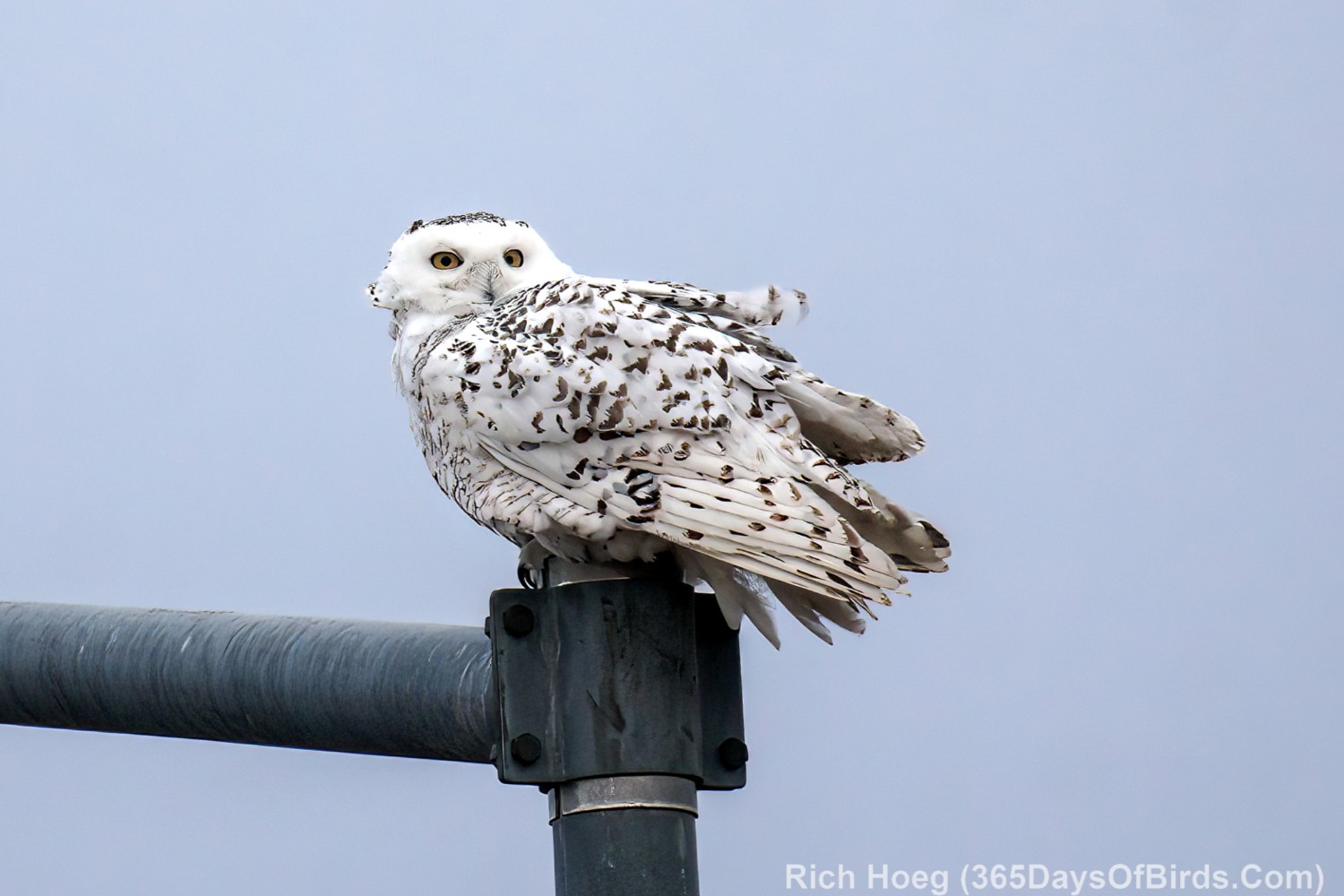
Snowy Owls in April?!

Our nickname as the “Arctic Riviera” for the Duluth / Superior area makes great sense if you consider:

  • I saw not one, but two Snowy Owls yesterday (no April Fool’s Joke)
  • A winter storm is taking hold of our region today (April 2nd)

Given the weather yesterday evening was truly “dreich” (my new favorite best word courtesy of my Scottish blogging friend, Brian Scott and his blog: Scozmo’s Photery,) both owls were definitely NOT enjoying the 30 mph winds off Lake Superior.  However, today is worse with snow and increased winds thrown into the equation. Anyhow … April Snowys!

It should be obvious, I have returned from Costa Rica. LOL!

April Snowy Owls


Windblown … the Movie (video link for blog email subscribers)

The Lynx Roars and Makes Scent! (Northeastern Minnesota)

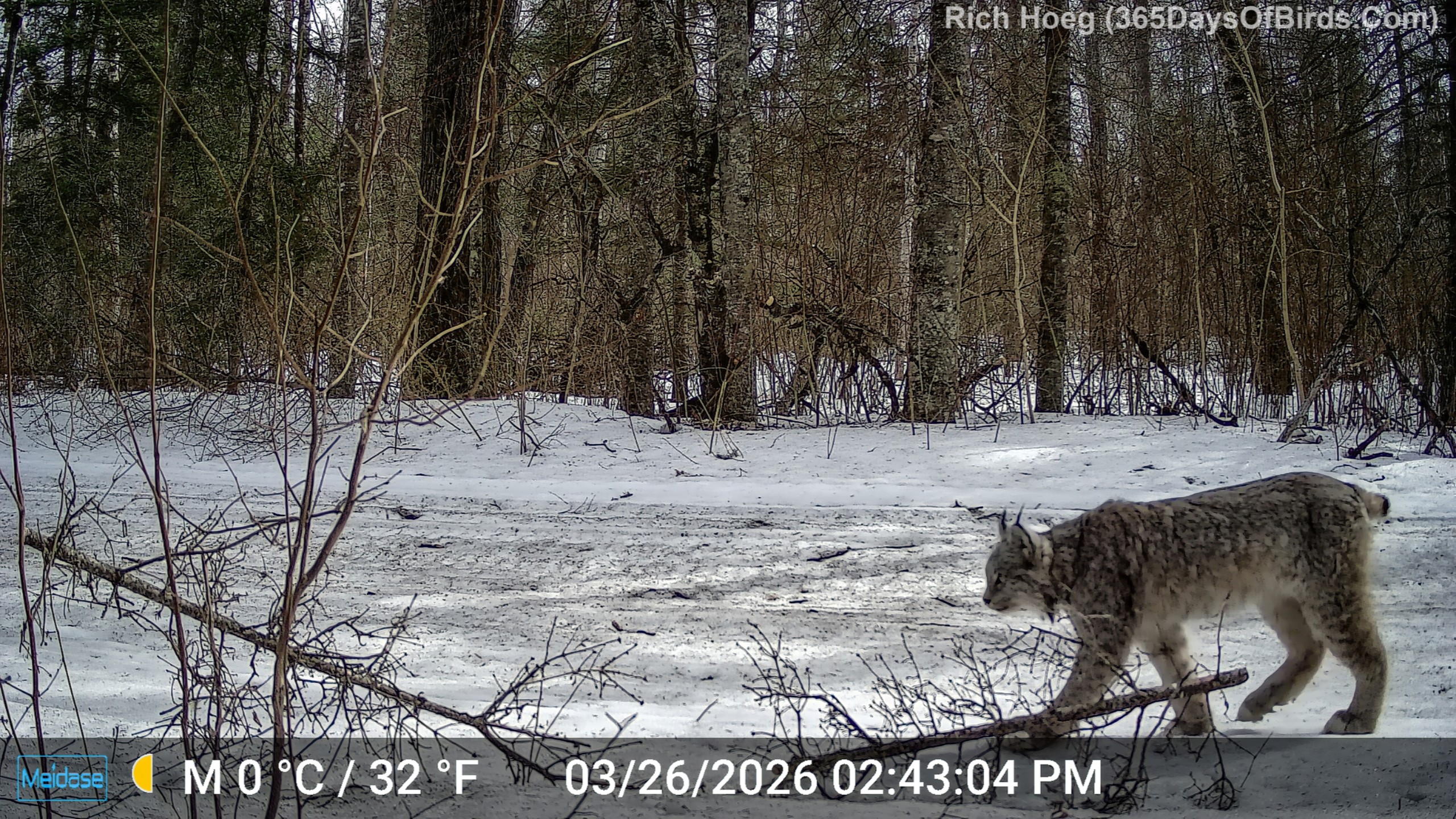
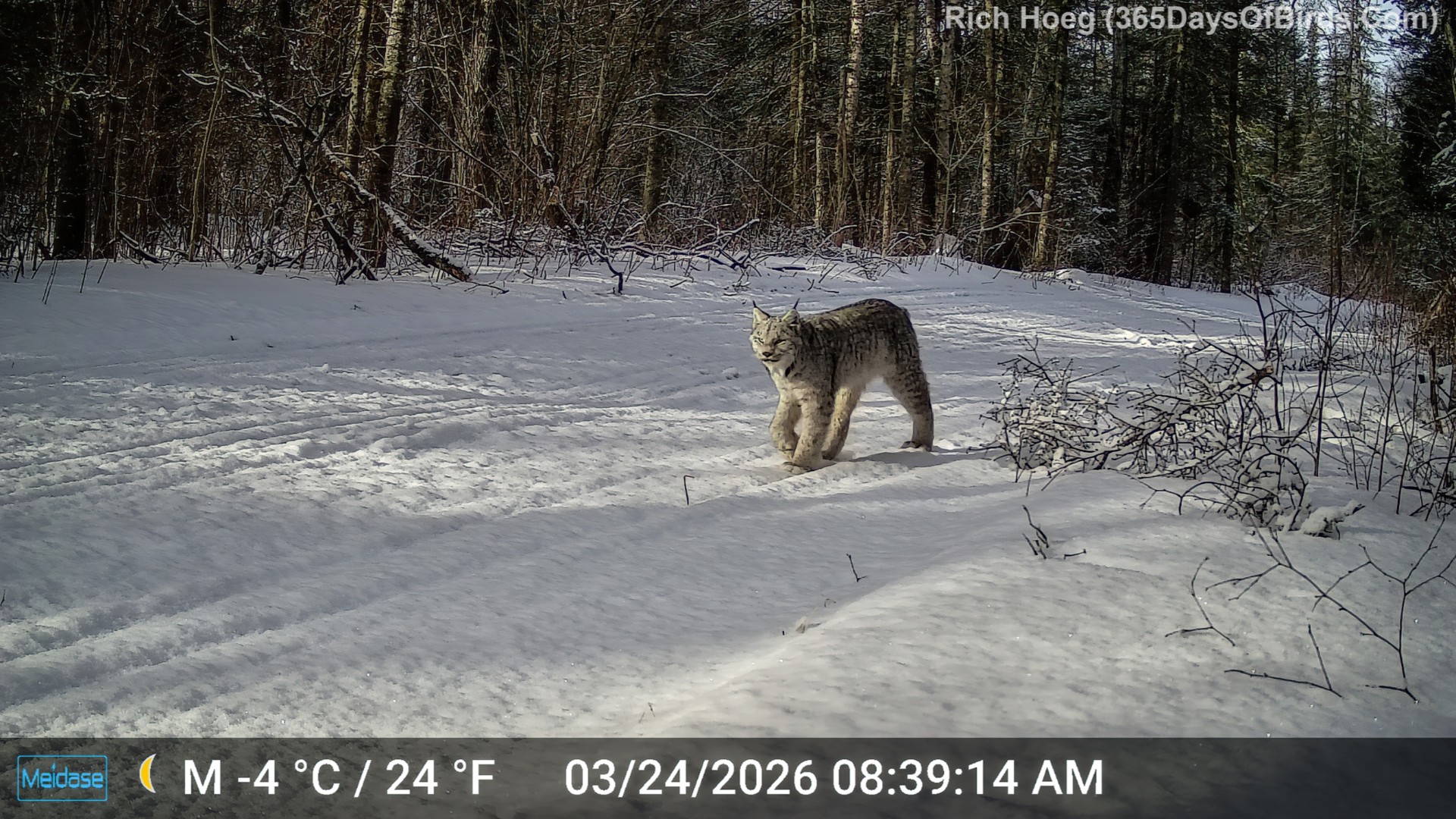
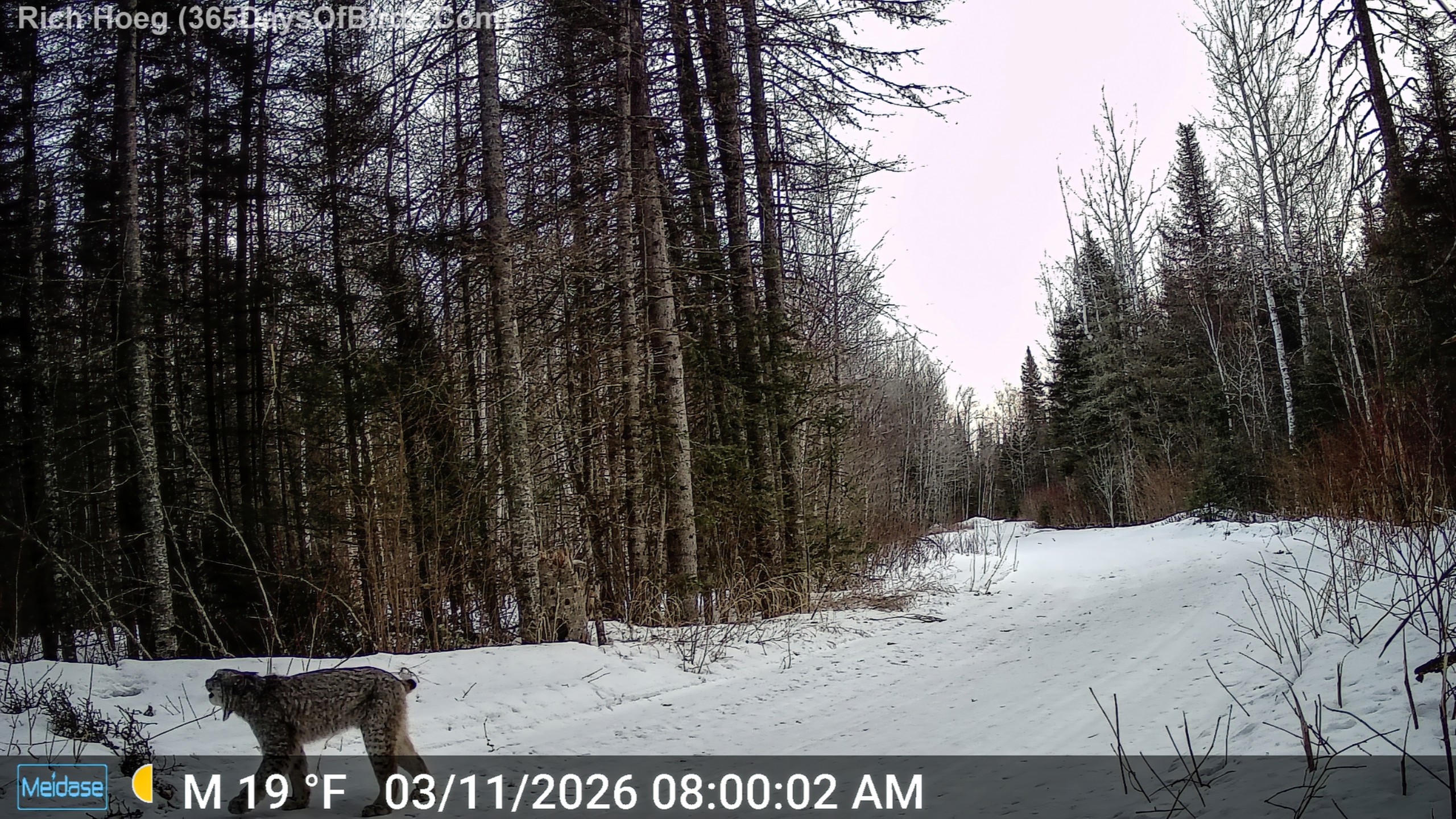
Earlier this winter (2026) I discovered multiple Canada Lynx were using a specific “scent branch” to mark territory. In early March I placed five trail cams pointed at “the branch”. The Lynx came through! One Lynx even roars for the camera (40 seconds into video)! See near the end of this post the still image of “the roar” which was captured by one of my cameras.

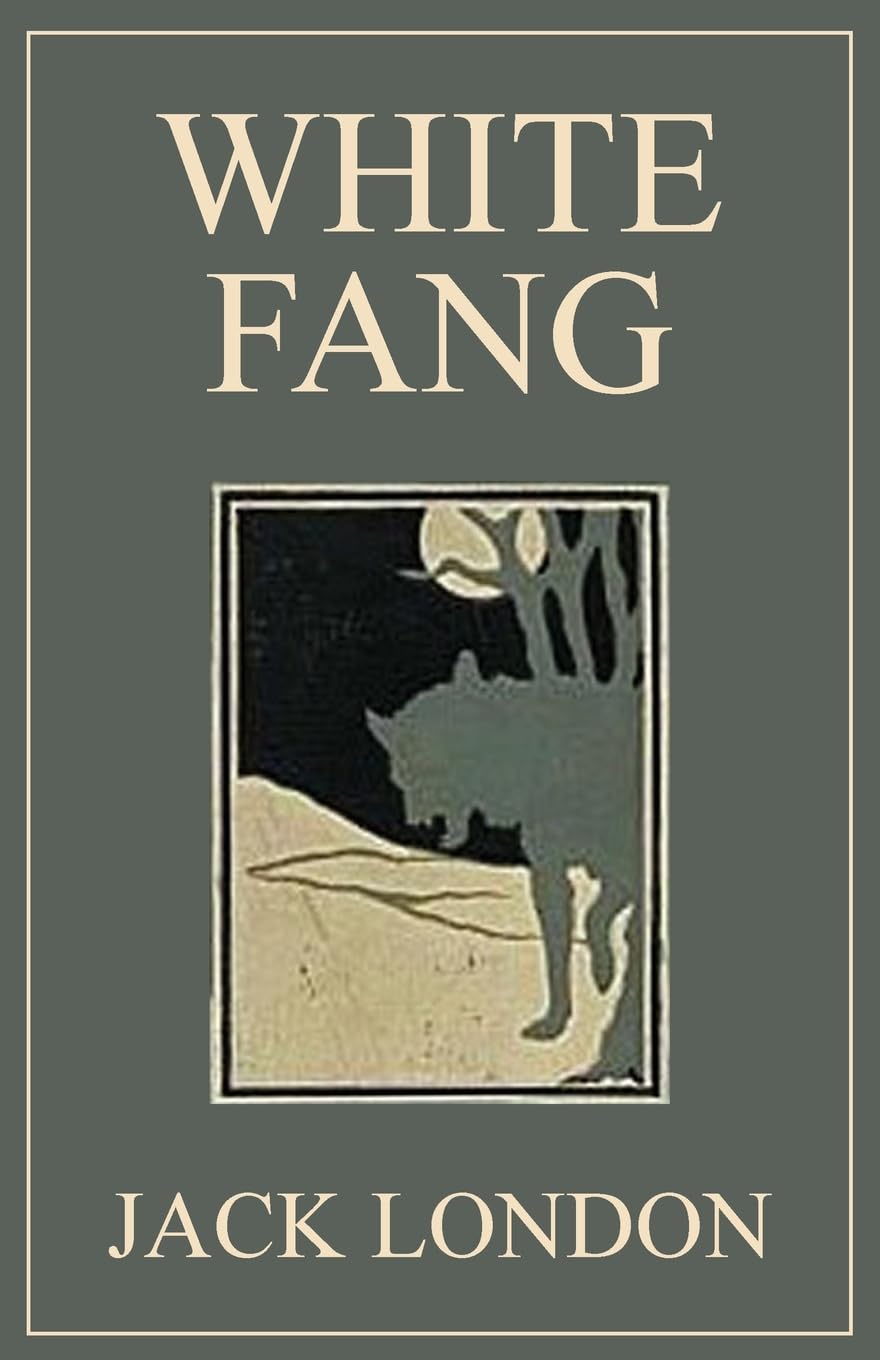
The location is the Nature Conservancy Sand Lake / Seven Beavers Wilderness Preserve in the Superior National Forest, or what I like to call the Greenwood Creek Boreal Forest and Bog (Northeastern Minnesota). Stay tuned to my blog … in a few days I will post my images and videos of White Fang! Yup, I the same cameras even captured stills and videos of a white timber wolf! However, it takes me time to work through four weeks of trailcam content to prepare same for this blog. The wolf is coming!

Finally, this begs the question how I find locations for my trailcams? It is not “dumb luck”. A person needs to learn how to “read the forest”. Over the course of time I learn good habitat for wildlife and then early in the winter with the first snows I track both Snowshoe Hares and Canada Lynx. These rabbits are the primary prey for Lynx. I slowly move my cameras around to different locations in the forests based upon what I observe.

Superior National Forest Canada Lynx


Canada Lynx … the Movie! (the roar occurs at 40 seconds)(video link for blog subscribers)


More trailcam still images …


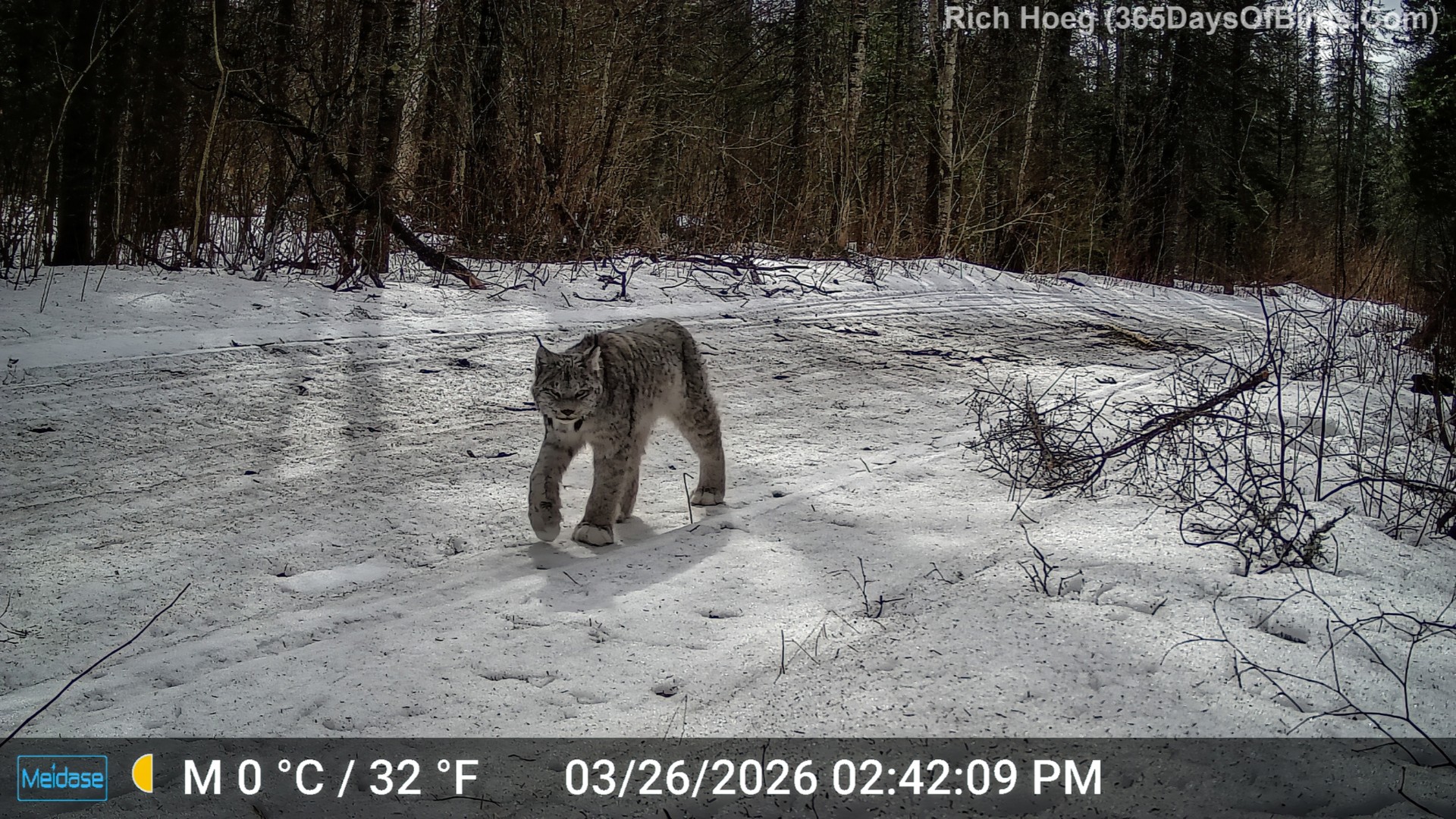
The Roar!

When I saw this traialcam image, I immediately knew “a roar” was in progress. Although my videos captured the roar with the Lynx “off camera”, its challenge is impressive. The settings for my trailcams is as follows: 1) If motion detected, with zero delay take one still image 2) After camera recharges (moments), start a second video with sound activated. 3) Repeat as long as motion is detected.


My cameras are still in place! Winter continues in the North Woods with a new winter storm expected tomorrow. If you have read this far, I hope you understood the reference to the classic Jack London novel and wolf, White Fang! The book is worth reading. It was originally published in 1906. As I noted … pics and a video of this timber wolf is coming soon.

Version 1.0.0