Lady Aurora came out and danced last night, and I watched her performance in northern Minnesota. The night was dark, and the skies were clear. She waited for the moon to set and then at 10:37 pm the performance began! Wow!
The first photo is a selfie I took 30 minutes into the show followed by a series of eight photographs. With each photograph I have given my camera settings and the time of night. In addition to learning how I changed my camera settings throughout the night, you will better understand how the display progressed over the course of one hour.
- Do not pick one set camera settings and stay with them all night during astrophotography
- Increasing the ISO settings from 1,600 to 3,200 doubles the amount of light entering my camera, but at the expense of a noisier photograph. You will need to learn for your own camera when a higher ISO setting yields too much noise. However, the higher ISO captures different kinds of light, and is better able to photograph moving Aurora spikes and waves (I often shortened my exposure times)
- Conversely halving my ISO from 3,200 to 1,600 decreased the amount of the light entering my camera by 1/2, but given the intensity of the Aurora had brightened this change was required to prevent blown out images in terms of exposure
- Note how I was also changing my exposure times. Obviously doubling or halving exposure time increases or decreases the amount of light entering the camera by the same ratio. All things being equal I want small exposure times as this allows me to photograph moving waves of Aurora light.
- My camera and other settings for all of these photographs were:
- Sony A6000
- Rokinon 12 mm manual wide angle lens
- Aperture = 2.0
Stewart Lake Northern Lights Selfie – 10:54 pm / ISO = 3,200 / Exposure = 4 seconds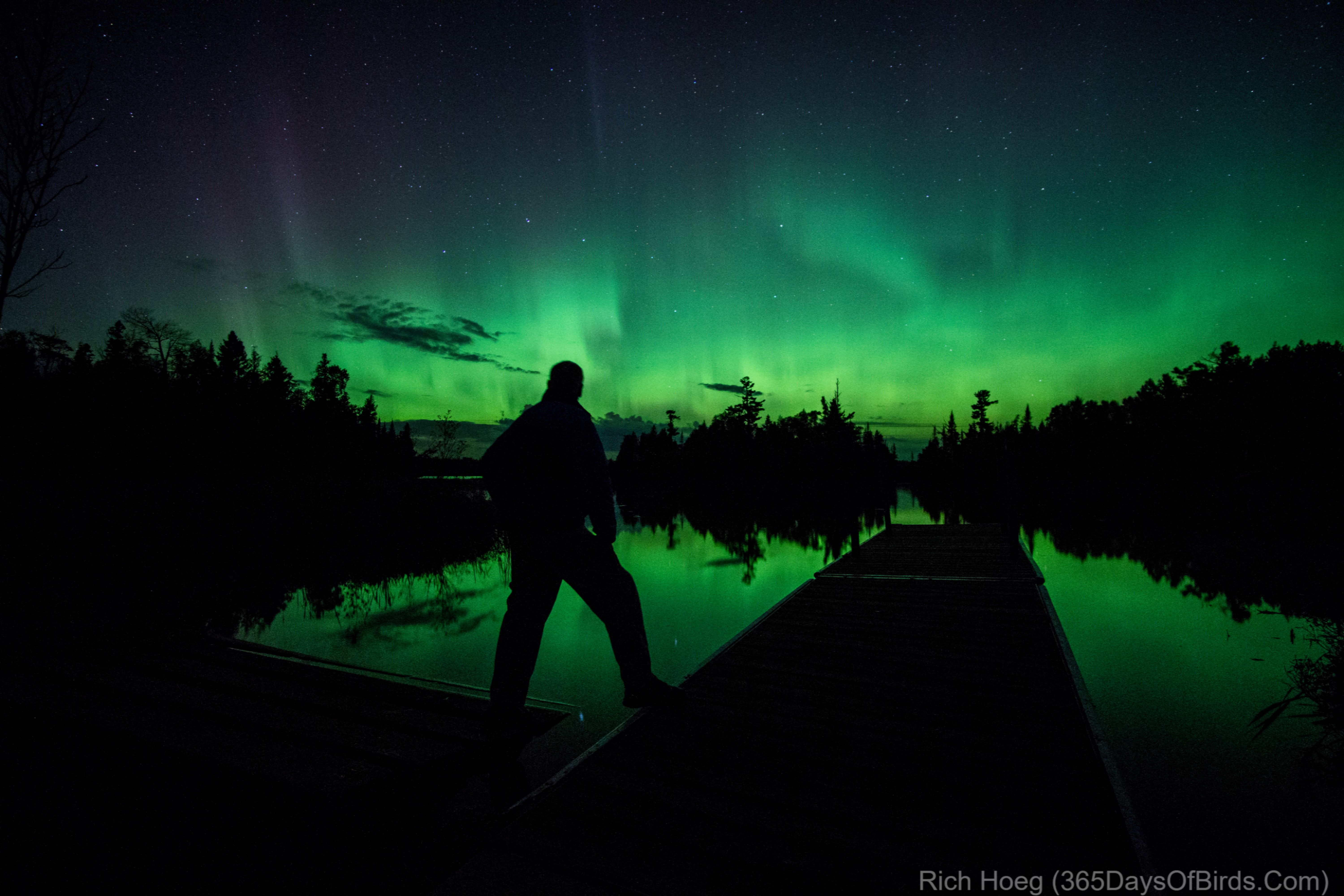
Stewart Lake Northern Lights Green Glow – 10:19 pm / ISO = 1,600 / Exposure = 15 seconds. I knew (and hoped) a display was in the offing. I had arrived at Stewart Lake at 9:30 pm, and the “green glow’s” intensity was increasing … generally a good sign.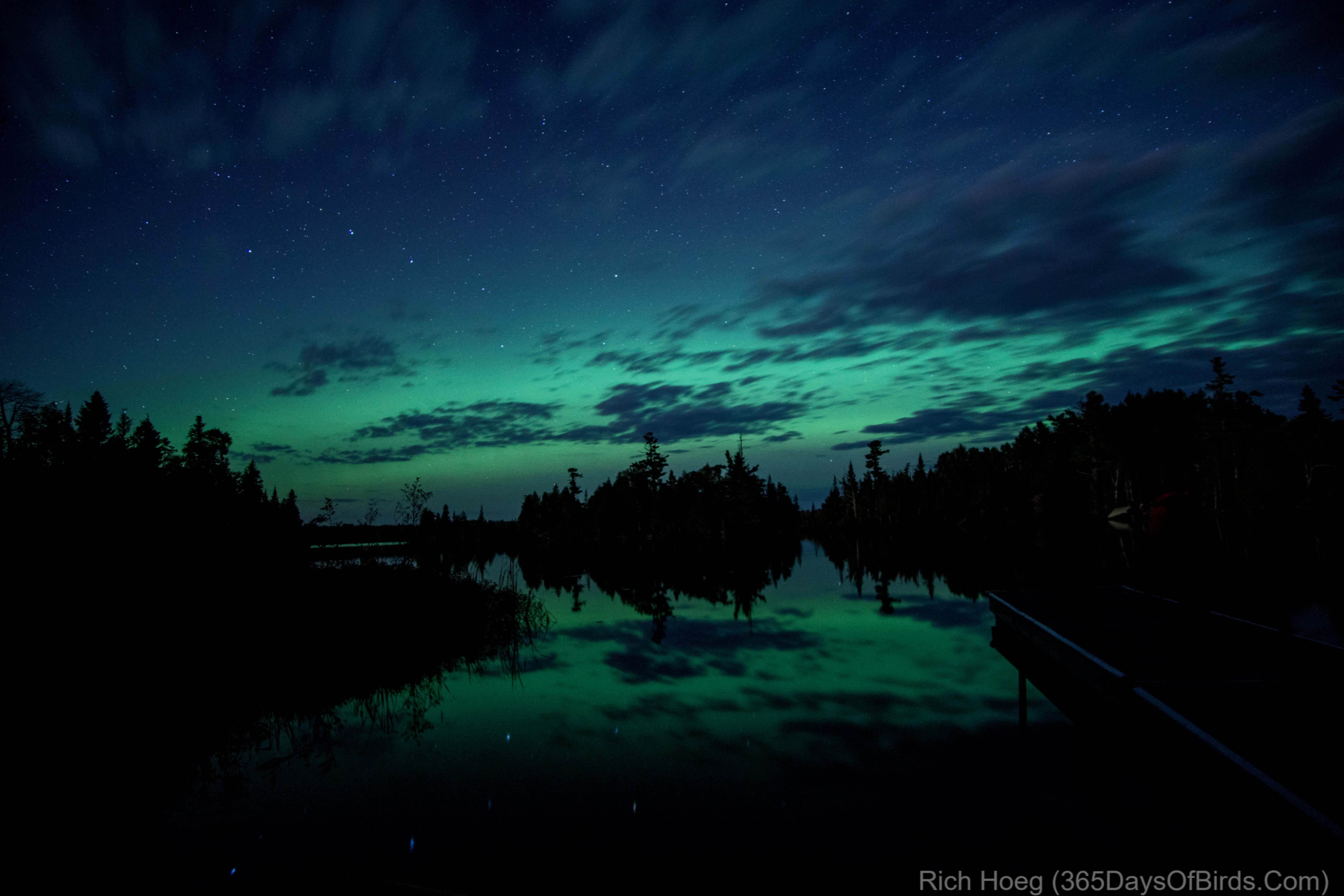
Stewart Lake Northern Lights Intense Bands – 10:35 pm / ISO = 3,200 / Exposure = 6 seconds. A highly defined band was now apparent, which often proceeds a storm.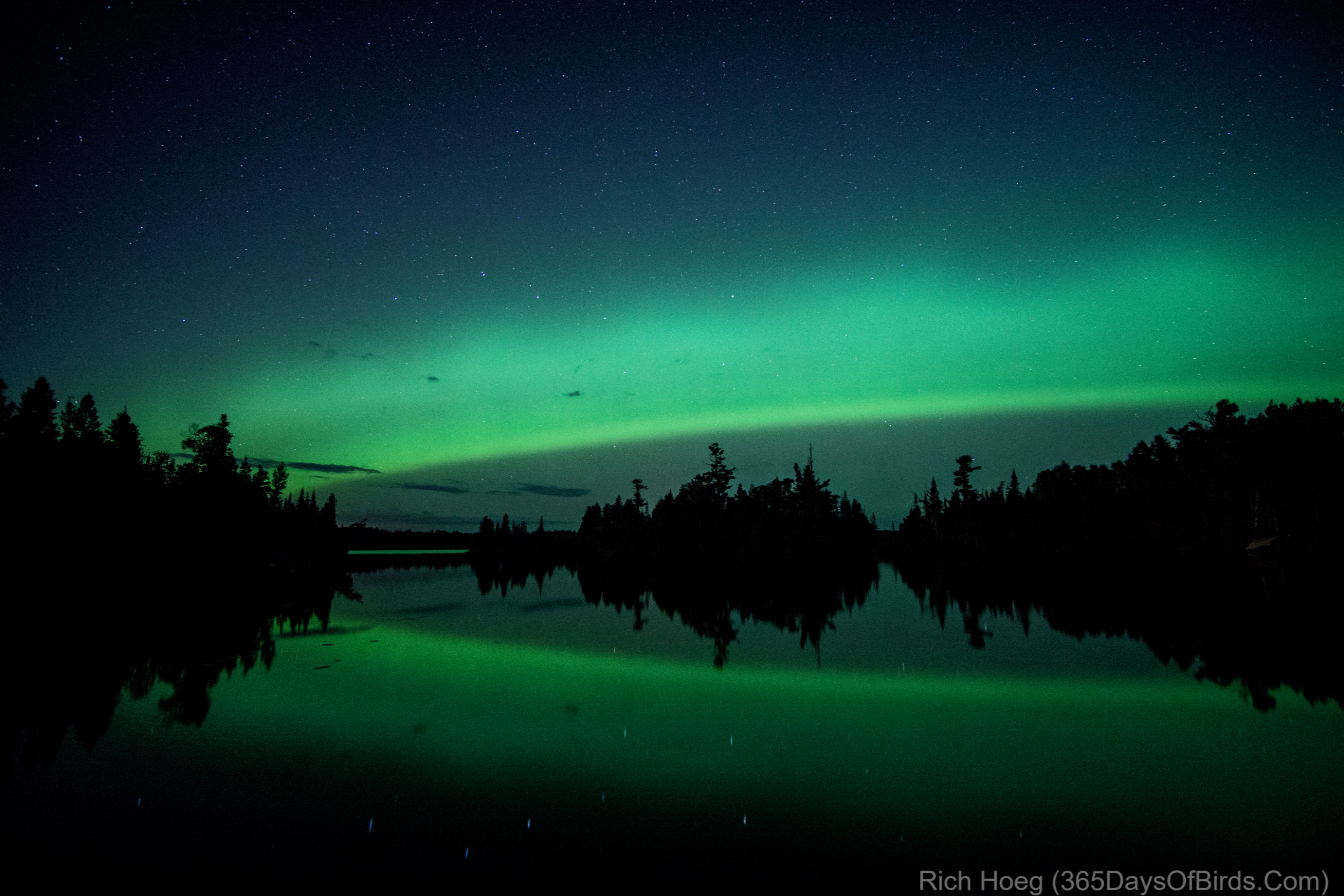
Stewart Lake Northern Lights Storm Starts– 10:37 pm / ISO = 3,200 / Exposure = 6 seconds. The dance / sub storm has just started!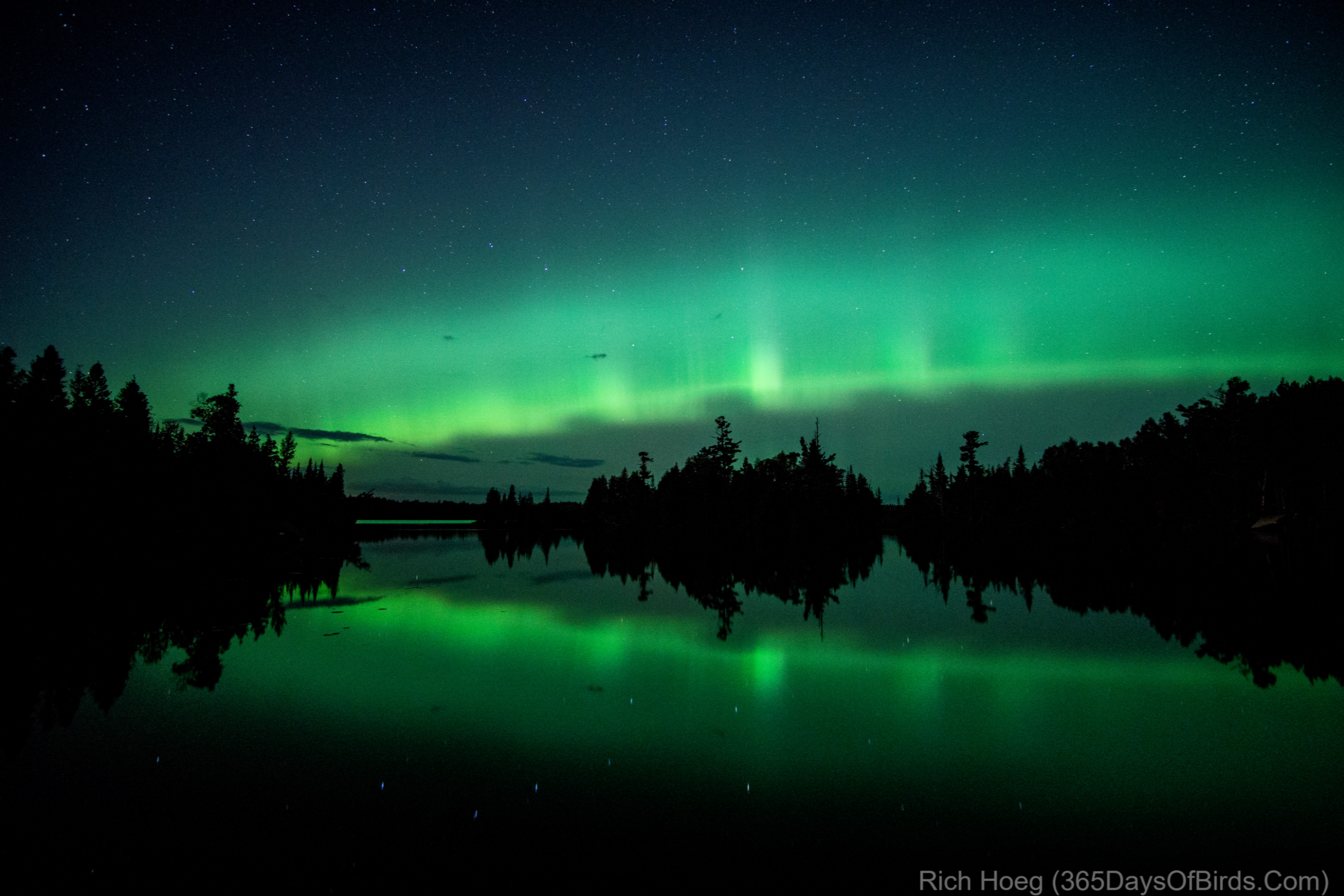
Stewart Lake Northern Lights Storm Continues – 10:37 pm / ISO = 3,200 / Exposure = 6 seconds. The dance / sub storm continues! The waves have moved a bit to the right.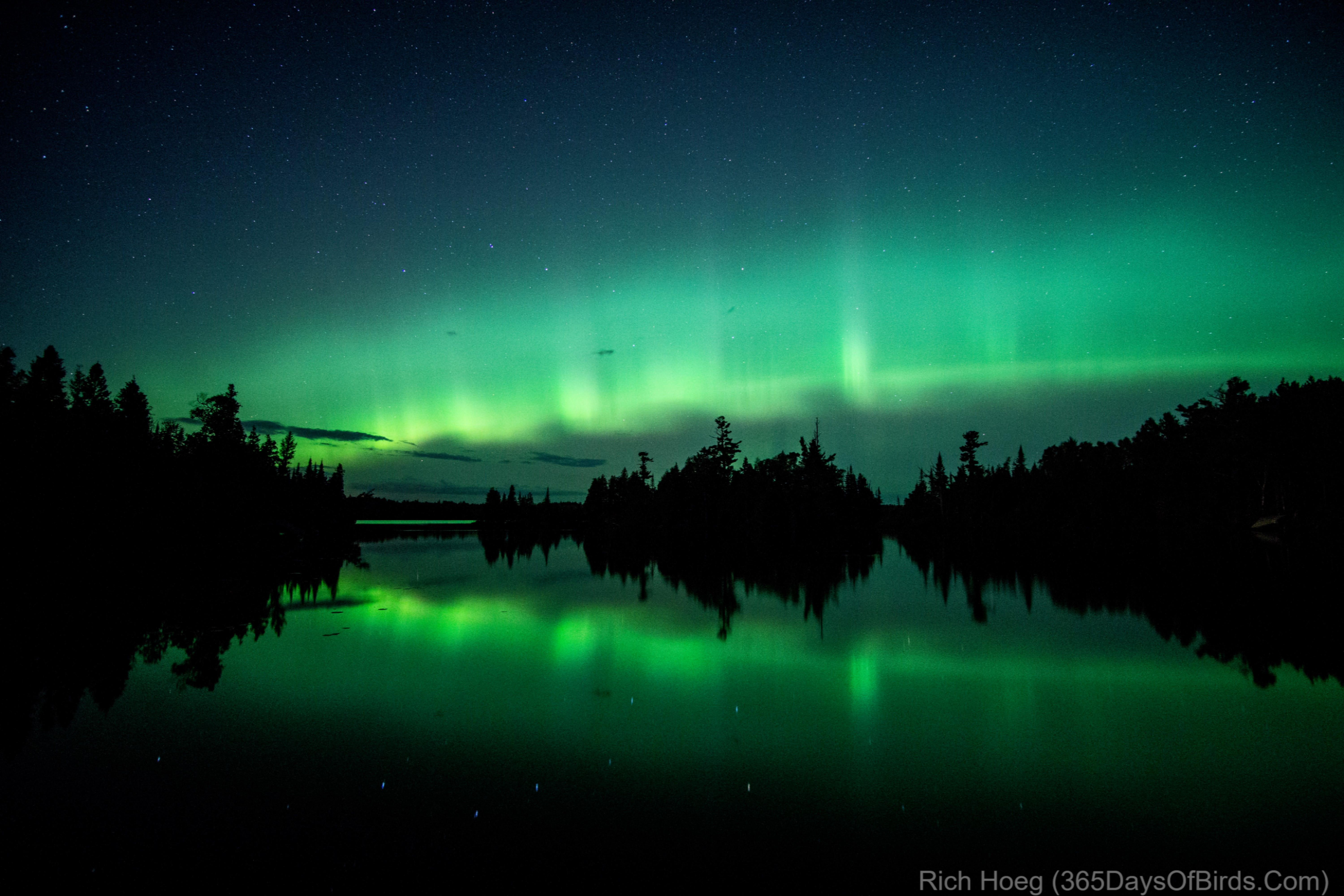
Stewart Lake Northern Lights Intense Storm – 10:42 pm / ISO = 1,600 / Exposure = 8 seconds. Major storm in progress. This is fives minutes after the previous photograph. Note that I have now almost halved the the amount of light I am allowing into my camera.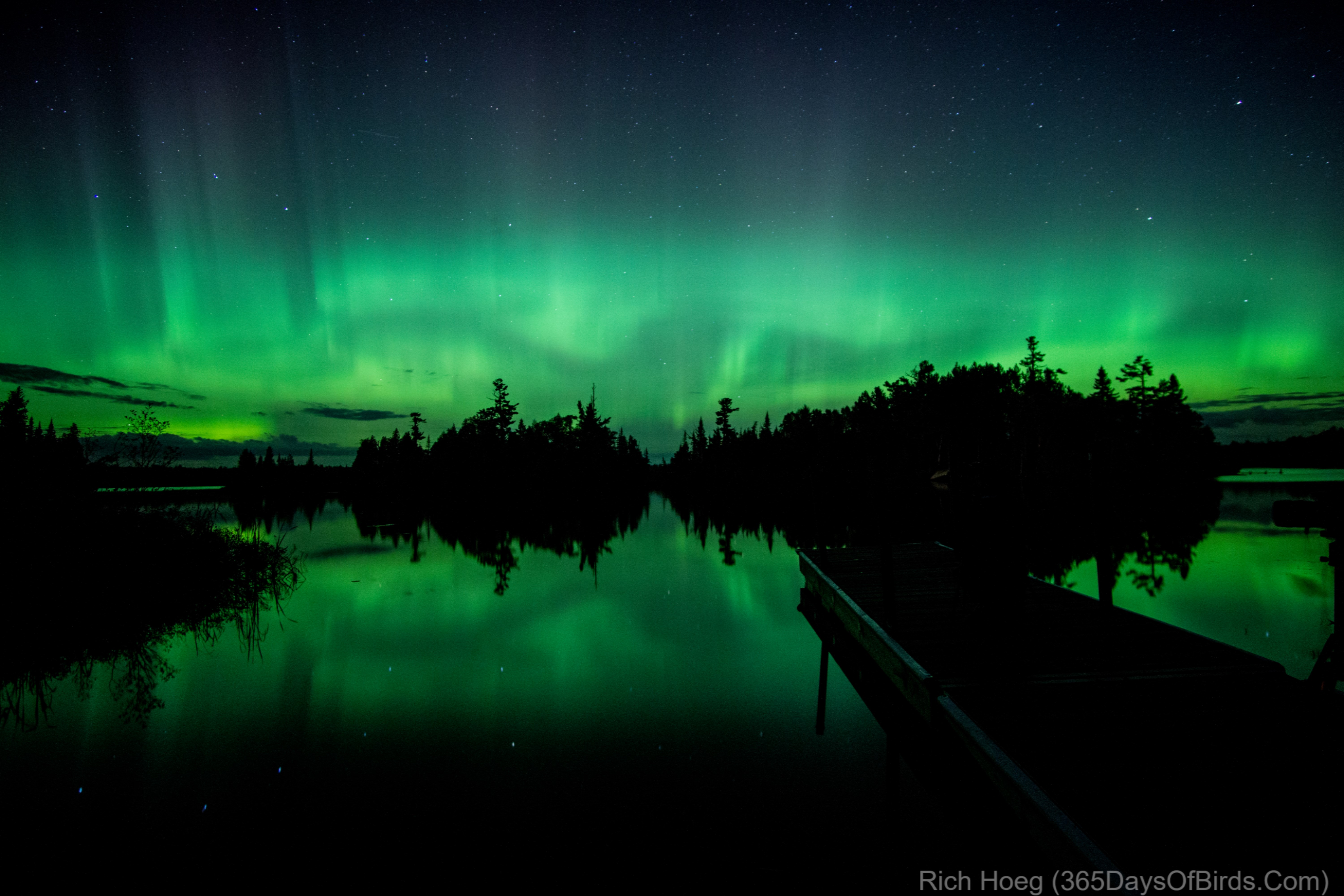
Stewart Lake Northern Lights Intense Storm – 10:43 pm / ISO = 1,600 / Exposure = 8 seconds. Spikes!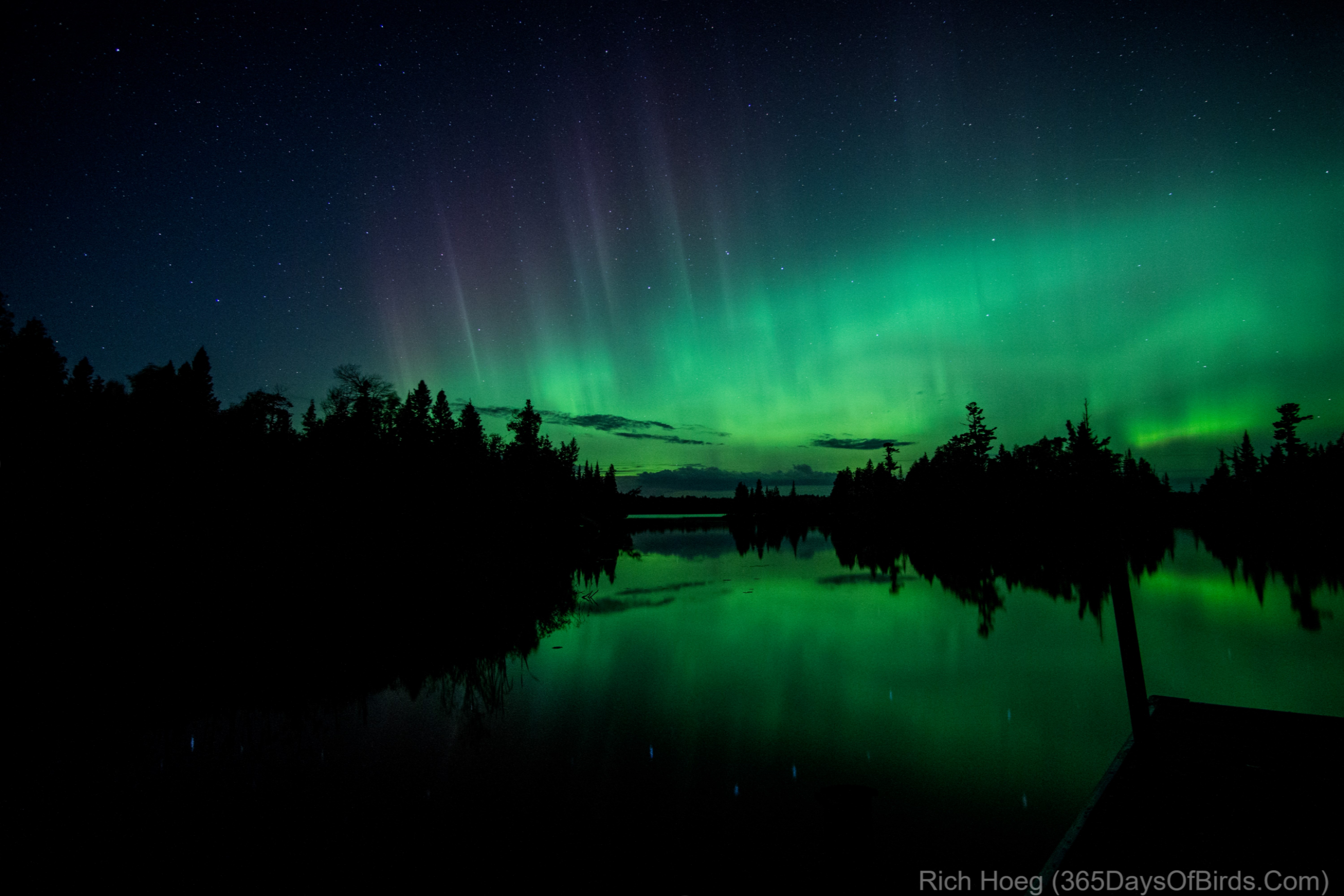
Stewart Lake Northern Lights Selfie – 10:54 pm / ISO = 3,200 / Exposure = 4 seconds. Back to my selfie, but in sequence. This photo actually allows the same amount of light into the camera as the previous image. I doubled the ISO, but halved the exposure time. This allowed me to photograph moving objects … the Aurora’s waves and me. Try standing perfectly still for eight seconds … which is why I went to this setting for four seconds.
Stewart Lake Northern Lights Intense Storm – 10:58 pm / ISO = 3,200 / Exposure = 4 seconds. Some major spiking going on!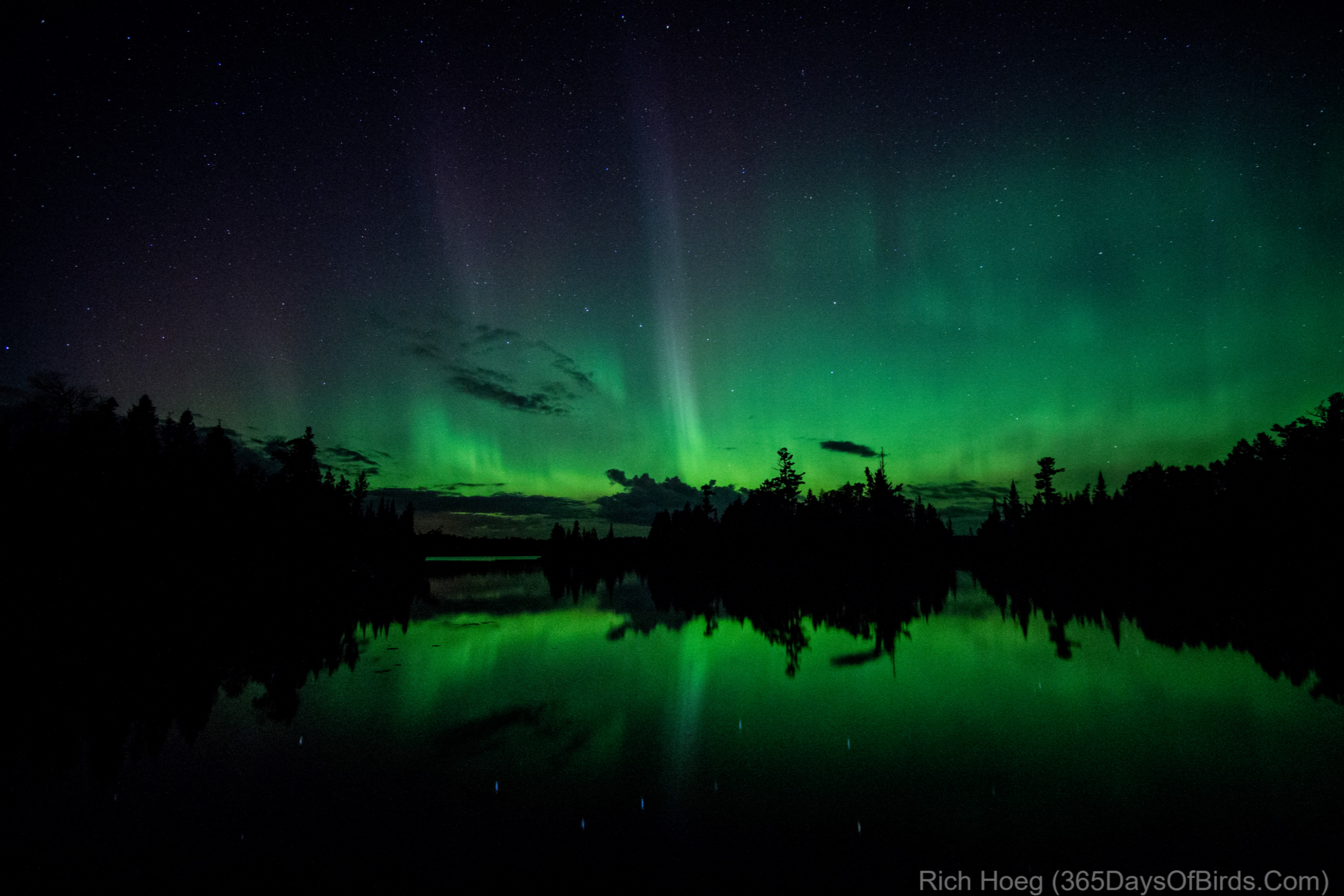
Stewart Lake Northern Lights Storm Ending & Clouds Rolling In – 11:18 pm / ISO = 3,200 / Exposure = 6 seconds.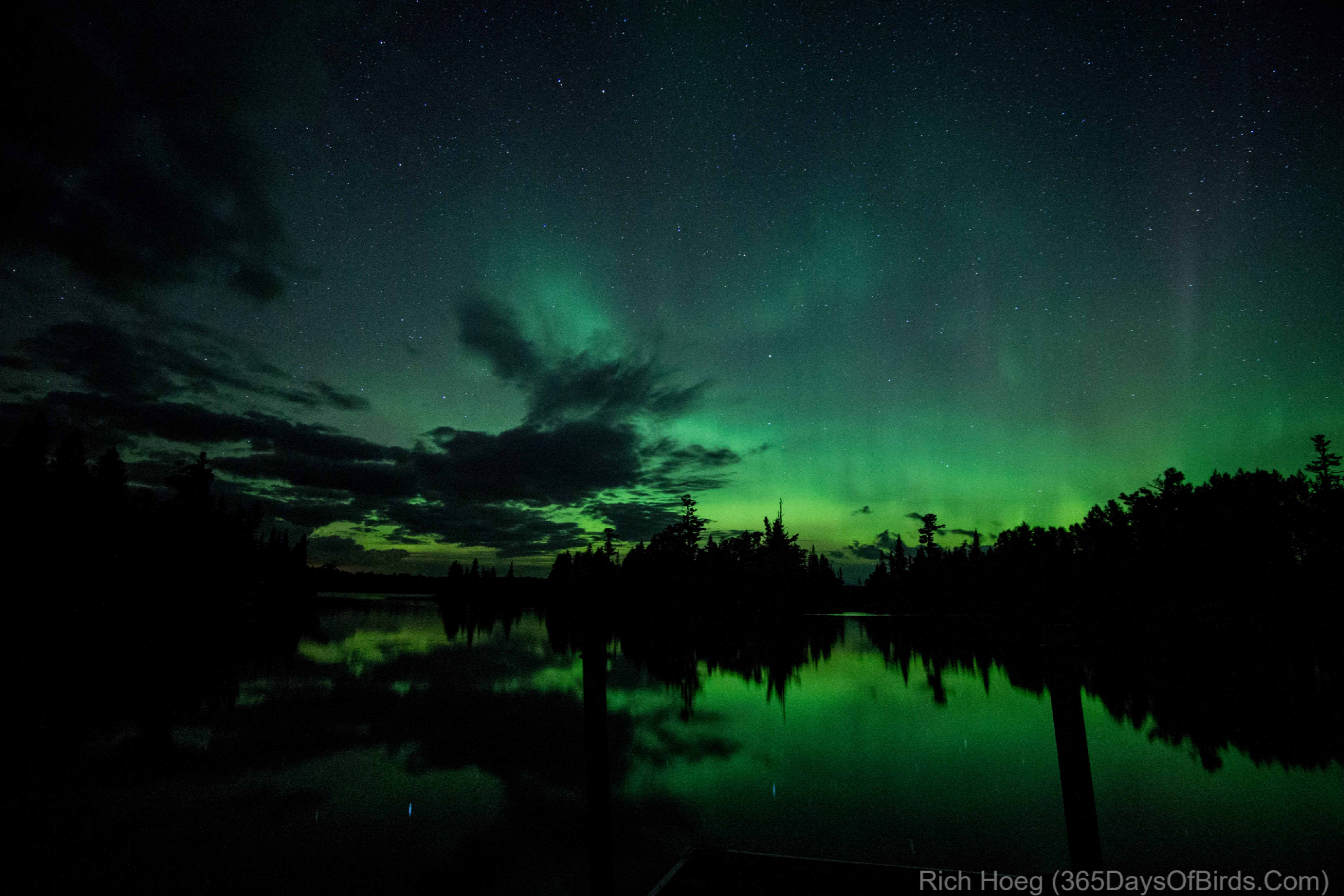
Start to finish, these photographs span a period of 59 minutes. I left Stewart Lake shortly after this final image.