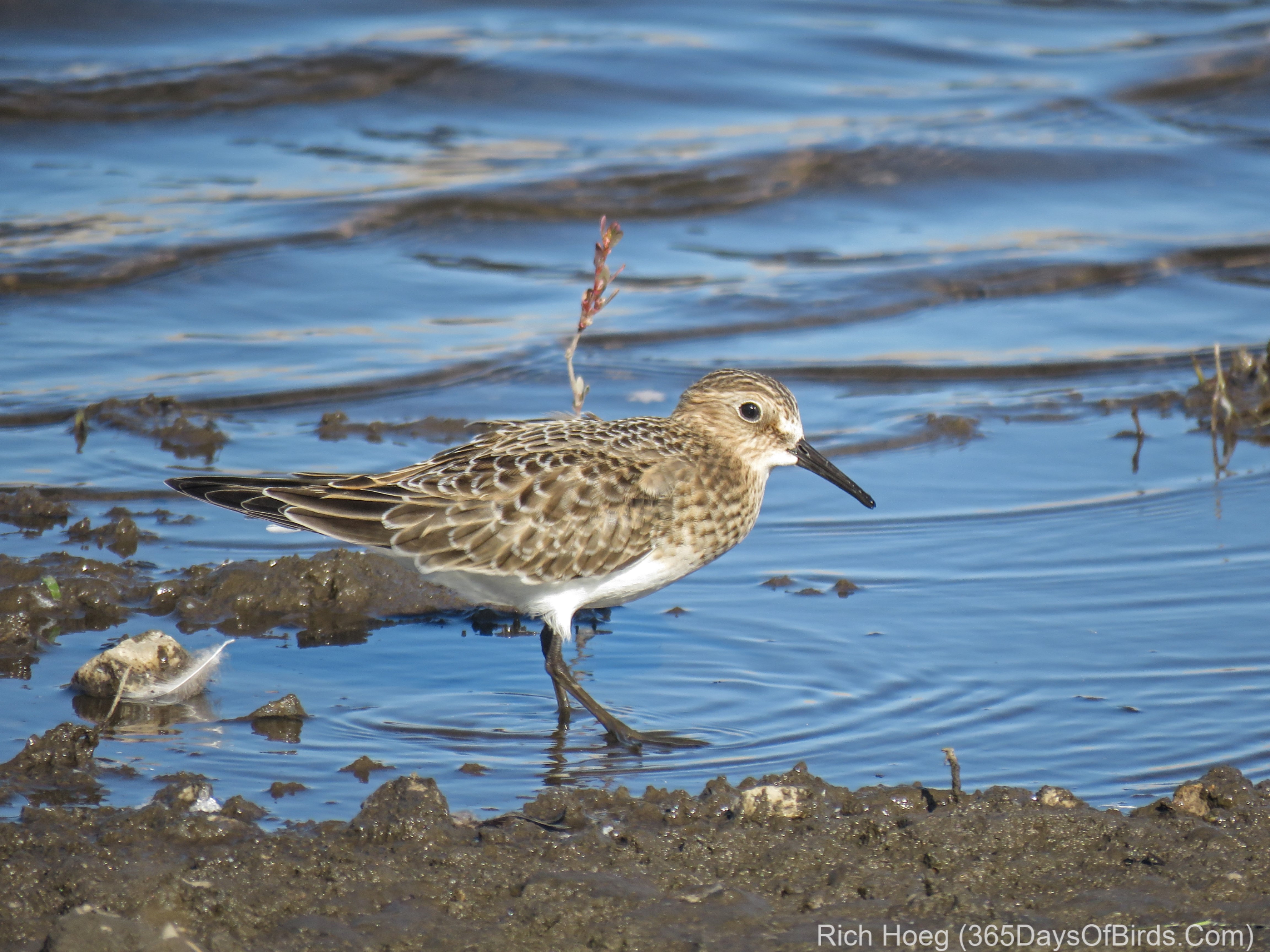
Will the real American Golden Plover please stand up?!
Some of us are old enough to remember the TV show, To Tell The Truth! In this show, a panel of celebrities asked three guests questions in an attempt to determine who was the real guest, and who were impostors. Sometimes identifying shorebirds feels a bit like an episode of this game show. Shorebirds have many different plumage patterns, which vary by the season of the year, and whether a bird is a male, female, breeding male, breeding female or an immature bird.
Over the past few days I have seen many American Golden Plovers, and sandpipers on the Duluth waterfront as these birds migrate down from the shores of the Arctic Ocean to “southern” South America in the plover’s case. Mudflats near Lake Superior are favorite resting / feeding spots as these birds recharge for many thousands of miles that have yet to migrate.
Given, assuming some luck on my birding expeditions, I only see these shorebirds a few weeks out of the year during the northern and southern migrations. Given such a short viewing window for birds I only see a few days per year, and given the fact birds like the American Golden Plover have many plumage options, obtaining a proper ID is difficult. Here are some of resources I use to help with my identification process.
First … some photos that I took of the plovers, and then I will work through the identifications resources. However, the first resources that is very useful pdf booklet from the Migratory Shorebird Project.
Here are the photos I used for my initial ID’s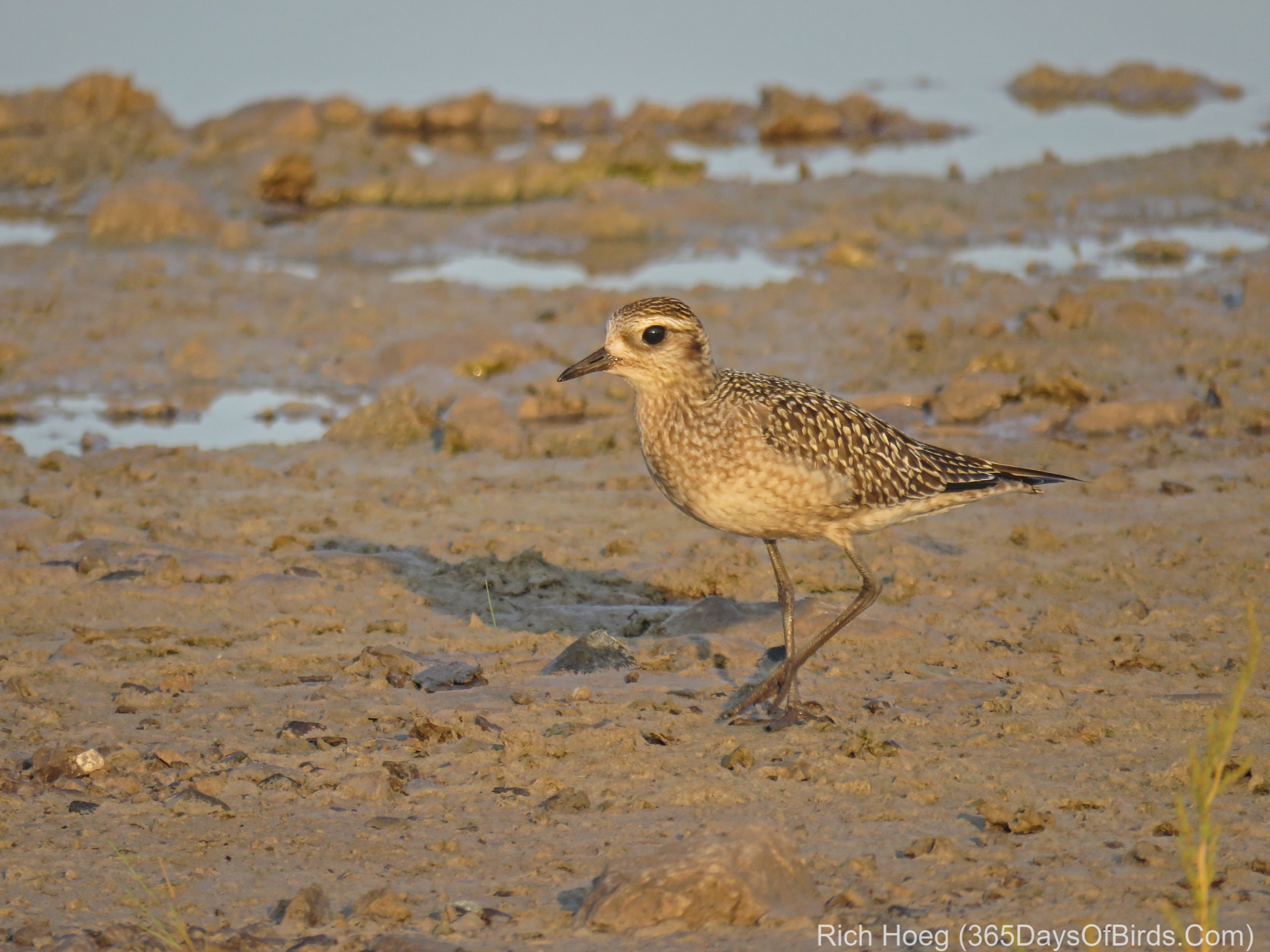
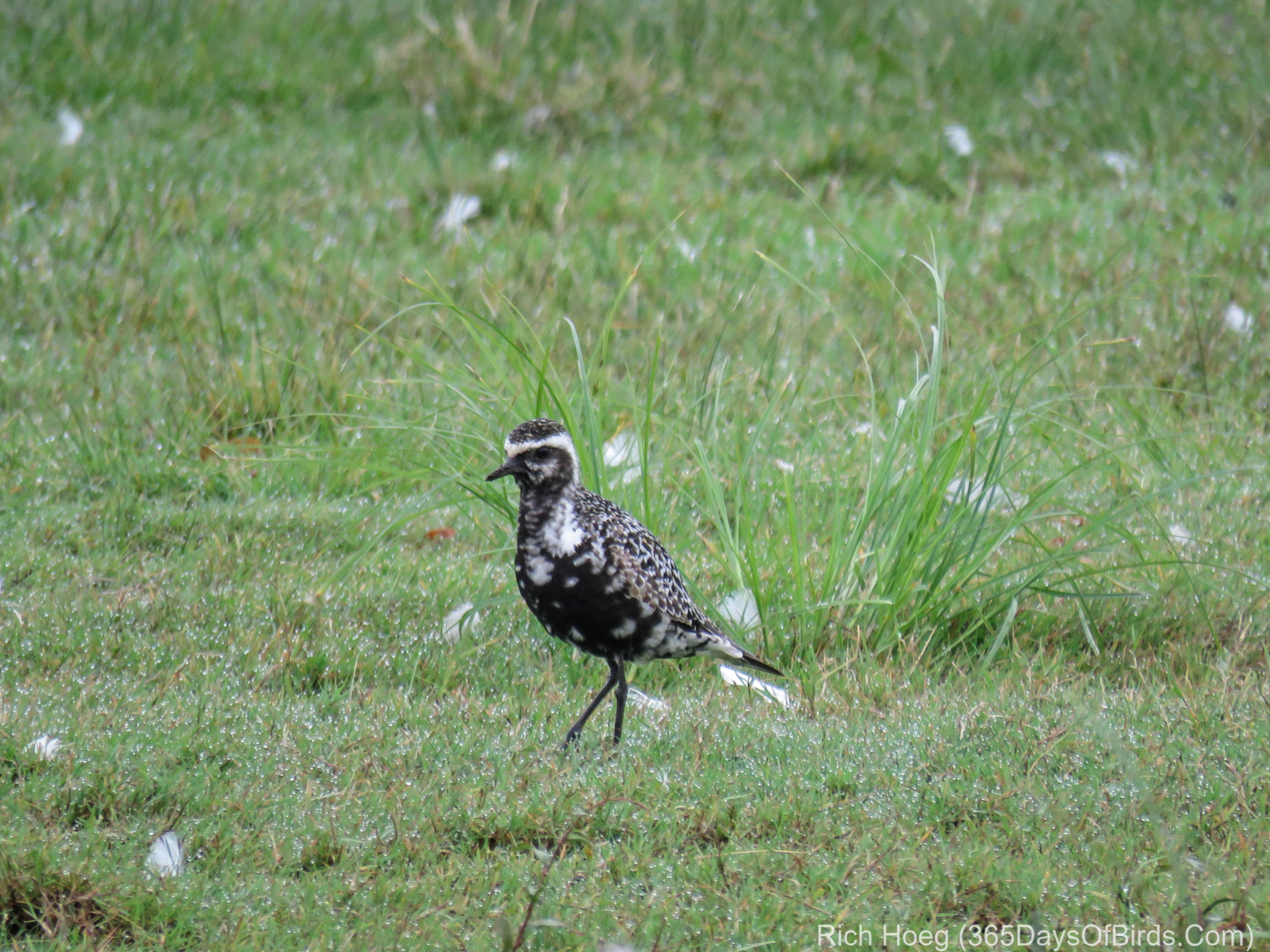
And a few other American Golden Plovers in varying stages of plumage …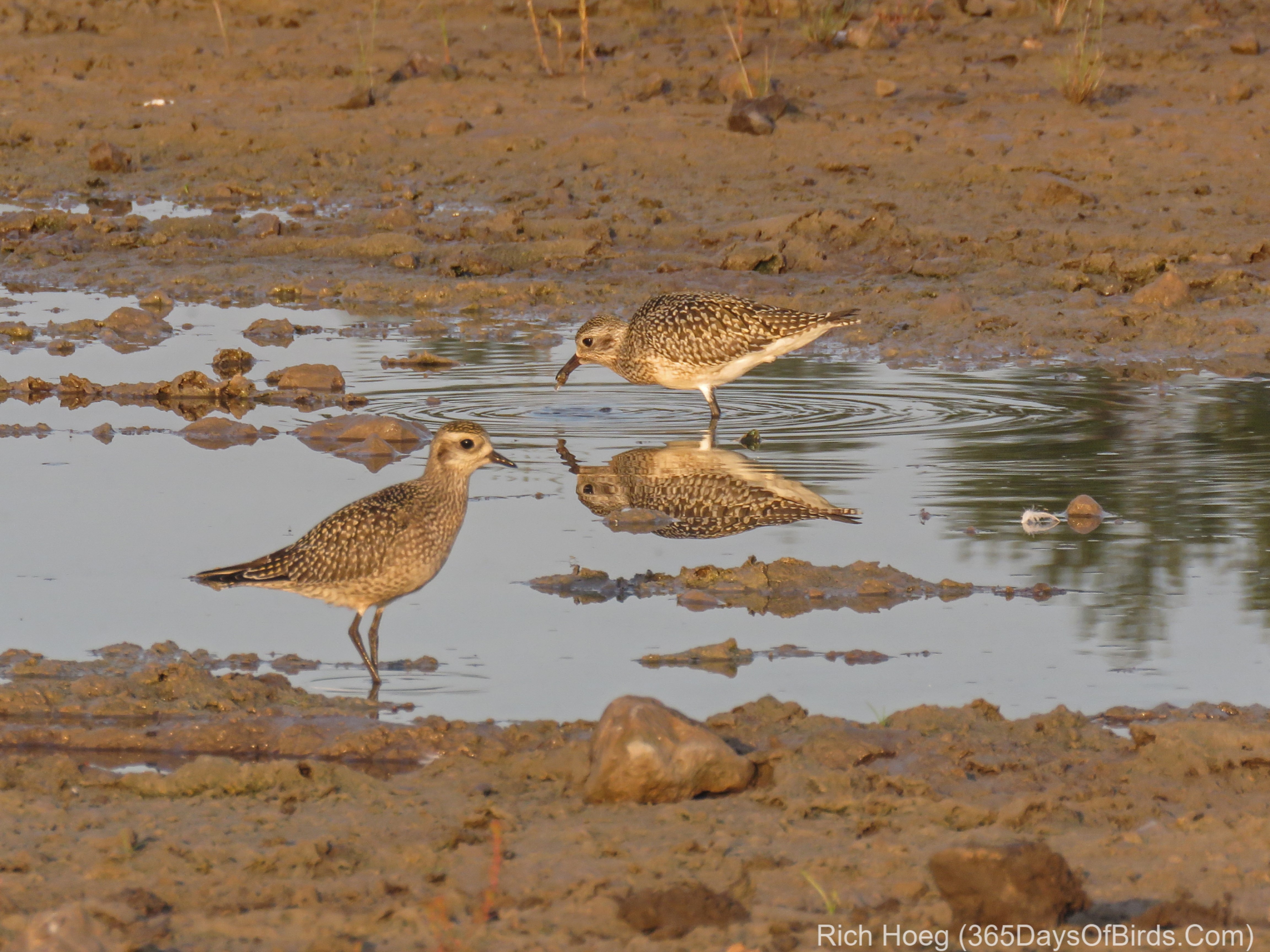
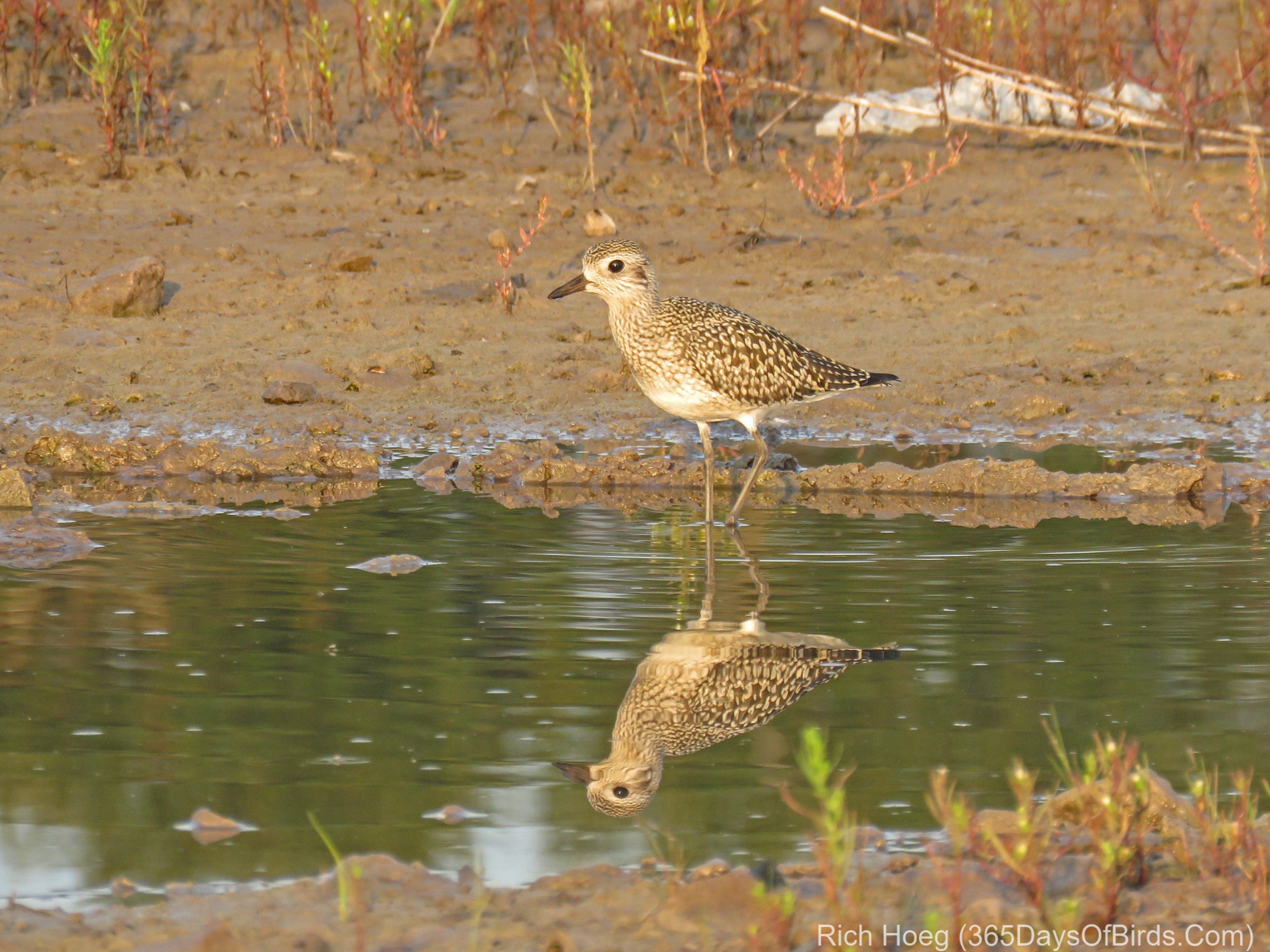
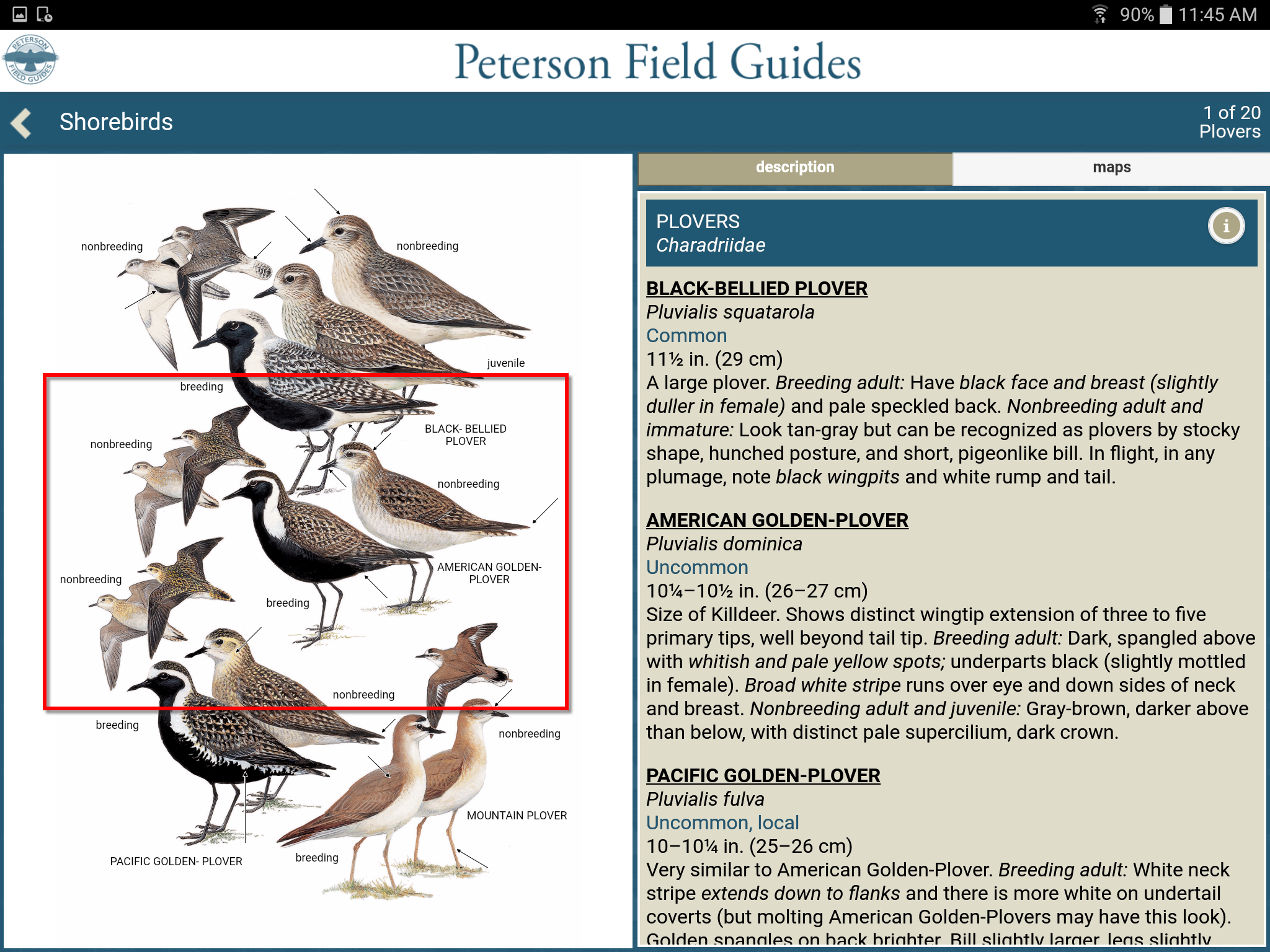
My two other resources in addition to the pdf booklet, are the Peterson Bird App, and Cornell’s Merlin Bird ID. I like the Peterson app because its initial bird image screens show you many different birds at once in varying stages of plumage. After some initial work, I then can drill further into the app and review photographs. Some apps only show you a photograph of a breeding male on the initial screen for any bird specie. In this instance, that would be almost useless. Here are two screenshots from Peterson’s: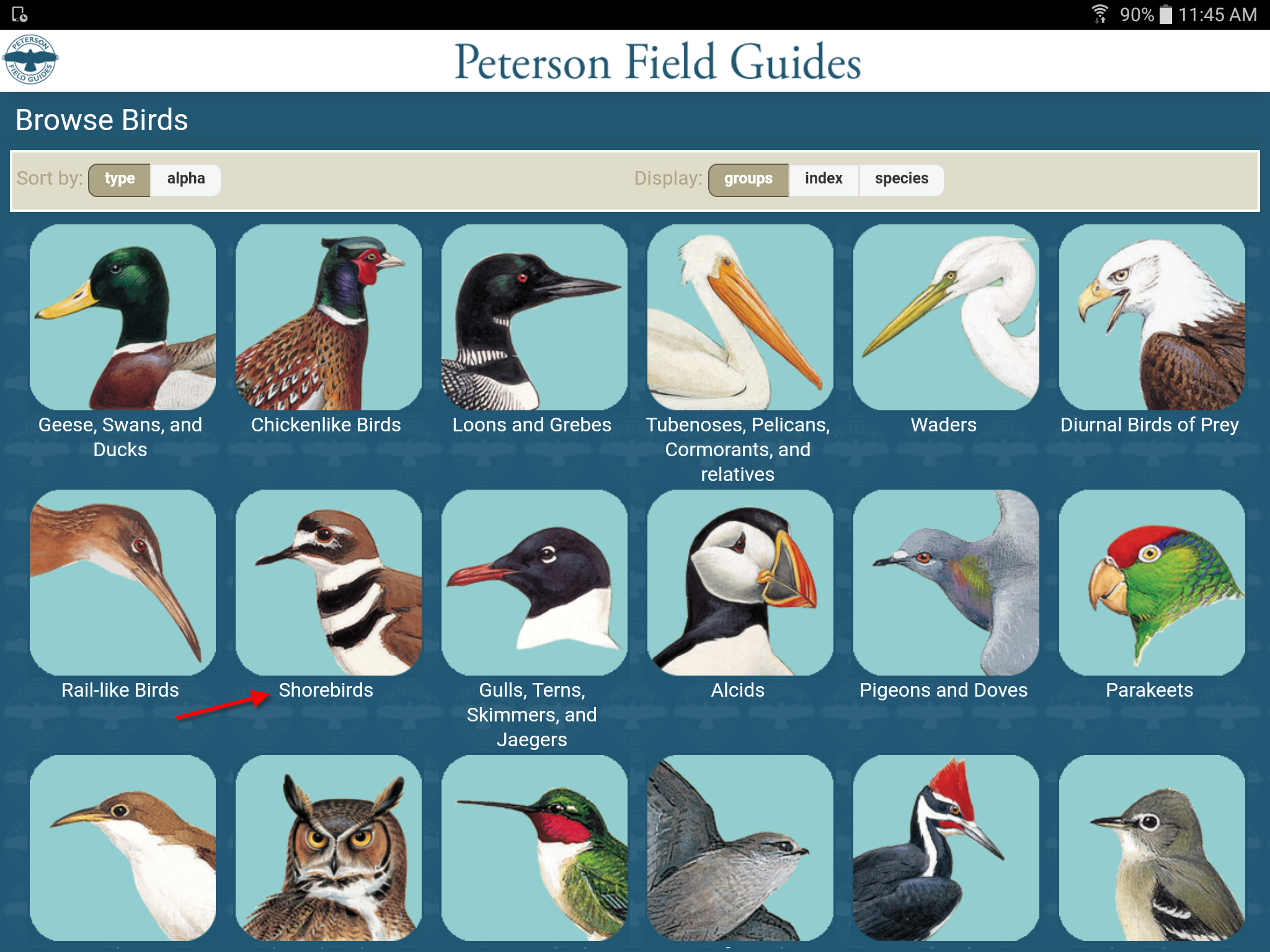
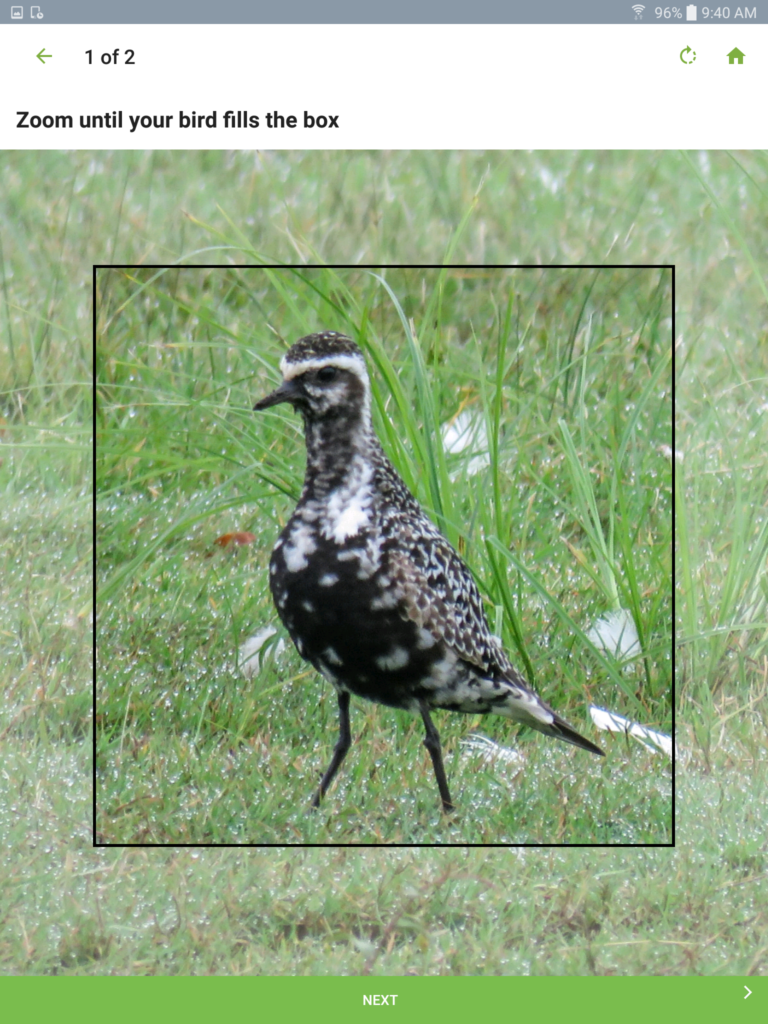
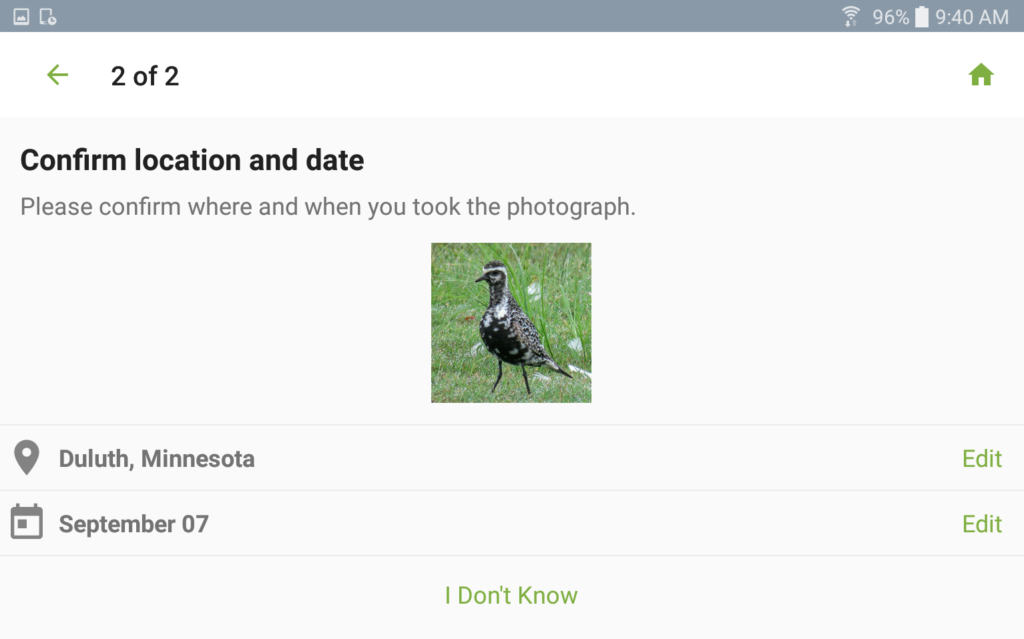
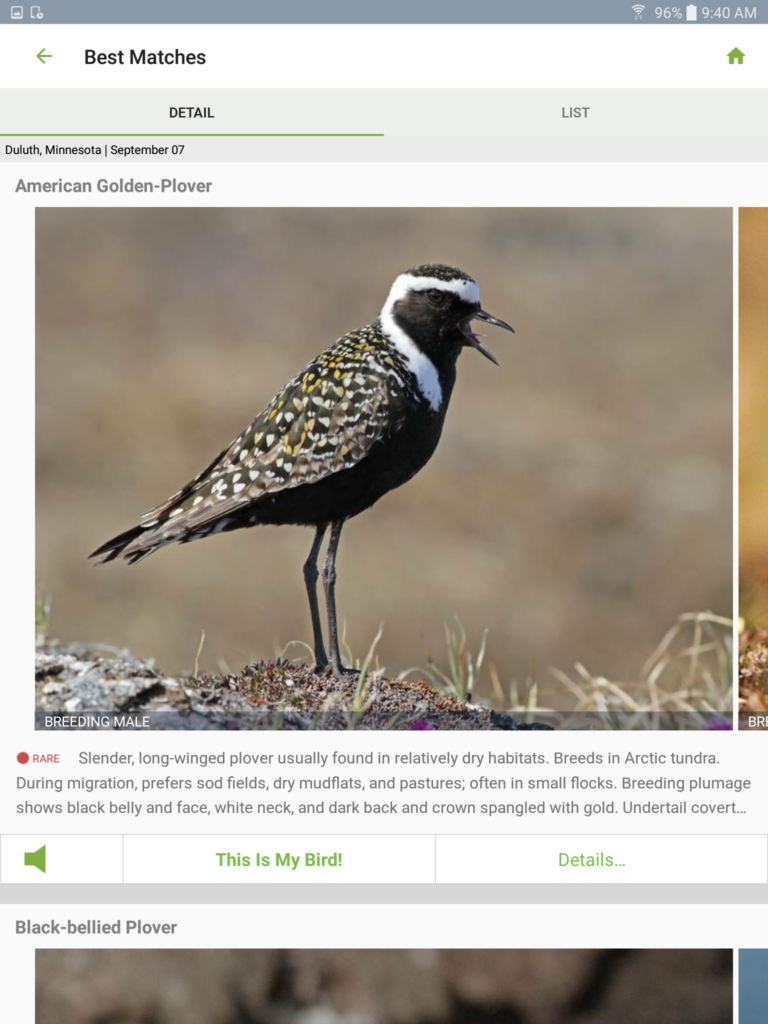
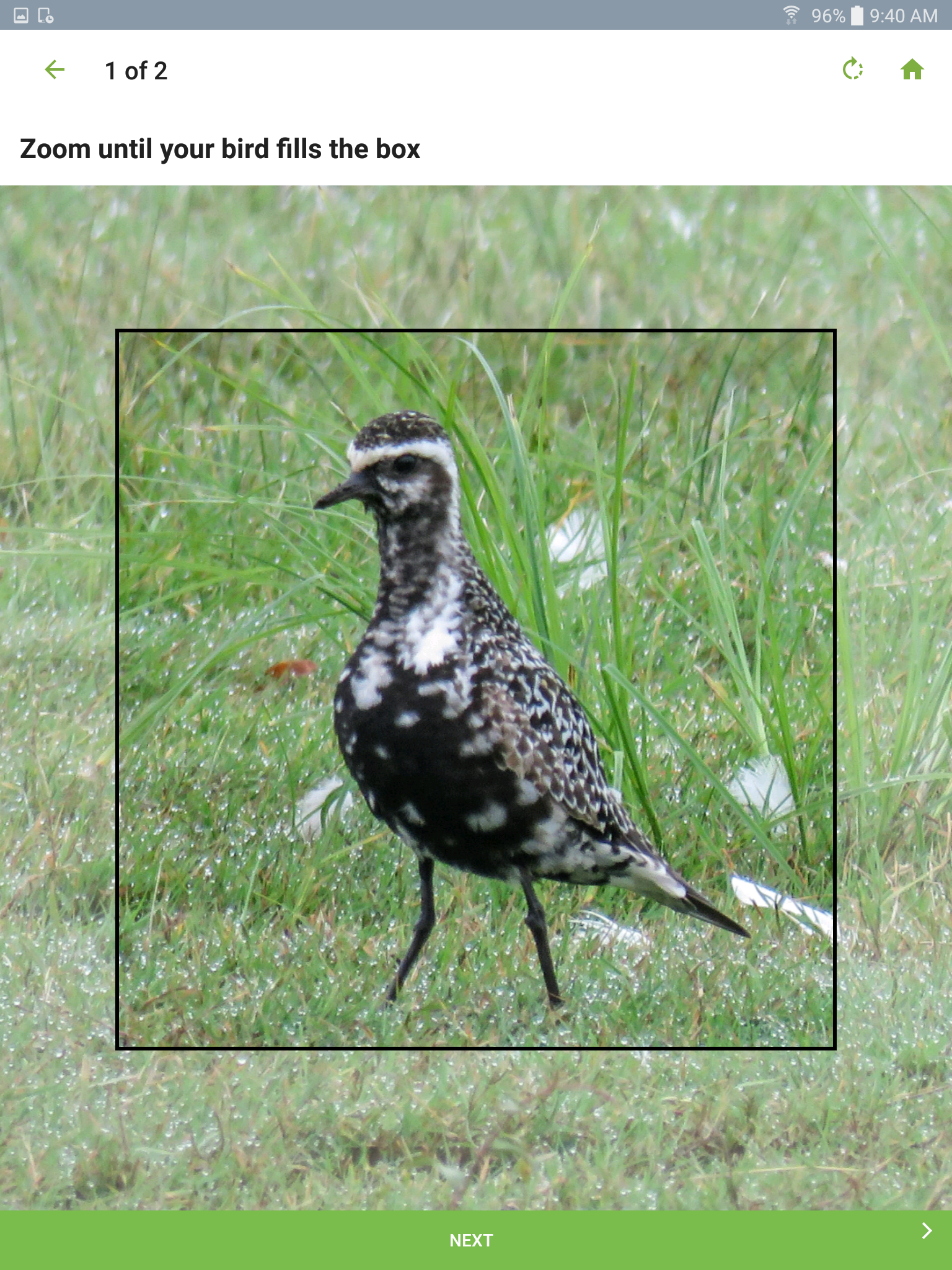
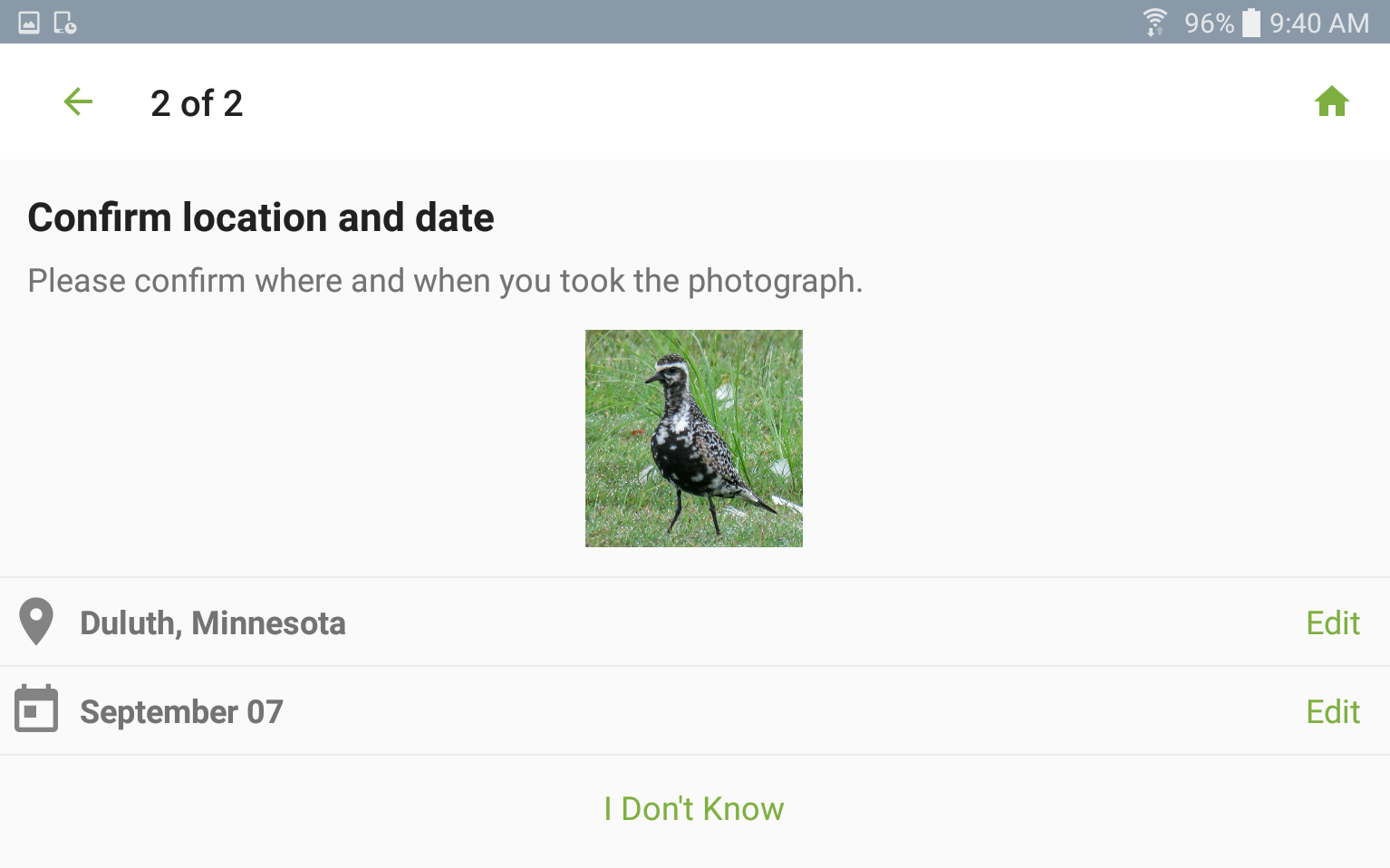
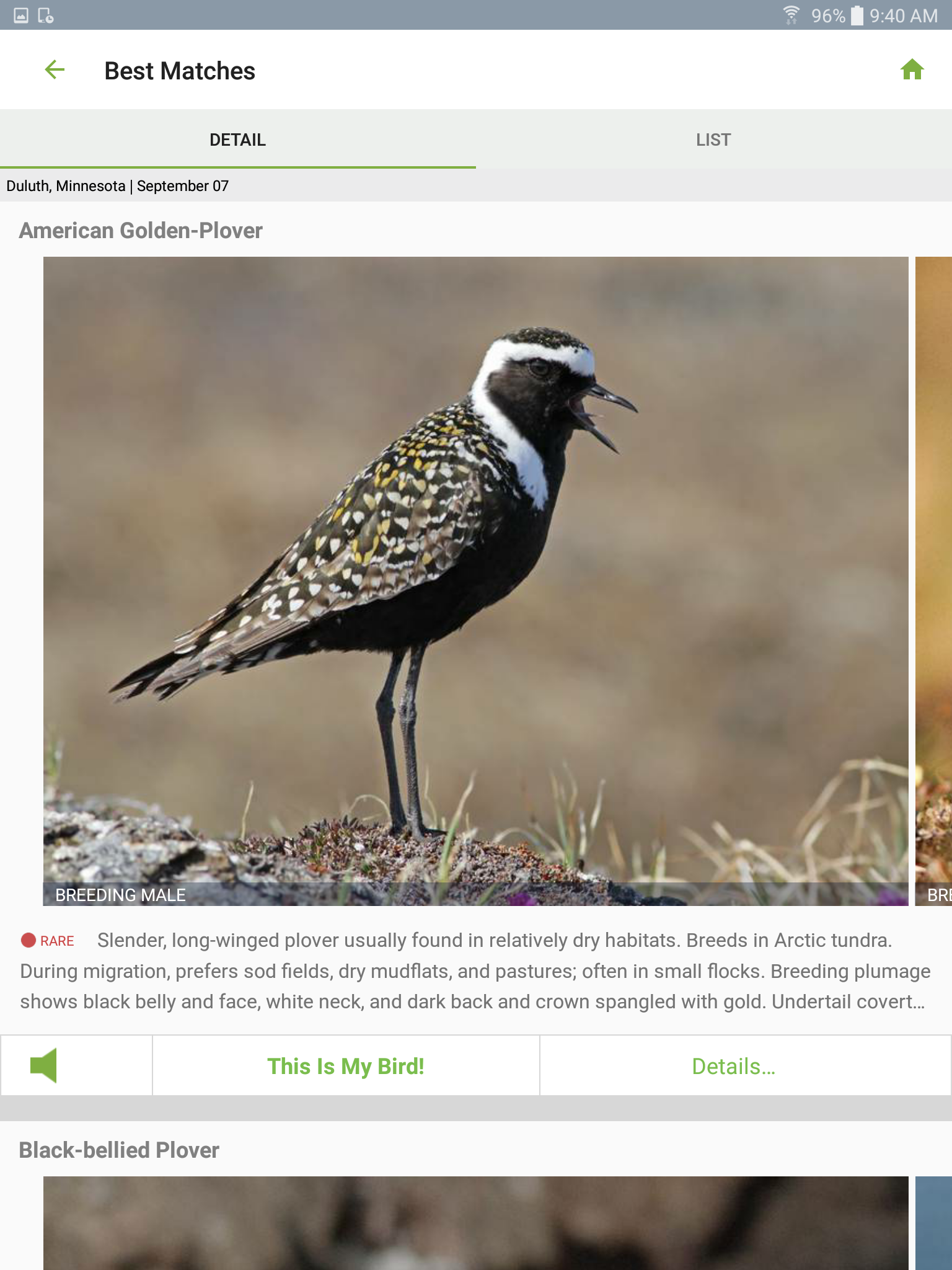
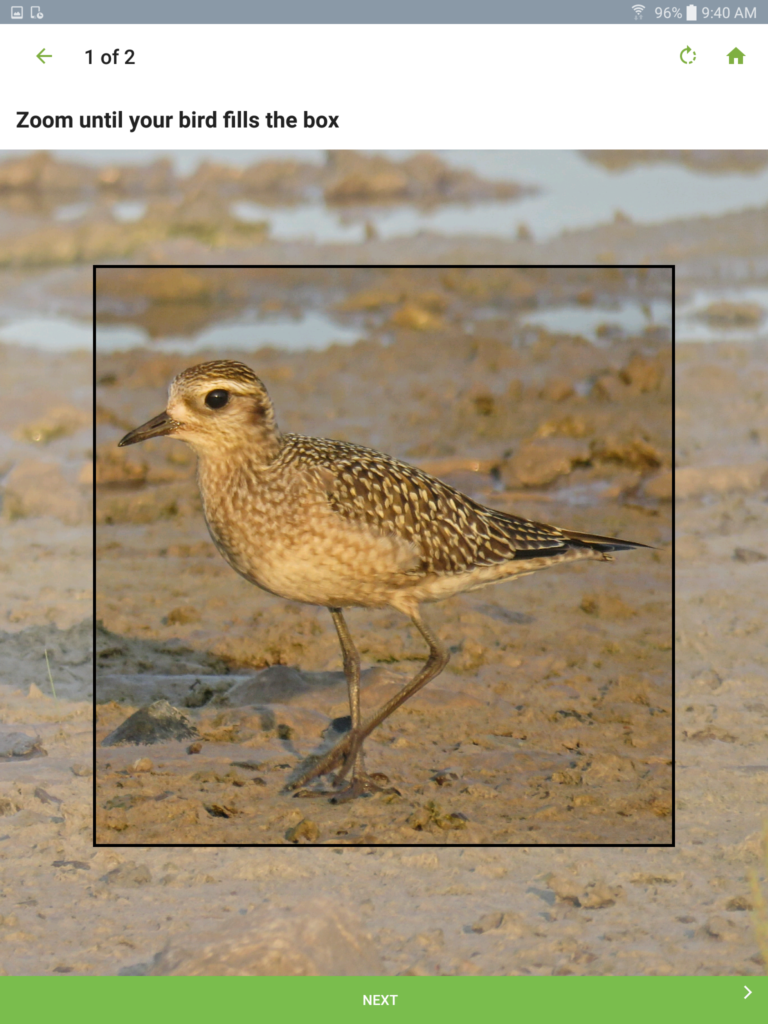
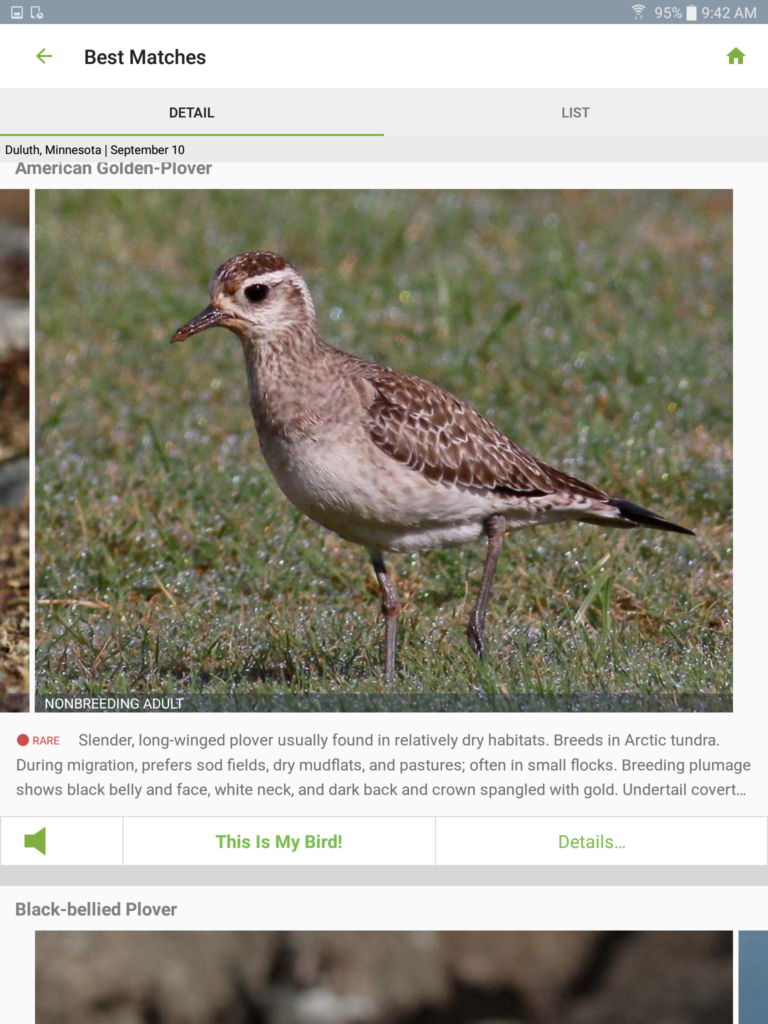
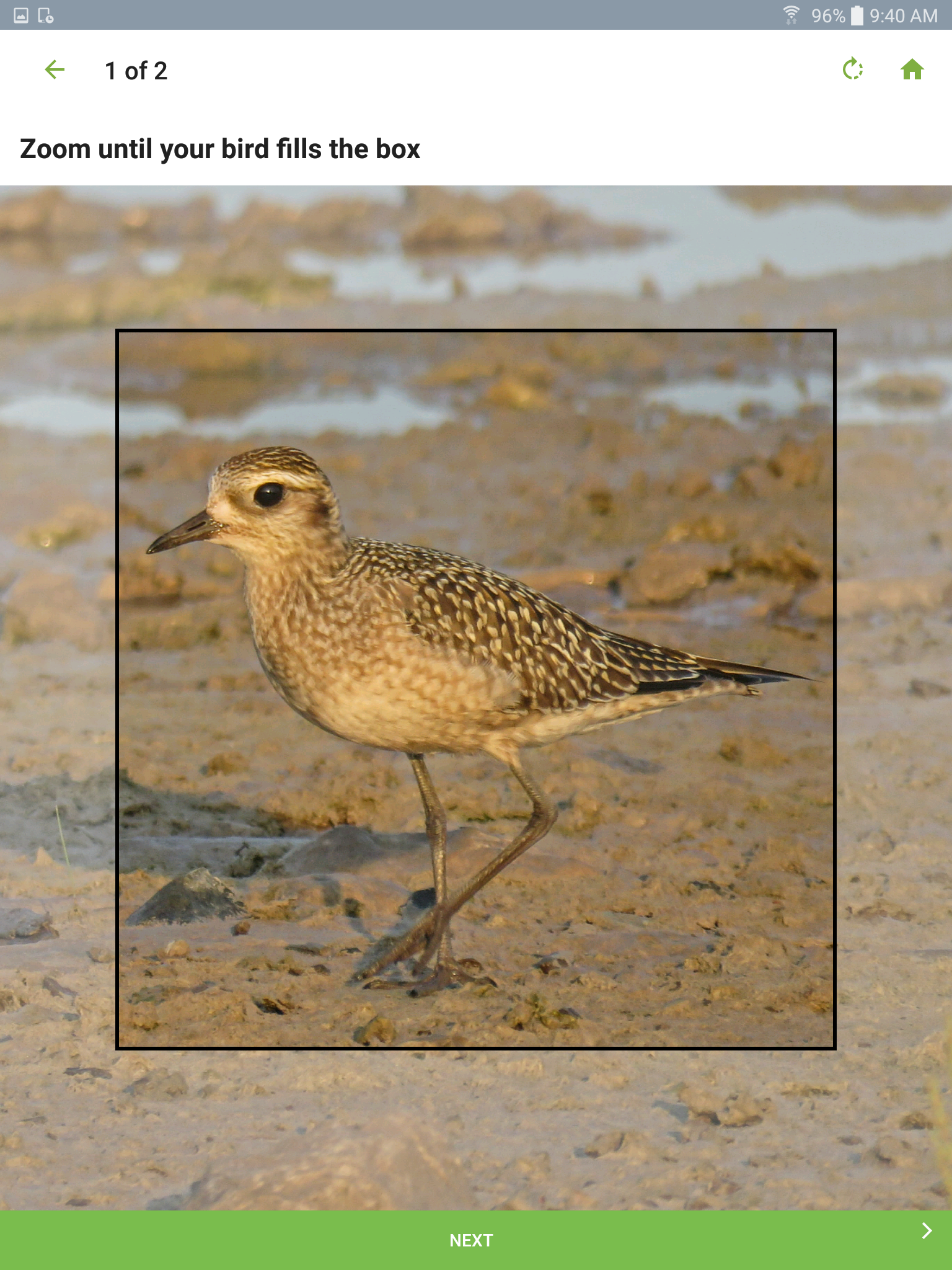
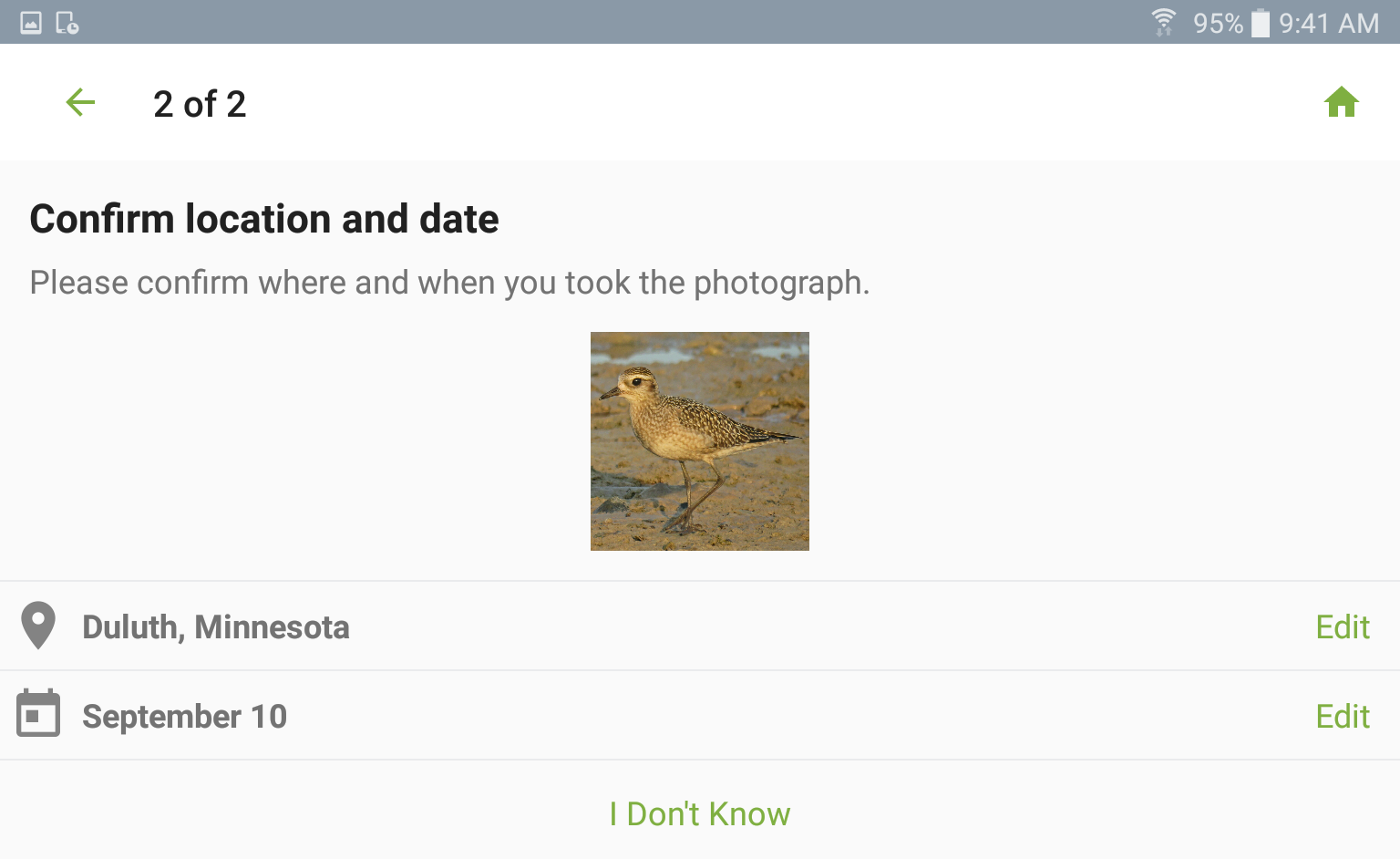
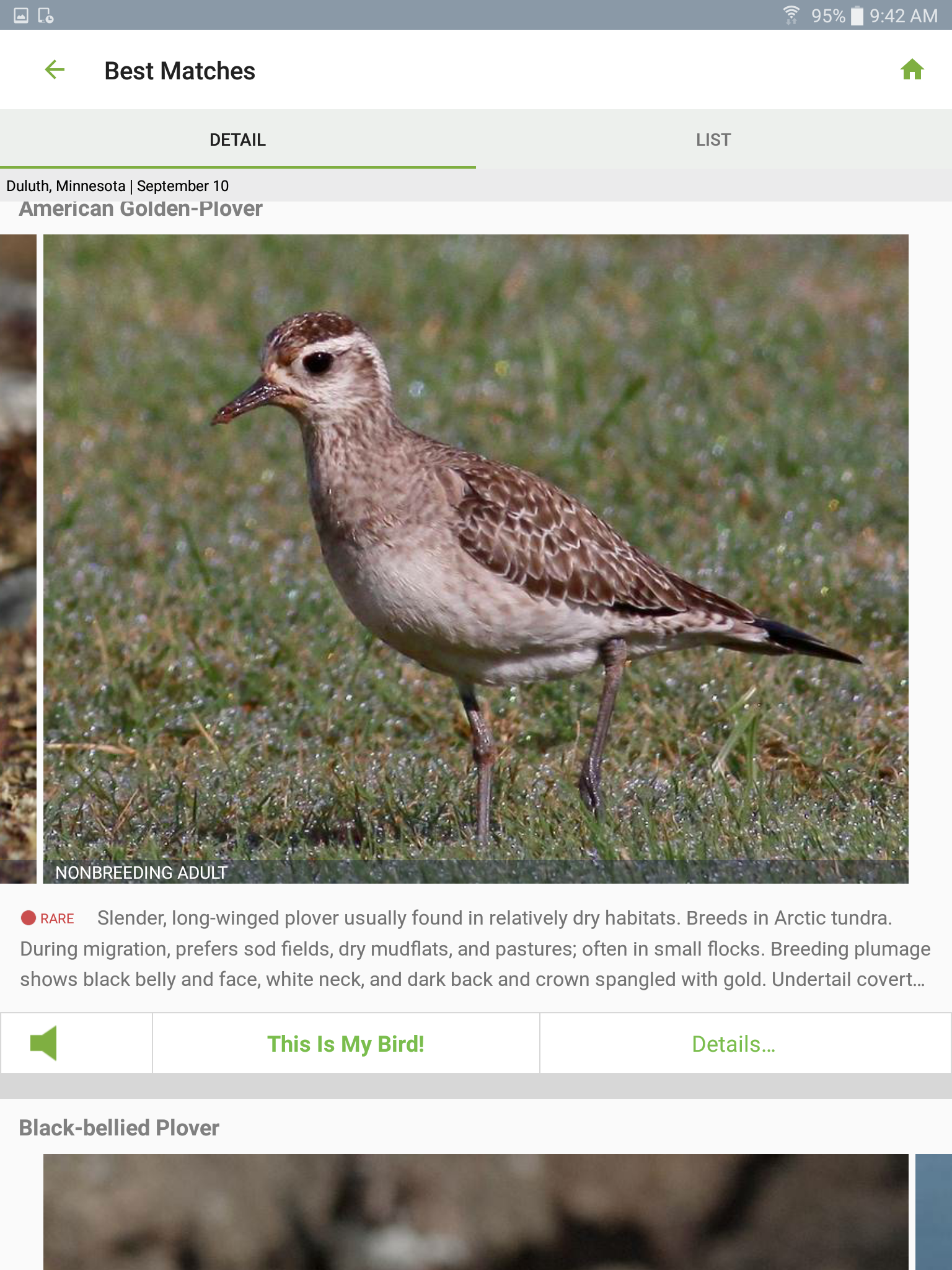
Assuming one is still having difficulties with obtaining a proper identification, I then move on the Cornell’s Merlin Bird ID. Using one of my own photographs, I am able to submit that image into Merlin which then returns a bird identification. Merlin then returns photos in all the different plumage options of what the app thinks is my bird. Merlin Bird ID scored perfectly. Here are some screenshots from my process of working with Merlin. Remember, I had to dramatically different plumage options of the same specie, the American Golden Plover.
Example 1:
- Adjusting my photo to the input box
- Confirming my birding date and location
- Merlin’s educated guess. It’s correct!
Example 2:
- Adjusting my photo to the input box
- Confirming my birding date and location
- Merlin’s educated guess. It’s correct!
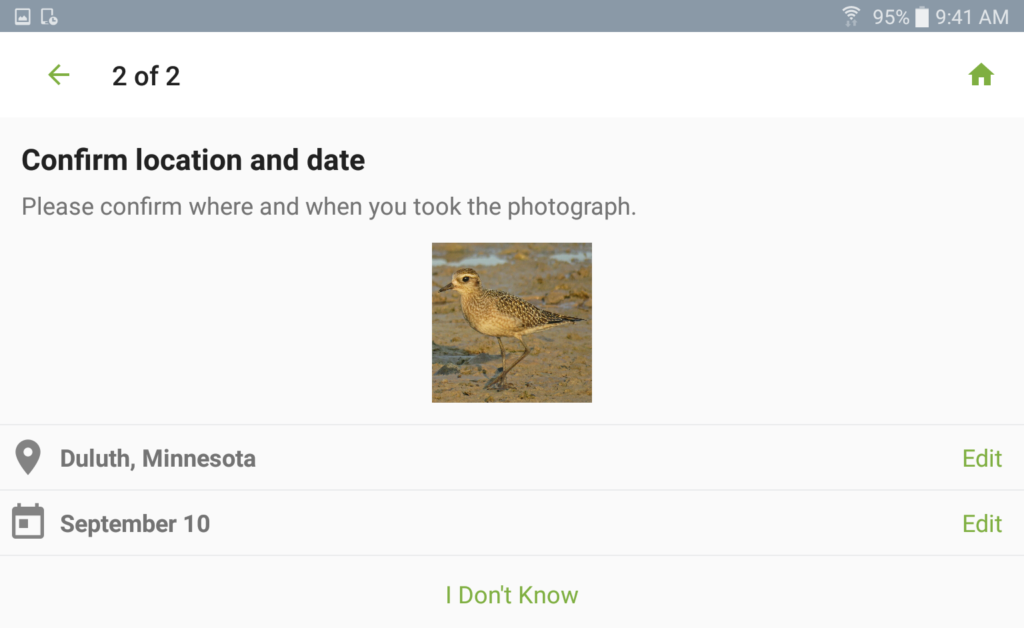
I hope introducing these resources will help you with the difficult process of shorebird identification. Although I actually know the plumage options for American Golden Plovers quite well, I used the same process to confirm a Baird’s Sandpiper two days ago.