Category Archives: Year 3

Pagami Creek Wildfire / Tomahawk Road Birding

Not the usual suspects!

After days of fog, rain and wind, the forecast seemed to indicate that sun would arrive in northern Minnesota. With faith in the weatherman, I drove north from Duluth at 5:30 am under cloudy skies and lingering fog. My goal was the Pagami Creed Wildfire burn area, which is a bit north of Isabella, Minnesota. One uses Tomahawk Road, an 18 mile long dirt logging road (detailed directions: see last December’s post), to enter the wilderness. While some folks may regard forests fires as a blight on the beauty of the outdoors, without these burns our forests would not regenerate and become more hospitable to all kinds of wildlife. I know from experience that Black Backed Woodpeckers love burned out areas, but today not a woodpecker was to be found near Isabella Lake. Even better, the weather forecast had been correct. When I approached the forest fire area the morning clouds burned off and I was left with crystal blue skies!

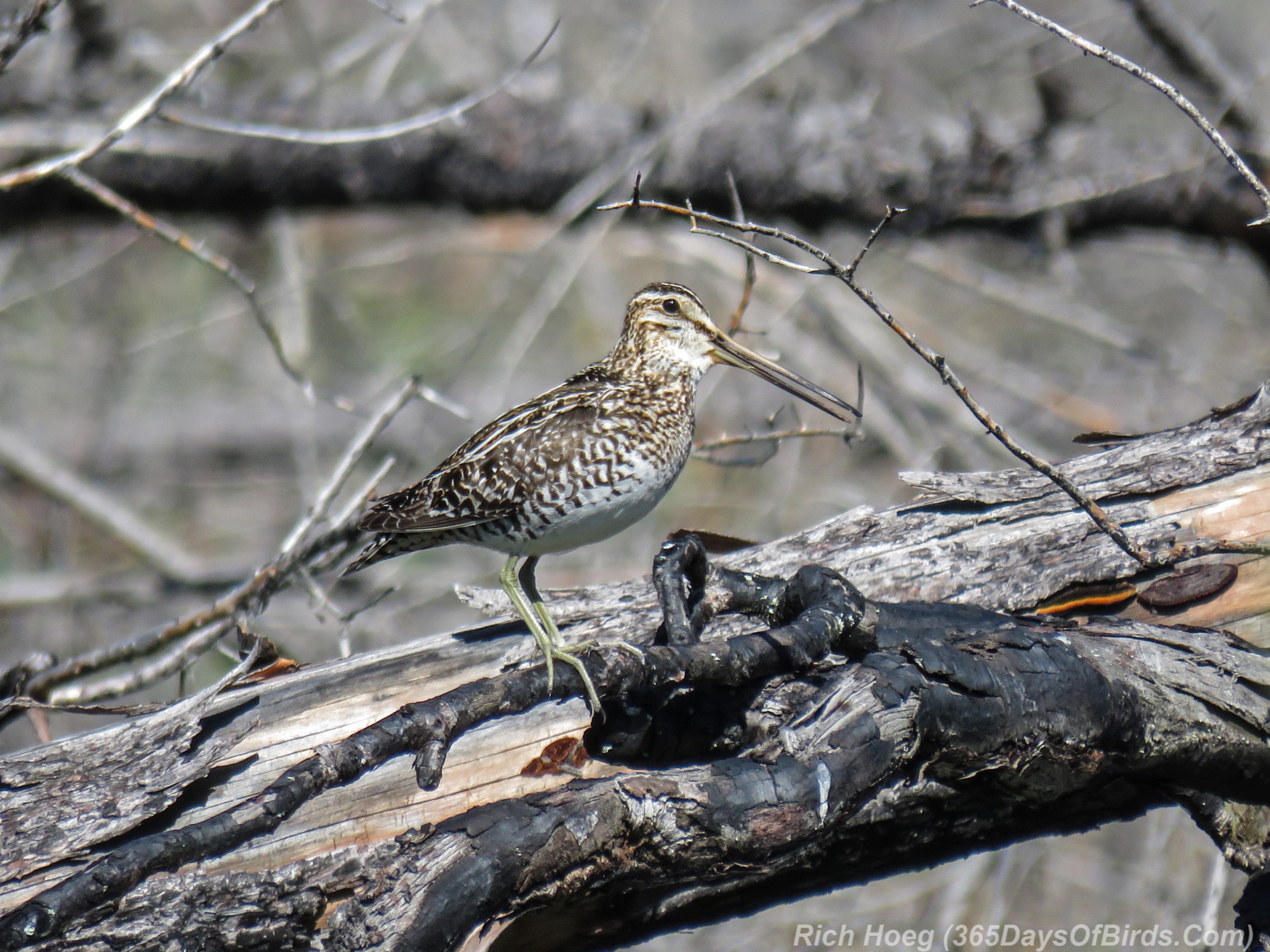
Upon nearing the Isabella River I struck pay dirt in terms of birds! A strange bird was crying out … at least for me. Using my bird app on my smartphone, I quickly discovered I was hearing a Wilson’s Snipe. One very nice think about bird apps is they have recorded sounds of most birds. Once I determined I was hearing a Wilson’s Snipe, I found an area with several calling and used my app to sing along (iBird Pro). Better yet, I did not even have an accent! iBird Pro North America even tells one where the bird recording was taken. In my case,  I was projecting a Wilson’s Snipe recorded in Minnesota. No southern accent for me! After 20 minutes I managed to pull the snipes in closer and enjoyed a nice photography session. The snipes seemed to like the burned out wood piles just across the Isabella River bridge.

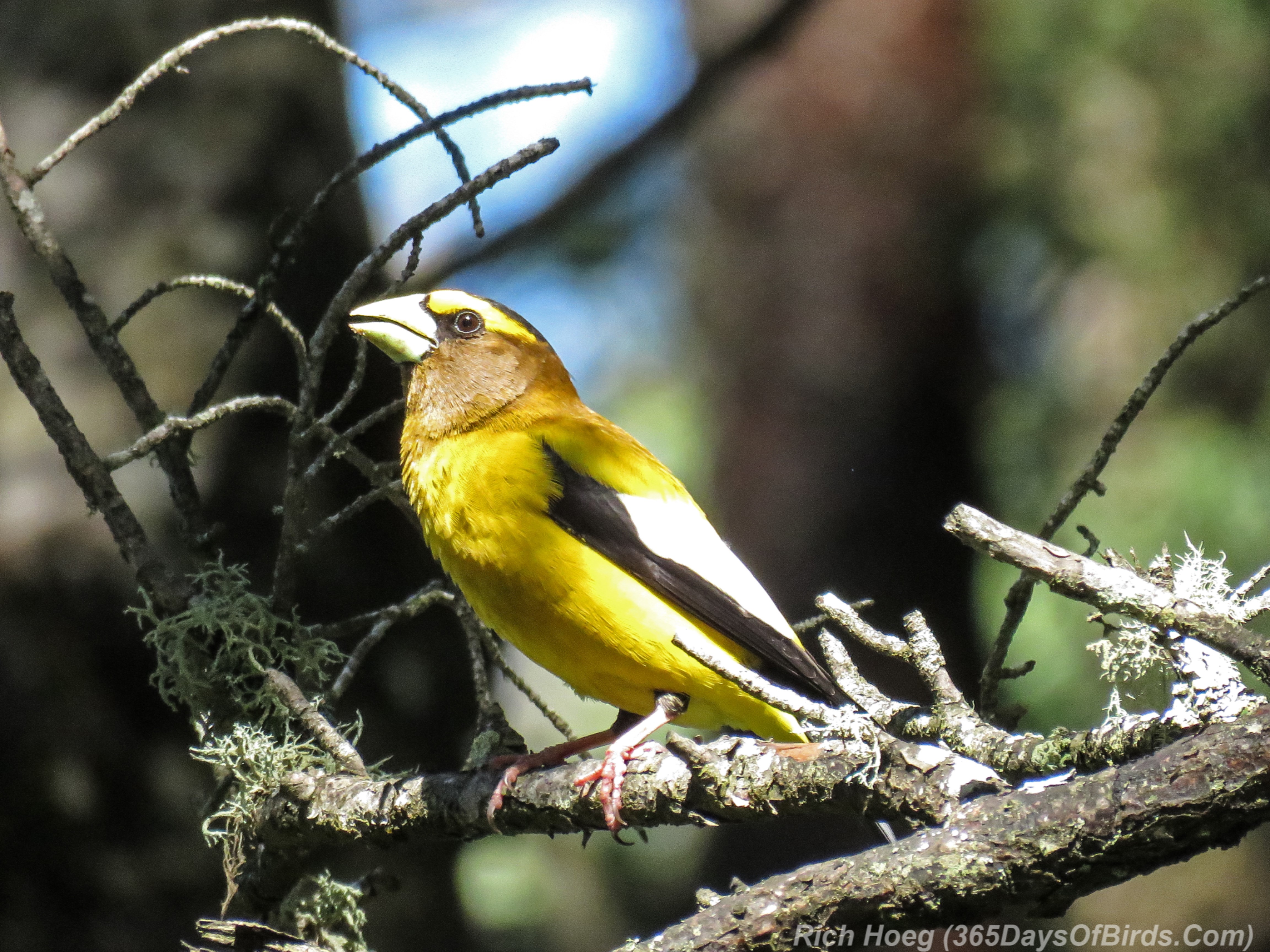
The area was teeming with warblers and other birds, but they were not my focus. However, on the way back to hwy #1 while in the mature pine forest area (not the burned out zone), I stumbled across an evening grosbeak couple!

Thus, while normally I hope to see black backed woodpeckers and spruce grouse, even though I was shut out on those birds, it was a rewarding morning!

Wilson’s Snipe Singing

———-
Wilson’s Snipe Perched on a Burned Out Log

———-
Wilson’s Snipe Photographs
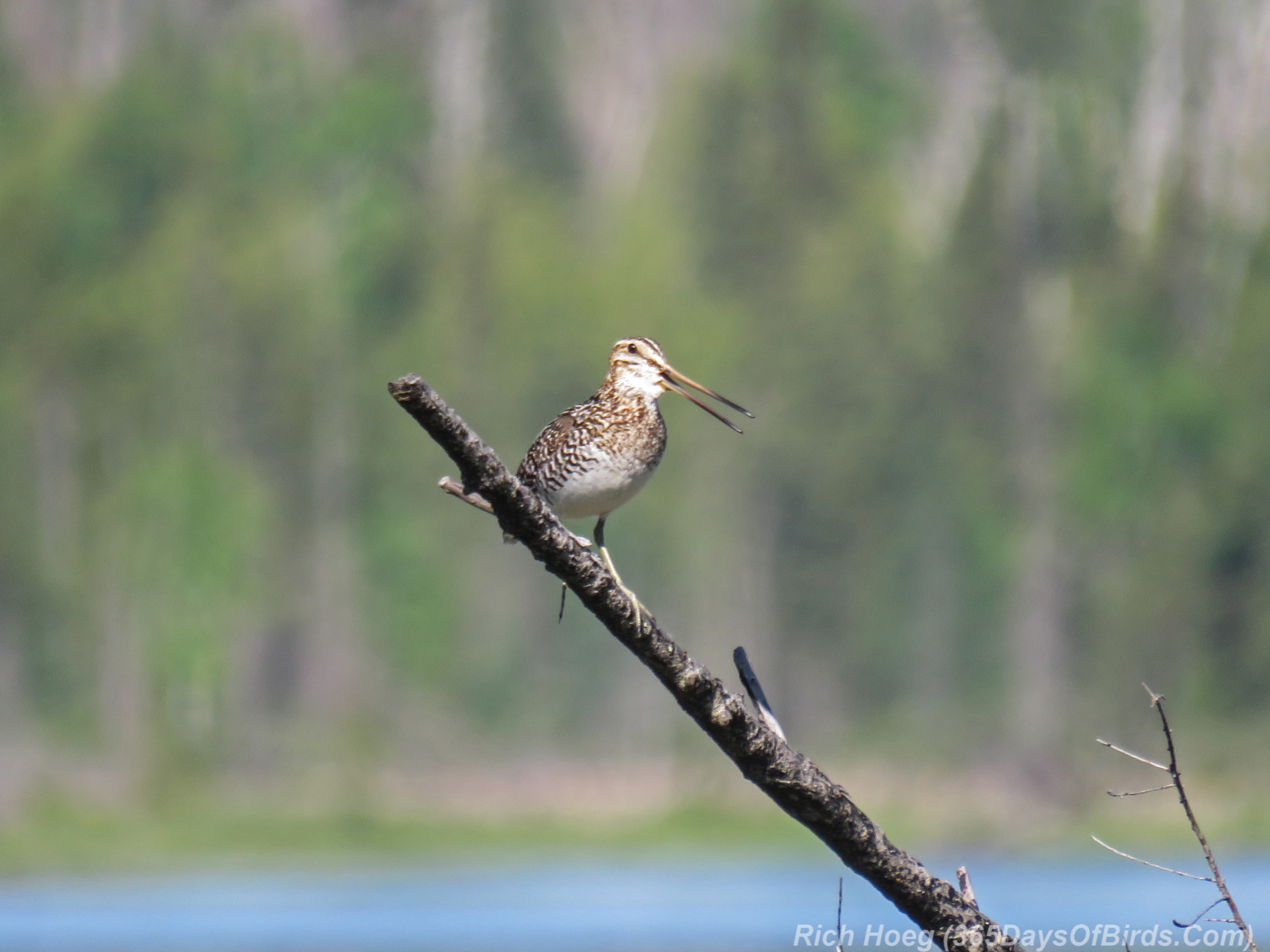
Y3-M06-Pagami-Creek-Wildfire-Wilsons-Snipe-1-Singing Y3-M06-Pagami-Creek-Wildfire-Wilsons-Snipe-3-Singing

———-

Evening Grosbeak (male)
Y3-M06-Pagami-Creek-Wildfire-Evening-Grosbeak-2

———-

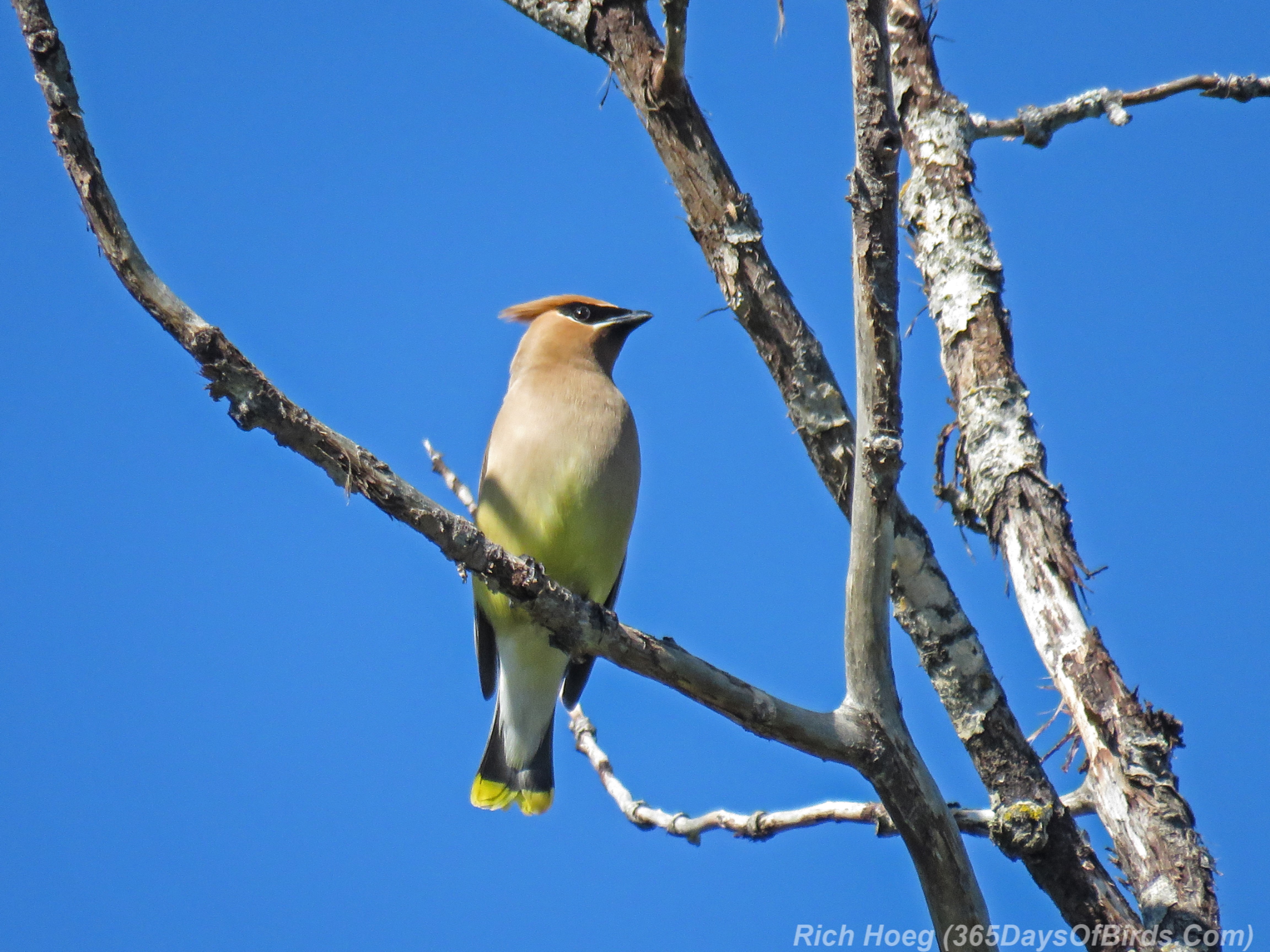
Cedar Waxwing
Y3-M06-Pagami-Creek-Wildfire-Cedar-Waxwing

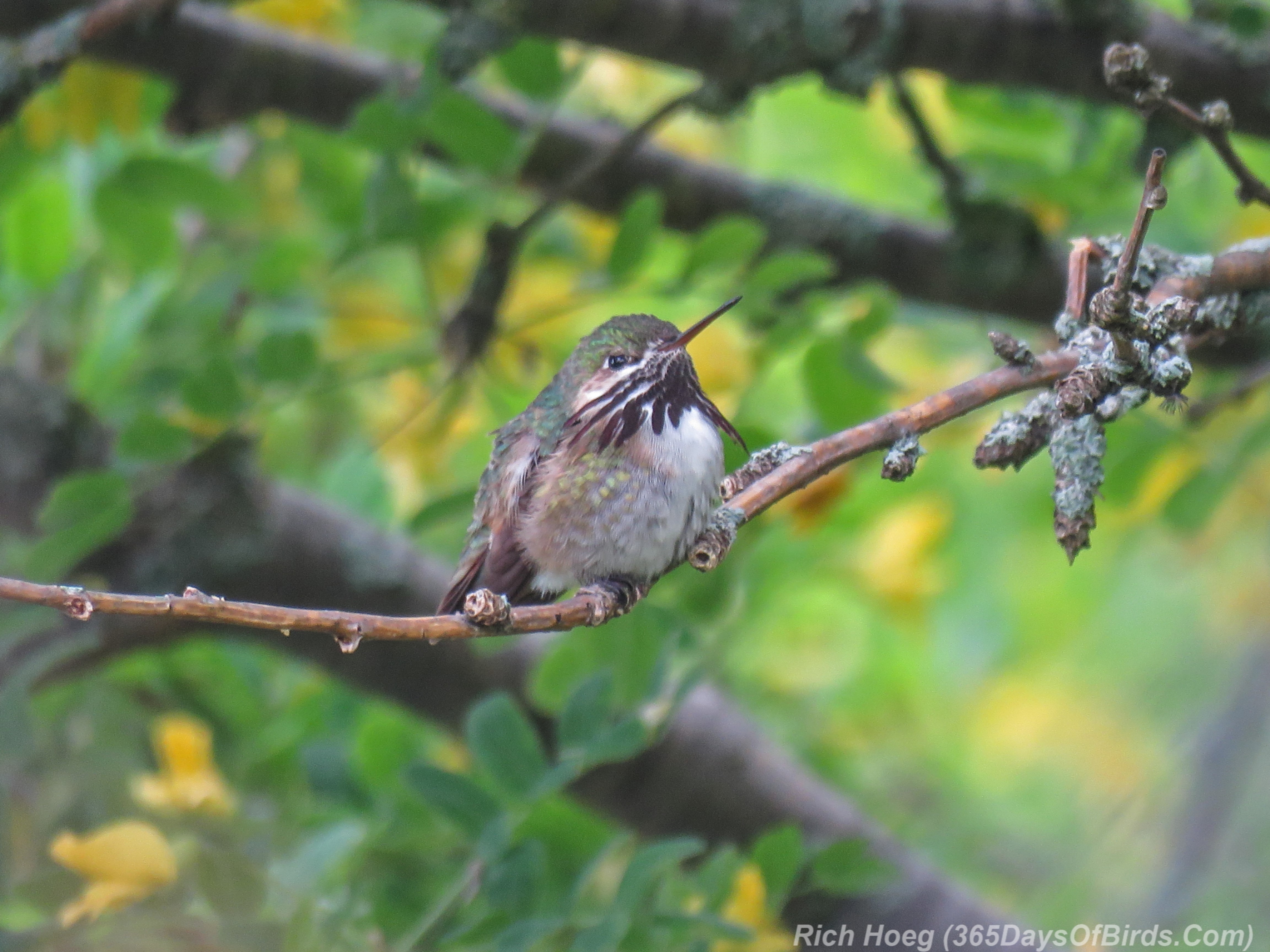
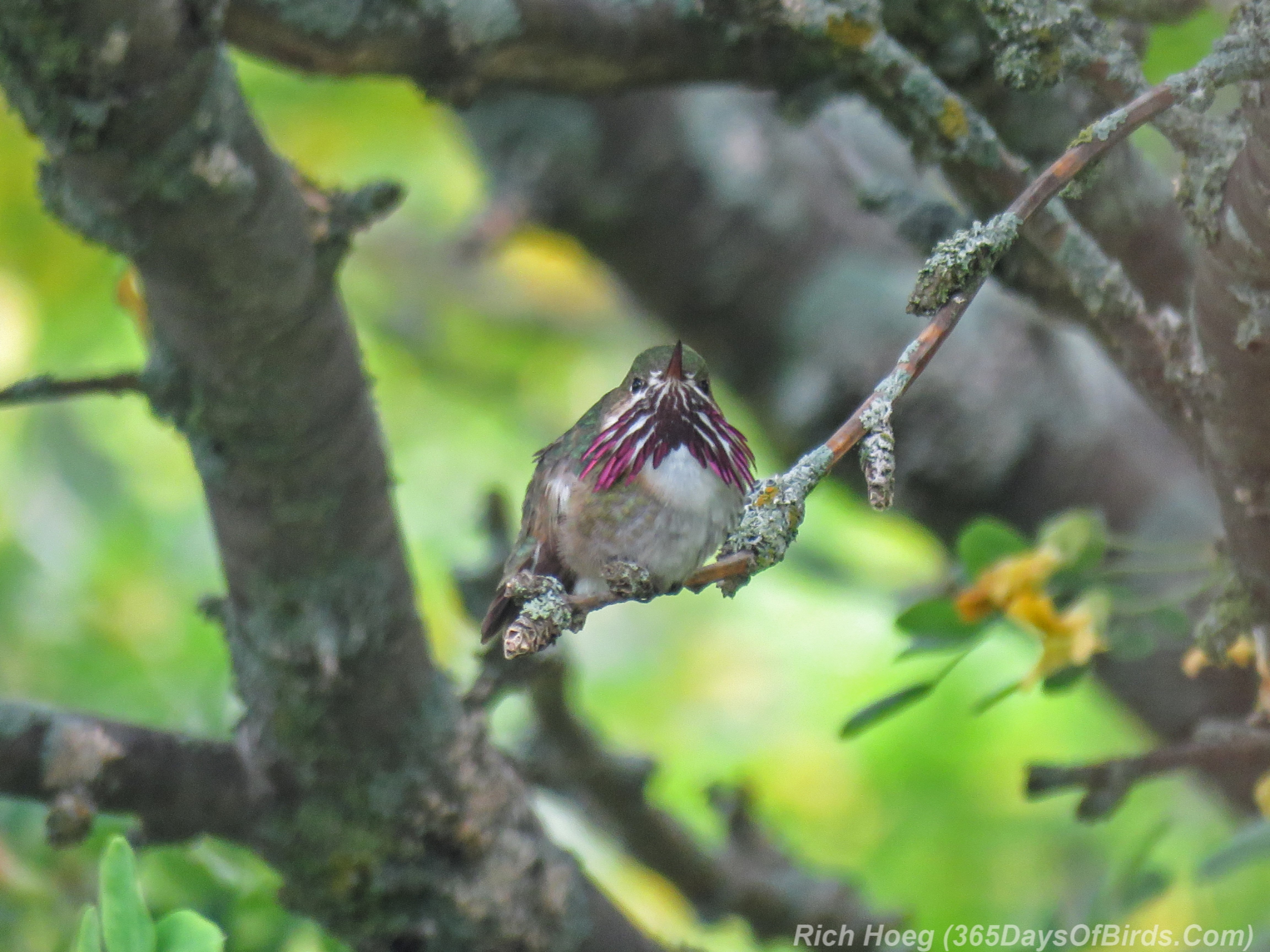
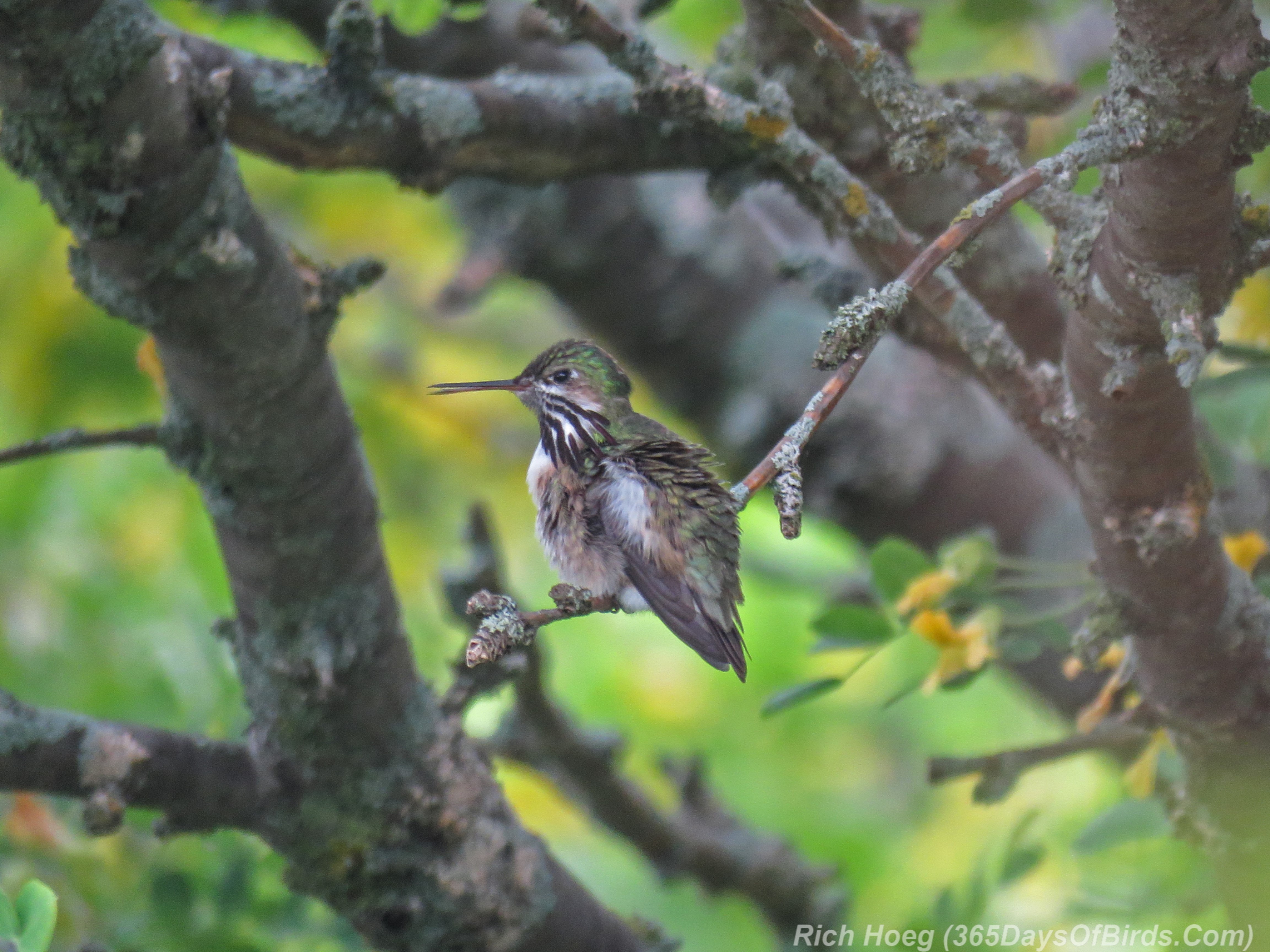
Rocky Mountain High: Calliope Hummingbird

Sunday’s thunder storms brought a rare visitor to Duluth, Minnesota at the head of Lake Superior. For only the second time in known history a visit by a Calliope Hummingbird has graced our state, and the first male in full breeding plumage! This bird should be hanging out in the Rocky Mountains, or even further west. (Cornell Ornithology Lab Information)

Actually it’s kind of amazing this small bird was even found. It’s hanging out at the end of Park Point in an area with tons of blooming shrubs, and some protection from Lake Superior’s strong northeast winds. Quite the celebrity … this little bird … while I was there four people from the Twin Cities arrived (175 miles to our south) just in the hopes of seeing this beautiful bird.

Calliope Hummingbird (2 Videos … preening and sitting … the bouncing branches courtesy of Lake Superior’s strong winds, even in a protected thicket)

———-

Some still images of the Calliope Hummingbird
Y3-M06-Calliiope-Humingbird-1. Y3-M06-Calliiope-Humingbird-2. Y3-M06-Calliiope-Humingbird-4.

———-

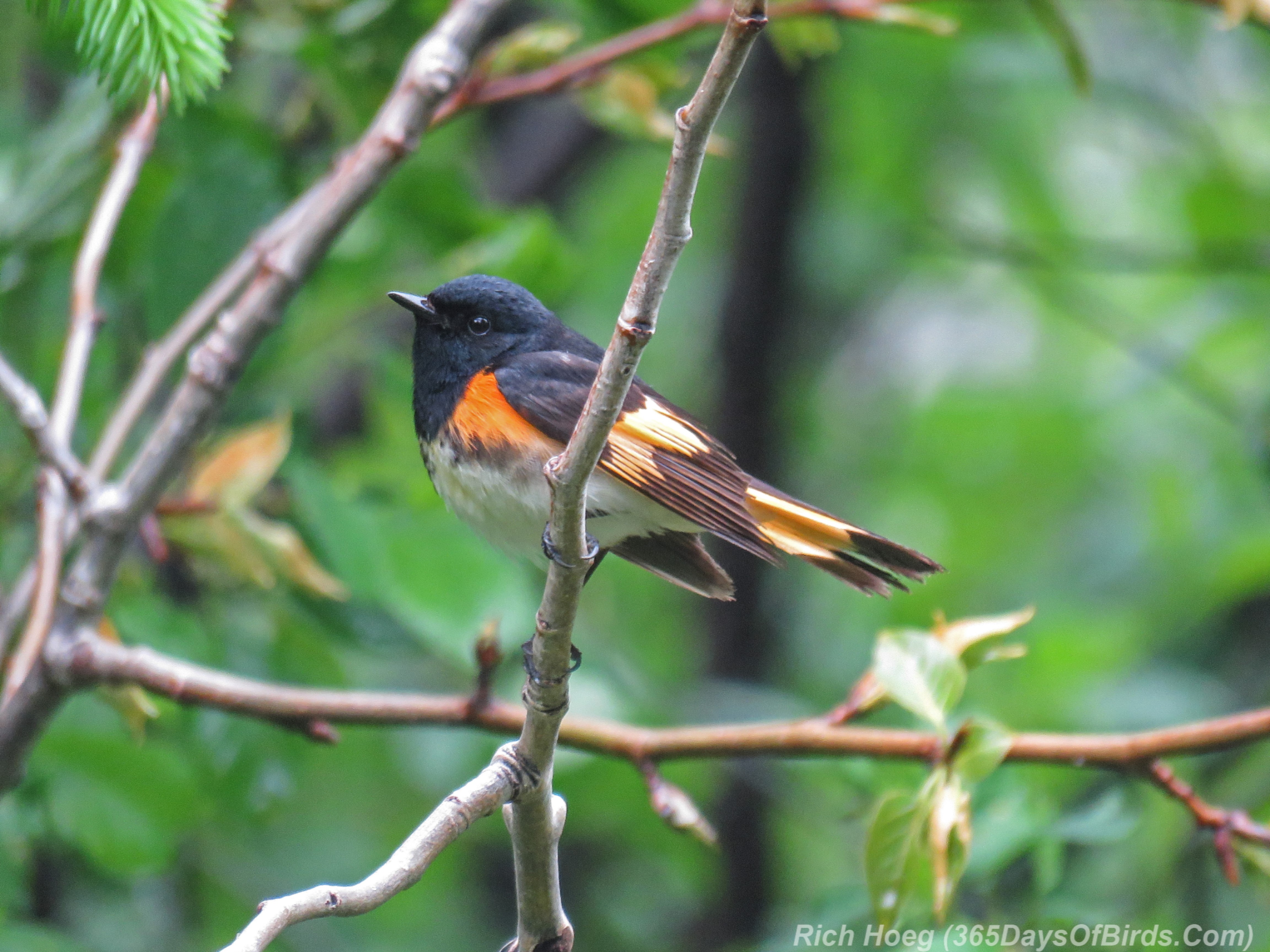
Finally … An American Redstart (lots of color in the Northwoods!)
Y3-M06-Hartley-Nature-Center-American-Redstart-Male

Sherburne National Wildlife Refuge

Whenever I visit my kids and grandkids down south in the Twin Cities, I like to take an early morning sojourn over to the Sherburne National Wildlife Refuge. This excellent birding spot is only 45 minutes northwest of the Plymouth area, and on a Sunday morning when I left at 5:00 am, traffic was non-existent! There are a number of excellent hikes, but in addition I like driving slow loops of the DNR Wildlife Drive. When one arrives shortly before 6 am, the preserve is mine alone. It was only as I was leaving around 8:15 am that other folks were arriving.

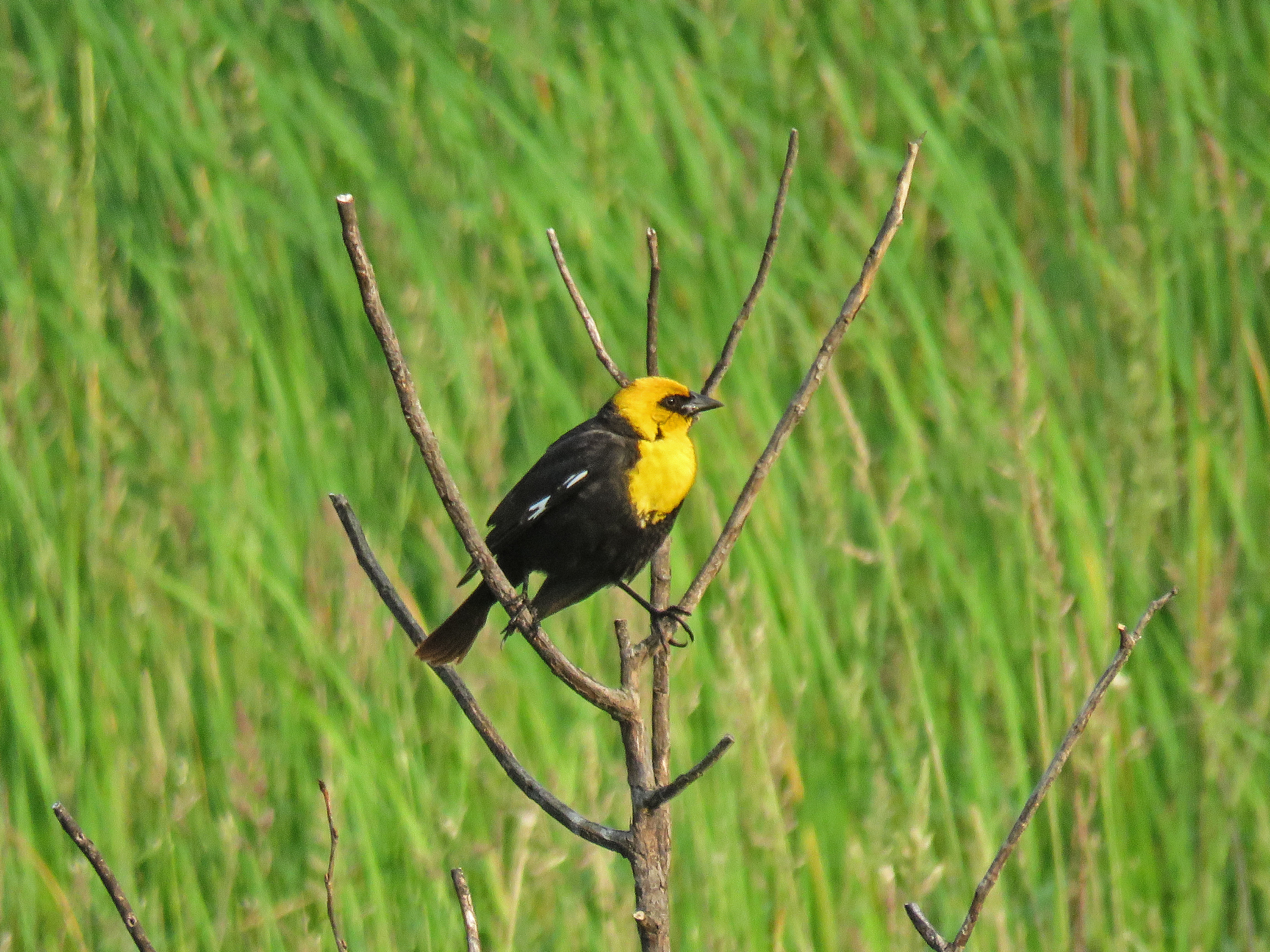
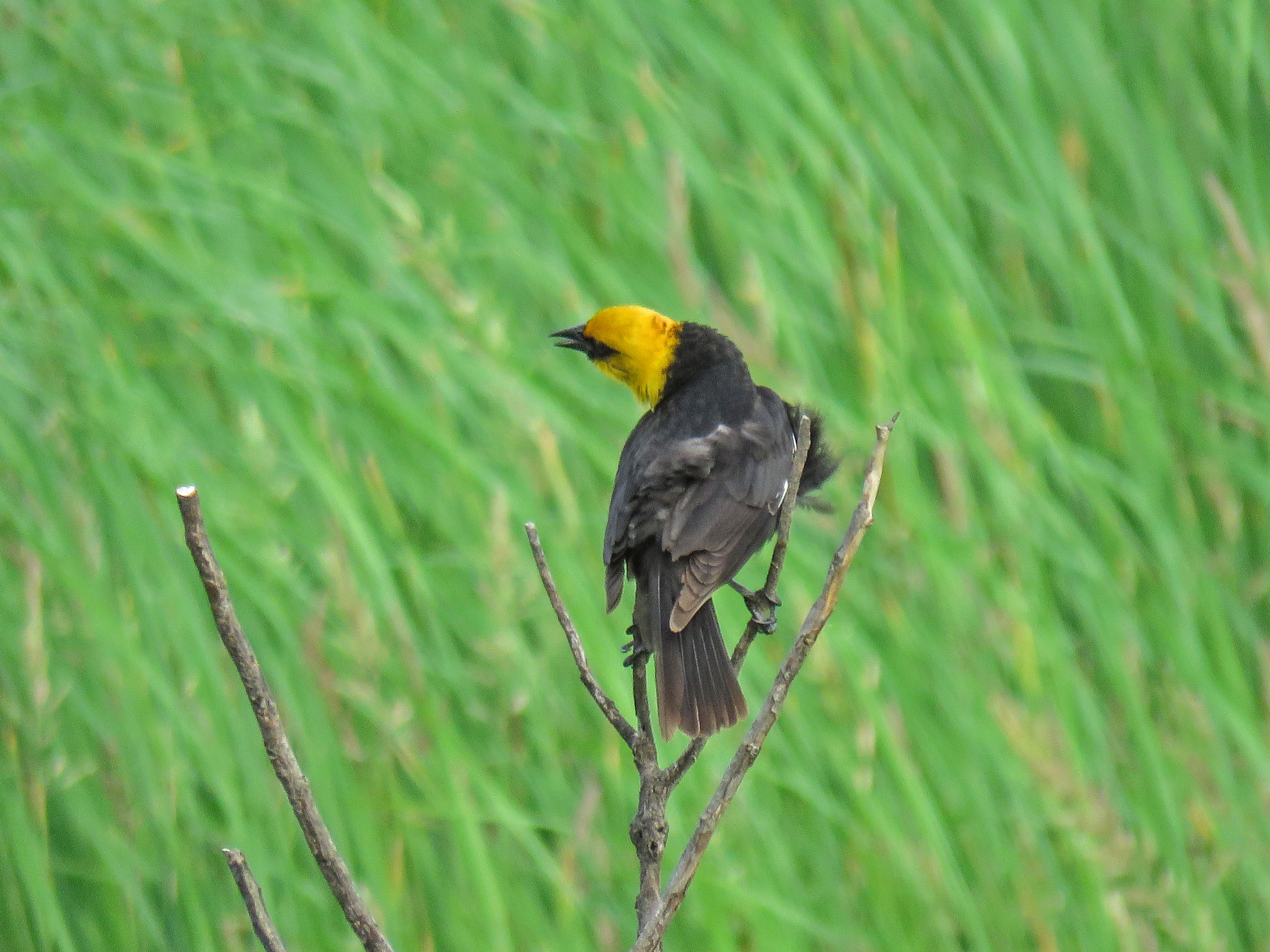
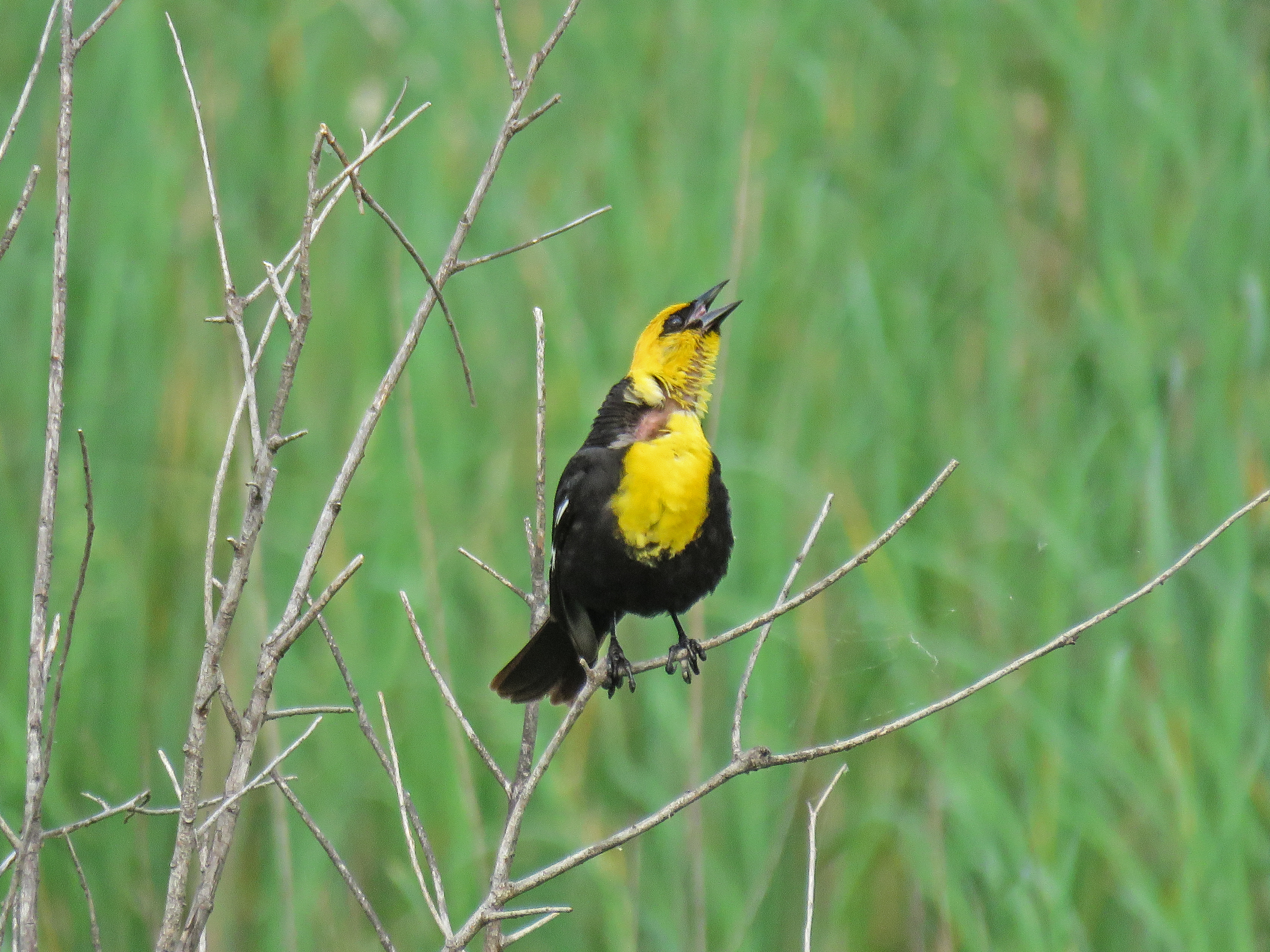
The refuge is in its early Summer finest. If birds have not already paired off, they are actively seeking a mate. The prairie grass and flowers are starting to come into full bloom. Given we do not have yellow-headed blackbirds here in northeastern Minnesota, this bird was my target of opportunity. While there song would never be called melodious, the color of this bird in the early morning light is striking. I enjoyed watching many of these birds sing and enforce their territories at the Urban Pete Nelson Memorial Pool. This spot, 2.7 miles after the start of the DNR Wildlife Drive (i.e. from the spot the return loop meets the Wildlife Drive, not the highway) even has a bench and a grassy knoll. The blackbirds seemed to like the combination of some dry land and marsh.

Sherburne Yellow-Headed Blackbird

———-

Some Still Photos of the Yellow Headed Blackbirds
Y3-M06-Sherburne-National-Wildlife-Refuge-Yellow-Headed-Blackbird-1 Y3-M06-Sherburne-National-Wildlife-Refuge-Yellow-Headed-Blackbird-2 Y3-M06-Sherburne-National-Wildlife-Refuge-Yellow-Headed-Blackbird-4

———-

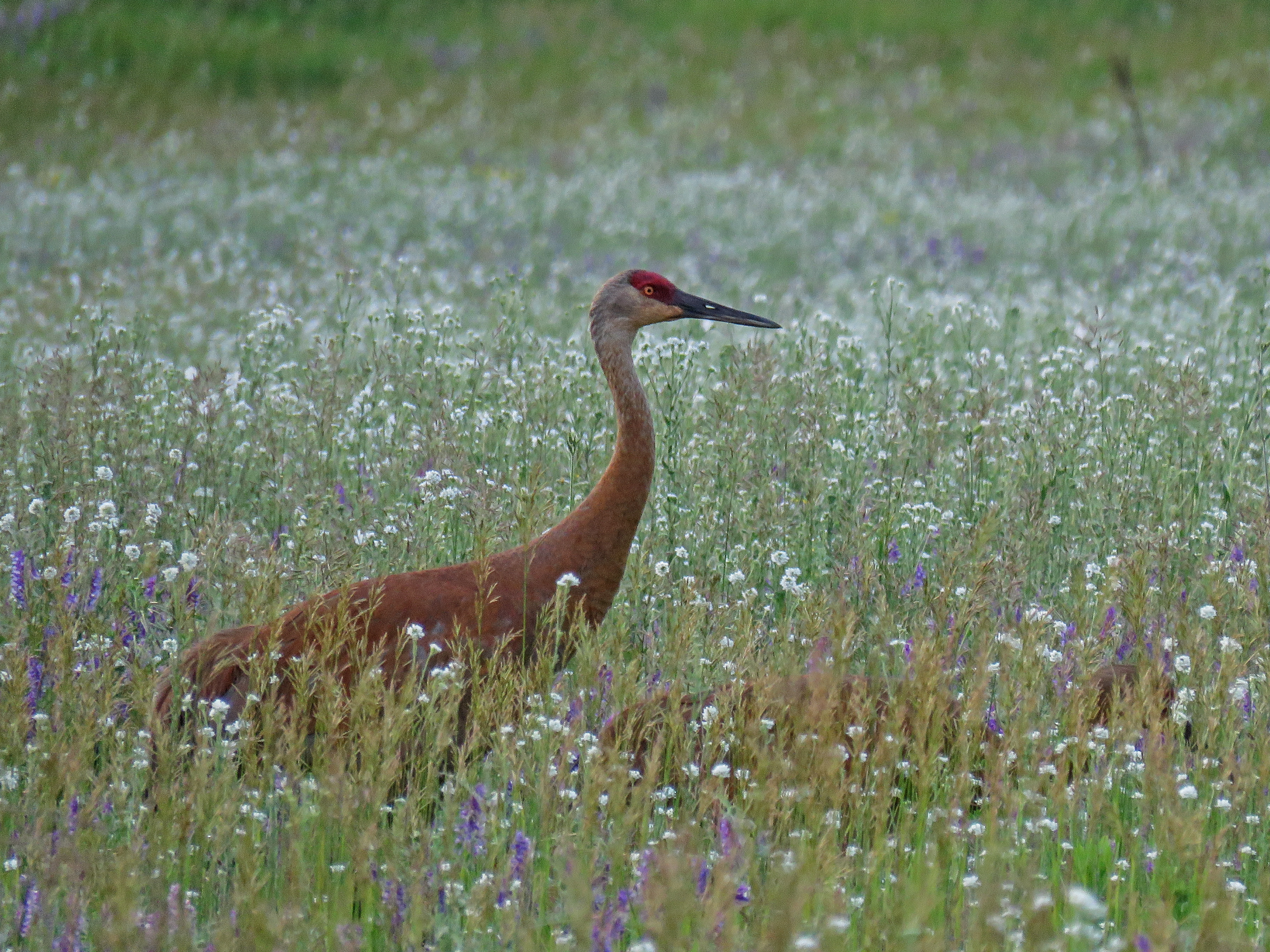
Sandhill Crane Amongst the Blooming Prairie
Y3-M06-Sherburne-National-Wildlife-Refuge-Sandhill-Crane-Wildflowers-3

———-

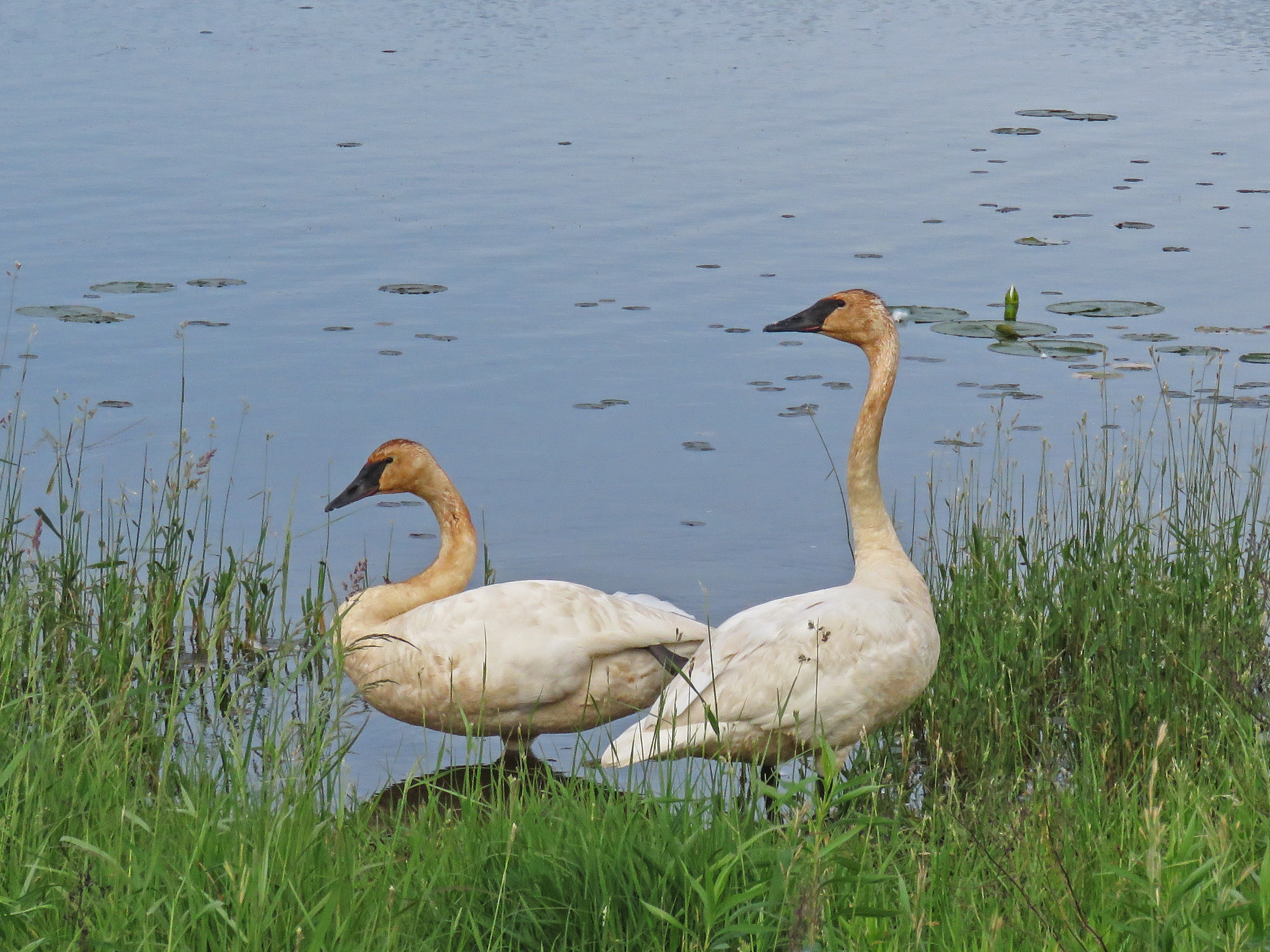
Trumpeter Swan Love
Y3-M06-Sherburne-National-Wildlife-Refuge-Tumpeter-Swans-1

———-

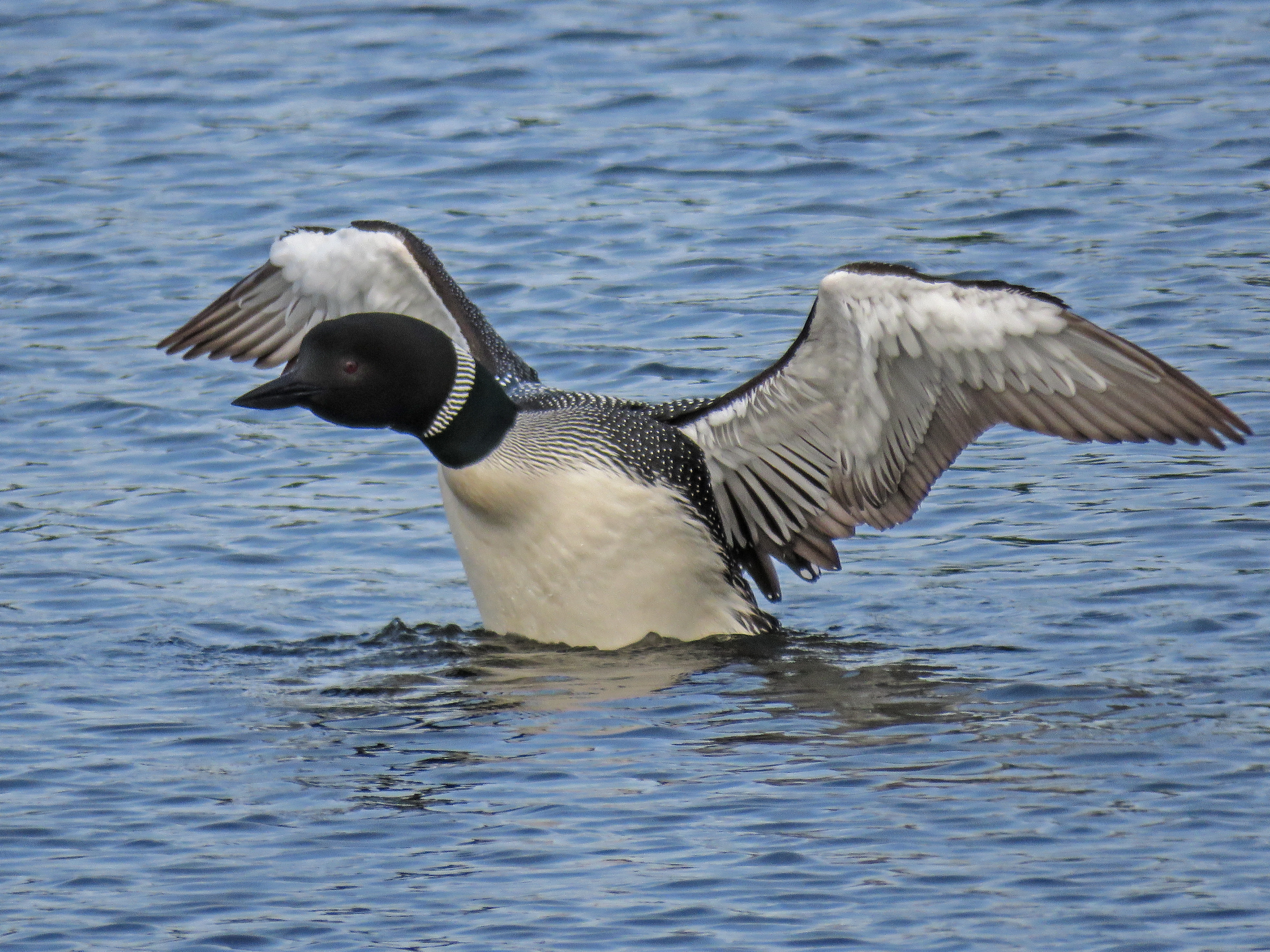
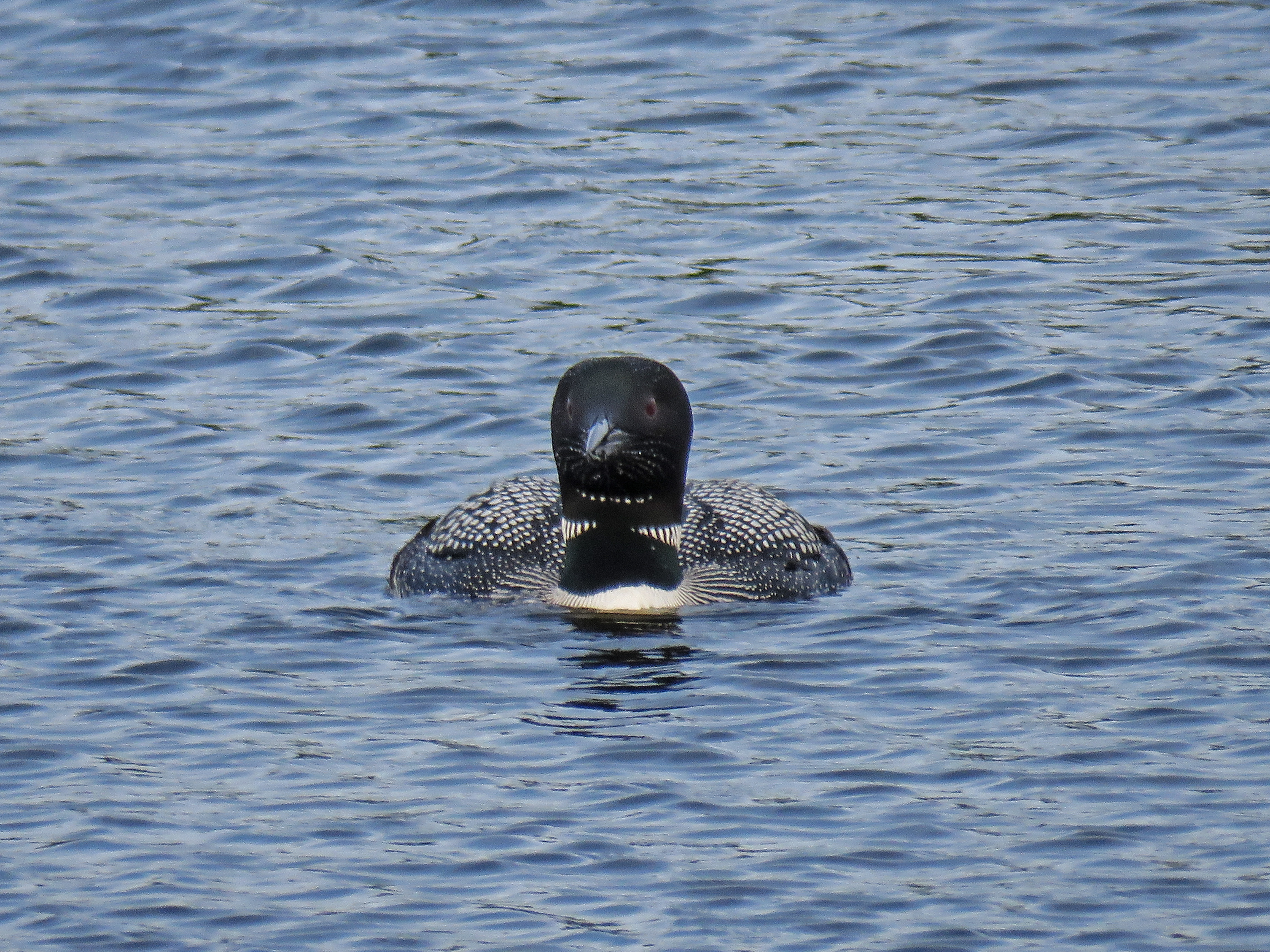
Common Loons
Y3-M06-Sherburne-National-Wildlife-Refuge-Common-Loon-1 Y3-M06-Sherburne-National-Wildlife-Refuge-Common-Loon-2

———-

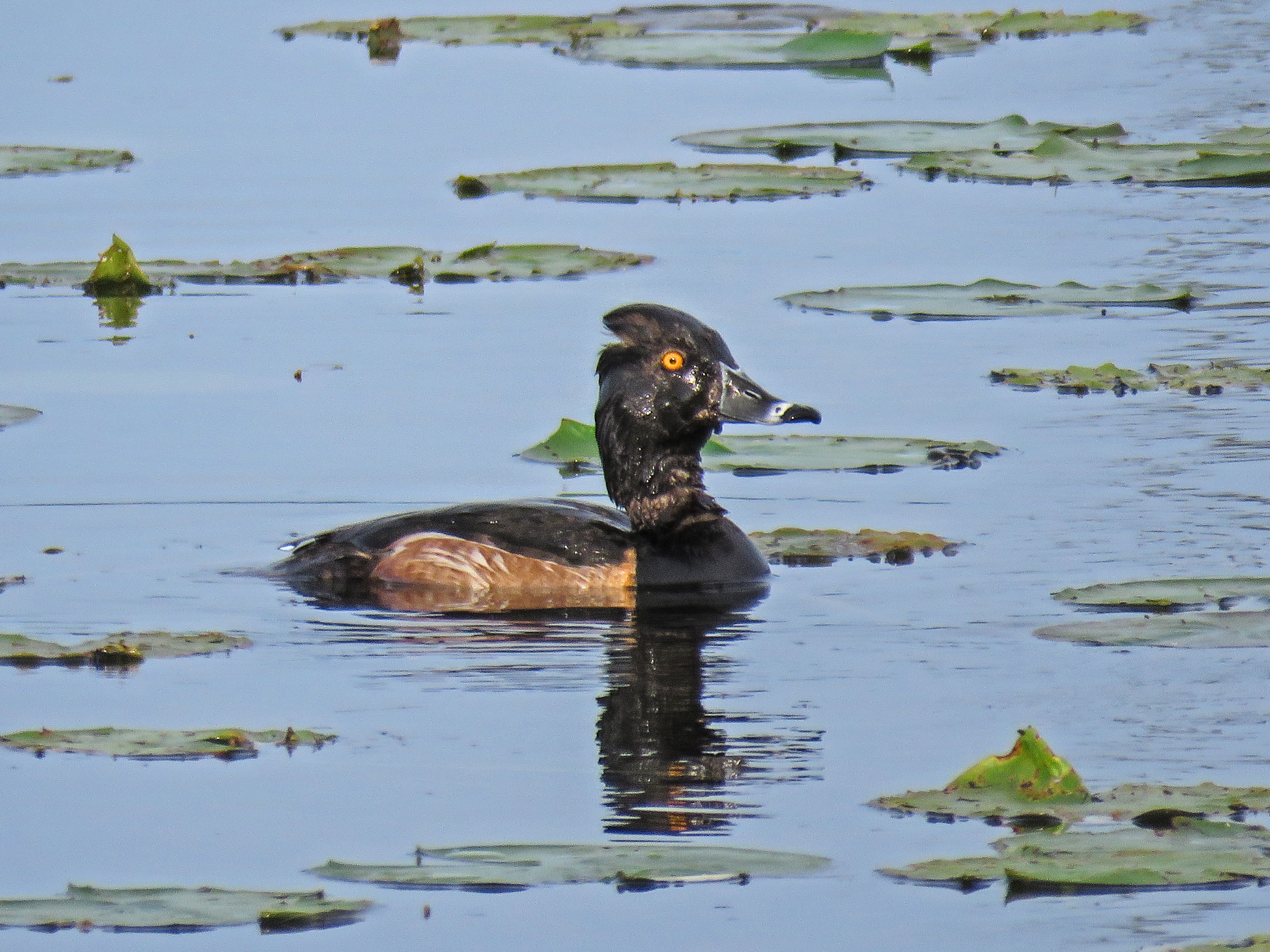
Ring Necked Duck
Y3-M06-Sherburne-National-Wildlife-Refuge-Ring-Necked-Duck