Category Archives: Year 3

Looking for Spring: Meadowlarks to Mergansers!

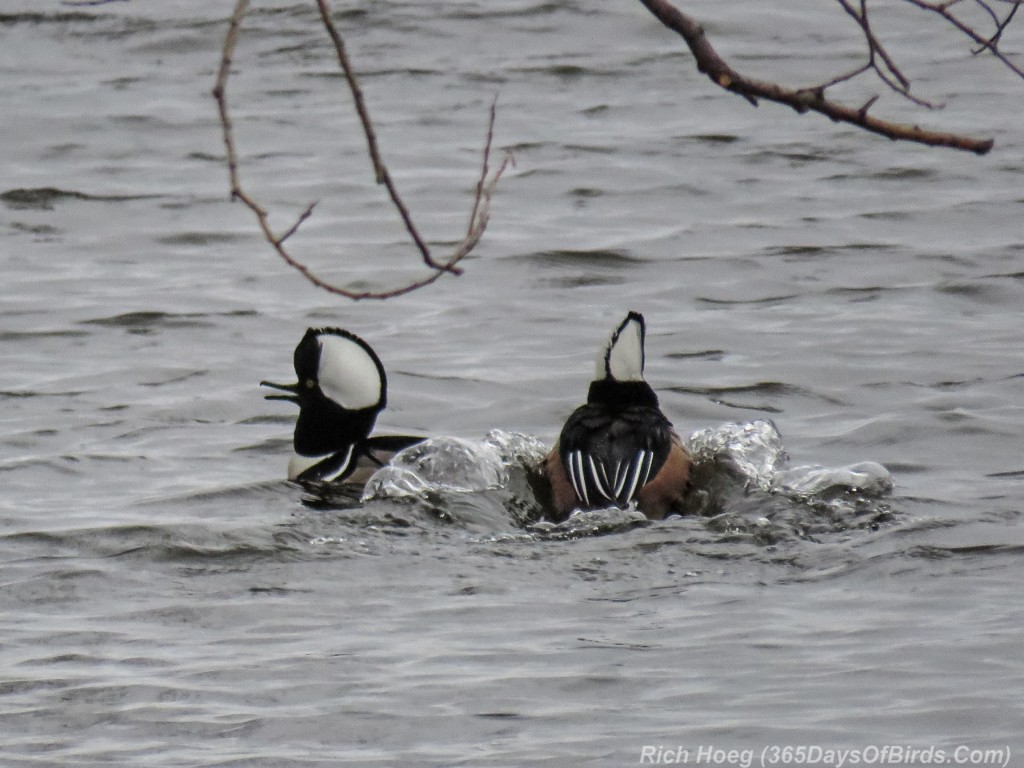
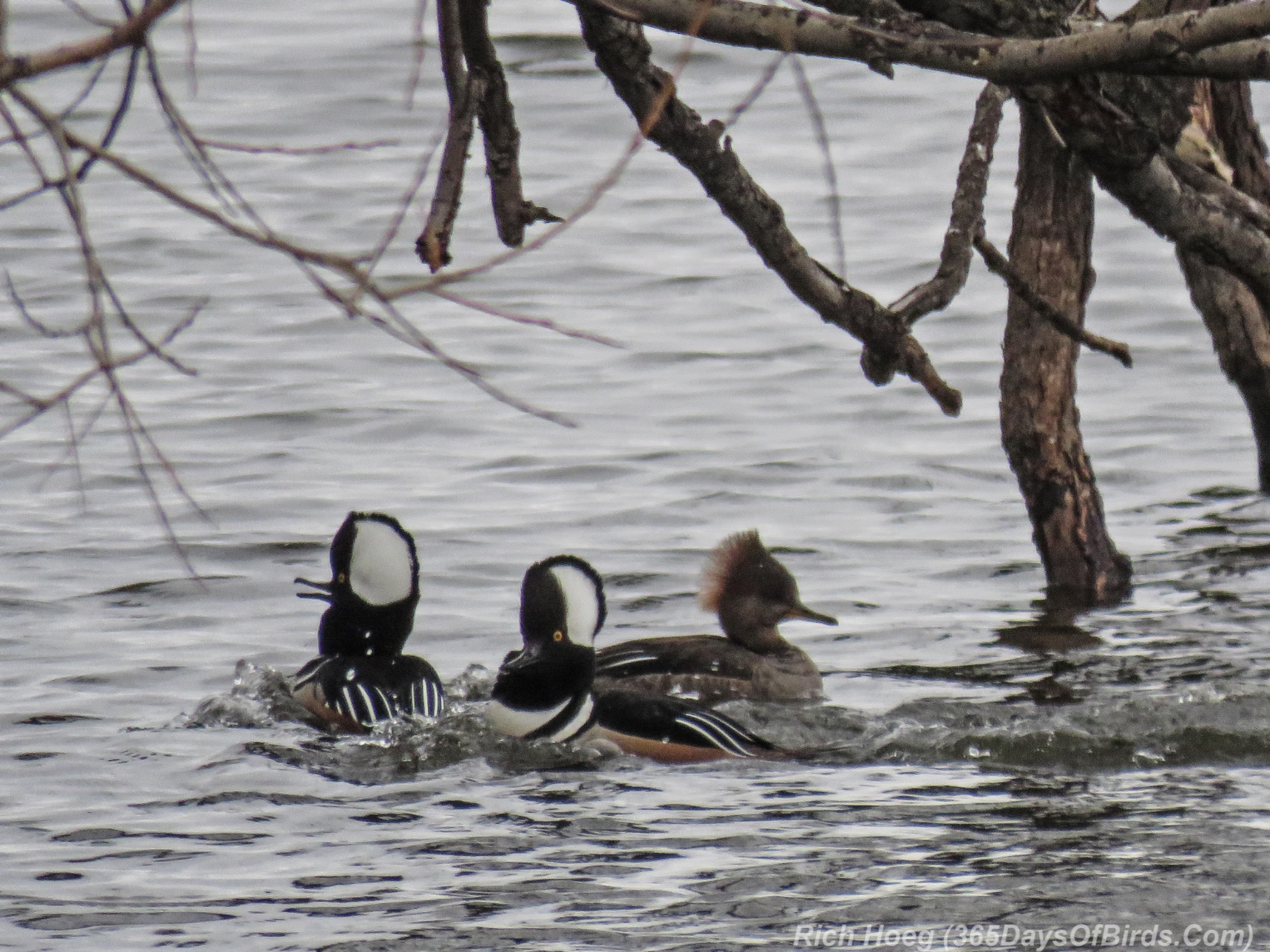
Even with the snow flurries and 30+ mph winds screaming in off Lake Superior, there is hope that spring may actually be around the corner. This morning I started with a hike out Minnesota Point, and although I enjoyed the woods and solitude, not many birds put in an appearance. Instead, I needed to find the snow melt open water of Miller Creek at 27th Avenue West by WLSSD to find waterfowl. Right in the creek itself I found hooded and common mergansers, some with love on their mind.

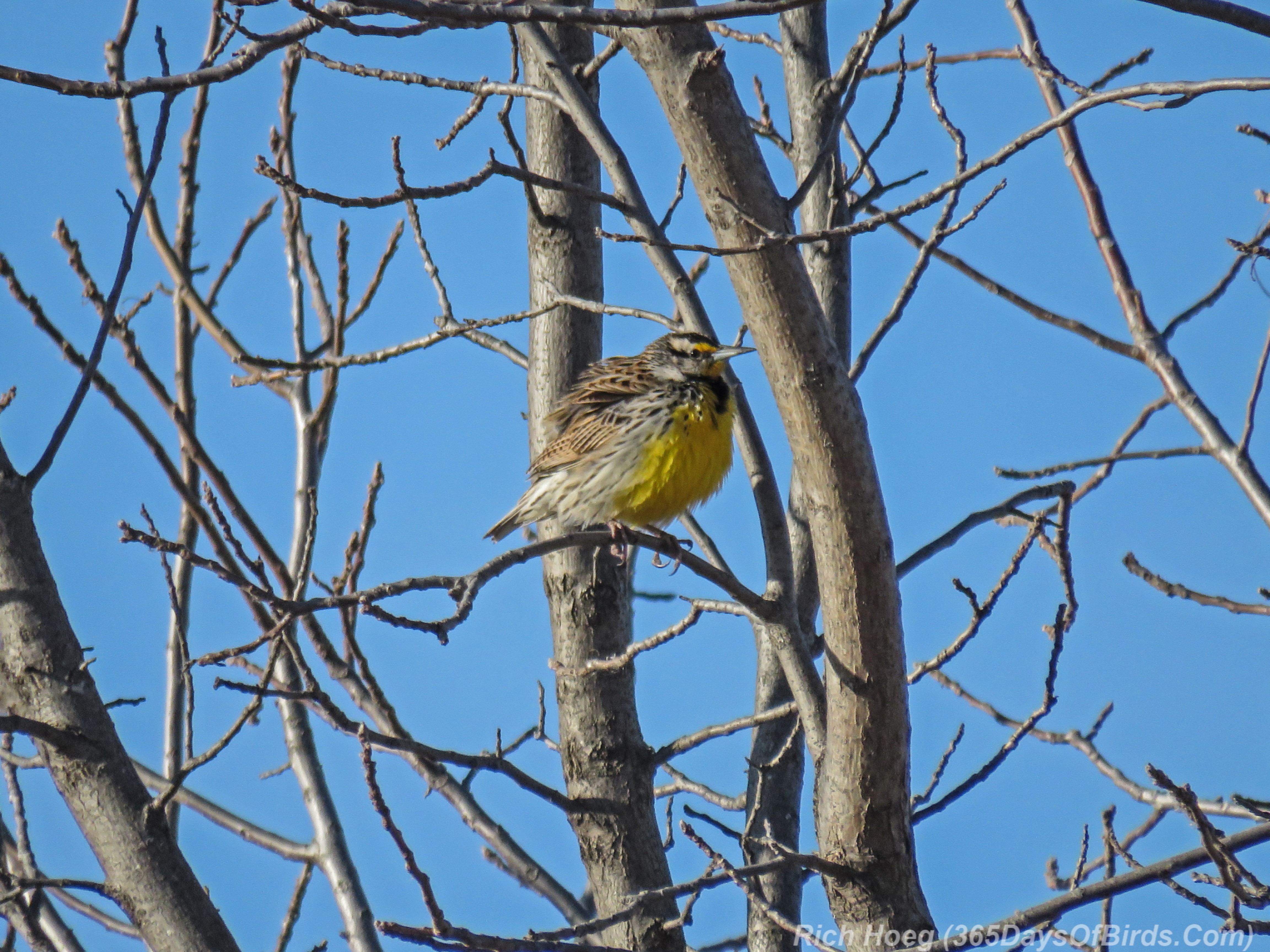
Spring was easier to find 175 miles further south over the weekend in the Sherburne National Wildlife Refuge. Sunrise found Eastern Meadowlarks singing to the morning from the tops of the few trees that graced the meadows. Now if we could only get some warm weather with south winds, this migration might really get going!

Eastern Meadowlark Singing to the Sunrise (my thanks to Adam Roesch for helping me with the ID … western vs eastern)
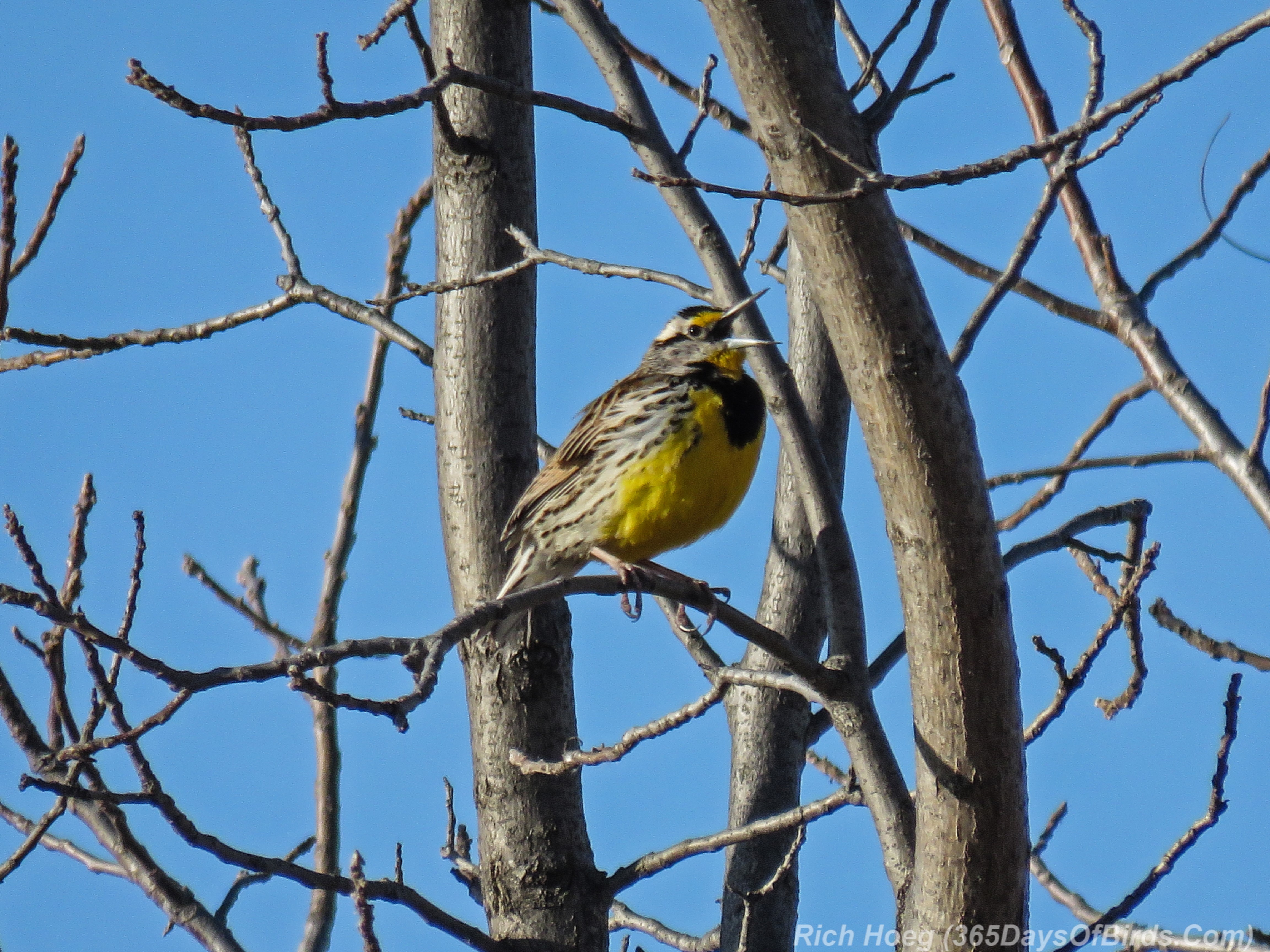
Y3-M03-Sherburne-National-Wildlife-Refuge-Meadow-Lark-3 Y3-M03-Sherburne-National-Wildlife-Refuge-Meadow-Lark-1

———-

Hooded Mergansers with Love on their Minds!
Y3-M03-Hooded-Merganser-Romance-1 Y3-M03-Hooded-Merganser-Romance-2

Breaking the Rules of Bird Photography

The classic bird photograph attempts to capture a bird’s eye with the plumage glistening in the early morning (or late afternoon) sunlight. As photographers were live for the golden hour when the sun’s soft light enhances our subject matter, but sometimes rules demand to be broken!

This past weekend I went south to visit spring! (and attend my granddaugher’s birthday party). Thankfully all the festivities left plenty of time for hikes in the woods, both in the Minnesota Valley National Wildlife Refuge, and the Sherburne National Wildlife Refuge. It was fantastic to hike on dry, snow free trails with open water in the streams and ponds. Given the snow and ice found near Duluth, the early spring migration is stalled out 200 miles to my south. Here are two photographs I took during my hikes, along with explanations as why they break the rules!

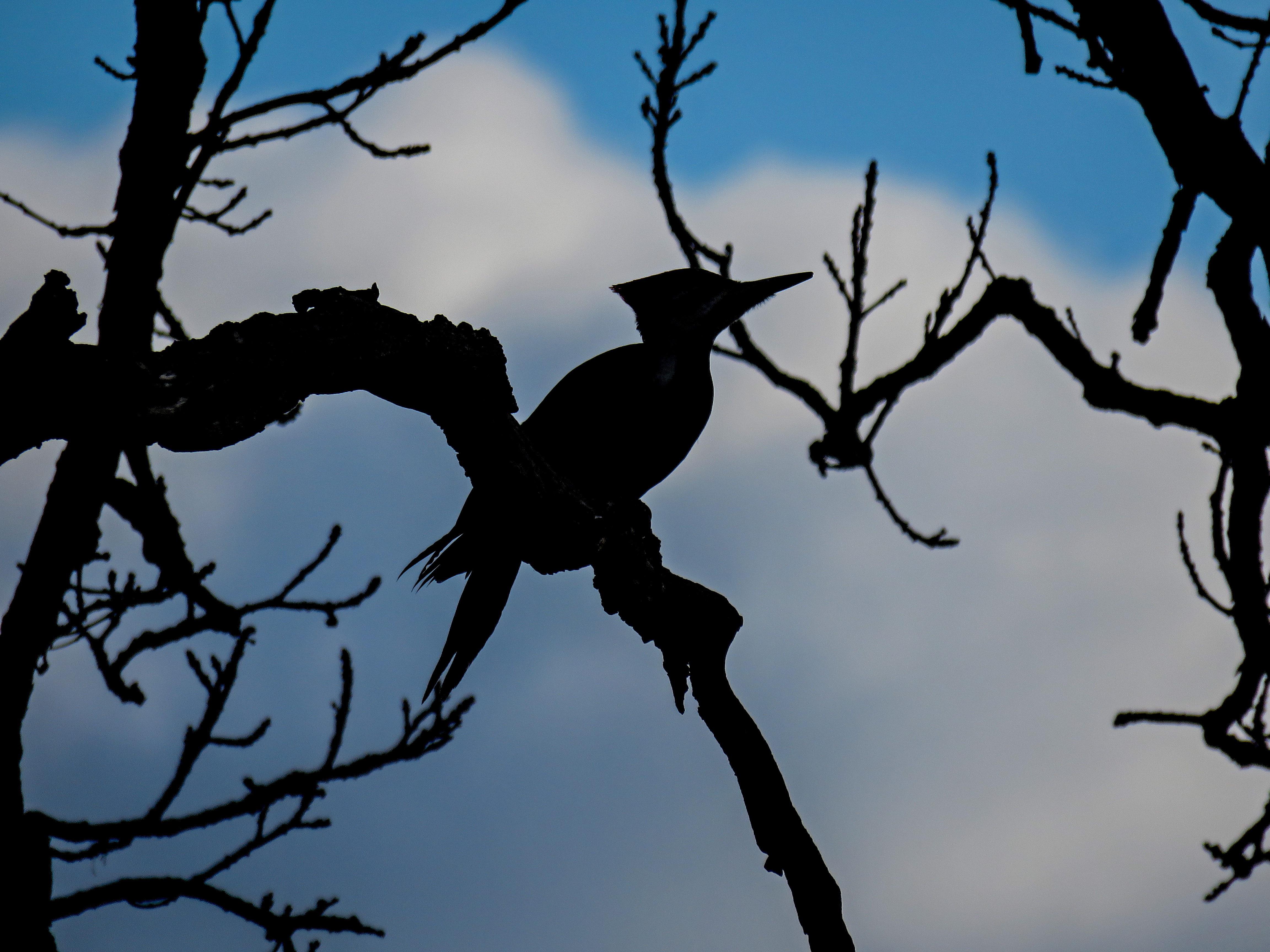
A Pileated Woodpecker flew up into an oak tree and presented me with its silhouette. While not a “classic” image, and one can not see the bird’s eye or a single feather, this is one of my favorite pictures I have taken recently. Photography should be art, not just recording the scene.
Y3-M03-Minnesota-National-Wildlife-Refuge-Pileated-Woodpecker-Silhouette

———-

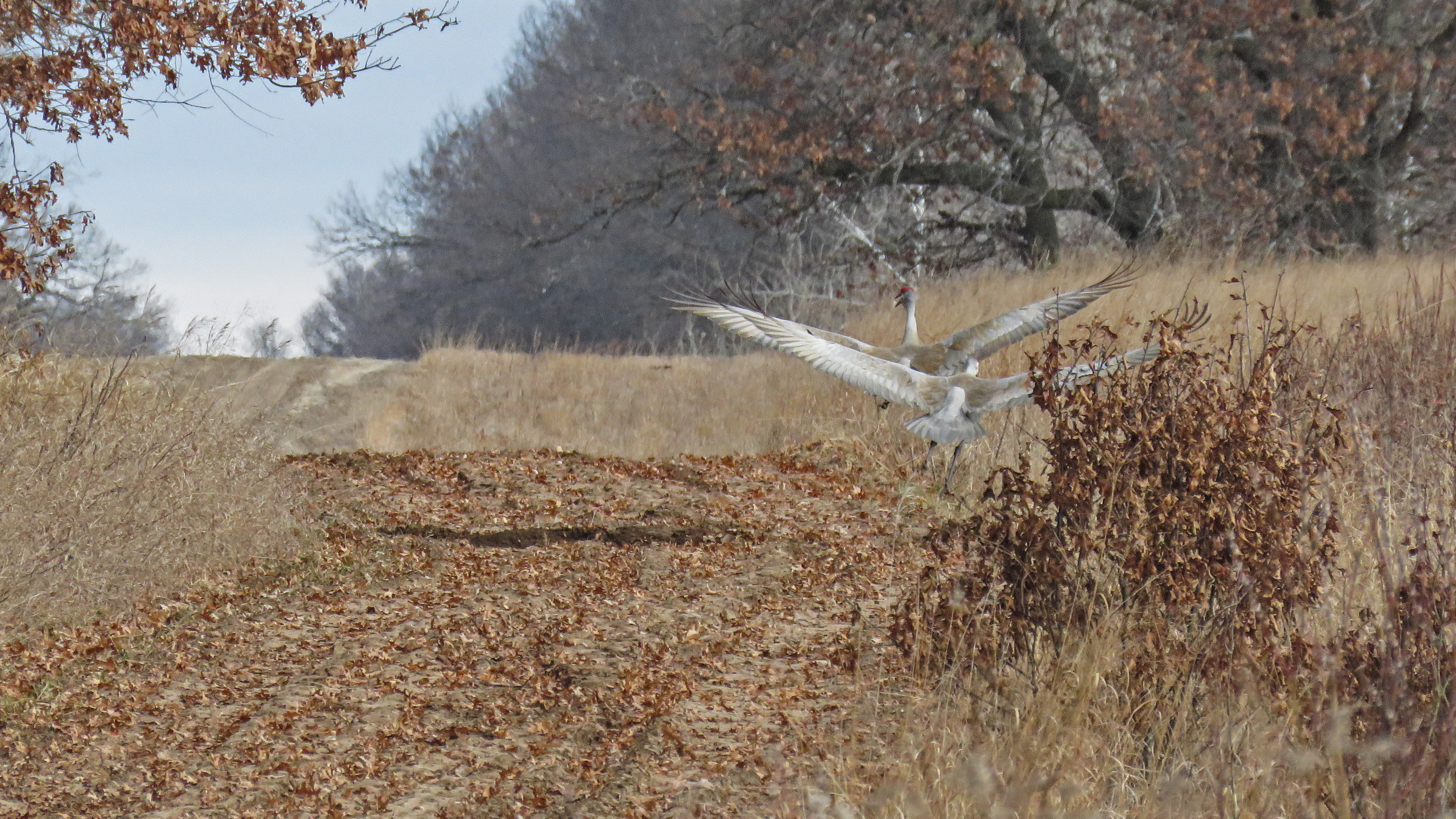
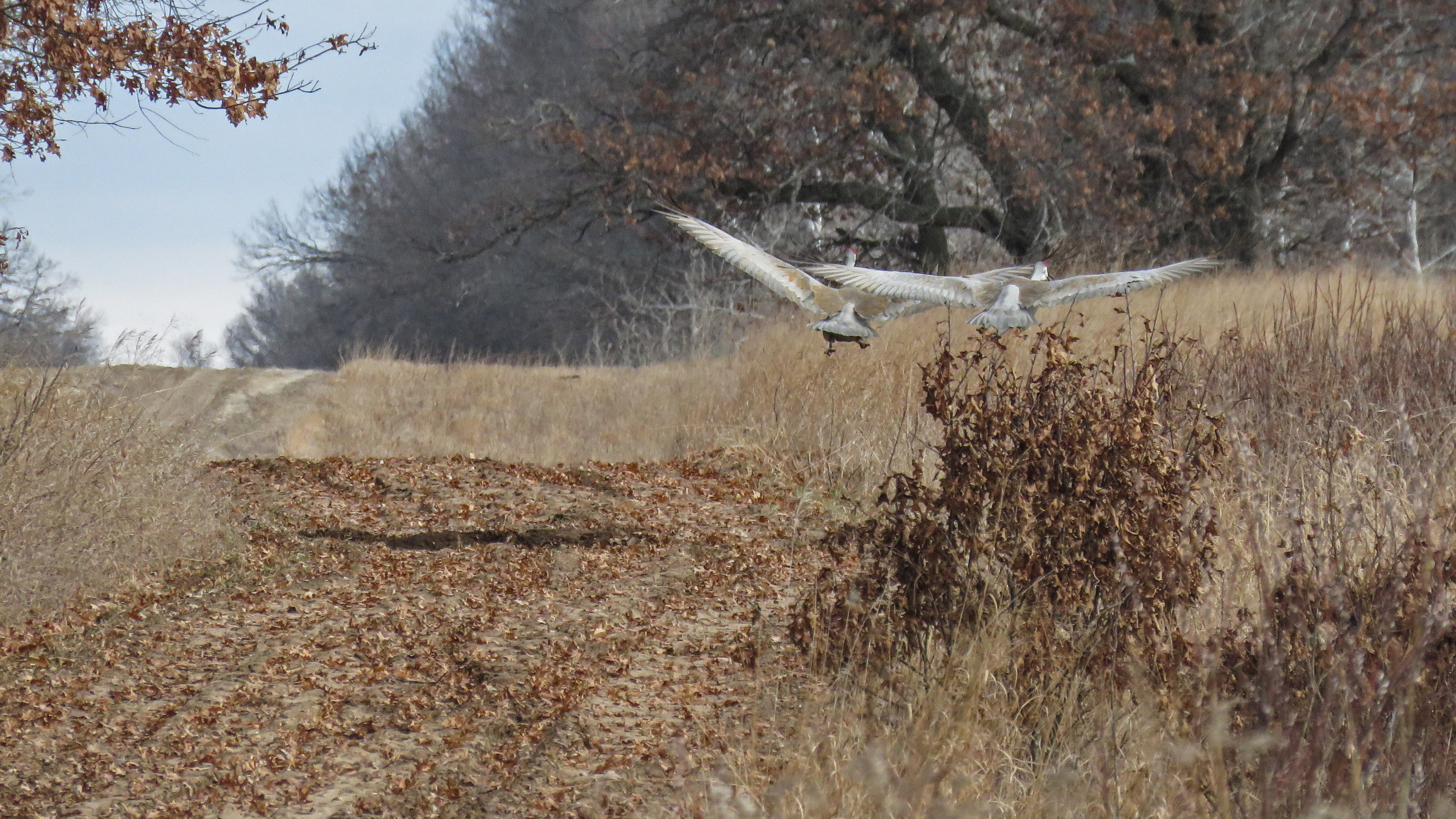
After watching the courting dance of two Sandhill Cranes, they finally took flight to find some privacy for their romantic endeavors. In this image, the two birds are just one part of the early spring scene … thus there is no need to have them featured centrally to the photograph. In this case, I actually utilized a wide angle crop to move the cranes a bit further to the side of the image, which tends to go against the rules!
Y3-M03-Sherburne-National-Wildlife-Refuge-Sandhill-Cranes-1 Y3-M03-Sherburne-National-Wildlife-Refuge-Sandhill-Cranes-2

Old Vermilion Trail Pheasant!

Okay … I changed my mind!! Given this week’s storm, even though I had announced that I had stopped filling the feeders I maintain on Old Vermilion Trail for the winter season, I knew the 10 to 12 inches of heavy new wet stuff would make it difficult for birds to forage on the ground … thus I have kept the feeders filled this week.

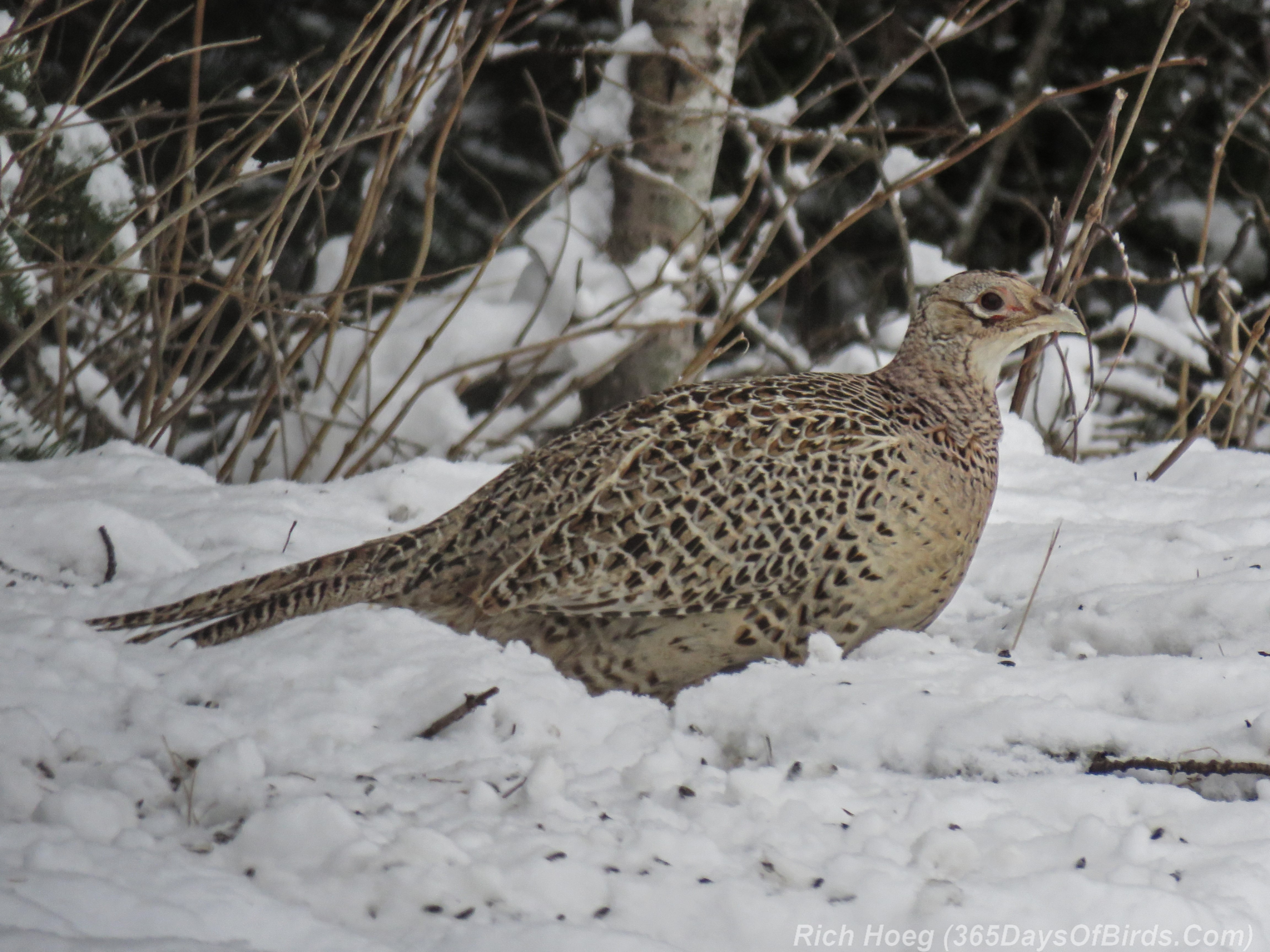
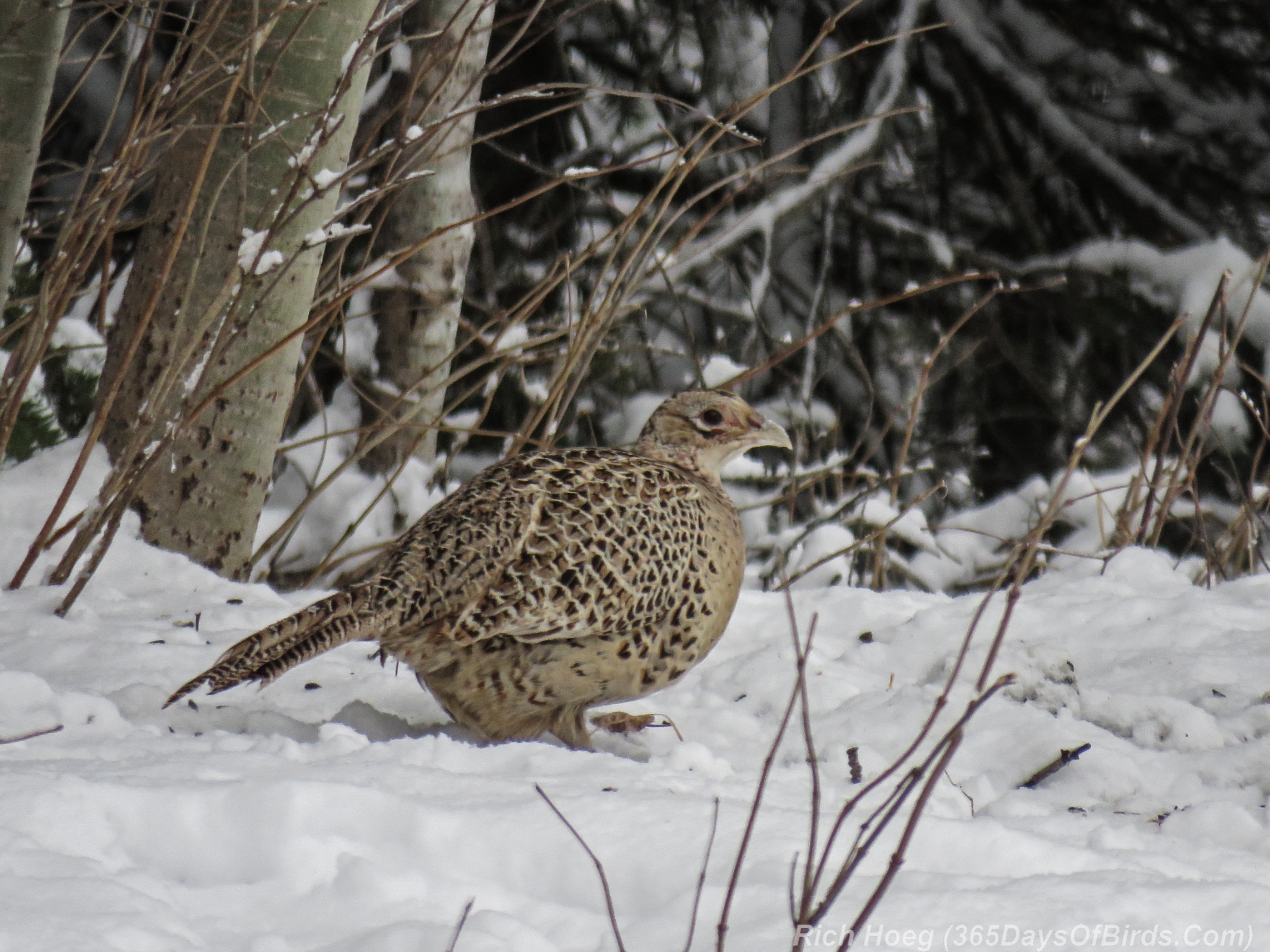
Well, yesterday I was treated to nine bald eagles about one mile from the feeders feasting on roadkill, and today this female ring necked pheasant was right under the feeders enjoying sunflower spillage. Life has its rewards!

I actually had suspected this bird was around for some time. A few weeks back I saw a large flash of brownish tan as I pulled up in the car. It also appeared that something other than my two red squirrels had been foraging through the crusty snow. Today I confirmed my suspicions. The pheasant comes in to feed around 8:15 to 8:30 am (an hour after sunrise). On a bright sunny day (not many of those lately), I would expect it would appear earlier. If you wish to learn the location of the feeders, including directions and a map (15 miles north of Duluth), see this web page on my blog.

Female Ringed-Necked Pheasant
Y3-M03-Old-Vermilion-Ring-Necked-Pheasant-1 Y3-M03-Old-Vermilion-Ring-Necked-Pheasant-2