Category Archives: Year 8

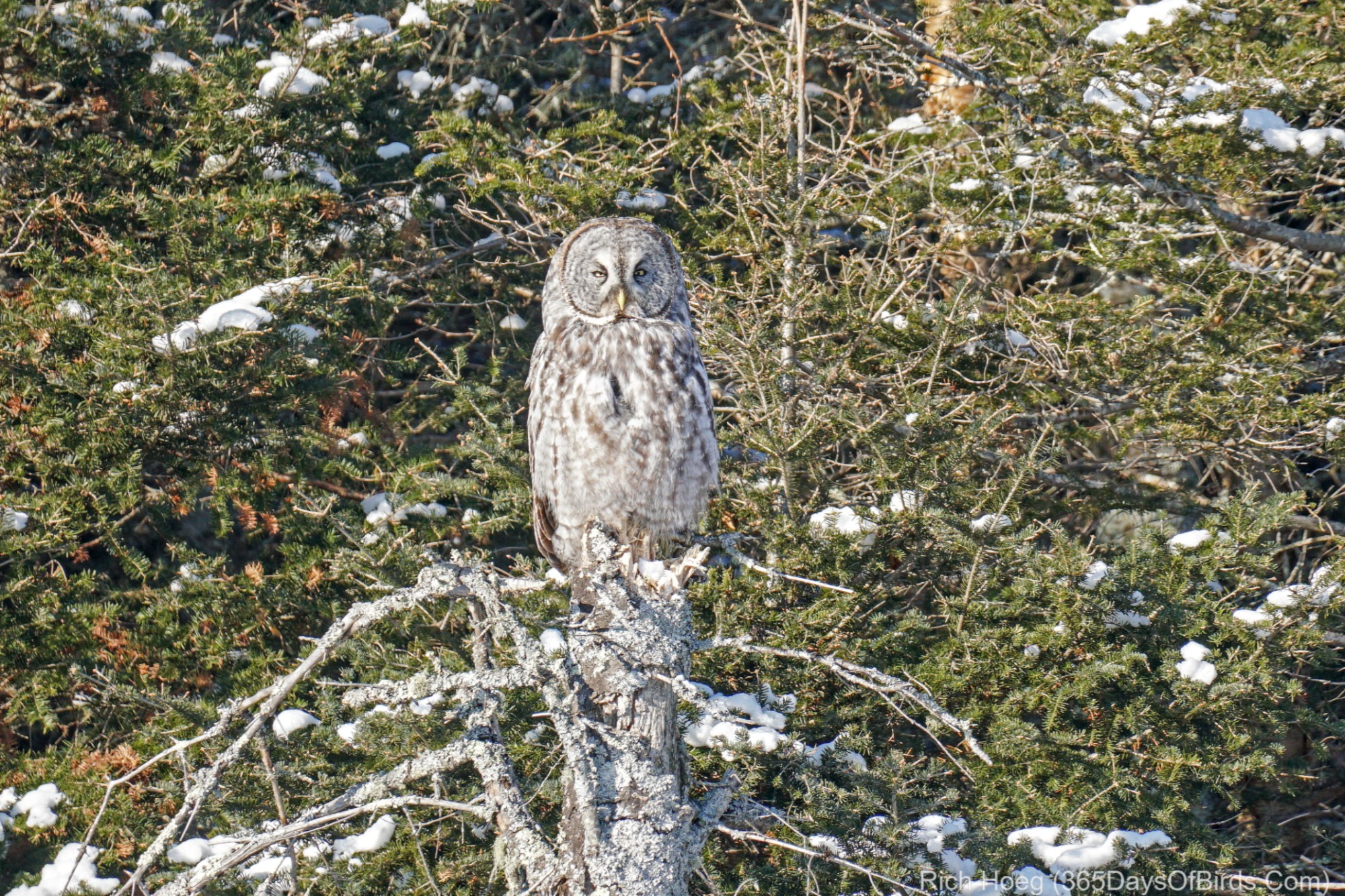
A Trifecta of Great Gray Owls

Spending time in the woods alone without another human for miles with hunting Great Gray Owls is magical. However with our horrible cold snap, thankfully now ended, I had not been out looking for the gray ghosts of the forest in over two weeks. Spending time standing motionless in the forest experiencing temperatures of -10F to -20F is NOT fun.

Friday evening I headed north of Two Harbors to my personal favorite owling grounds. I had expected bright clear blue skies, but God had other ideas. The heavens clouded up which although better for finding owls (they tend to hate bright light), makes photography more of a challenge. In addition, a blue sky is prettier than white.

Great Gray Owl #1
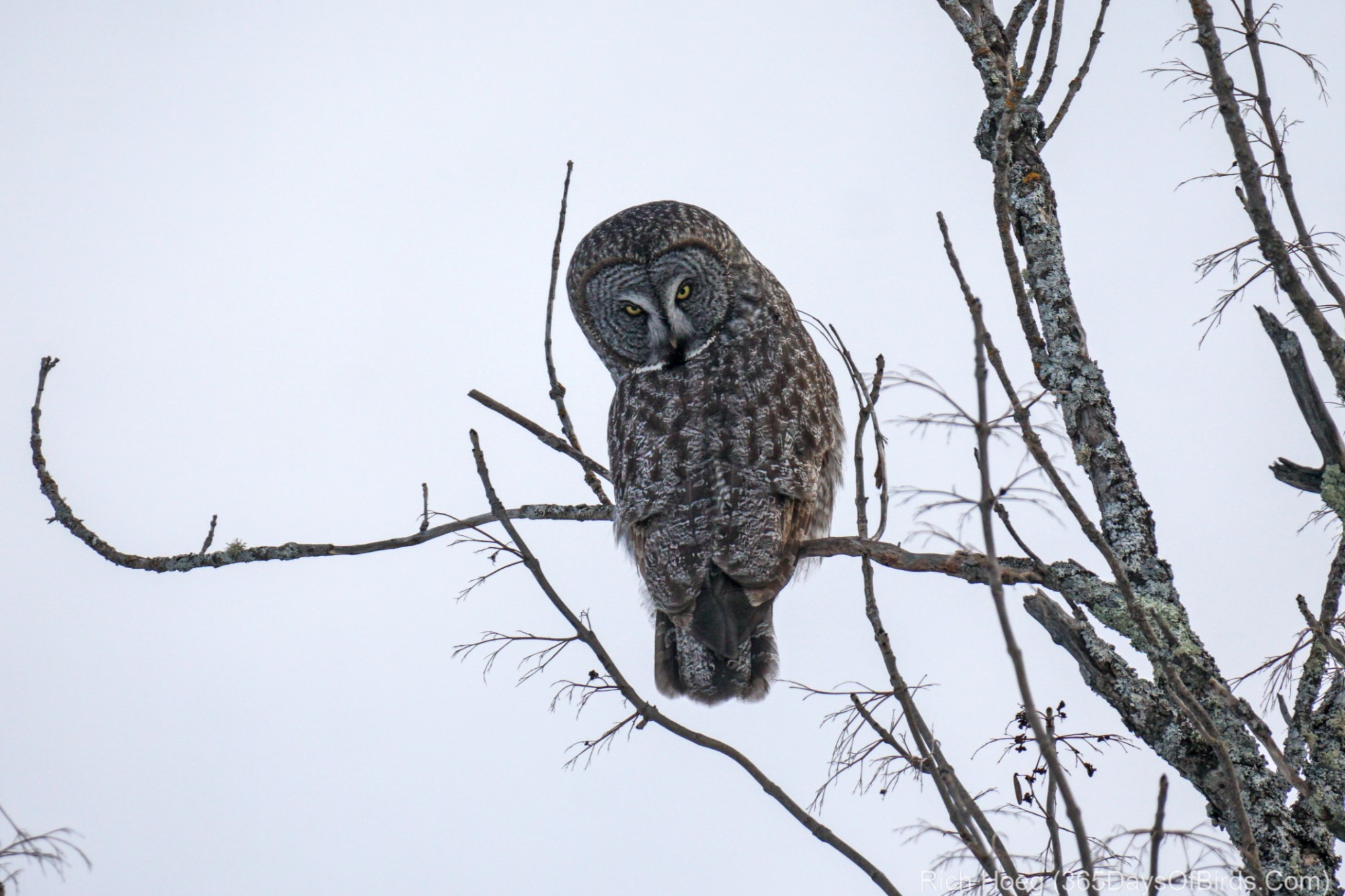
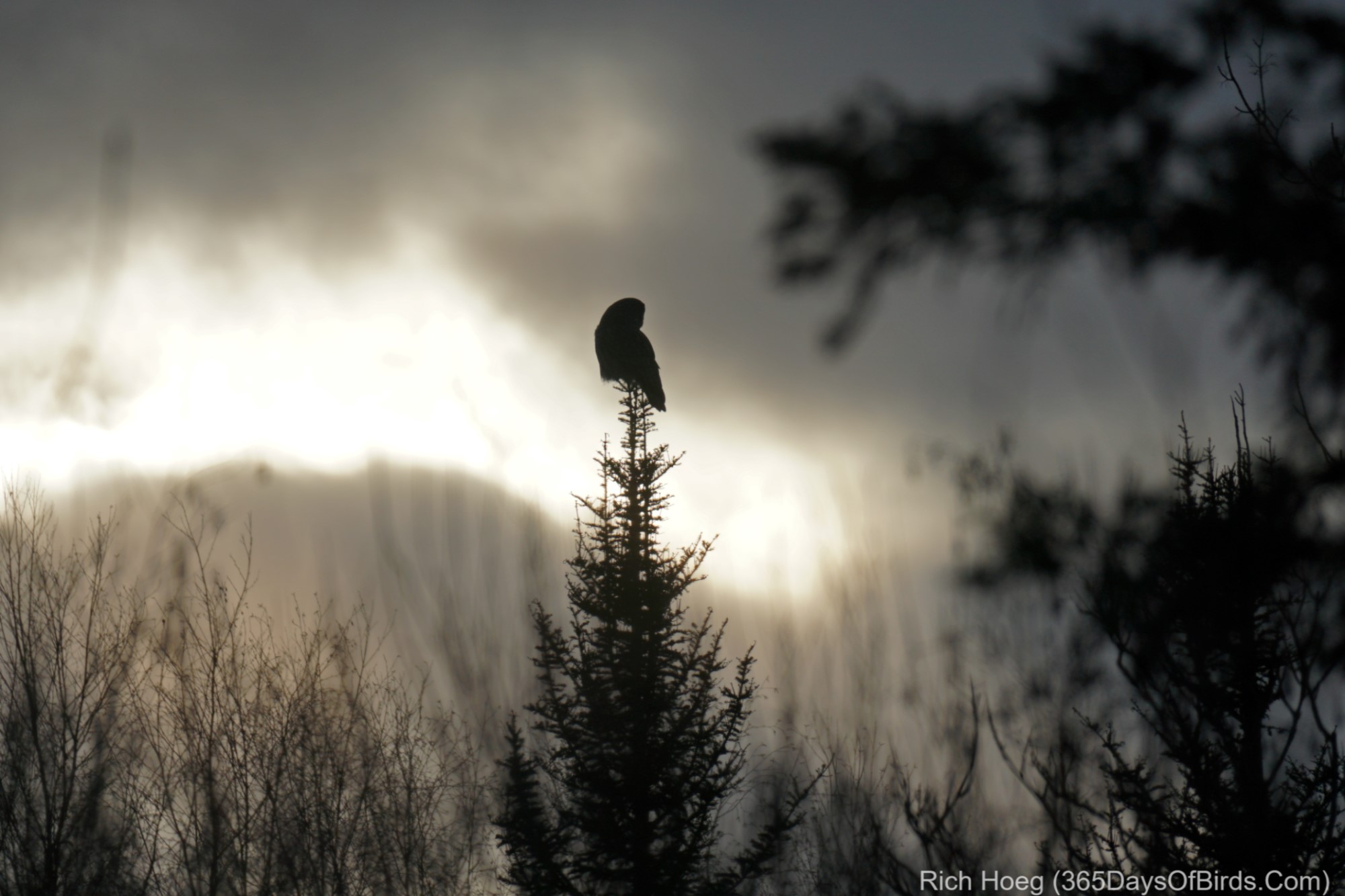
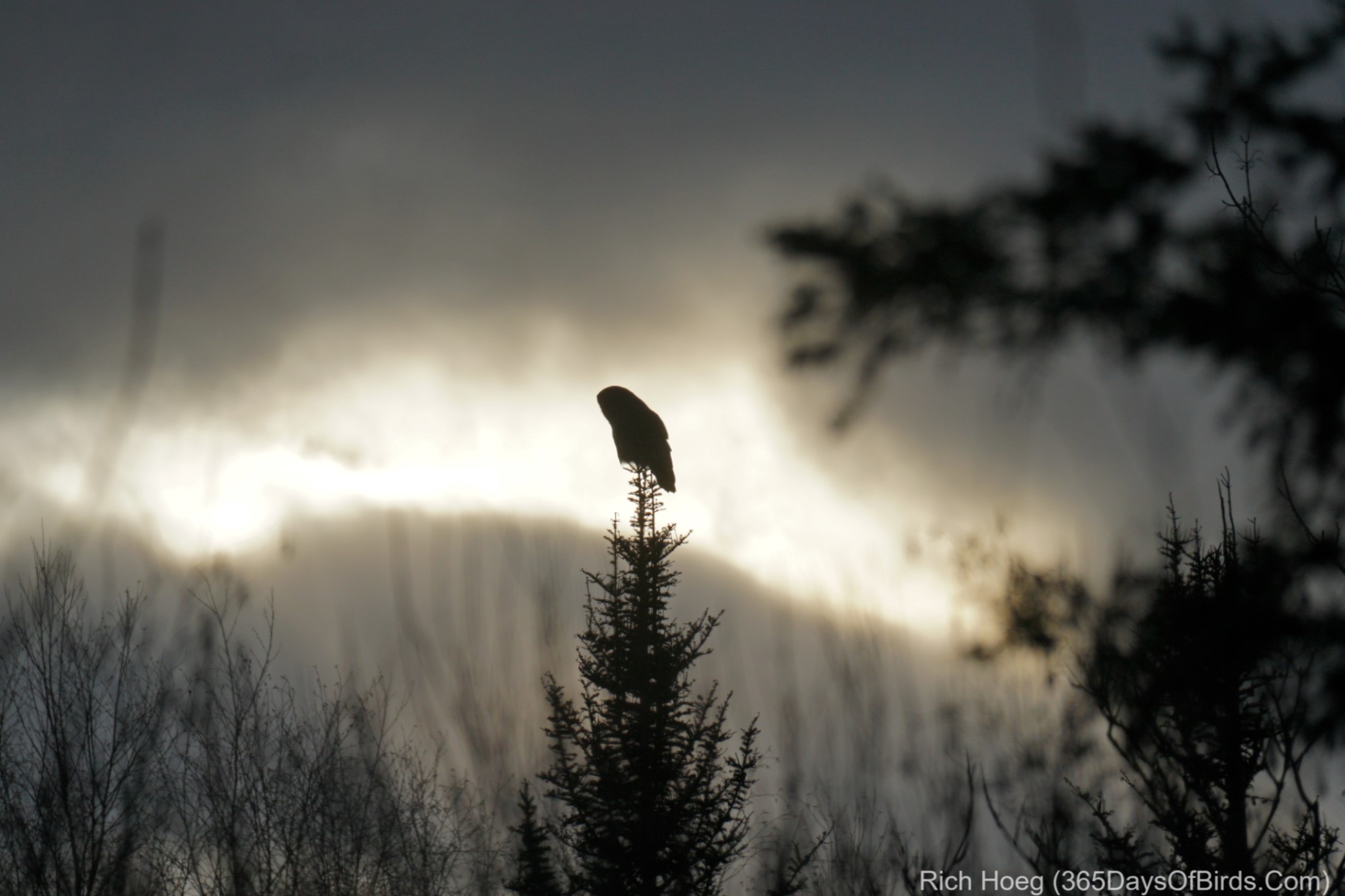
I was wrong. The owl eventually flew 200 yards distant and posed with an opening in the clouds right behind it. The artist in me loved the photo.

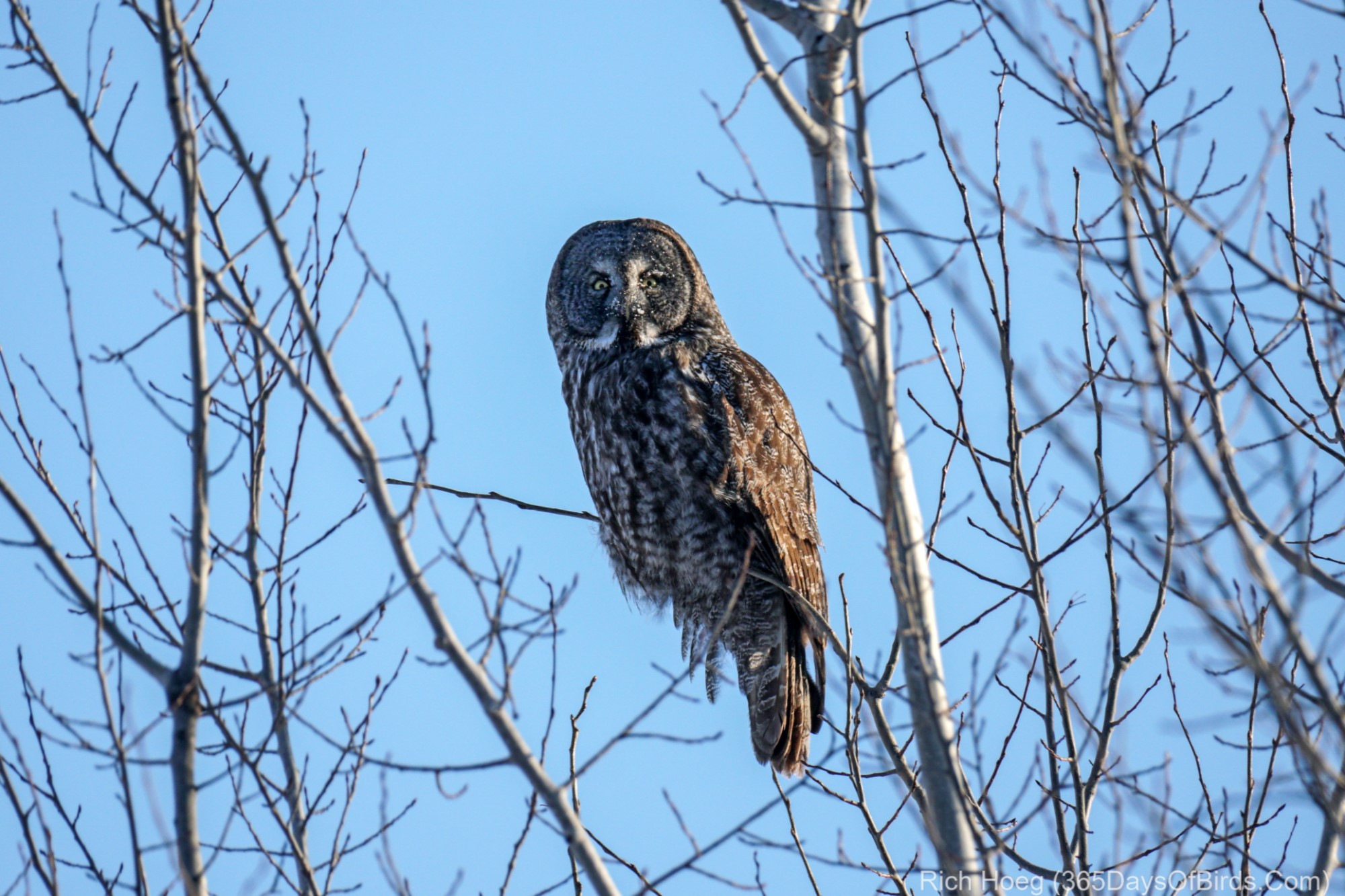
Yesterday morning I continued my owling. Although the mercury had dipped to -16F (-27C), there was no wind. As the sun rose everyone … owl and human alike could feel the warming rays of sunshine. Although Great Gray Owls normally don’t hunt in the bright sun, I found two out long past sunrise enjoying the weather.

Great Gray Owl #2
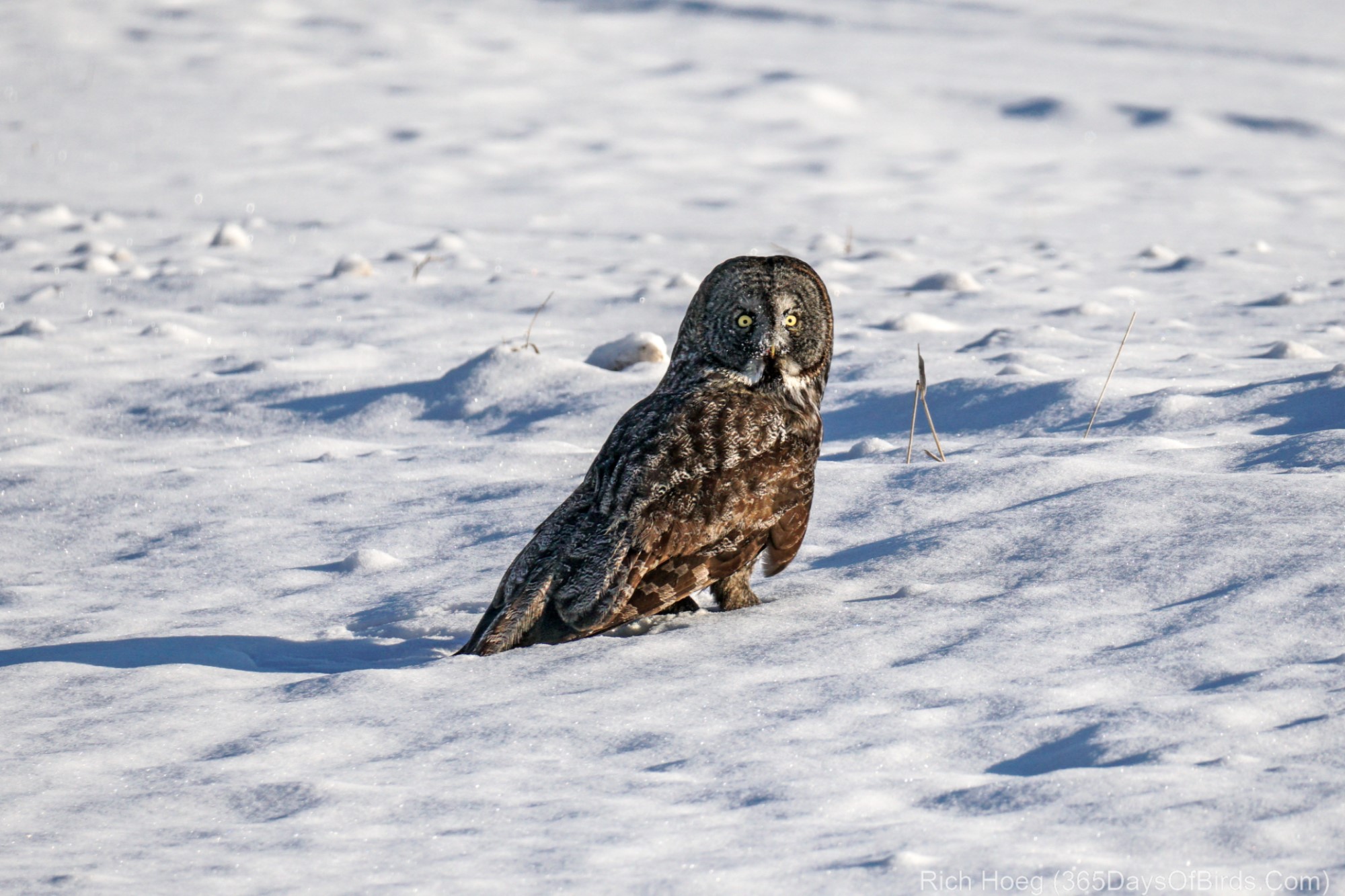
Great Gray Owl #3
Unexpected Birding Pleasures: Black Billed Magpies

This morning when I headed out birding I never expected such success. I was just happy the temperature was above zero … not by much (1F or -17C). Major heat wave! For the past two weeks every morning has -20F or worse. Thus, you should understand why I was so happy to be out birding in warm weather!

Given the bright sun and reflections off the snow, I felt it was foolish to look for Great Gray Owls. Instead I visited the crabapple farm. This old farm with all its fruit is a bird magnet in the winter. I did not understand how true this statement would prove to be, just not as expected. I also saw Bohemian Waxwings and Pine Grosbeaks at the farm.

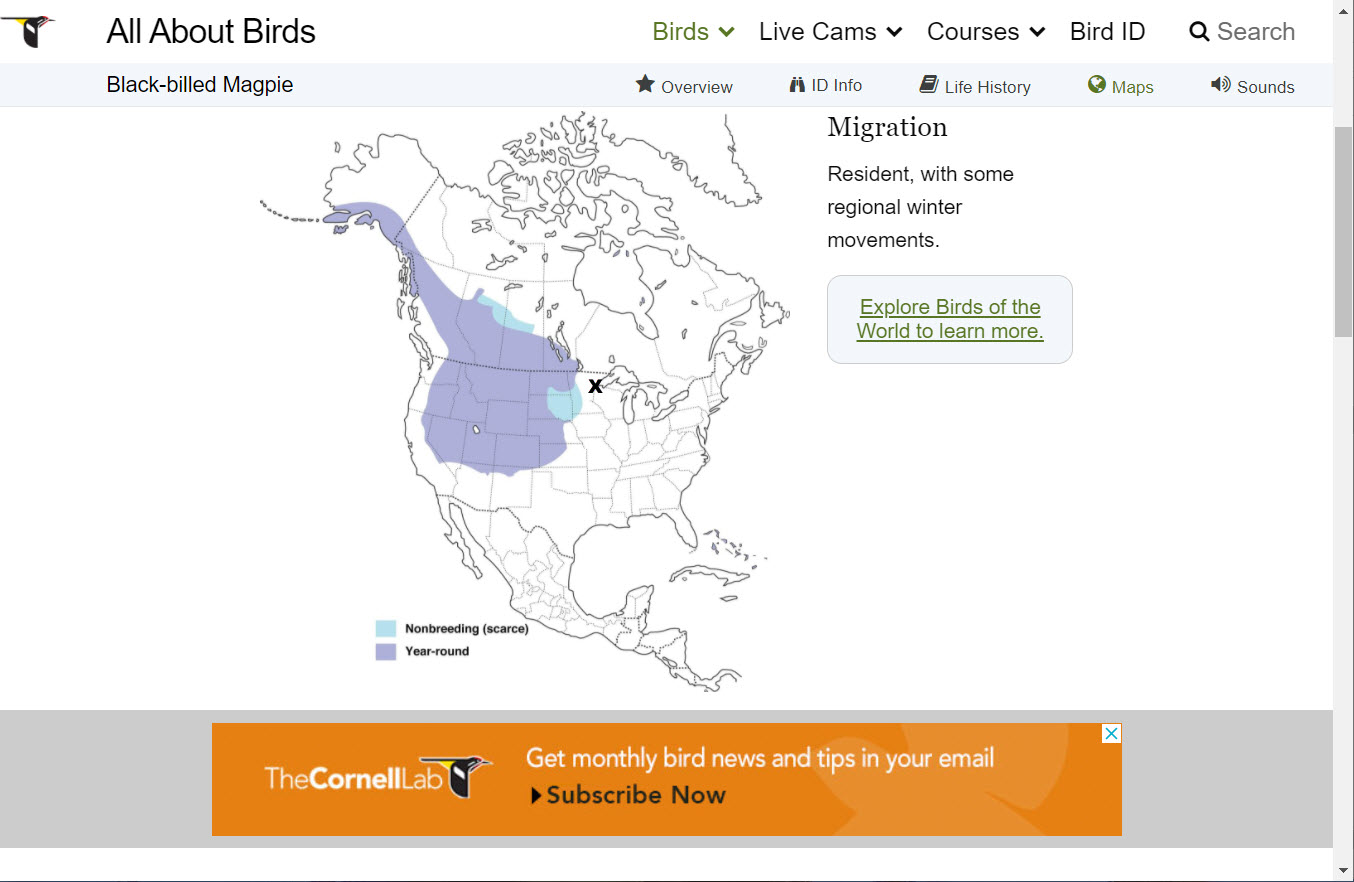
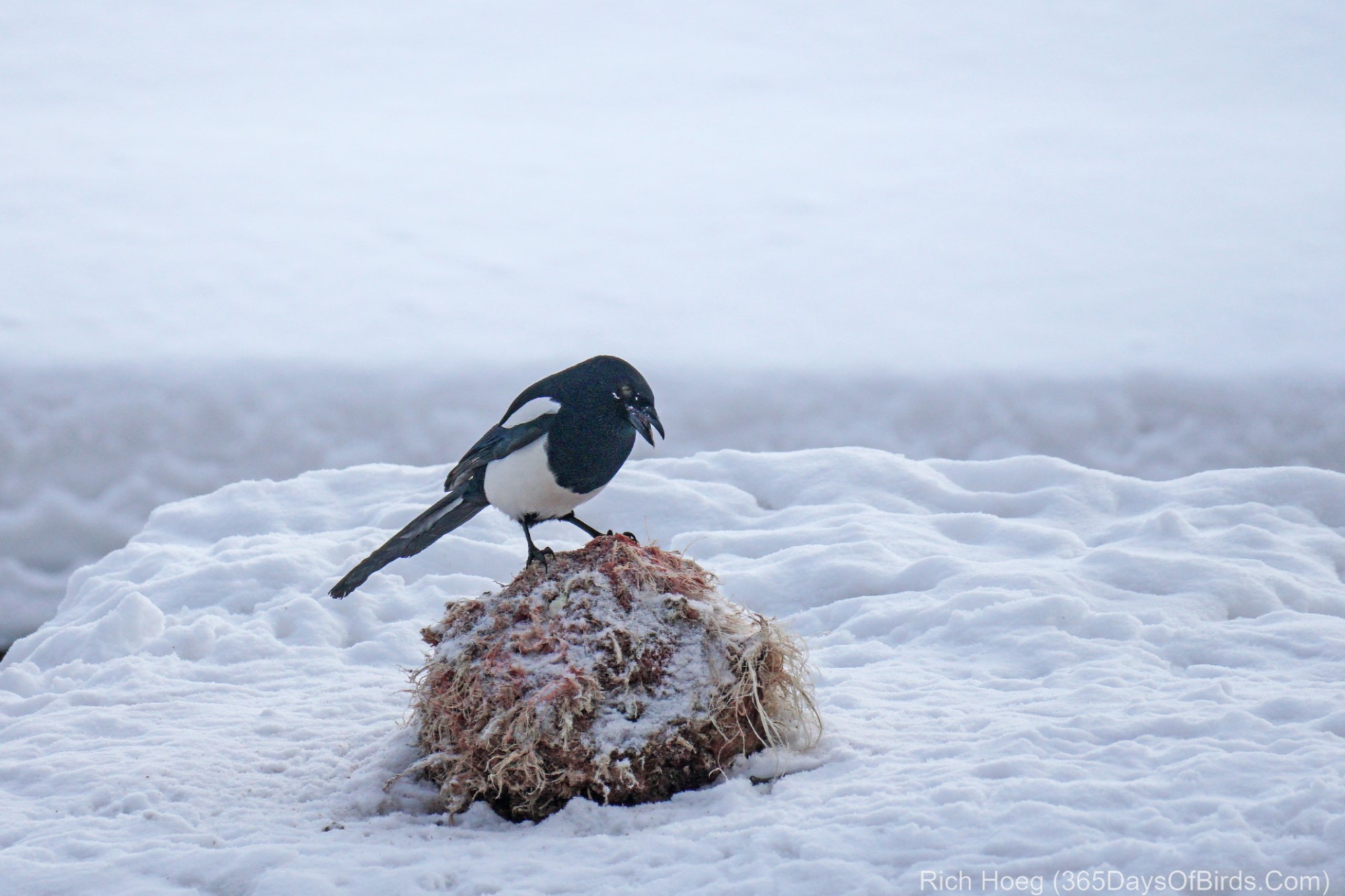
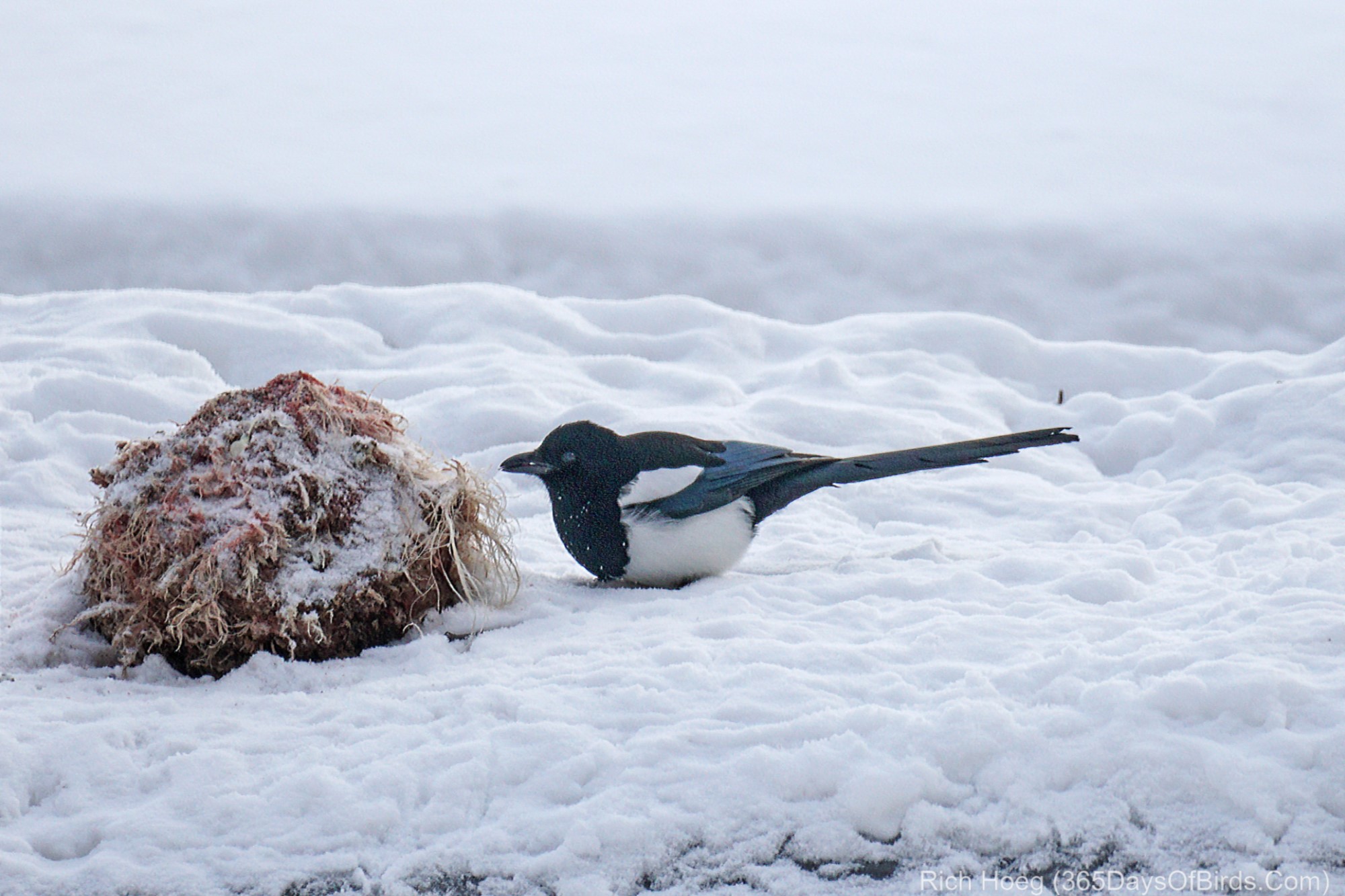
I found four Black-Billed Magpies! If you examine the range map from the Cornell School of Ornithology, you will noted northeastern Minnesota is well out of the expected range. However, these birds have been extending their range east, and I occasionally see them a bit west of my home area in Sax-Zim Bog, but near Lake Superior???

The magpies were feeding on some kind of carcass. I will need to return when light is more favorable for photos (it was somewhat in front of me).

Hoot Hikes at -20F (-29C)

I figure I’ve taken over 25 Hoot Hikes this winter! Some folks might say I am bird brained! After all, who will take a HUGE number of hikes at night … particularly over the past two weeks when the temperature during my night time walks was never warmer than -10F. I was following Hoots! (and triangulating the sound)
.
Great Horned Owls nest about this time of year, and for the last three years a family of Great Horned Owls have lived near my home at the northern edge of Duluth. Last year, my happy couple nested on February 8th. With the extremely cold weather which has been reaching around -20F to -25F every night for the past 12 days, I think my local owls delayed their housewarming (nestwarming?) a touch. They have used up a lot of energy just in the process of staying alive given the frigid weather.
.
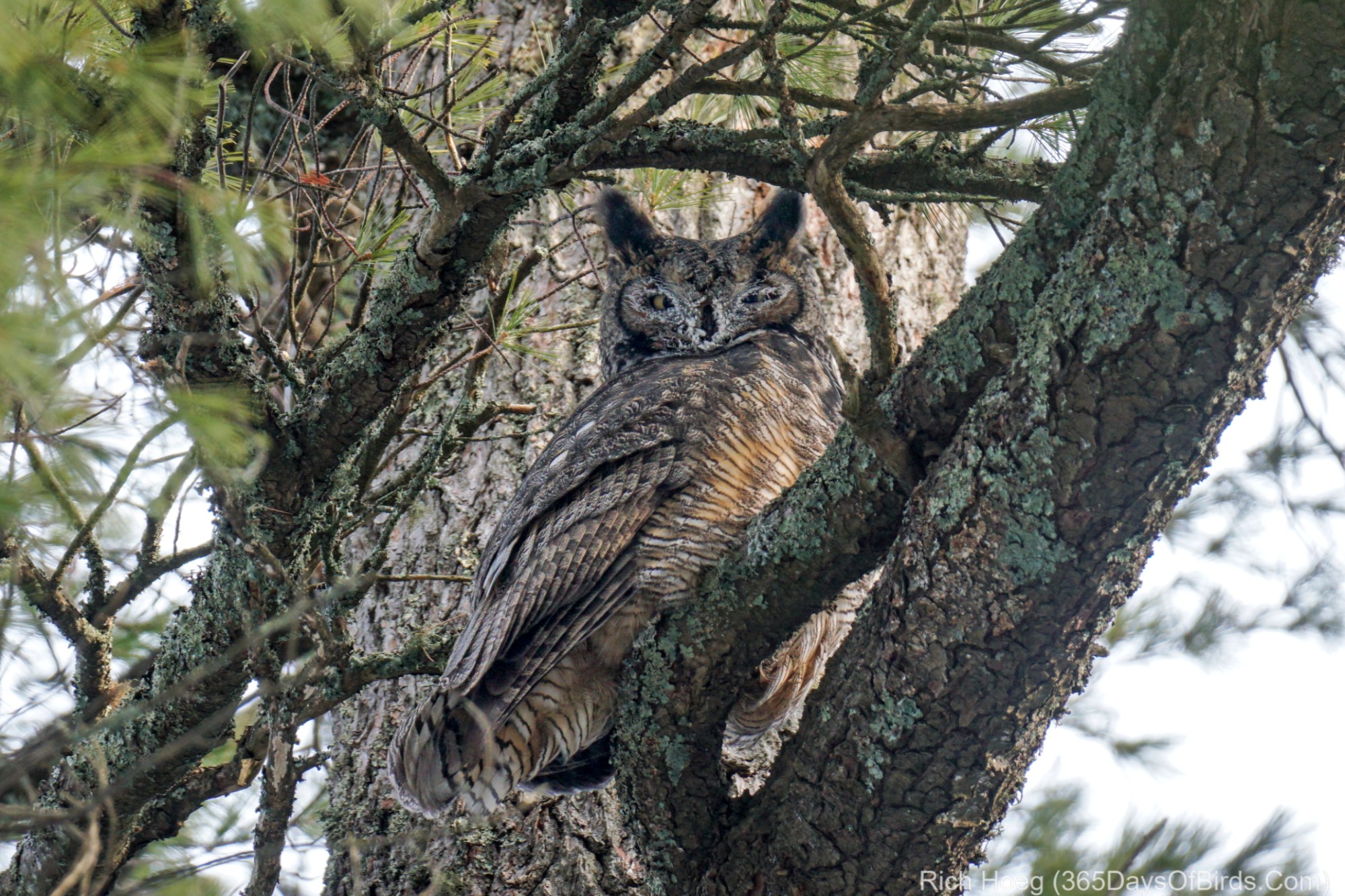
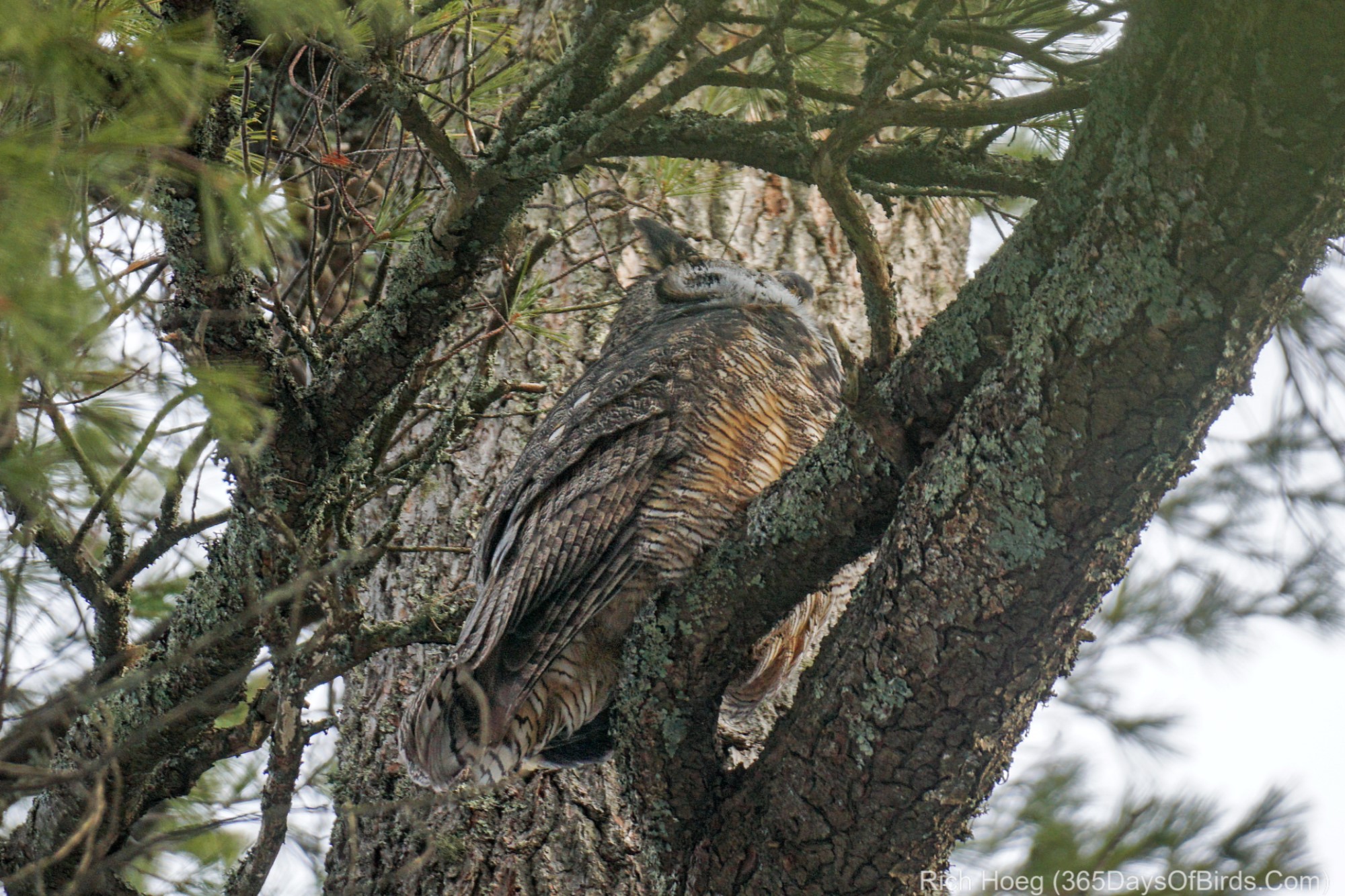
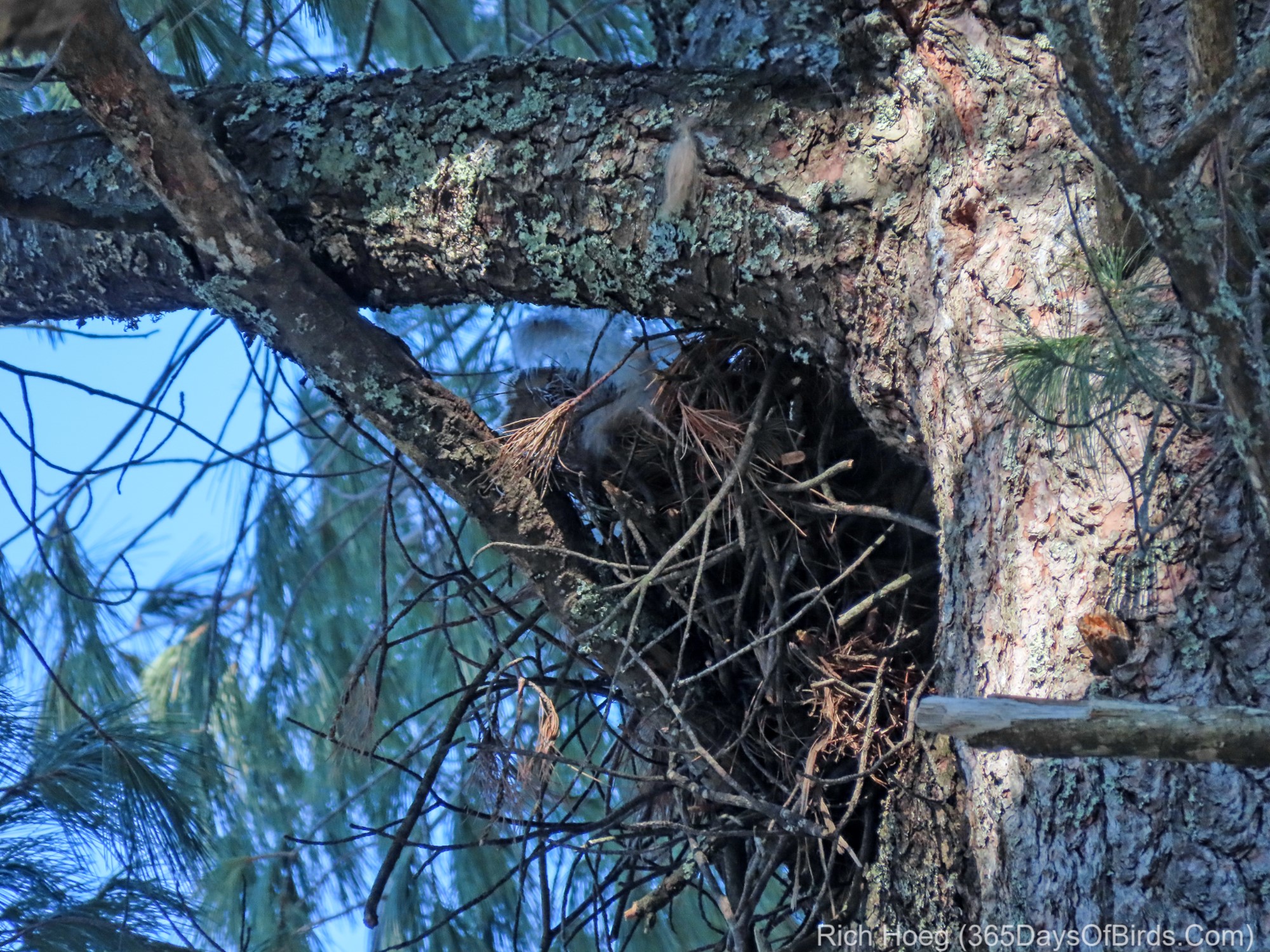
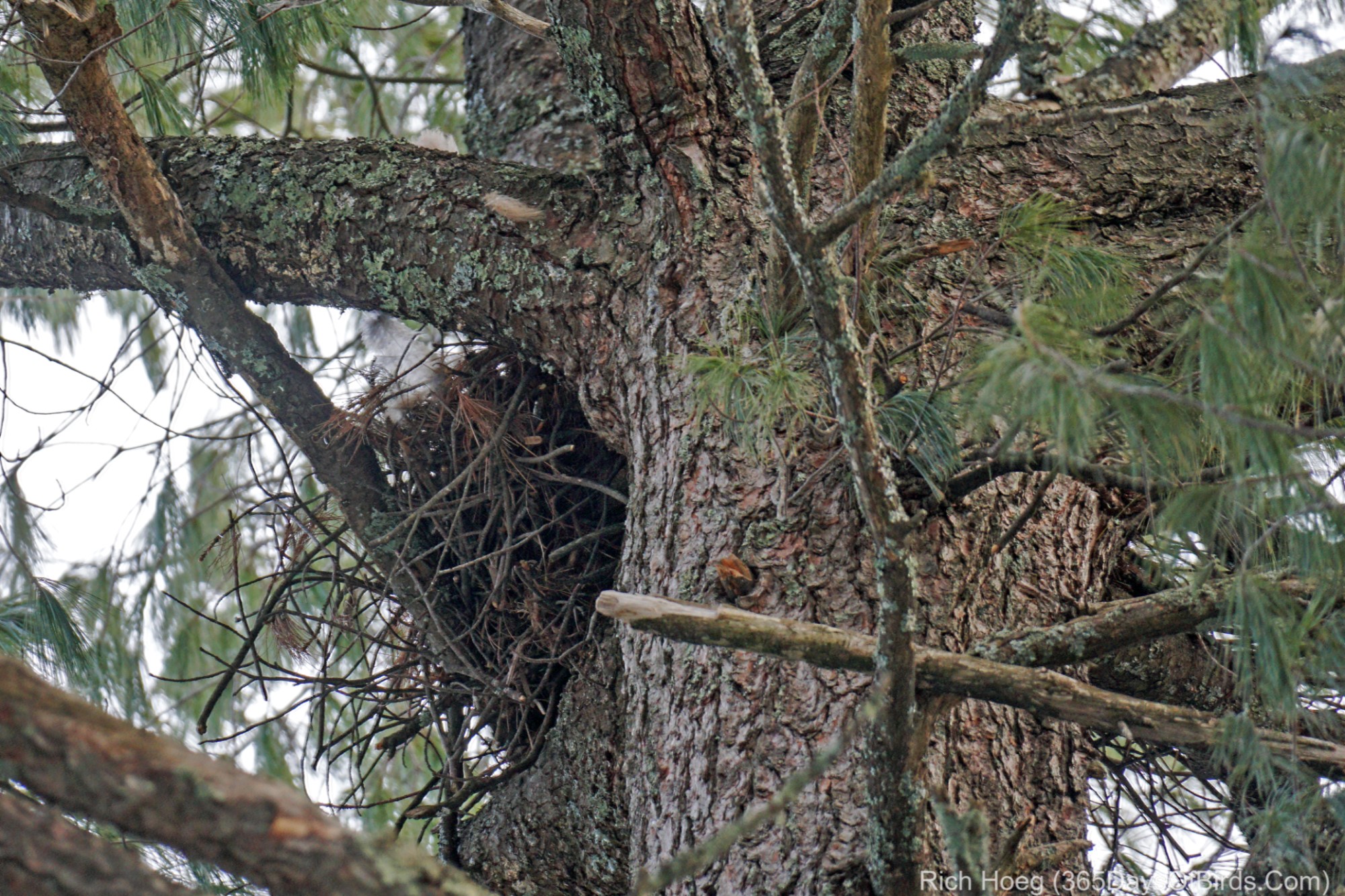
Anyhow, I have followed the evening Hoot. Yesterday afternoon I hiked to my suspected nesting location during the day and scanned all the nearby White Pines with my binoculars. Jackpot! I think this is the female Great Horned Owl (she’s bigger than the male) all fluffed up against the cold. In a tree 15 yards away I think I found the proposed nest. GHO’s use nests that other birds created in past years, and sometime add some of their own feathers.

These two photos taken just after sunrise this morning when the temperature was -18F. Thus, have you ever wondered what a Polar Vortex looks like? Frosted Owl. (may need to maximize the photographs to really see the frost on the owl’s head)


And the nest … notice the feathers and sticks. Great Horned Owls use nests built by other birds in prior years. From the Cornell School of Ornithology:

  • Nests often consist of sticks and vary widely in size, depending on which species originally built the nest (usually Red-tailed Hawks, other hawk species, crows, ravens, herons, or squirrels). Great Horned Owls may line the nest with shreds of bark, leaves, downy feathers plucked from their own breast, fur or feathers from prey, or trampled pellets. In some areas they add no lining at all. Nests deteriorate over the course of the breeding season, and are seldom reused in later years. (my owls have often gotten two years out of each nest they appropriate)