The Chalet and Greasy Spoon!

When I was a young boy in the 1960’s it was my job to fill the bird feeders at our Duluth home. Our feathered friends loved the feeders, particularly their locations 1+ story up from the ground and within a few feet of a big Blue Spruce. I quickly named our feeders “The Chalet and Greasy Spoon”. One feeder was shaped like a ski chalet (at least in the mind of an eight year old), and the other feeder quickly was named “The Greasy Spoon”.  Birds who used the Greasy Spoon wanted food quickly, and lots of it! This feeders was a large, open platform feeder which attracted all kinds of birds, including tons of Evening Grosbeaks (even Red Crossbills used the Greasy Spoon). You had to be a “high class” bird to visit The Chalet!

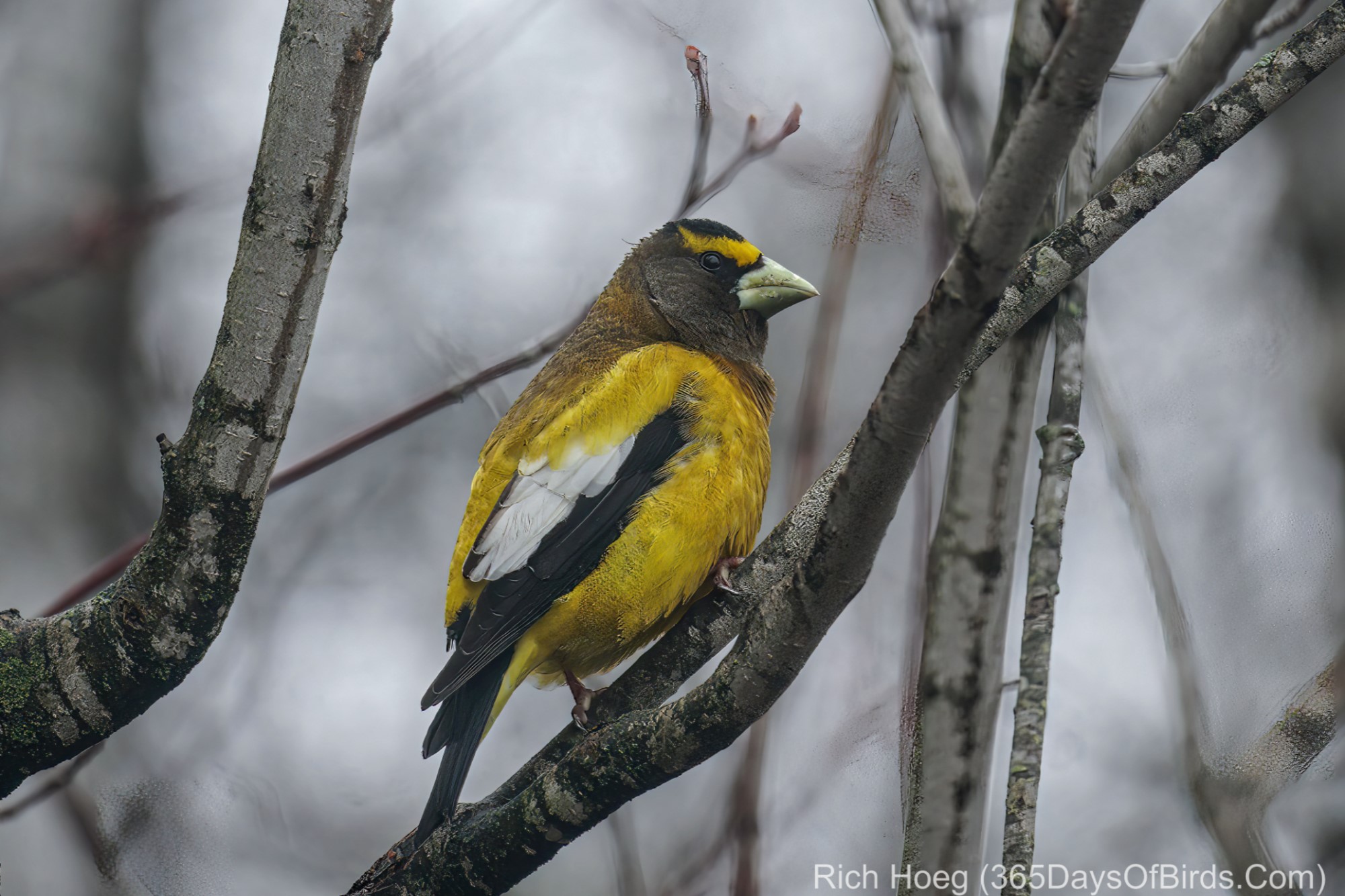
As most of you know the population of Evening Grosbeaks has crashed since the 1960’s. According to All About Birding: “populations dropped by an estimated 74% between 1966 and 2019, according to the North American Breeding Bird SurveyPartners in Flight”. For over ten years I have filled my own home’s “Greasy Spoon” in the hopes of attracting the golden birds, but although I could attract Pine and Rose-Breasted Grosbeaks, the yellow guys stayed away. Finally, yesterday it happened! My yard was alive with birdsong, including Evening Grosbeaks. The flock stayed all day, and some are still around this morning. If I get really lucky, a few will stay and nest in our pine forests on Amity Creek.

I don’t normally do feeder photographs, but … !

In this sequence you will see a White-Throated Sparrow been informed it must wait in line before using the Greasy Spoon! Lots of American Goldfinches were also told yesterday they had to wait for a table! And yes … The Greasy Spoon is at an angle due to not one, but two bear visits already this spring. The bear bends the metal pole, and I attempt to straighten same the next morning.
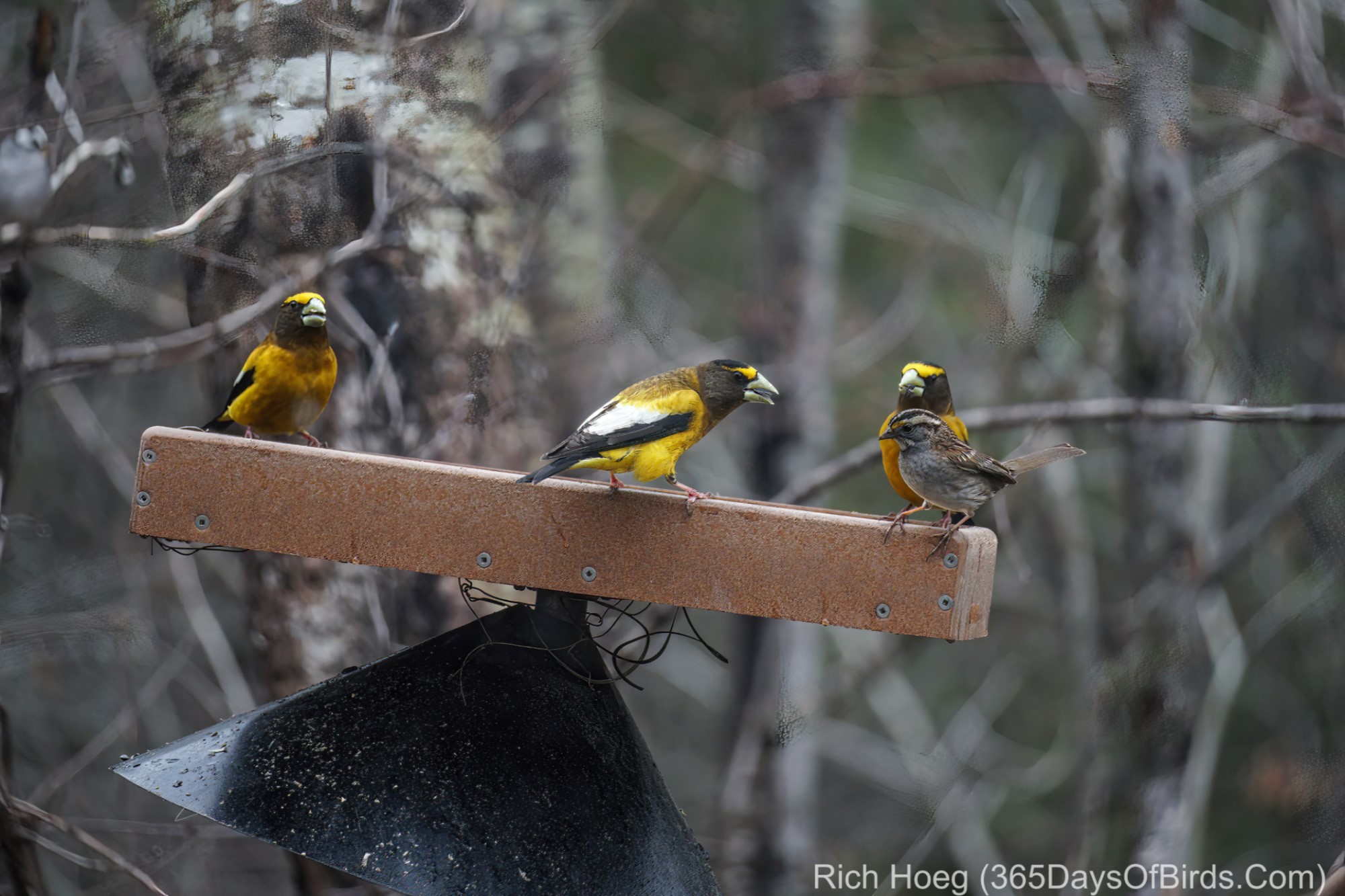
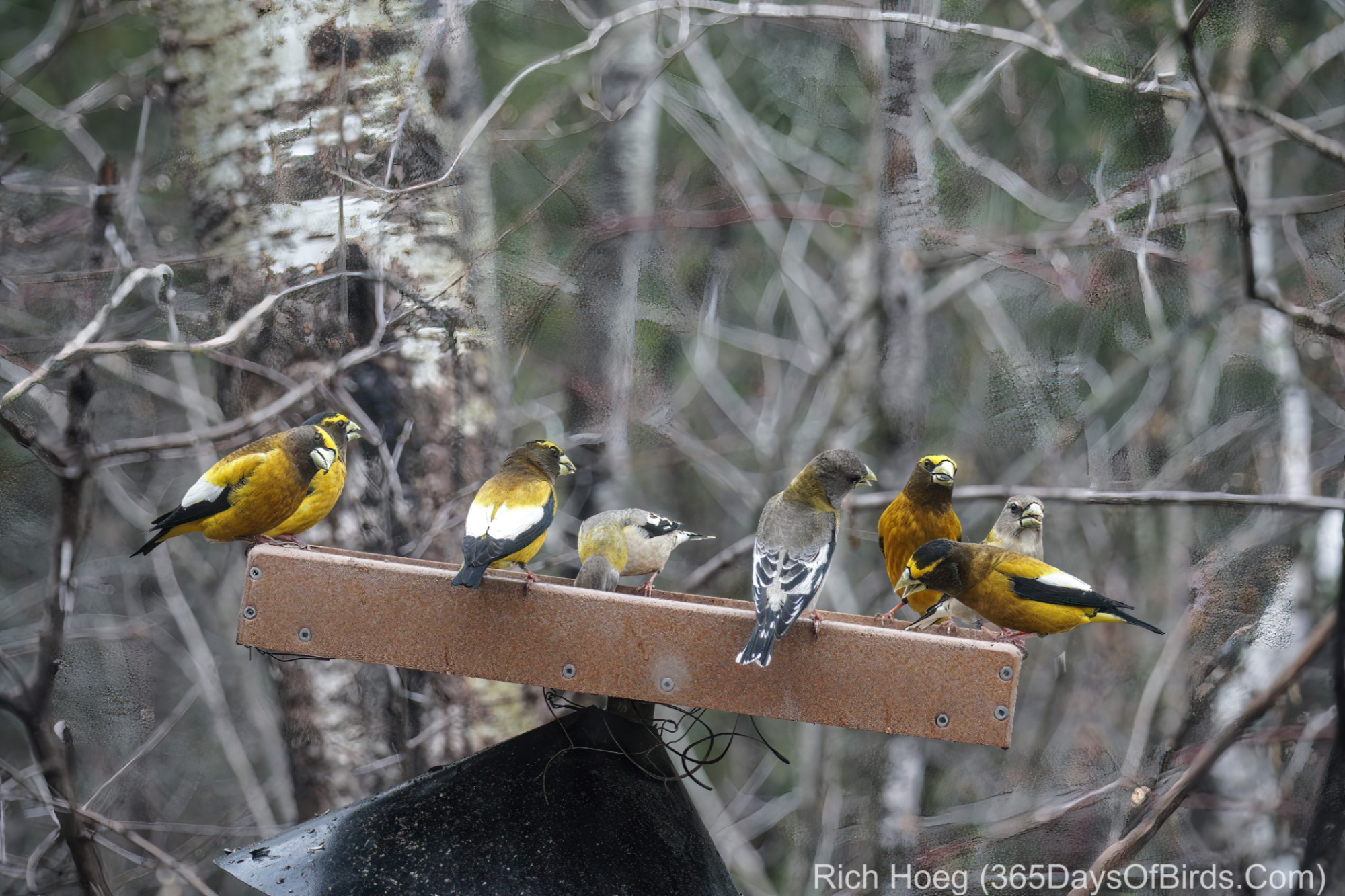
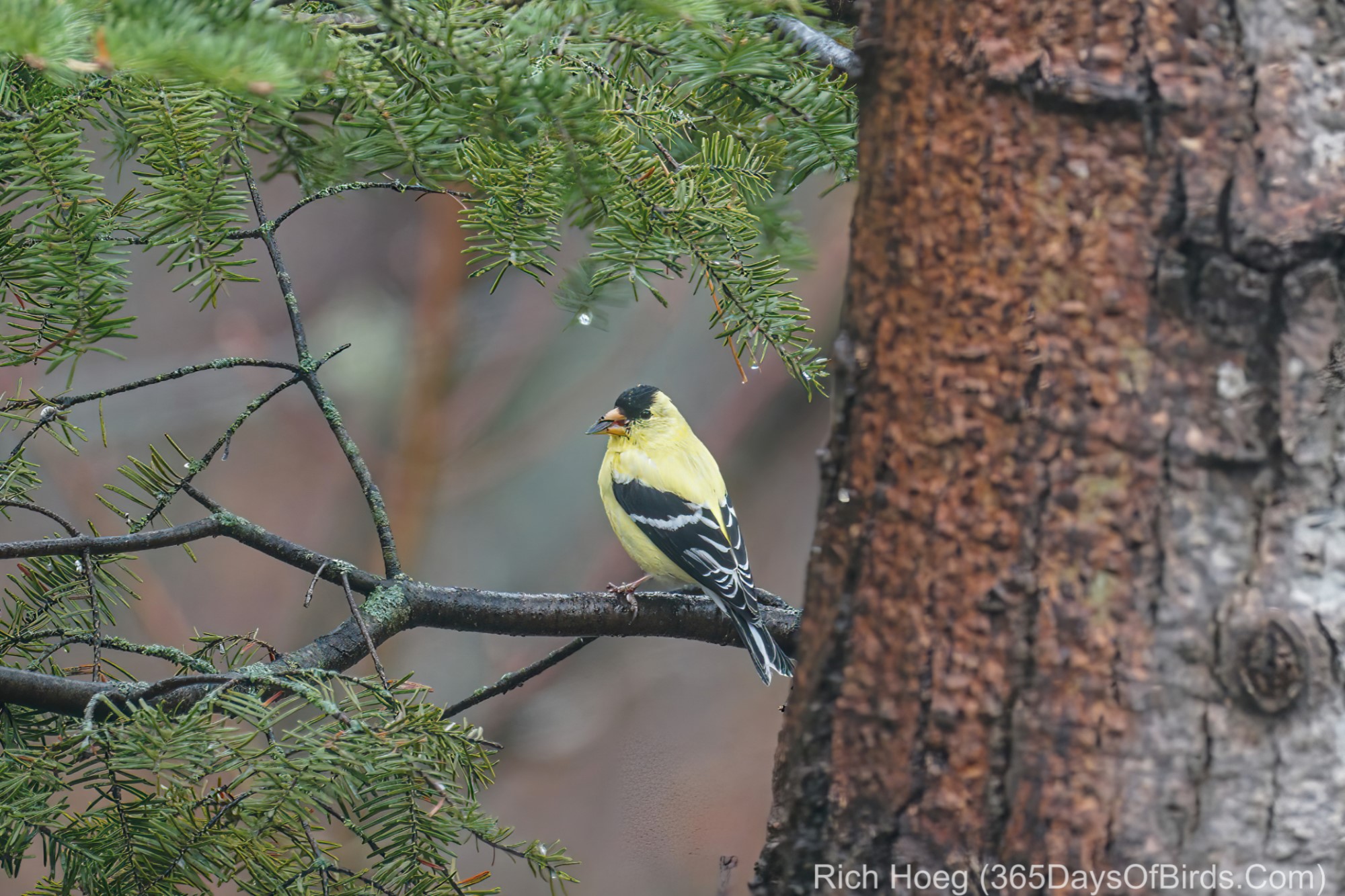
The Greasy Spoon Serving its Customers! (video link for email subscribers)
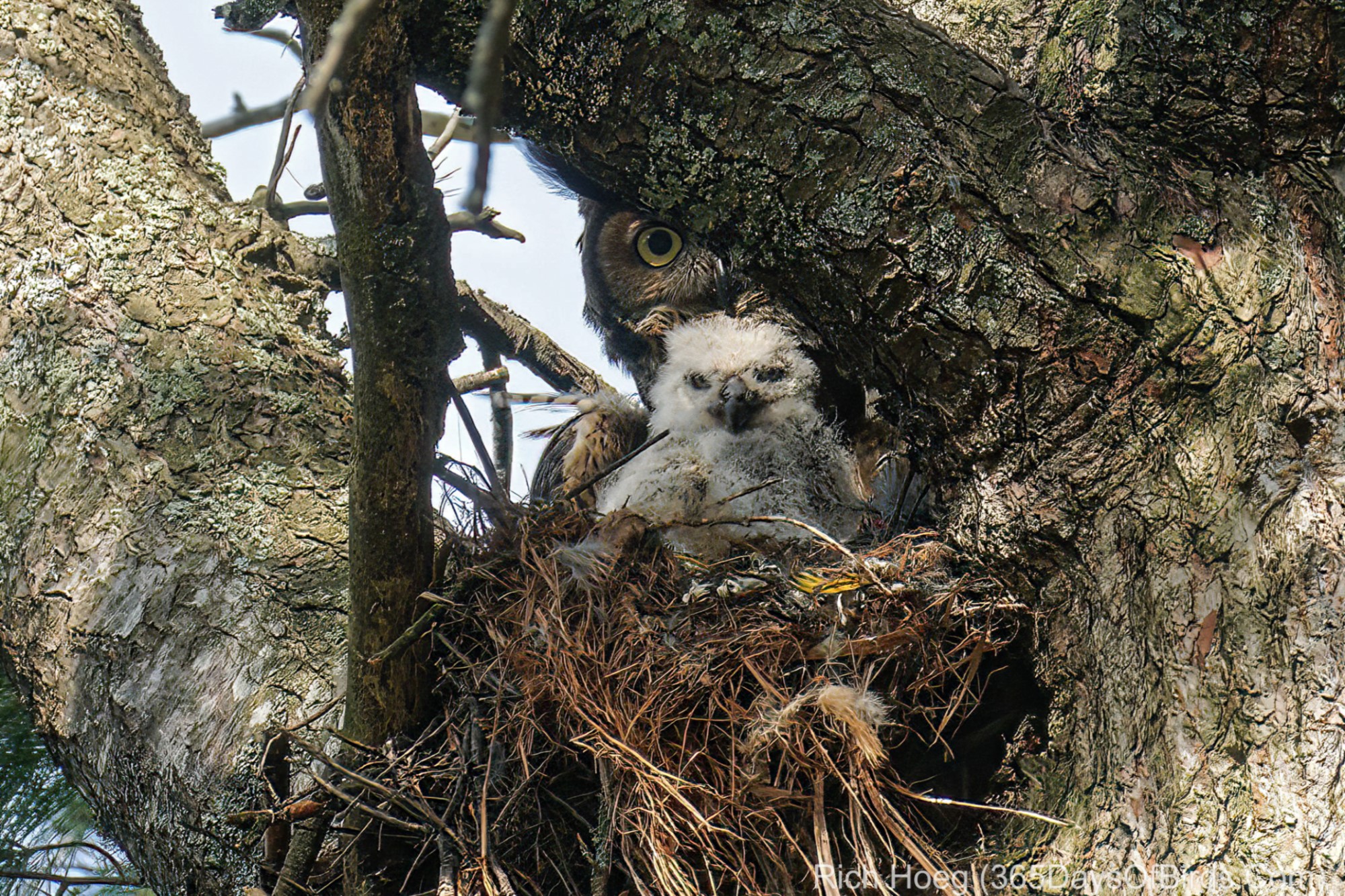
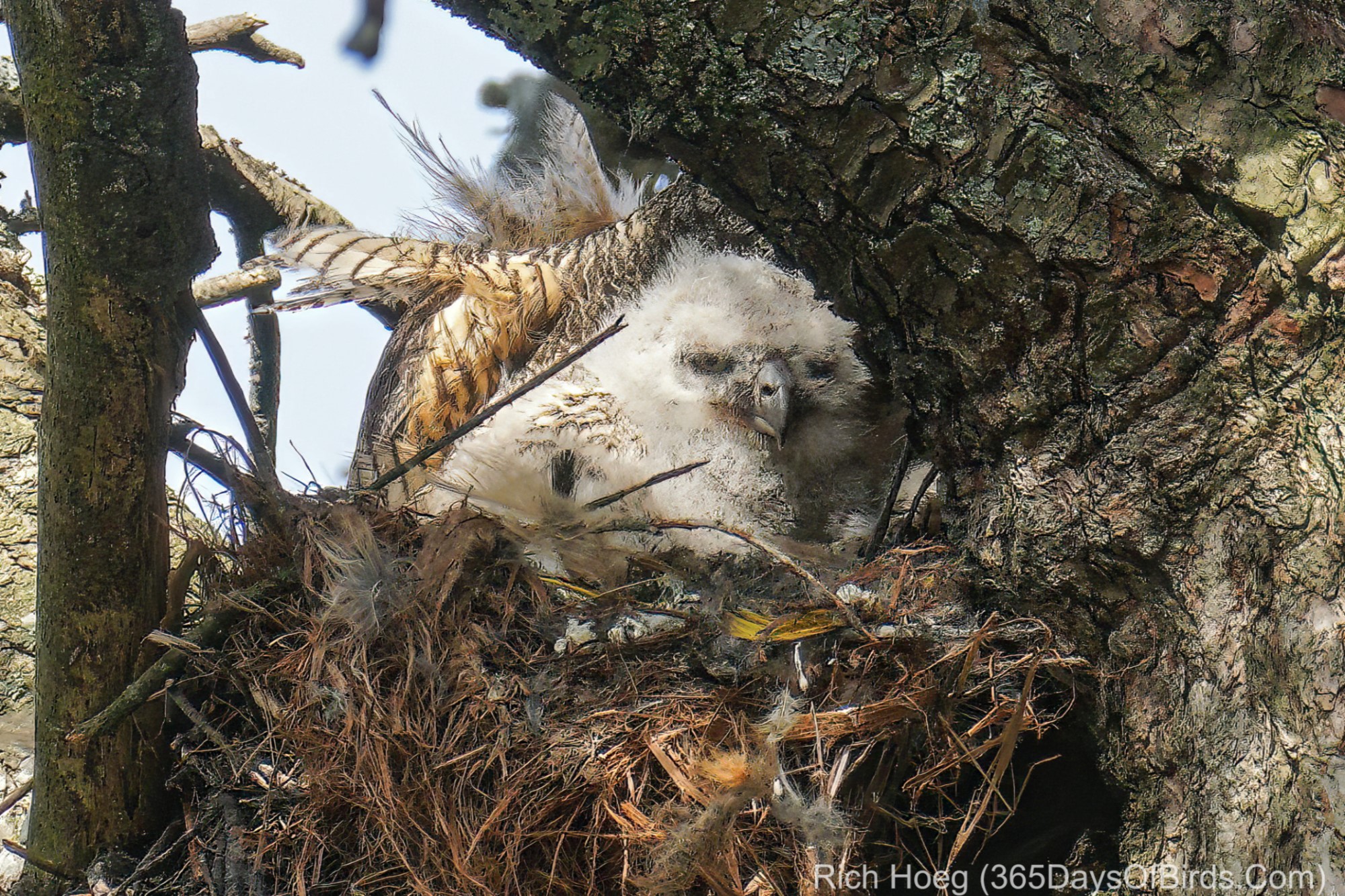
Meet Fuzz Ball the 1st! (Great Horned Owlet)

Yesterday afternoon the stars aligned, or should I say the owls, sun and open eyes!

I found the nest on March 12th, which may have been the day of the first egg was laid. At this point, I don’t know how many owlets are in the nest. It is obvious at least one youngster is still under Mom, and GHO owlets are born up to 7 days apart (the eggs are laid that far apart in terms of time), In past years the owlets had actually fledged by this date (i.e. were able to fly). (See the nesting timeline from Cornell) Normally owlets open their eyes upon reaching about nine days old.

Anyhow, meet “fuzz ball”. The image was taken yesterday afternoon around 4:30 a bit north of Duluth. If you would like to watch these owlets grow up, I will likely be able to track them through about Labor Day. Don’t forget I give away a free full version PDF copies of Do You Hoot? which tells the story of the owlets from two years ago.

Anyhow … Fuzz Ball the First!
(email subscribers … see the Fuzz Ball Movies! One | Two)


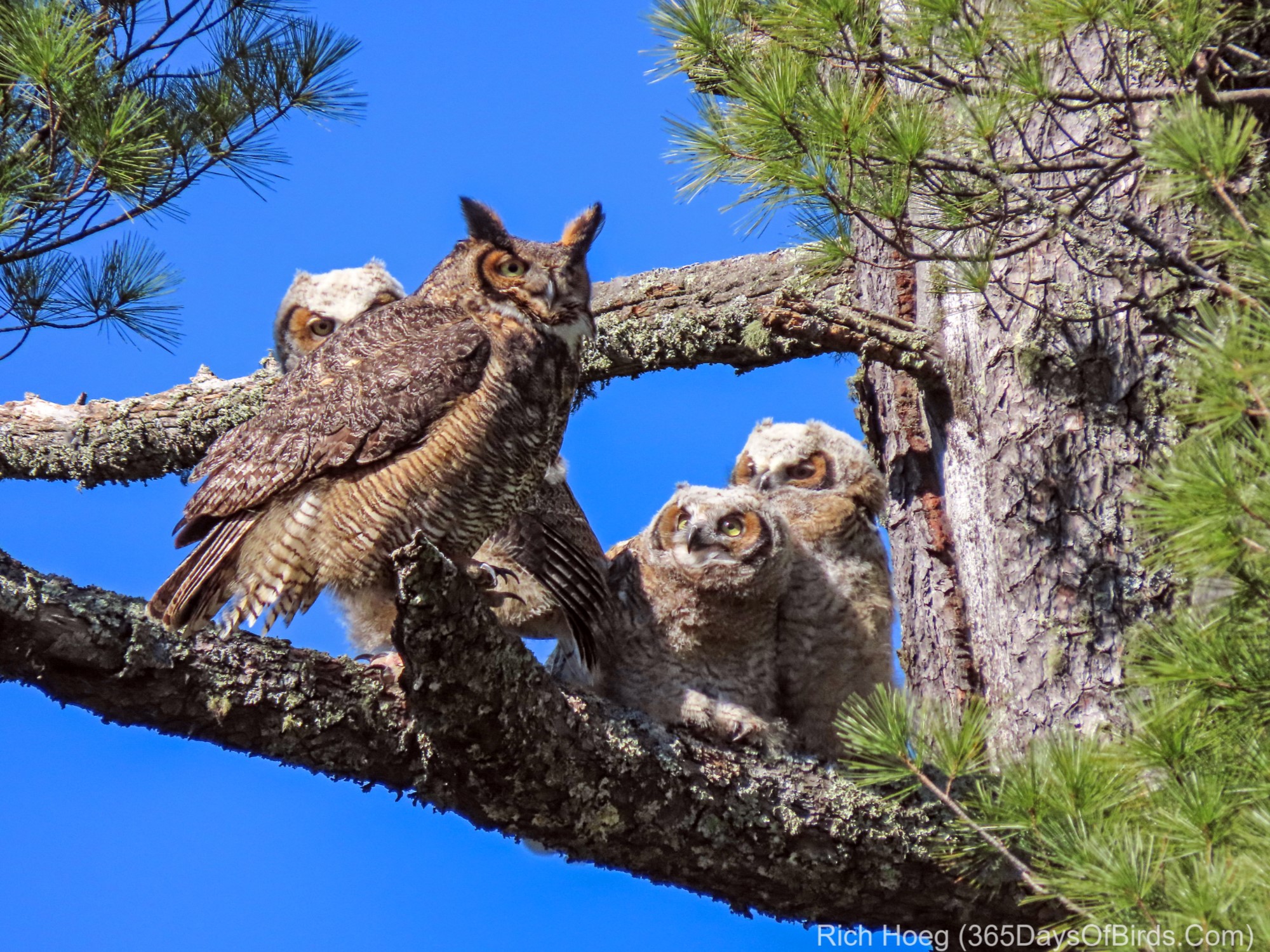
Let’s compare the apparent age and size to the Amity triplets. Photograph taken three years ago on the same day in May.

Colder by the Lake Birding (and foxes!)

Colder by the Lake! As we drove home two days ago, the temperature was 65F across Minnesota … until Molly and I approached Duluth. Any weather forecast for the State of Minnesota at this time of year will always end, but “colder near Lake Superior”. The water temperature in the big lake is in the high 30’s F, which makes it hard to warm up the air if you live near Gitchi Gummi. Thus, 45F is a pretty common temperature at my house 800 yards above the shore if the wind is off the lake (or colder).

One practical effect of “colder by the lake” is spring food production starts later than spots inland. The Black Bear which raided my bird feeders last night understands this issue very well. Find a food source and stick with it! For birding, find the local micro-climate with food and migrating birds will be easily be found. Here are a few images I took over the past few days.

Amity Creek (my home area)
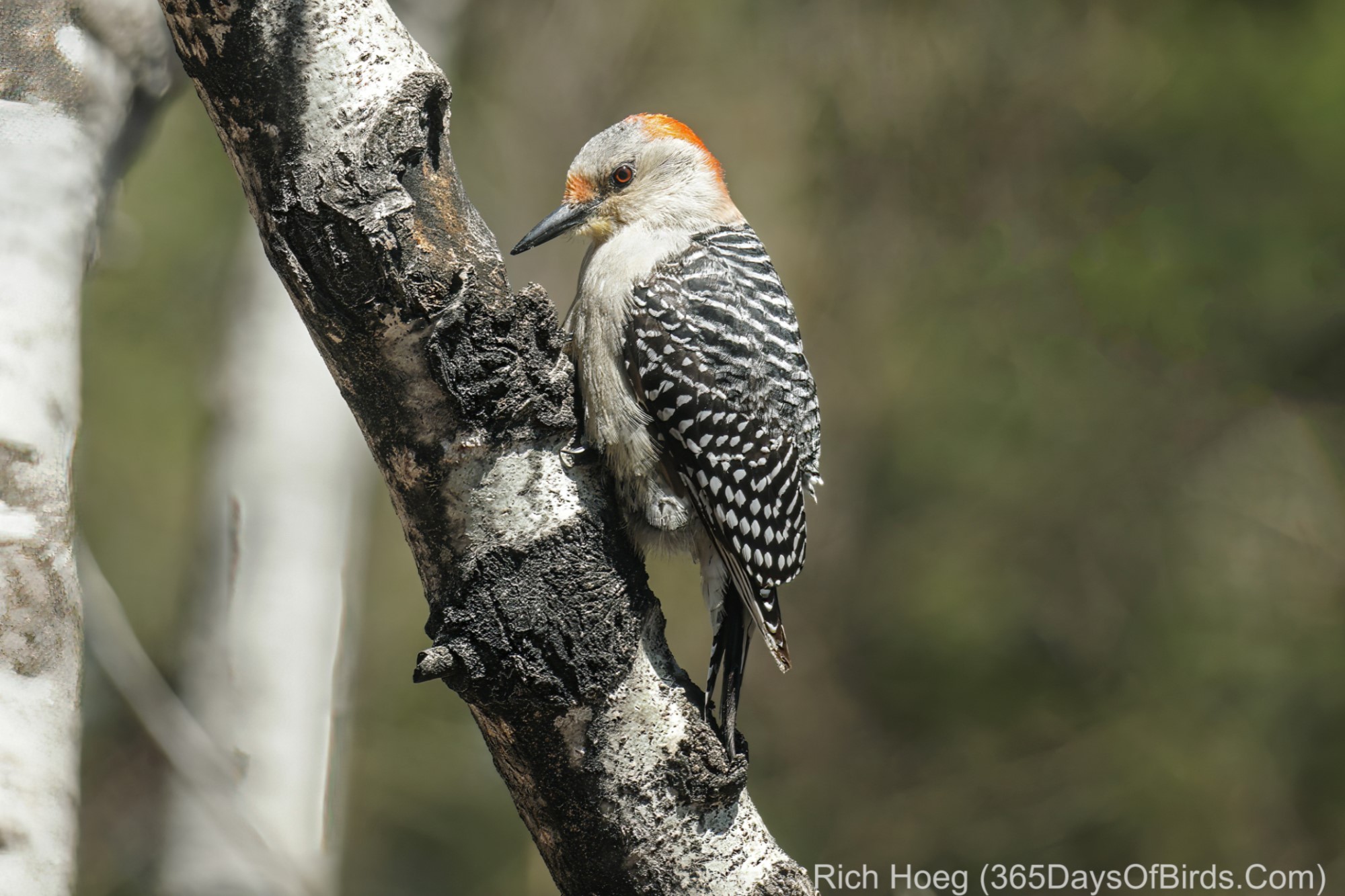
Red-Bellied Woodpecker

Canosia Wildlife Preserve (Pioneer and Rice Lake Road Wetlands)
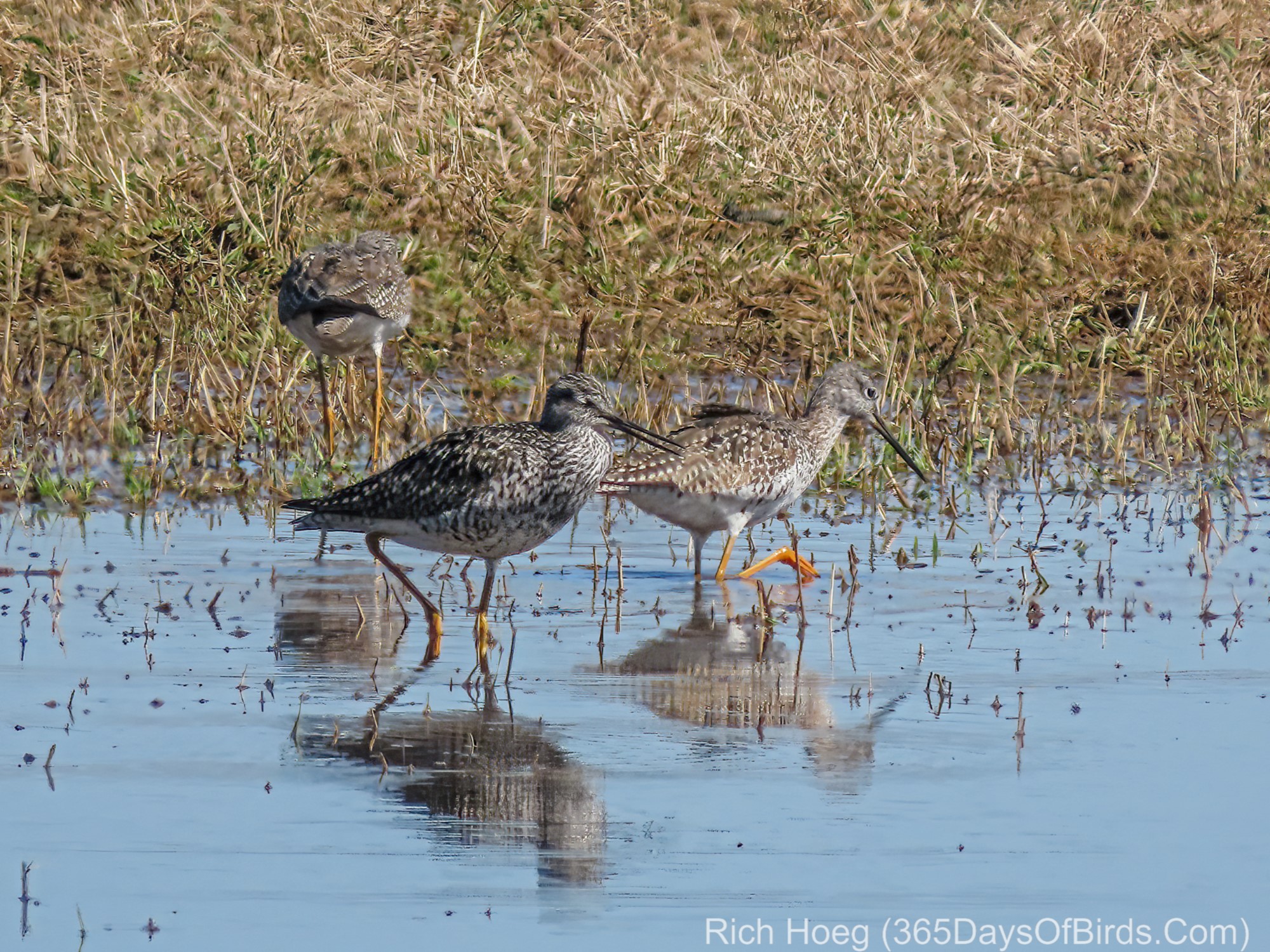
Greater Yellowlegs

Forest Hill Cemetery
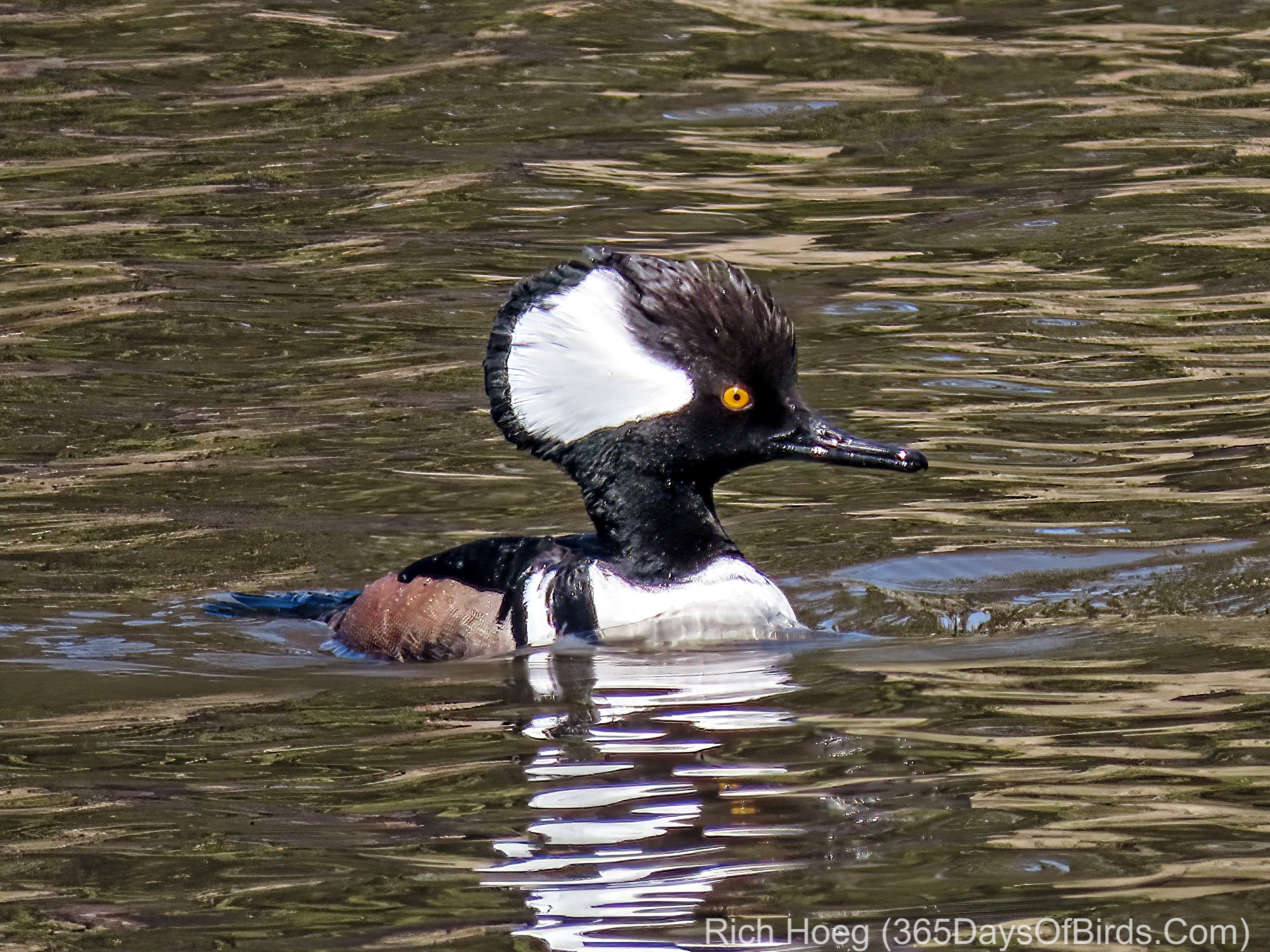
Hooded Merganser

St. Louis River at Chambers Grover
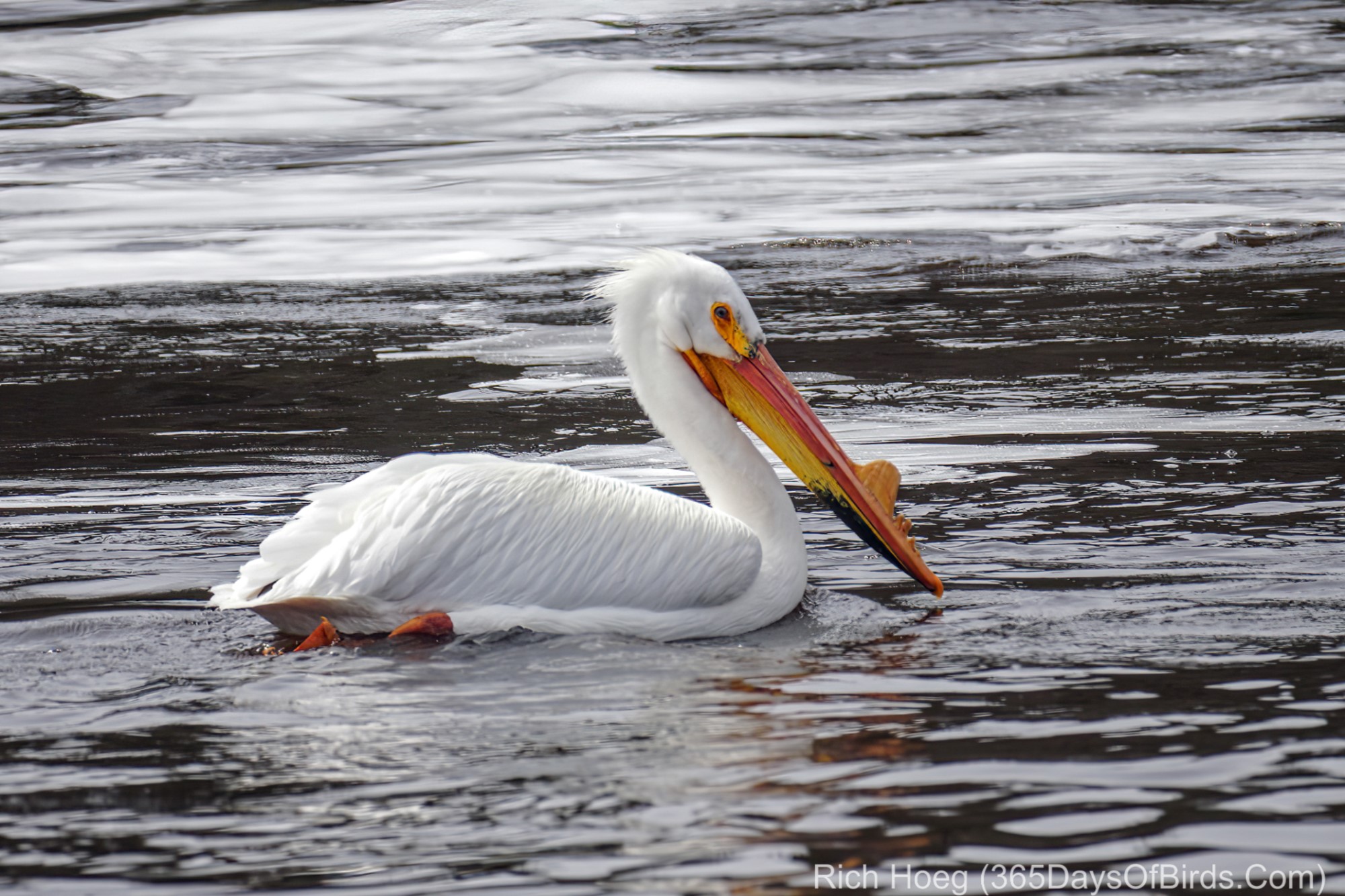
White Pelican

Duluth Area
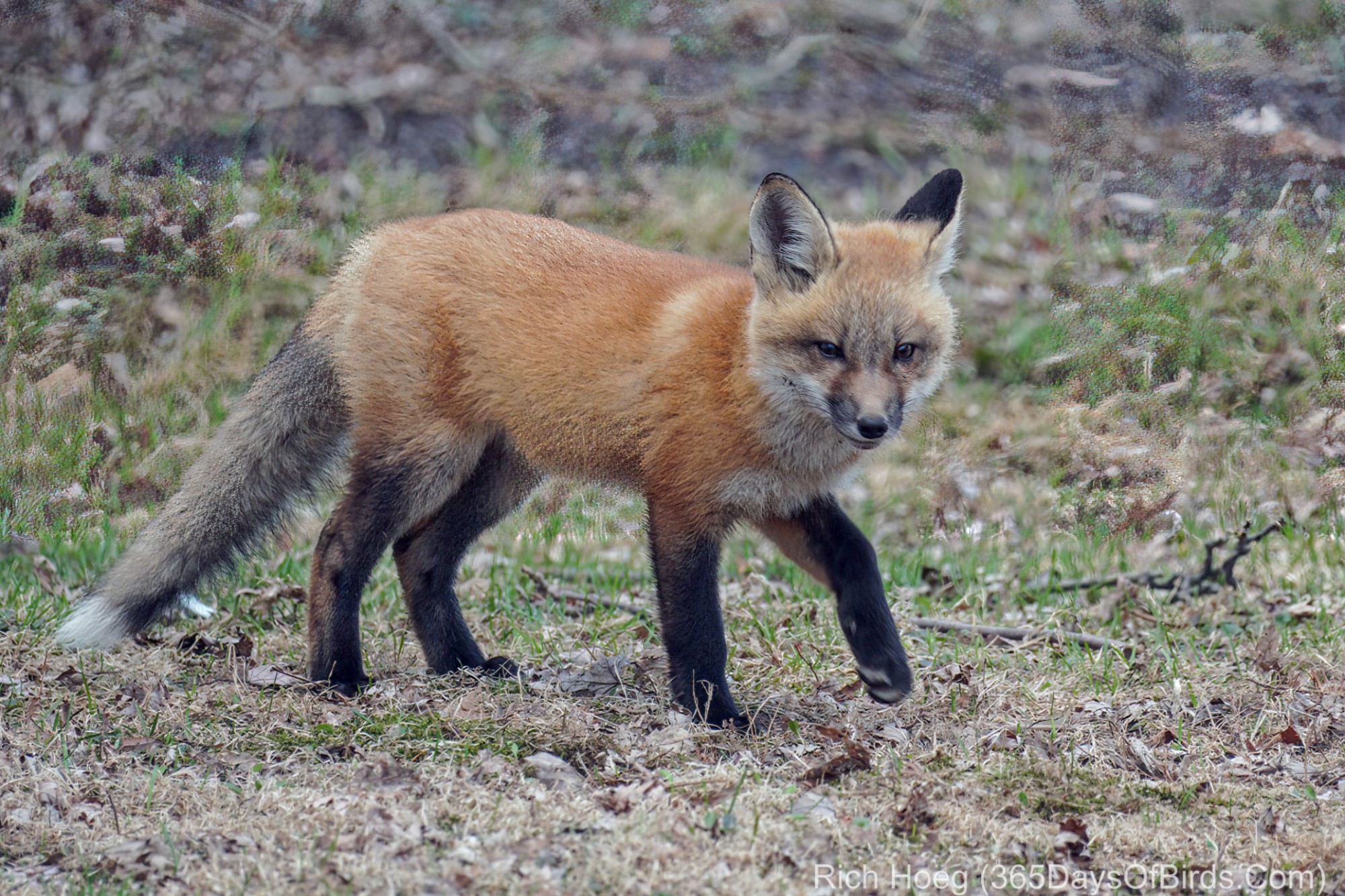
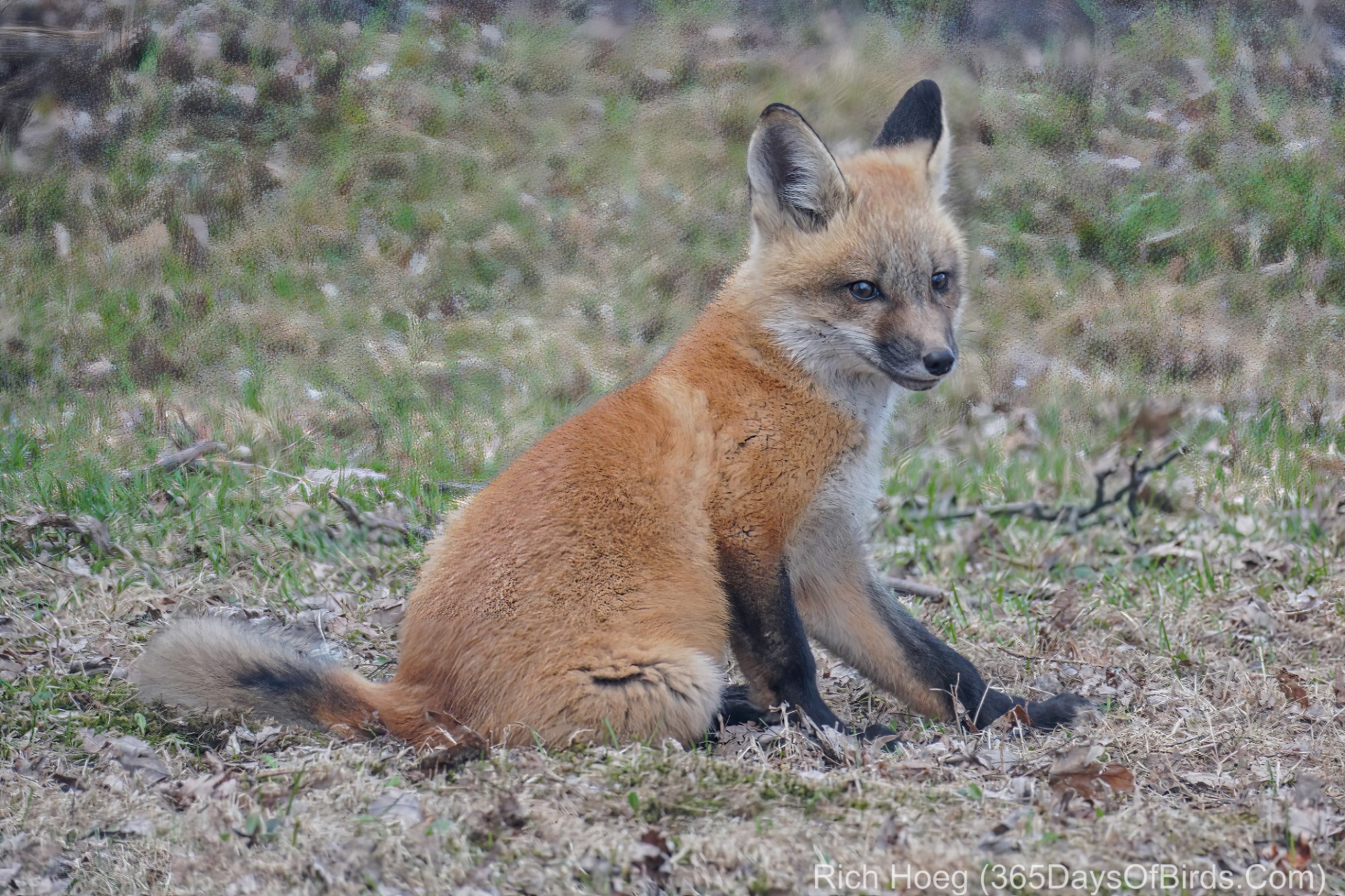
Fox Kits

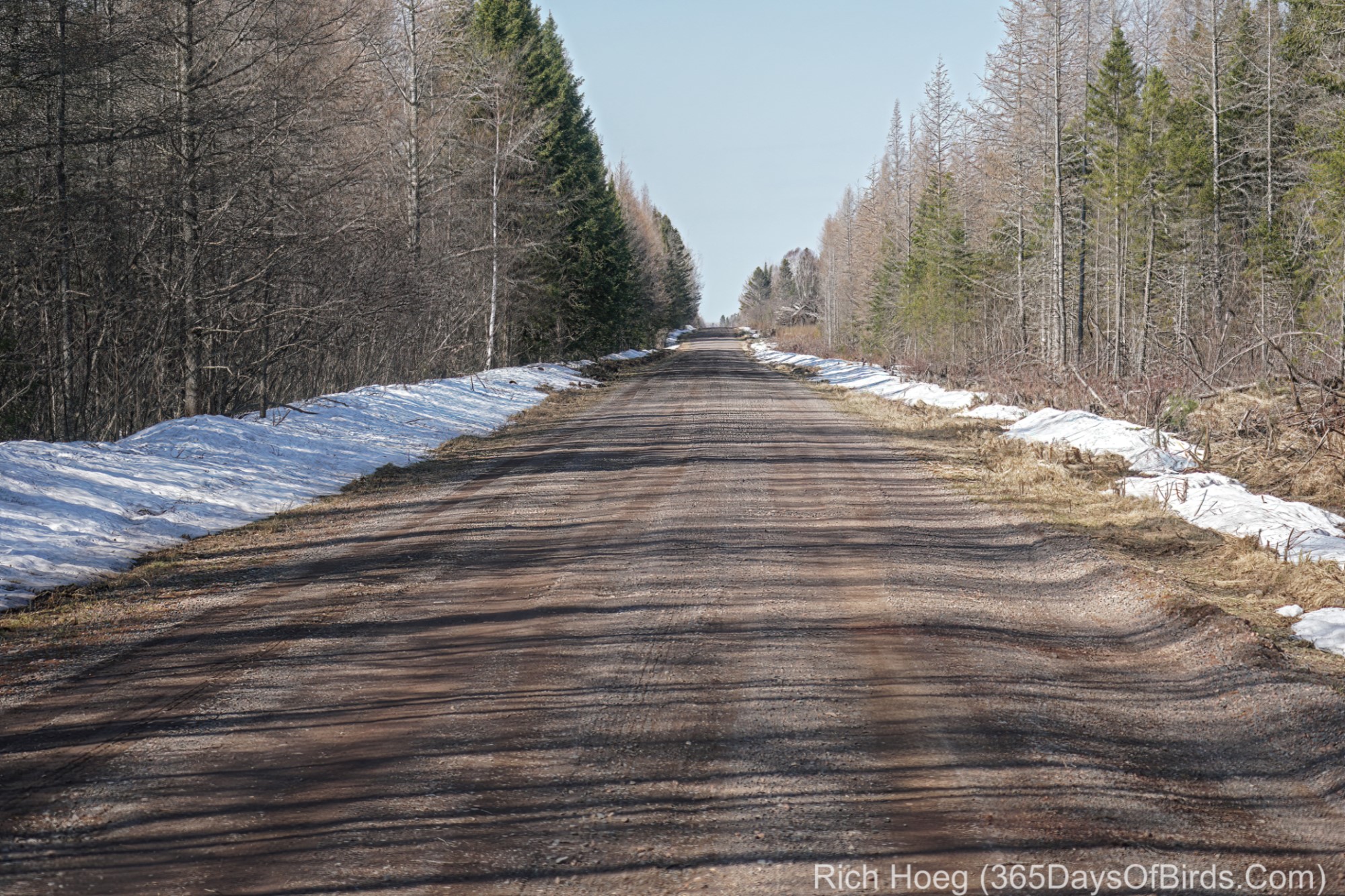
Stoney River Forest Road (Greenwood Forest Fire Region)
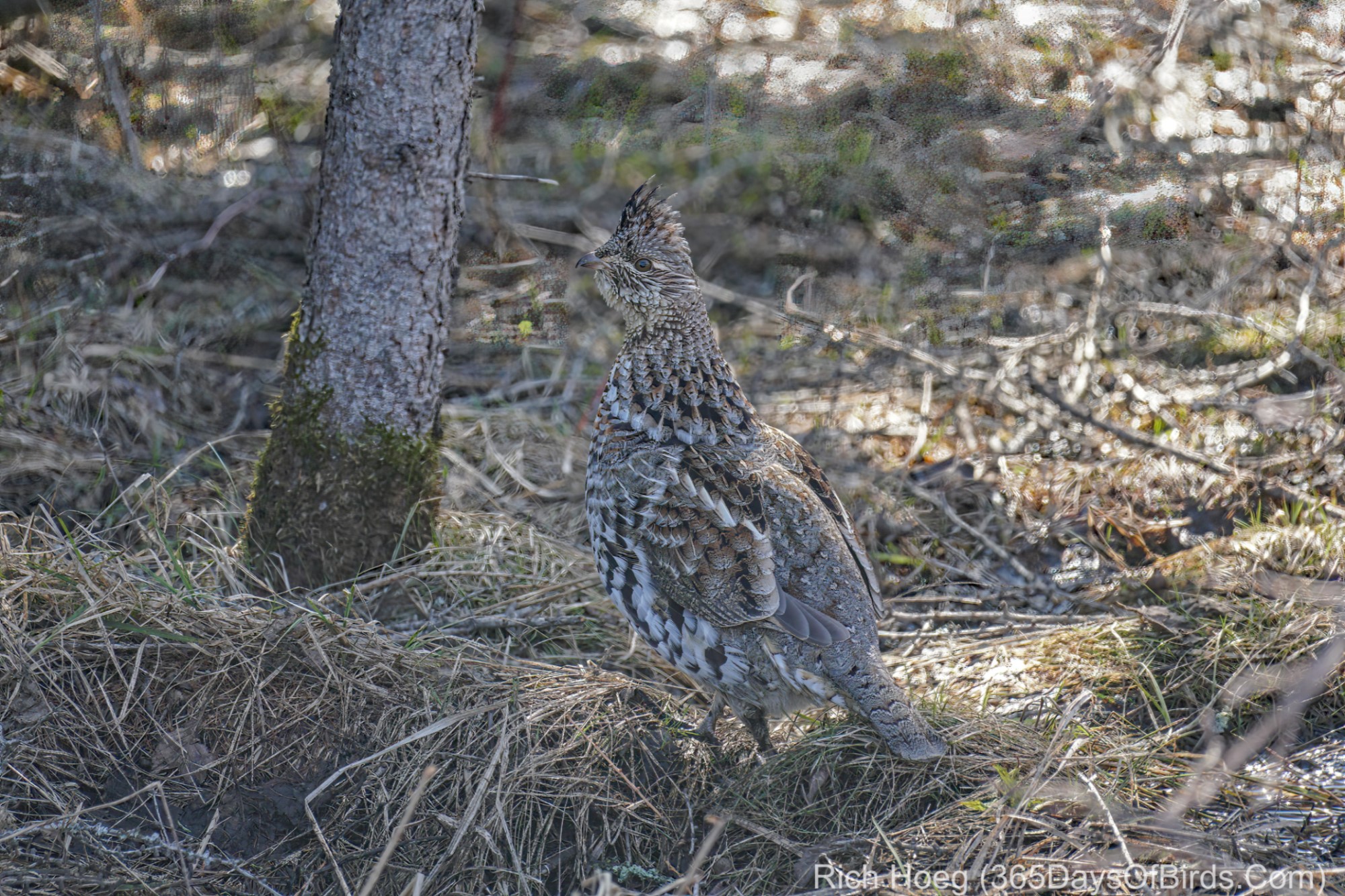
Ruffed Grouse

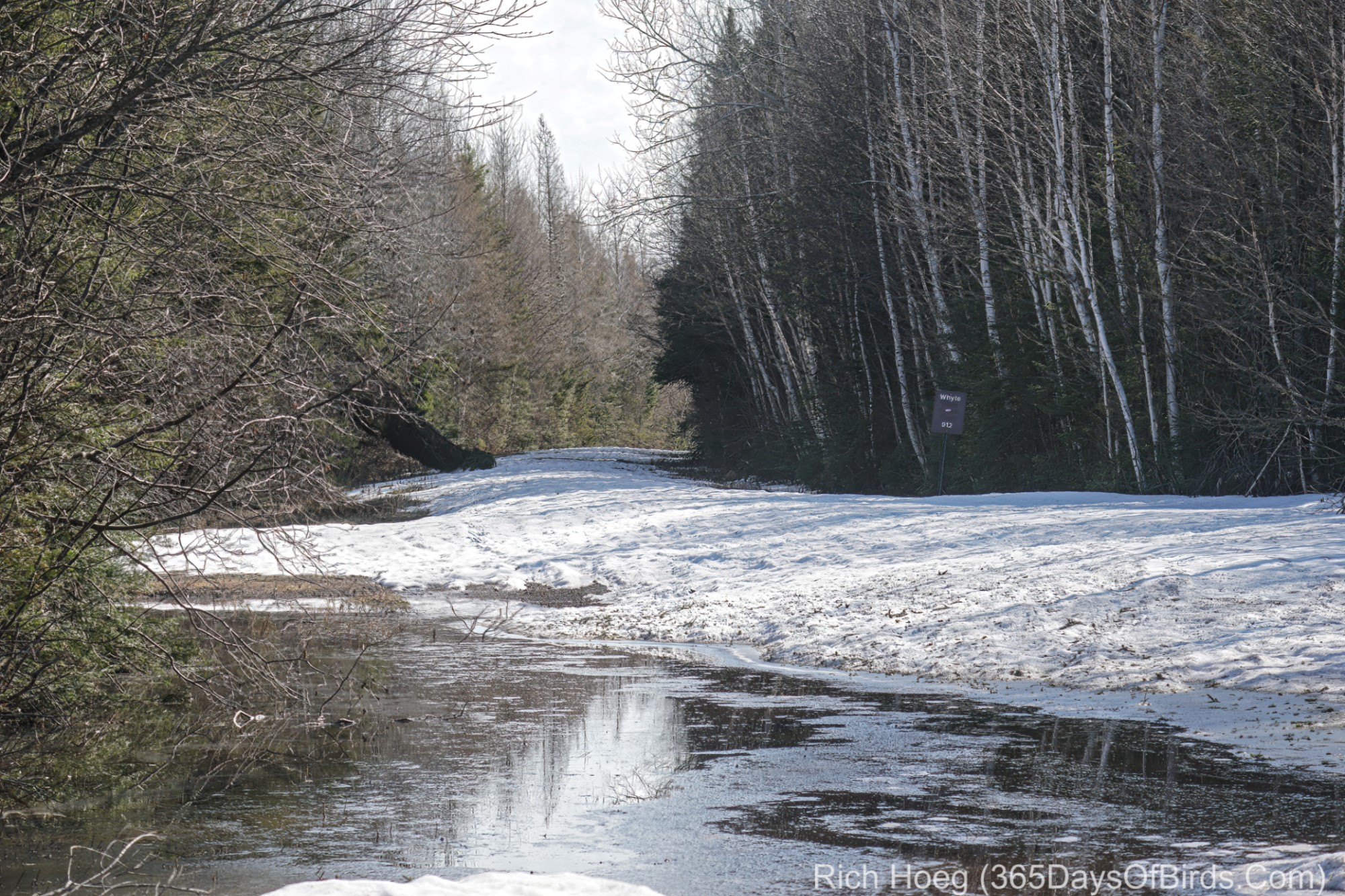
Note: Stoney River Forest Road is clear of snow, but as you can see, not Whyte Road. The snow in the Boreal Pine Forest is still about one foot deep.