Sax-Zim Bog Birding Bonanza

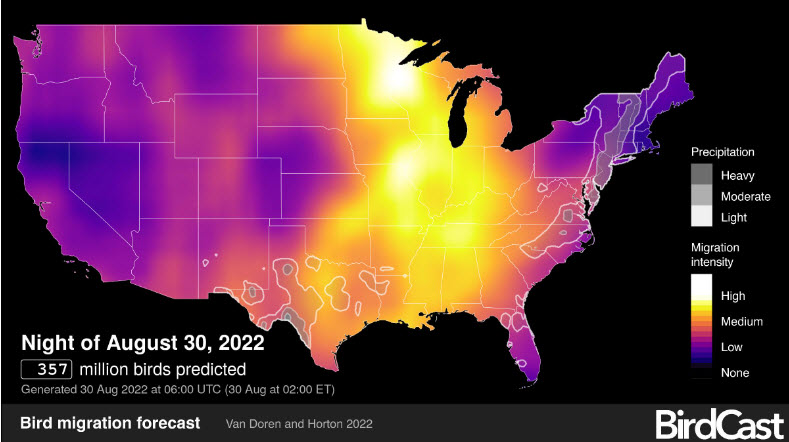
Birding had been slow over the past week. Weather conditions just had not encouraged birds north of Minnesota to start south, but did that ever change around noon yesterday when the winds rose to 30 mph out of the NW. Just like when bicycling, you realize how much easier it is to ride with a strong tailwind. Birds understand wind and how to make migration much easier … tailwind good | headwind bad. Man alive, were there birds in the Bog this morning when I arrived just after sunrise. However, I was expecting to see lots of birds due to BirdCast! This real-time tool from Cornell and other organizations monitors migration data for one’s specific location in the continental United States. Here is the map for today, Tuesday, August 30th. NE Minnesota was a migration hotspot last night.
When I entered St. Louis County in BirdCast, in which Duluth and Sax-Zim Bog (my home) are located, it yielded this data … two screenshots of what happened last night! Over 10 million birds flew through my county last night! Uff dah!
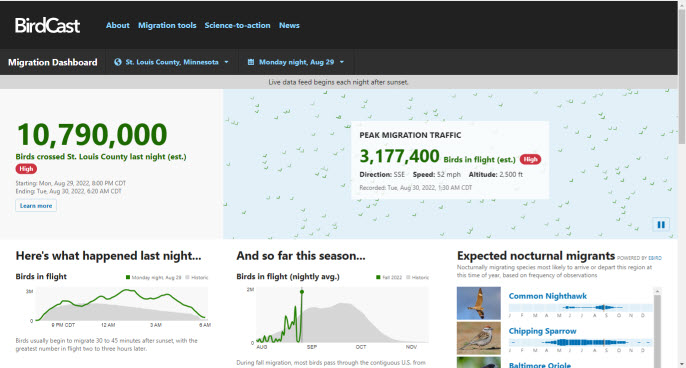
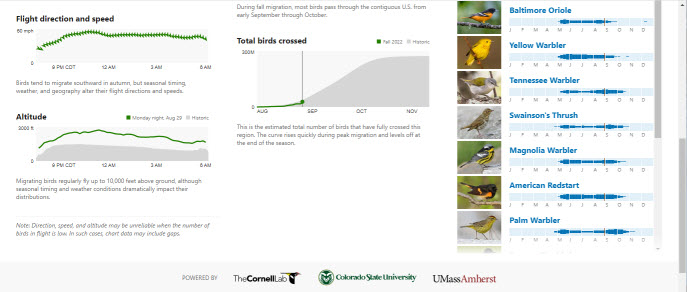

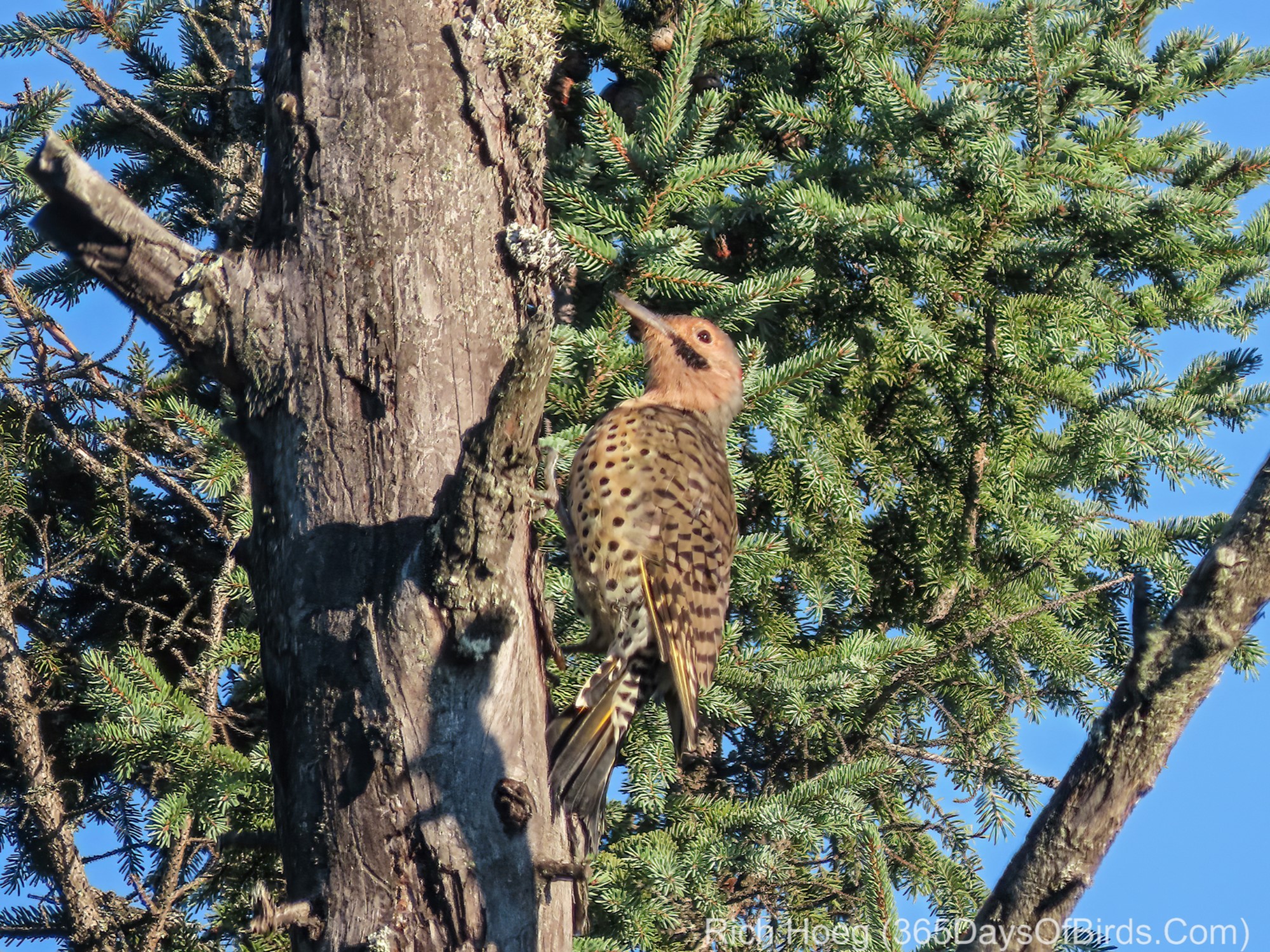
Want to learn more about BirdCast? See my post from last year on this superb birding service. I explain how to use BirdCast with detailed examples. Regardless, I saw lots and lots of birds this morning, but that fast did NOT surprise me. The biggest migrating bird species I saw were Yellow-Shafted Flickers. On the raptor front, I saw an amazing number of Northern Harriers … in fact five in just one field south of Meadowlands (Andrews Road).

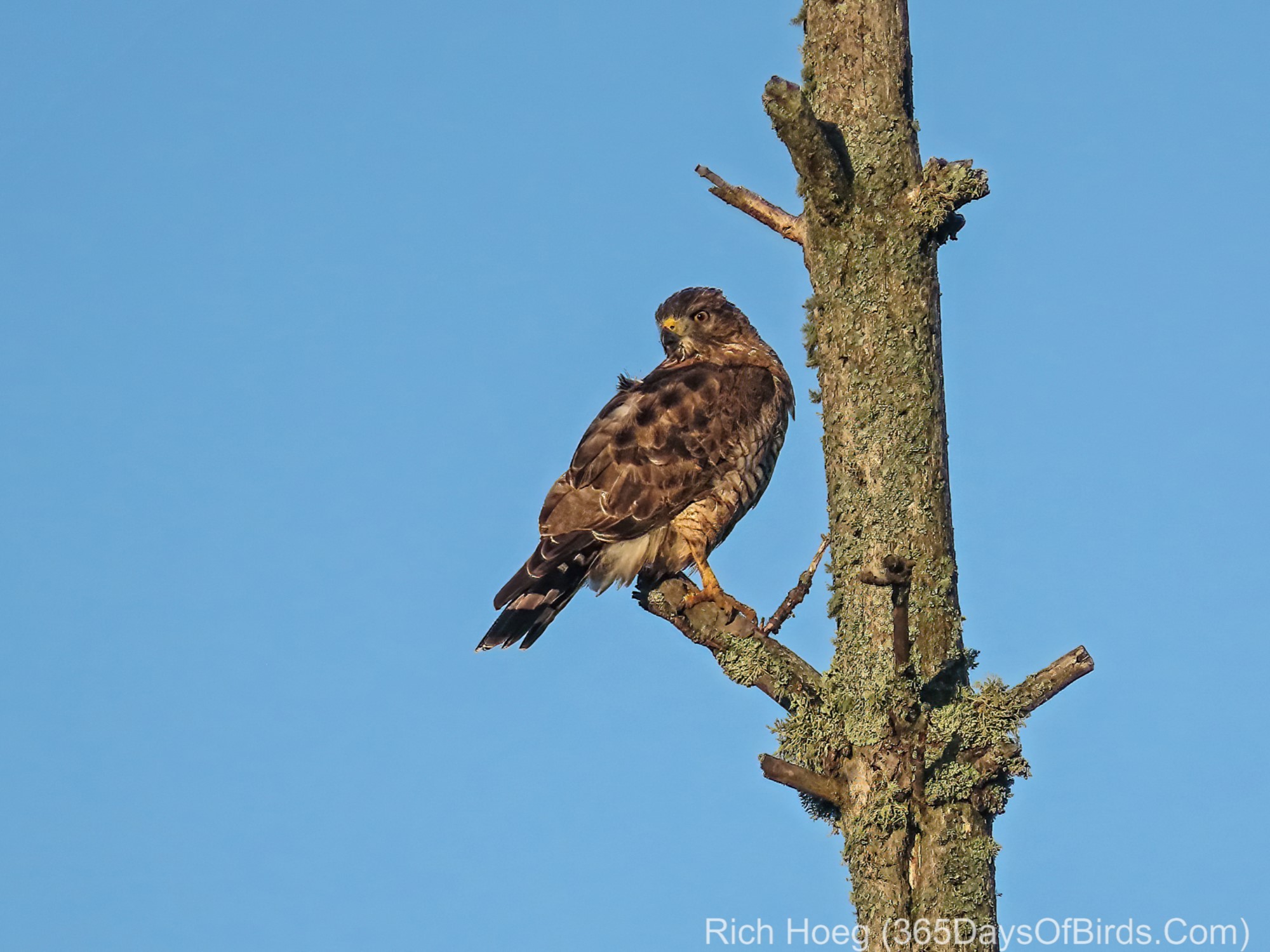
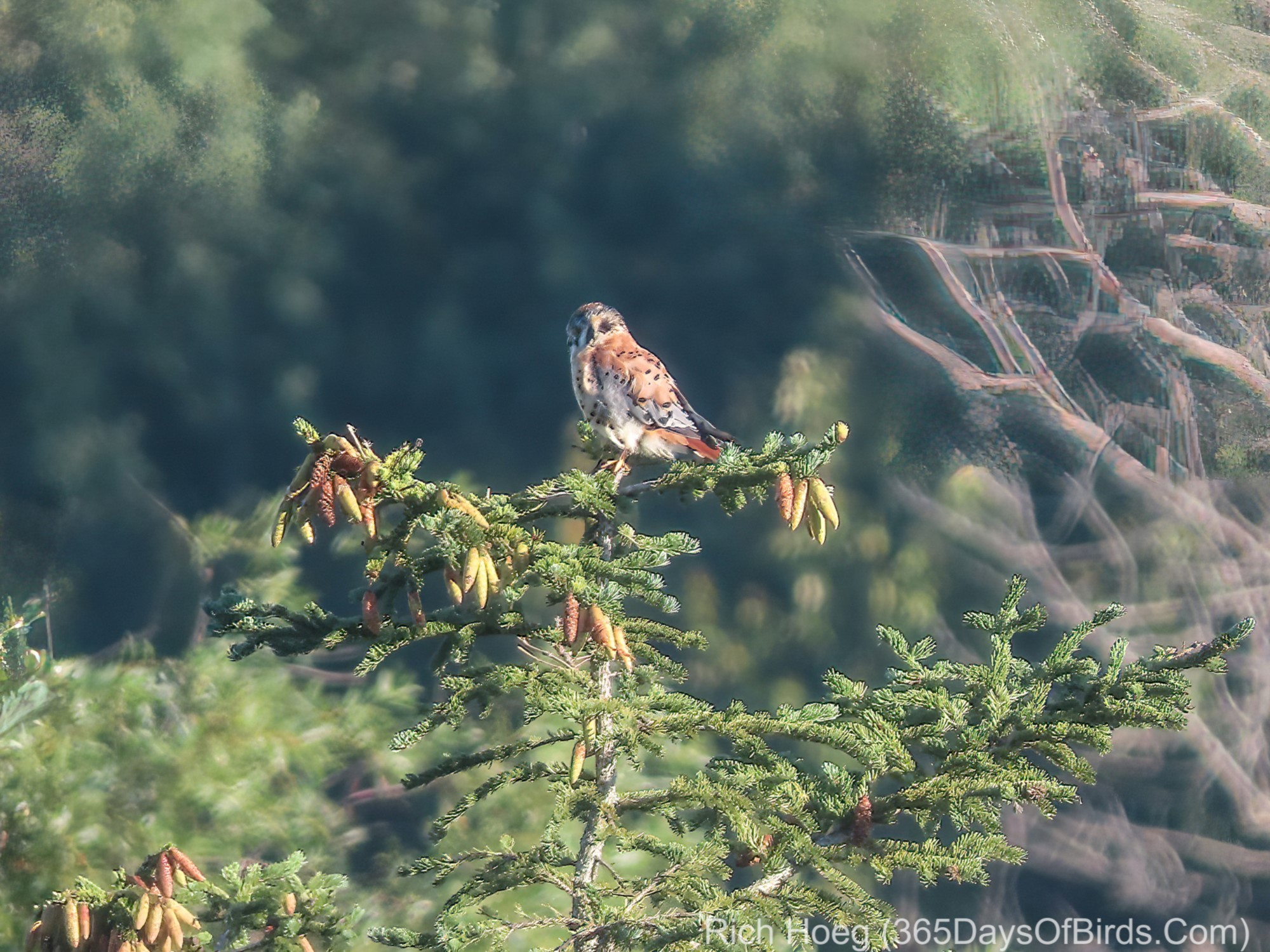
A few pics from this morning …

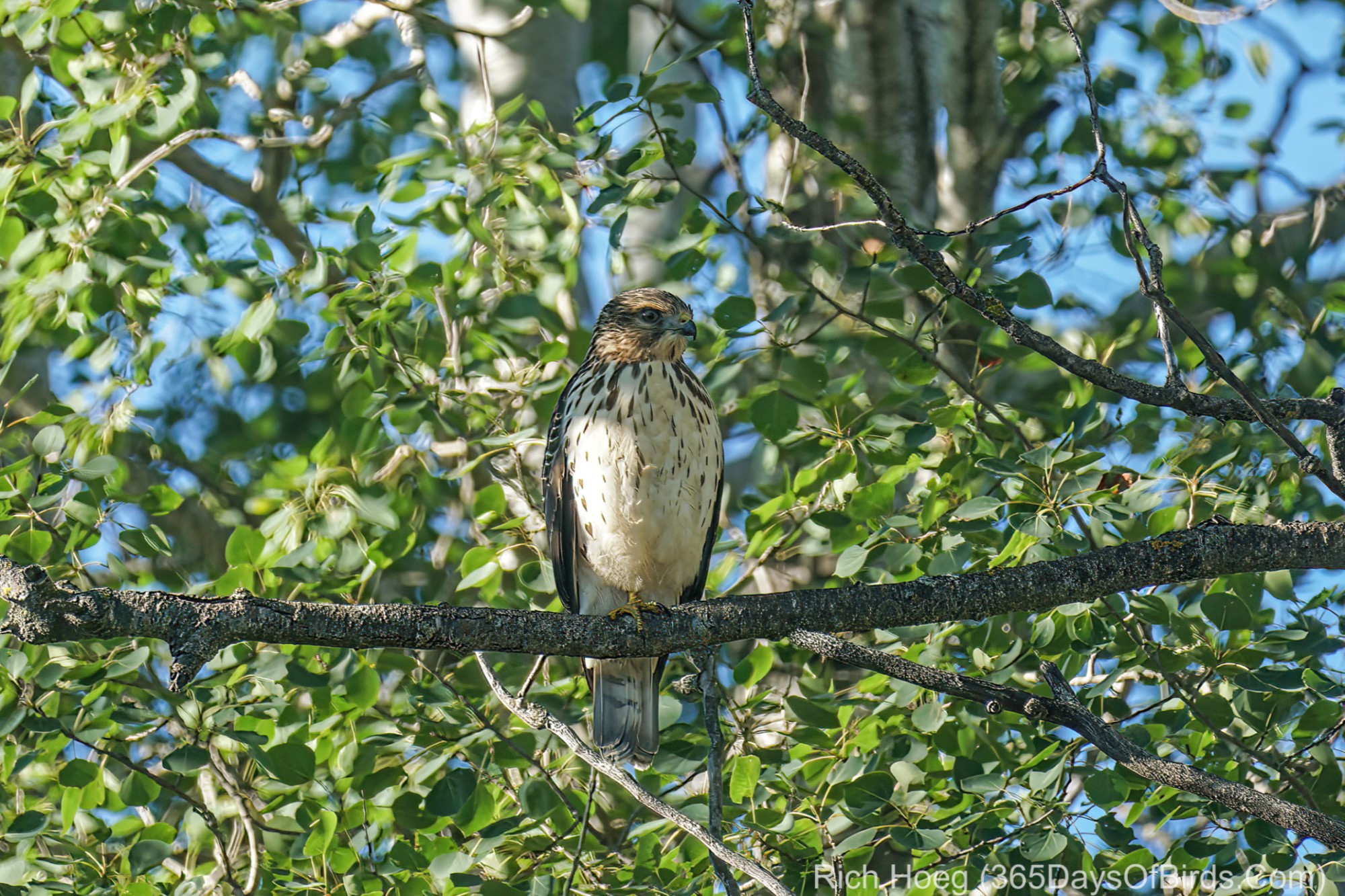
Broad-Winged Hawk
American Kestrel
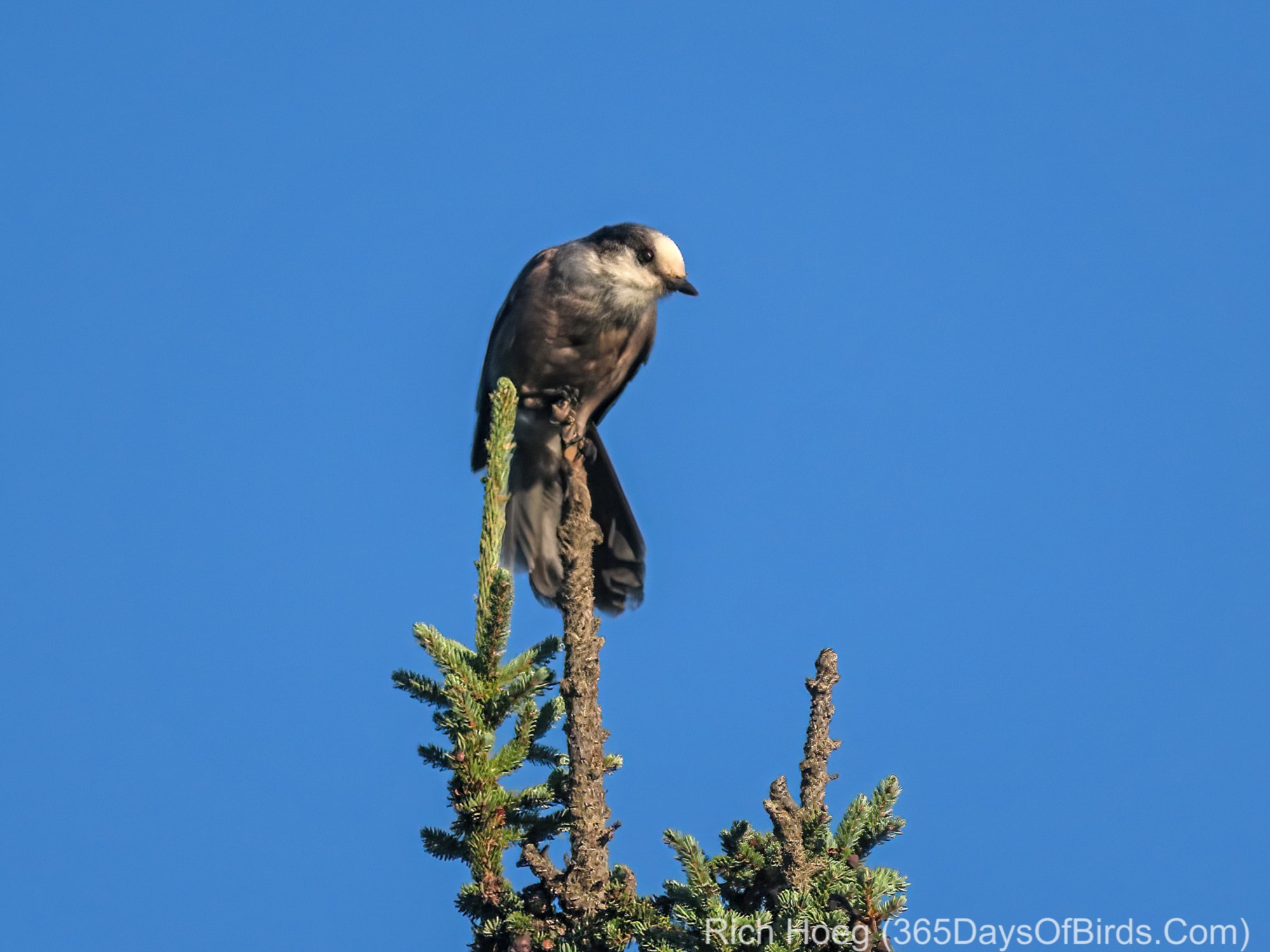
Canada Jay
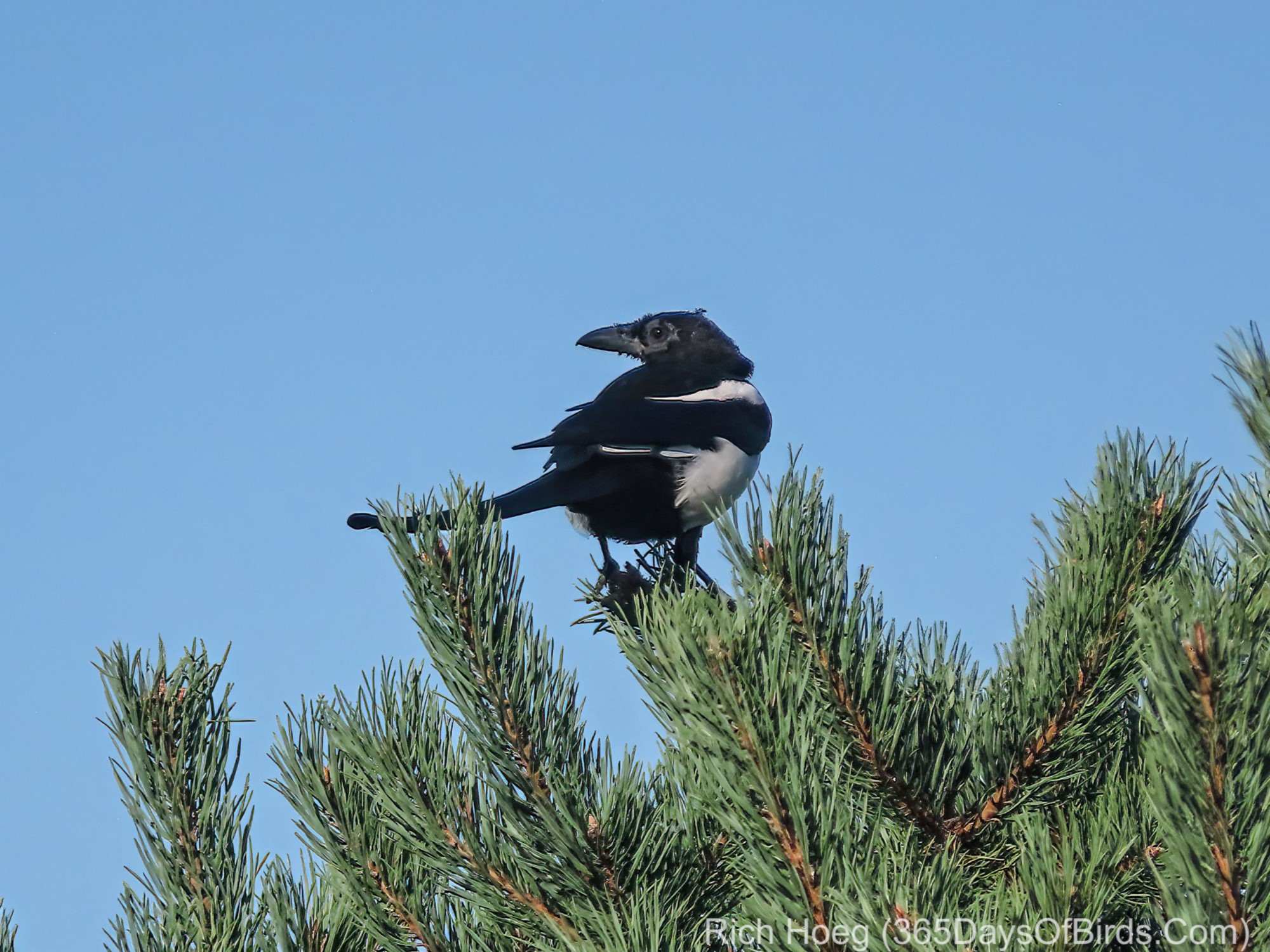
Black-Billed Magpie
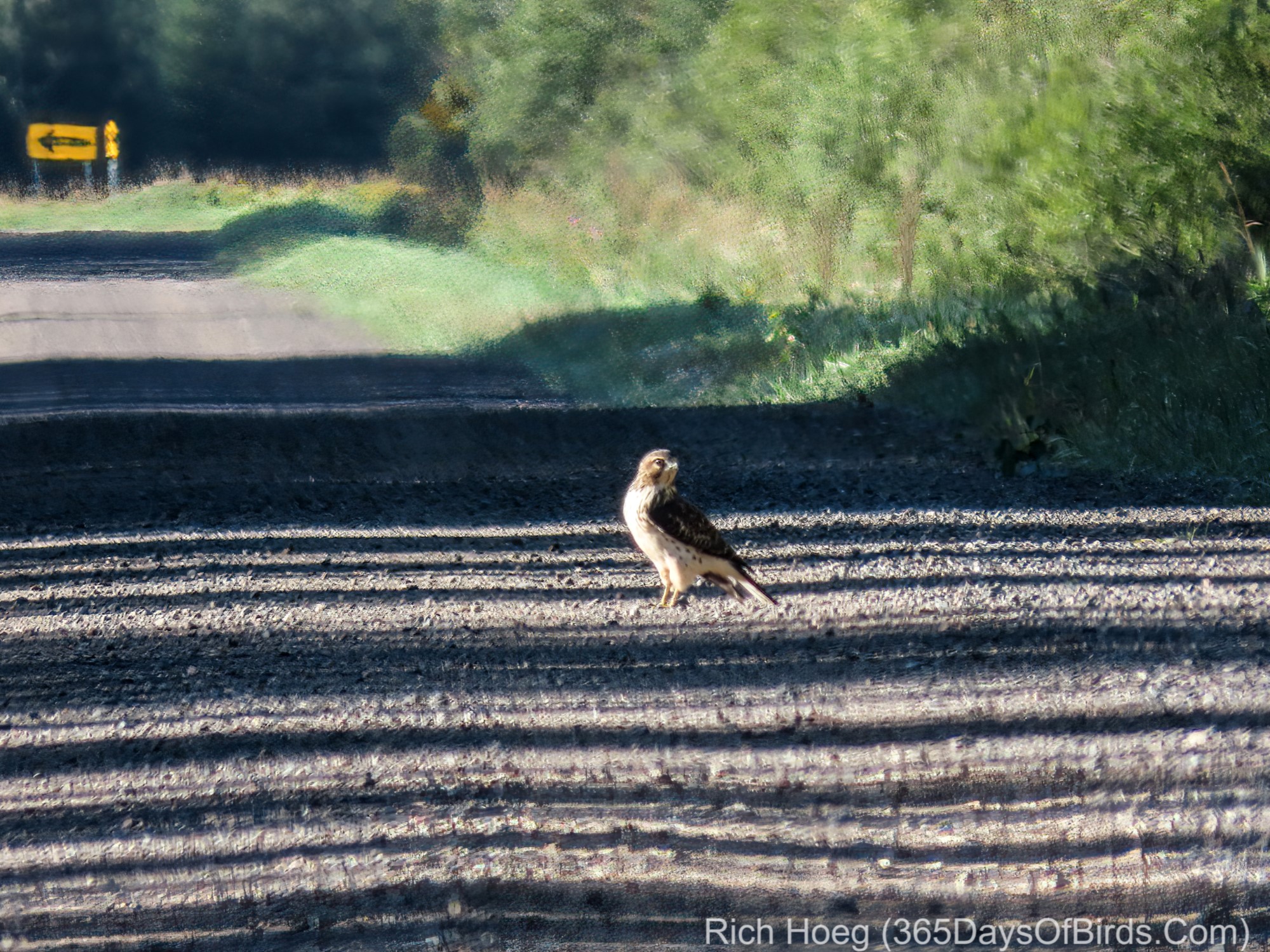
Merlin
Yellow-Shafted Flicker
Responsible Logging … Not Clear Cutting

Most of the loggers here in Northeastern Minnesota have adoptedĀ  logging methodologies which rather than harm the land, actually enhance the ability of the forest to support wildlife. I particularly want to call out a pioneer who helped my area return to its white pine heritage, after the northern part of the state was clear cut in the early 1900’s, Jack Rajala. He knew his logging business would grow if he also took care of the land.

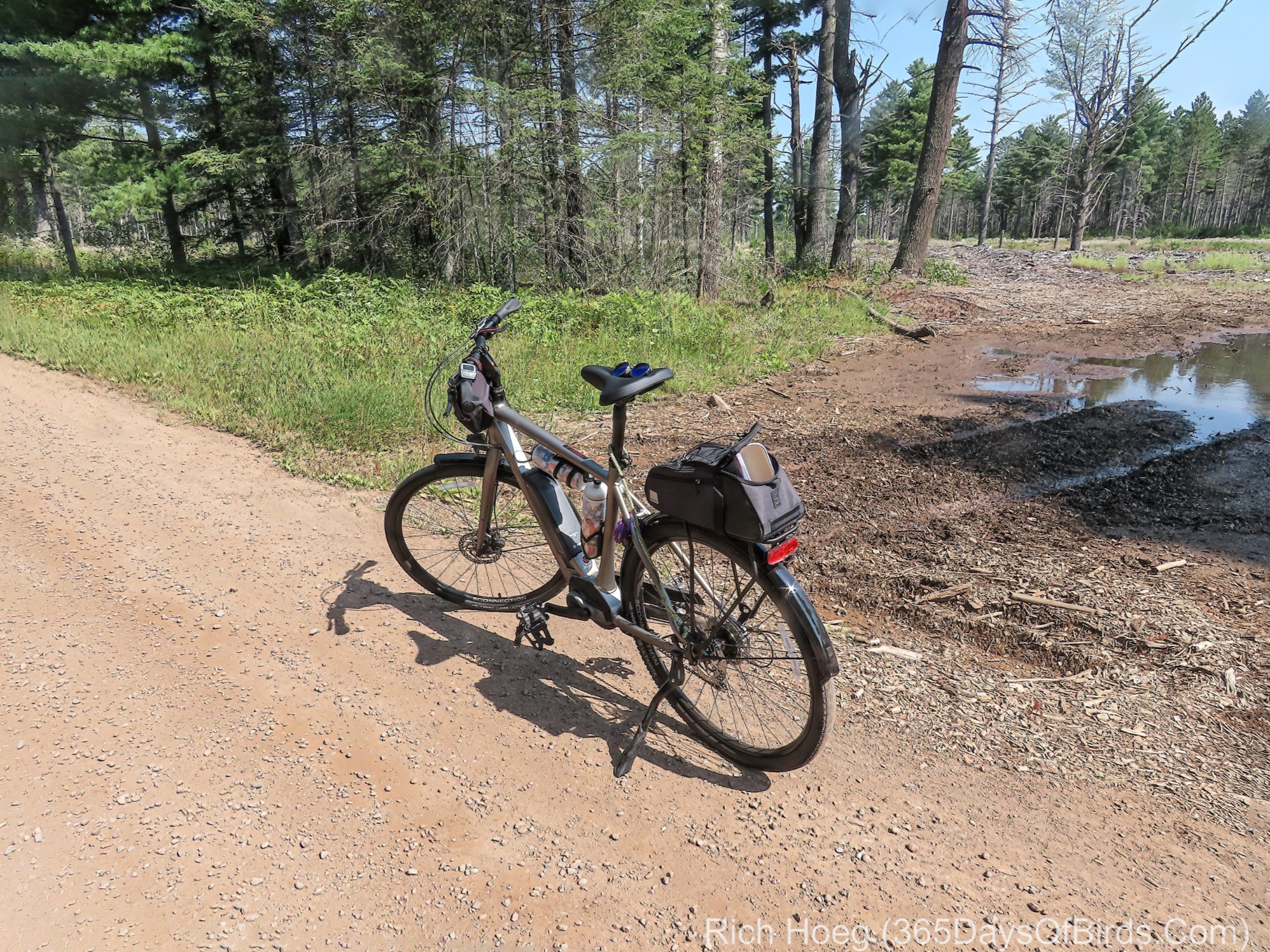
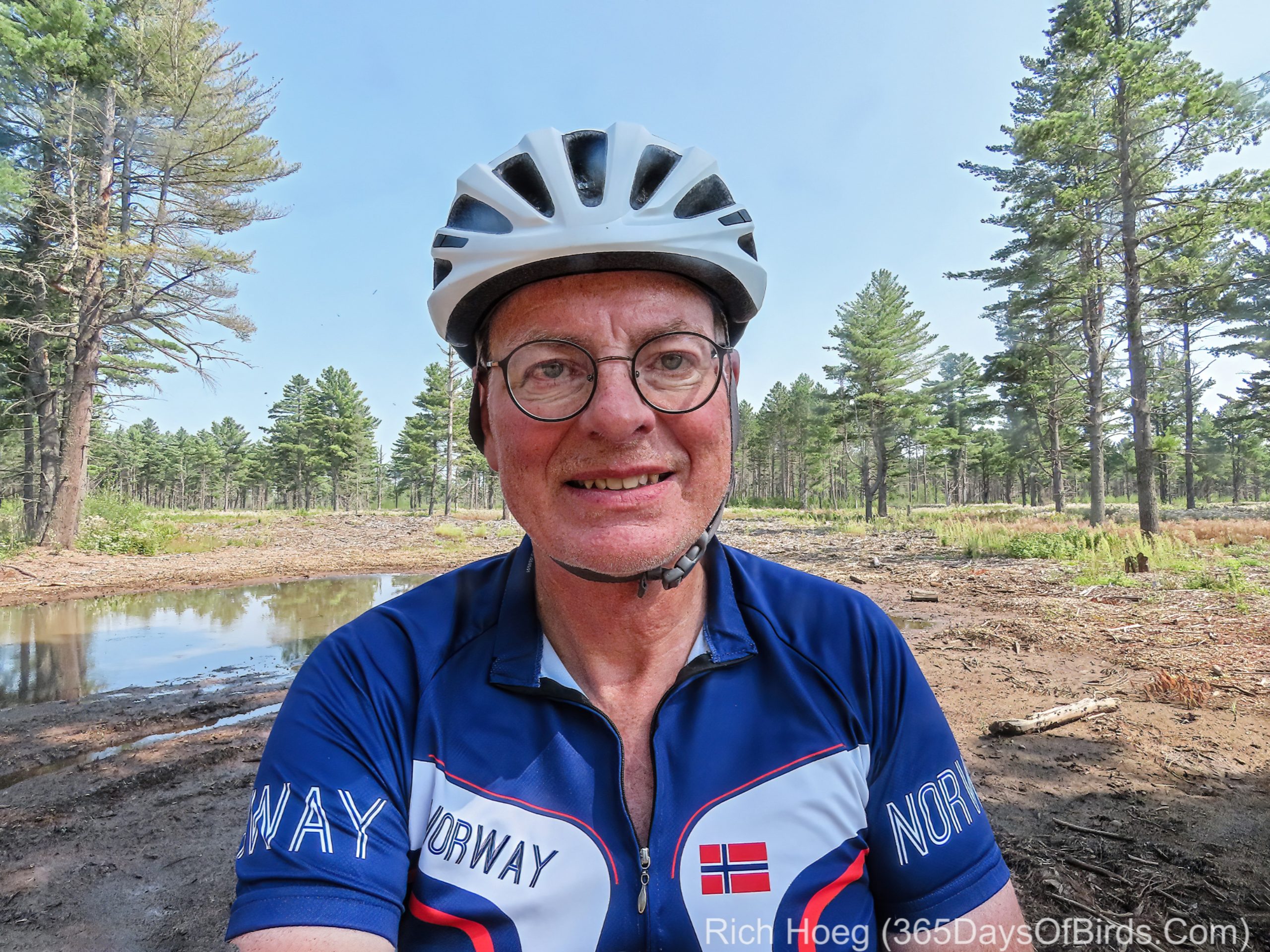
Anyhow, yesterday I was exploring some back roads by bicycle, and I benefited from responsible logging. The area shown was likely logged just last winter, but it was not clear cut. Animals and birds are already finding food and using the land. In fact, a mature, tall forest with little undergrowth tends to be dead in terms of wildlife.

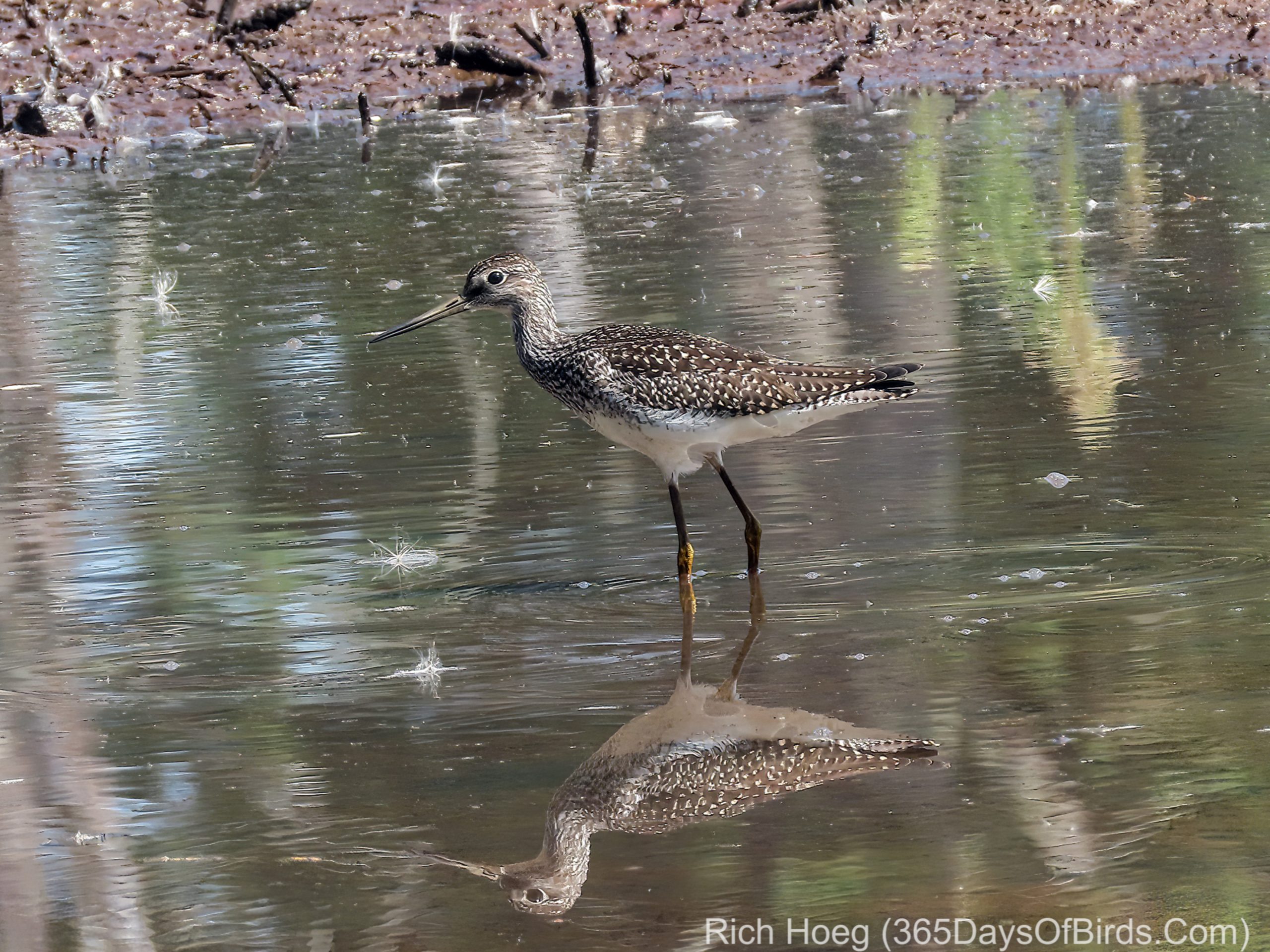
A Migrating Lesser Yellowlegs finds food in a small rain pond

The Logging Area (note the white pines that were NOT clear cut behind me)

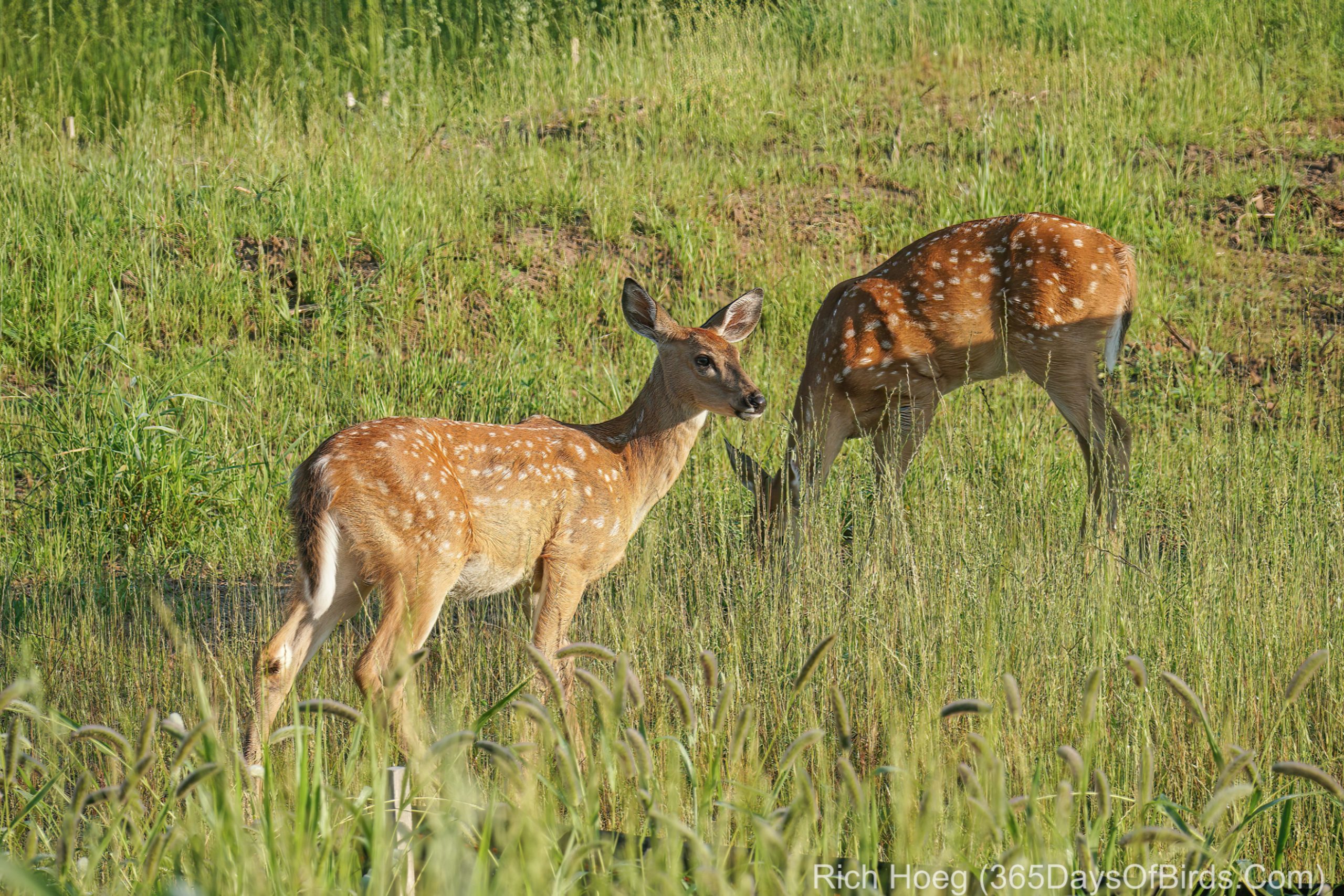
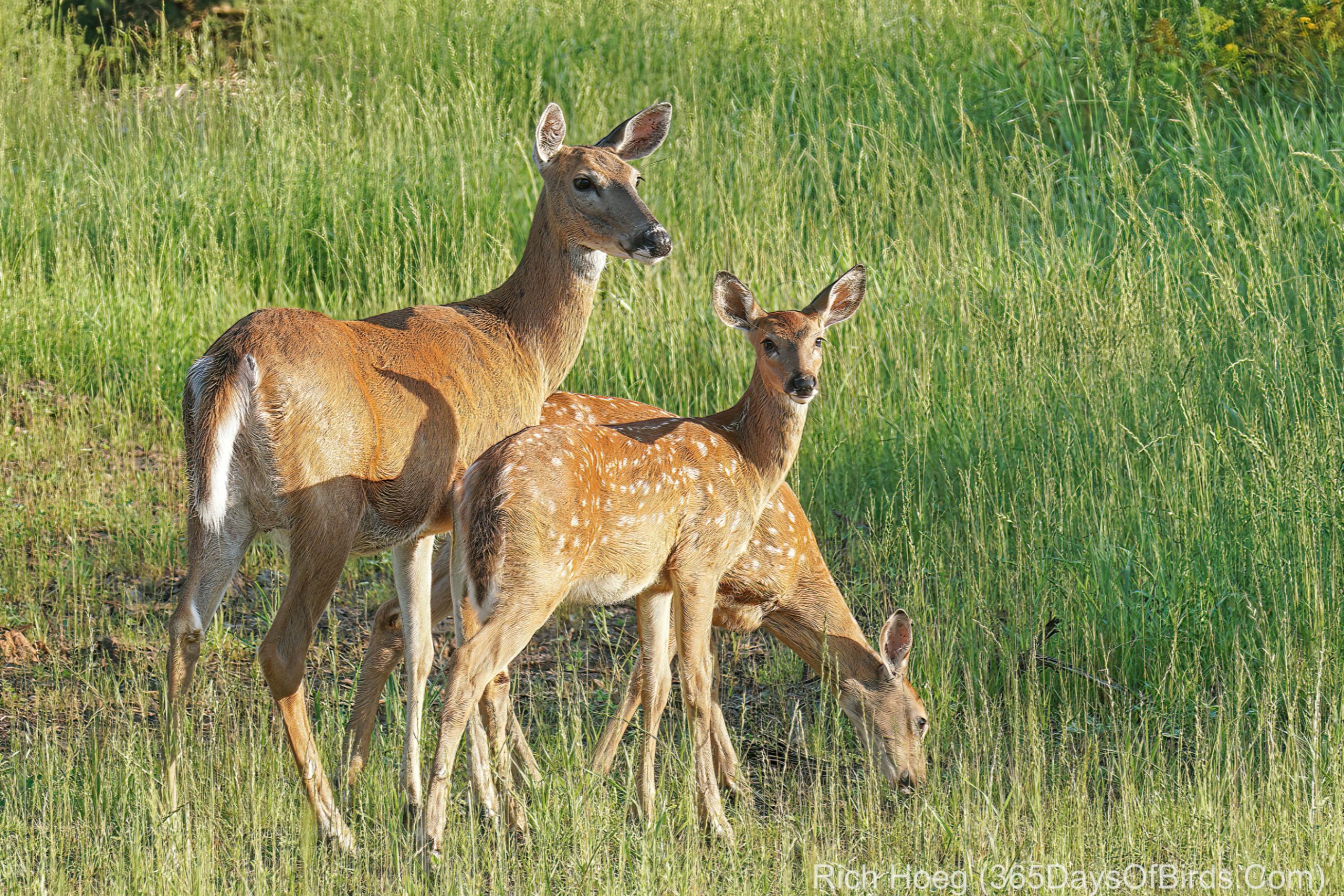
White-Tail Deer enjoy new grasses.

Northern Visitors Passing Through

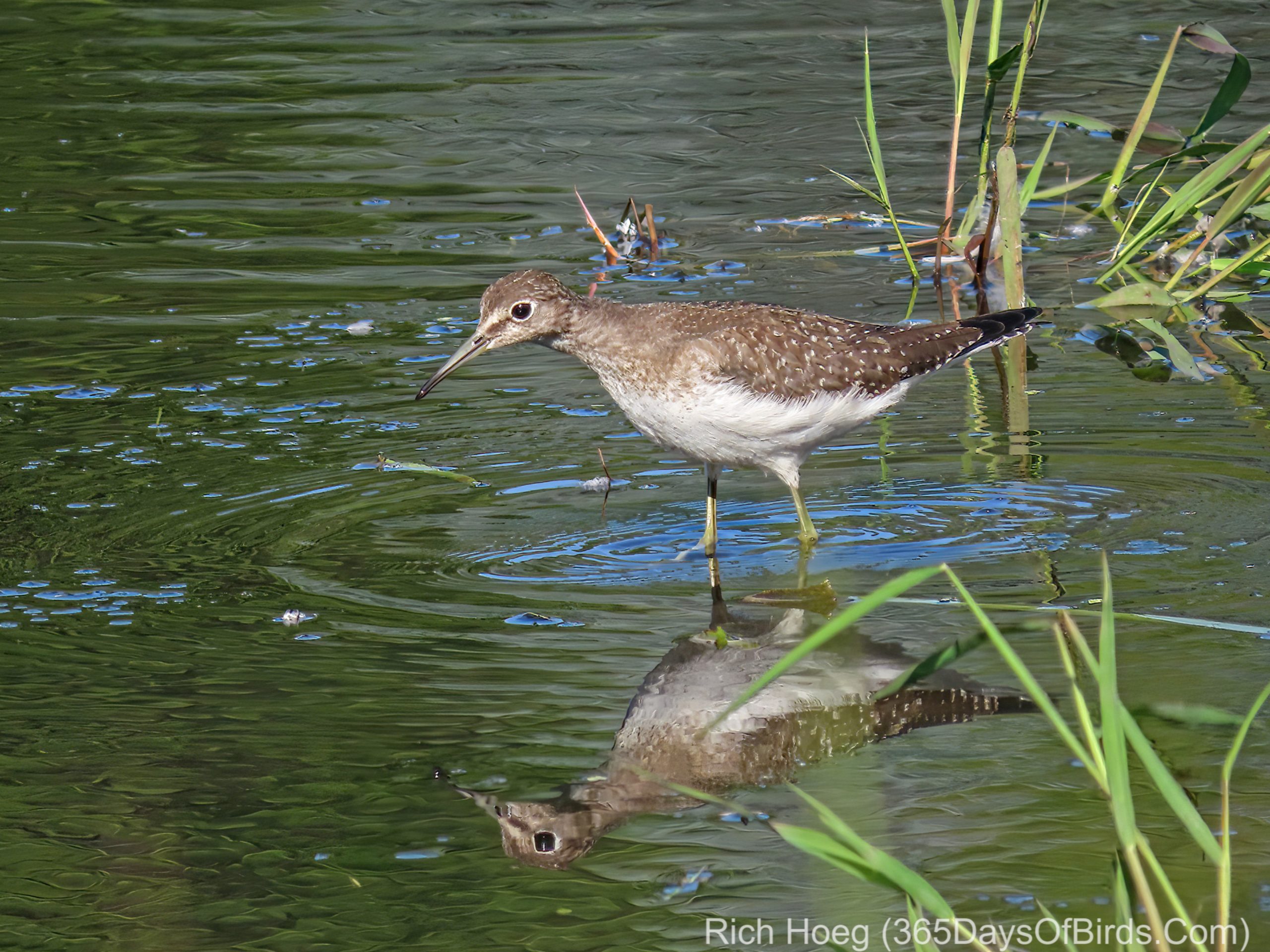
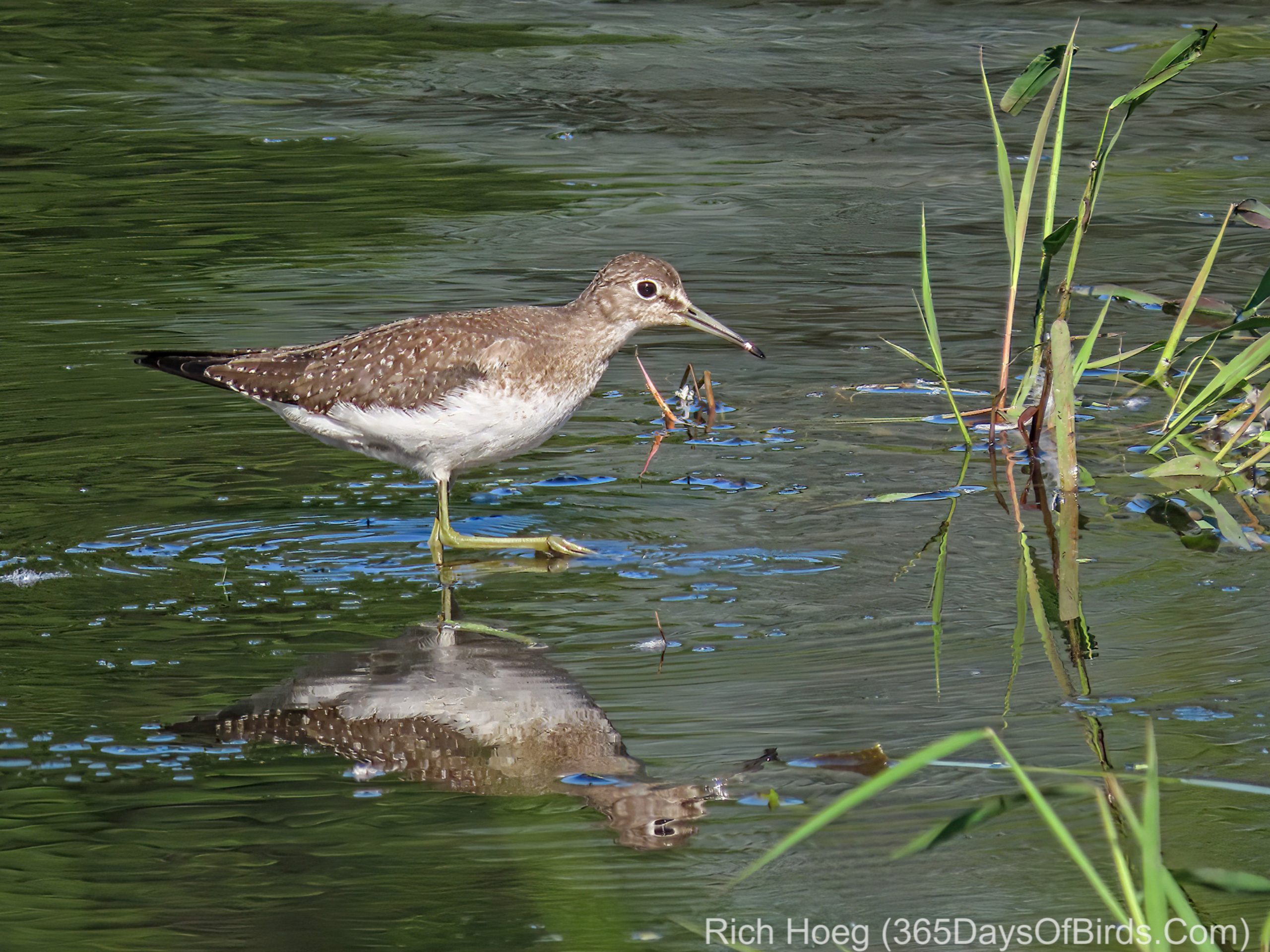
Most birds migrate south in flocks, but the Solitary Sandpiper (Cornell link) which nests in northern Canada fits its name very well. I have never seen one of the birds with another of its species. This morning was no exception. One Solitary Sandpiper was feeding at the tiny mud flats Forest Hill Cemetery creek’s inflow. What is amazing is … given this little mud flat is extremely small, it is dumbfounding how every fall this tiny spot is a migration magnet. I always see a wealth of different bird species at this location.

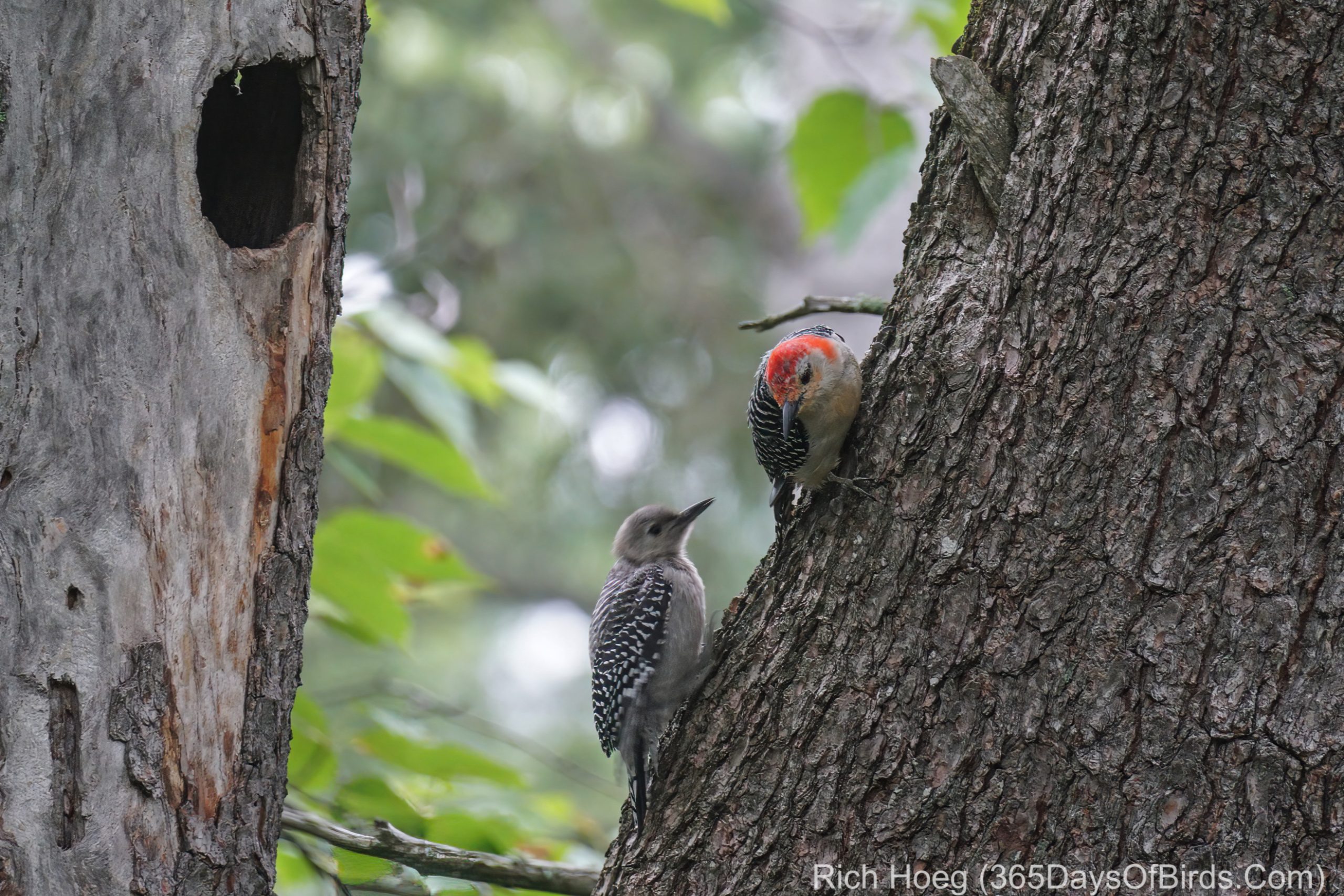
In addition, my local Red-Bellied Woodpeckers must have raised a second batch of youngsters this summer. Dad was busy showing junior the ropes yesterday afternoon.