Soon January will be here with its -30F degree weather, but for the moment it is summer and all our garden’s perennials are ablaze in their glory. In addition, the Black-Eyed Susans in our yard’s tall grasses do the landscape with lots of yellow. Thus, I spent another evening with Chardonnay and Hummers!
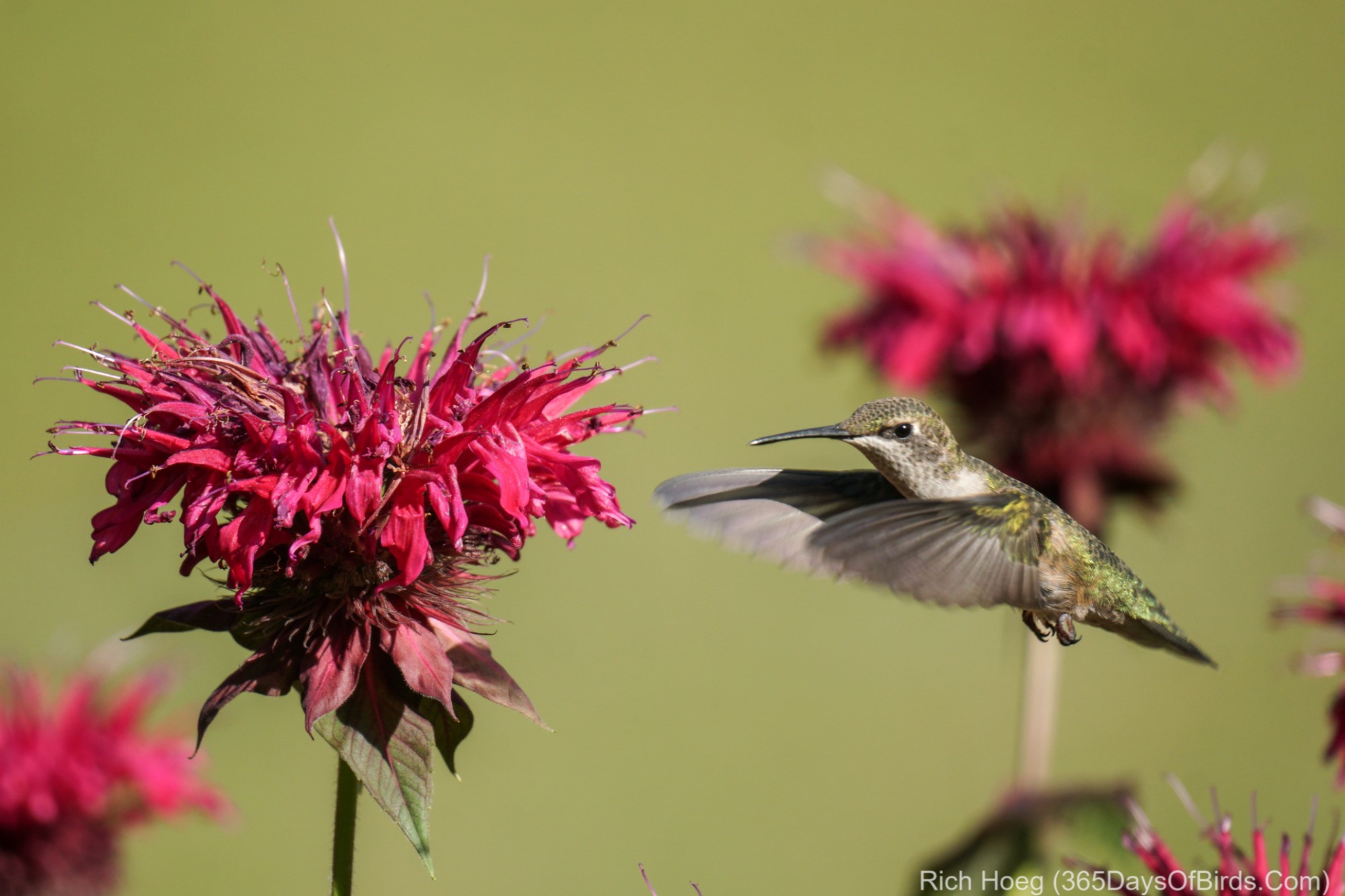
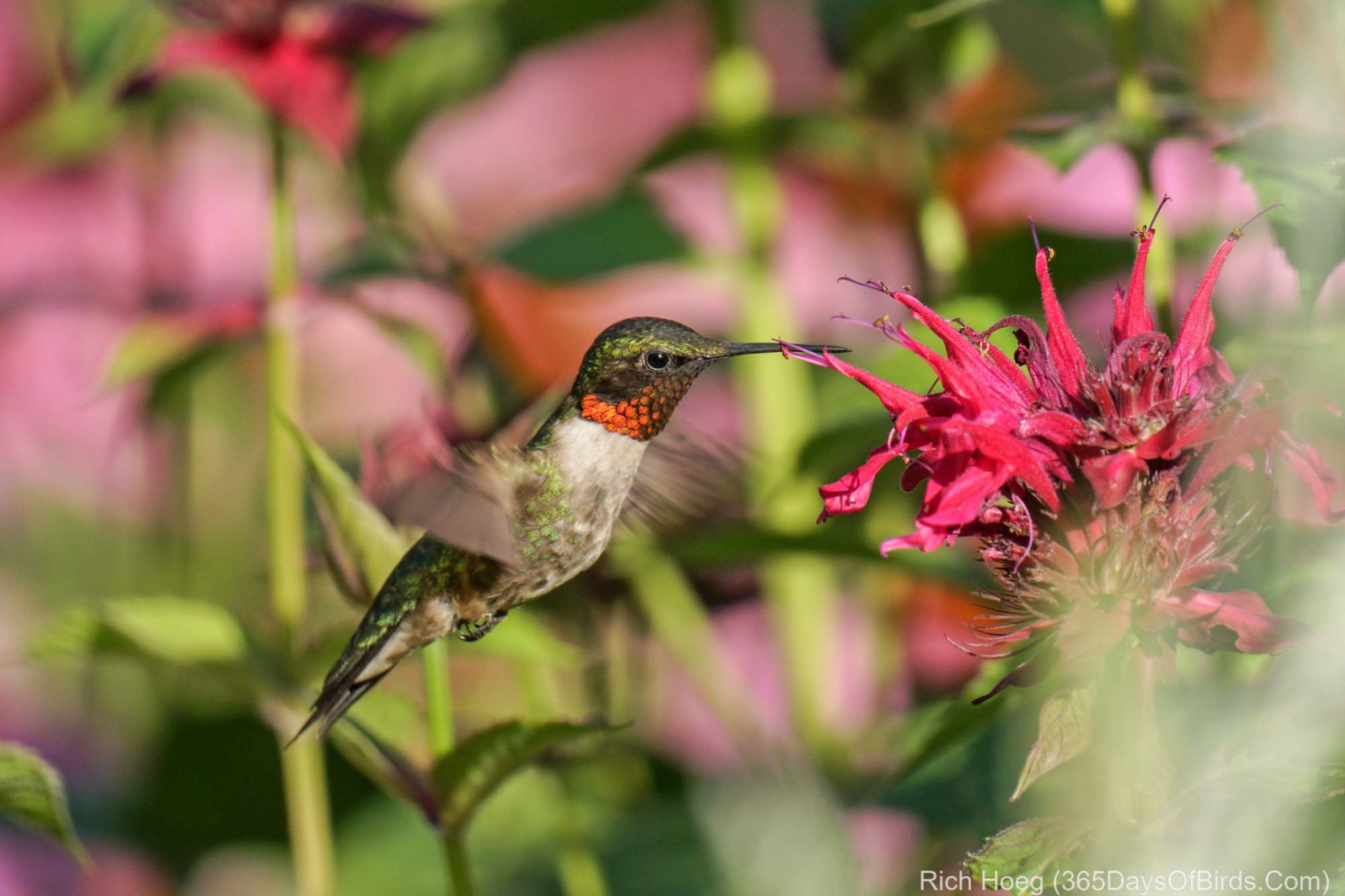
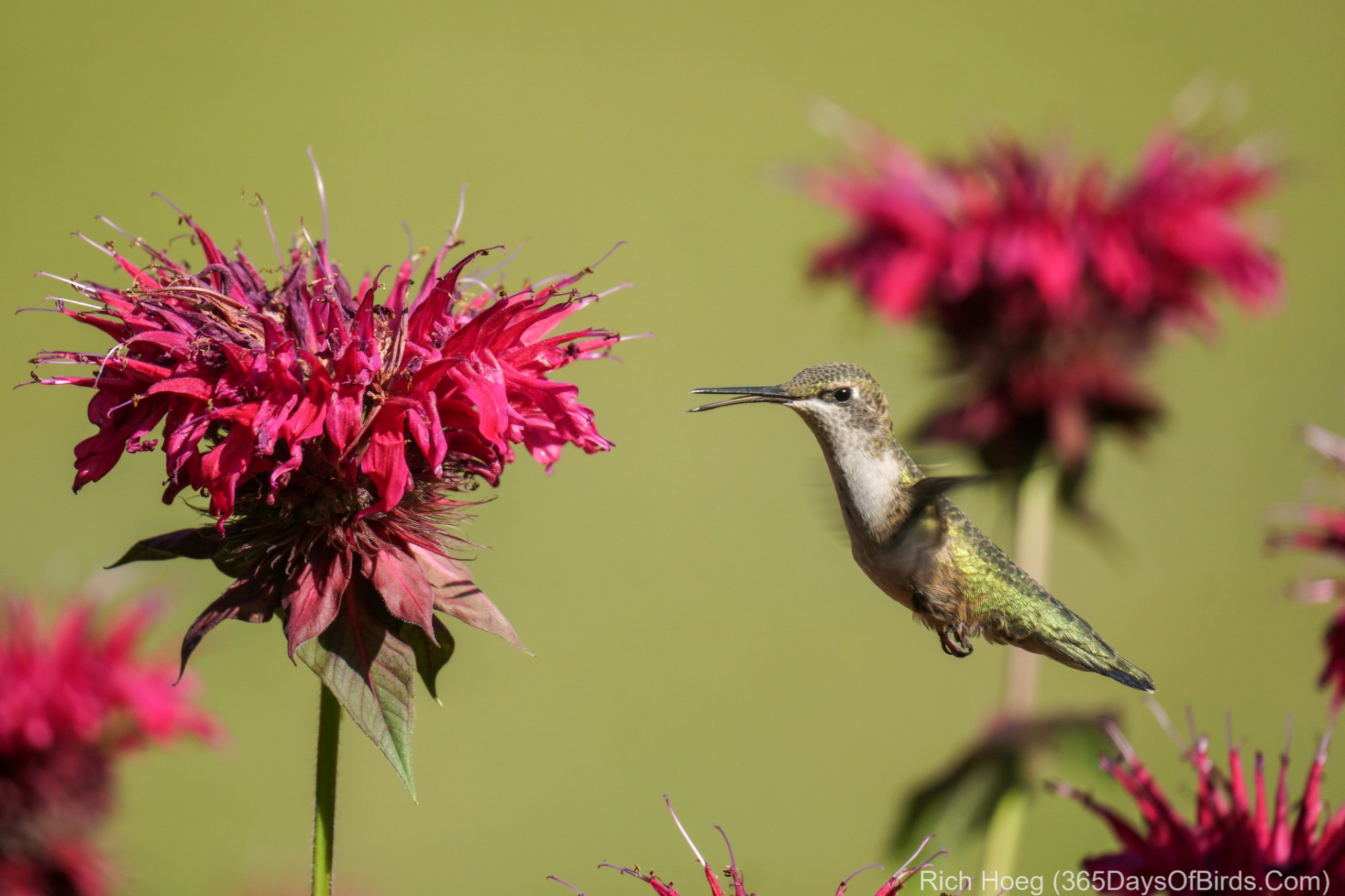
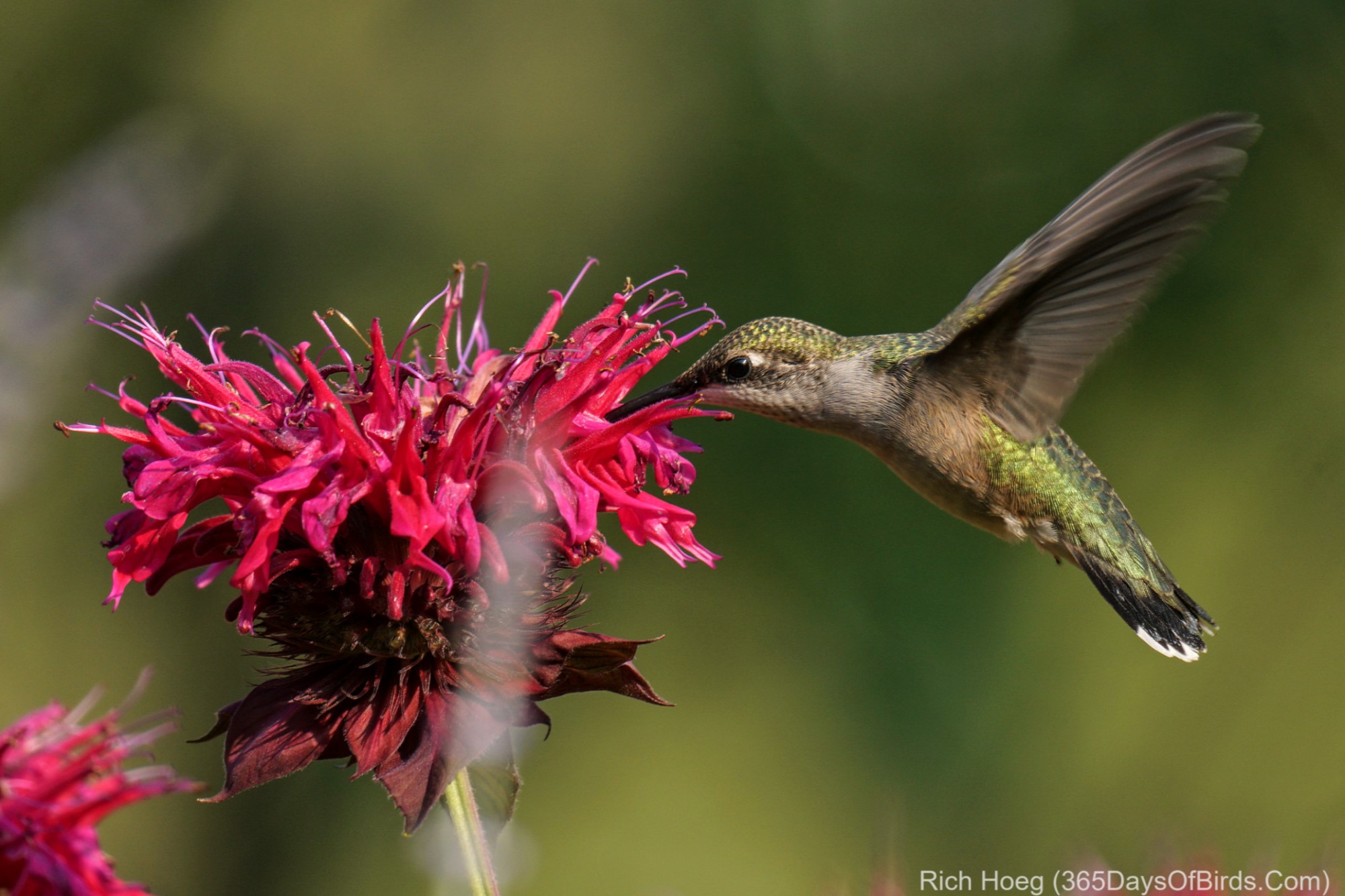
The trend continues that I have not seen any male Ruby-Throats for several days. I suspect they have begun their long migration to South America. However the youngsters are madly fighting over the Bee Balm. On quiet evenings (not much wind), I can even hear the hummingbirds singing!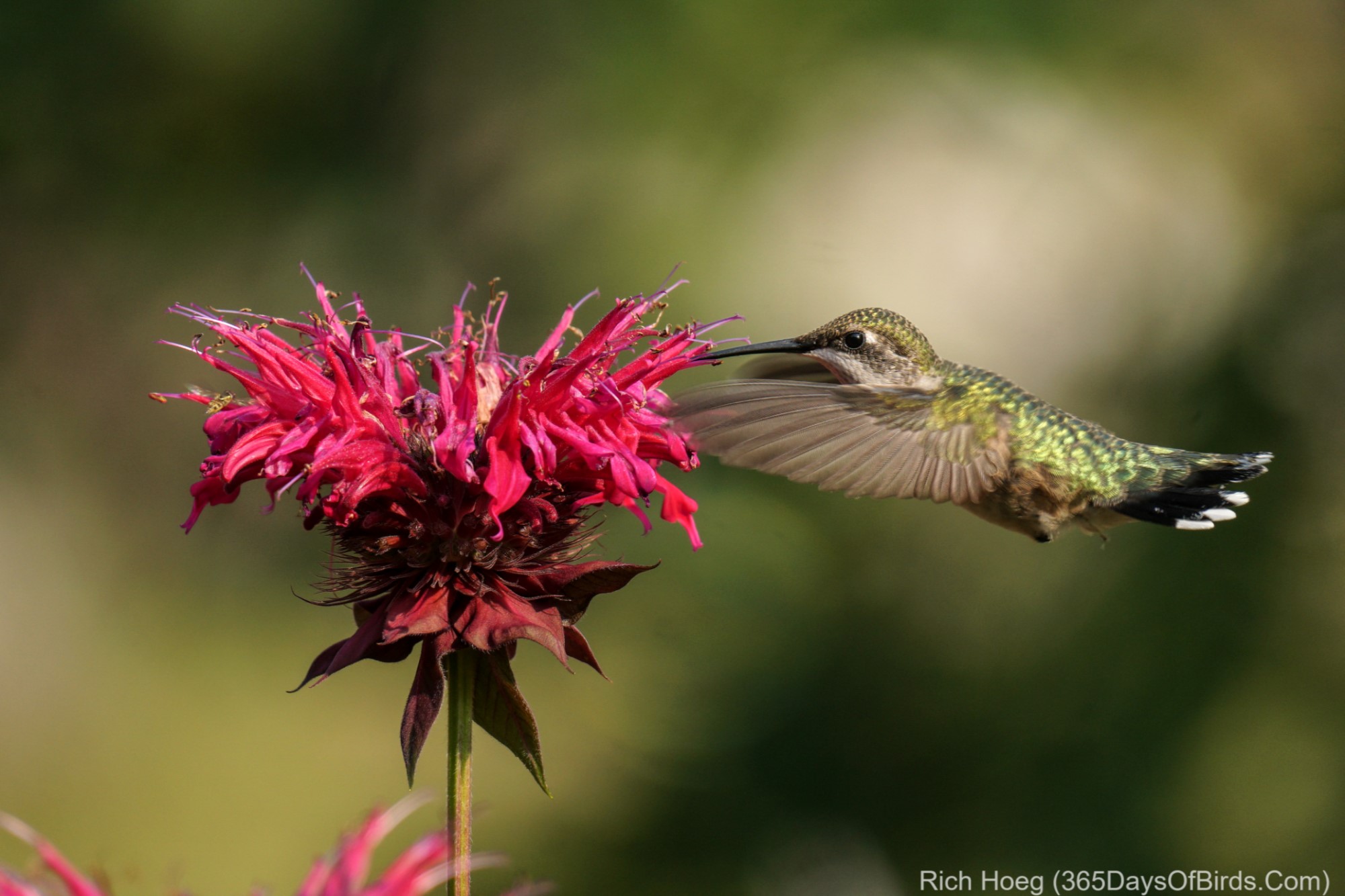
This one hummer hides in a tree ten yards from the flowers. If another Ruby-Throat ventures to close to our garden, this bird enters attack mode.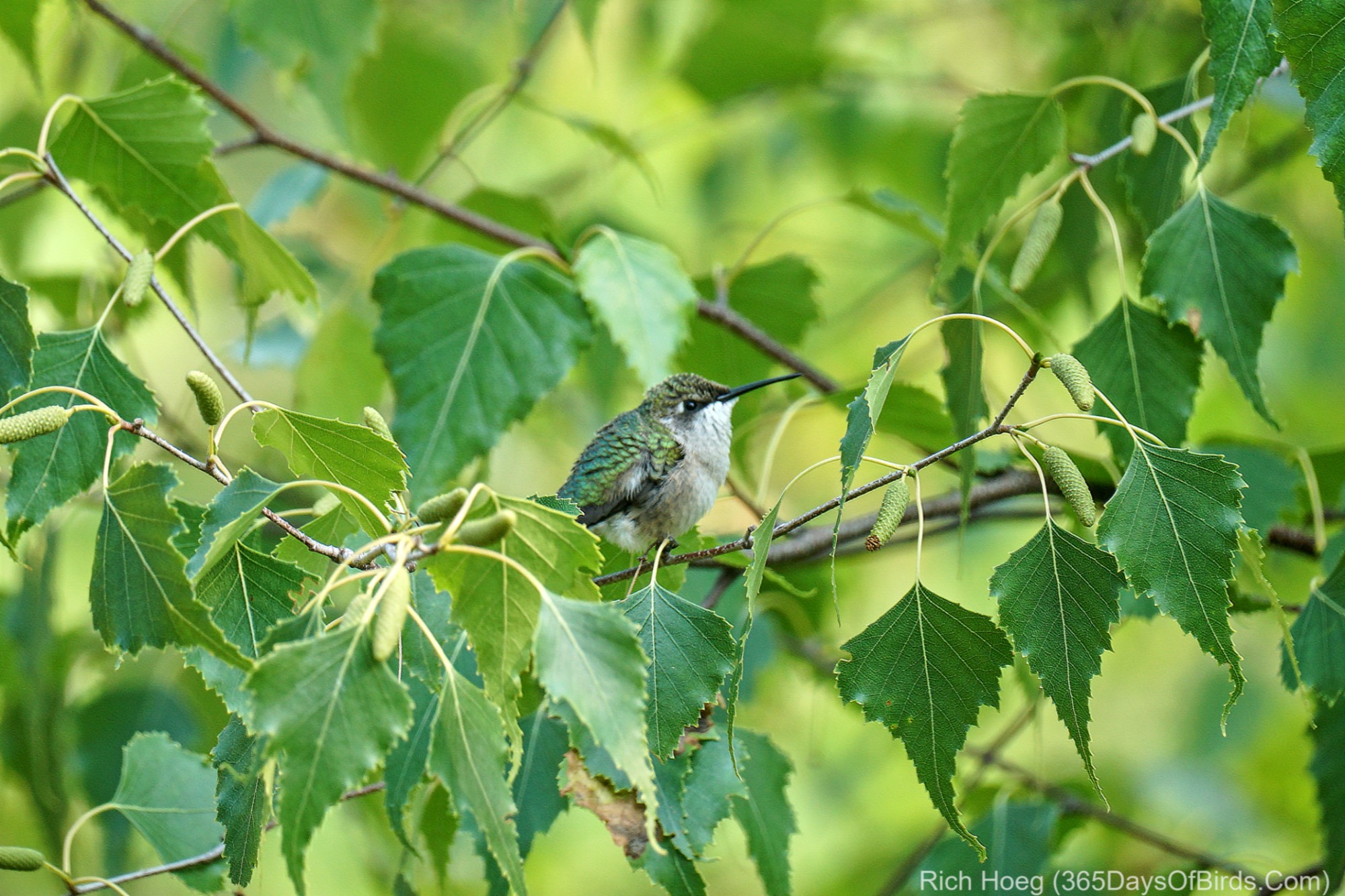
Surrounding our Bee Balm are lots and lots of Purple Cone Flowers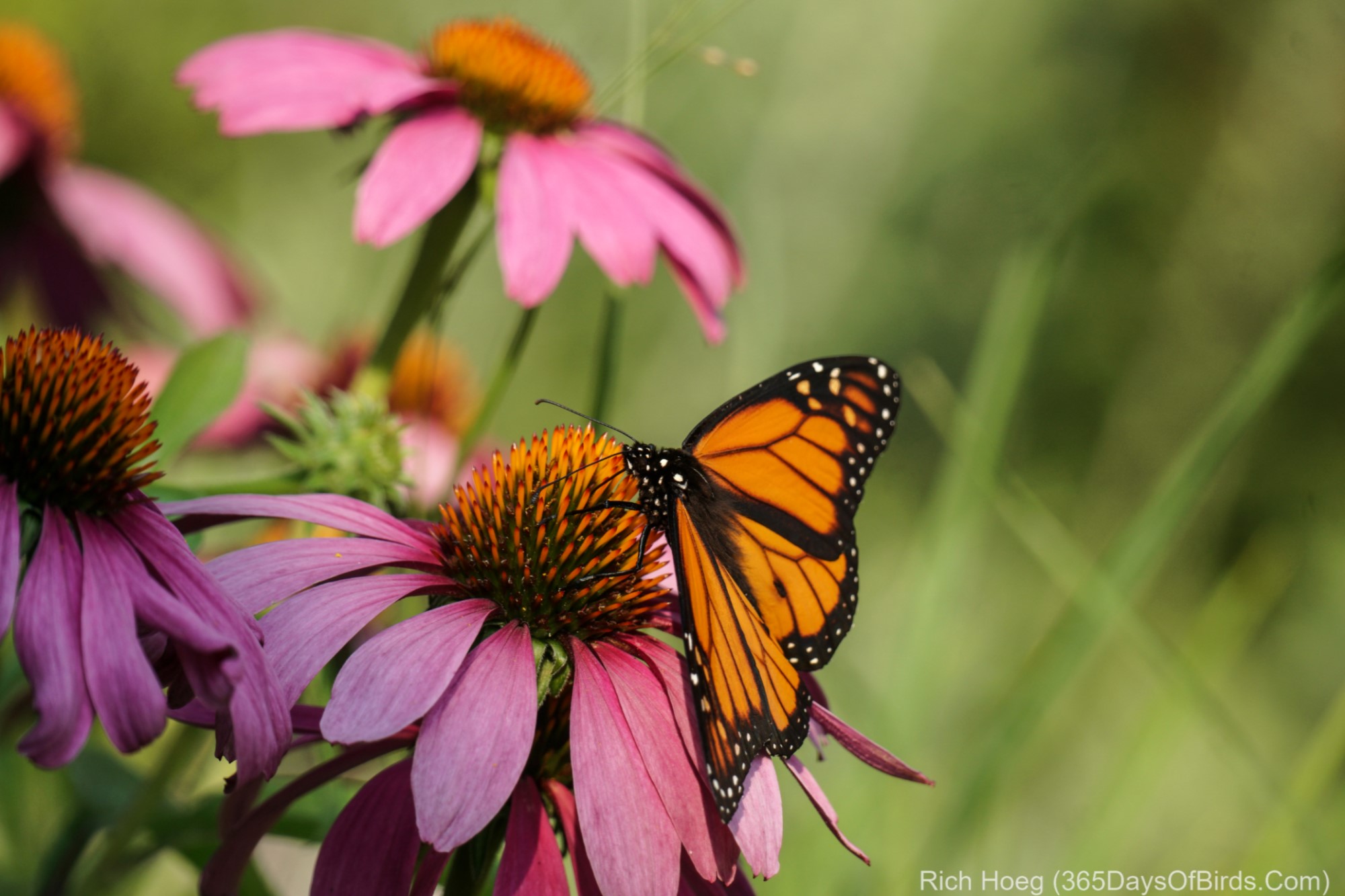
Finally some camera notes … while I do very little post processing of my images, these are the basics which I often tweak:
- Open JPG file in Camera Raw (I do not shoot in raw)
- Push clarity up to about 40. Helps brings out feathers
- Increase Shadows by about one degree (+12 in Photoshop Elements). I tend to underexpose a touch to avoid images being blown out. Tweaking the shadows helps me bring the exposure up in post processing.
- Minor crops of images to emphasize different features of photo (never use digital zoom)
- Use “Auto Enhance Contrast”
- Tweak “Shake Reduction” (photo needs to first be in focus for this edit to work)
As a reminder I use a basic monopod, and “never” shoot in Auto. I tend to first focus upon my subject using Aperture Priority to learn the camera’s desired shutter speed. I often then switch to Shutter Priority and expose at a slightly faster speed. With my Canon SX-70 because of the small sensor, I tend to select the minimum ISO of 100 (need good light). With my Sony A6300 I allow the camera to choose the ISO between 100 and 800. Remember, the lower the ISO … the higher the quality of the end image.