The Return of Hoot!

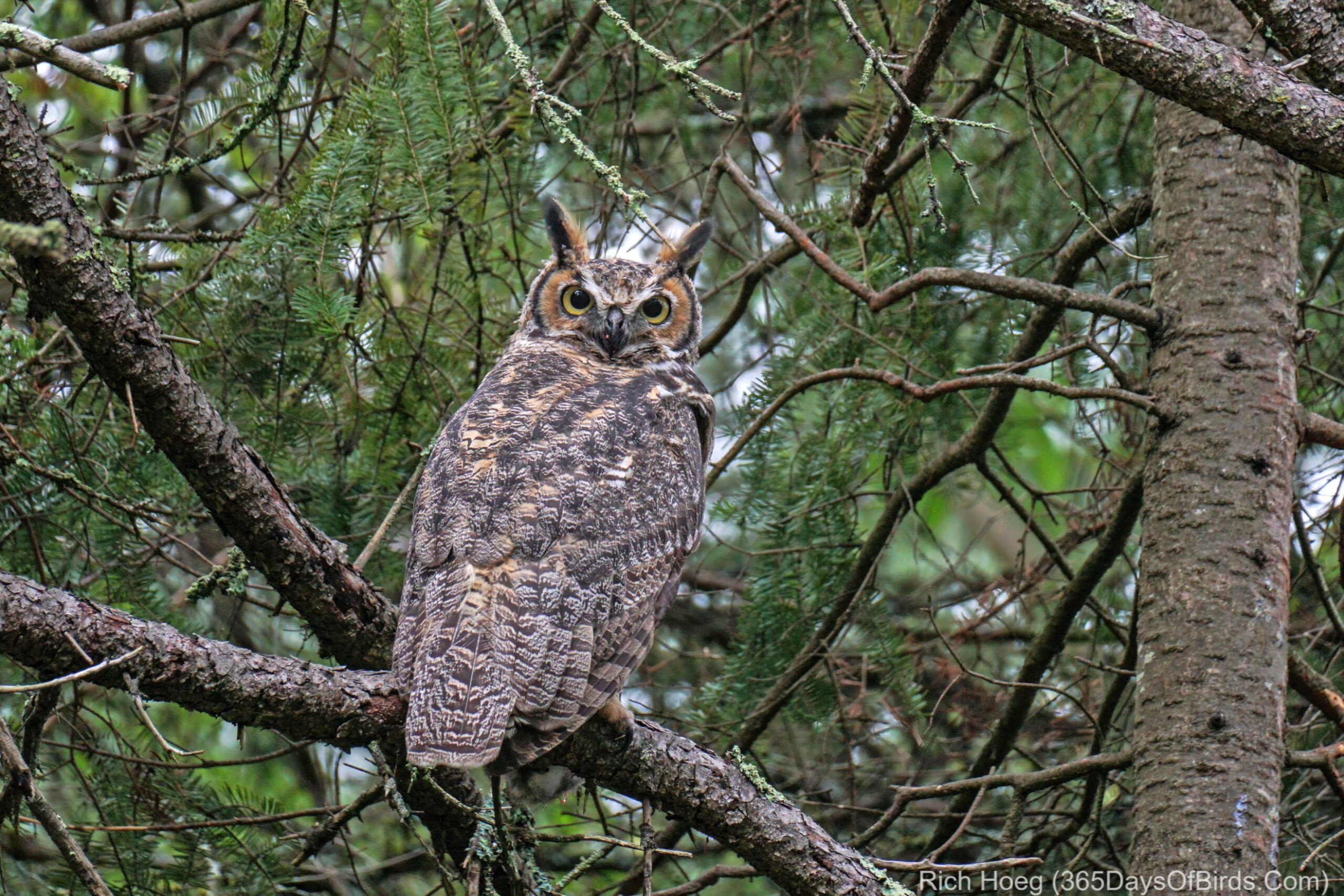
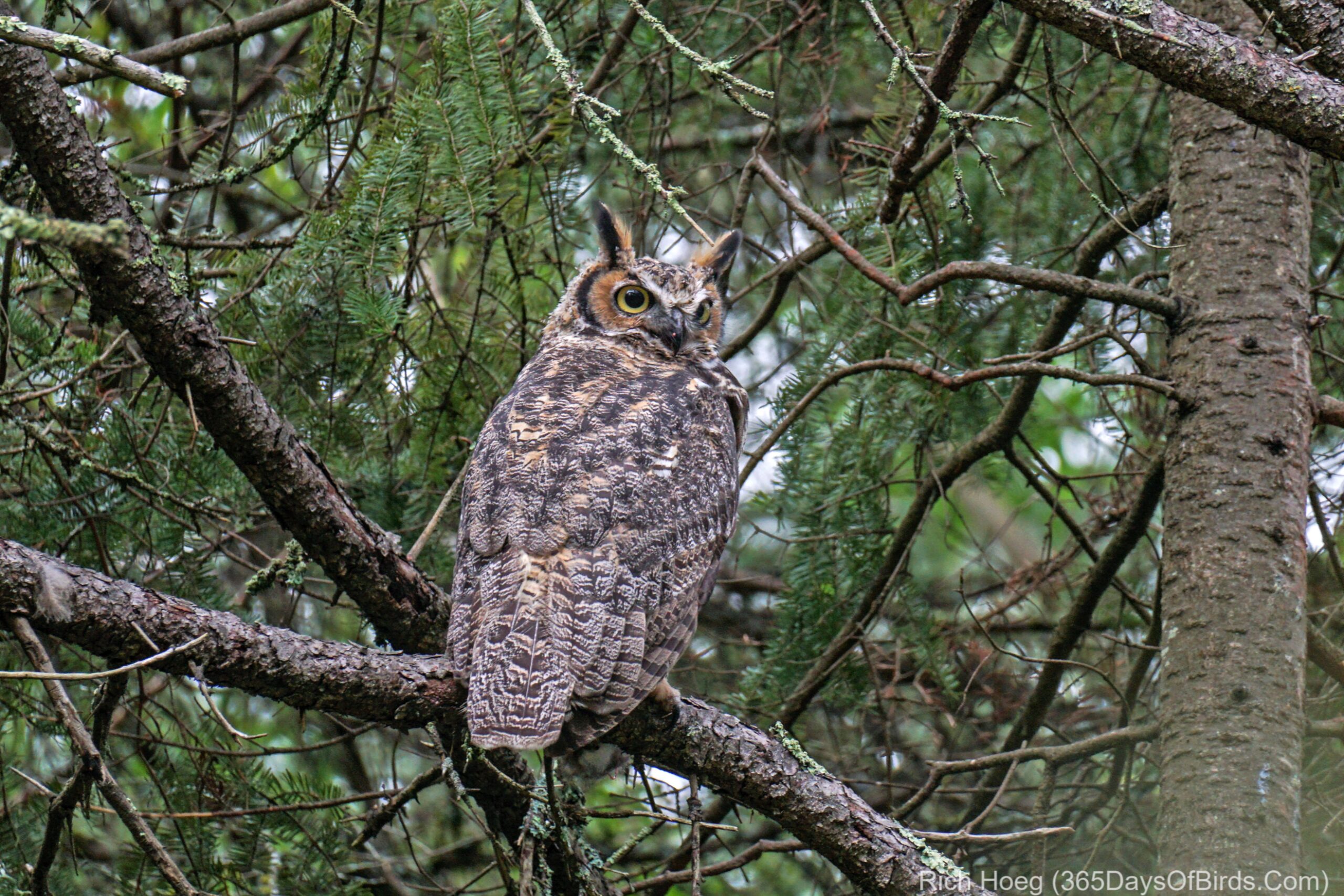
Hoot is back! Last night when I briefly awakened at midnight and 3 am, I could hear her hunting … sometimes in my own yard. Thus, this morning after an early morning bicycle ride up the shore I decided to hike over to a pine grove where my friend sometimes perches for the day. I have learned that my Great Horned Owls often become active for about 30 minutes around 8:30 am after an initial morning snooze starting at sunrise (and finding good hiding spots from crows). During this brief “wake-up” time my owls will quickly hunt anything which is easily available. This morning the local robins were squawking in alarm which is how I found Hoot!

Remember, you may download a free PDF version of my new children’s book, Do You Hoot?, which tells the story of the Amity owlets growing up this spring. Follow this link to get your download your free copy of my book, and watch some more special videos of Hoot and gang.
Return of Hoot! The Movie! (video link for email subscribers)
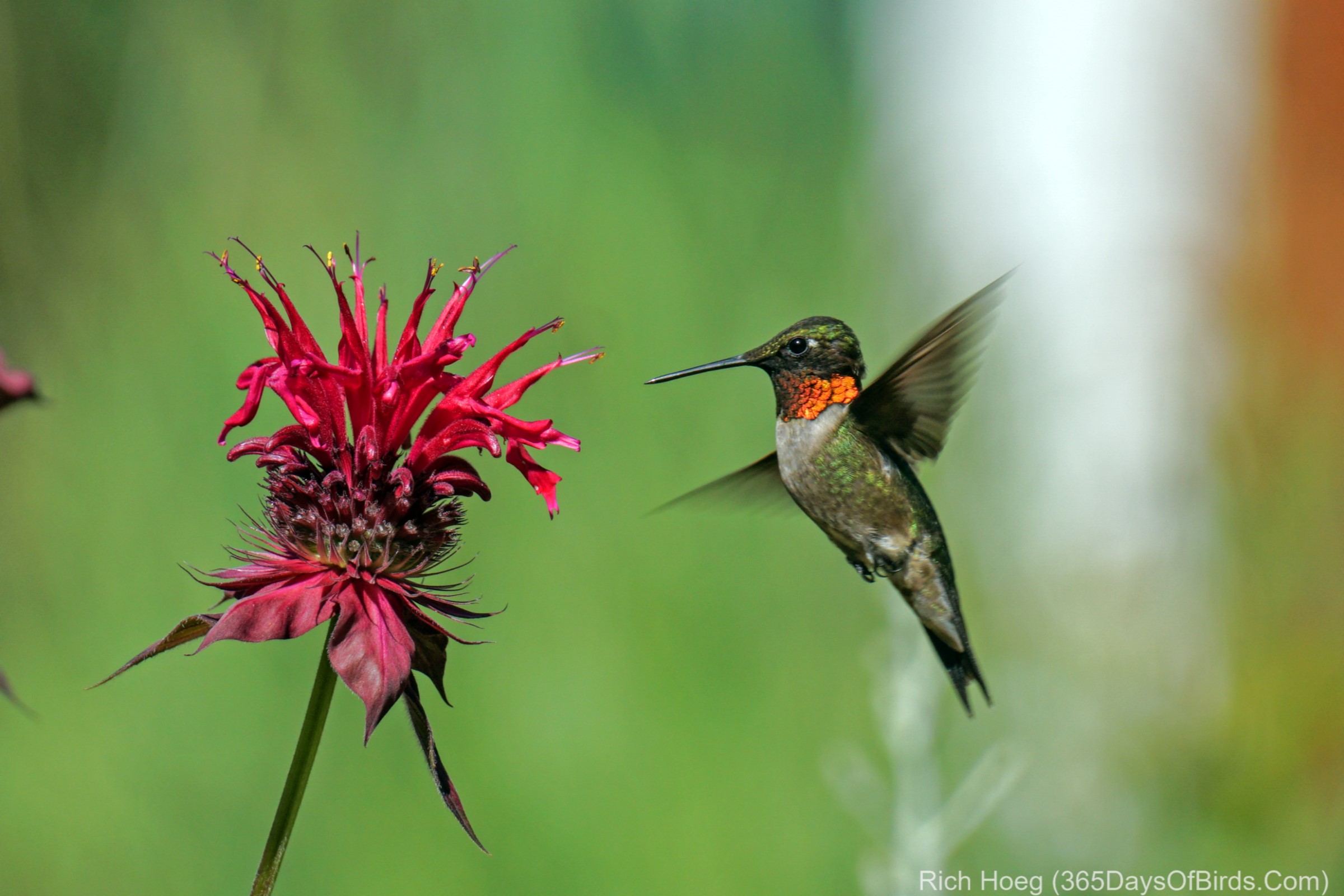
Hummingbirds and Bee Balm

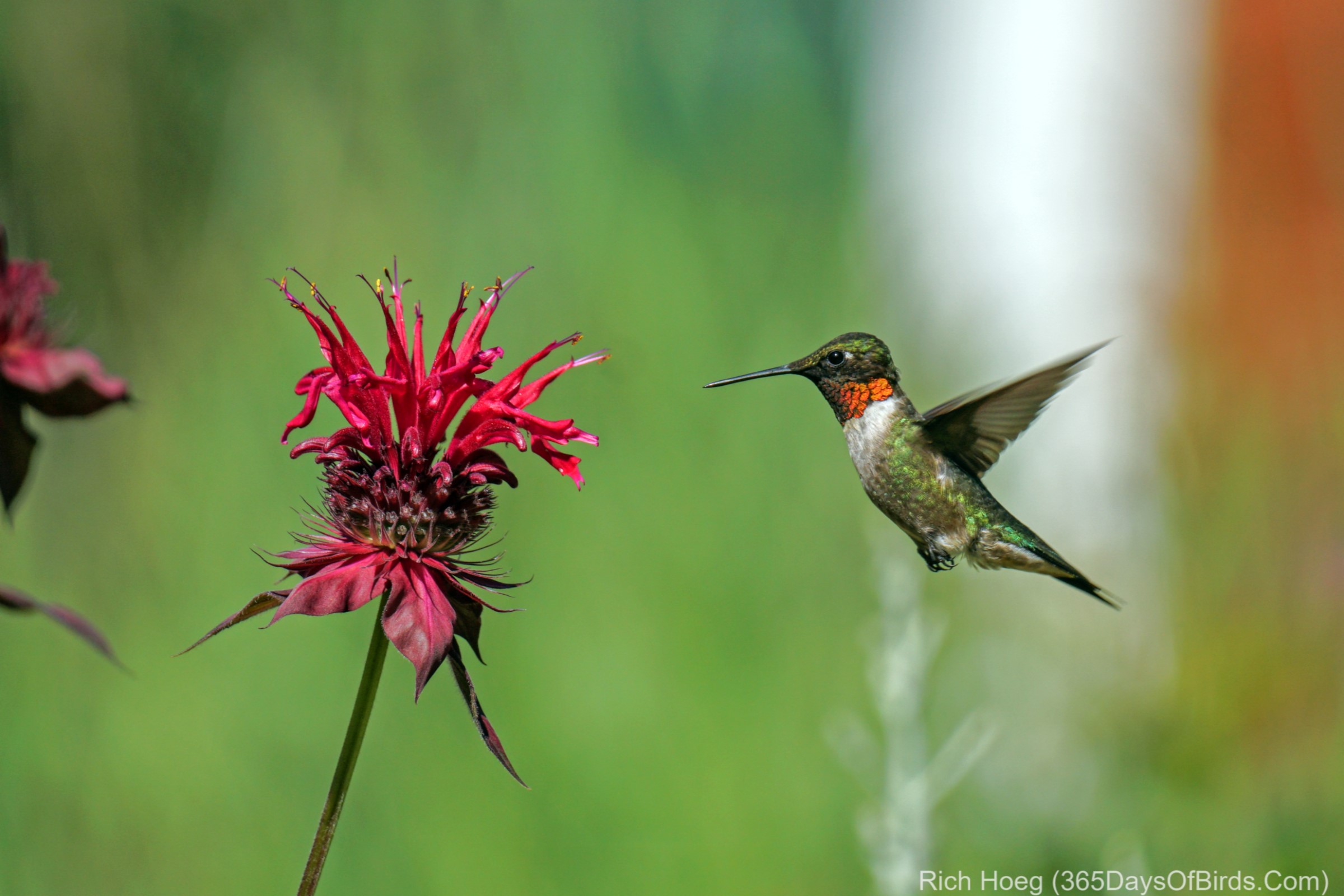
If you want to see hummingbirds, while a feeder is a nice option, Bee Balm is the best option. Offering this perennial flower is likeĀ  giving candy to a baby. The hummers can not resist it’s nectar. Once this flower blooms in your garden, if there are any hummingbirds in the vicinity of your home, they will lead a “bee line” to your abode.

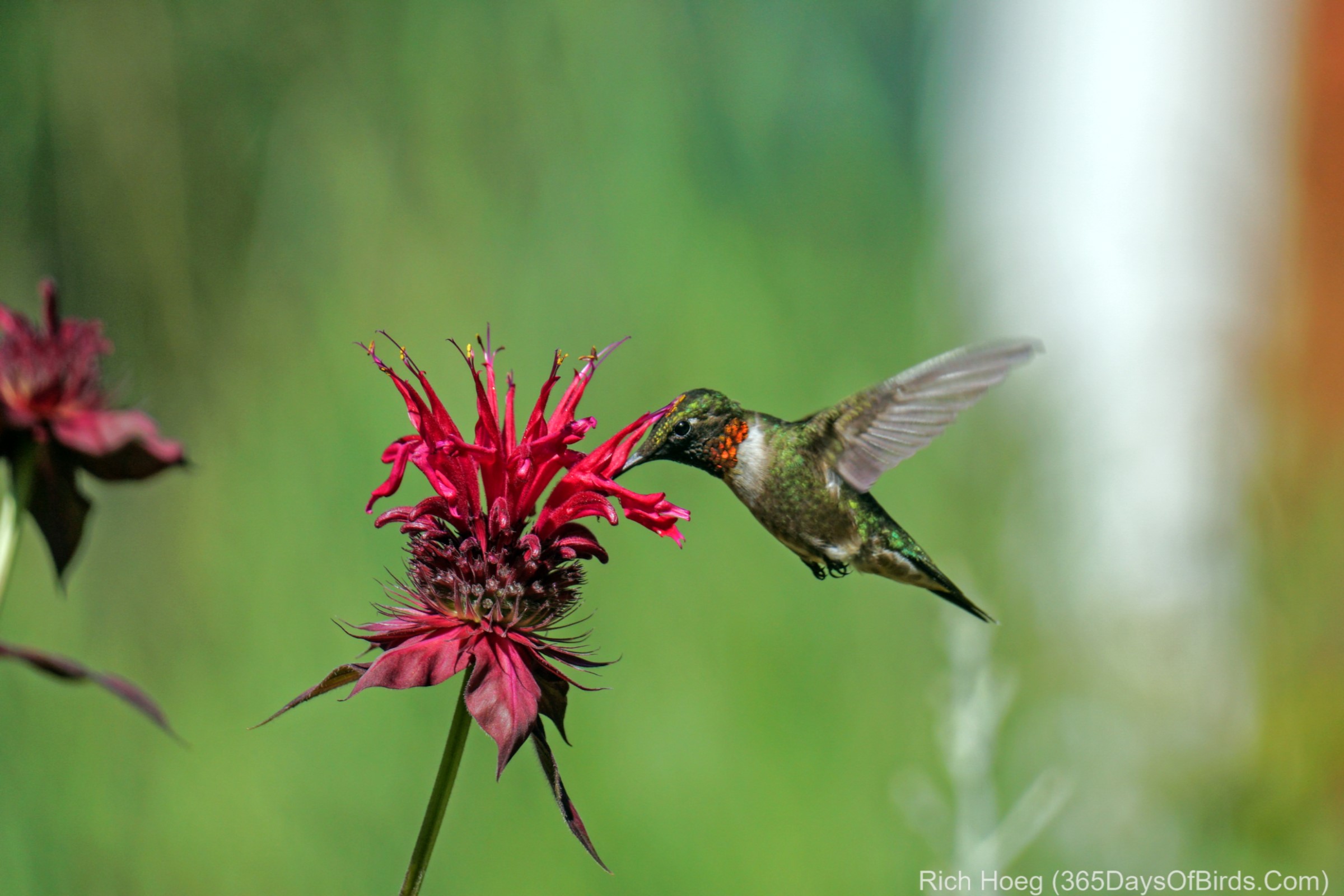
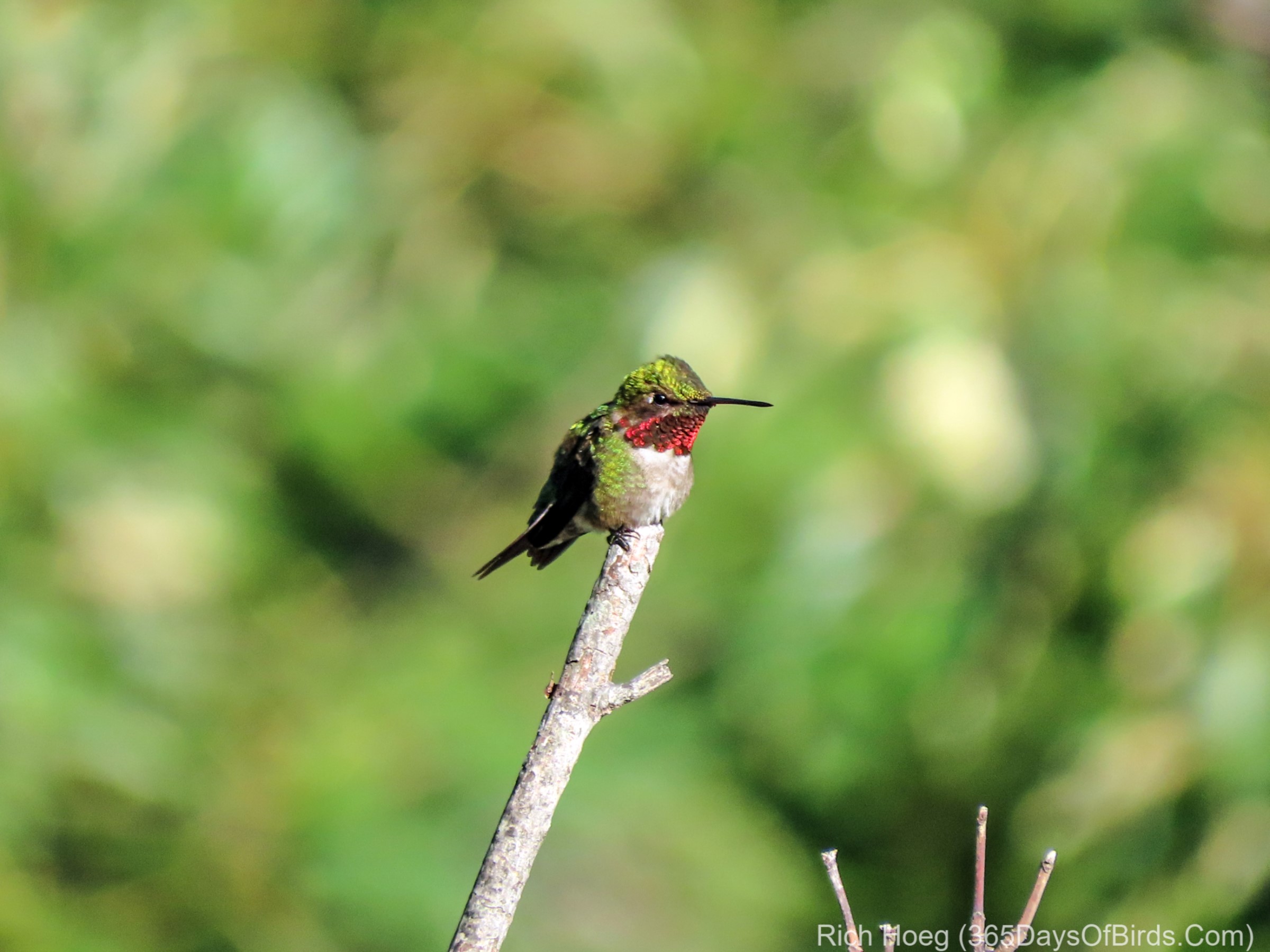
Yesterday I sat in the garden. It was quite pleasant. For my evening session, I even had a glass of Chardonnay. Not a bad way to bird, eh? Thus, I present you “hummingbird studies”. I had fun, but the male Ruby-Throated Hummingbird taunted me. On two separate occasions it flew over to within two feet of my head. Each time it hovered for over five seconds while it checked me out. I did not dare move for fear of scaring it. Thus, I have no pictures of those close encounters. Swinging the camera around would have spooked the bird, and I want to gain its confidence and let the bird think I am just a big garden ornament!

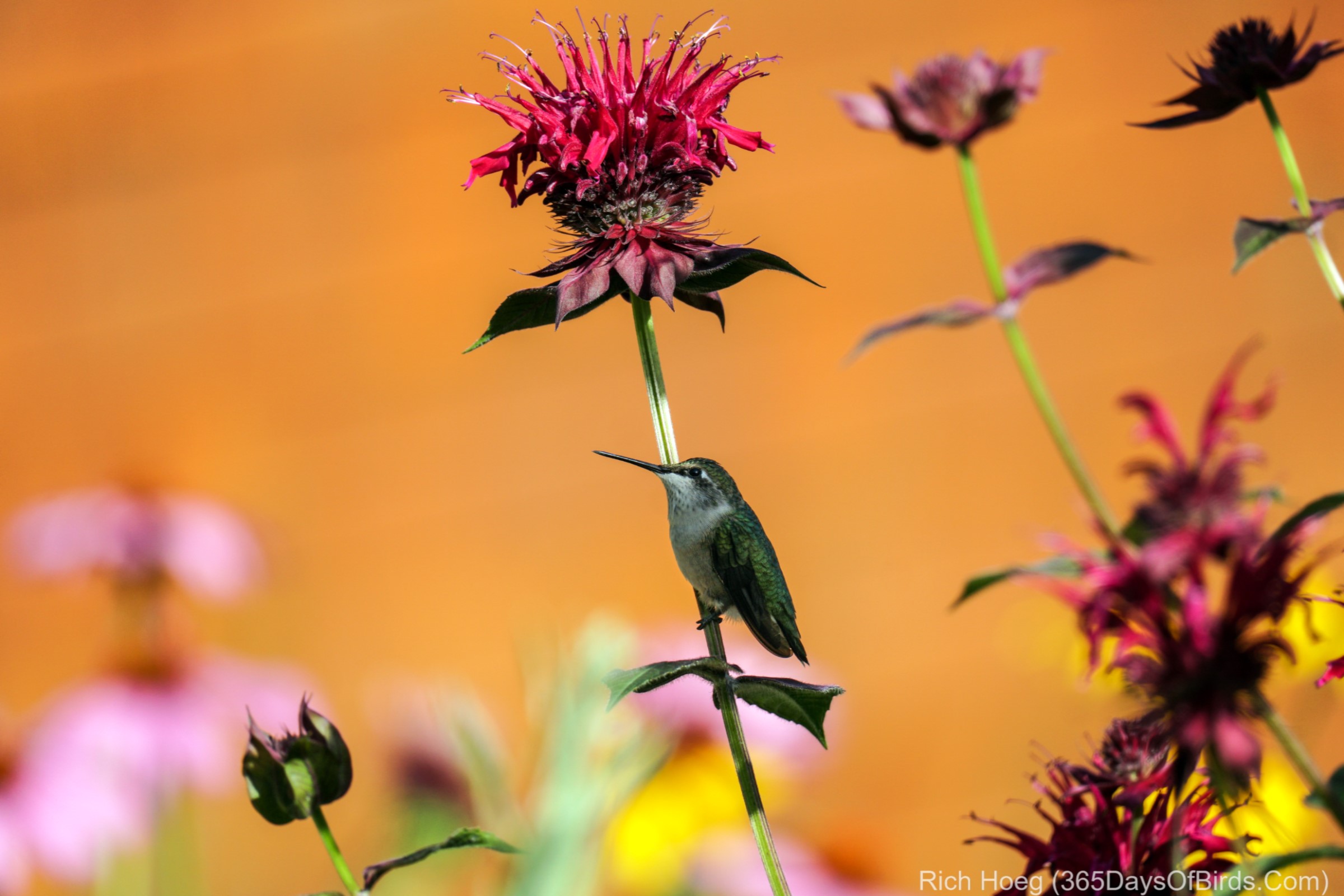
The male Ruby-Throated Hummingbird

On his throne, guarding the Bee Balm

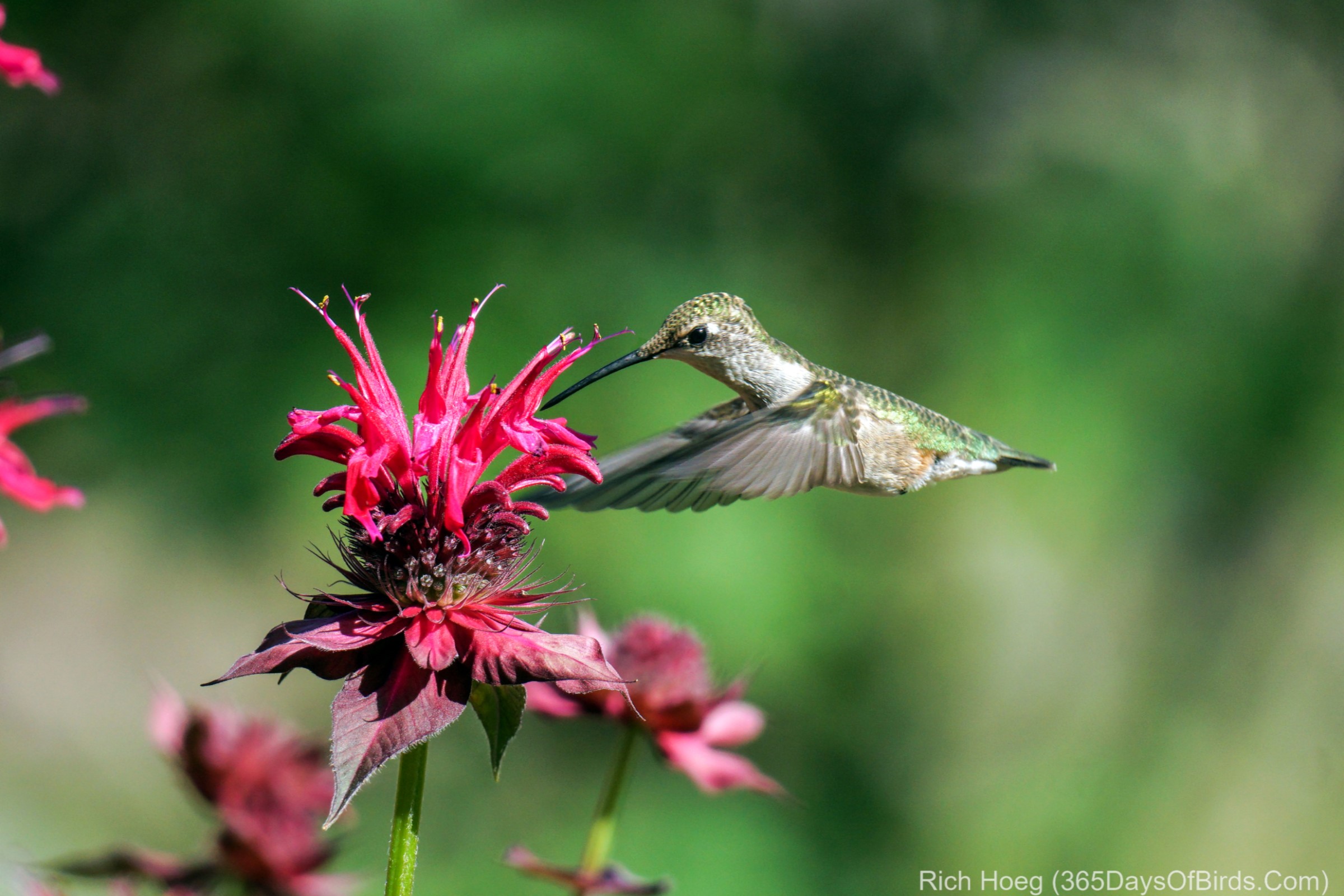
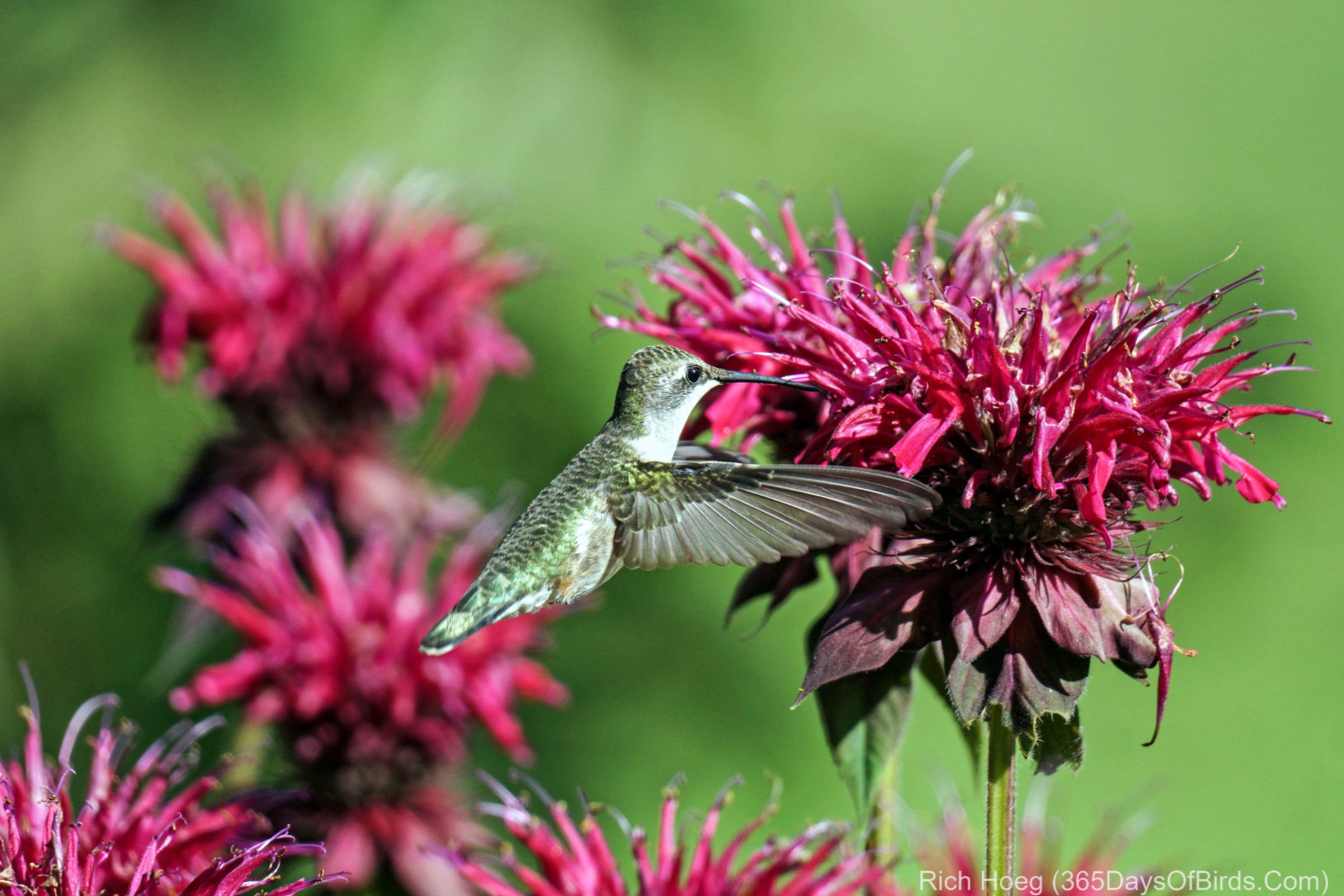
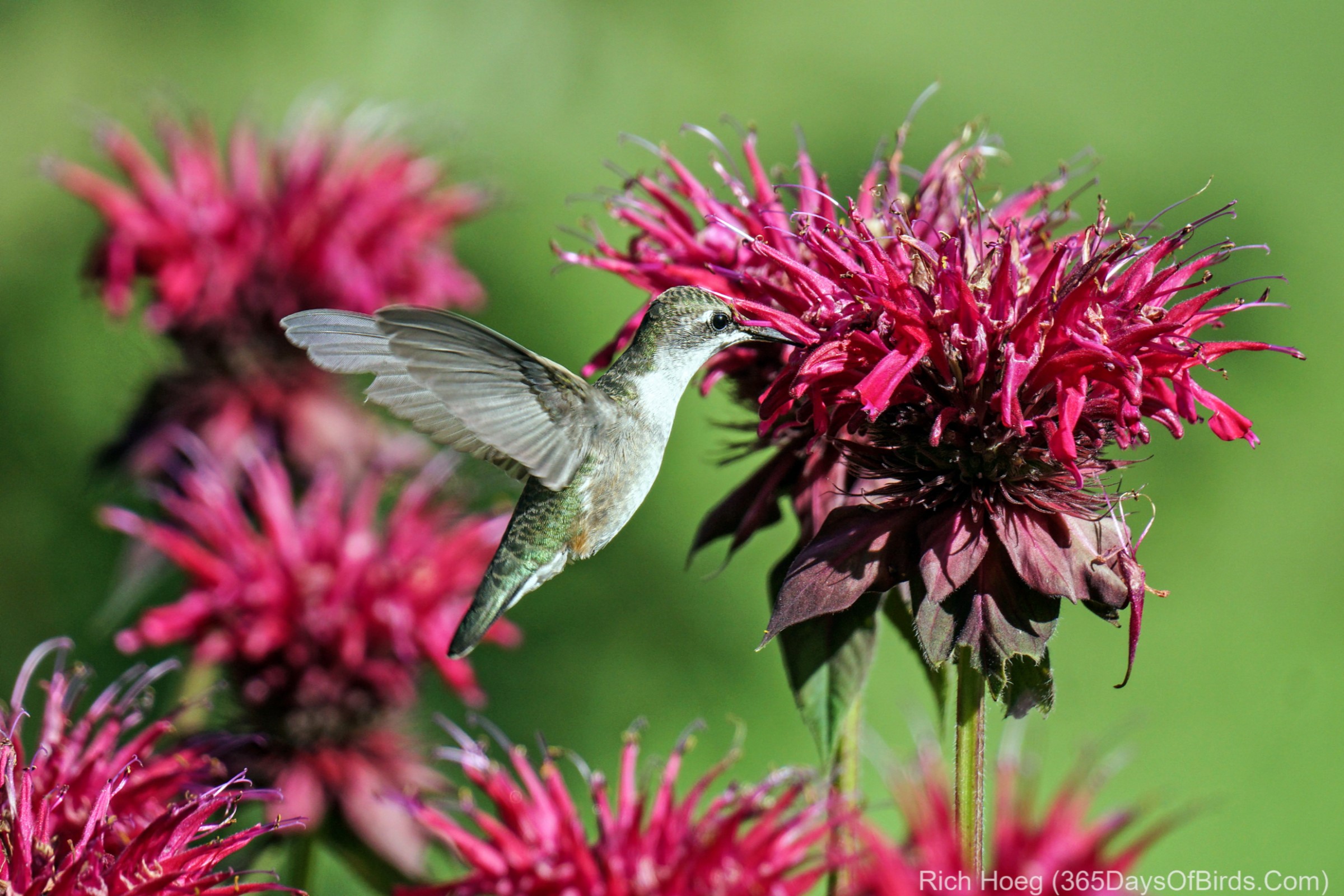
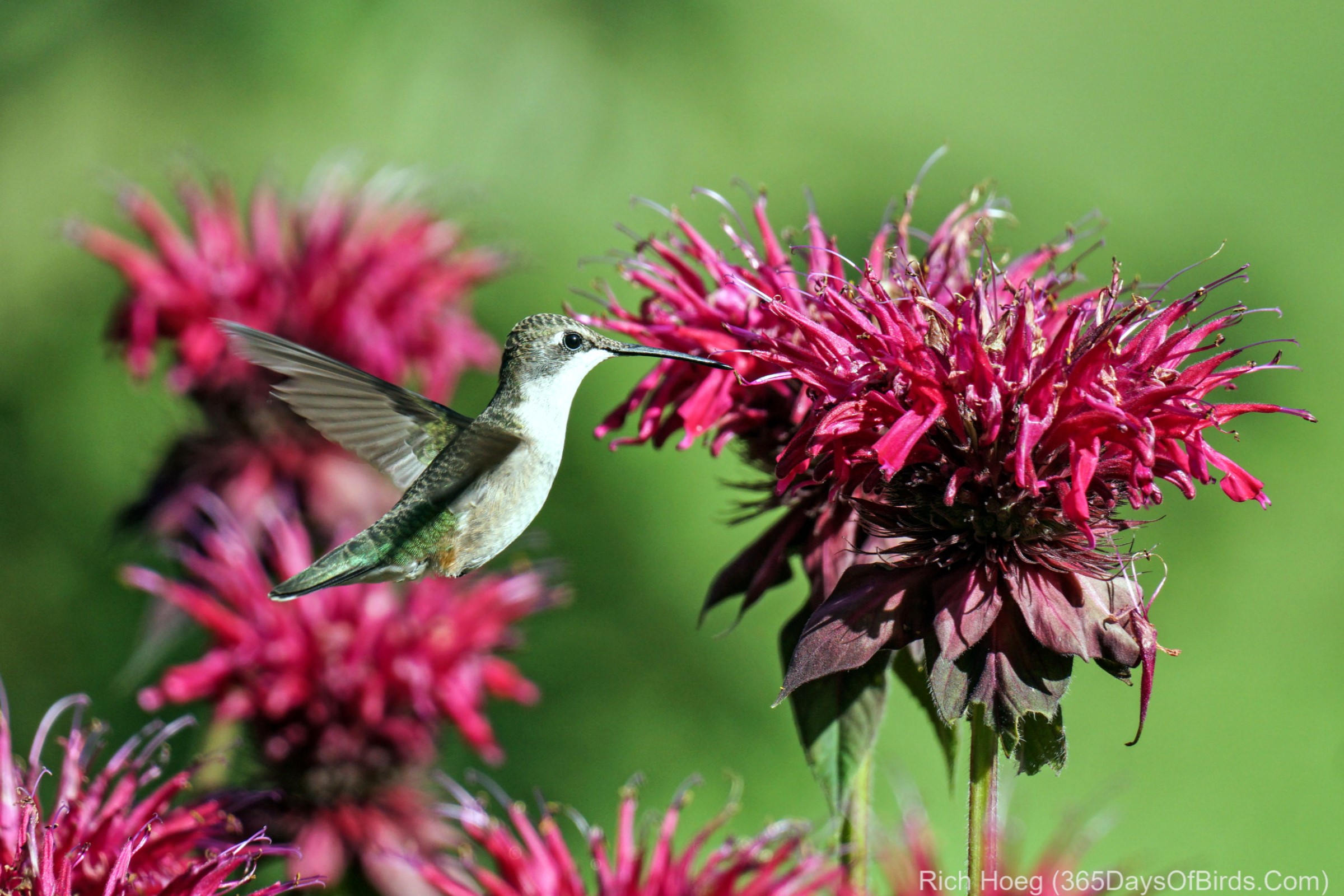
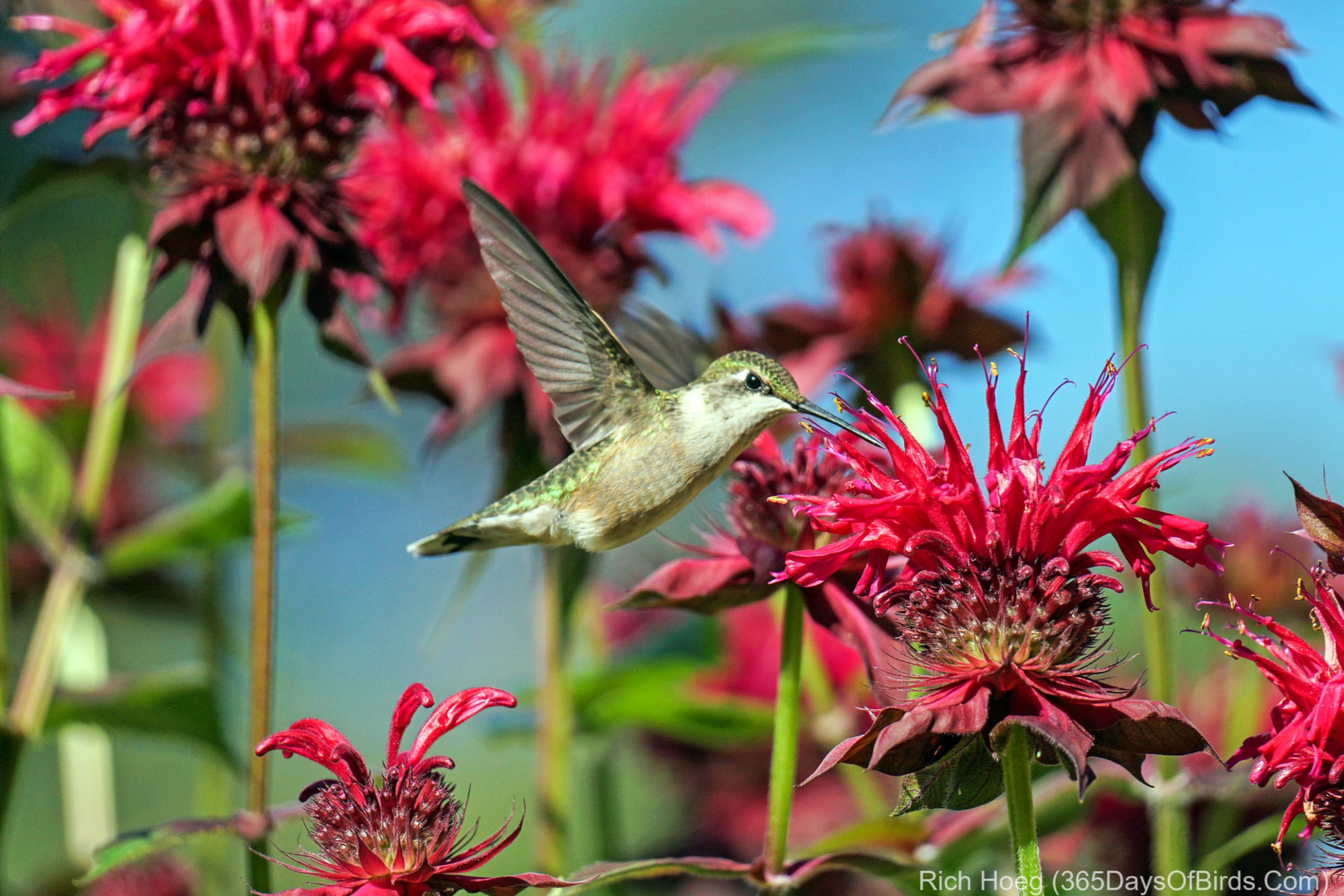
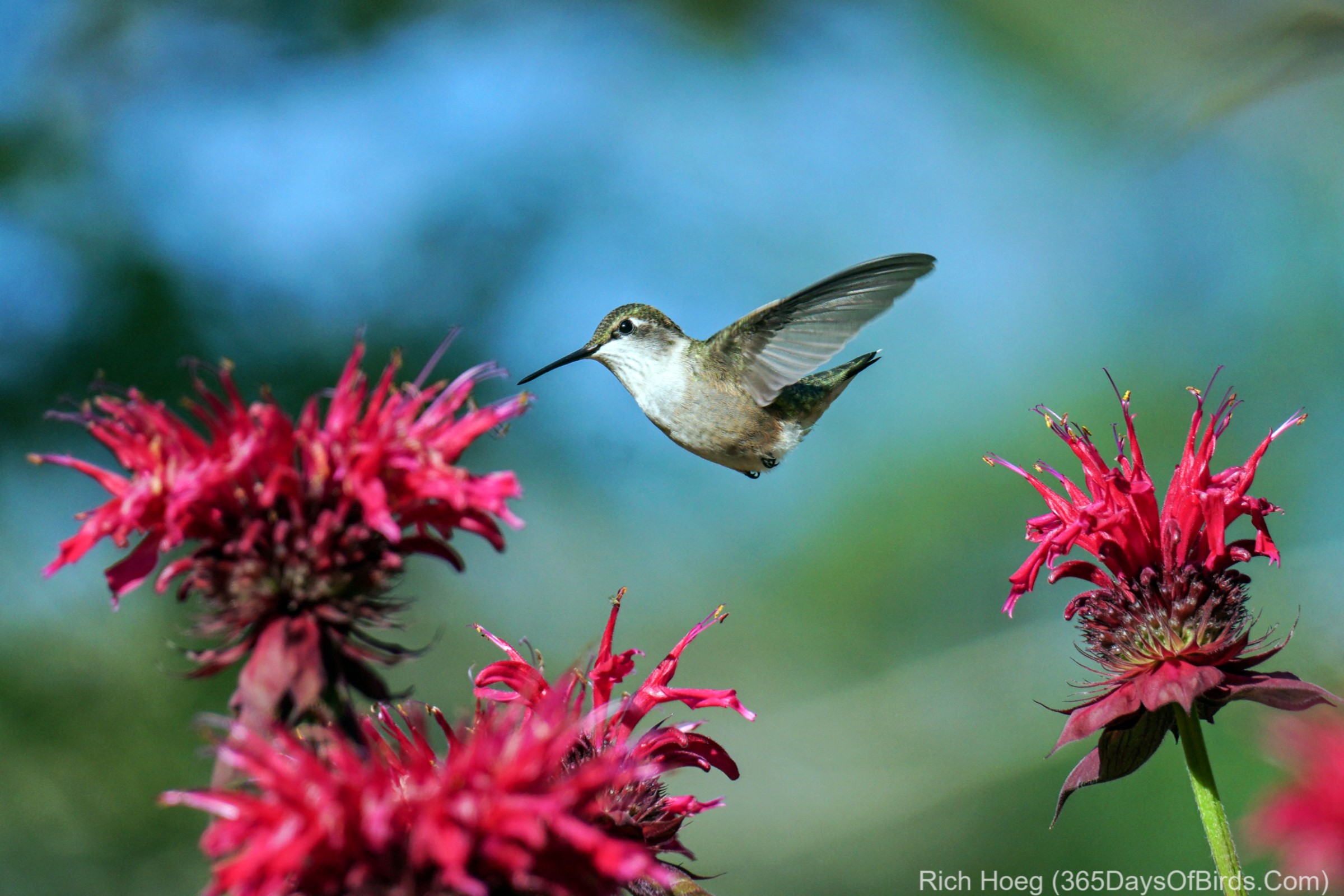
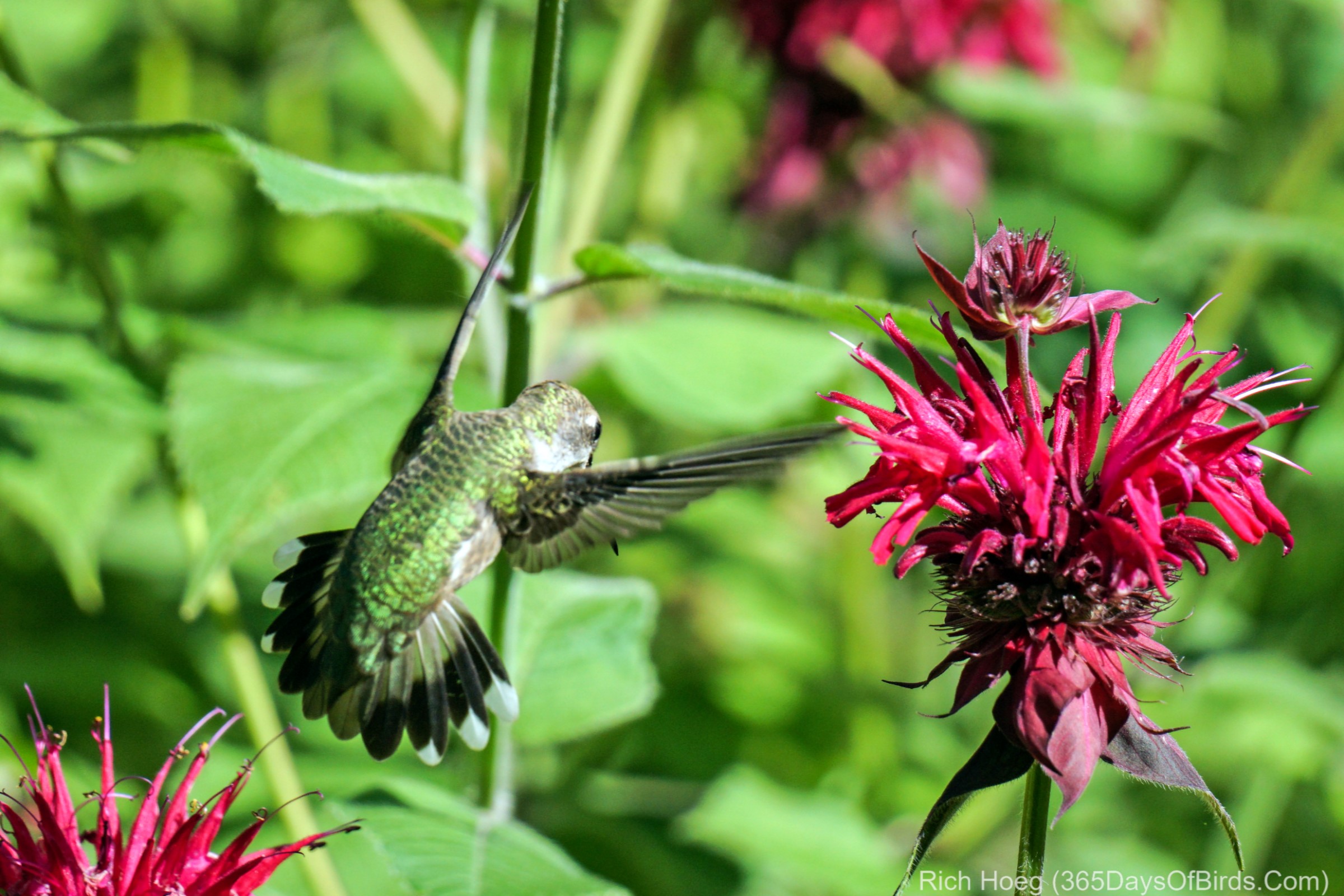
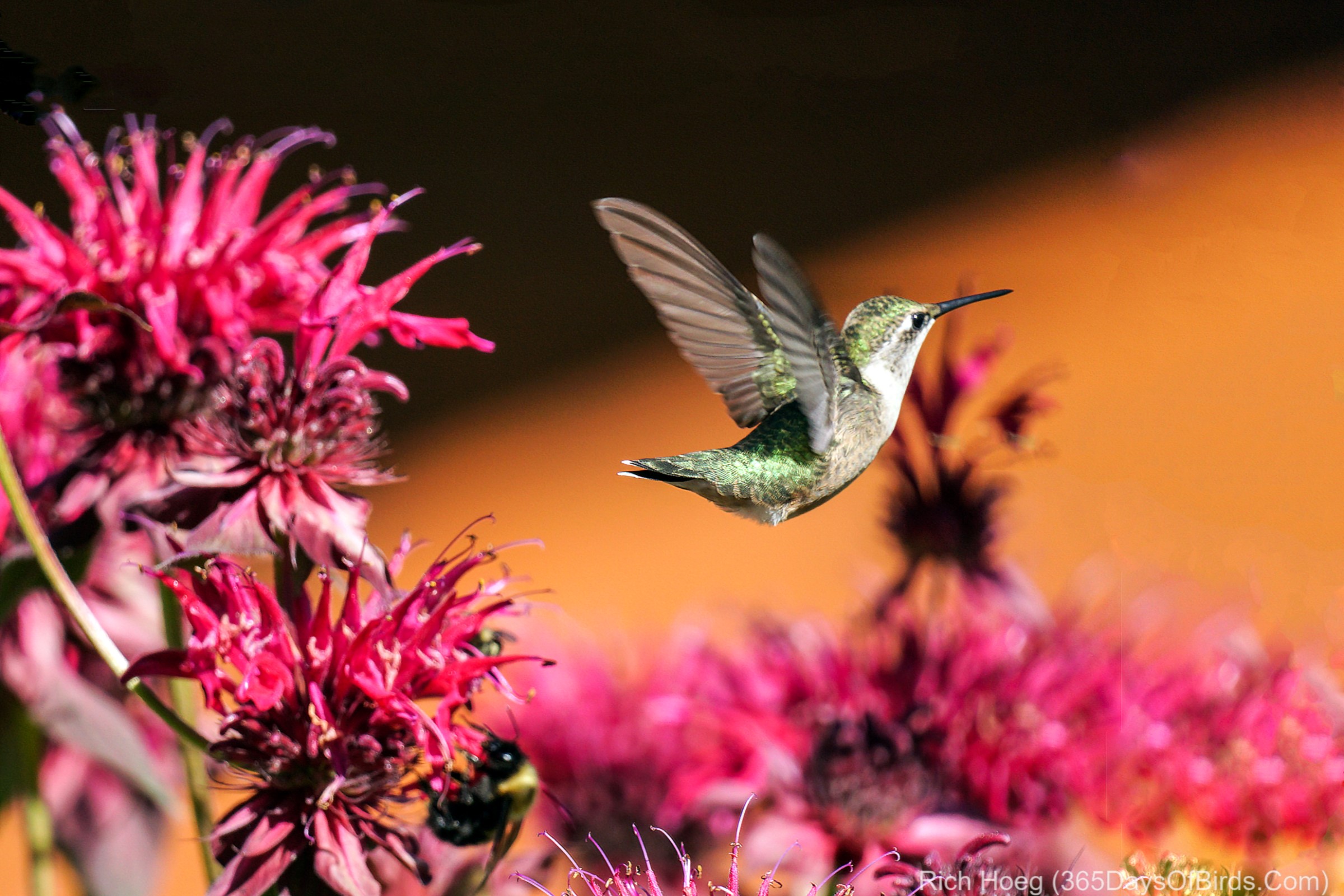
The females at work … there are obviously hatched chicks near by. The females stay long and come often. I don’t believe the males help at all with the feeding if the time of their visits are an indication.


Photo showing a hummer’s tail


Taking a rest before heading back to the kids


Heading back to the kids


There was lots of other visitors to the garden … a Fritillary

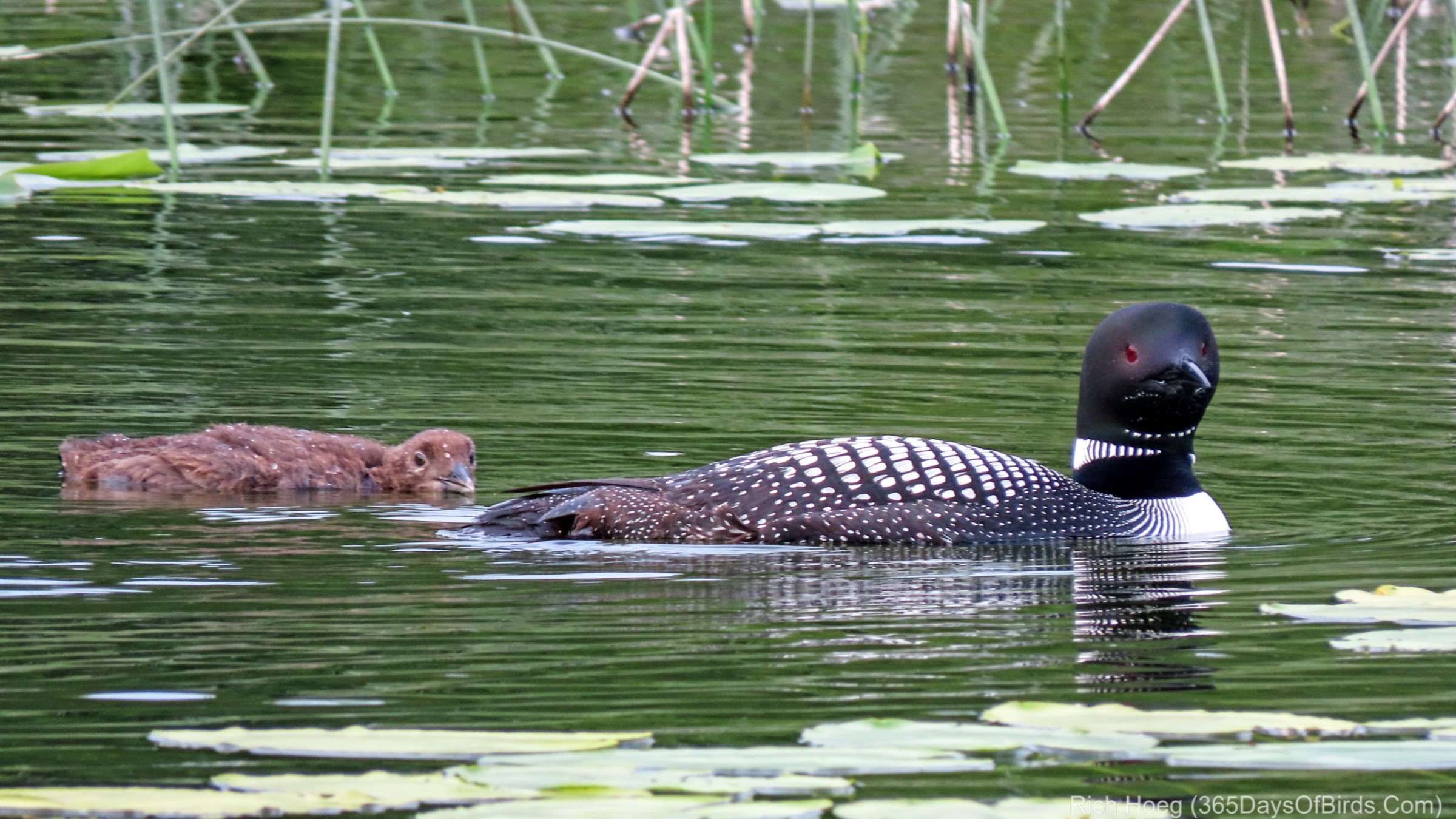
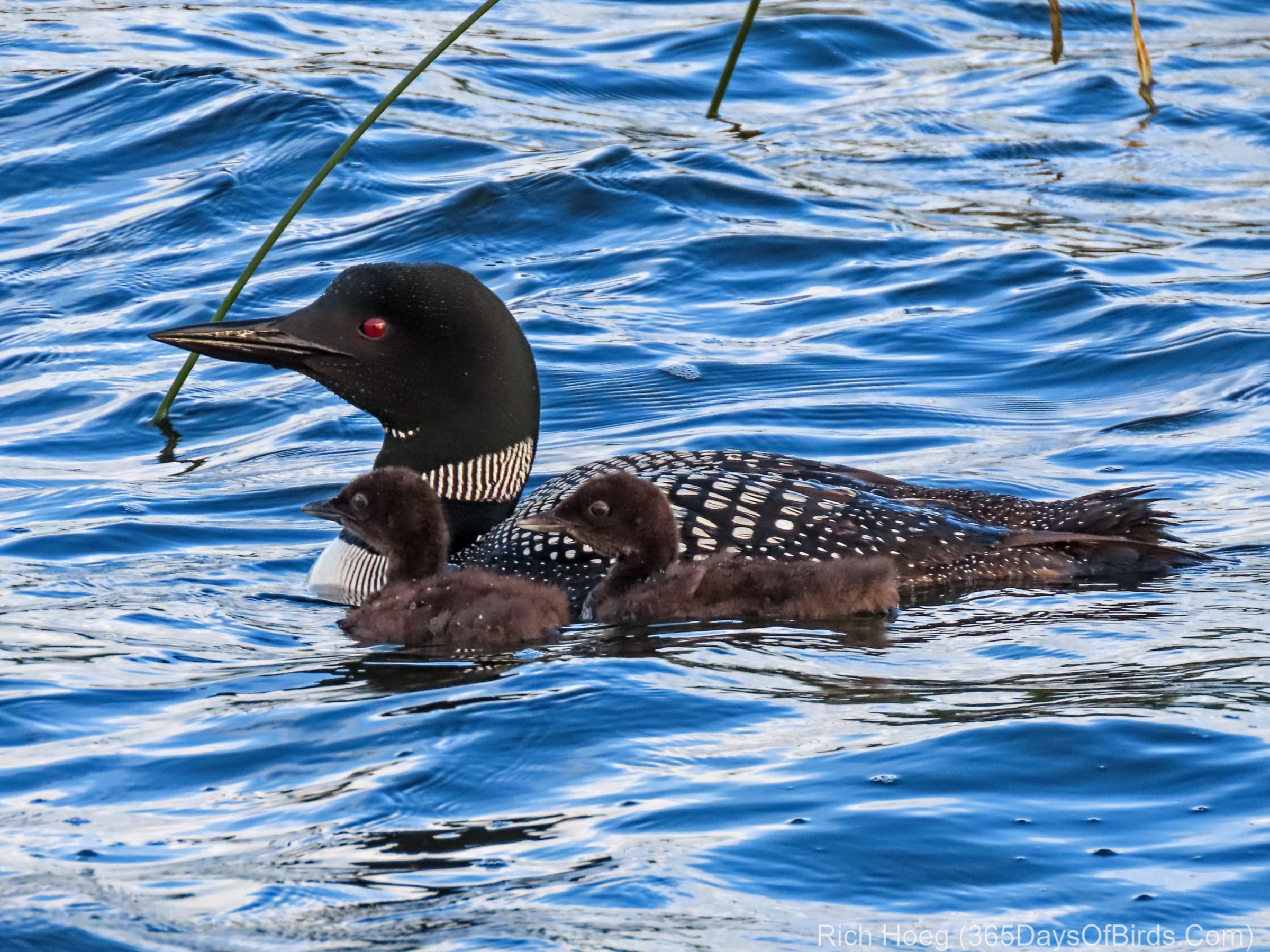
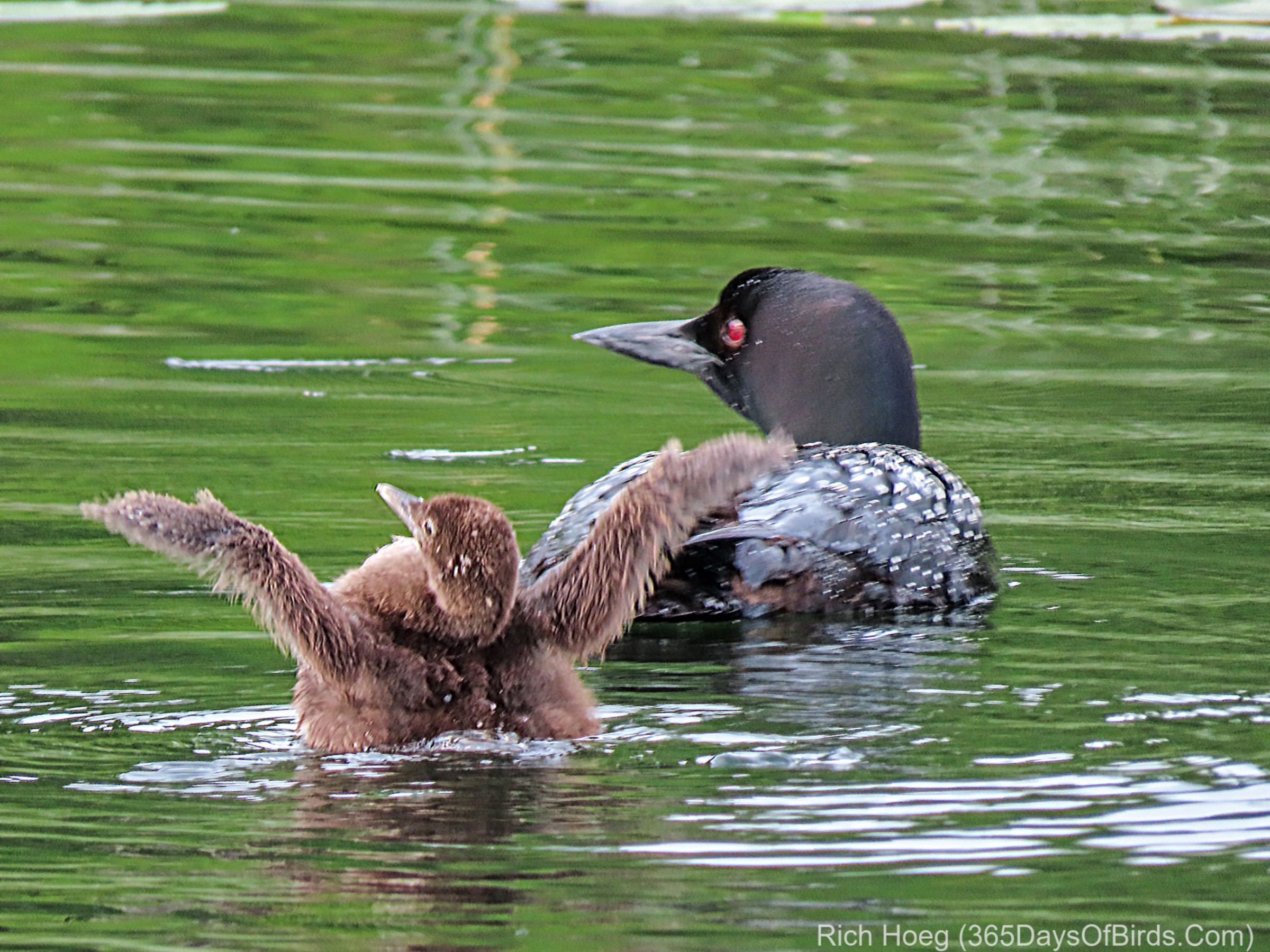
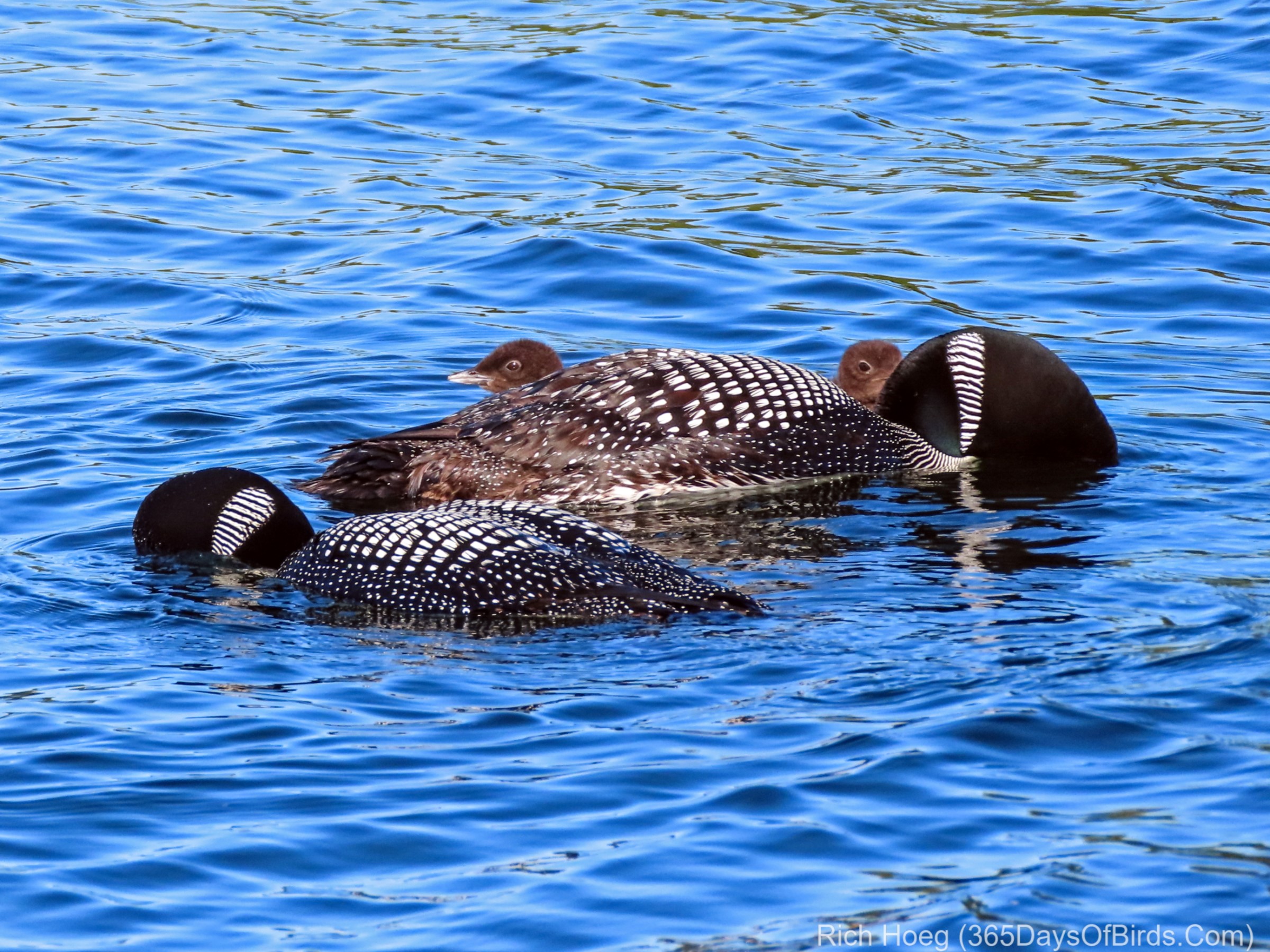
Composing Your Bird Photographs (Common Loons)

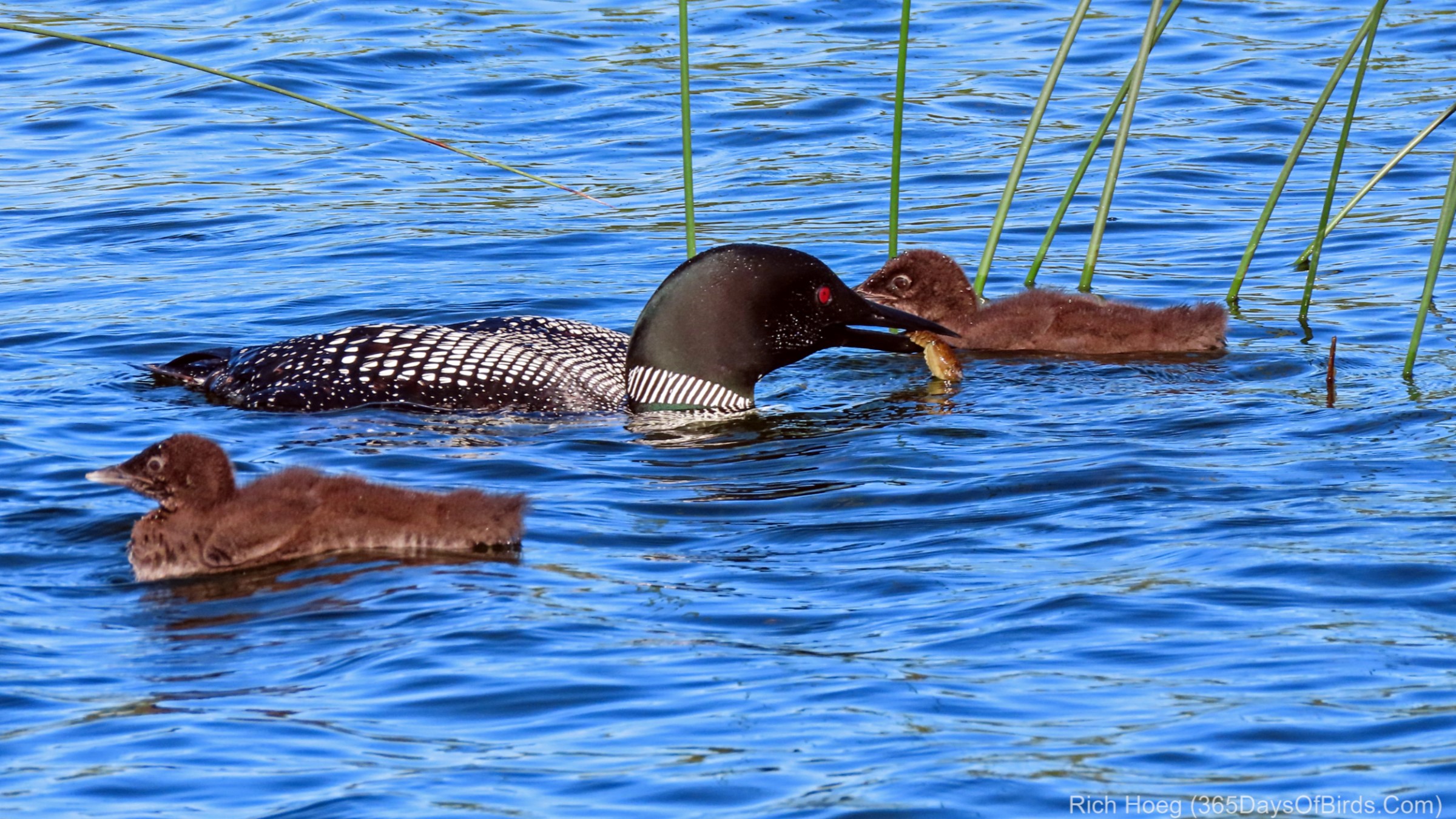
Molly and I returned from our cabin on Northstar Lake a few days ago, and I’ve finally had the opportunity to process my Common Loon family photographs. While most people pay attention to whether you want to “pop” the shadows and highlights in post processing, do you spend enough time while out in nature long before you are even on a computer by “composing images in your head”?

The answer to that question for me is a definite “yes”. Over the course of two days I had researched / found two Common Loon families which were raising chicks of quite different ages near my cabin.

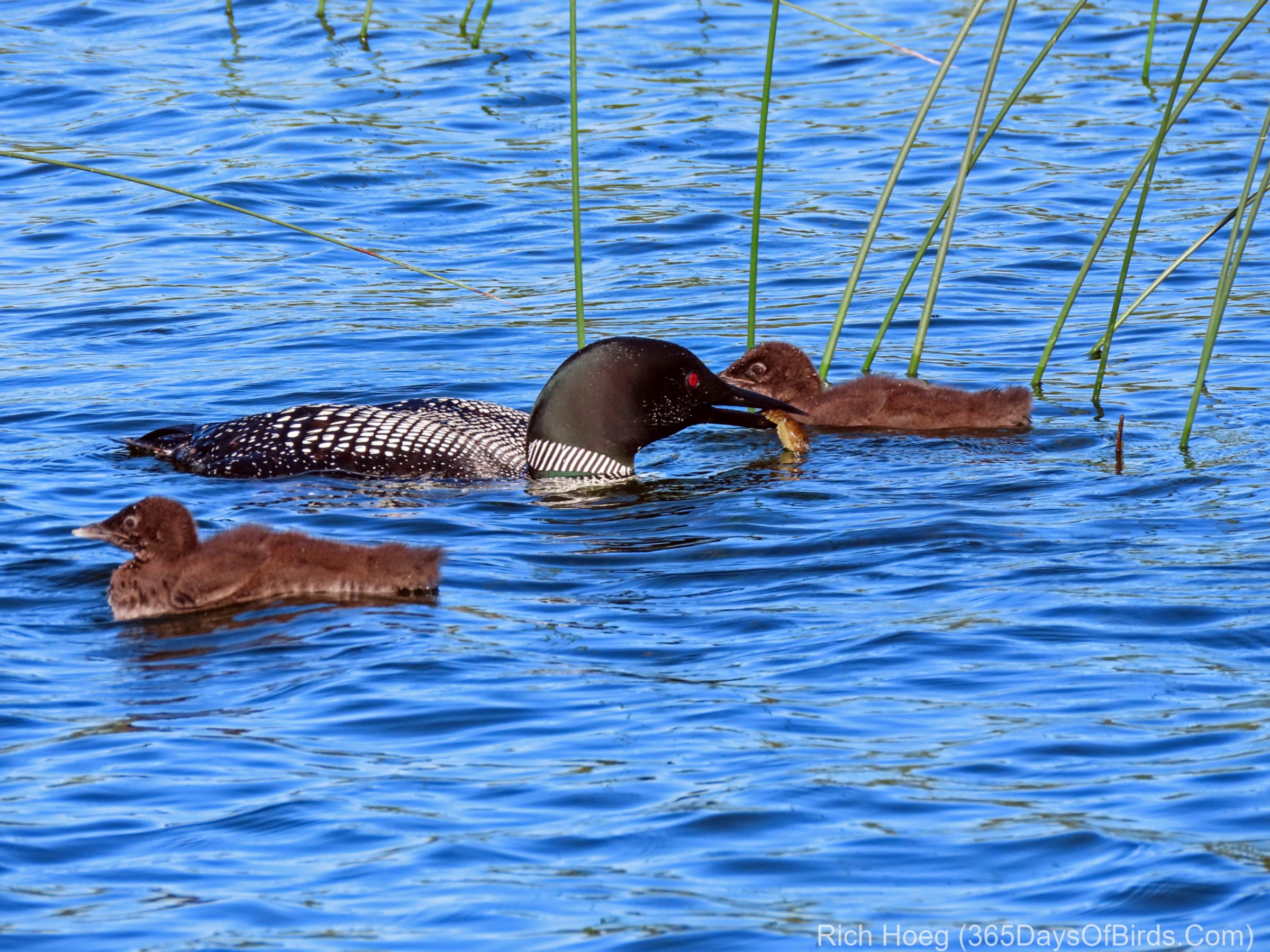
  • Family #1 lives out on the big part of Northstar Lake, which tends to mean my photographs will have more blue, some reeds and no lily pads.
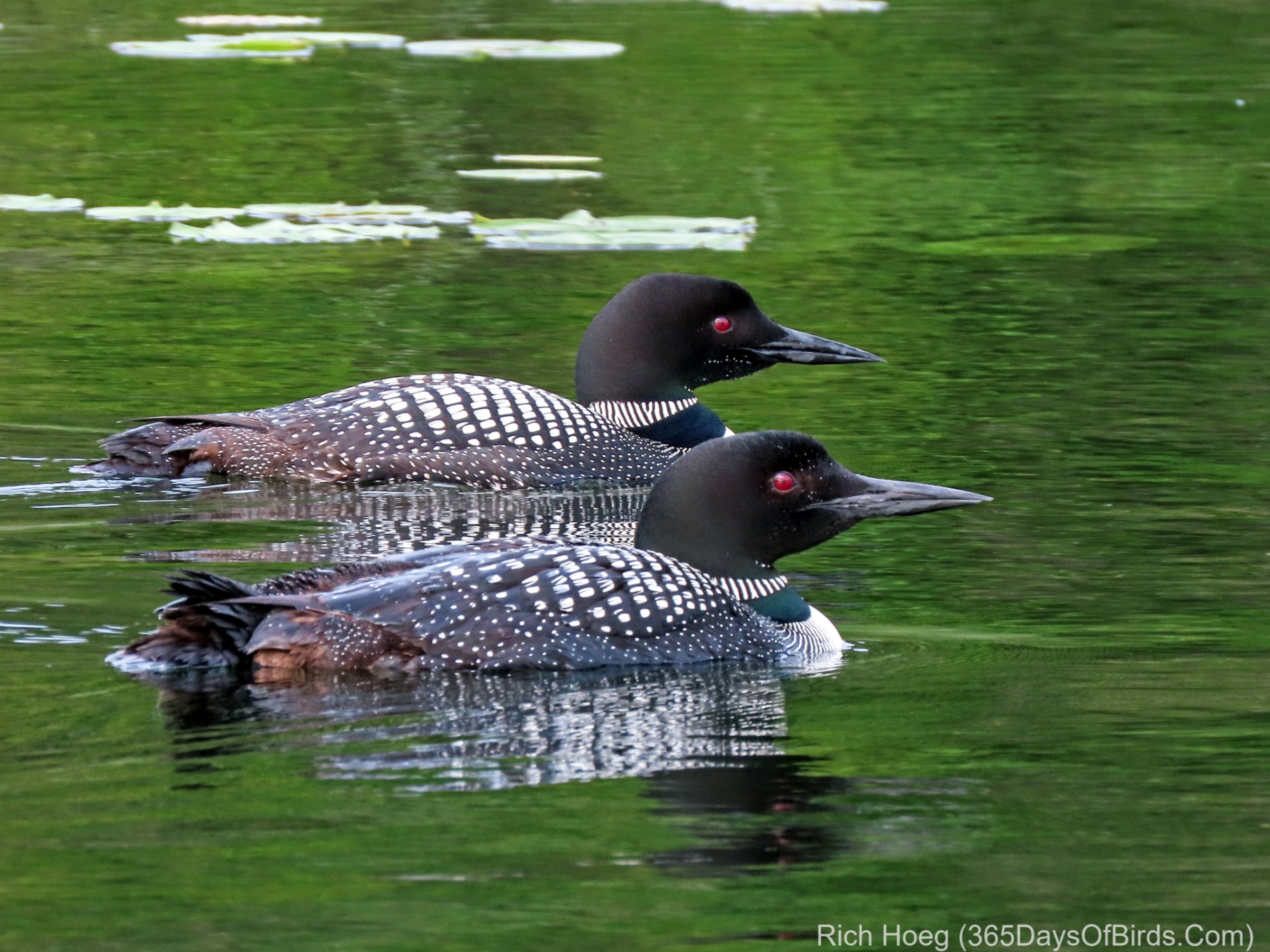
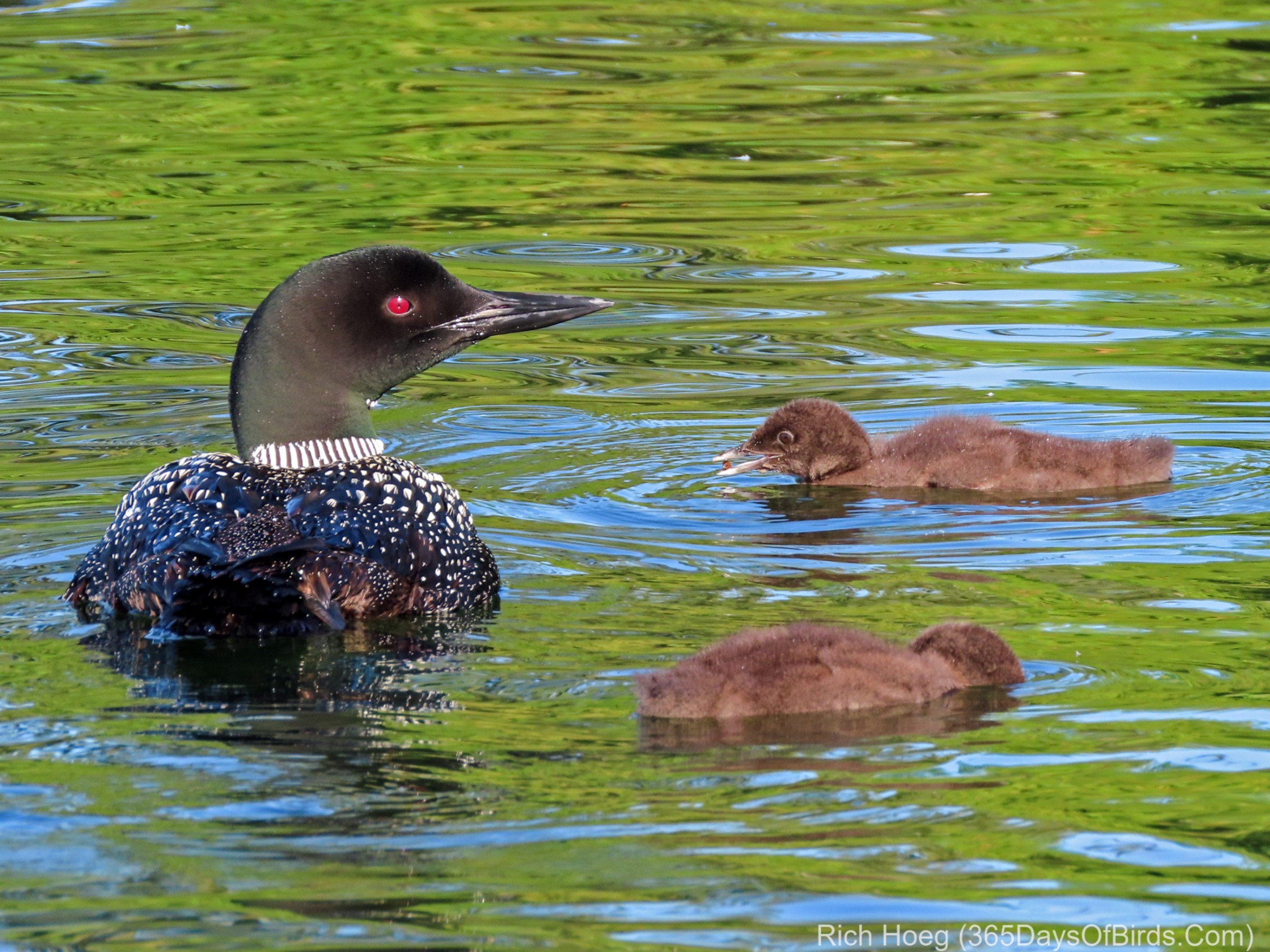
  • Family #2 lives on a much smaller section of the lake with hills rising on all sides of the water. This section of the lake is much more protected from winds which generally means calmer waters, and lots of greens reflected into the water from all the pine trees on shore rising above the lake. There are also lots of lily pads.

Thus, I know I will get significantly different kinds of photographic opportunities in both sections of lake (different colors and vegetation). I tend to like the greens and calm waters better with loon family #2, but both are worth pursuing.

Common Loon Families of Northstar Lake

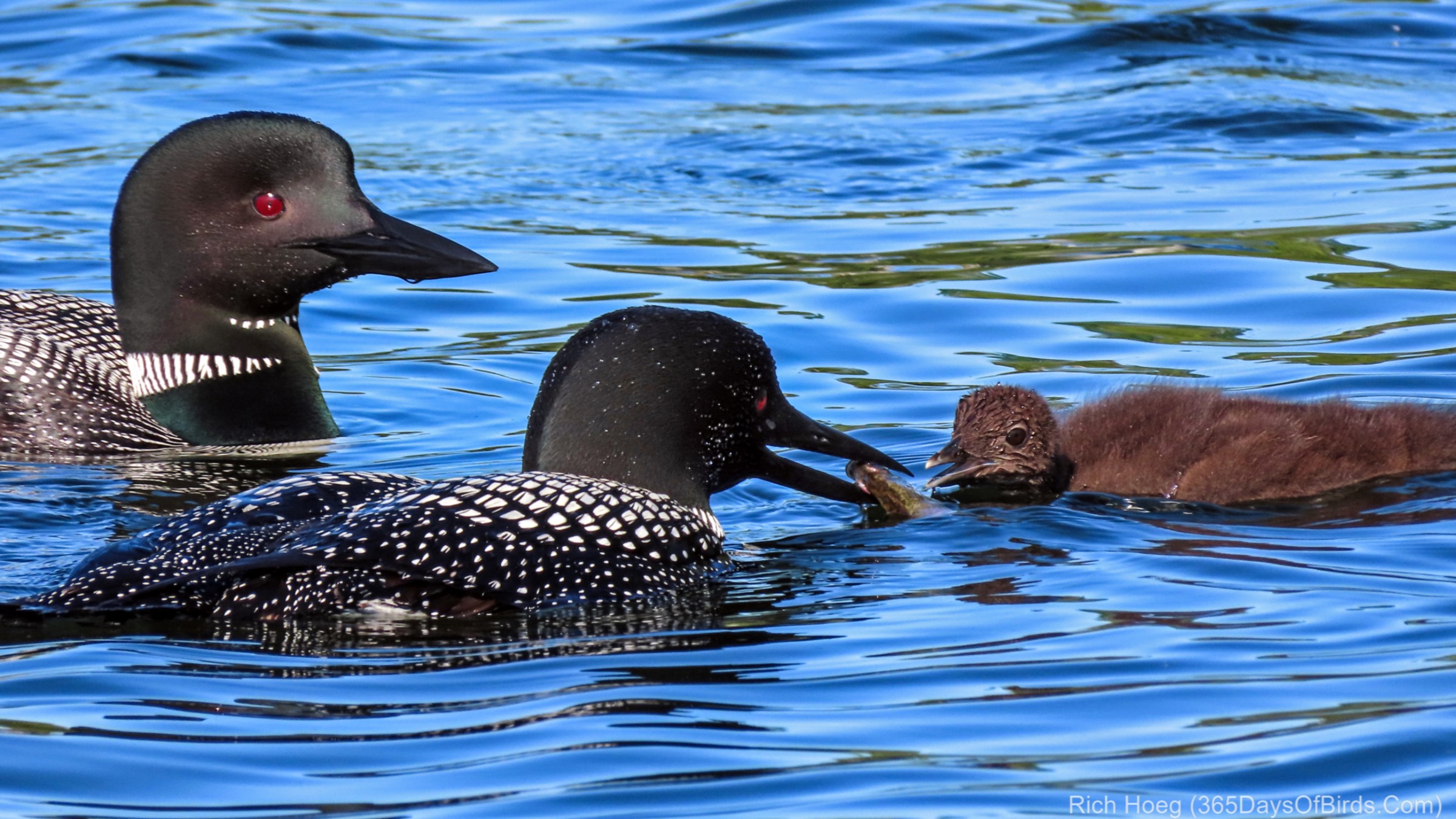
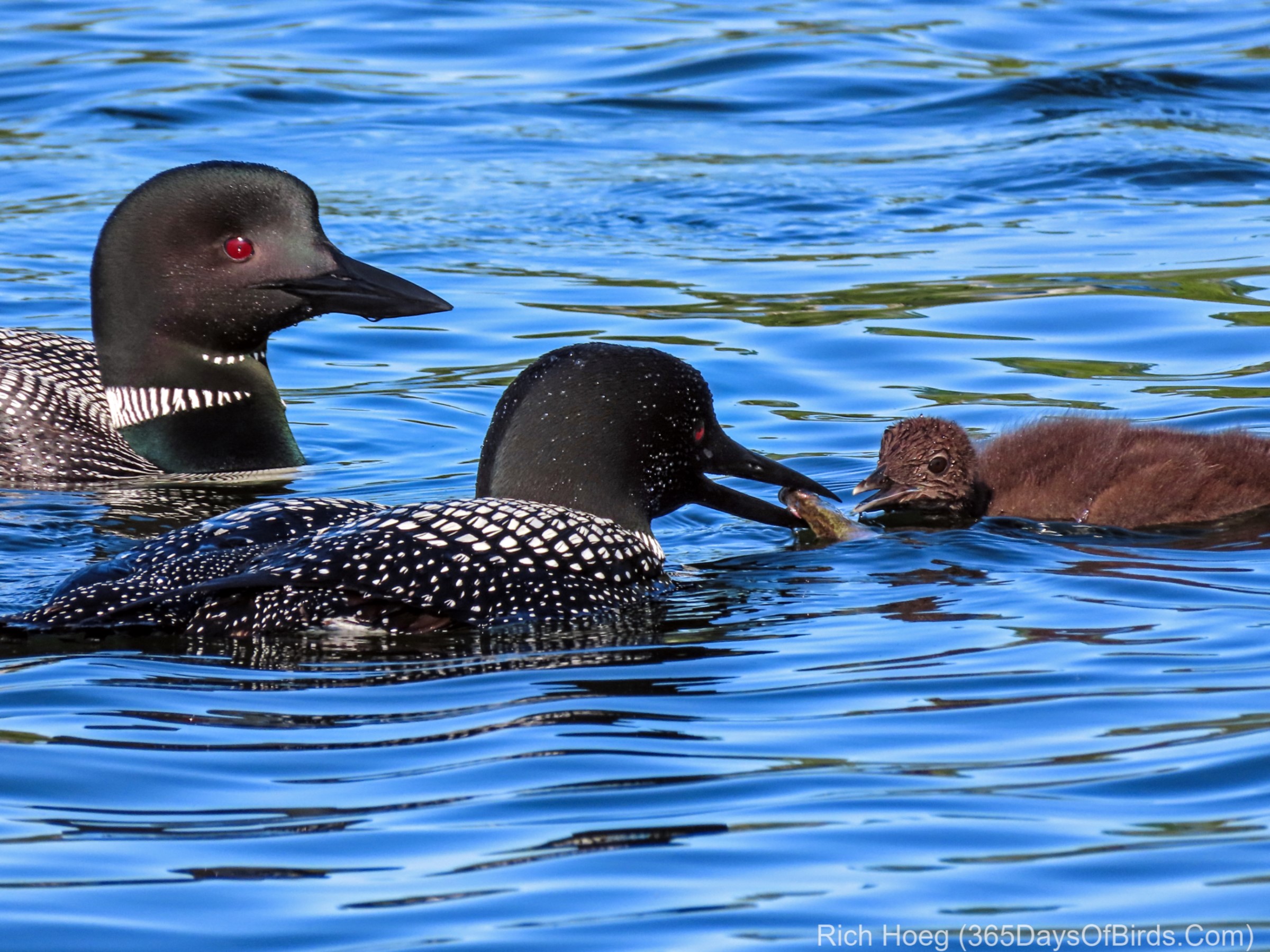
Spend attention to cropping. I recommend pressing / clicking upon both sets of images … perhaps even saving both to your computer. Then toggle back and forth between option 1 and 2 for each photograph. Many people do not utilize a 16:9 cropping (normally considered more a “video” kind of crop), but I like the end result. It shifts the eye more to the action of the photograph while still maintaining image quality.

Images #1 (A & B)

Images #2 (A & B)