A Nest … One Hundred Years in the Making!

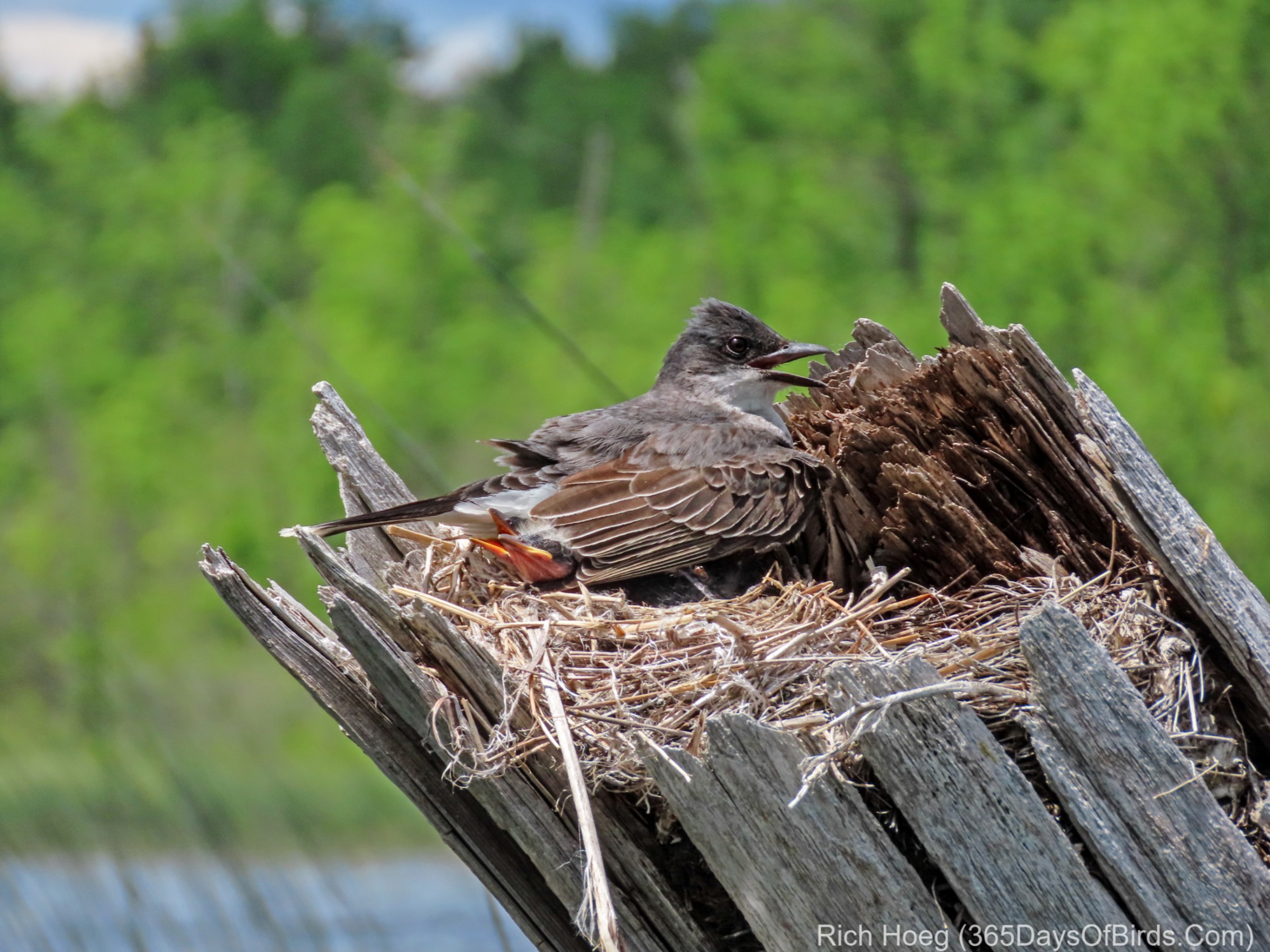
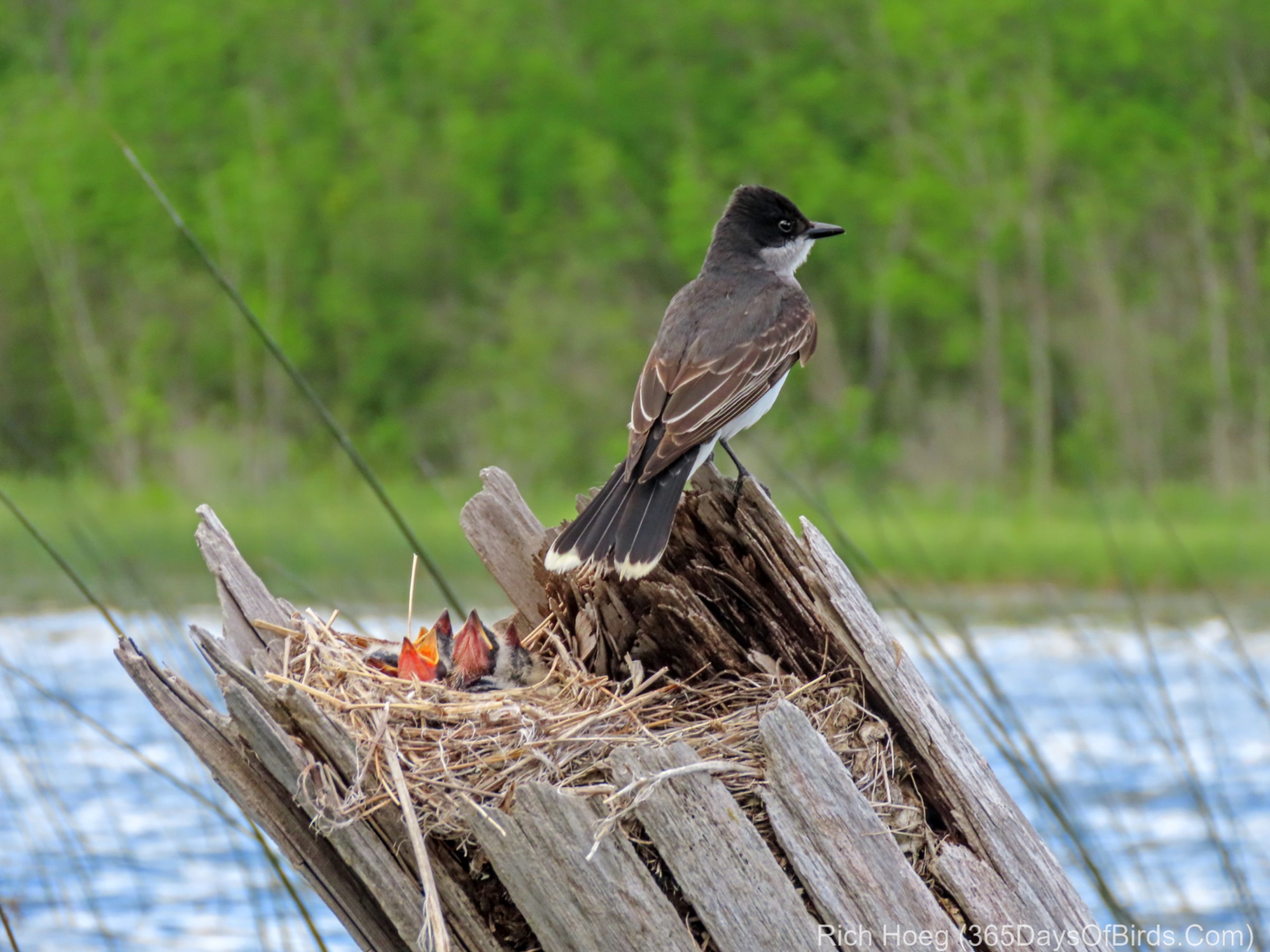
One hundred years ago most of northern Minnesota was clear cut by the logging industry. At the time, a logging railroad and bridge trestle bridge was constructed across Northstar Lake where I now own a cabin.  Fast forward 100 years, and the Boreal Forest has reclaimed the land and the trestle is slowly falling into the lake. Little did these lumbermen know they had constructed the perfect Eastern Kingbird nest! For the second year in a row, a pair of kingbirds have nested in the exact same trestle … at the exact same location. I visited the nest by kayak two mornings ago.

Eastern Kingbird Nest in Logging Railroad Bridge Trestle
You may enjoy learning a bit about the last logs drives.  I own a video that is almost identical to this film: From Stump to Ship (1930’s Log Drive). In my case the film is about the last log drive on the Little Fork River in northern Minnesota, not Maine. (video link for email subscribers)
.

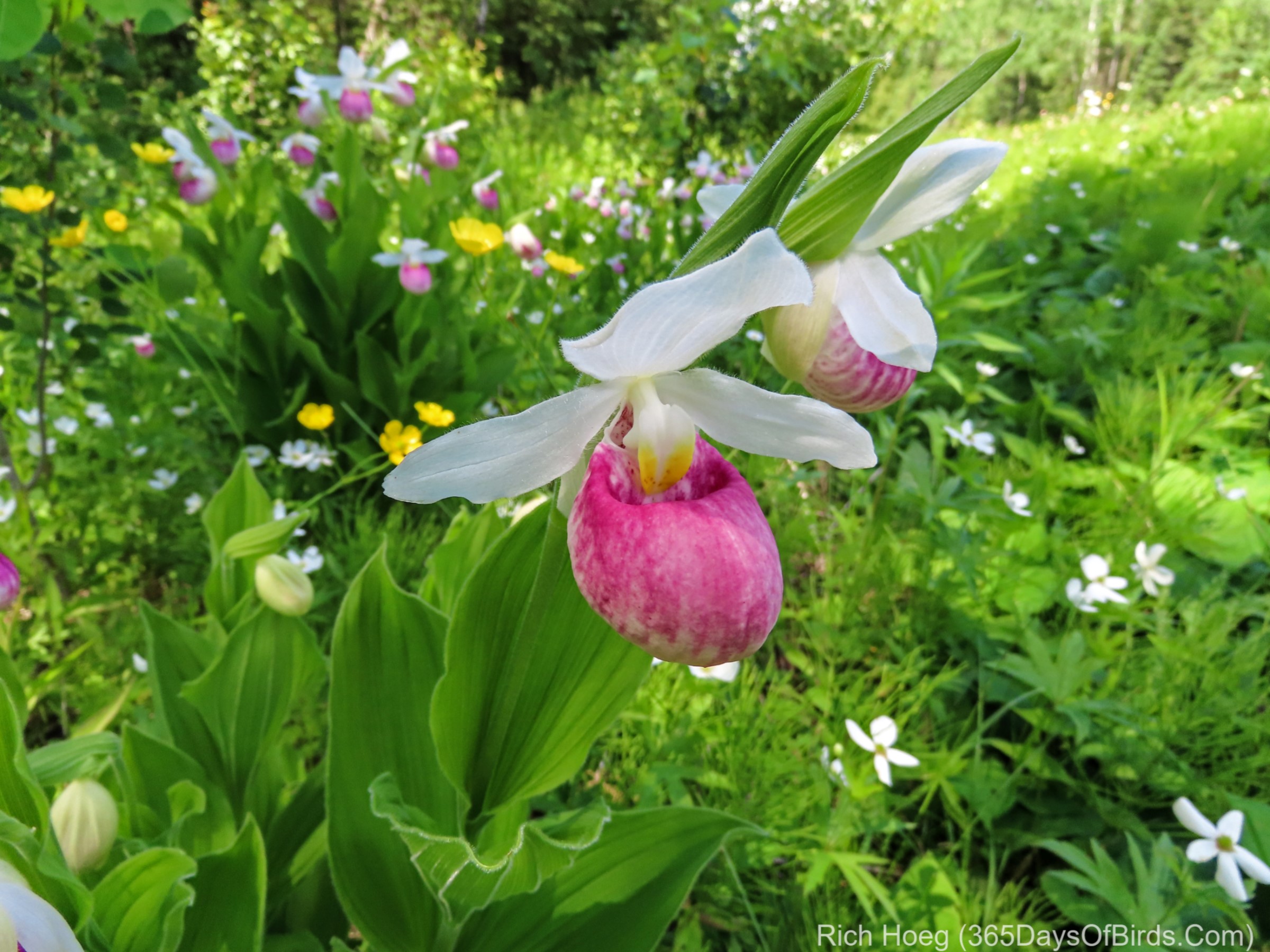
After my kayak paddle, I took a 16 mile bicycle ride on Mn Hwy #48. This remote road is an annual trek for me in late June. The wildflowers are stupendous as evidenced by this photograph … Showy Ladyslippers, Buttercups and Canada Anemone
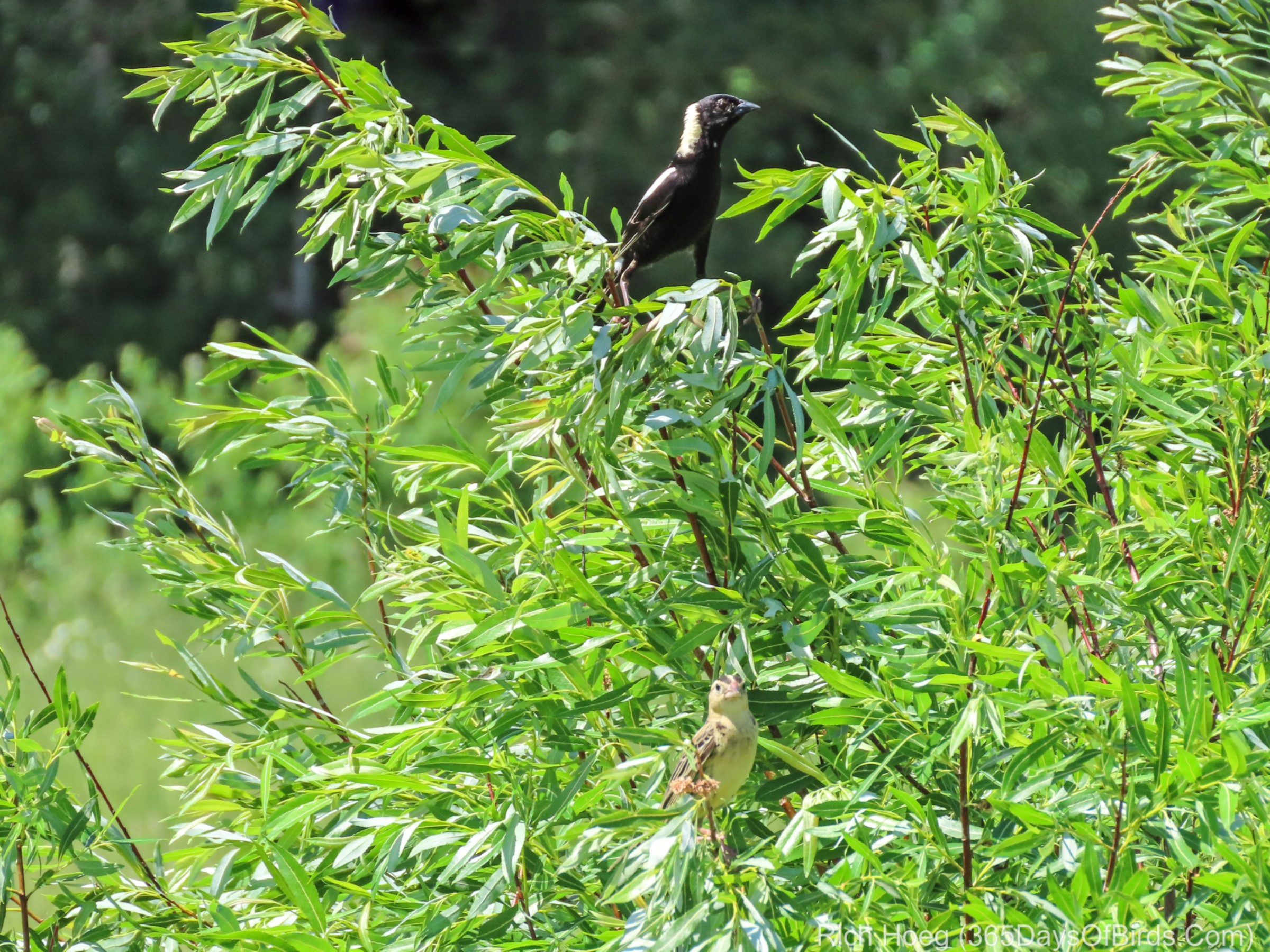
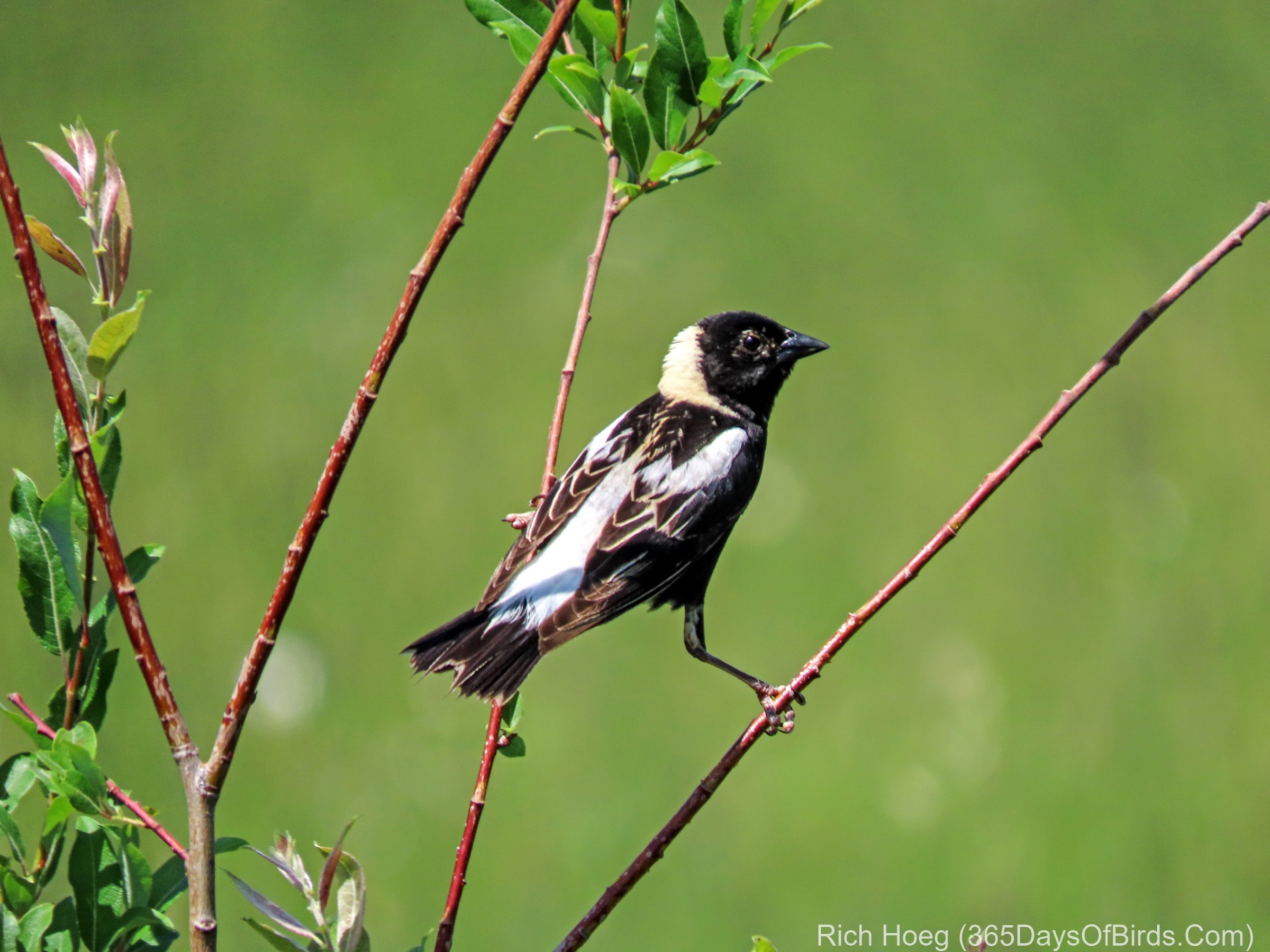
While most of my ride is through a forested area, there are a few meadows where I found these Courting Bobolinks! Get out there and enjoy Summer’s color.
The Return of Hoot! (the Great Horned Owl)

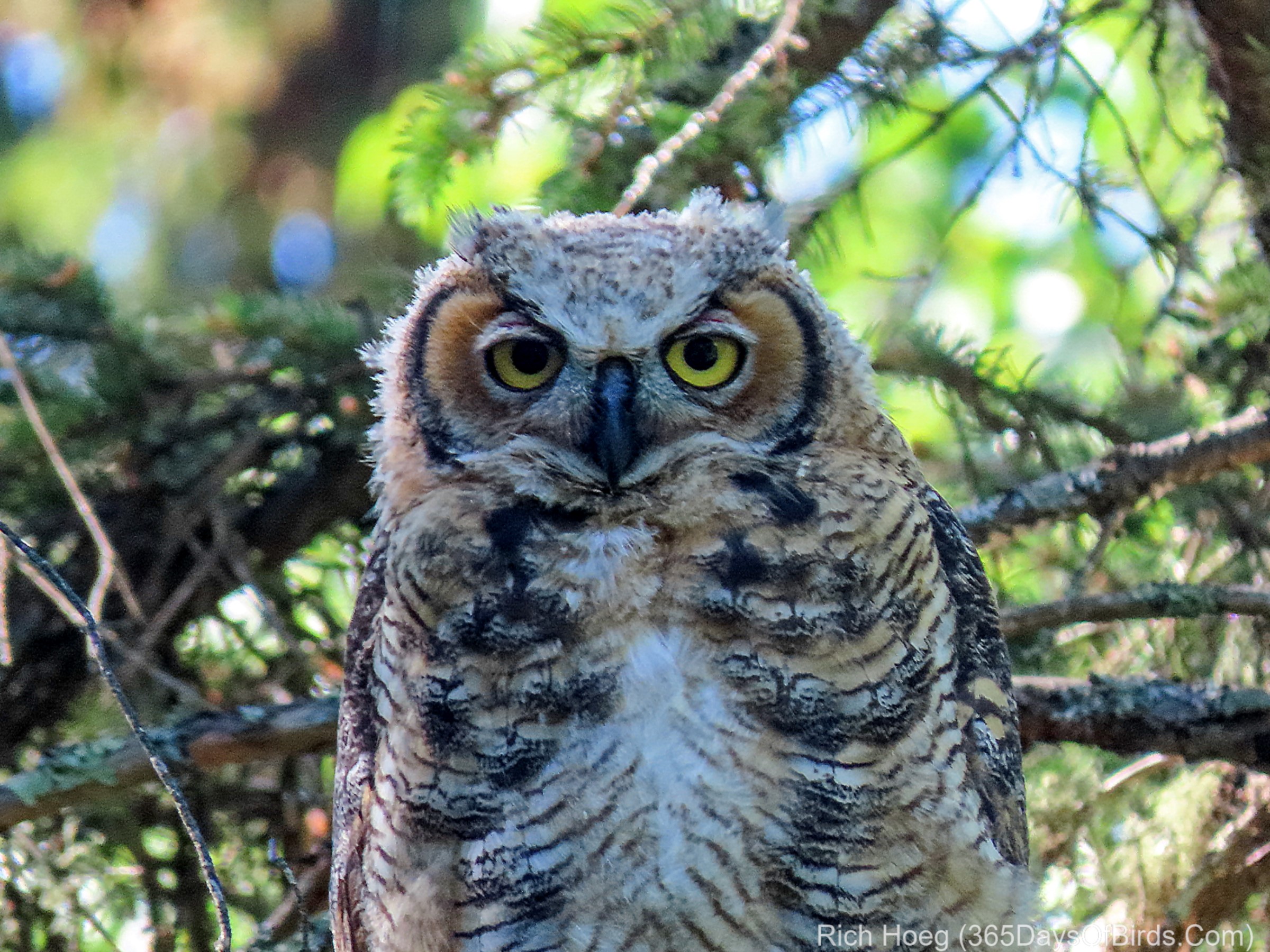
Over the past week I have worked at relocating “Hoot” … the oldest of the Great Horned Owls, and the subject of my upcoming children’s book. Three mornings over the past seven days at sunrise (5:15 am) I have briefly seen my friend. This morning I got up even earlier and was hiking by 4:50 am. I was rewarded with brief sightings of all three triplets.

Given the less than perfect light for photography before sunrise, I did not try and get close to the owls early this morning. Instead, at 8:30 am I hiked back to the thicket of trees where I believe at least some of the owls might be spending the day. Jackpot! Better yet, as long as I moved very, very slowly, Hoot was willing to put up with my presence and allowed me to get close. I have learned the combination of slow movement AND not stepping on a single twig makes a HUGE difference. If I step on a branch / twig and it makes a sound my owl friends will almost always spook and fly away. Given the undergrowth is quite thick and it is difficult to see the ground, this can be a tricky process.

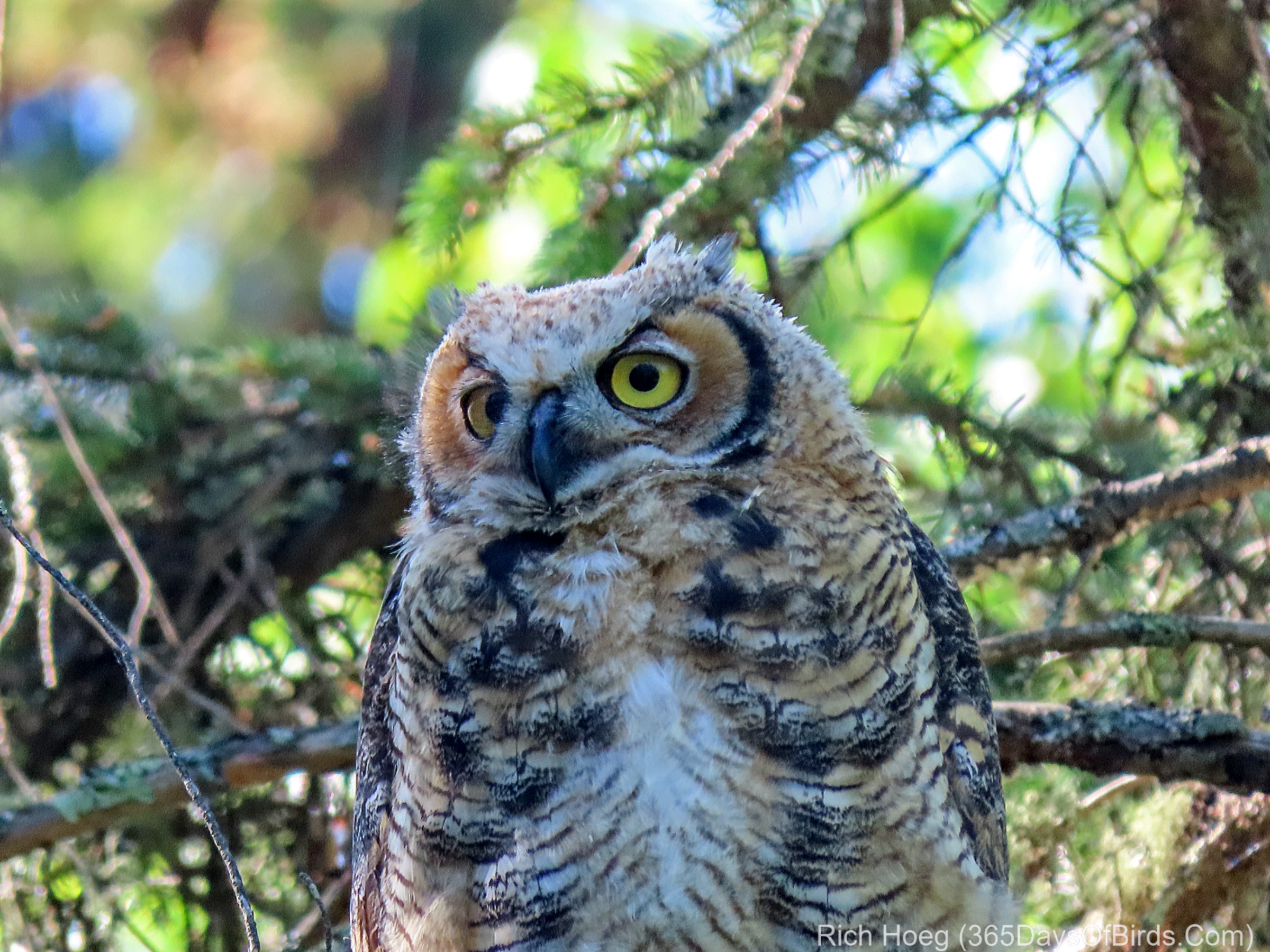
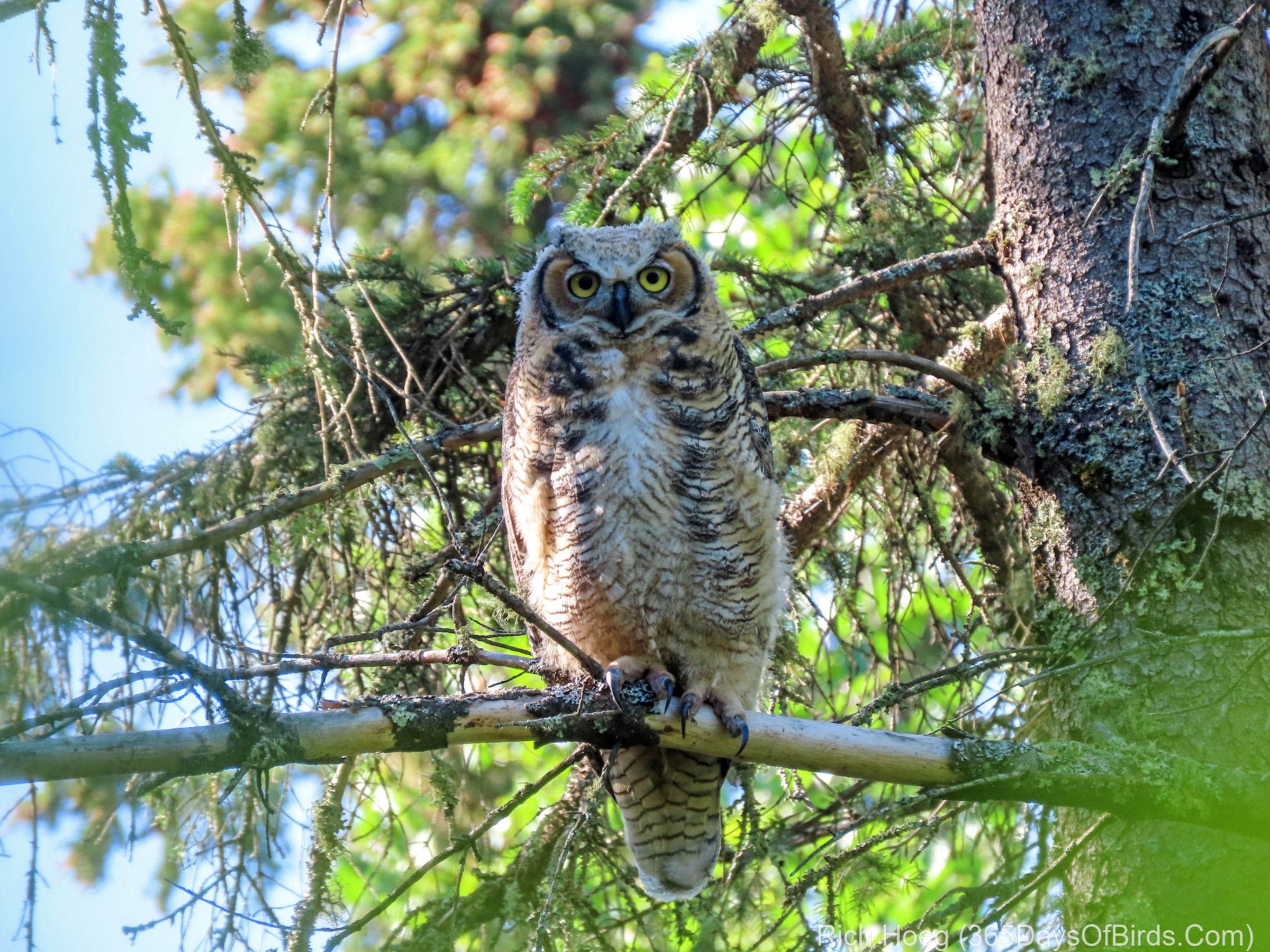
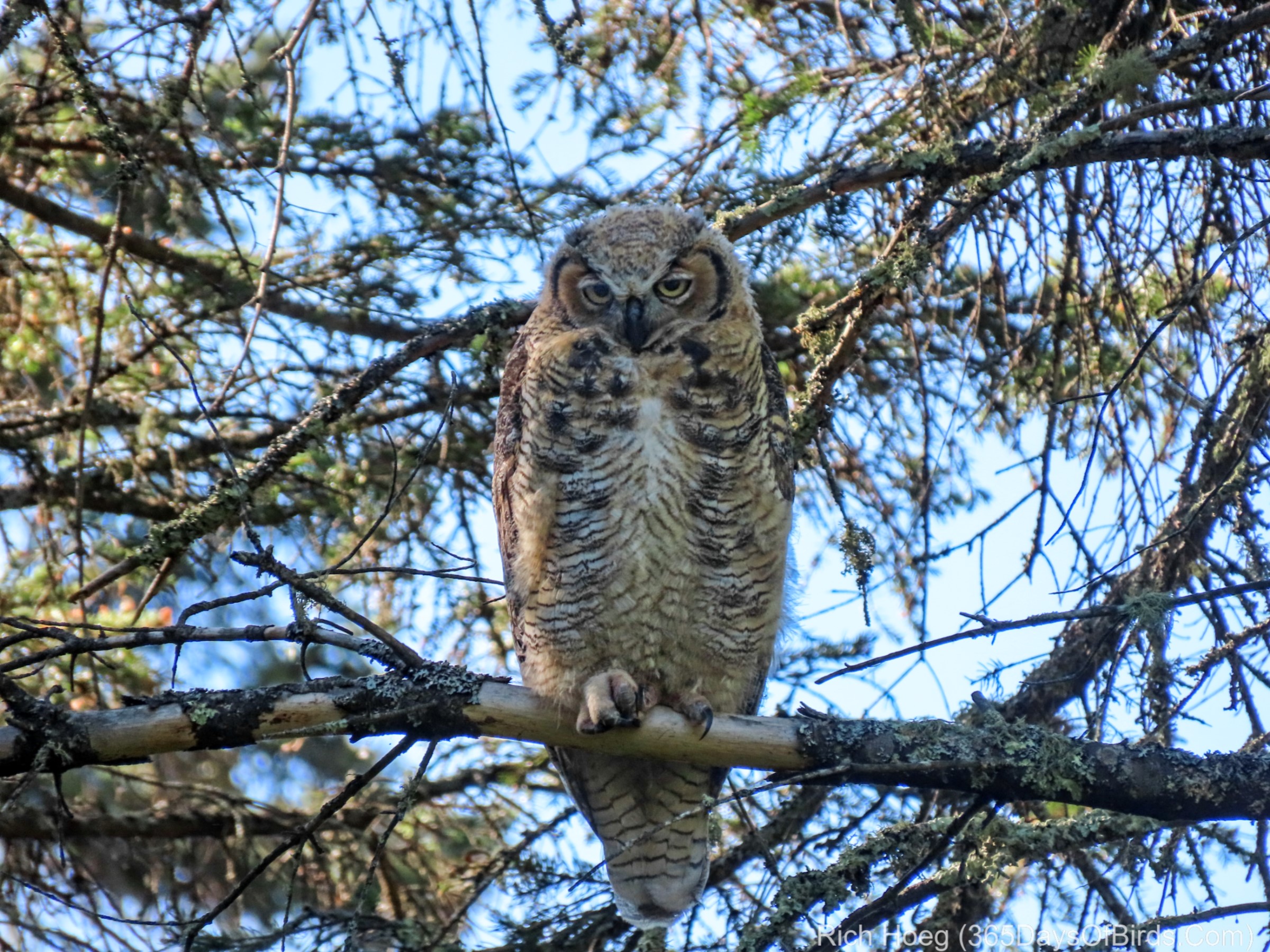
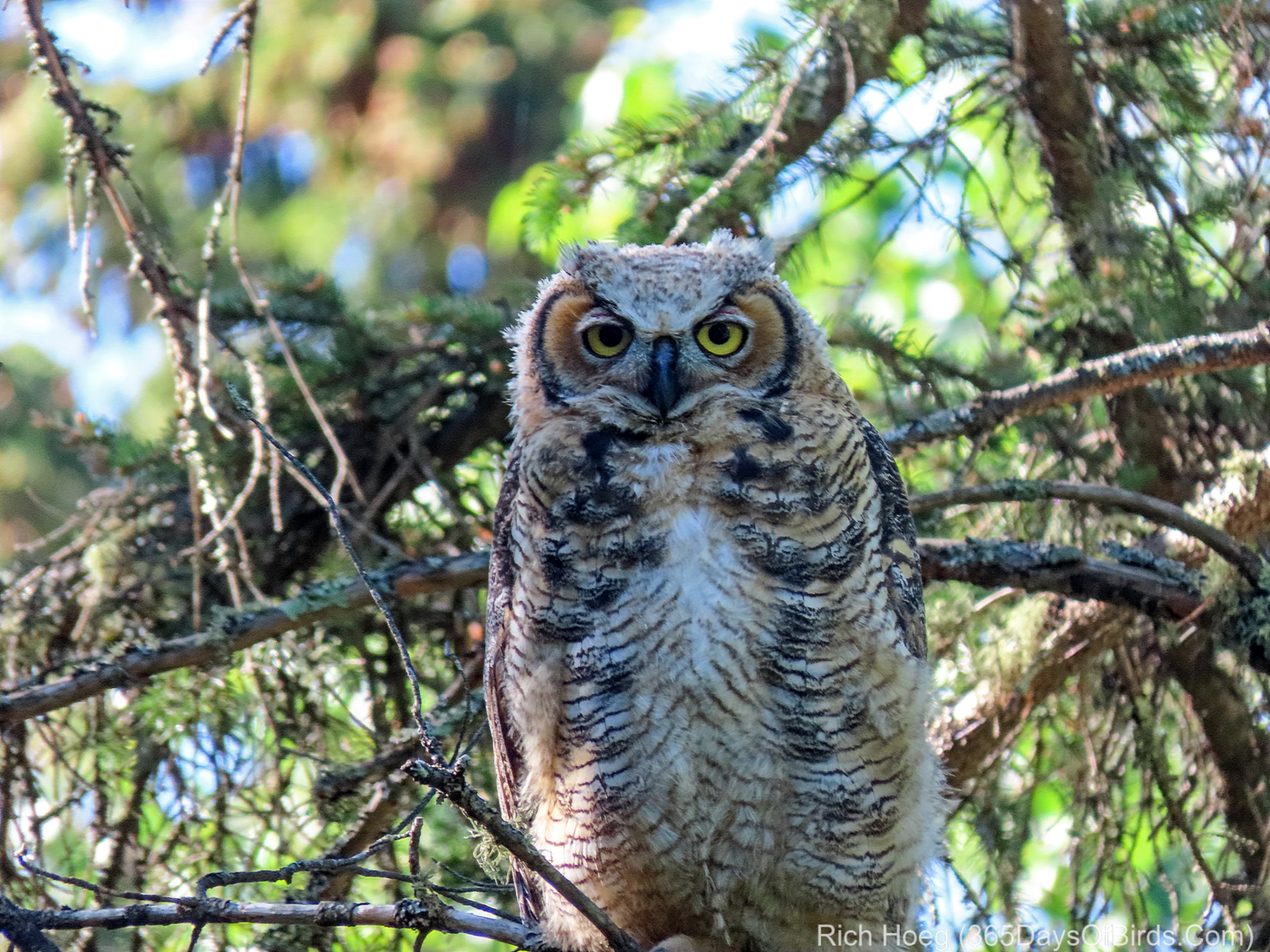
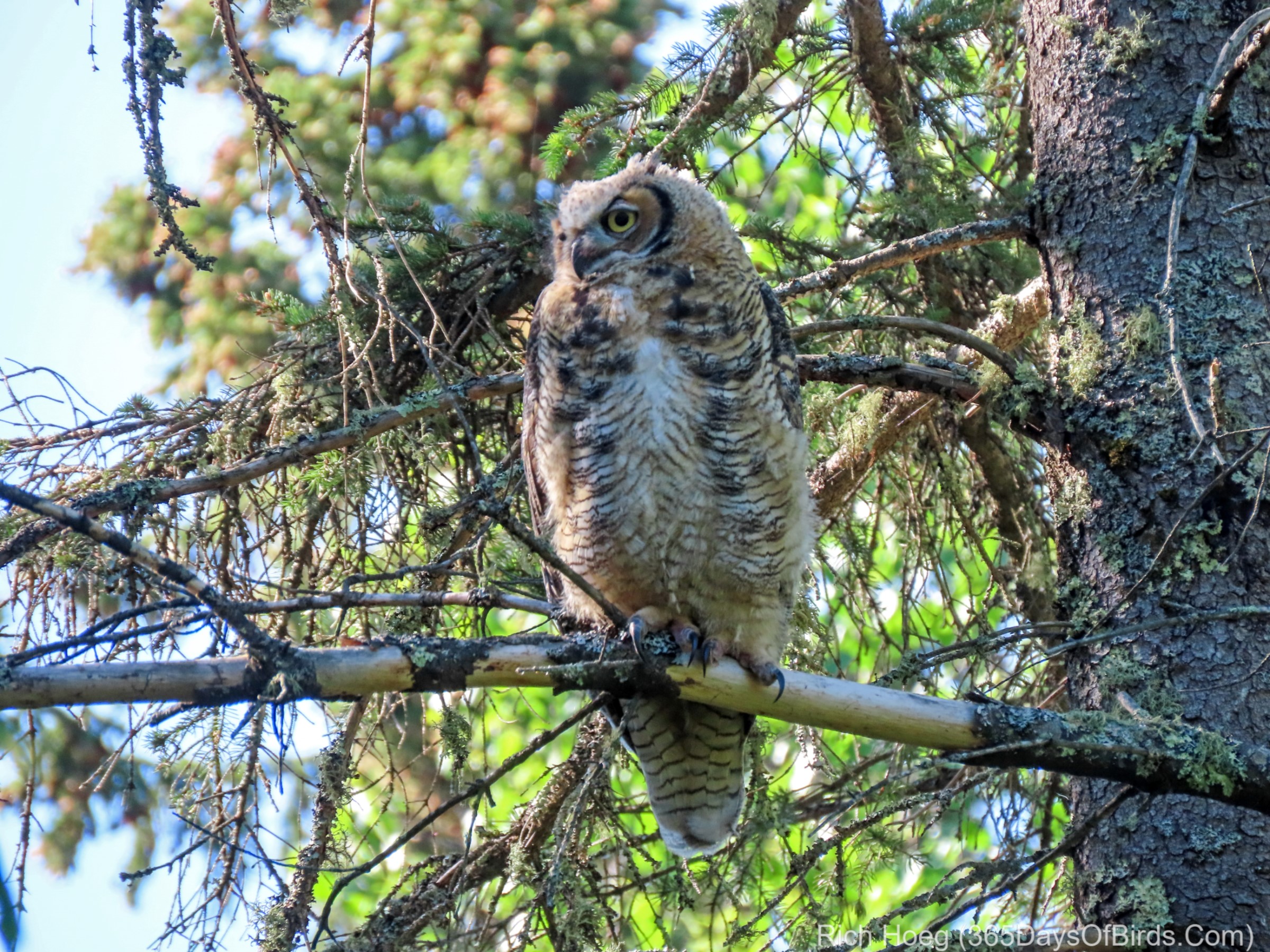
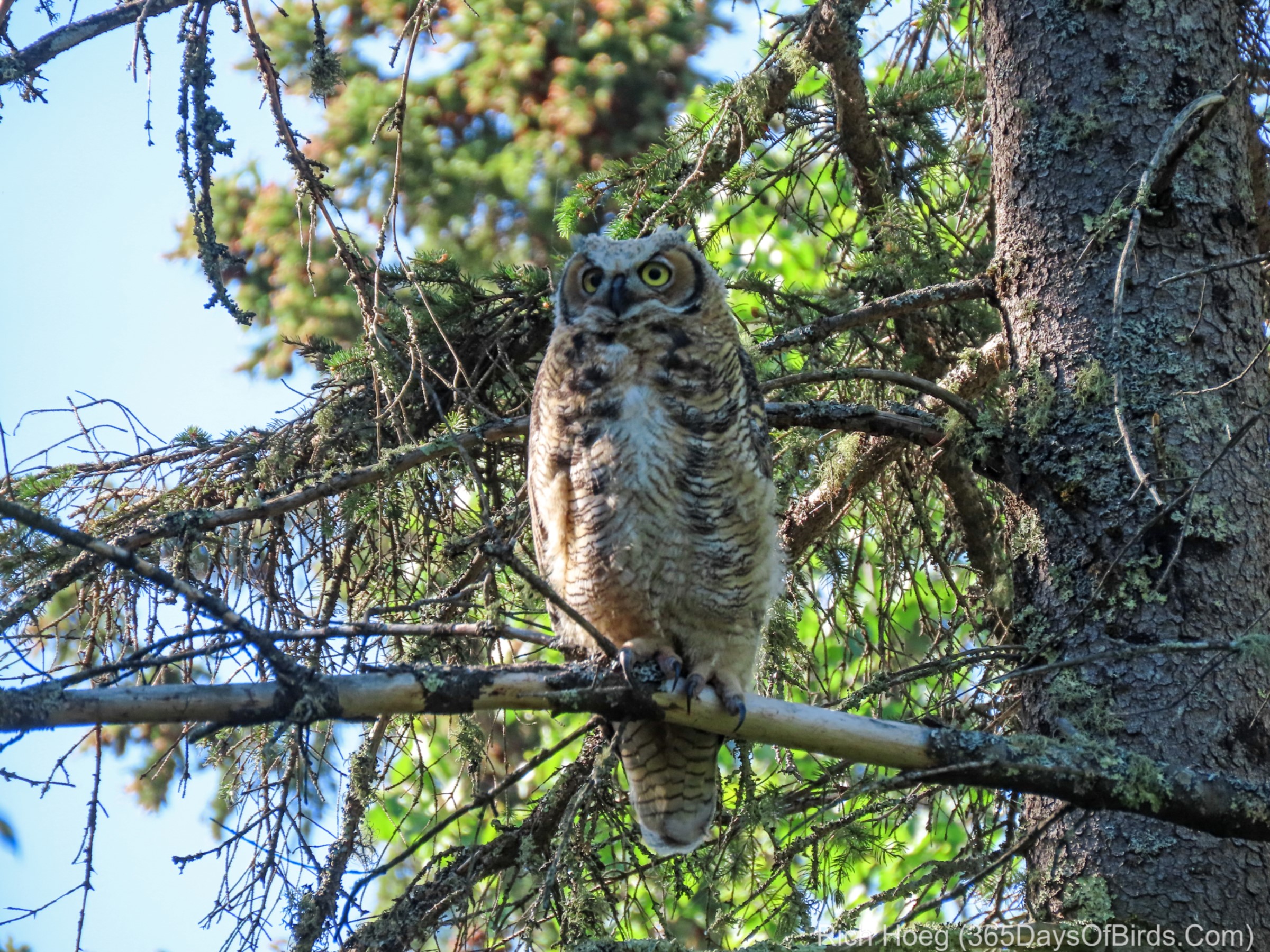
Regardless … I present Hoot, the Great Horned Owl juvenile. This owl is about one week past three months old. You can still see a tiny bit of down in the close-ups.

Hoot Close-Ups

Hoot … the Movie (video link for email subscribers)

More Hoot Photographs. During the entire 30 minutes I was with Hoot, my Great Horned Owl friend never spooked. I was only 40 yards from the bird, and when I left it was still on the same perch!

Bog Birding Buddies

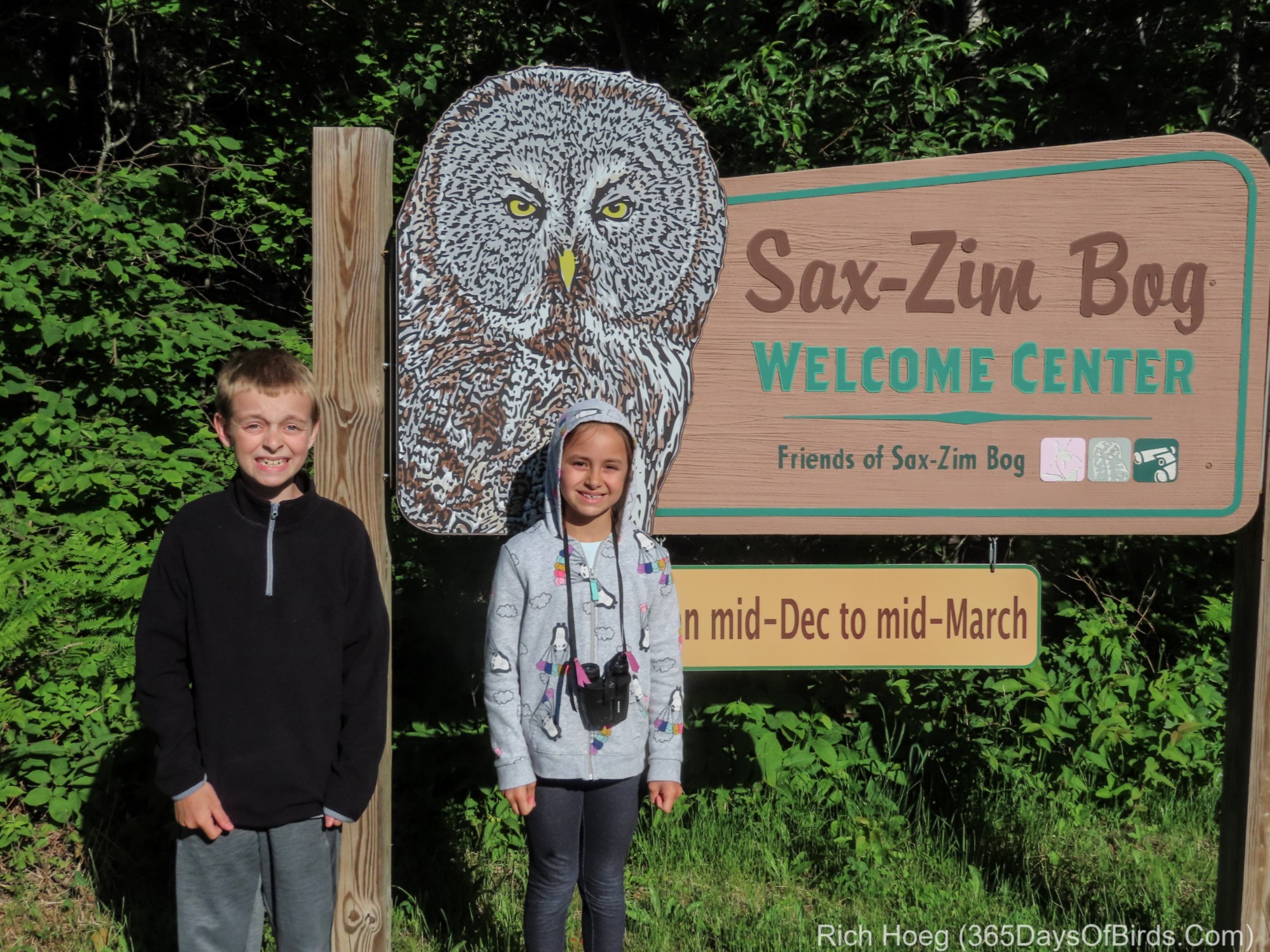
Molly and I are doing “Grammy and Grampa” camp. We have our two oldest grandchildren visiting for the week, and we’re trying to give them a fun time, when other options are not available during this Pandemic. For me that means “Birding with Grampa” which includes the required food … plain cake doughnuts! We enjoyed a stop at the Sax-Zim Bog Welcome center where the first doughnut was consumed, and then the boardwalk where a second doughnut was consumed!

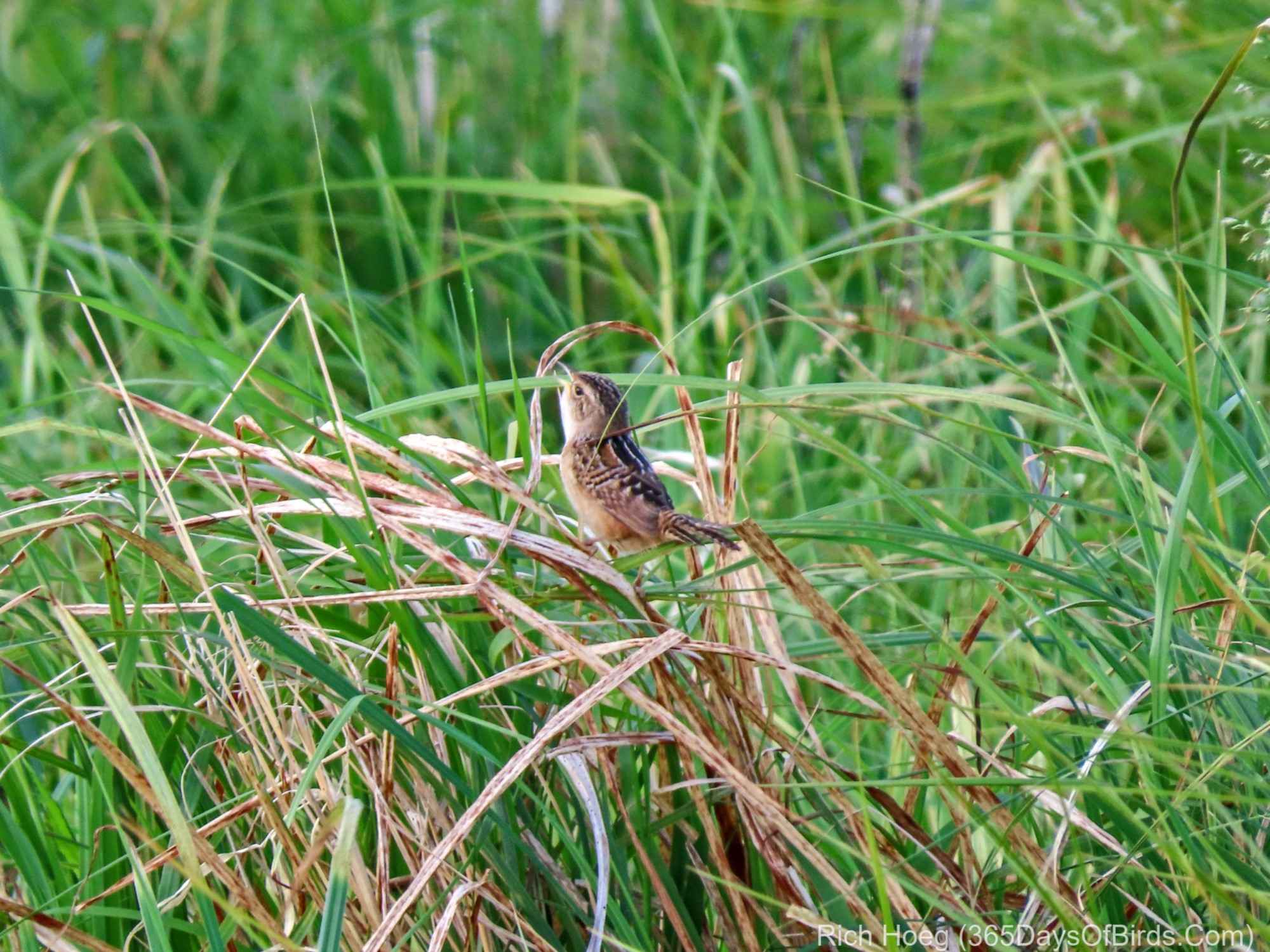
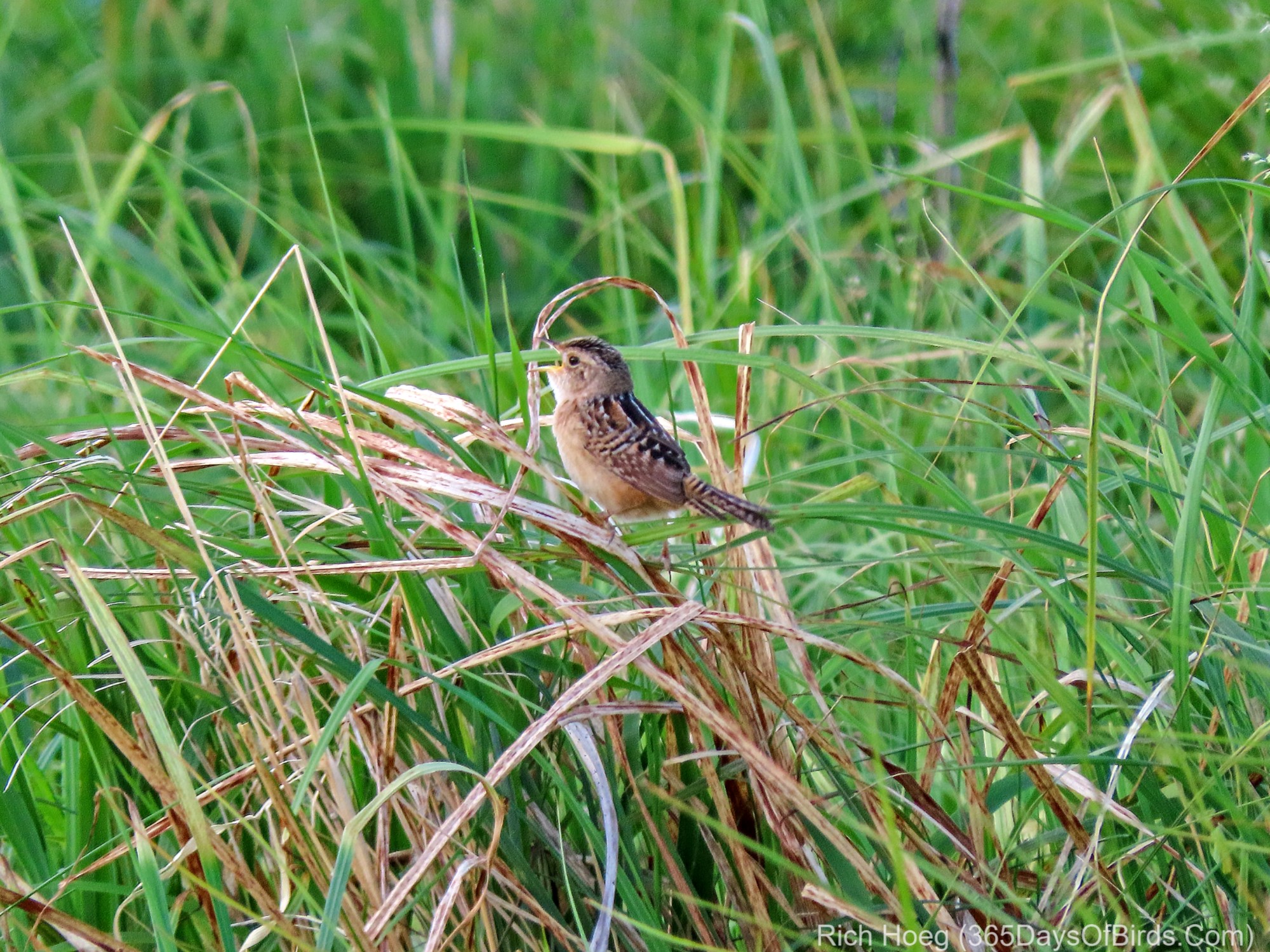
Our surprises of the morning were coming across a wild turkey family with baby chicks right on Owl Avenue near the Welcome Center. While turkeys have expanded their range dramatically over the past twenty years, I still find it very off to find this kind of bird in the middle of the Bog … in Boreal Forest. In addition, Grampa (and the kids) saw lifer! I had never seen and photographed a Sedge Wren (see below), which leads me to answer a question that Jill H. had asked via the comments in a recent post. She was curious what birds she might see in the grasslands. Up in the Meadowlands just south of the Bog habitat there are lots of grassland areas. Jill had asked what sparrows (in addition to other birds) she might be expected to see. While the answer will vary depending upon where one lives, I use two excellent resources to help me identify those birds which I do see … iBird Pro (Apple / Android). This app provides useful facts for all North American birds, and has excellent bird song recordings.

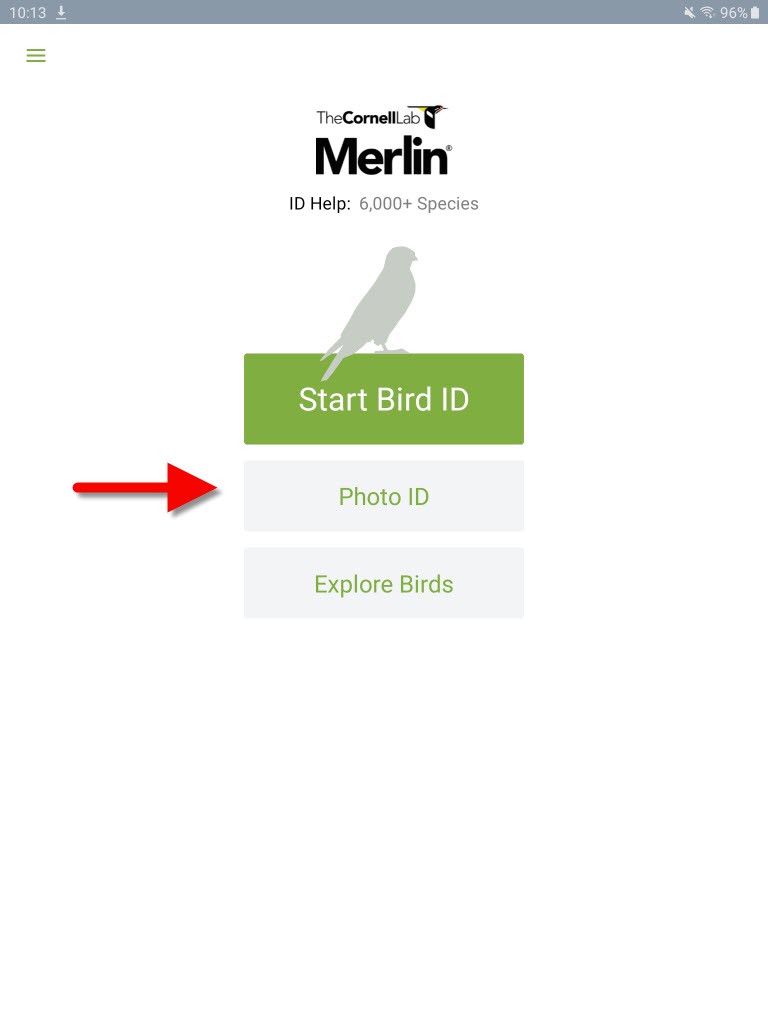
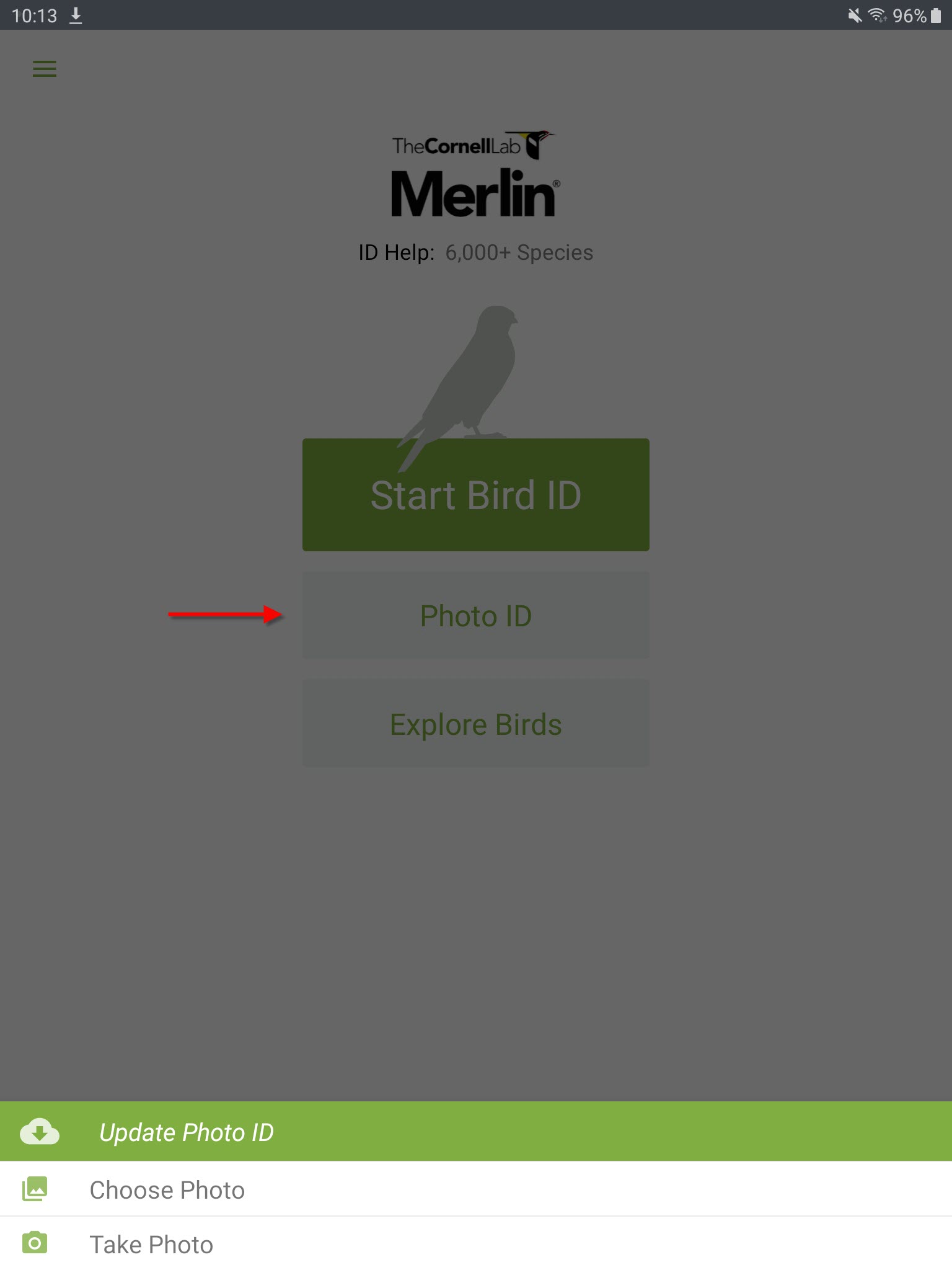
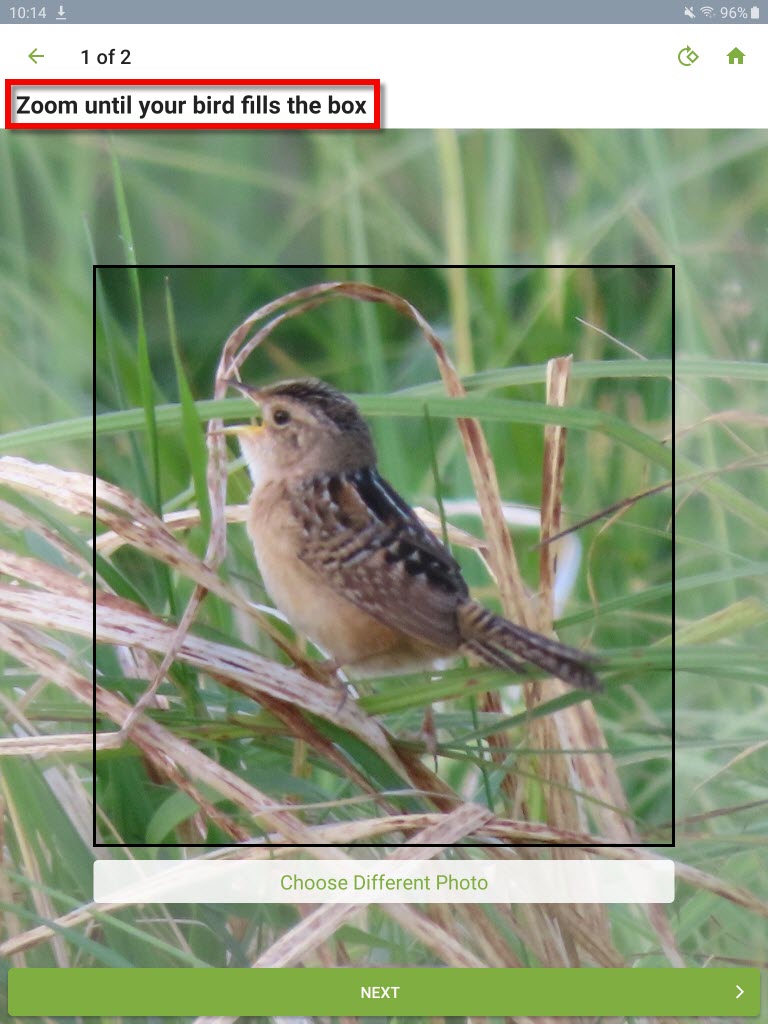
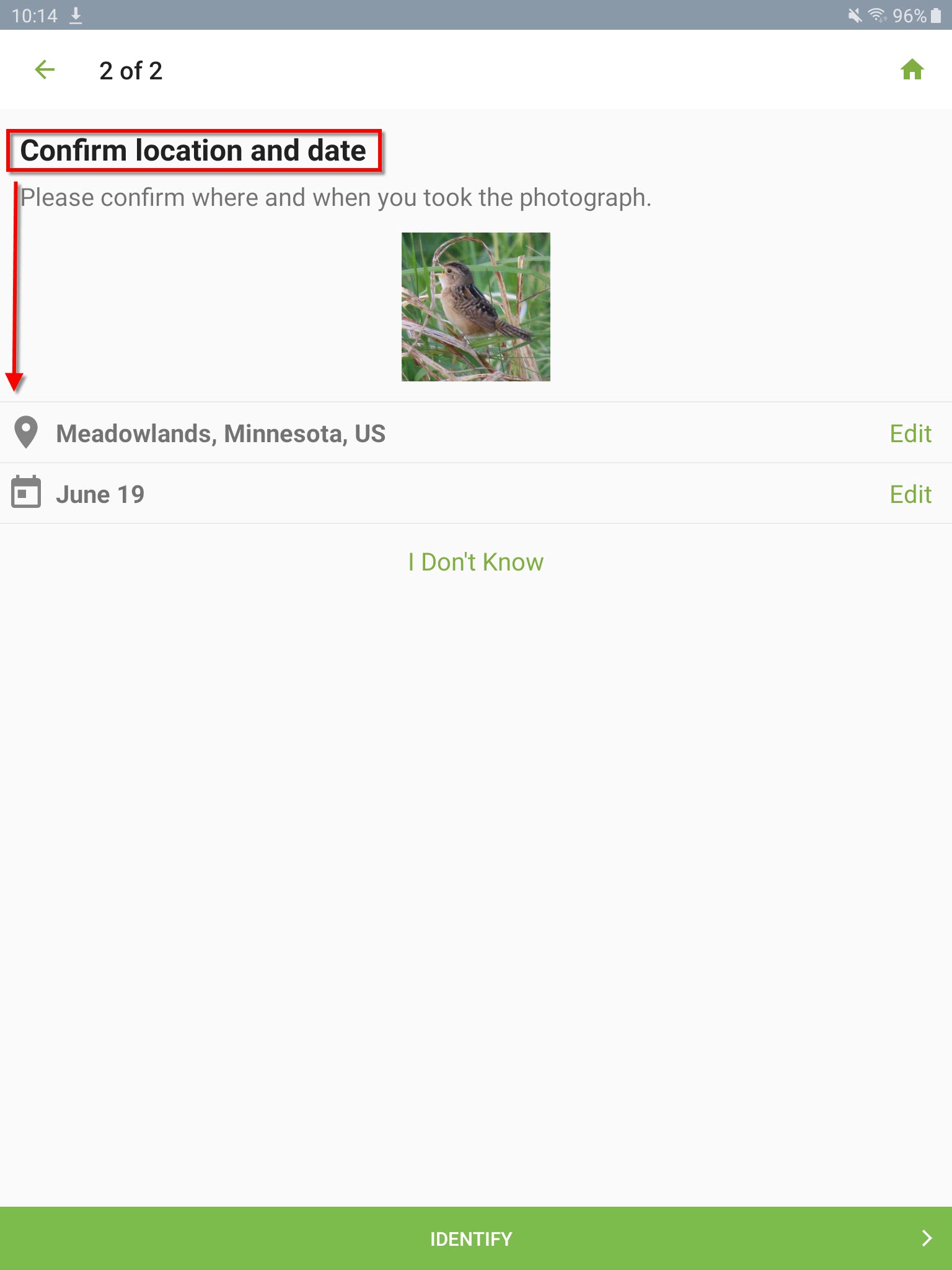
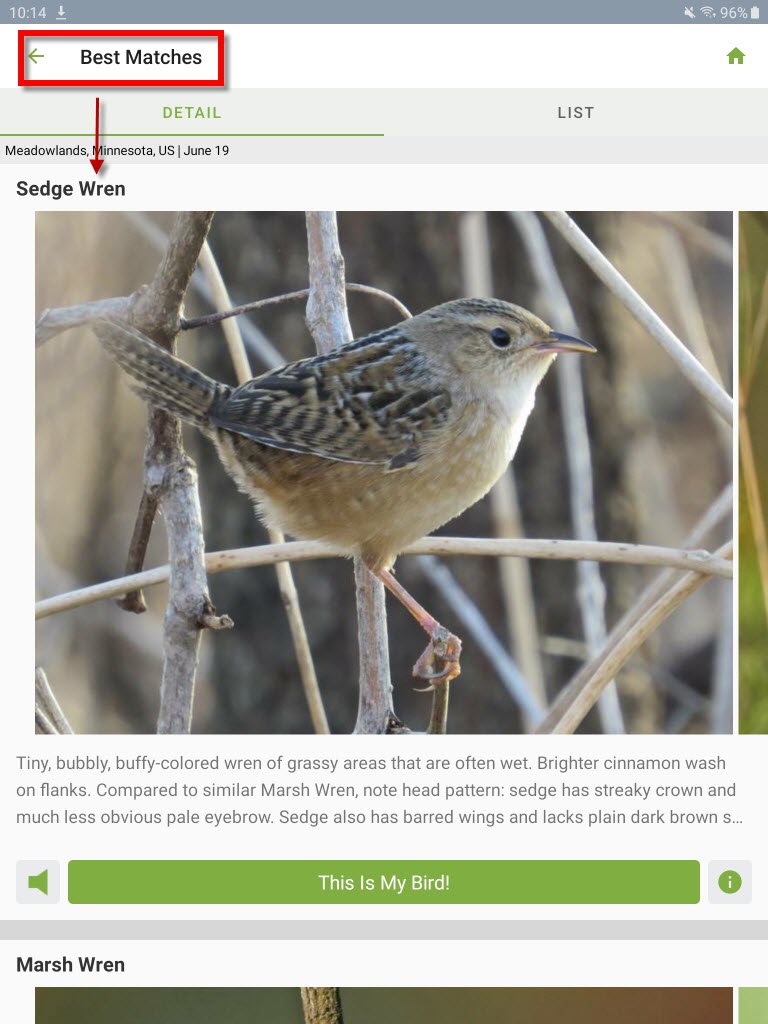
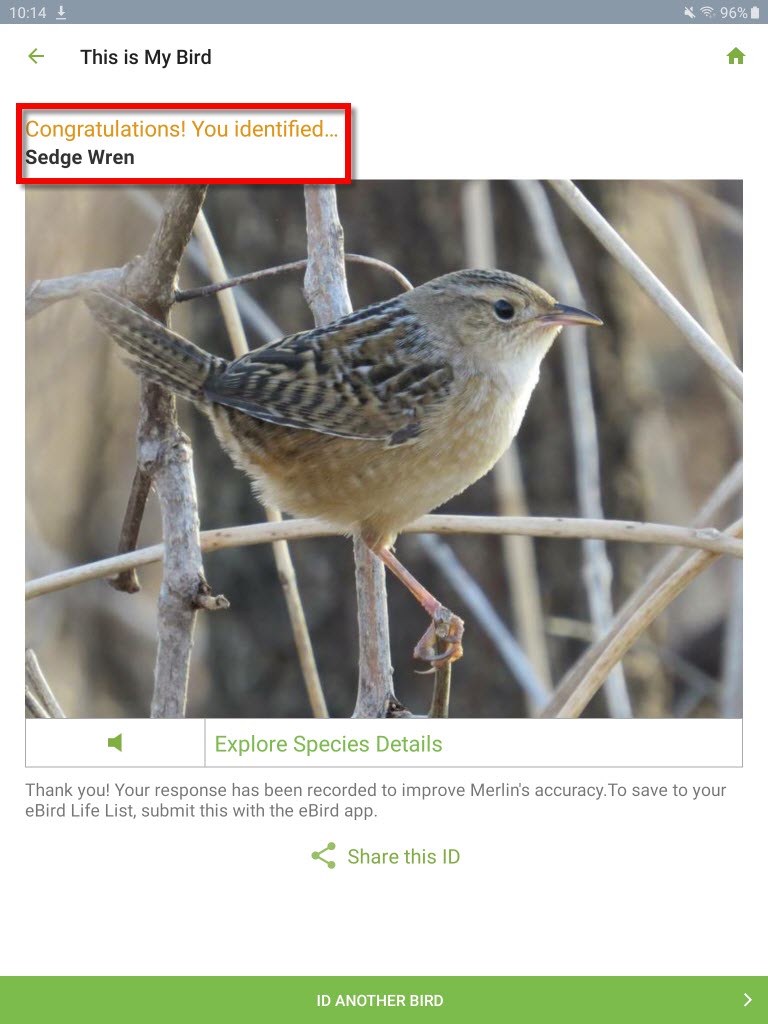
I combine iBird with Merlin from the Cornell School of Ornithology. Merlin has a downloadable database of birds which will identify the bird you saw from a photograph you took of said bird. Using Merlin is how I identified the Sedge Wren. I knew the wren was not a sparrow based upon its shape, but I did not know what kind of bird it was.

My Sedge Wren Photographs

My Partners in Crime … Plain Cake Doughnut Eaters!

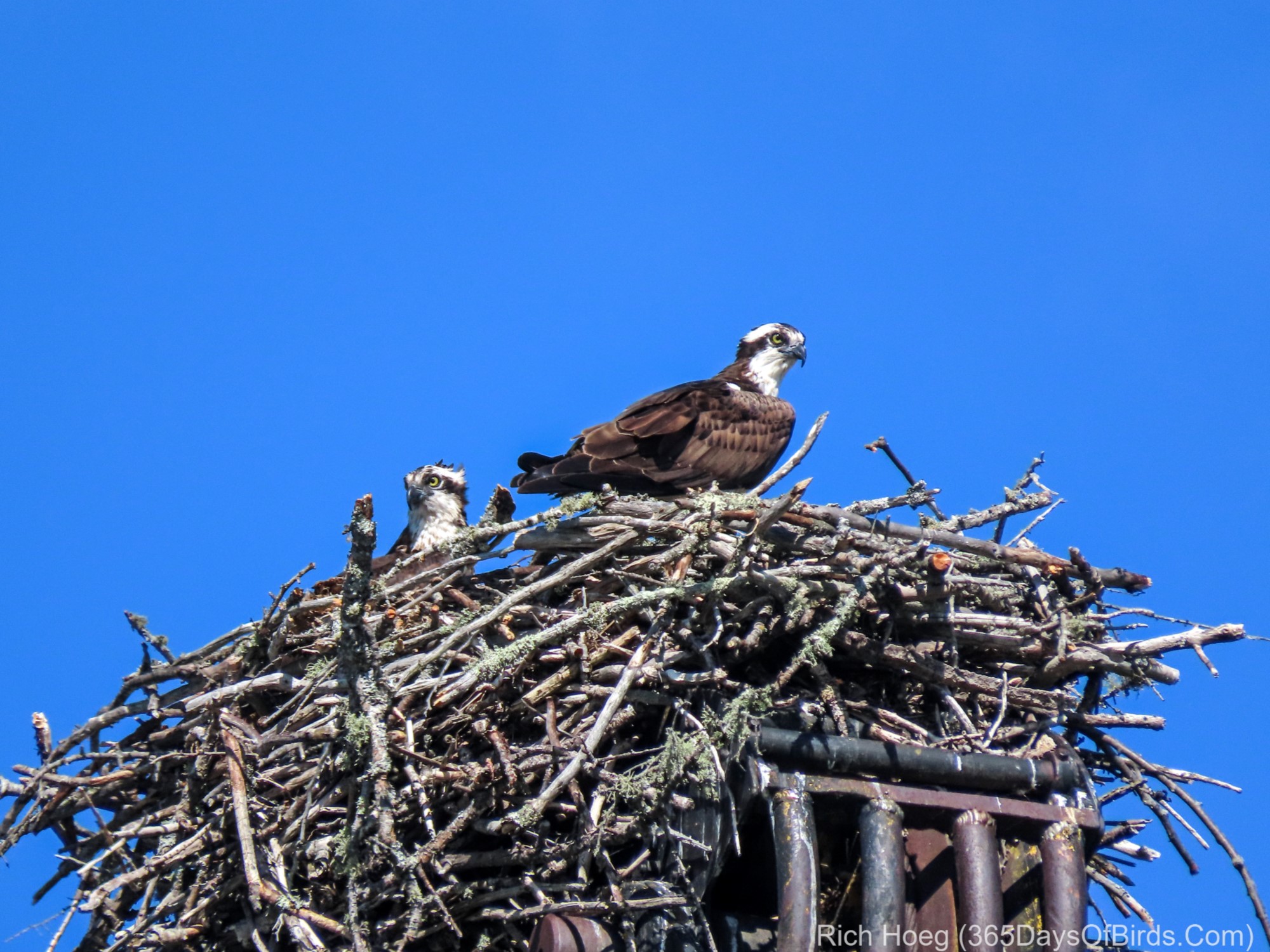
On the way home we stopped off at one of three Osprey Nests I have been monitoring. I wanted to give them a chance to easily try their new binoculars. I gave them each a pair of binoculars for their birthdays. I purchased them each a pair of Occer 12×25 Compact Binoculars. I am impressed with the quality and they are perfect for small hands … light and not to expensive ($50). (just a fyi … I have receive no financial benefit from ANY product to which I link via my blog).

The Merlin Bird ID Identification Process (screenshots from my tablet)