Northern vs Southern Owls!

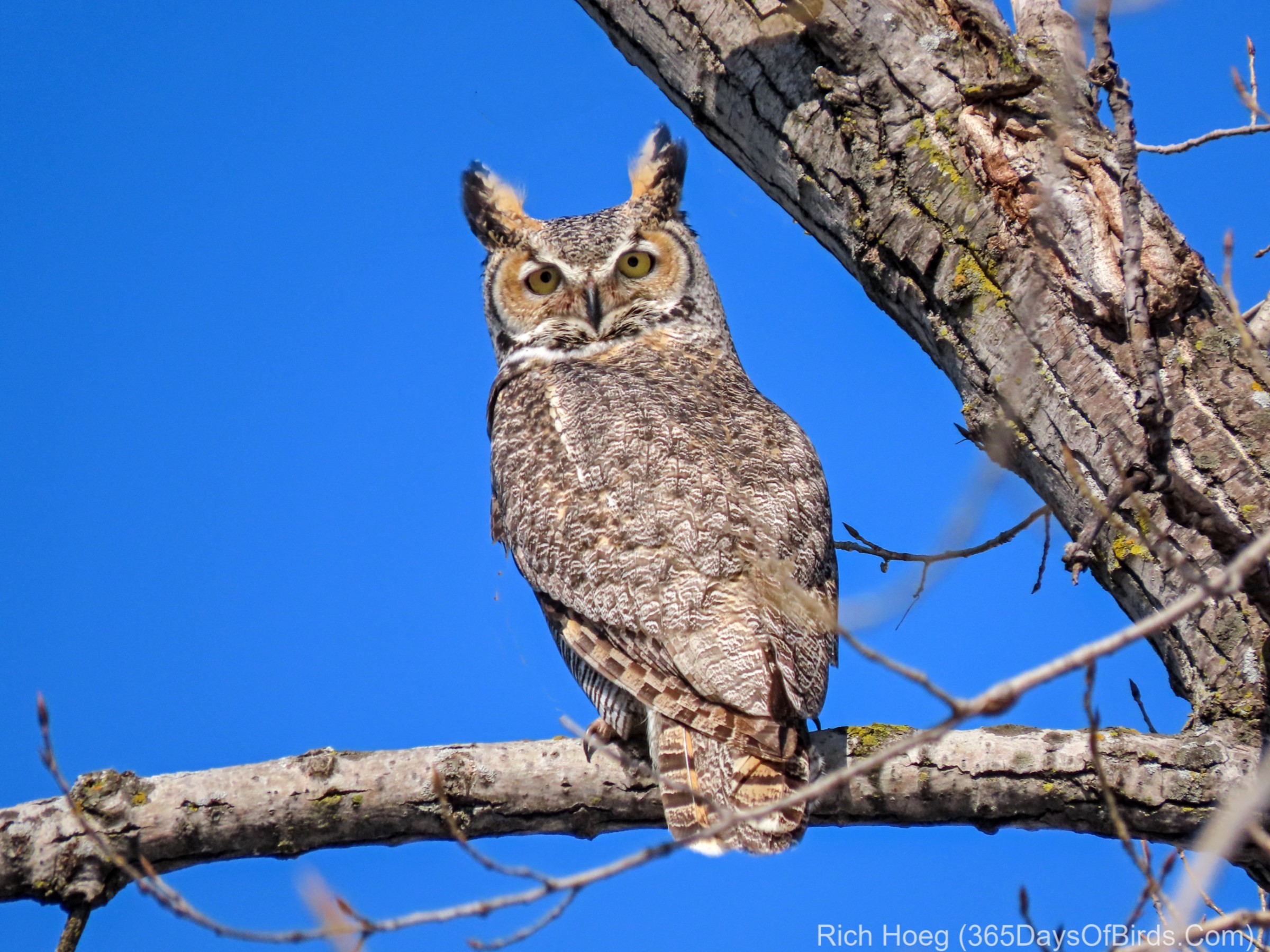
Yesterday I posted an image of a male Great Horned Owl. This owl lives down in the NW suburbs of the Twin Cities. As noted it dumbfounded me by perching right out in the open at 10:30 in the morning.

Today I am posting a photo of my northern friend which lives in the Duluth area … 180 miles to the north of my southern owl. I visited him at 3:30 this afternoon, and even though I had a pretty good idea where to look due to prior visits, it took me over 10 minutes of scanning with my binoculars to find said owl. As you can see, Mr. Great Horned Owl is pretty bored with me. I hung around for ten minutes once I found him, and he never once looked directly at me! Apparently my Norwegian stocking cap does not look like a squirrel.
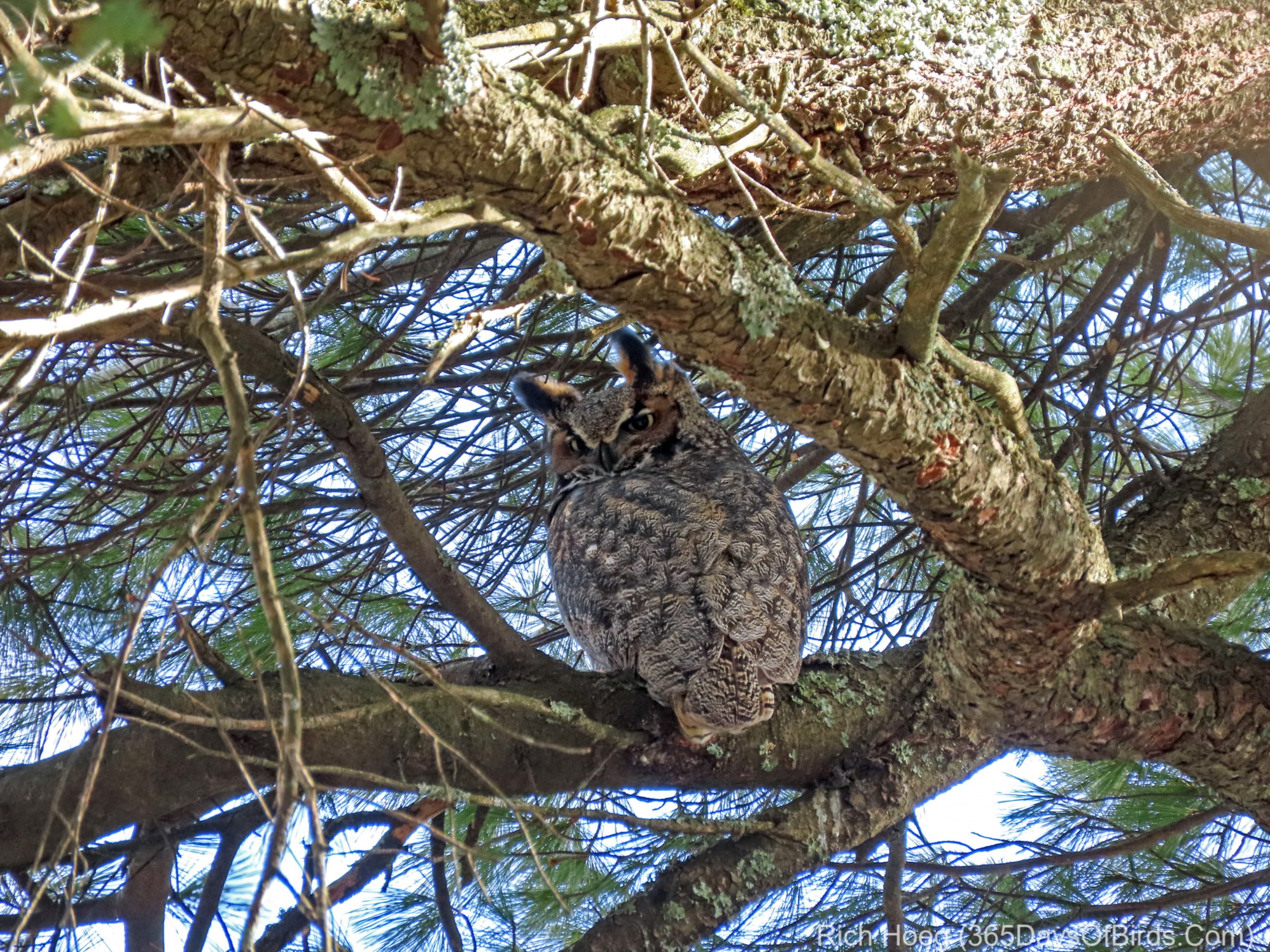
I will repost yesterday’s image. While it could be that my southern owl was in direct sunlight while my northern bird was in heavy shade, but “sunshine bird” appears to be much lighter in color. Given the number of pine trees in the Twin Cities area is dramatically fewer than up north here in Duluth, this could be “natural selection” in terms of better camouflage against all the deciduous trees. Interesting to speculate. Remember, the male does all the hunting for the family until the young are quite large. Better camouflage would be an asset.
Signs of Spring?

Although there is still lots of snow on the ground, the temperature reached the mid 40’s here in Duluth yesterday. While I know there are still snowstorms in our future, the birds are beginning to get into spring patterns. Lending an ear while outside will result in hearing woodpeckers drilling to announce their territory, and chickadees are now giving their mating call. In fact, Hawk Ridge started their annual spring hawk watch yesterday.

Here on Amity Creek I now have Slate-Colored Juncos and American Goldfinches visiting my feeders (they have been absent since late December). Along with Bald Eagles, these birds are our early migrants. Over at Sax-Zim Bog, there have been sightings of Snow Buntings winging their way back to Arctic. Via my “Ask the Outdoorsman / Naturalist” link (top menubar), Jeannette L. asks whether the hawk seen by her neighbor could have been a Cooper’s Hawk. The answer is “yes”. It helps that I know Jeannette lives over in NW Wisconsin. Spring comes almost three weeks earlier in that area compared to the boreal forest in NE Minnesota.

NW Wisconsin includes mixed deciduous forest while NE Minnesota is an evergreen pine forest. In addition, here along the North Shore of Lake Superior and inland, winds out of the south often come across the cold waters of Lake Superior (not true in NW Wisconsin). Once the snows have melted in Wisconsin I often bird the grasslands along Wisconsin Hwy 13. I know from personal experience that I will see returning birds in this area long before my fine feathered friends show up near my house. Check out my “Wisconsin Wetlands” birding locations to learn more. Perhaps you’ll see my out and about!

In addition to paying attention to the different kinds of habitat up here in the Northland, I spent some fun time down south in the Minneapolis area over the weekend. Yesterday morning I went hiking at dawn, and the birdsong was amazing! My walks were in the NW suburbs which are 180 miles south of my house. The temperature differential during the winter is often over 20 degrees, and one is definitely out of the Boreal Forest.

As I started my walk, I enjoyed hearing many, many cardinals singing to greet the sun. This particular individual posed in a tree full of buds.

After enjoying the cardinals, I hiked over to the Great Horned Owl nest which I discovered one month ago. The male Great Horned Owl was out enjoying the sun. I was actually dumbfounded to find him out in the wide open (think crows). However, apparently we all like the first warmth that heralds a new spring.

Lady … it’s been fun!

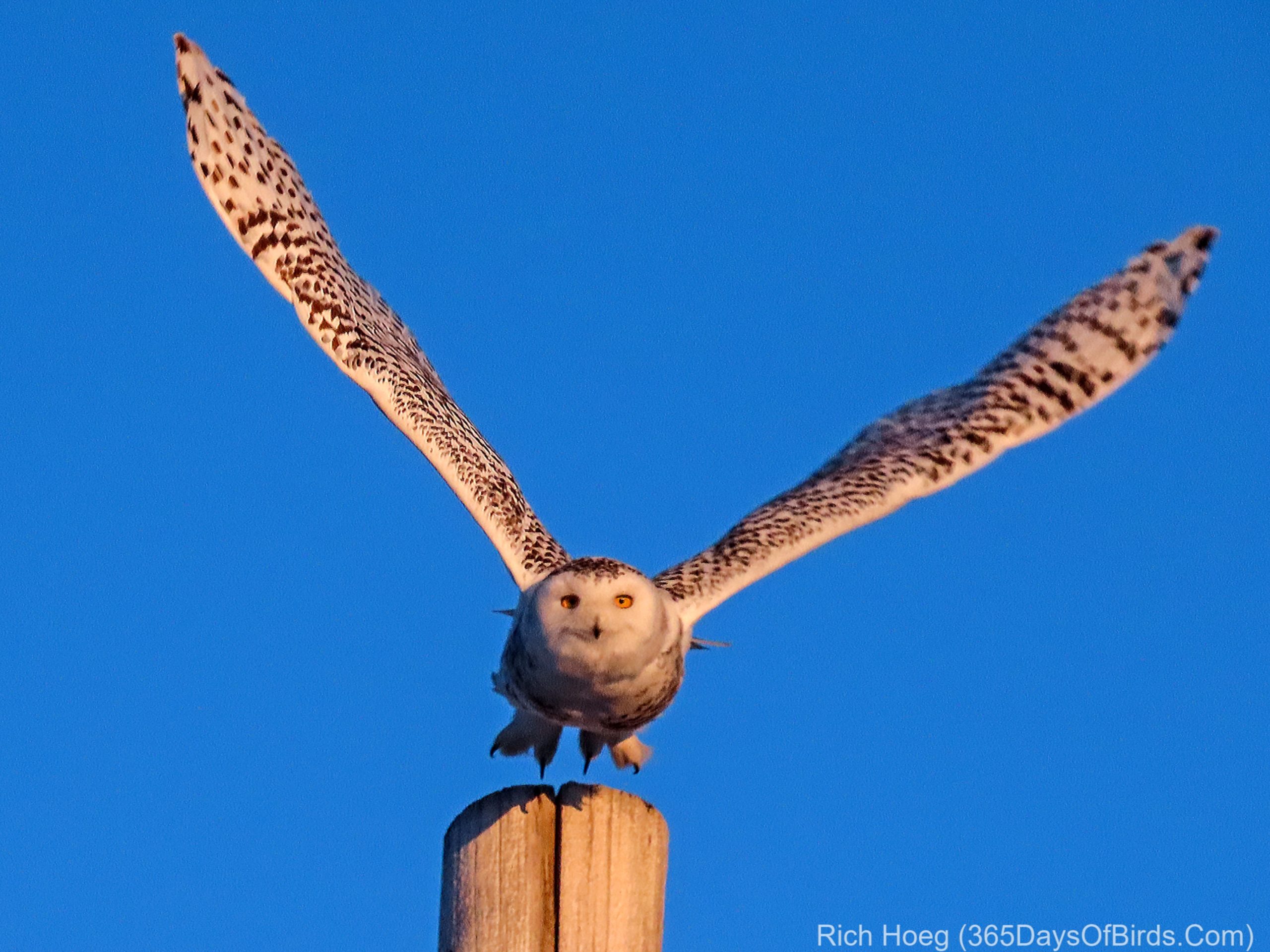
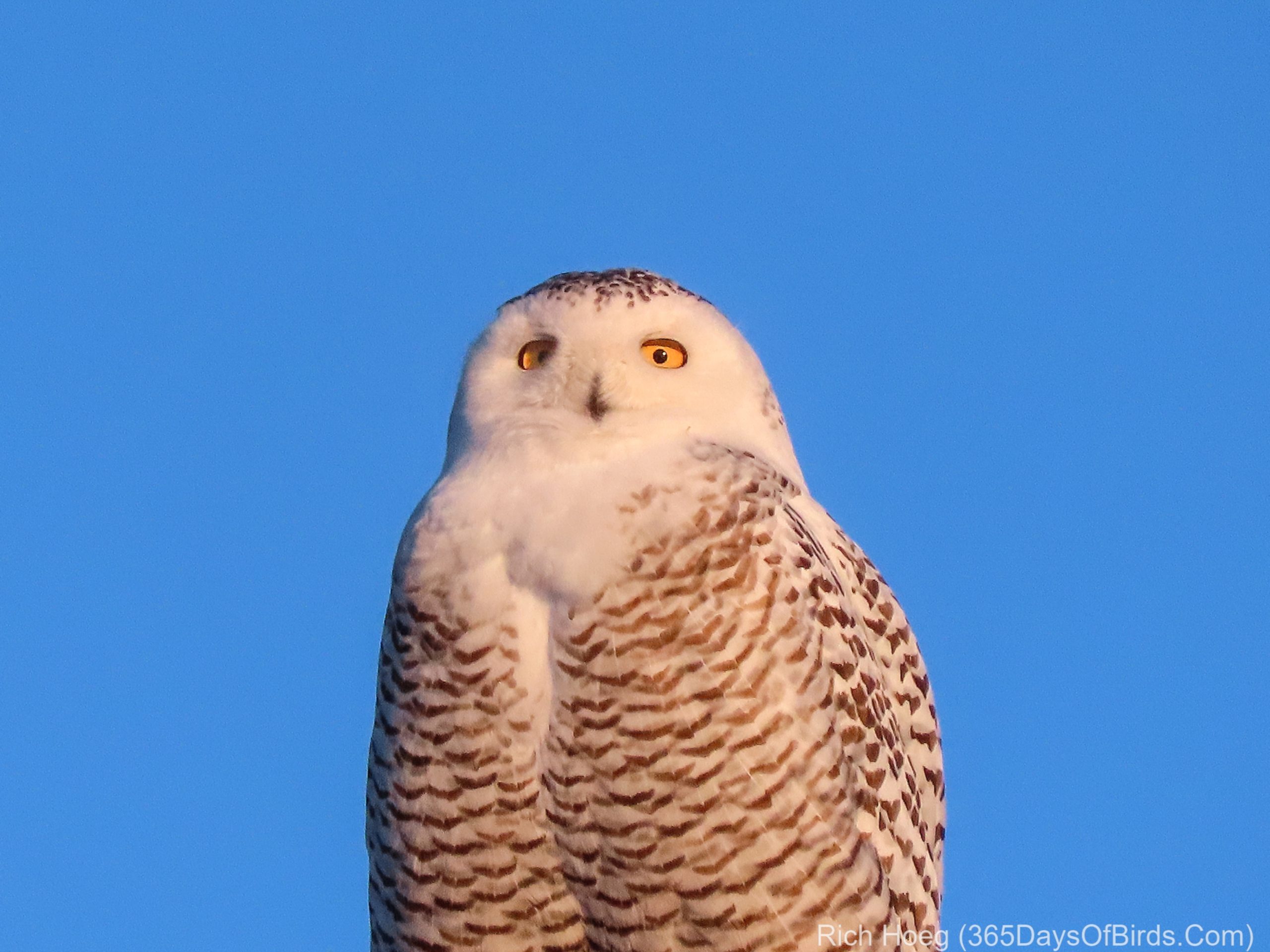
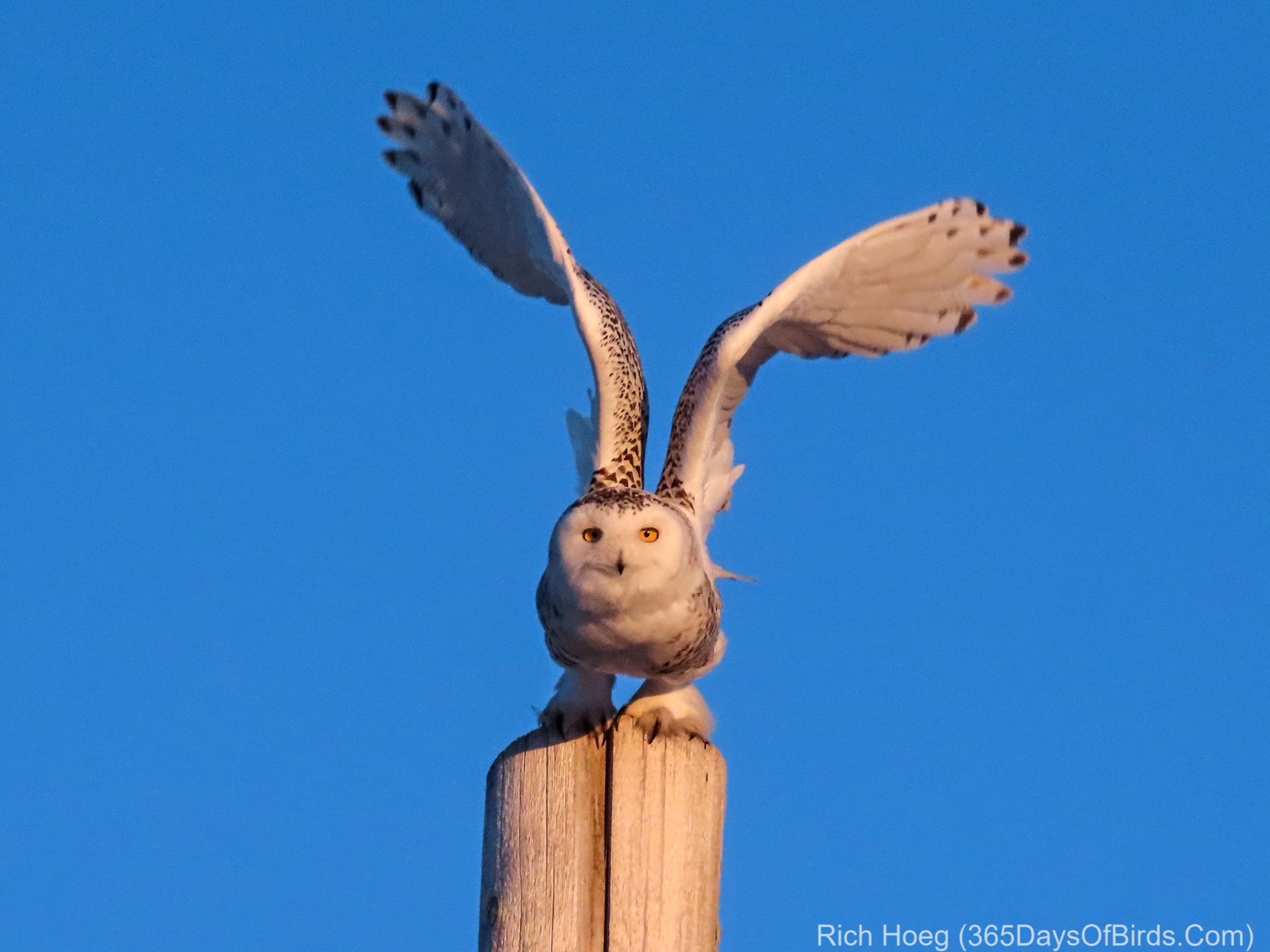
This evening may have been my final evening with “Lady”. This Snowy Owl has been one classy woman, and has treated me to all kinds of enjoyment this winter (thus, her name).
Any day now she should start making 100 mile flights around northern Minnesota as she starts to strengthen her flight muscles for the long migration back up to the Arctic. She may not leave Minnesota till as late as April 1st, but the days of seeing her in its winter hunting territory are numbered.
Hats off to you, Lady!
If you would like to learn more about the migration patterns of Snowy Owls, browse to Project Snowstorm. We hope to start tagging Northern Hawk Owls in the same manner next winter in Sax-Zim Bog (i.e. solar array powered tags which off load daily locations via cell towers … even if the owl is not in reach of cell towers for months at a time … pretty cool).
If you’re still with me, we really don’t know if Northern Hawk Owls just migrate south into northern Minnesota each winter, or do they just disappear deep into the Bog each summer to raise a family?? (maybe some of each … migrants and a few local nesting birds … thus the application of this new banding technology)
Lady … the Snowy Owl

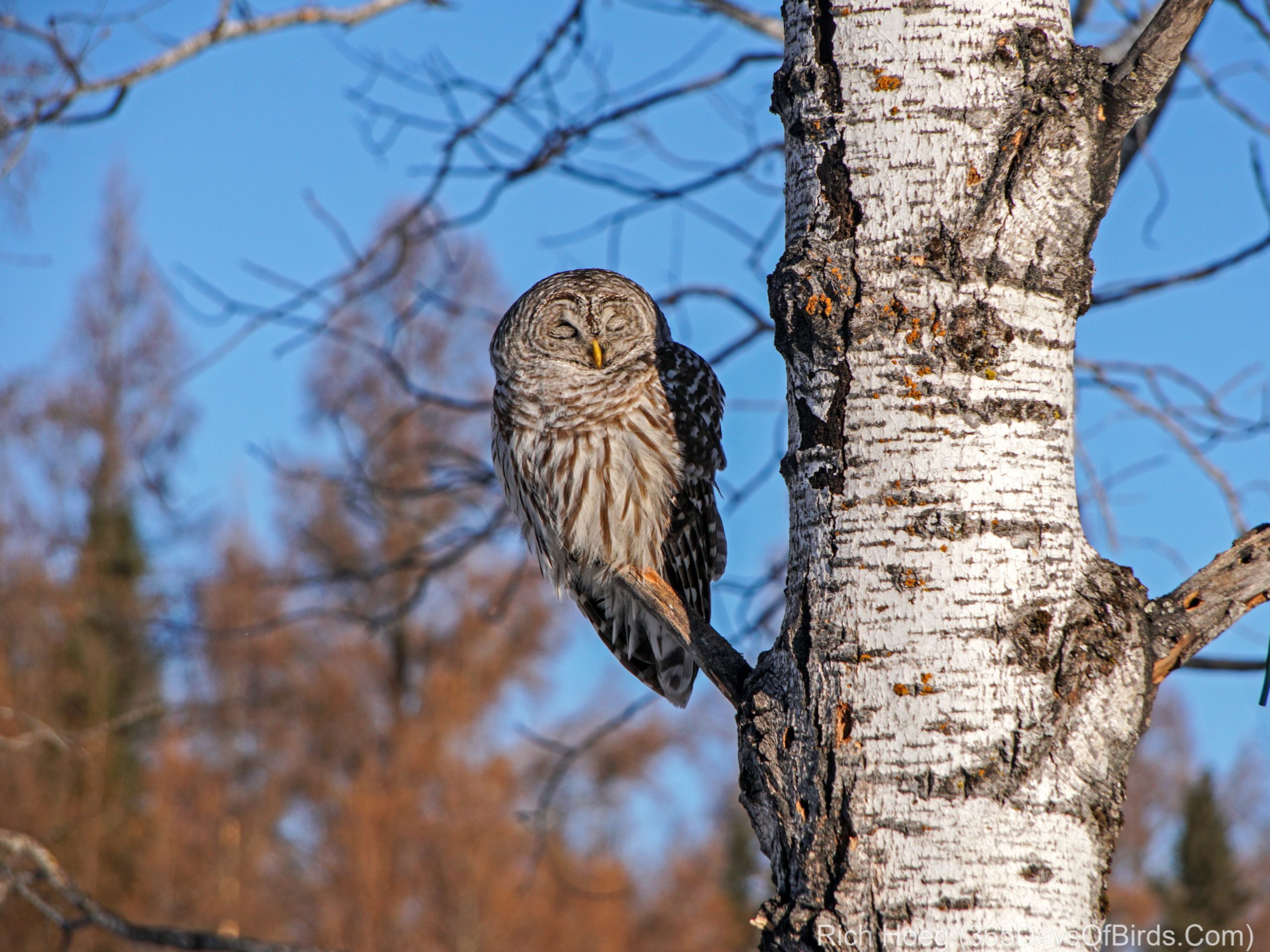
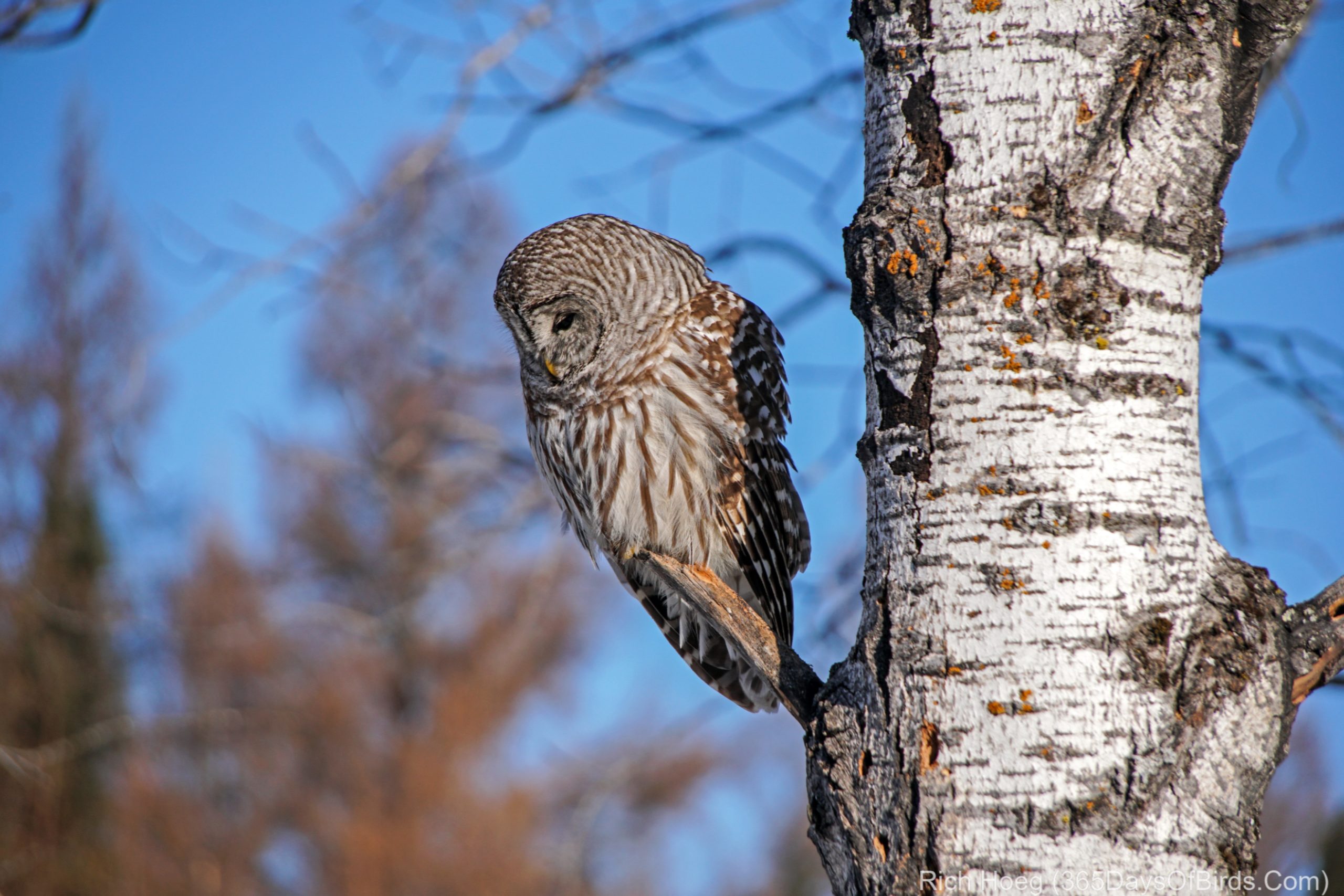
I actually started the day before sunrise in Sax-Zim Bog where I found this rather sleepy Barred Owl. In the second image, she “somewhat” tracks a red squirrel which was running beneath her. Given the limited reaction to easy prey, she must have fed well last night. Instead she was just enjoying basking in the morning sun. It was 8F when I took the photo.