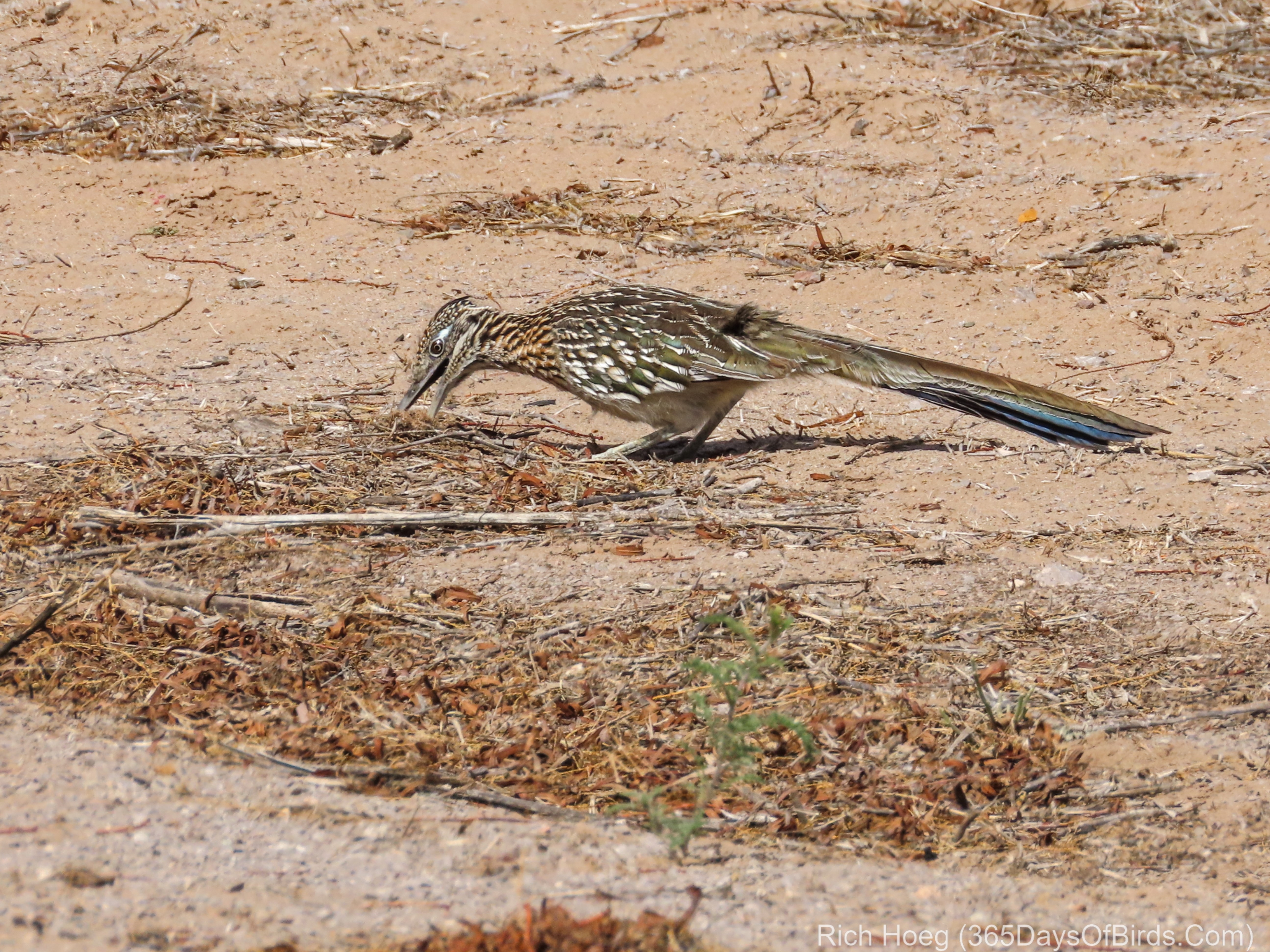
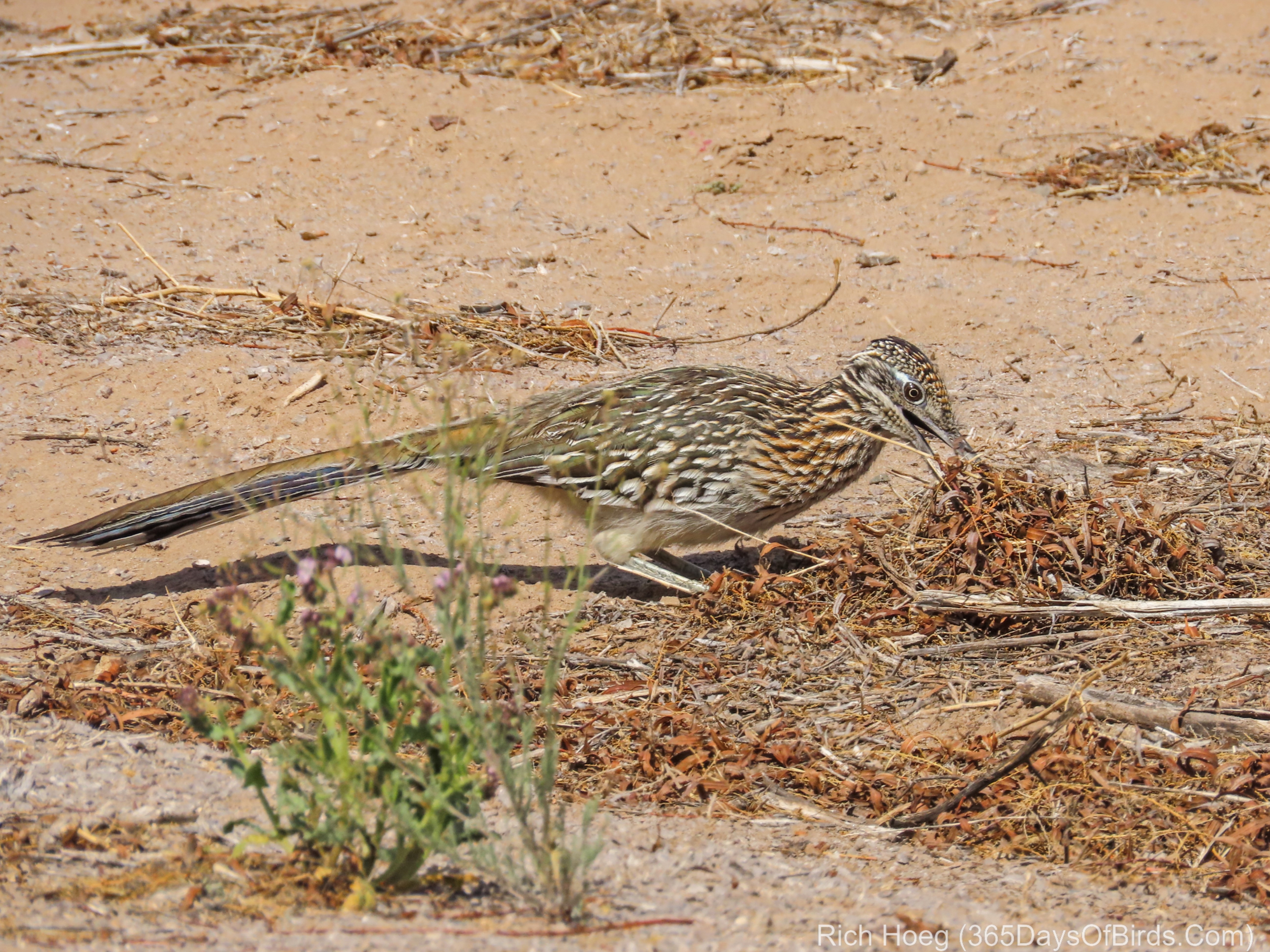
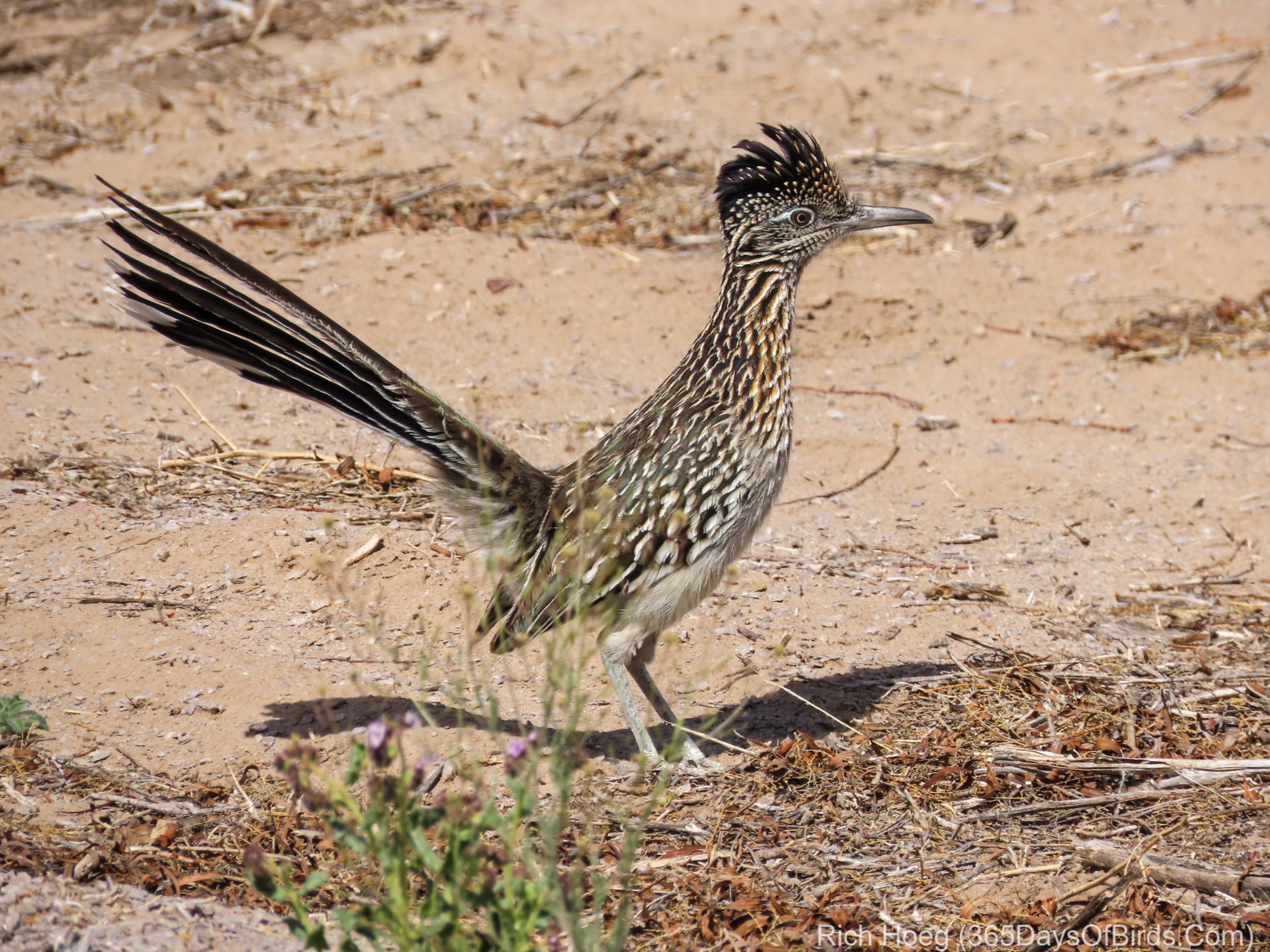
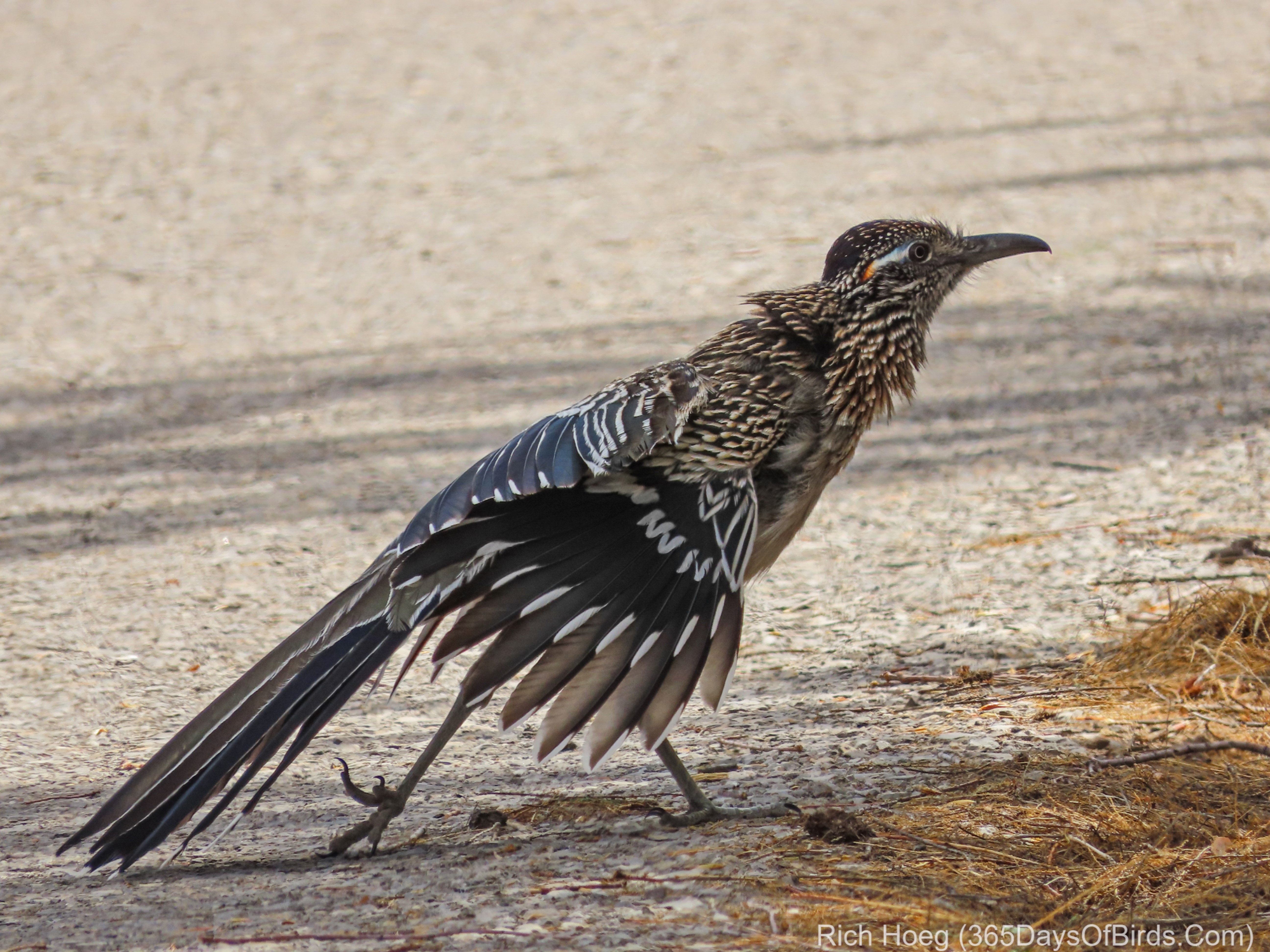
Rio Grande River Road Runner! (video)

Meep – Meep!

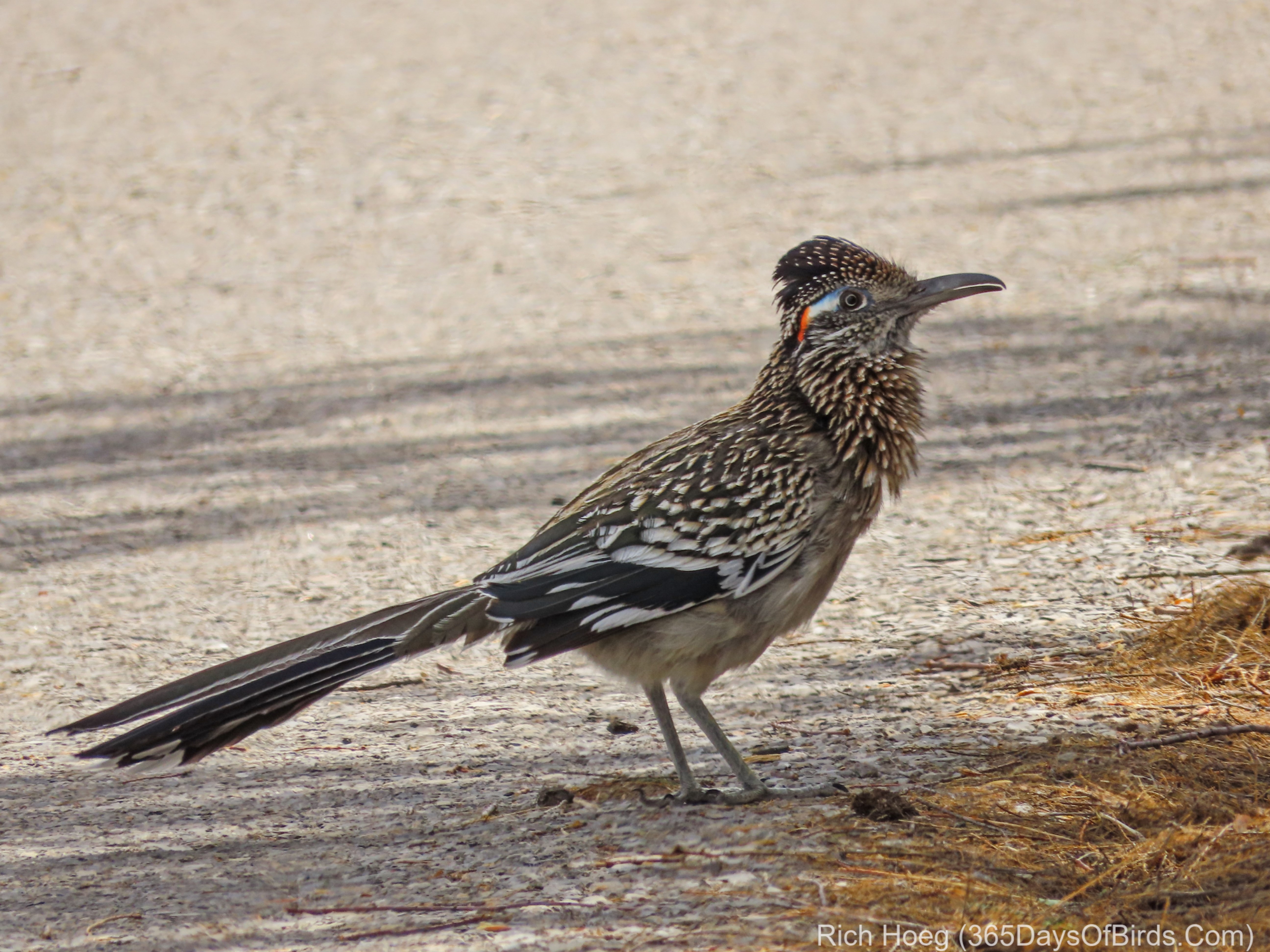
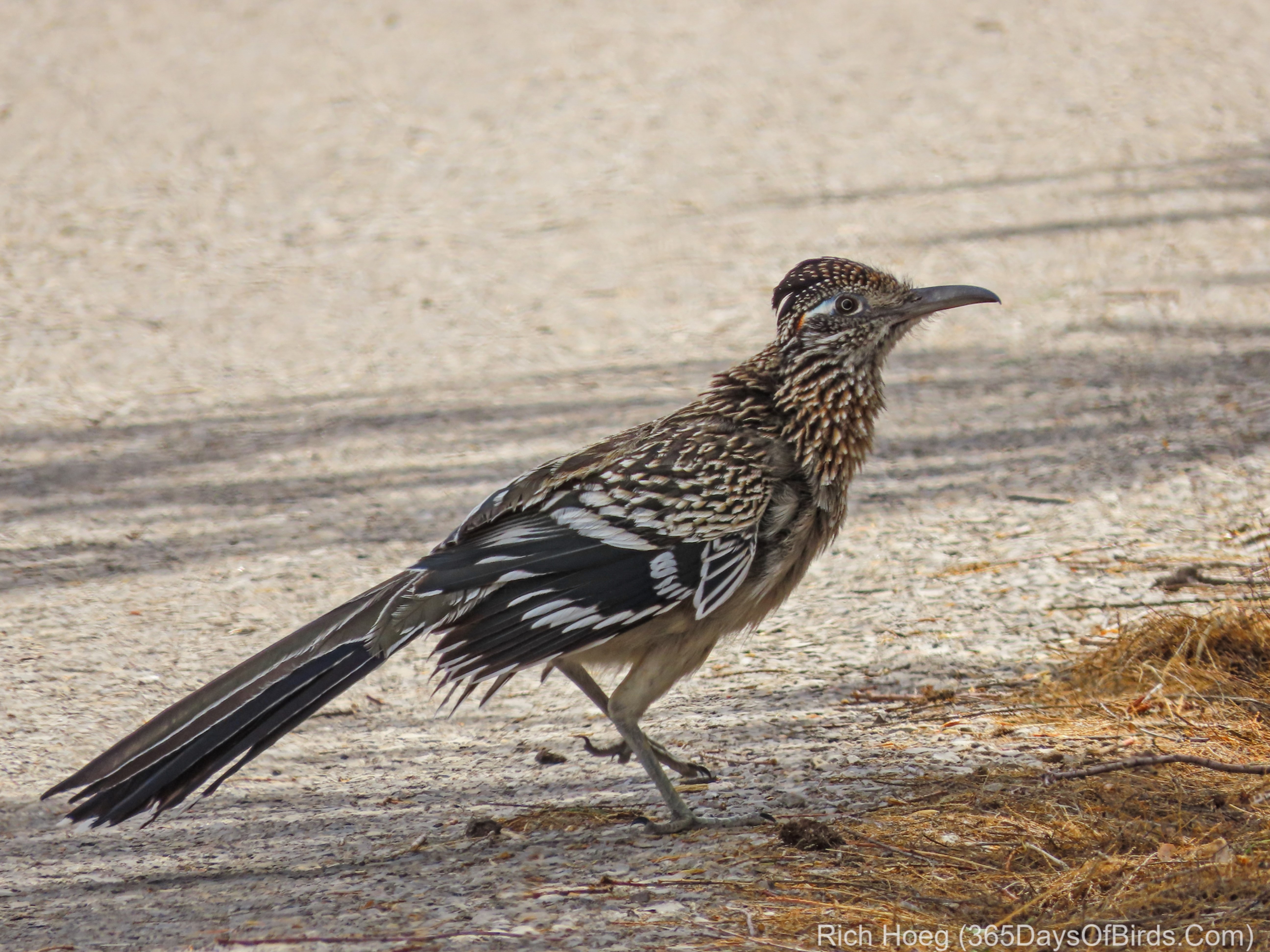
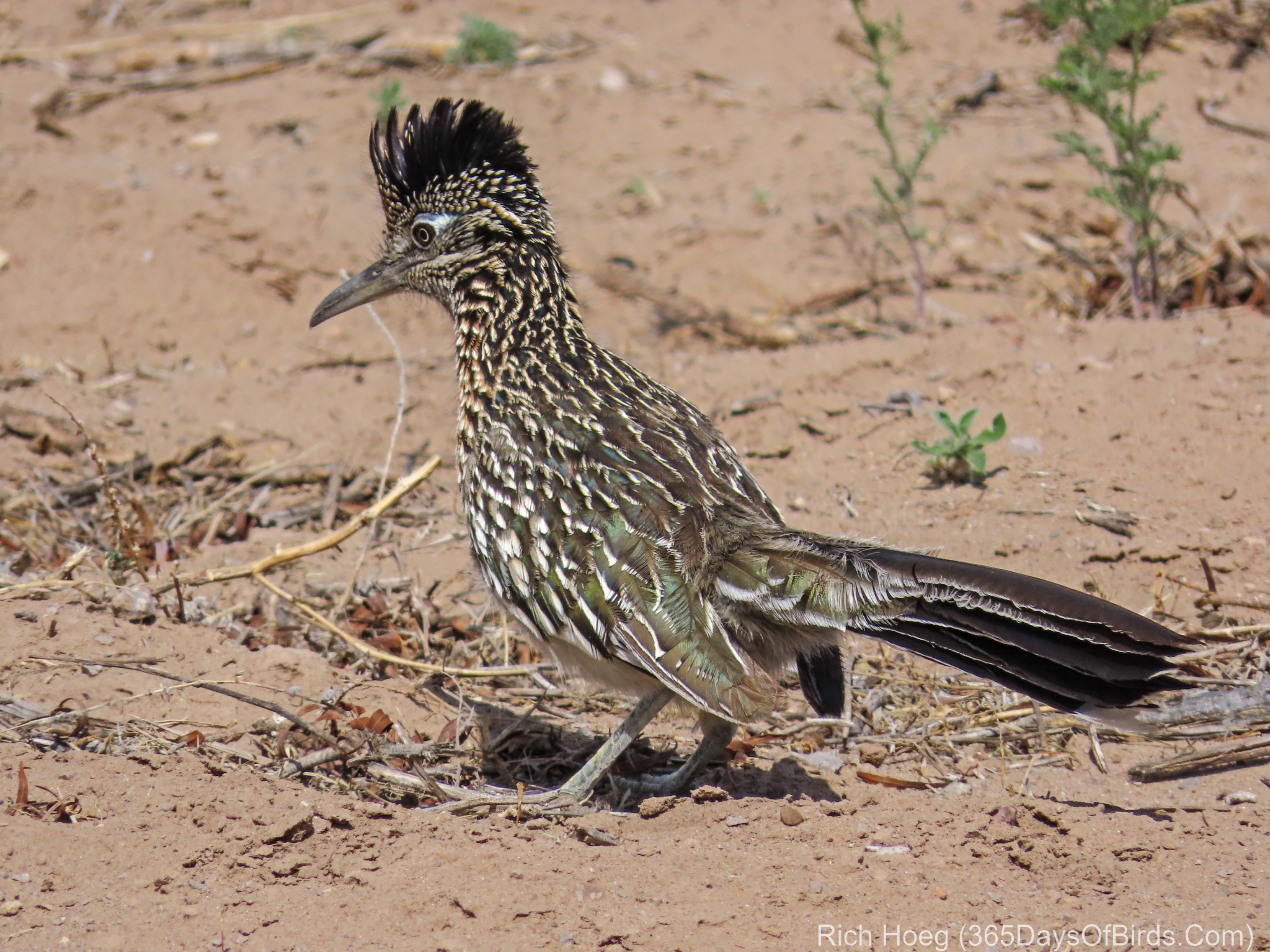
There were no Wile E. Coyotes during yesterday afternoon’s bike ride along the Rio Grande River in New Mexico, but there were Road Runners … lots of Road Runners!!! Molly and I are working our way from Big Bend National Park to Tucson which necessitated and overnight stop along the way. Enter my friend, Google Maps … with satellite and bicycle layers activated. My map research determined that the Holiday Inn Express Hotel was located only 200 yards from a bike trail. Thus, after hours in the car we took an eighteen mile bike ride with a significant section along the Rio Grande River.

Here in Las Cruces, New Mexico, much of the Rio Grande is a dry riverbed. There is a very small amount of water which has not been tied up and used for farm irrigation. The end result is the habitat next to the river is perfect for Road Runners. Given the bike path, the birds were somewhat habituated to people. I quickly discovered if I dismounted from my bicycle, the road runners became concerned and ran away. However, I could bike within ten yards, and as long as I continued to straddle my bike, my presence was tolerated.

Moral of the story … do advance research. Google Maps made for an excellent bike and birding excursion rather than sitting in a motel room. While I have seen road runners a few times in my life, I have never had this kind of viewing experience. Uff Dah!

Road Runner!

Video

Hiking into History: Big Bend National Park

Big Bend National Park is at the end of the road, both literally and figuratively. The park is one of the least visited in America, both due to its extreme weather and remote location. Molly and I chose to visit in late March and enjoy a desert spring. Even so, upon arrival our first afternoon the daytime high soared to 90F. However, the weather soon changed and by the morning of our second day we were dealing with 40F, clouds, and 35 mph winds.

Why the title … hiking into history? Quite simply you do see history. Erosion in the park reveals eons of rock strata, but even our base location in a town right outside the park entrance is a former ghost town. We stayed in Terlinqua where residents enjoy their “end of the road” existence, and some people watching will yield 1960’s throwback culture. In Terlinqua, Texas if you want the modern world you are in the wrong place. The park has rescued the former ghost town, but nary a neon sign or chain store / restaurant is found. Rented lodging is often in nice tents or trailors. Molly and I actually had a small cabin not much bigger than our bed … with access to a bath house … no running water or bathrooms in the cabin.

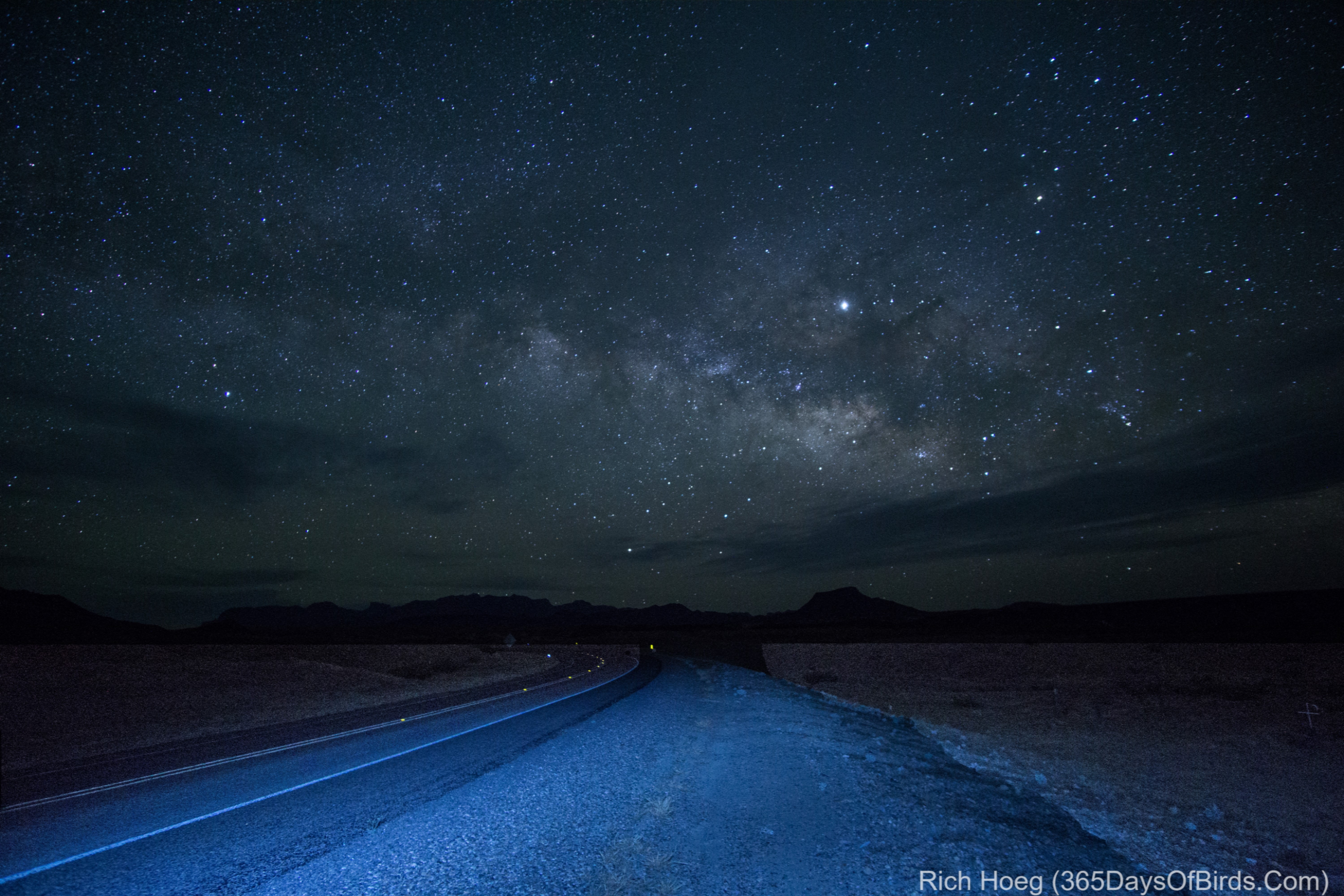
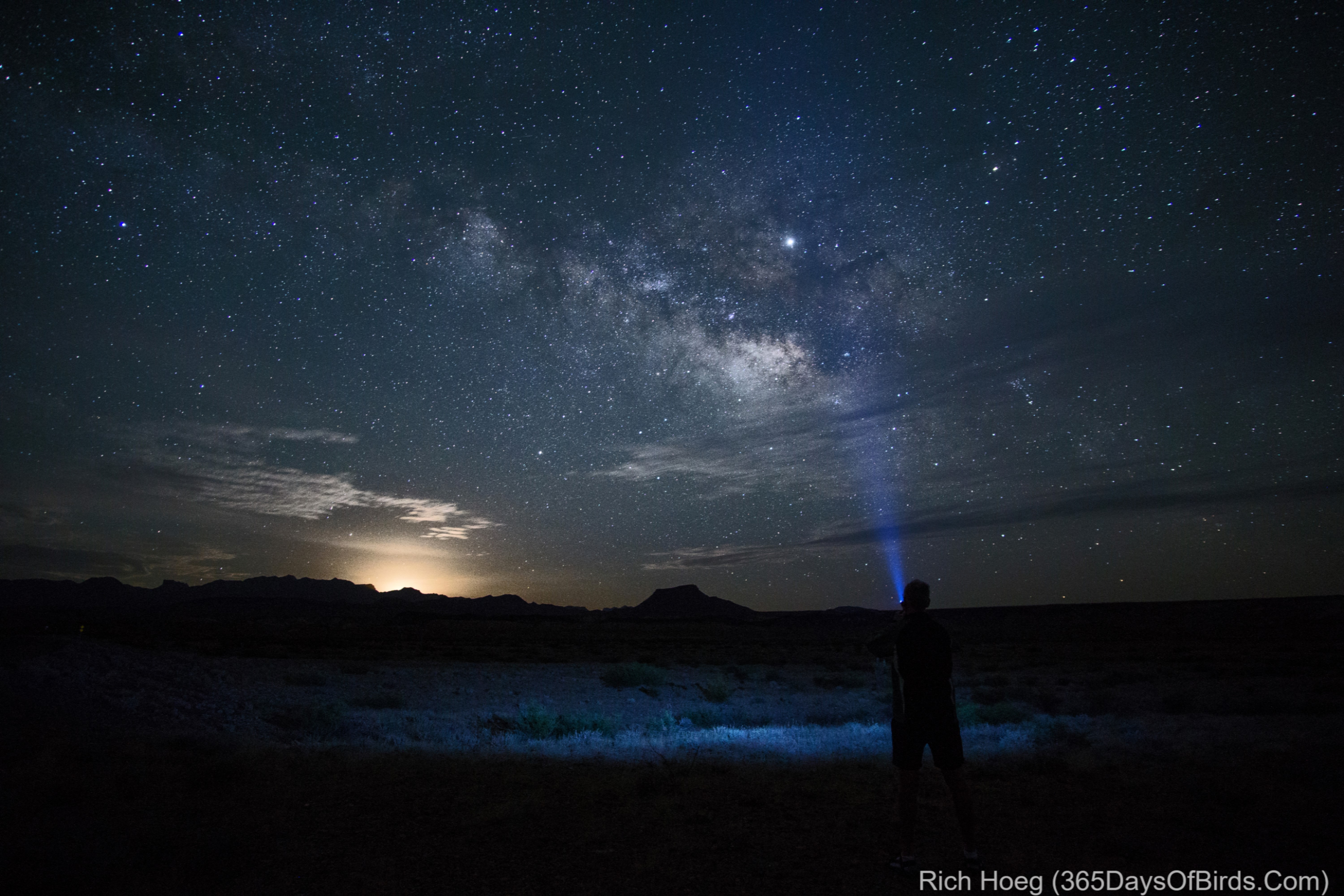
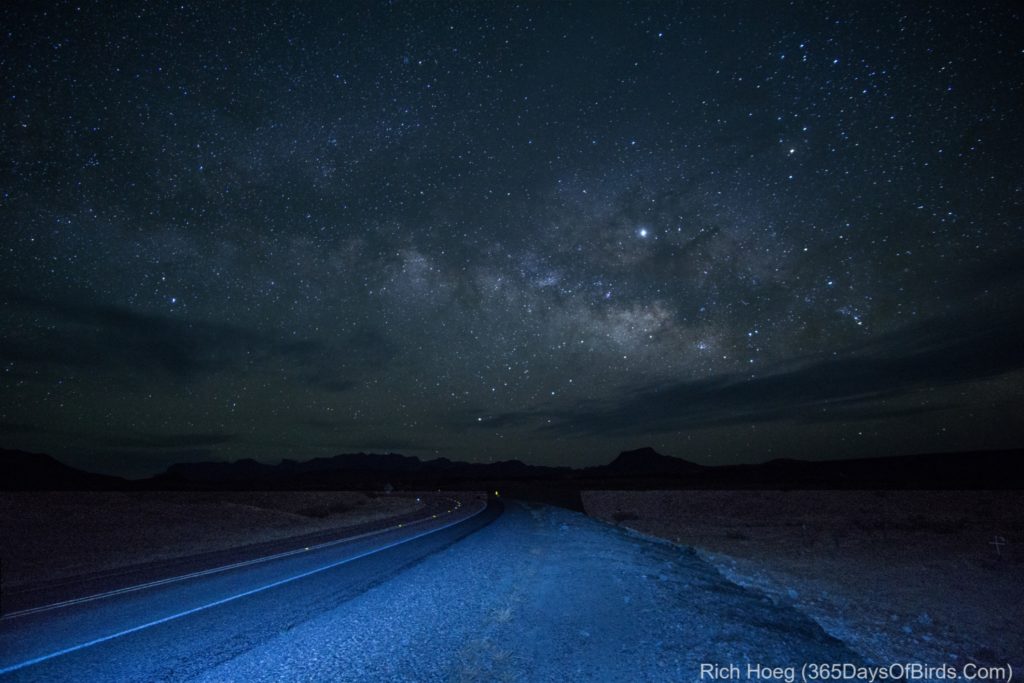
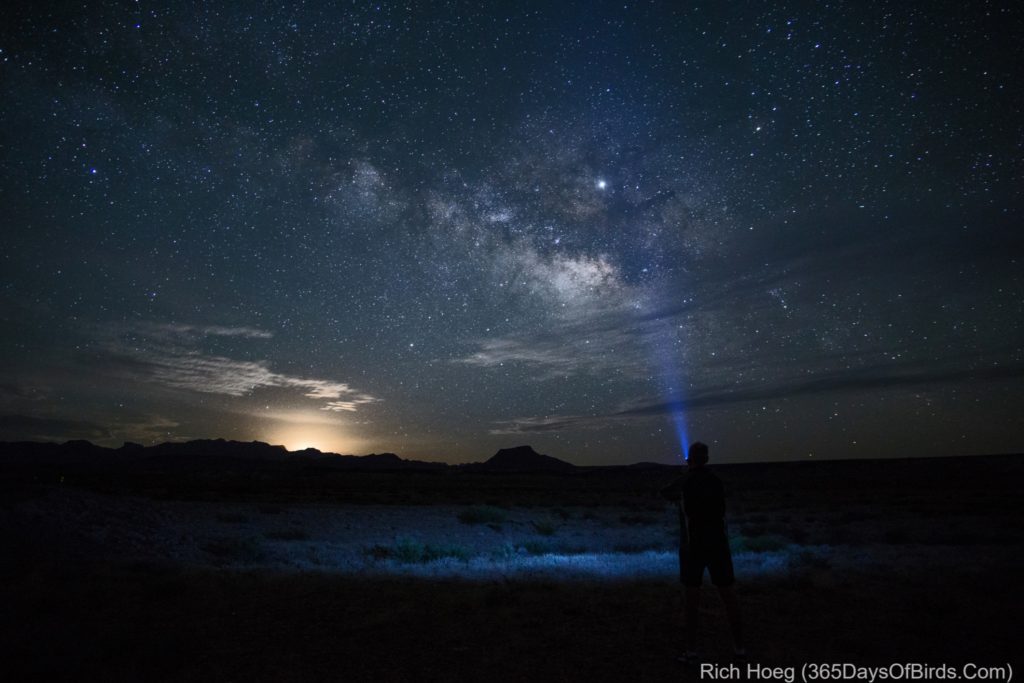
I started my first day at 4:00 a.m. Big Bend is a certified Dark Sky location. I hung out on the main highway 4 miles out of town till 5 am photographing the Milky Way. I never had to move for a car. In these two photos I am seeing millennium of light … the first shows the highway lit for 2 seconds by my flashlight … the second is a selfie with clouds starting to move over the Milky Way (and moon glow rise)
Should you vist the park be prepared to hike, but as the warning signs stated … be off the trails by noon or risk dangerous heat conditions. As we experienced winter temperatures, we were lucky enough to hike throughout the day, but one still needed plenty of water.

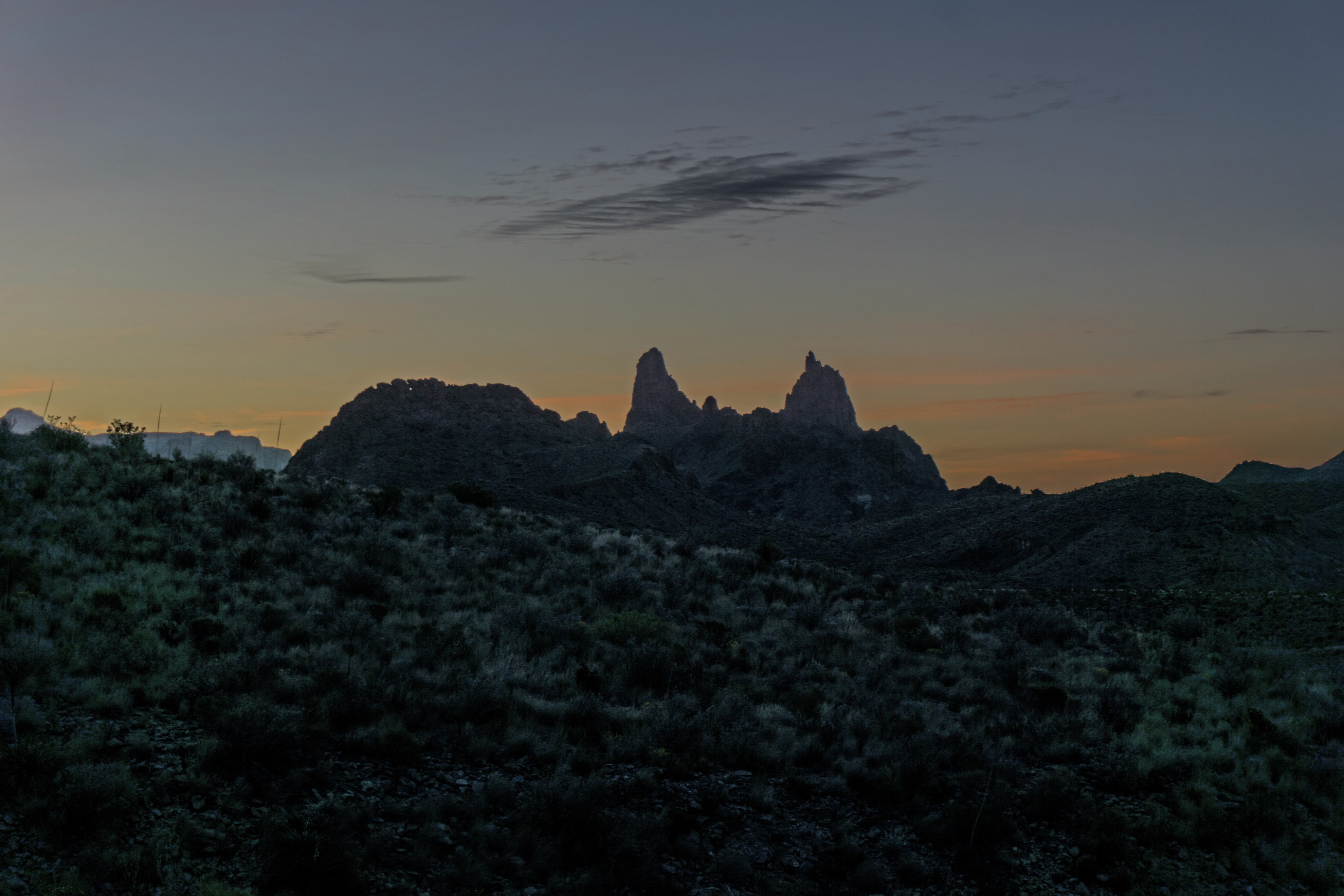
One interesting note even with the cooler conditions, the desert was alive at sunrise, but appeared dead later in the day. At this overlook named Donkey Ears where we watched the sun come up, in the pre sunrise conditions we heard lots of birdsong, bees, saw jackrabbits and coyotes. However, when we returned three hours later there was dead silence. Desert wildlife including birds become dormant during the day … seeking whatever shade is available.

Pre-Dawn at Donkey Ears (lots of singing birds)
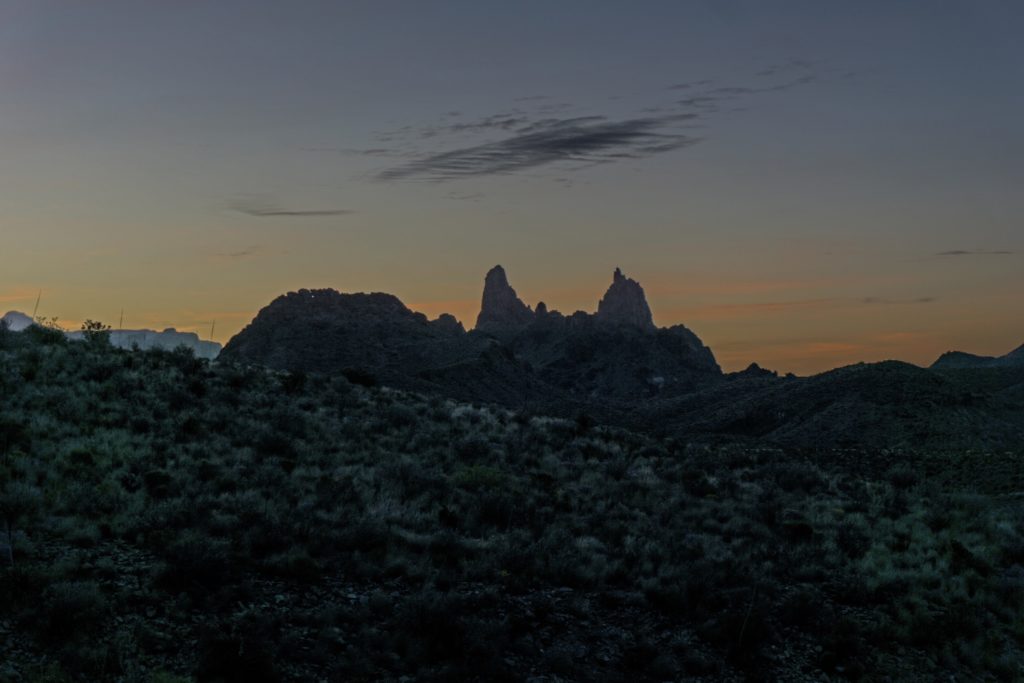
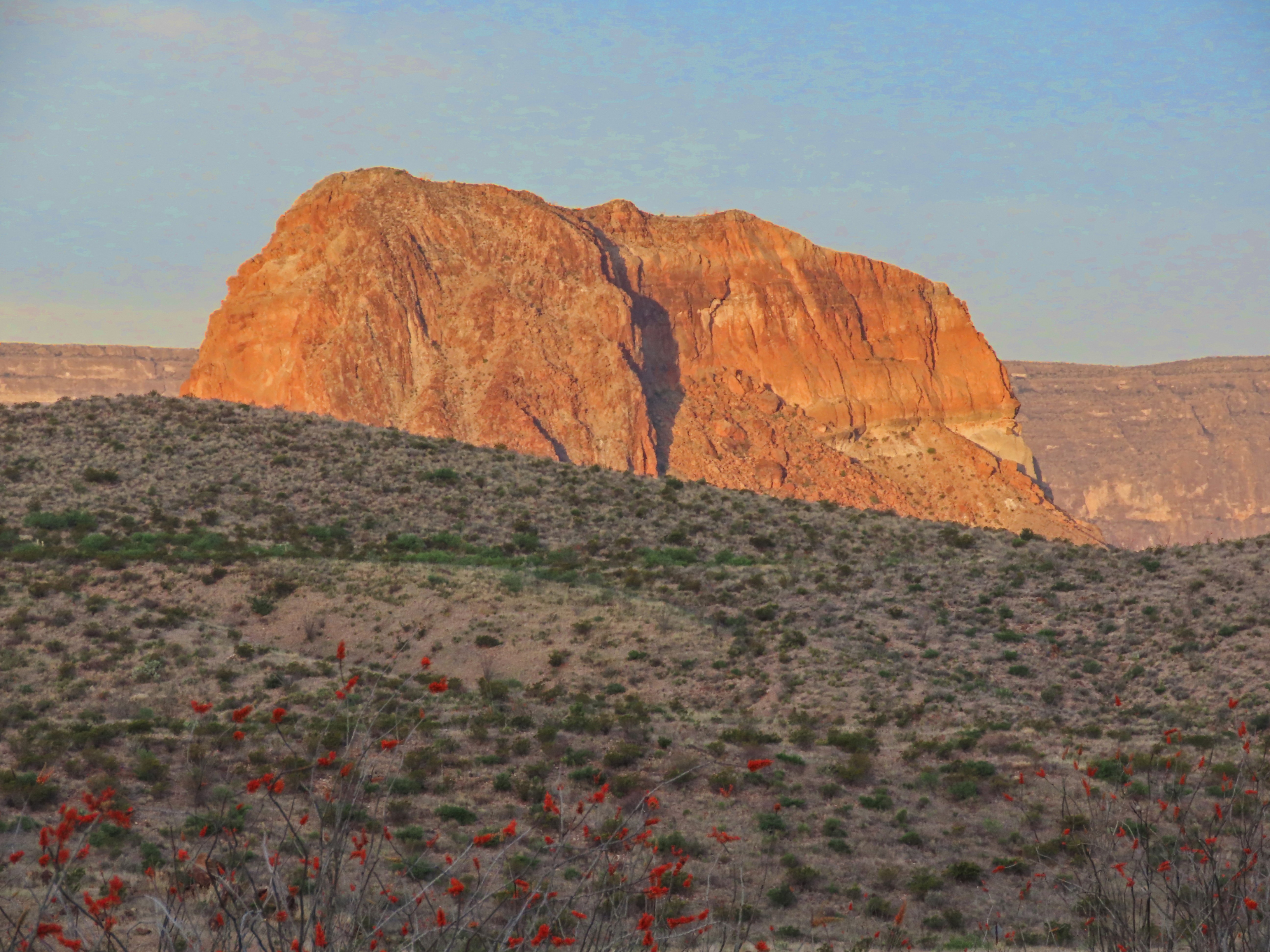
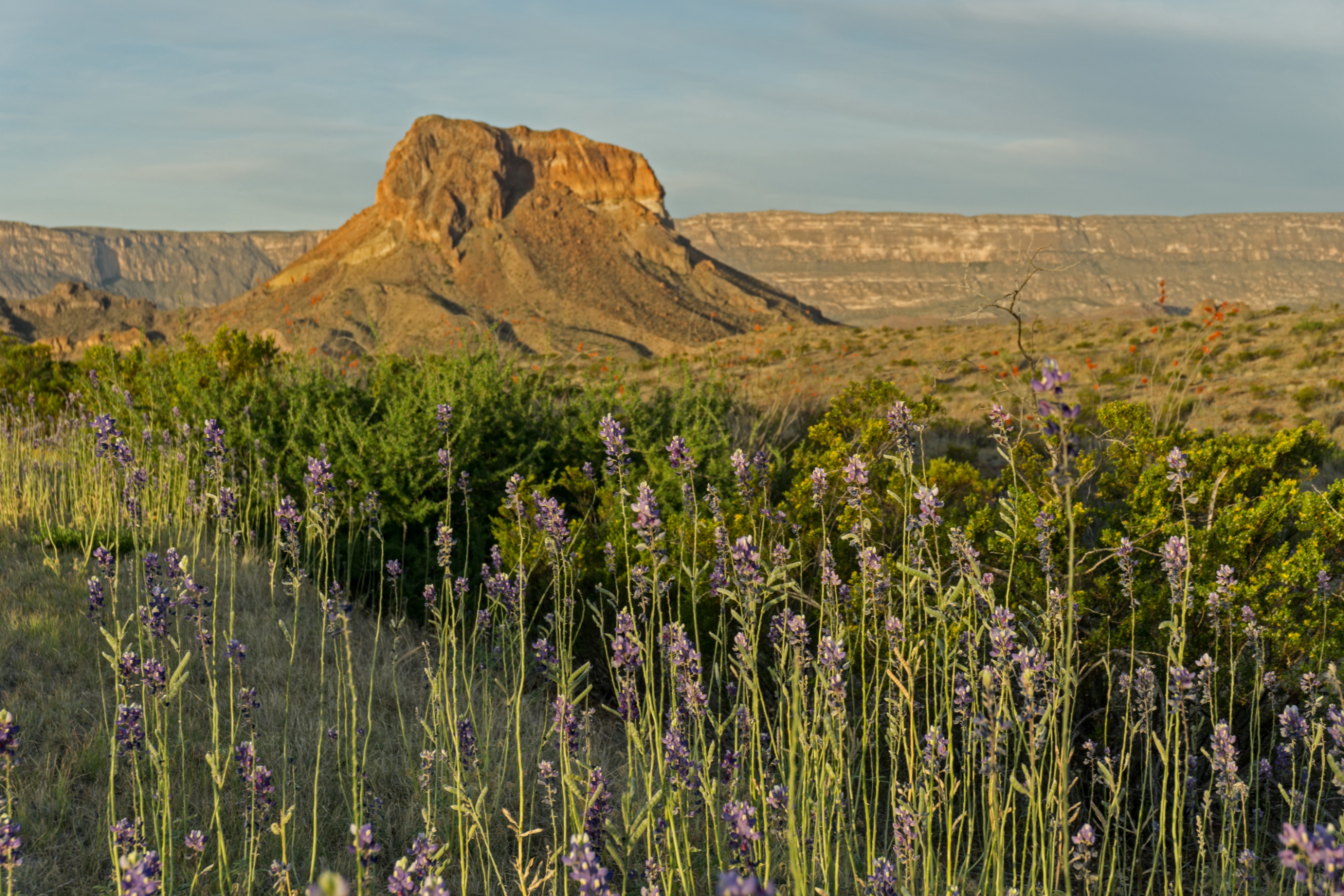
Sunrise Images (flowers and buttes)
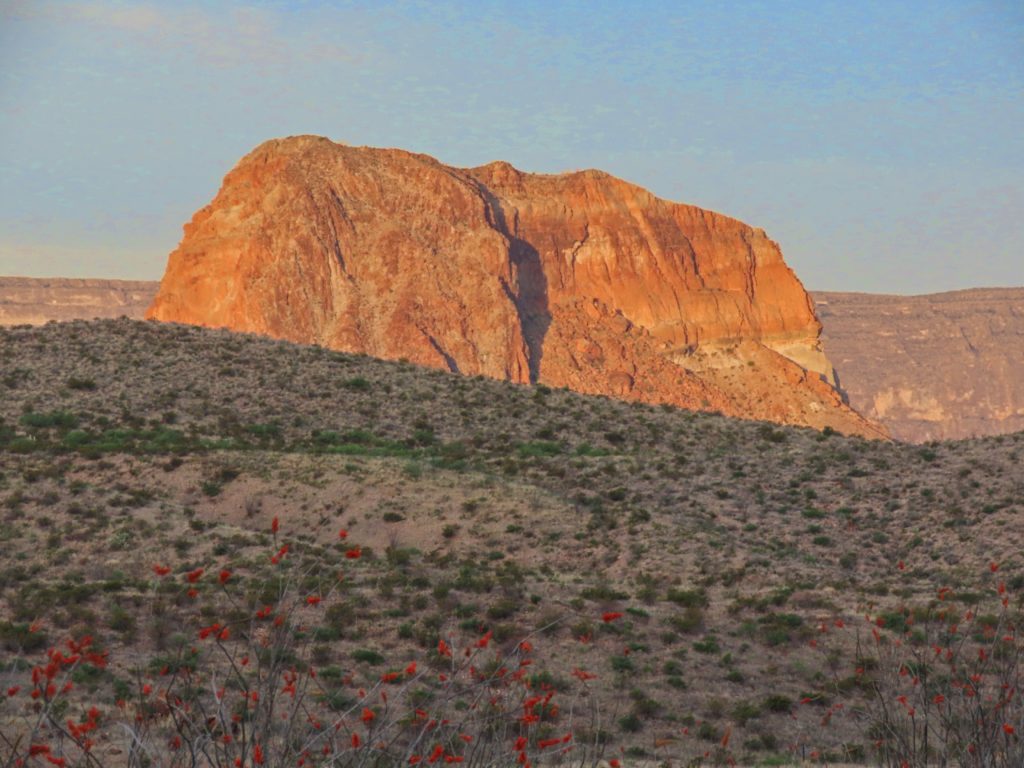
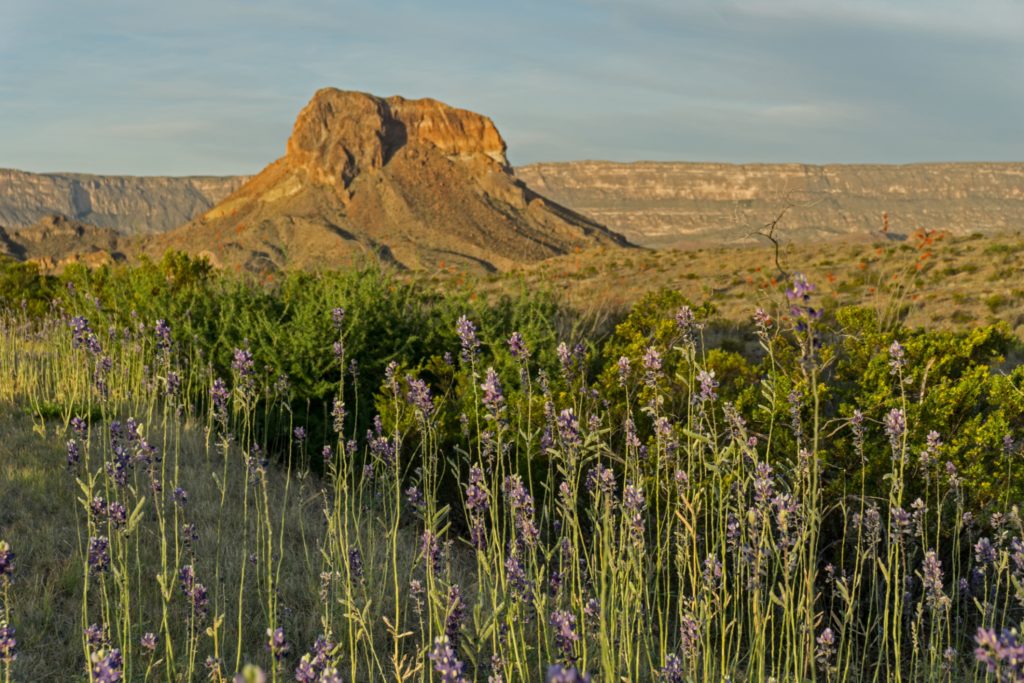
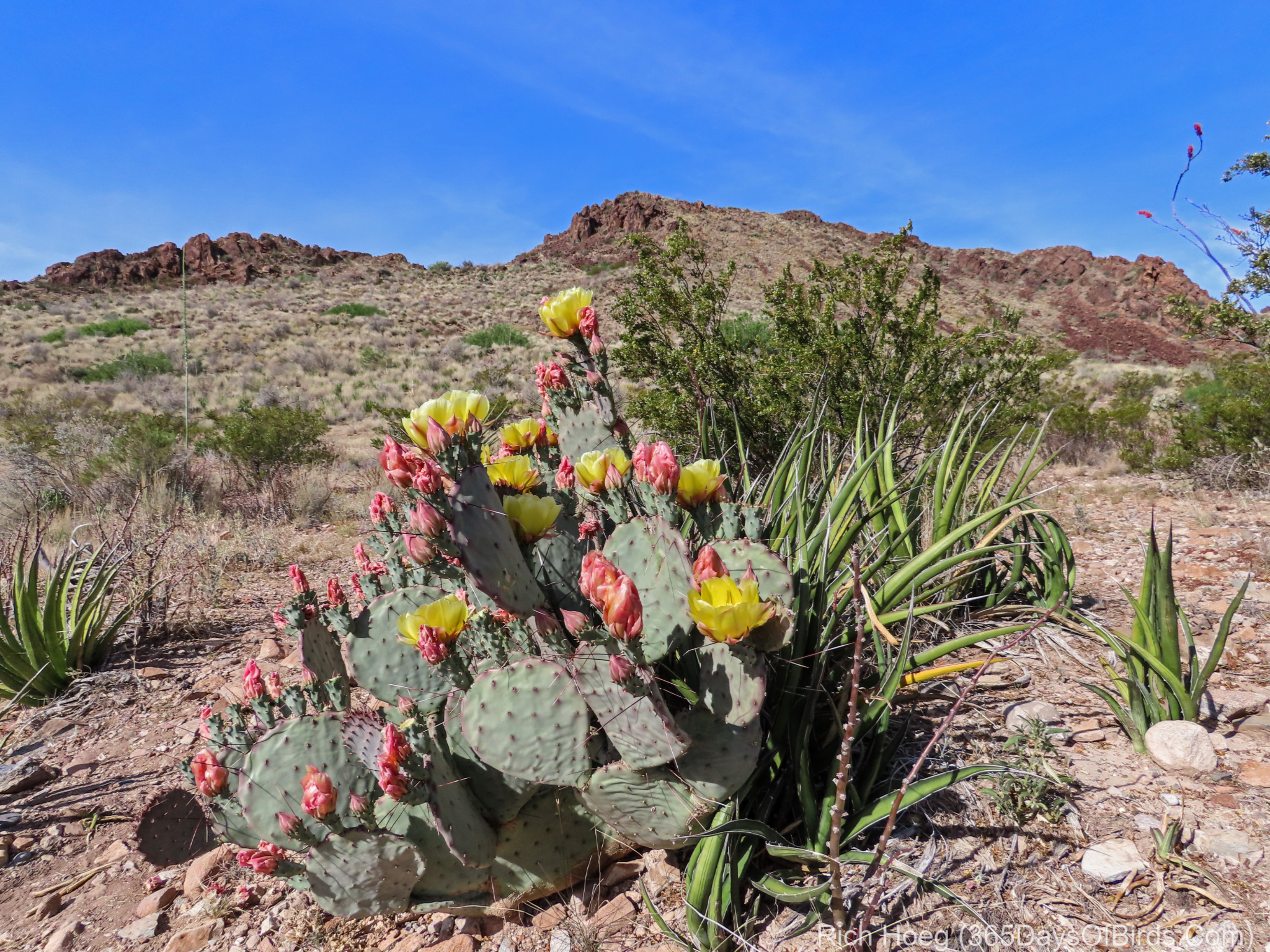
Our return to Donkey Ears was to enjoy the desert bloom. The cactus were flowering, and there were even bluebonnets along the roadside! Early spring is a fantastic time to visit a desert … nights can be chilly but the landscape is unusually alive with color.
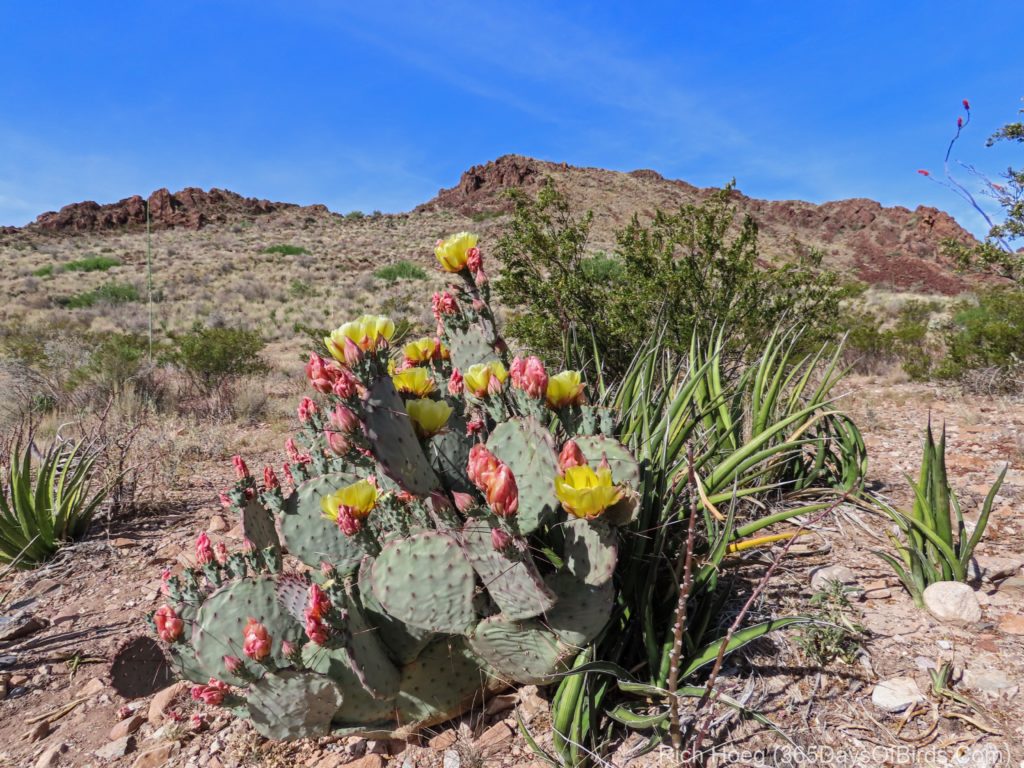
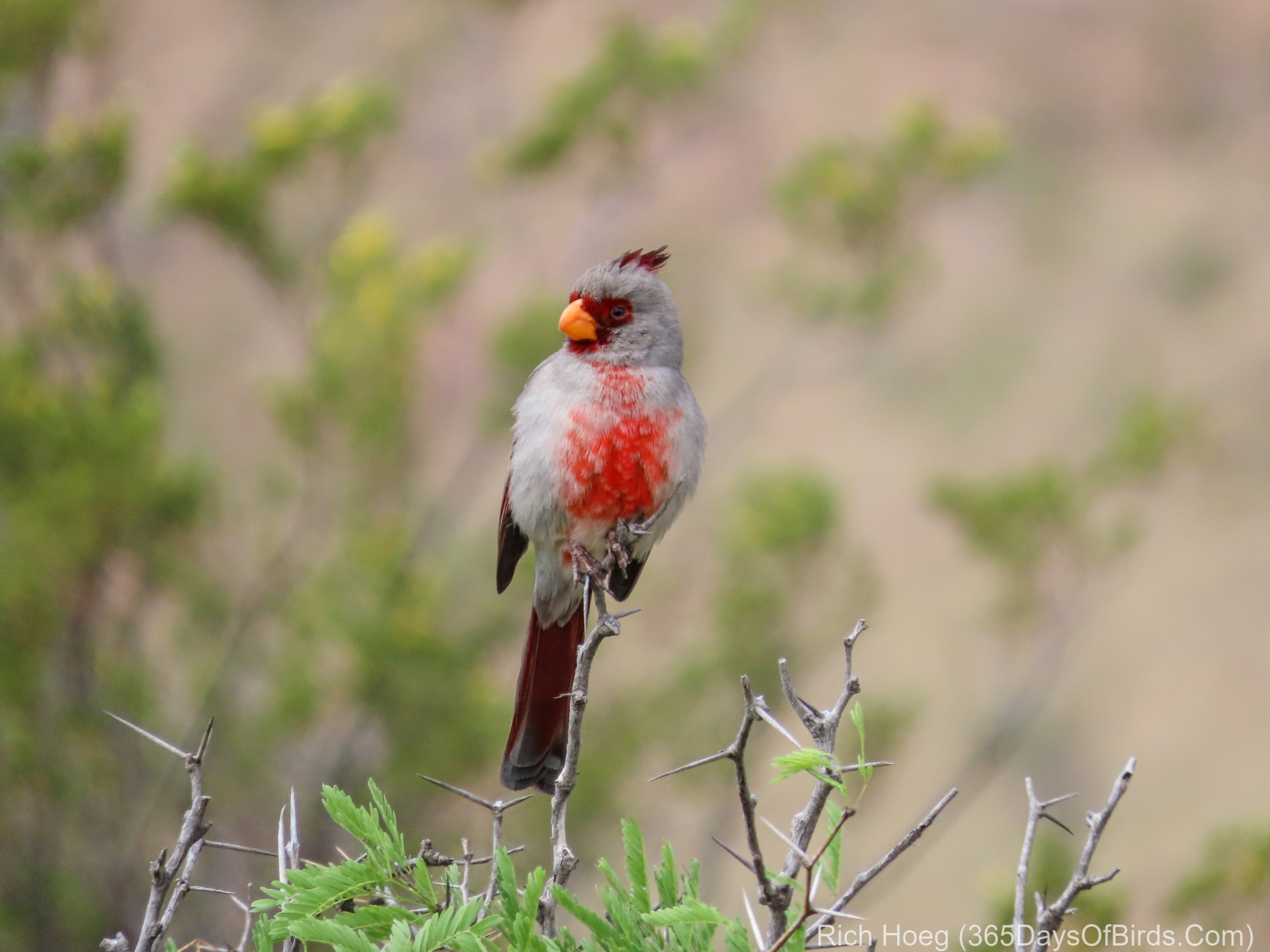
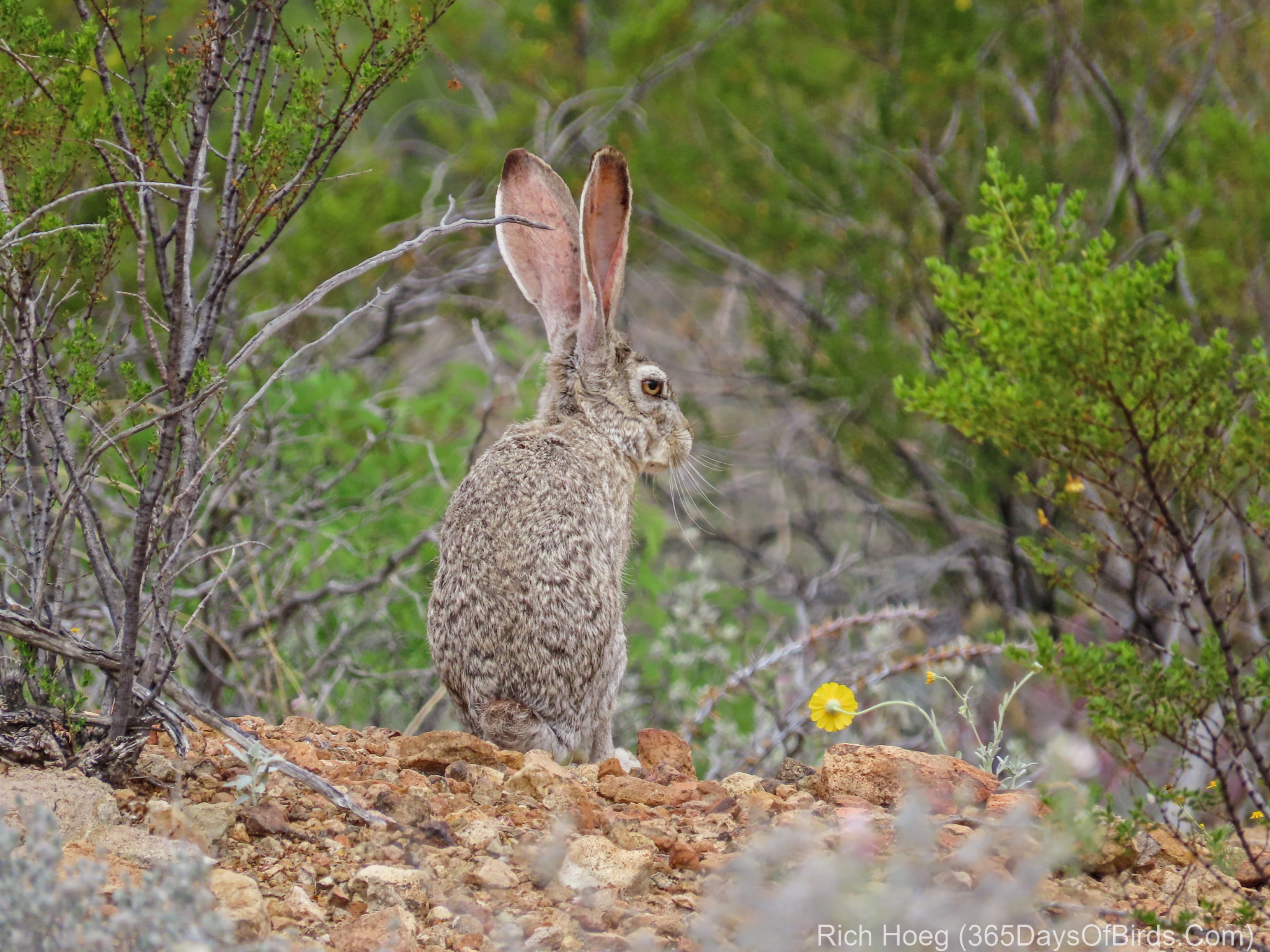
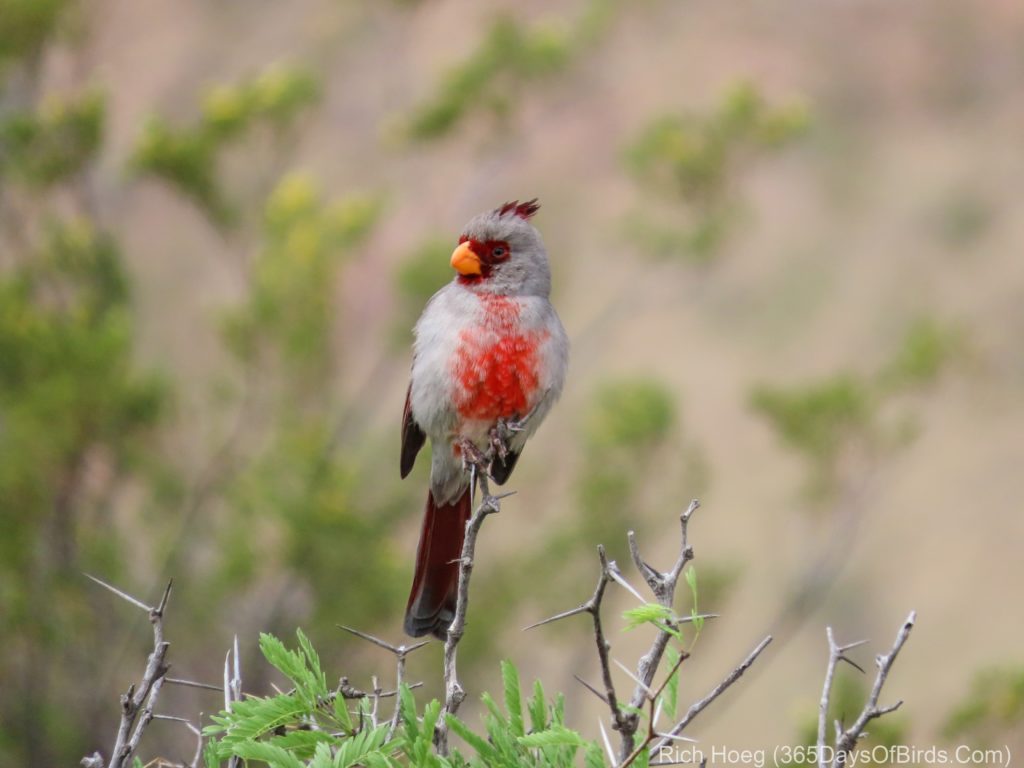
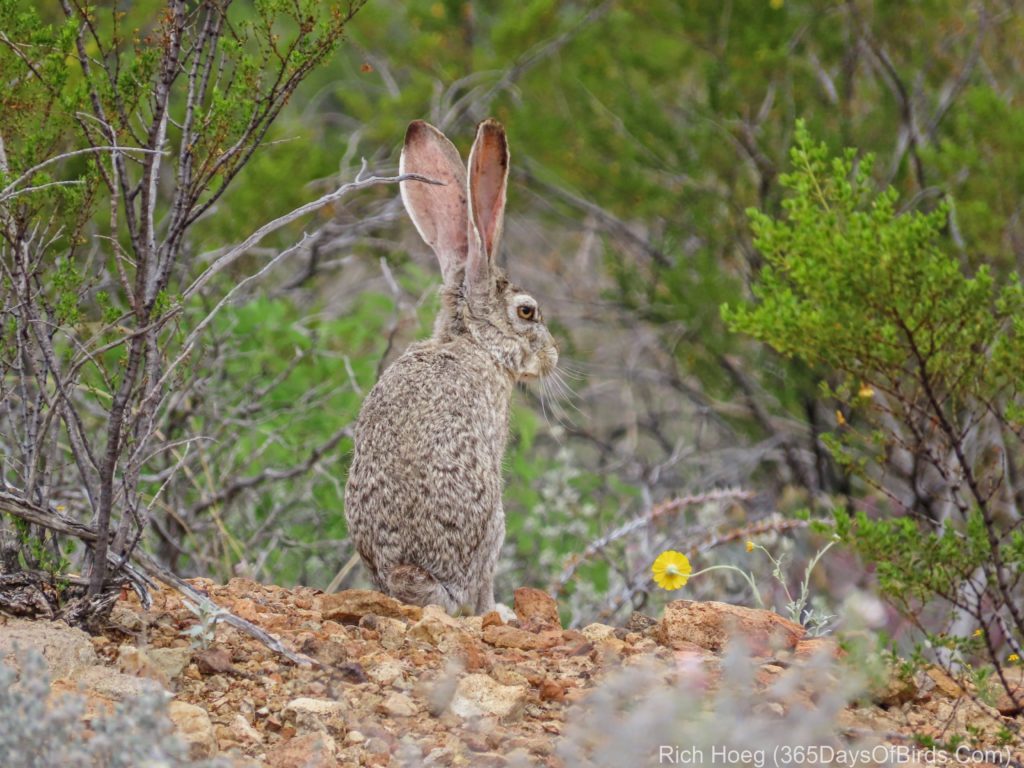
One lone Pyrrhuloxia and a Jack Rabbit popped (hopped?) out of the cacti to show themselves during our mid morning hike.
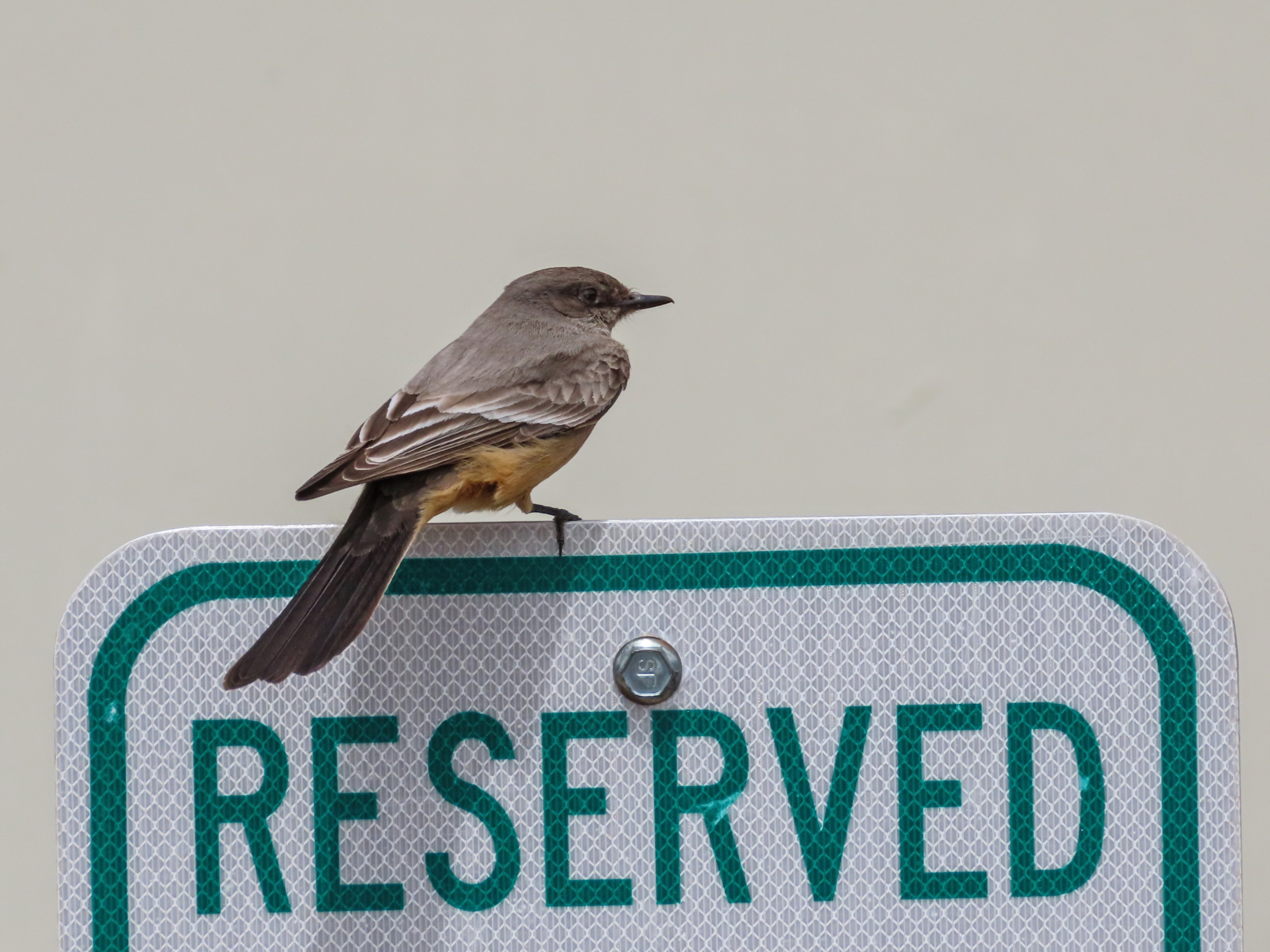
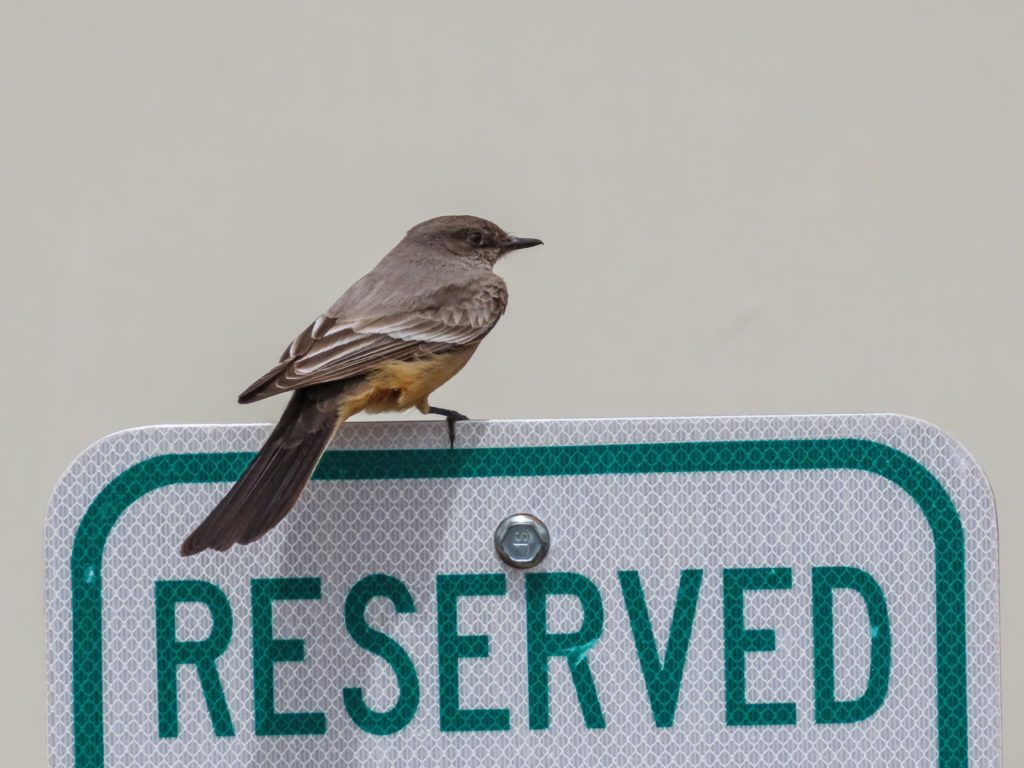
When we reached the ranger station, I found this Say’s Phoebe hiding from the wind … in a reserved spot. No other birds need even dream of visiting.
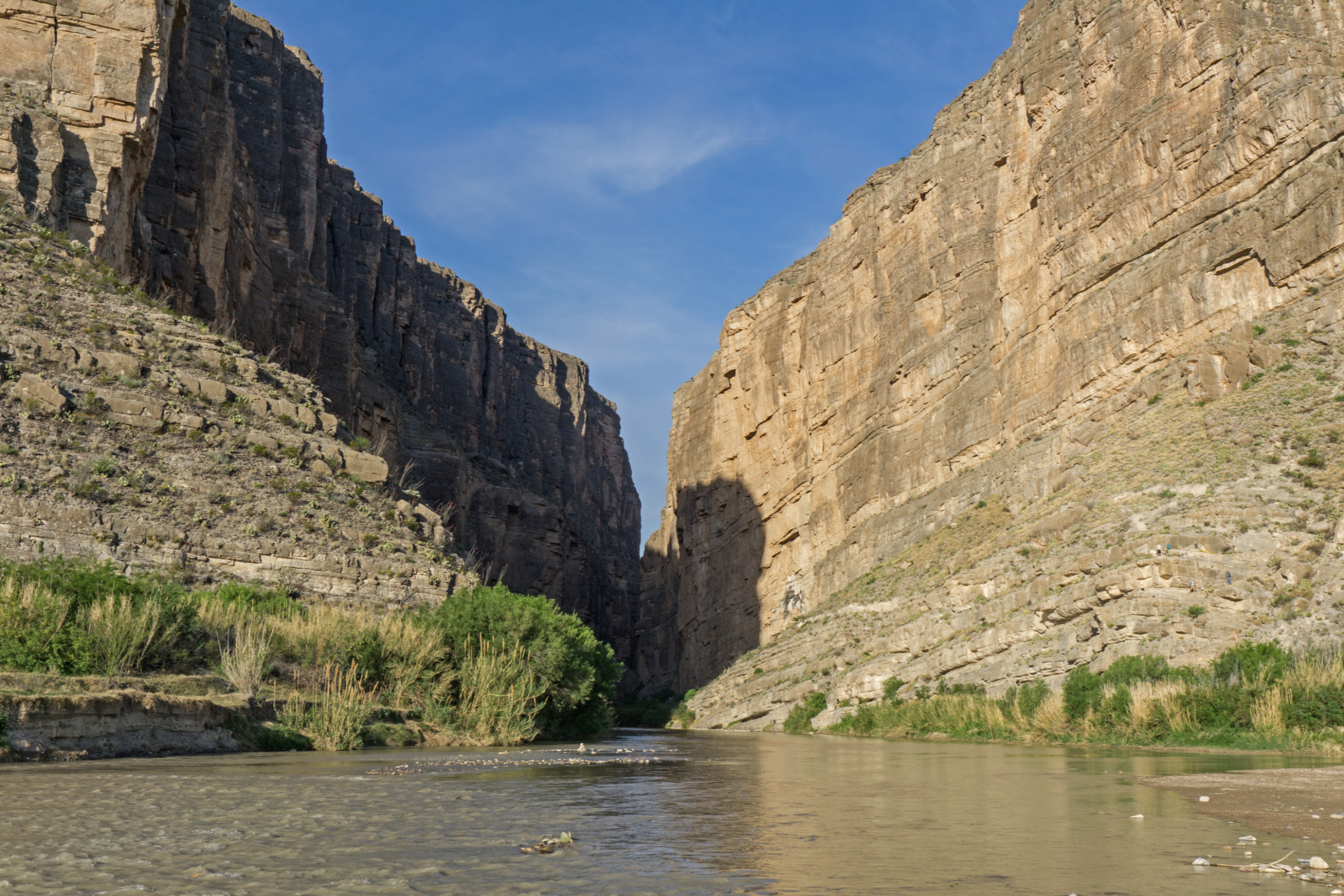
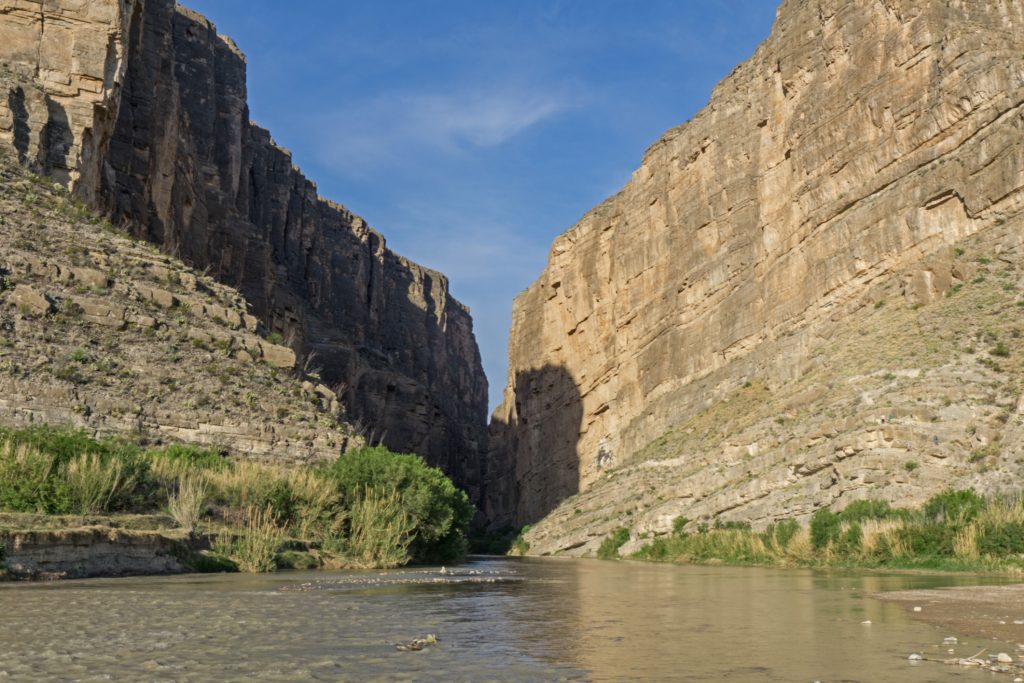
St. Elena Canyon on the Rio Grande
Big Bend National Park and Texas Hill Country: Archival Content
Texas Hill Country Vermilion Flycatcher!

Wow! For a day which I bemoaned the weather, I learned I could not have been more wrong. Research via eBird led me to believe that there was an area that was flycatcher heaven about 60 miles from Fredericksburg. As today was my last day in the Texas Hill Country I got up well before sunrise to drive to my targeted birding area. Upon arriving, there was nothing to indicate this was a super spot. The habitat was a a large open field with scattered trees, a few tennis courts, which backed up to a small airfield and a cactus wildflower area. The South Llano River was about one mile distant.

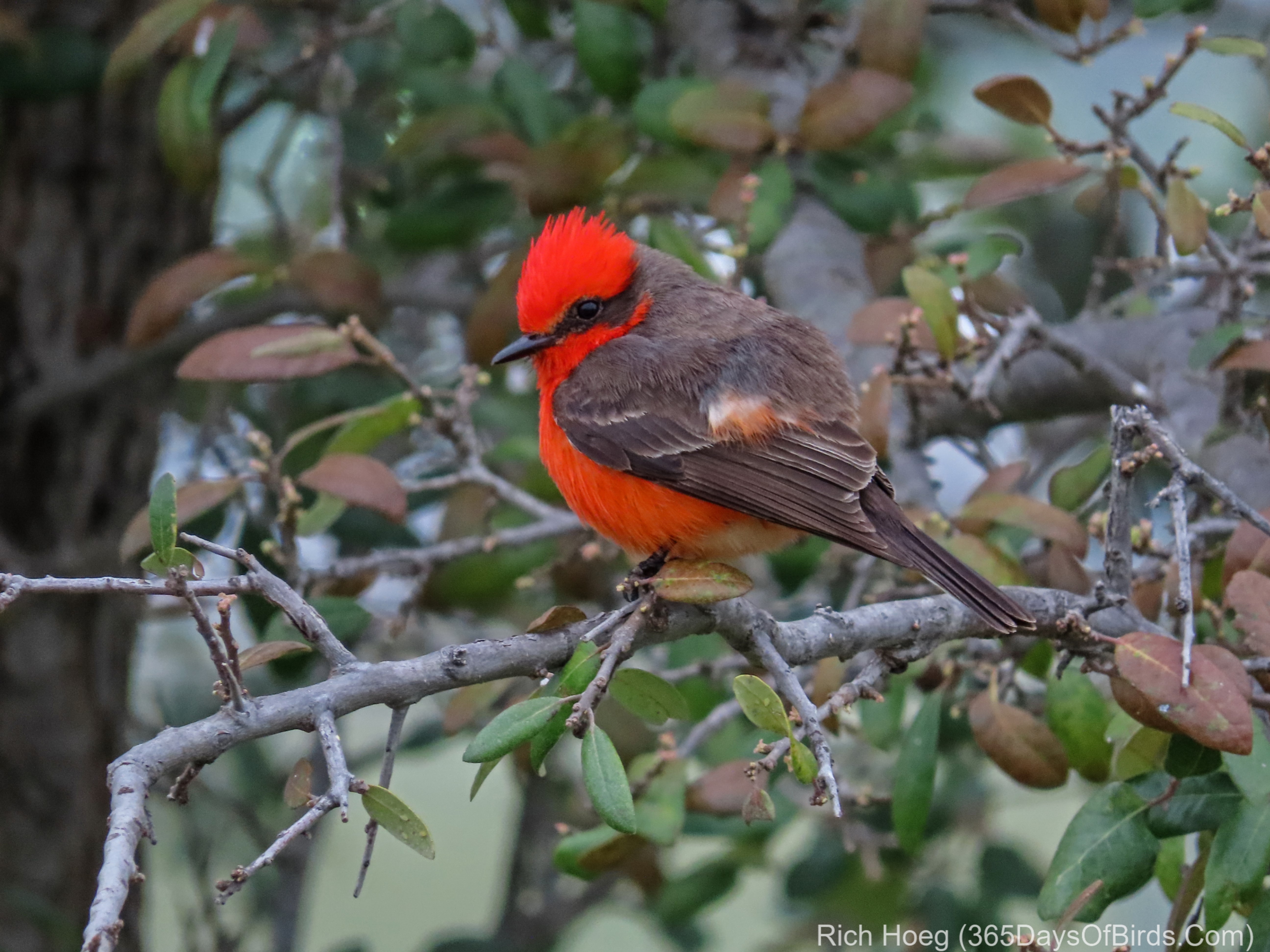
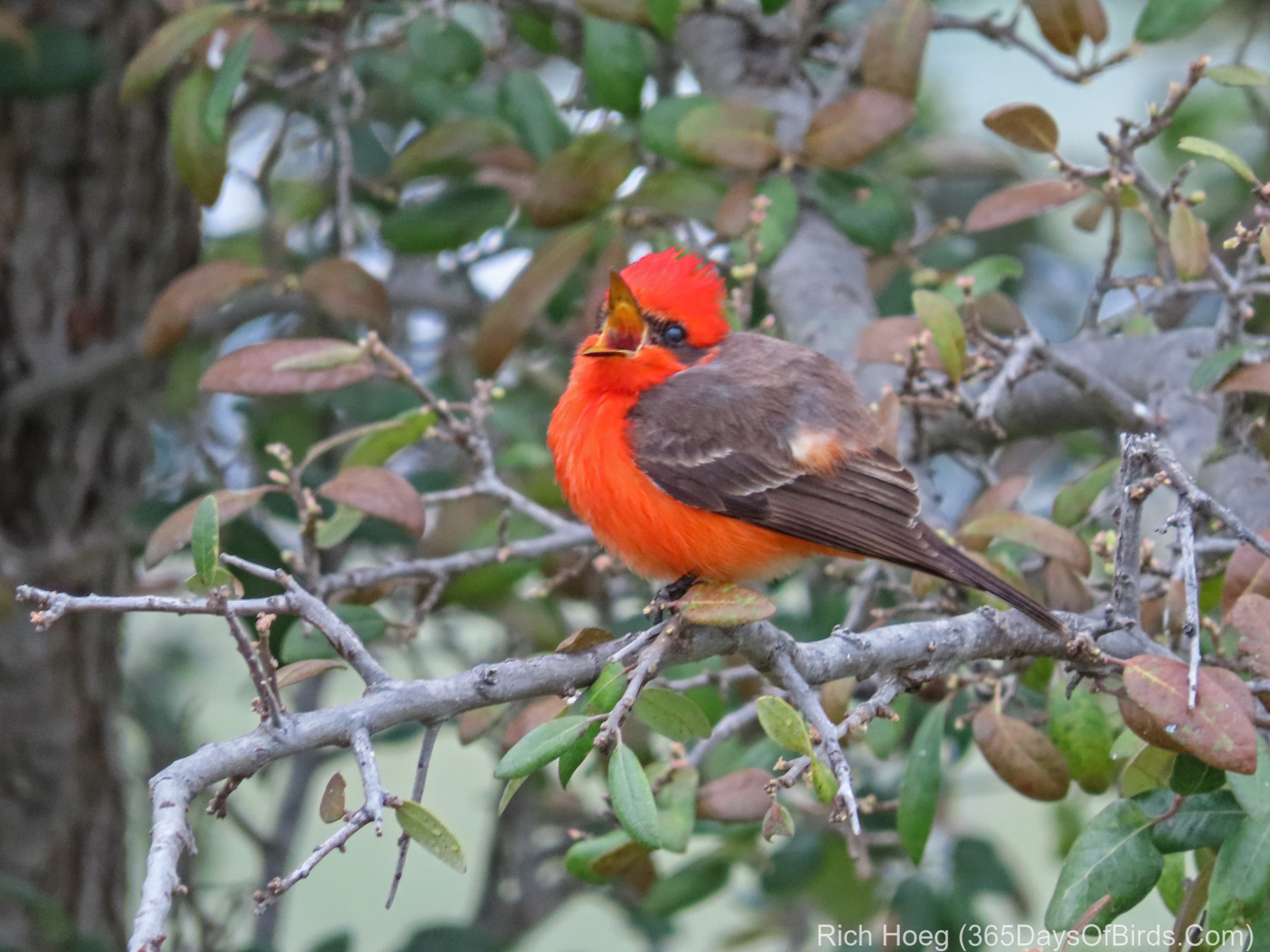
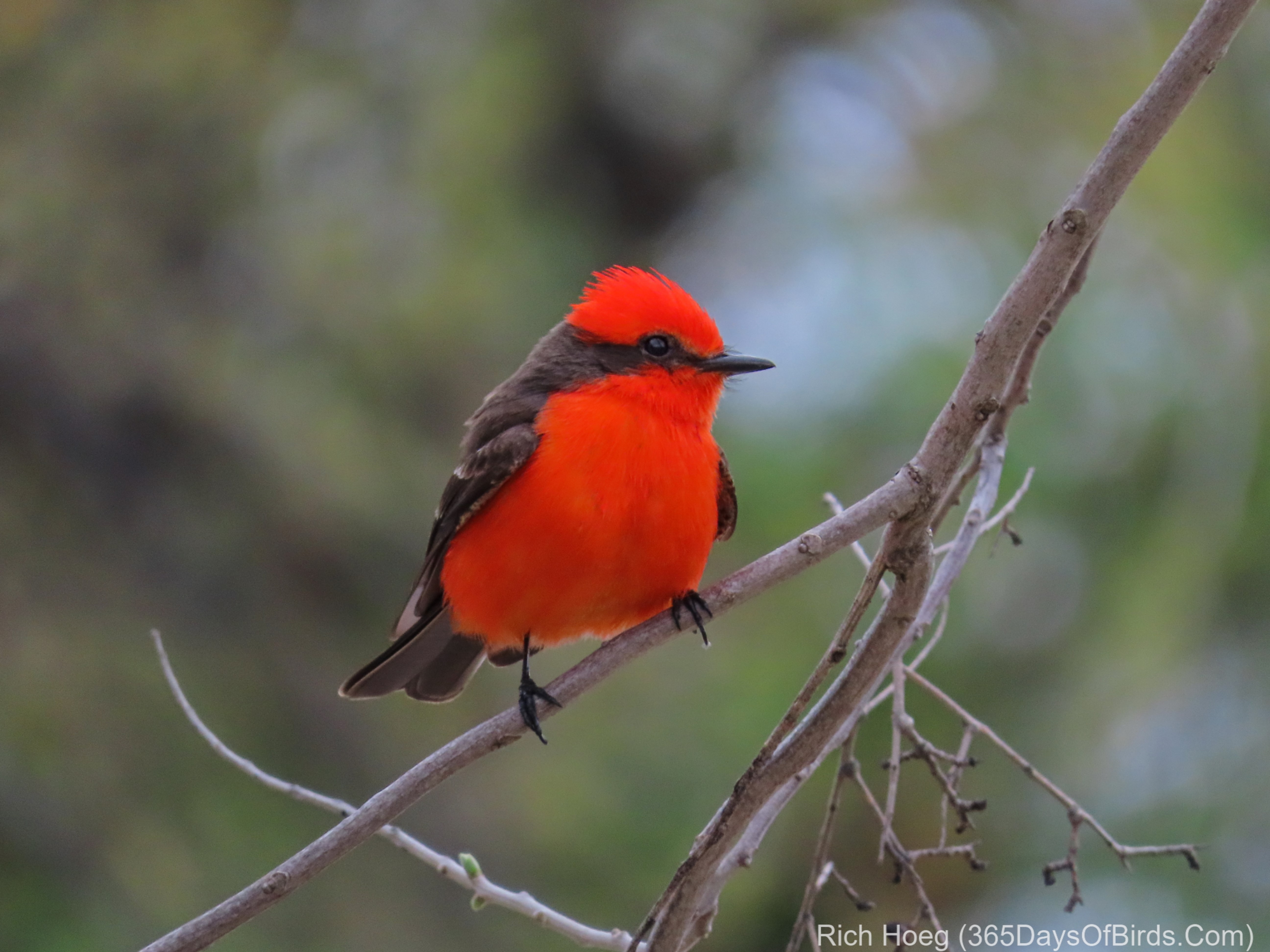
When I arrived the weather was horrible … a slight mist in the area with heavy clouds and a strong wind. Little did I know it was this same weather which would be my nirvana. Once the mist ended I started hiking the area. Within a few minutes I quickly discovered a male Vermilion Flycatcher! This was my target bird. I had only seen this kind of flycatcher twice in my life and always at the top of a distant tree. Remember my weather? The wind and mist were keeping any bugs down near the ground. For two hours I was able to watch the Vermilion Flycatcher find some bugs for his lady love from a distance often less than ten yards. This bird did not mind my presence. It often flew into trees closer to me than where I had been observing it. Wow! I repeat wow!!

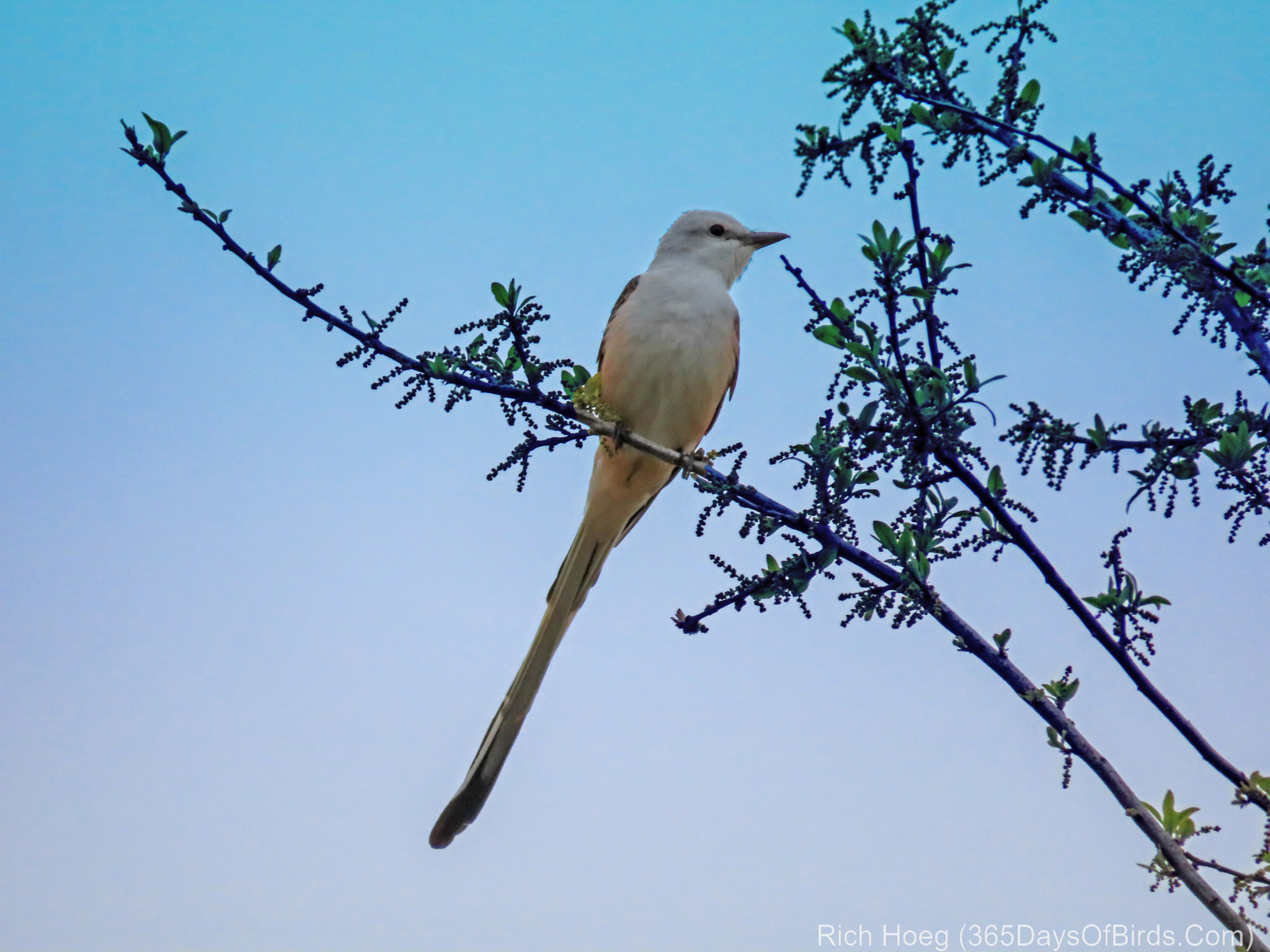
After three hours of birding, and a short time watching a Scissor-Tailed Flycatcher just as the sun was making an appearance, I decided to call it a birding day. Not only did my ugly weather keep the Vermilion Flycather low, with perseverance I was able to get some great photographs and a video regardless of the low light.

Vermilion Flycatcher

Taking a break from catching bugs!

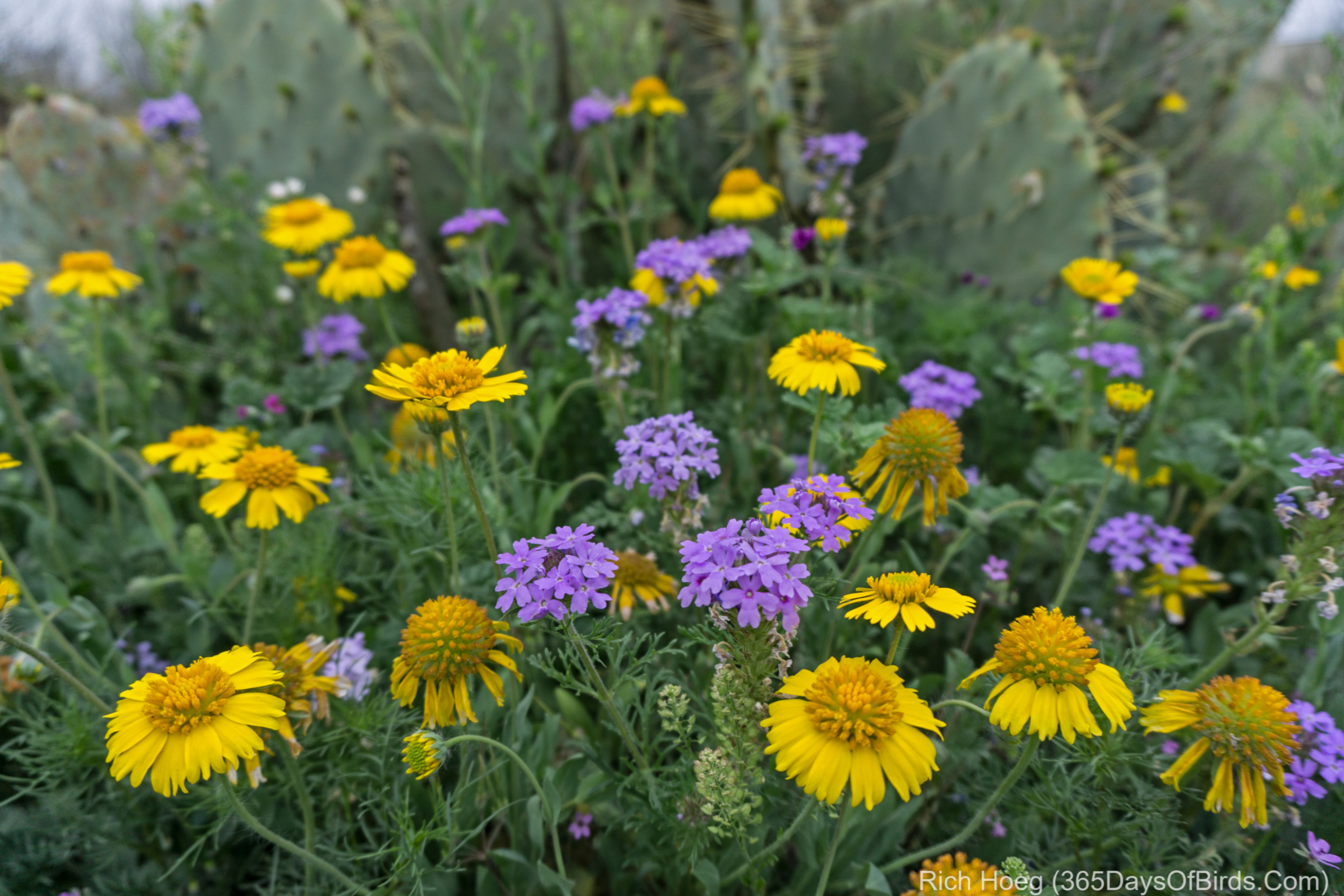
Some of the wildflowers … yellow and lavender (need to learn to ID flowers!)

Scissor-Tailed Flycatcher