Tag Archives: Costa Rica

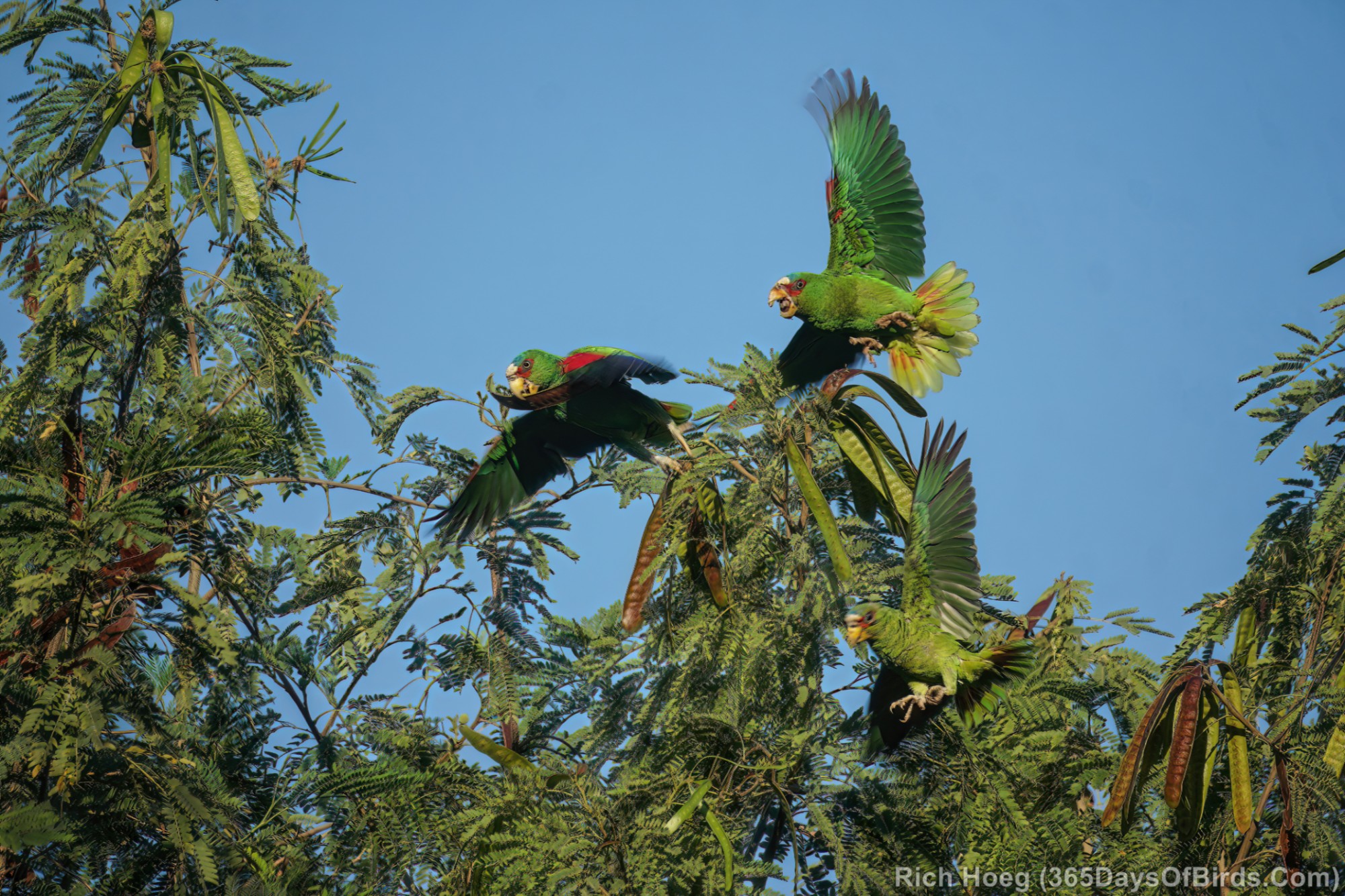
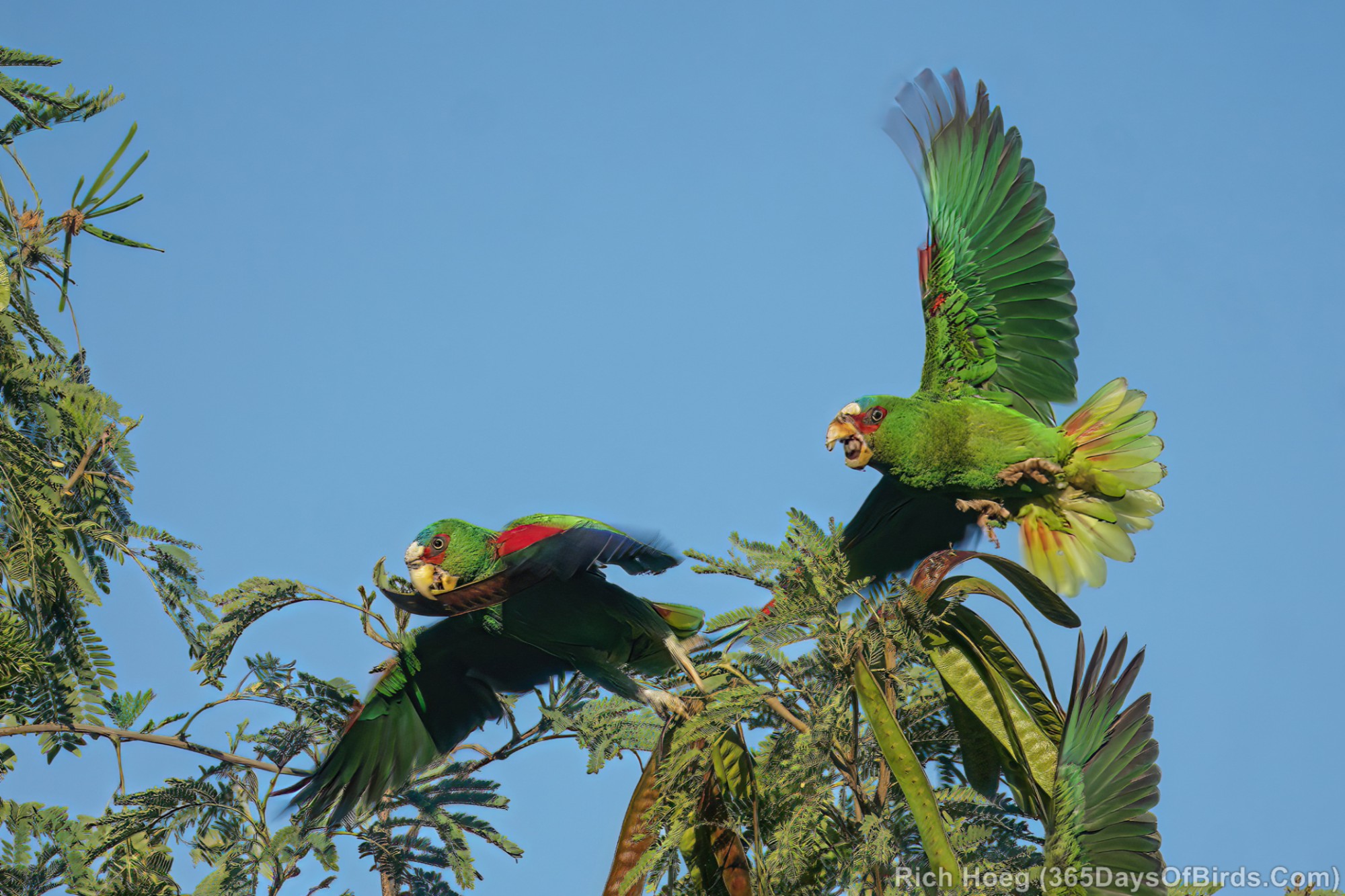
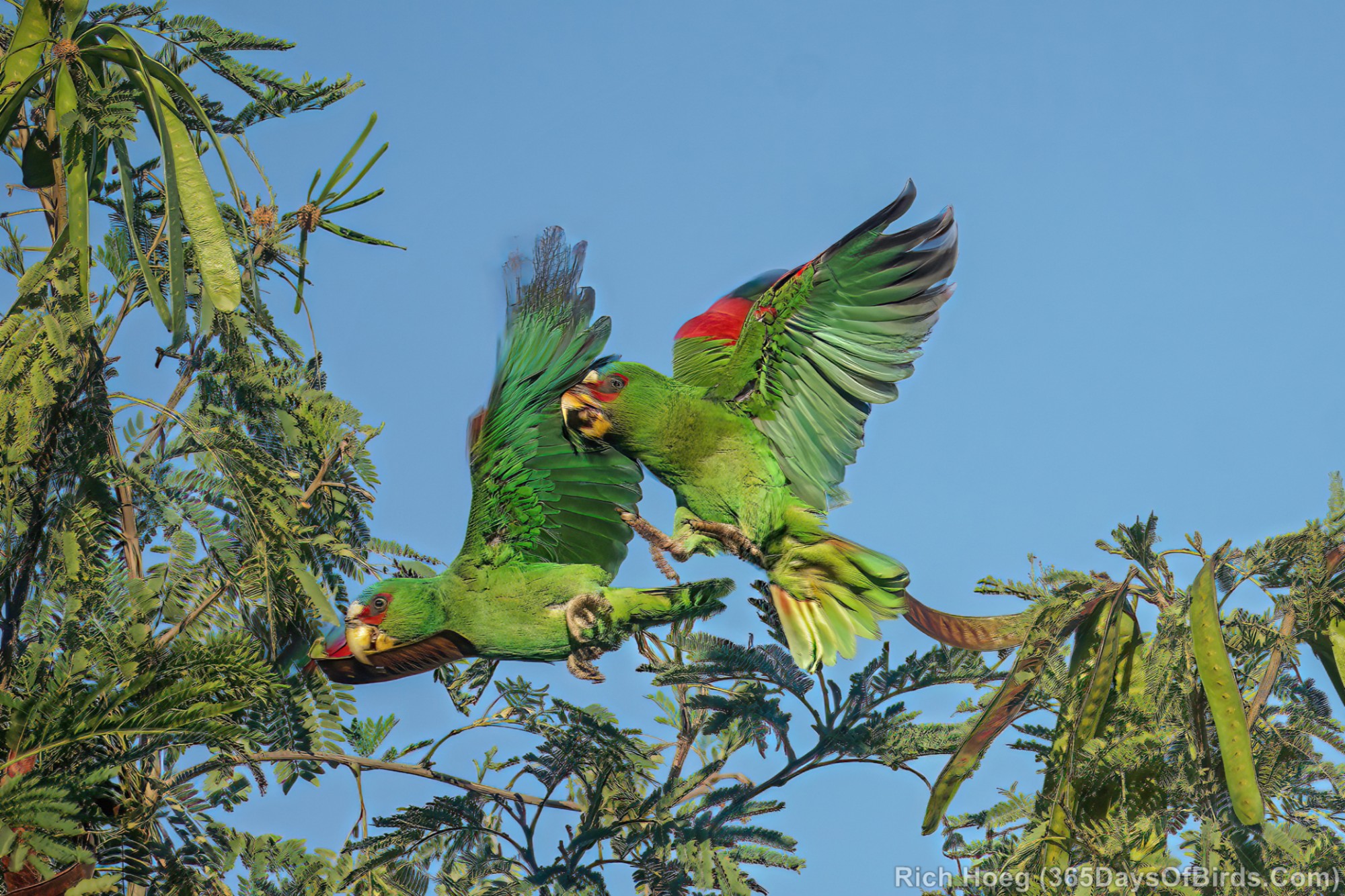
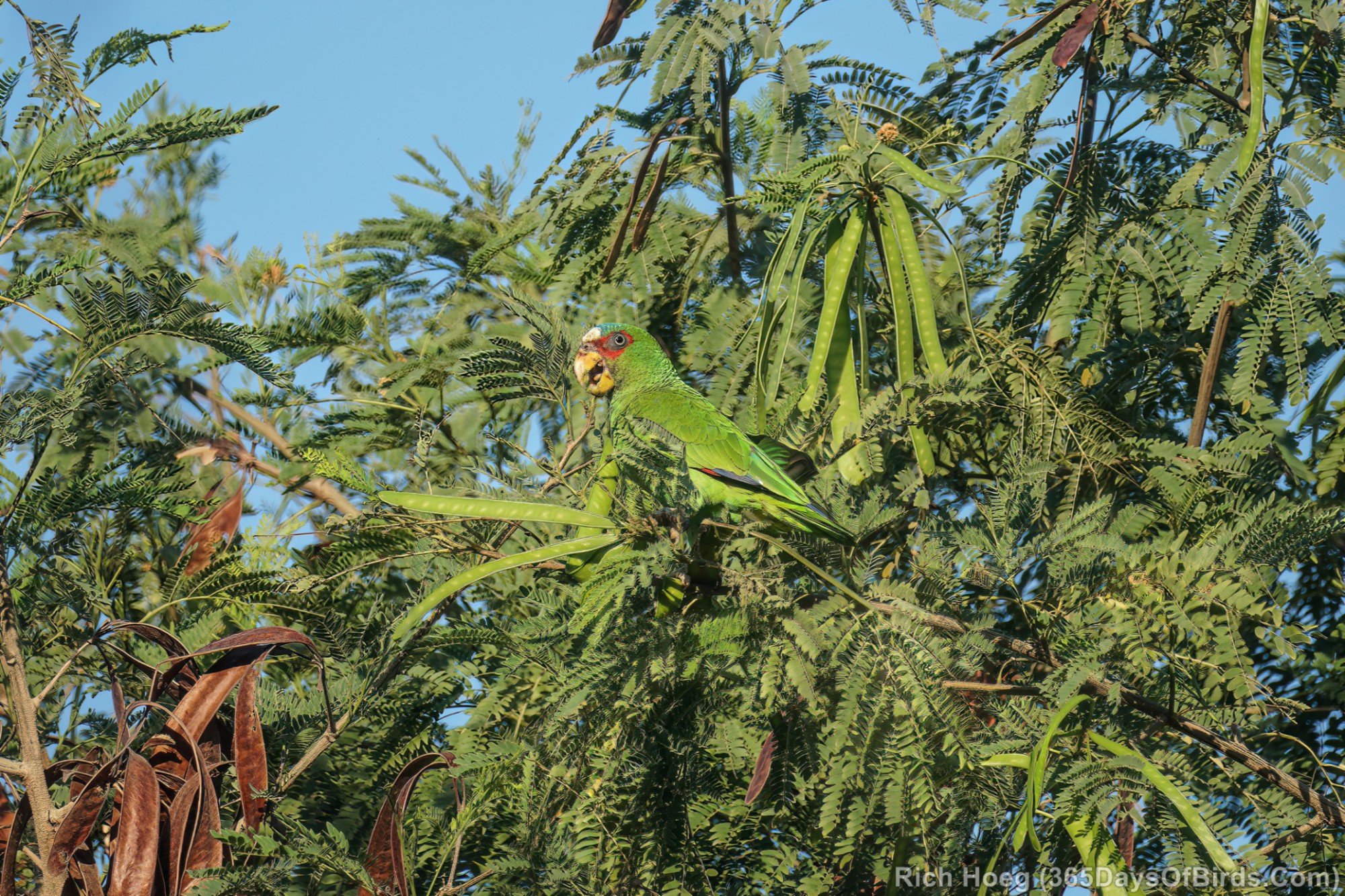
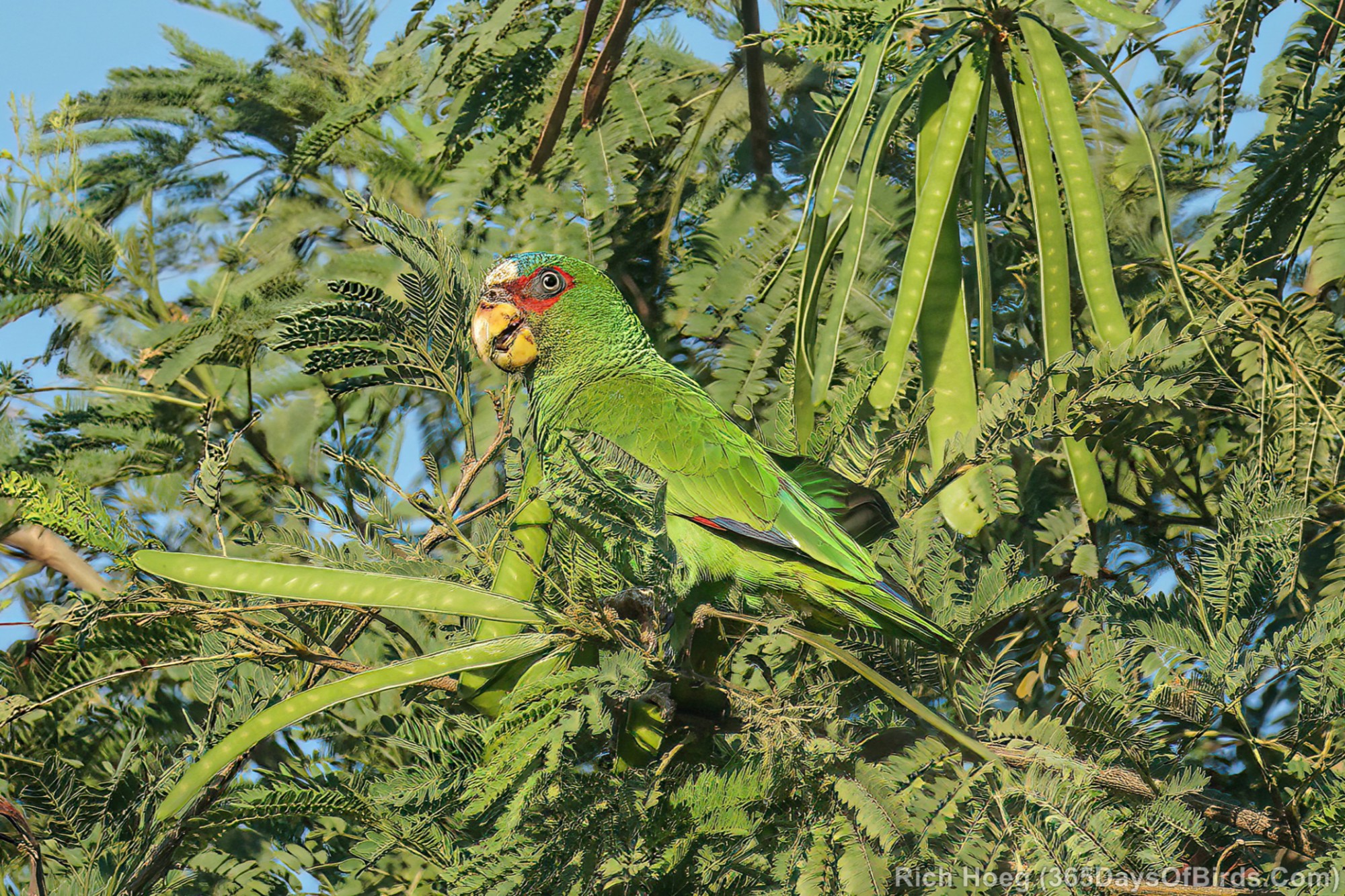
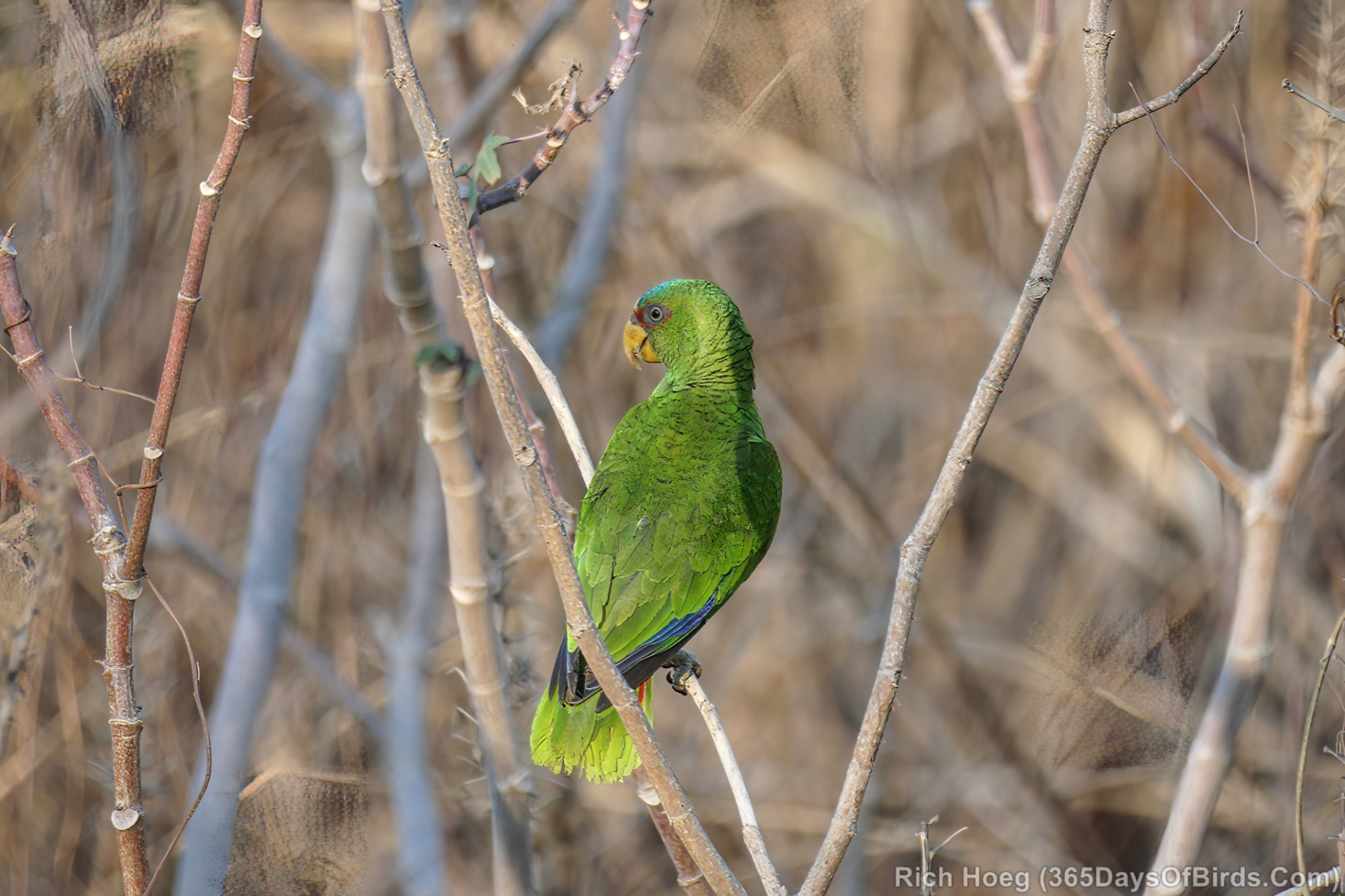
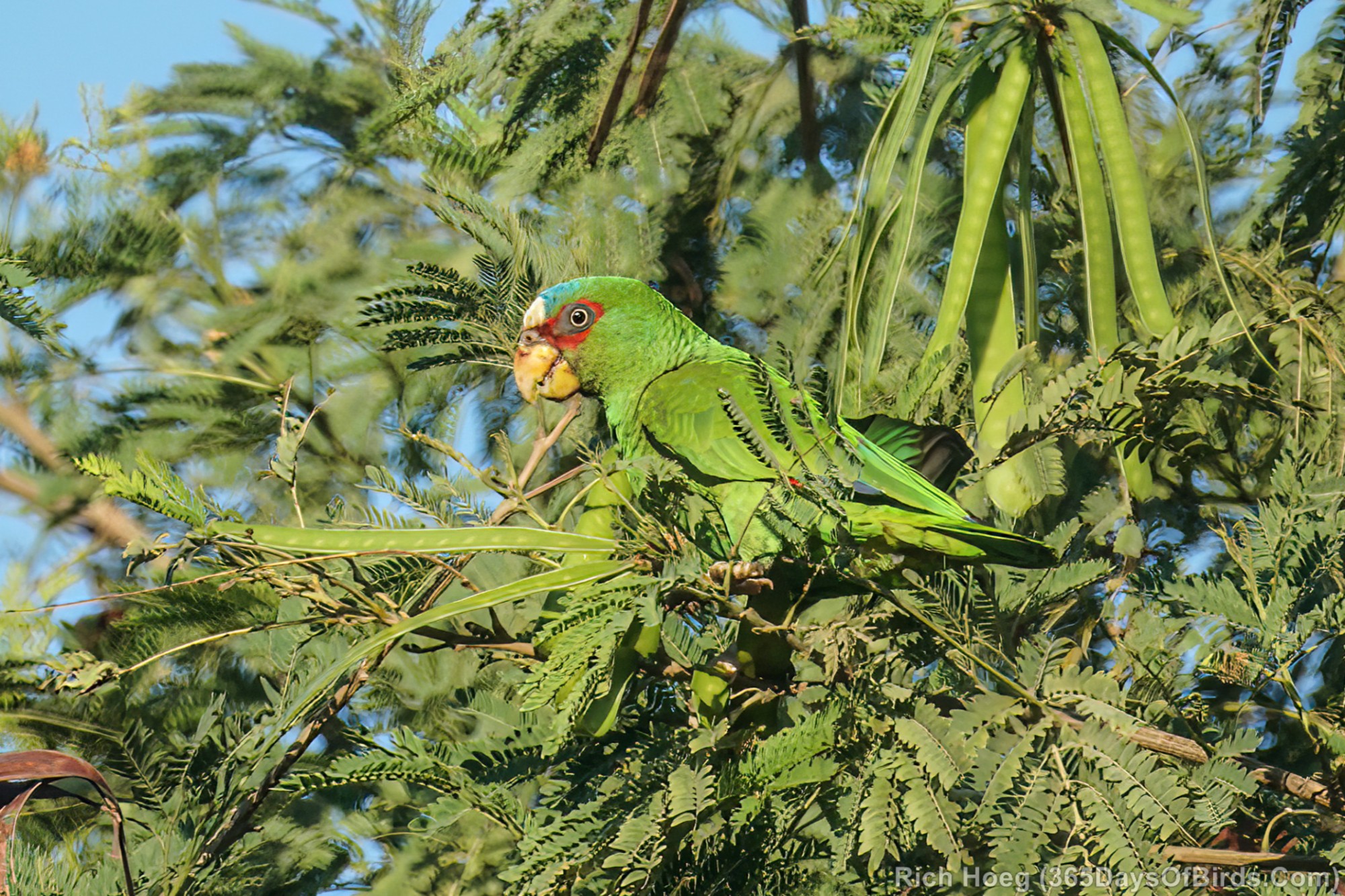
Las Catalinas Dry Creek White-Fronted Amazon Parrot

I follow my own advice with regards to habitat! In yesterday’s post I explained about the benefits of birding the “Dry Creek Beds” of Guanacaste, Costa Rica. This morning I was waiting BEFORE sunrise for the golden orb to sends its rays over the steep hill tops to my east. More specifically I was waiting near a tree where I had seen White-Fronted Amazon Parrots feeding the prior morning. It was obvious the parrots knew the long hanging brown “packets” on the tree were food. I hoped and expected the birds would be back at sunrise to feed. I was not disappointed, and even by my standards captured dramatic, beautiful light photographs. (read my description of dry water creek habitat in yesterday’s post). My images published here provide examples ranging from habitat landscapes to flight shots. As a fyi, the sun’s rays were not yet even illuminating the bottom of this tree when I took the sequence of photographs. It was truly the moment of sunrise which I captured because of prior research and planning.

White-Fronted Amazon Parrots
Guanacaste Dry Forest, Dry Creek Birding (Las Catalinas)

Most folks bird the rain forests in the central and Caribbean regions of Costa Rica, but plenty of enjoyment may be found in the dry forests of Guanacaste. Like elsewhere in the world where one is in extremely dry habitats, find the water, but remember … sometimes the water is present even when it may not be seen! Towards the end of the dry season in the dry forest habitats of Costa Rica, there will almost never be water in the creeks. However, when heavy rains arrive during the Rainy Season, waters seep deep into the ground, and often will still be present underground even after several months of the dry season. The dry creek beds will be obvious, and if the surrounding trees have leaves … bingo! These trees may also have nuts and fruits which the birds will use for their meals! Don’t forget to check out where the dry creeks enter the ocean. Often there will be tidal pools which recharge with the changing of the tides. While we humans are not able to survive on these brackish waters, other animals and insects have amazing tolerances. Finally, if you find a “fresh water trickle”, mark the spot. It is guaranteed animals and birds also know where the actual freshwater exists … no matter how small the source.
Las Catalinas Dry Creek Bed & Small Tidal Pool

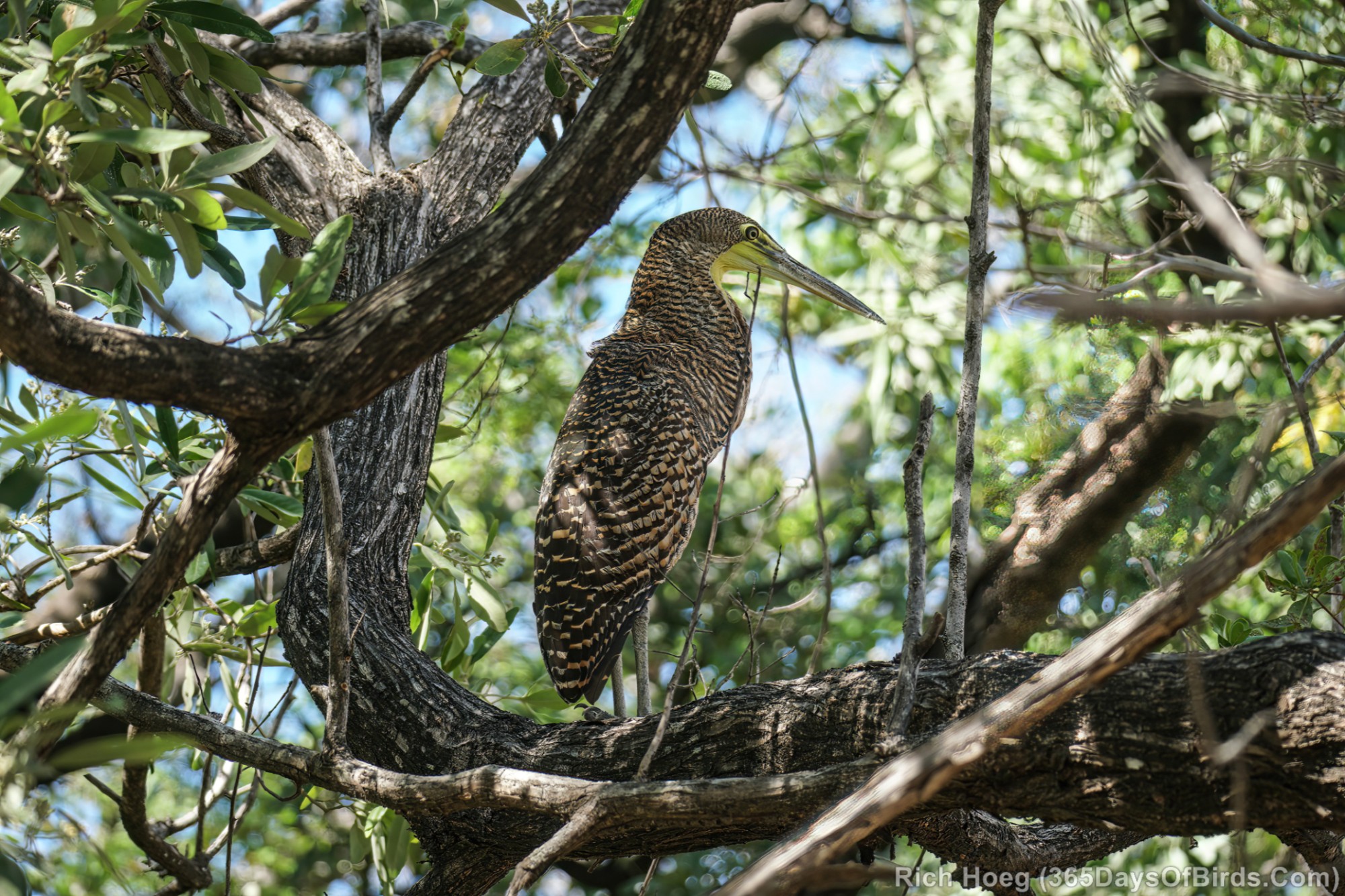
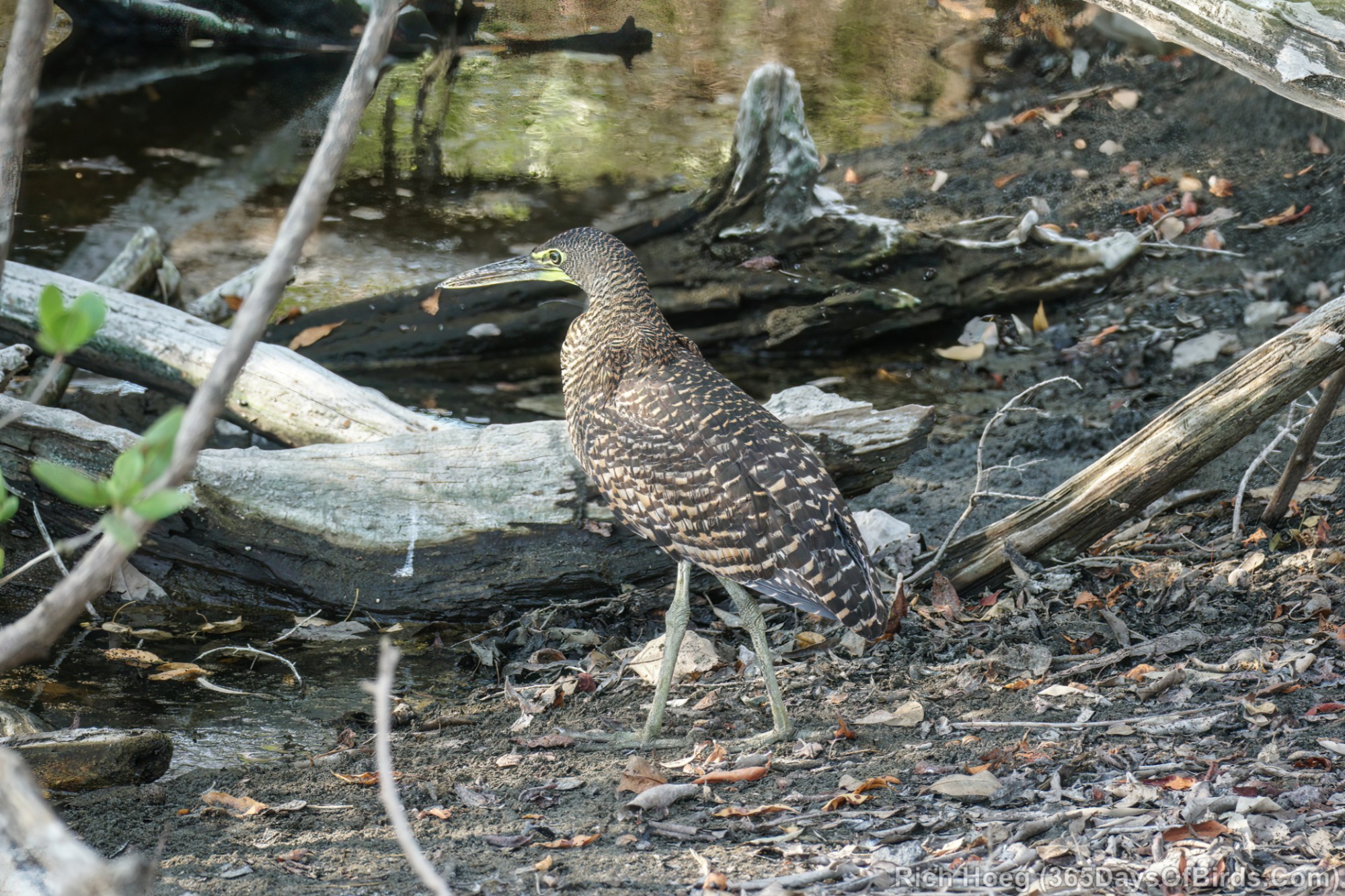
Bare-Throated Tiger Heron (immature)


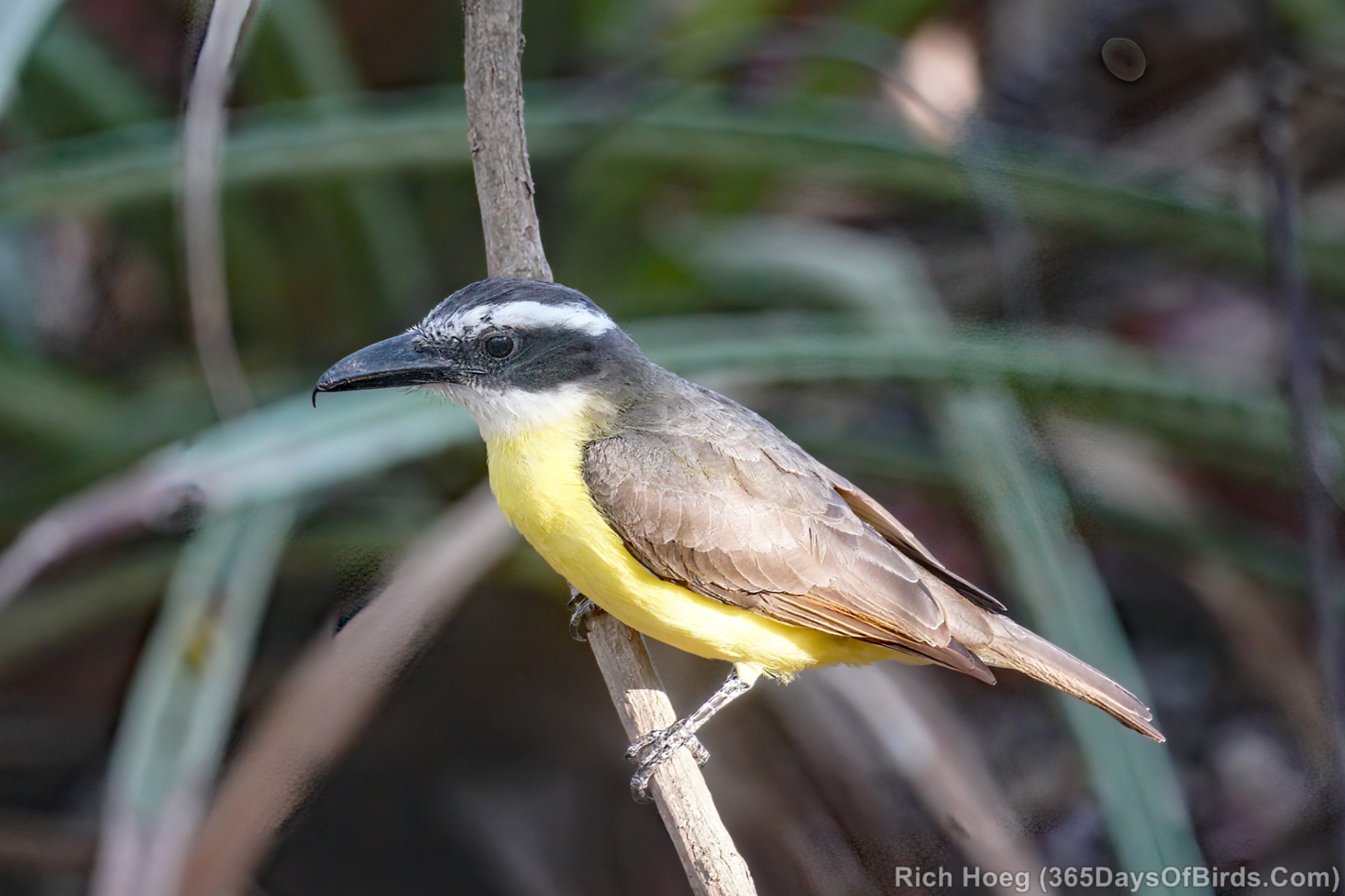
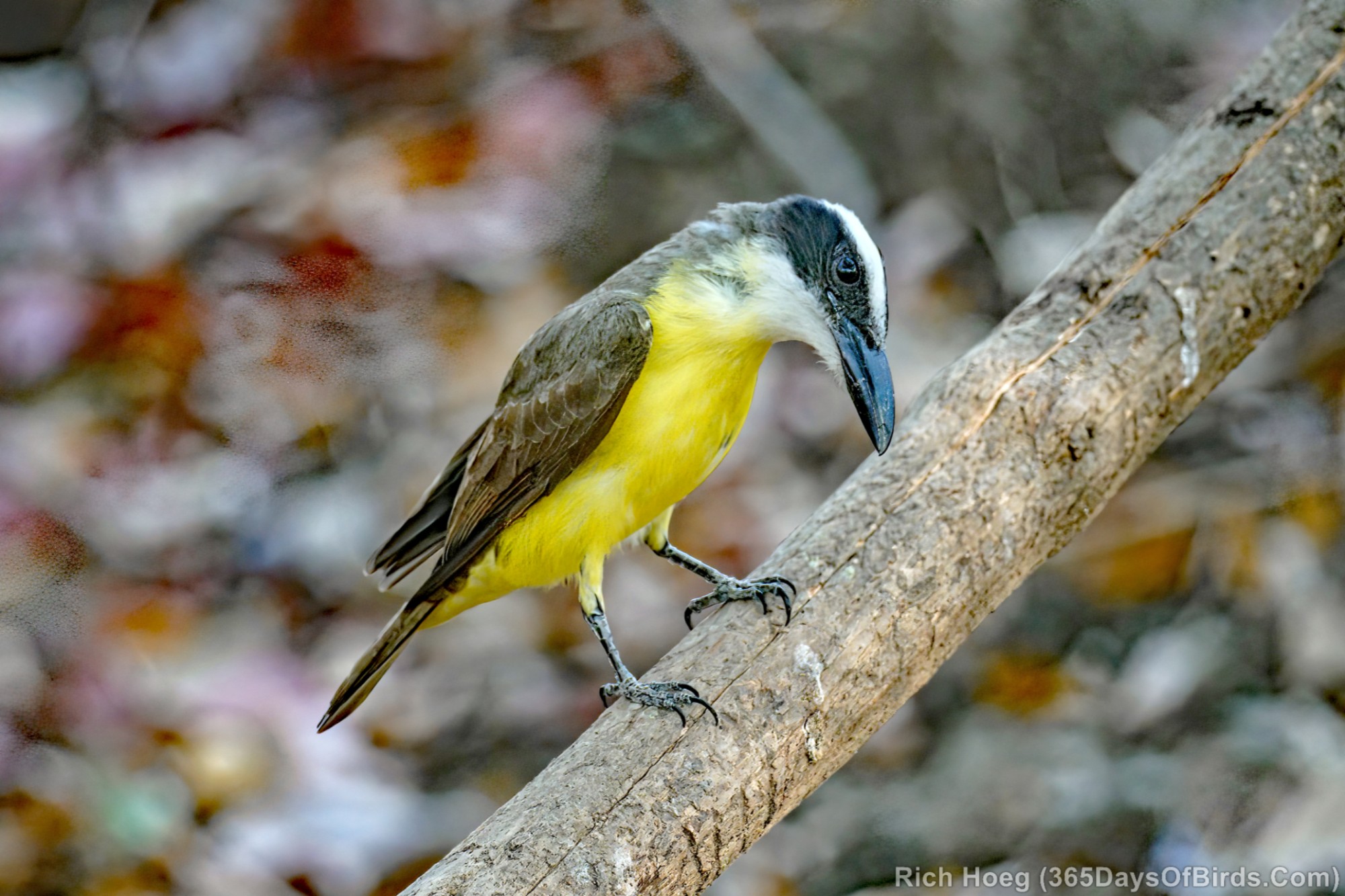
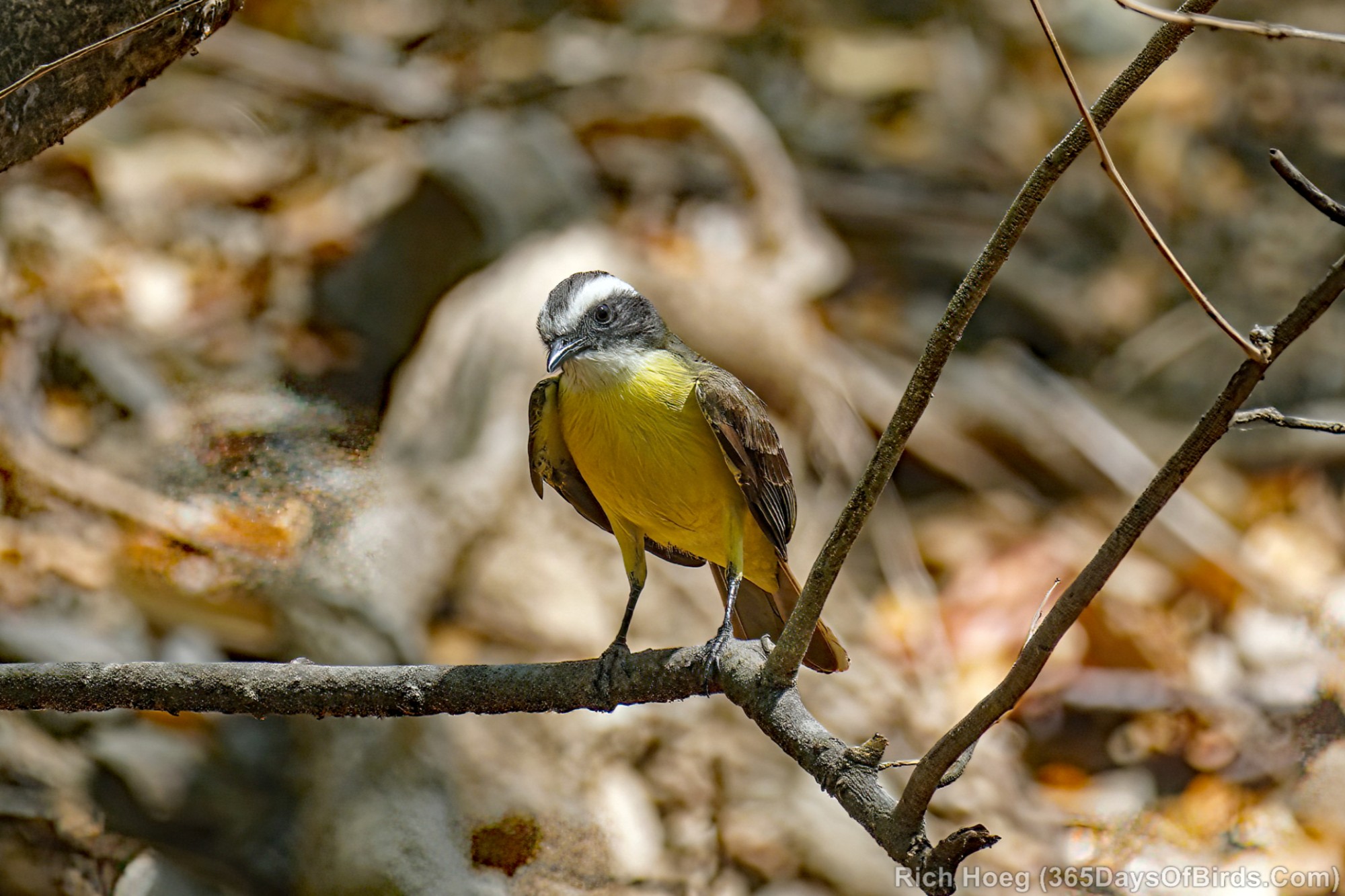
Boat-Billed Flycatcher


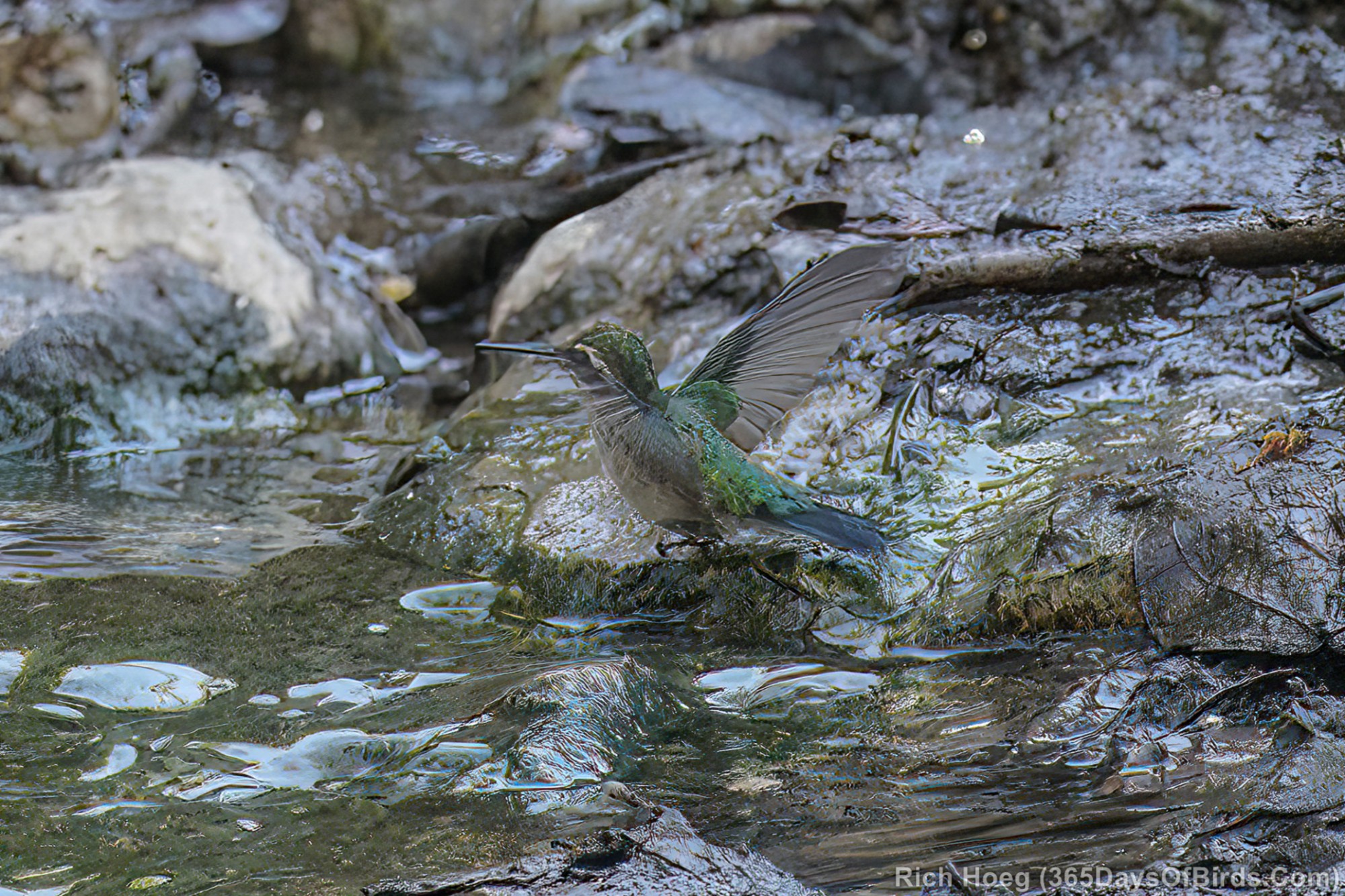
Canivet’s Emerald Hummingbird


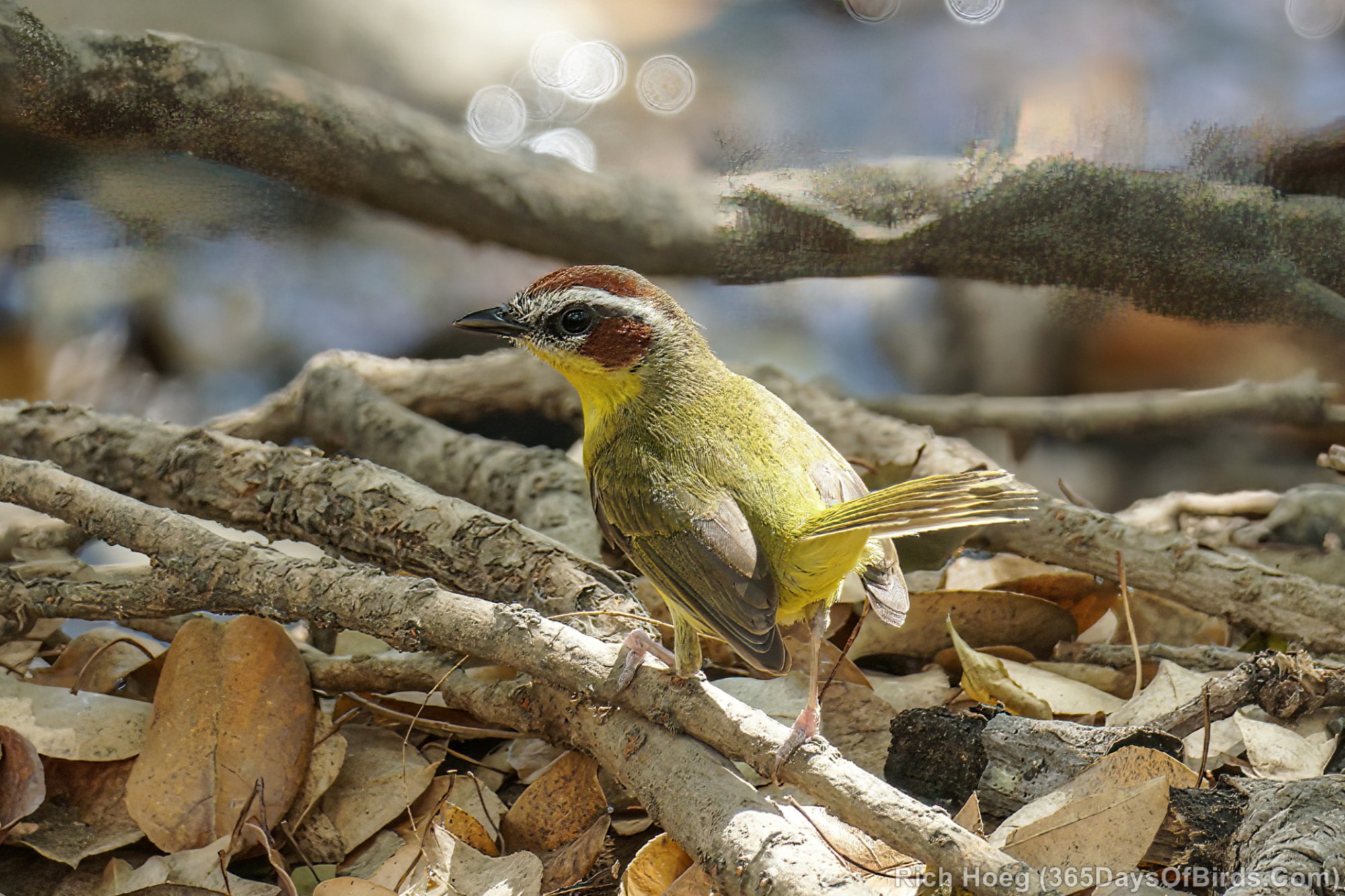
Chestnut-Capped Warbler


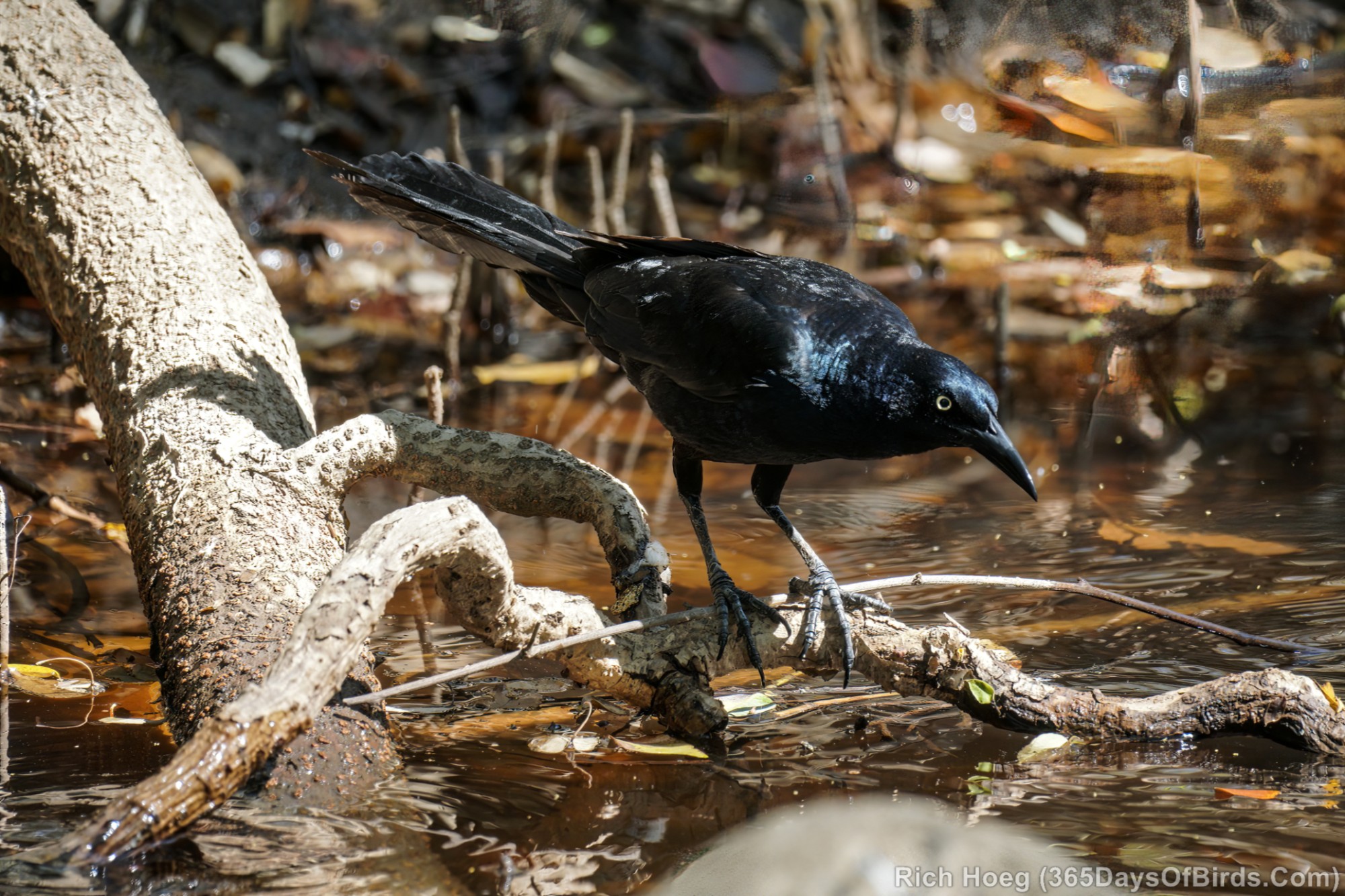
Great-Tailed Grackle


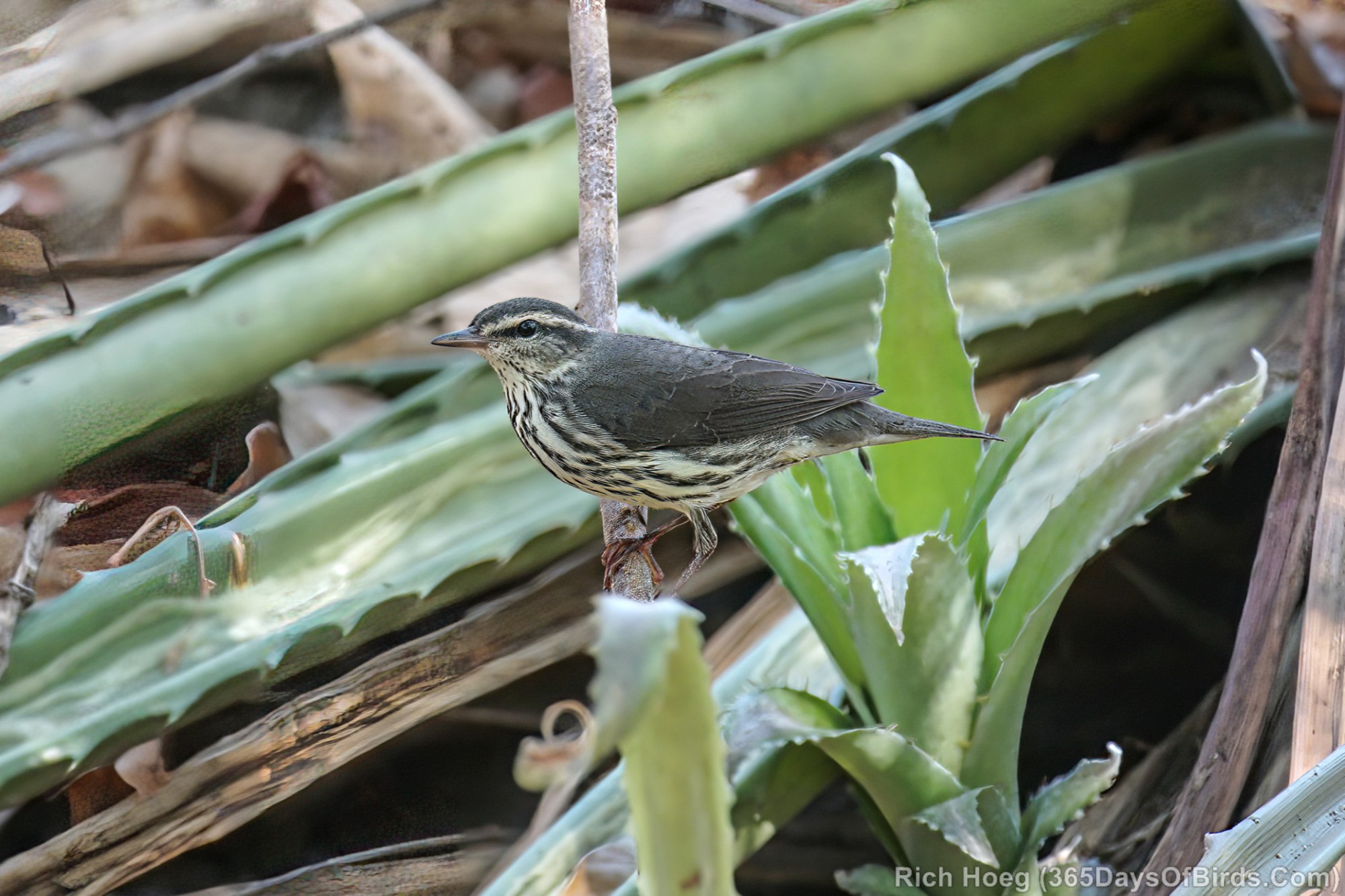
Northern Waterthrush


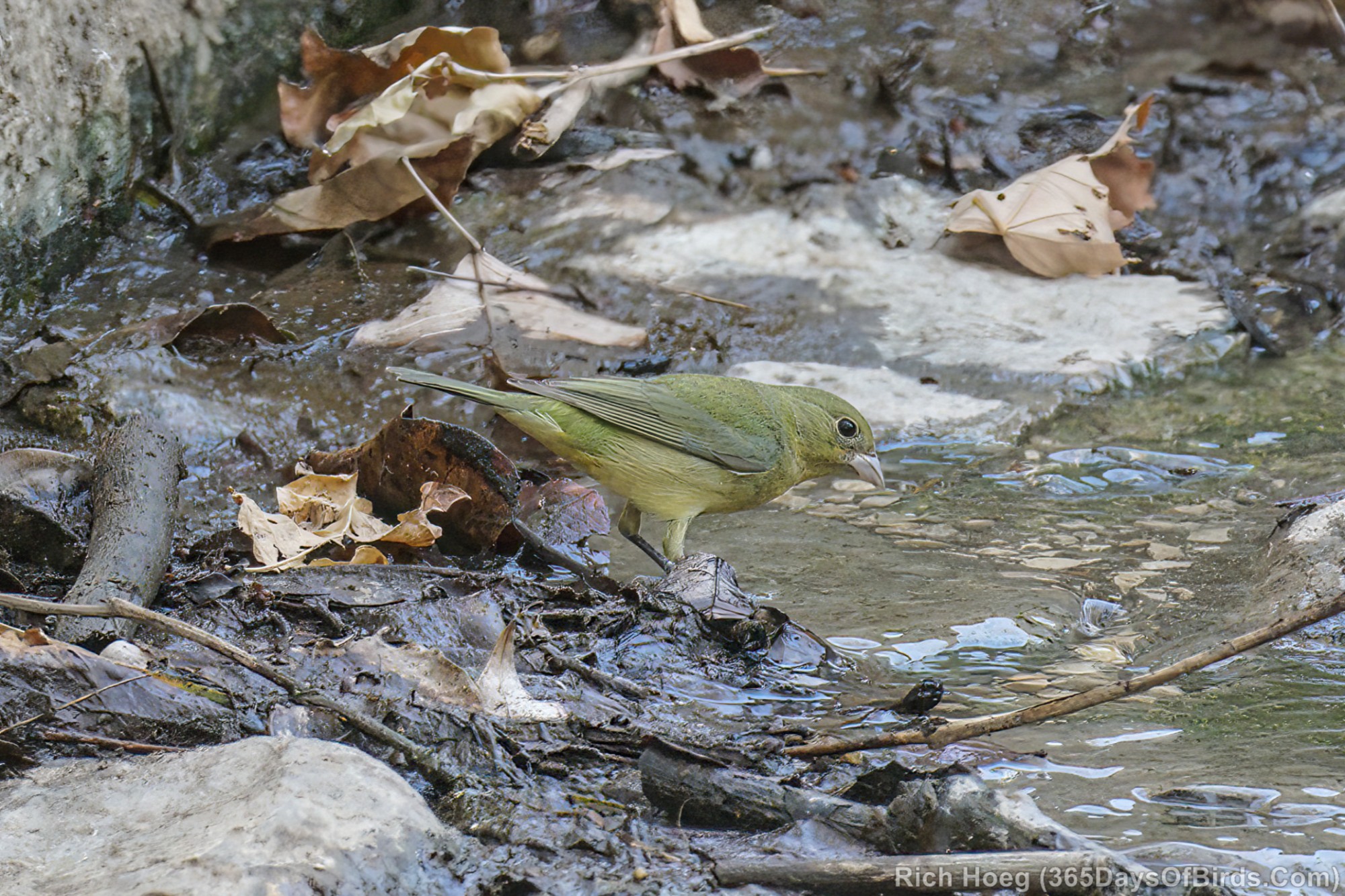
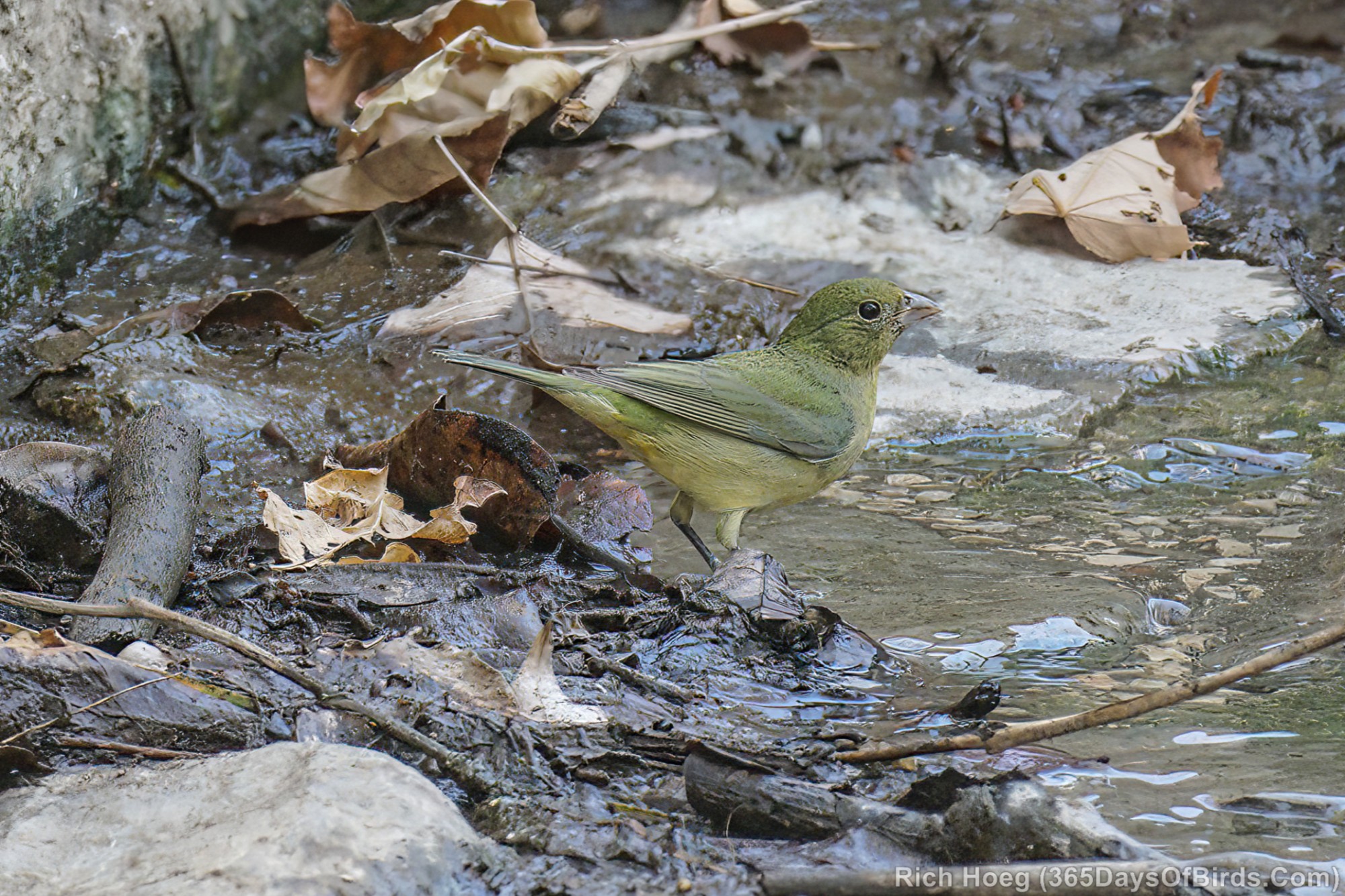
Painted Bunting (female or immature)


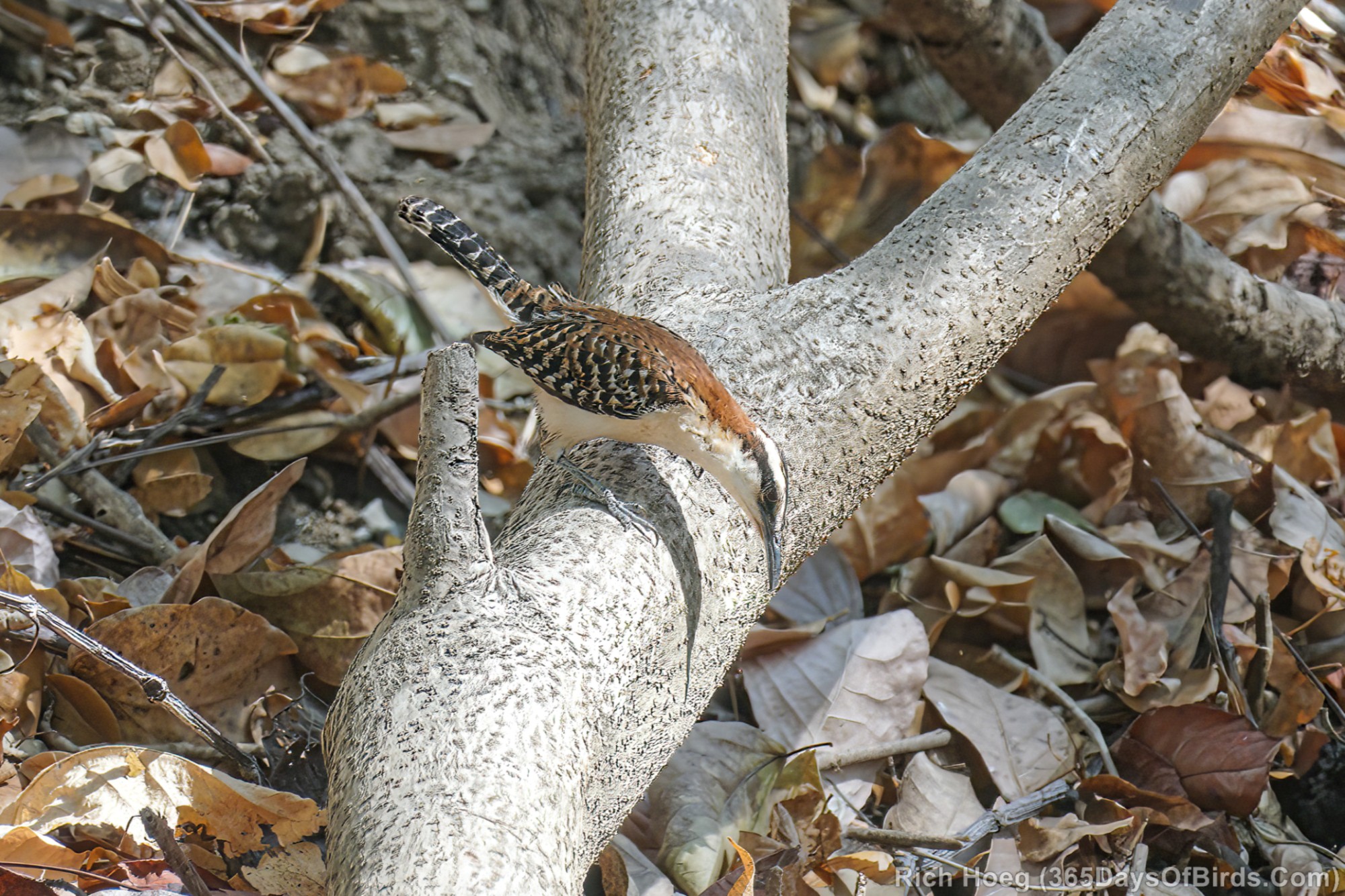
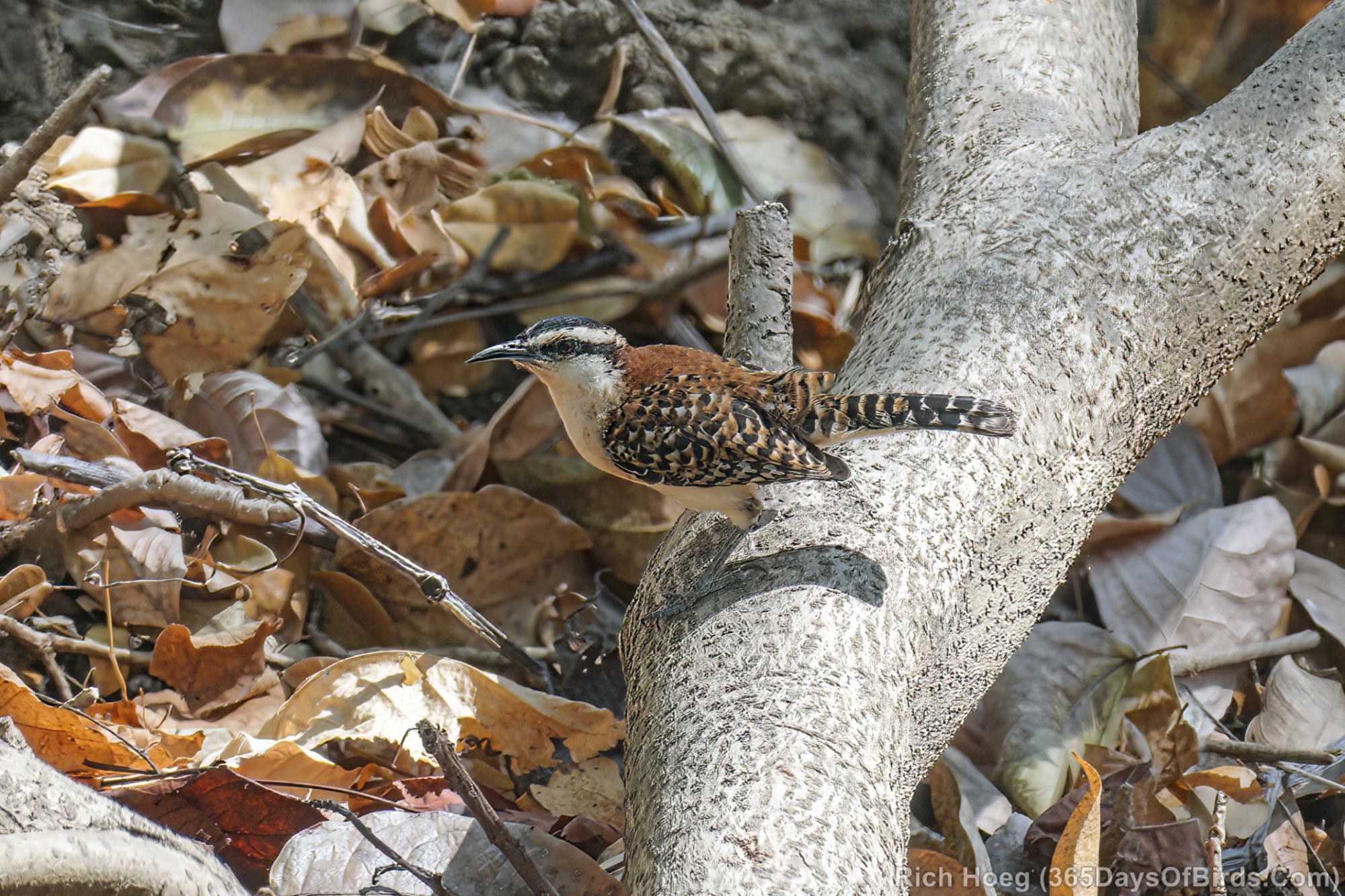
Rufous-Backed Wren


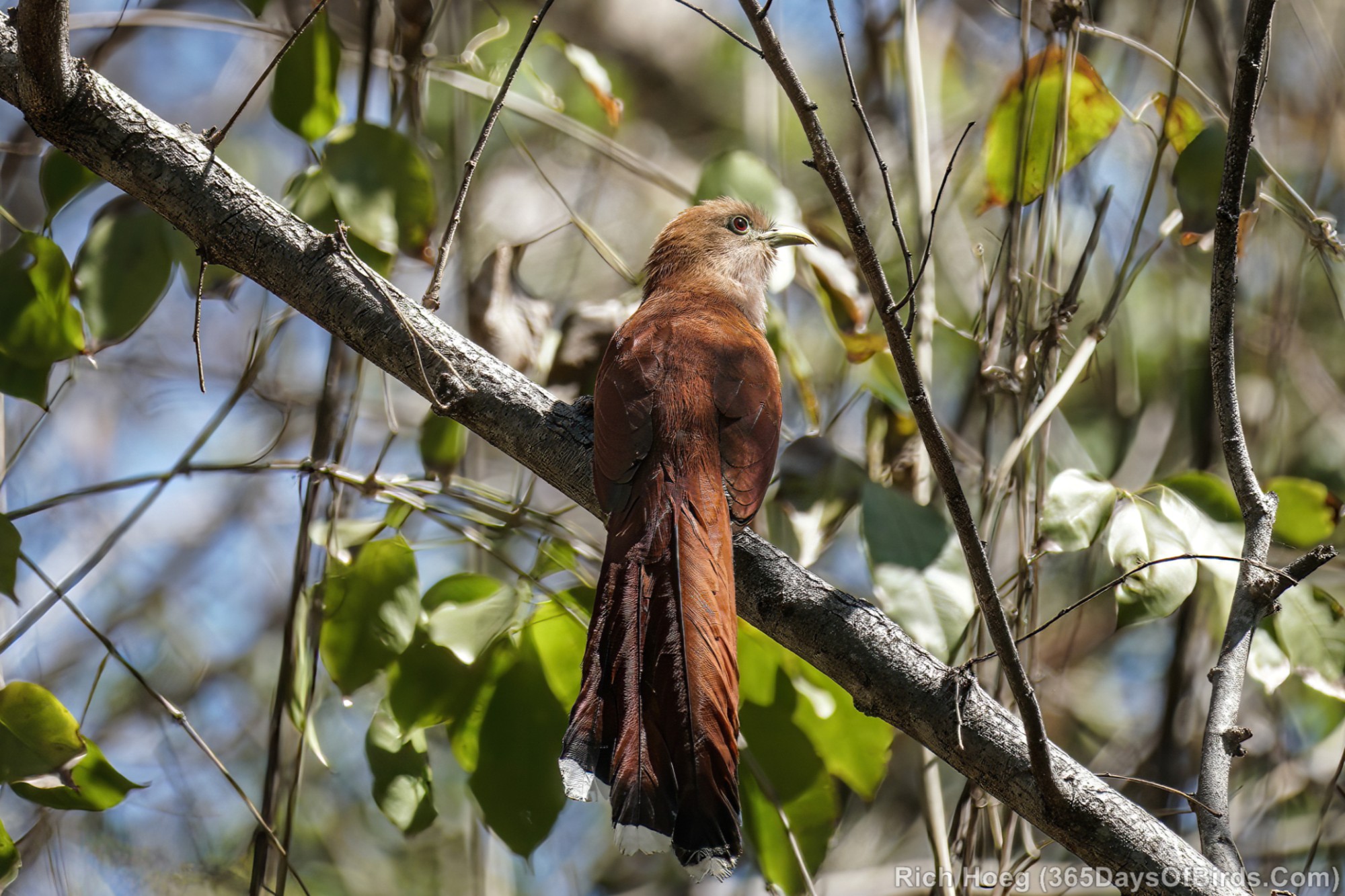
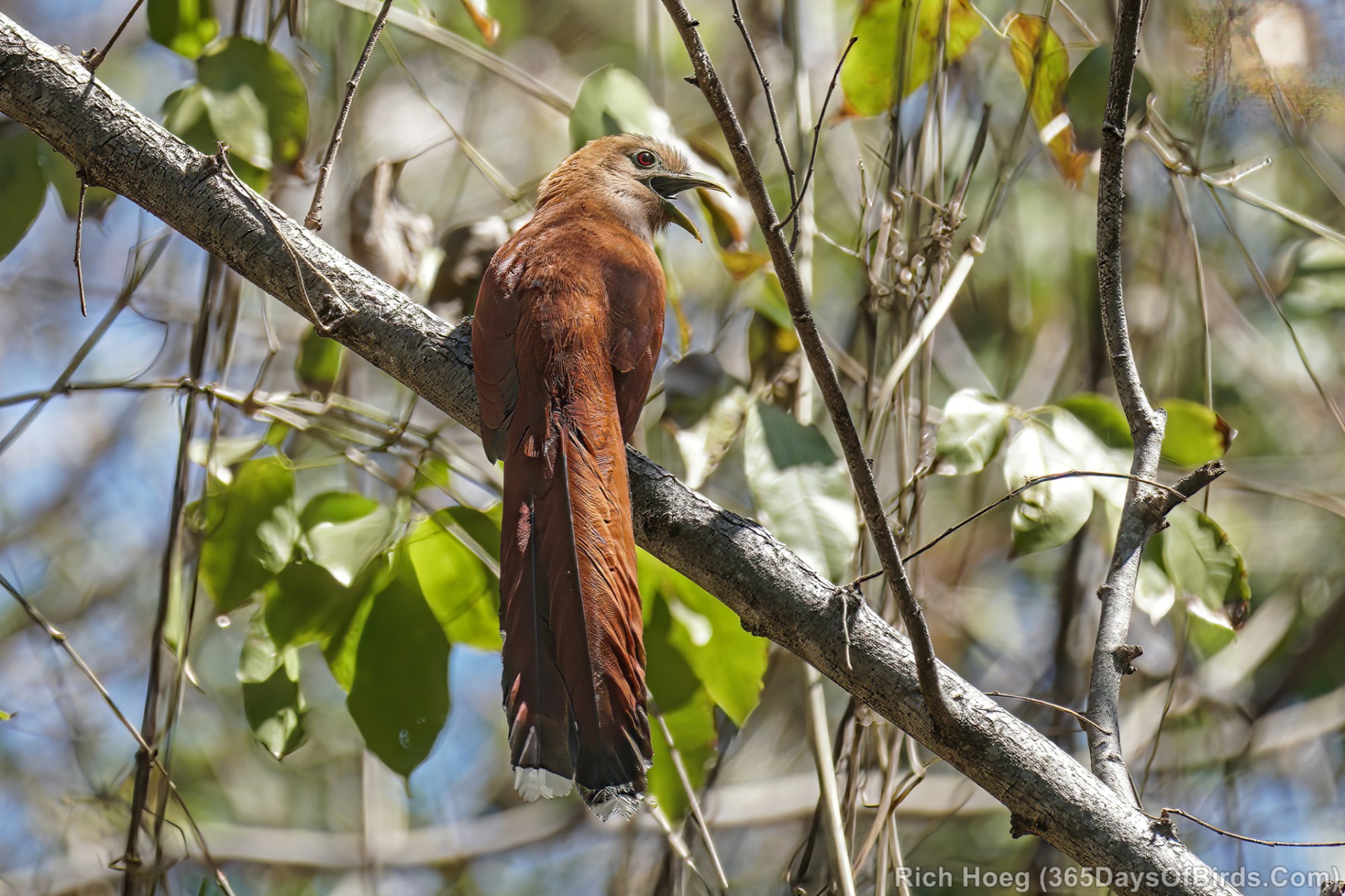
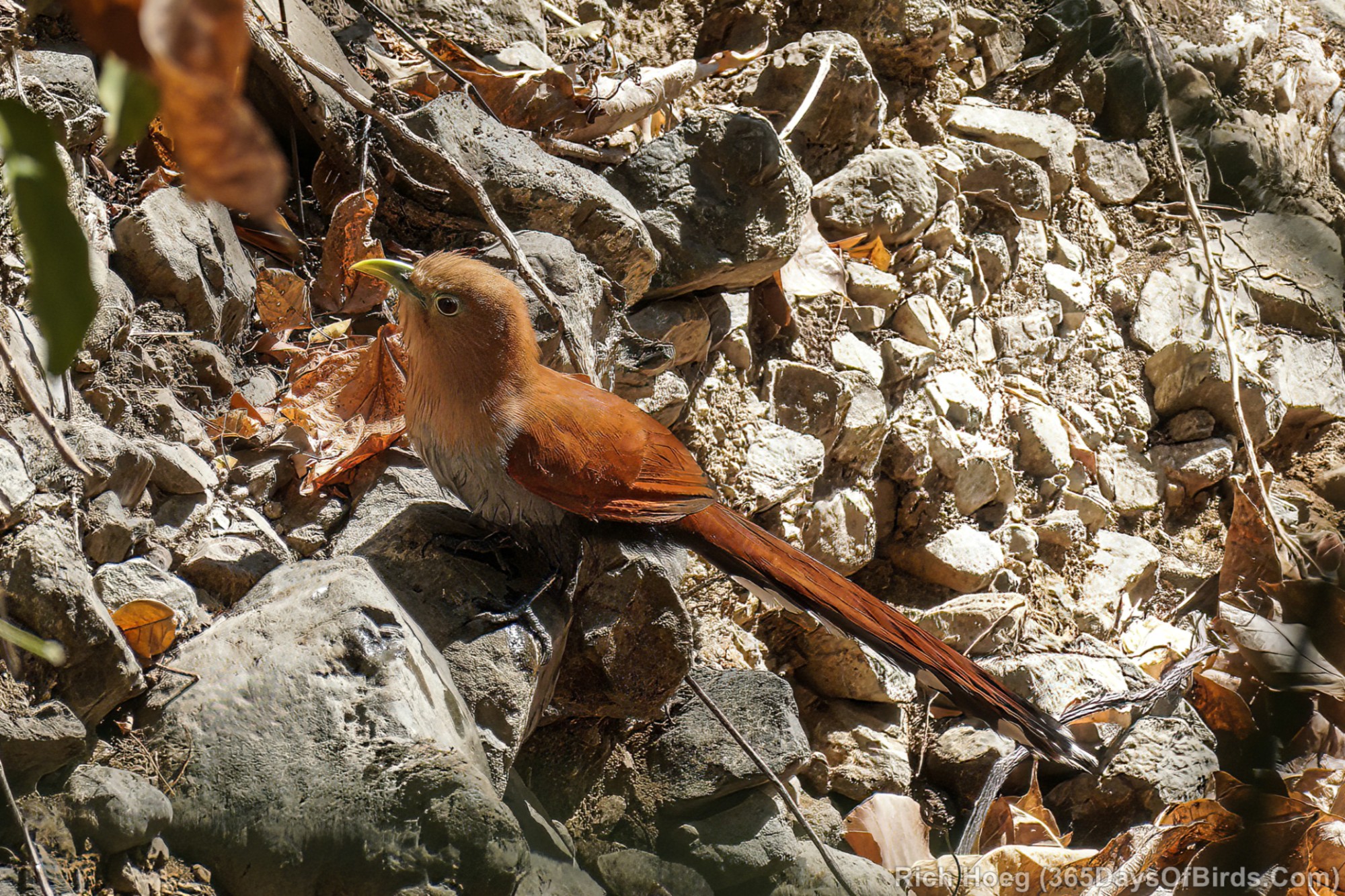
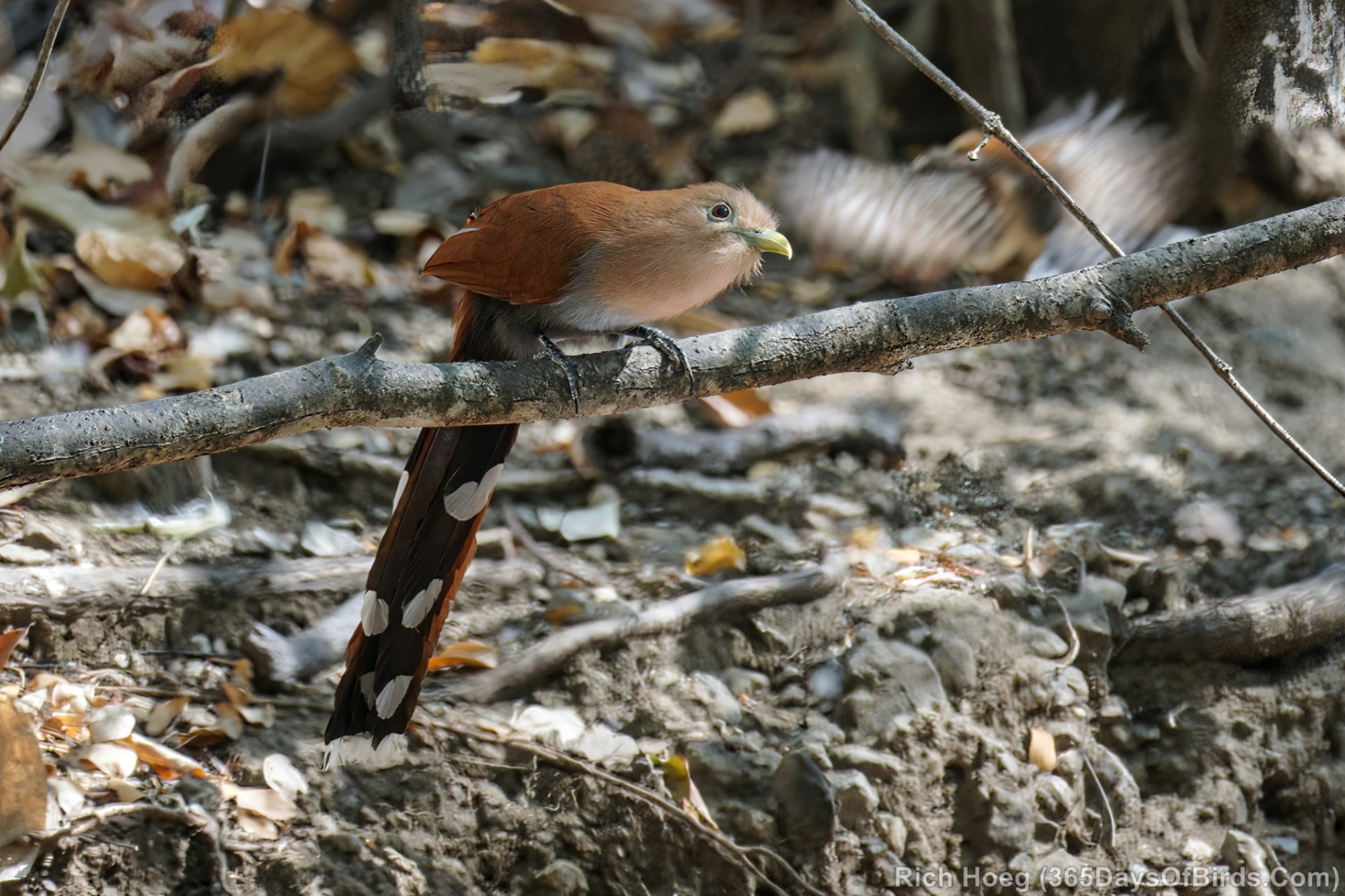
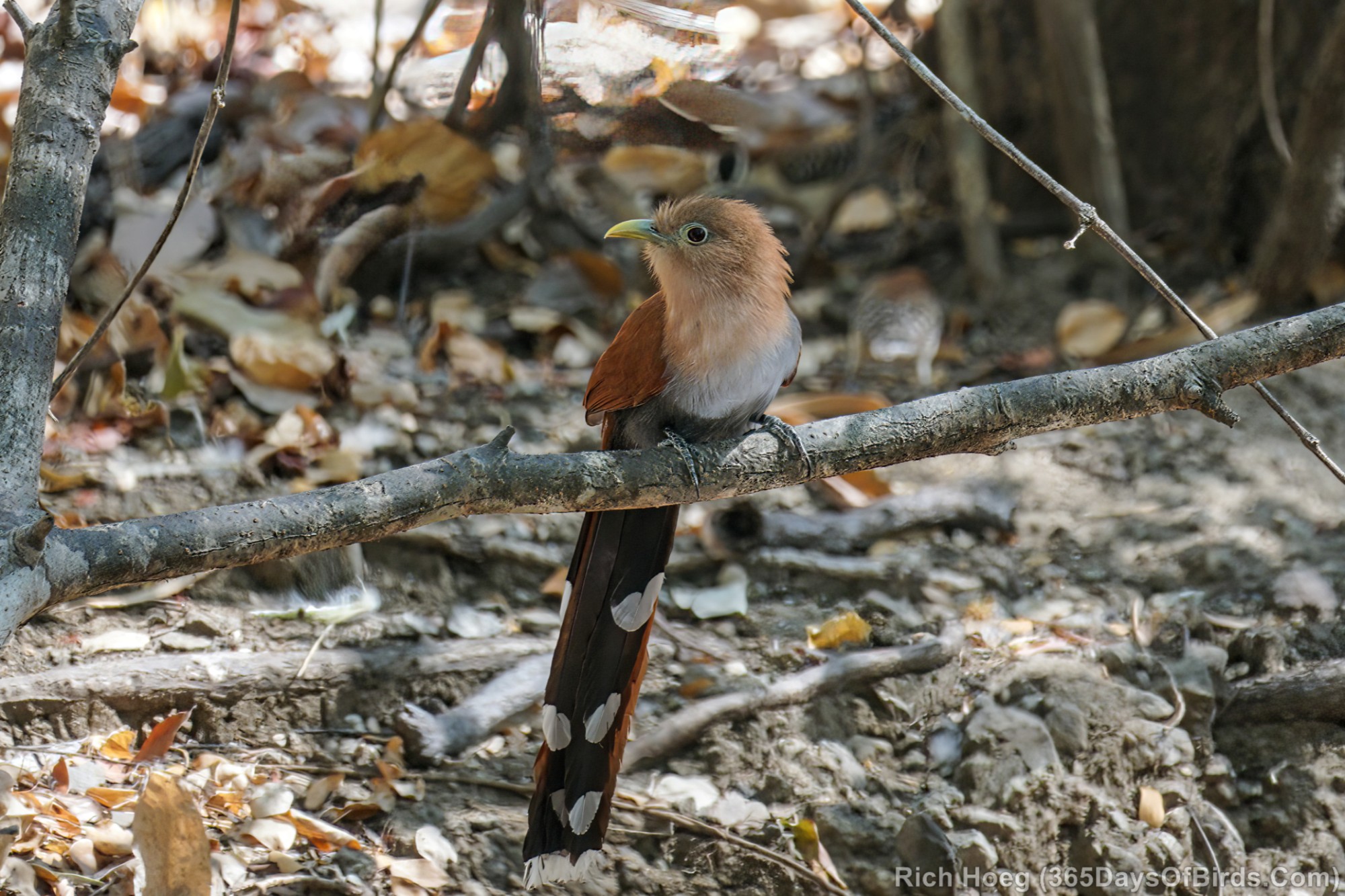
Squirrel-Tailed Cuckoo


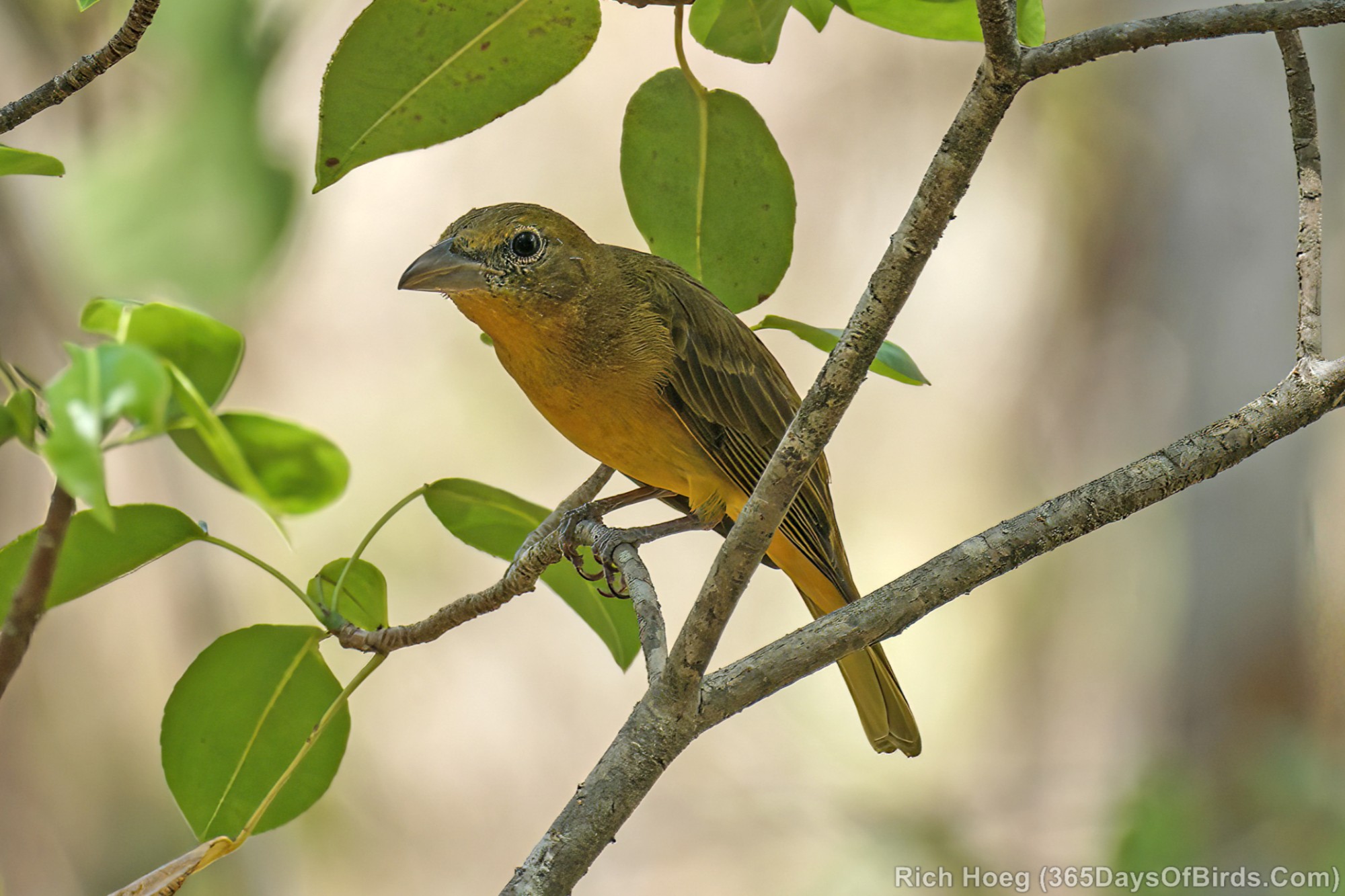
Summer Tanager


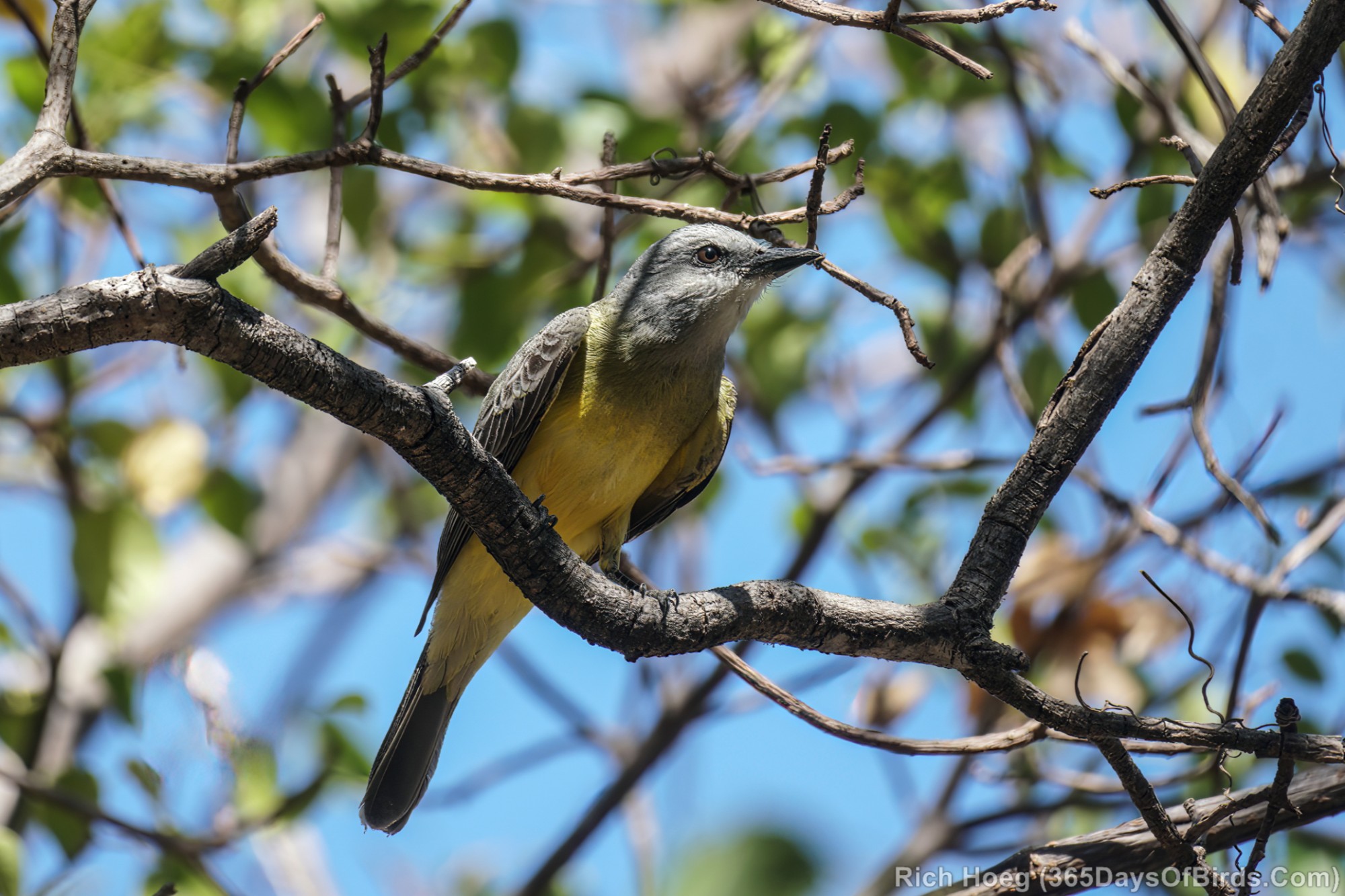
Tropical Kingbird


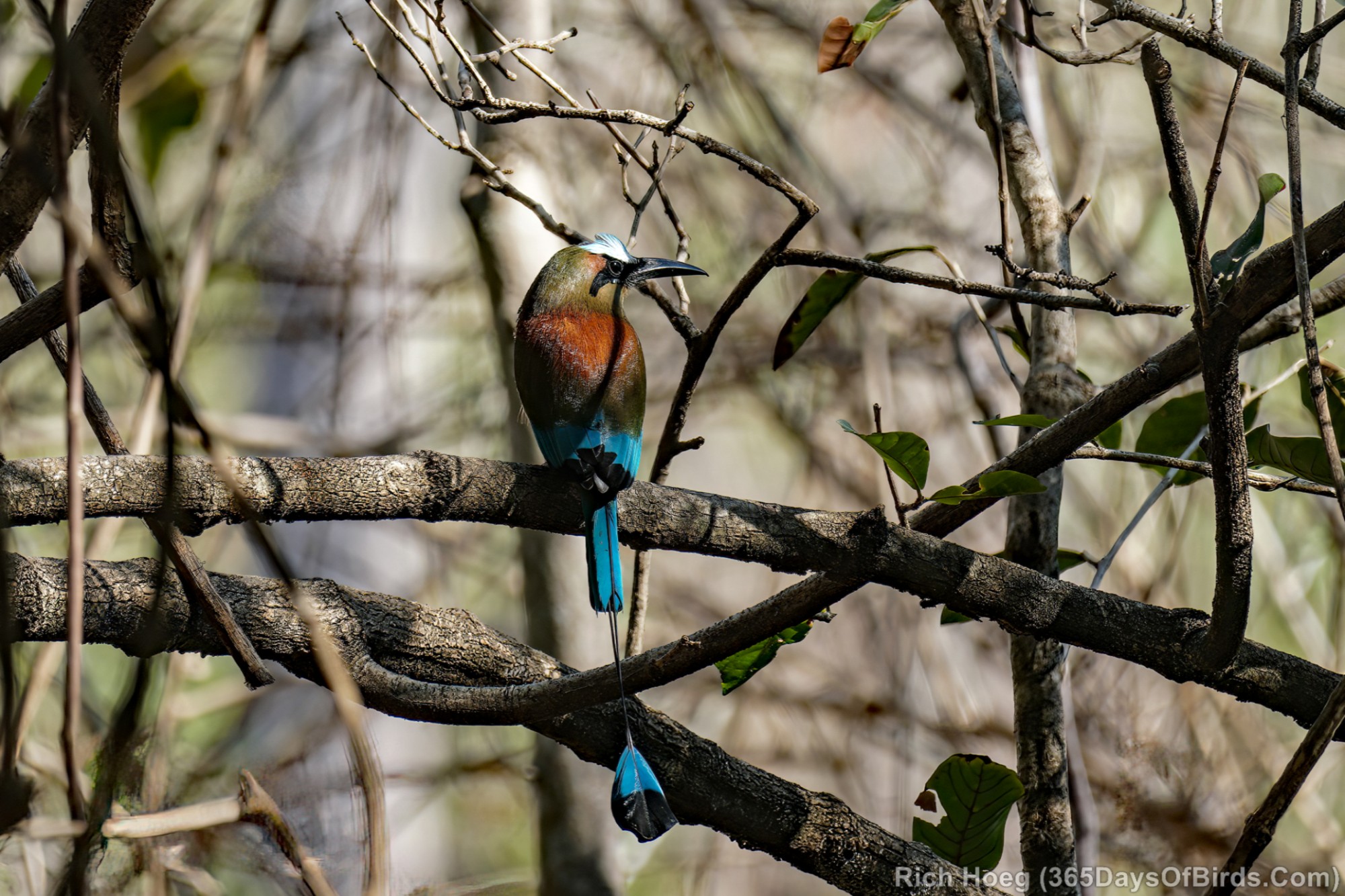
Turquoise-Browed Mot Mot


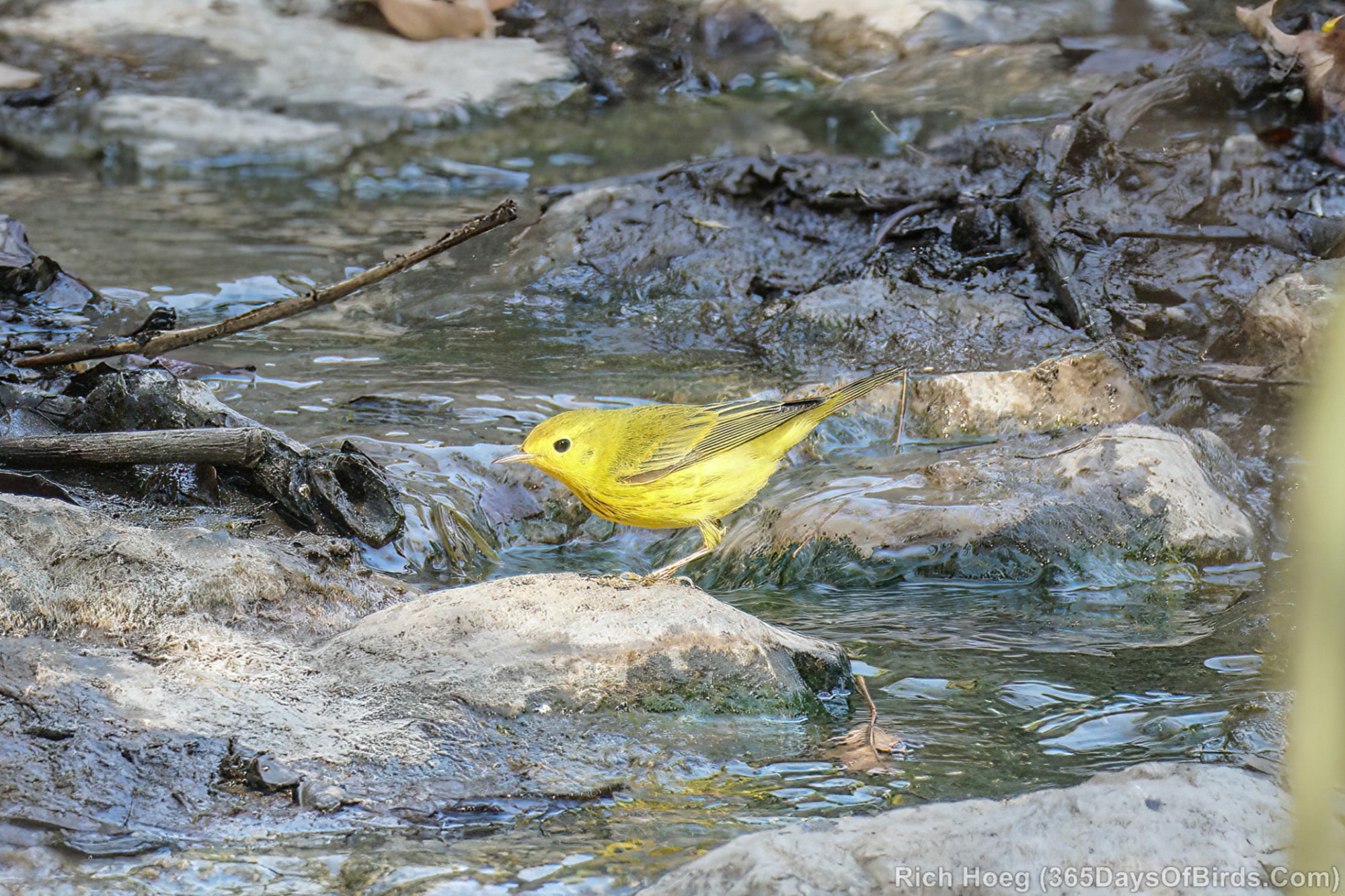
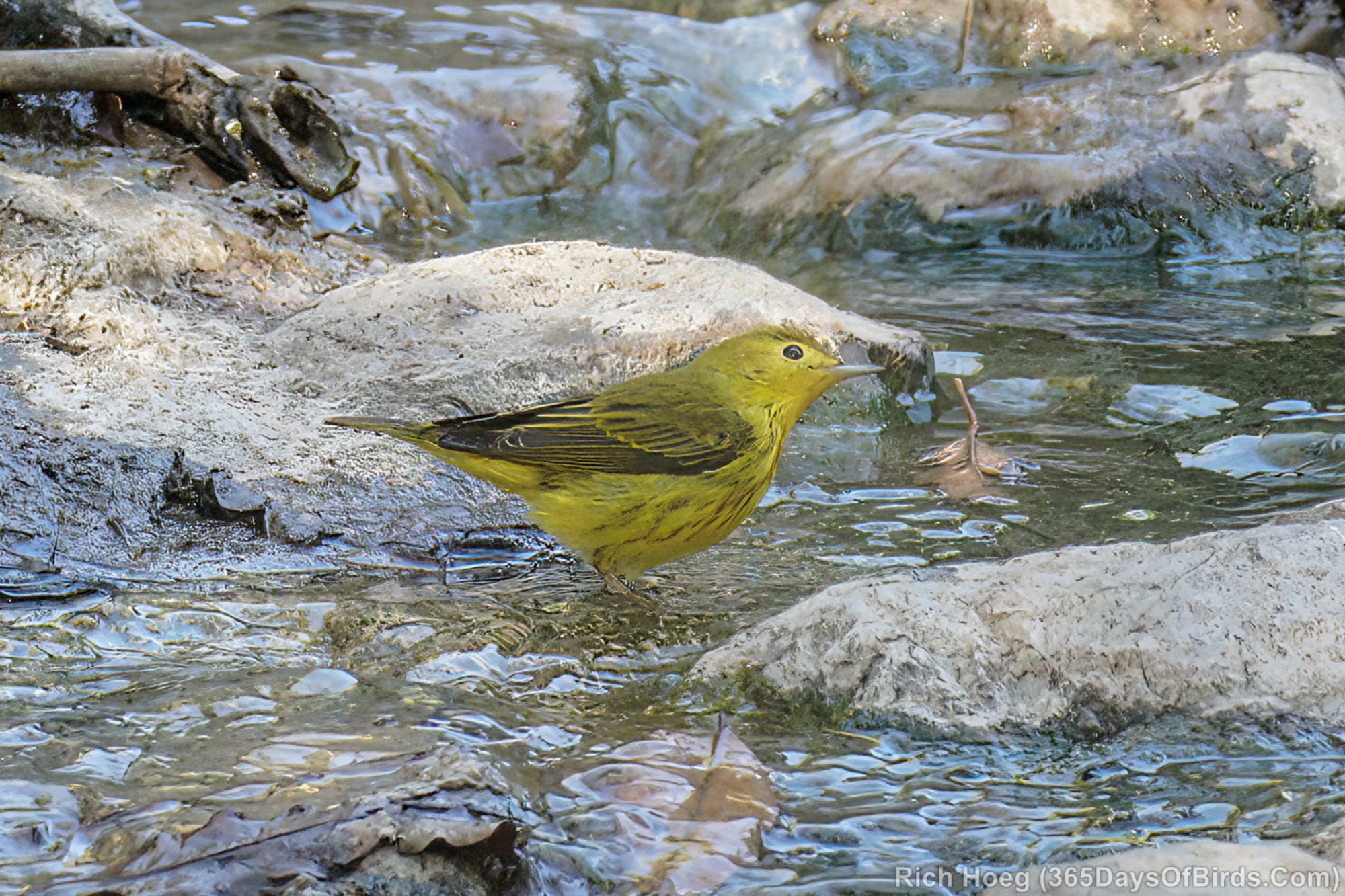
Wilson’s Warbler


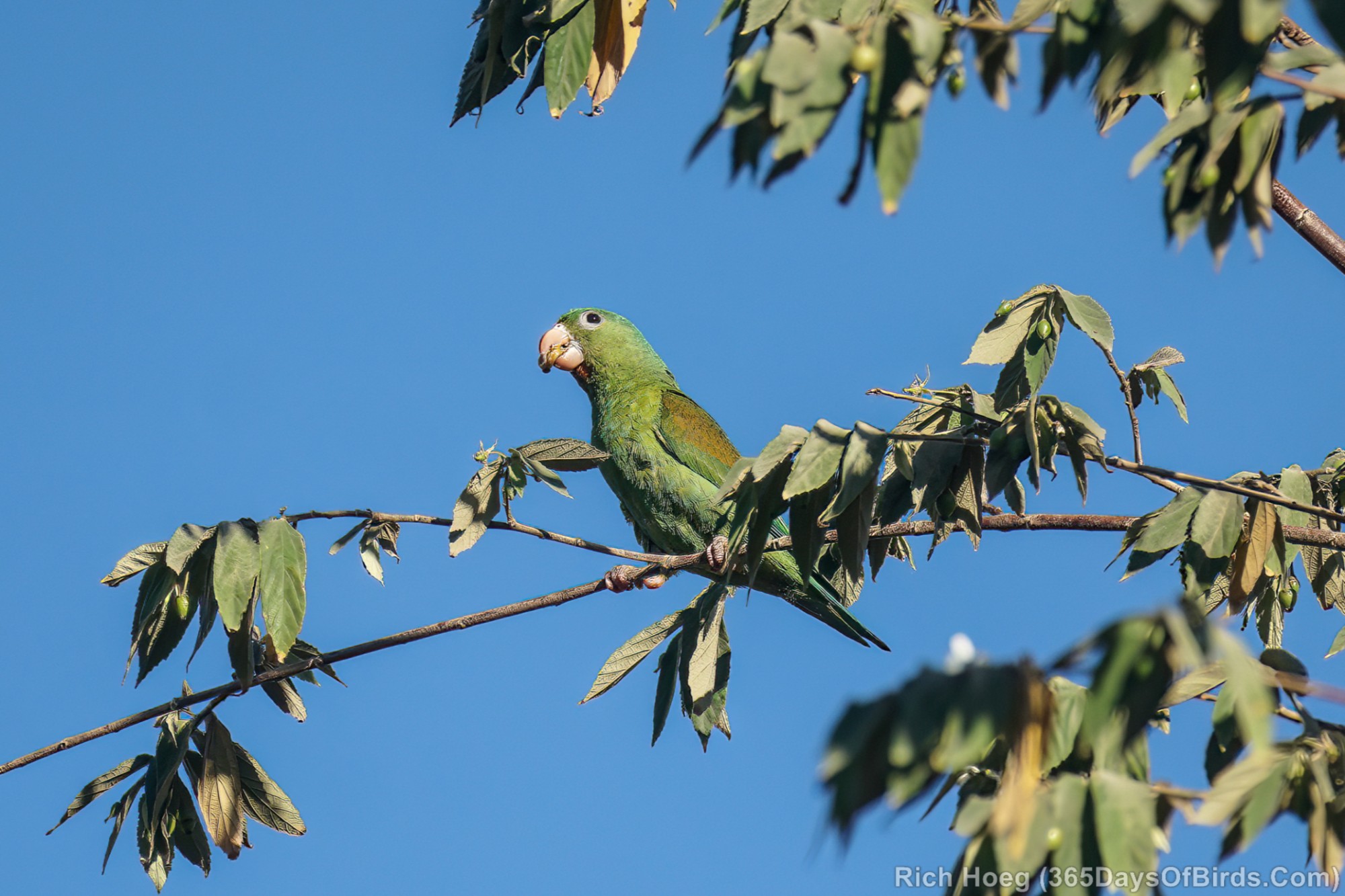
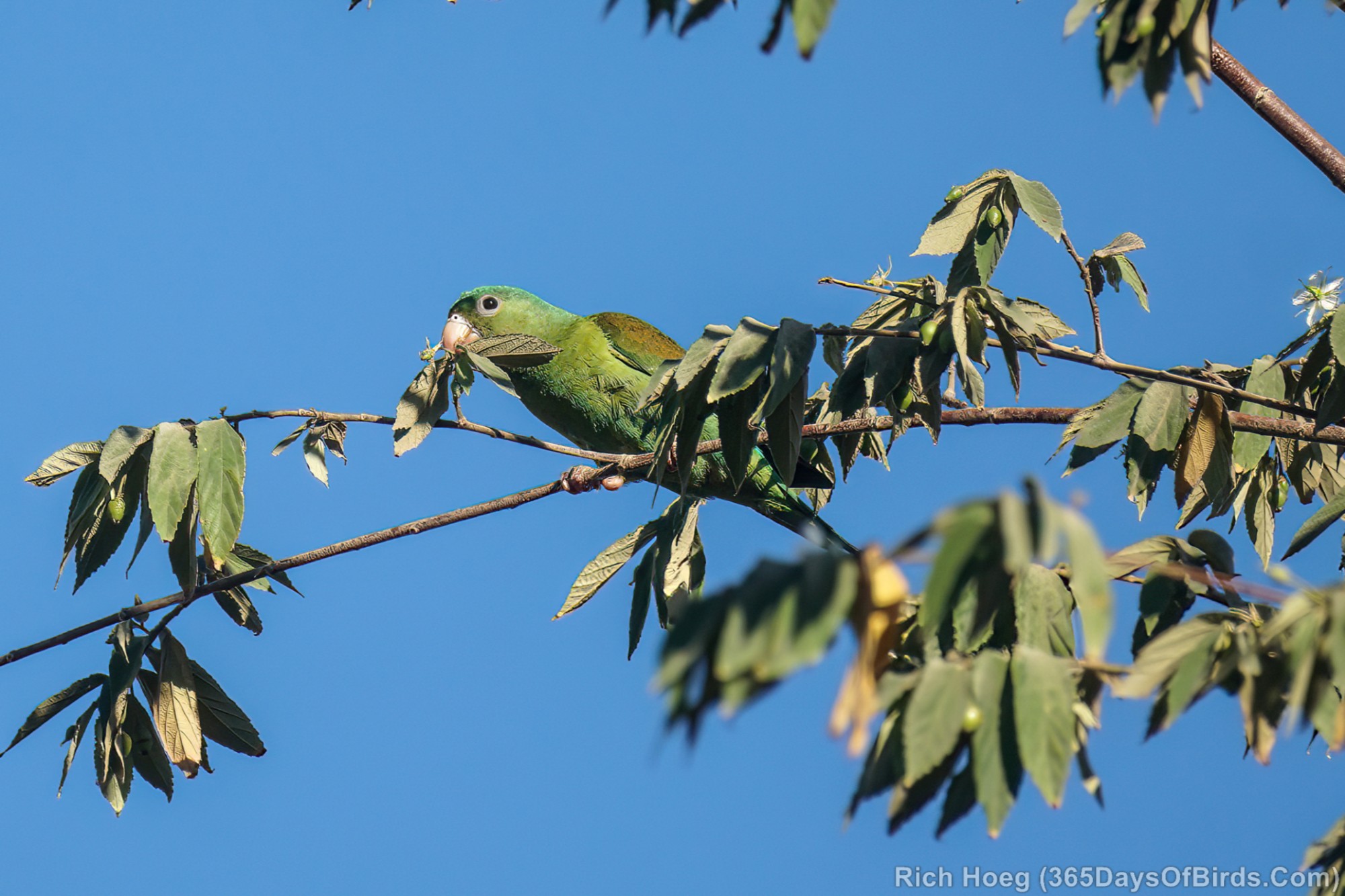
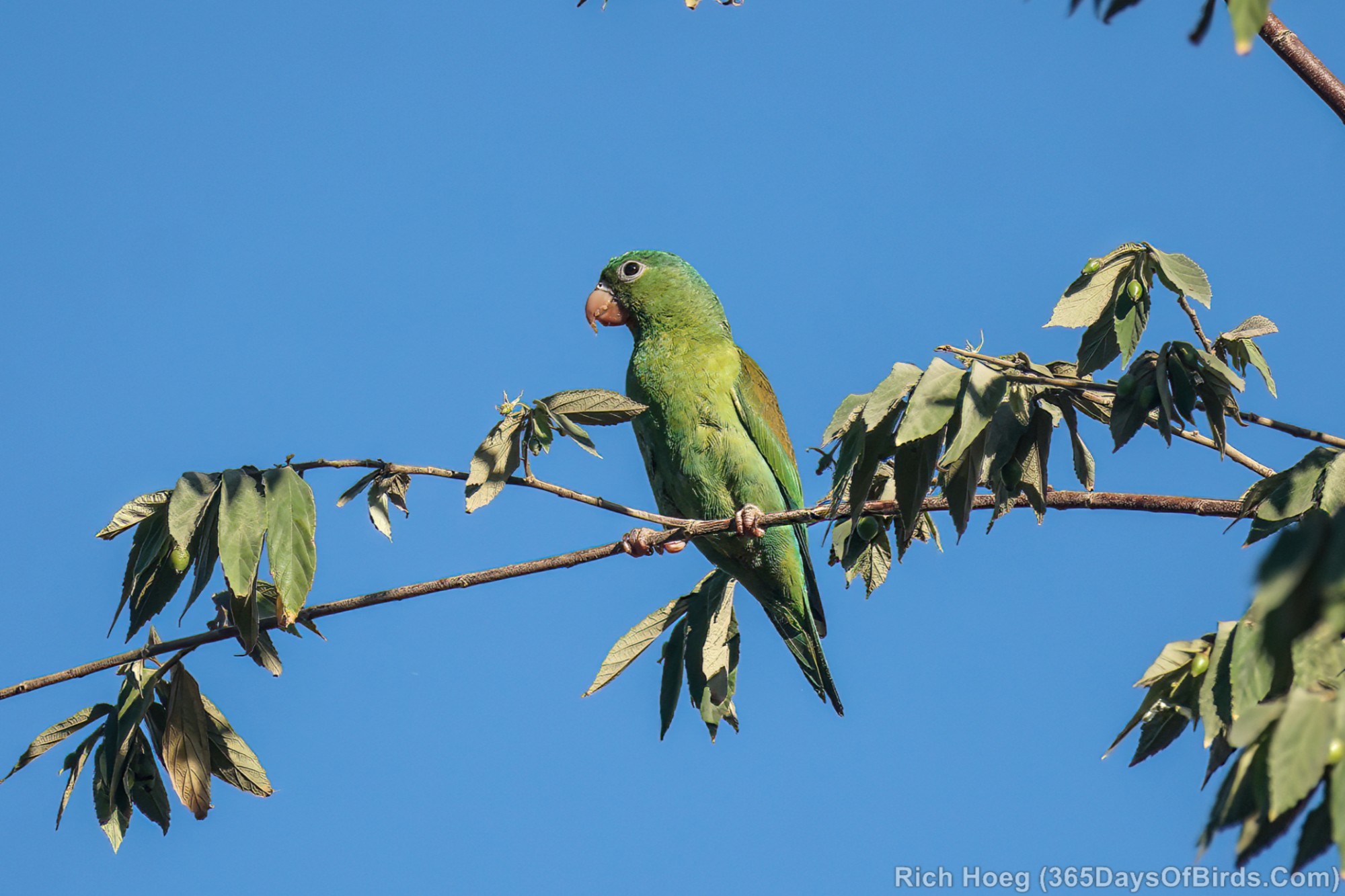
Orange-Chinned Parakeet


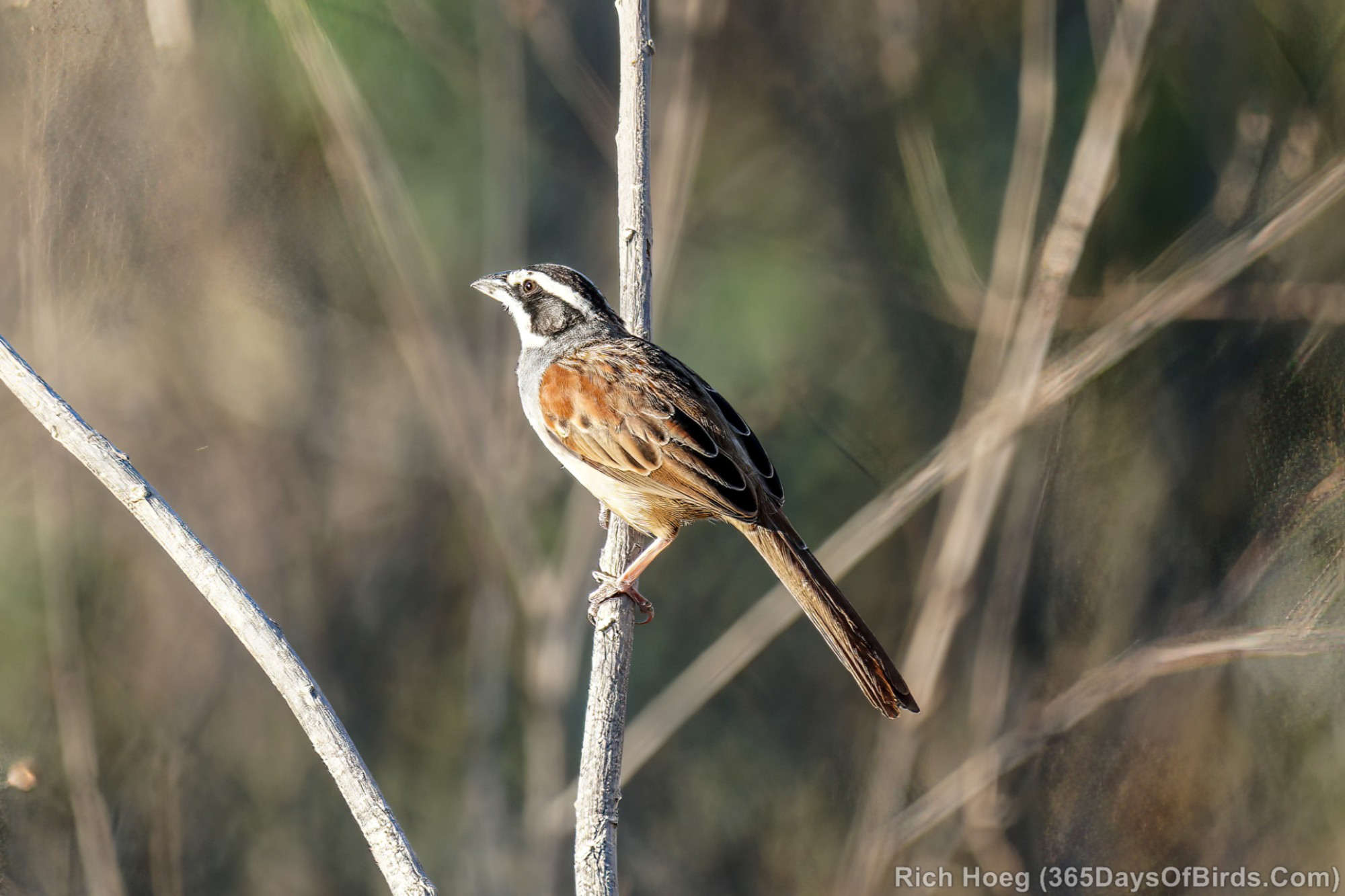
Stripe-Headed Sparrow

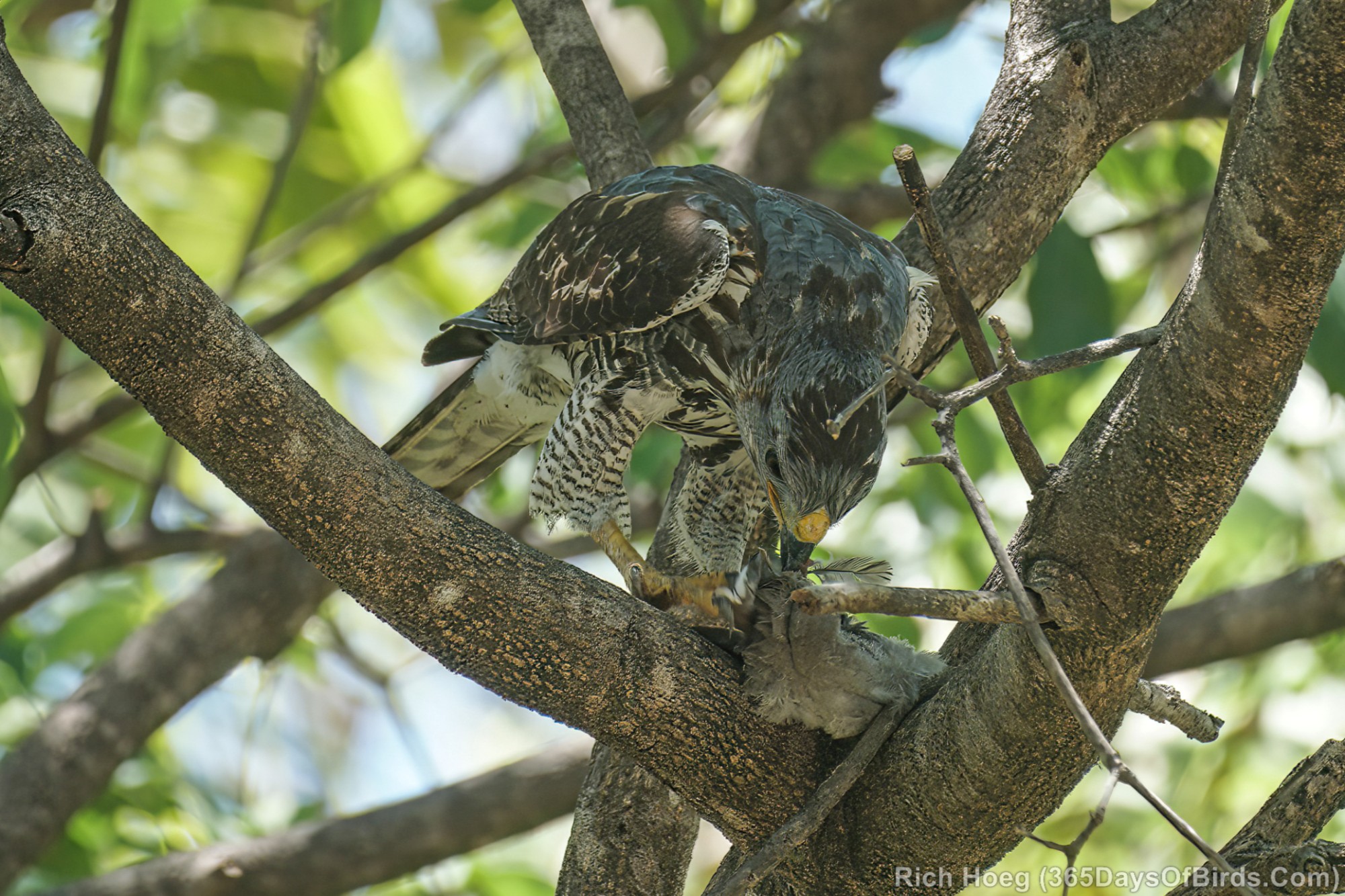
The Hawk that Came to Lunch in Costa Rica!

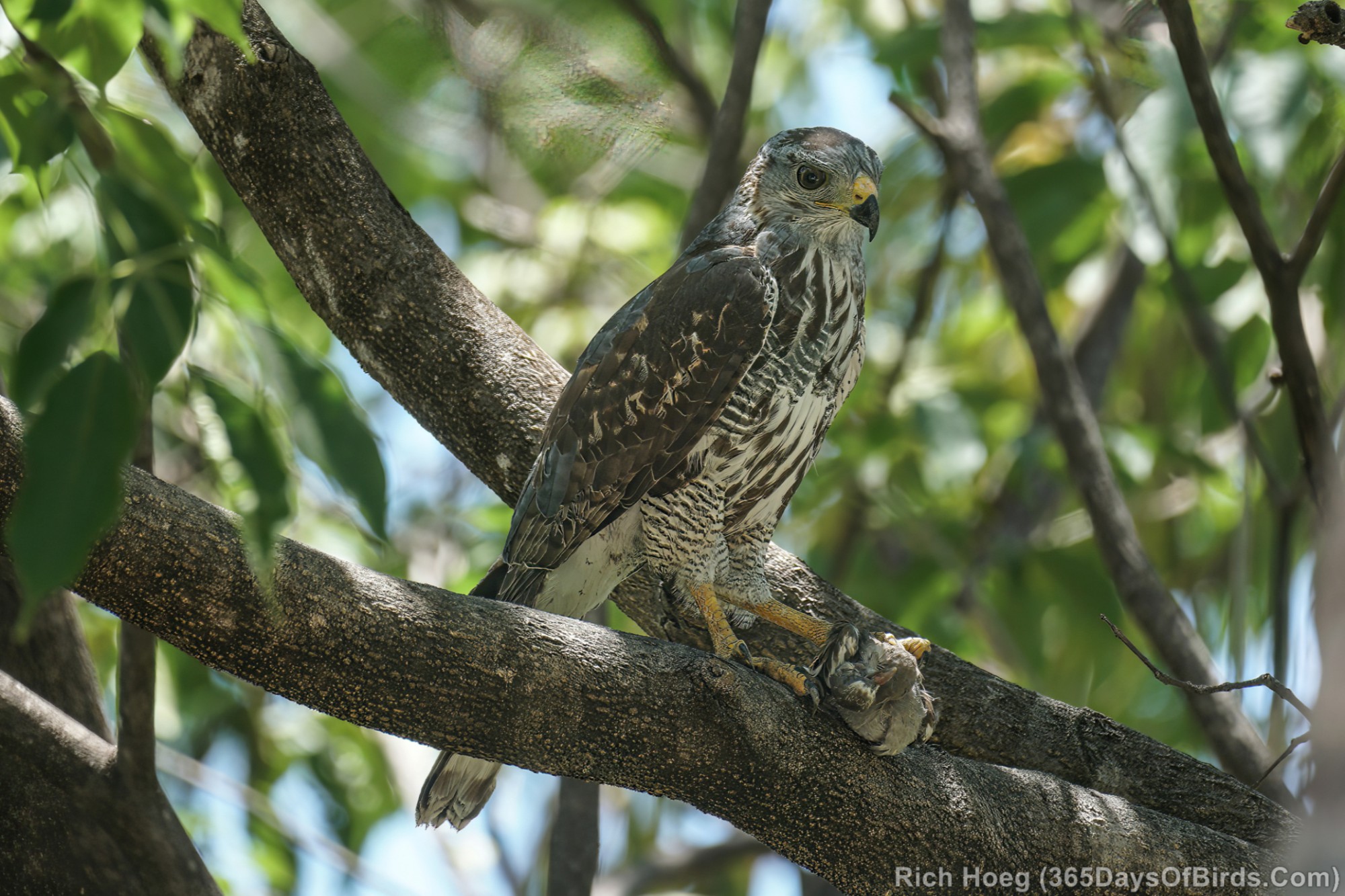
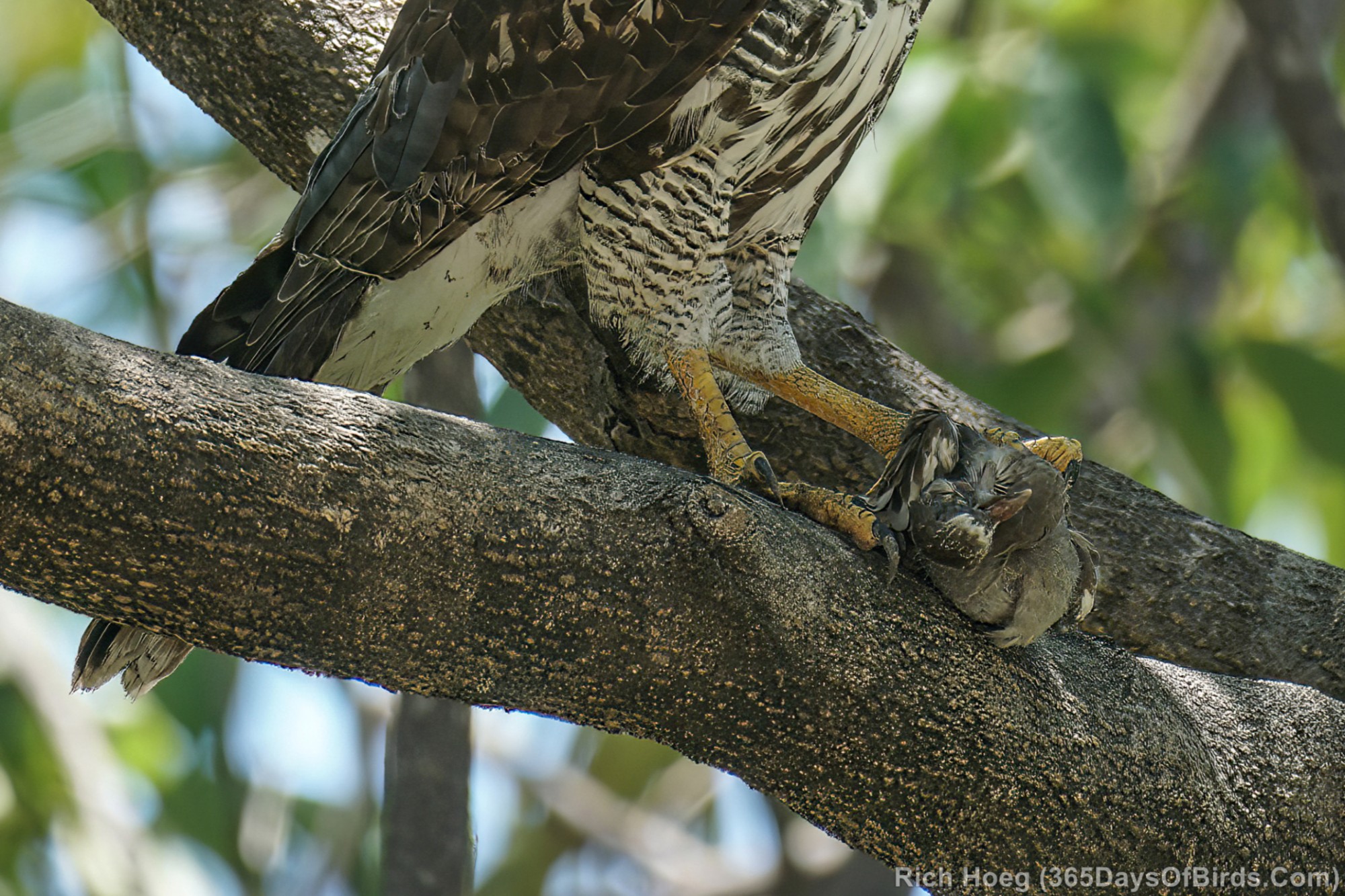
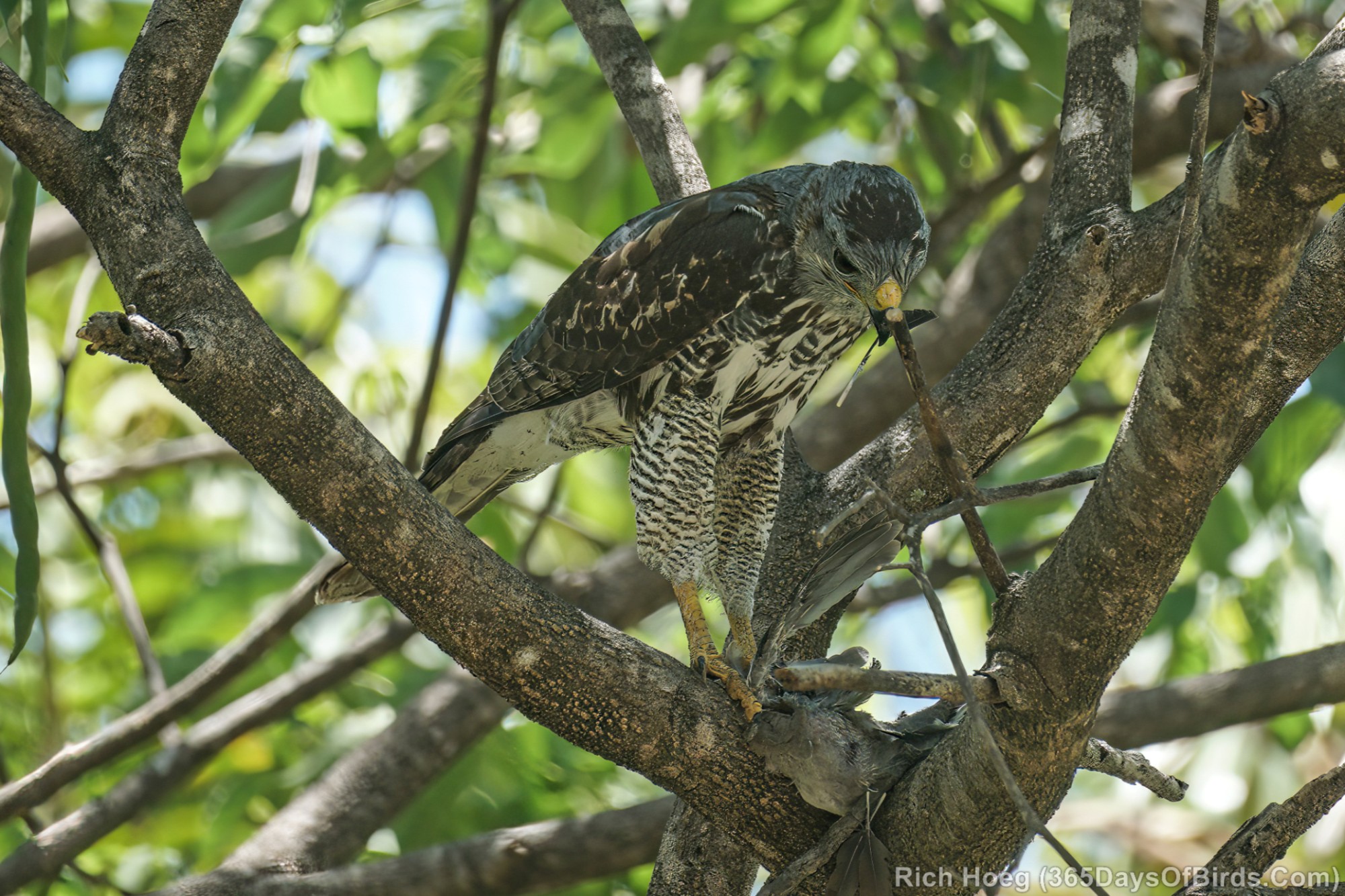
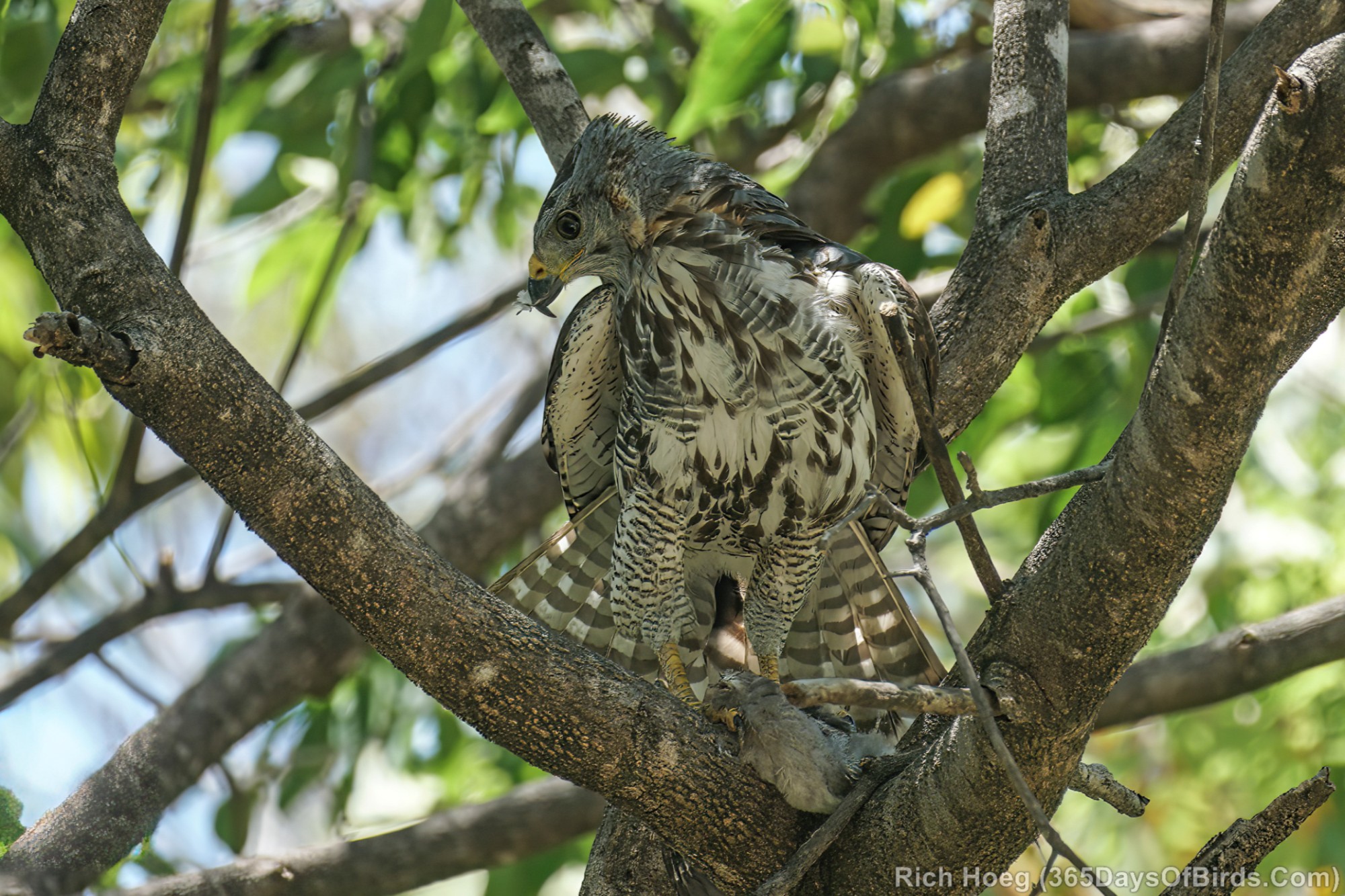
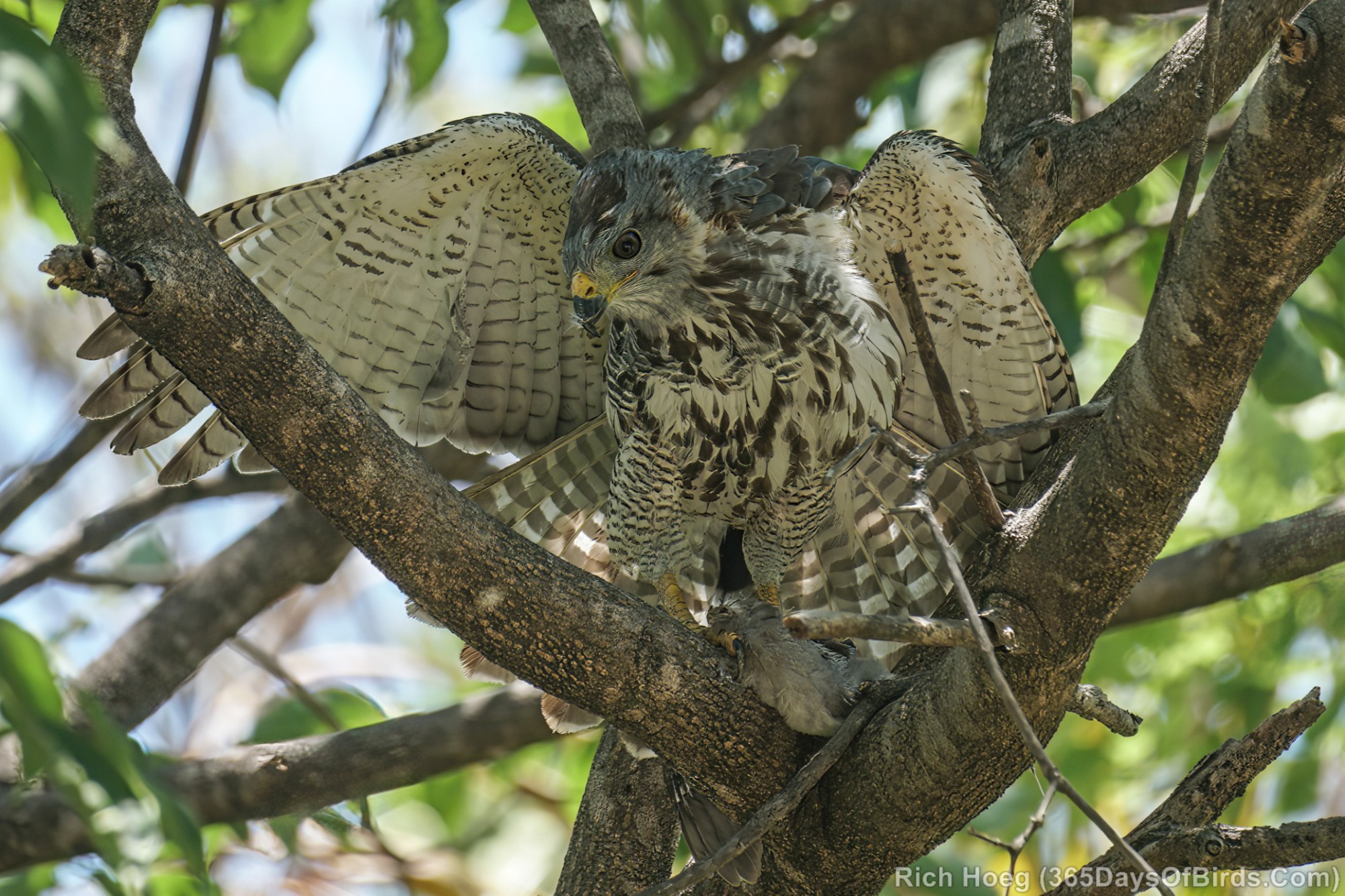
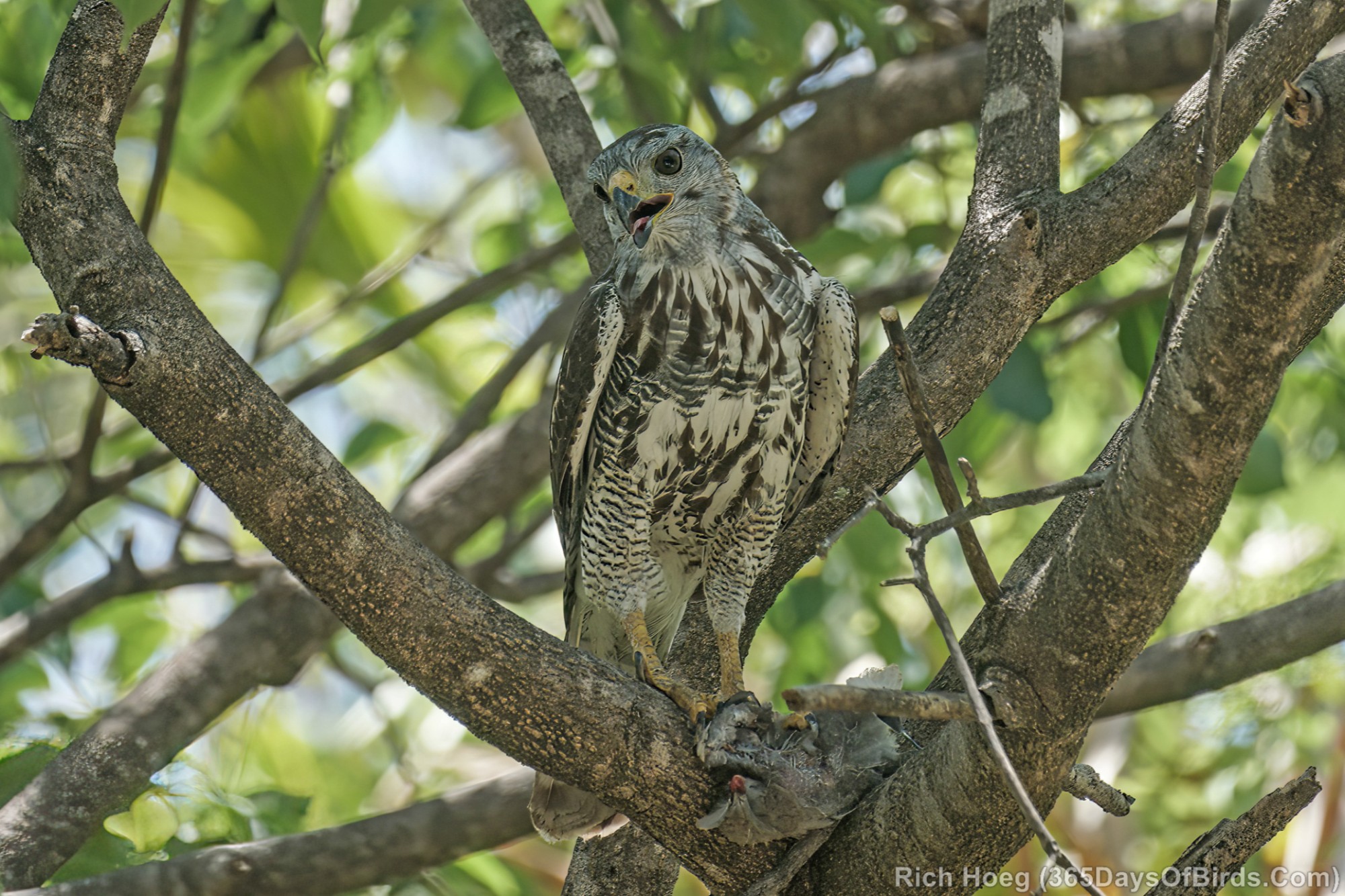
A Gray Hawk decided to hunt directly opposite our balcony down here in Costa Rica. It was successful, and took down a White Tipped Dove. The hawk was only 20 yards away from our balcony for almost 30 minutes as the raptor ate lunch.

Gray Hawk