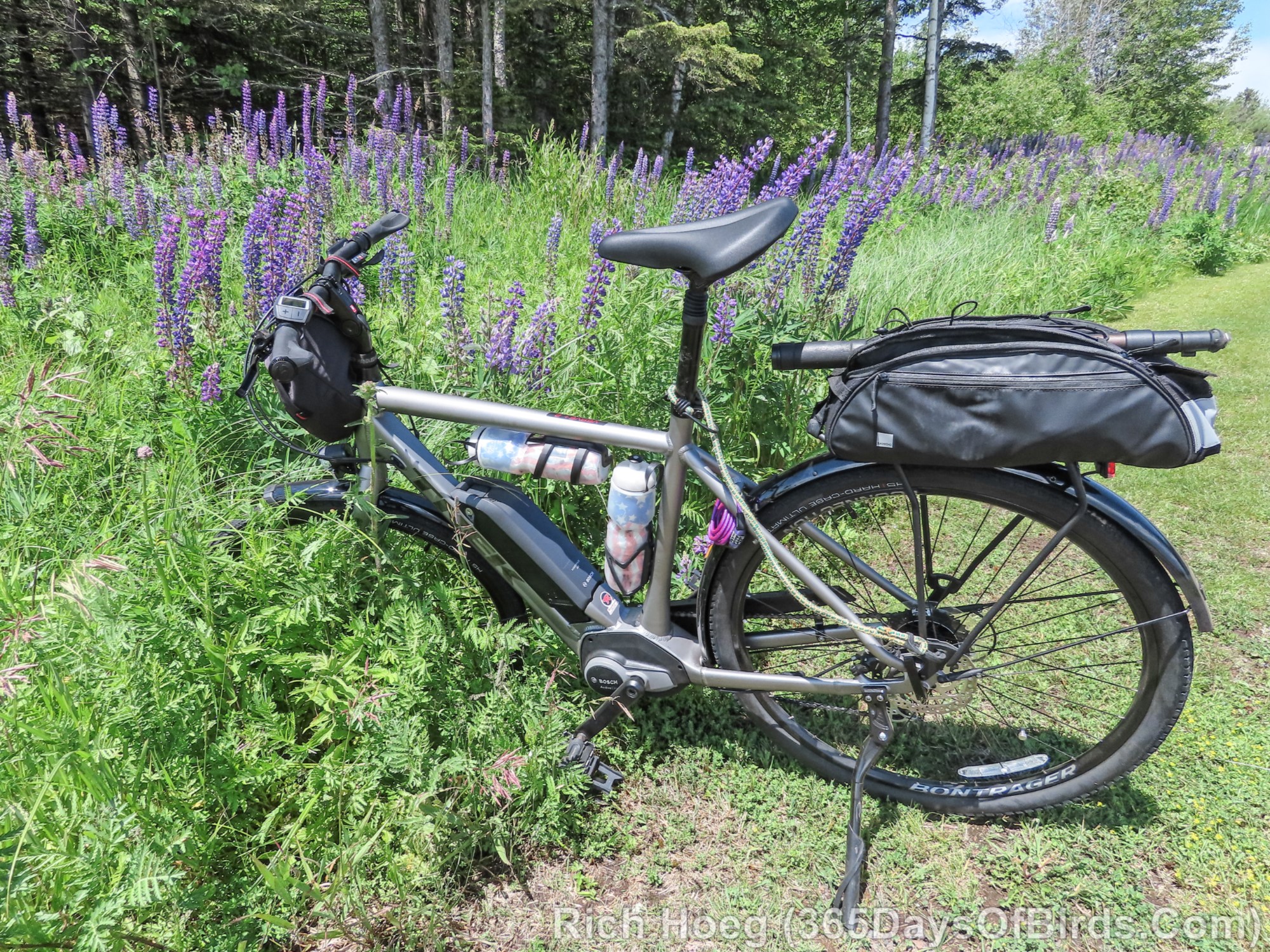
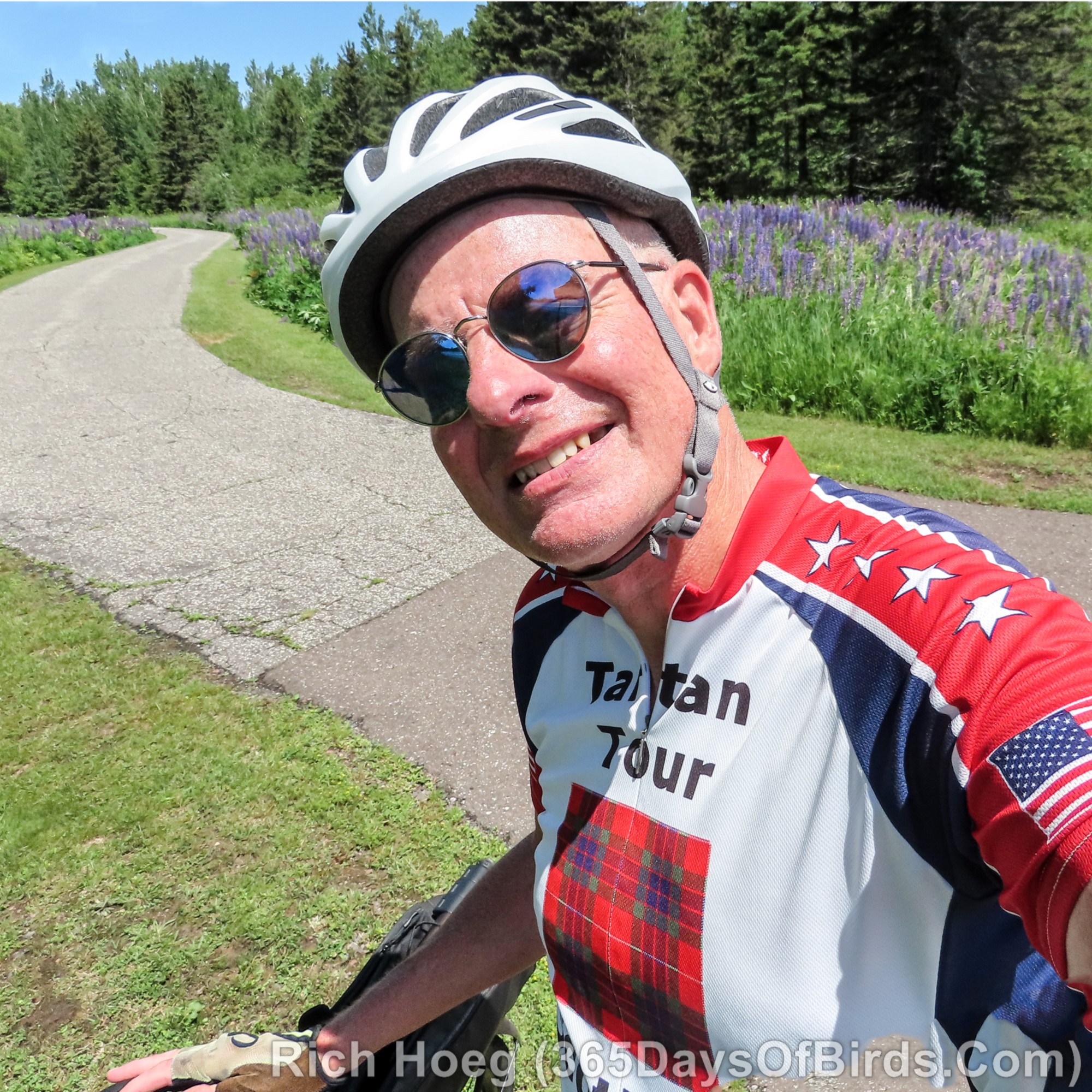
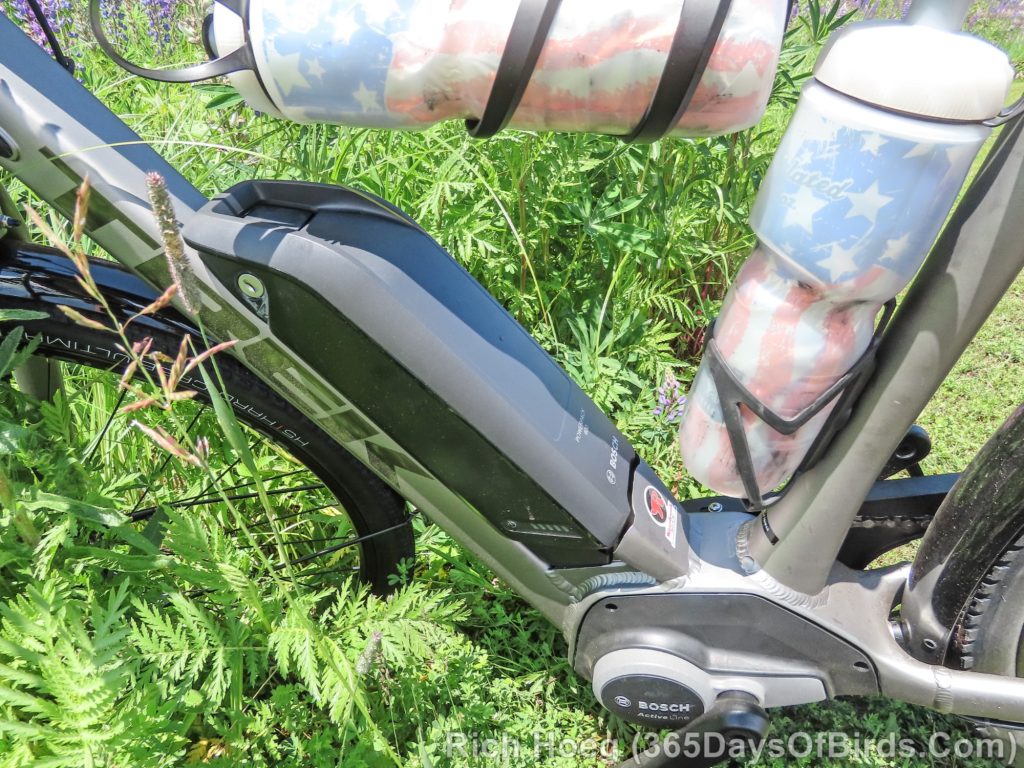
As many long time readers of my blog will know, I love to take long bicycle rides while birding. A few weeks ago I added a new bicycle to my quiver of arrows … a Trek Verve+ eBike. Even though I have recovered nicely from my open heart surgery 18 months which replaced a genetically misshapen heart valve, I still have occasional anxiety attacks while exercising. My wife and kids had advocated for me to purchase an eBike, and three weeks ago I pulled the trigger. I purchased a Trek Verve+ 2 eBike. While I still use my regular bike 50% of the time, this post explains the benefits of eBikes and birding by eBike.
First … how much did I spend? The answer is $2850 (+tax). I purchased a Trek bike because I wanted a bicycle from a reliable “name” brand. Everyone and their best friend now seems to be manufacturing eBikes. While I am able to perform most of my own bicycle’s mechanical repairs, by purchasing a name brand bike I insured that servicing the electrical side of the equation is available from my local bike shop.
My eBike is a “Class 1 eBike”. This means the electronic assist stops if I exceed 20 mph, and if I do not pedal … the bike does not move. Class 1 eBikes do not have throttles. “Class 2 eBikes” have both pedal assist, but also a throttle which the cyclist may use and thereby cruise without pedaling. Thus, Class 1 eBikes are much more like a traditional bike. The third class of eBikes are “Class 3”. Class 3 do not have throttles but provide for pedal assist up to 28 mph. Thus, give some thought as to how you might like to use an eBike. In general Class 1 eBikes are the lightest and most like a traditional bike. Both Class 2 and Class 3 will need bigger motors and batteries, which thus adds weight.
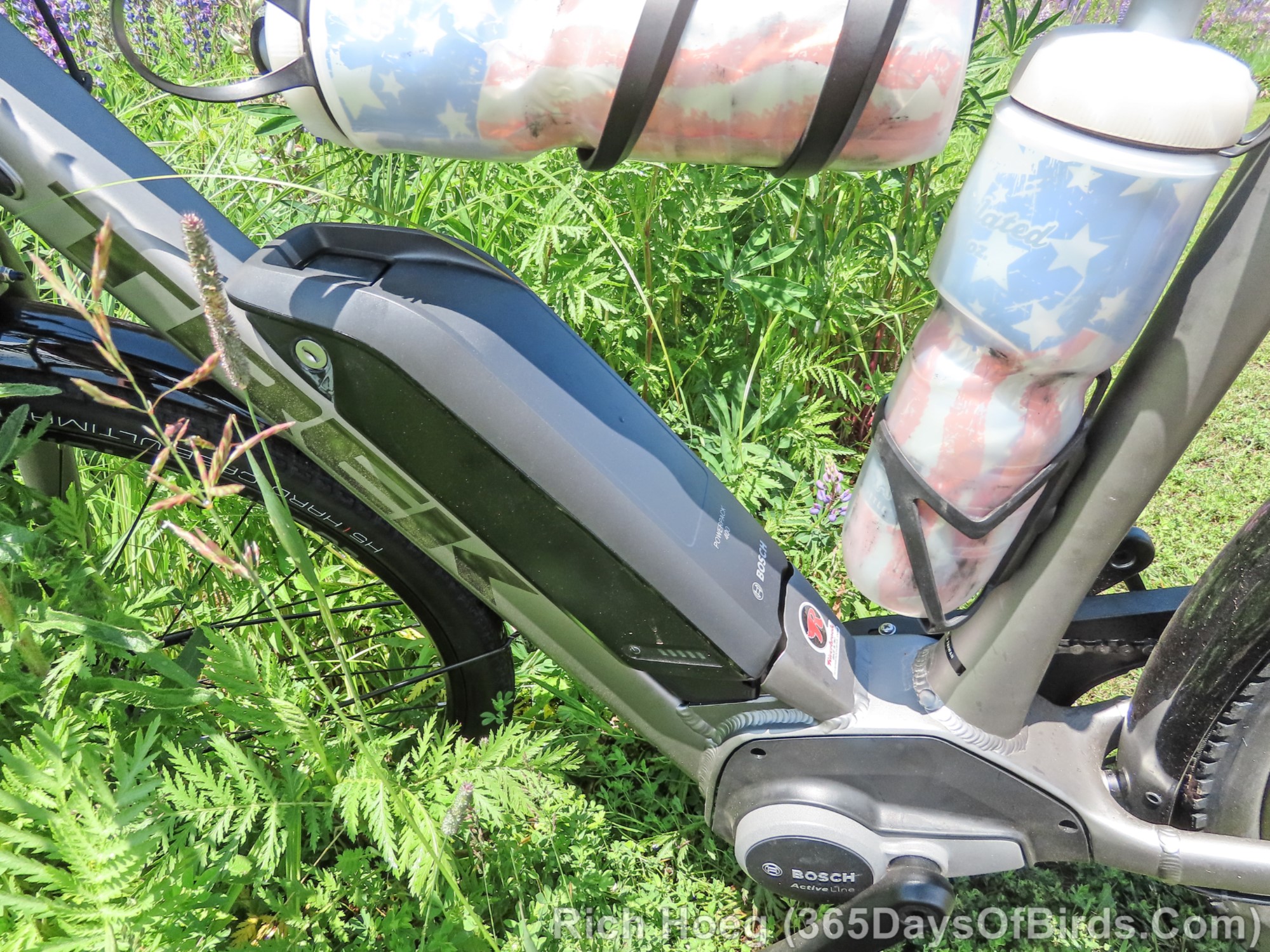
My bike from Trek uses one of the top electronic motors and management systems … Bosch Motors and their Bosch Purion control system. This is the assist I receive during any of my four bicycling modes. Please note I often turn off the eBike motor if I have a tailing wind, or the bike route is extremely flat.
- Eco: 40% assist
- Touring: 100% assist
- Sport: 150% assist
- Turbo: 225% assist
Thus, whatever effort I exert, the bike helps me out to the tune of those percentages. From a practical vantage point I am in “Eco” the HUGE majority of the time, except when climbing the big hill from the Lake Superior shoreline 650 feet up to Jean Duluth Road. From a practical standpoint this means me (a 190 pound male in good physical condition) has an eBike range from 50 to 65 miles (varies due to wind conditions and hills). When the battery is used up (never has happened) I may still bicycle on my own. It is worth noting my Trek eBike weighs about 50 pounds, whereas my Specialized Touring Bike (not as light as a road bike, but a nice non eBike) at about 27 pounds.
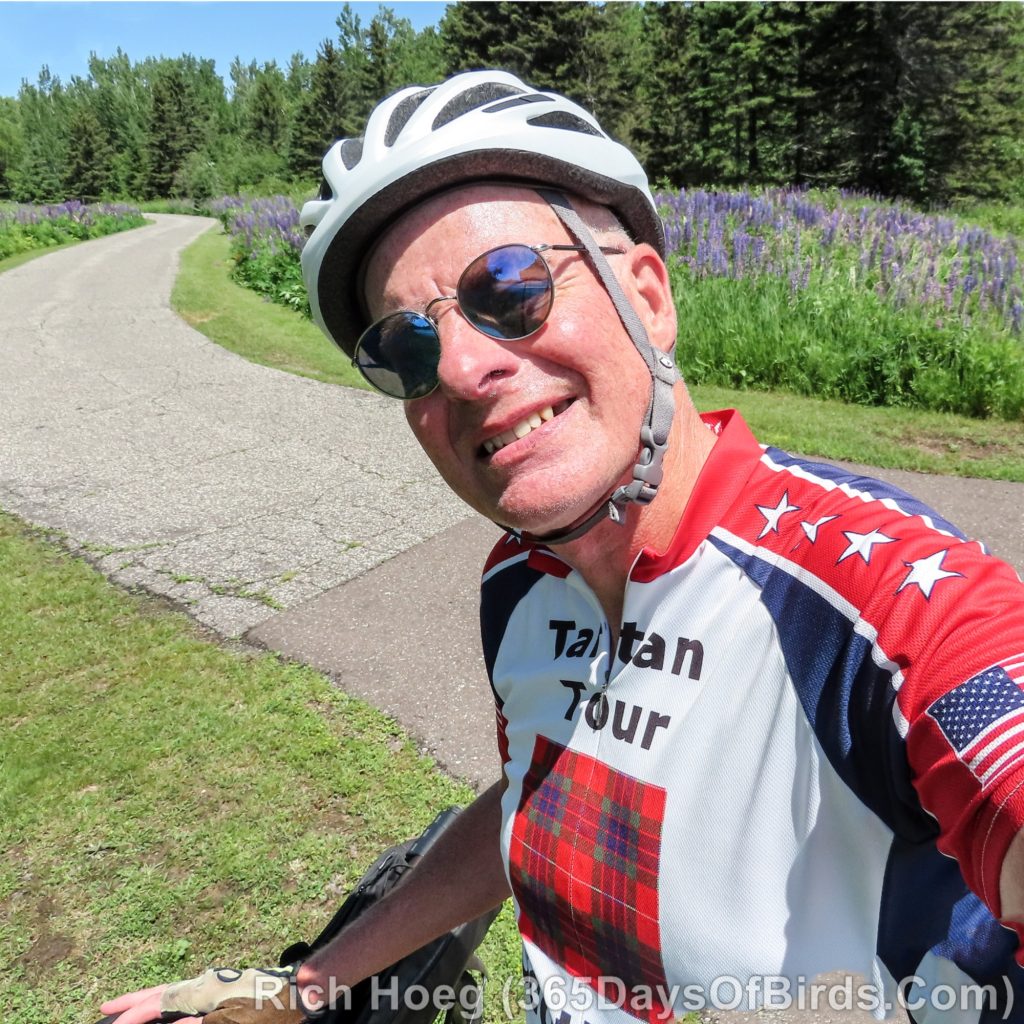
Now let’s take a pause from the techie side of the eBike equation, and focus on the birding side of the equation. My new bicycle came all decked out with fenders and a rack. This allows me to ride in sloppy conditions and attach my rear bike bag. I use the pannier to hold a light jacket, and my camera. My monopod is strapped to the top of the bike bag. Here are some photos I took while riding to French River and back on the North Shore of Lake Superior on Monday. (and yes … the lupine are still blooming right next to Lake Superior!). However the flowers will soon be gone, and fall migration will start shortly with Shorebirds working their way down from the sub-Arctic and Arctic.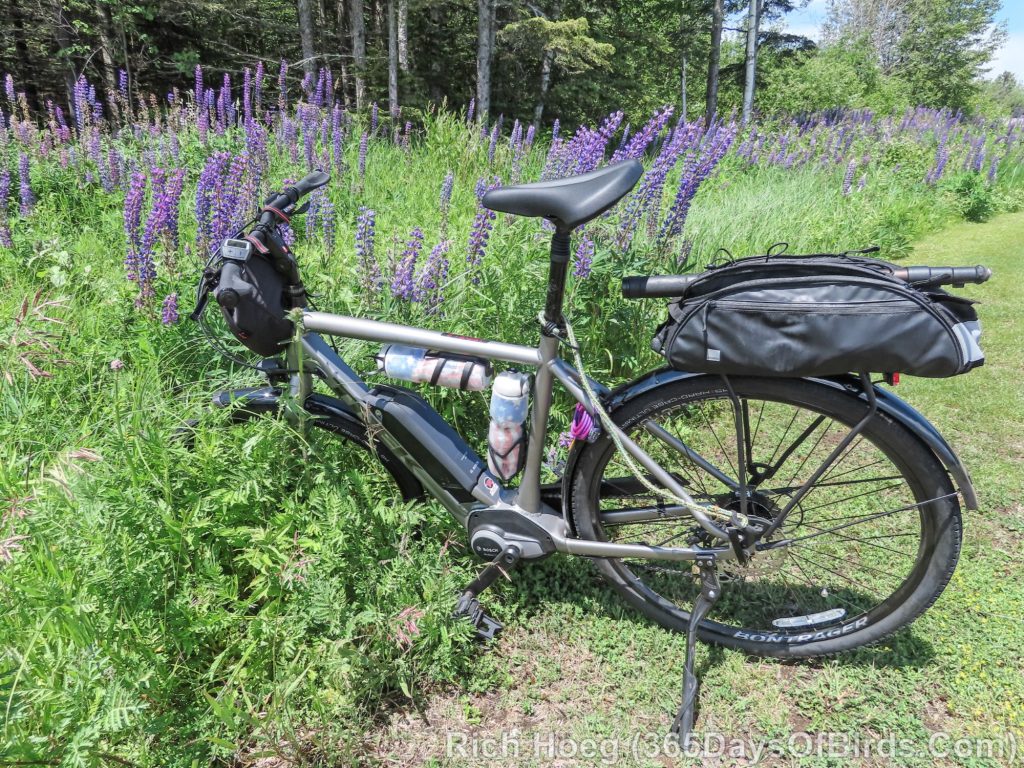
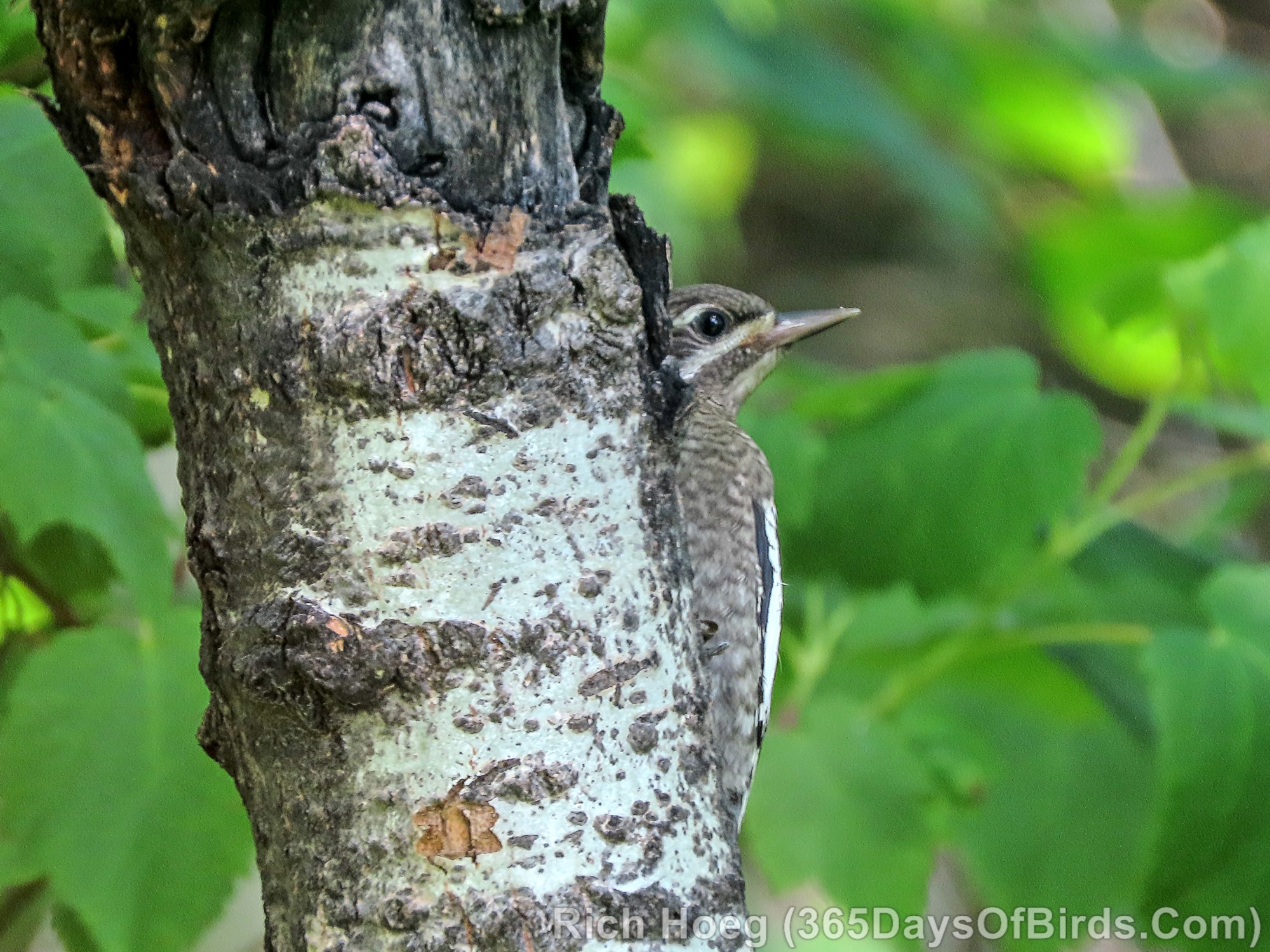
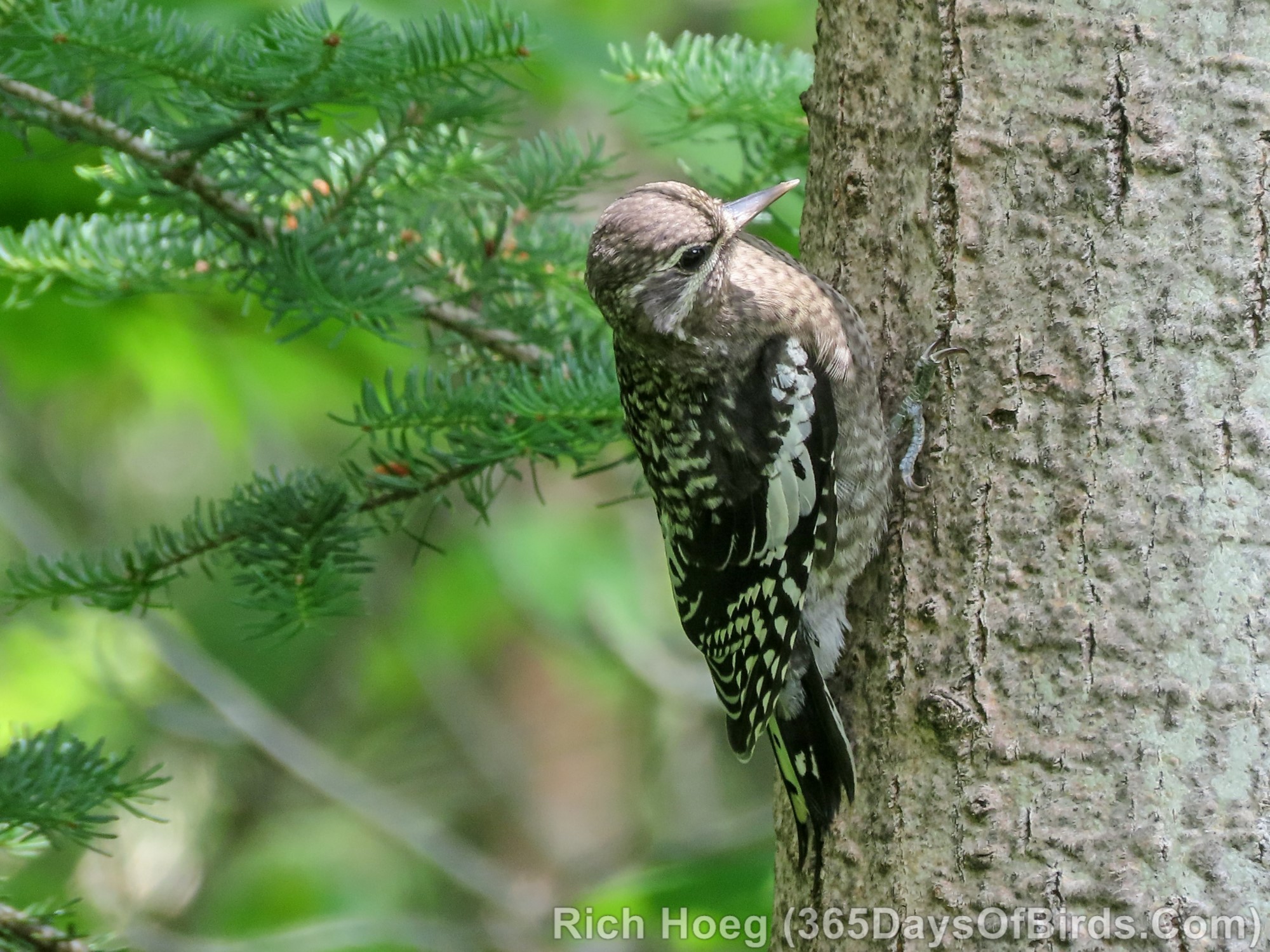
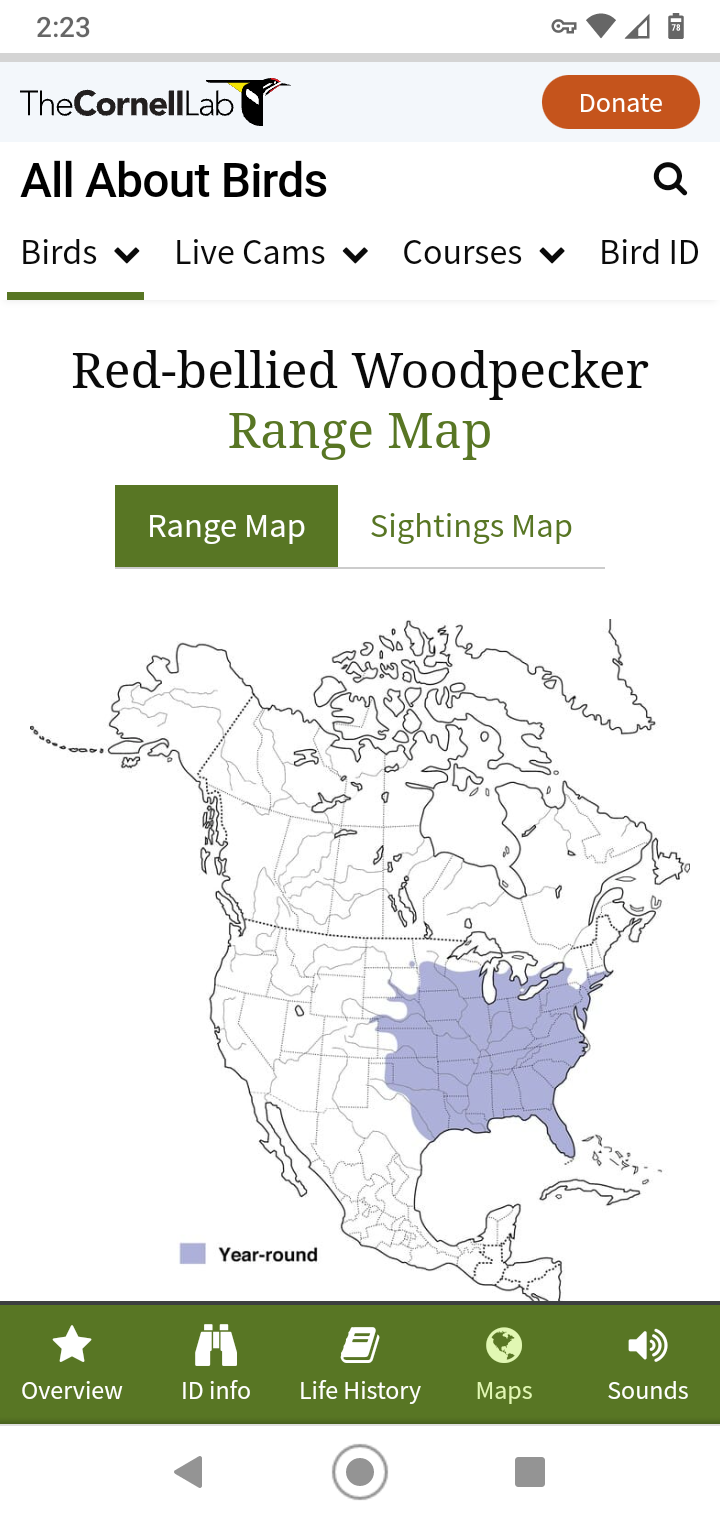
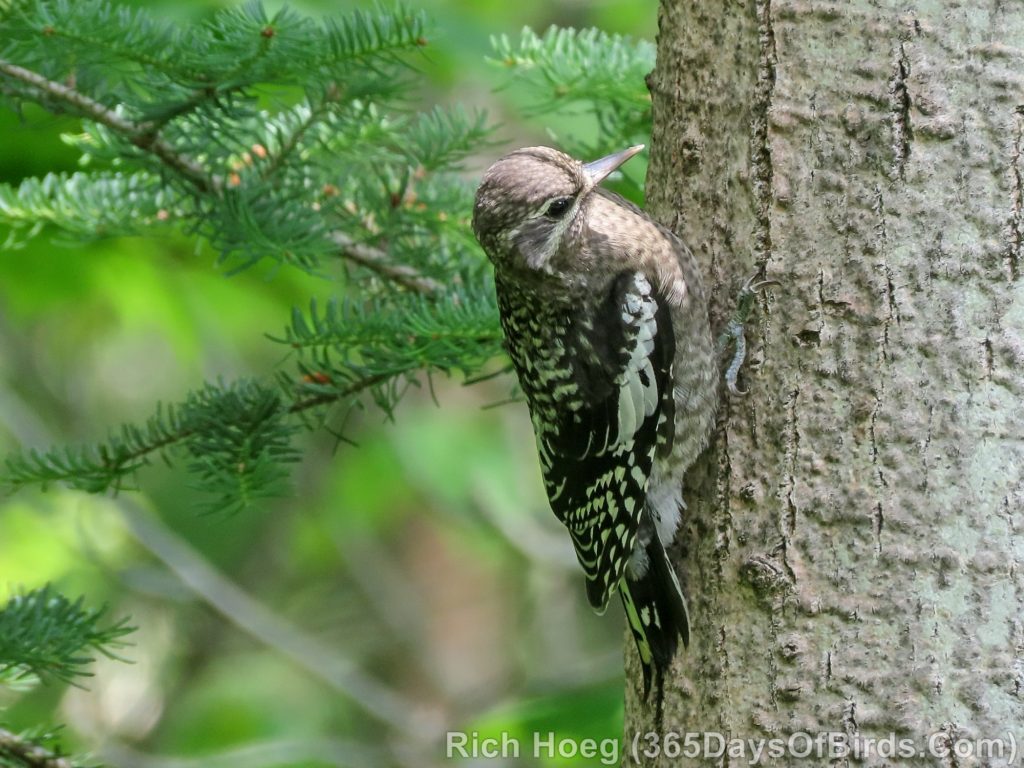
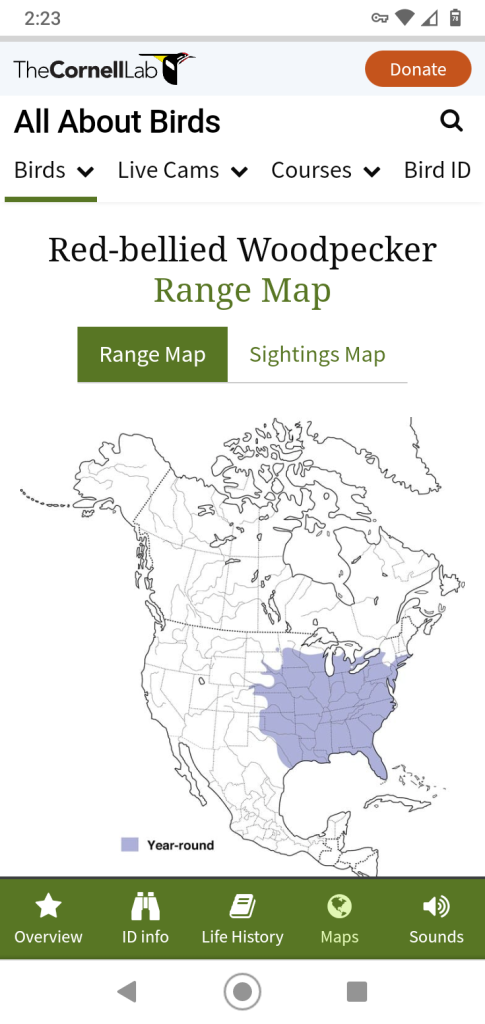
My birding wasn’t bad either. When I almost had reached home towards the end of my ride I was thrilled to see a Red-Bellied Woodpecker adult teaching its youngster the ropes. For a few years I have had Red-Bellied Woodpeckers visiting my feeders and nesting in the nearby woods. This is my first known instance of a successful breeding. In northern Minnesota we are at the extreme edge of their northern range (climate change?). This range map is from Cornell’s web site, All About Birds. The two bird pics are of the young Red-Bellied.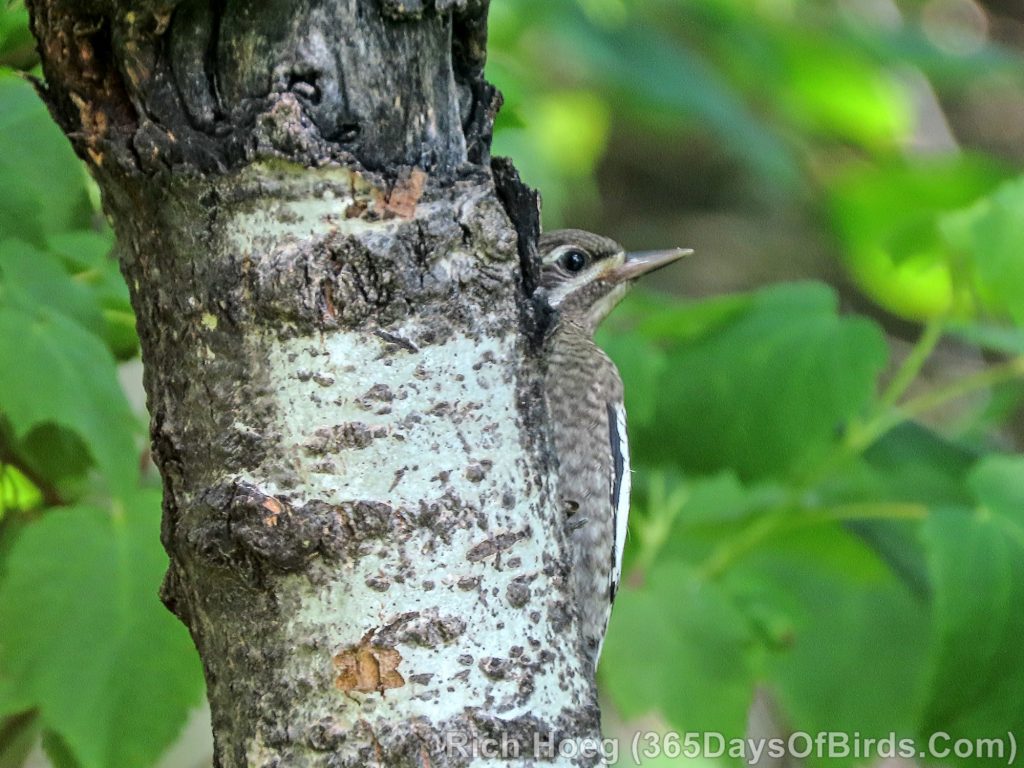
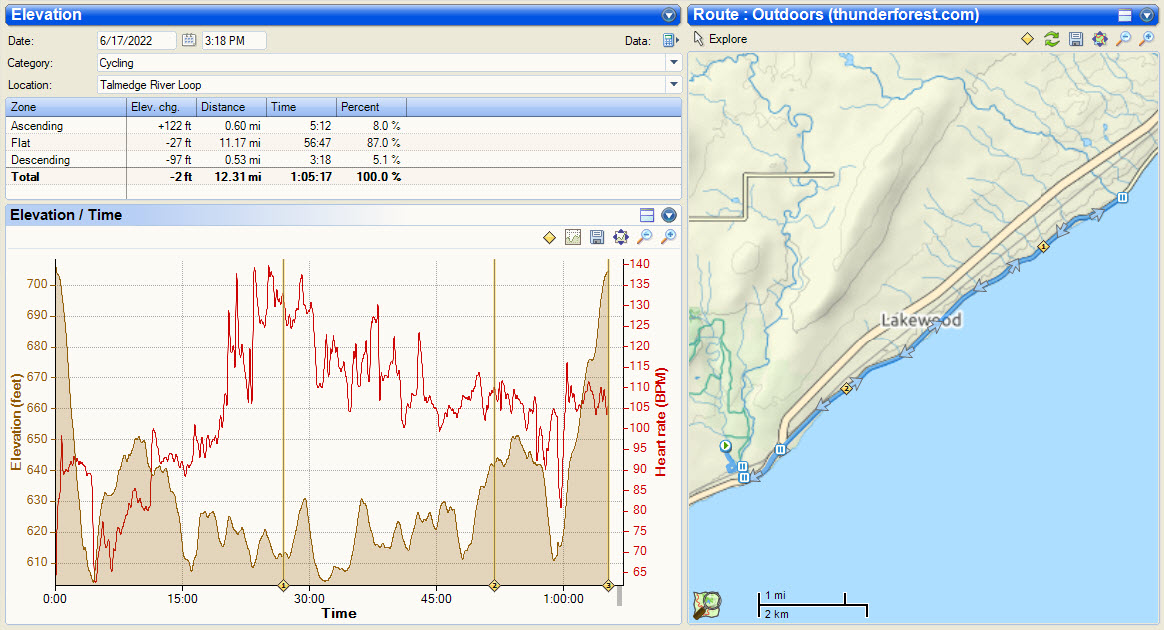
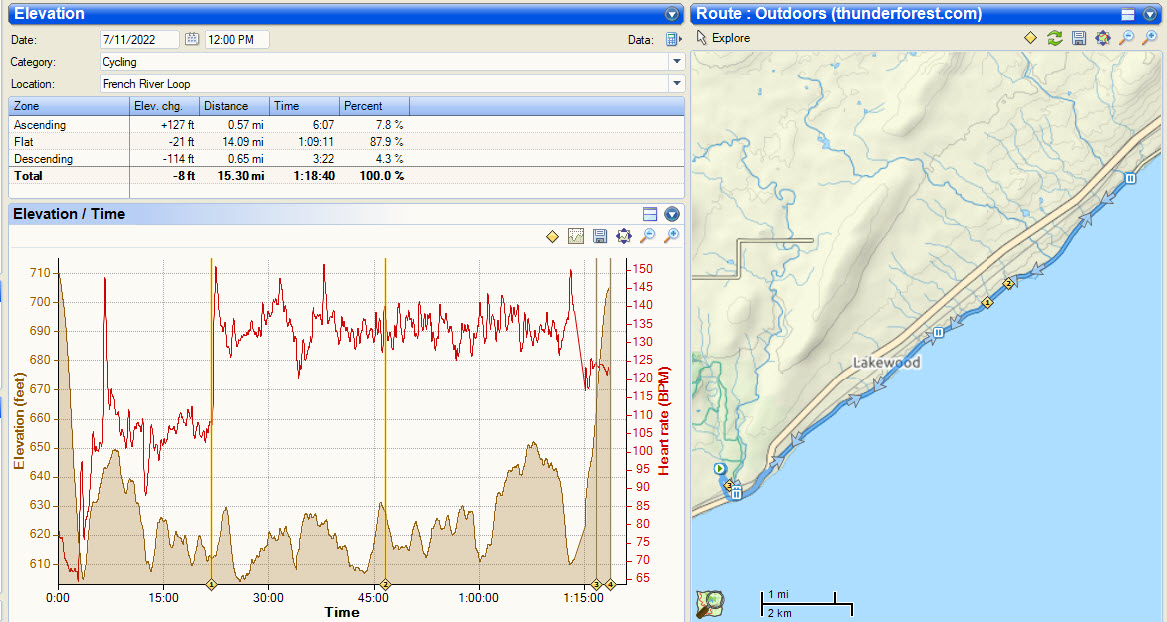
Now to finish up the eBike part of this blog post … my data may surprise you. I often wear a heart sensor while cycling, which allows me to check my “beats per minute” after the ride. The bike rides are the same in terms of the land covered, except on my eBike I have been willing to push on to the next river along the shore (Talmedge to French River … an additional roundtrip distance of 3 miles). On the two vertical axis you are able to observe both the elevation climbed (or fallen) and my heartbeat.
Traditional Bike Ride – Distance Traveled 12.3 miles (press or click to maximize)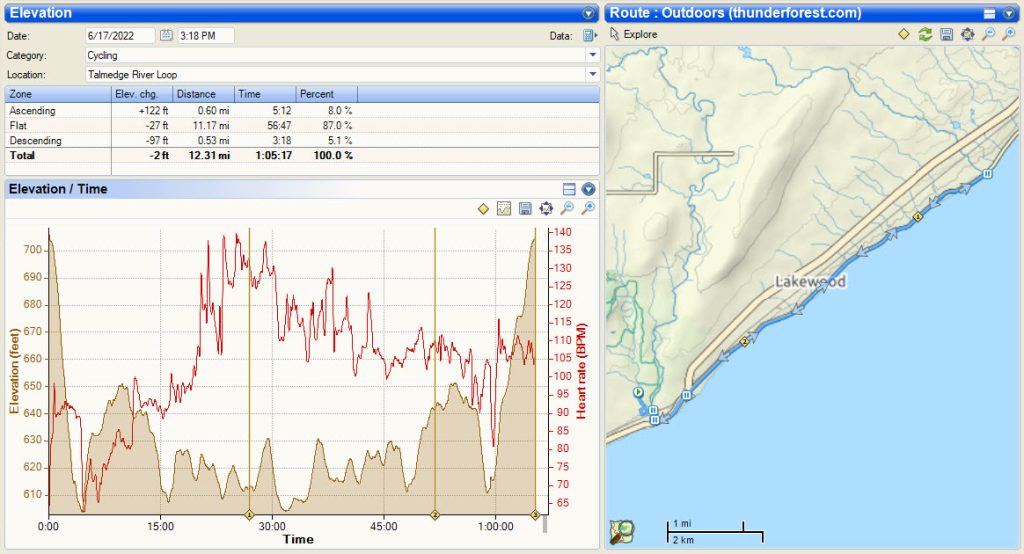
eBike Ride – Distance Traveled 15.3 miles (press or click to maximize)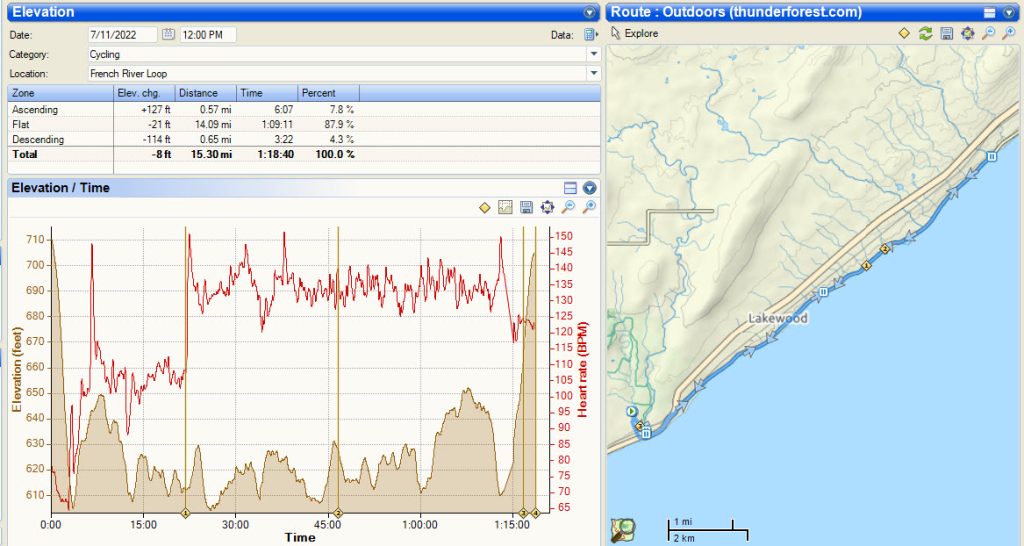
Thus, the total work done and my heart rate is not dramatically different between the two types of bicycles. Some studies are finding for pedal assist eBikes many riders (including me) are biking longer distances and taking more rides, exerting almost as hard, but using more of the eBike power for hill climbs.
Finally, this morning after an initial workout, I took a short birding ride via eBike. It was fun and I was not worried if I would get too tired even though I had already worked out previously this morning.