Tag Archives: MN North: Two Harbors

Red, White & Blue Patriotic Birding Plus Our National Bird!

Today was a great day of birding which started with a Sea Smoke Sunrise Over Lake Superior. Yup, only 10F as I headed inland from Two Harbors 20 minutes before sunrise, and the air water temperature differential made for spectacular conditions out over the lake. Now some folks might wonder about birding on opening day of deer hunting season in Minnesota, but if you know your habitat (deer hate bogs), and stay well away from any parked vehicles next to the forest (indicative of hunters) you will be fine. However, even if I think I am in the forest w/o anyone for miles around, I ALWAYS wear blaze orange or red.

Okay … why patriotic birding? The answer was simple. I saw beautiful red, white and blue colored birds … plus our national bird, the Bald Eagle! In additional I finally put out meat suet (hope the bears are asleep, or at least woozy). I am trying some bone marrow this year to entire Boreal Chickadees. I just drilled two holes through the bone, and then hung everything up using wire and ring eye screws. My final assignment was to place a BirdNet-Pi birdsong listening device deep in the wilderness.

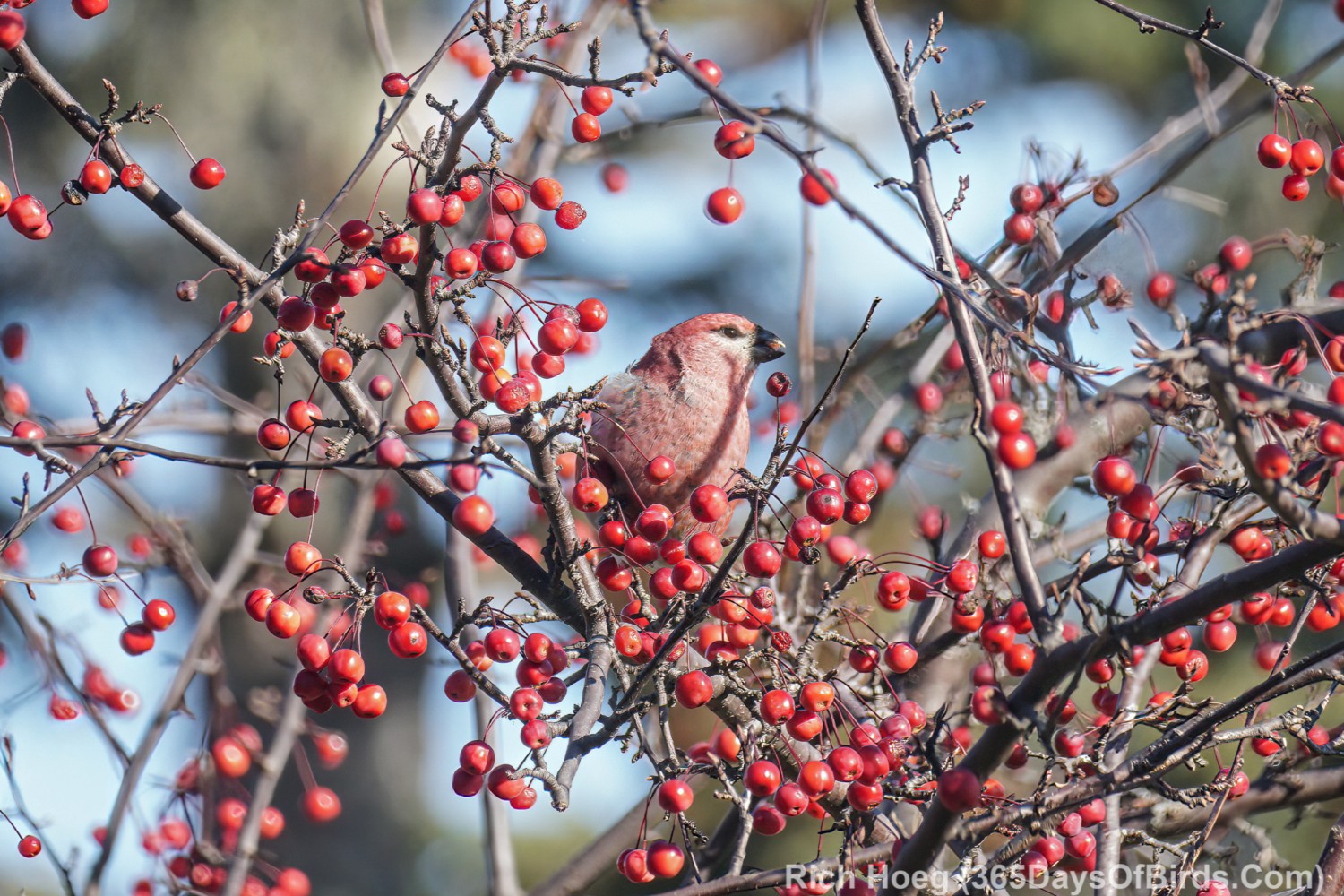
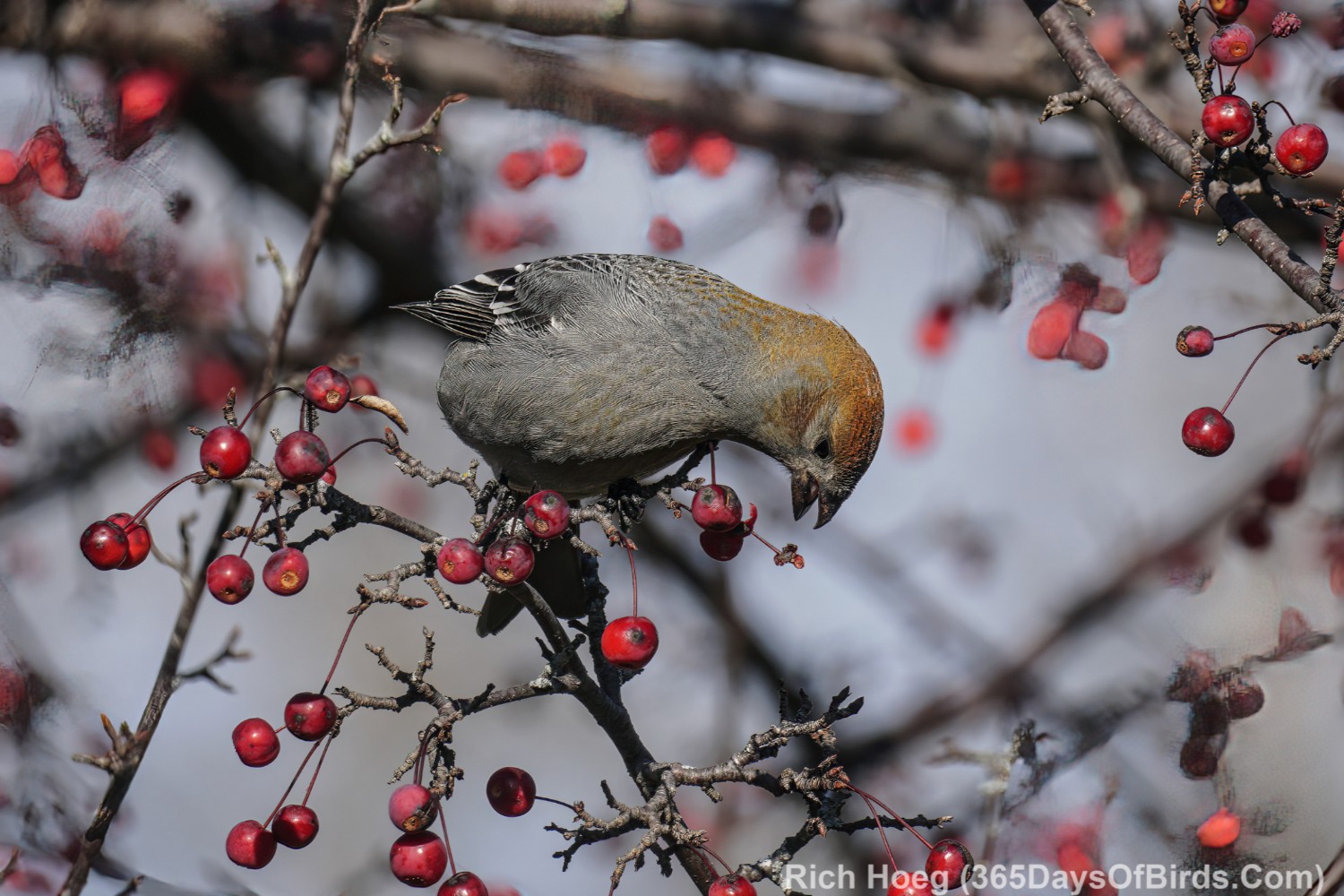
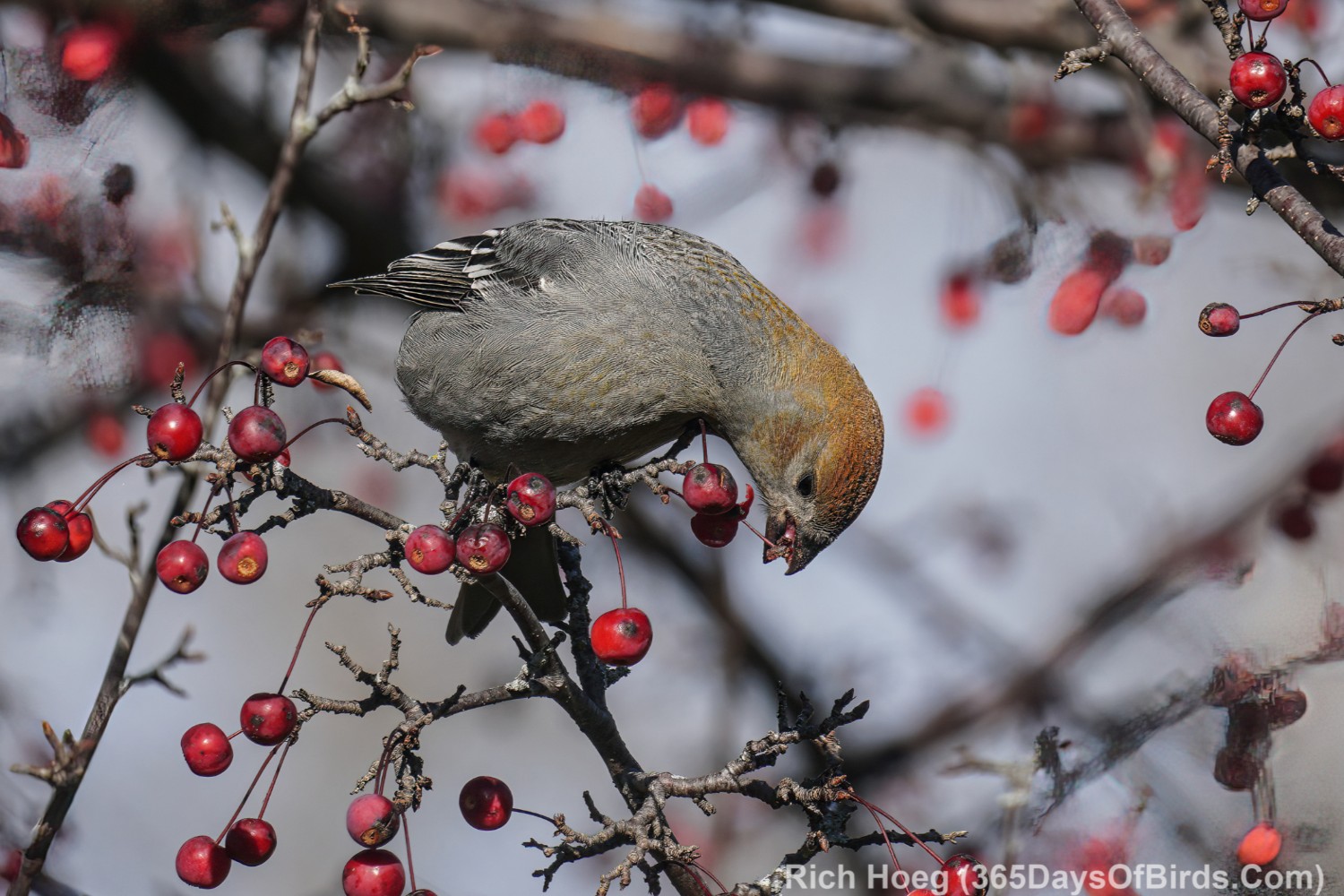
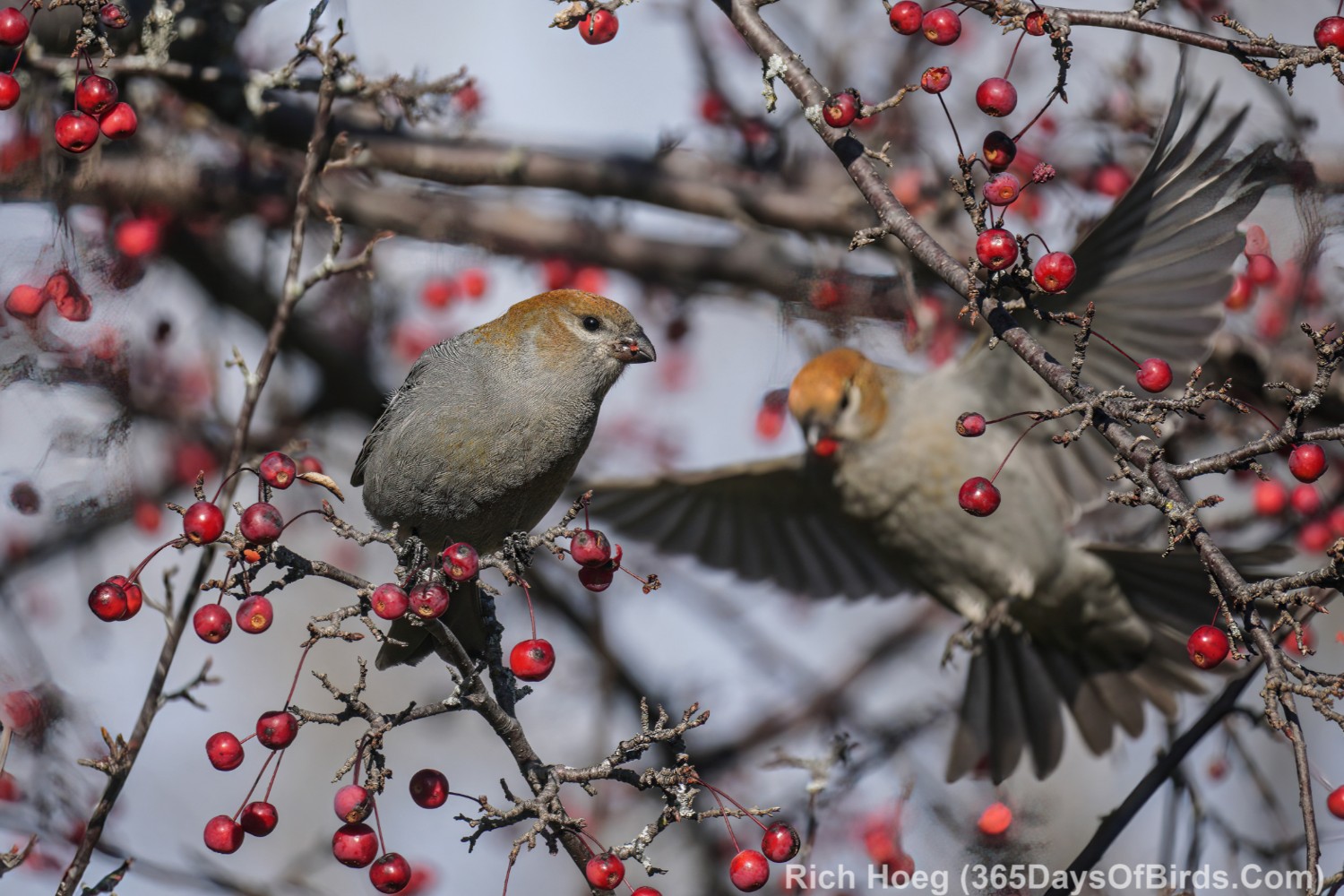
On to the photographs … the Pine Grossbeaks were real special. Essentially nary a Pine Grossbeak was seen last winter. Today I watched a small flock.

Red: Pine Grosbeaks


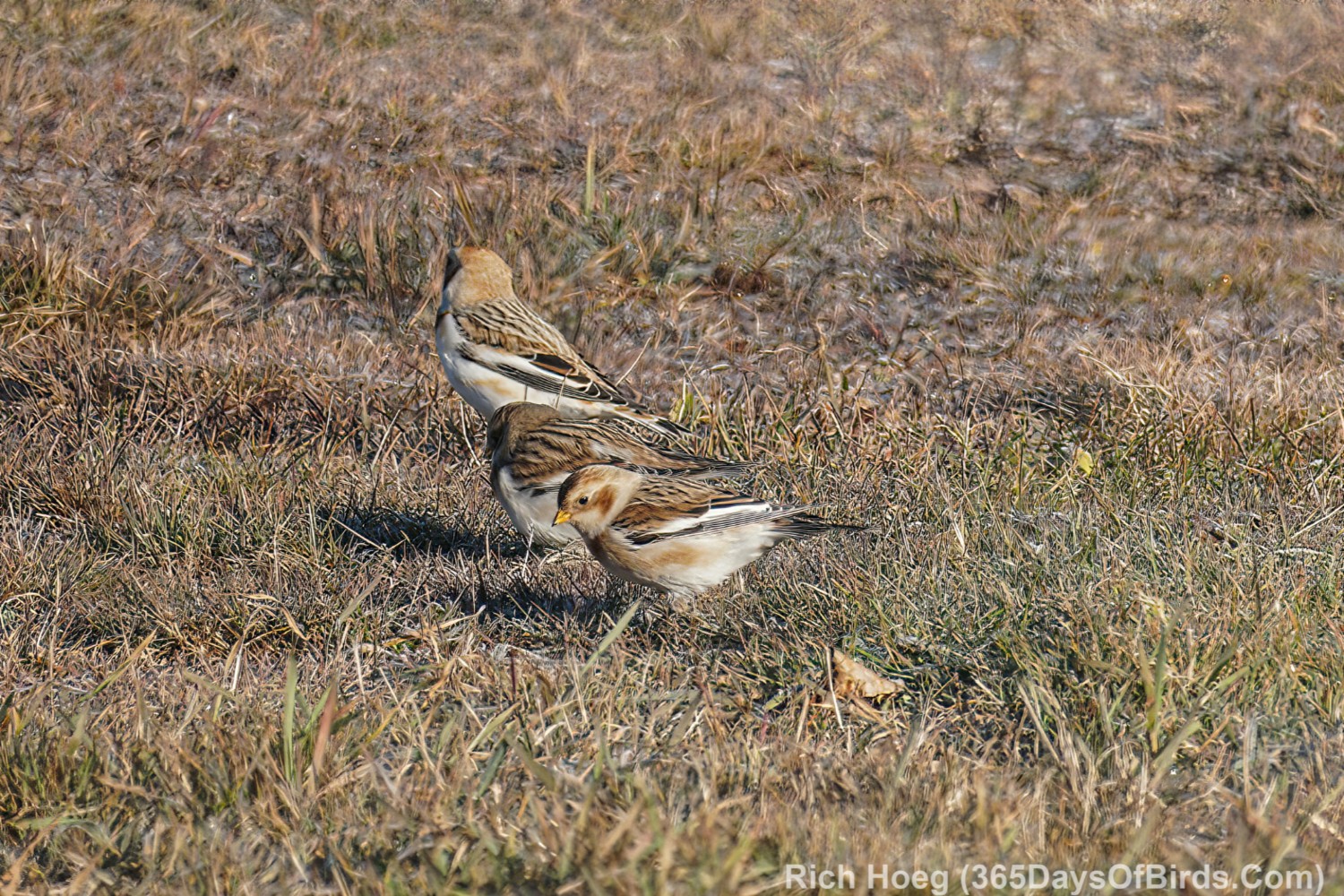
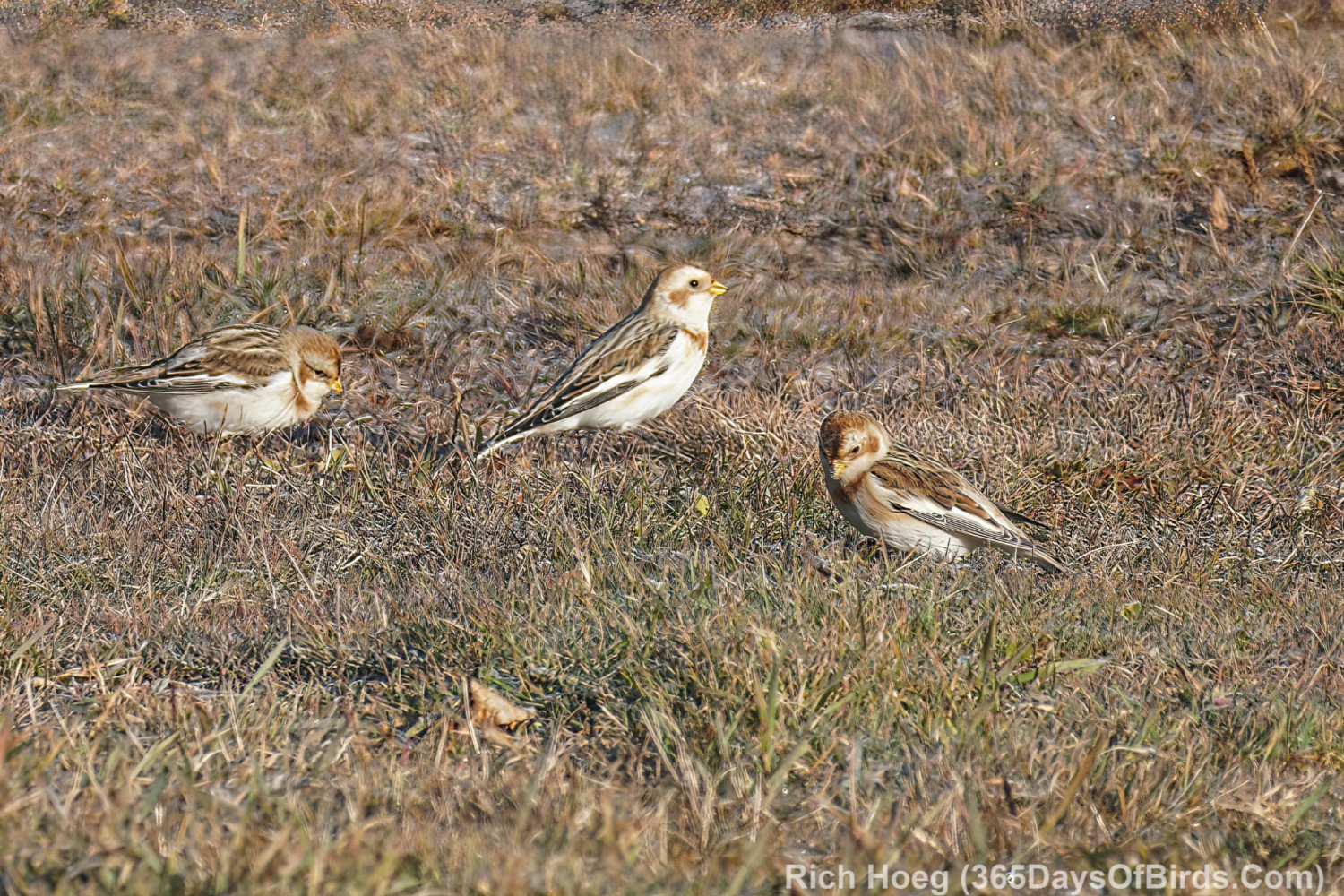
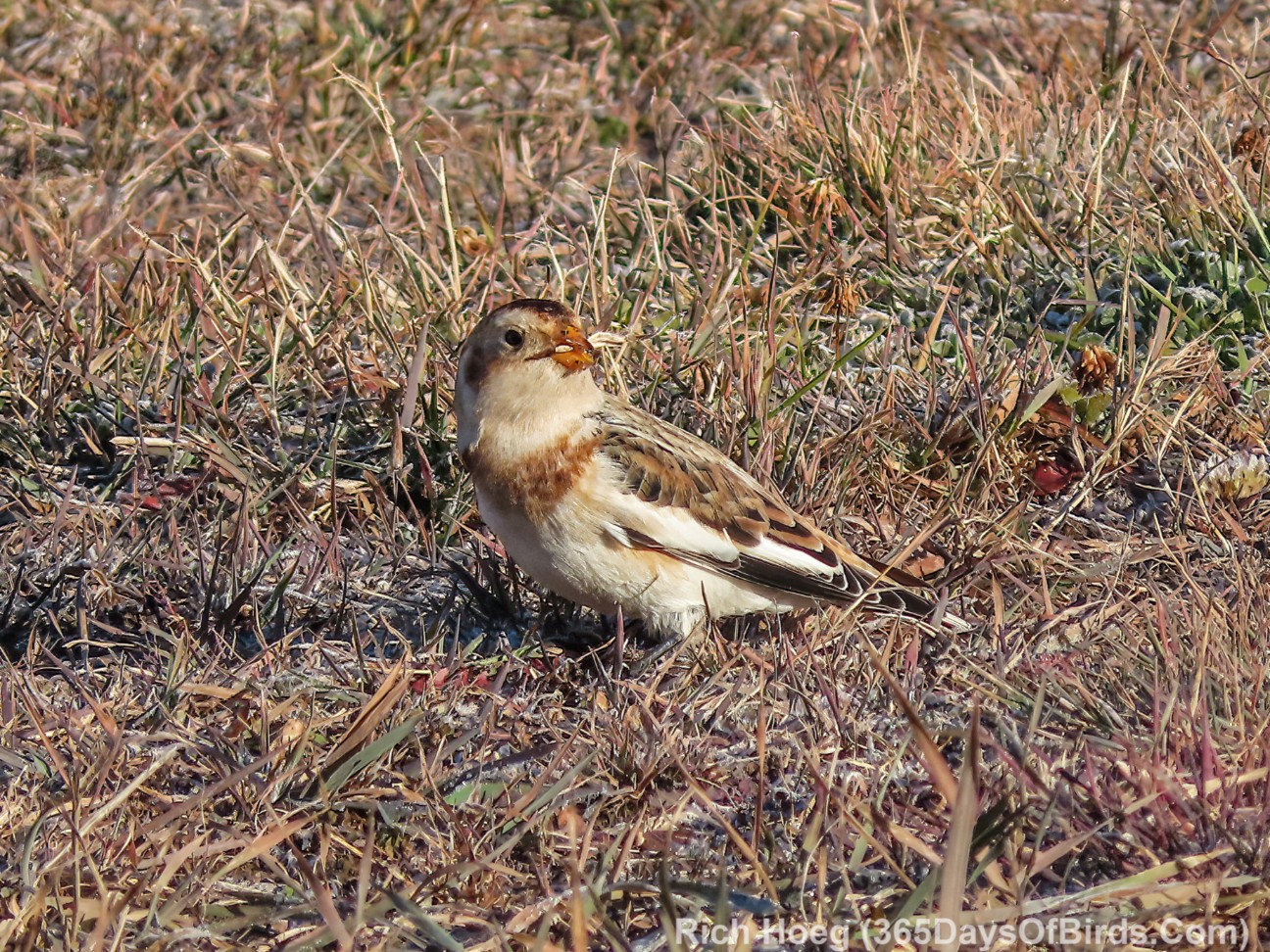
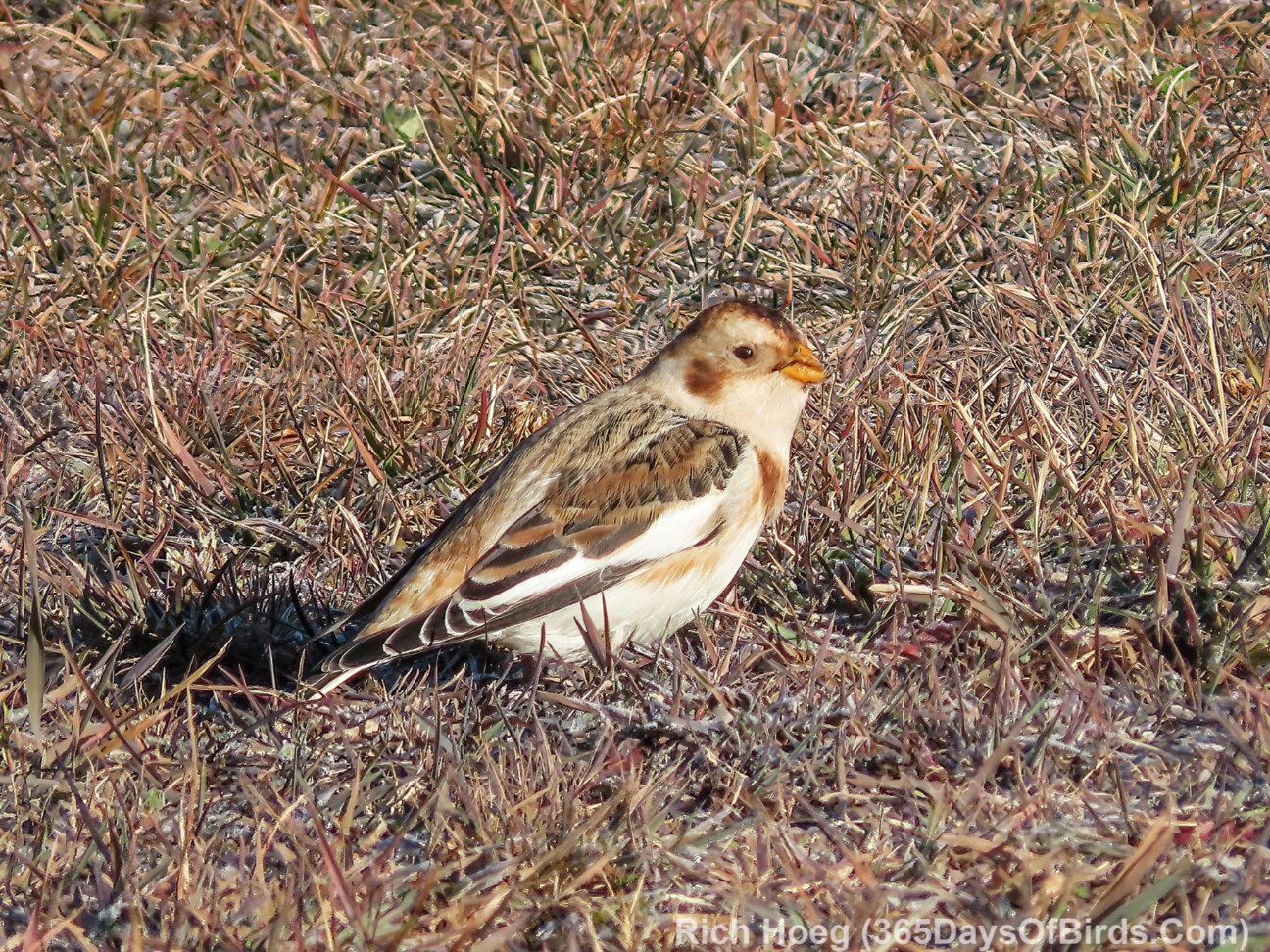
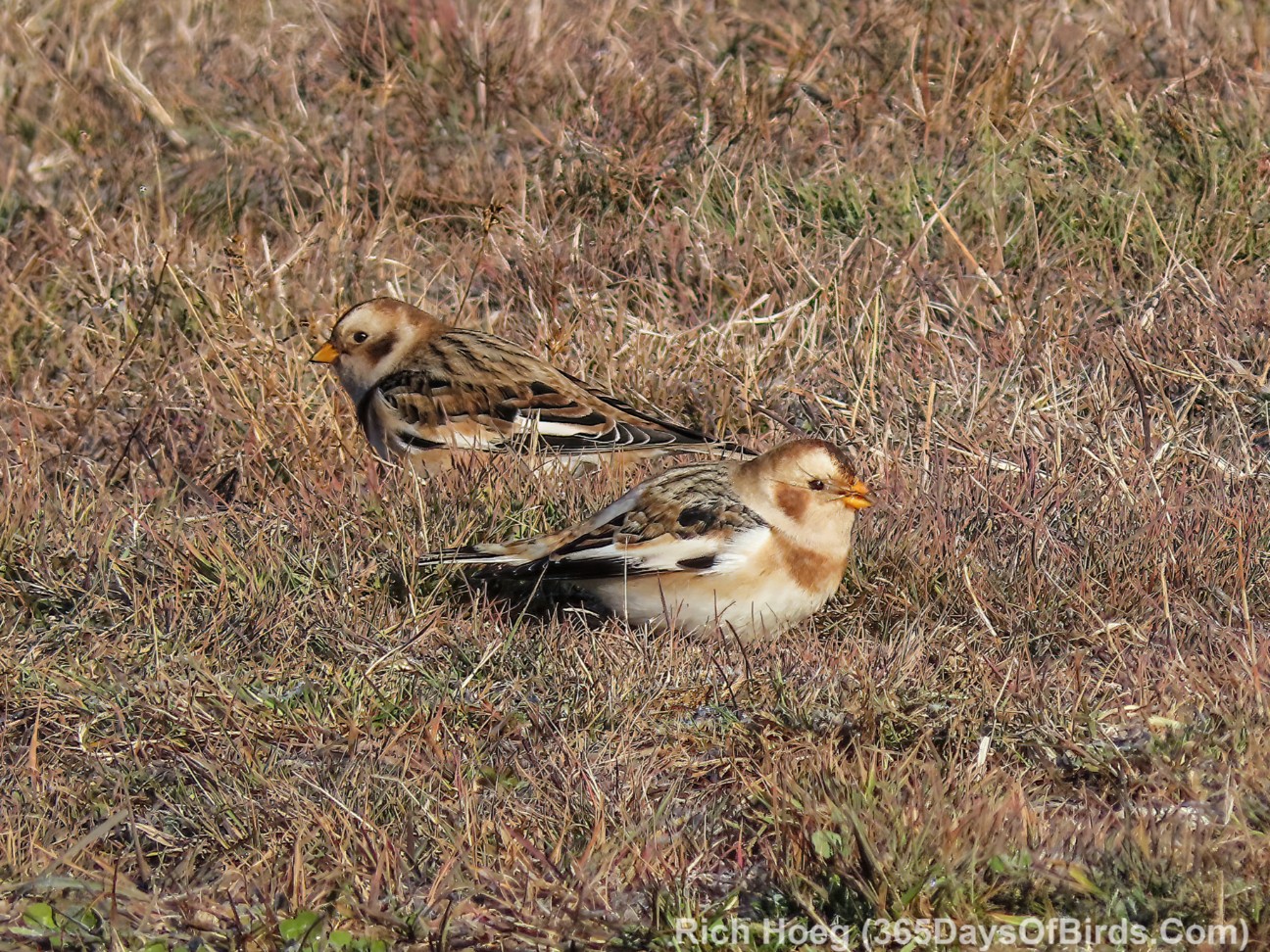
White: Snow Buntings


& Blue: Blue Jays


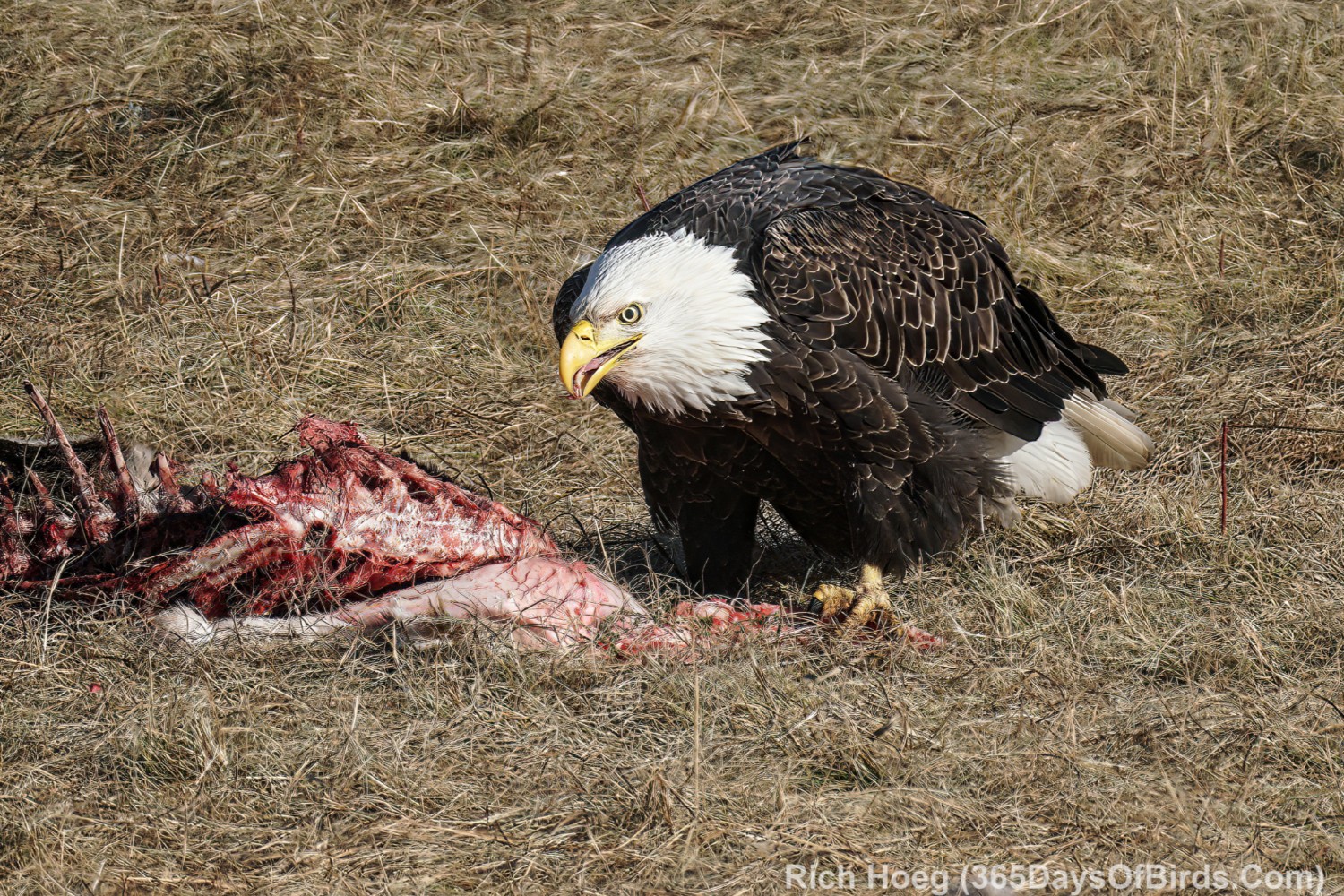
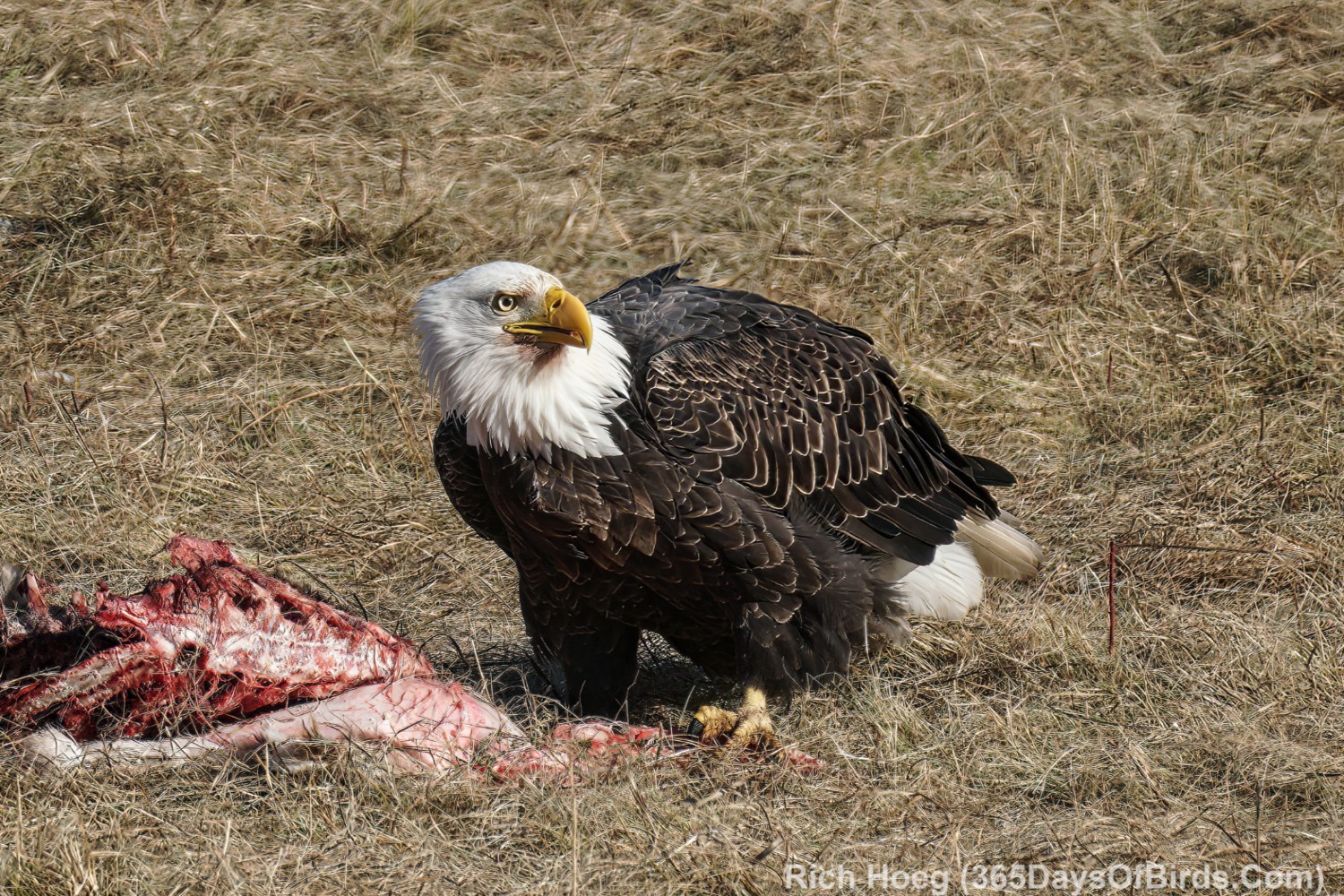
and our National Bird: Bald Eagle

Birding Migration Gems of the North Shore of Lake Superior

The last few days have been fun. Around the first of November, winds out of the North and Northwest bring unexpected pleasures to the North Shore region of Lake Superior. In short, migrating birds get pushed by strong winds against the big lake, and are feathered friends exclaim: “No way I’m heading out over that HUGE body of water!”. Instead birds meander in a southwesterly direction along the shore down towards Duluth. During this time of year, I still head inland to Sax-Zim Bog and Greenwood, but the largest number of my sightings are always within a few miles of Lake Superior.

Sunday started with the sighting I enjoyed the most … a Dark Morph Rough-Legged Hawk just after sunrise. Better yet, this species normally spooks and flushes very easily. Perhaps because I would soon be heading to church that morning, the hawk let me watch it hunt … often from distances as close as 50 yards away. However, I suspect the real reason it never flushed is the hawk was very, very hungry, and the need to feed drives all actions.

Dark Morph Rough-Legged Hawk


The next surprise was finding a Cattle Egret on a farm near the intersection of Ryan and Lismore Roads. This bird is still hanging out in this area, and my thanks to Peder Svingen for his initial sighting reports. Take a look at the range map for this bird (copyright to Cornell). The winds of migration must have blown this bird almost due west!

Western Cattle Egret


My finally sighting was a dark morph Snow Goose at the Lakeview Cemetery in Two Harbors. I had been checking the gold course, and cemetery for over one week hoping to find some snow geese. While thousands and thousands of these birds migrate south along the Red River on Minnesota’s border with the Dakotas, they are rare in NE Minnesota.

Dark Morph Snow Goose


I hope you are also enjoying the late season bird migration. The leading edge of the Arctic birds are just starting to arrive.

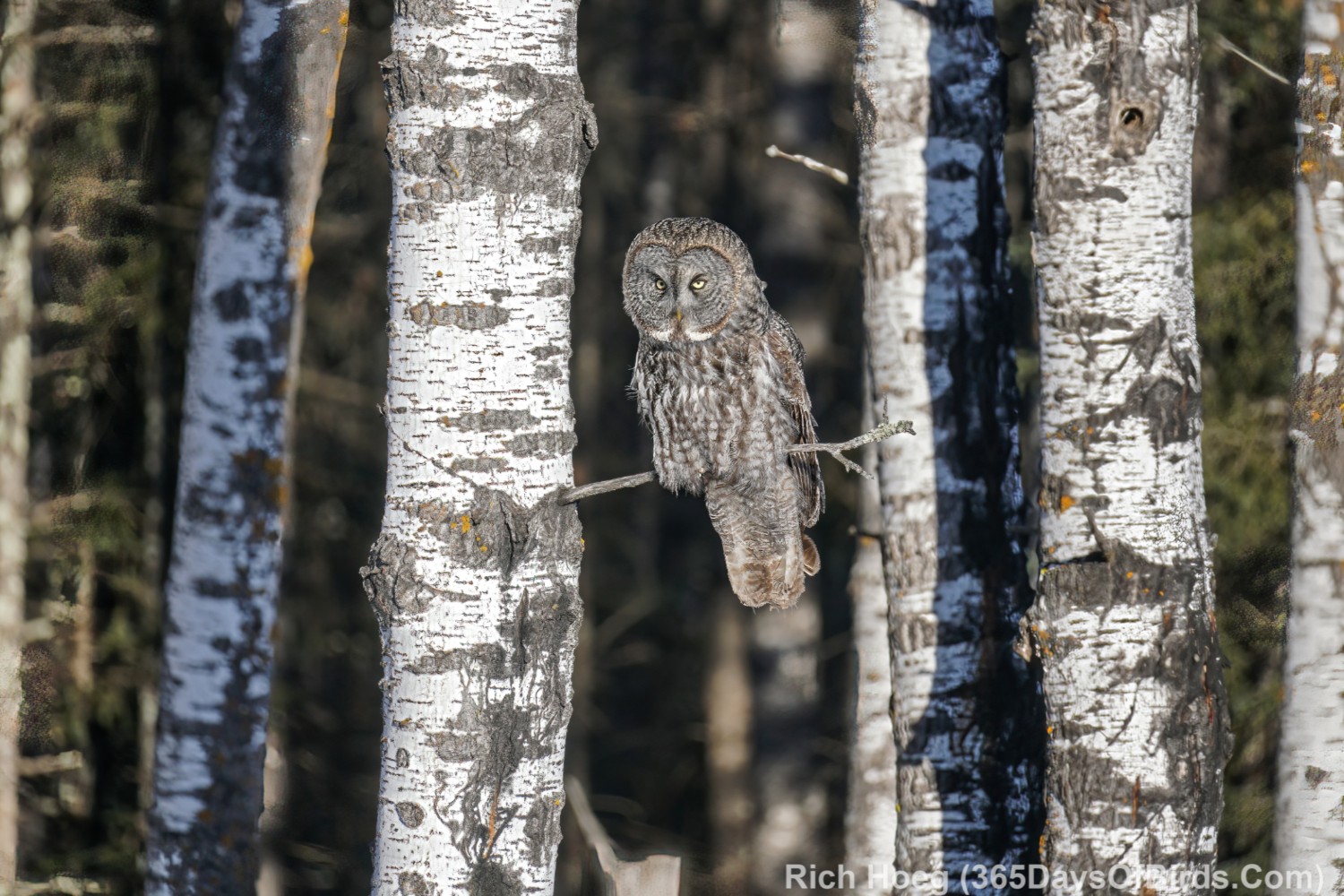
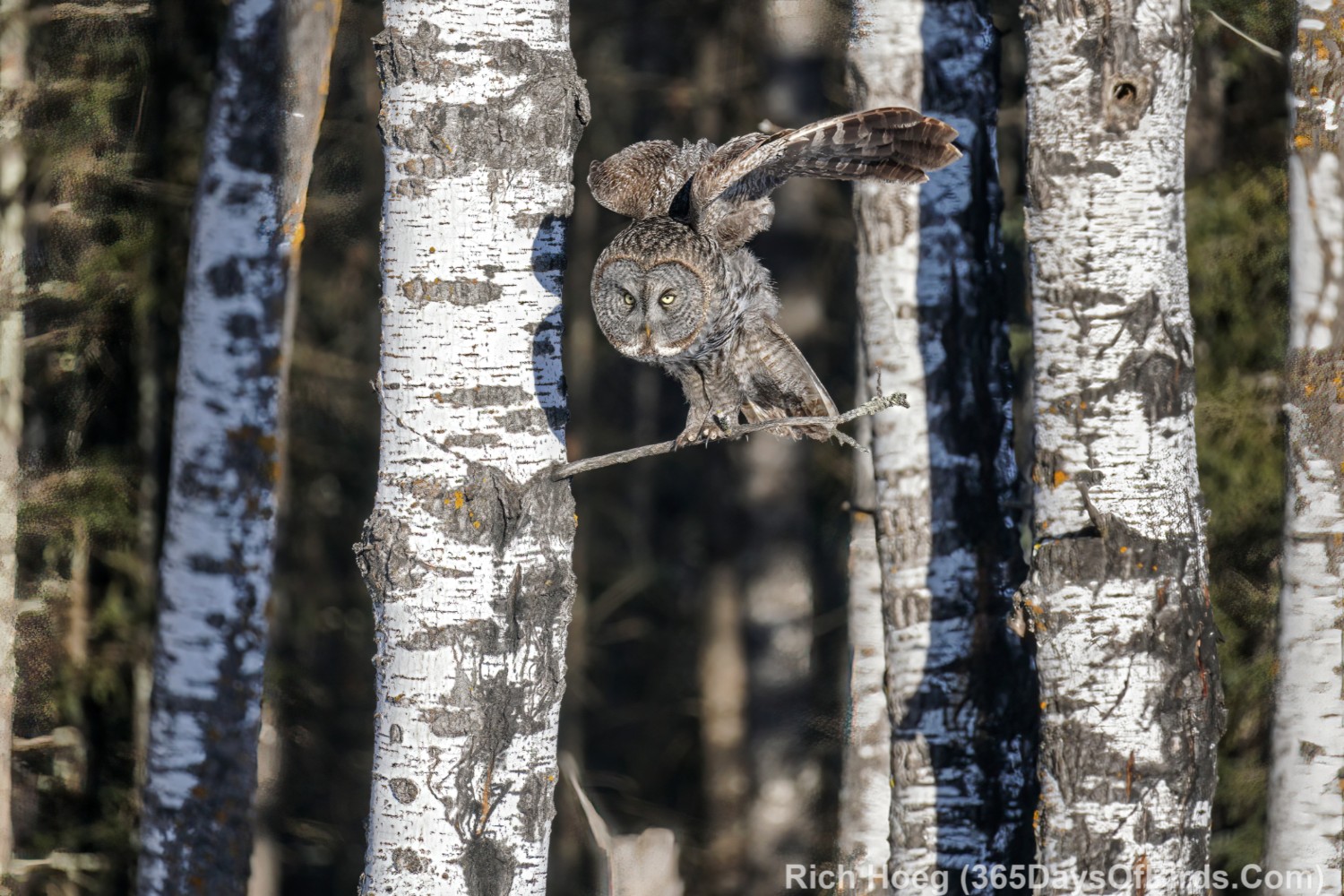
Great Gray Owl Irruption Winter 2024/2025

By the 1st of December I will likely know whether a smaller owl irruption will follow last winter’s great event. Bird statistics show that it is not unusual for a smaller irruption to follow a big event (like last winter).

Last November, I was actually one of the first individuals who realized that a magical winter of owls was in the offing.  Given all the hikes that I take up in the Greenwood Boreal Forest Bog Region, I knew the number of owls I was seeing was most unusual. I kept my mouth shut about sightings with the exception of a few very trusted friends. Eventually the owls would move down to more populated and birded areas near Lake Superior, and we wanted to enjoy the experience before the word got out across America’s birding community (and it did).

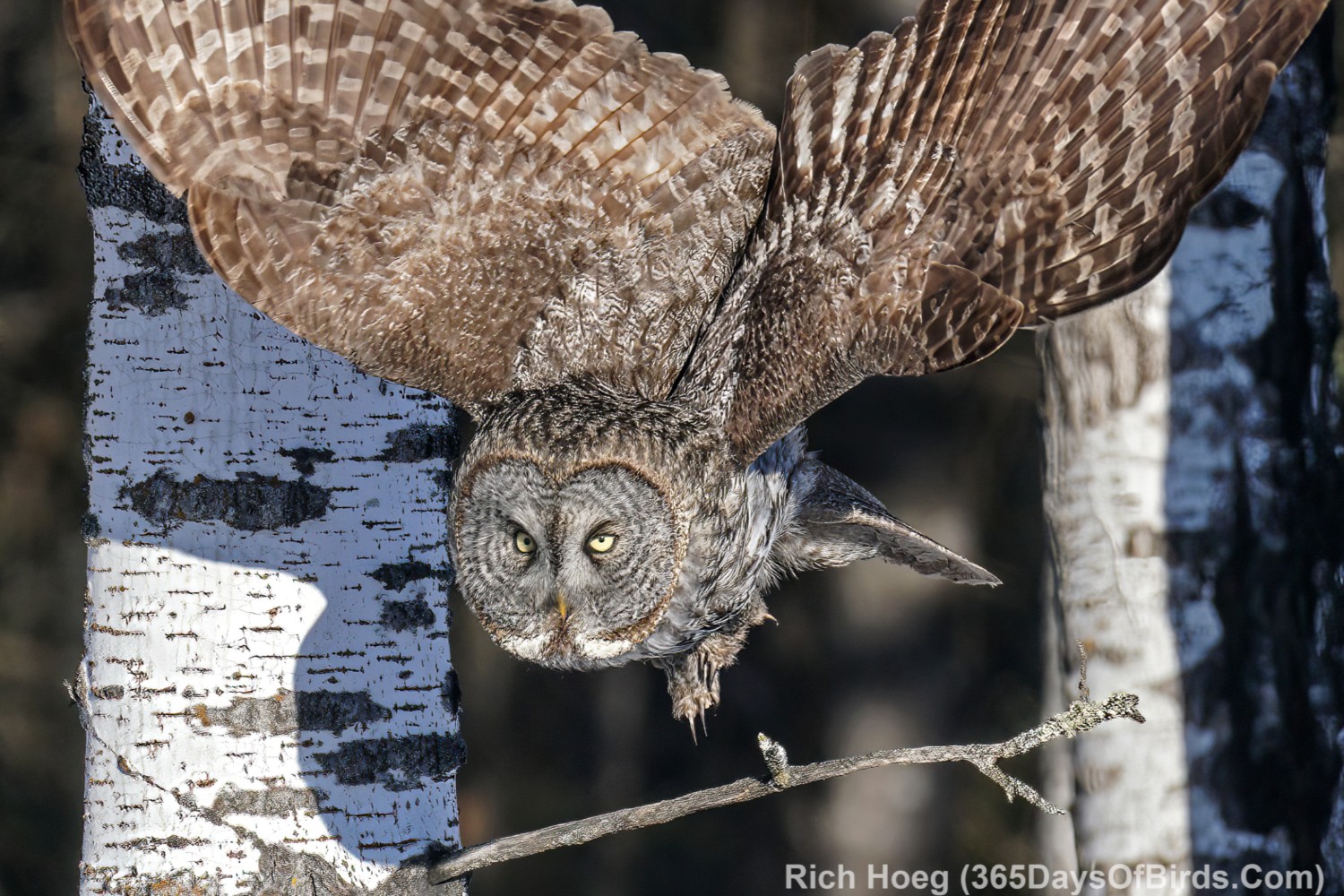
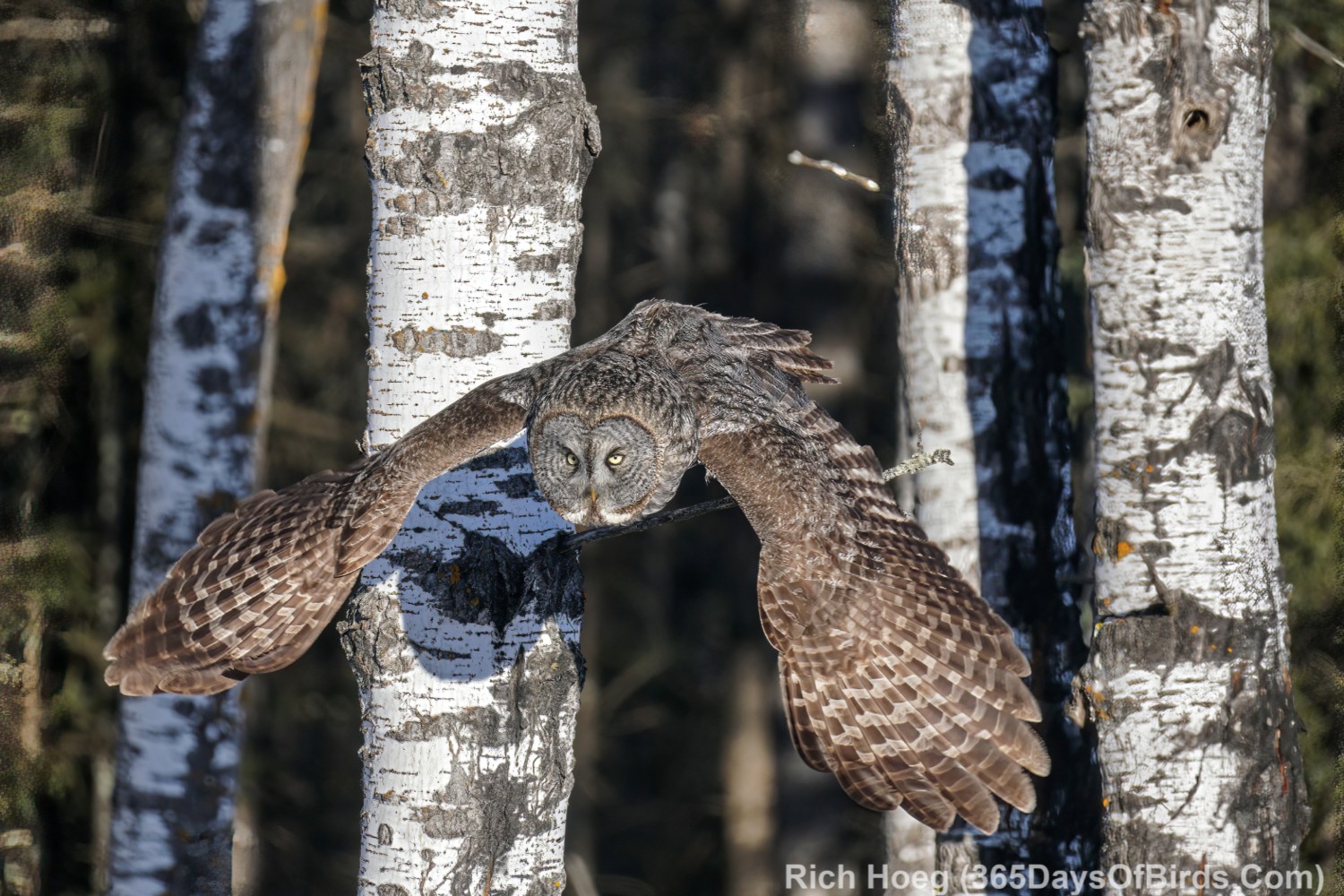
Yes, last winter was special. For the first time ever I had a “Great Gray Owl” yard bird, and the owls were easily found within ten minutes to twenty minutes of my house from the latter part of December through mid February. I have a HUGE number of images of last year’s irruption. This is a small subset of photos which I am thinking of entering in a contest.

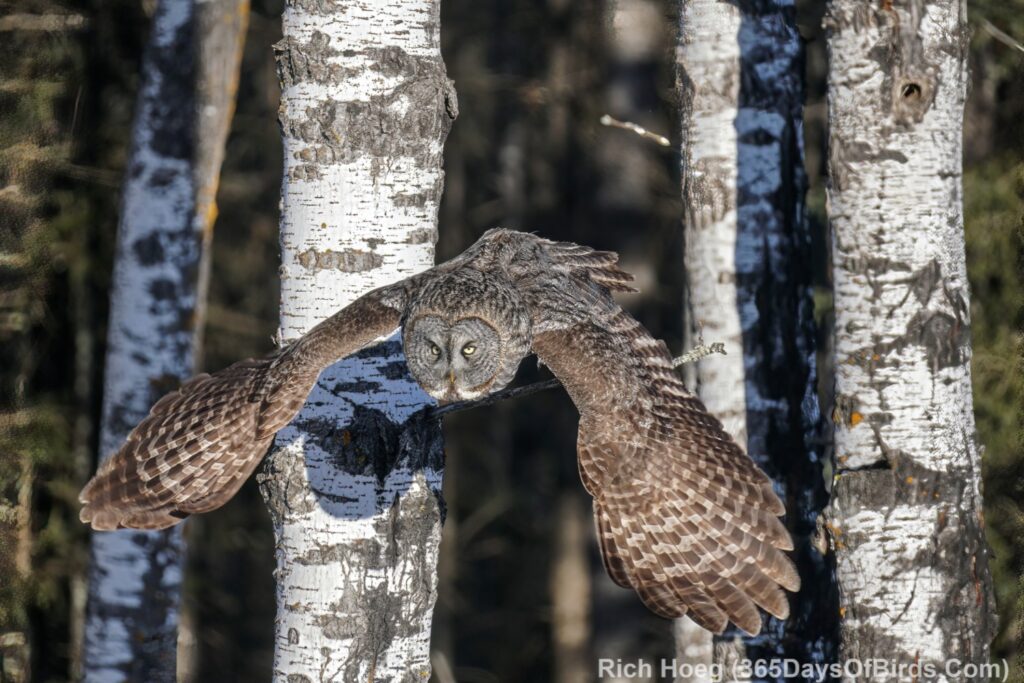
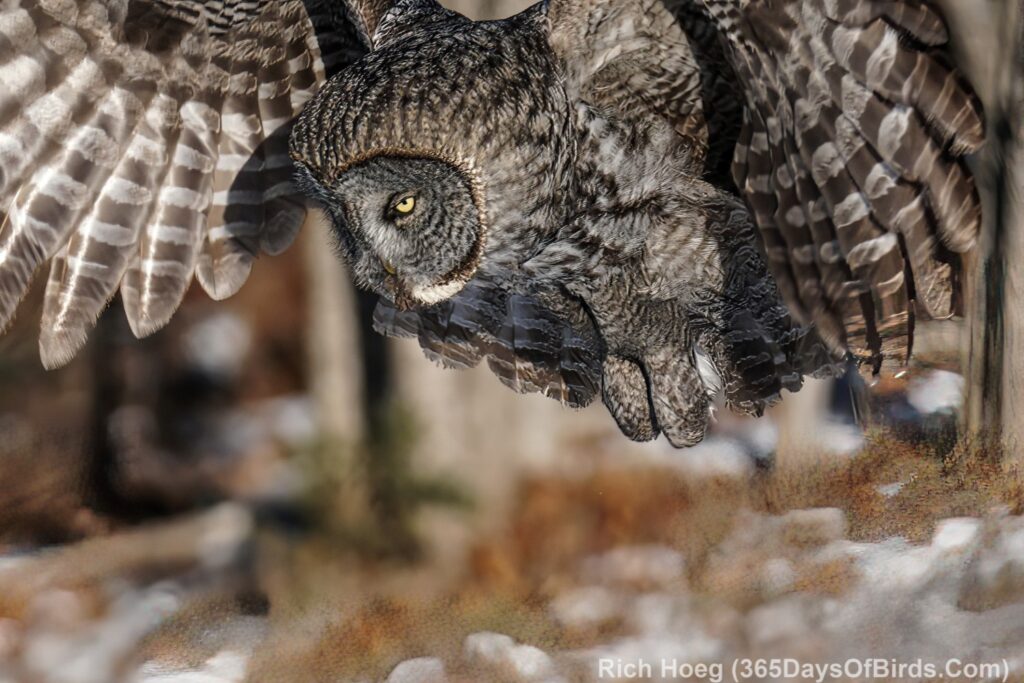
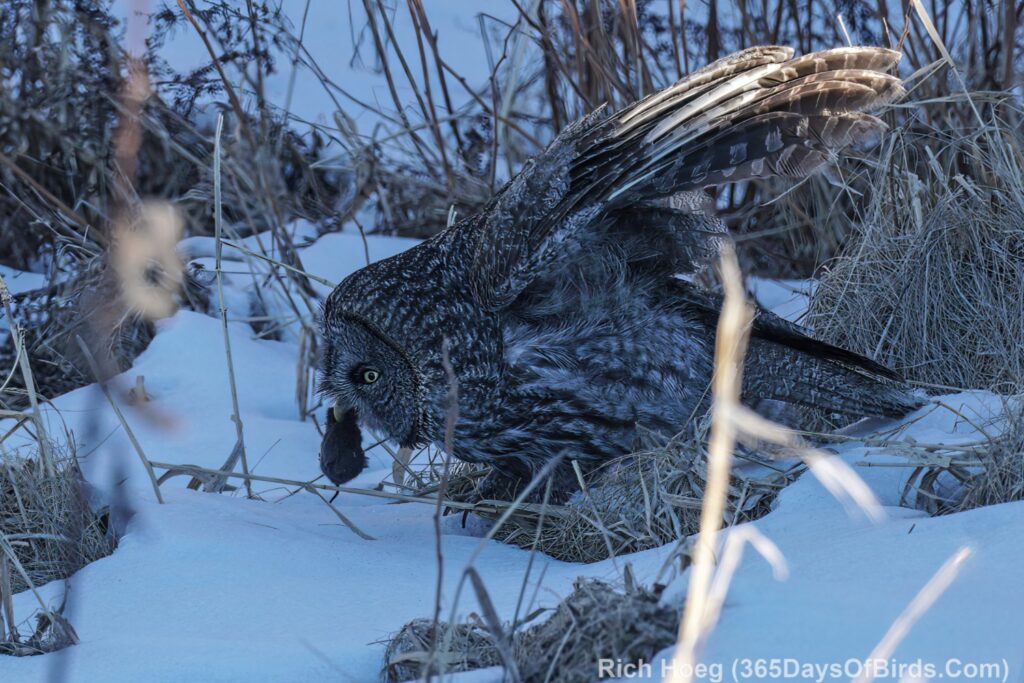
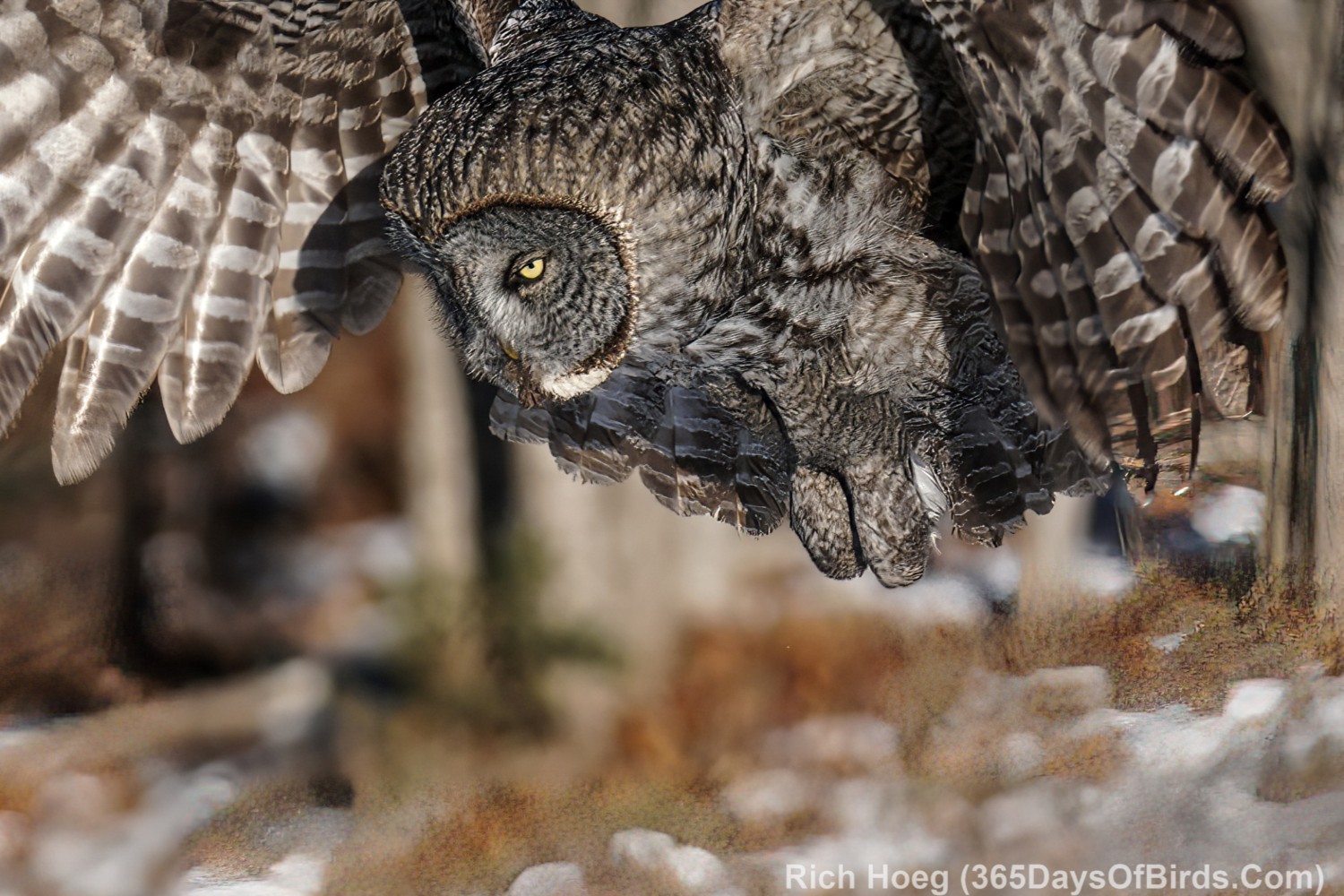
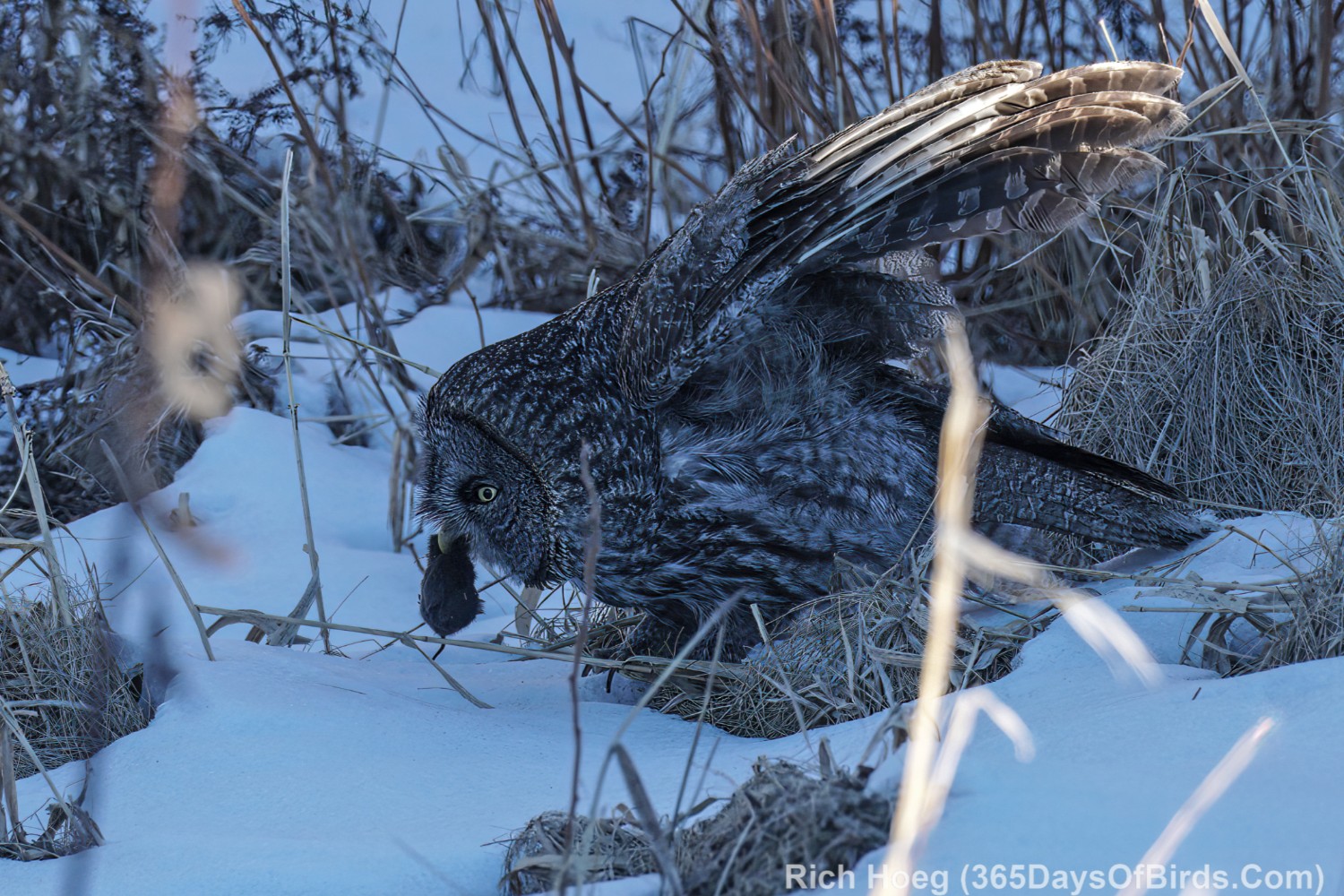
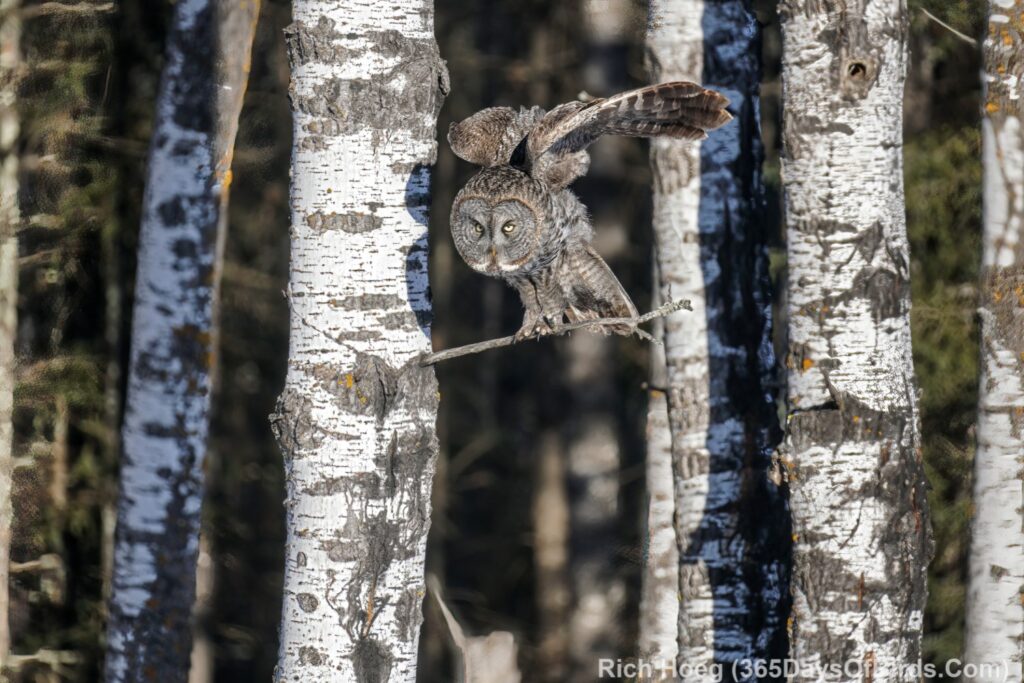
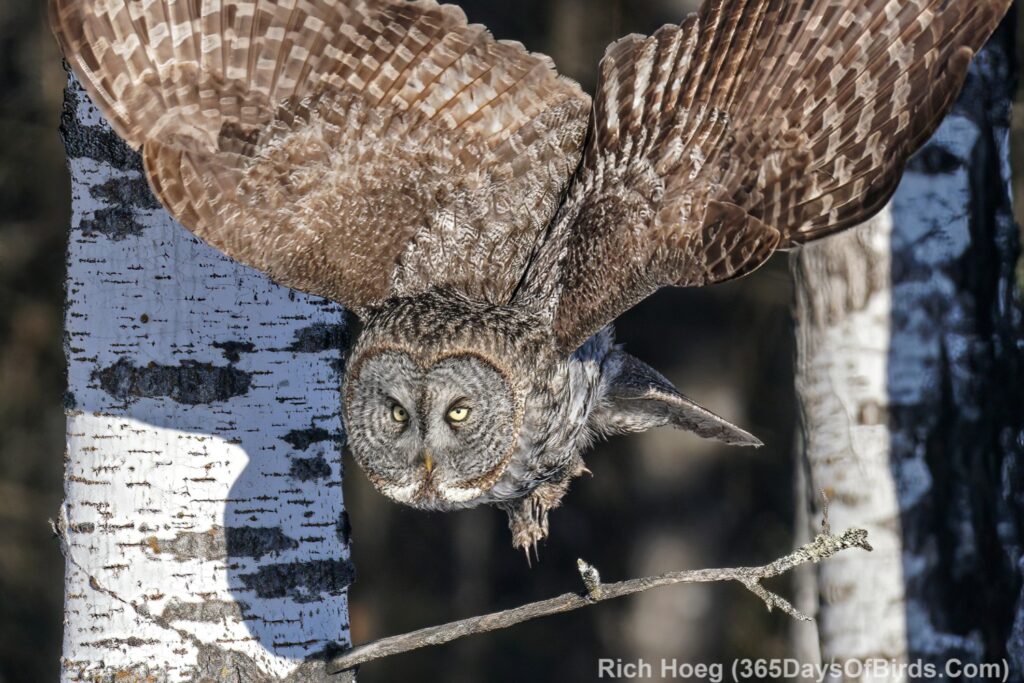
Great Gray Owl Irruption … The Hunt

I learned from a friend who is a scientist with the Superior National Forest, that during the owl irruption almost nary a bird was a first year owl, a juvenile. Apparently Great Gray Owl reproduction had been good over the past few years, but now their primary prey, the forest vole, was in short supply. Although Great Gray Owls are not a bird which normally migrates, the lack of food forced the owls to move south. We also have native Great Gray Owls which live year round in northern Minnesota, including Greenwood.
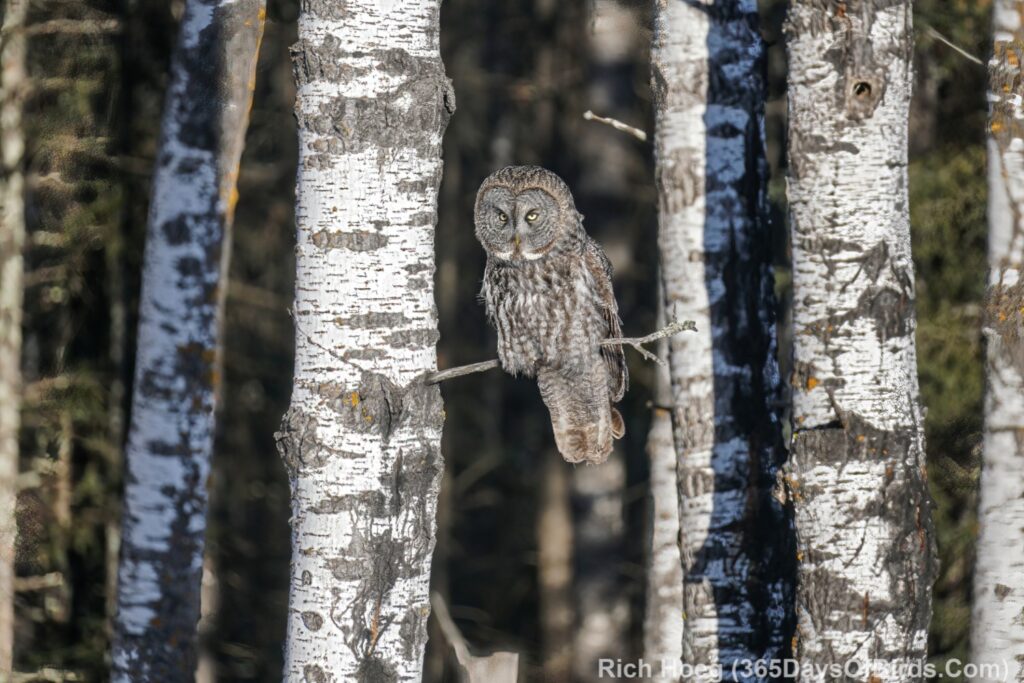
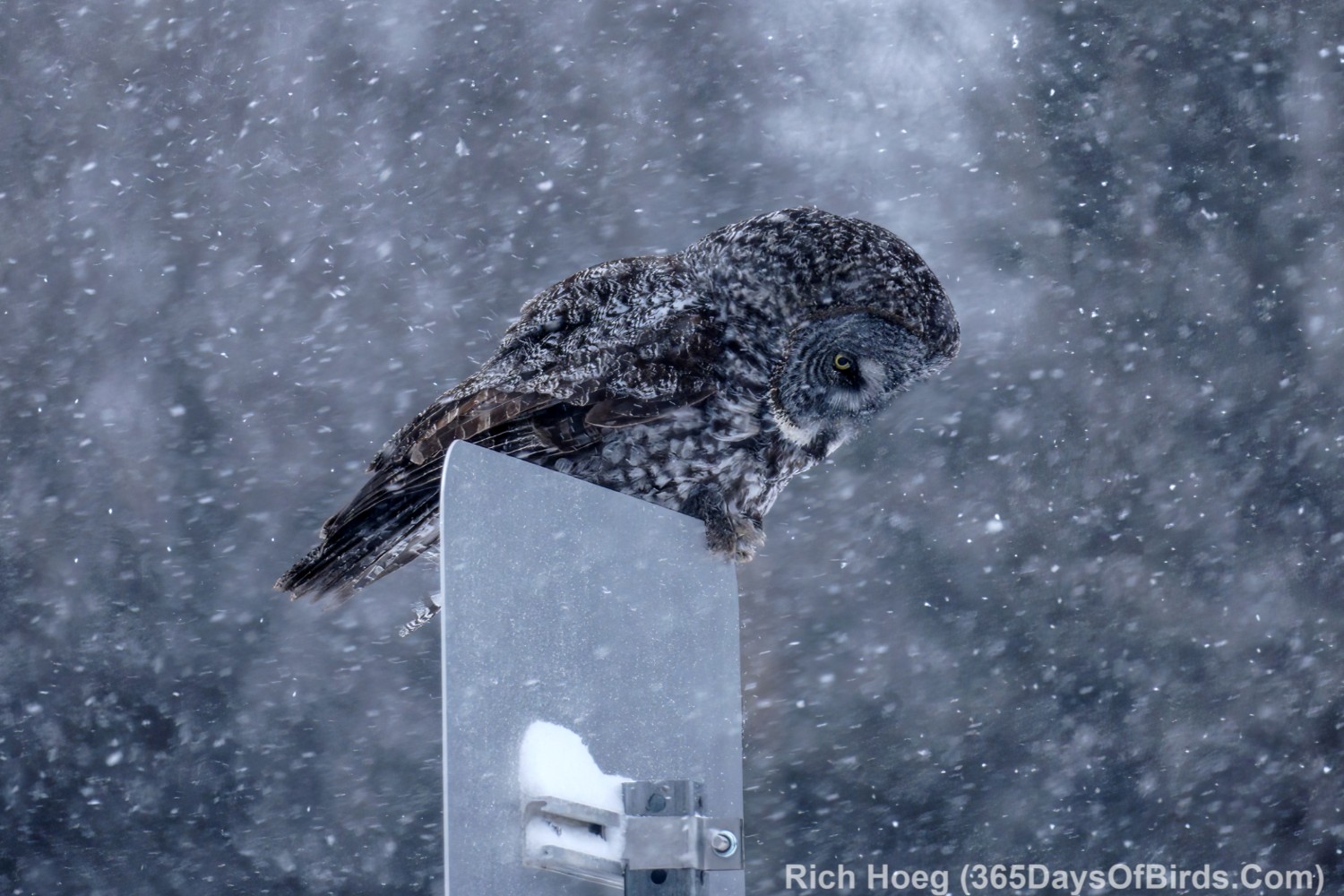
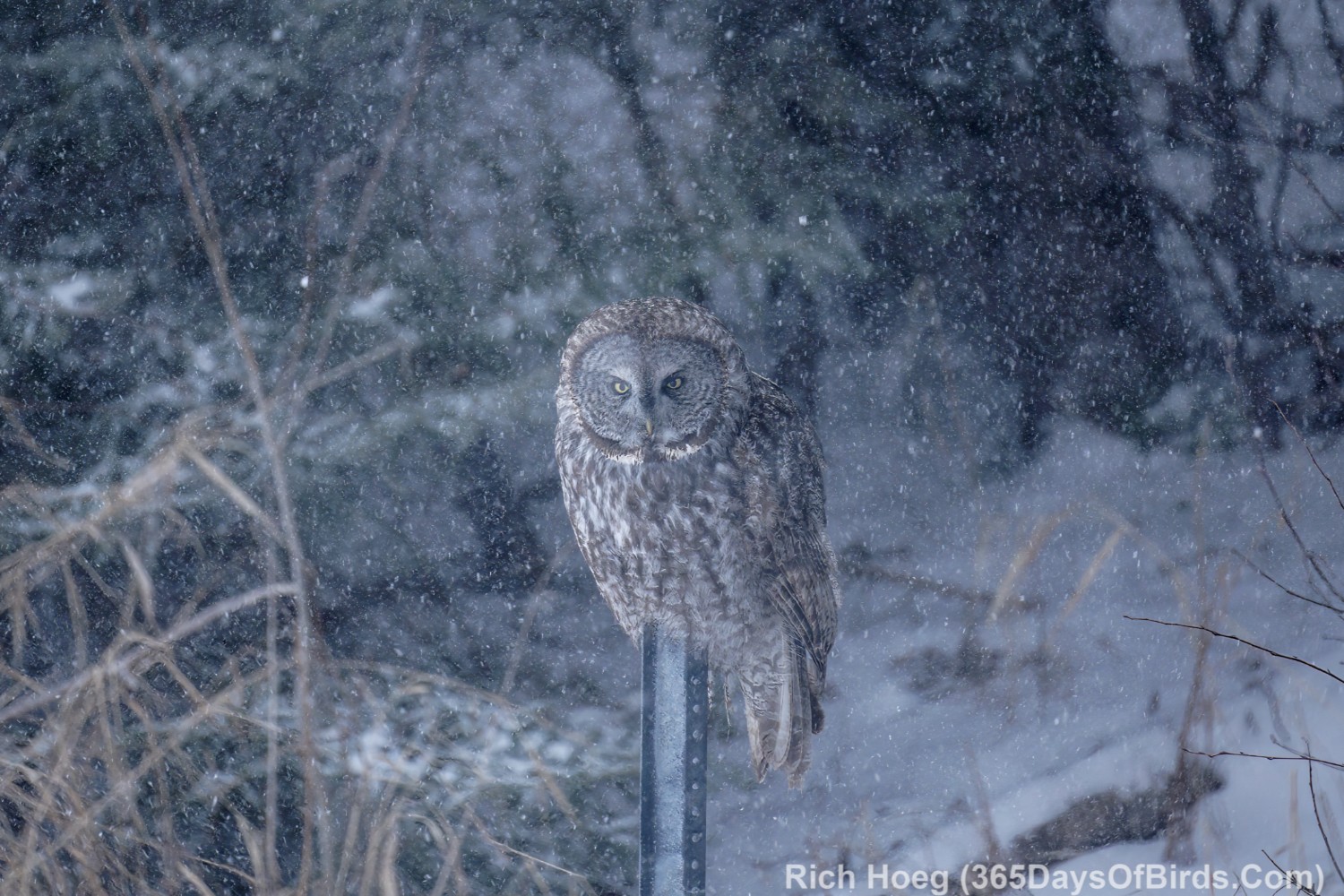
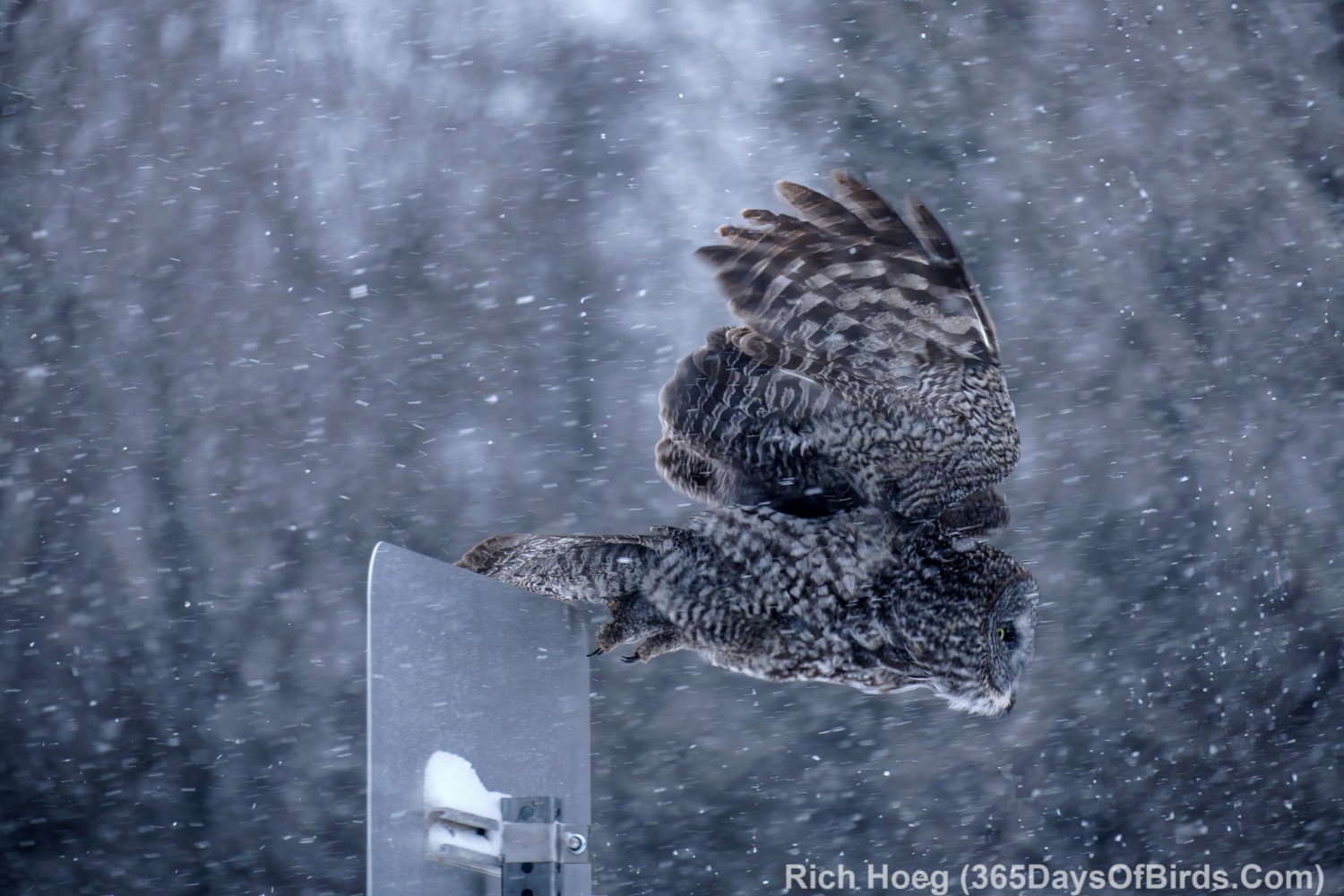
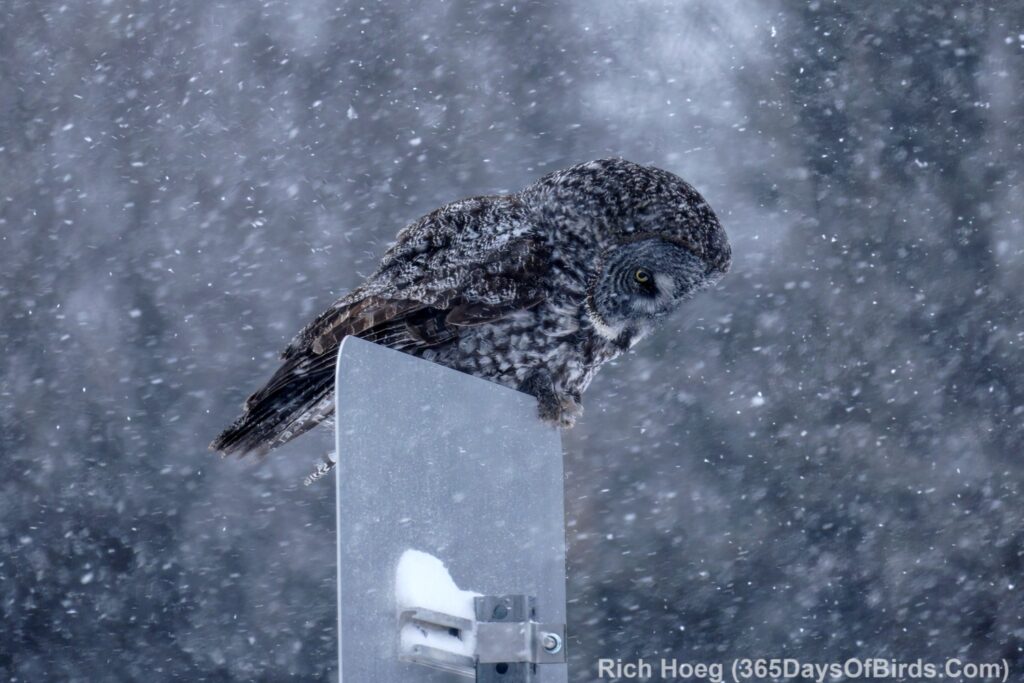
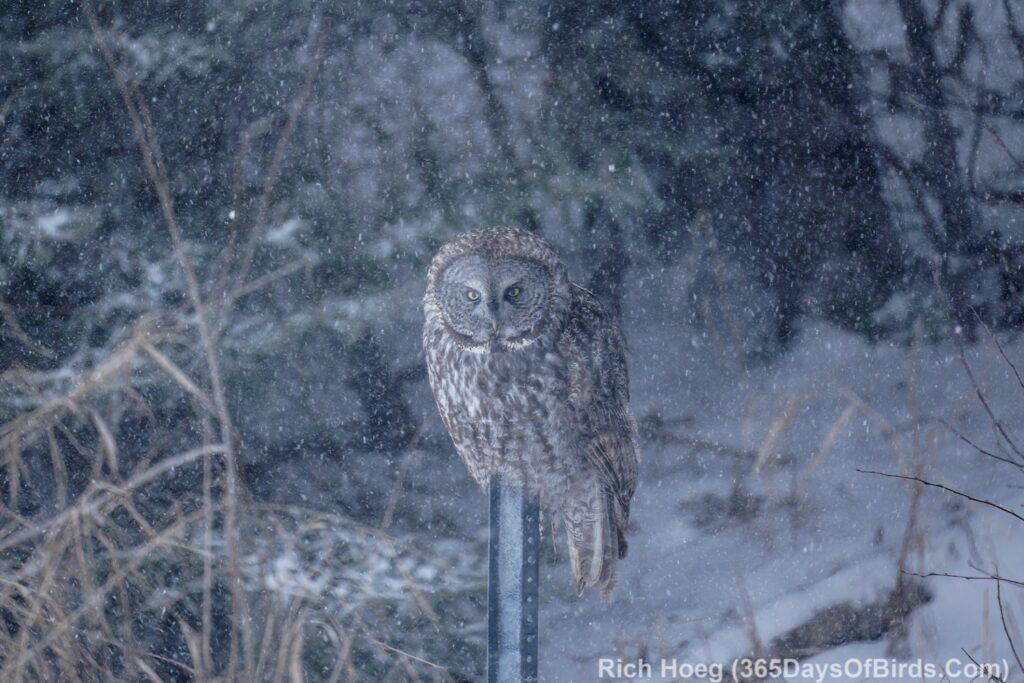
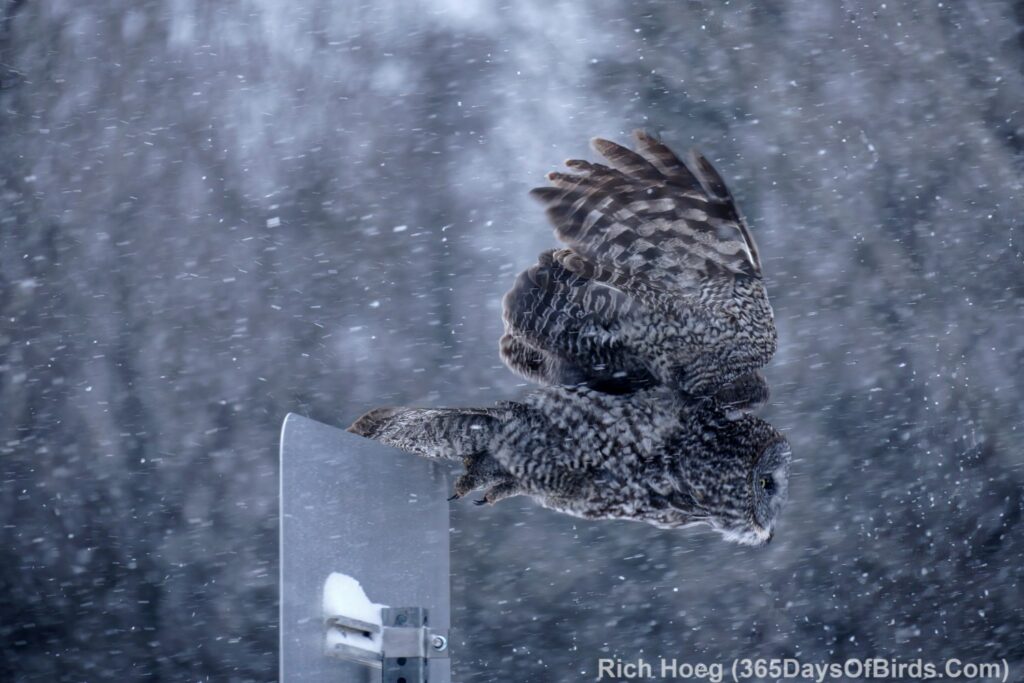
Gray Gray Owl Irruption … Hunting During an Intense Snowstorm

This was one of the more crazy birding adventures I ever took. I was sitting at home on Groundhog’s Day, and Punxsutawney Phil definitely was NOT seeing its shadow in northeastern Minnesota. Instead we had almost blizzard like conditions with HUGE winds off Lake Superior. Who would go birding during such kind of weather? Me! Only 8 miles from my house on the Two Harbors Expressway, during the middle of the storm, I found many owls hunting from sign posts. Only starvation would make an owl hunt during the day AND a horrible snow storm.
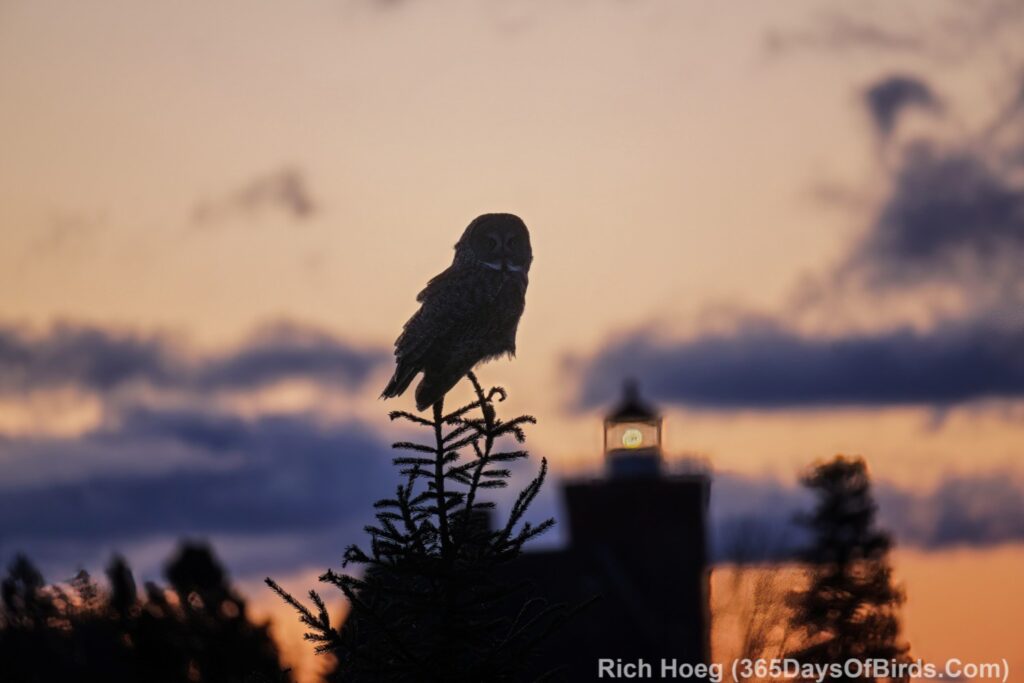
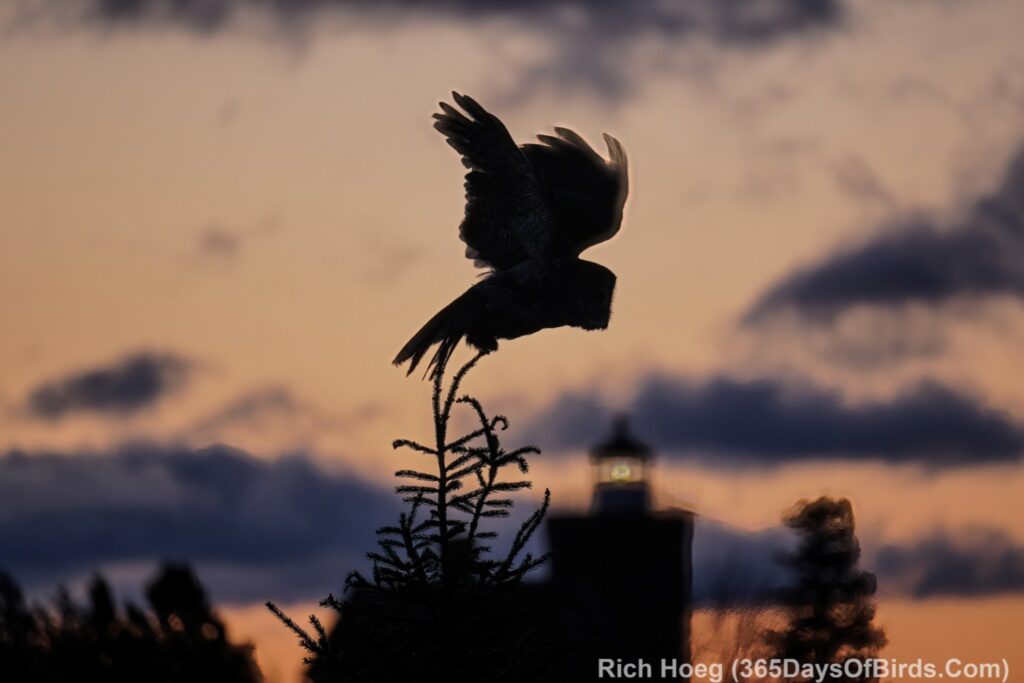
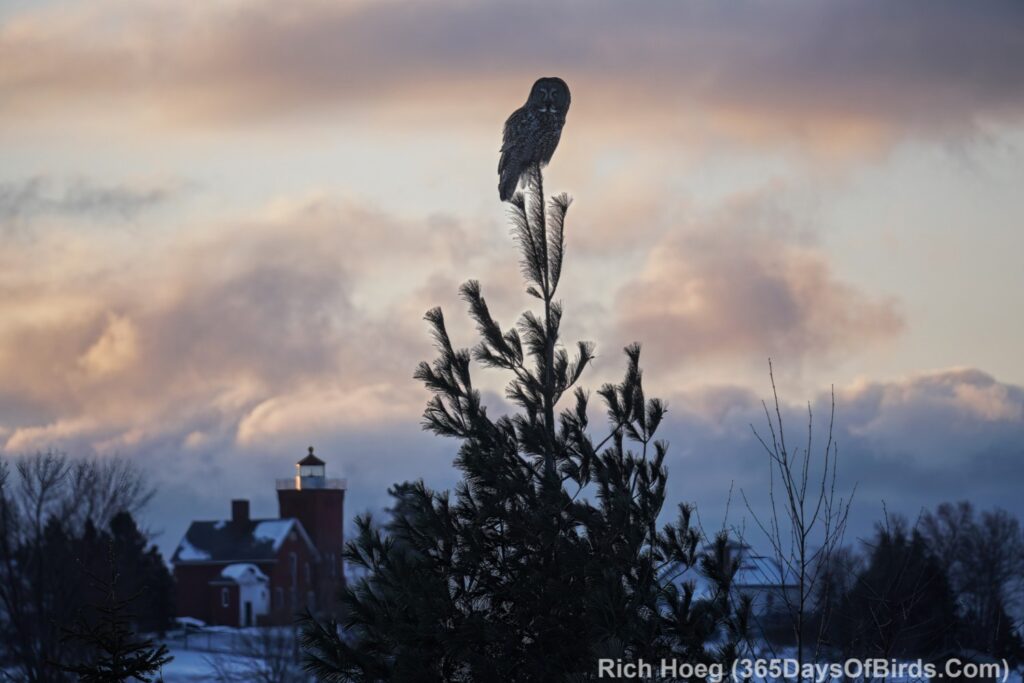
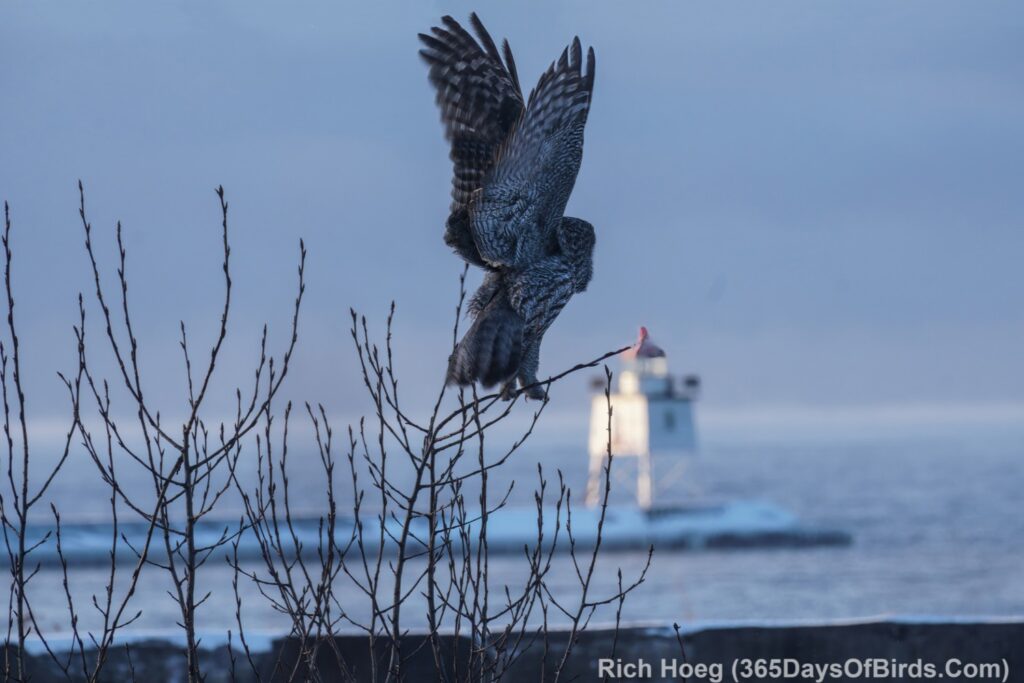
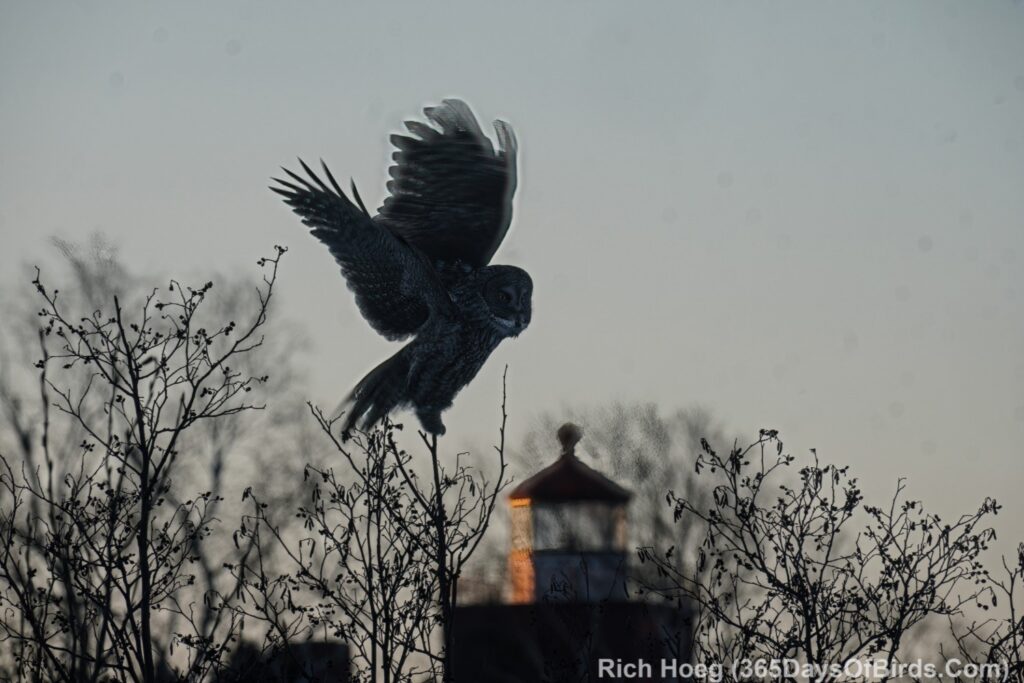
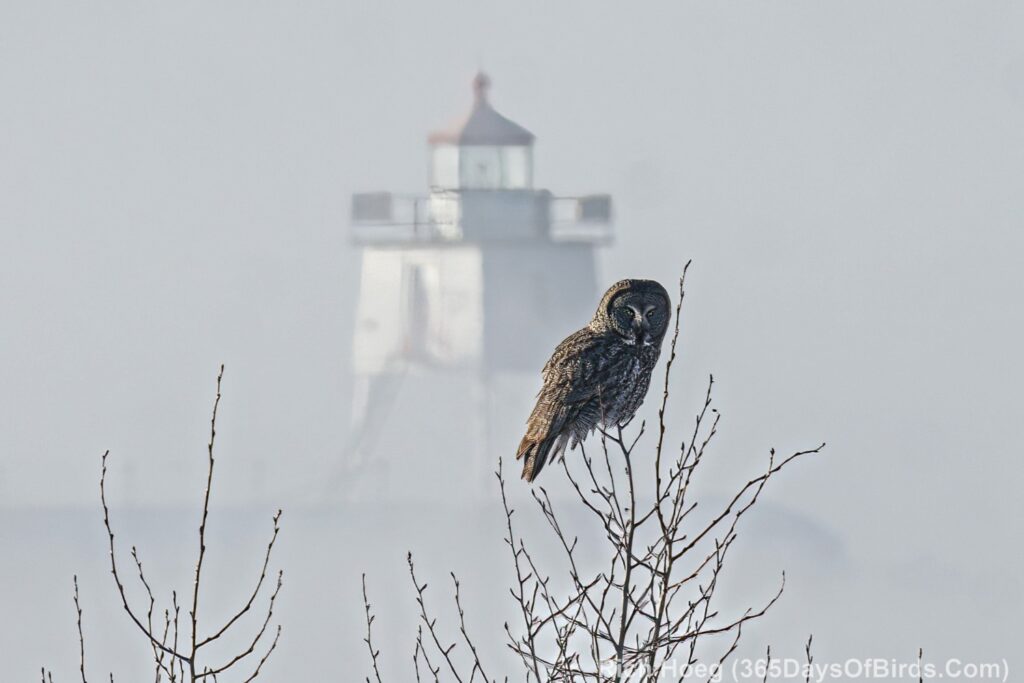
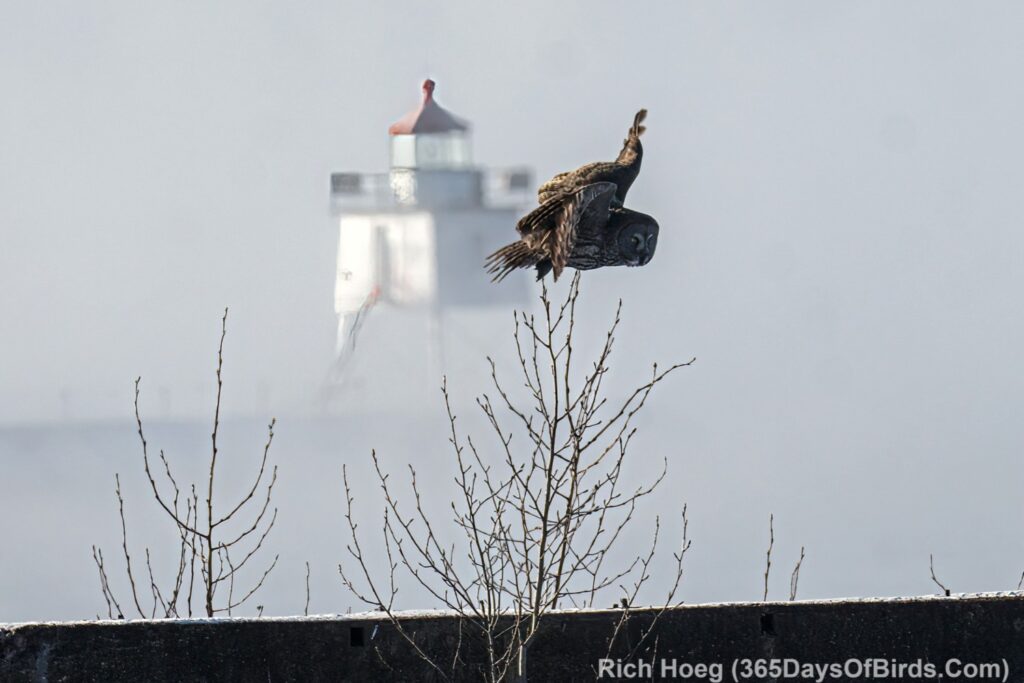
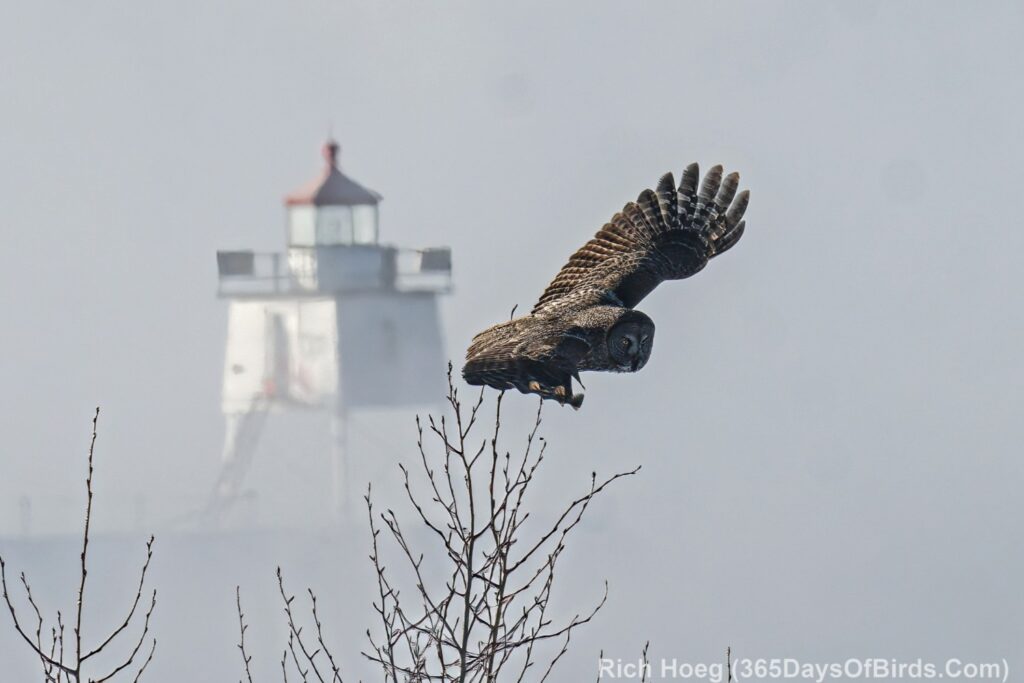
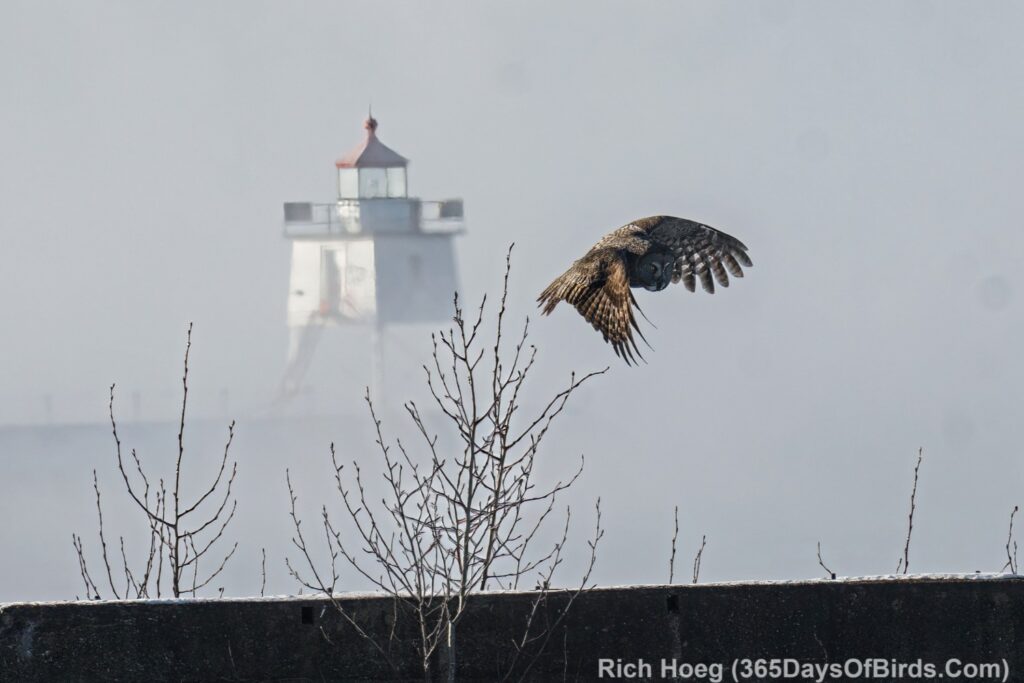
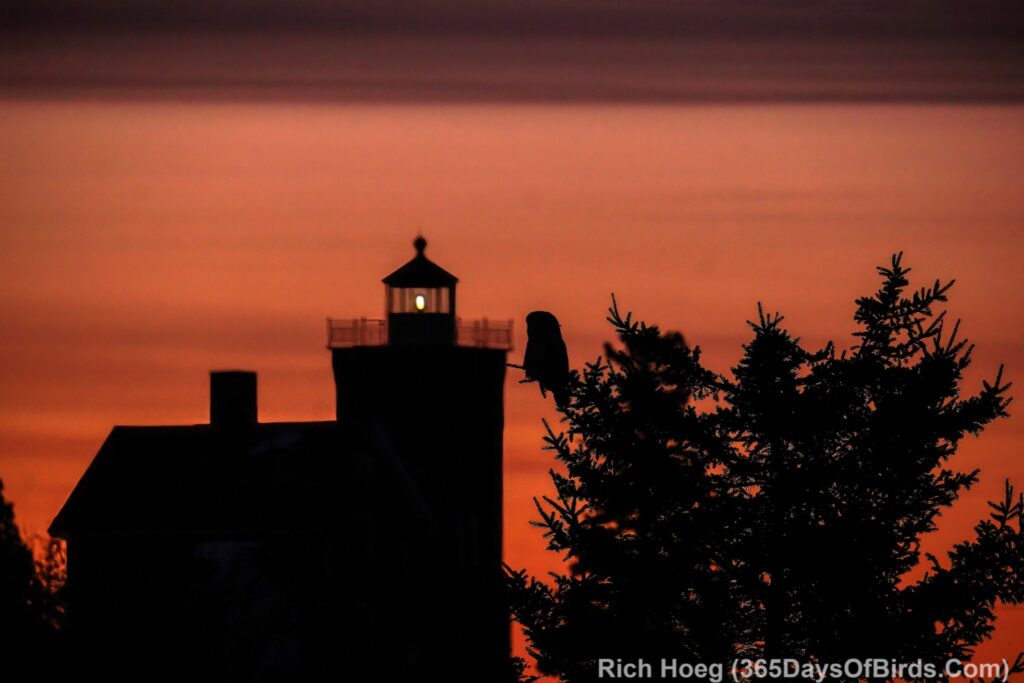
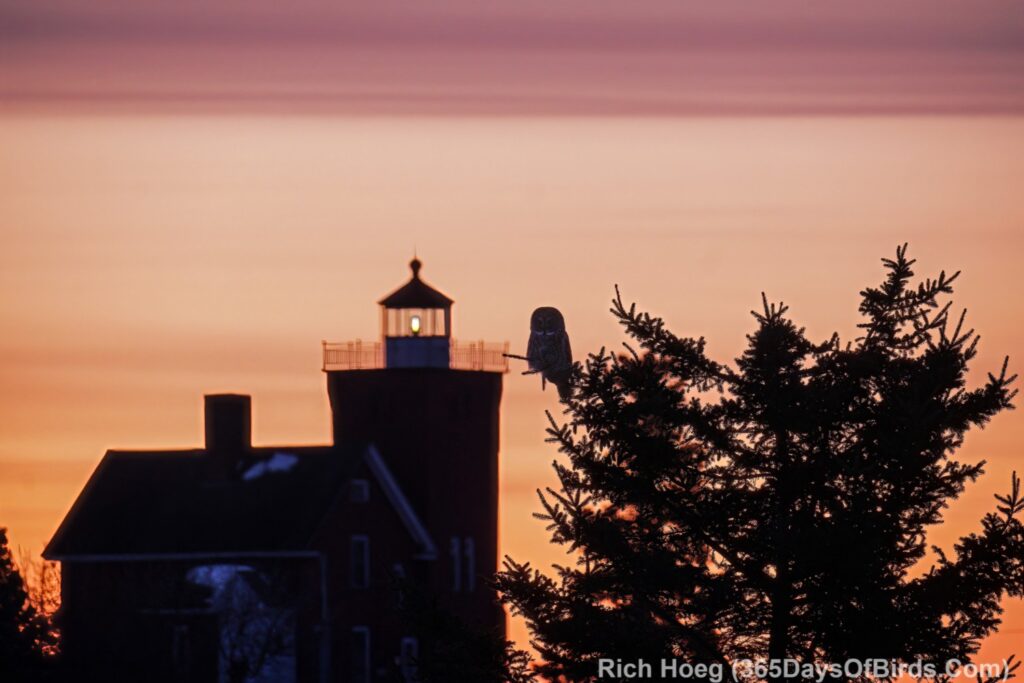
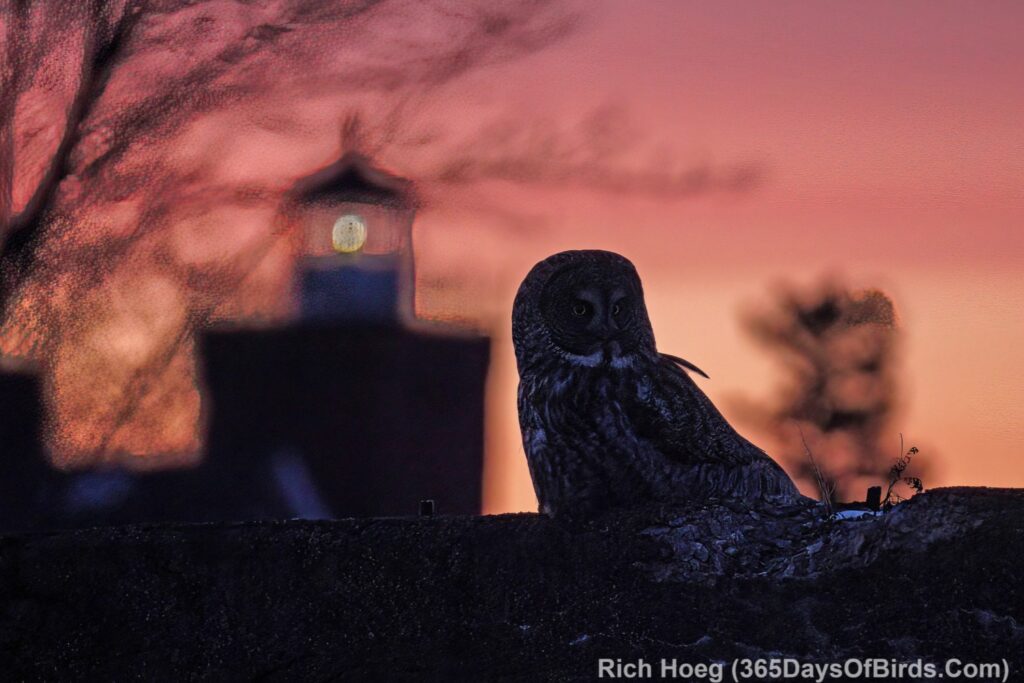
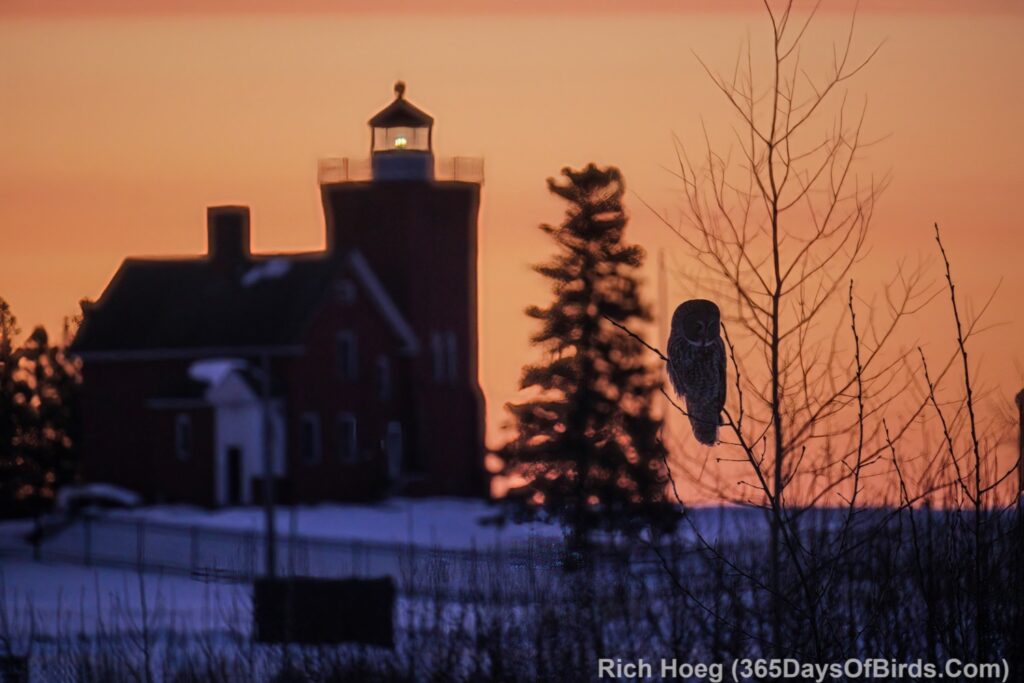
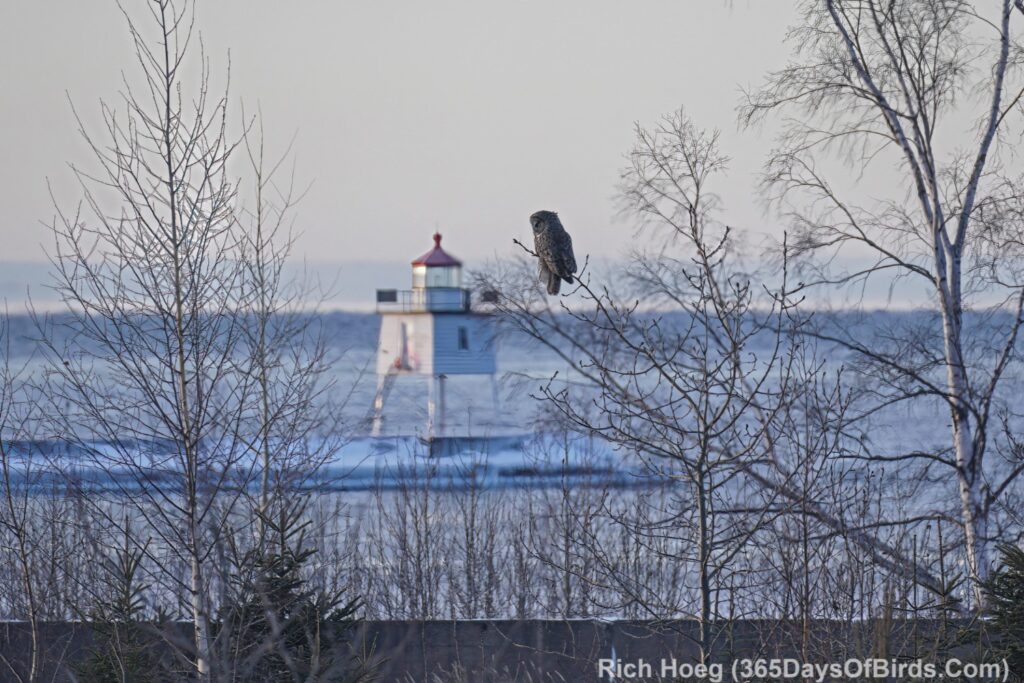
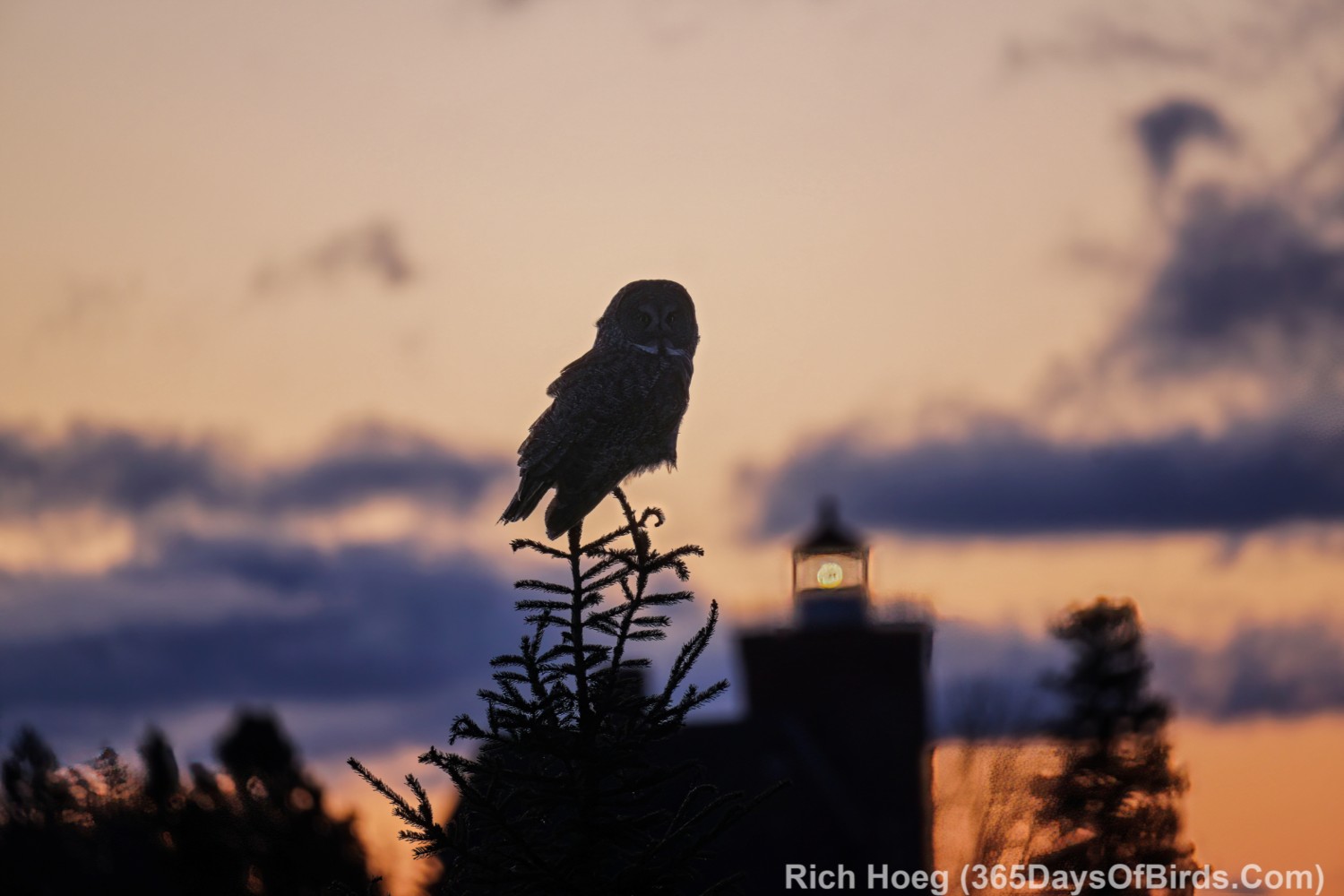
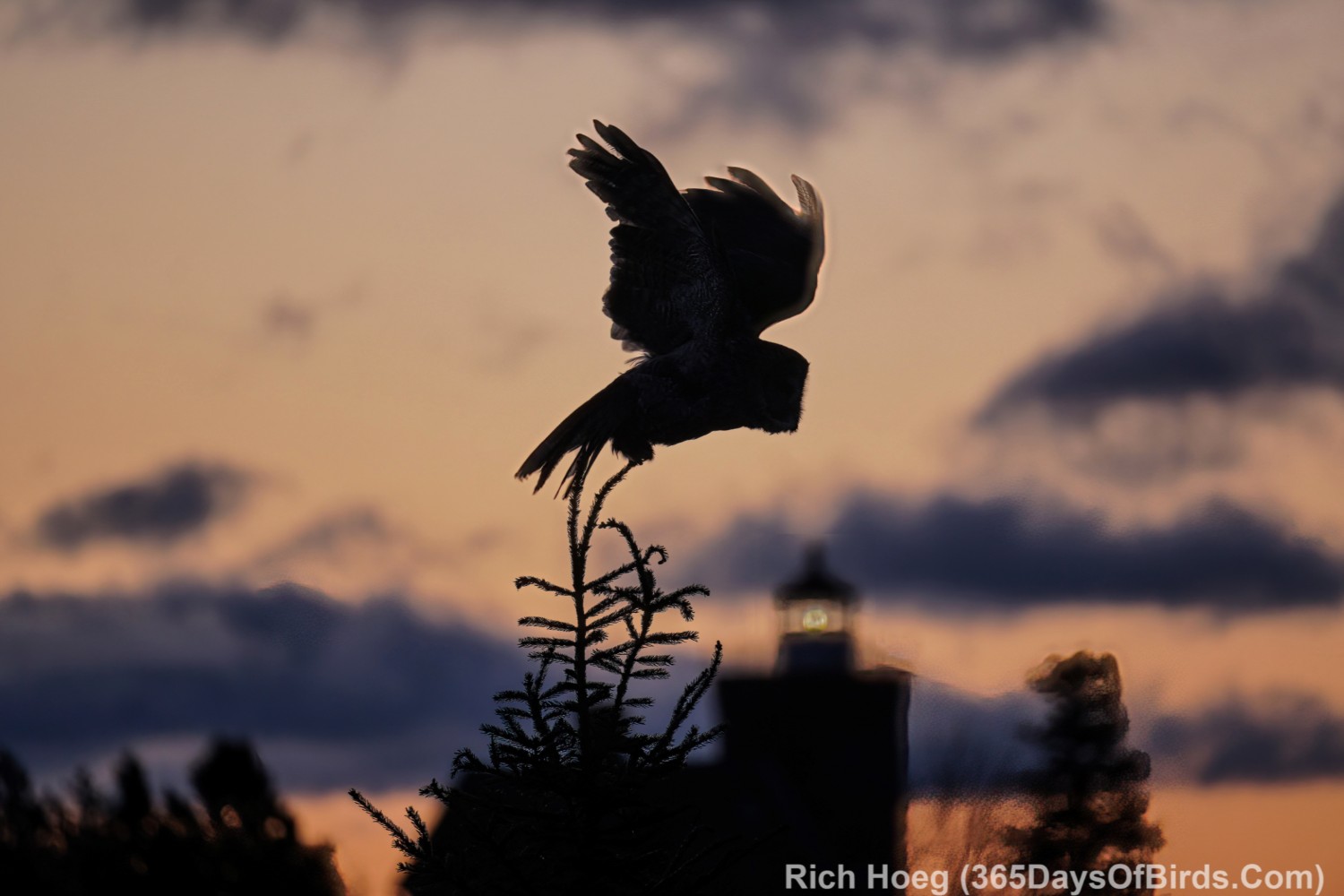
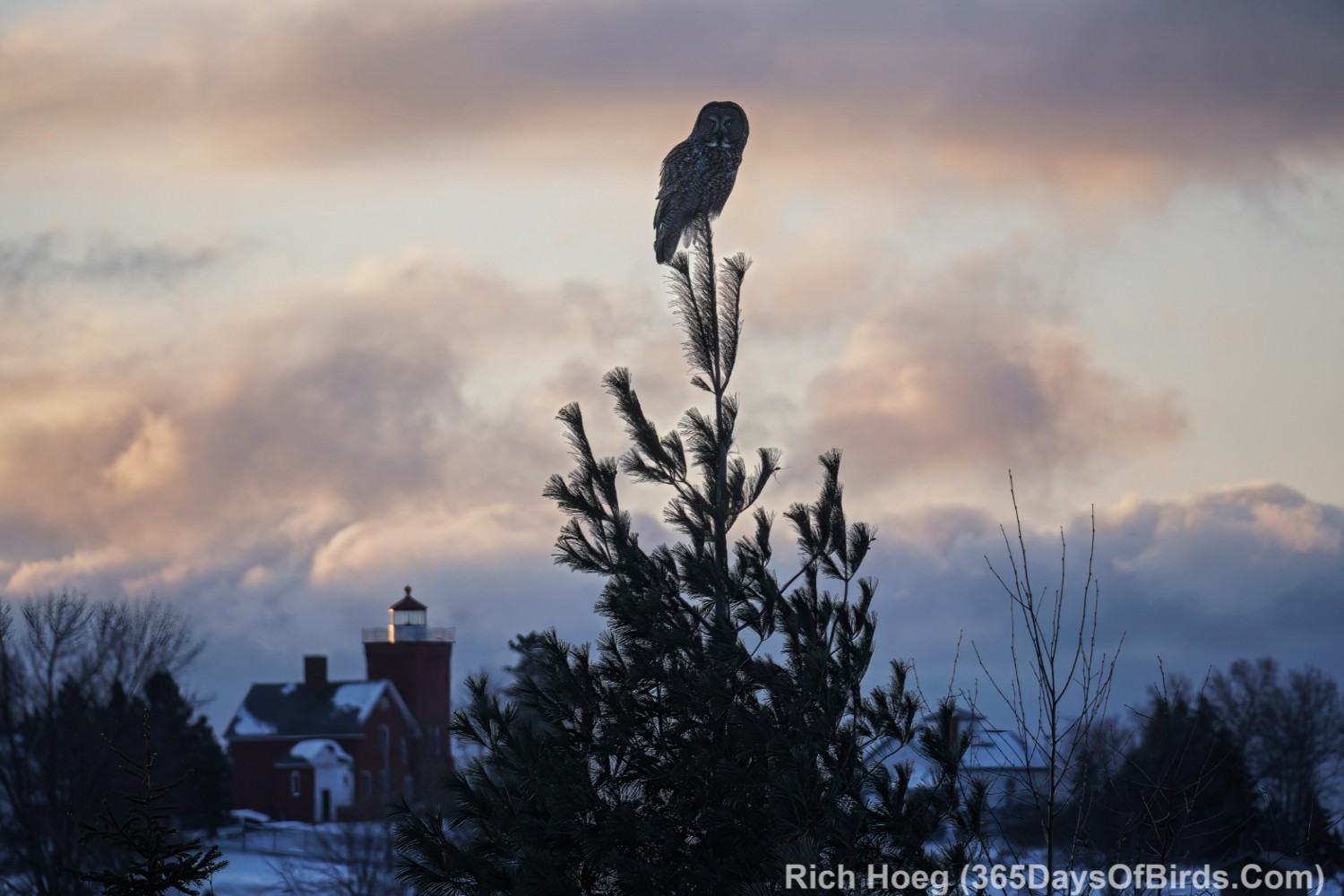
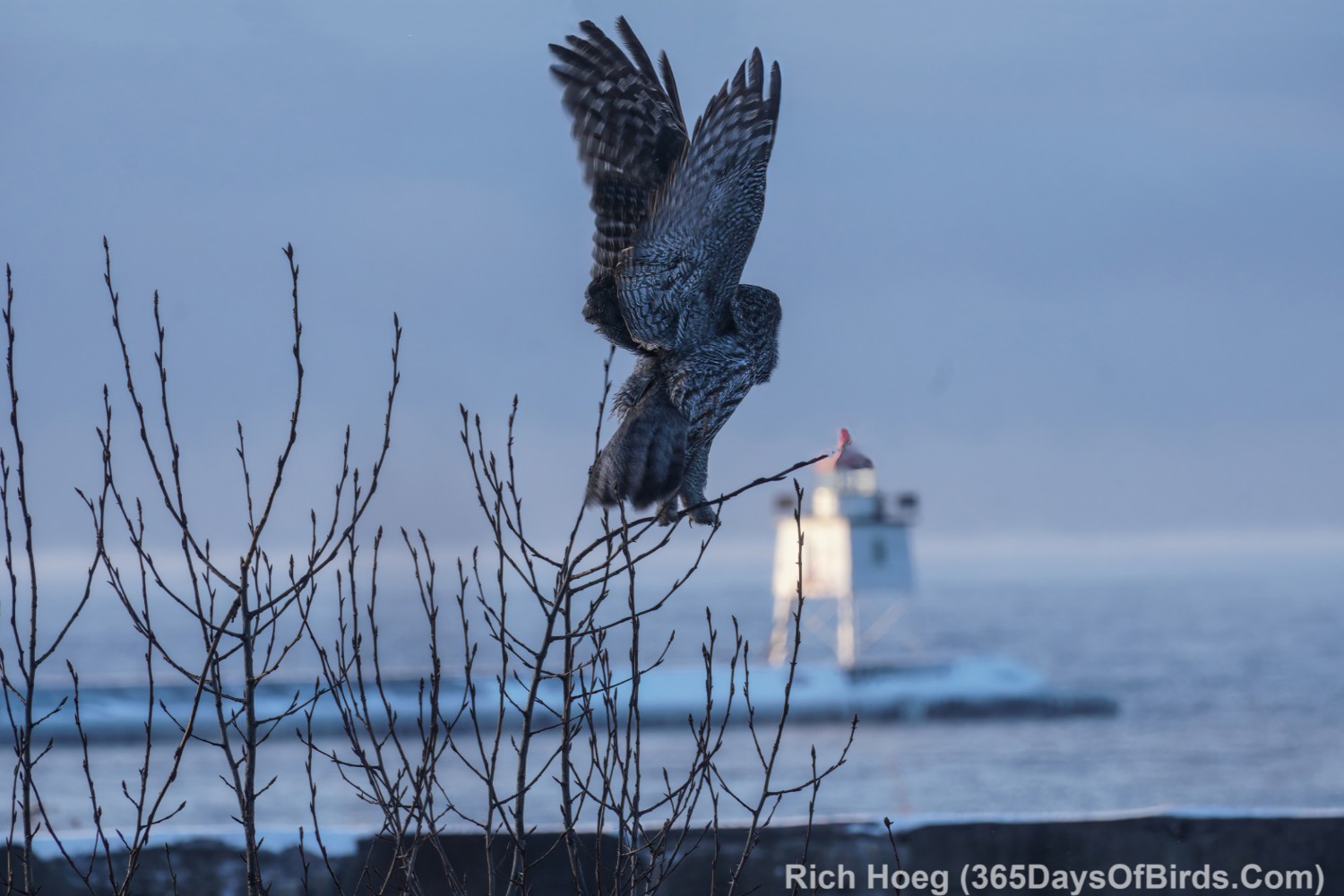
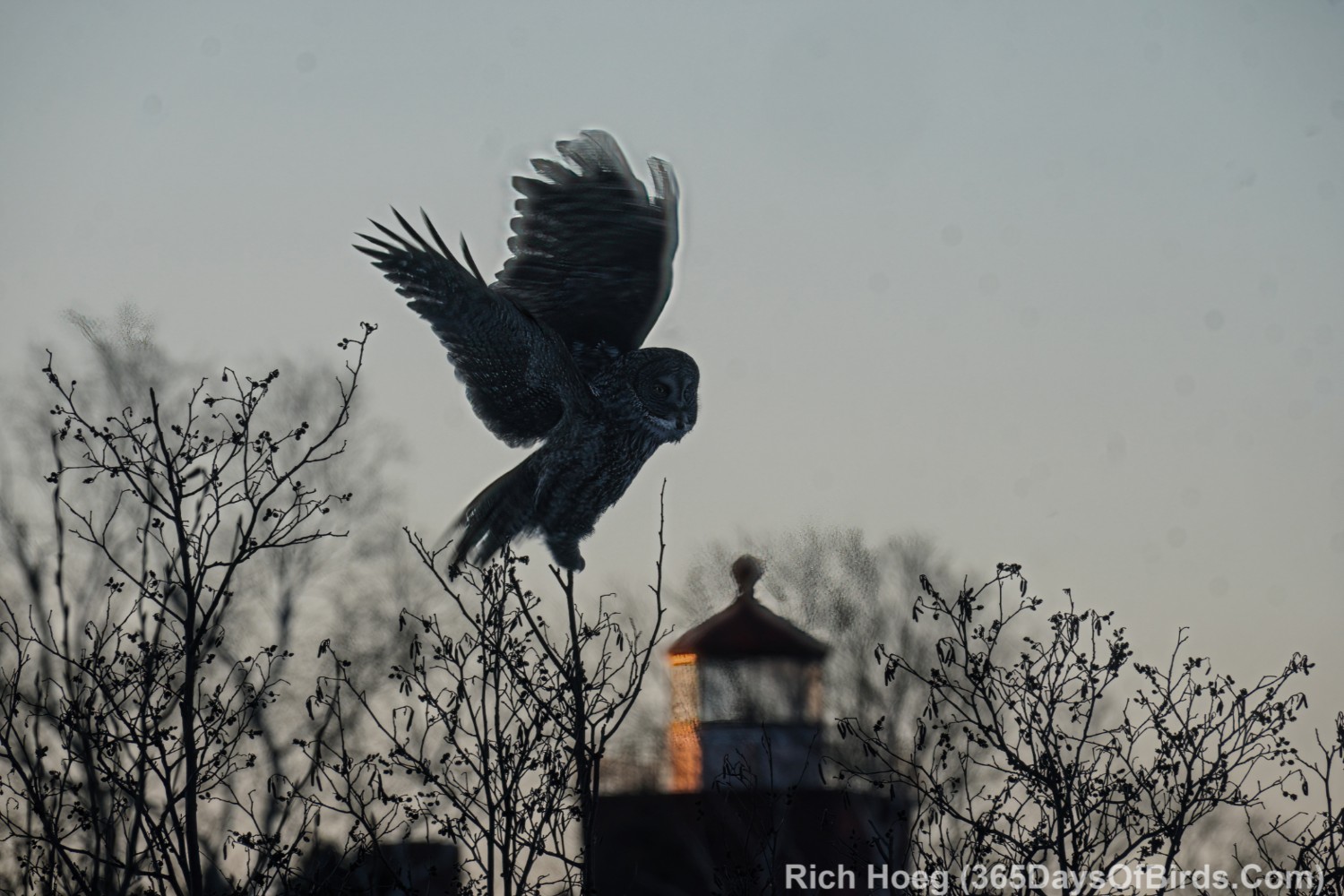
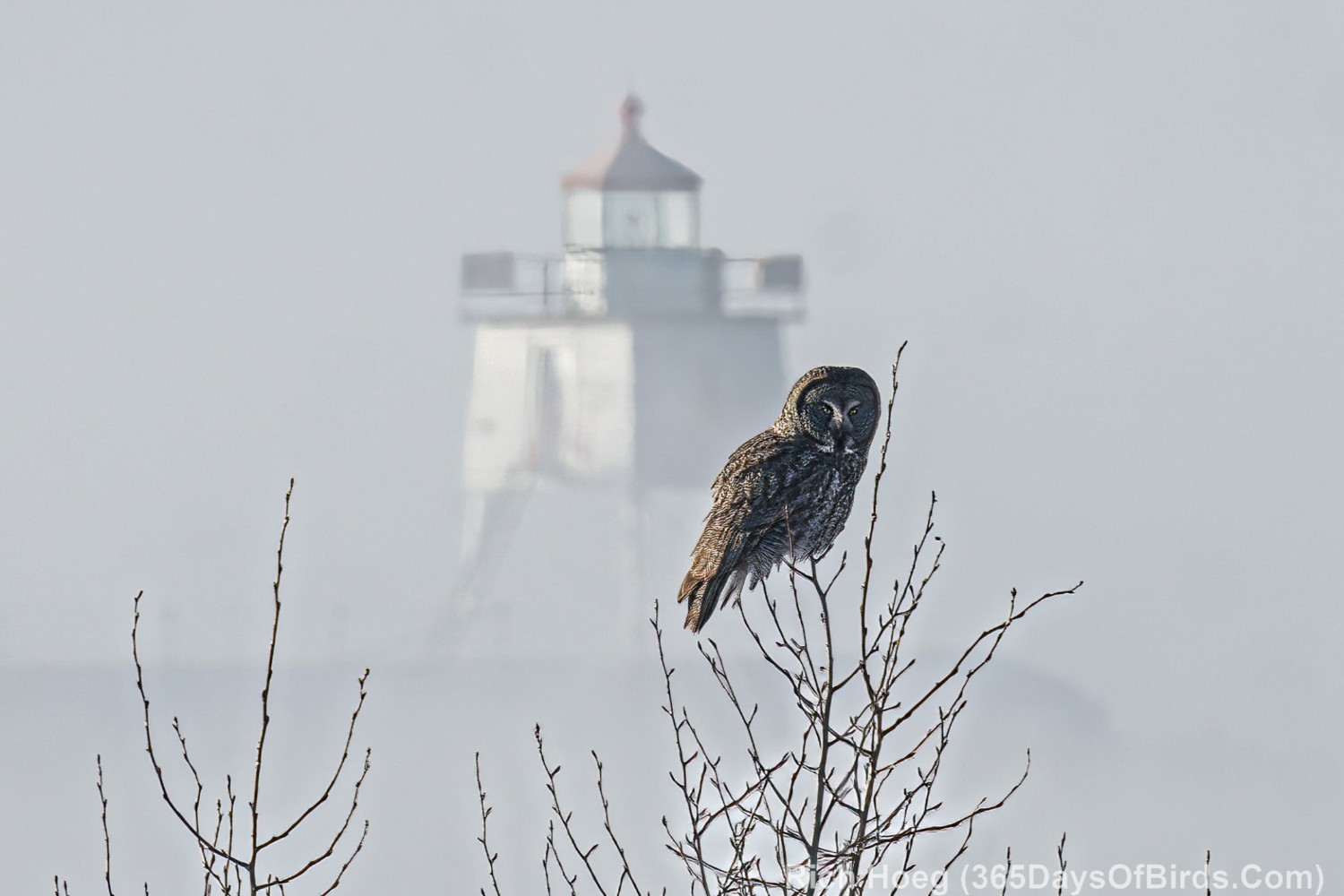
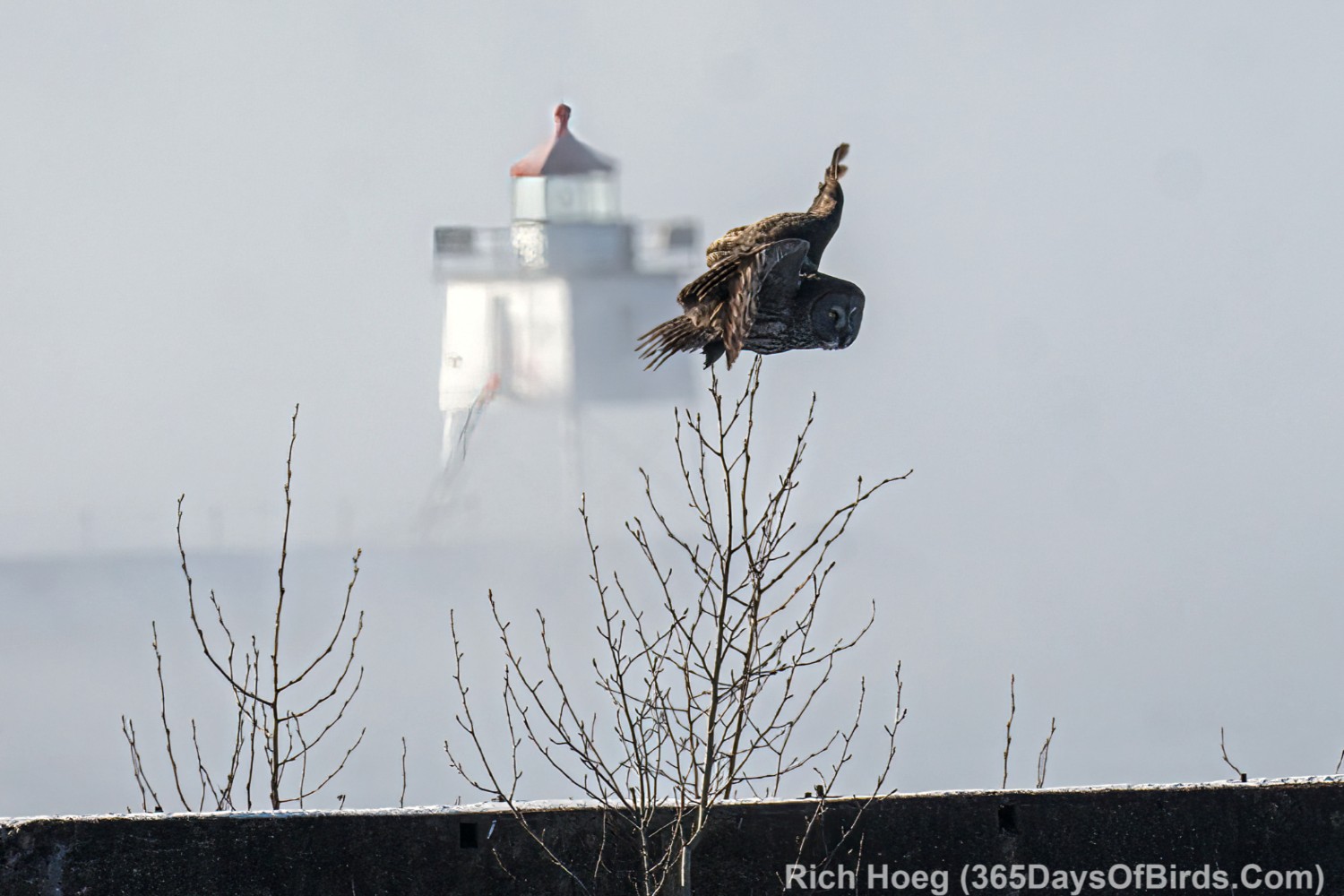
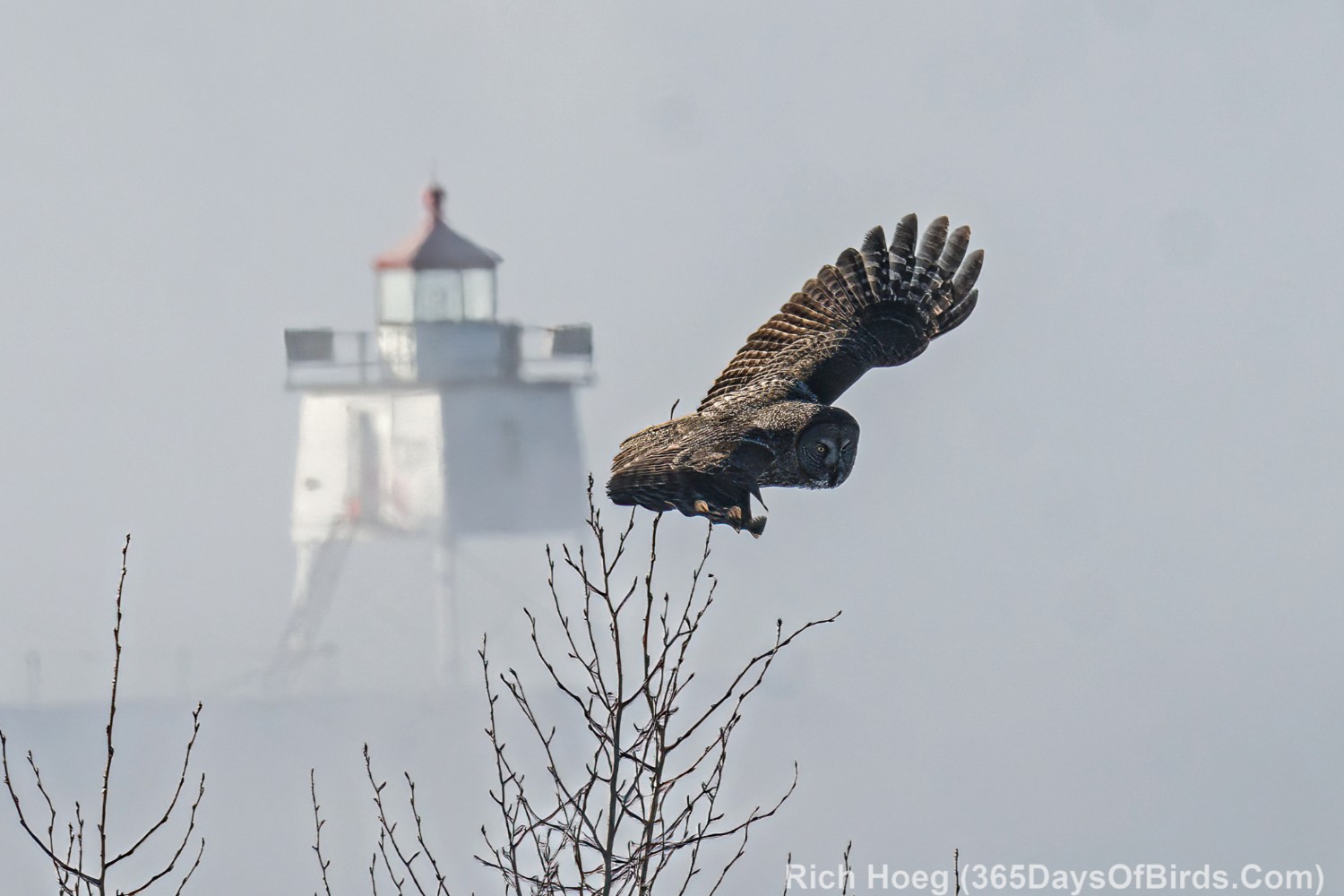
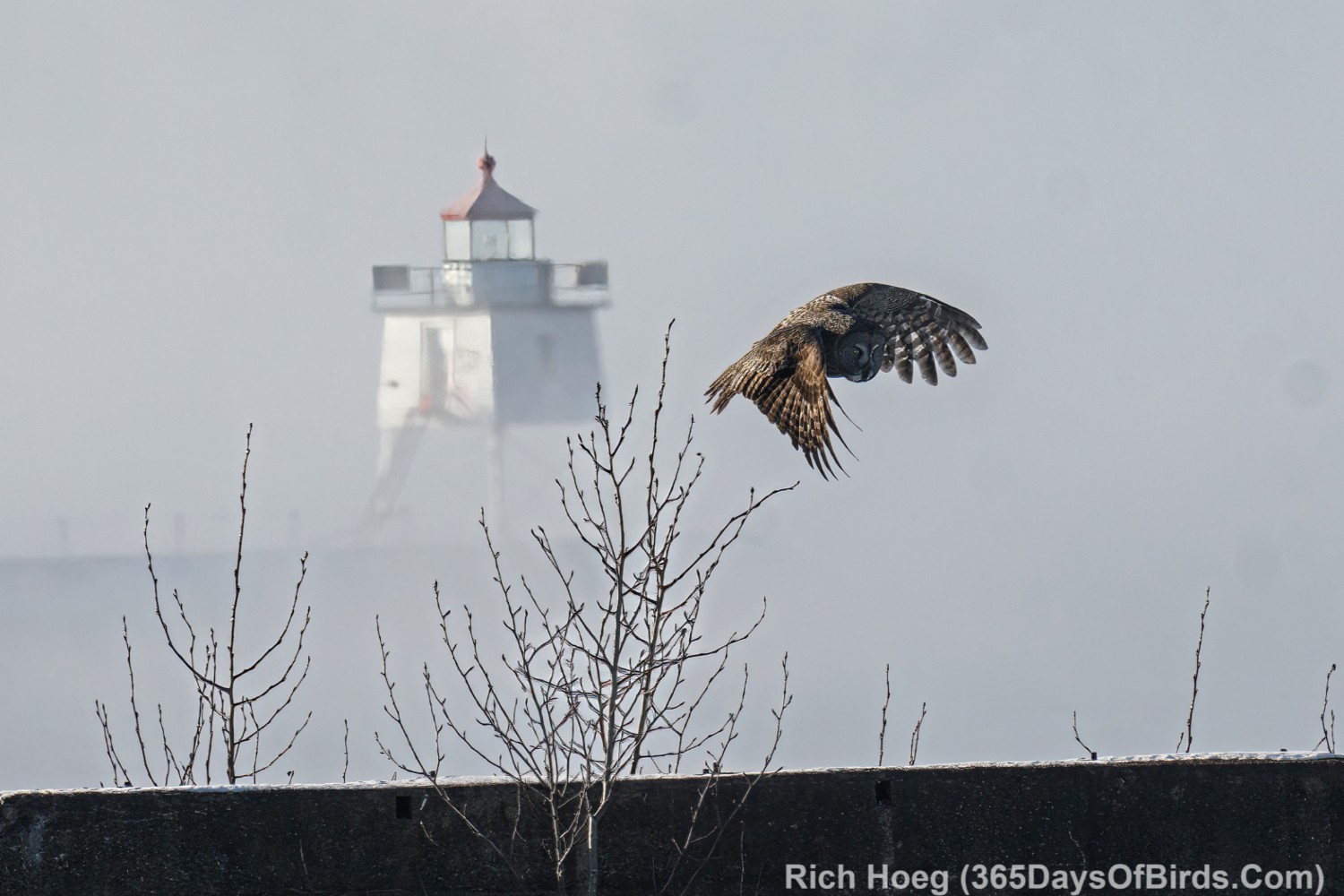
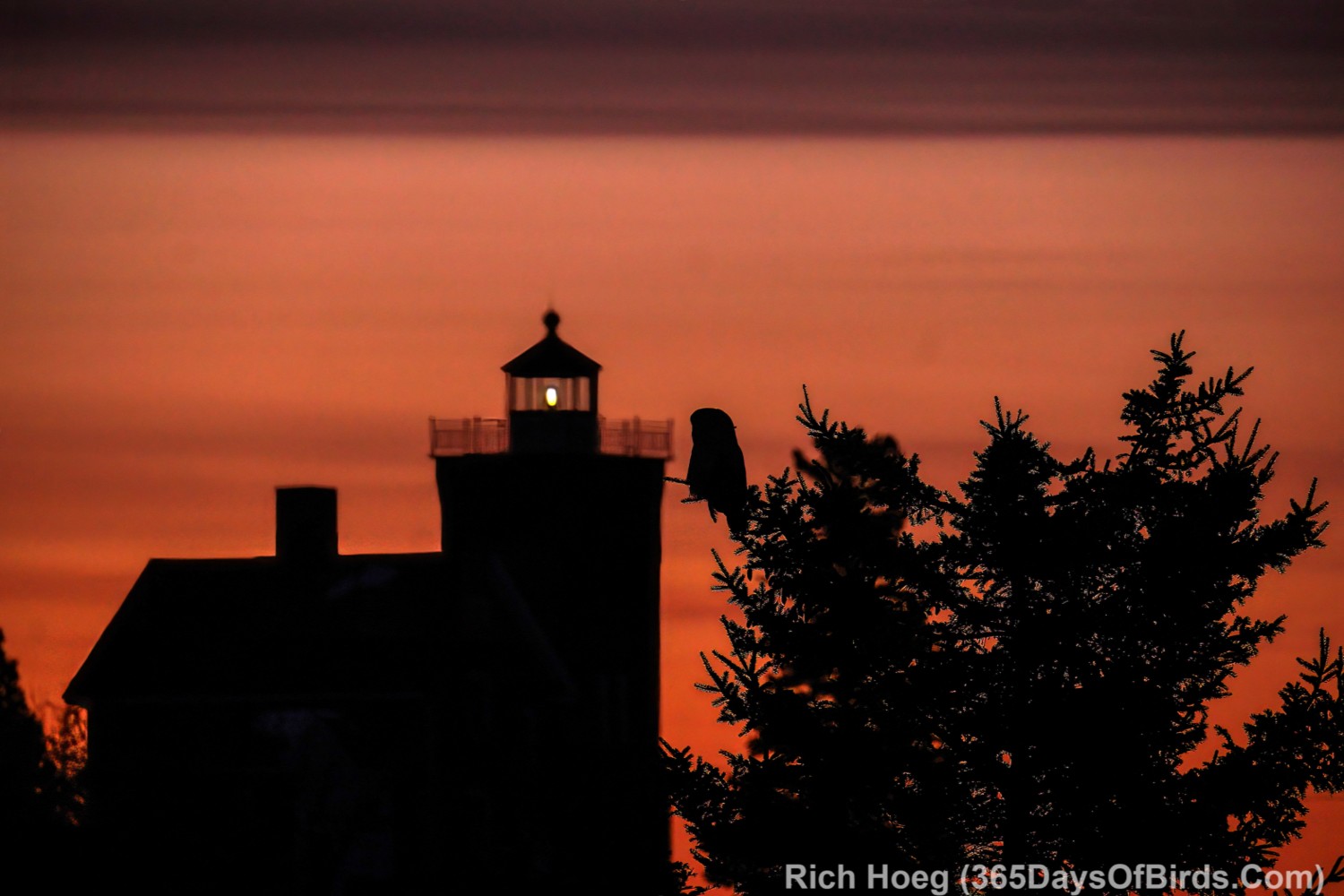
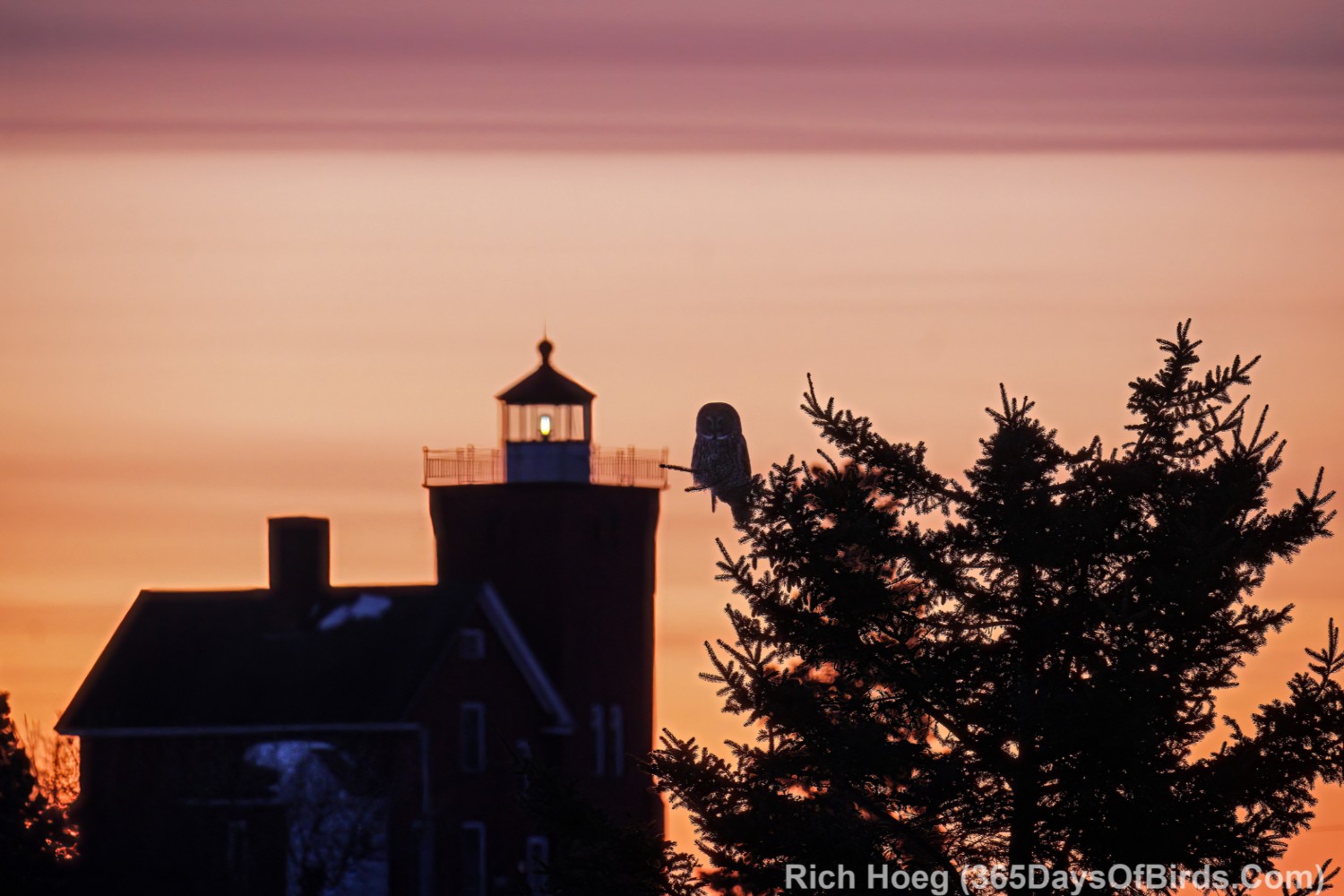
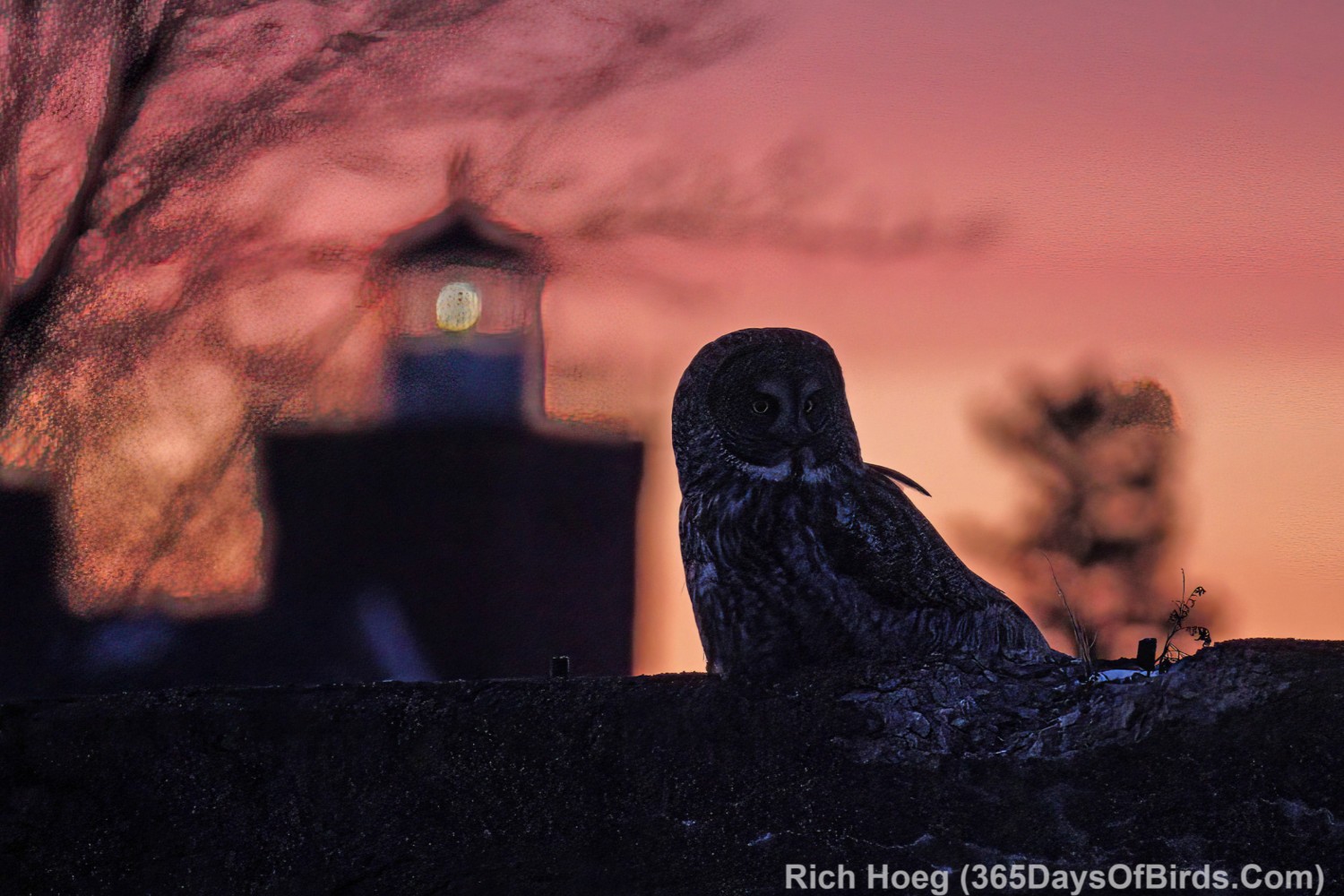
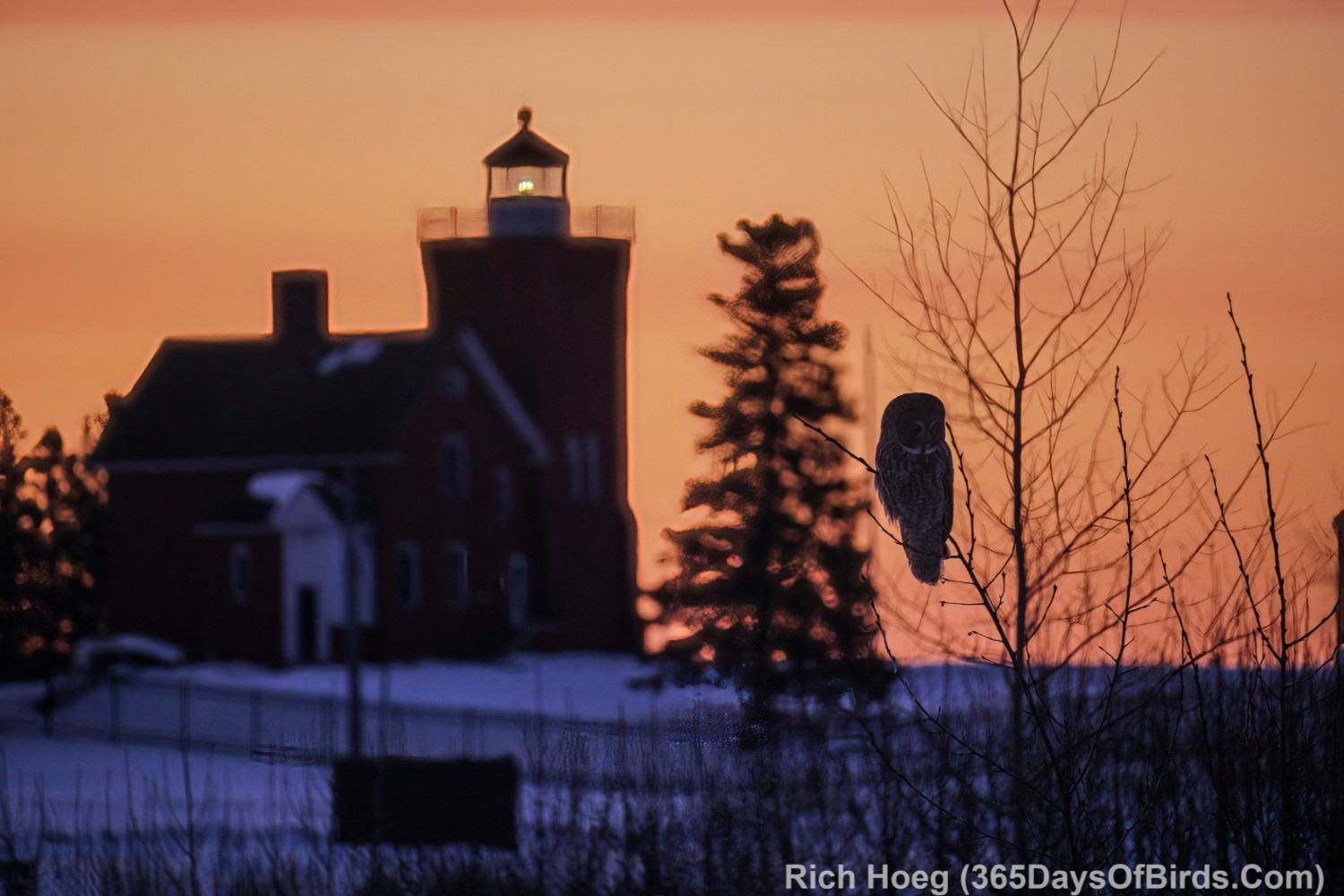
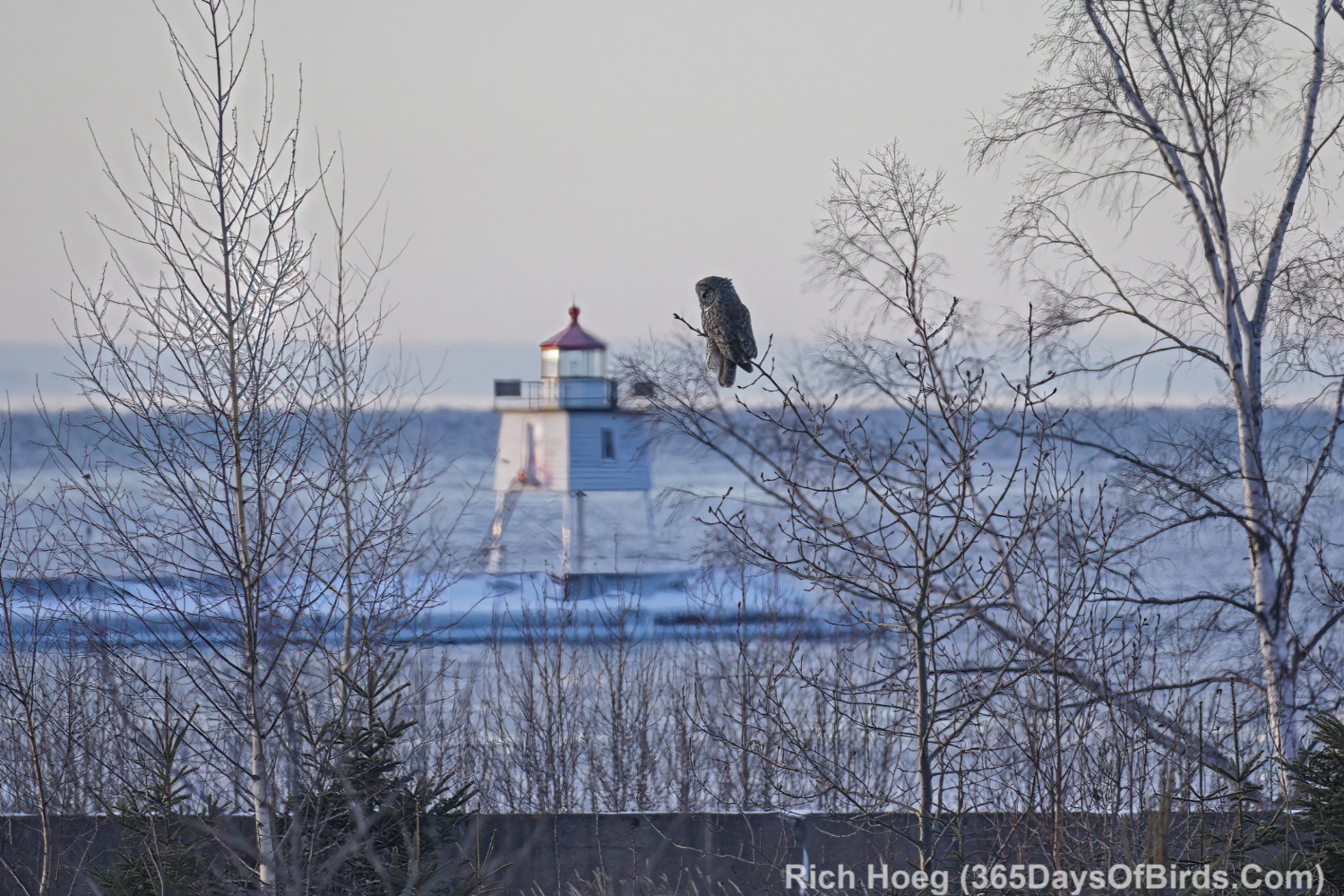
Great Gray Owl Irruption … Two Harbors Lighthouse Scenes

For almost one month up to four Great Gray Owls would hunt at the Two Harbors waterfront. Eventually the word got out, and later in the day the crowds would get crazy. If I decided to visit Two Harbors (20 minutes from my home), I would normally arrive about 40 minutes before sunrise, and leave shortly after sunup. In this way I felt I captured the most dramatic light from pre-dawn to the 20 minutes post sunrise. Most people arrived a bit after sunrise or later. Thus, my experiences were mainly crowd free!