Tag Archives: MN North: Two Harbors

Thanksgiving Birds!

Over the past 24 hours I have spent significant time looking for Snowy Owls, but my timing has been off. These owls are now starting to arrive in the Northland from up in the Arctic. Will this year be an irruption year? The jury is still out, but Snowy Owls have been seen in Spain for only the second time in history. Ornithologists suspect these owls may have hitched a ride across the Atlantic on freighters. Read more via Project Snowstorm.

For those of you who live in the northern Twin Cities area. Three different Snowies were seen yesterday in Crex Meadows! In Wisconsin quite a few Snowies have been seen in and around the Green Bay area (Door County, the Lake Michigan shore (harbors) and inland of Green Bay at various grasslands).

I was back from birding by 7:50 am this Thanksgiving morning. We have four of our almost 7 grandkids visiting. The oldest is ten, which means a bundle of activity in the house. Happy Thanksgiving.

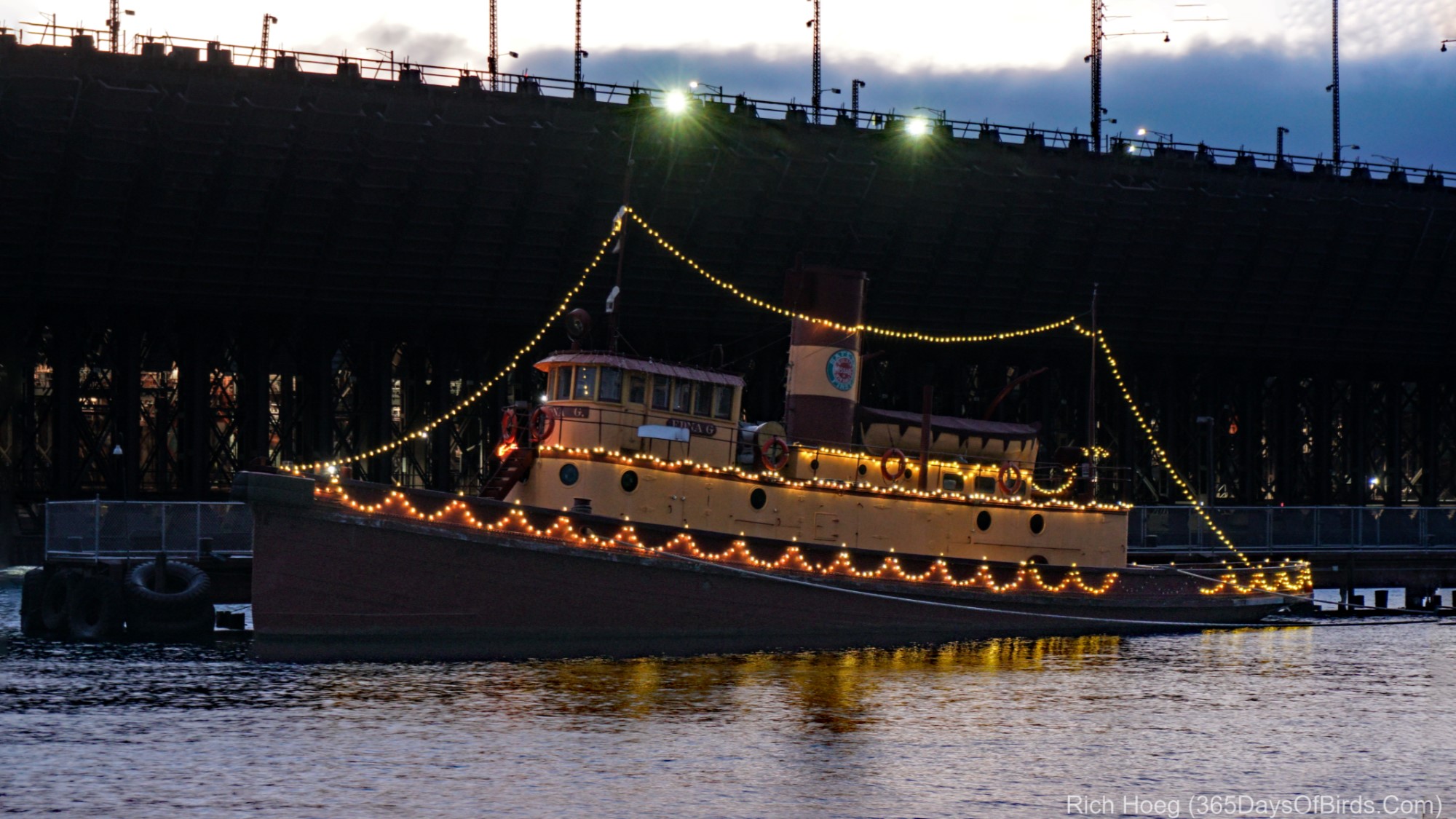
From yesterday’s Snowy Owl search at sunset in Two Harbors. The EdnaG was built in 1896 and is all decked out for the holidays.
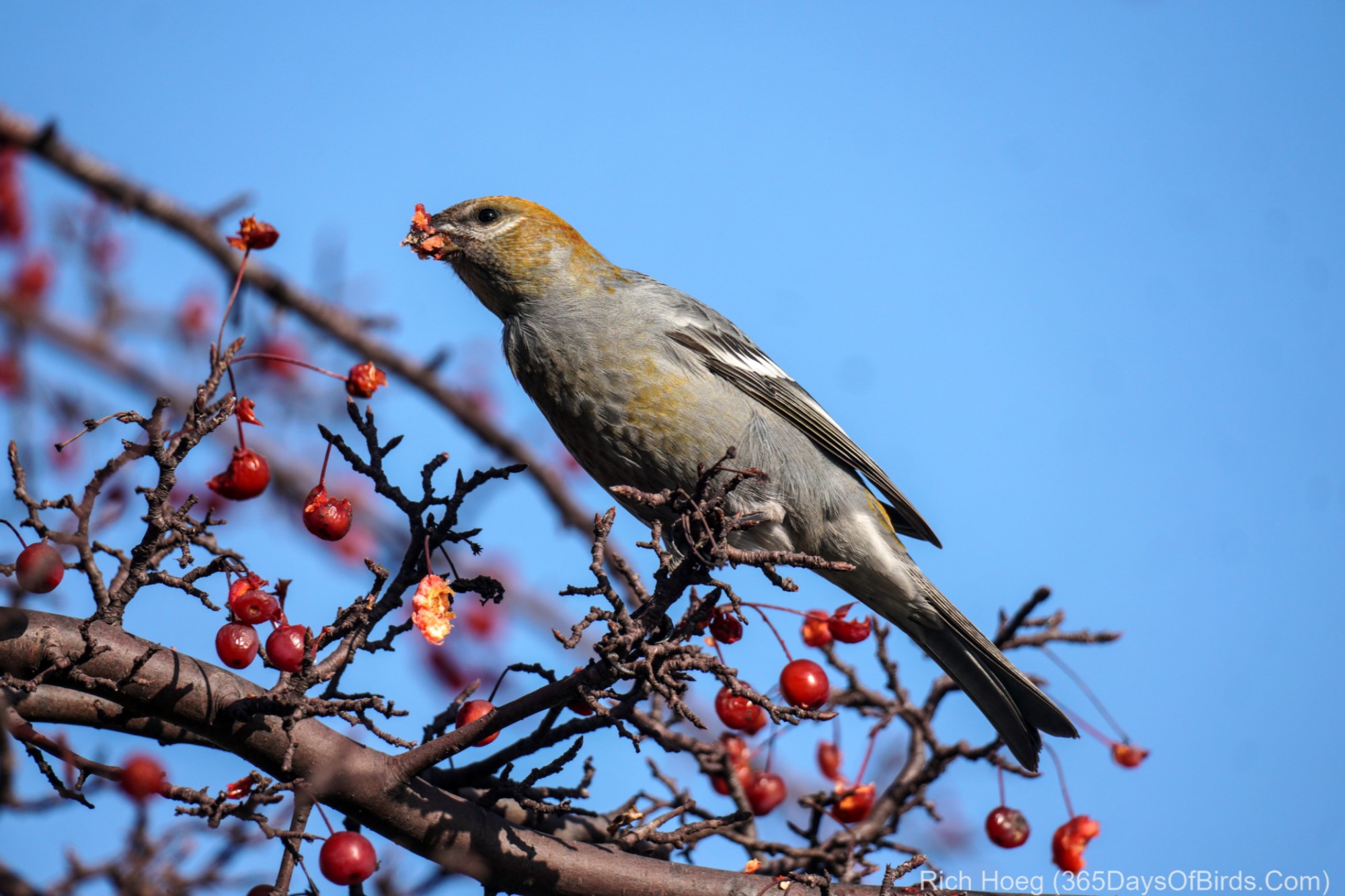
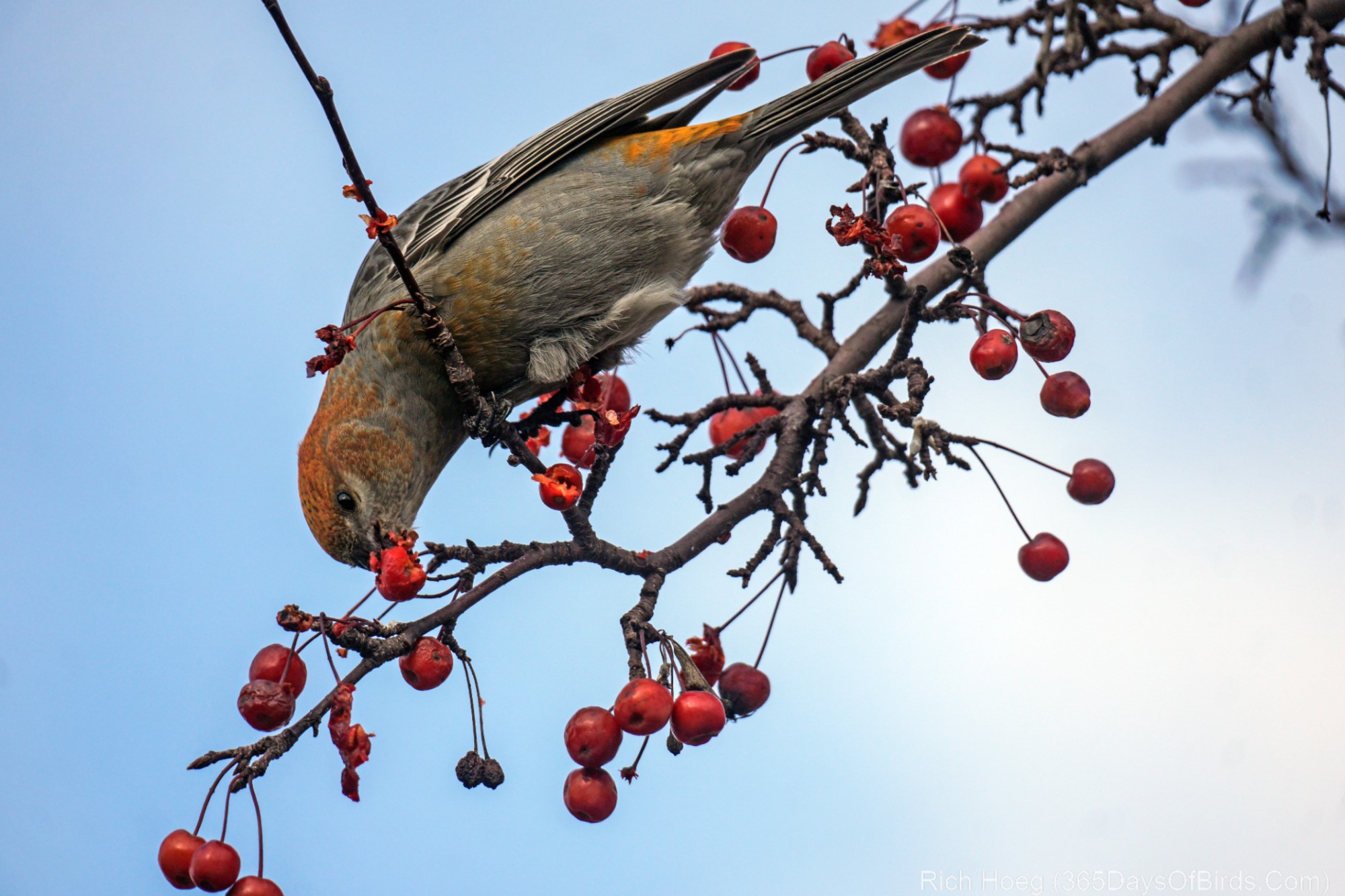
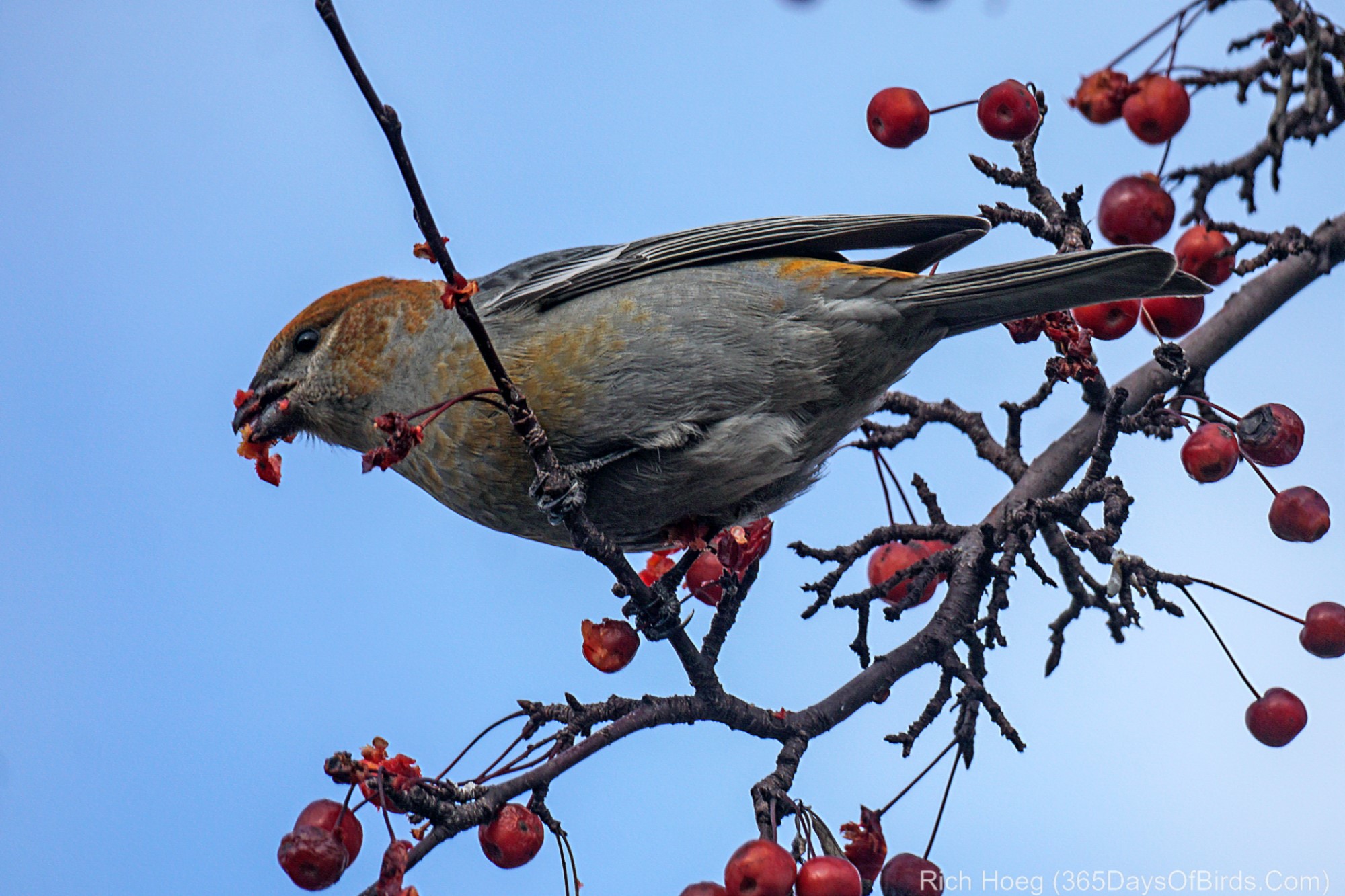
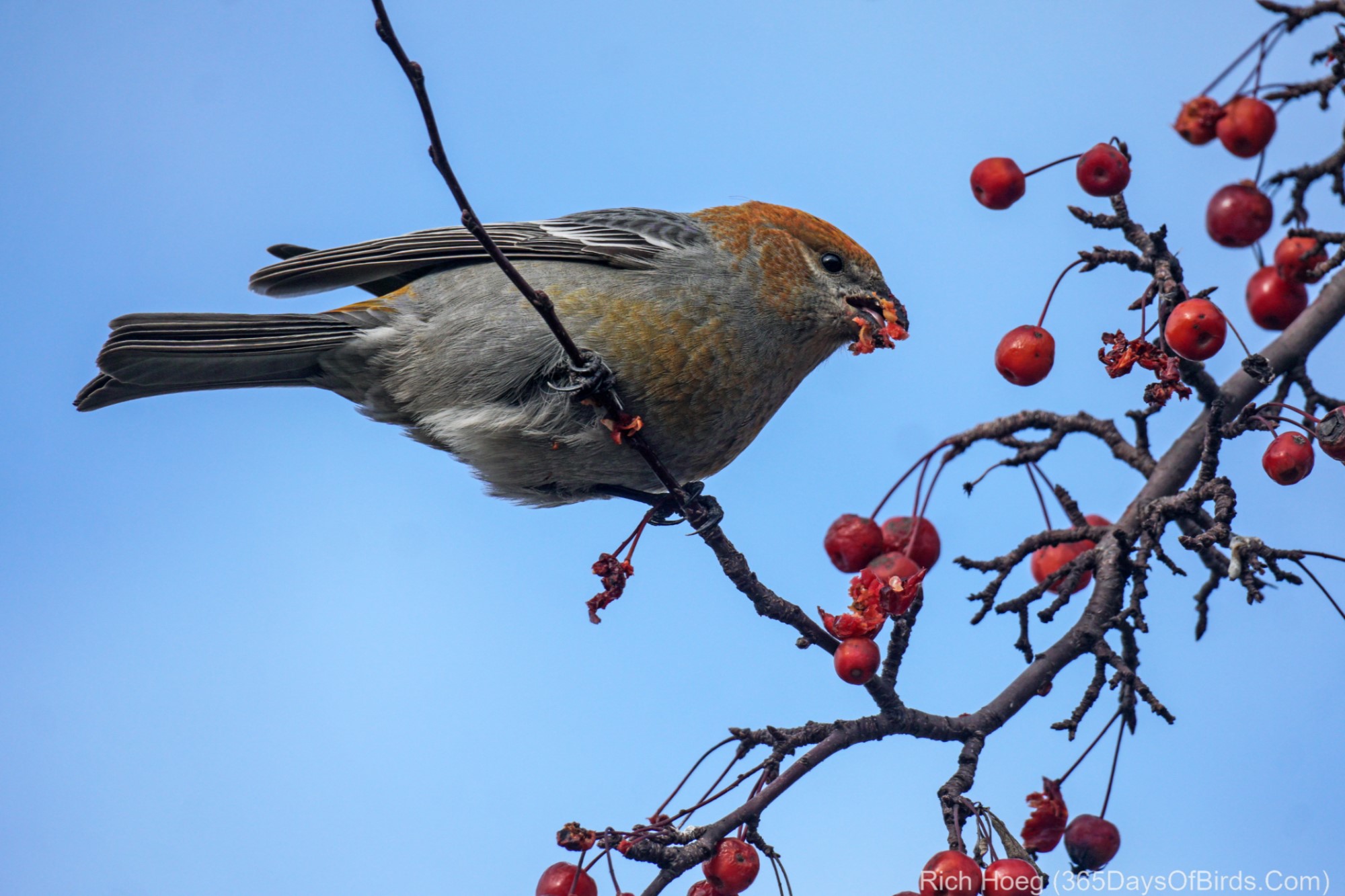
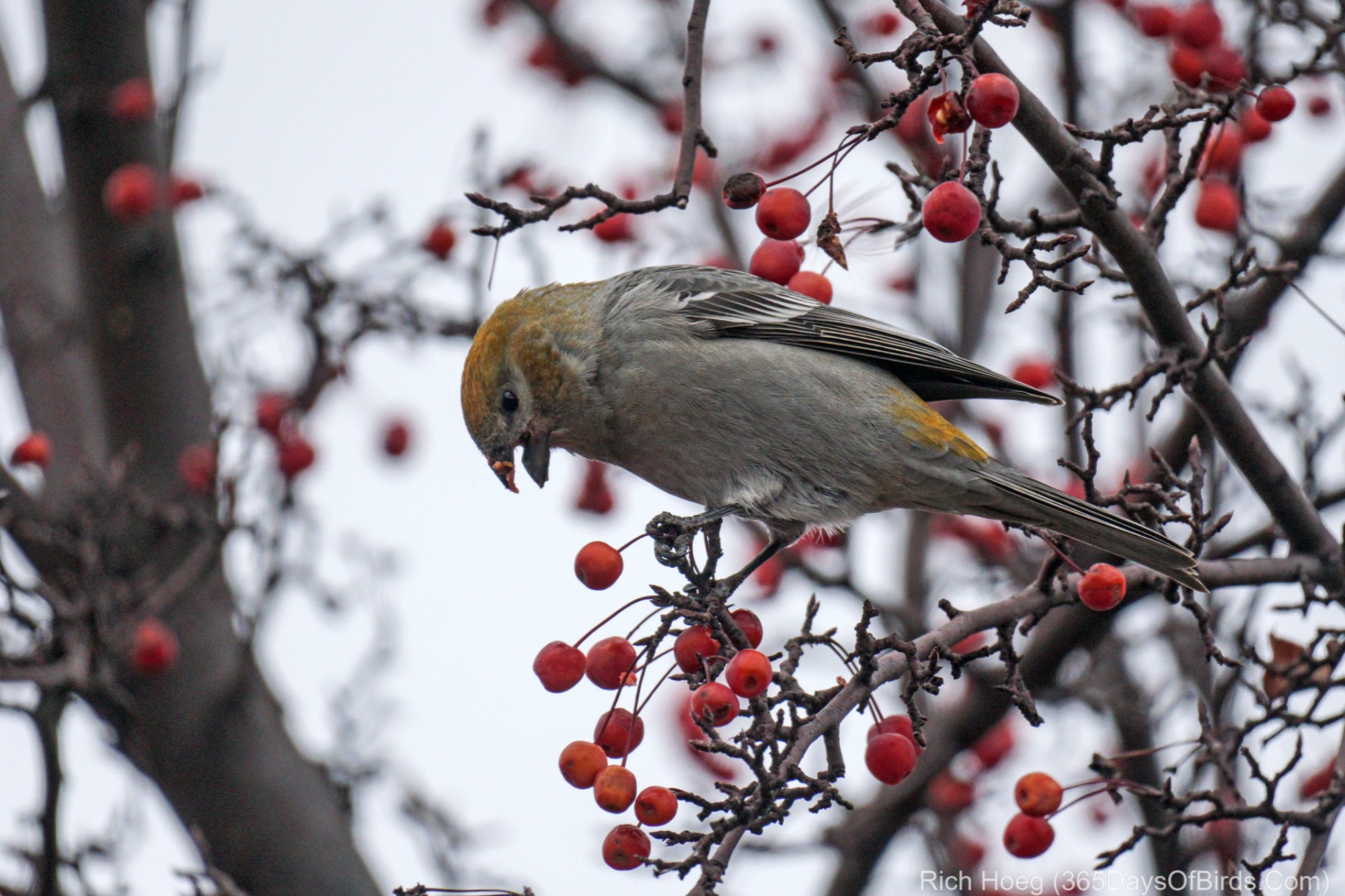
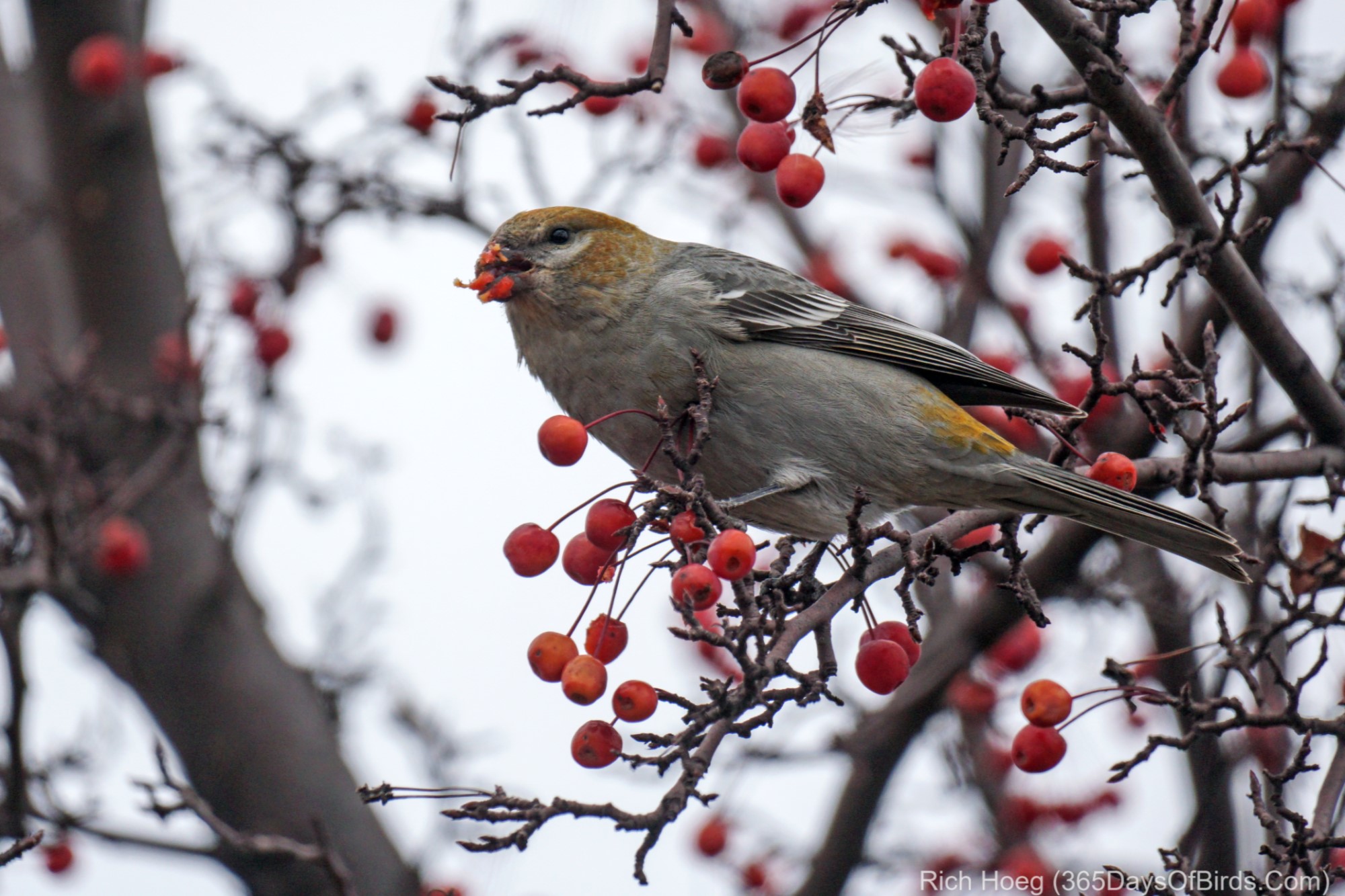
Earlier in the day at the crabapple tree. Pine Grosbeaks.
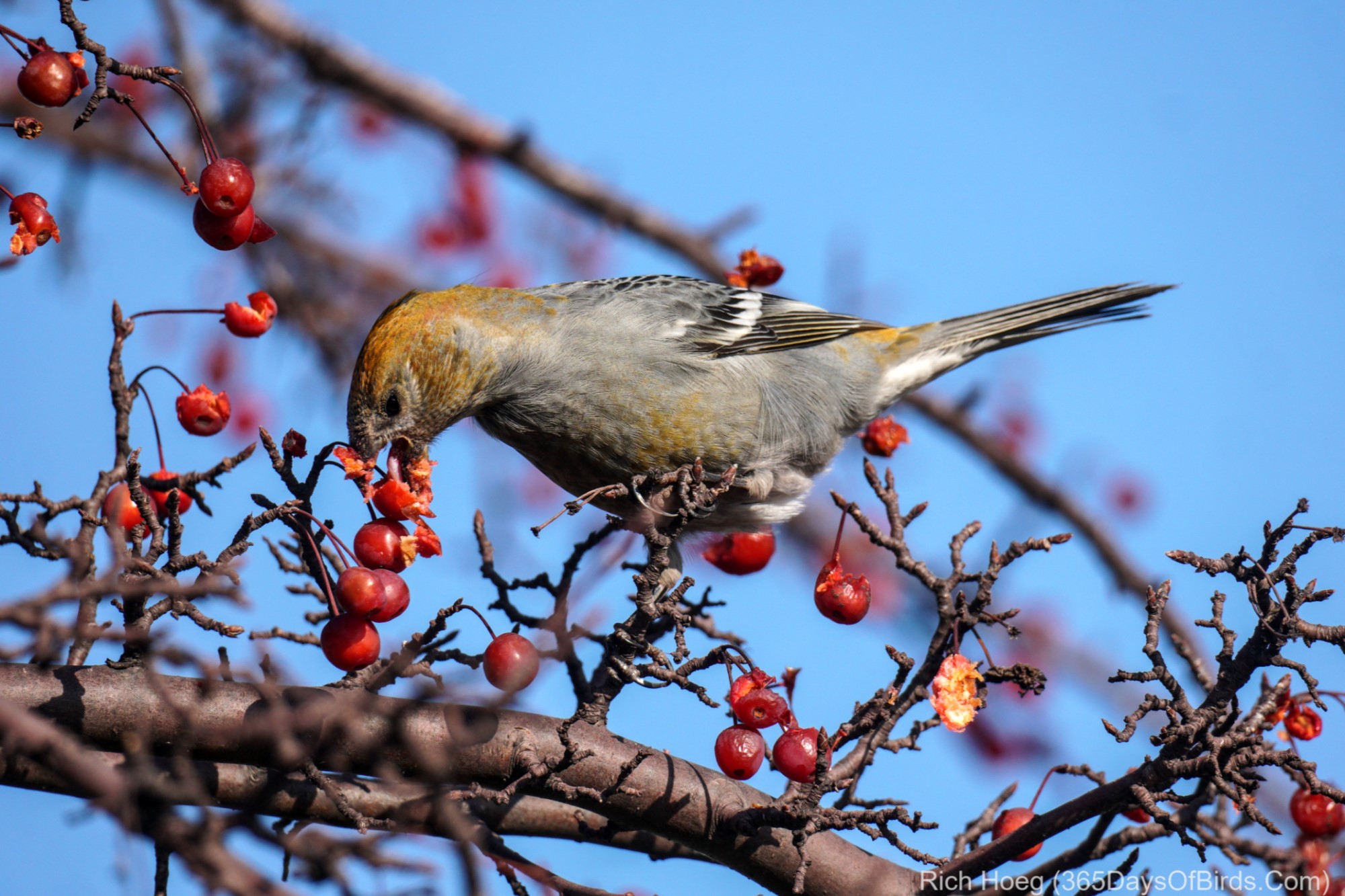
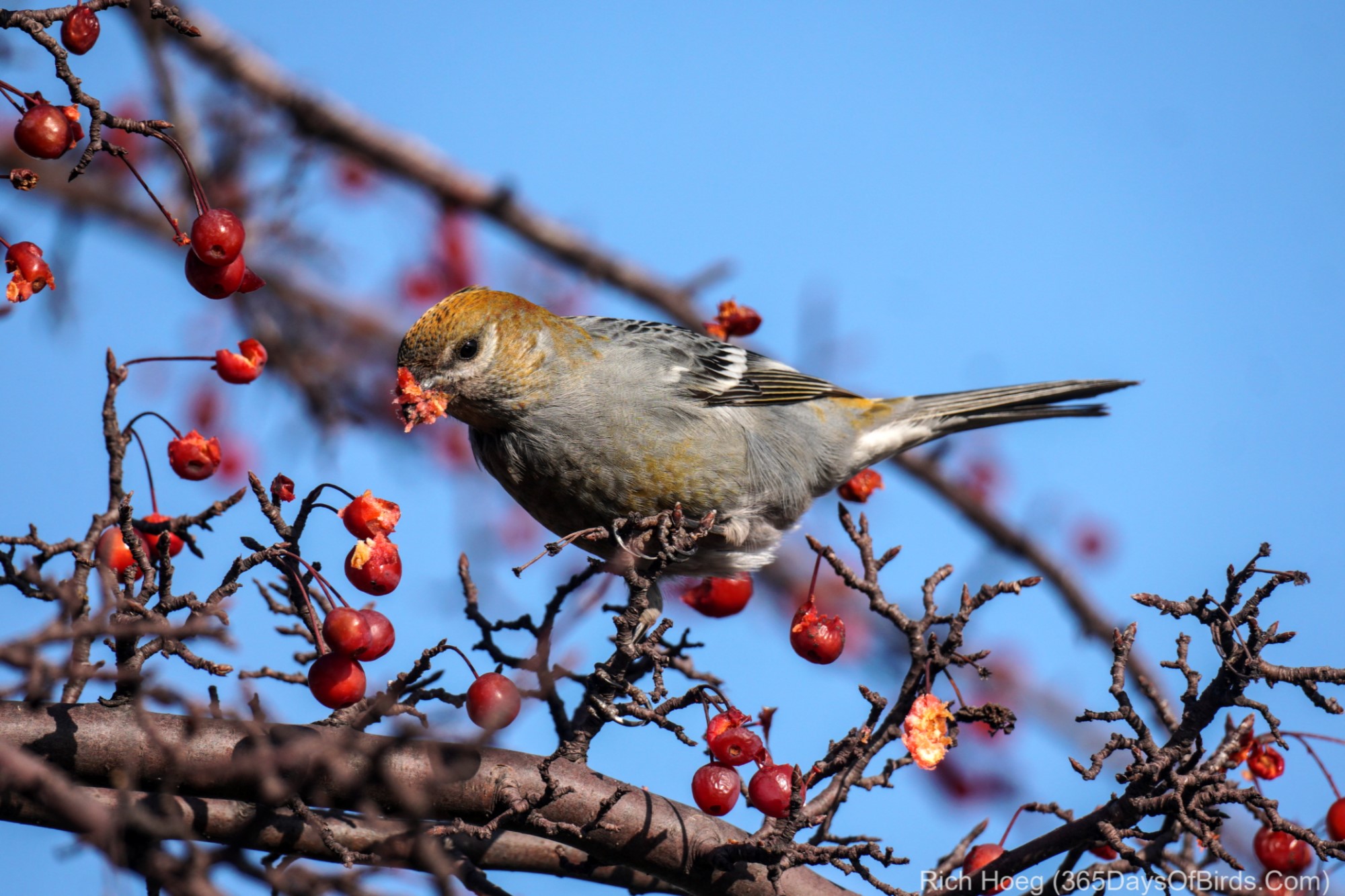
Real Birds Eat Crabapples!

Pine Grosbeaks are aware of this fact, but I get ahead of myself …

Crabapples (ornamental or pygmy) are almost non existent in the Northland this year. The combination of a late frost followed by a summer drought killed over 95% of the crop. I have only see a few trees with fruit … all close to the shores of Lake Superior. One of the locations with apples are the five trees near Two Harbor’s steam engines. For almost two weeks I have been checking these trees, and today I struck paydirt (payapples?!). The immature and female Pine Grosbeaks had found these trees. I spent over 20 minutes with the birds on two different occasions. The sun even came out briefly which made the photographer in my happy. Why crabapples? Ask the Pine Grosbeaks. The Mountain Ash trees have lots of berries, but they were being ignored for the moment.

Birding has been difficult lately … snow, rain and now wind (40 mph winds today out of the WNW). Finally, most of the feeders are now filled up at Sax-Zim Bog. The Welcome Center opens on Saturday, December 4th (10 am to 3 pm daily). In December, I will be volunteering on Sunday, December 5th and Saturday, December 18th. Stop by and say hello and get your birding questions answered (I hope!).

Snow Bunting Snow Storm (and Fu Manchu Bird!)

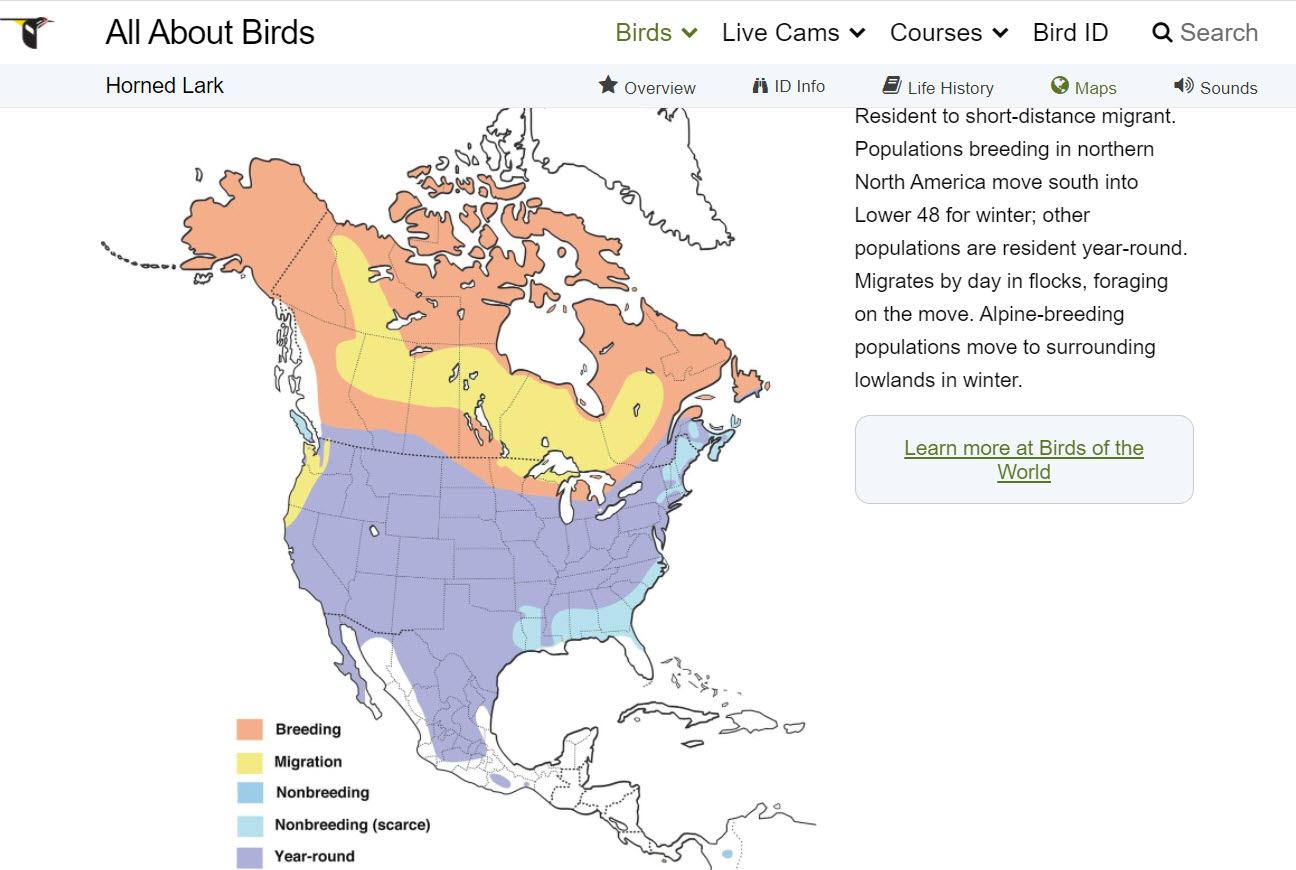
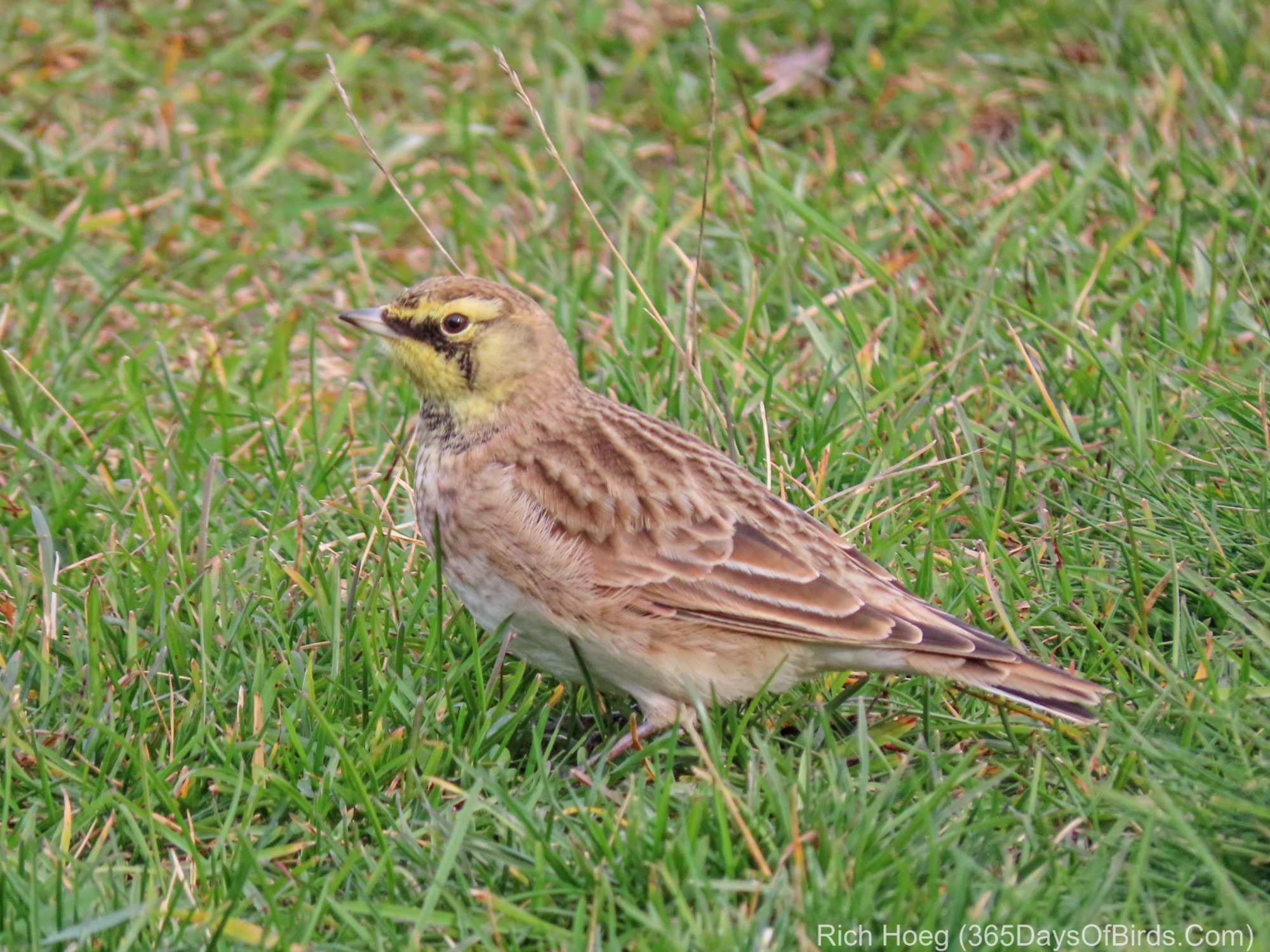
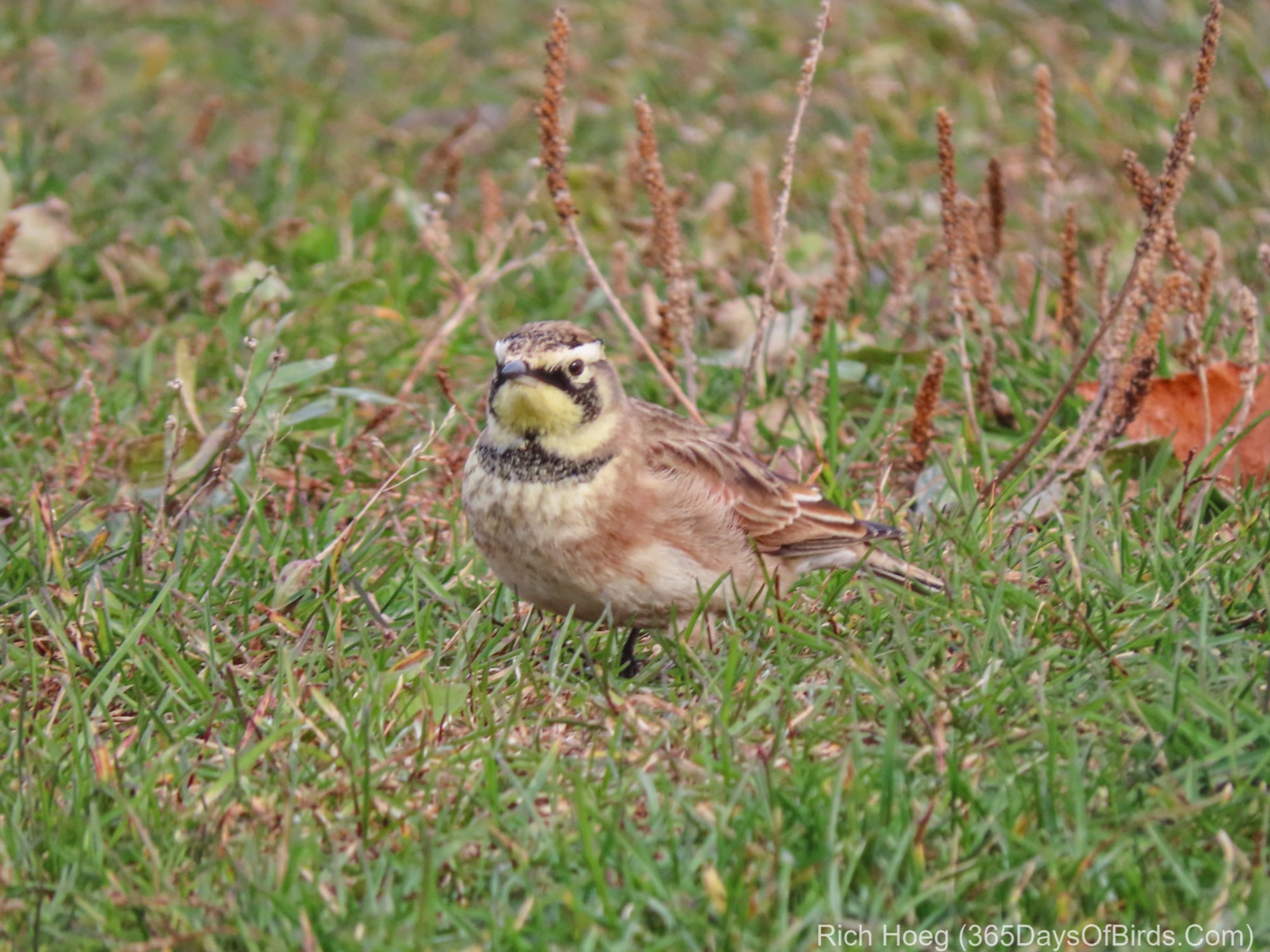
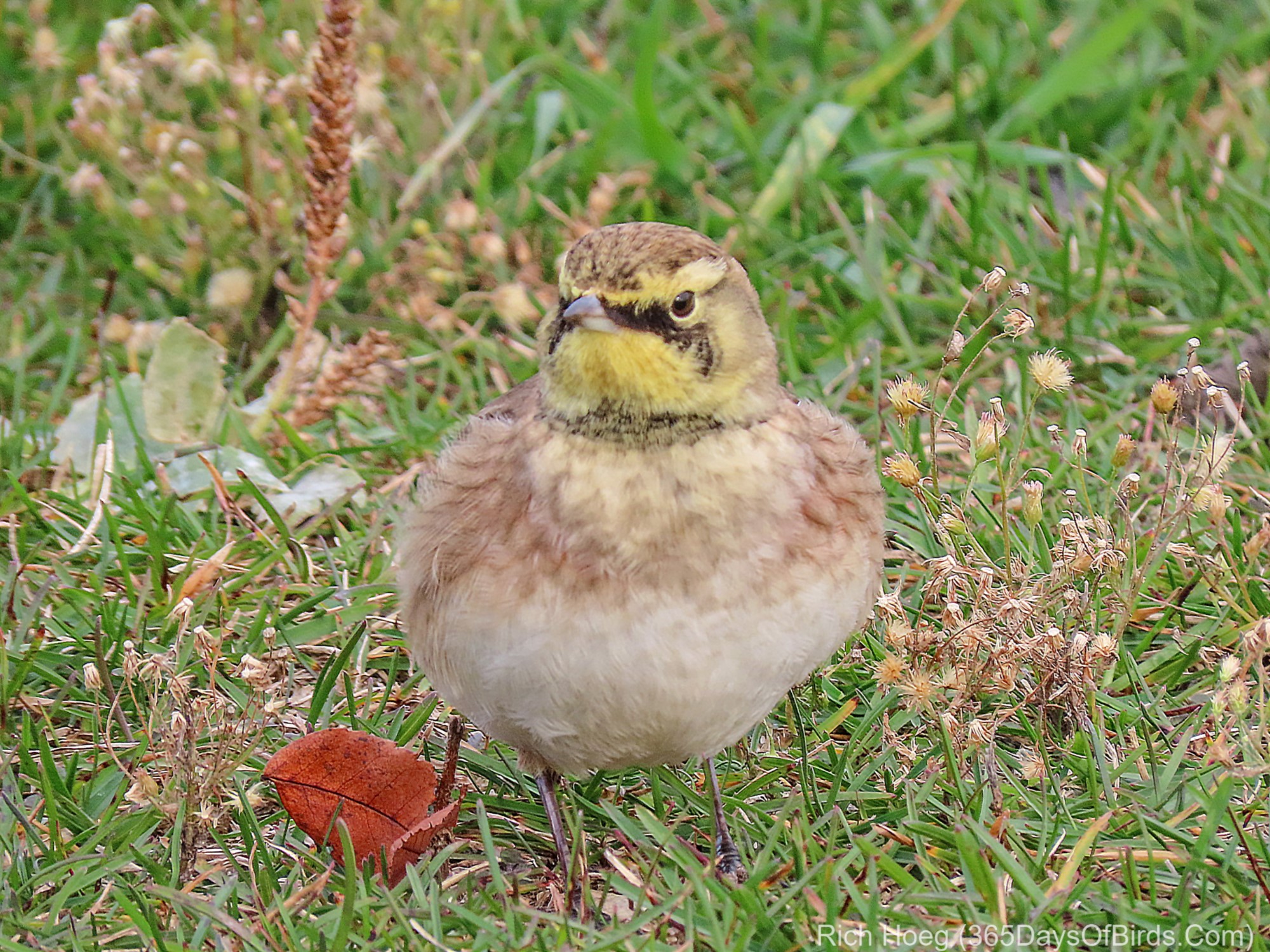
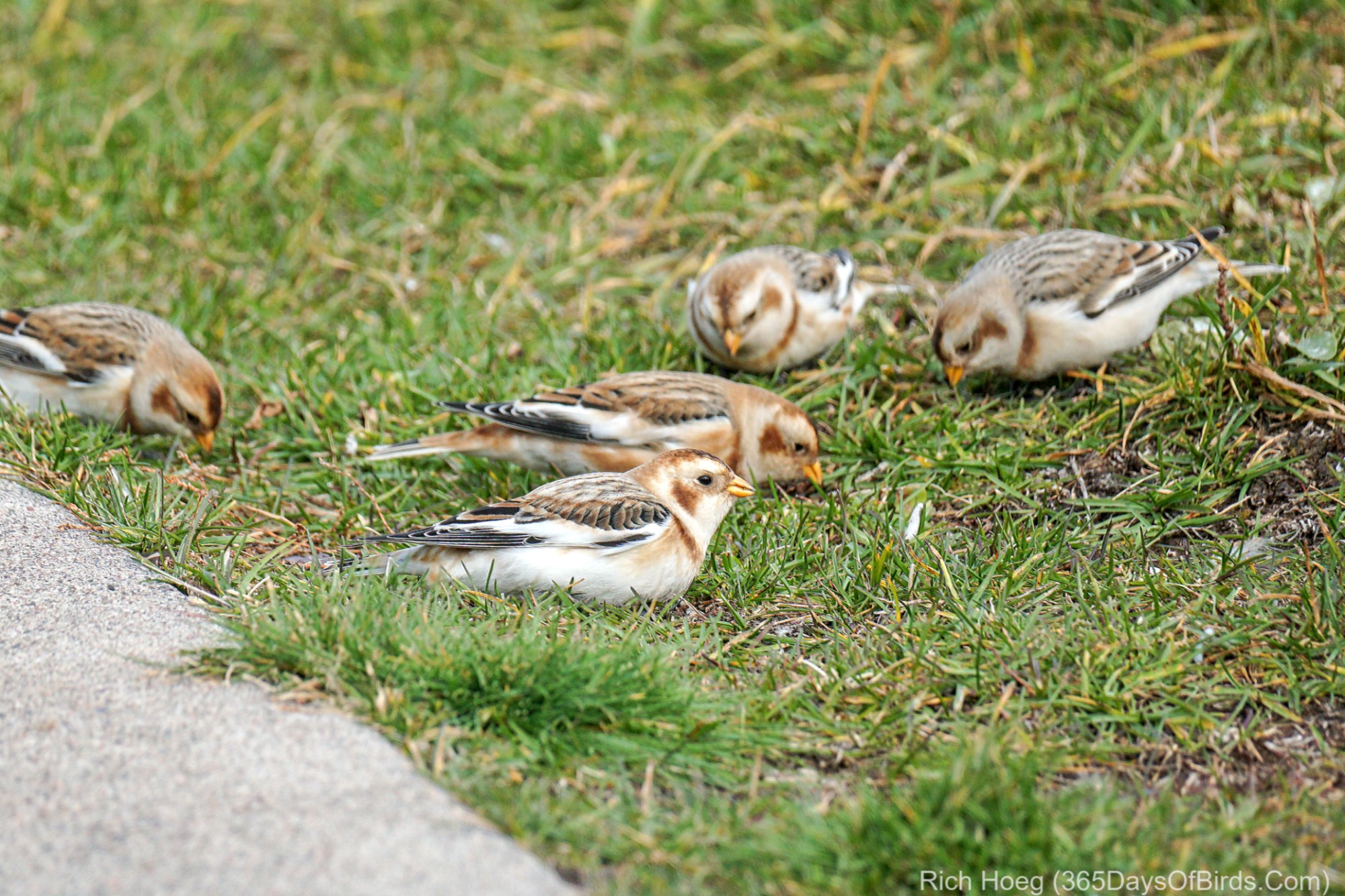
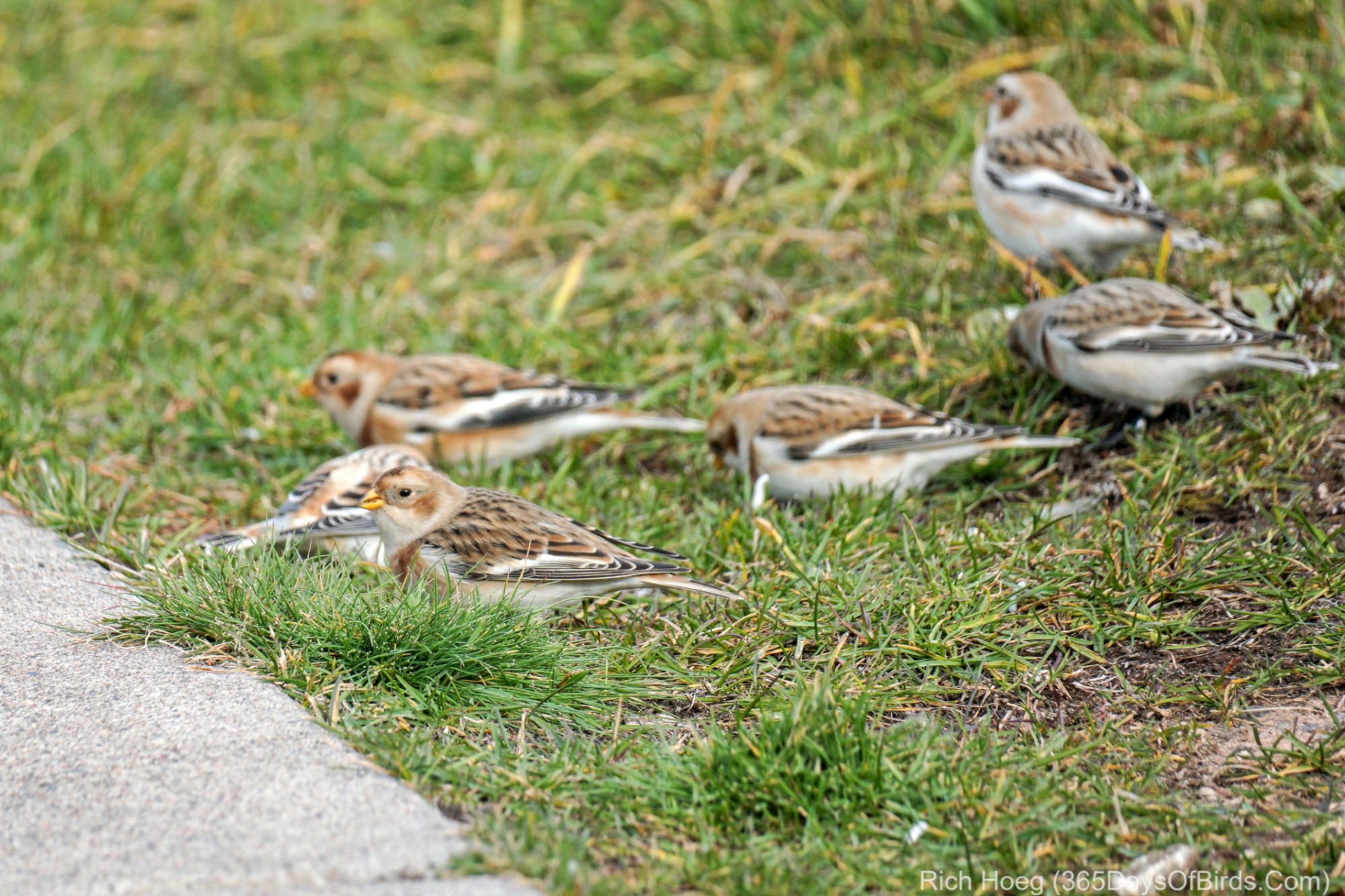
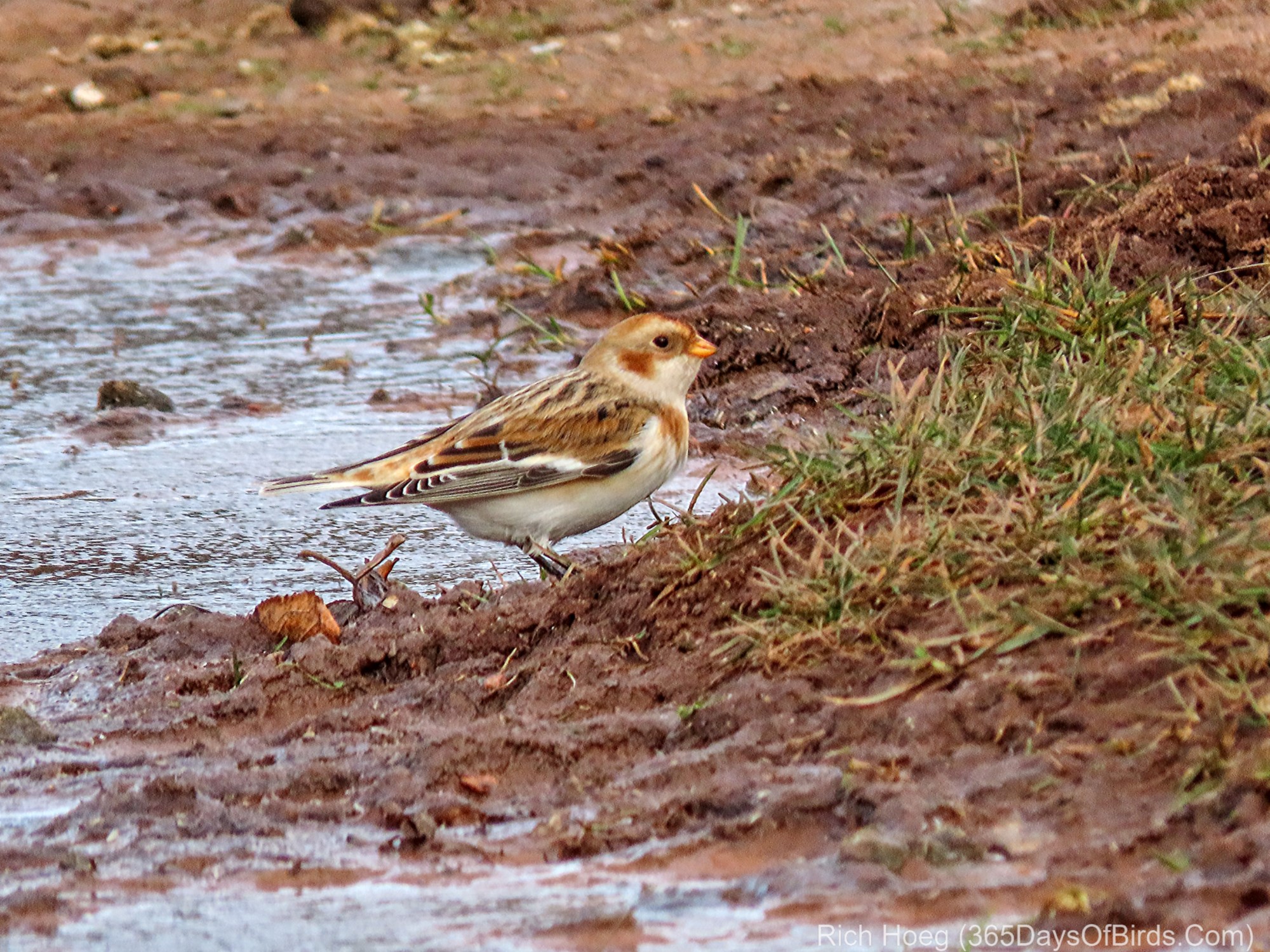
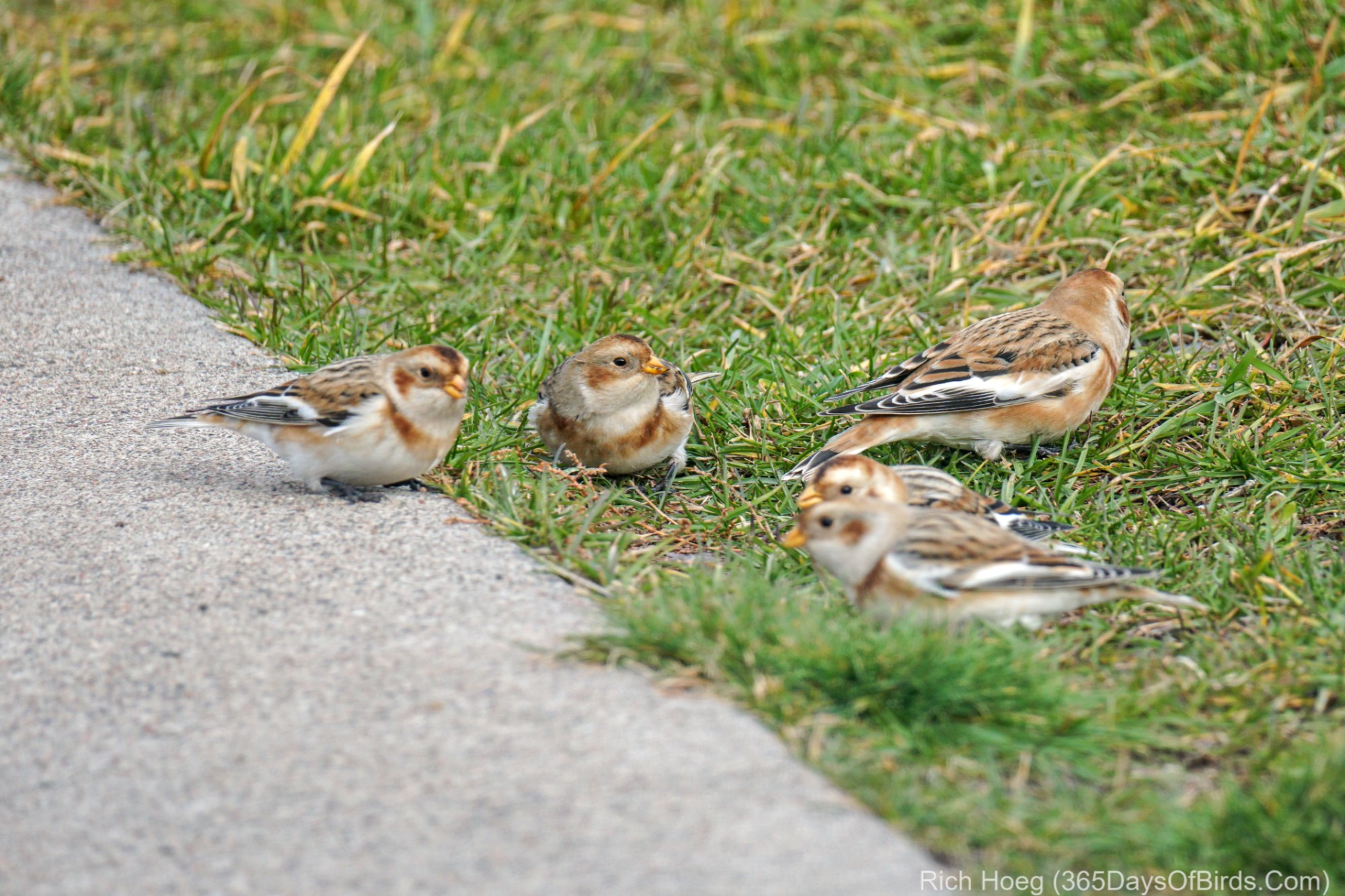
Arctic birds from the tundra were arriving this morning! Snow Buntings were almost falling out of the sky in Two Harbors, Minnesota. Close behind were Horned Larks, which I affectionately know as the “Fu Manchu Bird!” (see a photo to learn why)

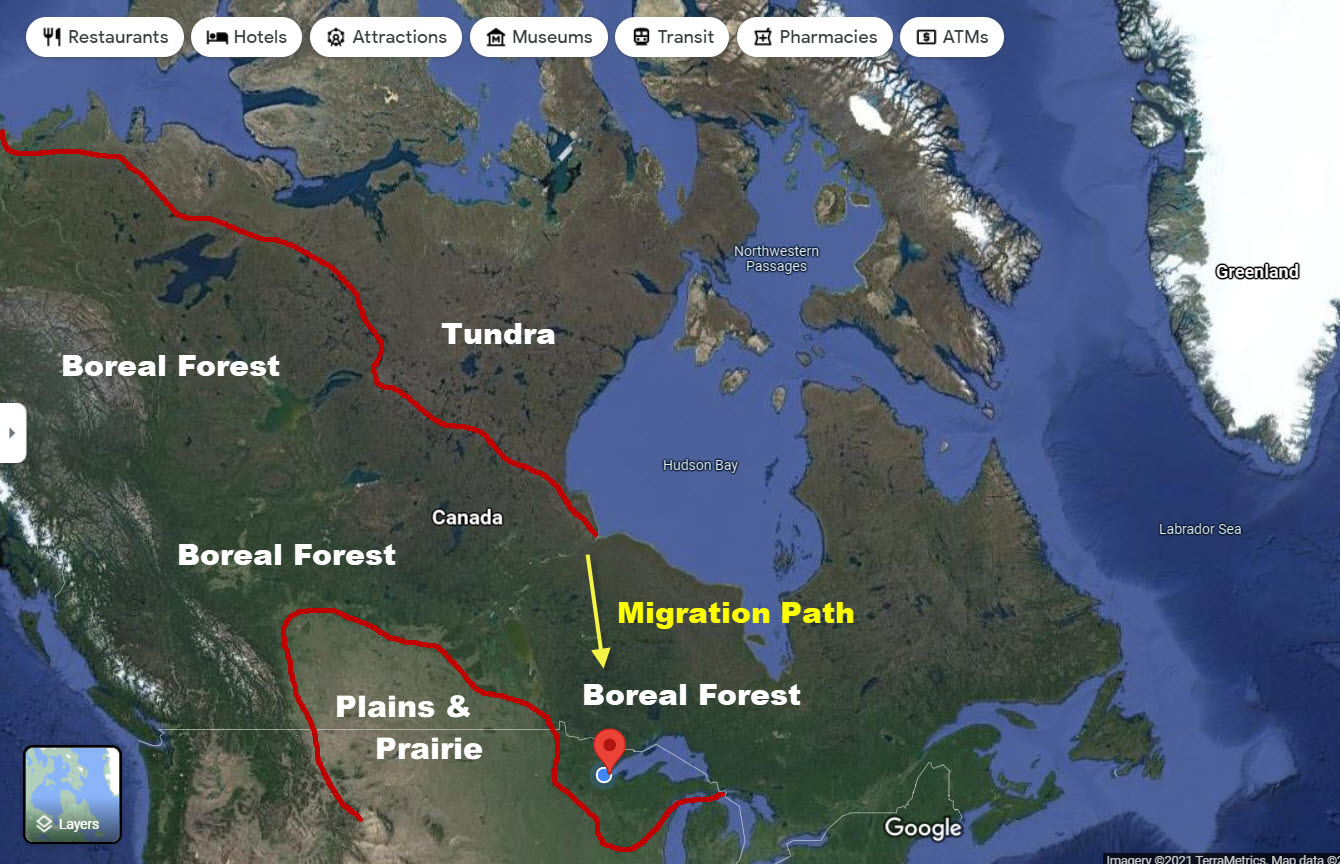
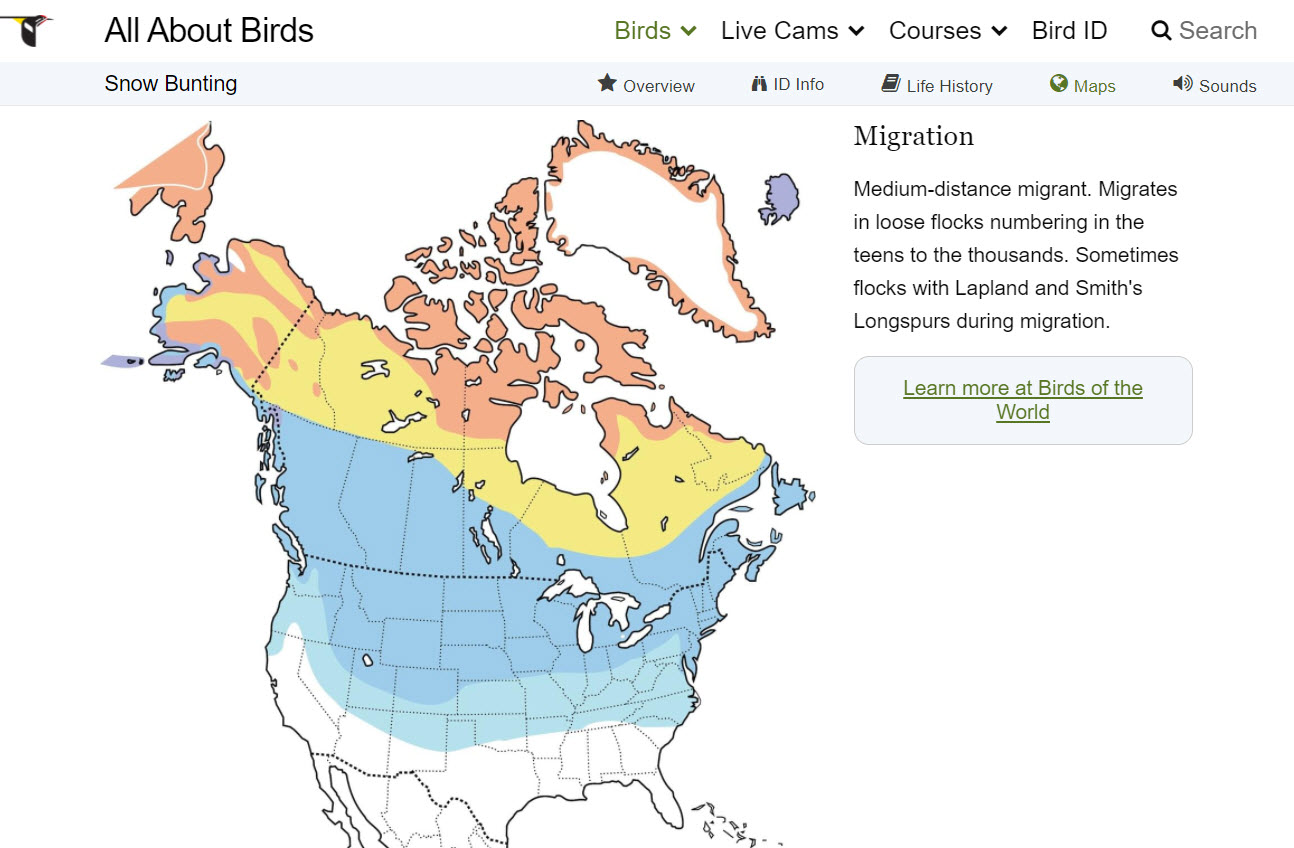
Here is a screenshot from Google Maps which I annotated. Take notice where the Tundra, Boreal Forest and the Plains / Prairie are located in comparison to each of these bird’s range maps, but particularly their breeding locations up in the Arctic (range maps courtesy of Cornell’s School of Ornithology: Snow Bunting & Horned Lark). Neither of these bird species knows how to forage well for food in the Boreal Forest. It’s not their habitat. Two Harbors, and specifically the RV Campground (now closed for the year) is one of the first open spaces they find while migrating along the shores of Lake Superior and through the Boreal Forest. Food!!! (i.e. in the campground’s grassy areas).

Basically, I planted myself at the campground and waited for flocks of birds to come to me. Hungry birds make for birds which are easier to approach. It was a fun morning.

Horned Larks

The Fu Manchu Bird

Snow Buntings


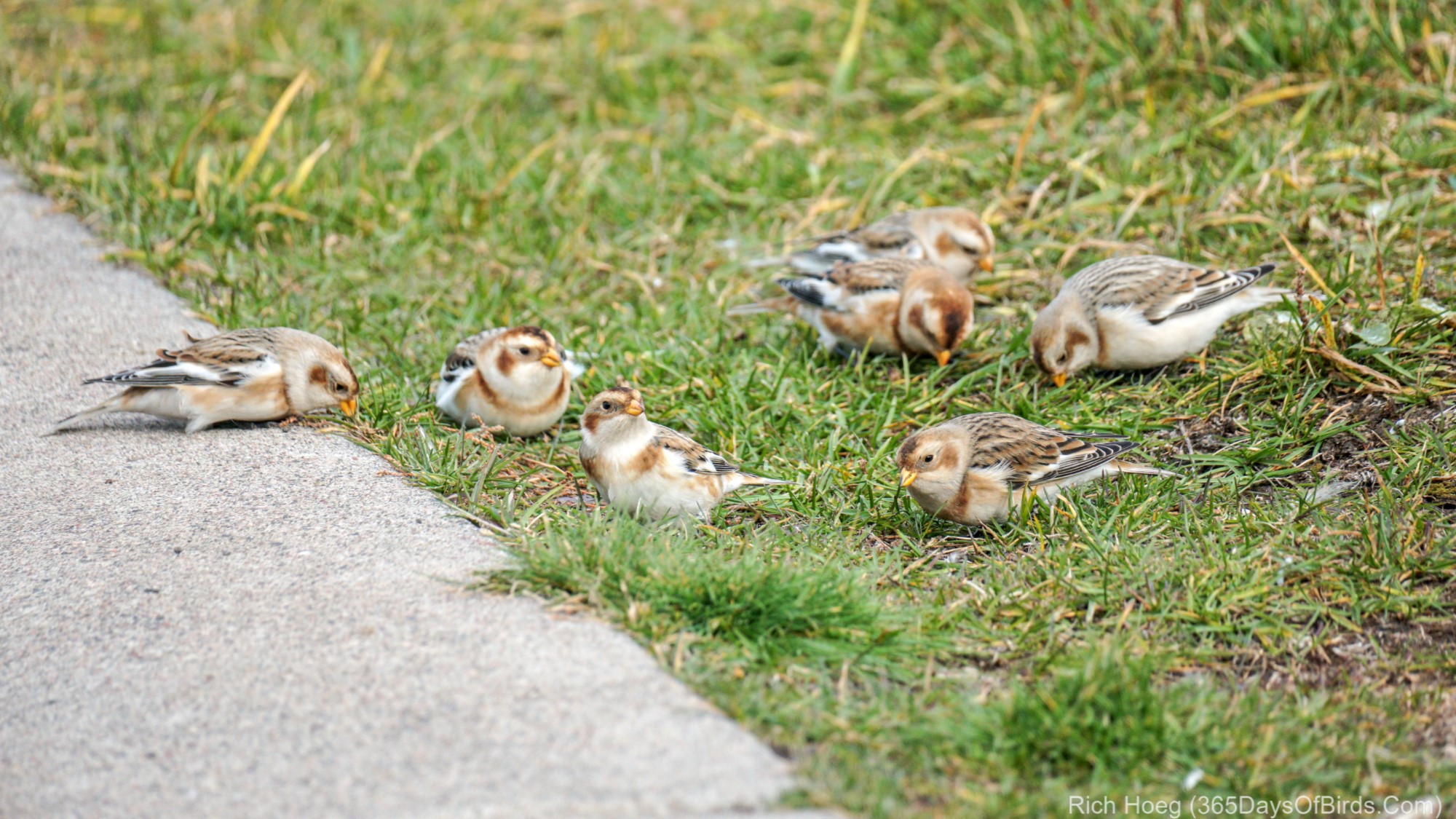
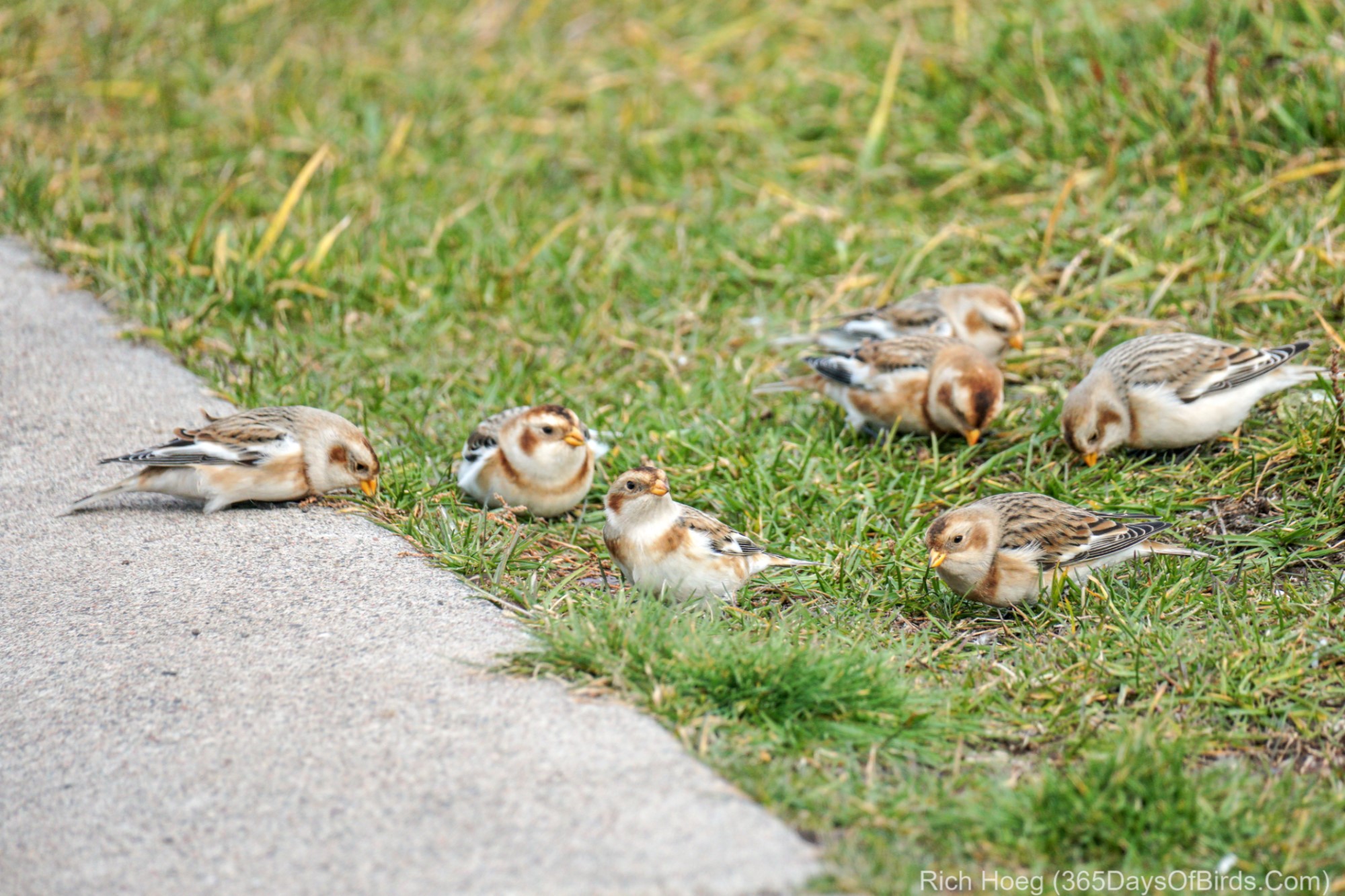
A Post Processing Exercise: You may need to download both of these images and then toggle back and forth between them on your computer. Folks often ask how much post processing I perform (not much), but minor edits and cropping can make a difference. Normally if I make I minor crops, I stay with the photographs’ original dimensions. Take a look at these two images which started from the same original. In the first photograph I utilized a longer and shorter crop (16:9). My goal was to eliminate some of the grassy area above and below the birds which really does not help the artistic presentation of the photograph/birds. The second photograph utilized a minor crop with the standard dimensions … thus narrower and higher. The size of the birds does not really change between the two images. Thus, it’s more about what I wanted to exclude in the first image rather than having an editing goal to increase the size of the birds.