This post is provided to assist the understanding of organizations with whom I will be meeting in the near future. For my readers benefit, I am now working (volunteering) with additional conservation organizations across Minnesota in addition to the Friends of Sax-Zim Bog in terms of assisting them with birdsong research as it relates to conservation projects, including but not limited to the building and configuring of birdsong listening station.
As a fyi … a few days ago, I was featured in an article published by the Minnesota Star Tribune (my home state’s largest newspaper which is based in Minneapolis) about my work in birdsong research. Here is the weblink to that interview. You may experience paywall issues.
BirdNET-Pi has two web based viewing options:
- On your OWN local network, via your browser you may utilize the extensive menu options given later in this post. Learn more about BirdNET-Pi.
- From any computer connected to the internet, IF the owner of the birdsong listening station has chosen to make their birdsong public via BirdWeather.Com, you may view the most current sound ID’s, listen to those sound files, and change to your preferred custom dates. Learn more.
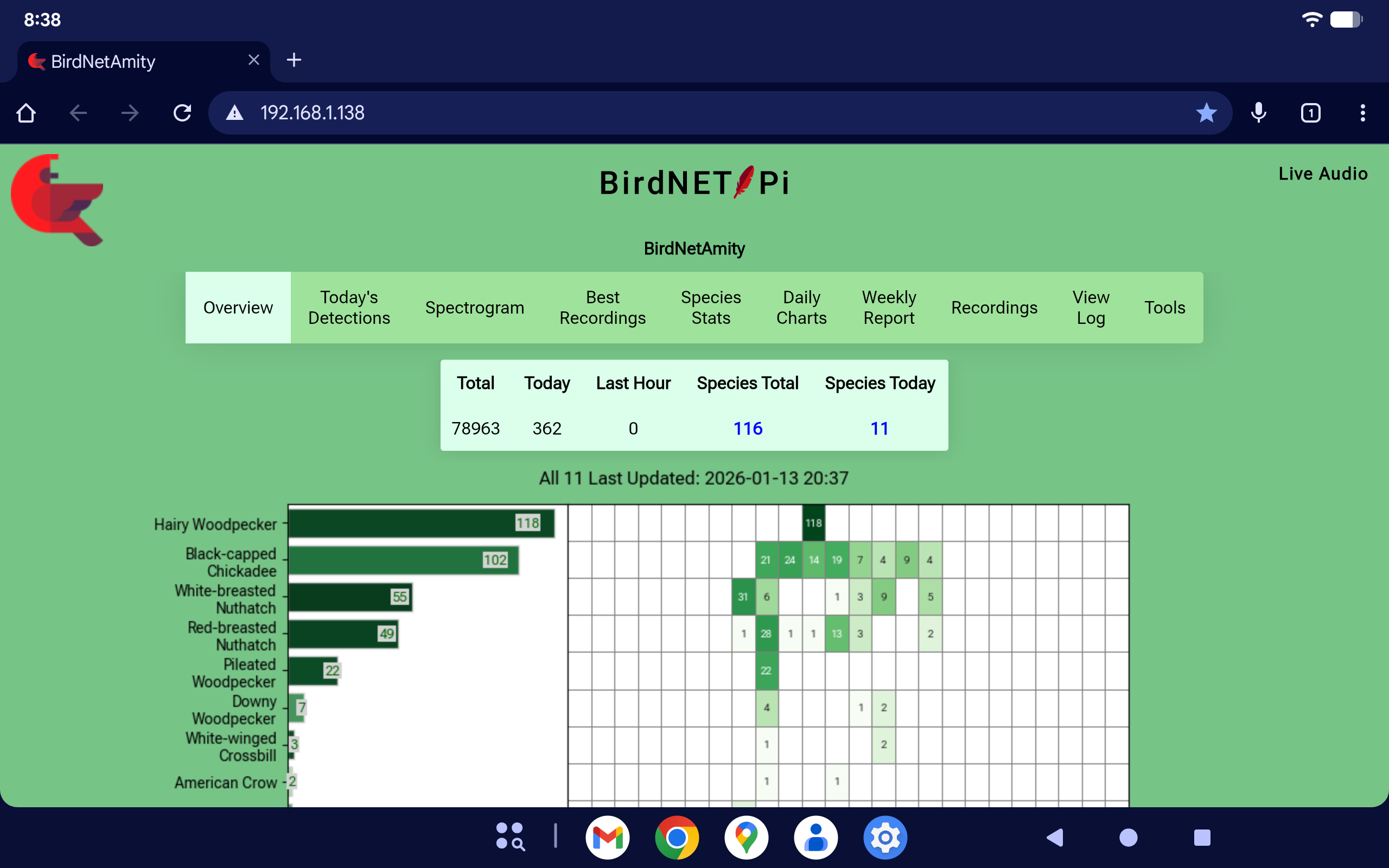
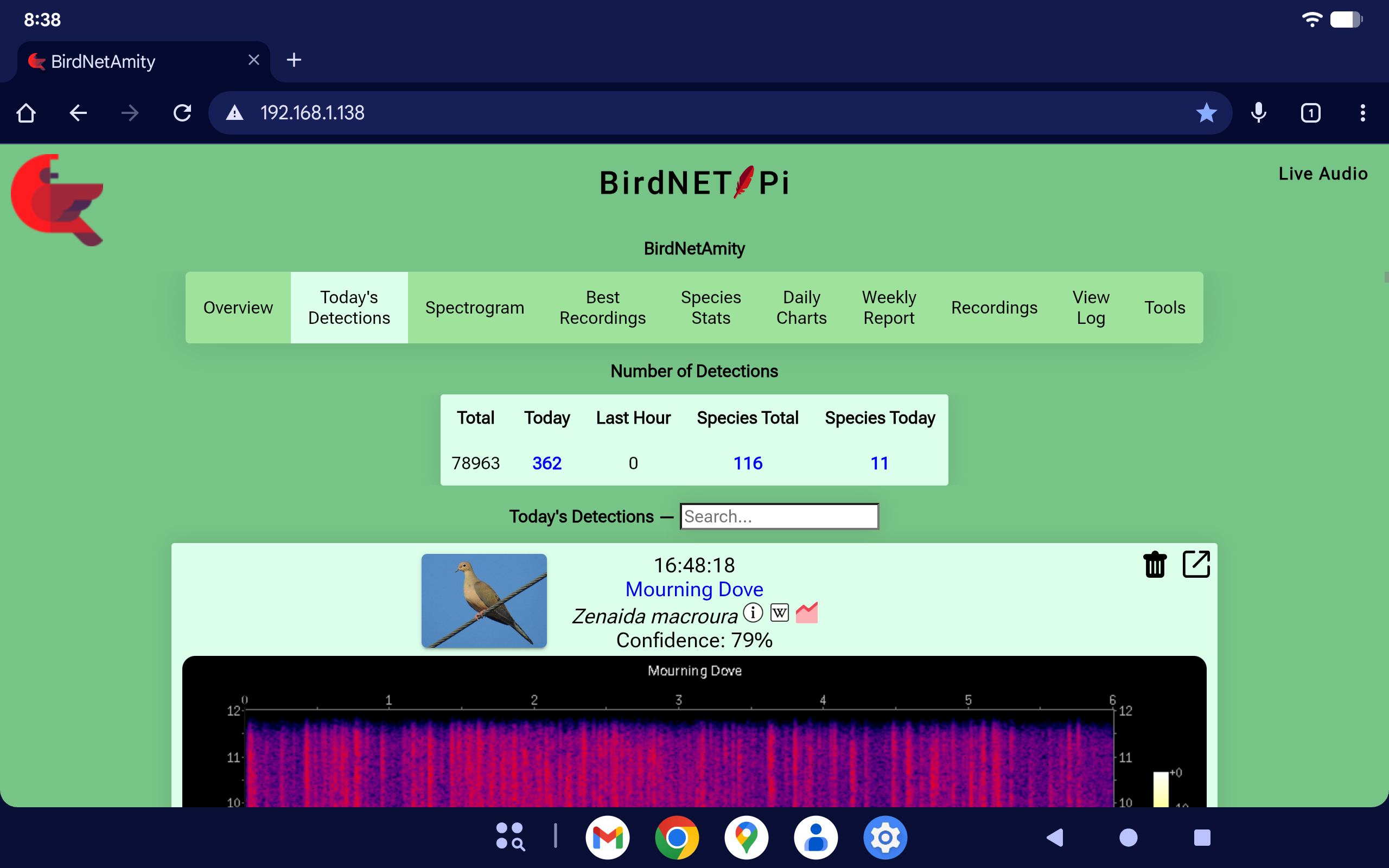
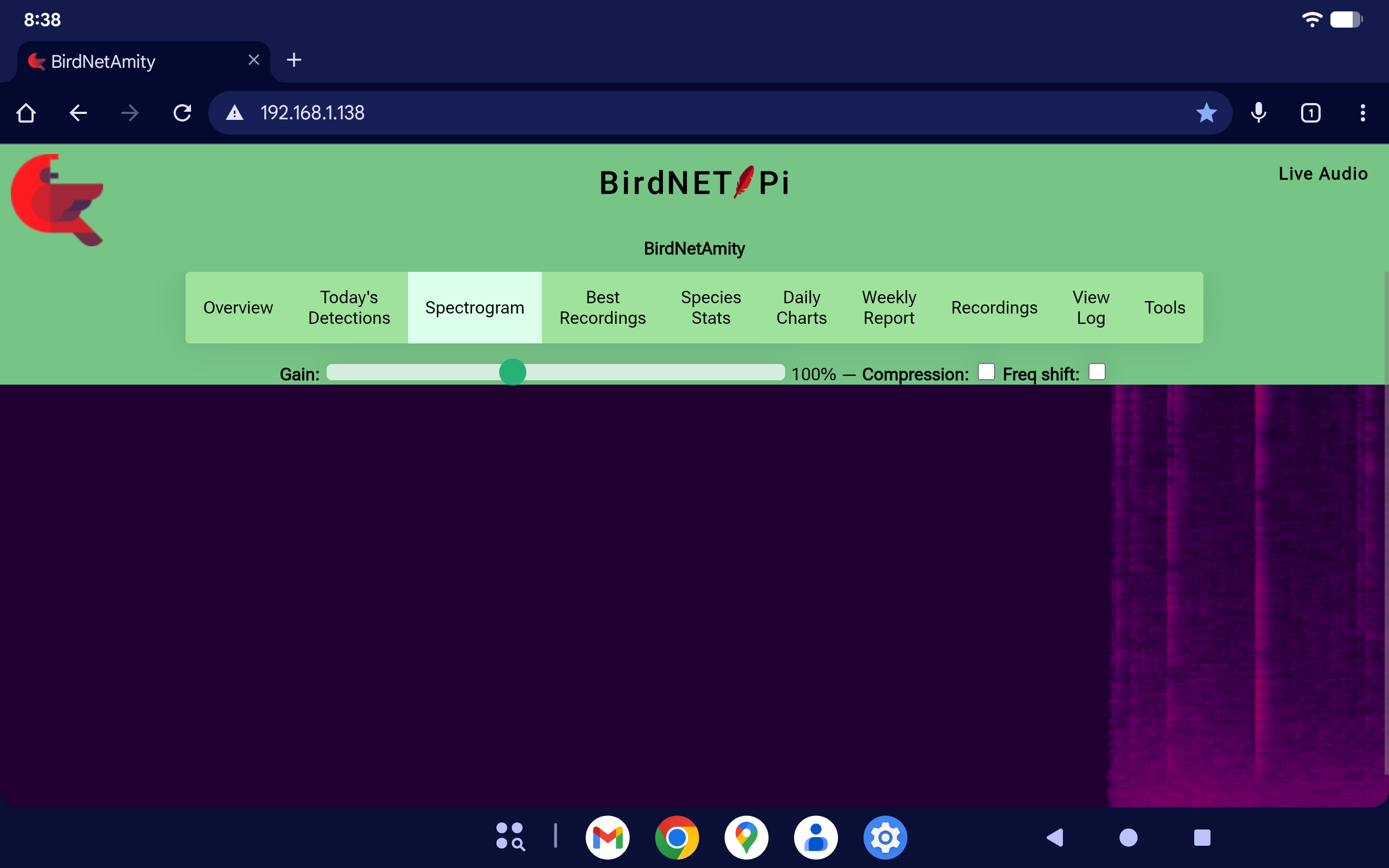
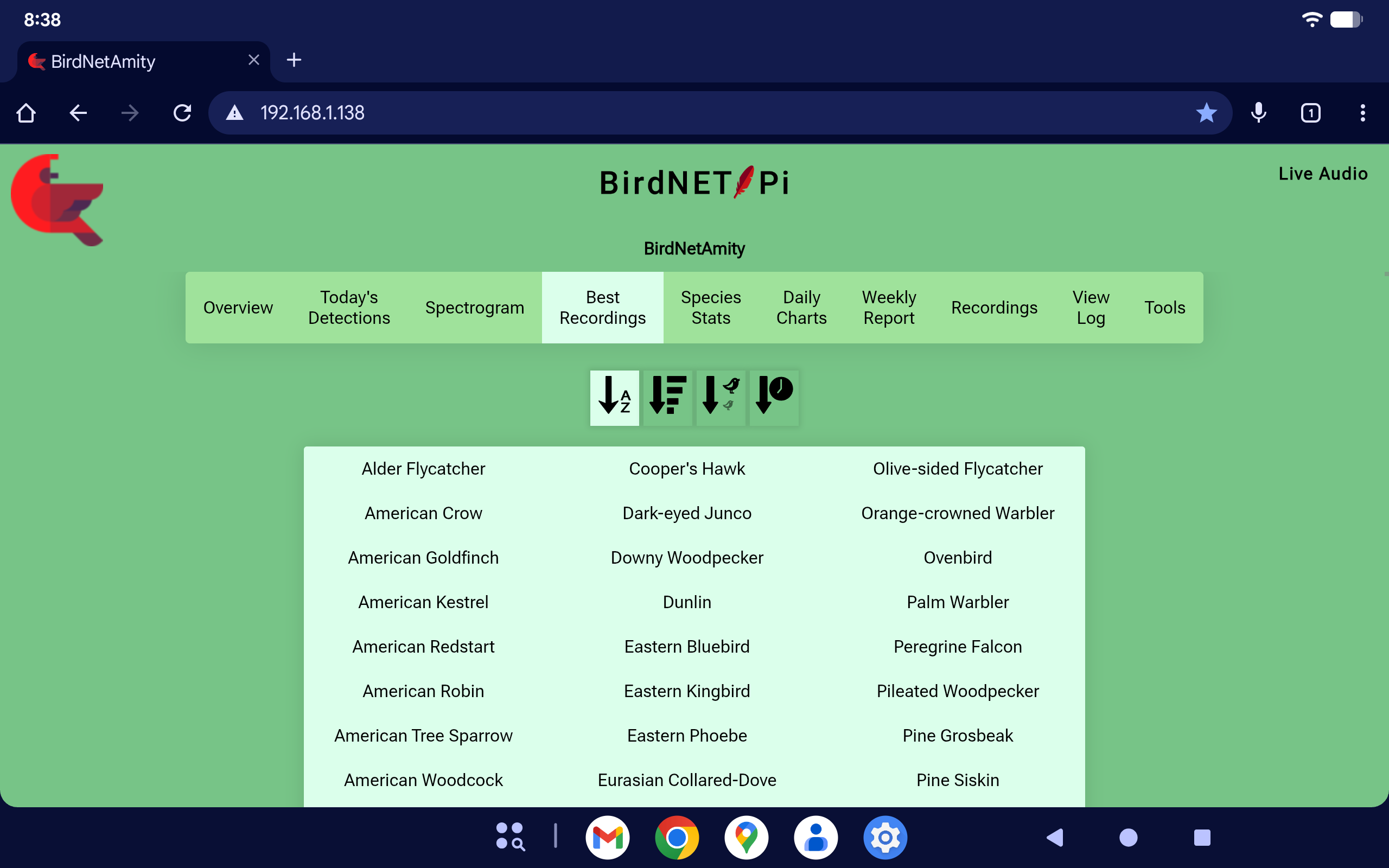
Here are the BirdNET-Pi menu command screenshots. You MUST be on your own local wifi network, and on the SAME network to which the BirdNET-Pi is connected.
01: Overview
02: Today’s Detections
03: Spectrogram
04: Best Recordings
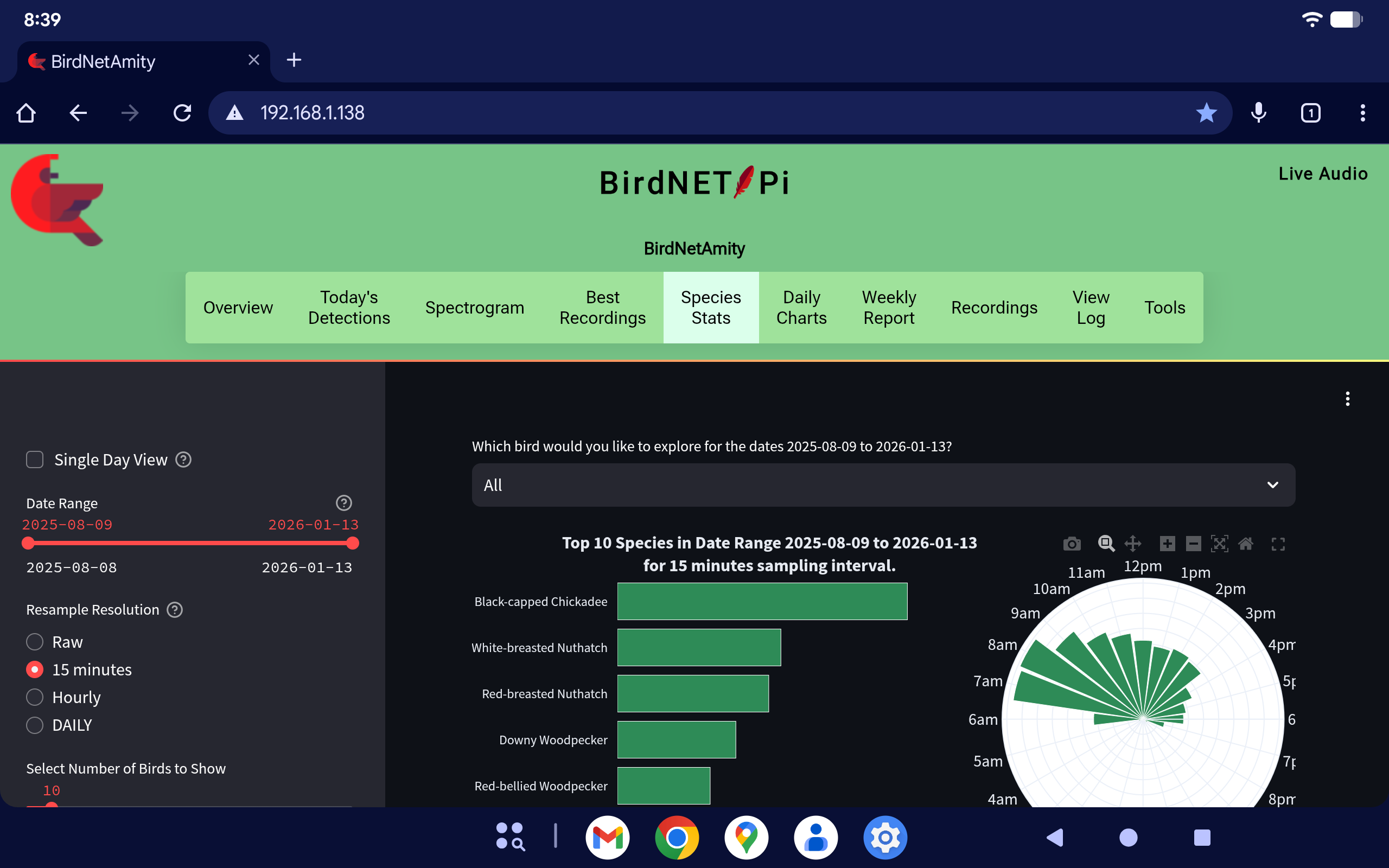
05A: Species Stats 1
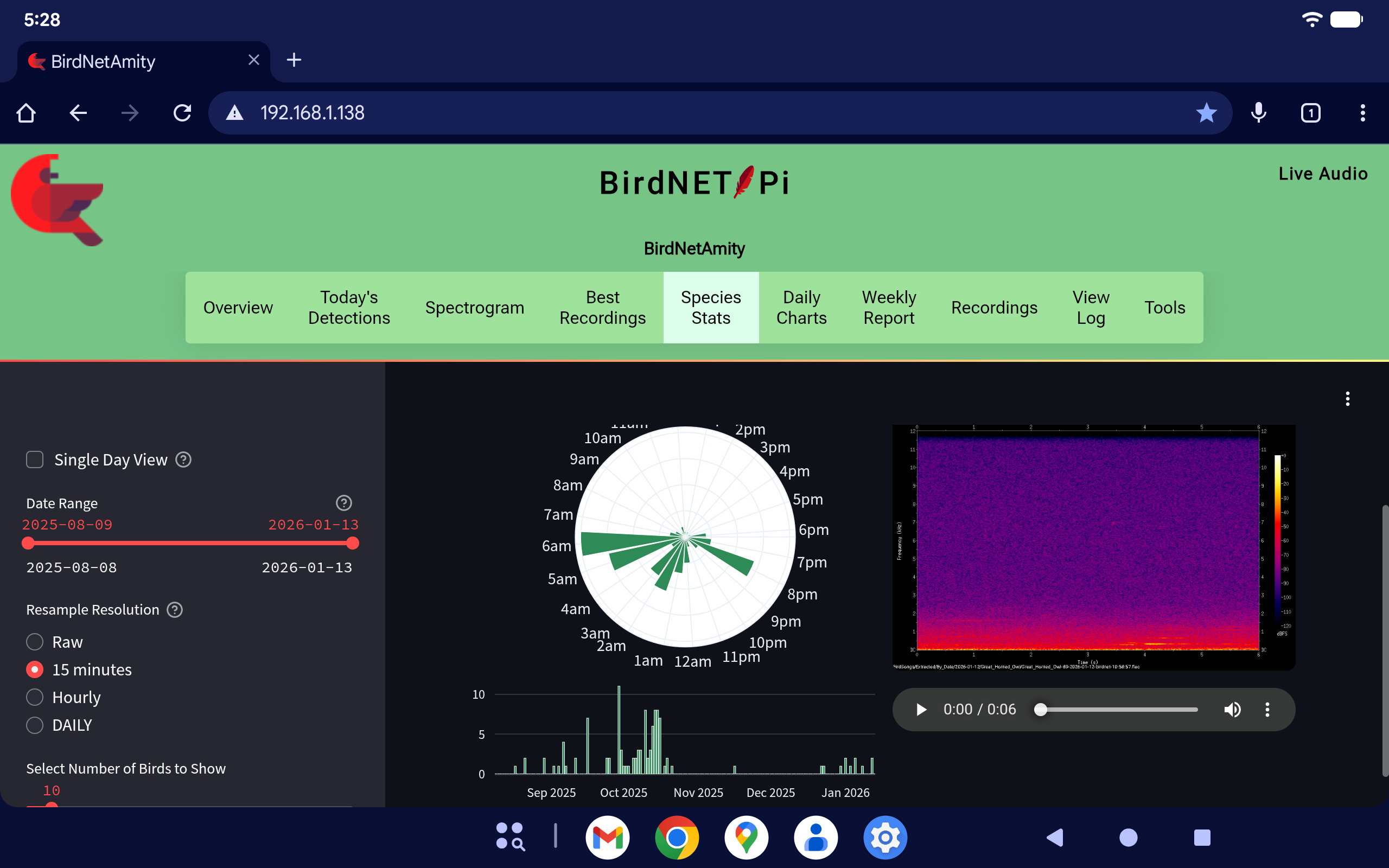
05B: Species Stats 2 (Great Gray Owl)
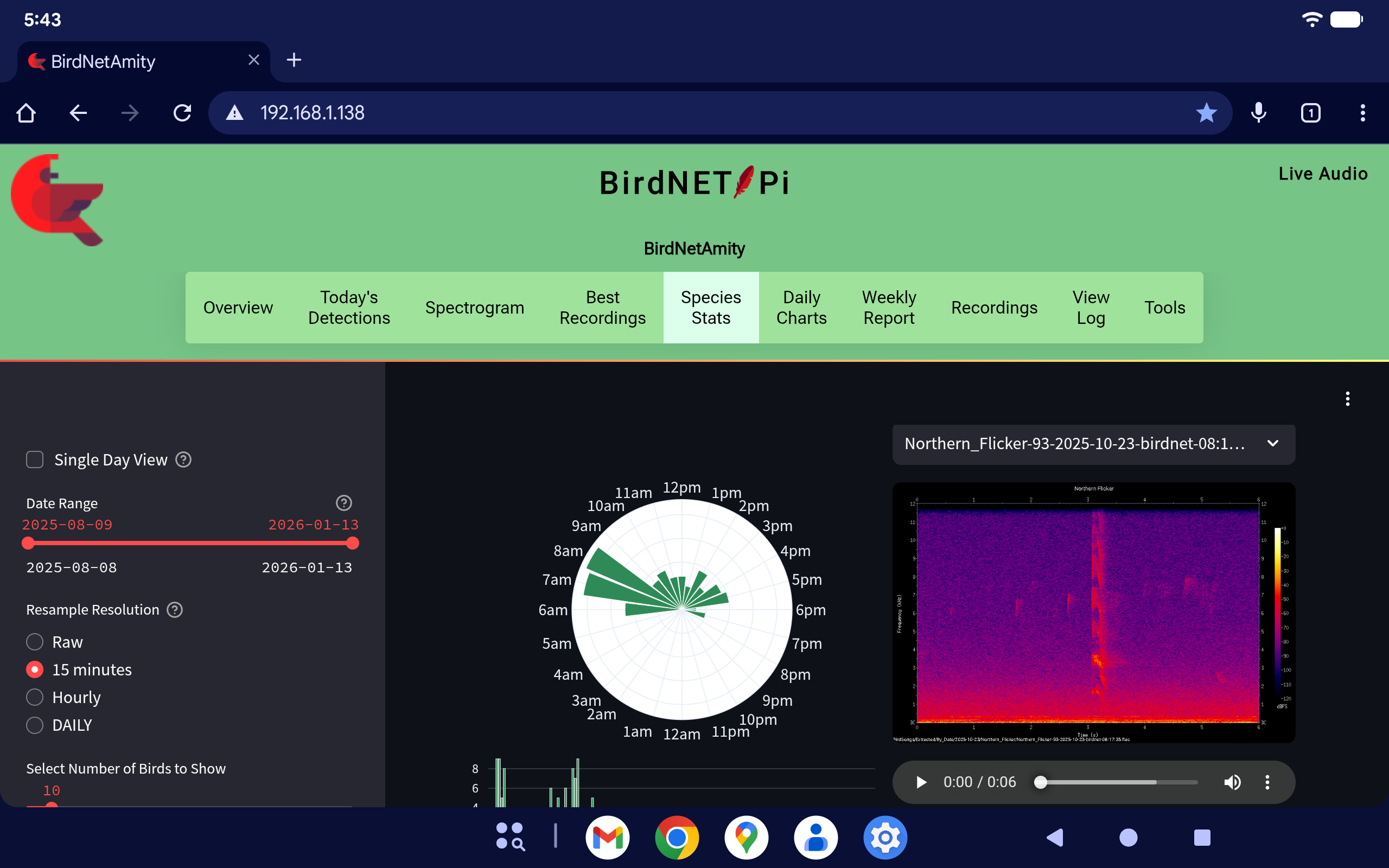
05C: Species Stats 3 (Northern Flicker)
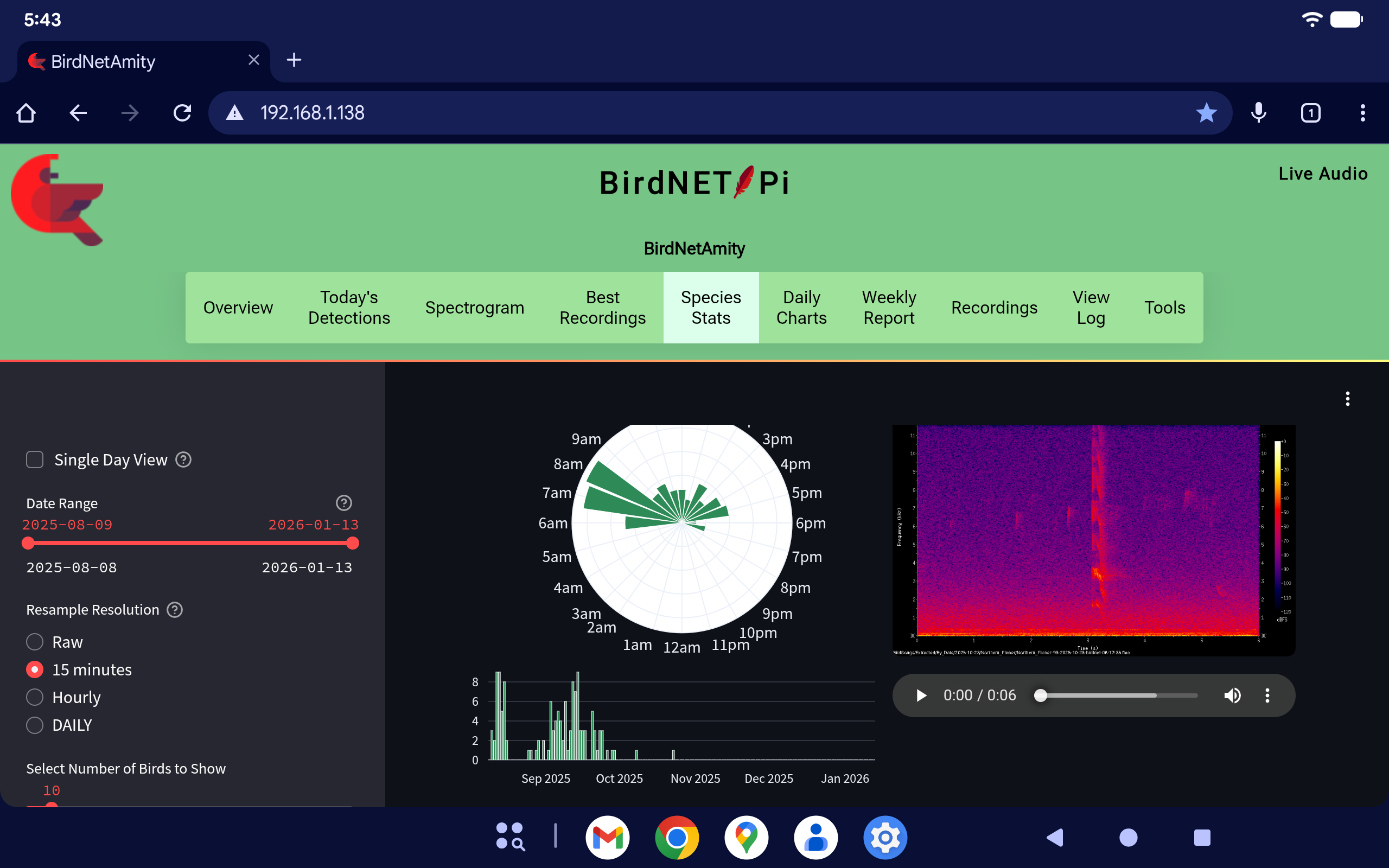
05D: Species Stats 4 (Northern Flicker)
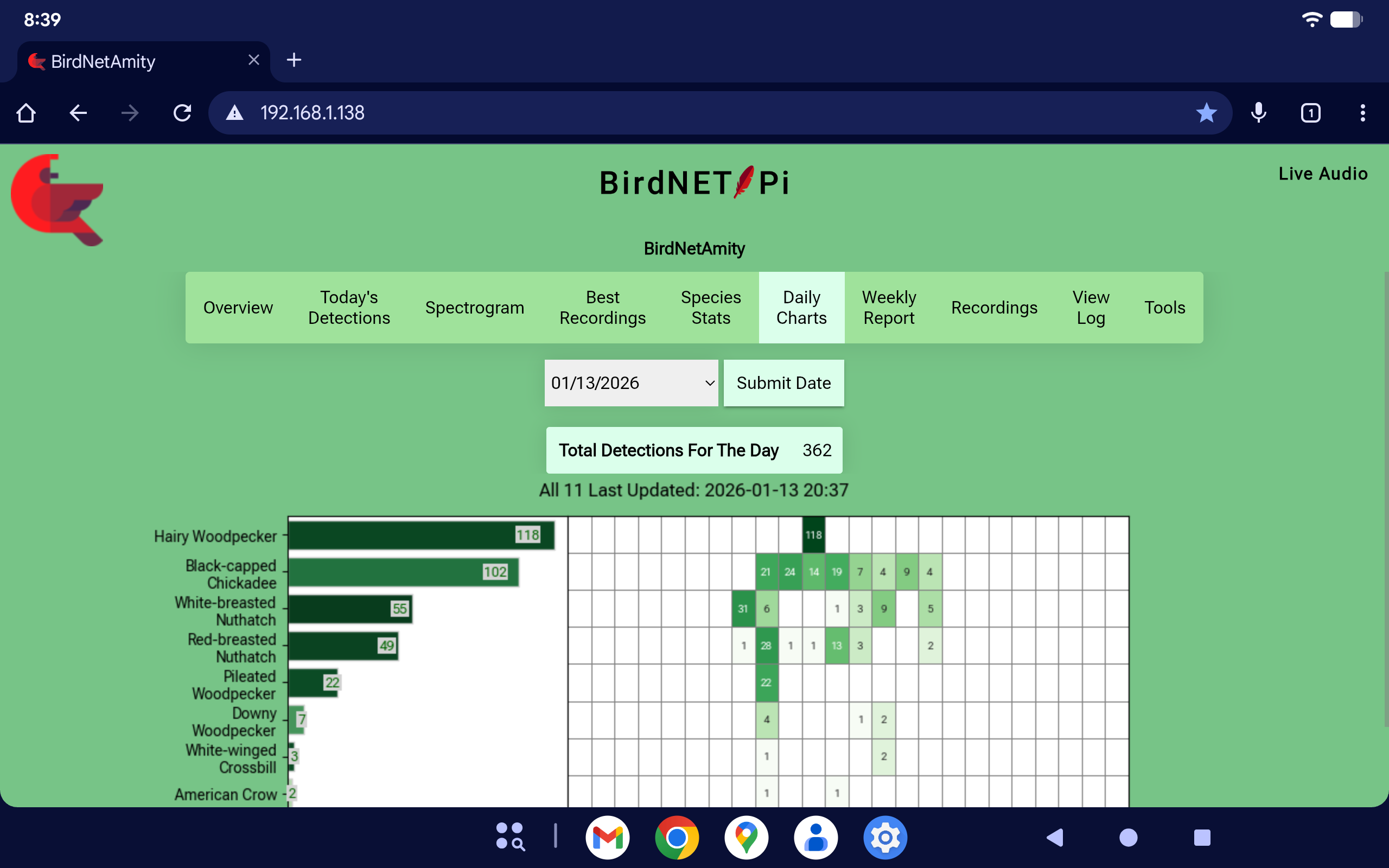
06: Daily Charts
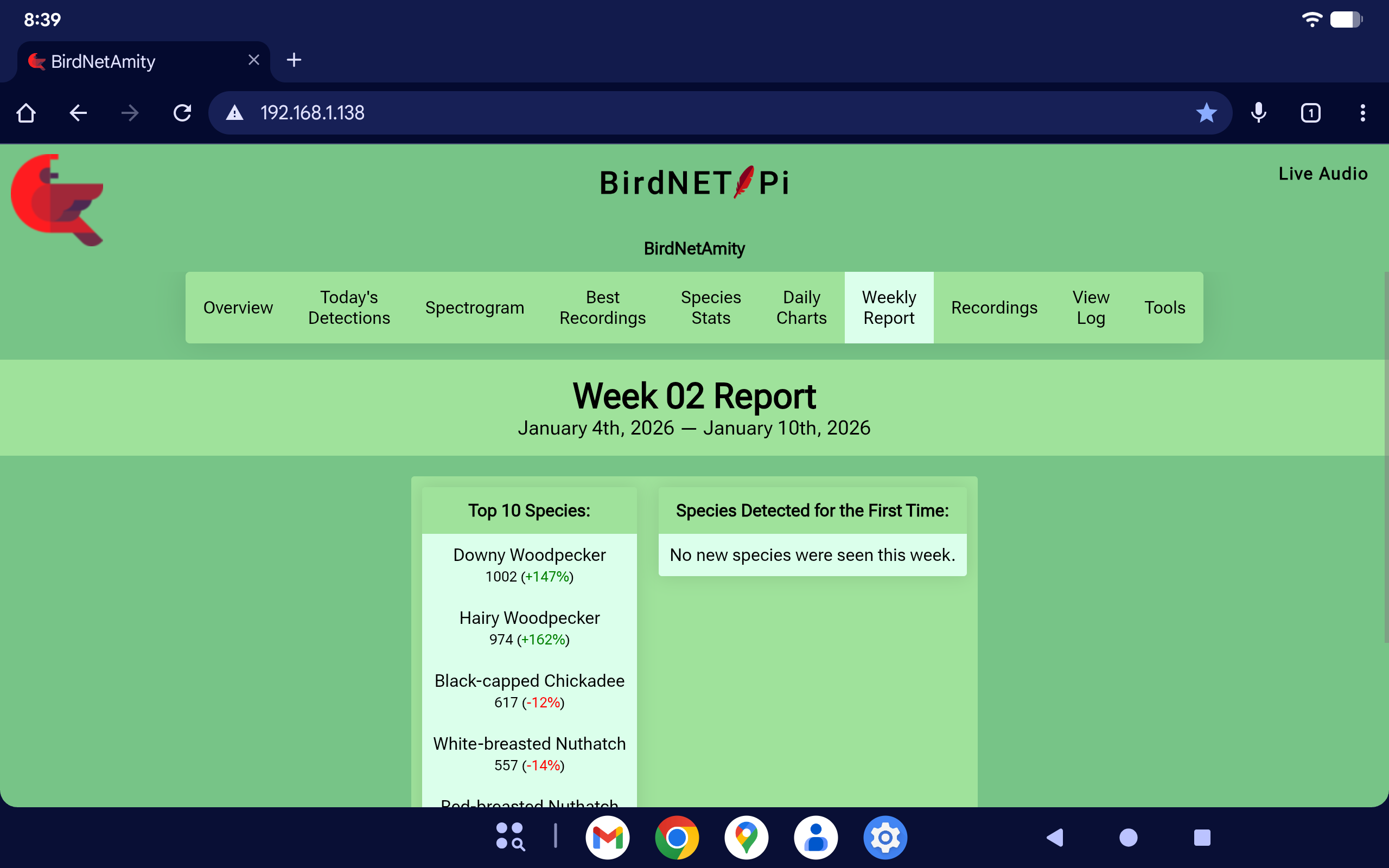
07: Weekly Report
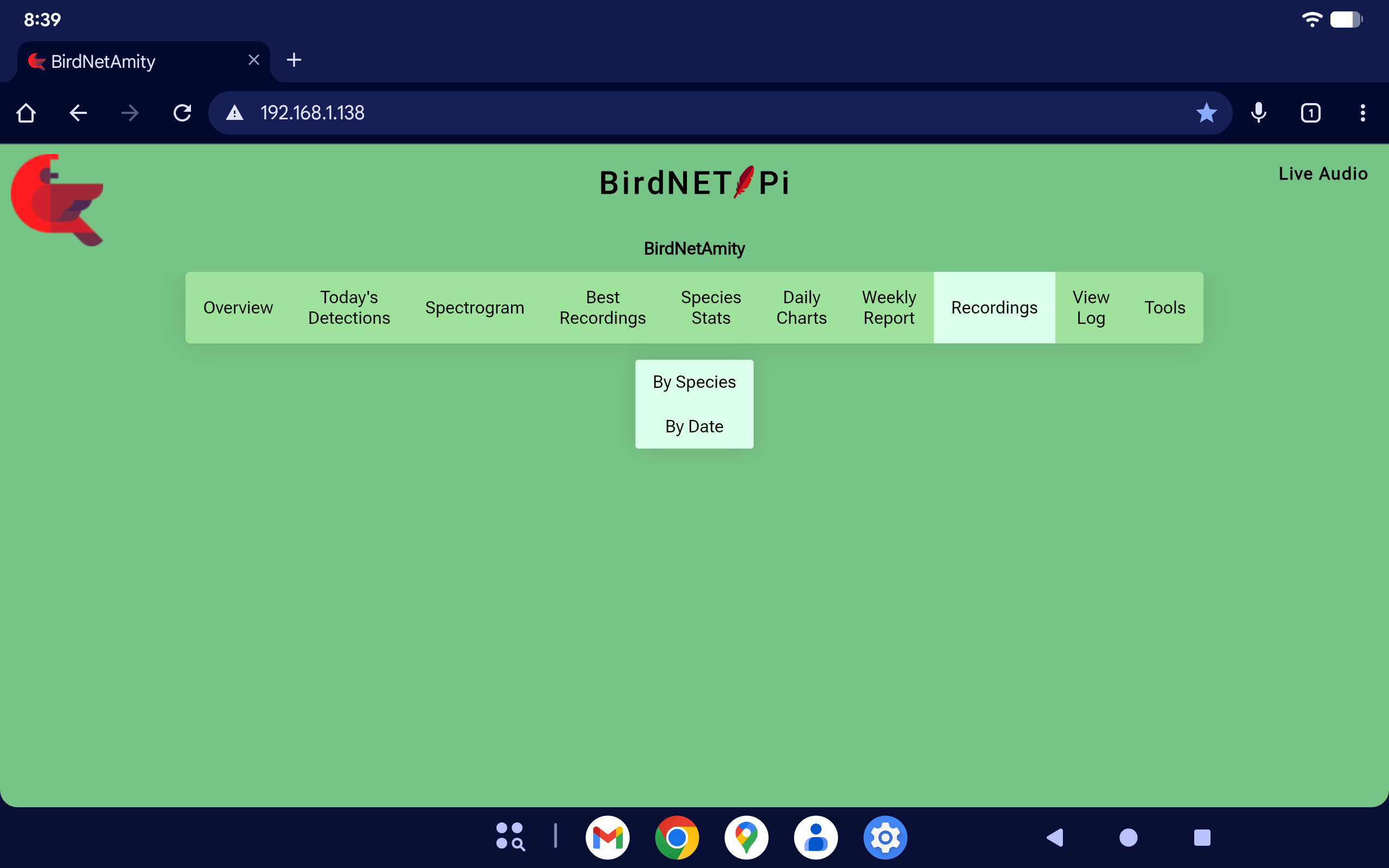
08A: Recordings 1
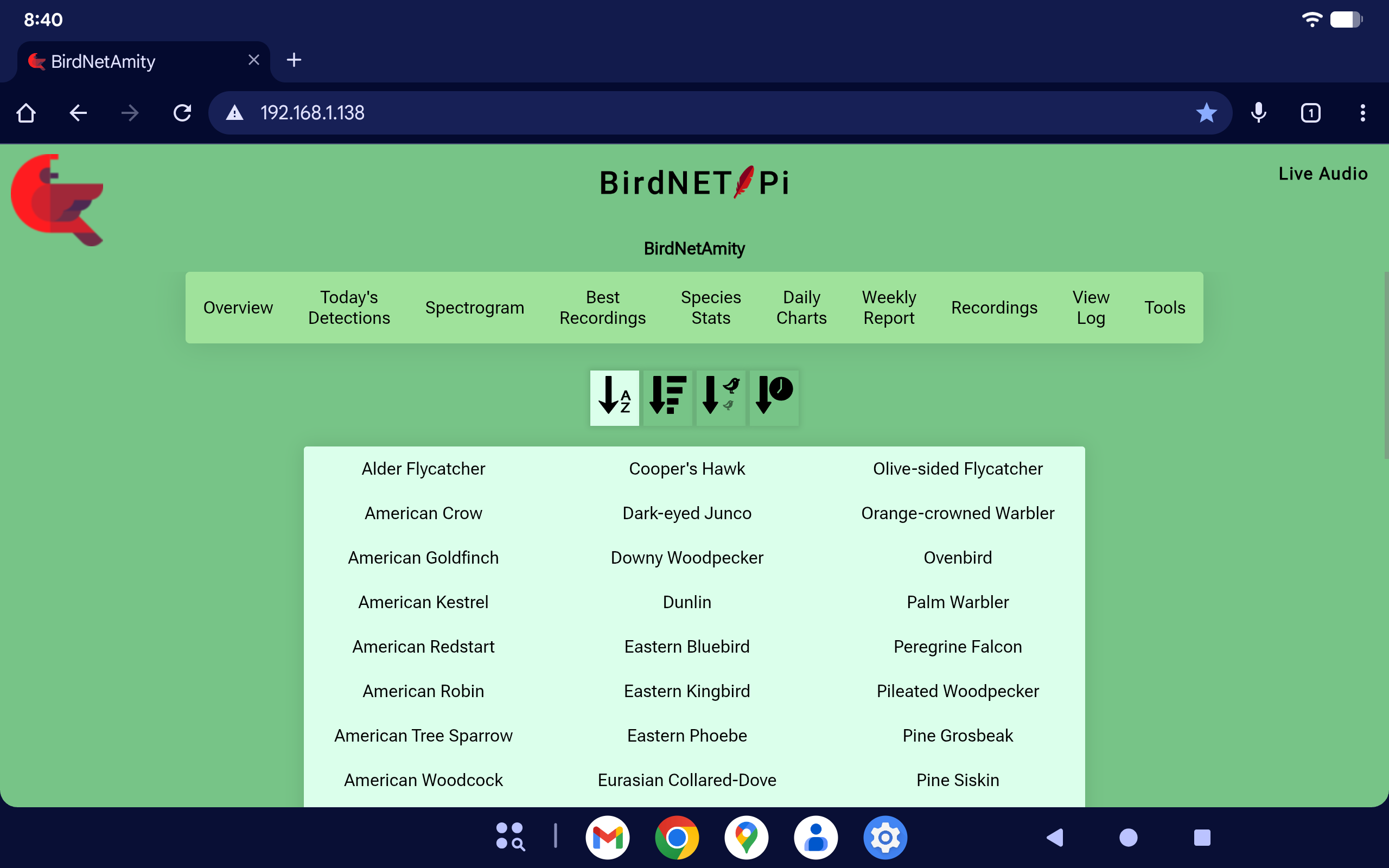
08B: Recordings 2
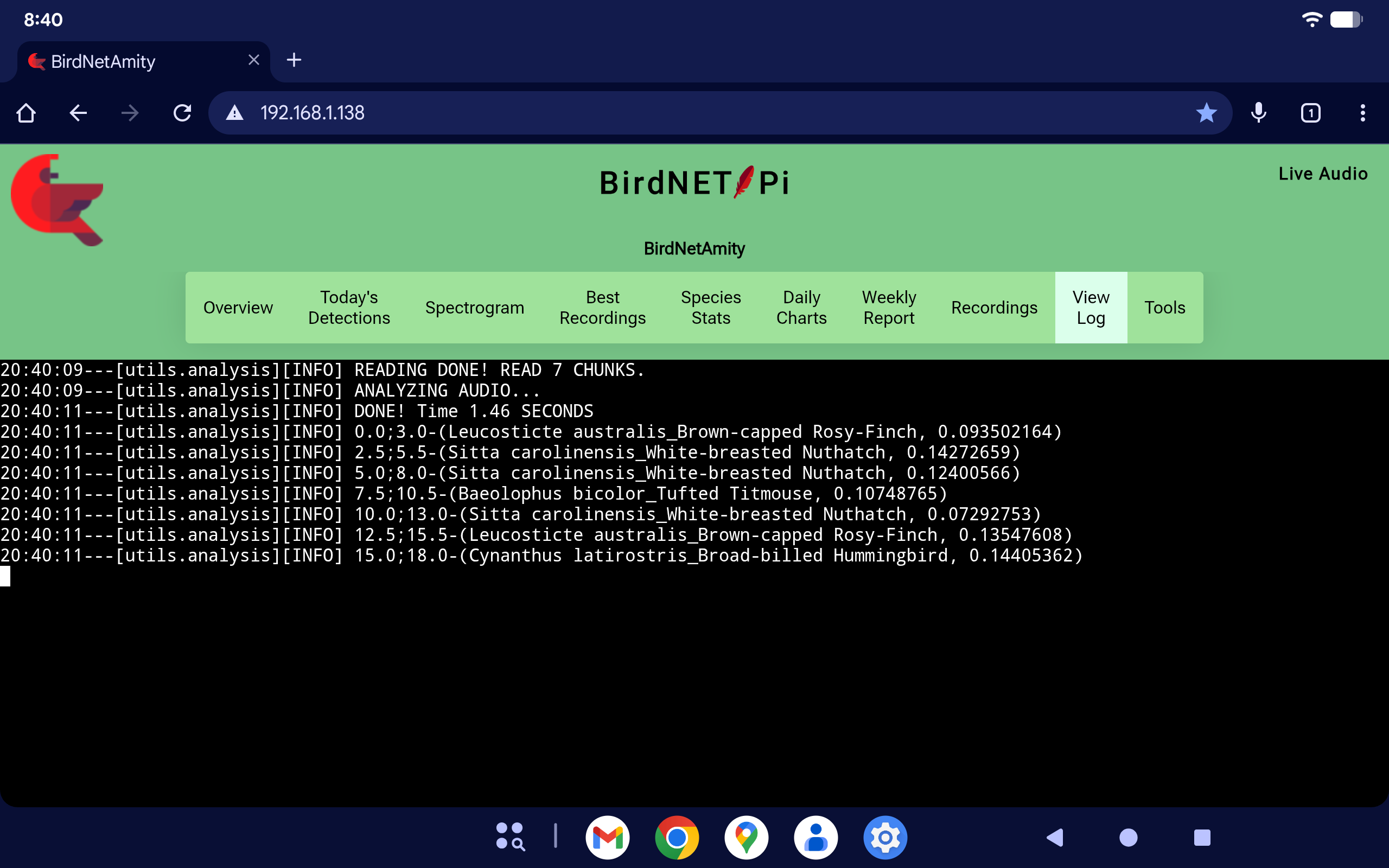
09: View Log (if the probability of a match does not exceed 70% after the seven software attempts, it discards that attempted ID)
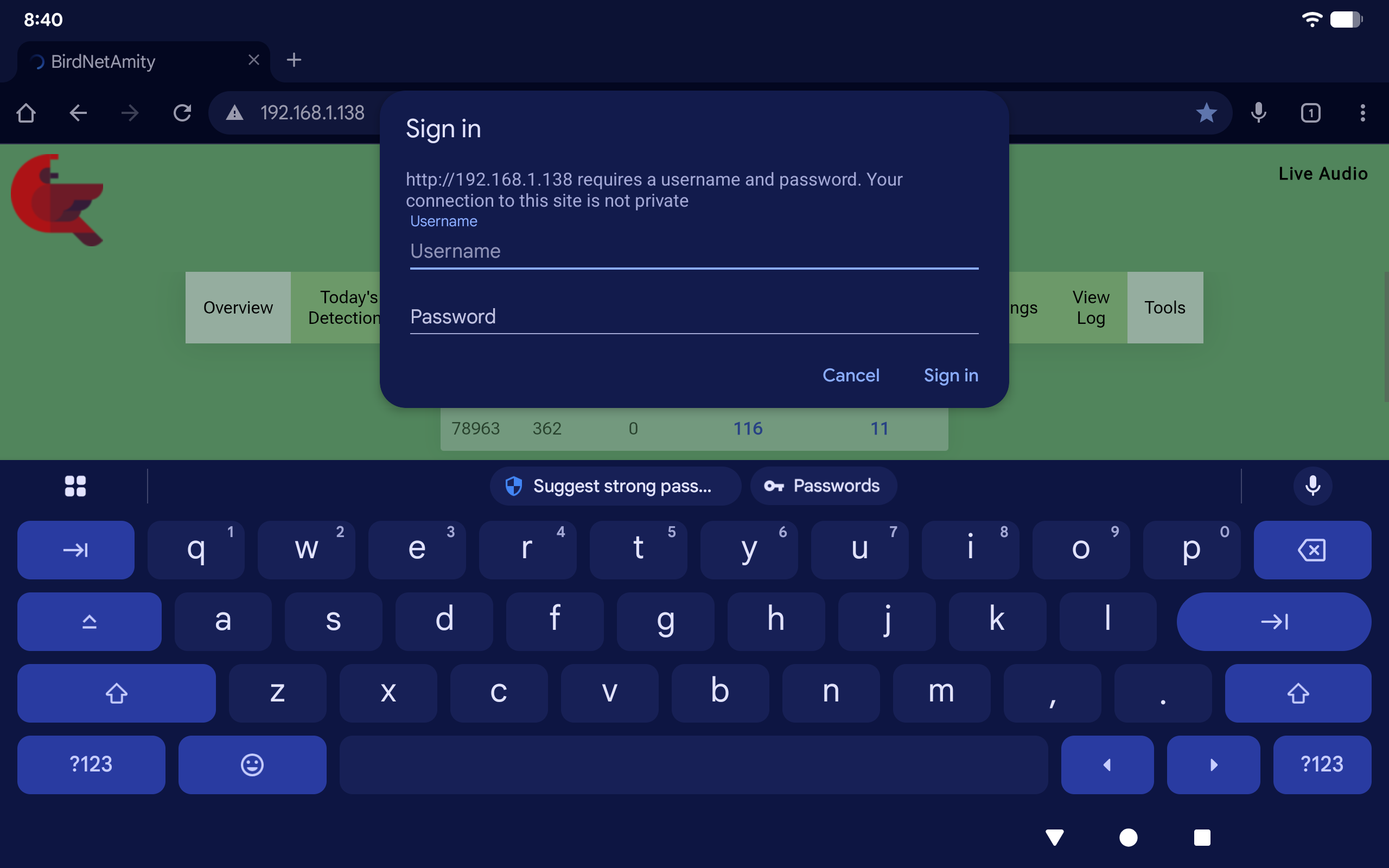
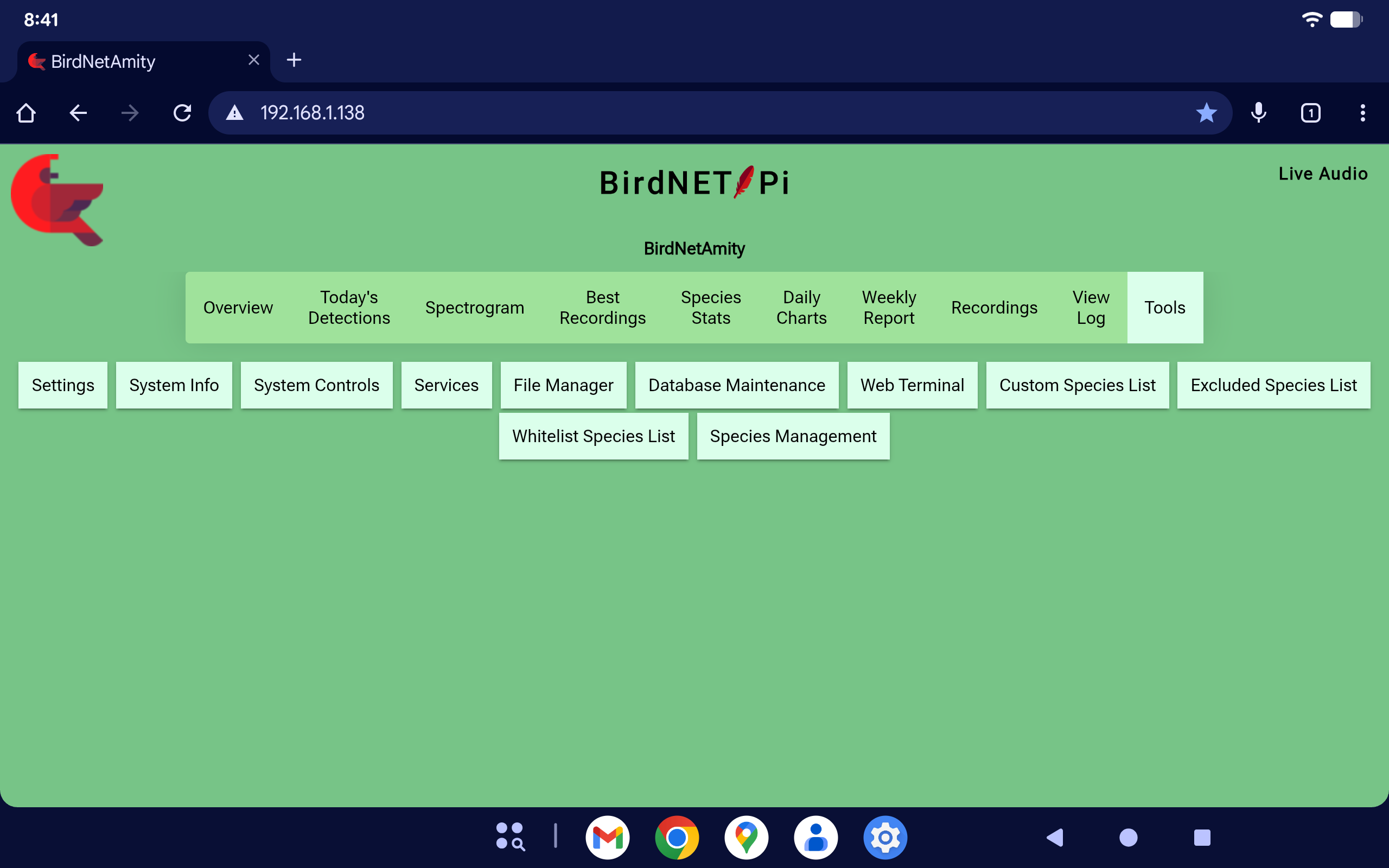
10: Tools (password access only)
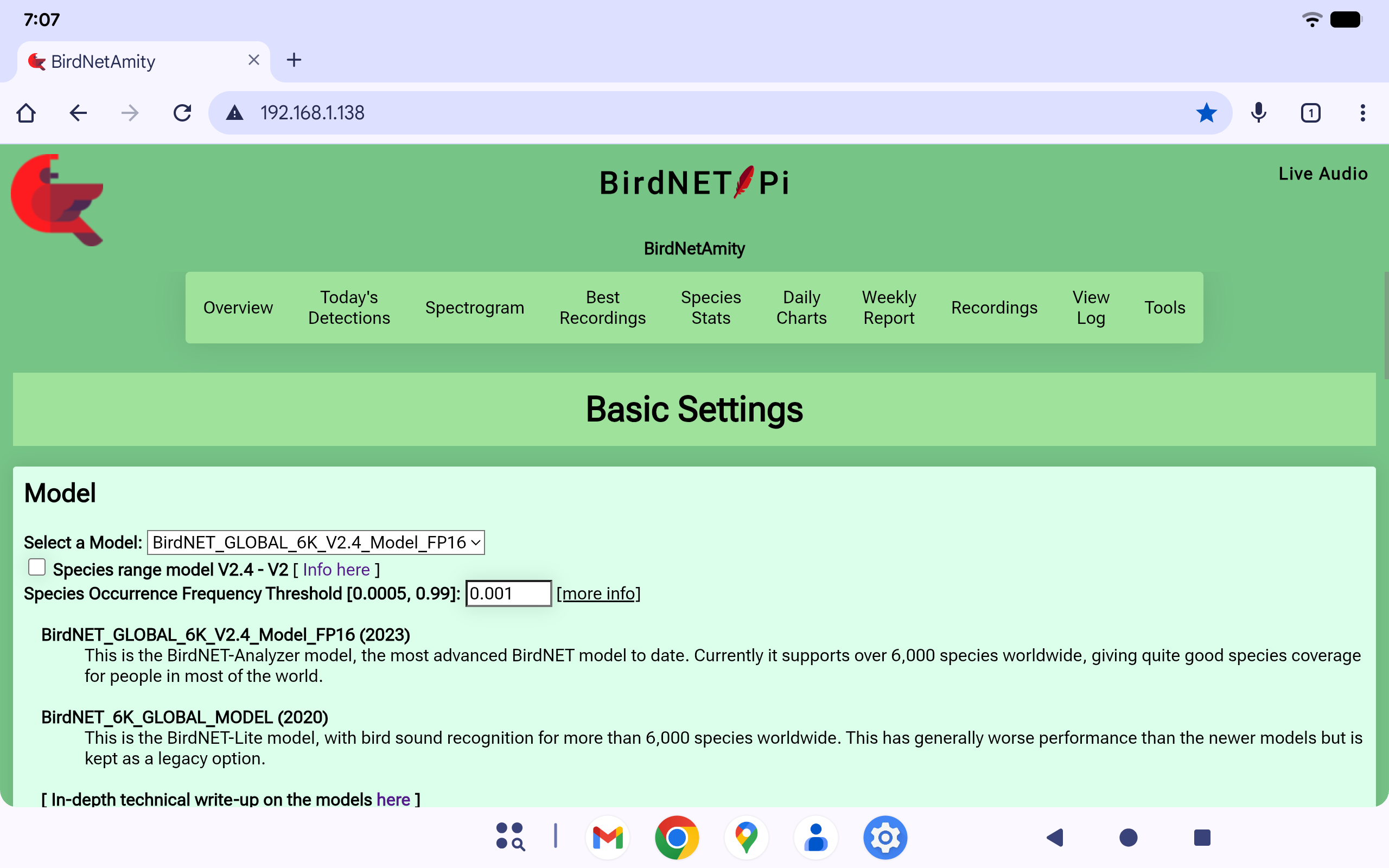
11A: Settings 1 (password access only)
11B: Settings 2 (password access only)
12A: Species Management 1 (password access only)
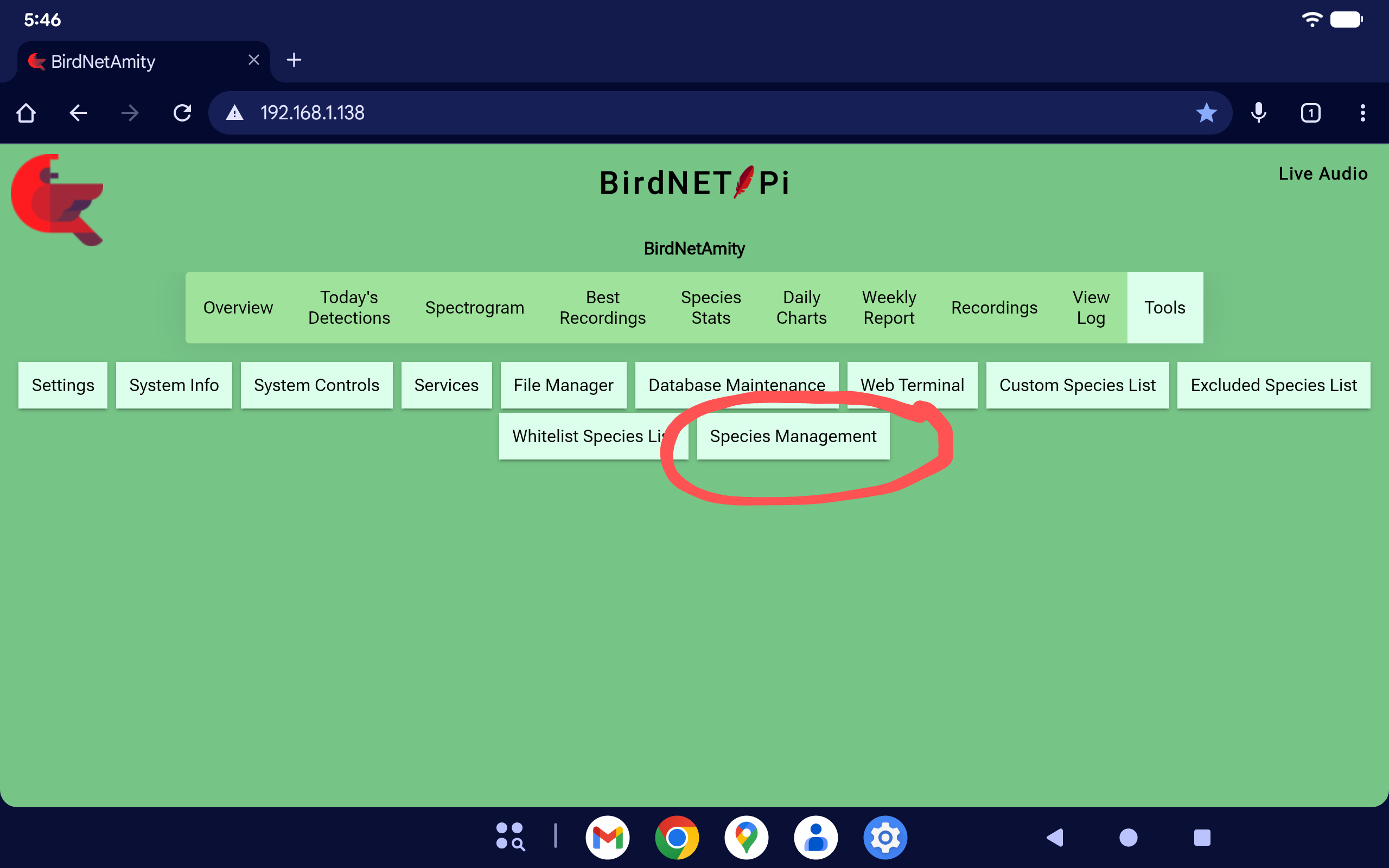
12B: Species Management 2 (password access only)
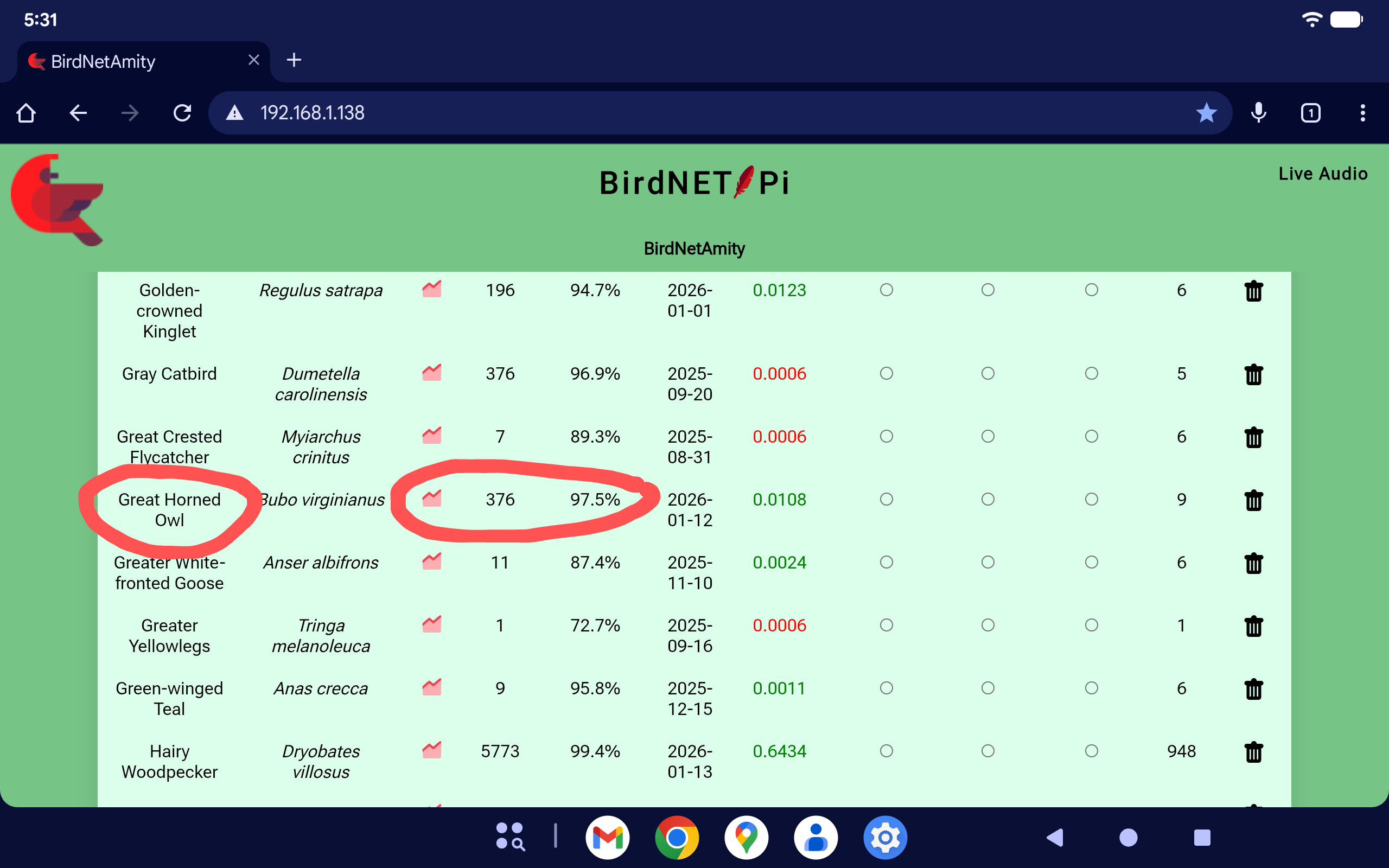
12C: Species Management 3 (password access only)
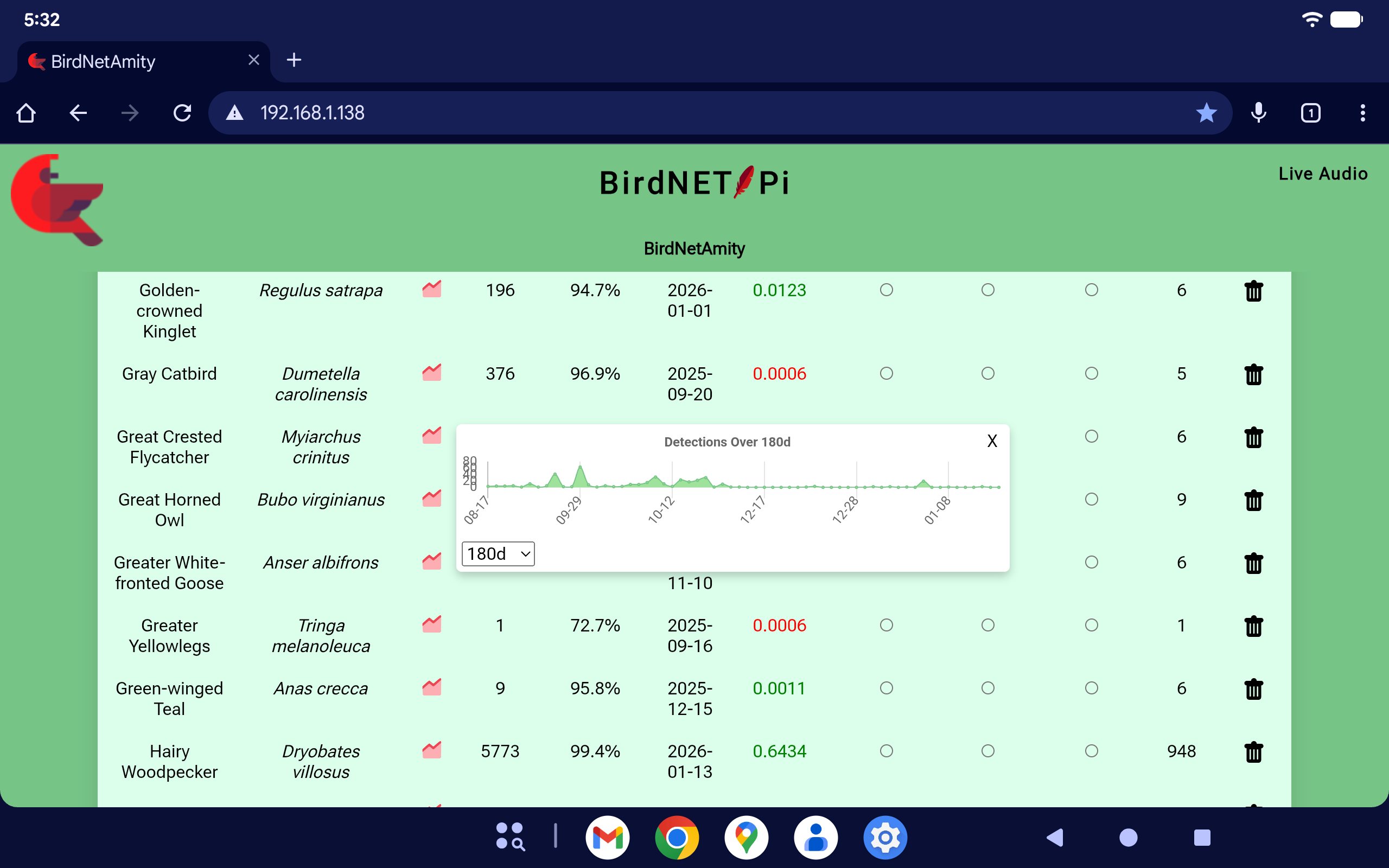
12D: Species Management 4 (password access only)
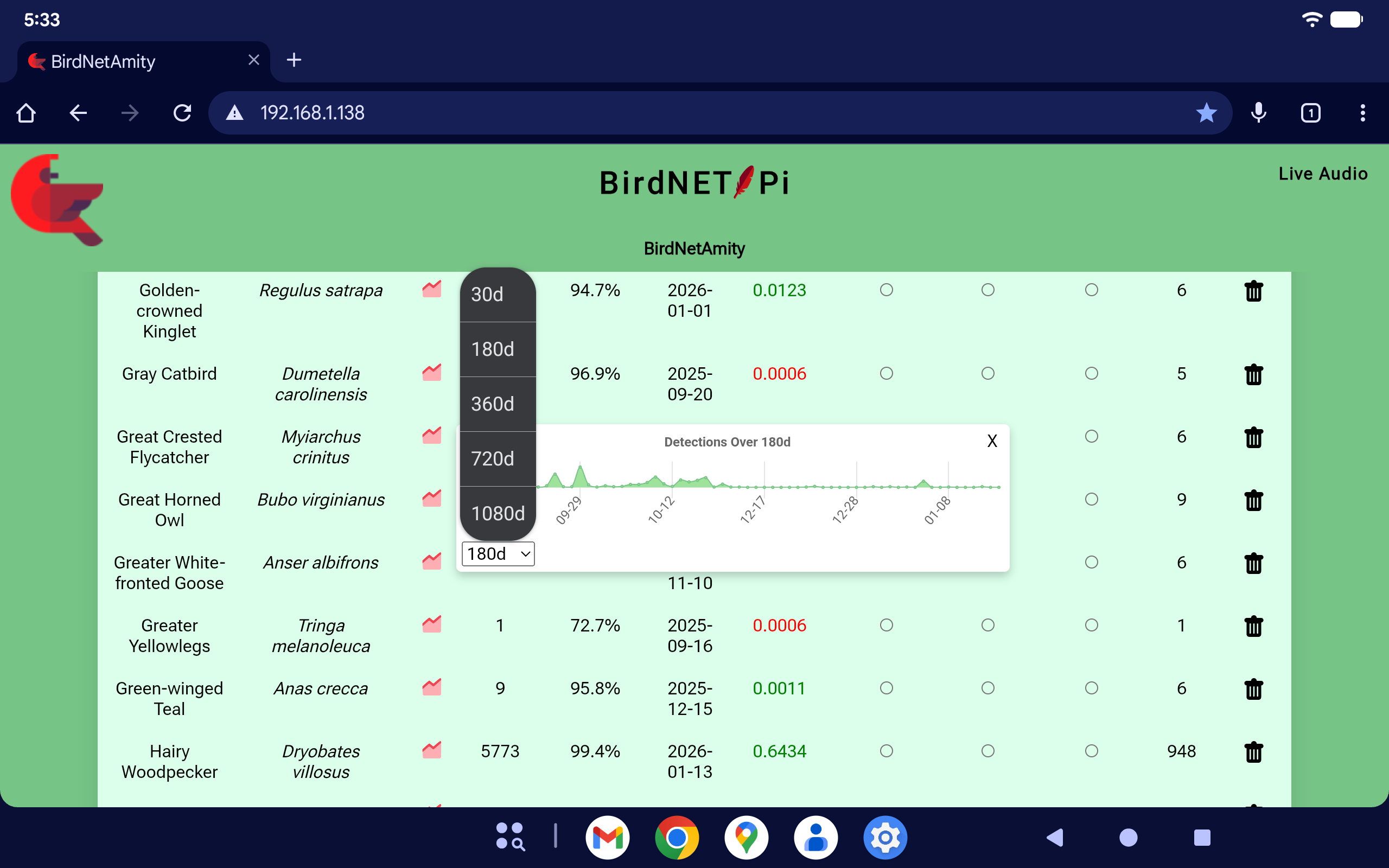
This is what my BirdNET-Pi box looks like. My finger is included to help folks better understand the size of my birdsong listening device. It is small. No monitor or keyboard is required for ongoing operation. The only two items attached to this small computer (pictured in photo) are the power cord, and USB microphone.

My BirdNET-Pi lives inside my home office, but the USB microphone hangs out the window.

End of Blog Post. Contact Rich for detailed explanations, but read this post to learn what is involved in building this small computer and installing / configuring the software.
Discover more from 365 Days of Birds
Subscribe to get the latest posts sent to your email.
Thanks to your inspiration I’ve built two of these units, one for our RV… we are mostly stationary in winter so no big deal to adjust the location for birdweather, and one for our friend in NE Mpls… unfortunately, there are not many birds there so we may have it moved to her father’s place. (caught a crow and a swan flying overhead in NE). But what I wanted to mention is that I needed a way to maintain the unit for our friend so I set up two methods that are not bad. The easy one is to use Raspberry Connect and connect the remote Pi to my broswer… mainly I can look at the shell and SH in if I have a linux thing to do… but MUCH more useful is to set up Tailscale VPN on both my computer and the remote Pi. This way I can look at the display and statistics and make adjustments to the tool menu. I will need both of these functions for when we move the remote bird-Pi to her father’s place. (I also have promised a build for our sister-in-law in Ely). Keep up the good work.
Great to hear how you are using BirdNET-Pi! I also use Raspberry-Pi Connect all the time to remote in to my various Pi’s scattered around NE Minnesota if configuration changes are required.
Tailscale allows the remote unit to appear as if it is on your local network, so I can see what my remote user is seeing!
One more response, your email address implies you may be a MIT graduate. Ask me sometime about competing for Dartmouth in a rowing regatta out of MIT’s boathouse on the Charles River in the mid 1970’s! Let’s just say a random MIT undergrad helped this young man with his programming assignment in between races!
Class of ‘81, mech eng… but you know at MIT we were rarely limited by department. I had a dorm mate that was on the heavy 8 for a time. He does bioblitzes and reptile survies in NH and lives in RI after starting out on design of LA class submarines
🙂
Dartmouth 78 Heavy!