Hawk Ridge is one of the premier bird migration spots, particularly for hawks, in North America. The towering hill which climbs above Lake Superior’s western end provides a focal spot on the Mississippi Flyway channeling birds to this unique geographical spot. Most birds do not like to fly across large bodies of water unless forced to during migration. Thus birds get channeled down the North Shore of Lake Superior to Duluth.
While the human counters do amazing jobs each fall and spring (bird monitoring), obviously even the most dedicated naturalists can not be present 24x7x365. In fact, the road to the Hawk Ridge Overlook is closed to vehicle traffic (and not snow plowed) each winter from December 1st to May 1st. Thus, I decided it would be fun to set up a birdsong listening station at Hawk Ridge for the first two weeks in June. As Hawk Ridge does not have power or internet, I had to set up an “off the grid” system which would run for four hours per day. The BirdNET-Pi would turn on at 3:30 am and record birds singing till 7:30 each morning. Given I live near Hawk Ridge, I personally know the “dawn song” this time of year starts about 4:15 am. My 3:30 am start time ensured I would capture the morning sing session as most birds during the breeding season will sing out during this time of day.
Exciting news … I am working with the Hawk Ridge Team to fund, build, configure and install a listening station which will listen 24×7 throughout the year and make those ID’s available to the general public by uploading to BirdWeather (learn more about BirdWeather and my own efforts throughout Northeastern Minnesota). The effort will involved solar arrays for power and a cellular modem for connectivity. No guarantees, but my research indicates this setup should work off the grid, but power usage needs to be optimized and minimized.
Finally after that long preamble … off to the statistics
Hawk Ridge Dawn Song
- Dates: Monday, June 1 through Sunday, June 14 (2026)
- Duration: 14 Days
- Listening Time Each Day: 3:30 am to 7:30 am (4 hours per day)
- Location: Within 20 yards of the viewing / counting platform (Google Maps Link)
Notes: Given the dates involved, I suspect some bird species were still migrating (mainly the “bug eaters”) while other species were back to the Northland and actively courting / singing for a mate. Please remember, many bird species will both take up residence in the Duluth area AND also migrate further north into other Boreal Forest Regions.
- Unique Bird Species Identified: 40 species
- Downloadable Data Including Songs: Hawk Ridge BirdNet-Pi Database tar File
- HUGE File (600 MB)
- Some sound files may be missing (storage limit for Pi box)
- Download “tar file” (from my public Google Drive)
- Extract “tar file” … Open / Read with DB Browser (SQLite)
(or) - Import “tar file” into BirdNET-Pi Box
- Unique Bird Calls Recorded: 2021 birds
- Recording attributes configured by me
- Each listening session was 18 seconds in duration
- BirdNET analyzed sound files in 3 second segments
- Cornell BirdNET only allows 3 seconds segments
- Thus, 18 second sound file had six sound segments
- BirdNET-Pi only identifies one bird per listening session
- BirdNET analyzed sound files in 3 second segments
- I configured BirdNET-Pi to not allow another sound ID till after at least 120 seconds had elapsed and required a 75% confidence level pm all ID’s
- These attributes are MORE strict than Cornell’s Merlin Birding App which will both ID the same species again immediately and accepts a confidence level of 70%
- Each listening session was 18 seconds in duration
- Recording attributes configured by me
Bird Species Song ID Count and Sound File (each link is to a recorded song / FLAC format)
- American Crow: 2
- American Goldfinch: 30
- American Redstart: 3
- American Robin: 3
- Black and White Warbler: 41
- Black-Capped Chickadee: 4
- Brown Thrasher: 195
- Brown-Headed Cowbird: 2
- Canada Warbler: 1
- Cedar Waxwing: 147
- Chestnut-Sided Warbler: 52
- Chimney Swift: 8
- Common Grackle: 2
- Common Redpoll: 4
- Common Yellowthroat: 9
- Eastern Bluebird: 2
- Golden-Winged Warbler: 240
- Gray Catbird: 83
- Great Crested Flycatcher: 295
- Indigo Bunting: 64
- Magnolia Warbler: 1
- Merlin: 1
- Mourning Dove: 1
- Mourning Warbler: 126
- Nashville Warbler: 100
- Northern Flicker: 5
- Ovenbird: 4
- Pileated Woodpecker: 13
- Pine Siskin: 1
- Purple Finch: 6
- Purple Martin: 2
- Red-Bellied Woodpecker: 1
- Red-Breasted Nuthatch: 3
- Red-Eyed Vireo: 4
- Ring-Billed Gull: 9
- Rose-Breasted Grosbeak: 2
- Scarlet Tanager: 1
- Song Sparrow 20
- Veery 356
- White-Throated Sparrow 178
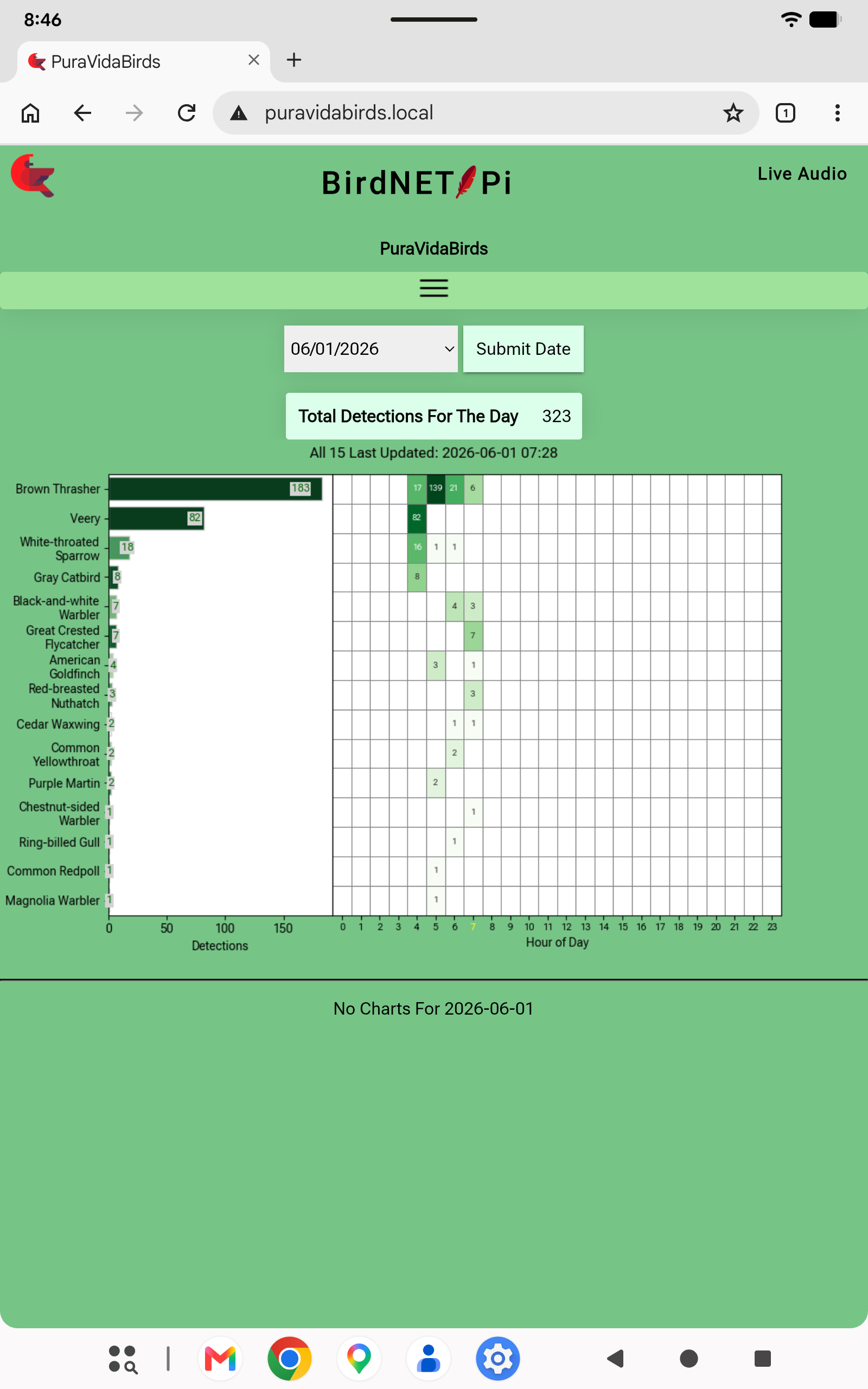
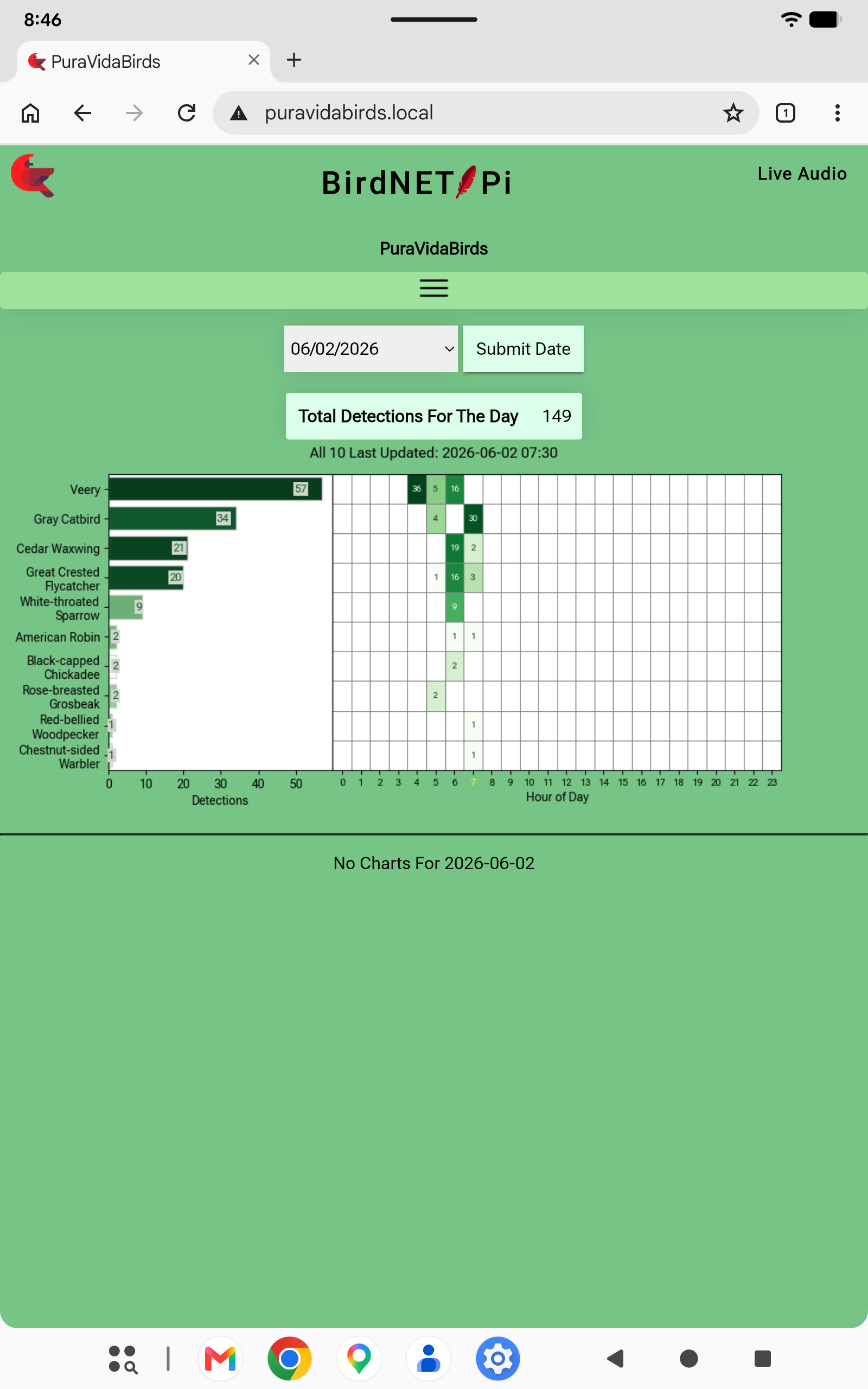
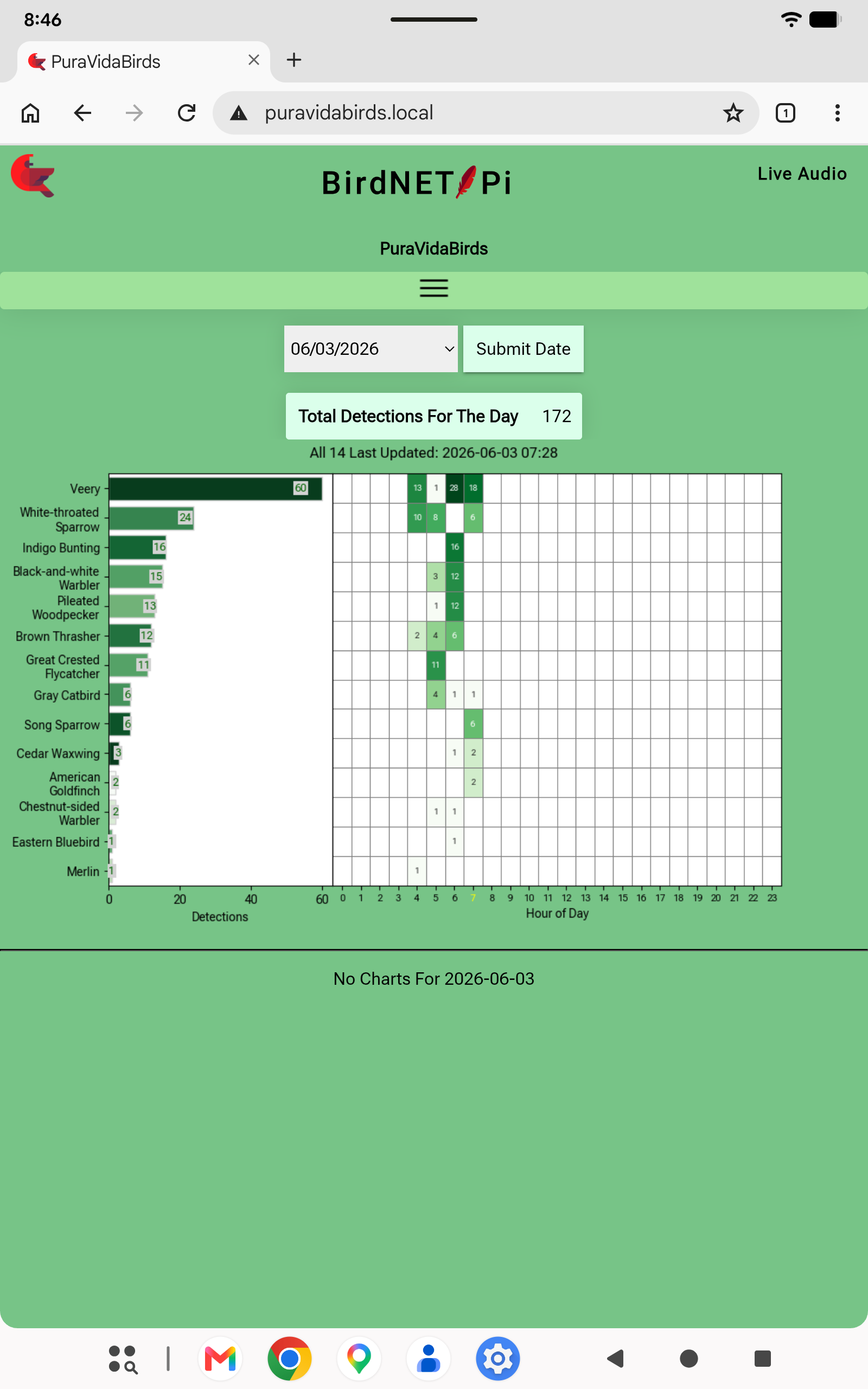
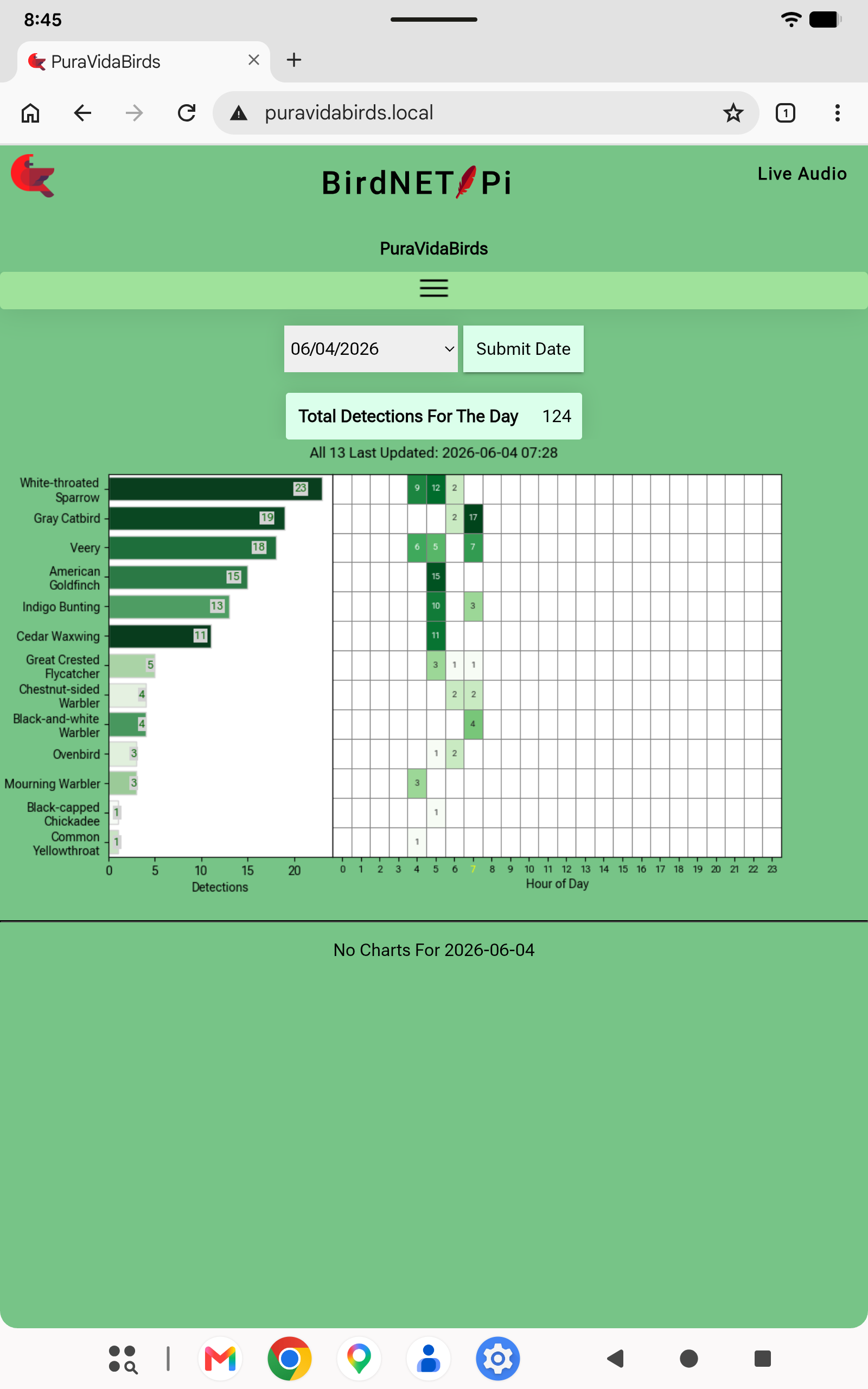
Daily Bird Song ID Charts (click / press upon to maximize any image)
Remember: BirdNET-Pi only listened from 3:30 am to 7:30 am
Monday, June 1
Tuesday, June 2
Wednesday, June 3
Thursday , June 4
Friday , June 5
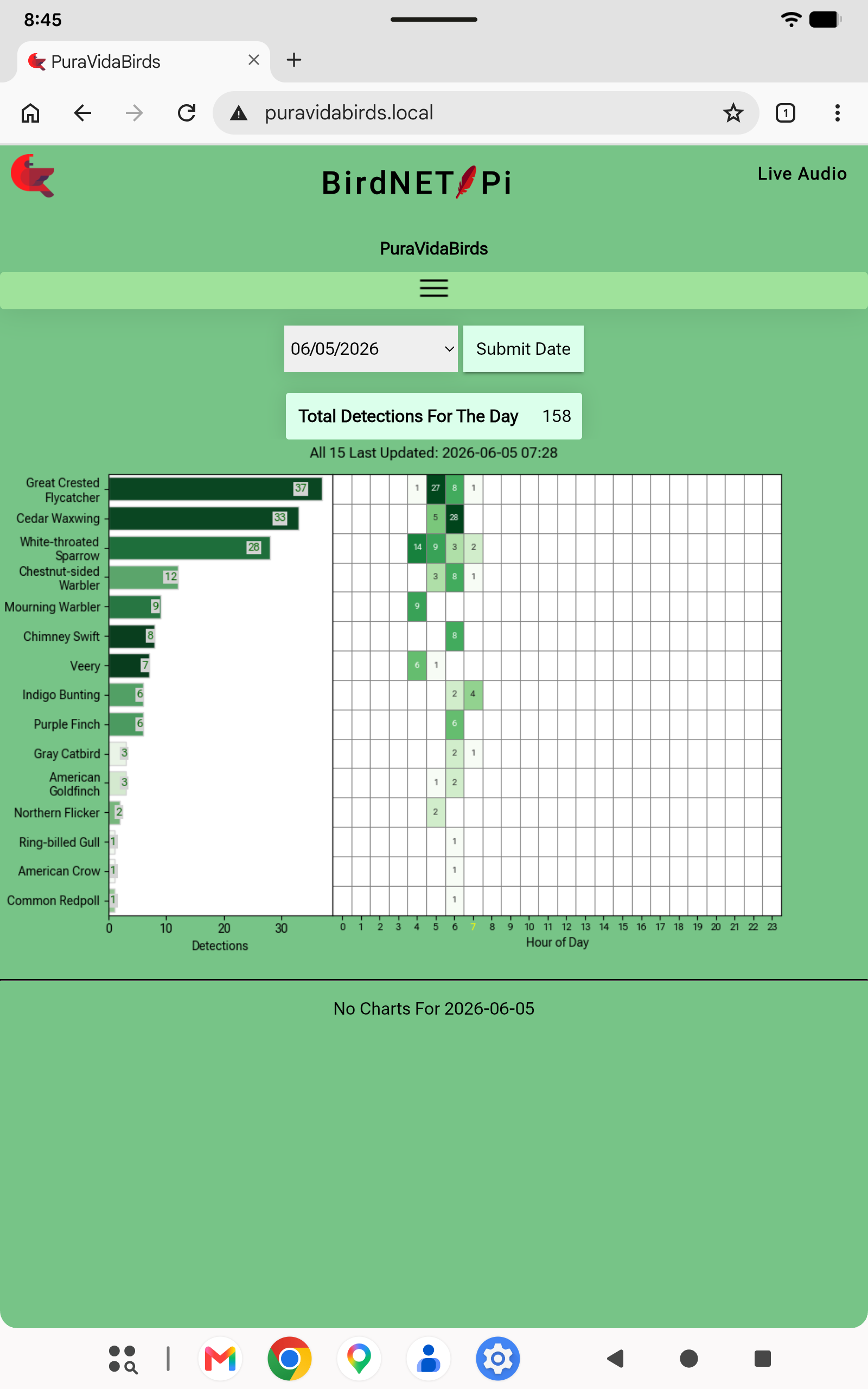
Saturday , June 6
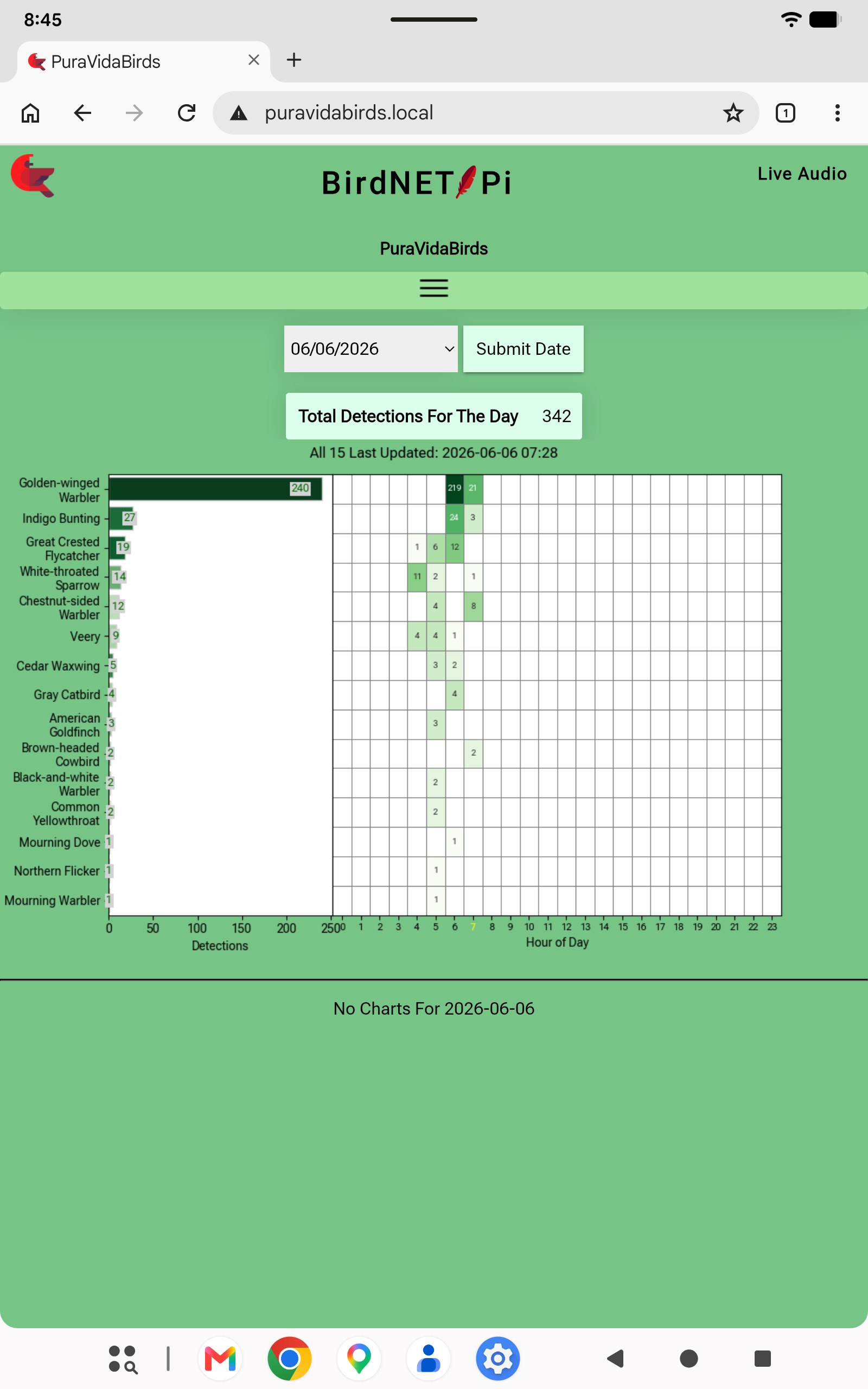
Sunday , June 7
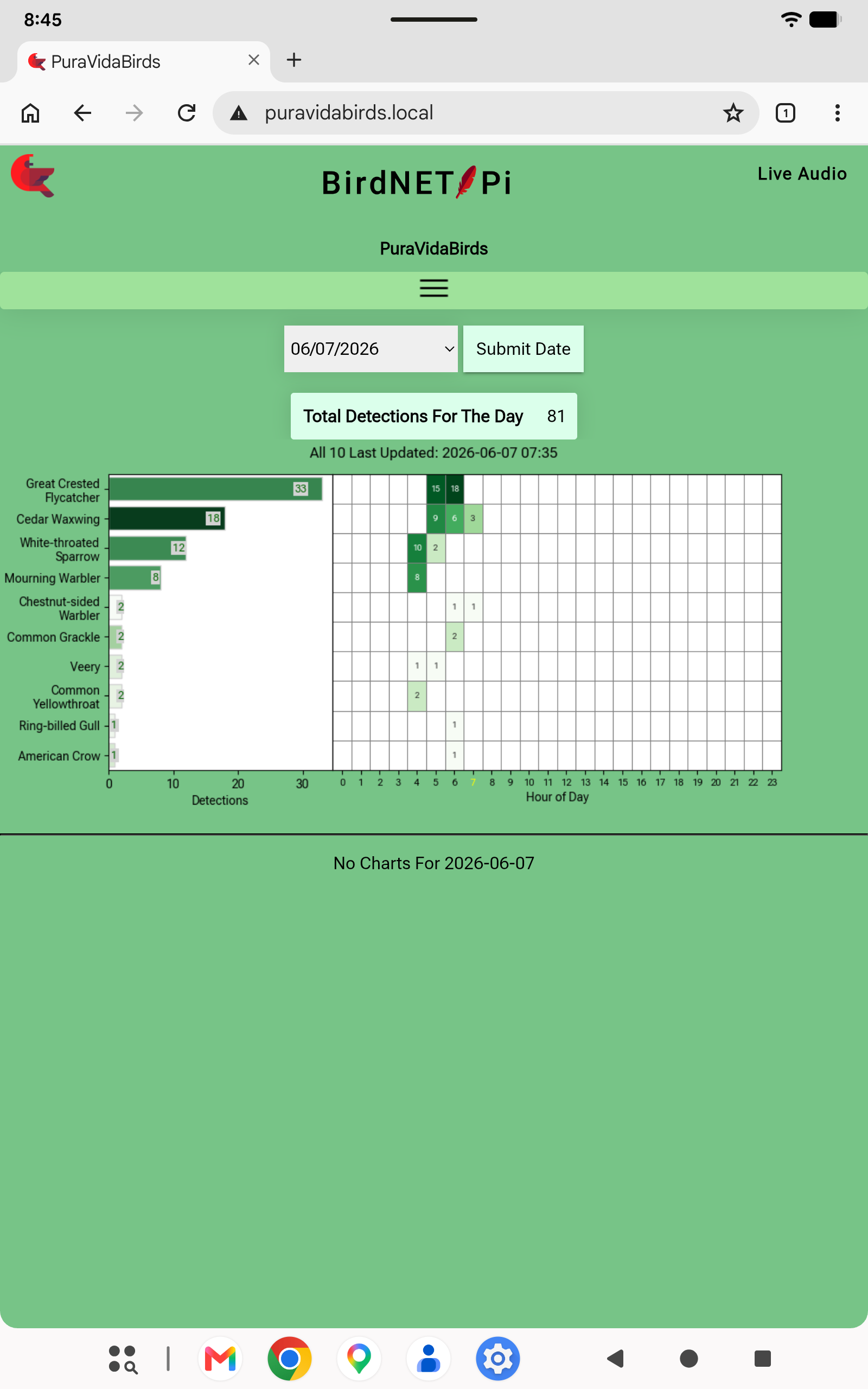
End of First Seven Days
Monday, June 8
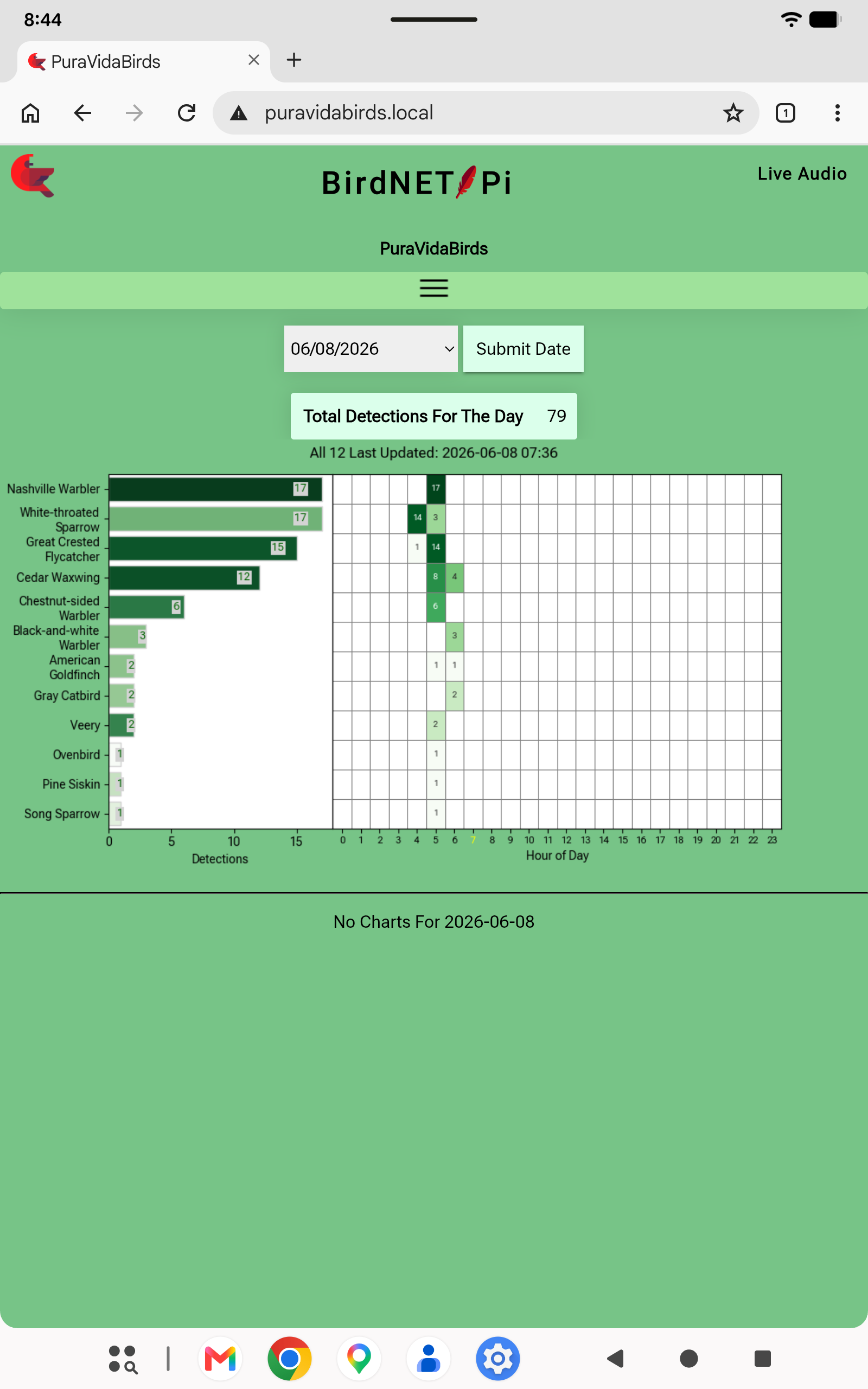
Tuesday, June 9
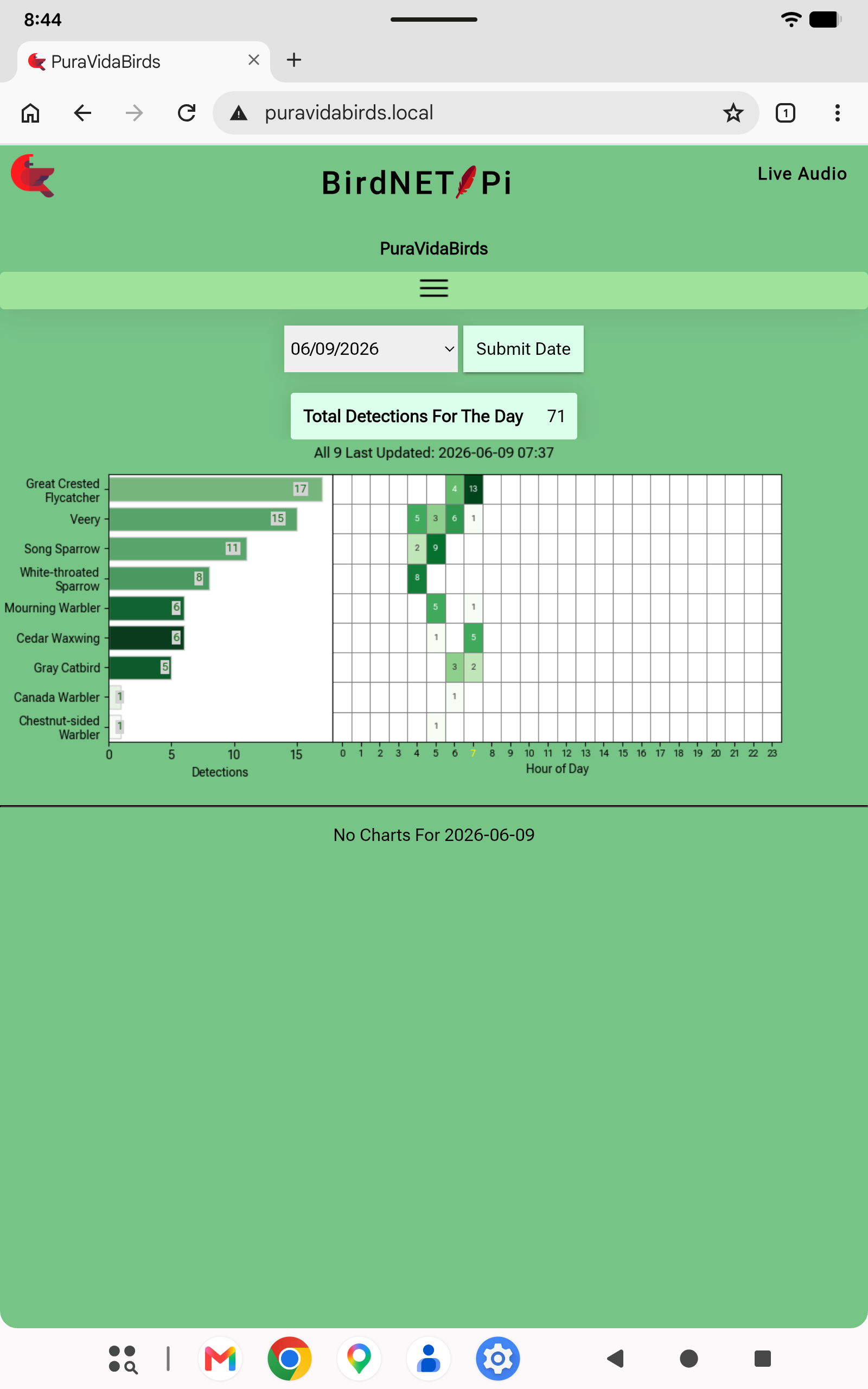
Wednesday, June 10
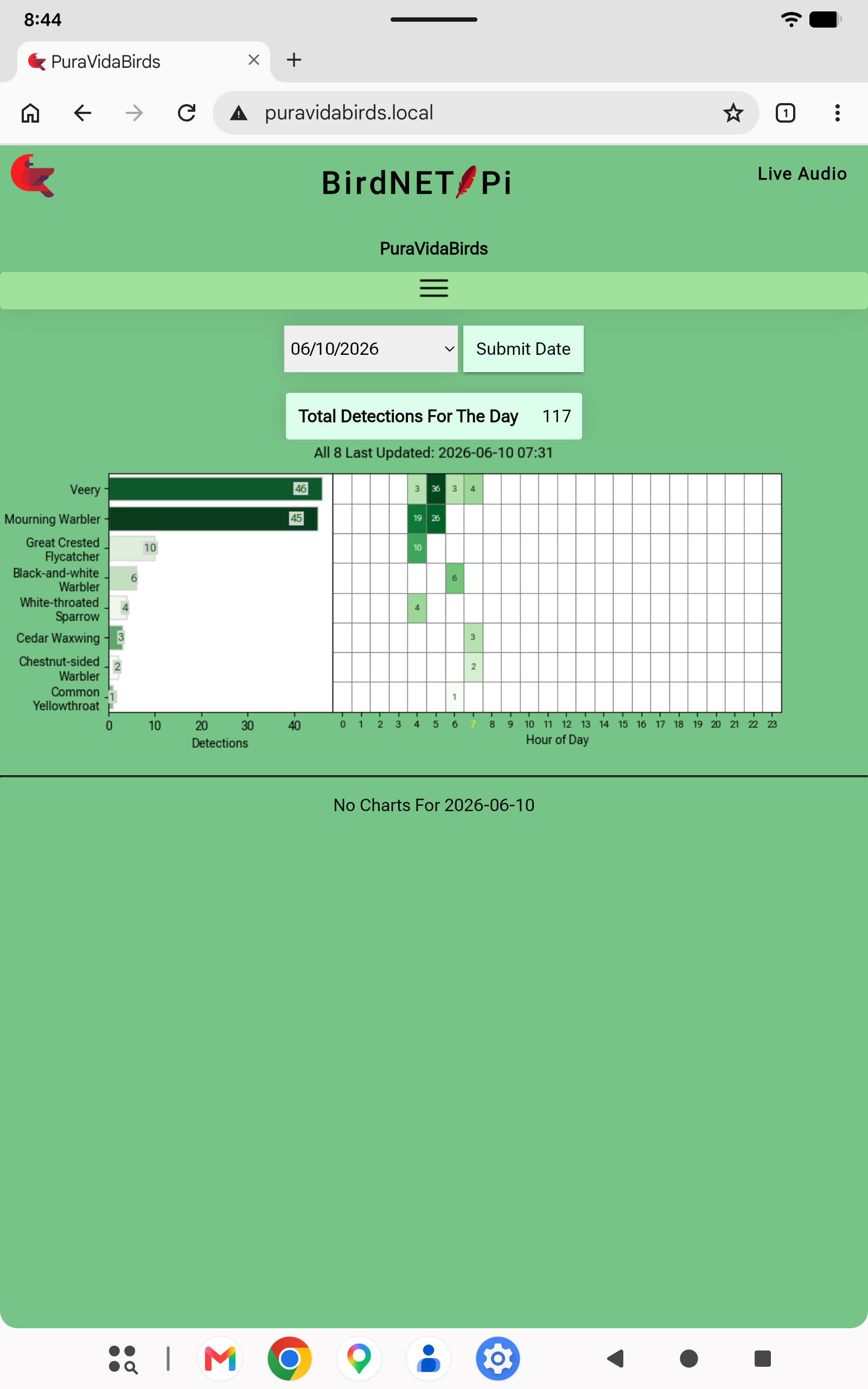
Thursday , June 11
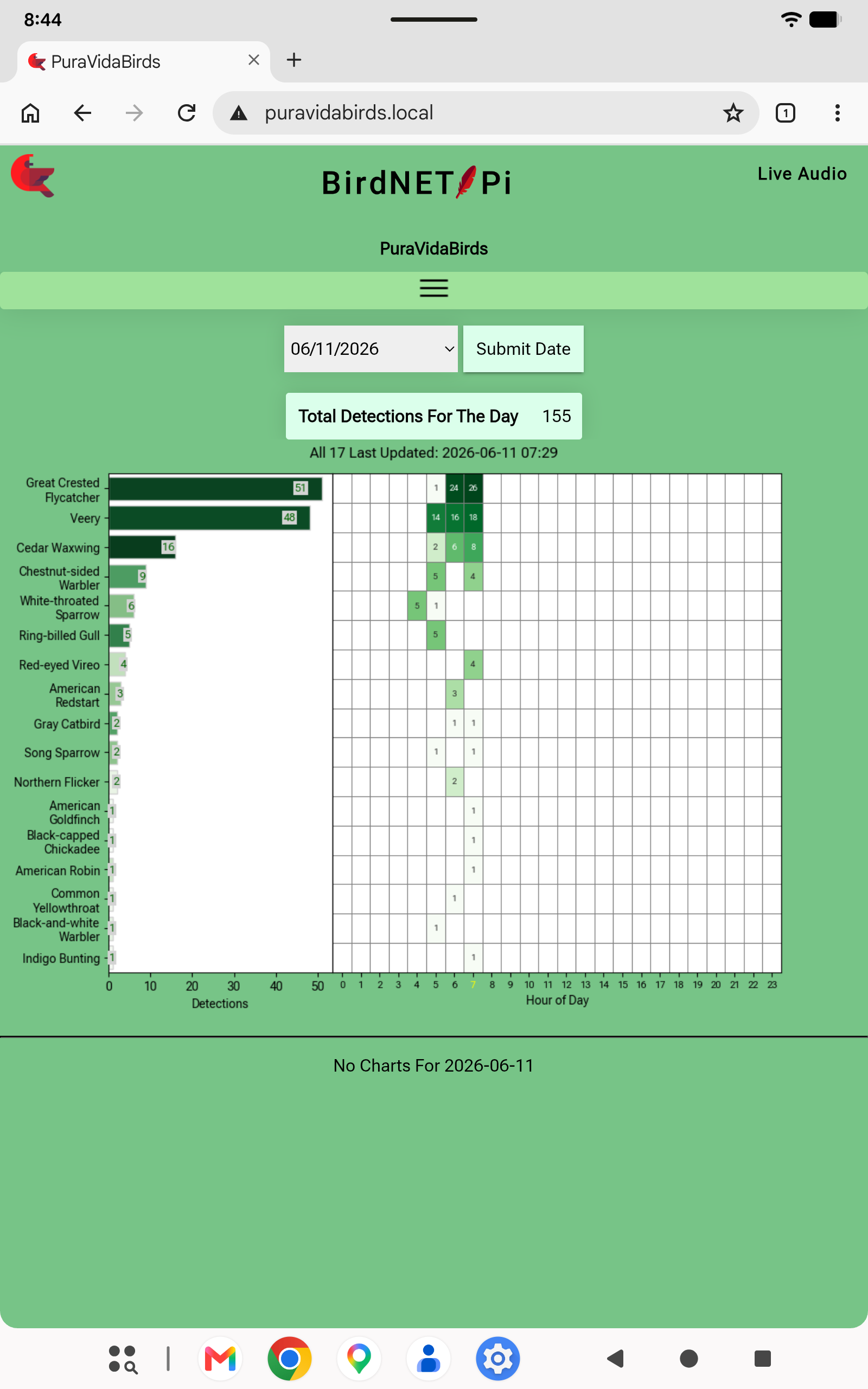
Friday , June 12
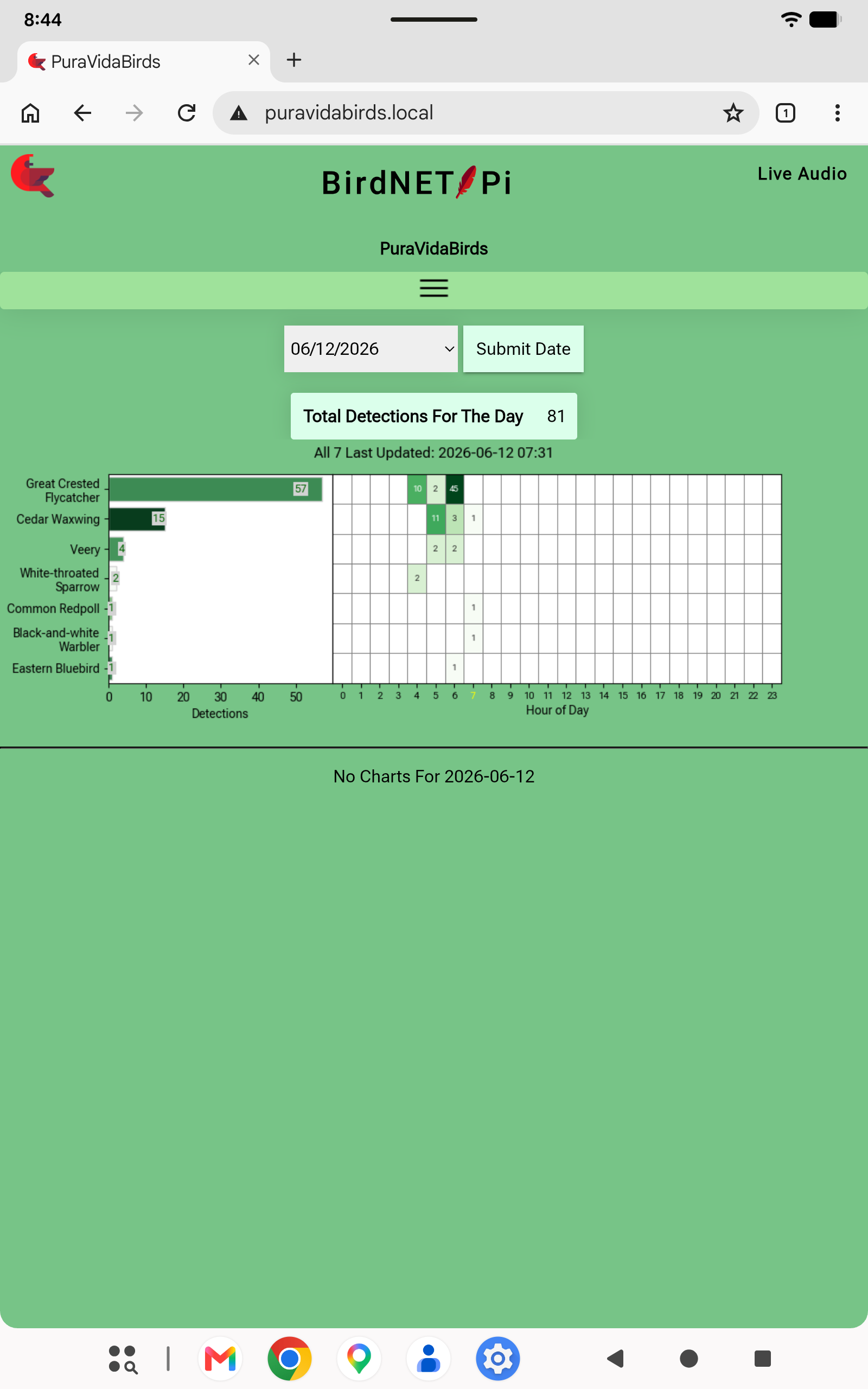
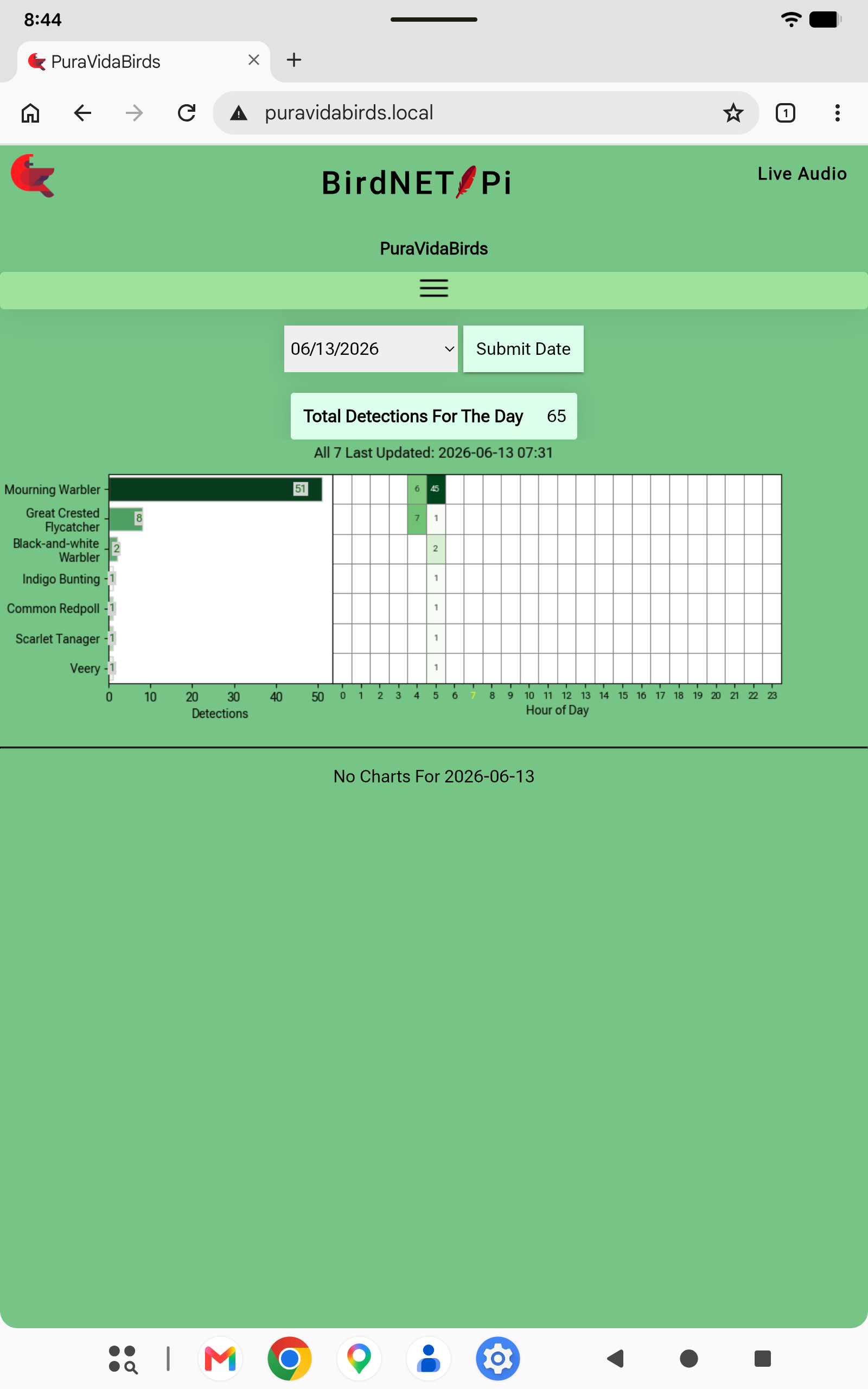
Saturday , June 13
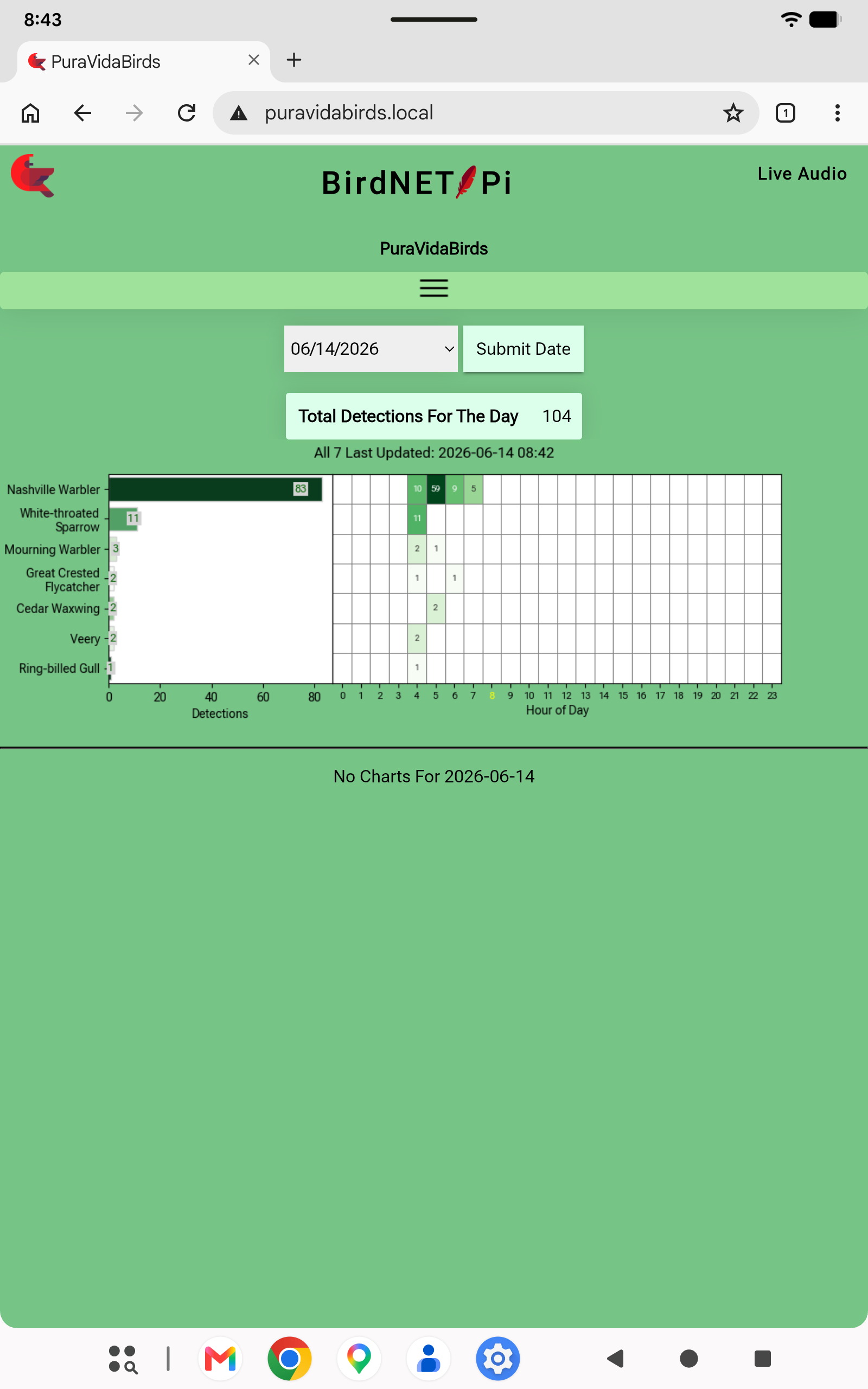
Sunday , June 14
End of Post
Discover more from 365 Days of Birds
Subscribe to get the latest posts sent to your email.
Incredible dedication and detailing!
You are a champ. I so appreciate all you do on your own time to help people enjoy and learn about birds in the north country. Many thanks!!!
Thanks Jeannie! I love birds and the Northland, but I also appreciate your kind words.