All posts by richardhoeg@gmail.com

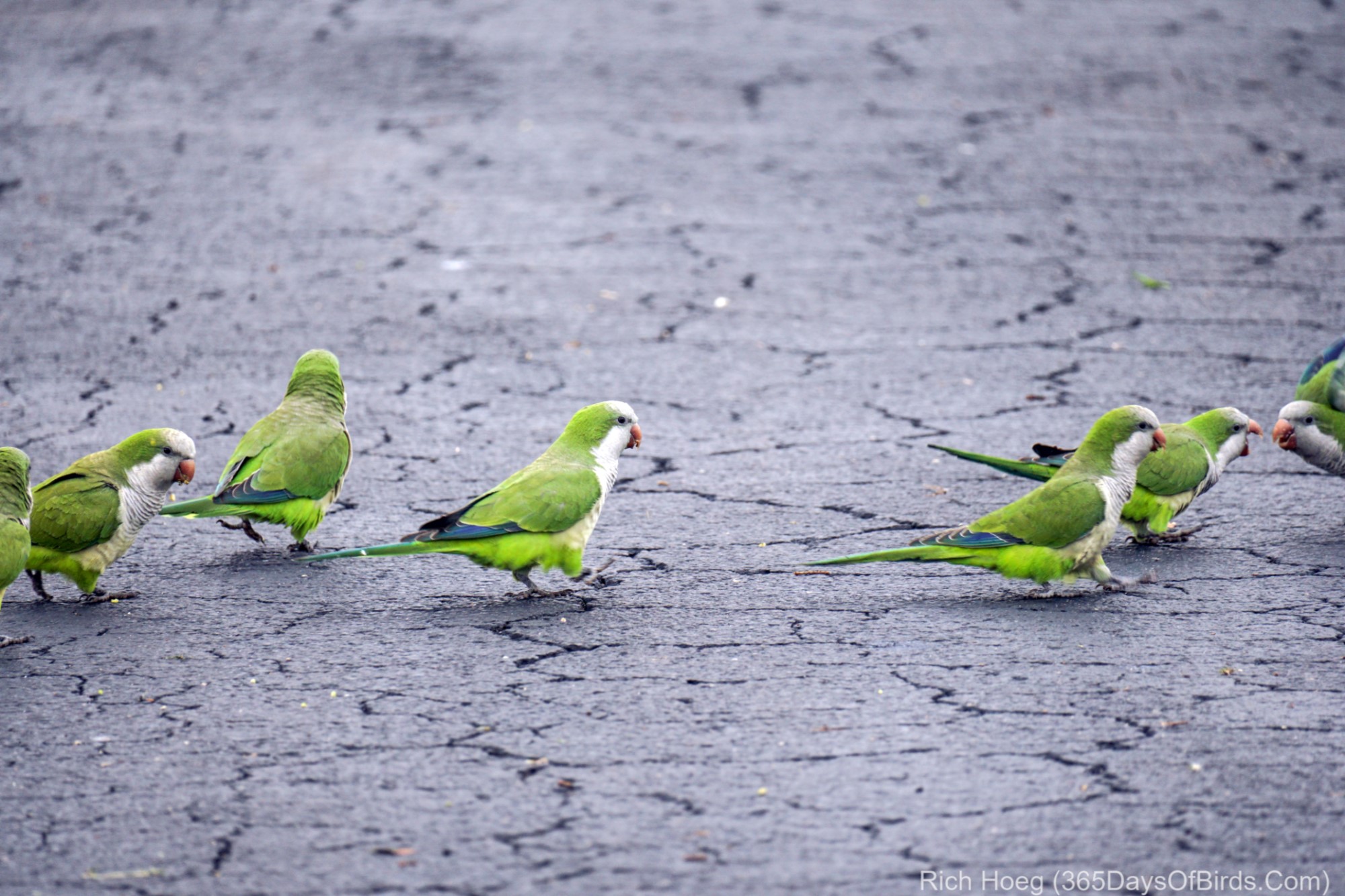
Why did the Monk Parakeet cross the road? To meet the Burrowing Owl!

Yes, the age old question was answered shortly after sunrise yesterday at the Pelican Ballfields in Cape Coral. The parakeets wanted to say hello to all the Burrowing Owls! While the uninformed might believe the answer was really to find better seeds, I knew better!

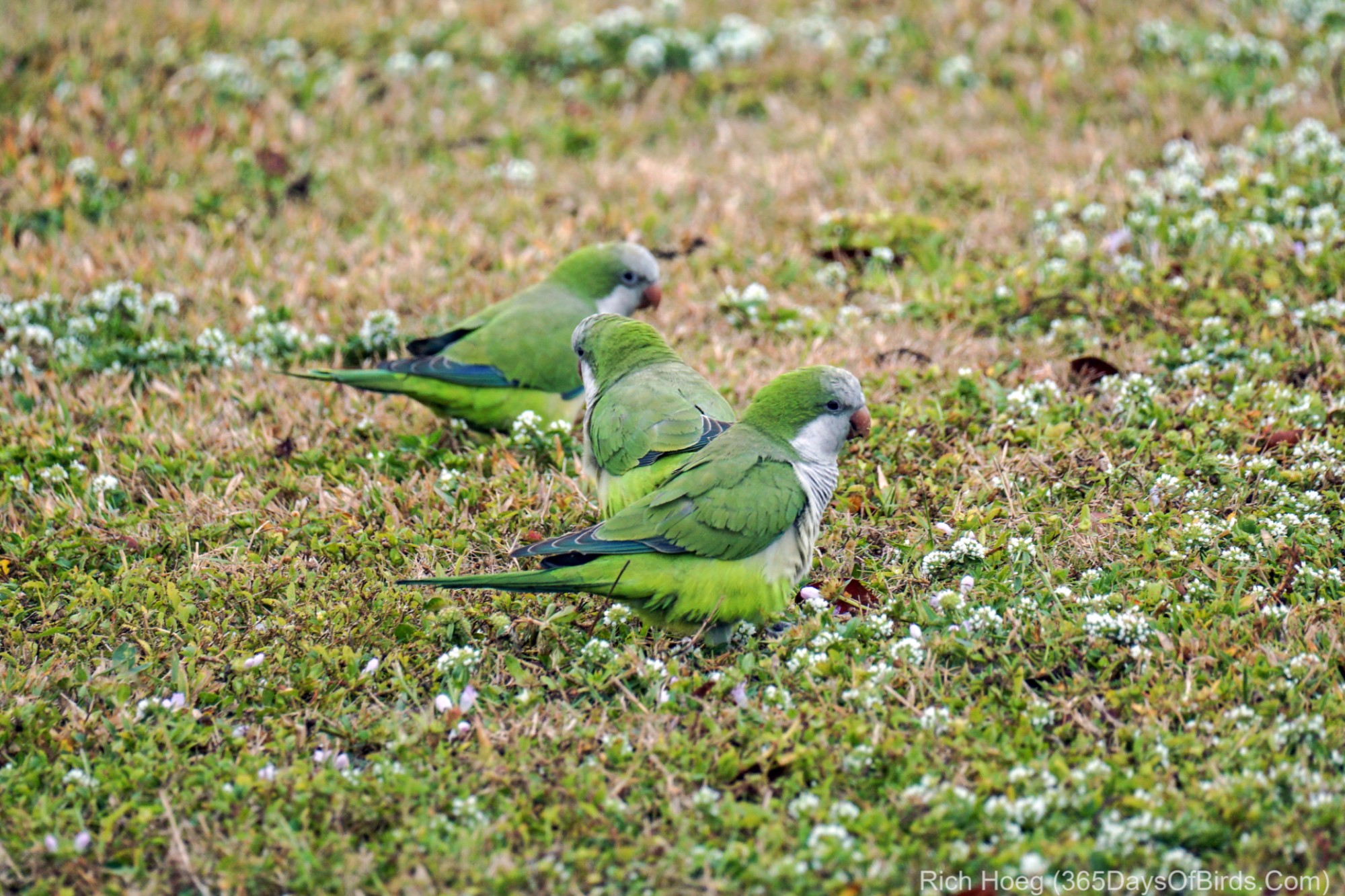
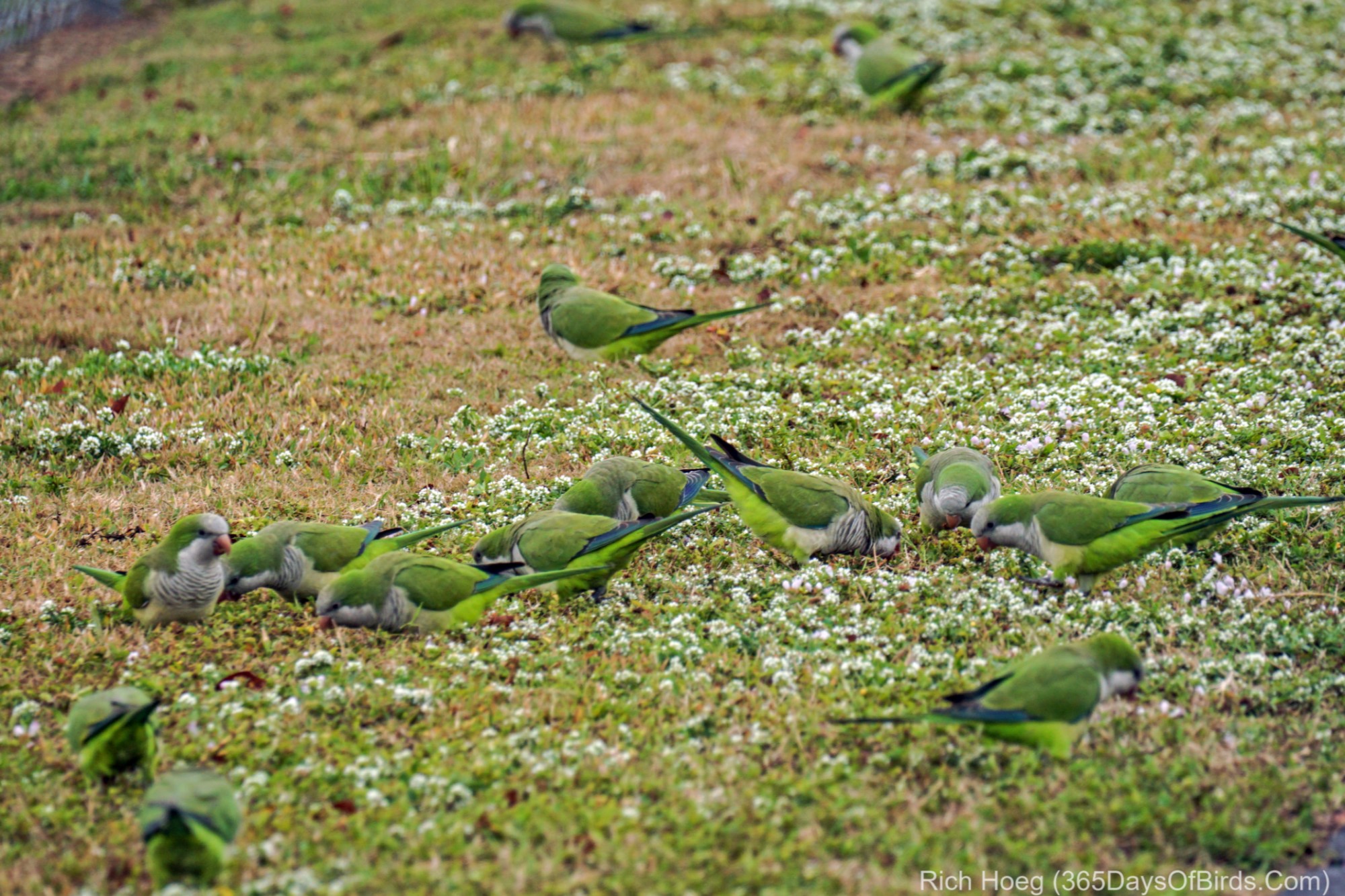
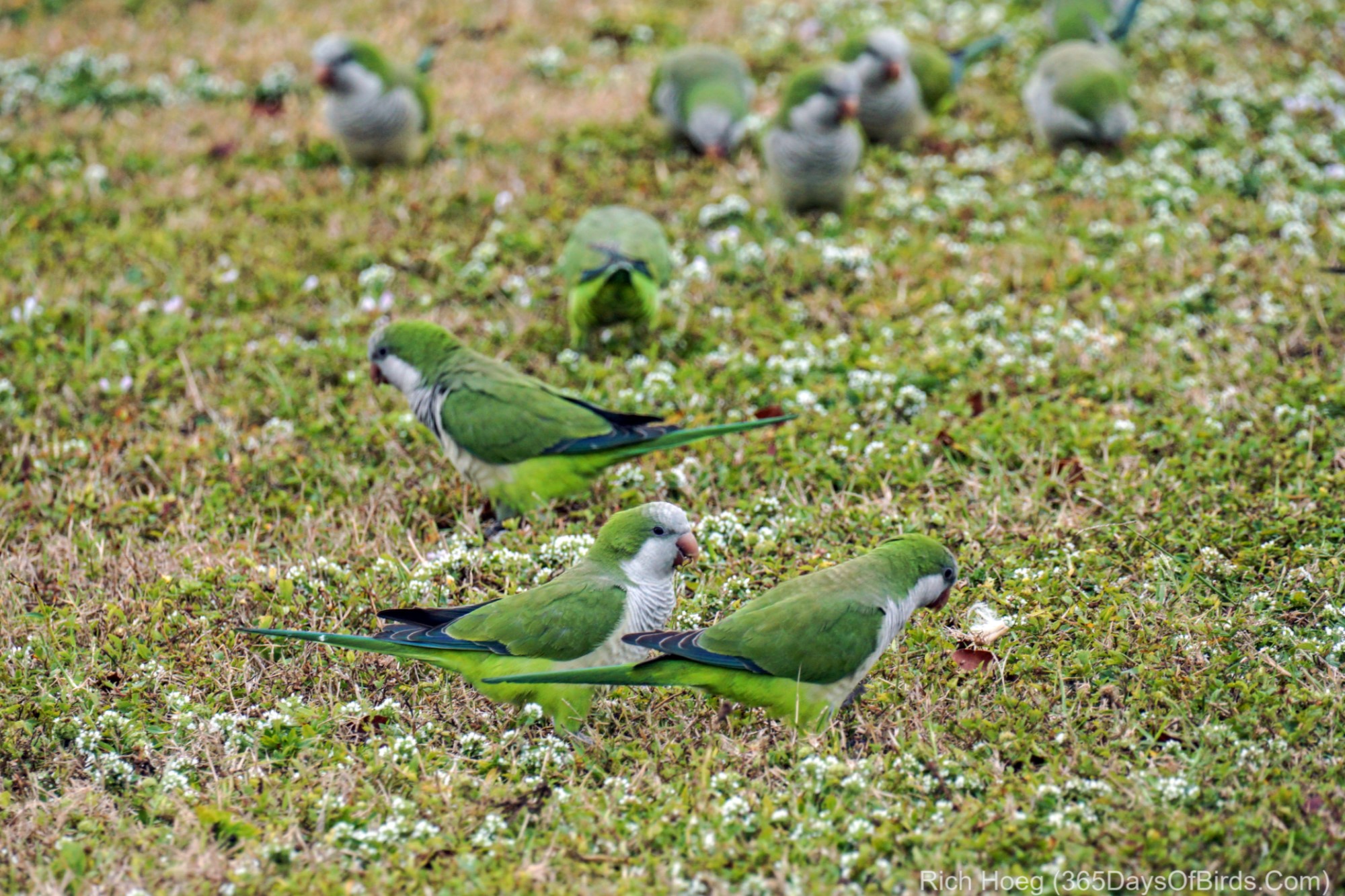
Monk Parakeets Crossing the Road
Monk Parakeet Crossing the Road Video (video link for email subscribers)


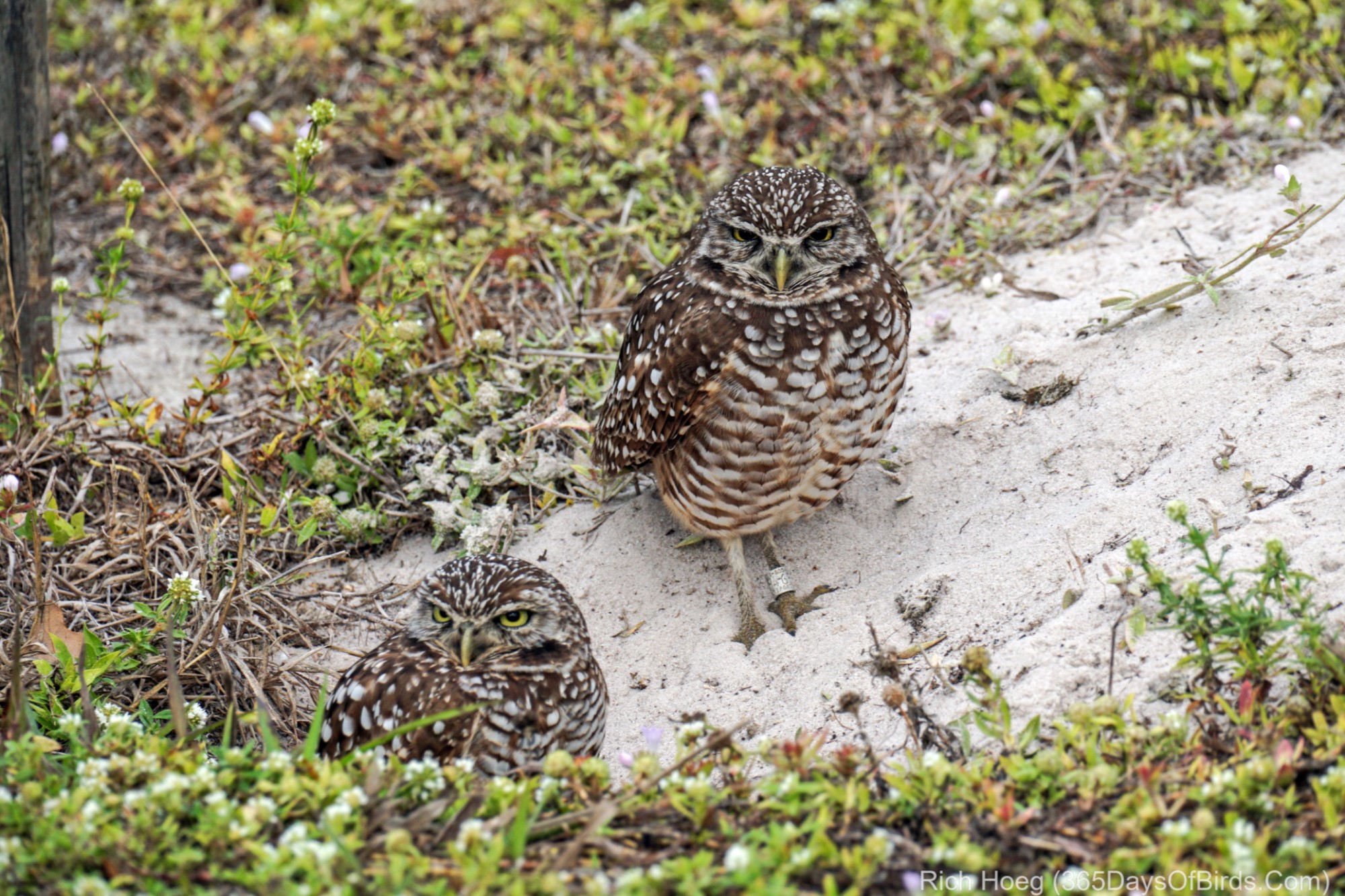
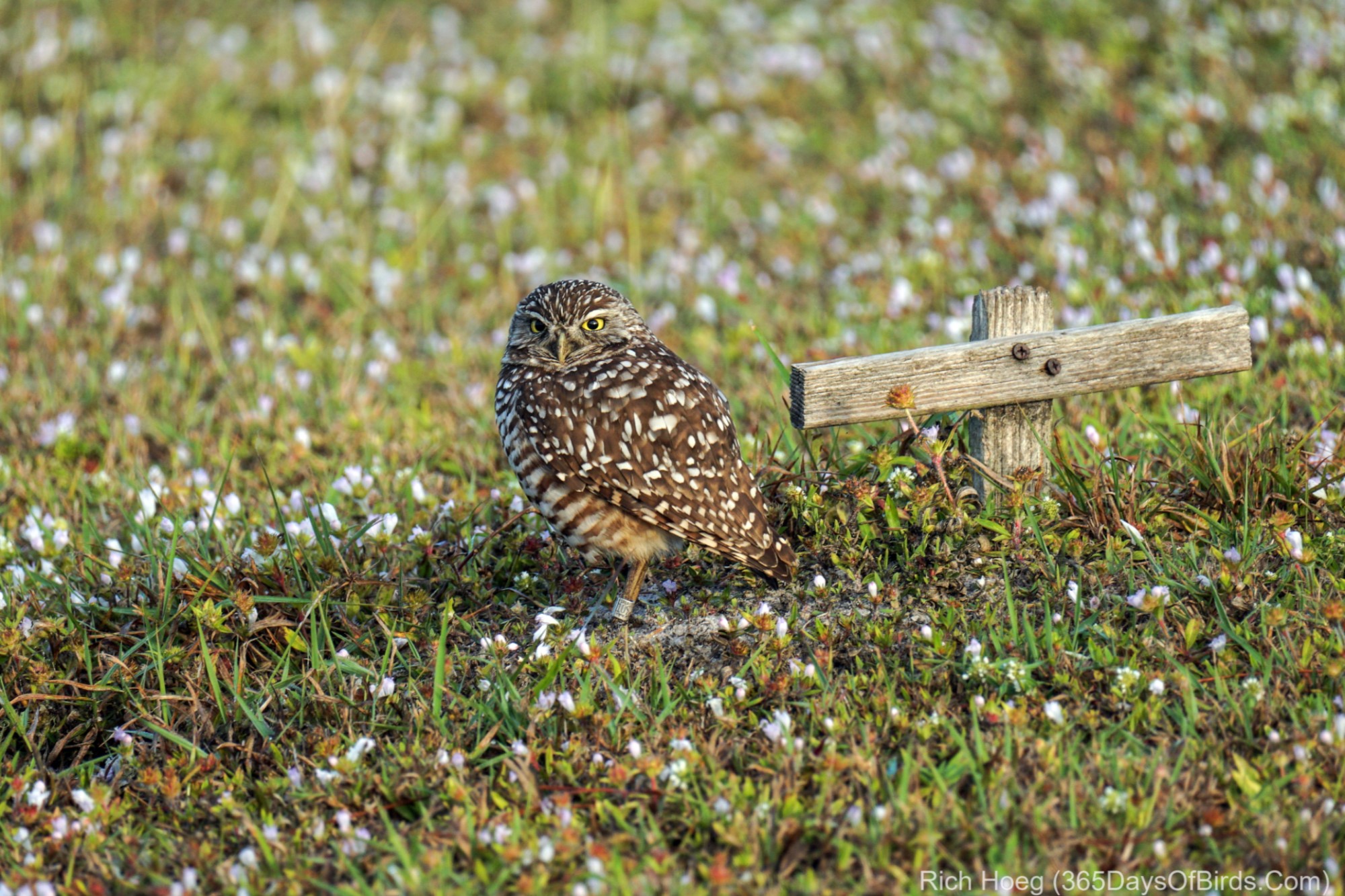
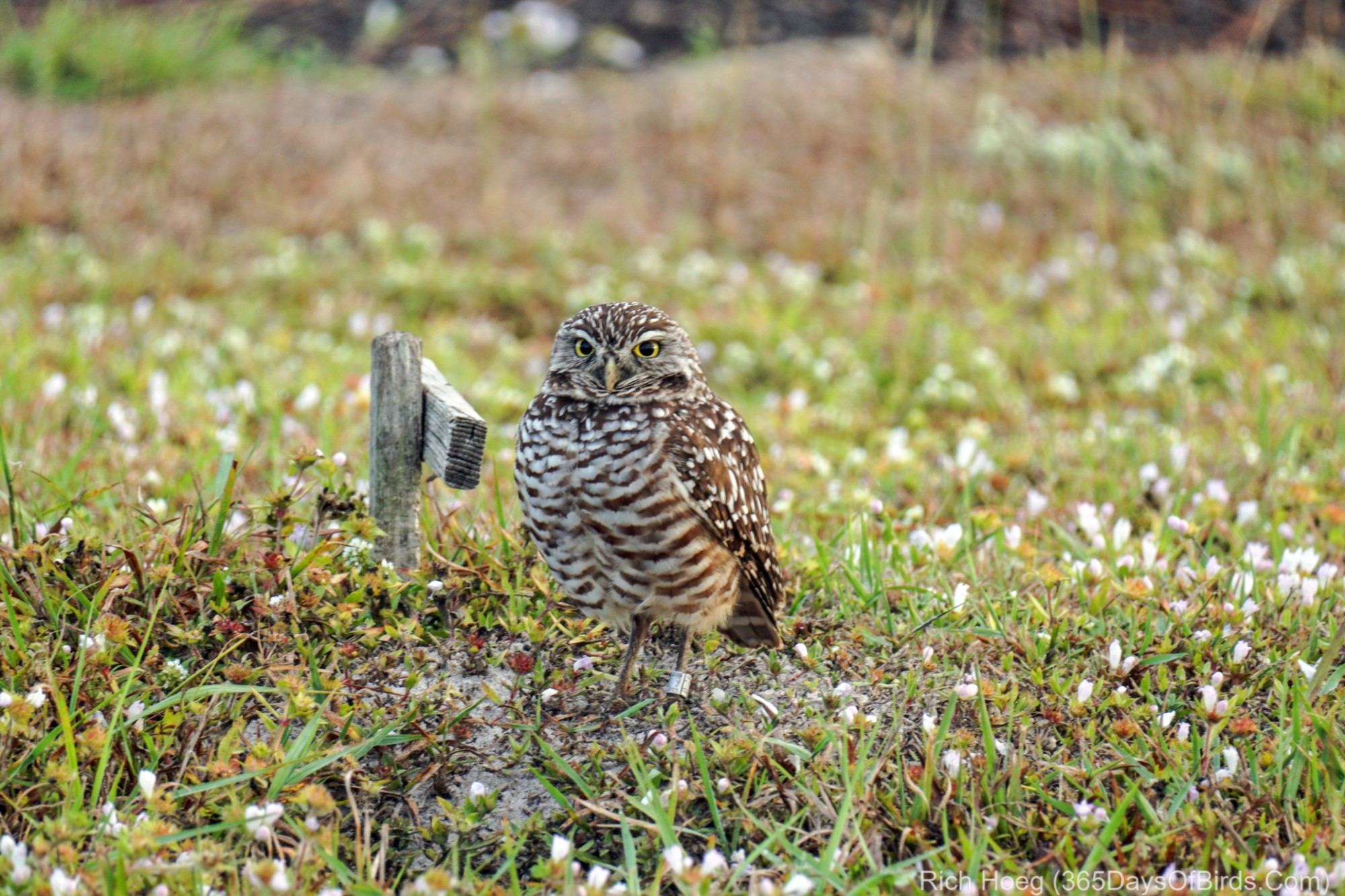
Burrowing Owl Couple #1
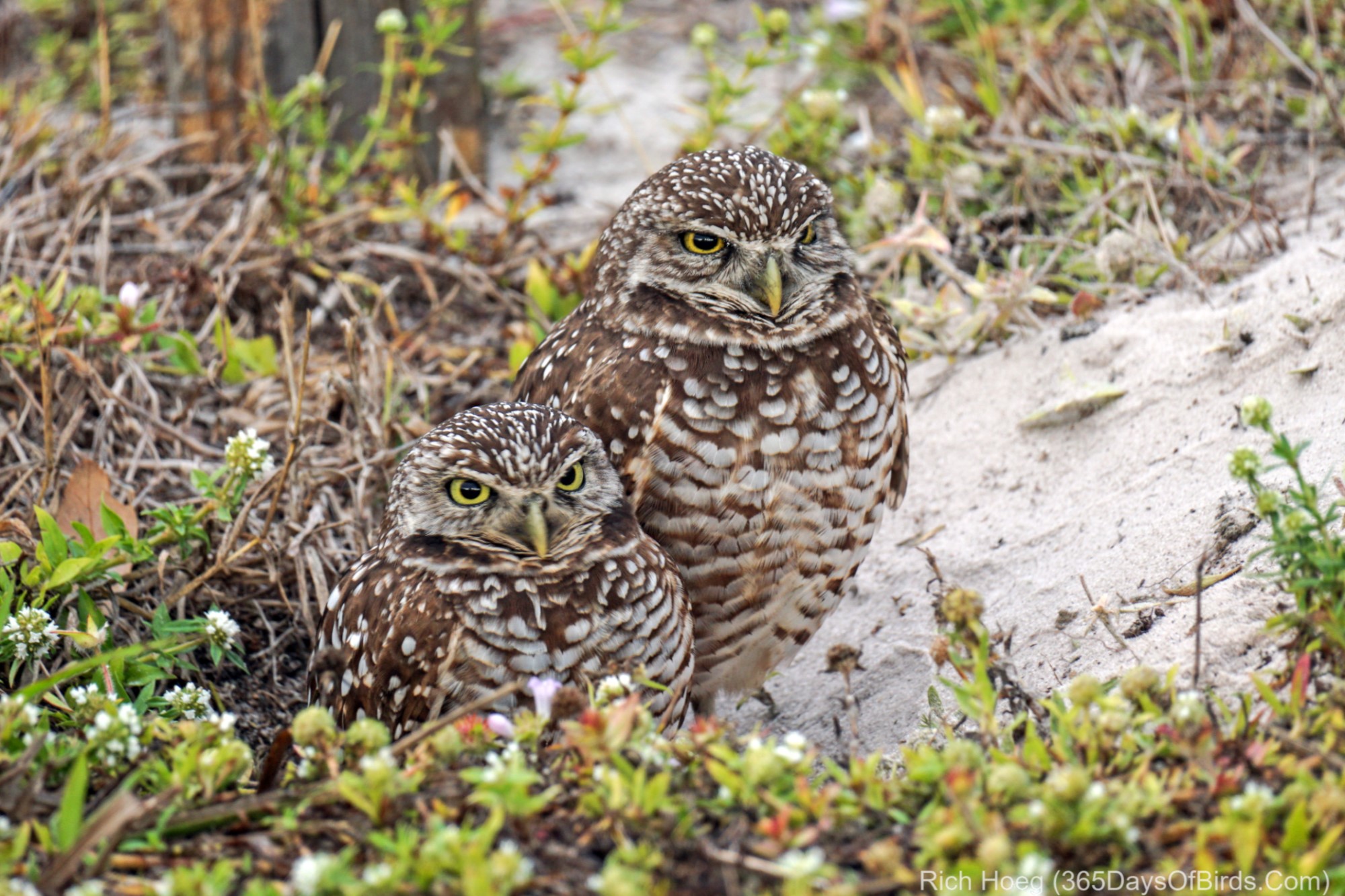
Burrowing Owl Couple #1 Video A (you can actually hear the parakeets in the background!)(video link for email subscribers)

Burrowing Owl Couple #1 Video B (video link for email subscribers)

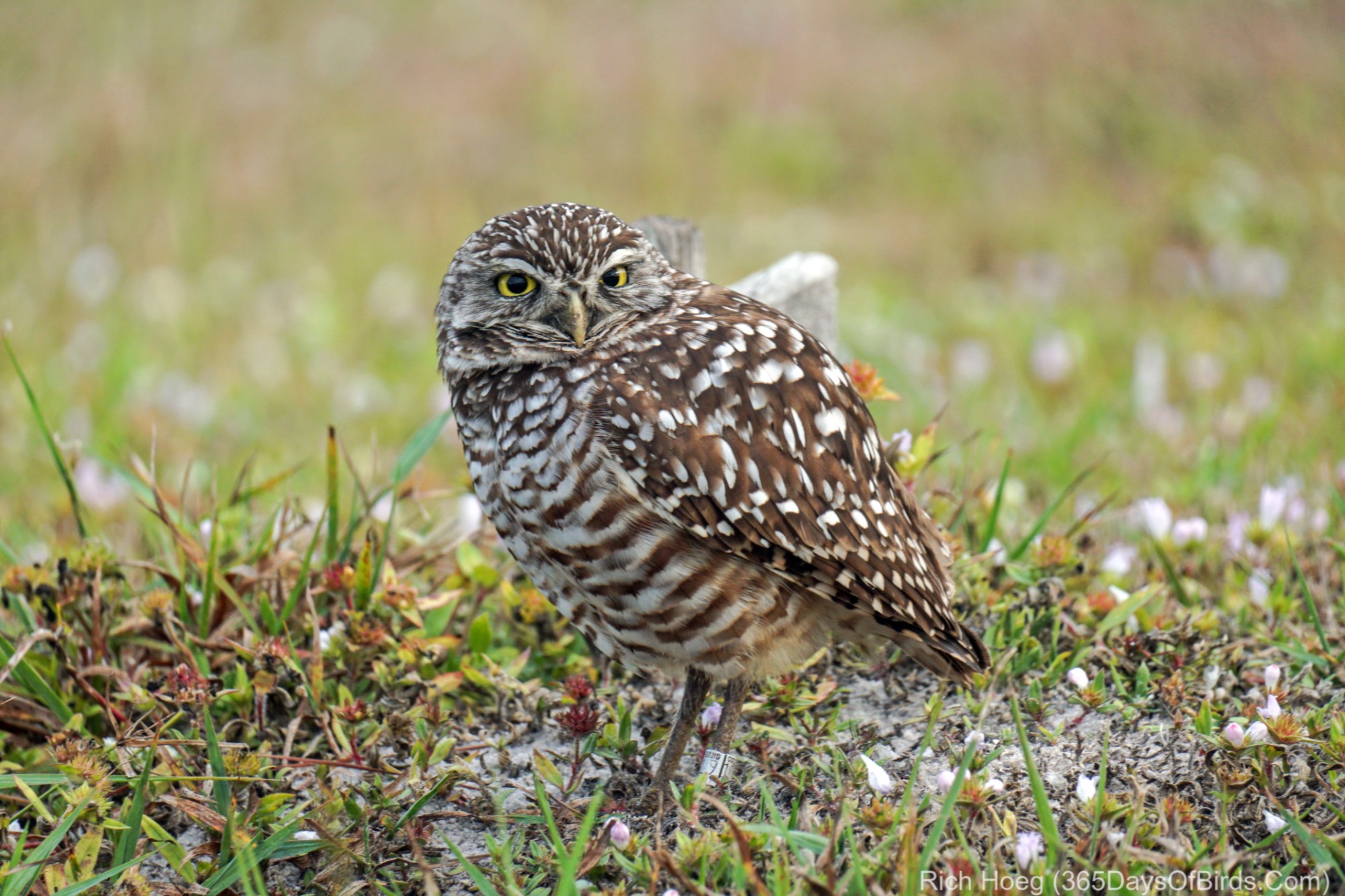
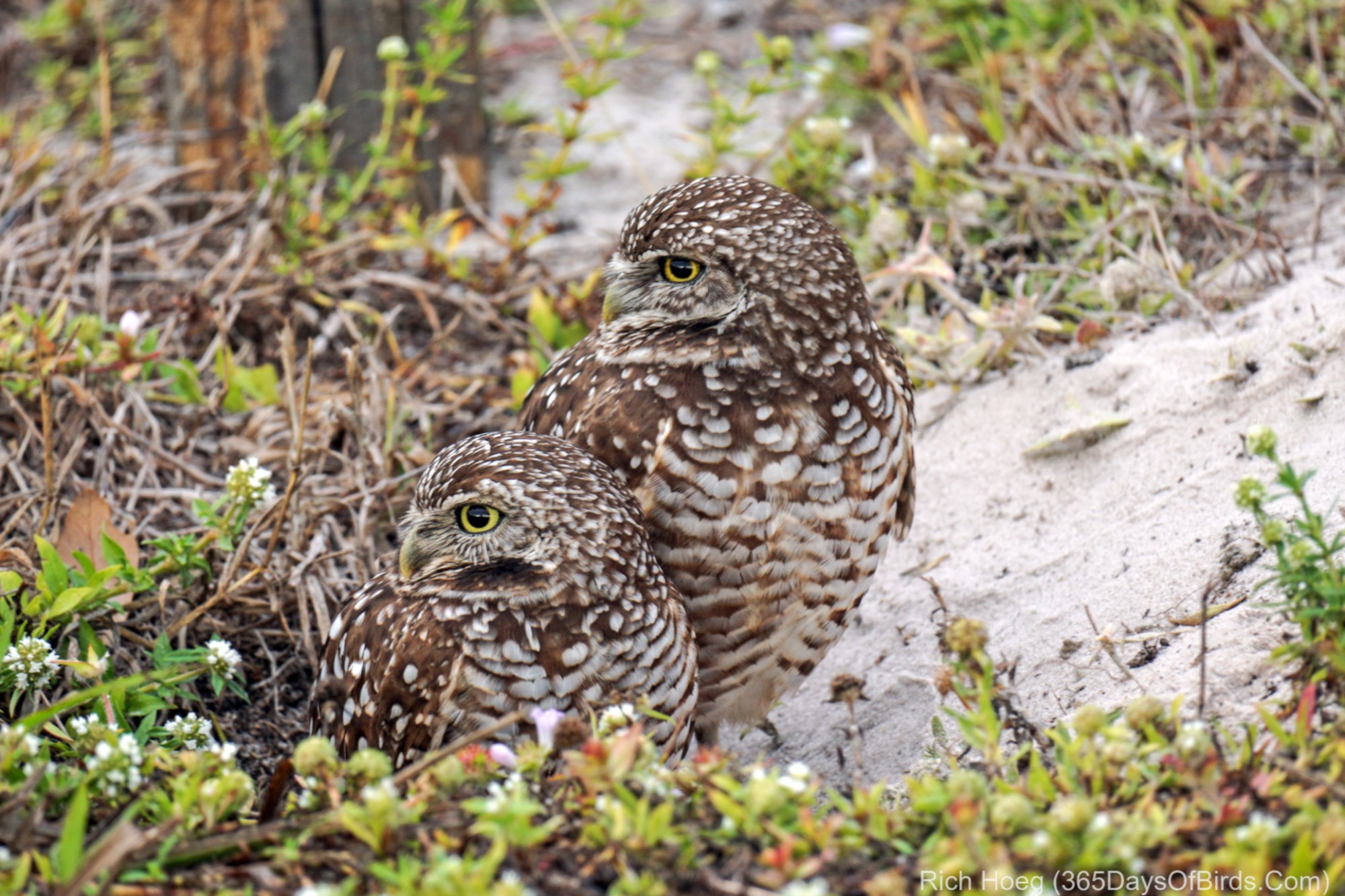
More pics of Burrowing Owl Couple #1
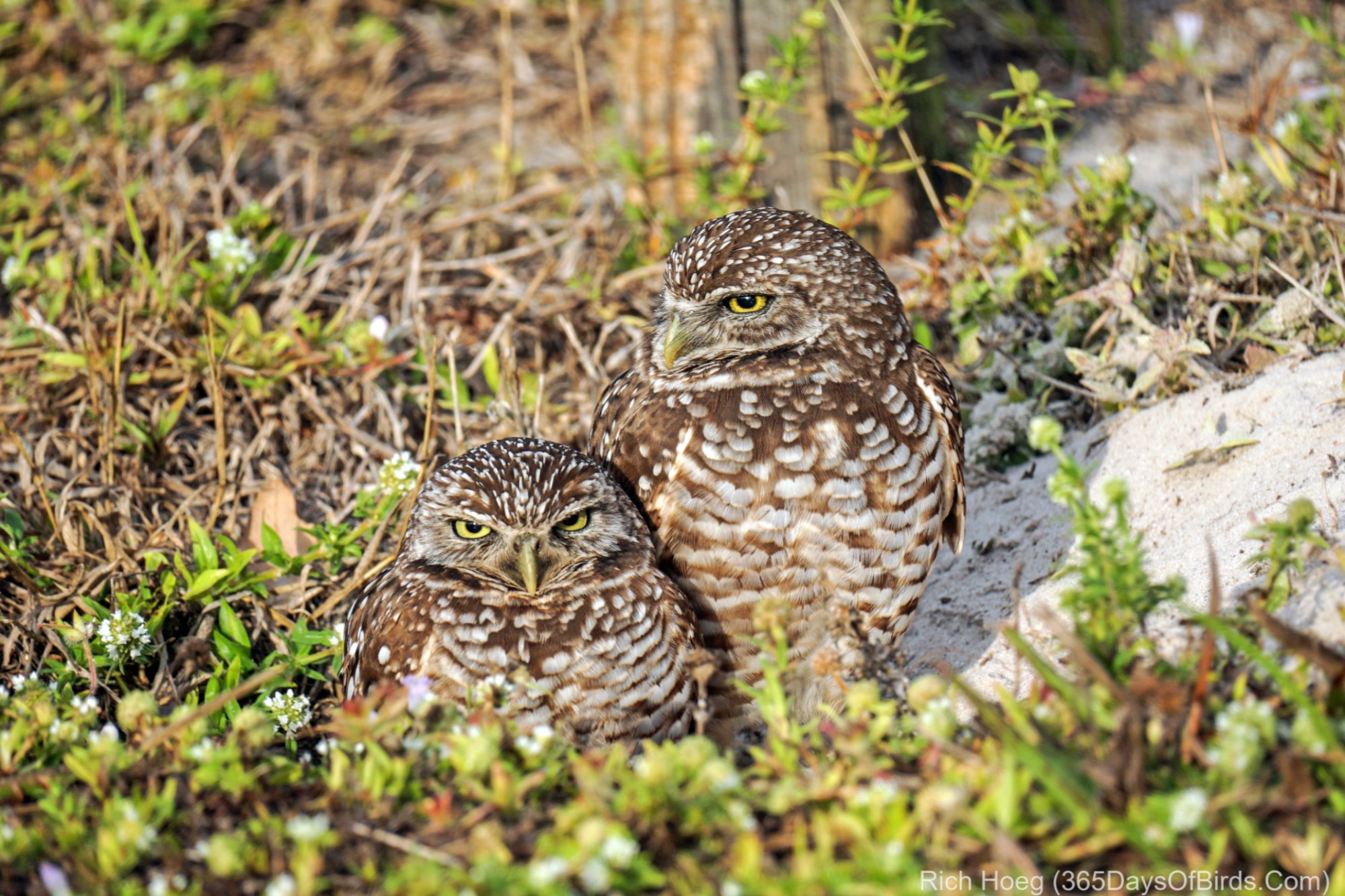
Burrowing Owl Couple #2 (outer eyelid is closed on one owl … protecting against sunlight and dust)
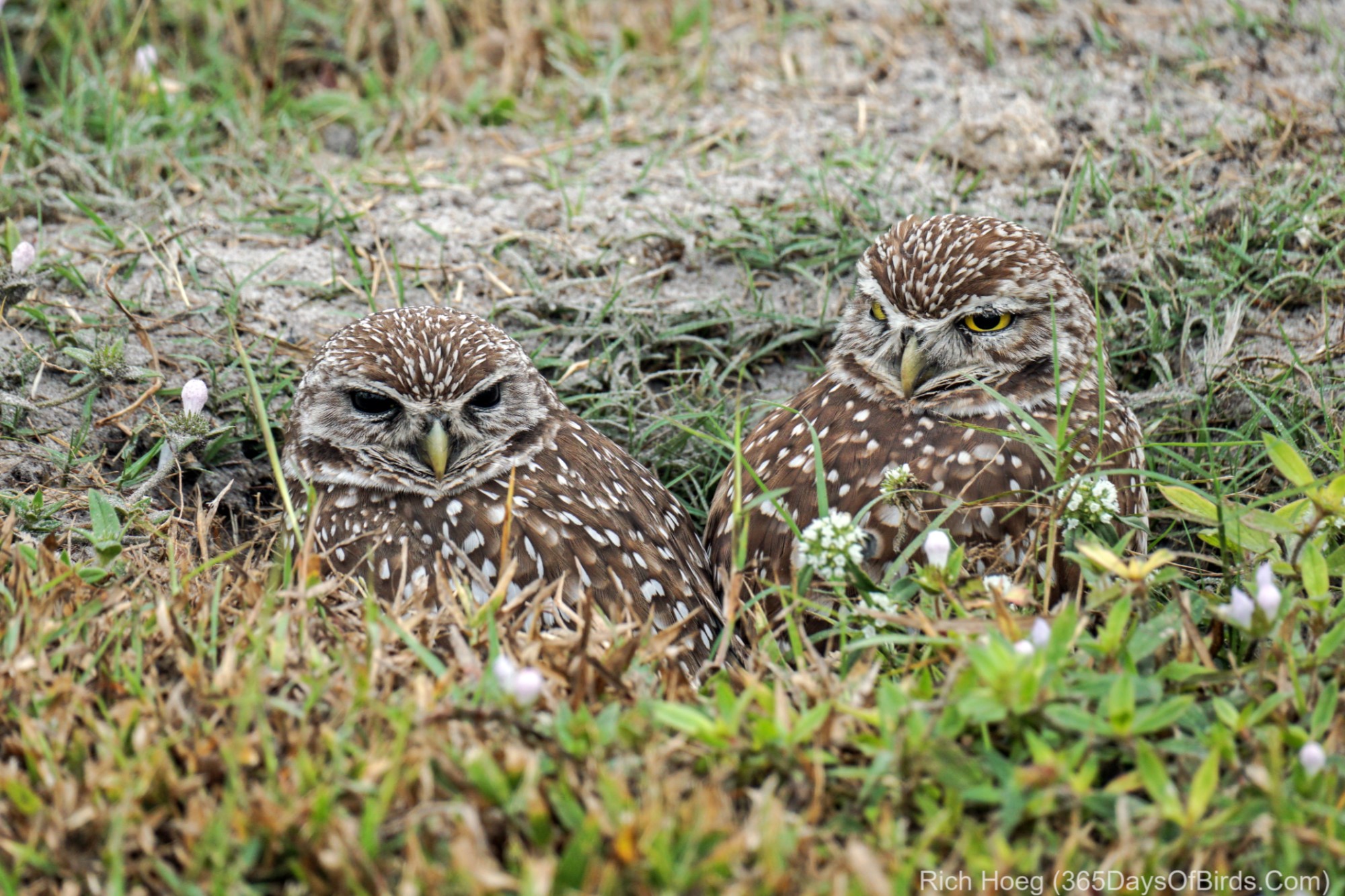
Burrowing Owl Bachelor

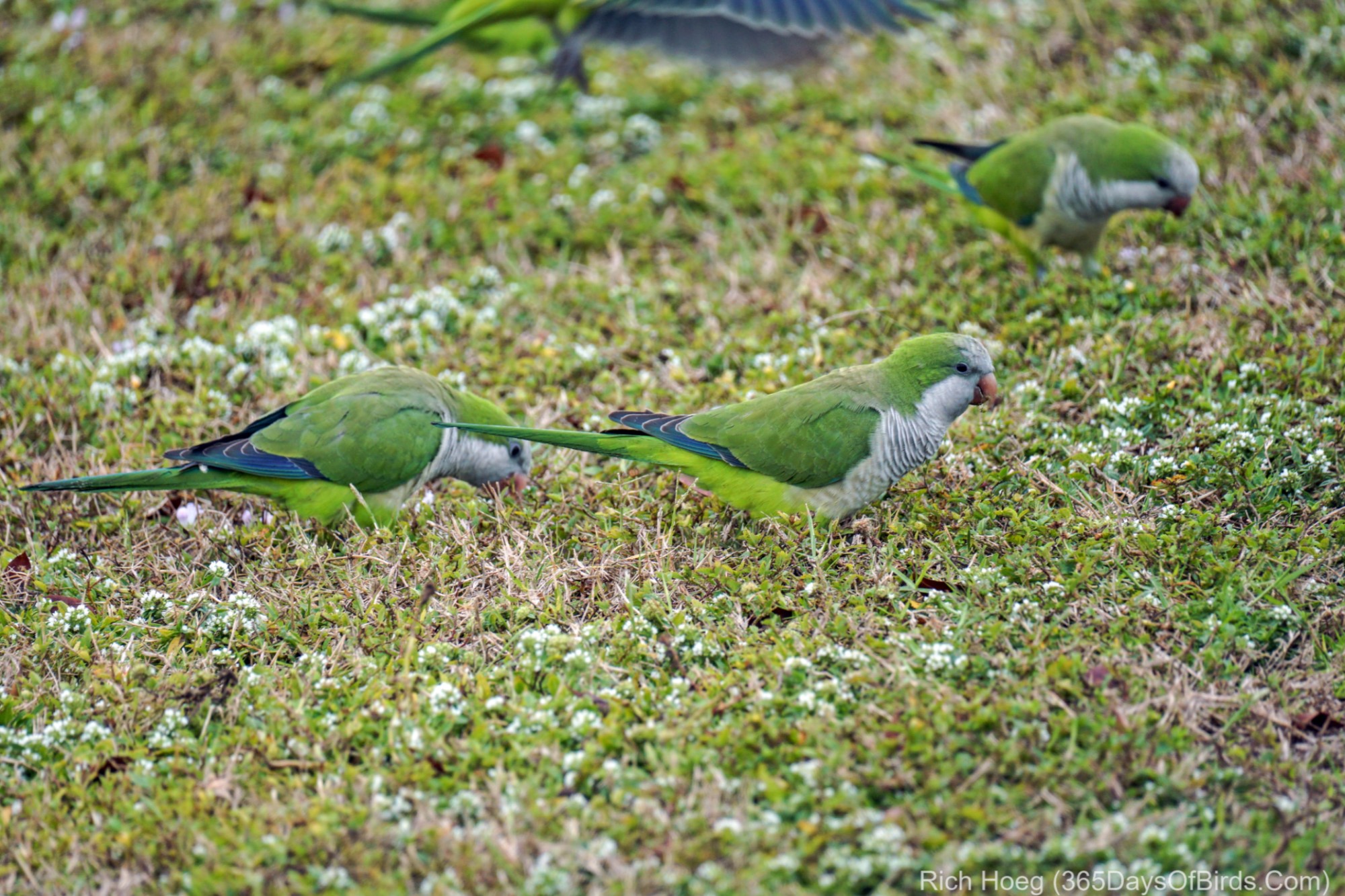
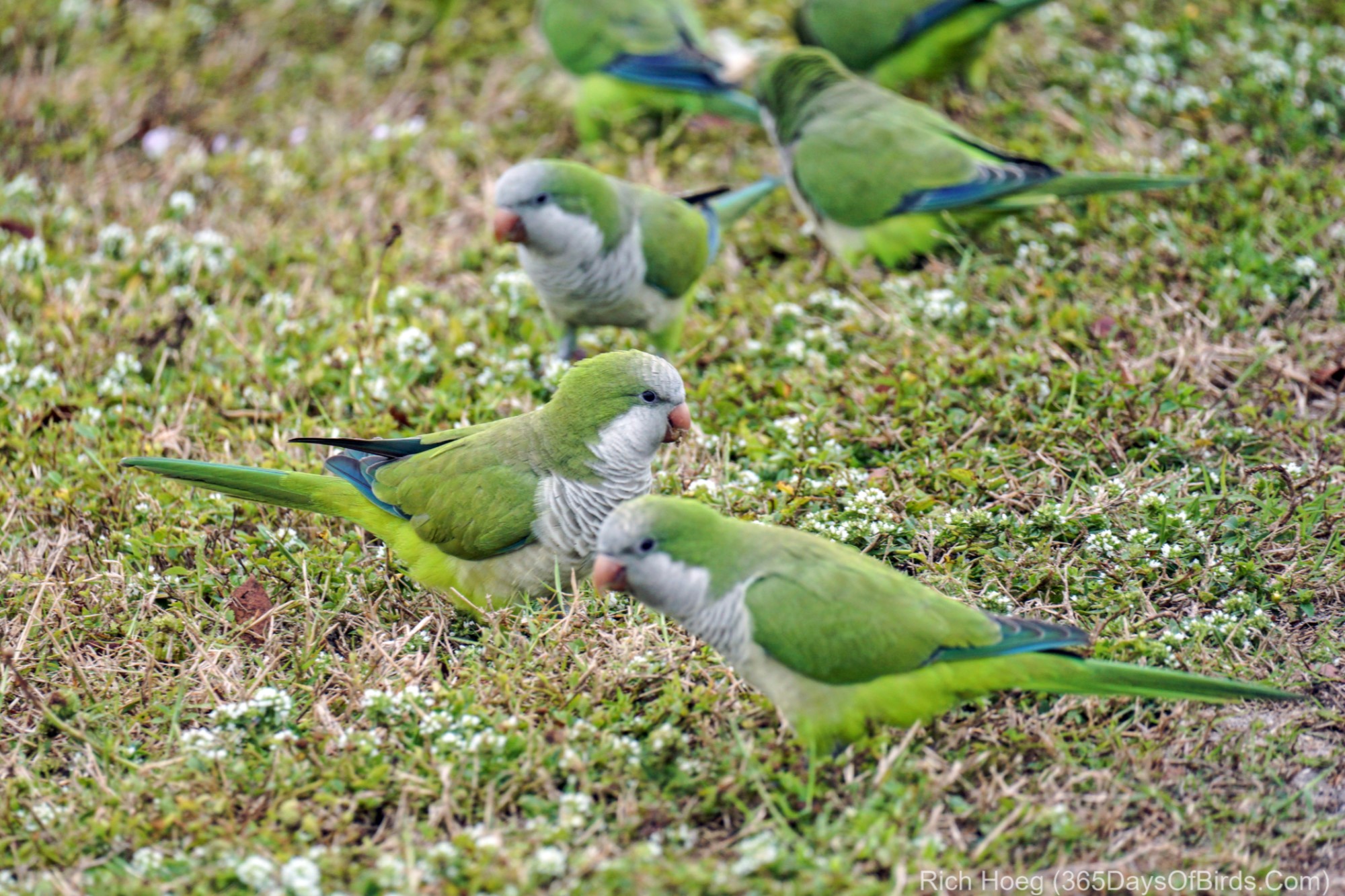
Monk Parakeets. These birds are from Argentina, but over years and years so many parakeets have escaped from captivity (think pets) there is now a large wild population in Florida, and even colonies in locations such as Chicago and Brooklyn.
One might wonder why I am posting early in the morning rather than birding. My plan today is to head over to the Ding Darling Wildlife Preserve on Sanibel Island and bike the wilderness drive. Normally the best birding is right at sunrise, but with shore and wading birds, low tide should be your target time of day. The retreating tide creates shallow tidal pools where small fish and other yummies are easier pickings for birds.
Welcome to Year 9! Limpkins and Ivory Gulls

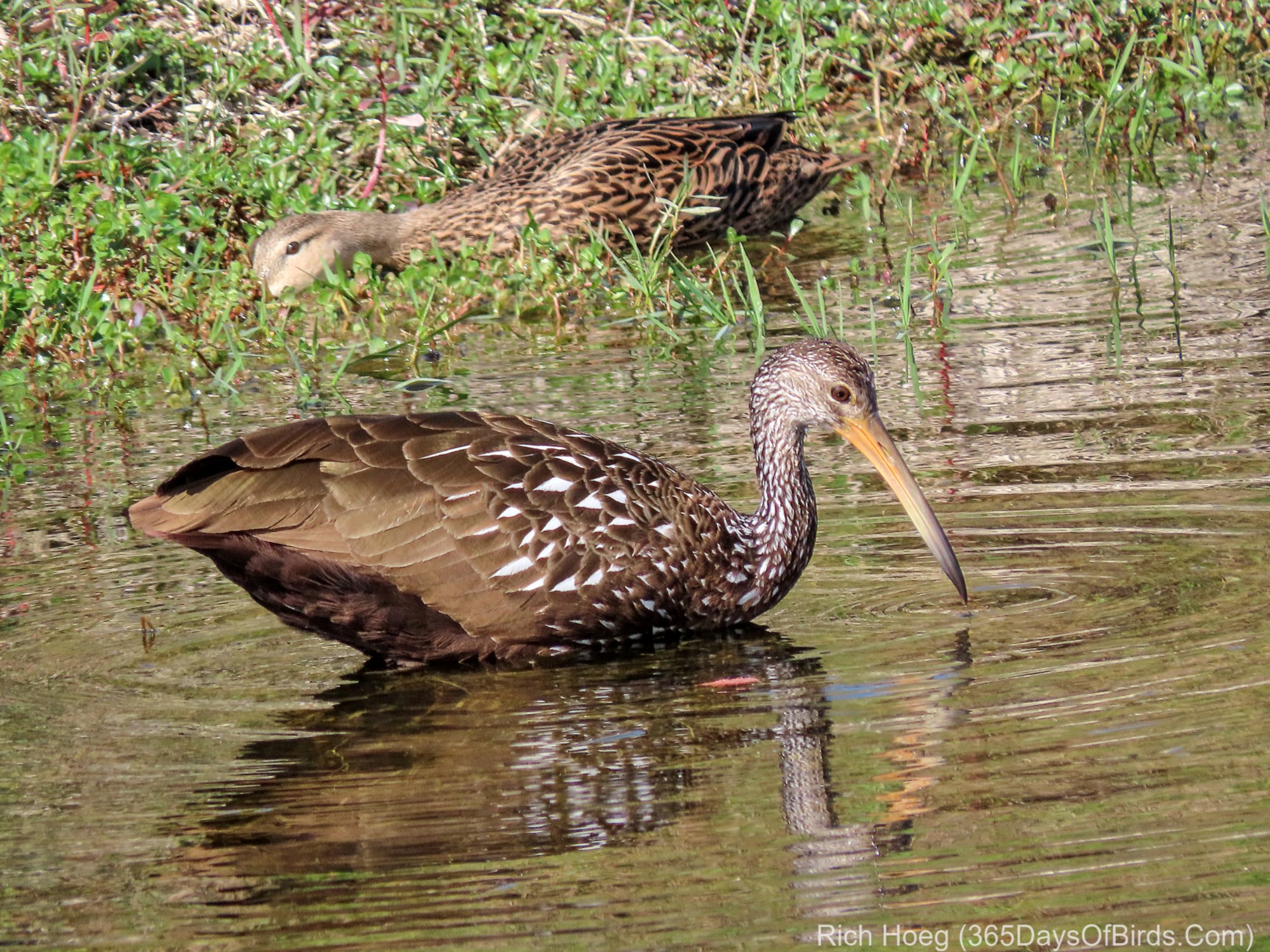
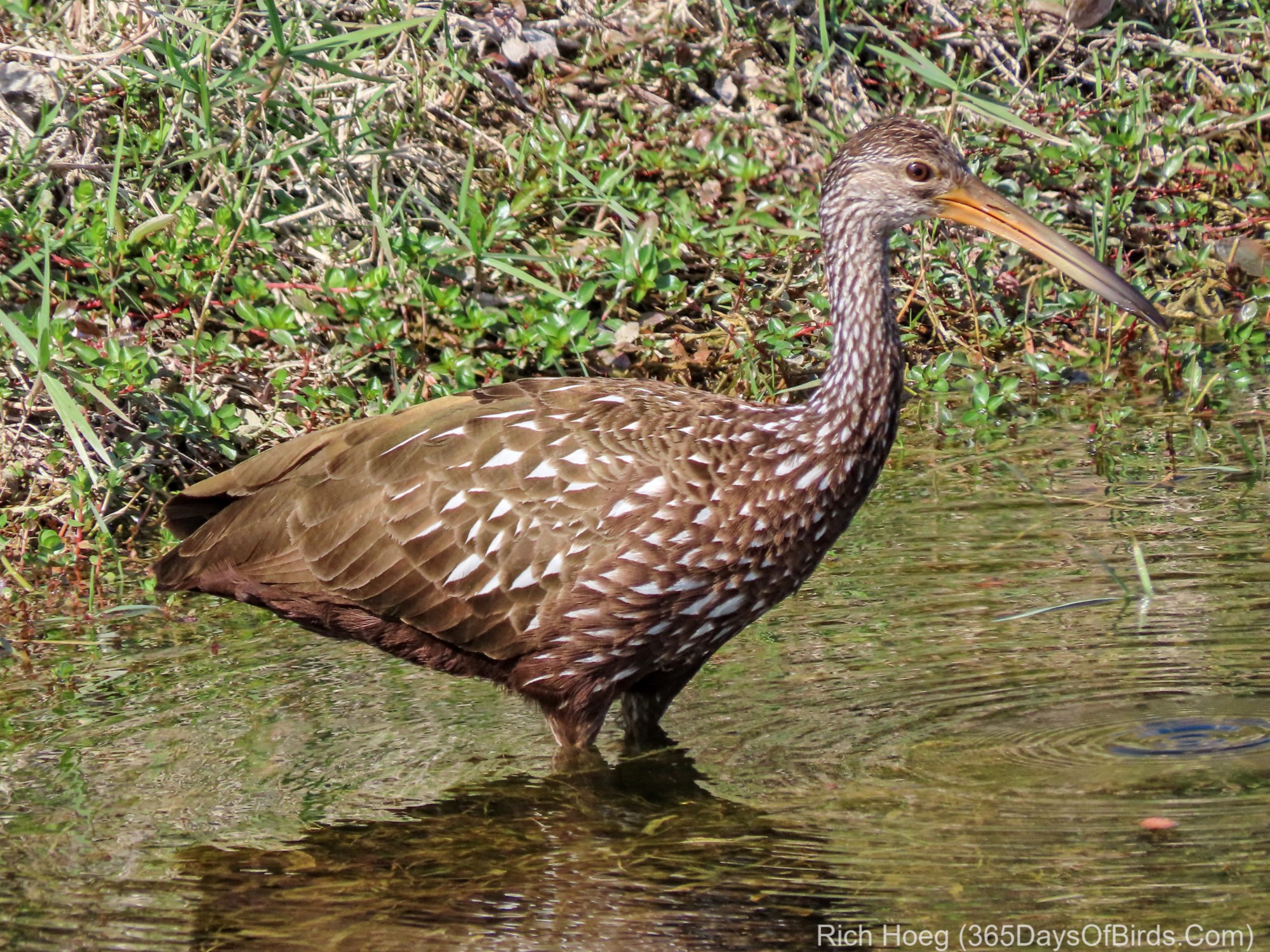
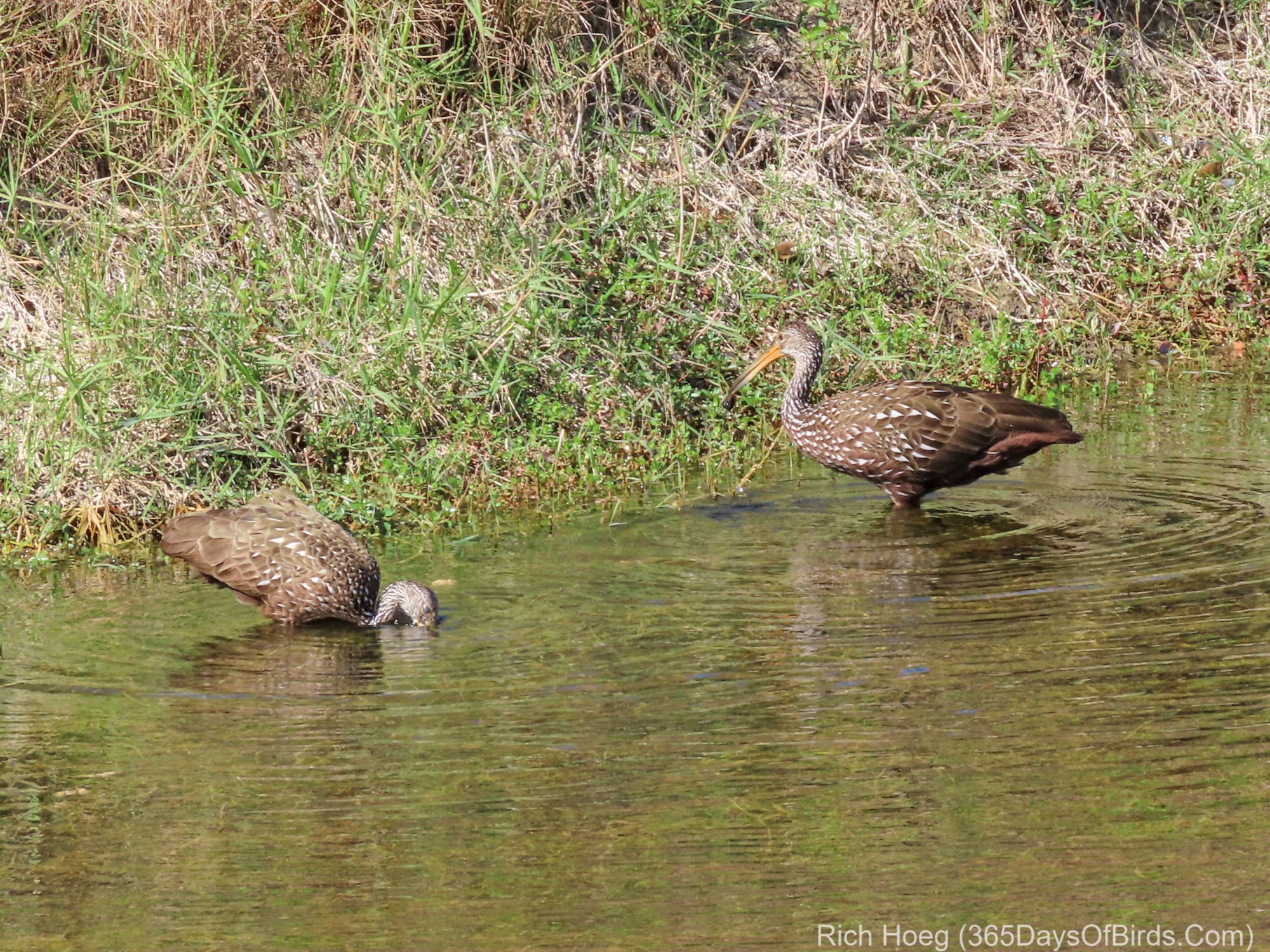
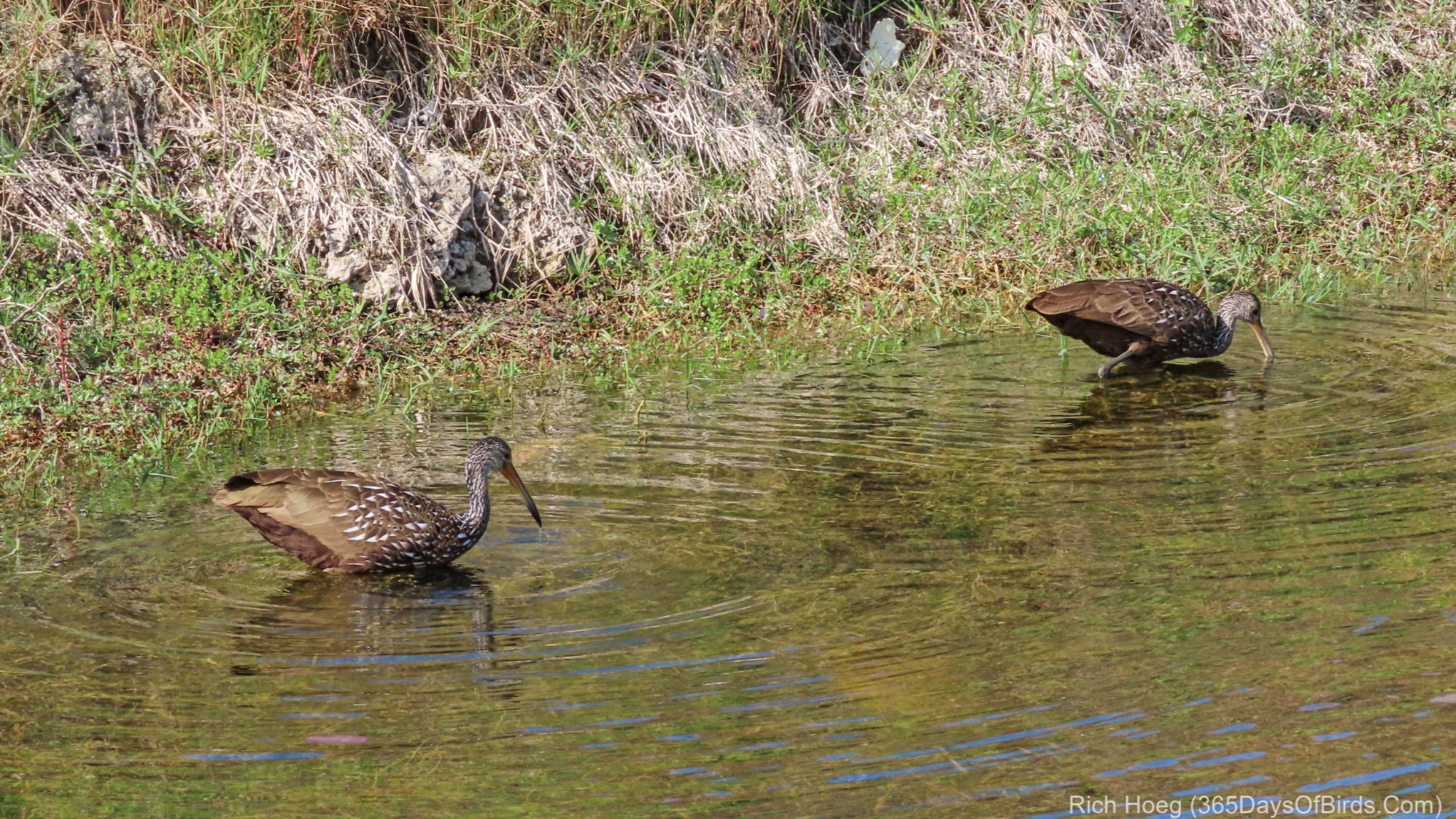
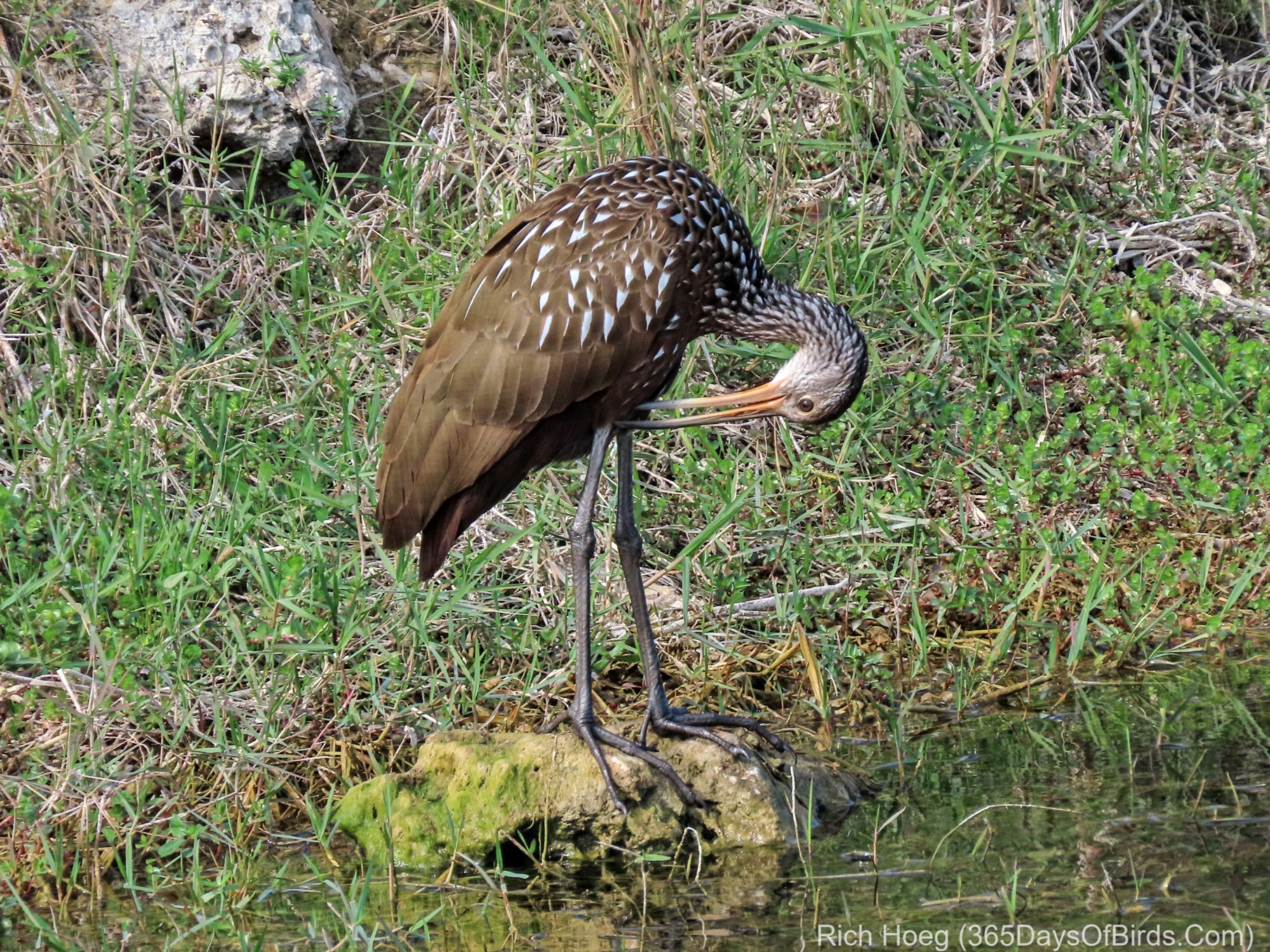
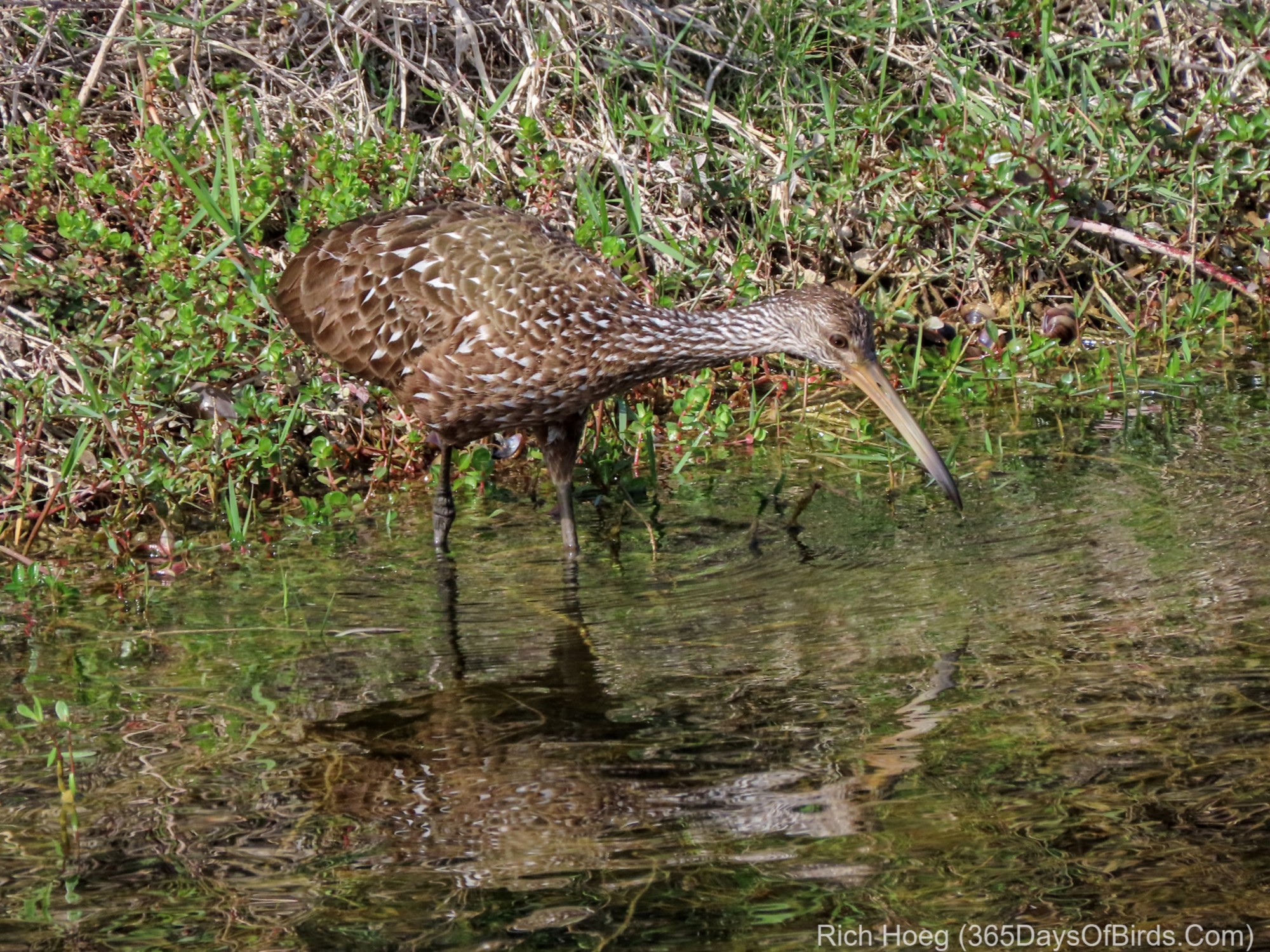
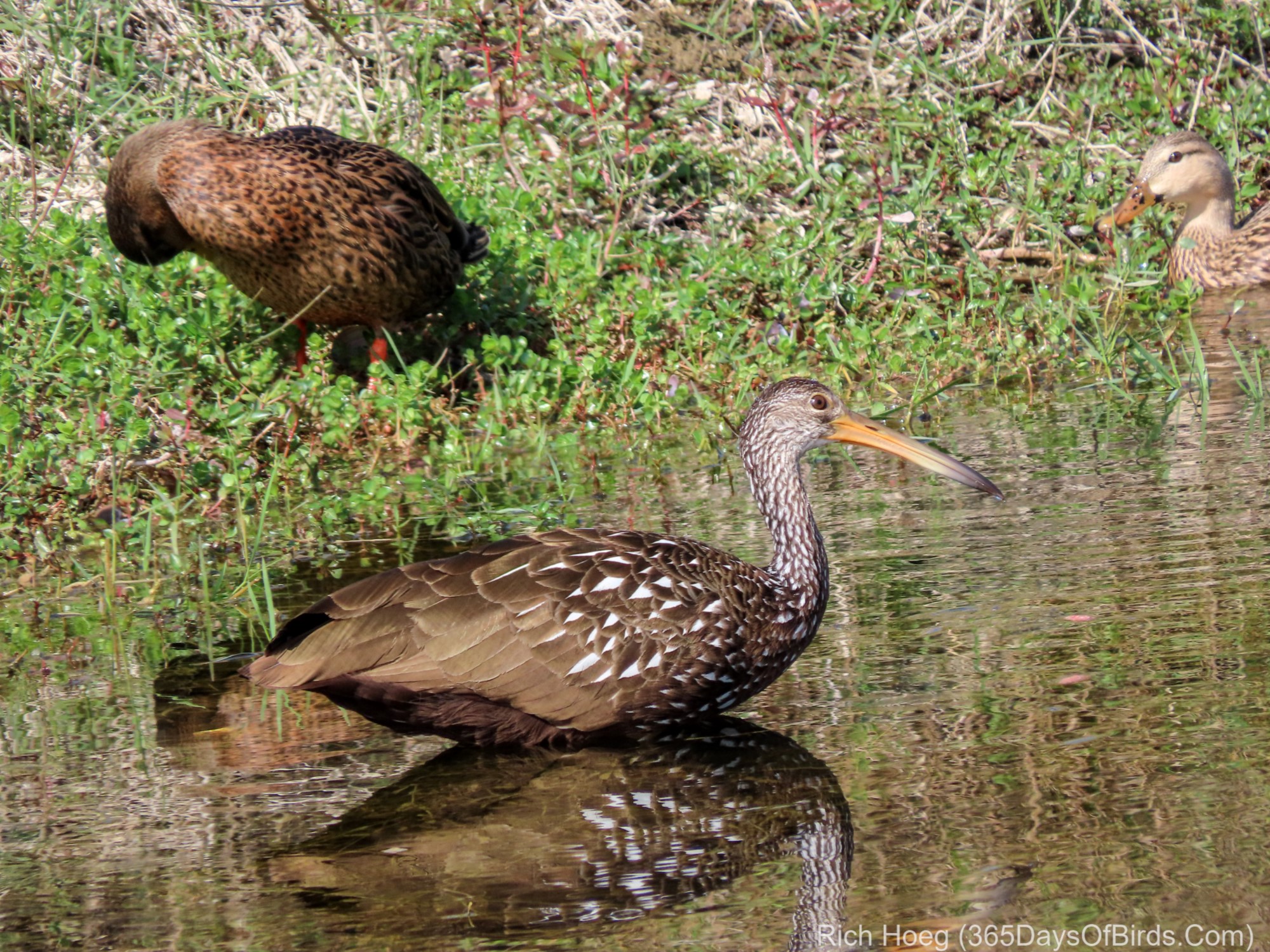
Yup, I have just started “Year #9” of this blog, and it has been a fun journey. Starting the year off are some rare birds. I am down in Florida for two weeks, and while on my bicycle ride this afternoon I found a bird which is increasingly rare in Florida, a Limpkin. This wading bird mainly eats only one kind of snail, and with all the development in Florida habitat which supports its needs is increasingly rare. Amazingly enough, even though I had only seen a Limpkin once before in my life (eight years ago), I actually recognized this bird. Given there were two Limpkins, not just one, and the fact that these birds do not migrate, I suspect I now know their territory. Finally, having a Super Zoom Bridge Camera (Canon SX-70) in my bike bag allowed me to document the experience.

Meanwhile up at home on Lake Superior, an extremely rare Ivory Gull has shown up. These gulls belong up in the Arctic, mainly near Greenland. The gull spends part of its day at Canal Park. Six years ago when an Ivory Gull showed up in Duluth, folks actually put out smoked salmon for two weeks as an offering for the bird in the hopes of keeping it in the area. Use these two web cams each morning to see if birders are gathering. Last time people flew in from all around the country to see the bird.

And my Limpkin photographs …

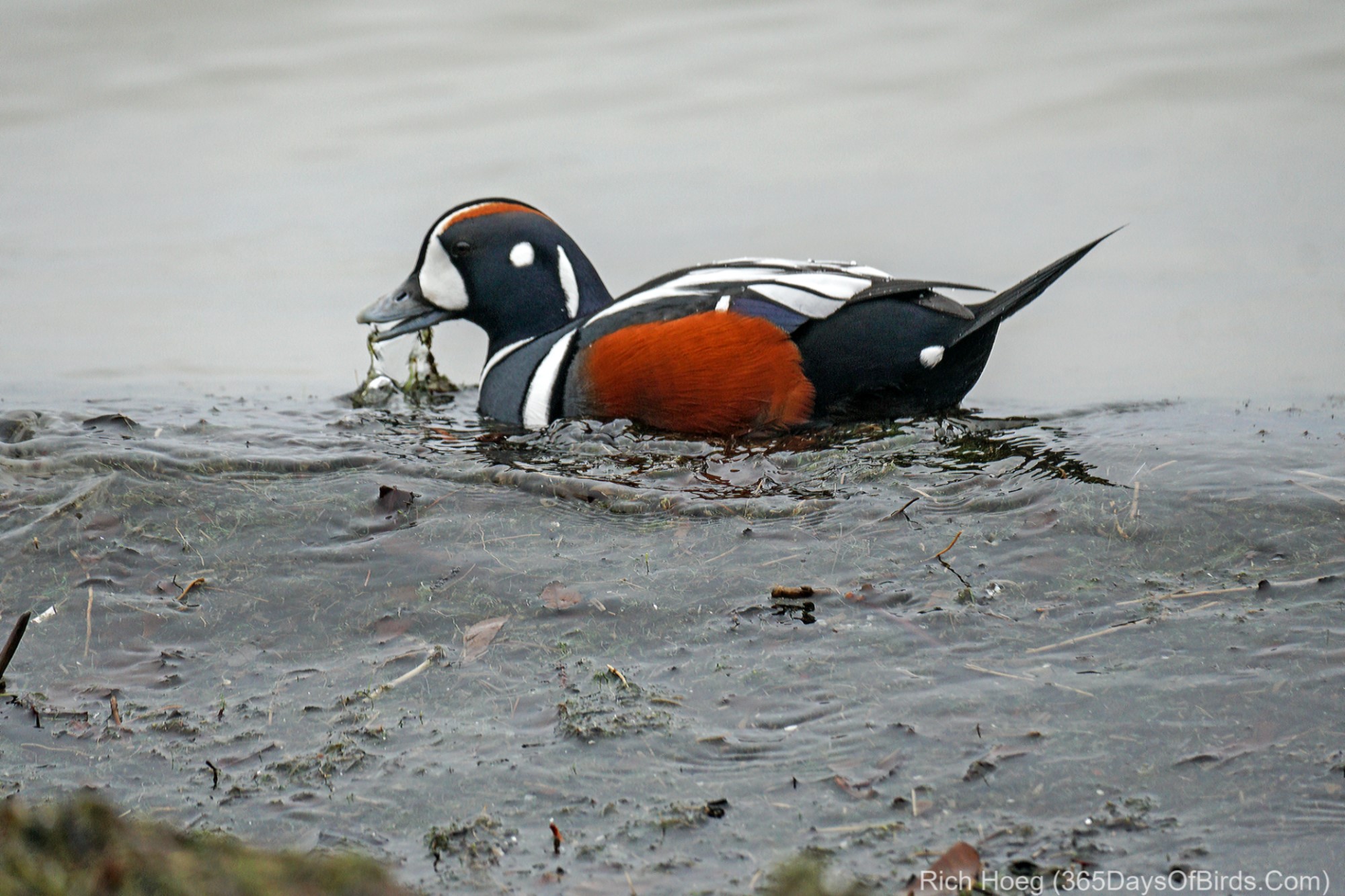
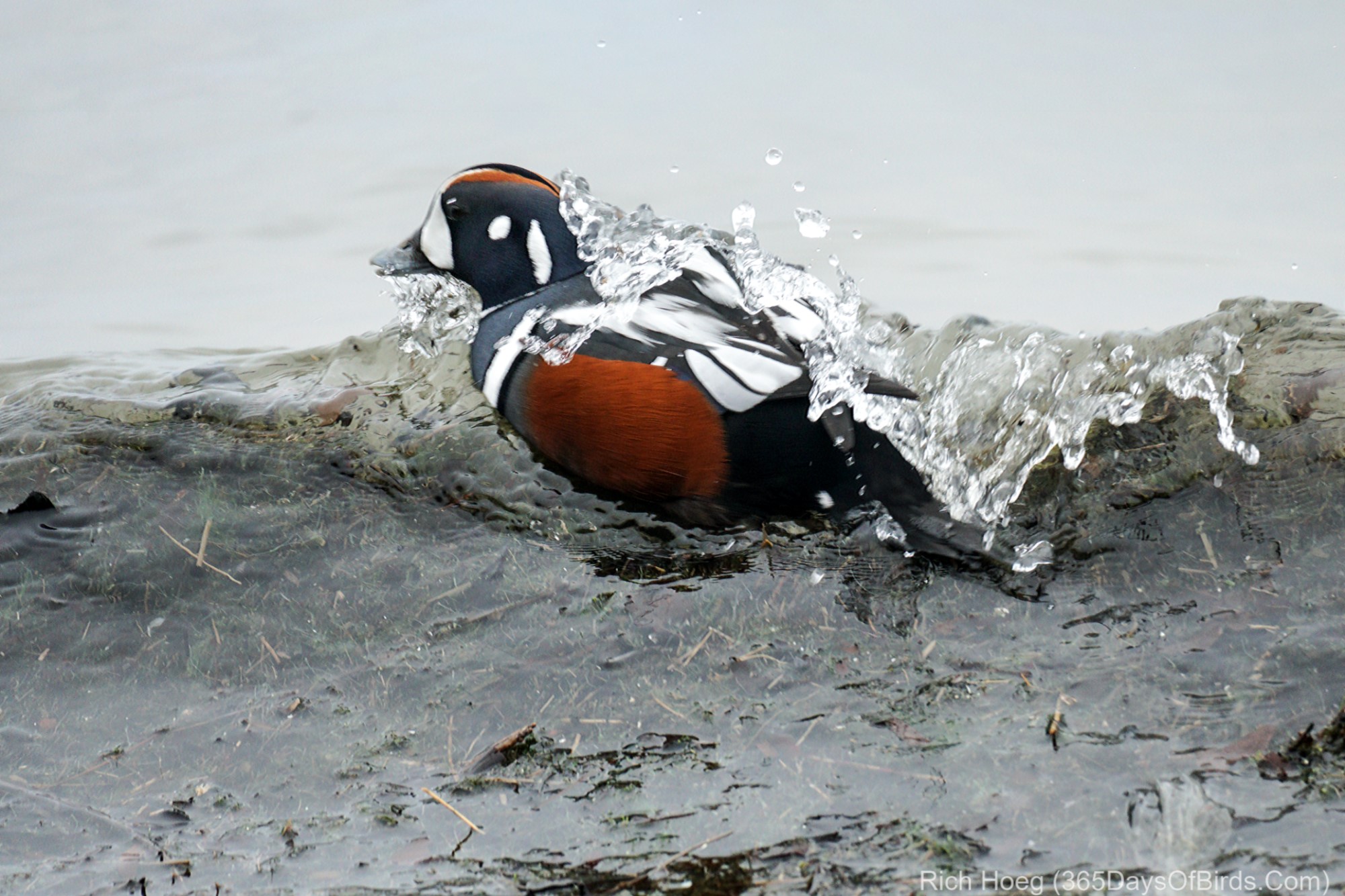
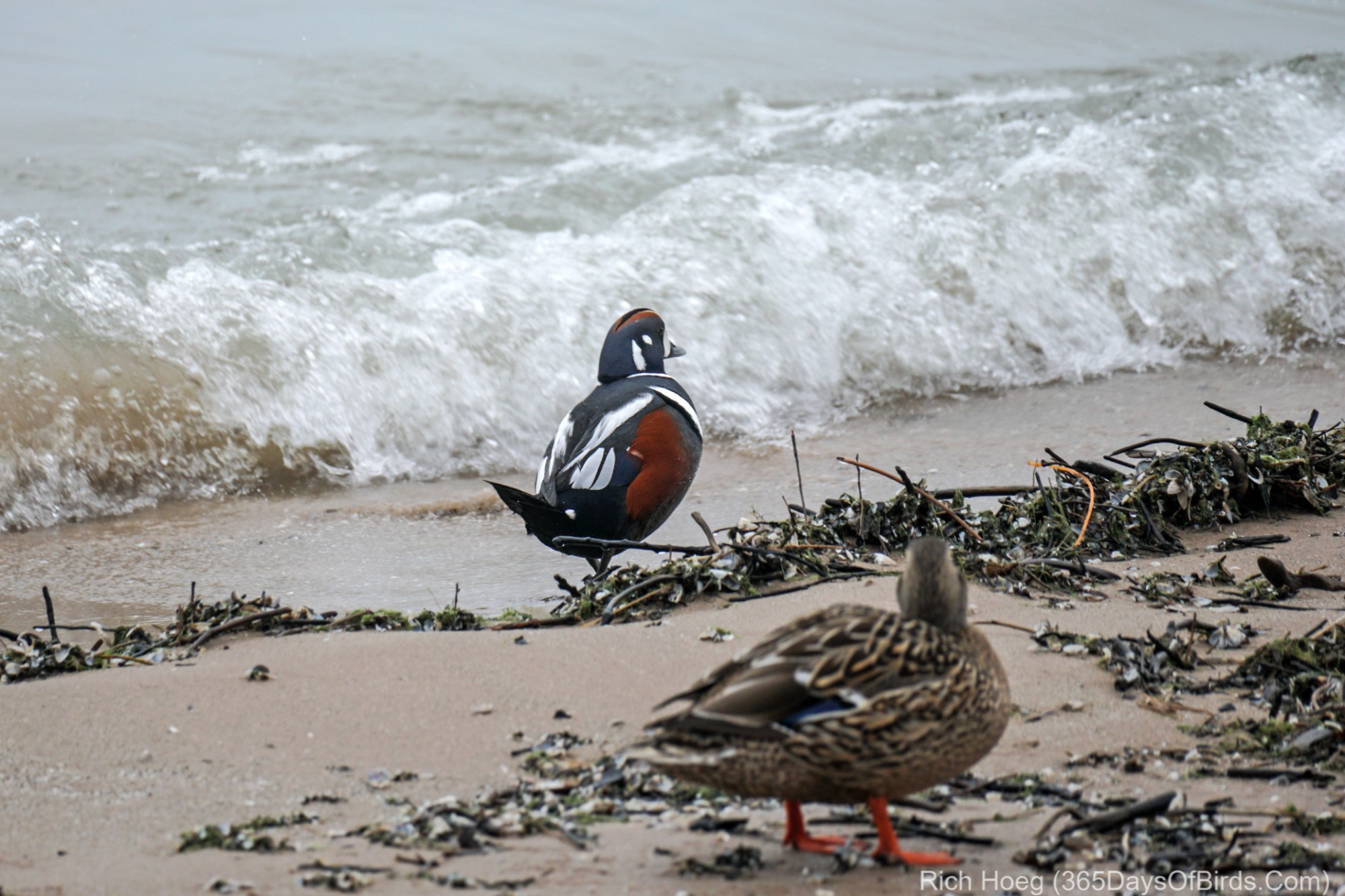
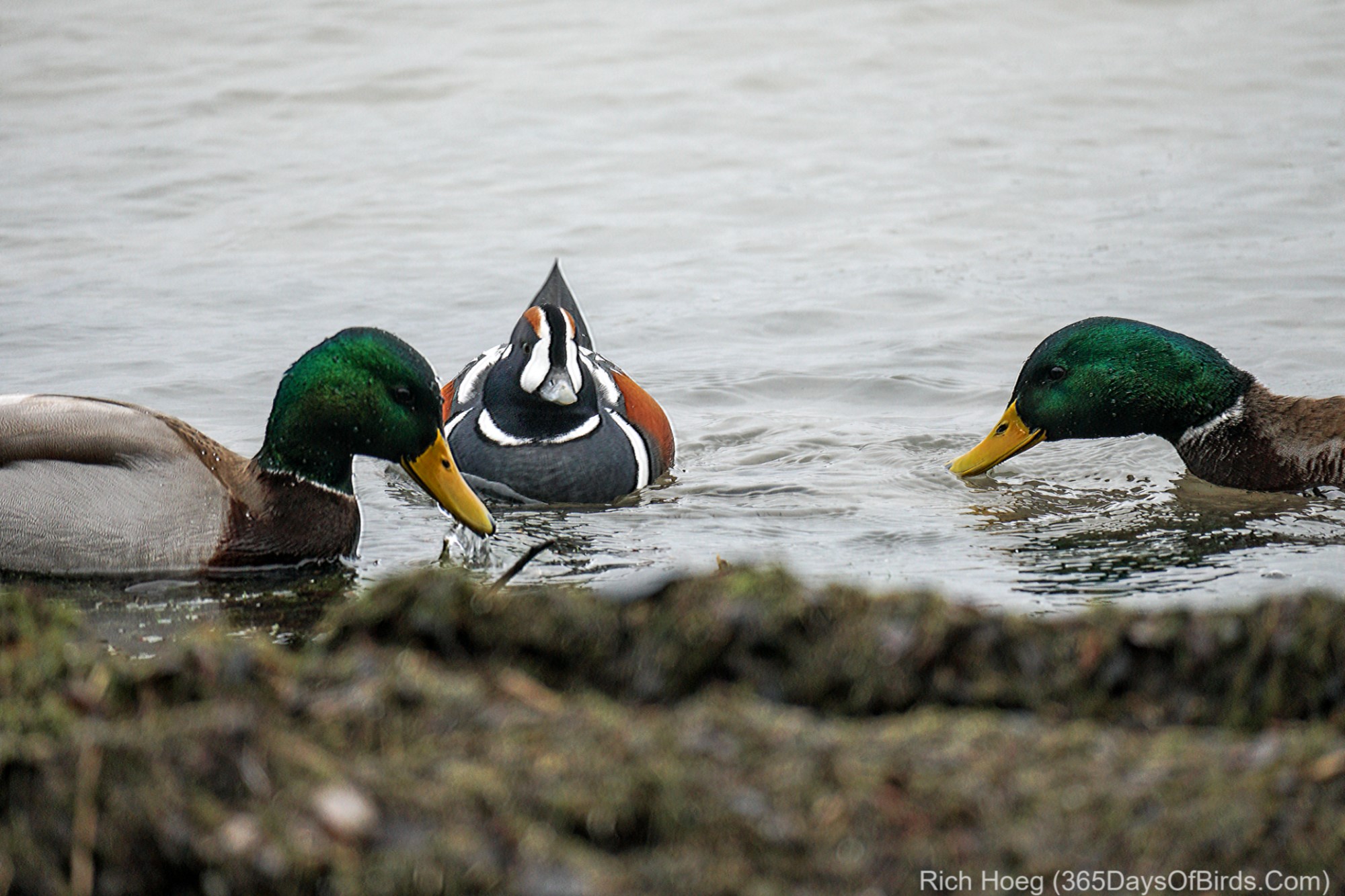
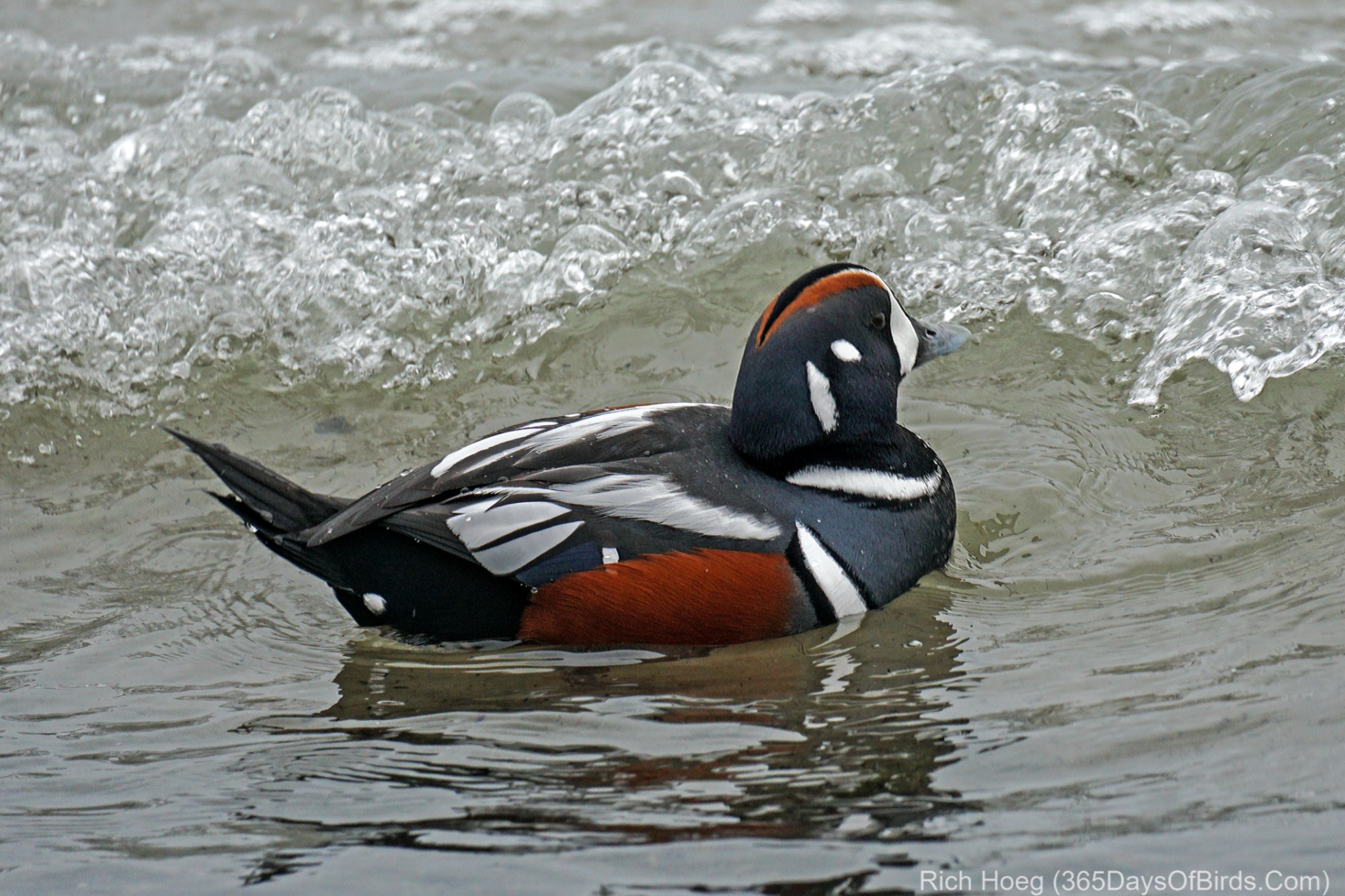
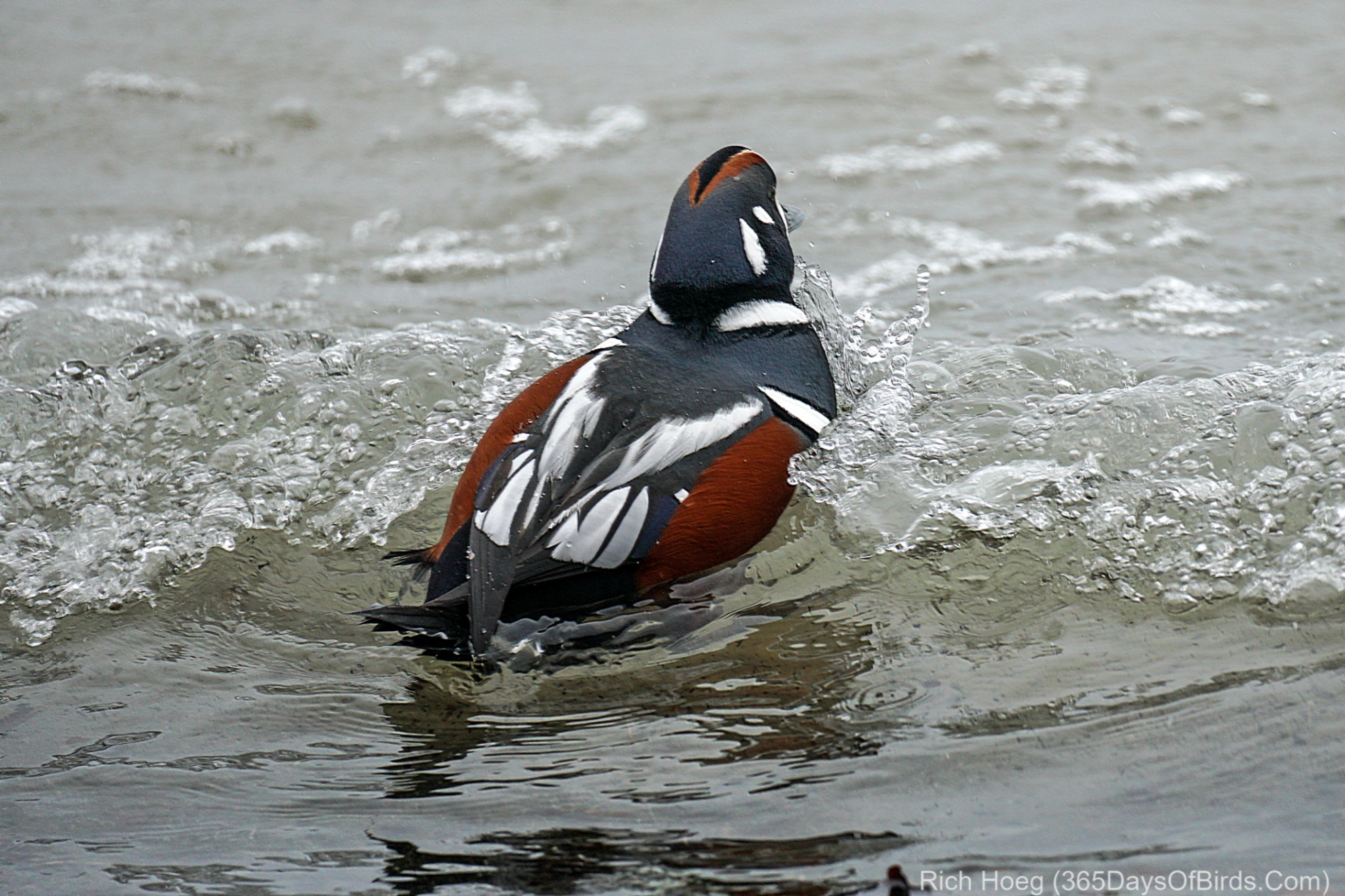
Harlequin Duck in honor of Bodie … my new Grandson!

I am down in Fox Point, Wisconsin from Duluth to meet my new grandchild (#7). I decided to take some time this morning and drive over to the Broughton Drive jetties in Sheboygan. I had heard there were two Harlequin Ducks in this area, including a mature male. Once, seven years ago in Duluth I saw a female … not near as pretty. After several passes walking back and forth along the jetties without seeing the Harlequins amongst hundreds and hundreds of mallards, guess who came swimming right up to the shoreline and allowed me to watch them feed from about 15 yards?!

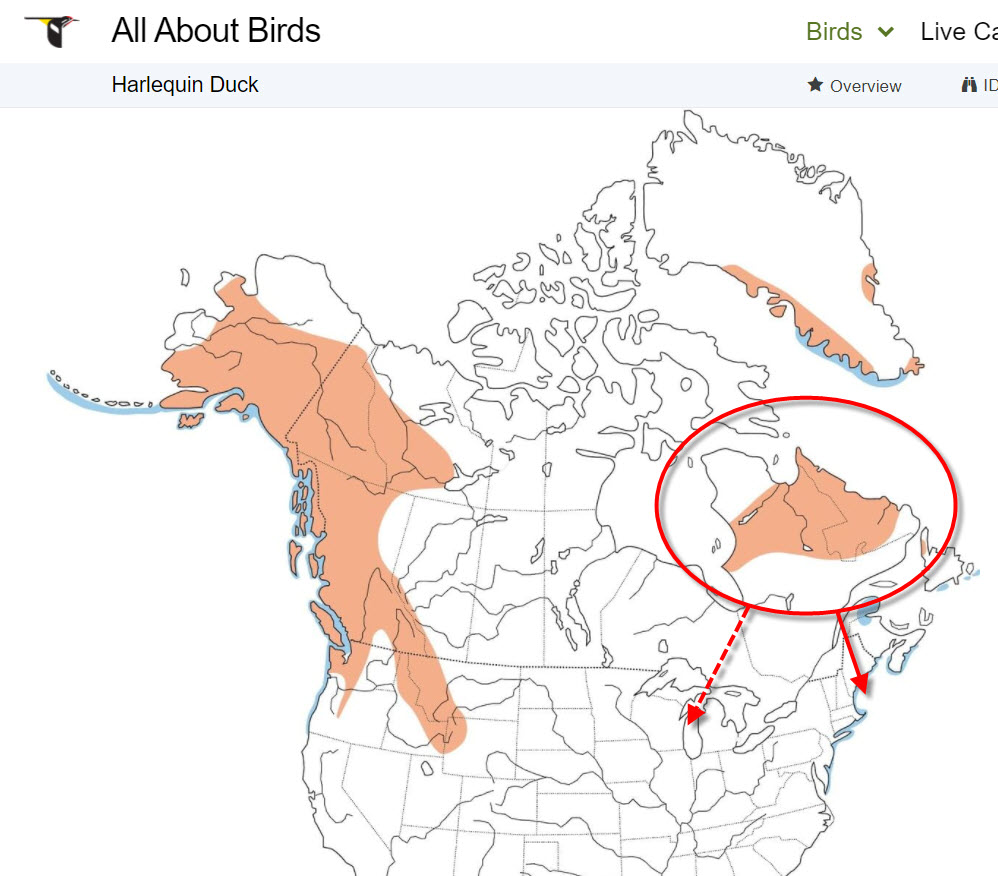
These ducks don’t belong in my sandbox! Take a look at their range. There are Harlequins which breed in British Columbia and Alaska, and basically winter in the same area. Some of their cousins call Greenland home summer and winter, and finally there is a population in extreme northern Quebec (read Arctic tundra) which winters in the Atlantic waters off the Canadian Martimes down through Maryland.


Harlequin Duck (video link for email subscribers)