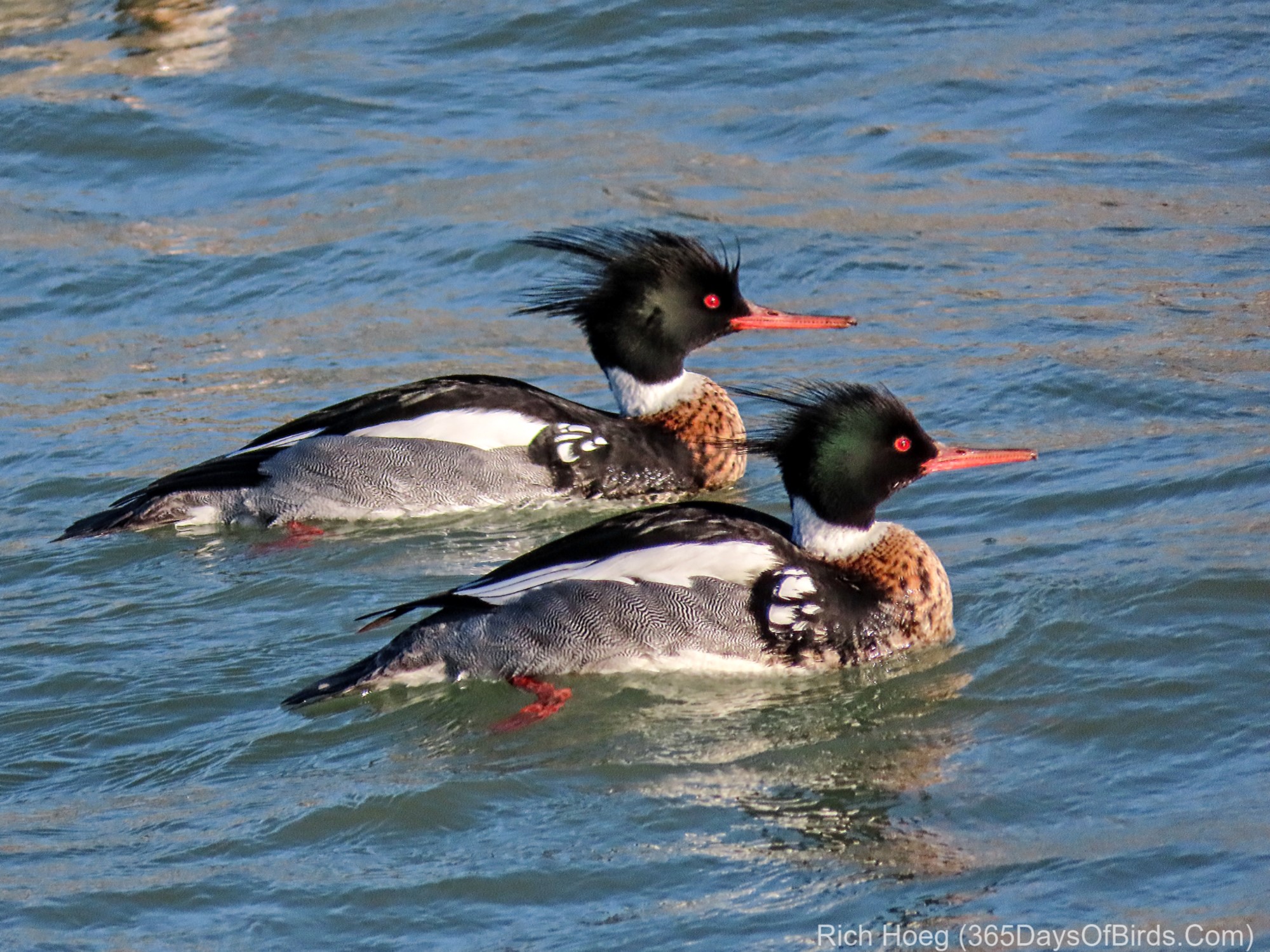
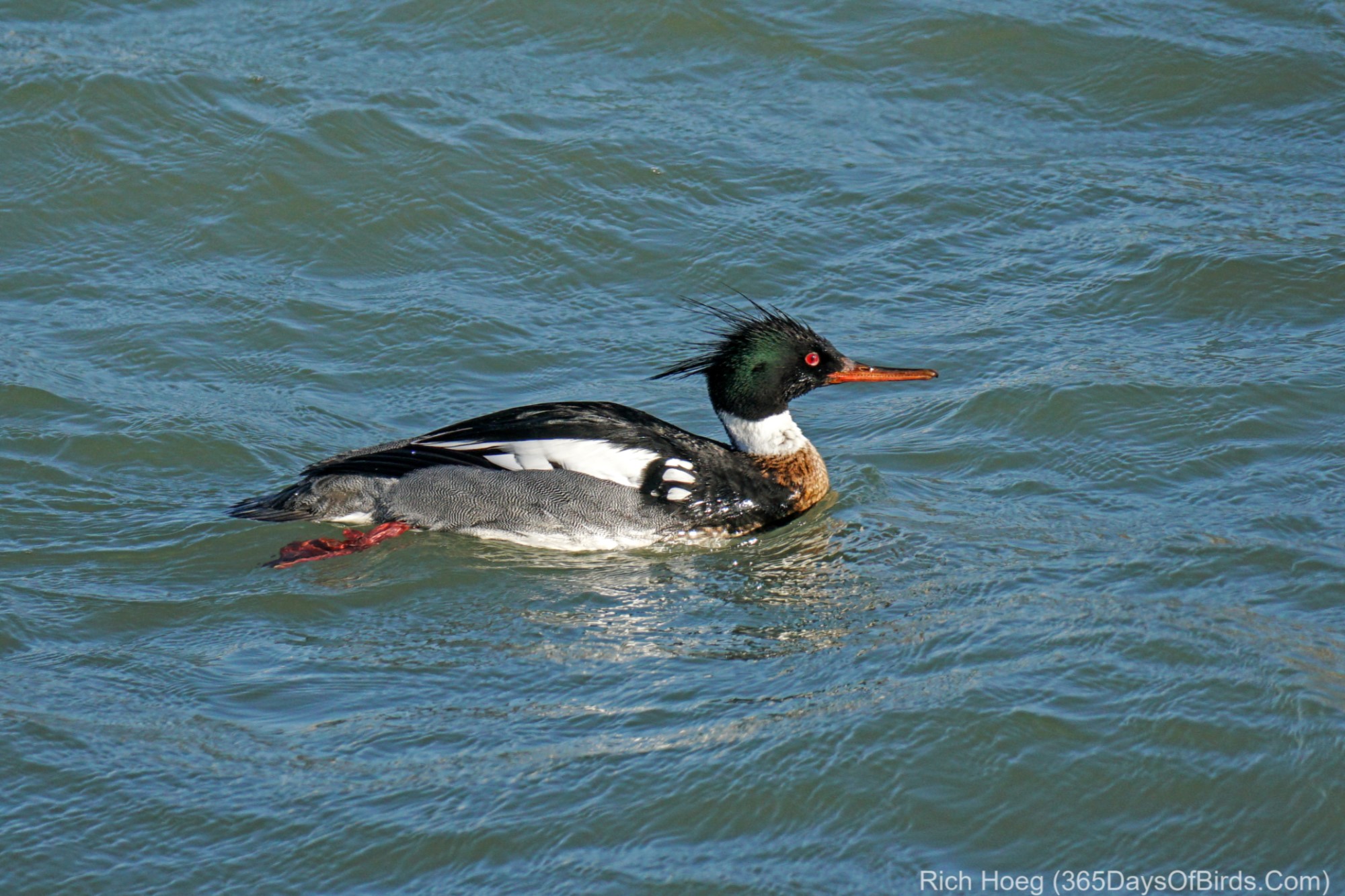
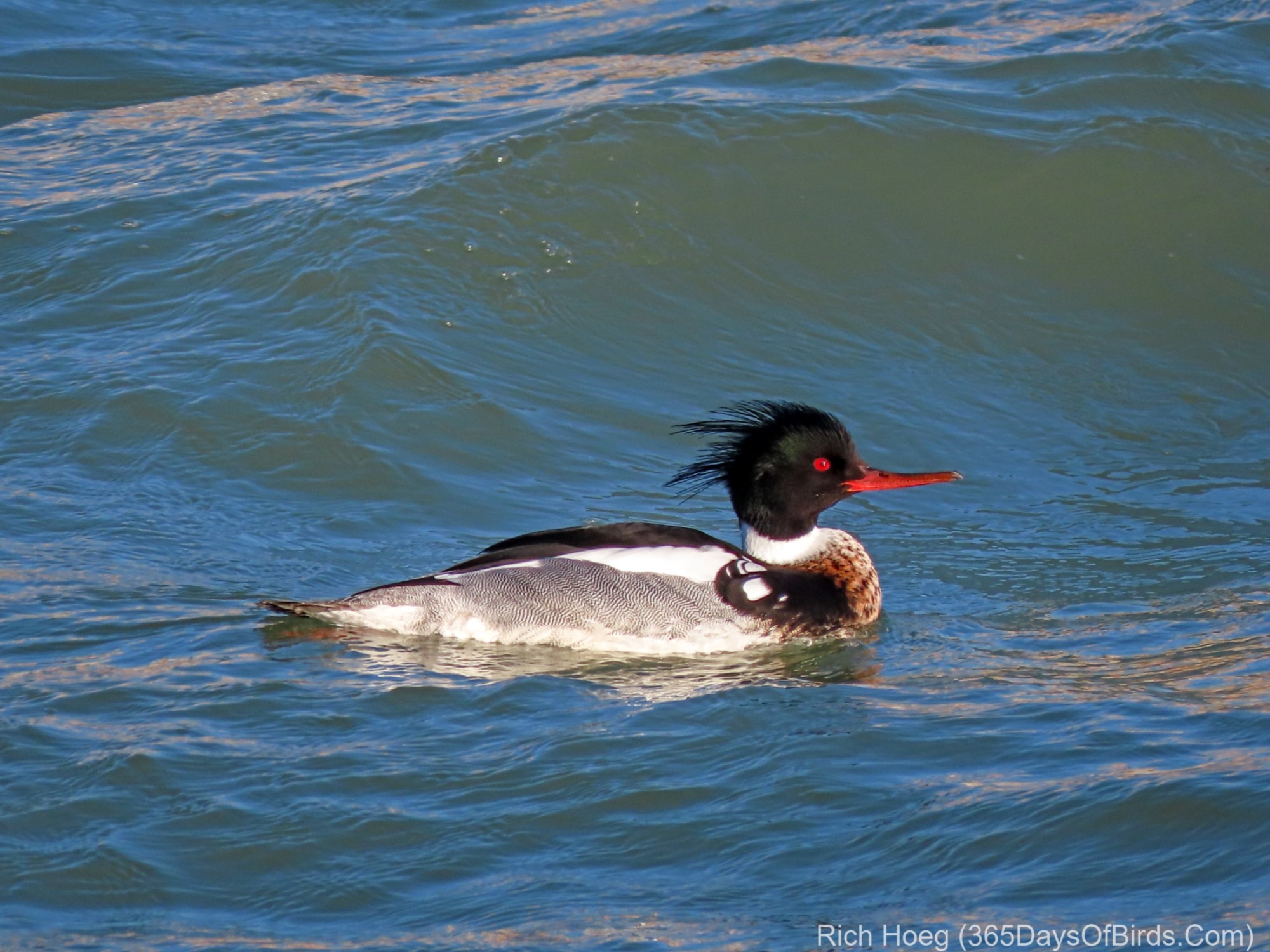
It has involved plenty of research, but I am slowly learning good birding spots north of Milwaukee (my son lives in a northern suburb). One of my favorite locations is Coal Dock Park at the Port Washington Harbor. Next to this park is a power plant, and the warm water outflow attracts fish during cold water times of the year, and the influx of fish attracts lots of fish eating ducks, particularly during spring migration. Remember the same granddaughter who I showed her first Snowy Owl when she visited Duluth at the end of January? This morning I took her birding to the the park / birding spot. She was impressed with “all the loons!” She’s still only four … her ID skills will improve! A little later in the Spring this location will be great for white pelicans. Better yet, birds tired and hungry from the their taxing migrations let one get much closer than normal.
All posts by richardhoeg@gmail.com
Lady Aurora Danced Last Night!
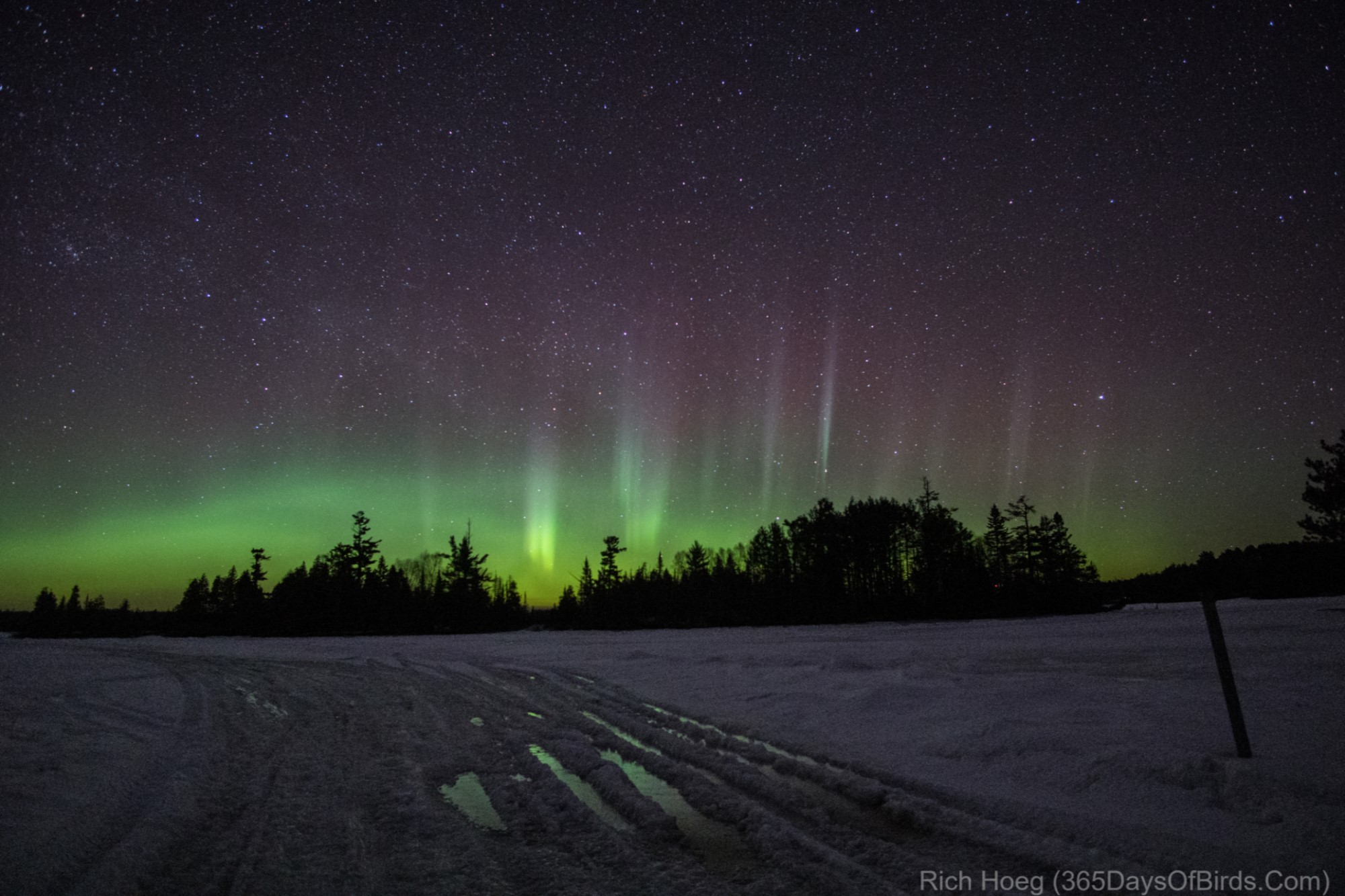
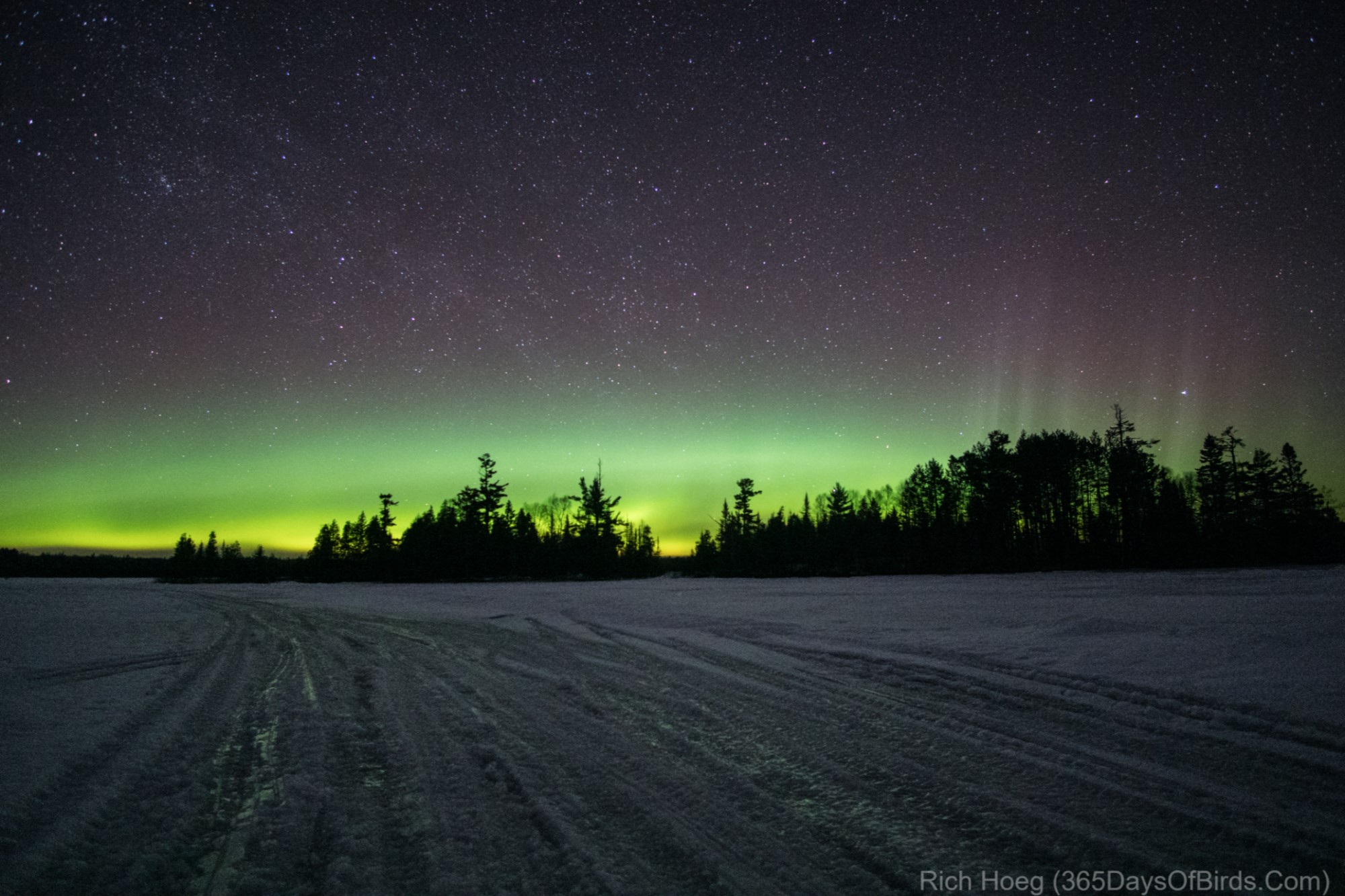
The heavens were beautiful last night … the stars and Northern Lights were amazing on a clear moonless night. The Aurora was not forecast, but was enjoyed very much. I was standing on a frozen lake in northern Minnesota miles and miles away from any light pollution when I took this photographs. It is a shame most folks now live in areas where they truly can not see the true glory of the night sky. The reflections in the first image are caused by refrozen snow melt on an ice road used by local fishermen.
In this second image I just wanted folks to see how the sky looked when I knew to jump out of the car and get ready for a solar sub-storm. Over the course a few minutes the Aurora glow visibly intensified and told me it was time to take my viewing spot (i.e. get out of the car and walk out onto the lake … Molly and I were parked at the beginning of the ice road at the end of the boat launch). The “dance” lasted ten minutes at 11:30 pm. We had driven 40 minutes from our home, and spent an hour and forty minutes at the lake. At midnight we drove home.
My Sony A6300 camera settings were: Rokinon 16 mm wide angle lens, ISO = 3200, Aperture = 2.8, Exposure = 8 seconds.
Black-Backed Woodpecker!
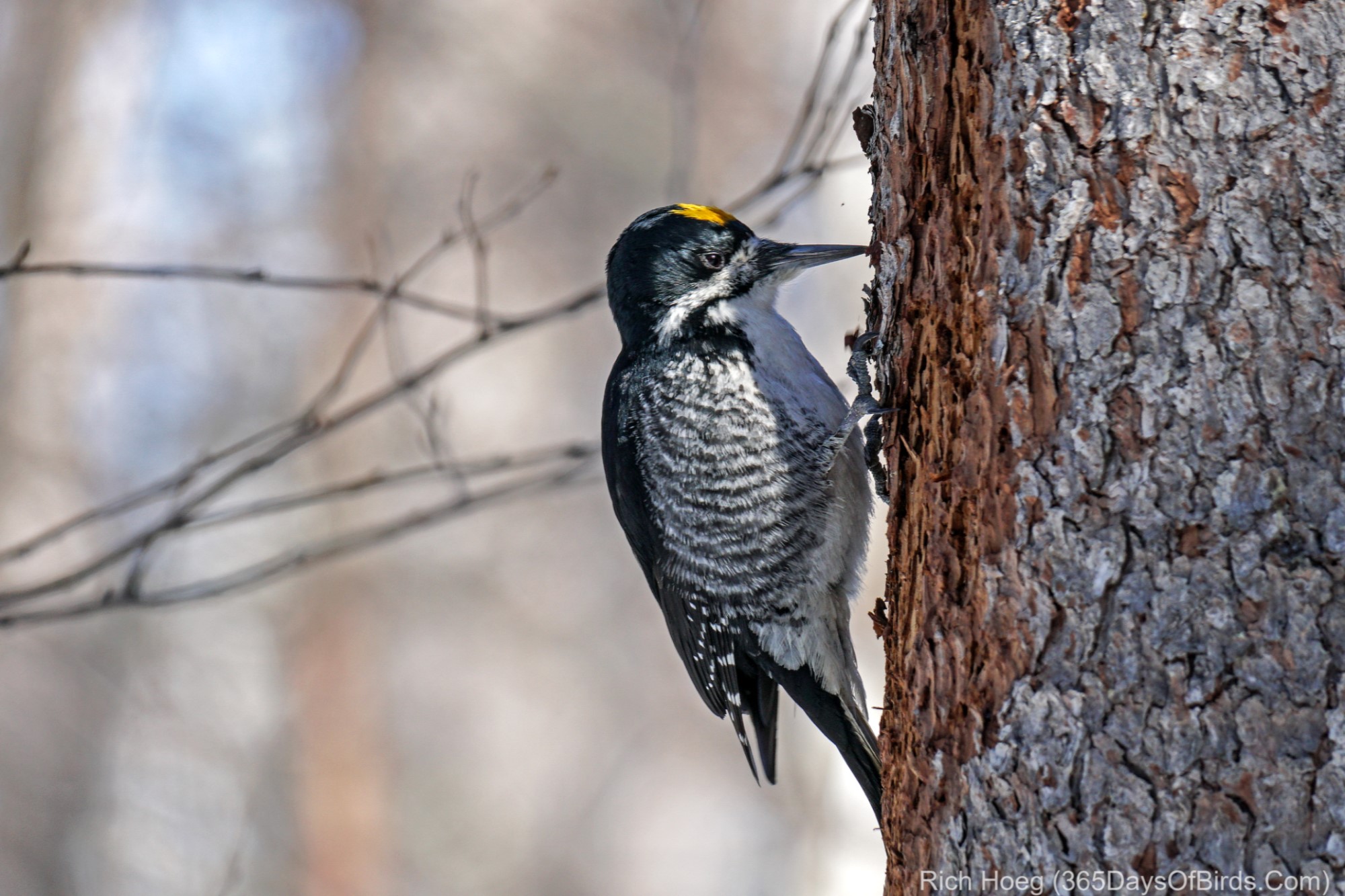
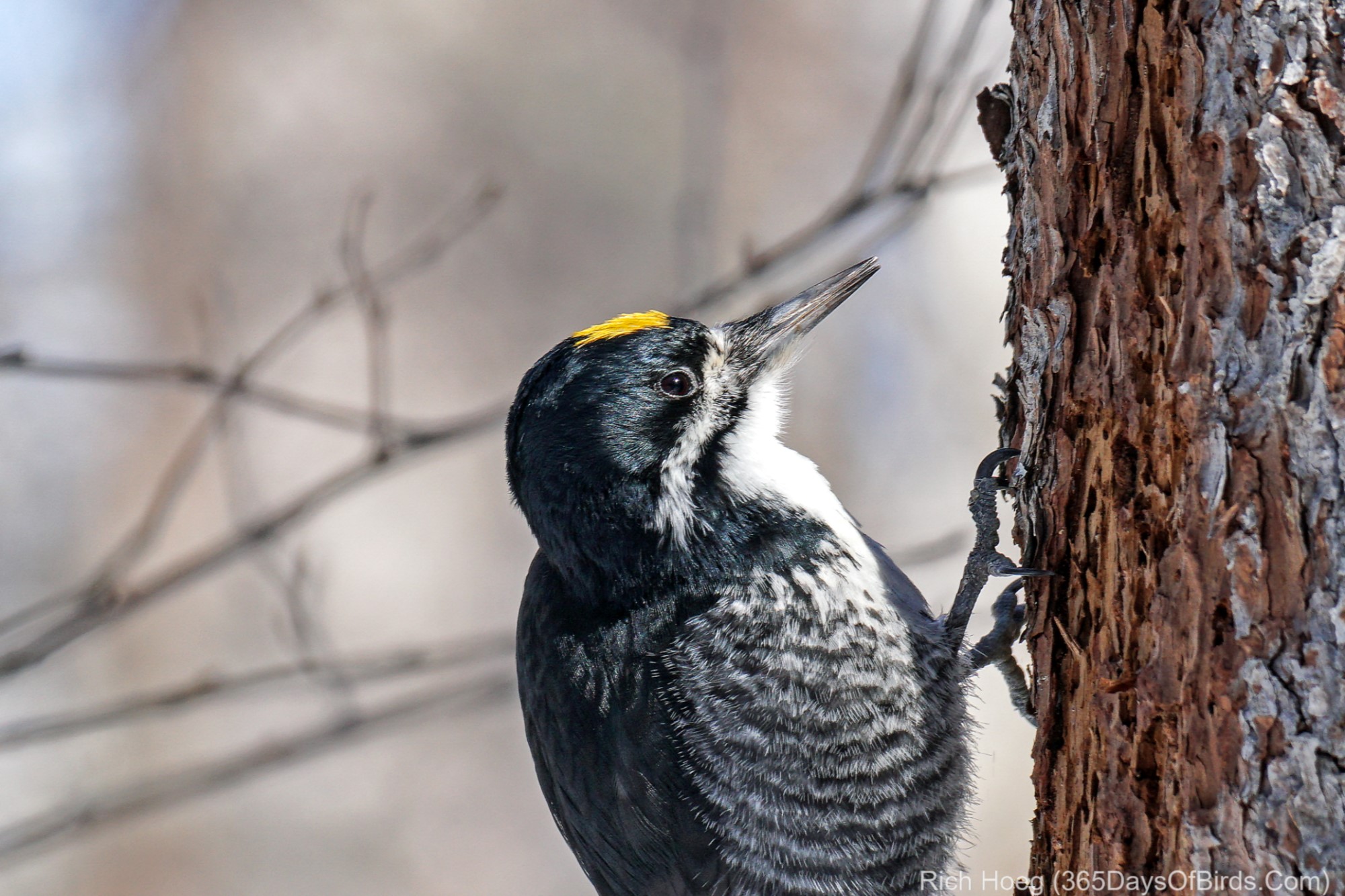
There are certain Boreal birds one will never attract to a feeder, and the Black-Backed Woodpecker is one of those species. Winter is the best time of year to find a Black-Backed because it is easier to hike through the frozen forest, and there are no mosquitoes. I had been skunked in all my prior attempts to see this kind of woodpecker this year, but today I was successful. Hiking through the forest with frequent stops to listed pointed me in the proper direction. Black-Backed Woodpeckers tend to have a syncopated sound. These birds flake bark off old and diseased Tamarack Pines … with frequent stops to investigate and eat.

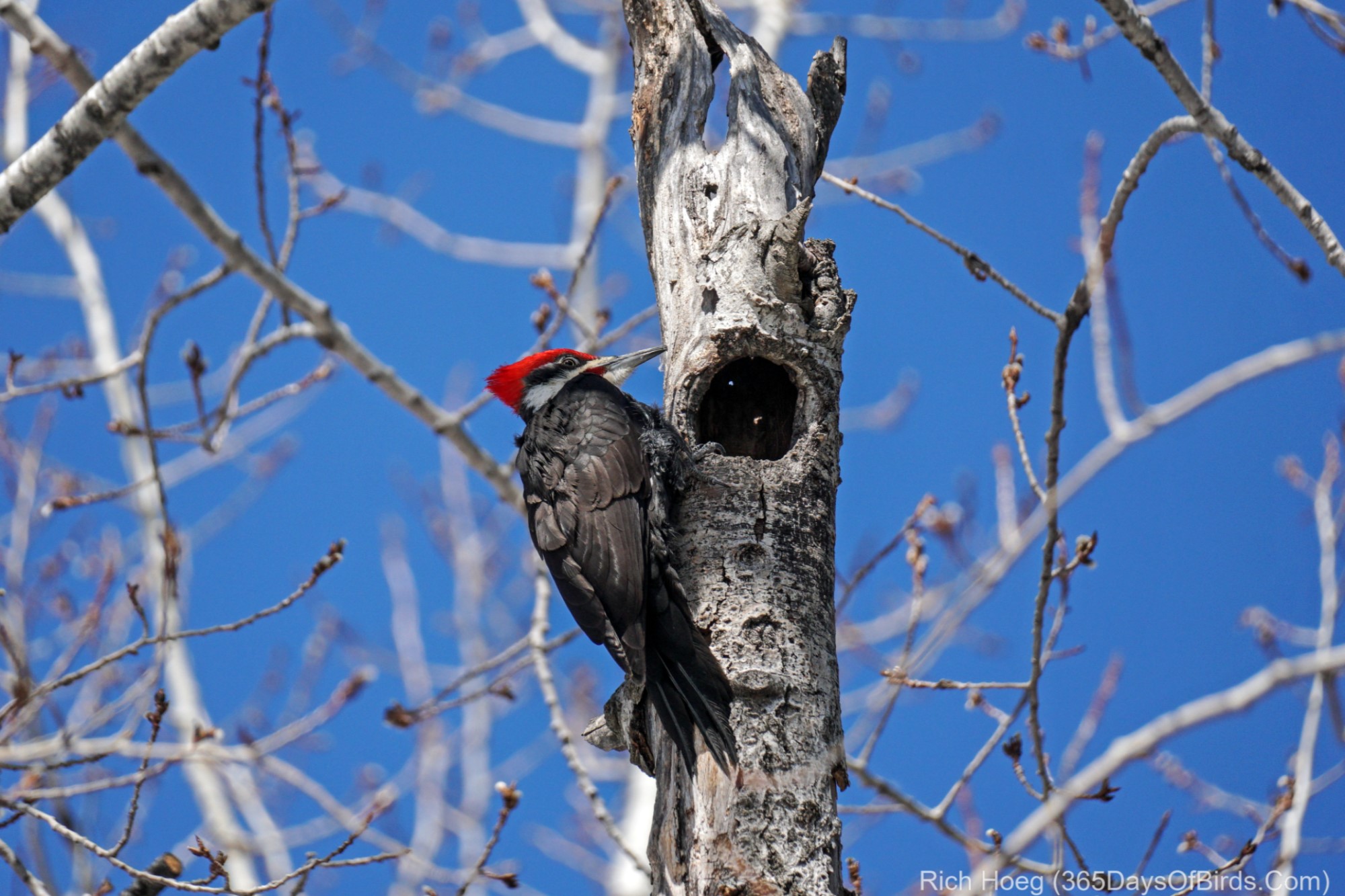
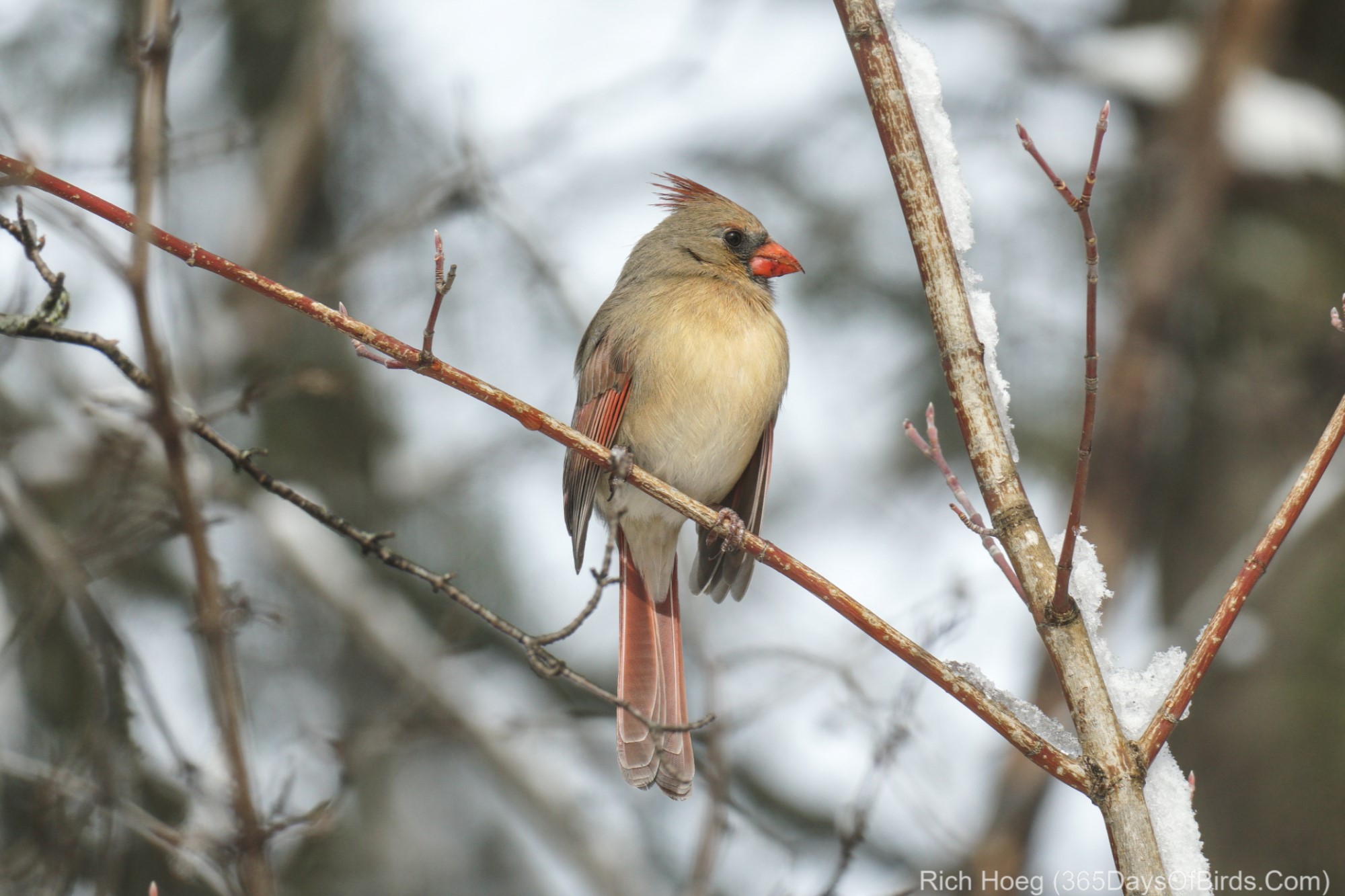
Upon arriving home, I found two birds which insisted on getting their picture taken. The Pileated Woodpecker was drilling on one of my yards hollow limbs. As I have already seen the happy couple together, at this point he is warning off other Pileateds and defining his territory. The female Cardinal seemed to be upset with having her photograph taken!