Well … there isn’t exactly any tundra in northern Minnesota. However if tundra did exist near my home, McQuade Harbor would be a great example. Let me explain …
In the past I have blogged that it is important to think like a bird. While I certainly still subscribe to that viewpoint, it is just as important to understand your local bird highways and the habitat through which they must fly to reach your area. Not only should you be cognizant of your local habitat and highways, but consider what the recent weather conditions.
Birds like to ride the winds. It makes migration so much easier. If you have done much bicycling you will quickly understand this concept. Headwinds are bad; tailwinds are good. The level of exertion required to move the same distance varies dramatically. One final item about which to be aware … most birds, unless absolutely required, do NOT like to fly across large bodies of water. For my region this equates to lots of birds migrating down the shores of Lake Superior. When North and Northwest winds push birds against the big lake, it sets up a great migration highway.
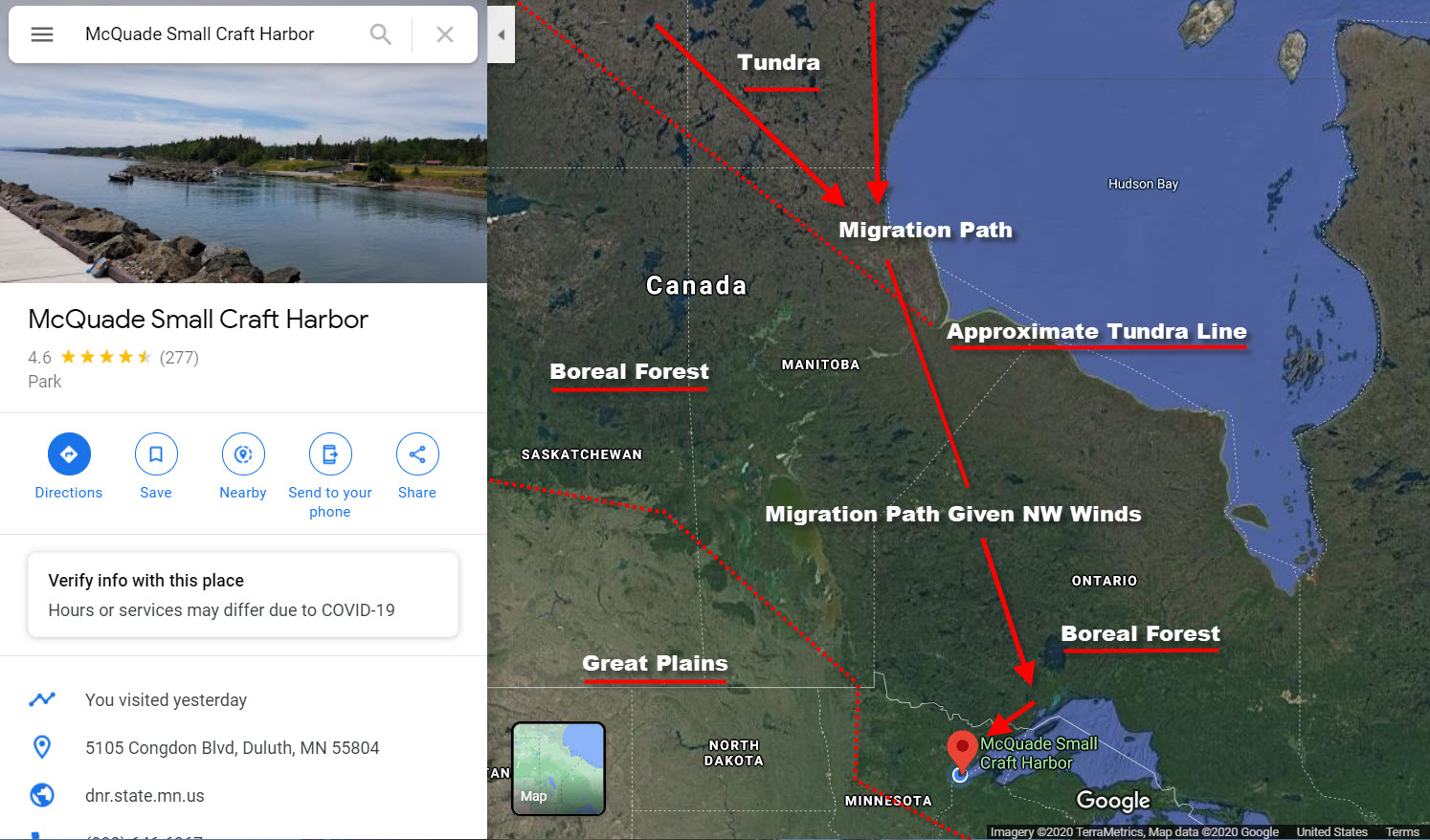
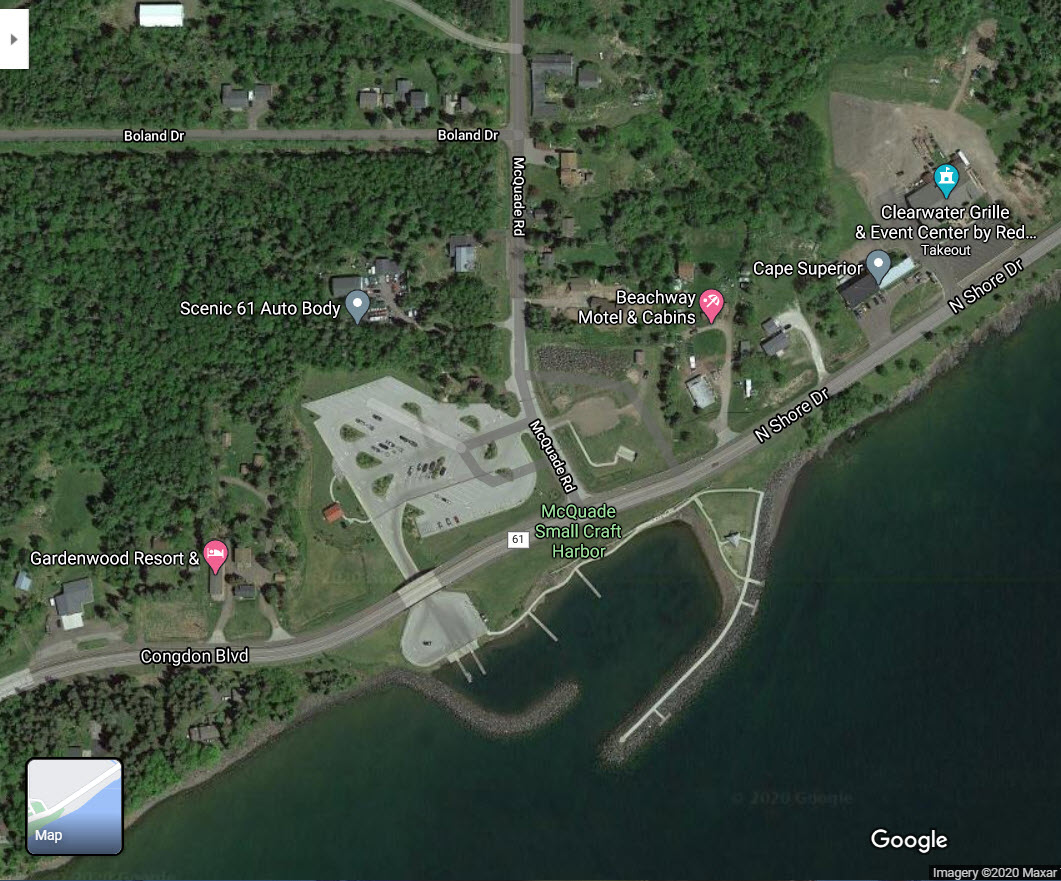
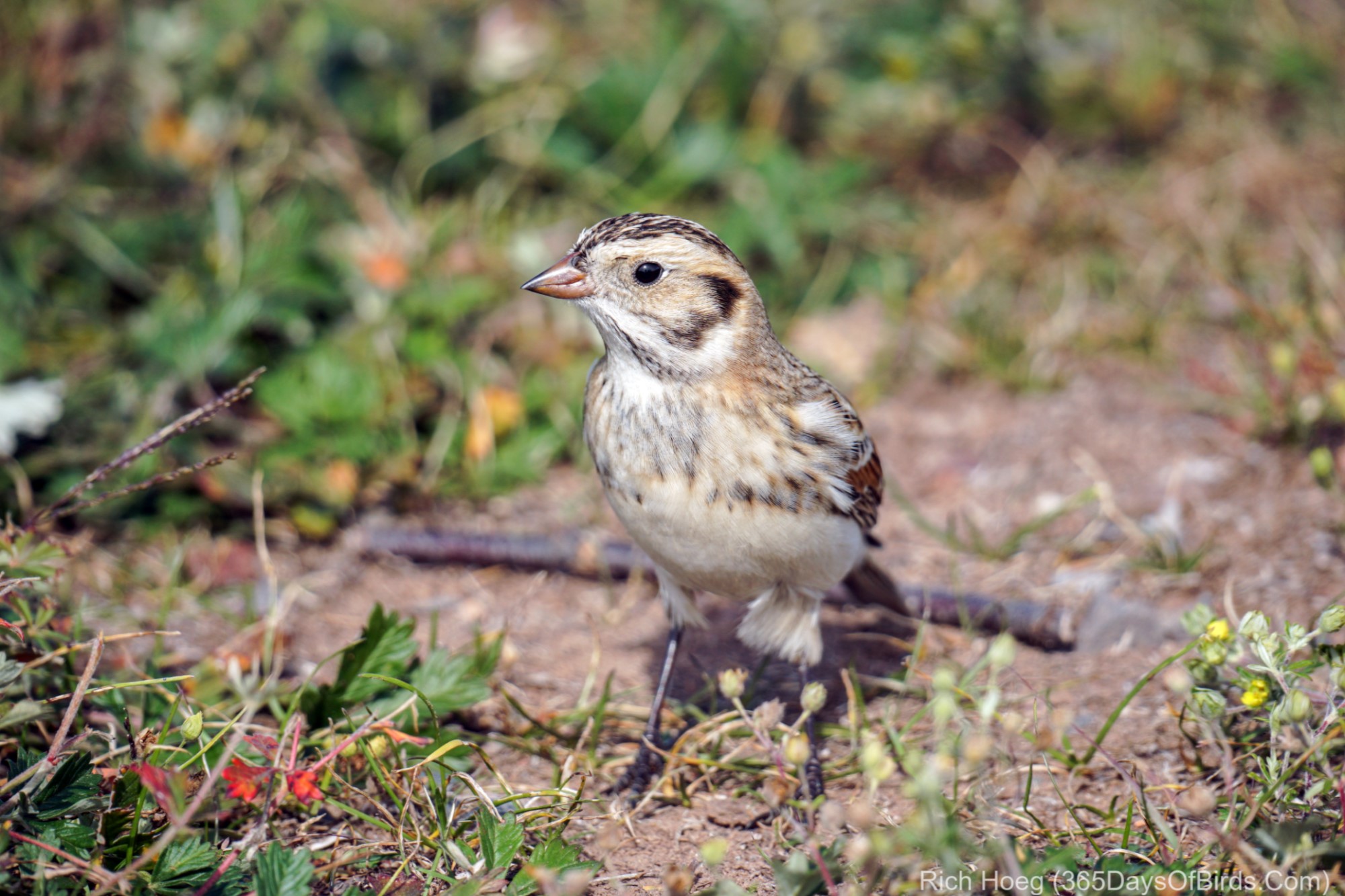
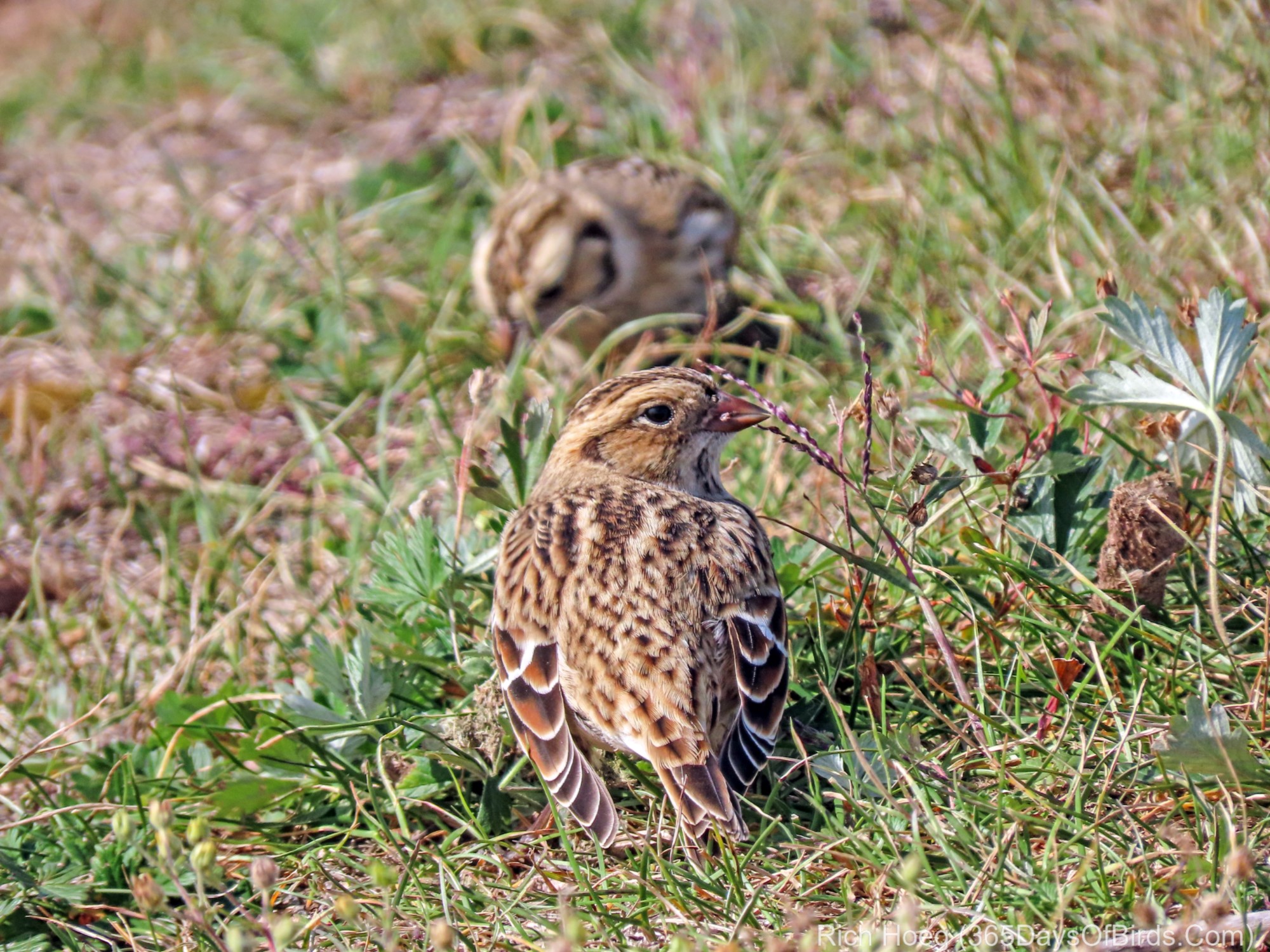
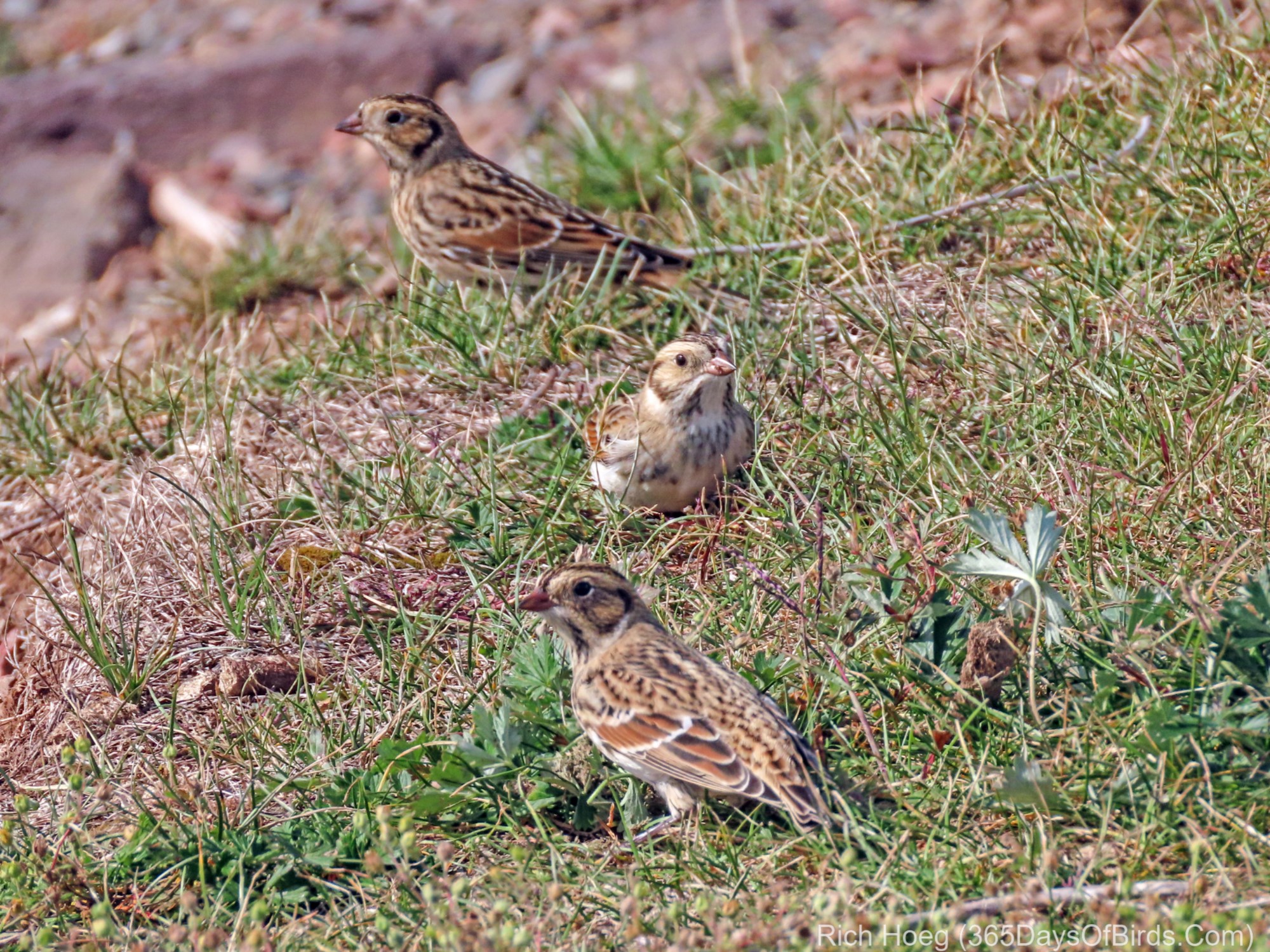
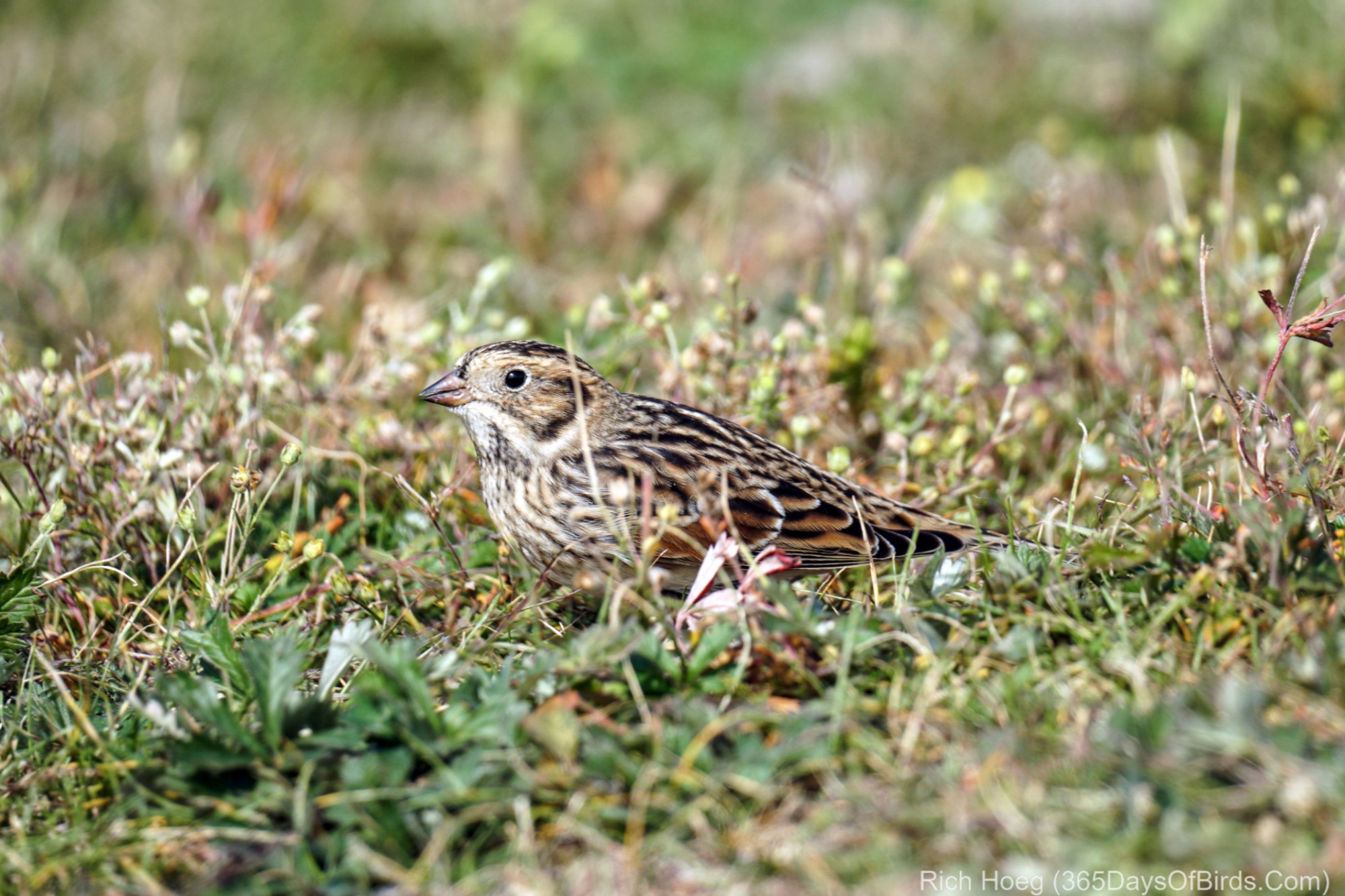
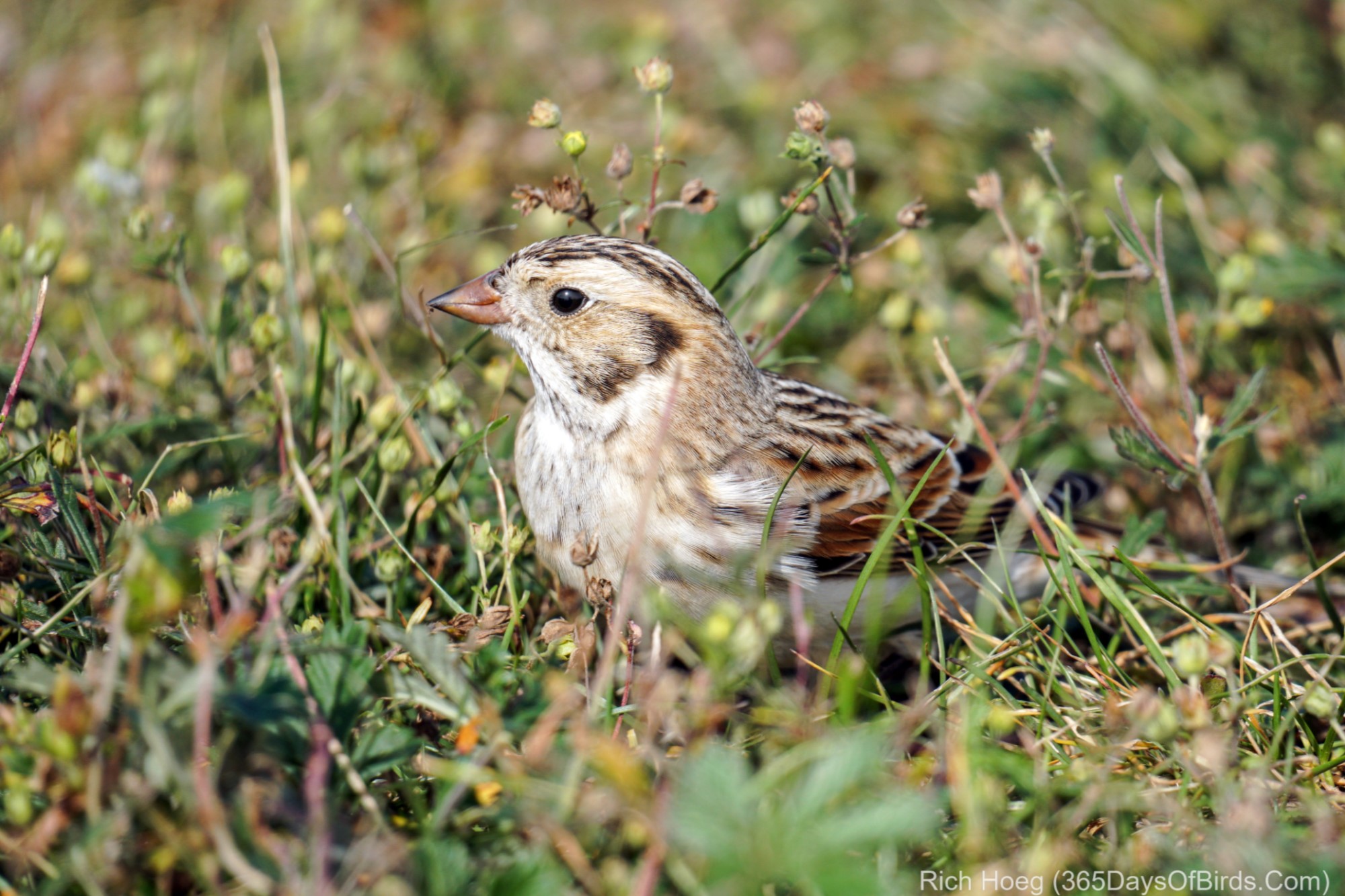
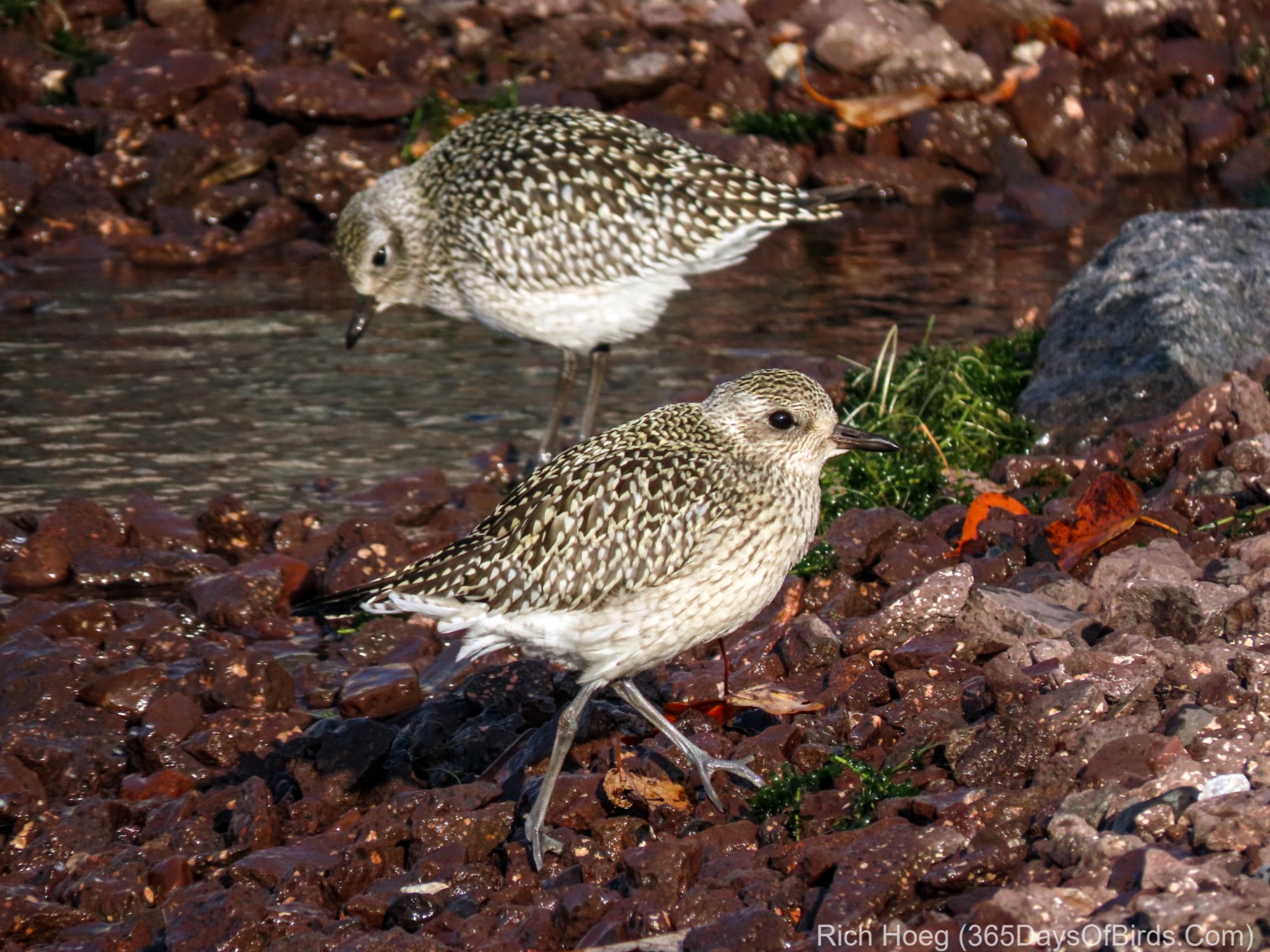
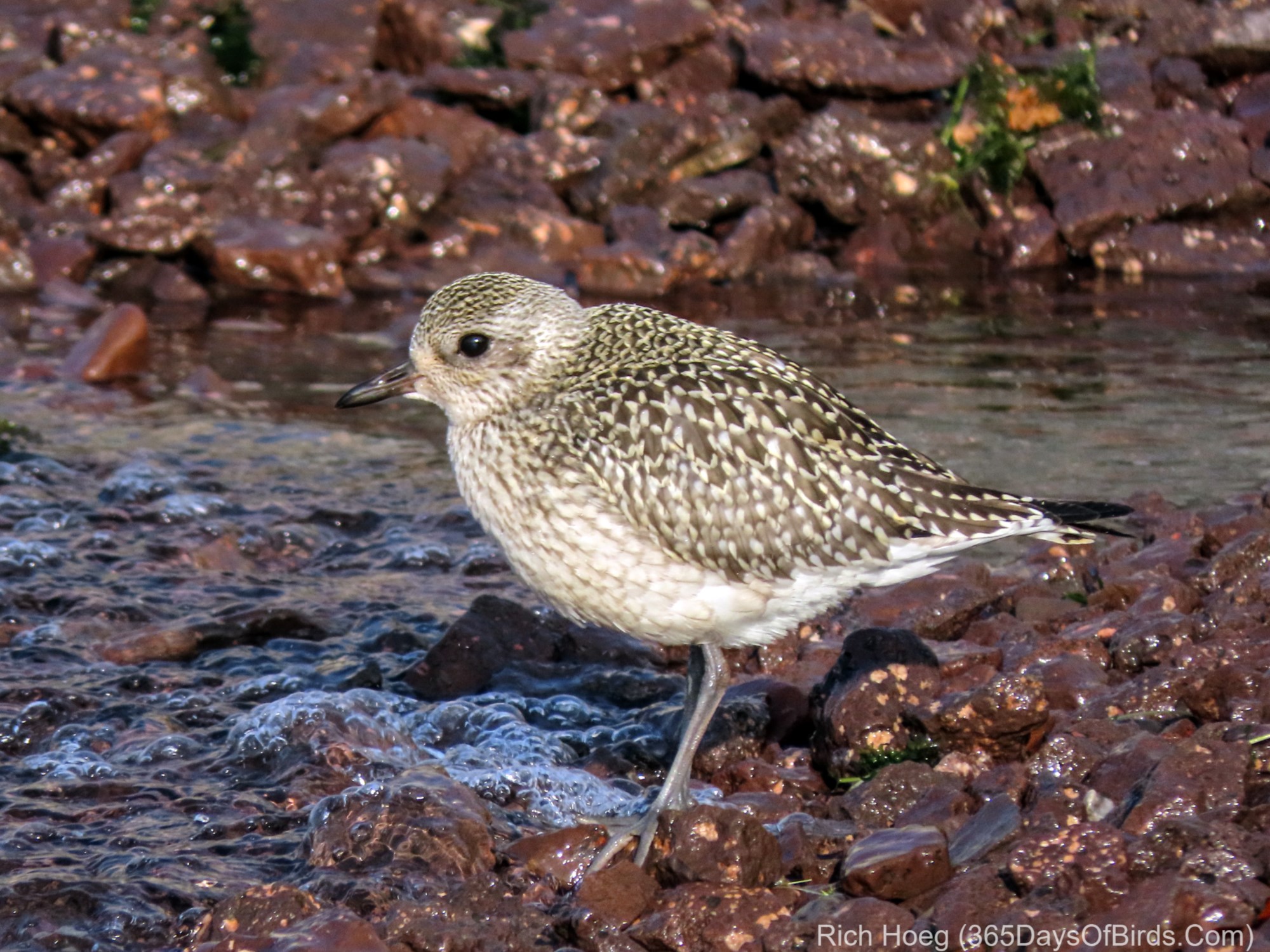
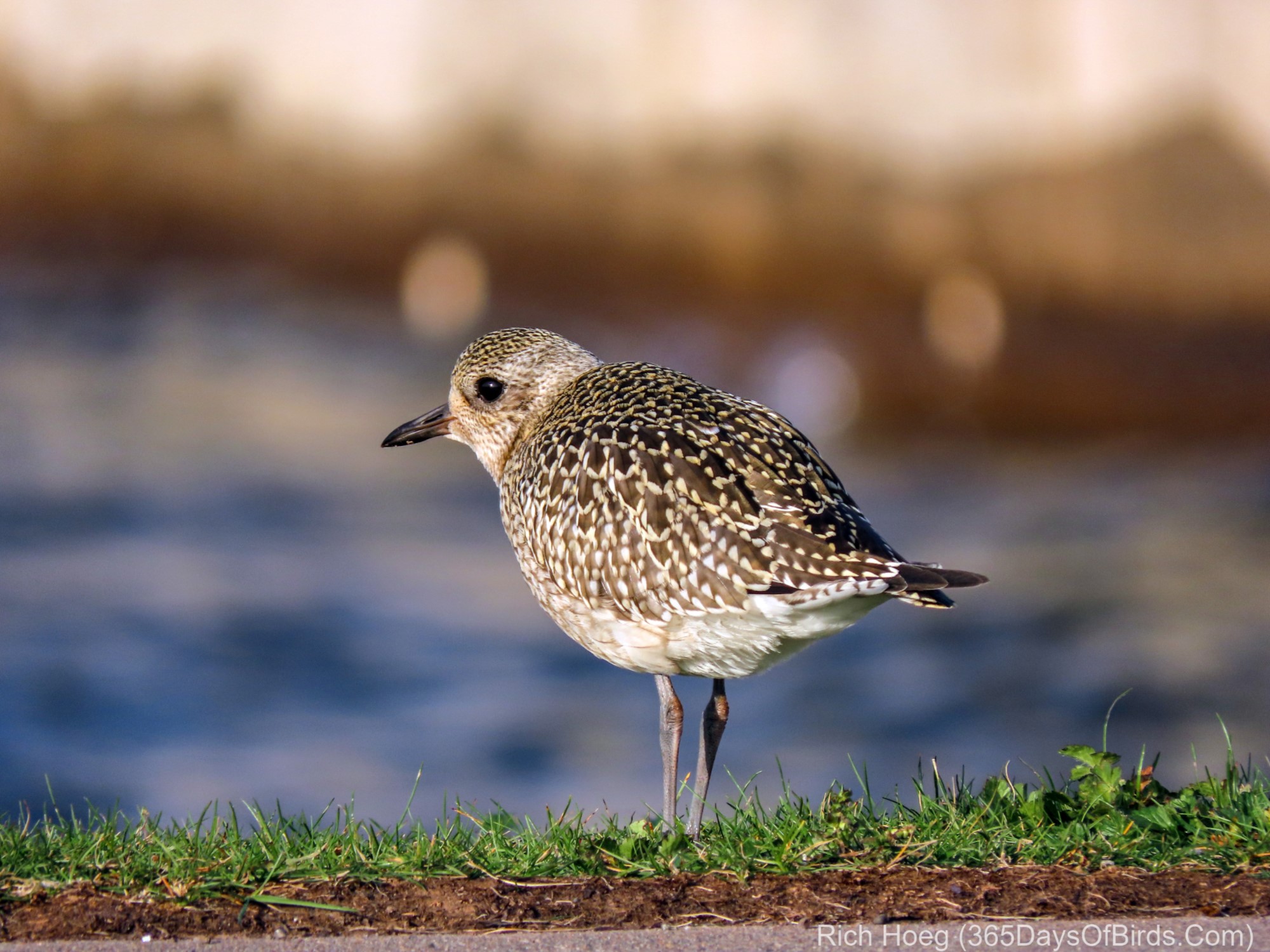
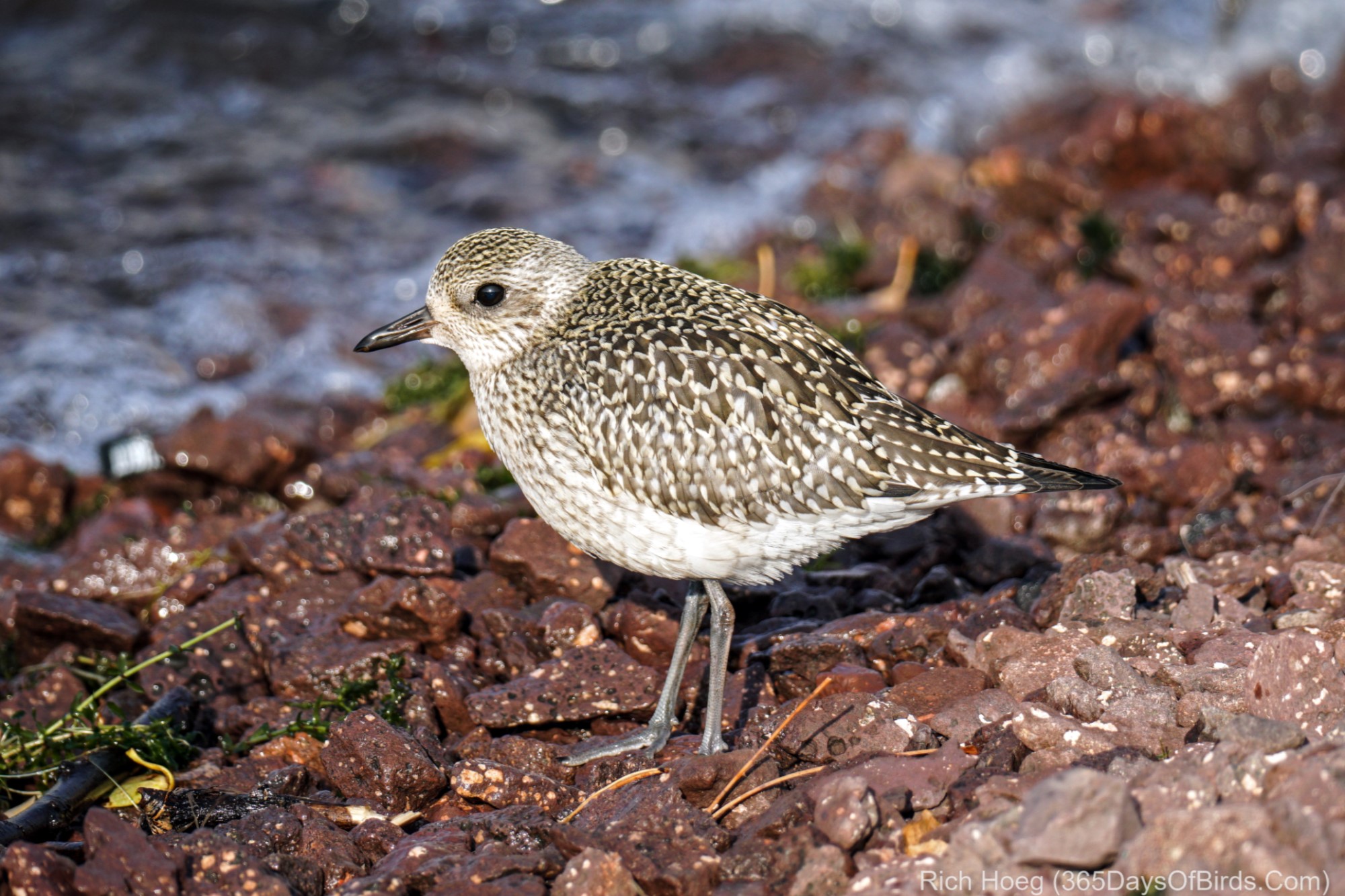
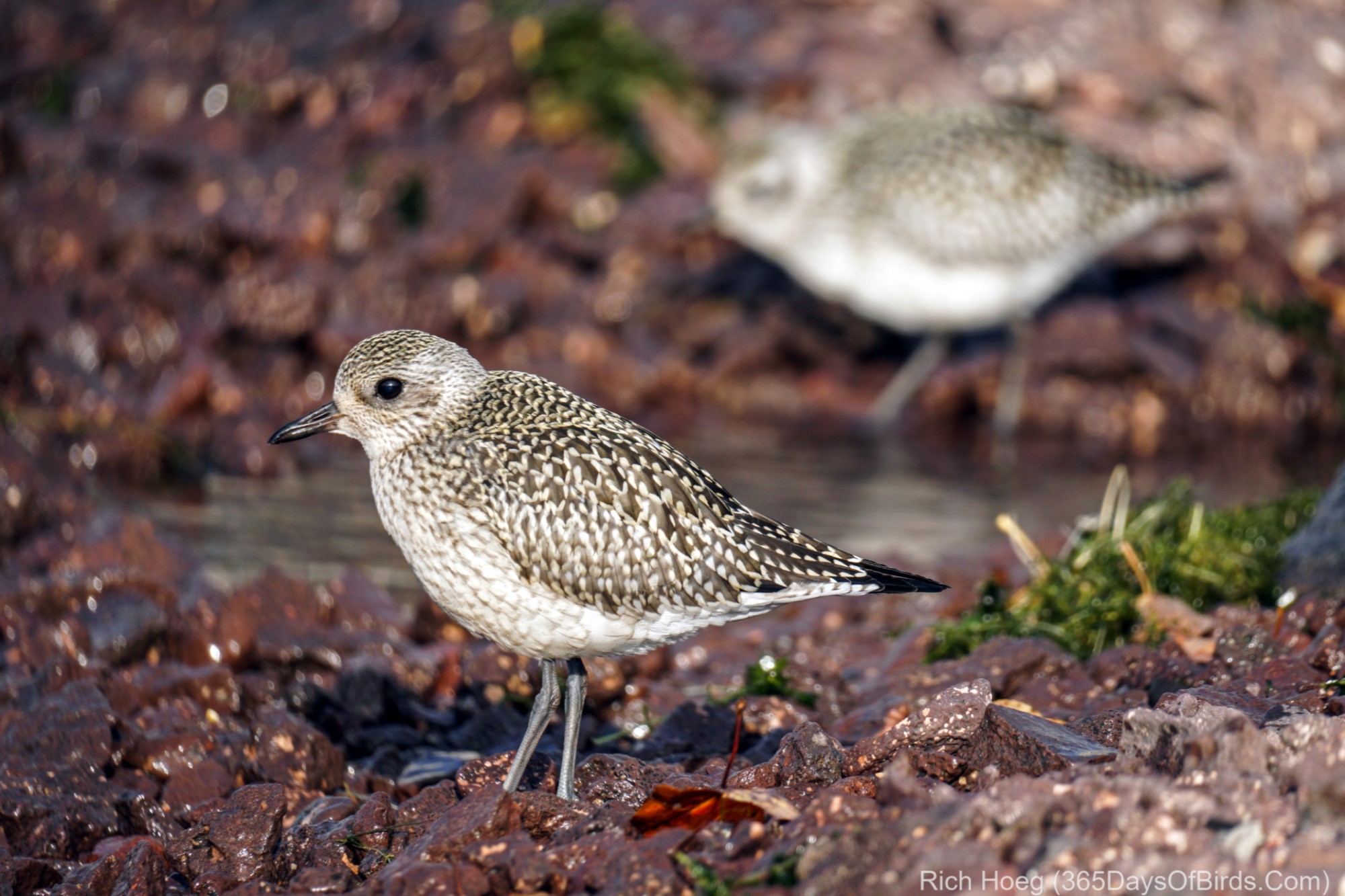
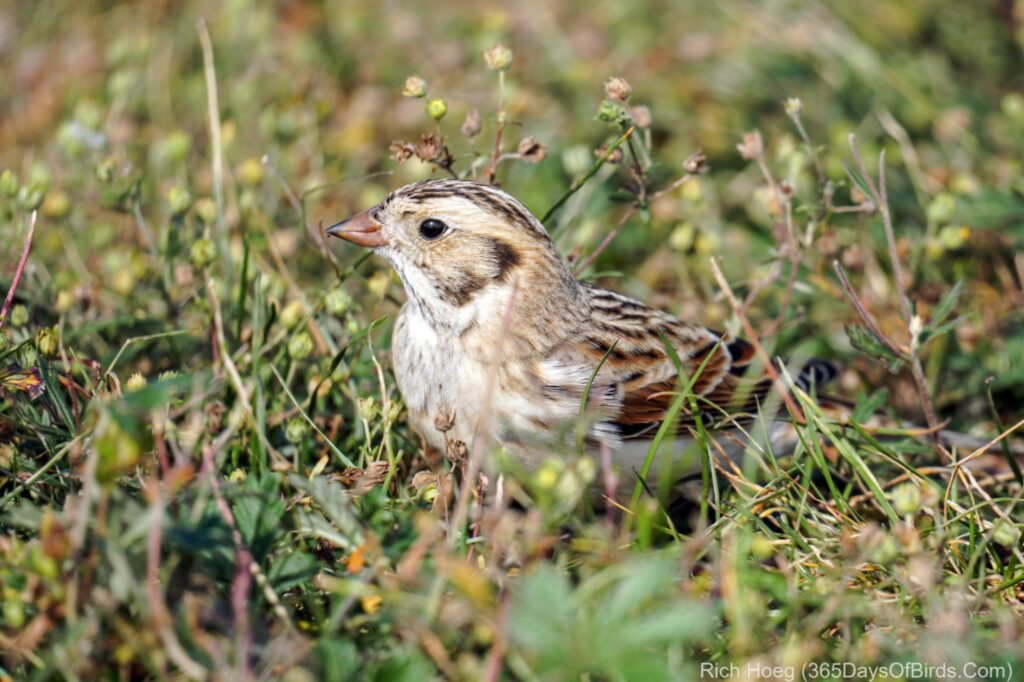
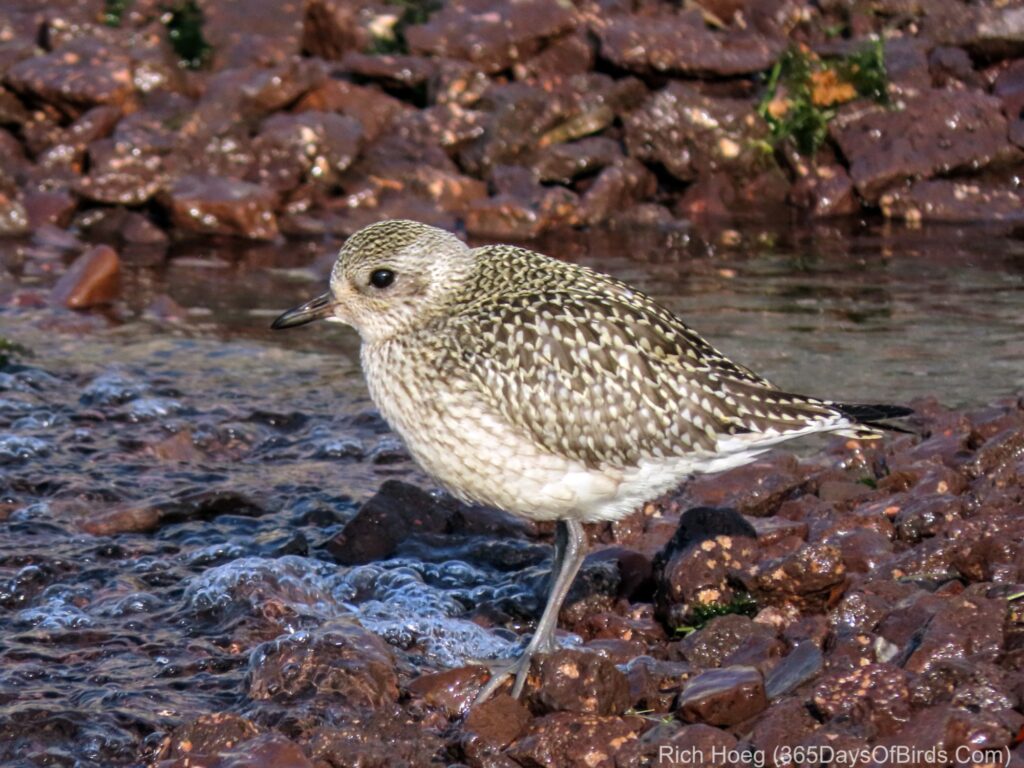
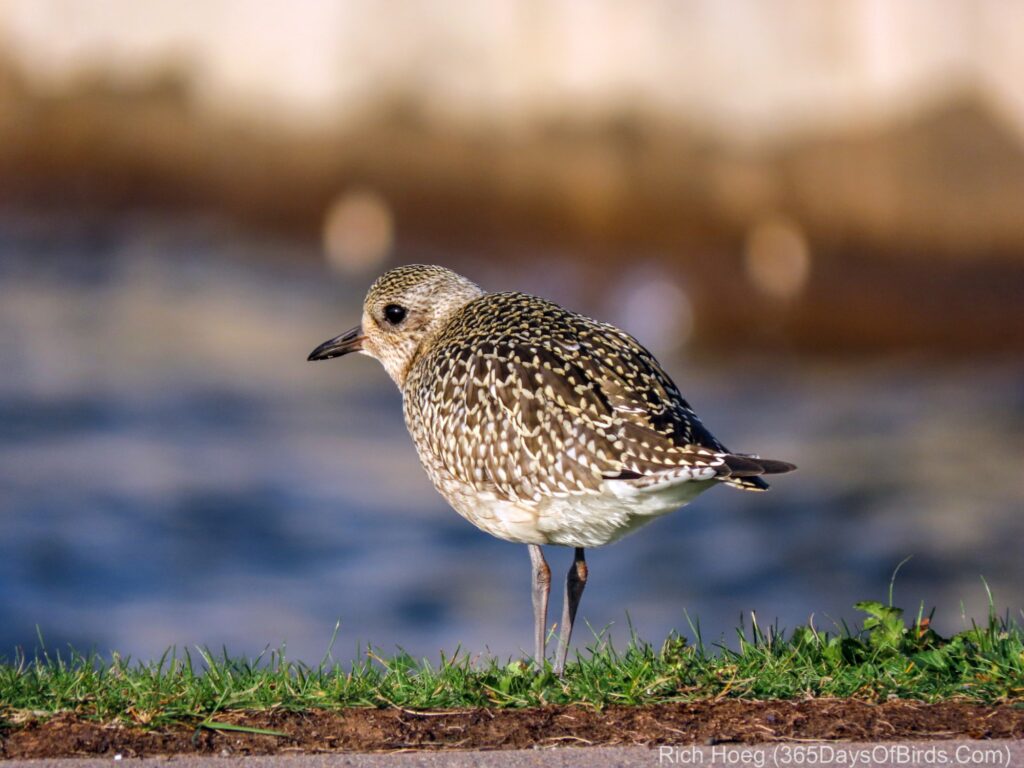
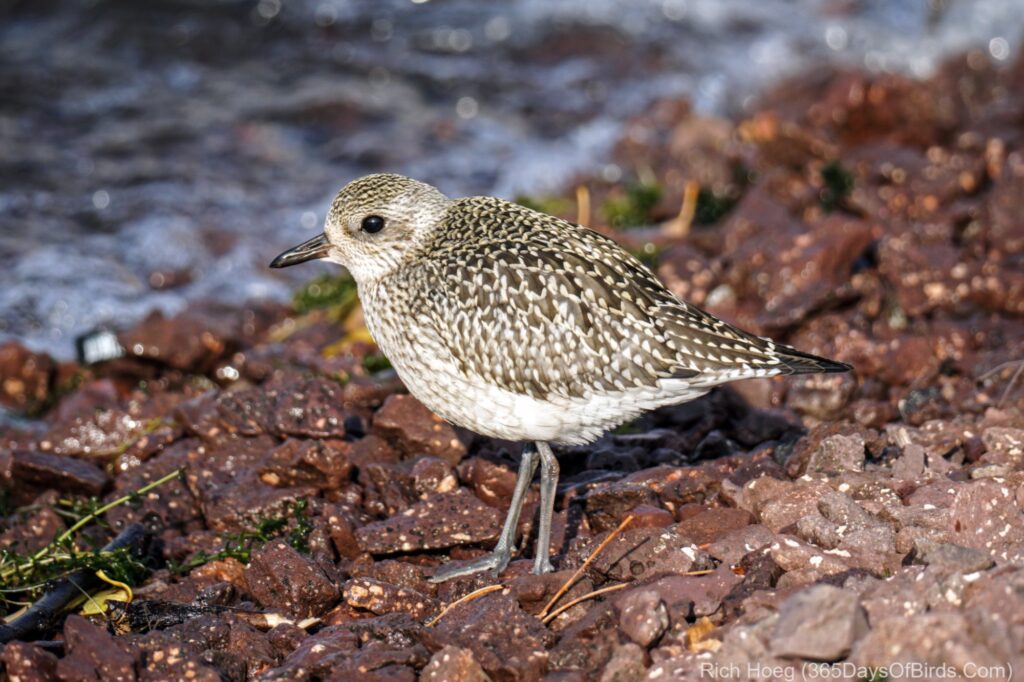
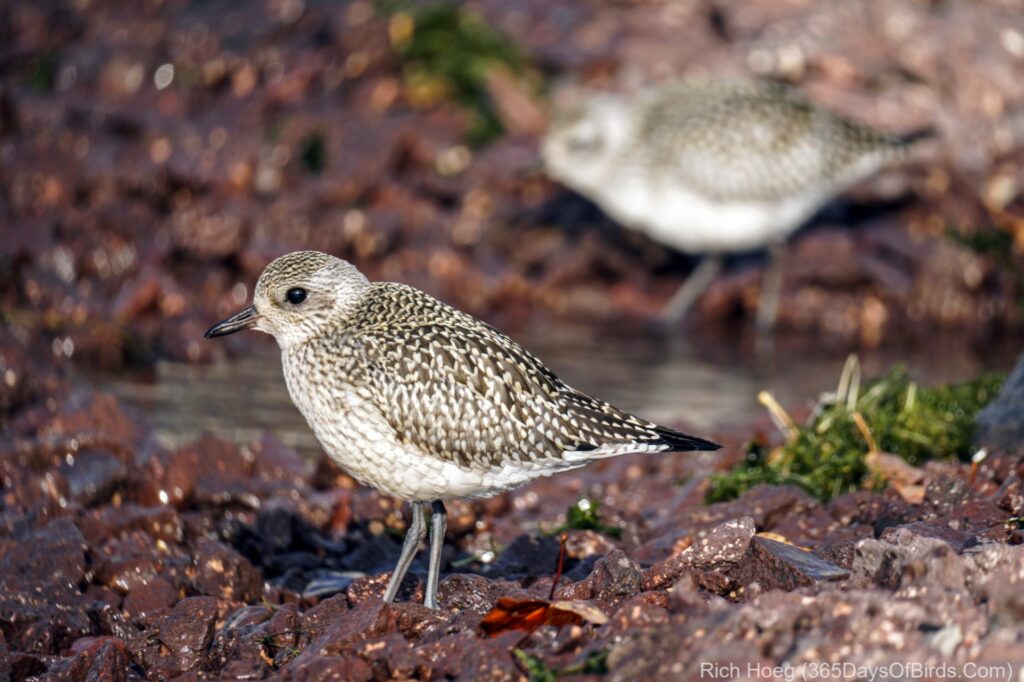
Over the past two days I have followed this research approach, and spent time at McQuade Harbor (6 miles from my home). This small craft harbor is northern Minnesota’s answer to tundra. Better yet, birds find this piece of land very enticing. After long flights through the Boreal Forest, and then down the shores of Lake Superior … suddenly McQuade juts out a bit into the lake and screams food and a rest stop (see maps given below). I have had great fun watching and photographing Black-Bellied Plovers, Lapland Longspurs, and other birds over the last two days at McQuade. The range maps from Cornell indicate both of these birds breed up in the Arctic. Proper weather conditions from my vantage point will then push some down to McQuade harbor (migration winds and highways).
Lapland Longspur and Black-Bellied Plover Range Maps (Cornell University)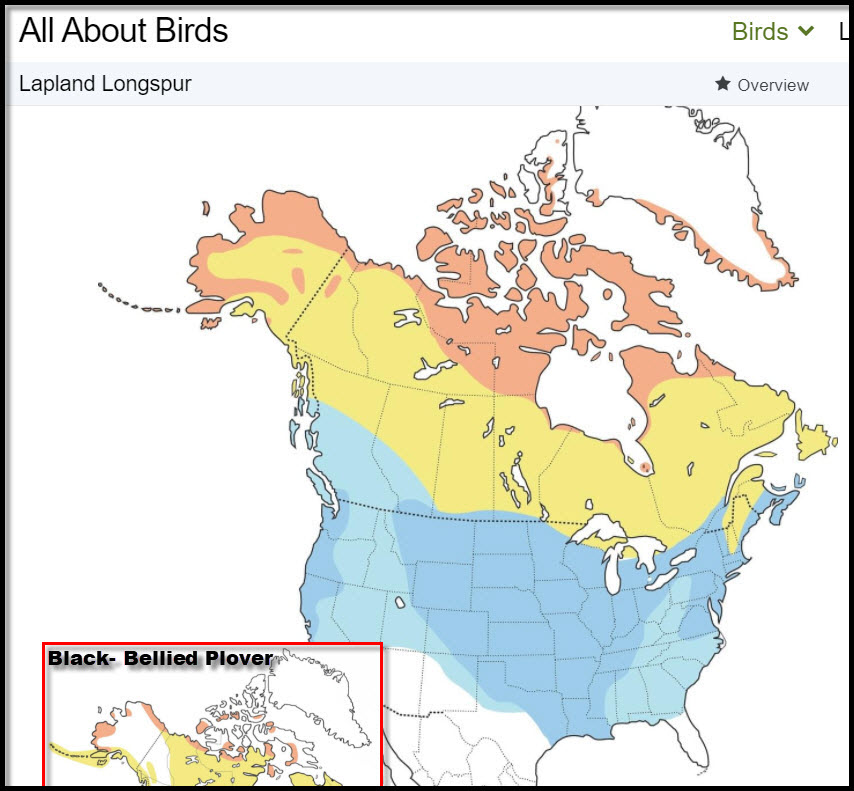
Some screenshots from Google Maps demonstrating my concepts (winds and migration highways). Note how McQuade Harbor in the second image is a rocky coast similar in habitat to what might be found up in the Arctic.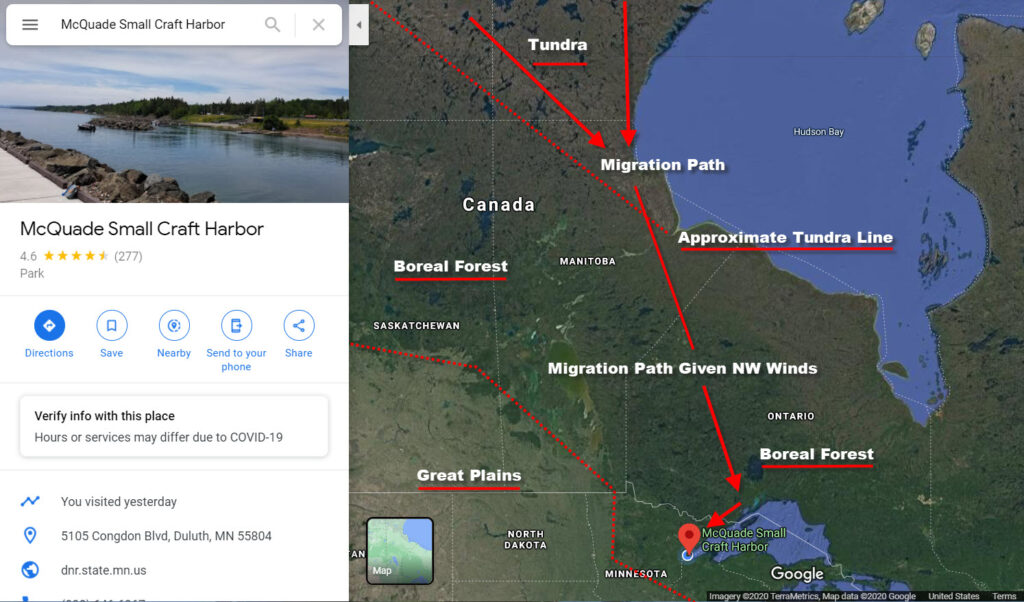
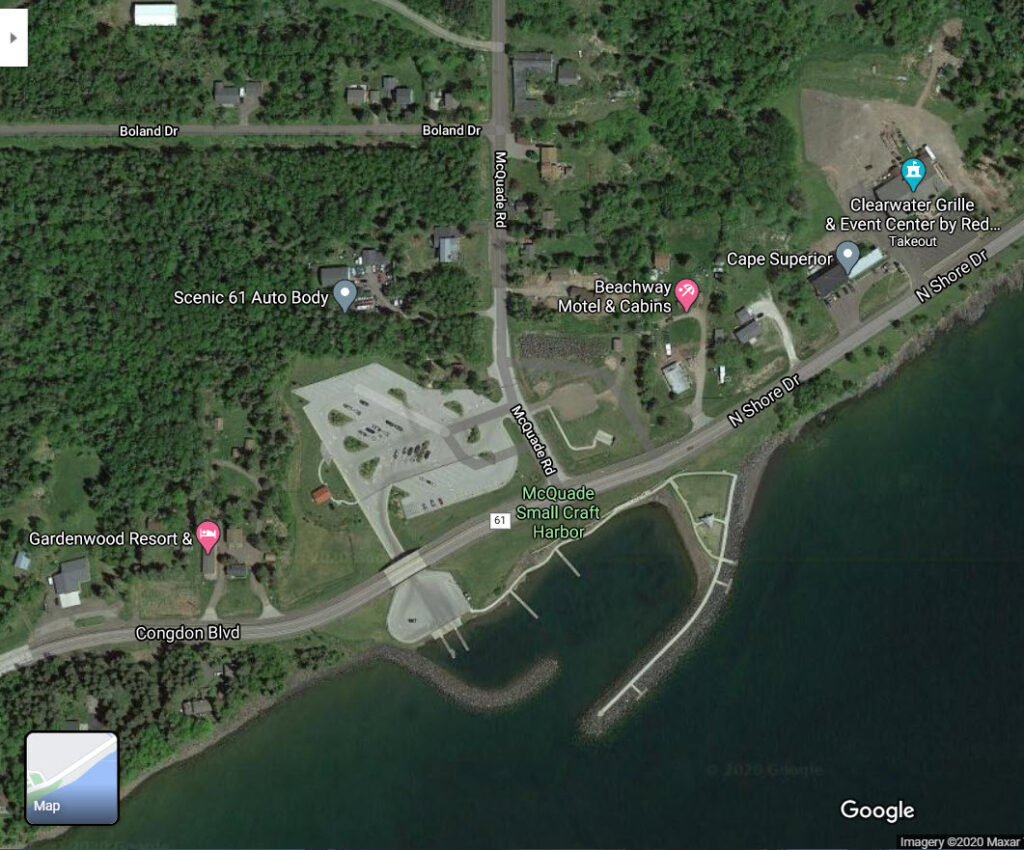
Images of LapLand Longspurs (non breeding plumage)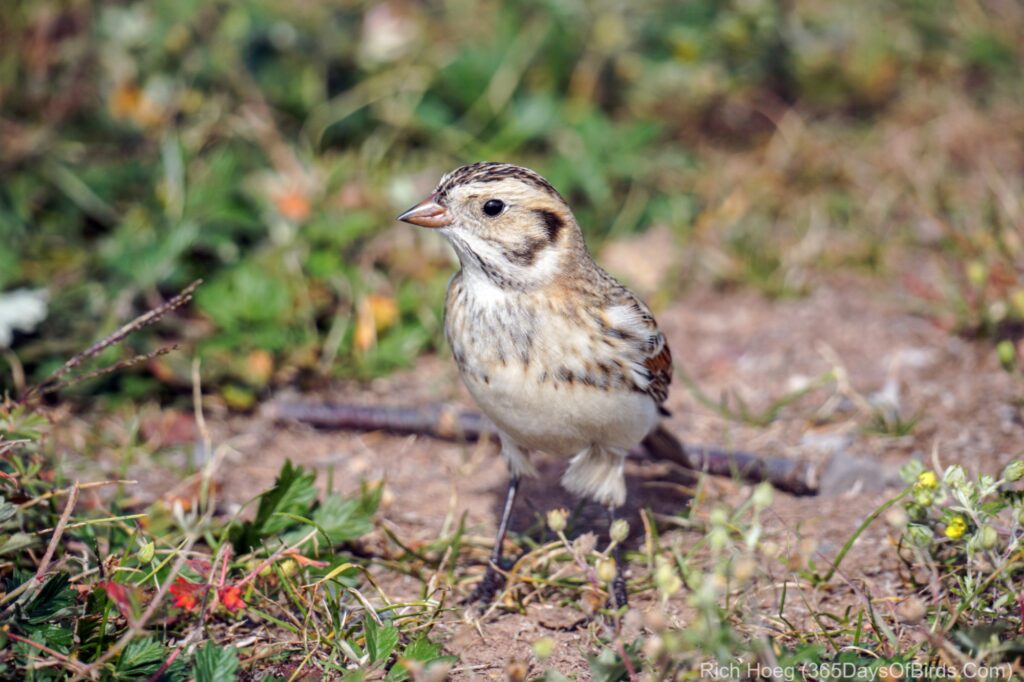
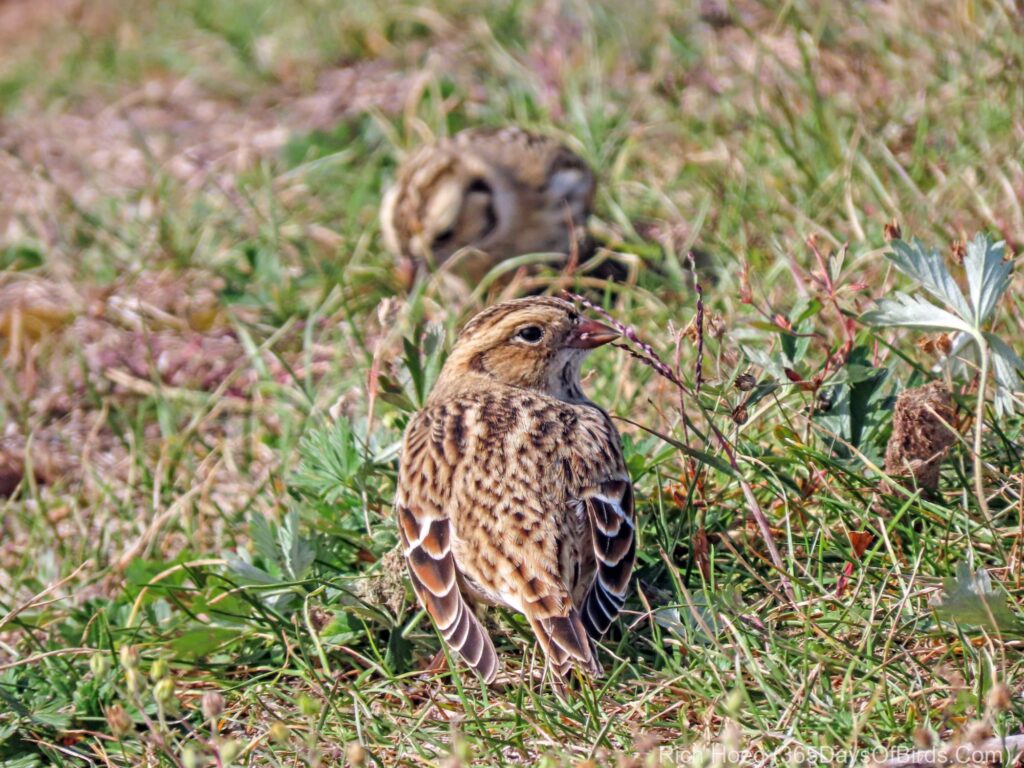
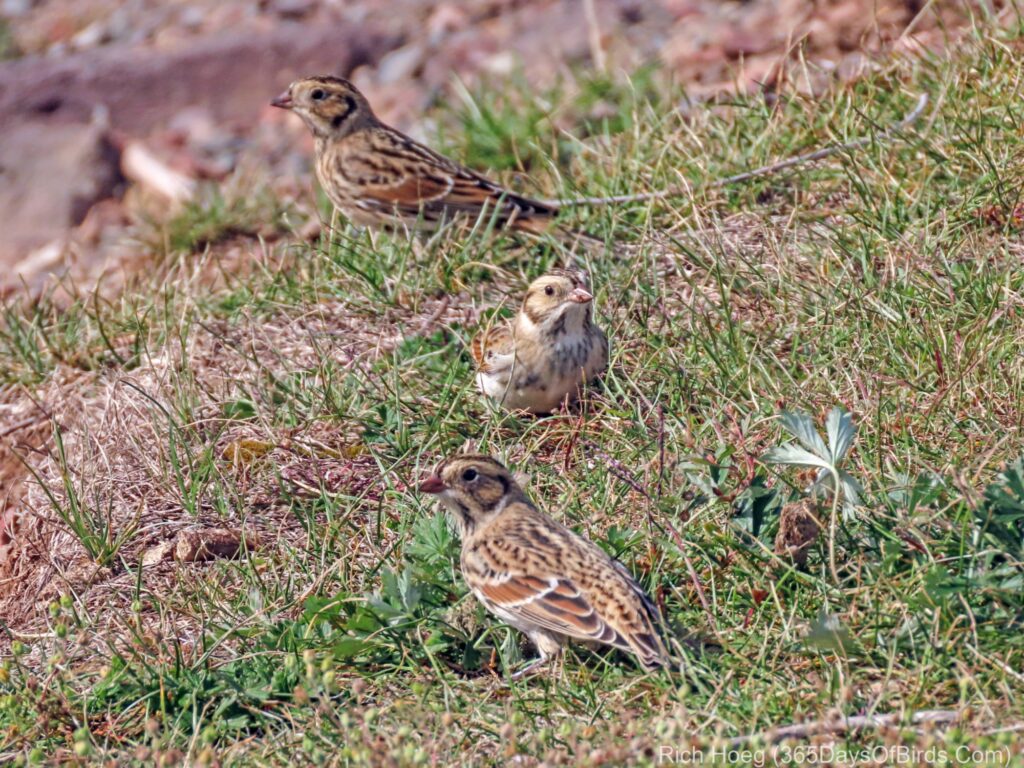
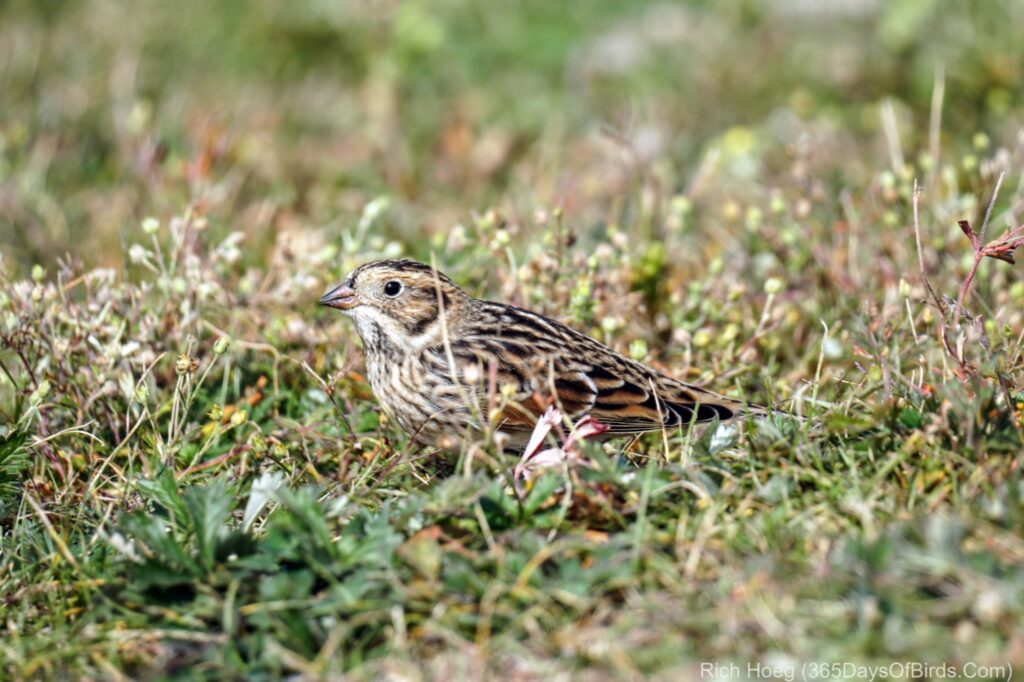
Images of Black-Bellied Plovers (non breeding plumage)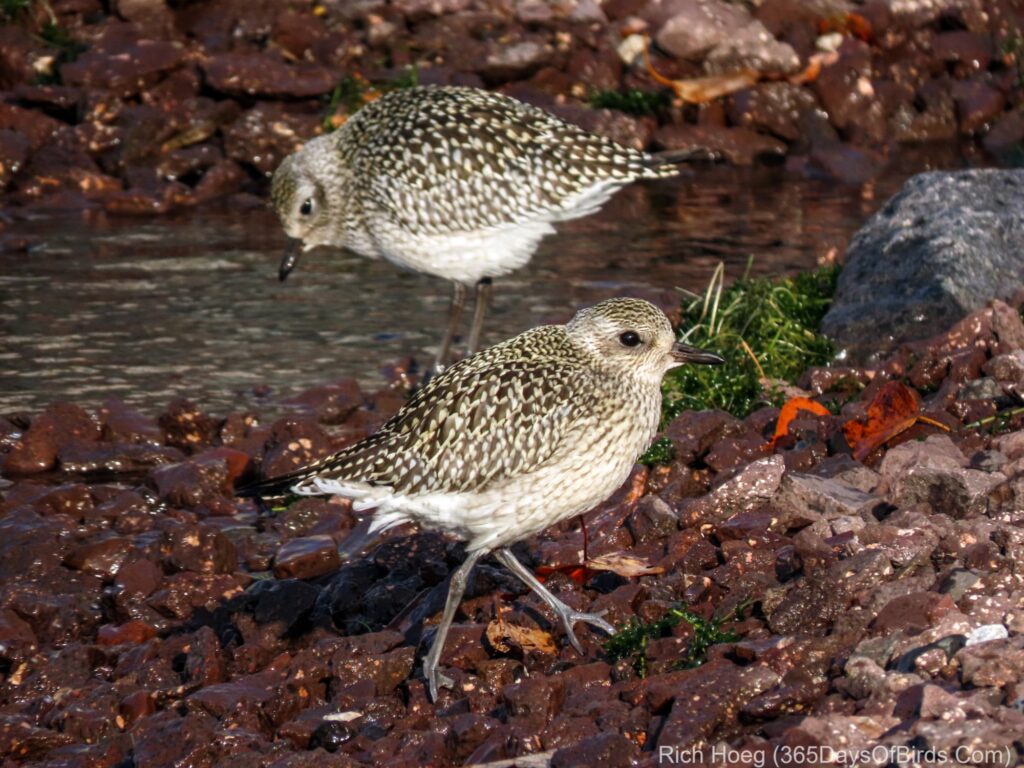
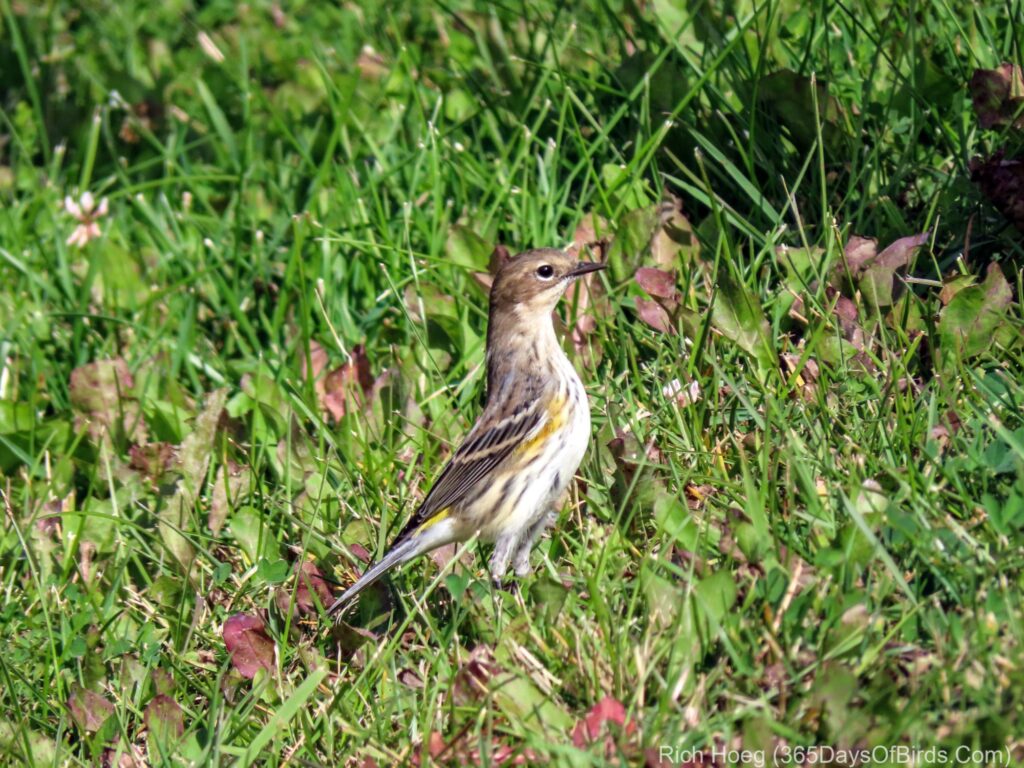
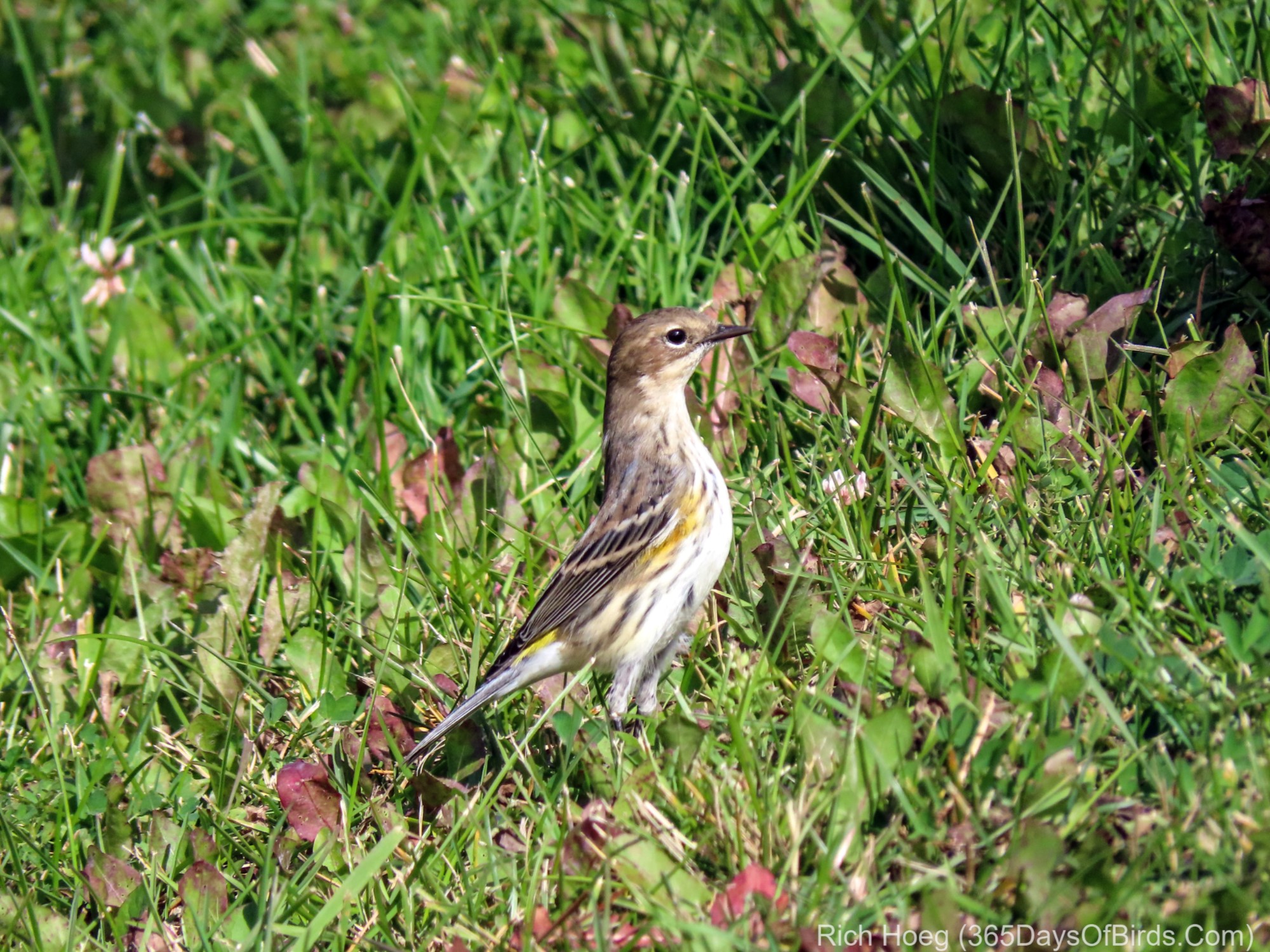
McQuade Harbor also sees migration forest birds … like this Yellow-Rumped Warbler. Thus, wherever you love, give some thought to bird habitat and highways … not just where you call home, but relative to the current migration.
Yellow-Rumped Warbler