All posts by richardhoeg@gmail.com

Sing Out for Spring! (videos)

After my failed red-throated loon quest in the Port Washington area of Lake Michigan, I returned to my cold Northland along the shores of Lake Superior. In between birding outings I took a bike ride along the shore … 35F, snow flurries, and a 20 mph wind out of the Northeast. Twas an ugly cold bicycle ride.

Thankfully my birding excursions yesterday to some of my favorite wetlands were much more favorable. Both the Roy T. Johnson Wetlands (near Cloverland, Wisconsin), and the MacQuarrie Wetlands (near Wrenshall, Minnesota) by virtue of their locations relative to Lake Superior are way ahead of birding habitat north of the big lake (read cold with little signs of Spring in evidence).

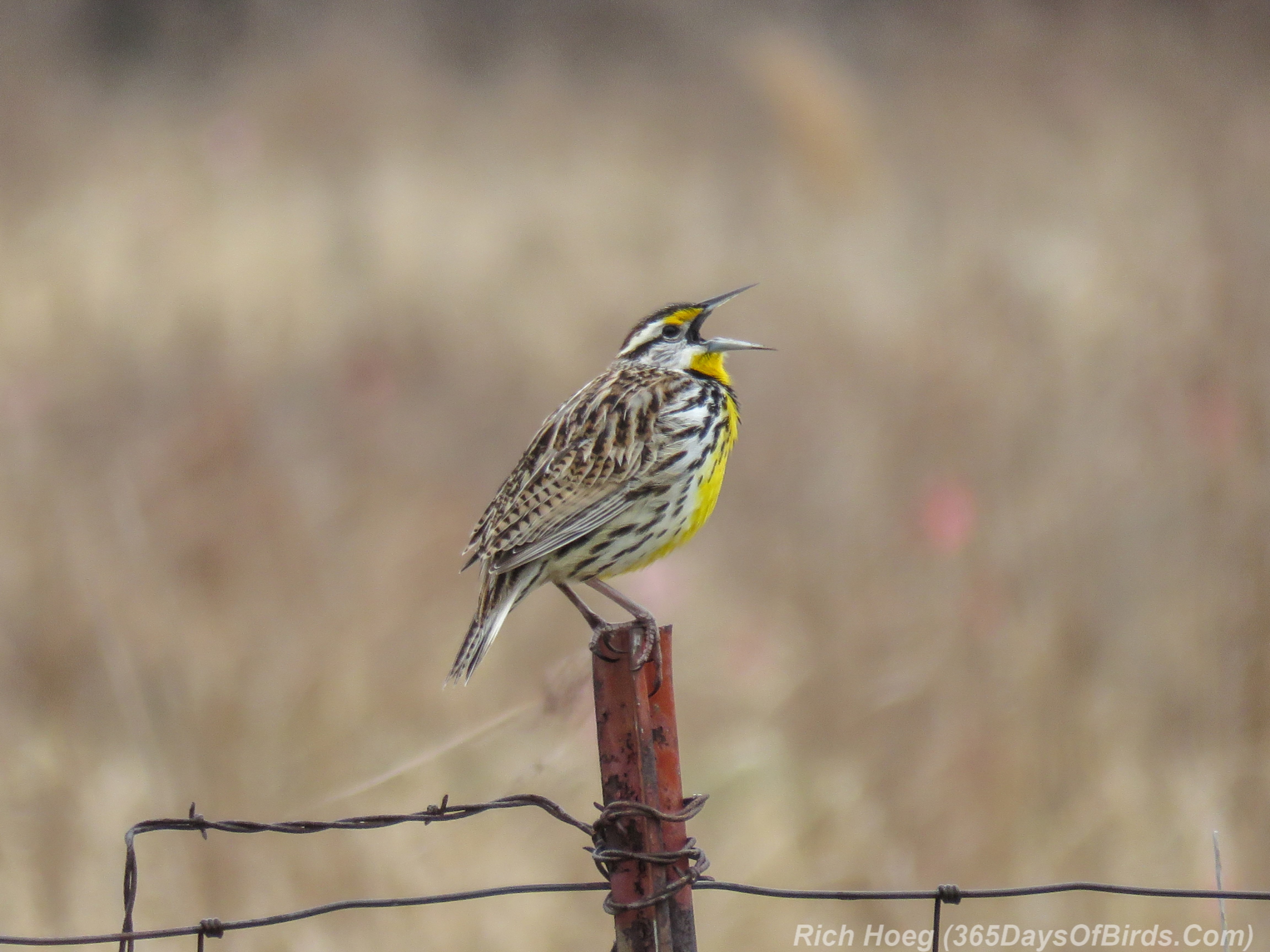
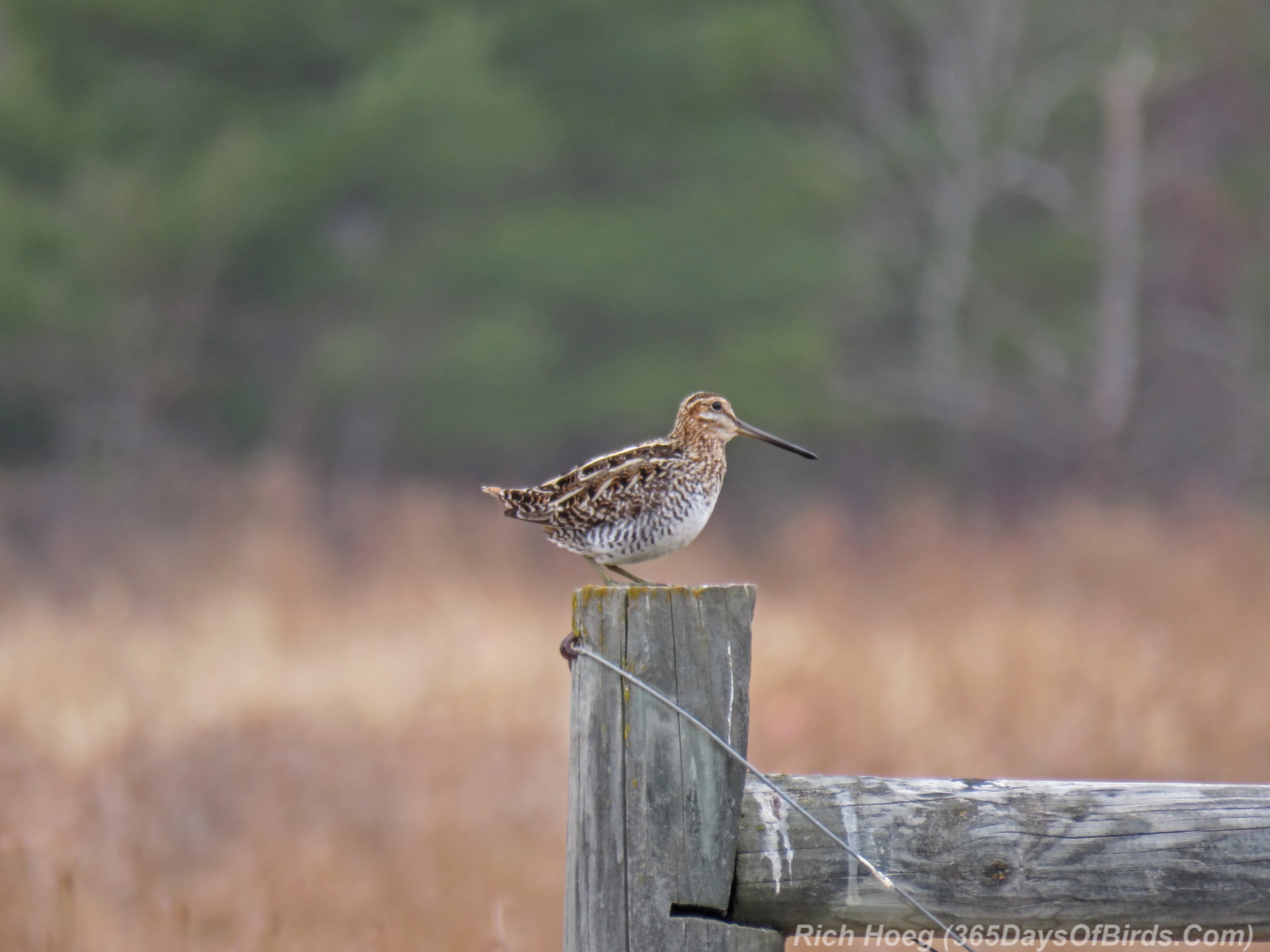
In addition to both lots of Meadowlarks and Wilson’s Snipes singing out for mates, I saw two big migration events. At MacQuarrie yesterday afternoon when the sun finally came out, I found a flock of 500+ Scaups resting on their northward migration, and a few minutes later 1,000+ tree swallows swarmed the air directly above my head as they fed in the late afternoon sun above one of the wetland ponds.

Meadowlark
Wilson’s Snipe
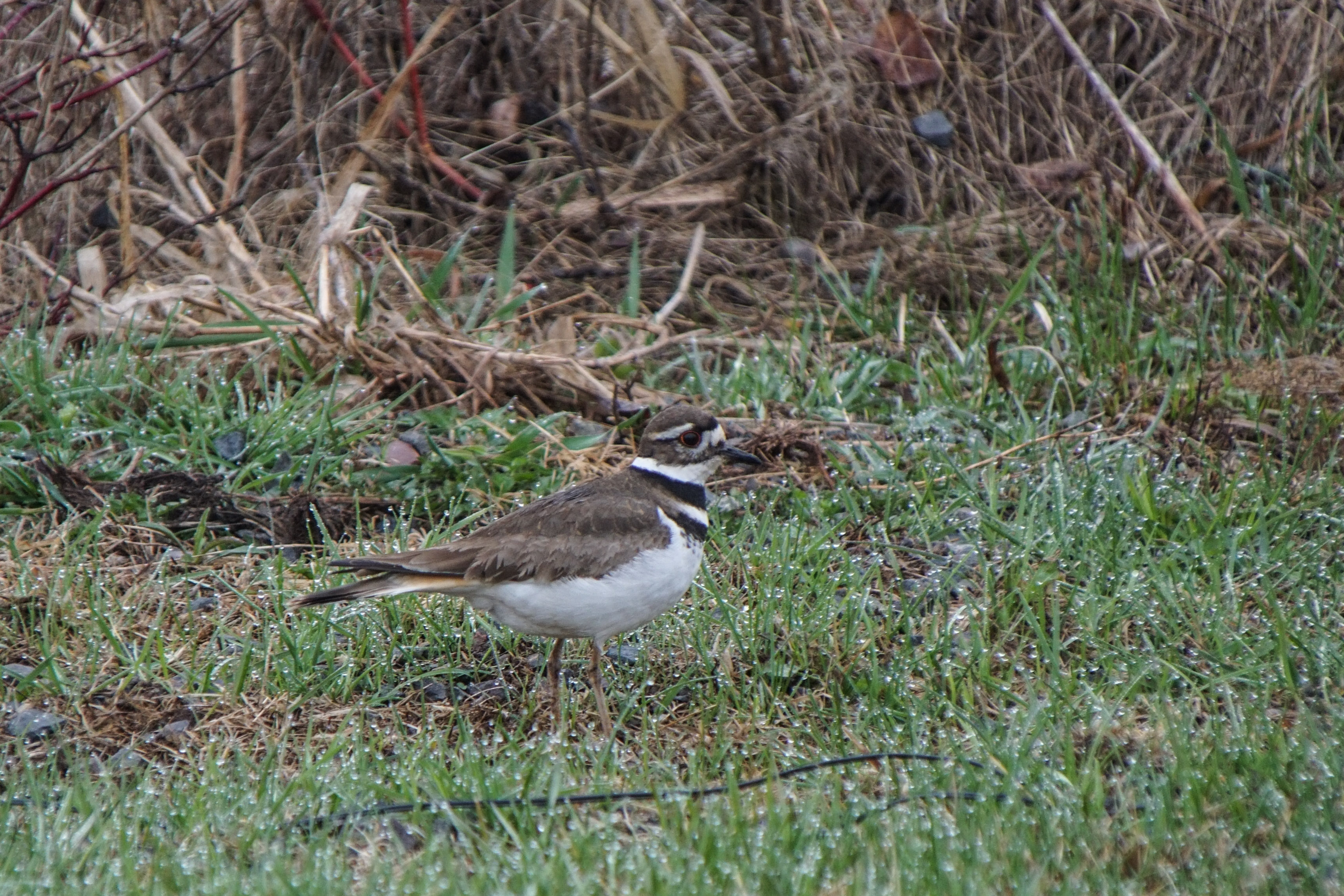
Killdeer
Red-Throated Loon Quest: Failure!

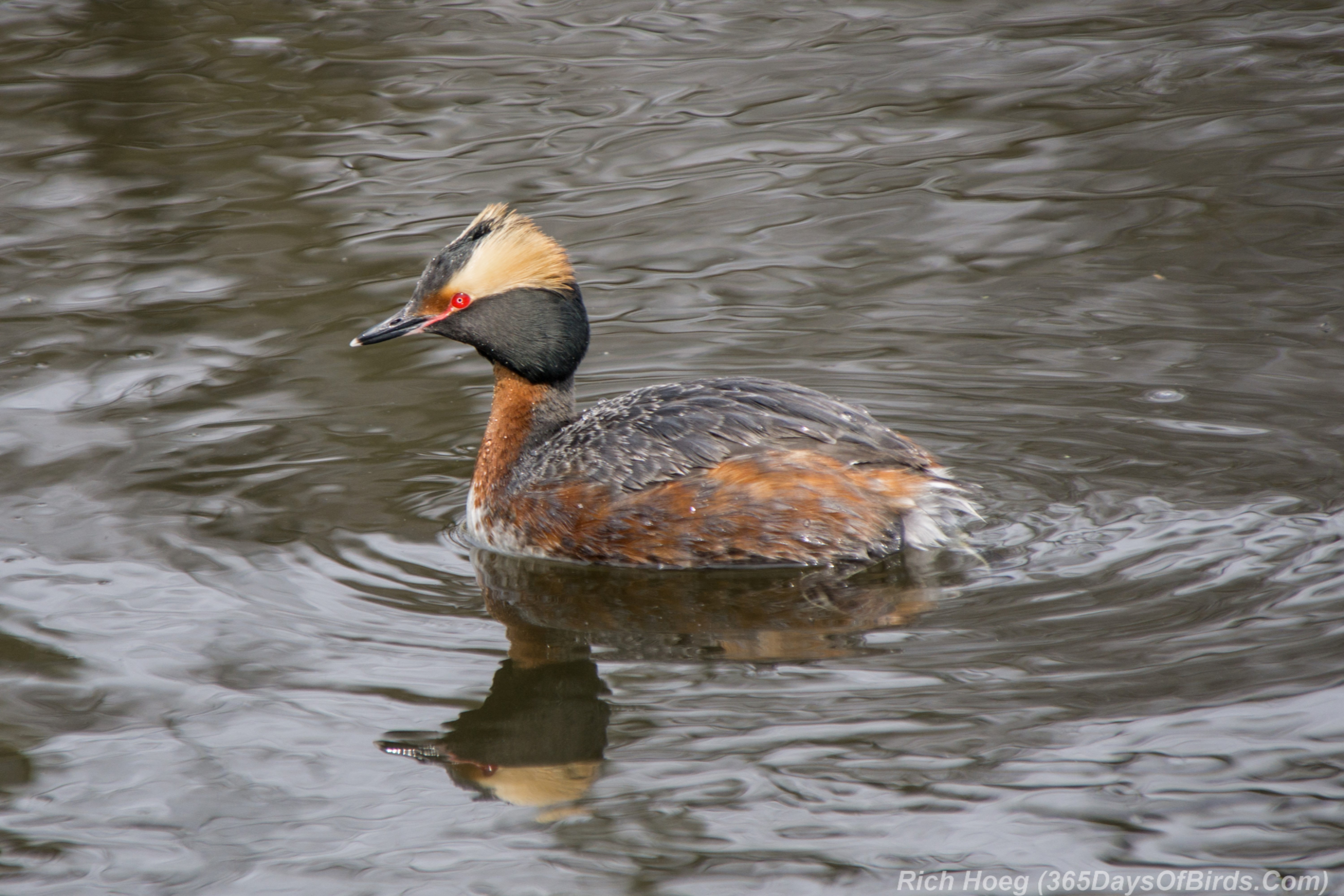
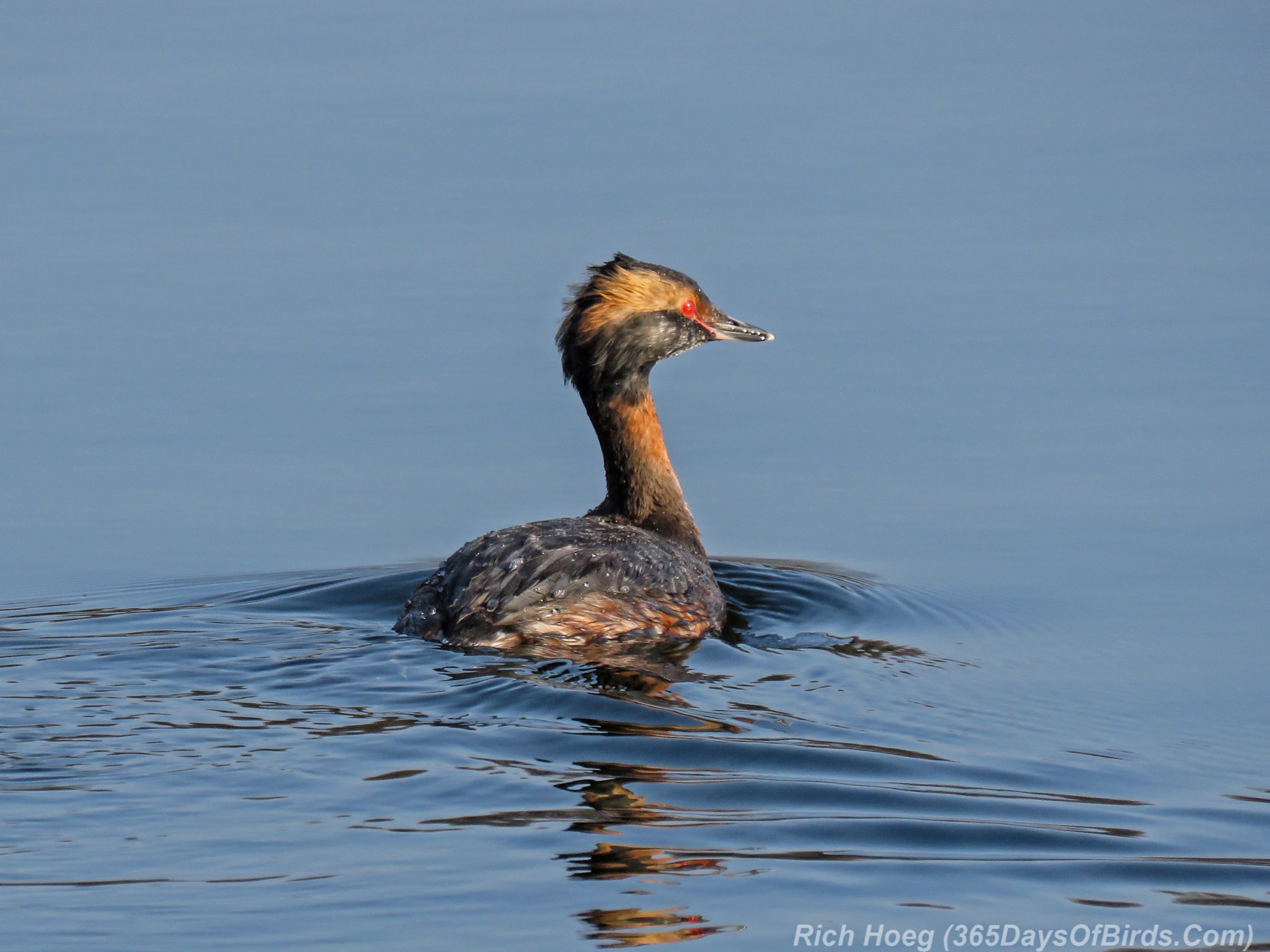
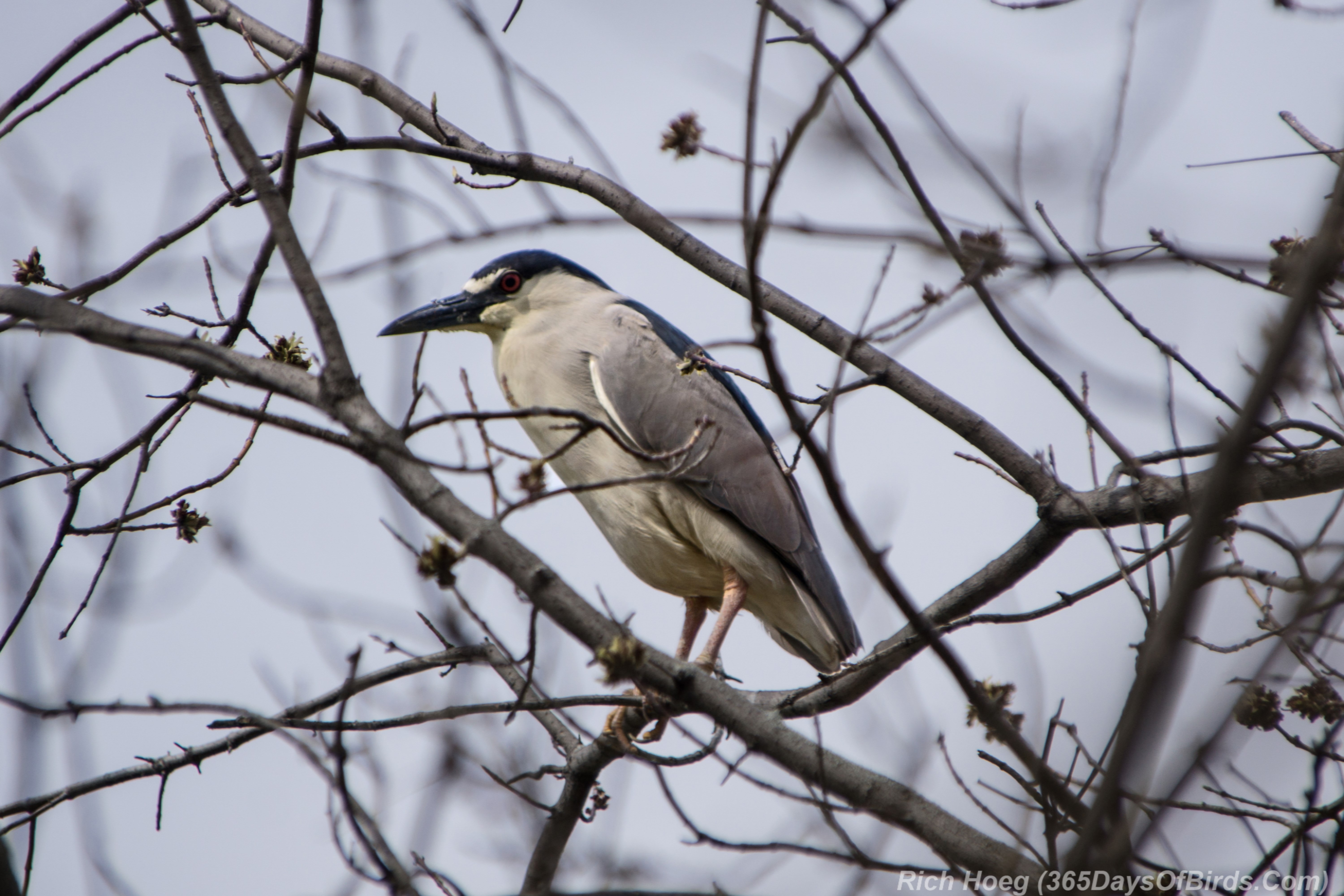
This afternoon I moved my continuing failing quest to see a red-throated loon during their migration back to the Arctic. My birding location was the Milwaukee waterfront which although it did not yield “said loon”, it did yield a new lifer bird, the Black Crowned Night Heron. In addition, Horned Grebes posed for photographs. Will try again tomorrow morning at sunrise.

Horned Grebe

Black-Crowned Night Heron


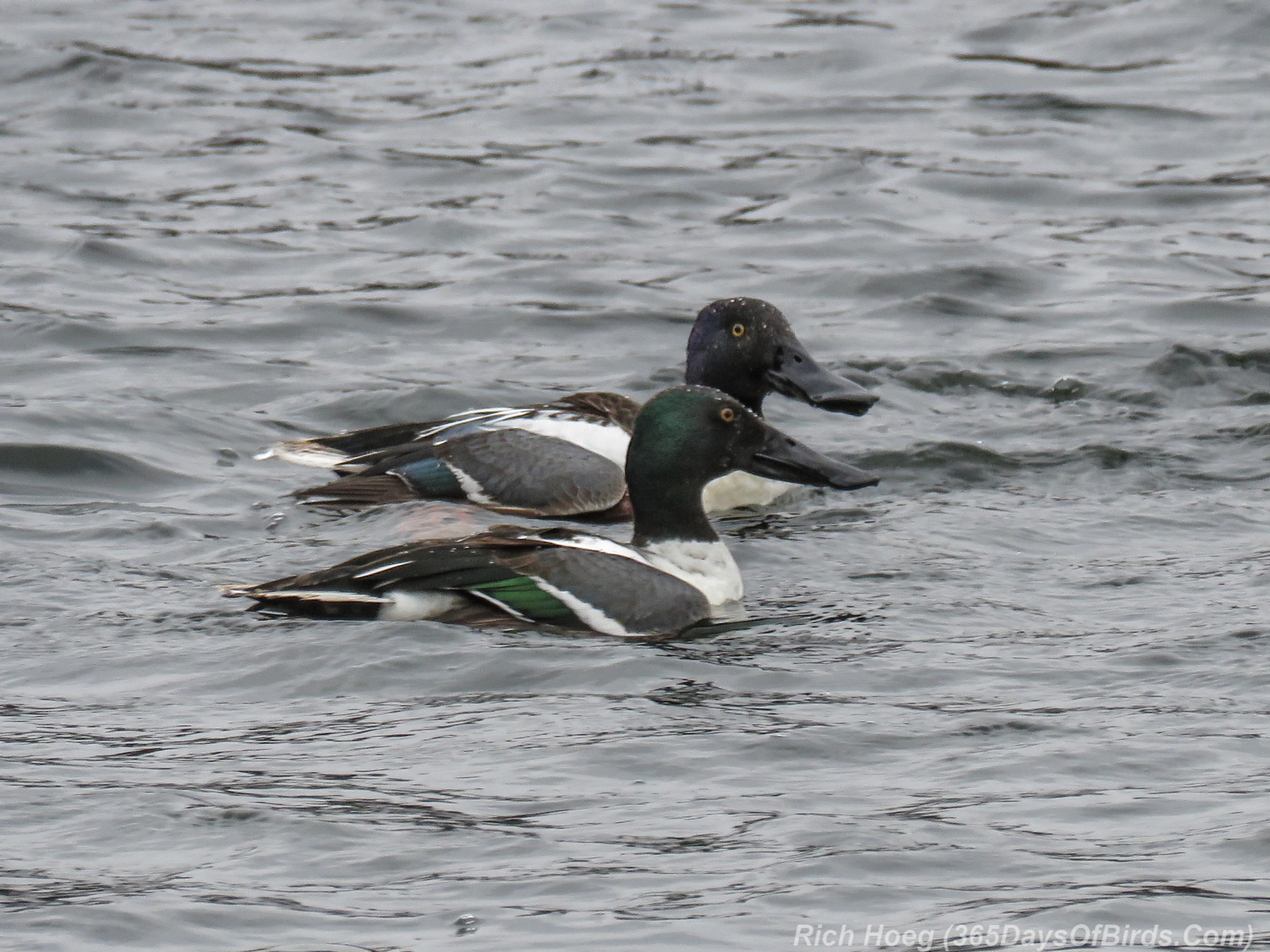
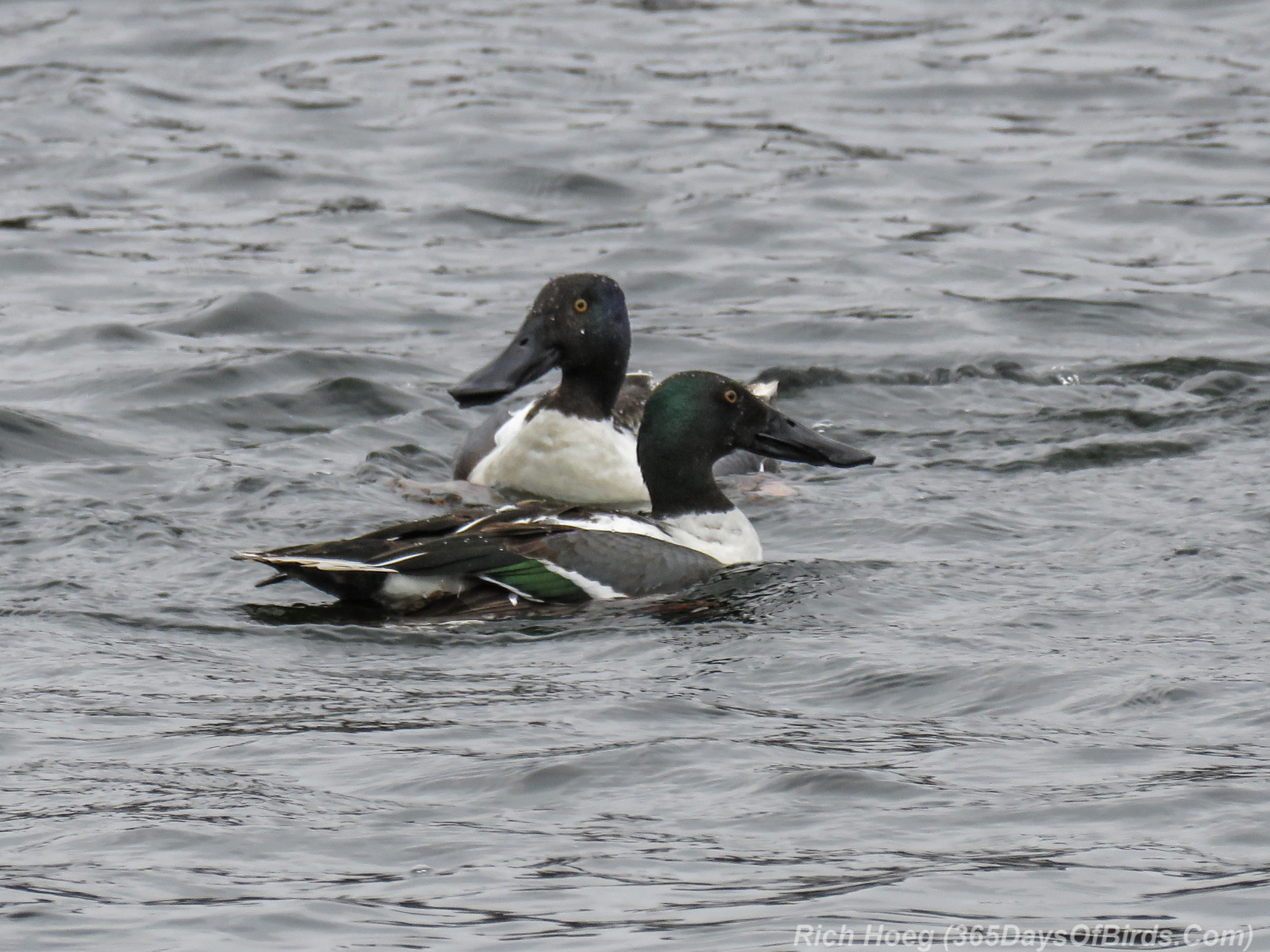
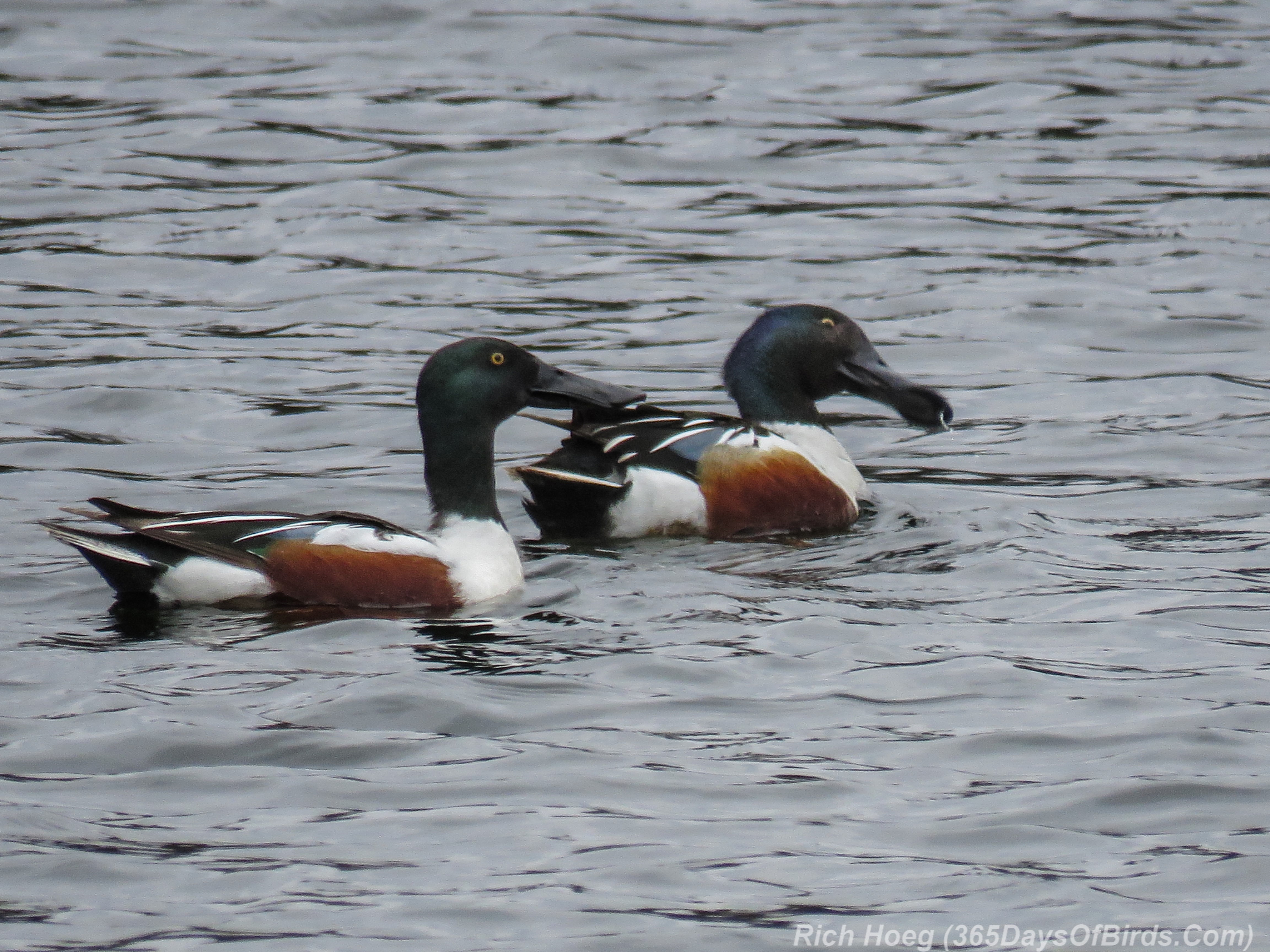
Northern Shoveler Hybrid?

Continuing my failing quest to find a red-throated loon along their Lake Michigan migratory route back up the Arctic, today I visited Harrington Beach State Park (just north of Port Washington). This park is a great place to see waterfowl because it sticks out into Lake Michigan, and the shoreline is not developed.

While at the park I met Calvin Brennan who conducts the waterfowl migratory count. Folks like Calvin are to be complemented for their hard work. Via these kind of bird counts, we are able to over time understand migratory patterns which not only tell us about bird numbers, but speak to climate change and habitat loss. If anyone thinks Calvin has an easy task, try staying outside 6+ hours per day from the beginning of March to the end of May … not exactly the best time of year in terms of weather.

Calvin and I saw lots of migrating ducks, and when I took a break to walk over to Quarry Lake I was pleased to find lots of Northern Shovelers, Buffleheads, and a couple Horned Grebes. The Shovelers landed quite close to where I was standing behind some pine trees, which allowed me to get close-up images. Inspect the first image. It appears the duck in the rear may be a hybrid. Its wing feathers are blue, rather than green as evidenced in the duck in the foreground. The rear bird also has a head which is a slightly different coloration. I’m thinking possibly a cross with a blue winged teal??? However, I am by no means certain.