Migration is in full force in the Northland, but you must know where to go birding. Up the shore and inland from Lake Superior does not yet have much action as the lakes, ponds, streams and rivers are still iced over. In addition 35 miles inland from Two Harbors one still finds snow on the ground (and inland from Silver Bay, Tofte, Grand Marais, etc.)
However, if you avoid the deep Boreal Forest there is lots of migration action. The Forest Hill Cemetery ponds in Duluth’s Woodland neighborhood are partially ice free, and migrating ducks are finding this limited open water. Before church this morning I had fun at the ponds (expect to see images).
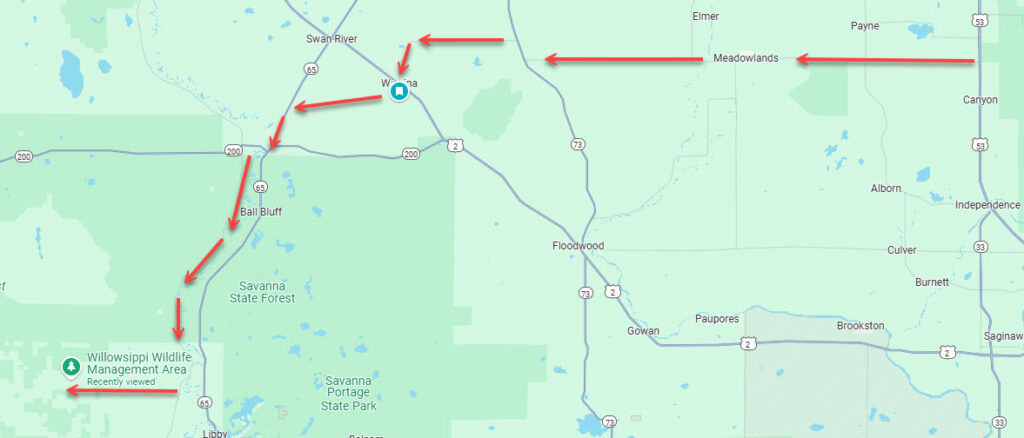
Another favorite drive is going north on US #53 … then west on Hwy #133 to Meadowlands (southern part of Sax-Zim Bog) and then continue west on Hwy #133 to Wawina. In Wawina load directions to the Willowsippi Wildlife Management area, but drive across US #2 to the dirt road directly opposite Wawina. Let Google Maps update and drive the direct roads till you meet up with Mn #65 to cross the Mississippi River at Jacobsen. Your directions will take you down the Great River Road till you turn away from the river at Cty #18. See the high level map immediately below. This is a great Mississippi River Flyway Birding Excursion with lots of fantastic habitat.
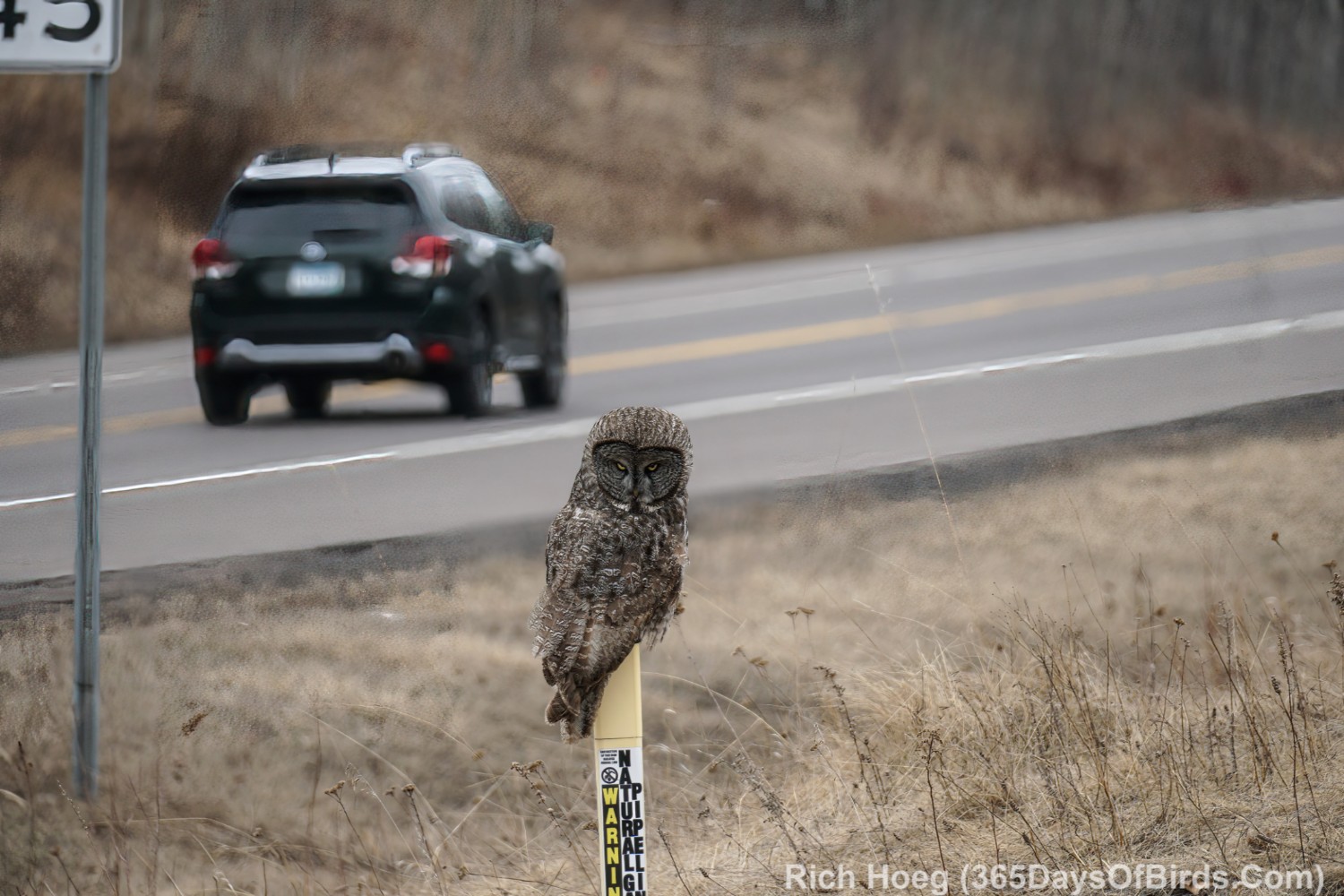
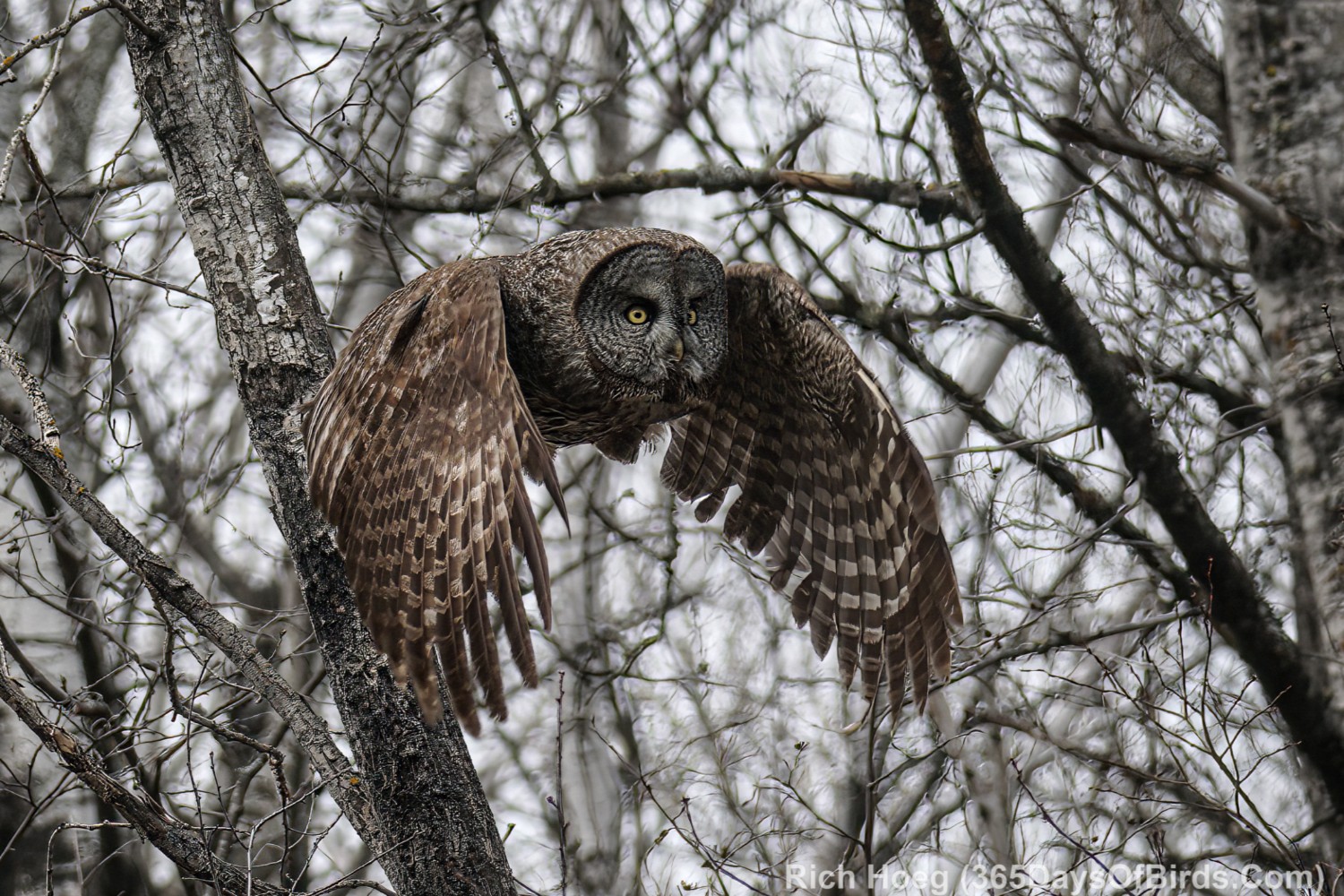
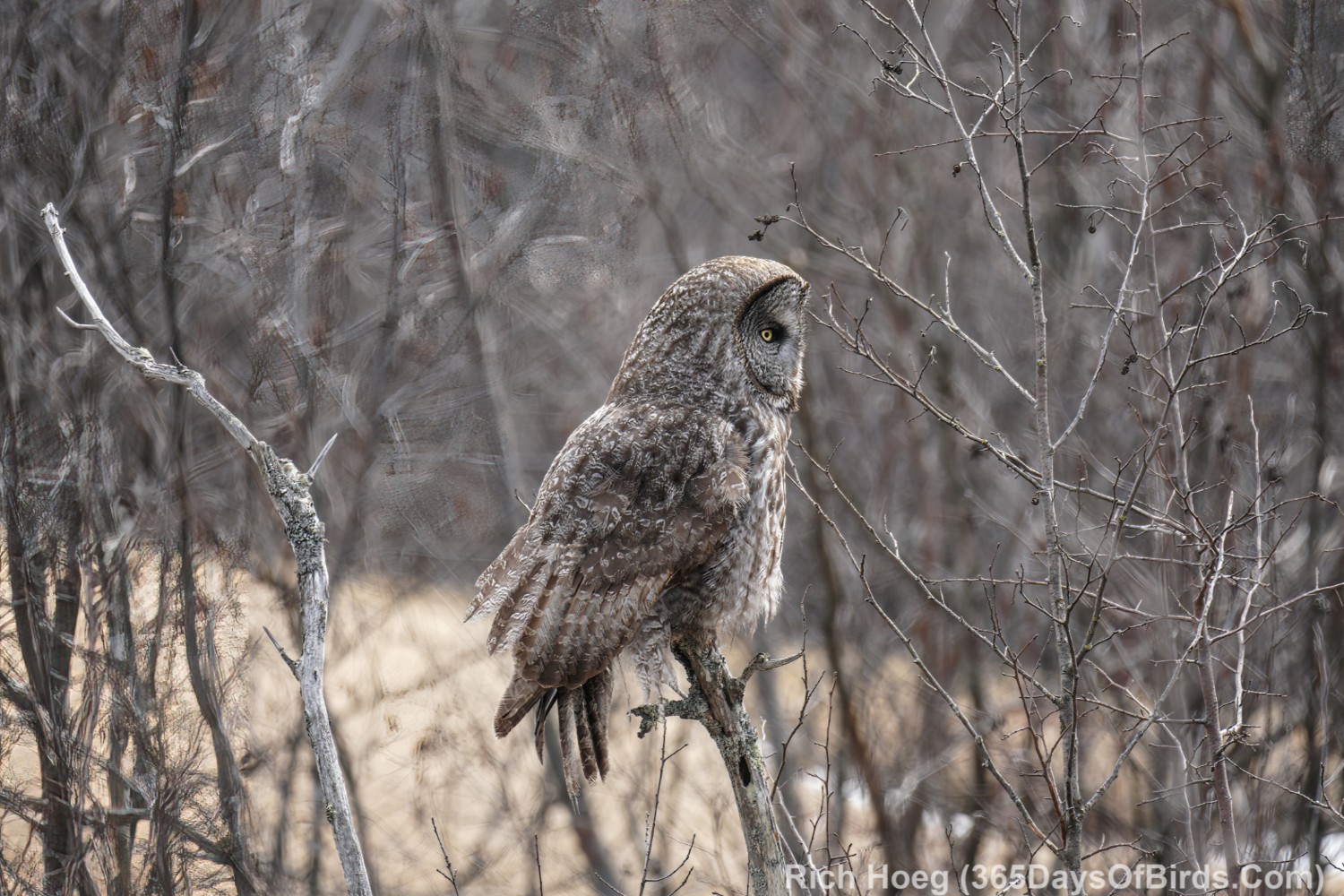
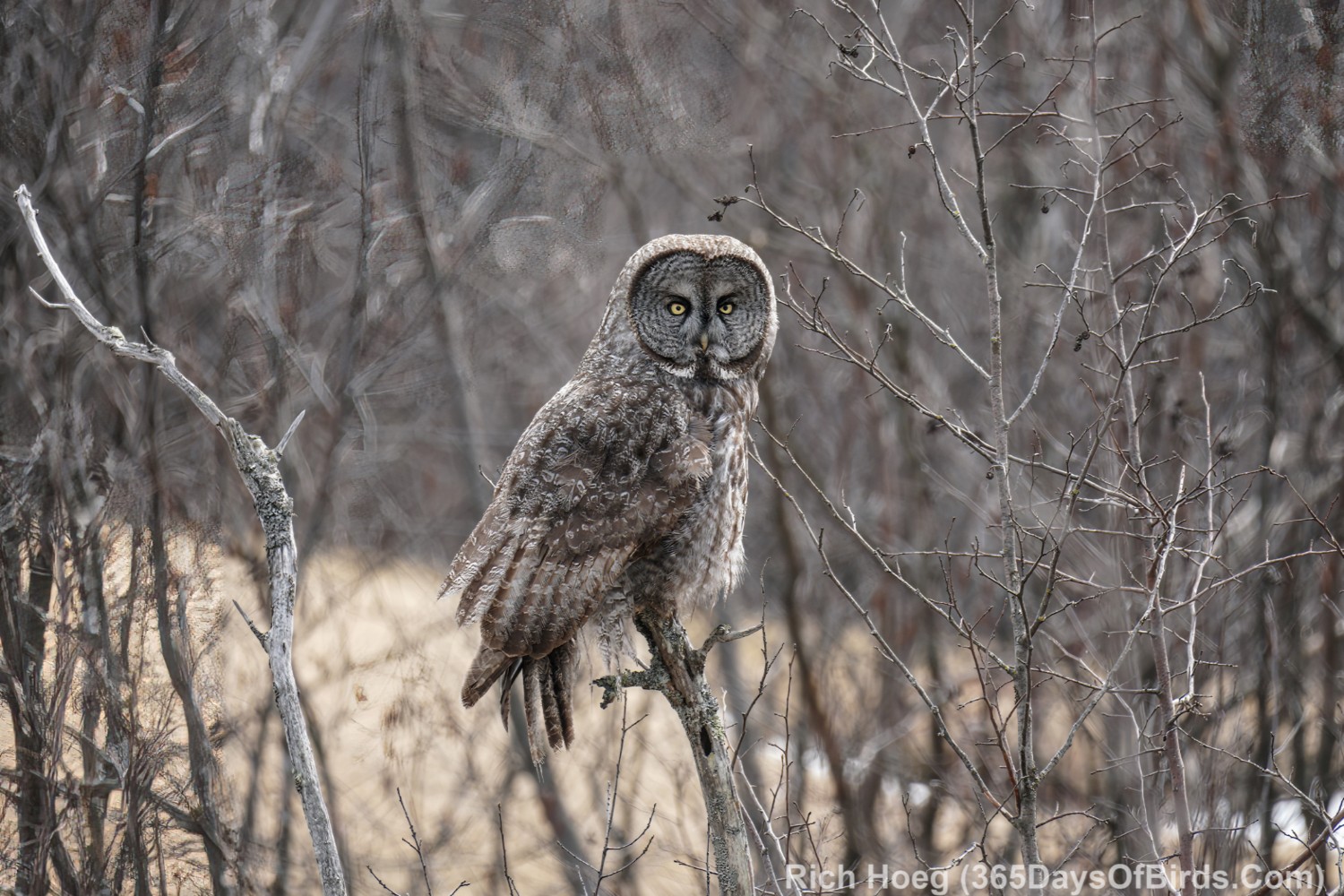
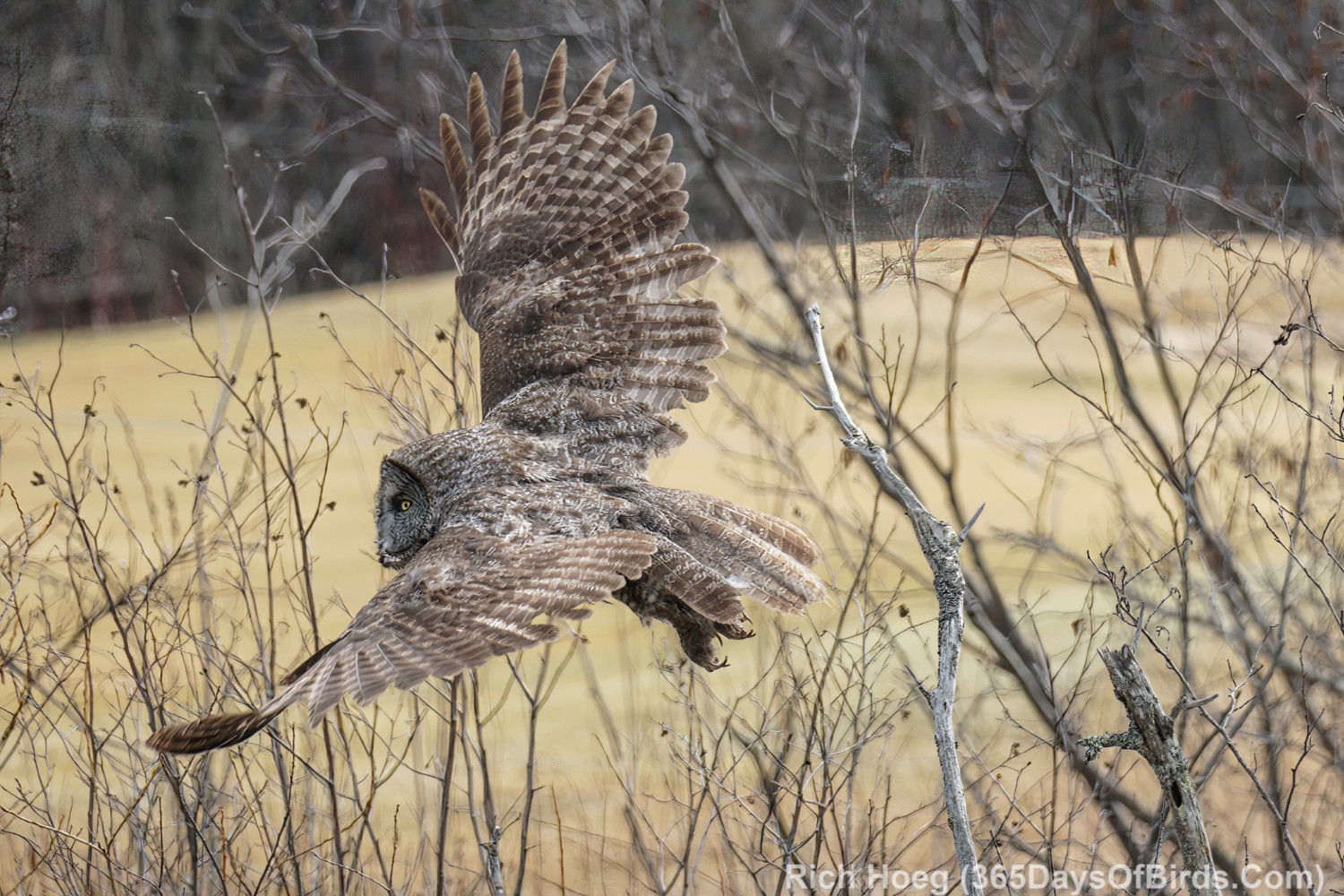
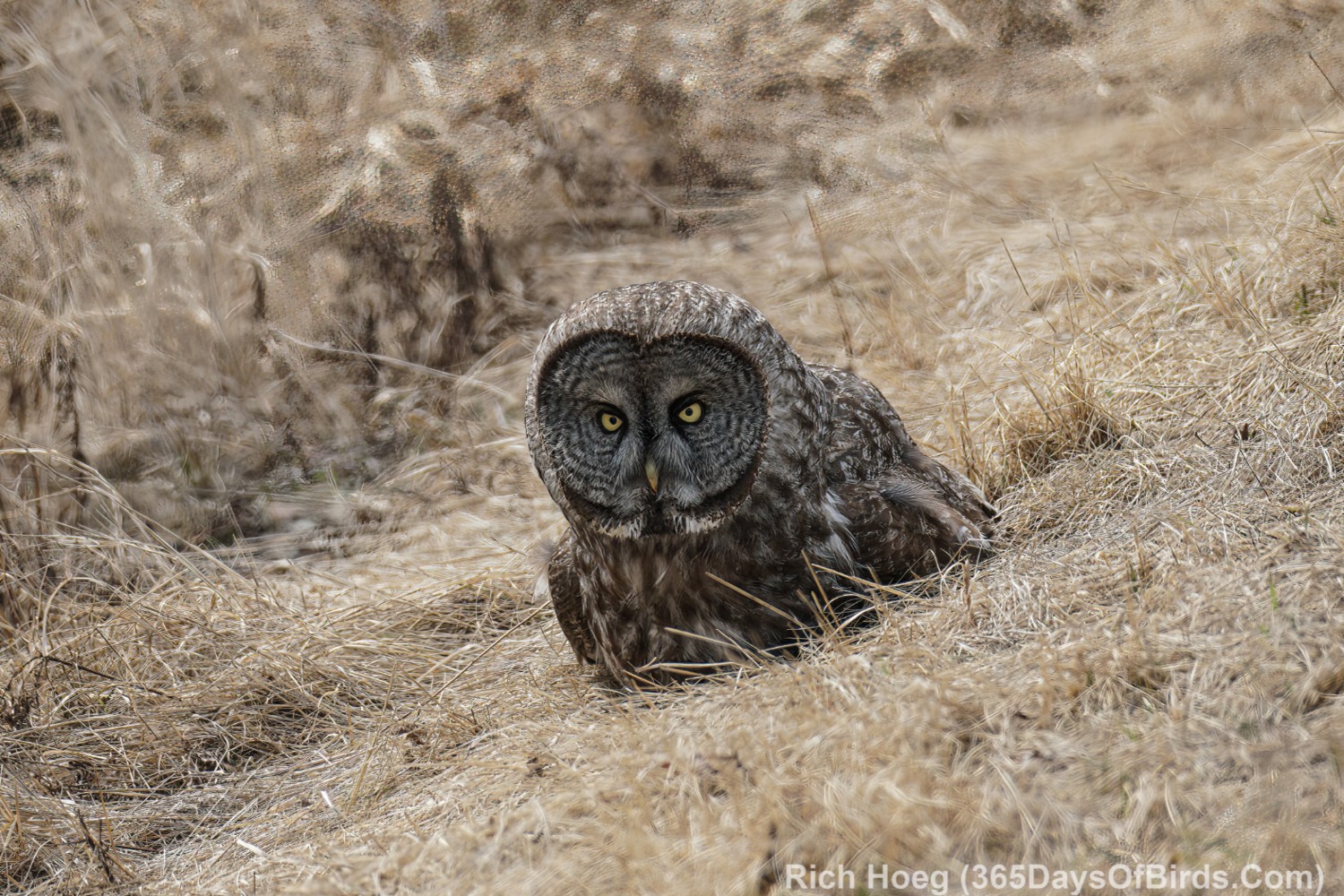
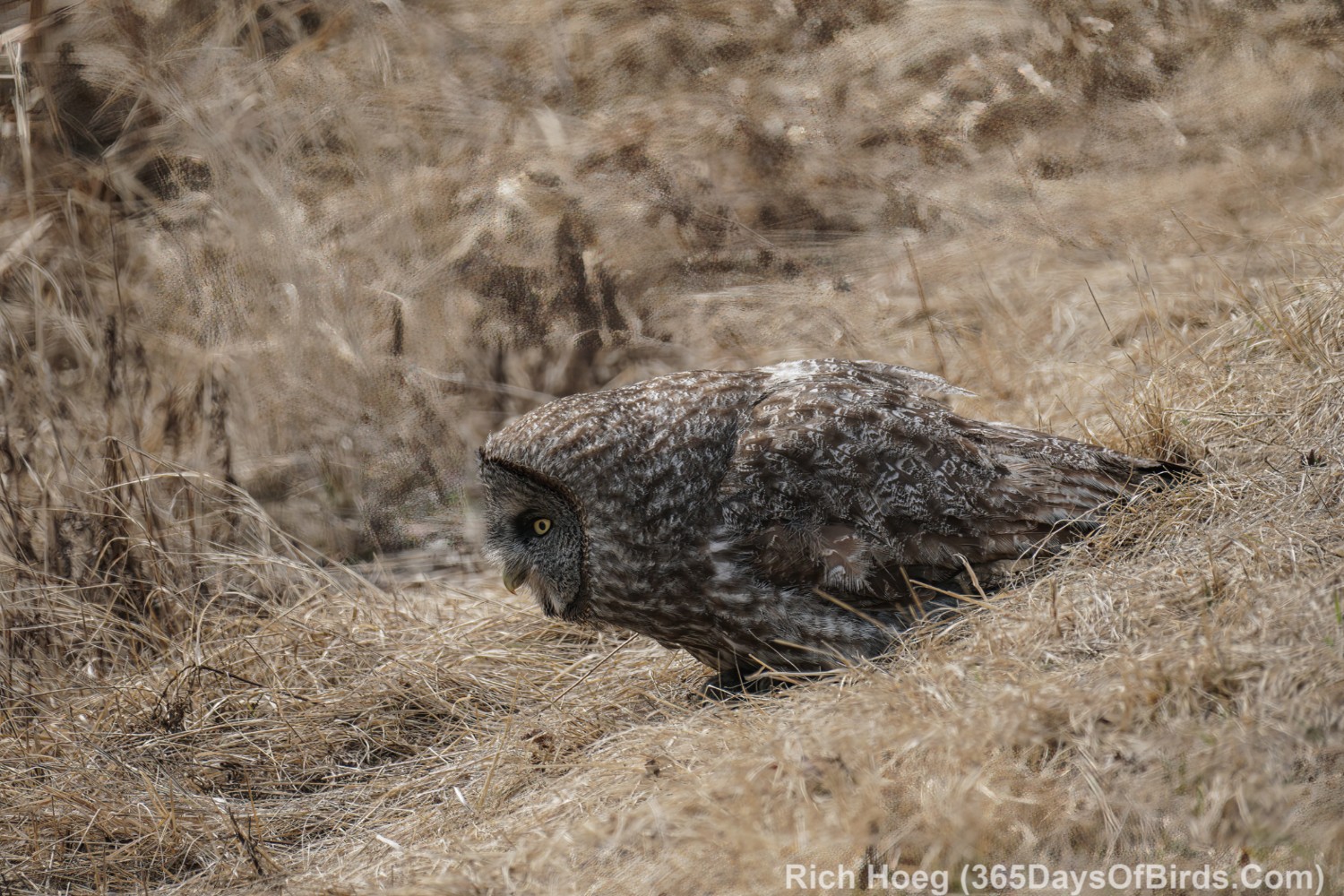
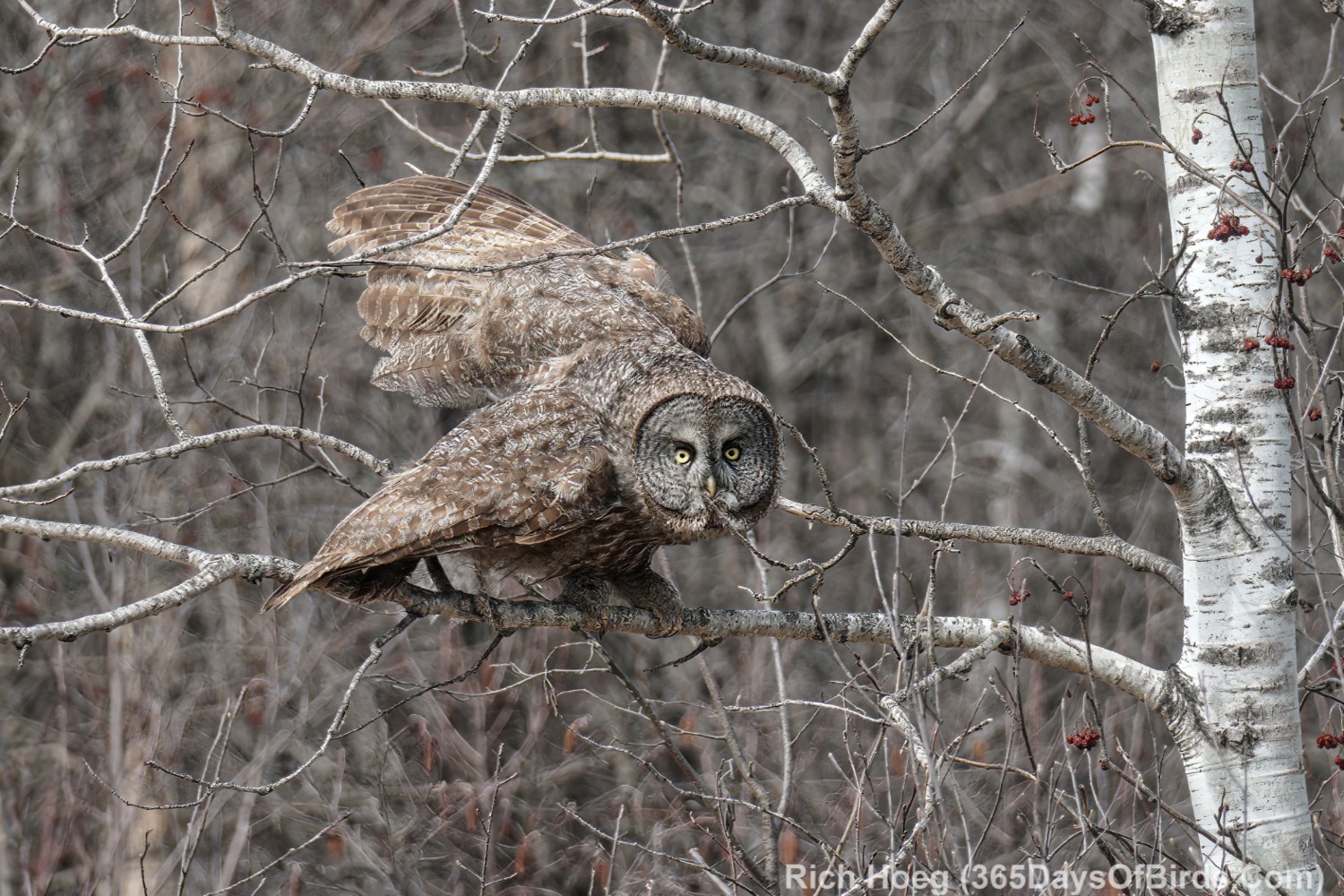
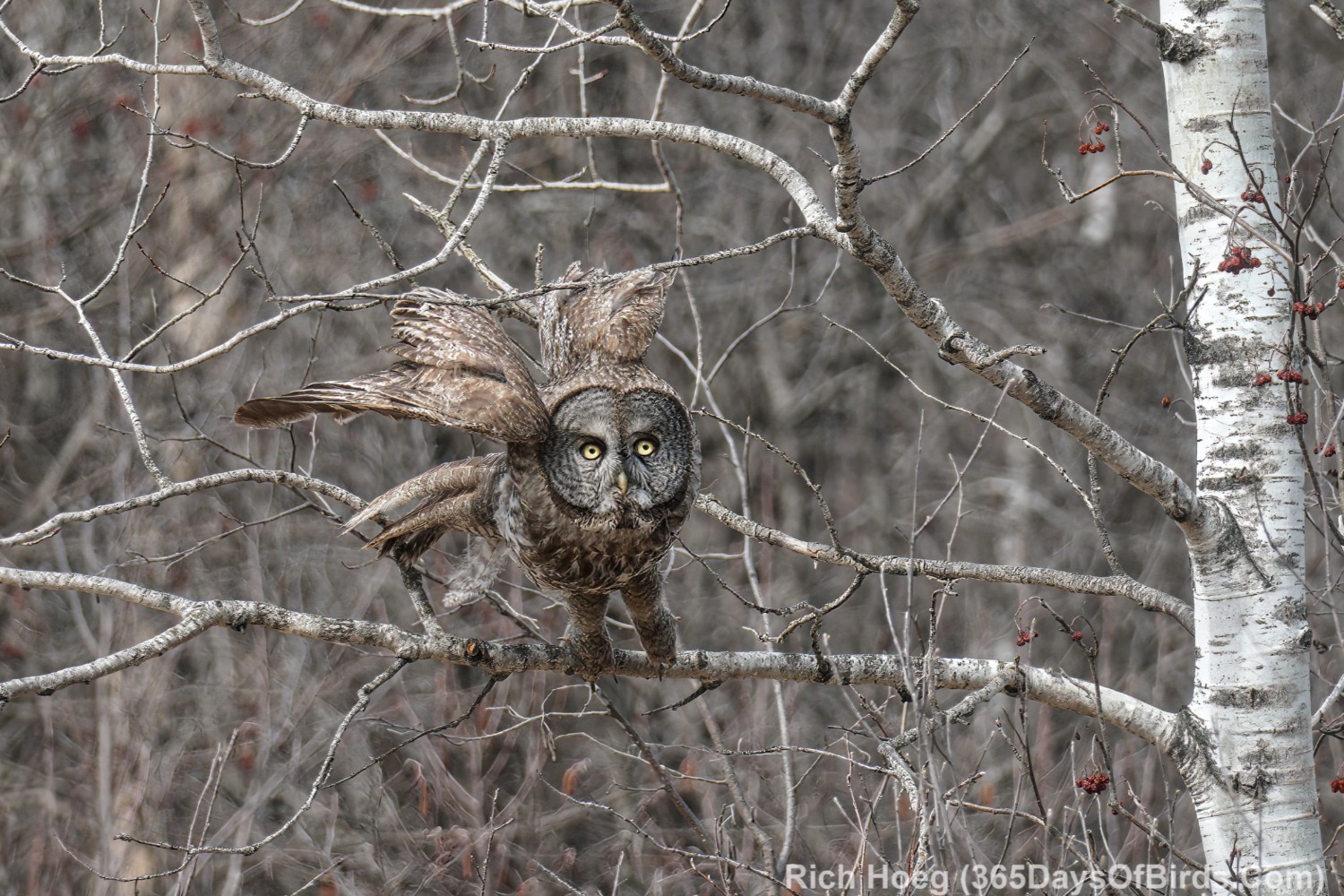
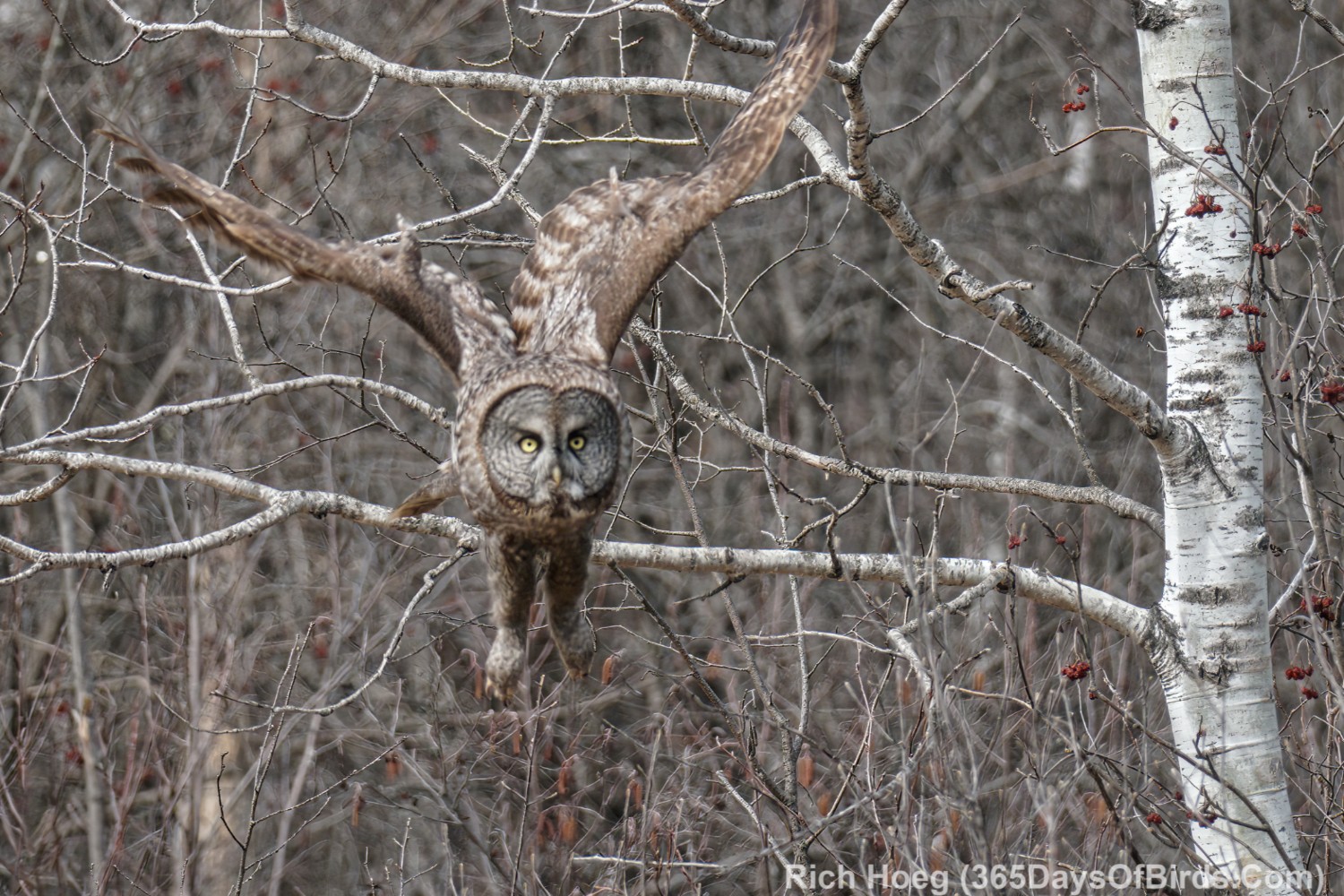
Now on to the owl migration madness! Remember this winter’s owl irruption? Many of those owls are working their way back to the Boreal Forest. For the same reasons that the Hawk Ridge moves their spring count to West Skyline Drive because hawks and eagles while heading north channel though this area, the owls often use the same funnel. For the past several weeks Great Gray Owls have often been seen on Haines Road, Arlington Road and Observation Road. The owls hunt the tall grasses. However, unlike in the winter, these birds do not stick around long … perhaps a second day in the same area but most move further north quickly.
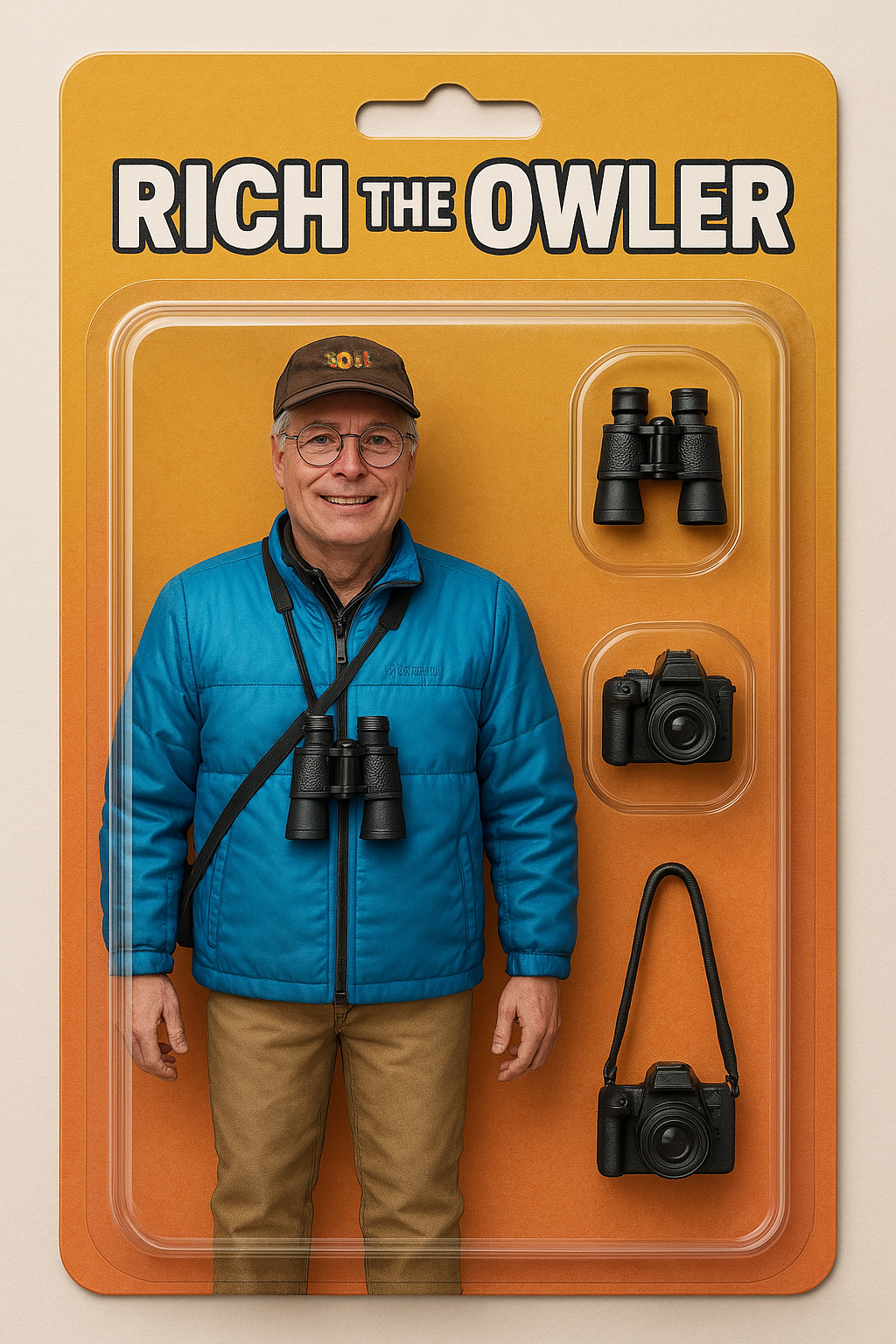
I have the privilege to watch a Great Gray Owl hunt for well over an hour in this area yesterday afternoon. I actually left the owl, not vice versa. Here are a few pics from yesterday. Make certain you all see the final image of this post … a ChatGPT artificial intelligence special … created by me!
Great Gray Owl in Duluth
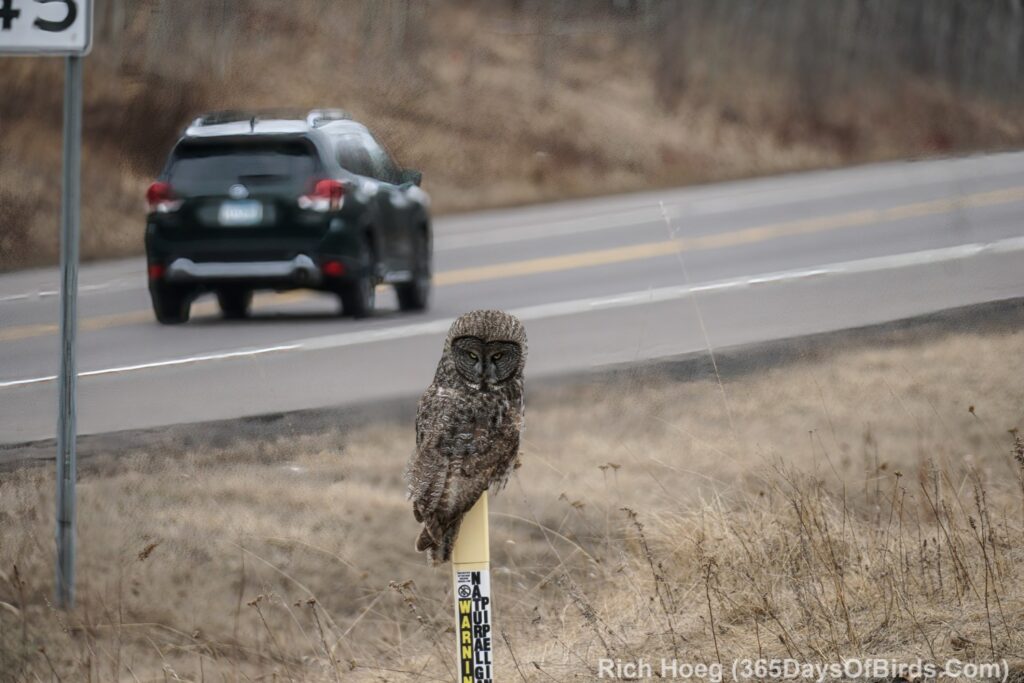
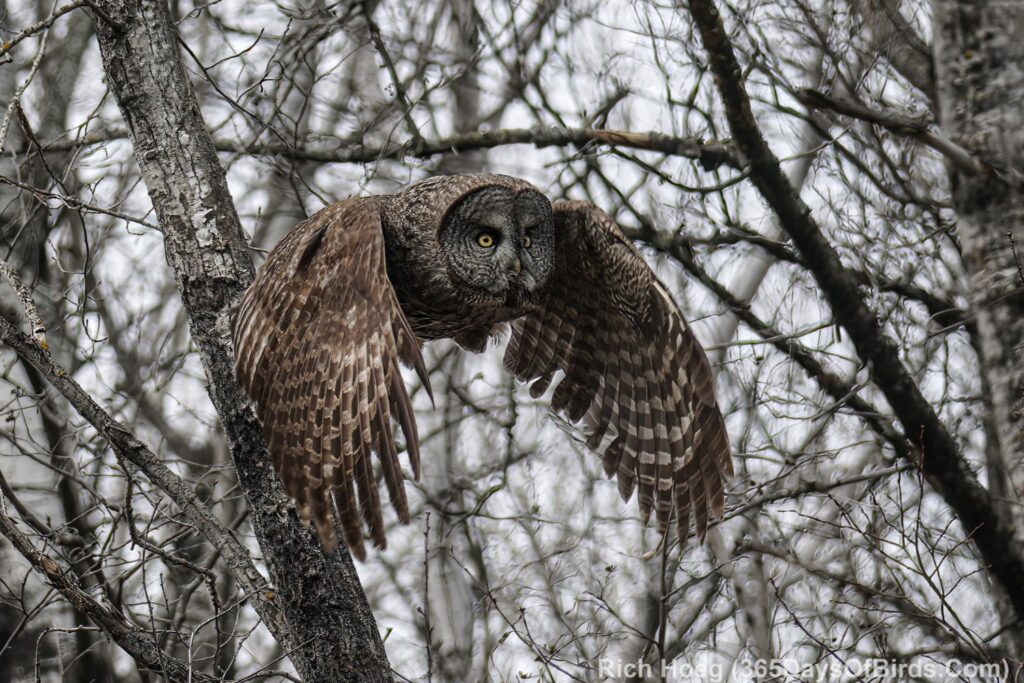
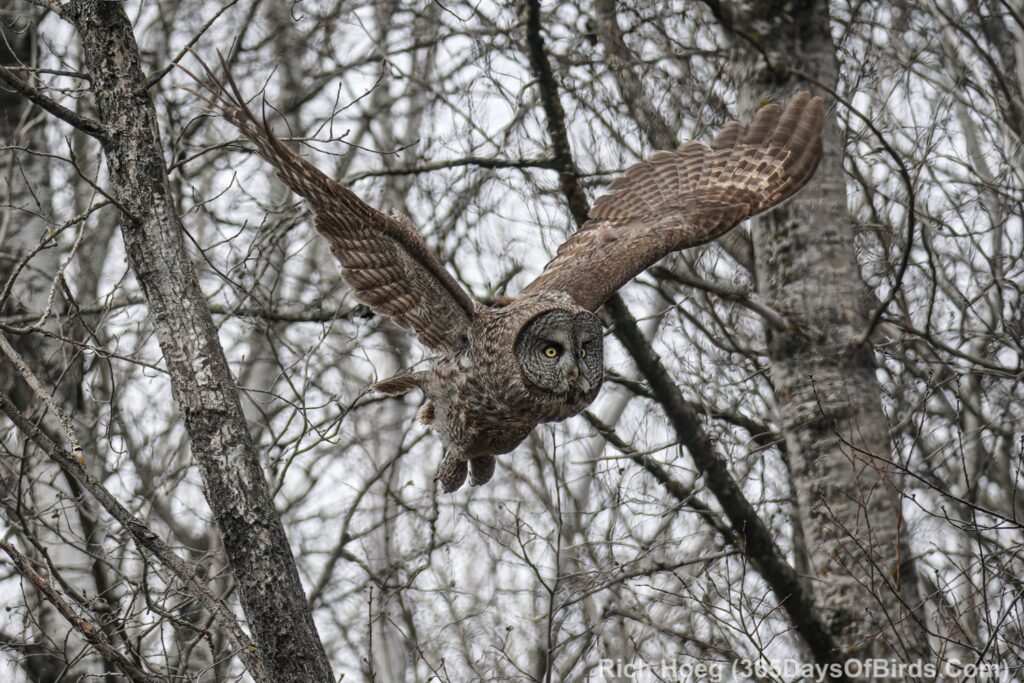
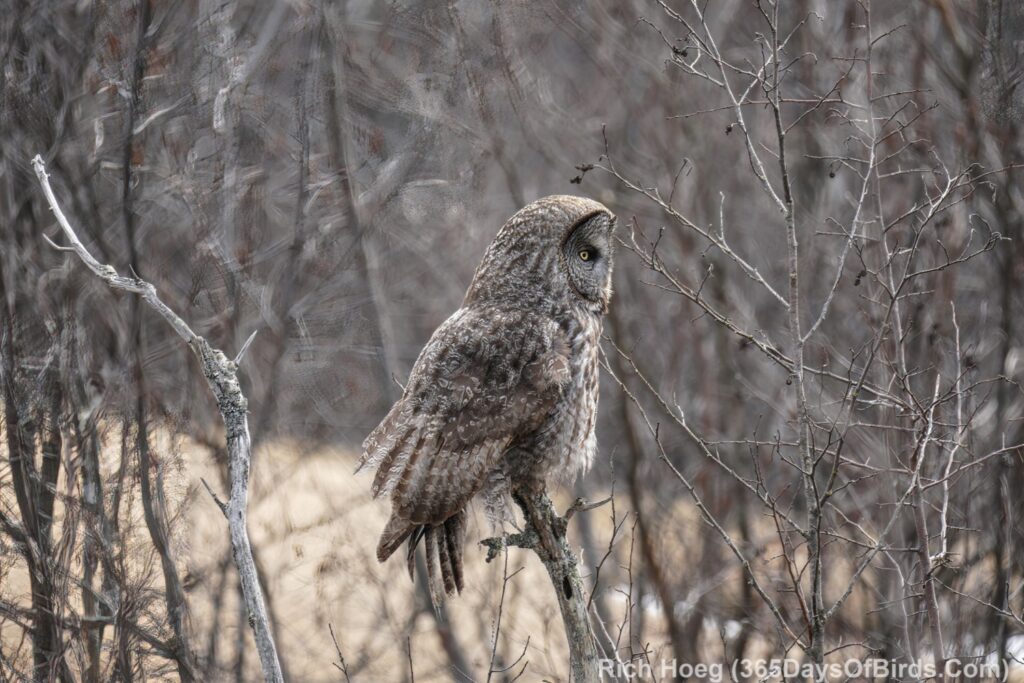
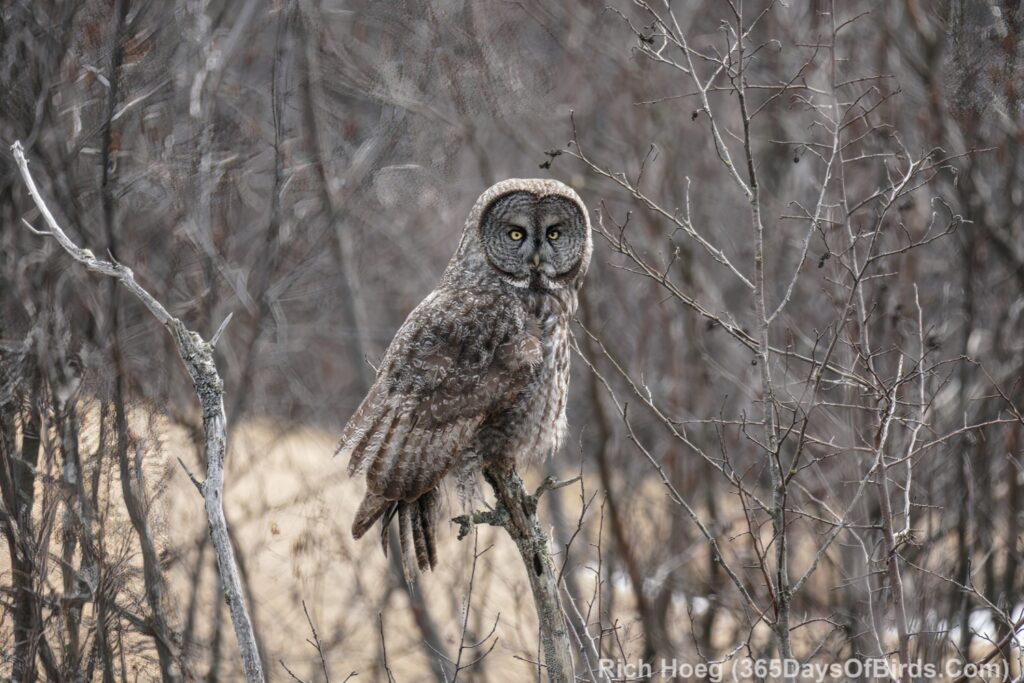
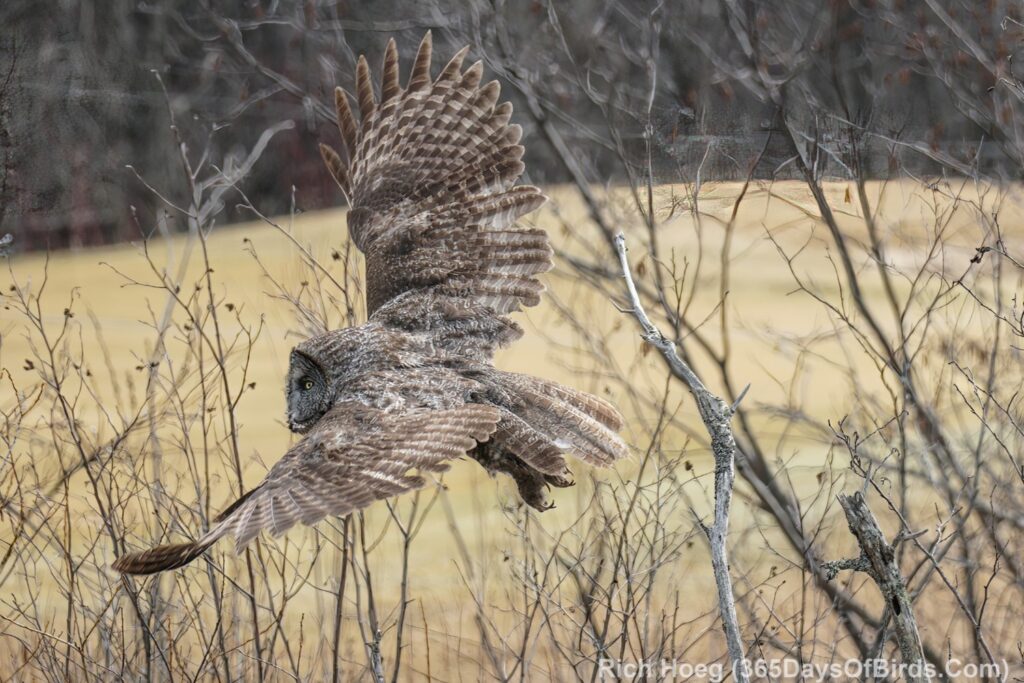
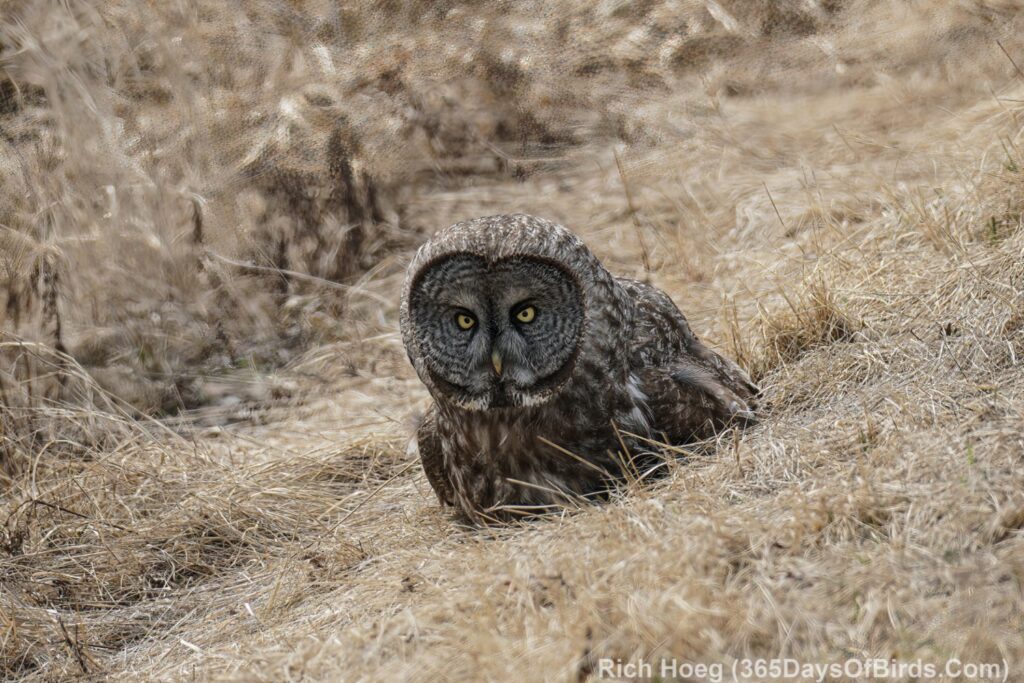
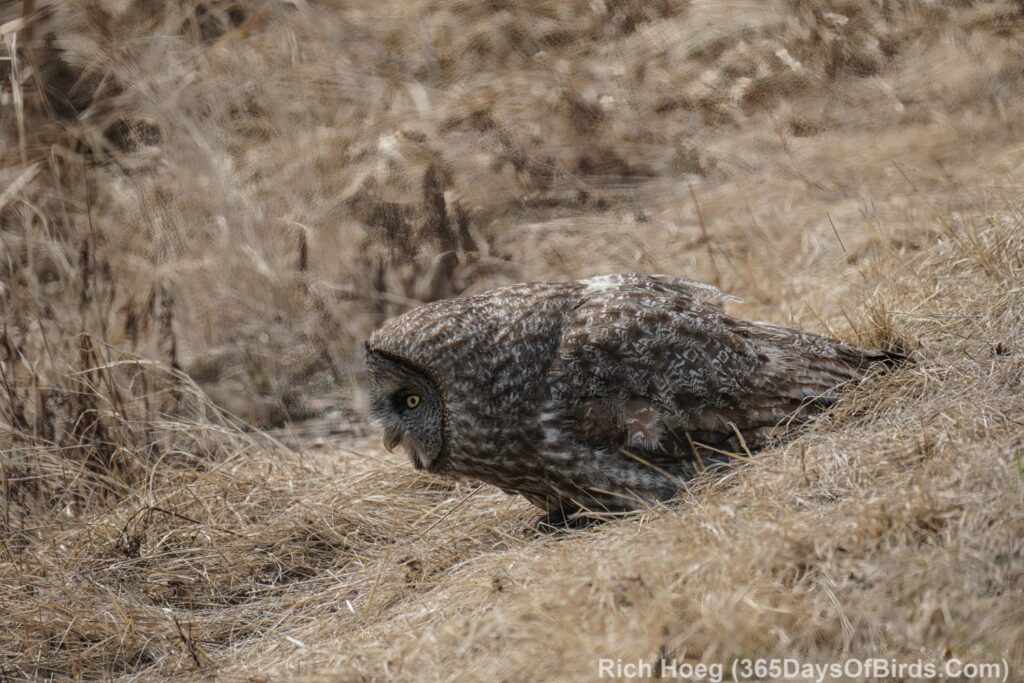
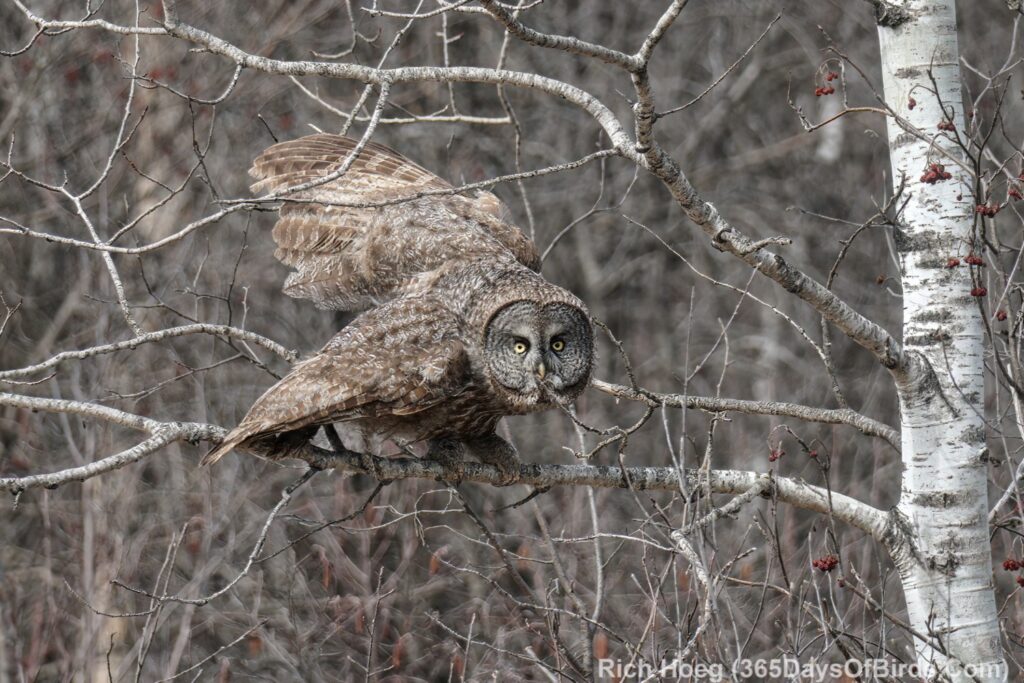
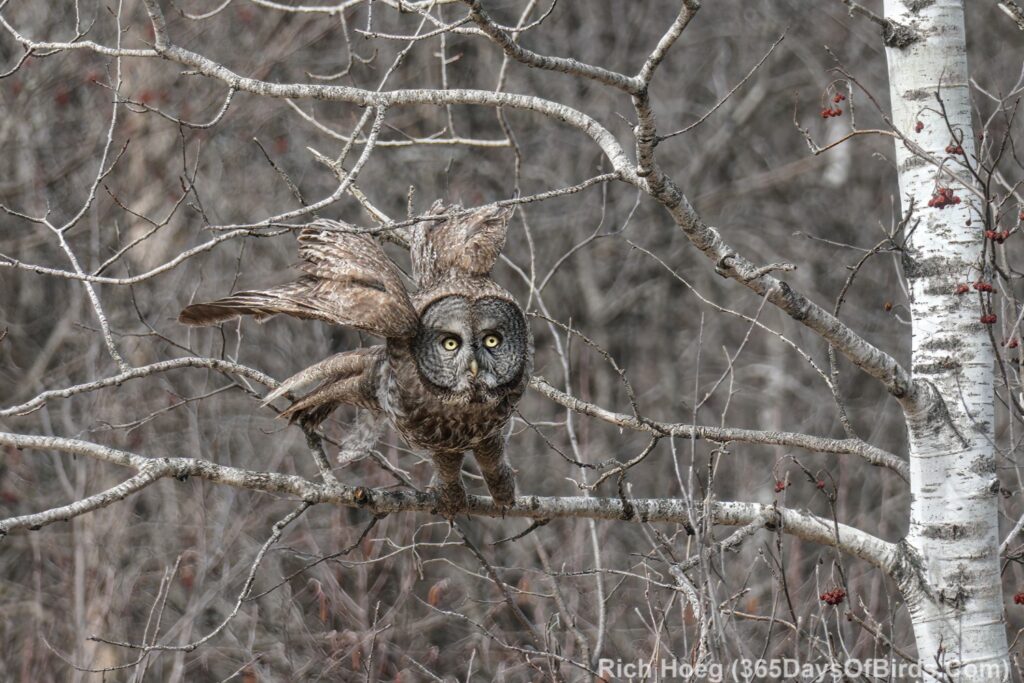
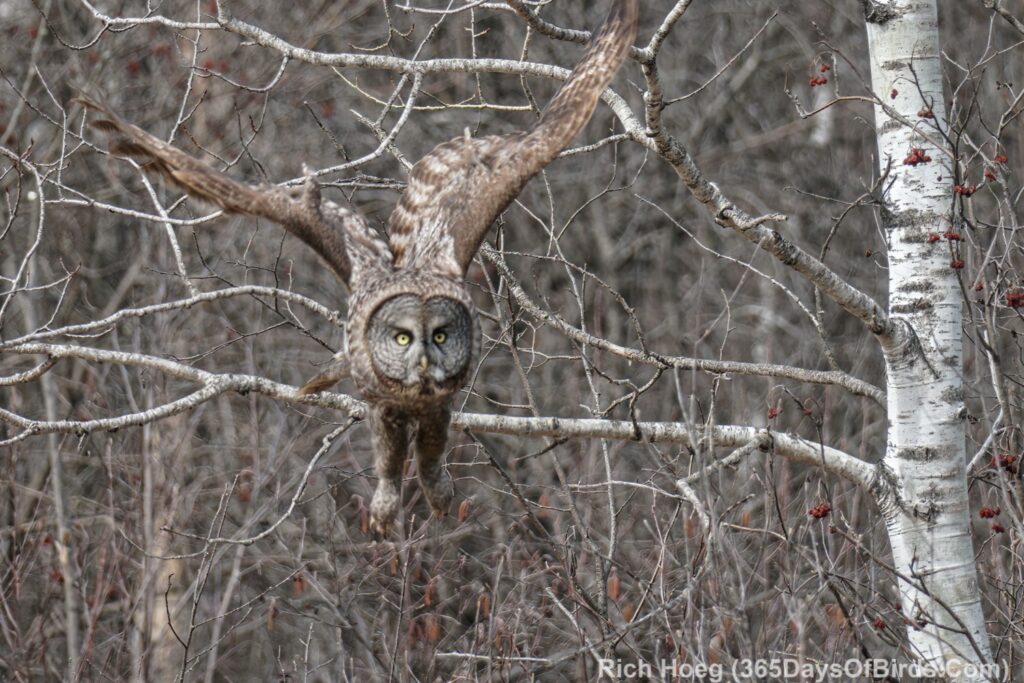
Note: In the two photographs taken while the owl was on the ground, the Great Gray did catch something which appeared to be larger than a vole. It stayed on the ground and ate its prey which was on the ground (I could not see the prey). Great Grays tend to lift voles they catch up and swallow them whole.
And now the ChatGPT special image. Some of you may have seen the efforts of many people who have uses this service to create “toy action figures” of themselves. I decided … why not?! Friday evening I watched a YouTube video and learned how to create “Rich the Owler” (not sold in any store … sorry)
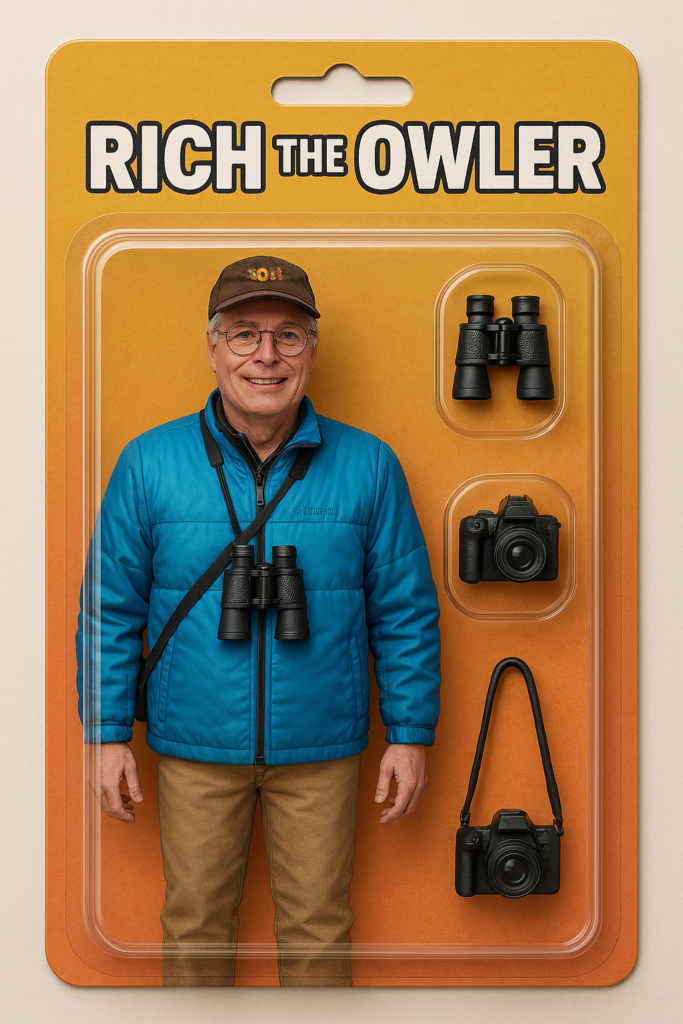
Anyhow … enjoy migration from “Rich the Owler”!