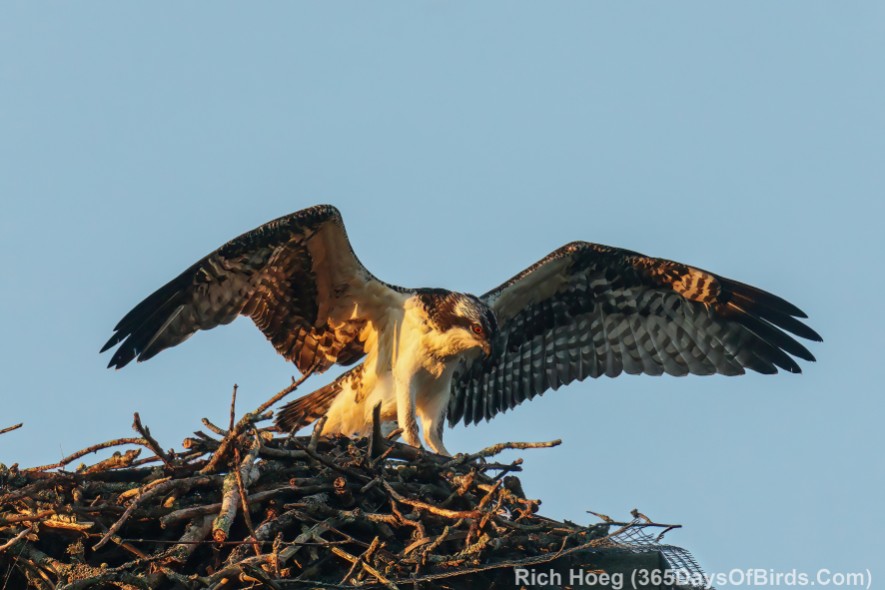
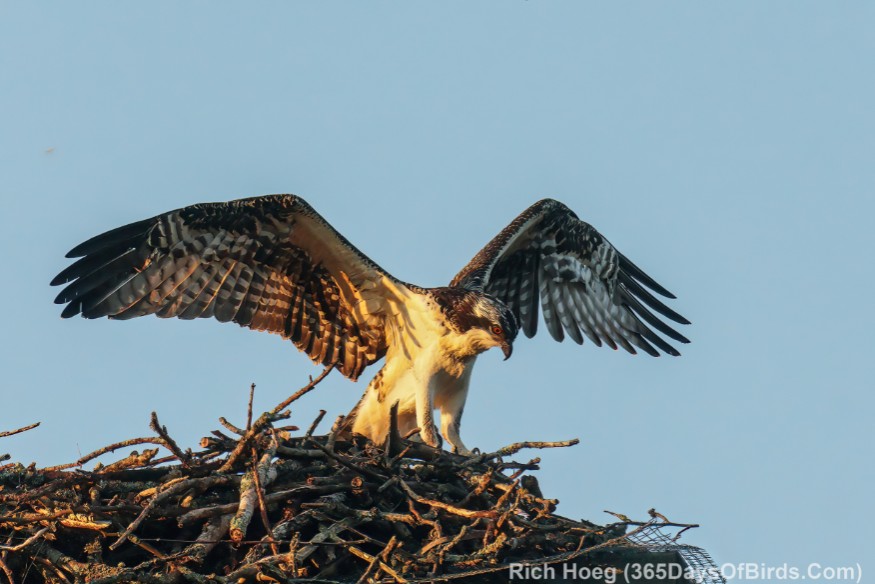
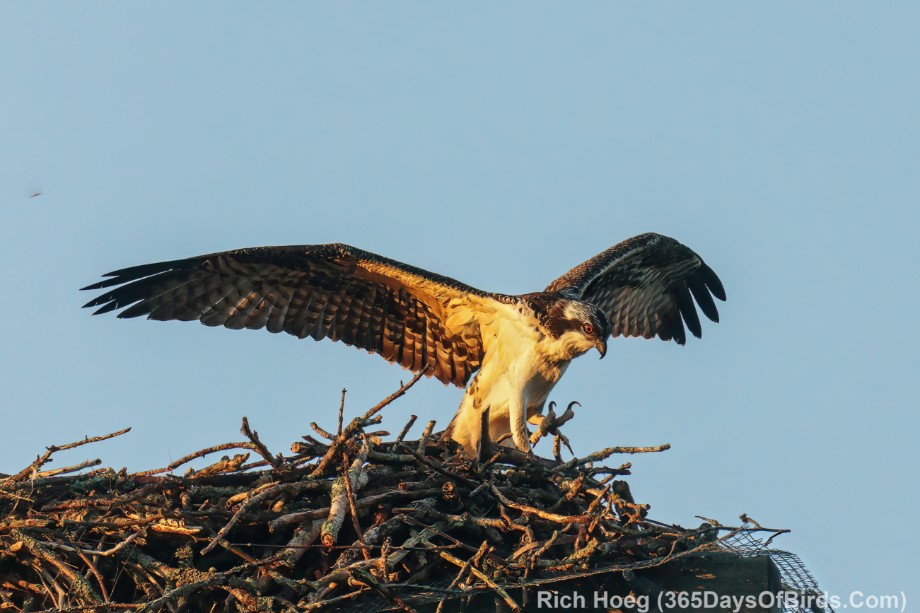
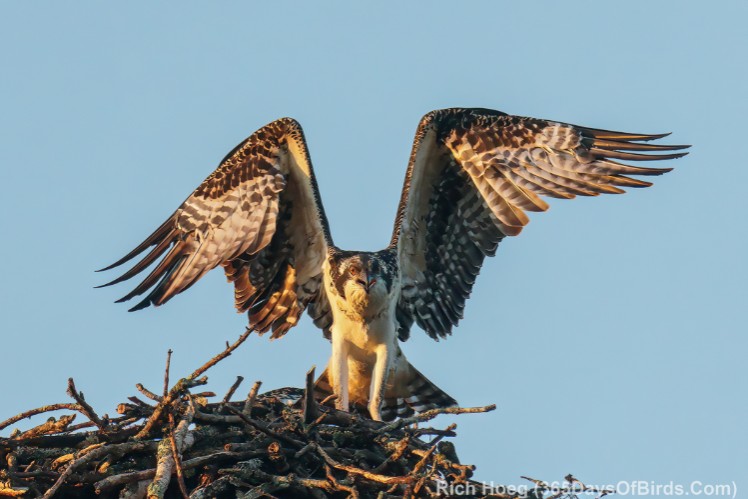
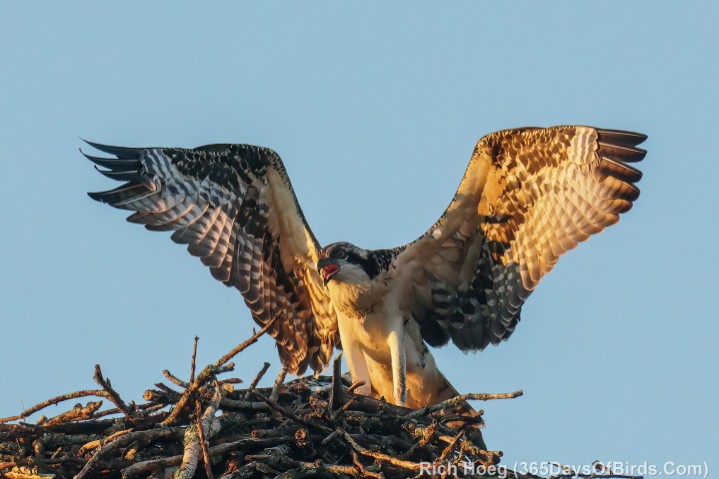
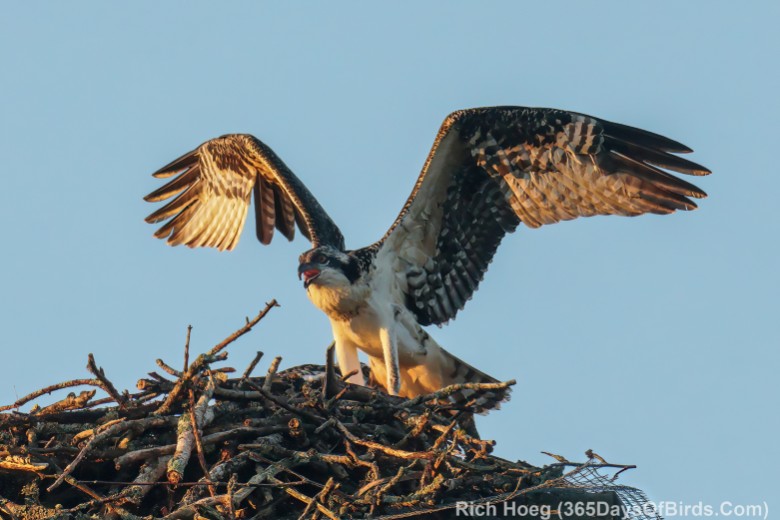
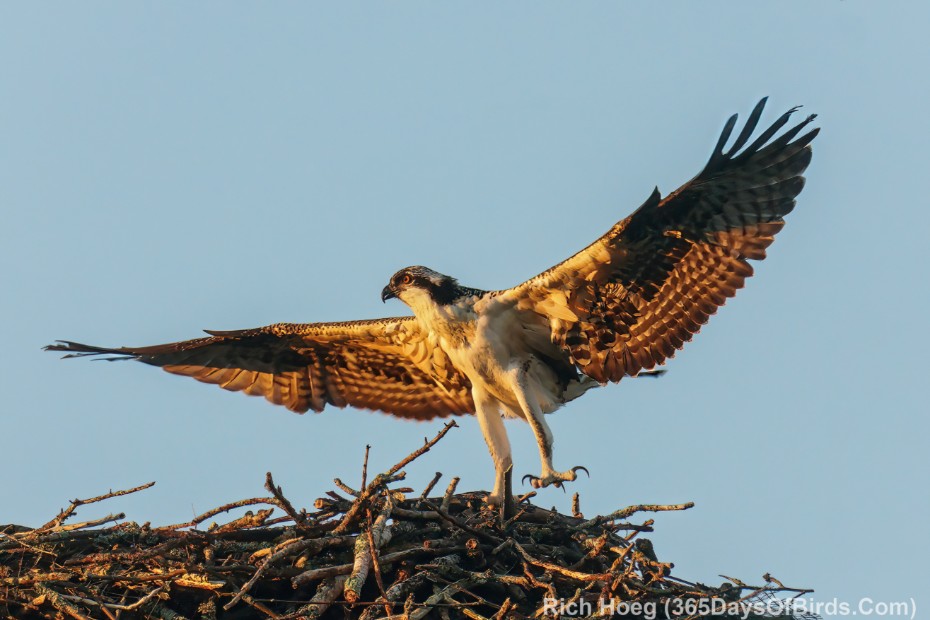
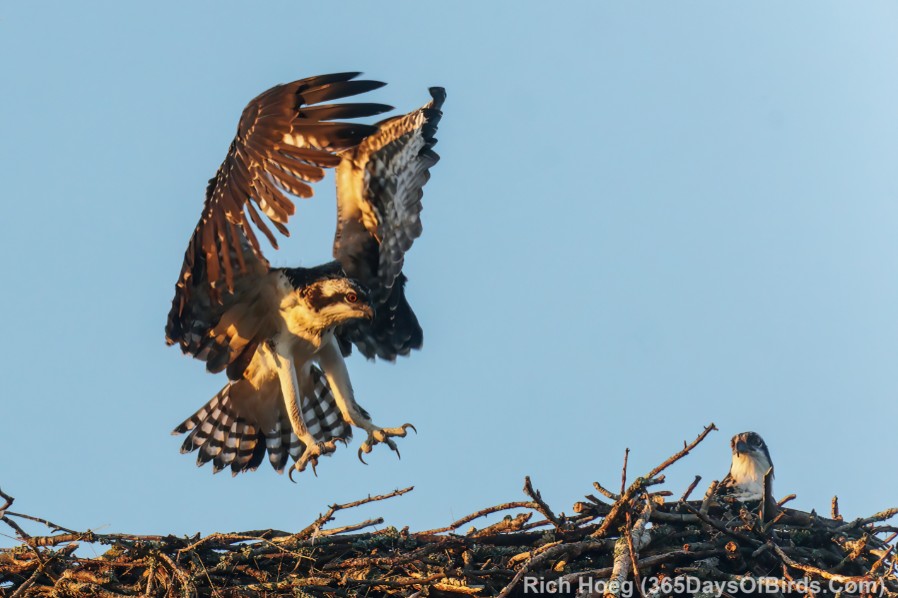
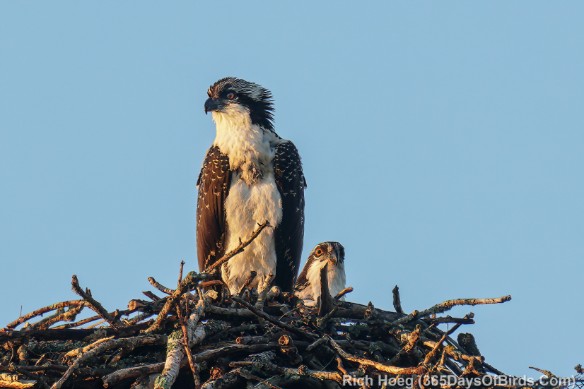
Hawk Ridge is one of the best Autumn bird migration spots in North America. The ridge stands almost 700 feet above Lake Superior at the Duluth end of the lake. Boreal Forest, Tundra and Arctic birds while migrating south run smack dab into the largest freshwater lake in the world. Birds decide they do not wish to fly out over such a large body of water, and thus they work their way down the shoreline to either Whitefish Point at the eastern end or Hawk Ridge at the western end of Lake Superior. Lake Superior has over 1,800 miles of shoreline not including islands.
This preamble points out that in the fall (and spring), we see a lot of cool birds at the Head of the Lakes. However, even with great counters working at Hawk Ridge, one can only see and count so many birds. Thus, I thought … Hawk Ridge would be a FANTASTIC location for a Birdnet-Pi birdsong listening station. There were big problems preventing the installation of a BirdNET-Pi station at Hawk Ridge … no power or internet, and extreme weather and an access road which is closed through the winter.
I contacted Hawk Ridge and told them I would be willing to both donate the funds required for such a station, and use my knowledge in an attempt to build a BirdNET-Pi which would live off the grid … year round. Remember, the road to Hawk Ridge is closed with many feet of unplowed snow every winter. Hiking in frequently during the winter to service a Birdnet-Pi is a bad idea.
Over the past six weeks I have been working upon a Birdnet-Pi station located at my house but running off the grid. This allowed me test various modes and equipment, but still have easy access. Anyhow, a BirdNET-Pi is now running at the Hawk Ridge Research Station. While the Pi is still being optimized on location, and may experience outages, you may browse via BirdWeather and learn what birds are singing on the ridge! In the near future the Hawk Ridge organization will announce the station being officially live, but via 365DaysOfBirds you get early access. Like many technical endeavors, it is always nice to have early users!
- Hawk Ridge Birdnet-Pi via BirdWeather.Com (free … no account required)
- Using your cell phone to view birdsong reports / ID’s
Now the technical side of building a BirdNET-Pi which runs off the grid. I welcome questions either via the comments or privately in terms of building a system which runs off the grid. As always none of the Amazon links are sponsored, and I do NOT earn anything should you use the Amazon referrals.
BirdNET-Pi (learn how to build a Pi birdsong station)
- Raspberry Pi 4b with Bookworm installed
- Real Time Chip
- Wifi turned off (saves power)
- Bluetooth turned off (saves power)
- Cooling fan turned off (saves power). Mn is cold!
- BirdNET-Pi operational hours limited:
- Off at 10:00 off … on at 18:00
- Set operation time via Raspberry Pi Crontab schedule
- Limiting operational hours is a practical application of using solar arrays for power. By keeping the Pi device on till 10:00 am in the morning both the morning sing and migration movements are captured. Turning back on at 6 pm ensures evening songs and overnight hooting of owls are catured.
- Connect via ethernet (Pi and Router / Modem)
- Running Raspberry Pi Connect (remote access software)
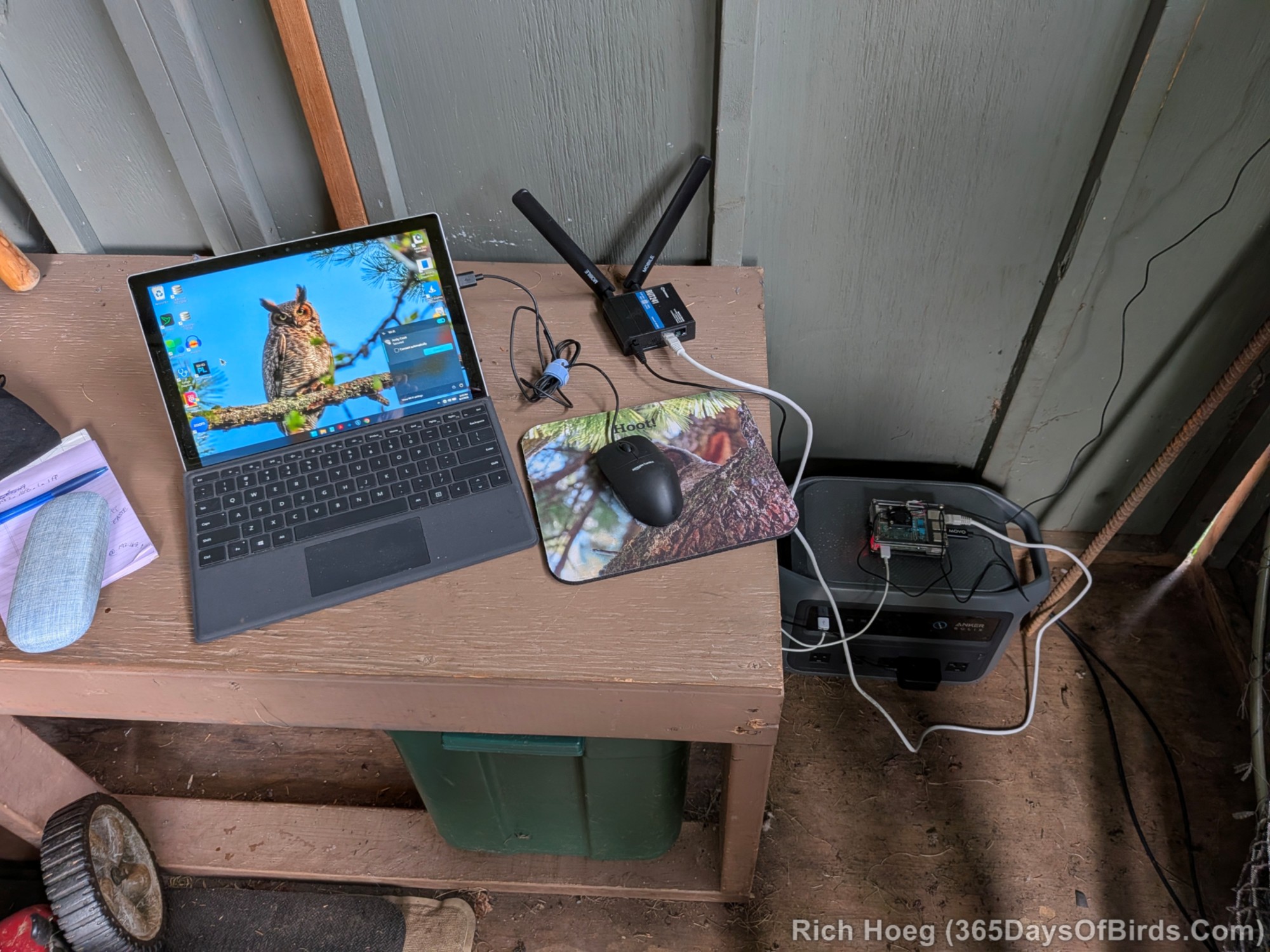
Anker Solix C1000 Power Station (Amazon Link)
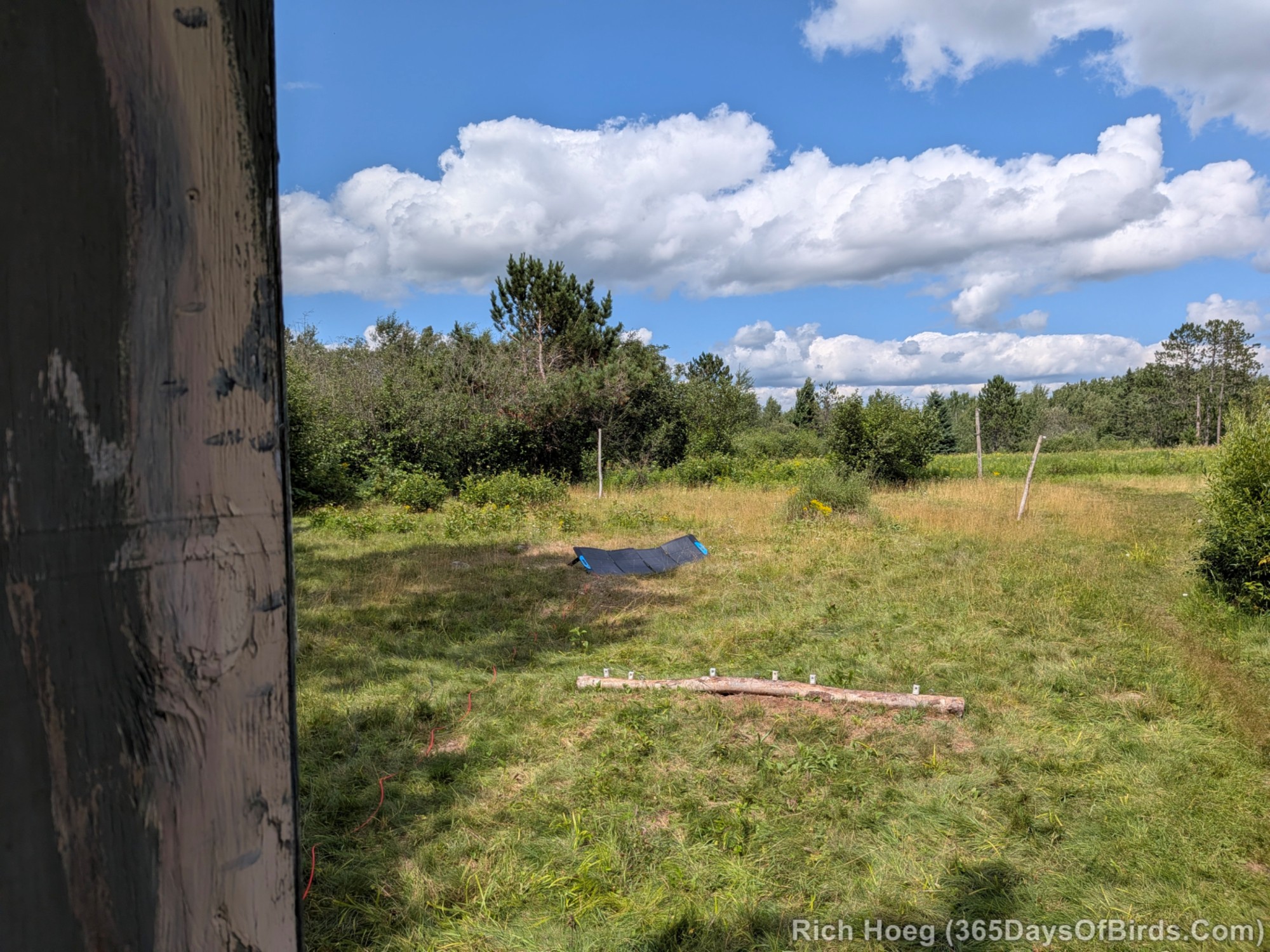
- Anker Solix PS 200 watt solar panels
- Purchased in combination with power station
- Got deal on Amazon Prime Day
- Cost was about $660 (power station plus solar arrays)
- Configured in preparation for the long Minnesota winter
- Access to our Pi station is severely limited in the winter
- Via the Anker App, our power station will automatically turn off power ports when the battery falls to 10%, but then turn everything back on when the solar arrays charge the power station battery to at least 30%
- A lightweight camping table (8×4 feet) with mesh tabletop construction will hopefully allow snow to fall through the open mesh to the ground, and let wind push snow off the table. The table top will be four feet off the ground
- Hopefully, the combination of these efforts plus the use of Raspberry Pi Connect (remote software access) will minimize the number of winter hikes through deep snow to reach the birdsong listening station.
Teltonika RUT241 Industrial Router / Cellular Modem (Amazon Link)
- Sim Data Card and Plan
-
- Purchased via EIOTCLUB
- One needs to purchase a “data only” plan for a WiFi hotspot
- Still learning how much data is needed
- Expectation … more in the spring courting season
- Less at other times of the year
- Data purchased affects cost
- Initial purchase was sim chip plus 10GB for one month
- Subsequent purchase was 24GB for one year
- Usage for first month trending to 2 GB (August)
-
- Optimized for -40F
- Wifi turned off (saves power)
- Connect to Pi via ethernet
- Cost was about $180
One learning which significantly helped me was the use of Google Gemini. It was very worthwhile to ask many questions of Gemini even if I thought I knew the answer. Often I would be presented with information which was extremely helpful, and I had not considered. For instance, even though I had found a good low power router / cellular modem, Google asked me if I had considered my winter operational conditions including temperatures down to minus 40F (not unheard of in northern Minnesota). My answer was “nope” and Gemini directed me to some routers that were of industrial strength, could handle our cold, but still had low power footprints. Thus, assume that even when you think you understand everything, there is still always more to learn.
Learnings which occurred while this post was in the “edit/design” mode”
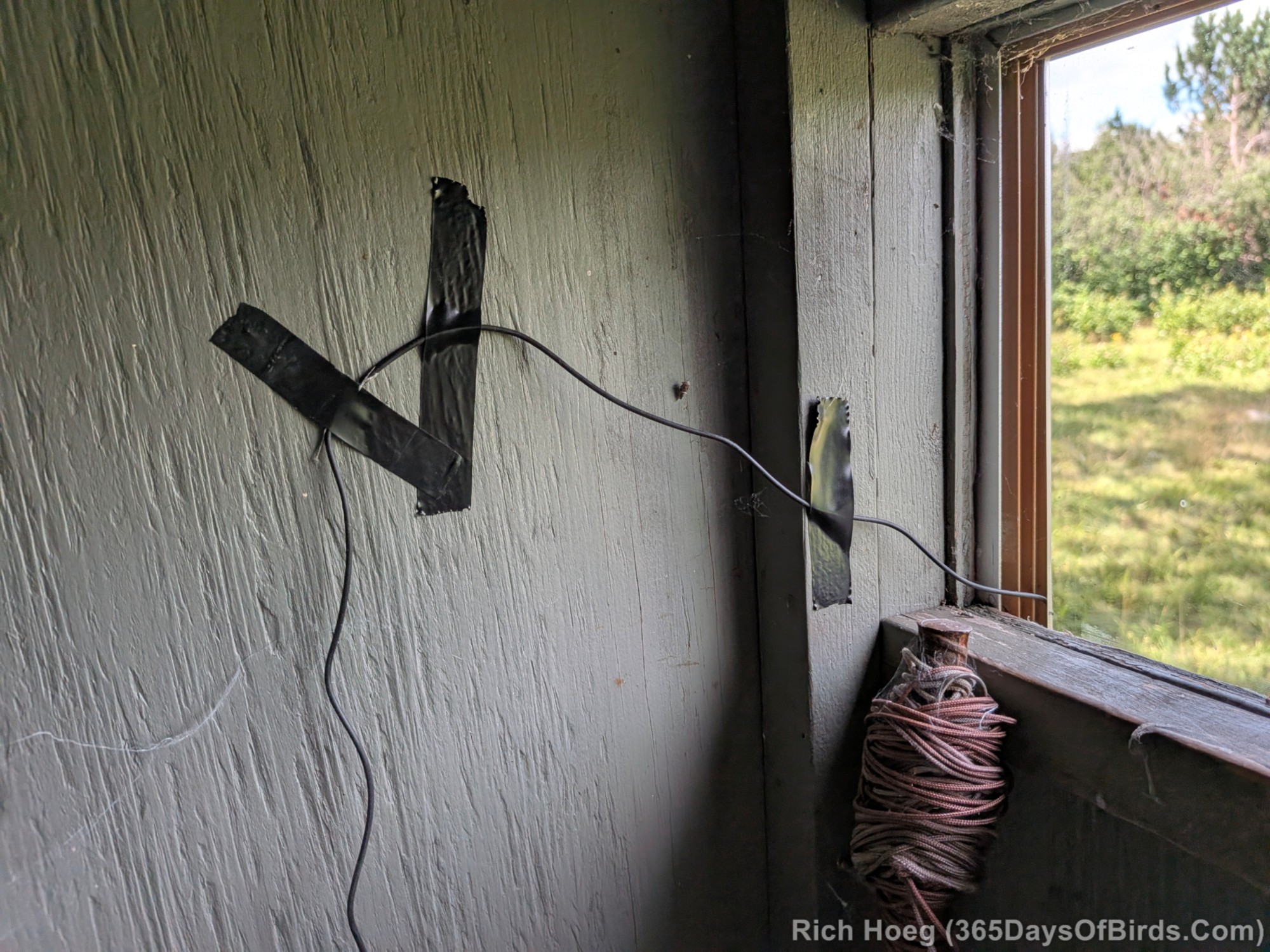
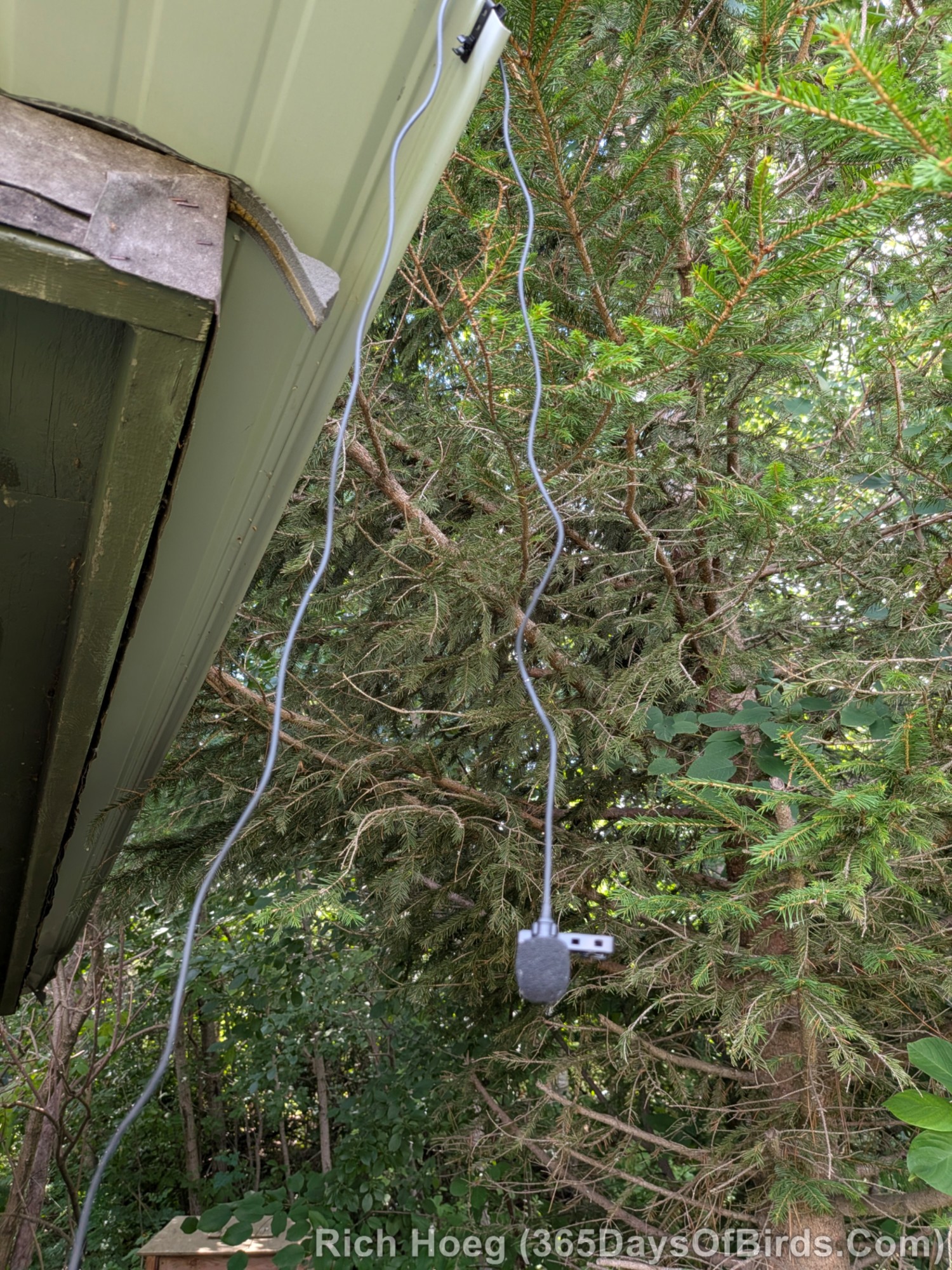
Expect the unexpected, or in this case learn to swear at mice! My first installation had microphone cord running along the ground which our local rodents felt was worth a good chew. It took some time before I figured out the problem (remember the station is remote from my house). The microphone cable break was well hidden. I even disconnected the Pi unit and brought it home for testing where the birdsong station worked perfectly … with a microphone already at my house.
I then took the time to set up my phone as a WiFi Hotspot, which allows me now to run full tests while at the Hawk Ridge Research Station. This is how I discovered the Pi was not working at Hawk Ridge, and I figured it had to be the microphone. Thankfully, I had brought a new microphone which enabled the Pi to make birdsong ID’s once more. I then conducted a painstaking review of the microphone cable lead and found the break deep in the grass next to the bird blind. Uff Dah!
Hawk Ridge Research Station Images … Pi Testing in Process
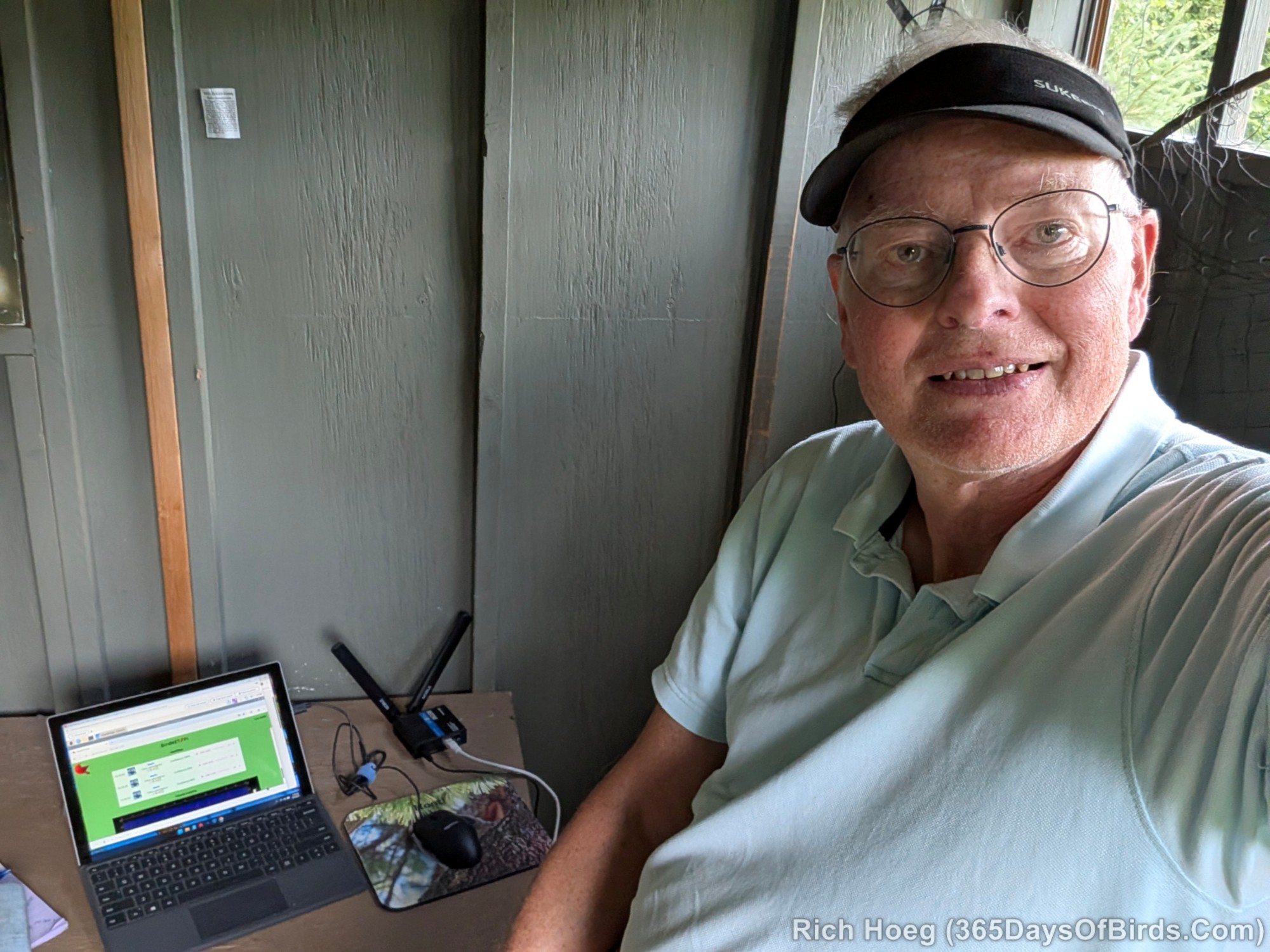
Pi Guy Rich!
Cellular Modem – Router / BirdNET-Pi / Power Station
Solar Arrays (optimizing as we learn shade footprints)
New Mouse Proof Microphone Cable!
In closing … see what birds are singing at Hawk Ridge
- Hawk Ridge Birdnet-Pi via BirdWeather.Com (free … no account required)