Category Archives: Year 6

Birds Nesting … Do Not Disturb

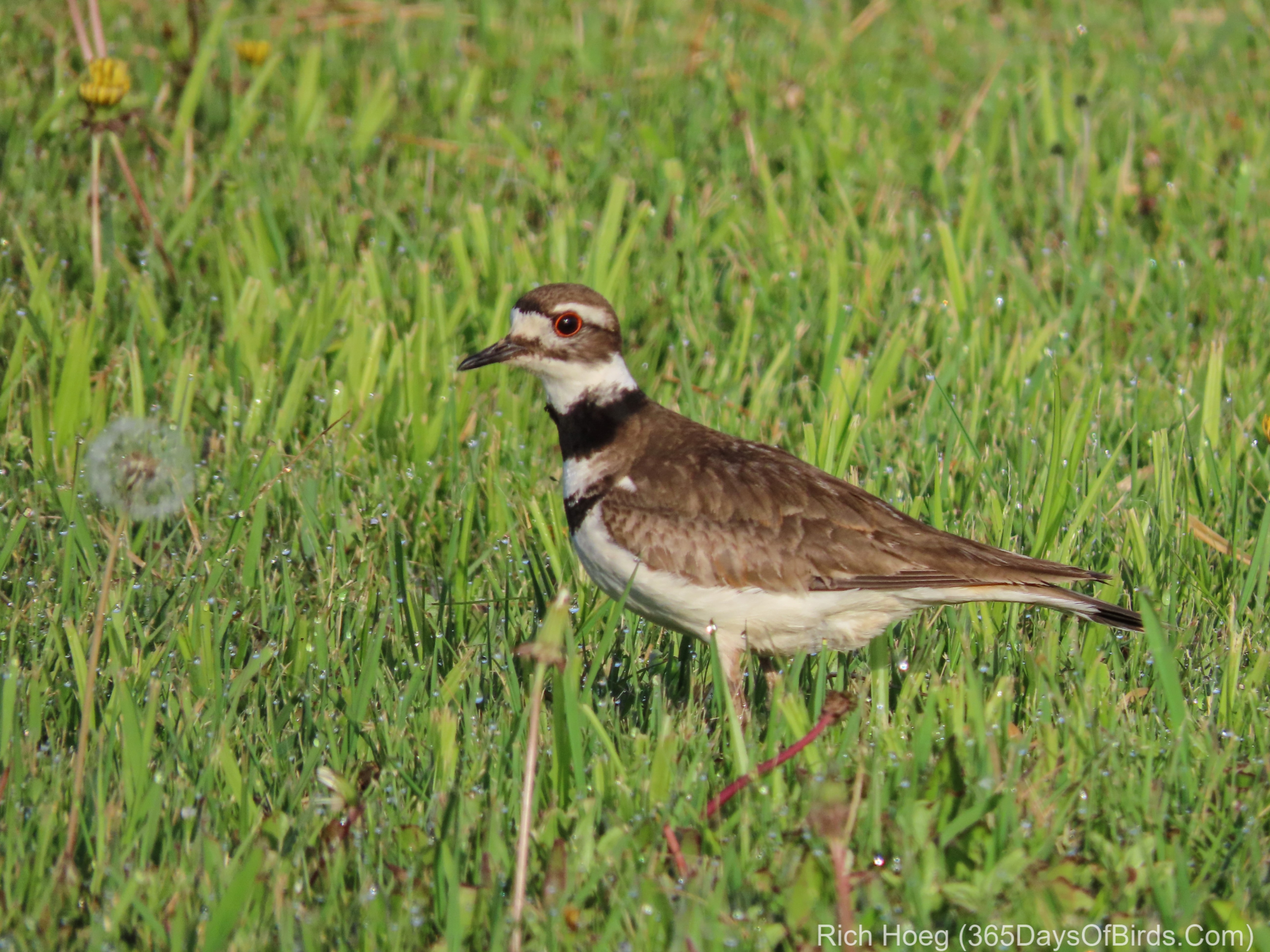
This morning I drove over to Cloverland. I expected to meet the Killdeer family including some newly hatched chicks. Alas, the nest I was monitoring had fallen prey to a lawn mower. I felt horrible, as I’m certain I could have arranged for the nest to be protected if I had just anticipated the grass mowing. My scenario leads me to make an important request:

  • If you own or know folks who have grassland, please ask them to hold off cutting hay or mowing till early July. Grassland birds will thank you! I only wish I had been forward thinking to protect the killdeer’s nest.
  • If you see nests in your own yard, try to give your friends some space. Thank you.

I think this photograph I took this morning of an Eastern Kingbird says it well.
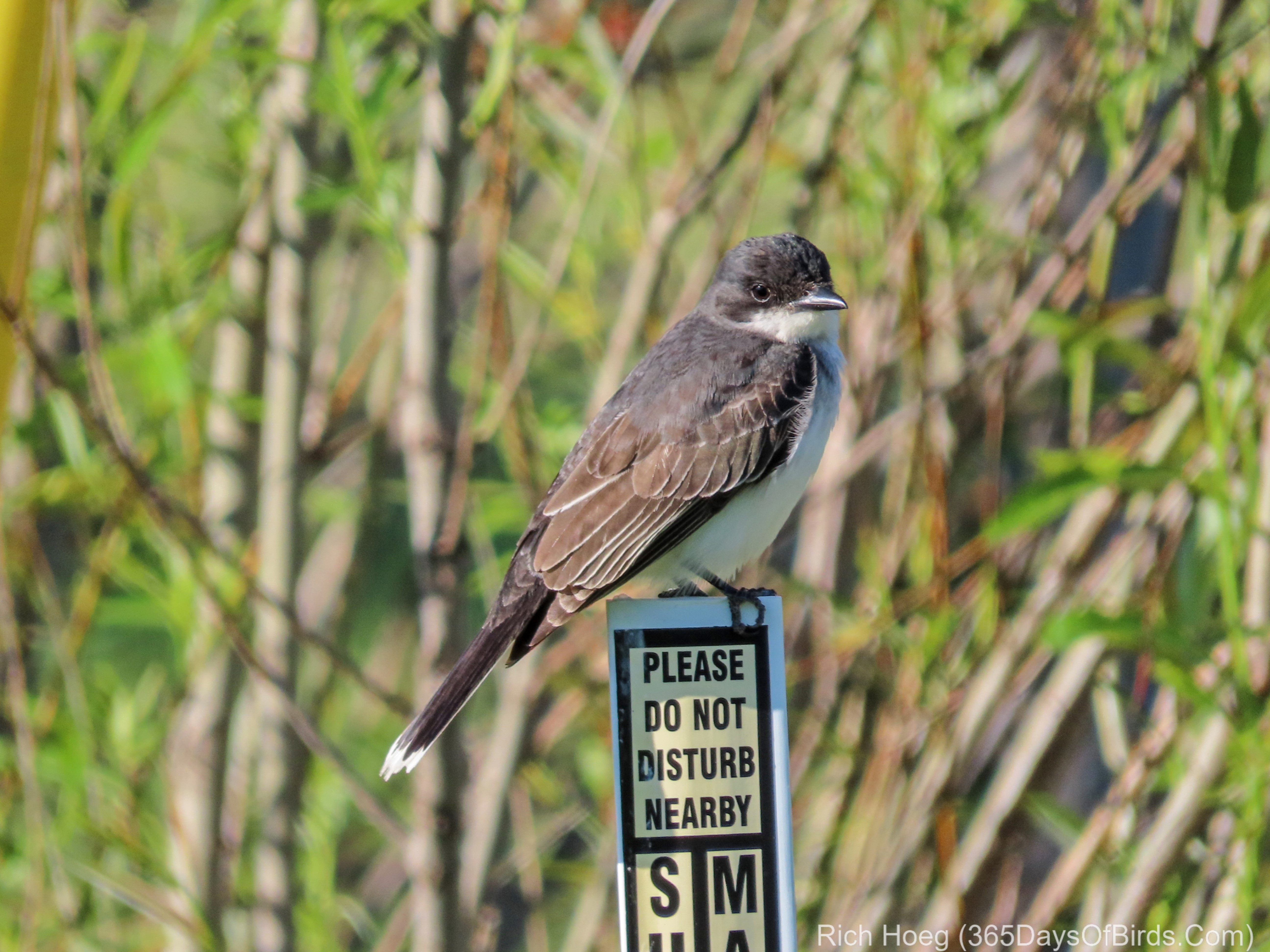
I was actually over in Cloverland not just because I like to bird the Wisconsin grasslands, but also because I was doing volunteer work for the Wisconsin Breeding Atlas (sponsored by the Wisconsin Society for Ornithology). One super way to monitor nests is by watching nest web cams. My favorites is the Snowy Owl Live Cam up in the Arctic. As a fyi, I support the Owl Research Institute both through cash and donating my children’s books. They do great work.

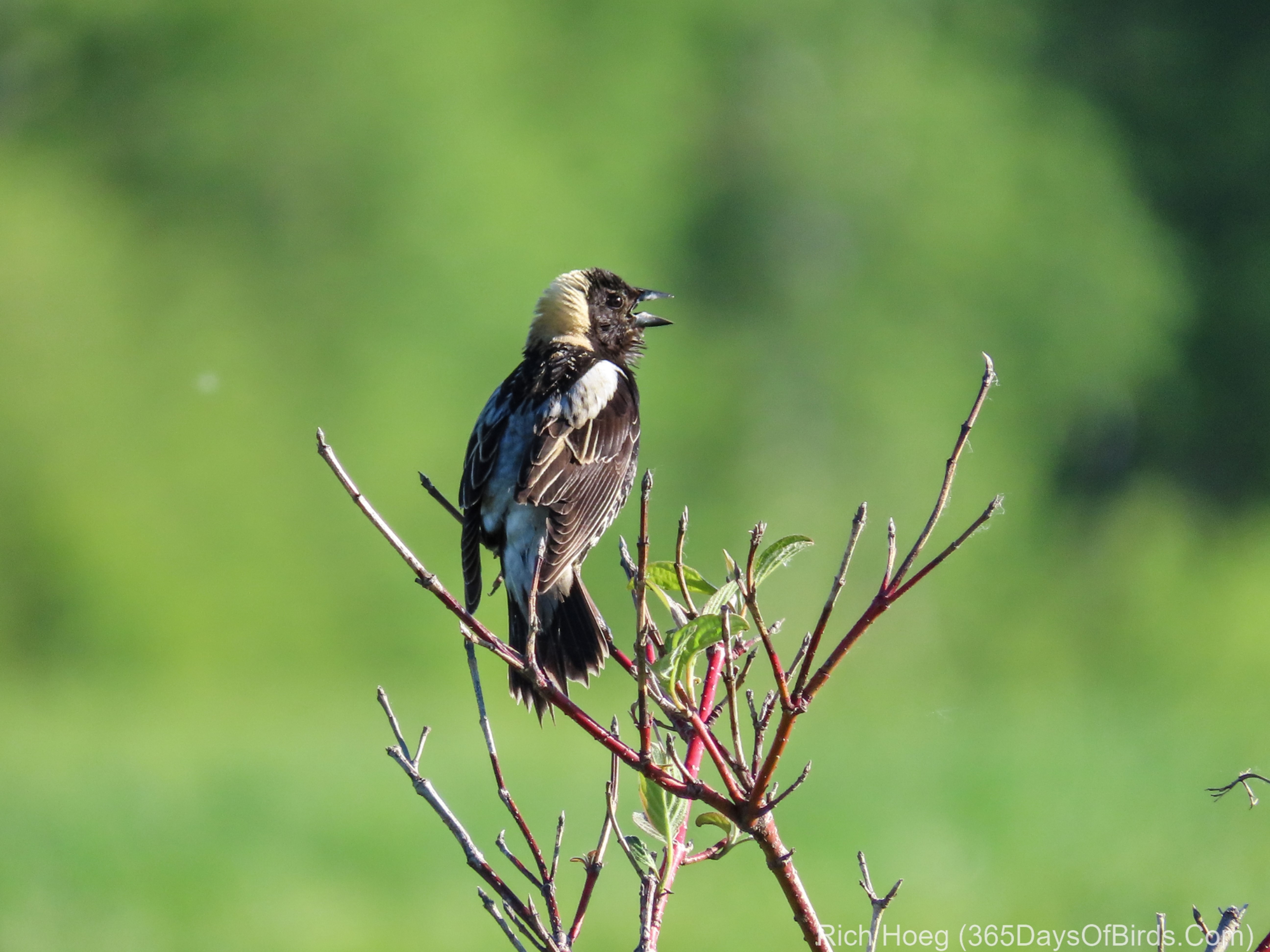
Another bird busy trying to find a mate this morning was this Bobolink
Finally, the excitement for the morning was watching two Bald Eagles feed in a nearby meadow. My attention was first attracted to the eagles when I was watching a Northern Harrier which was not happy with the American national bird’s presence.
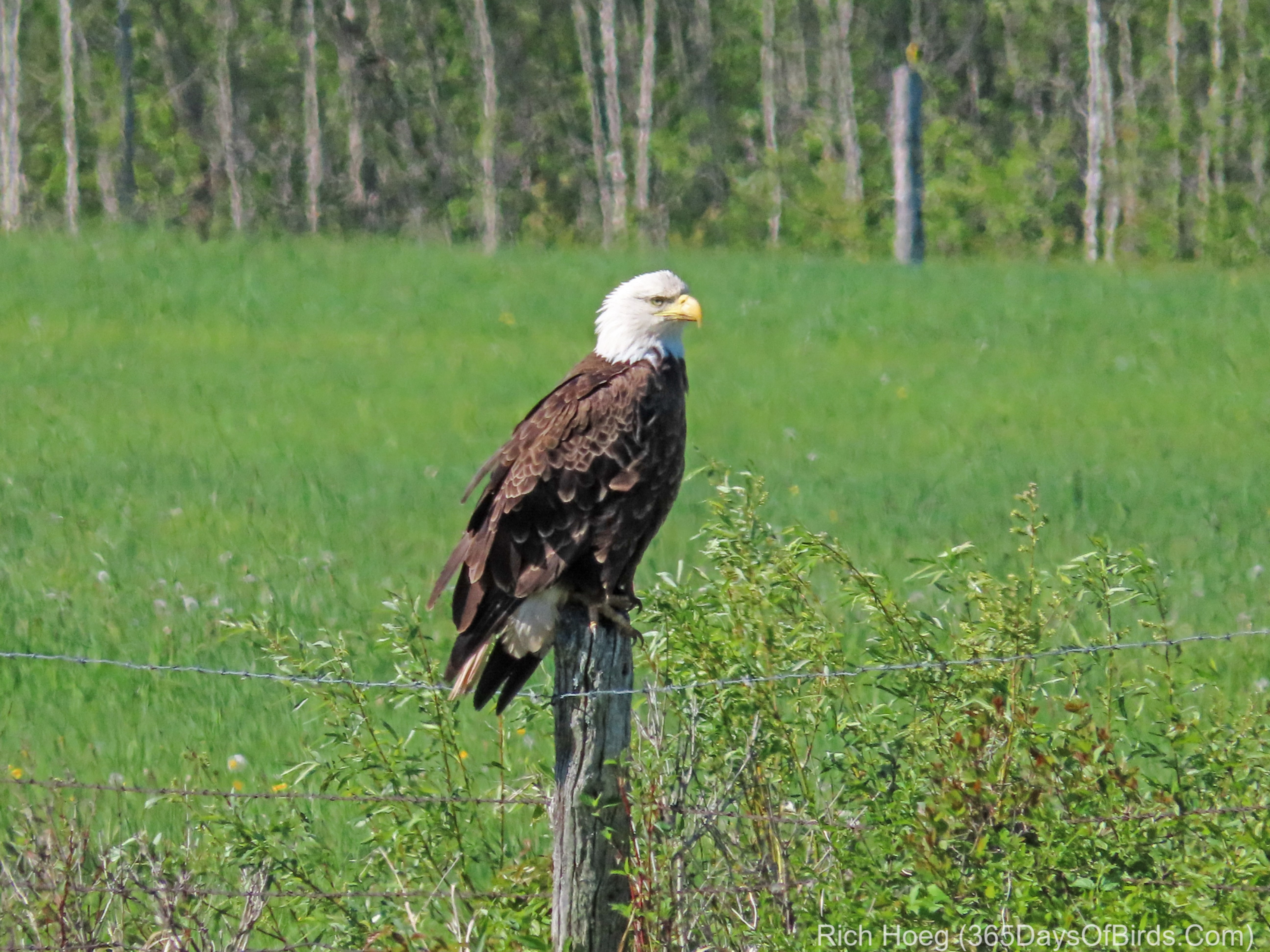
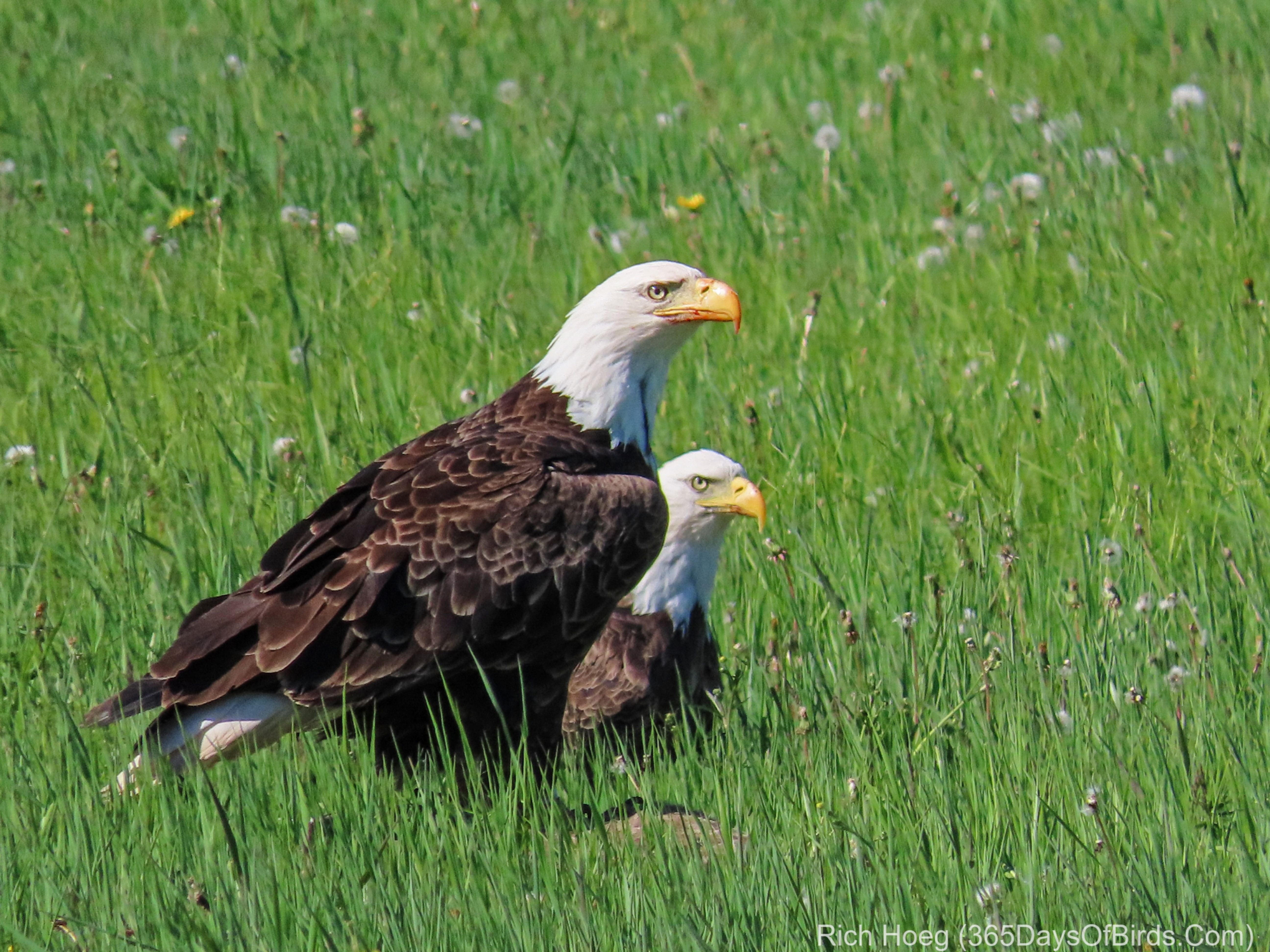
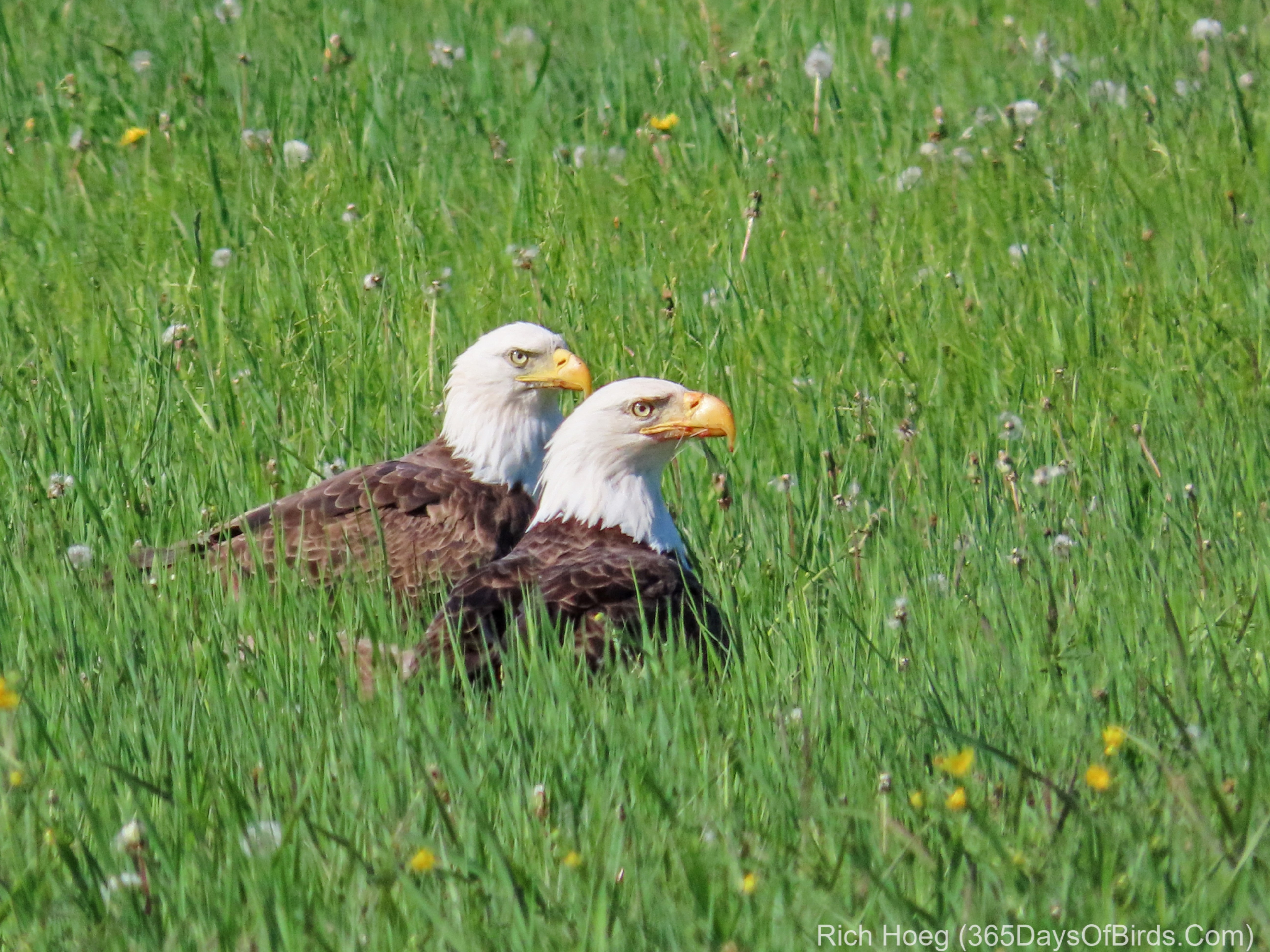
Ptooey!
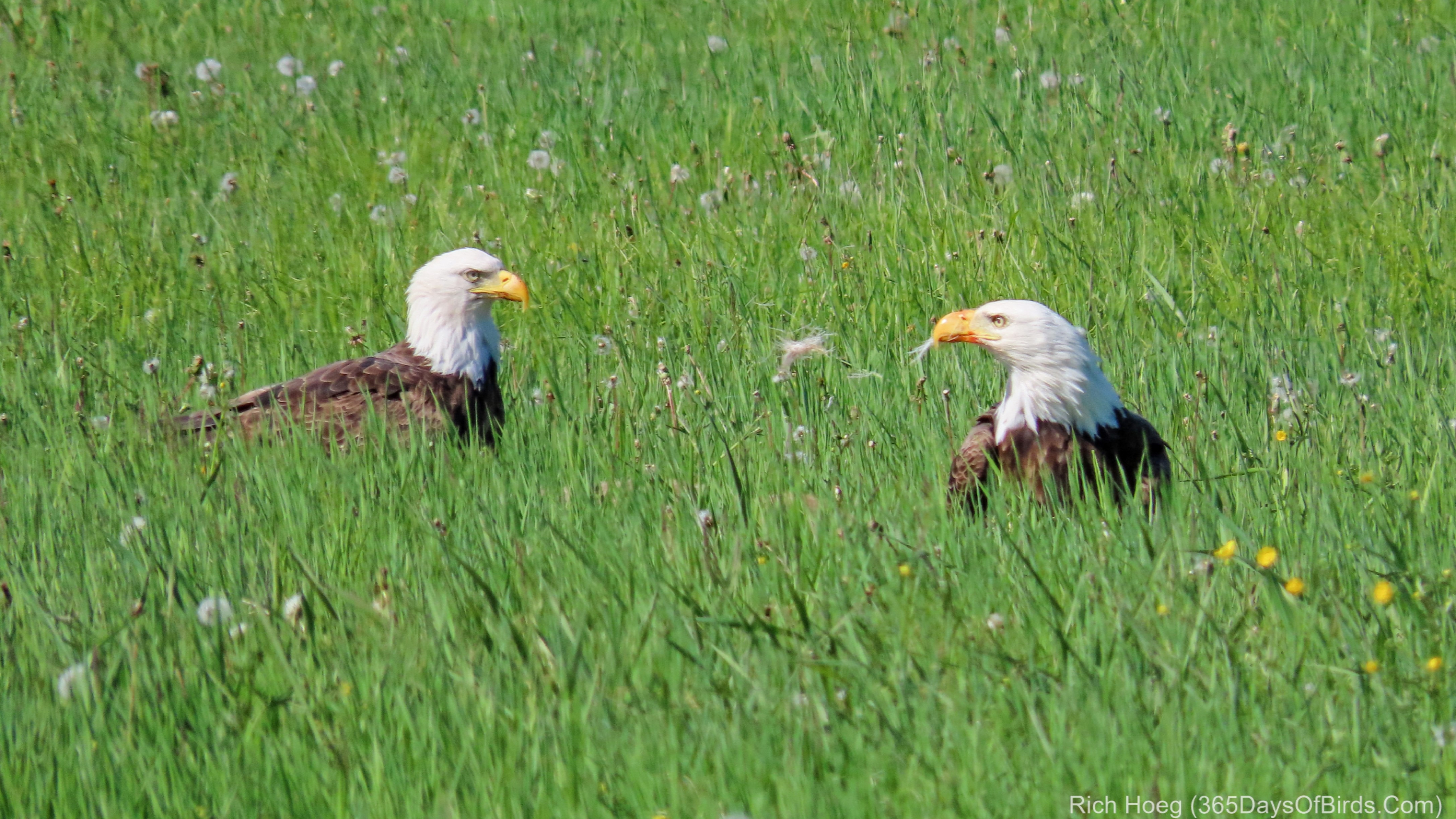
And a video from this morning. Sorry about the sound from my flashers.
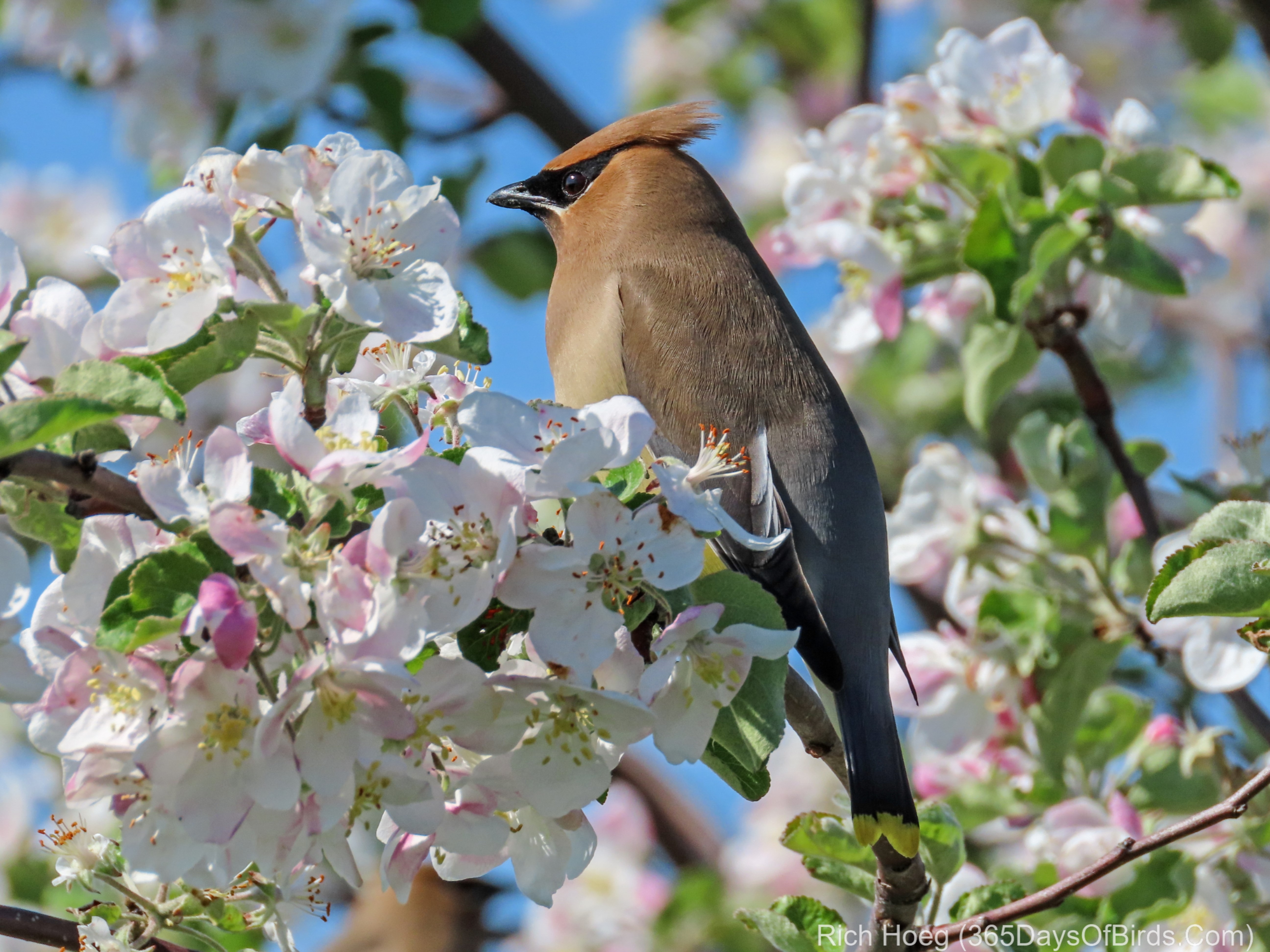
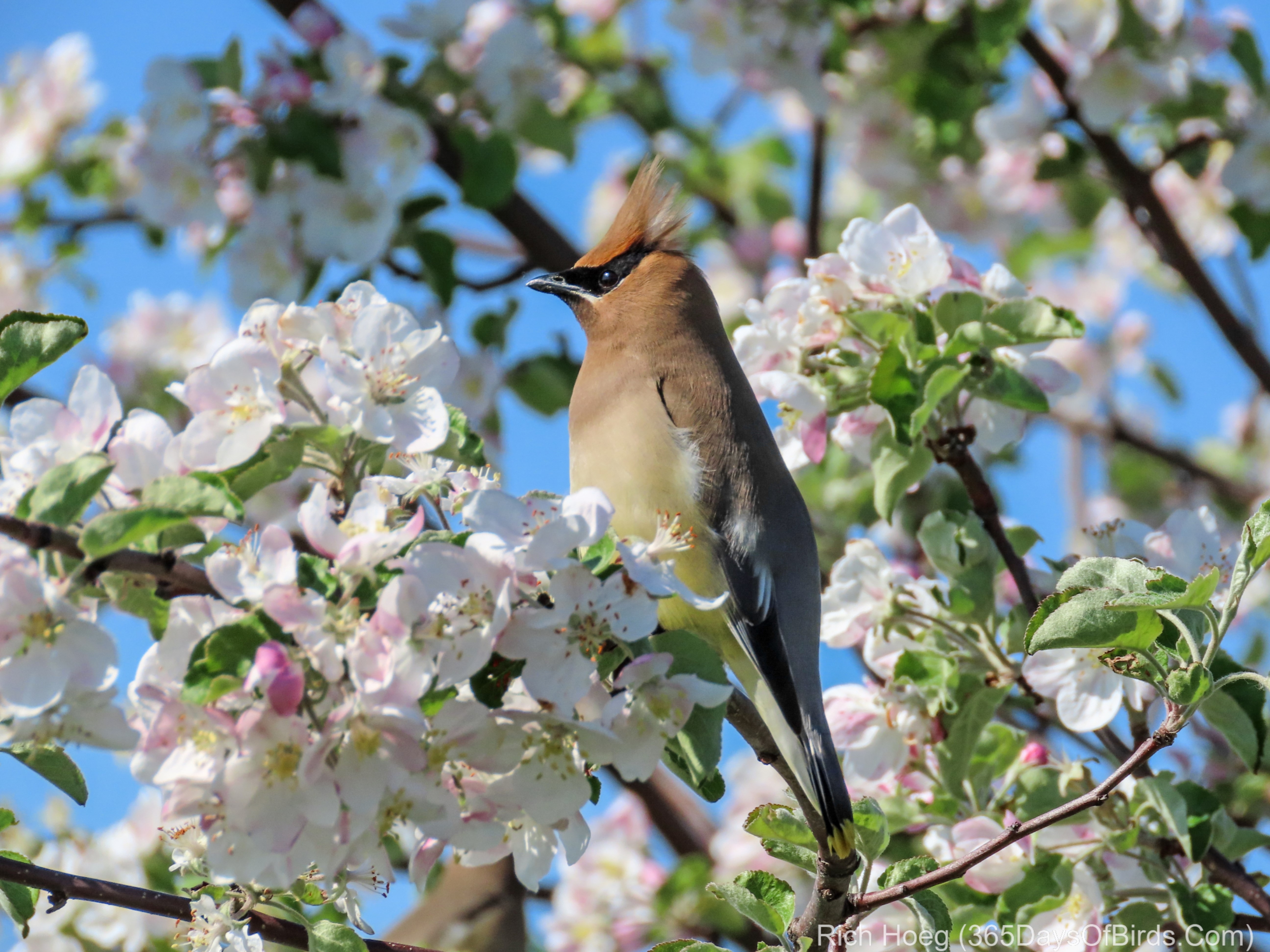
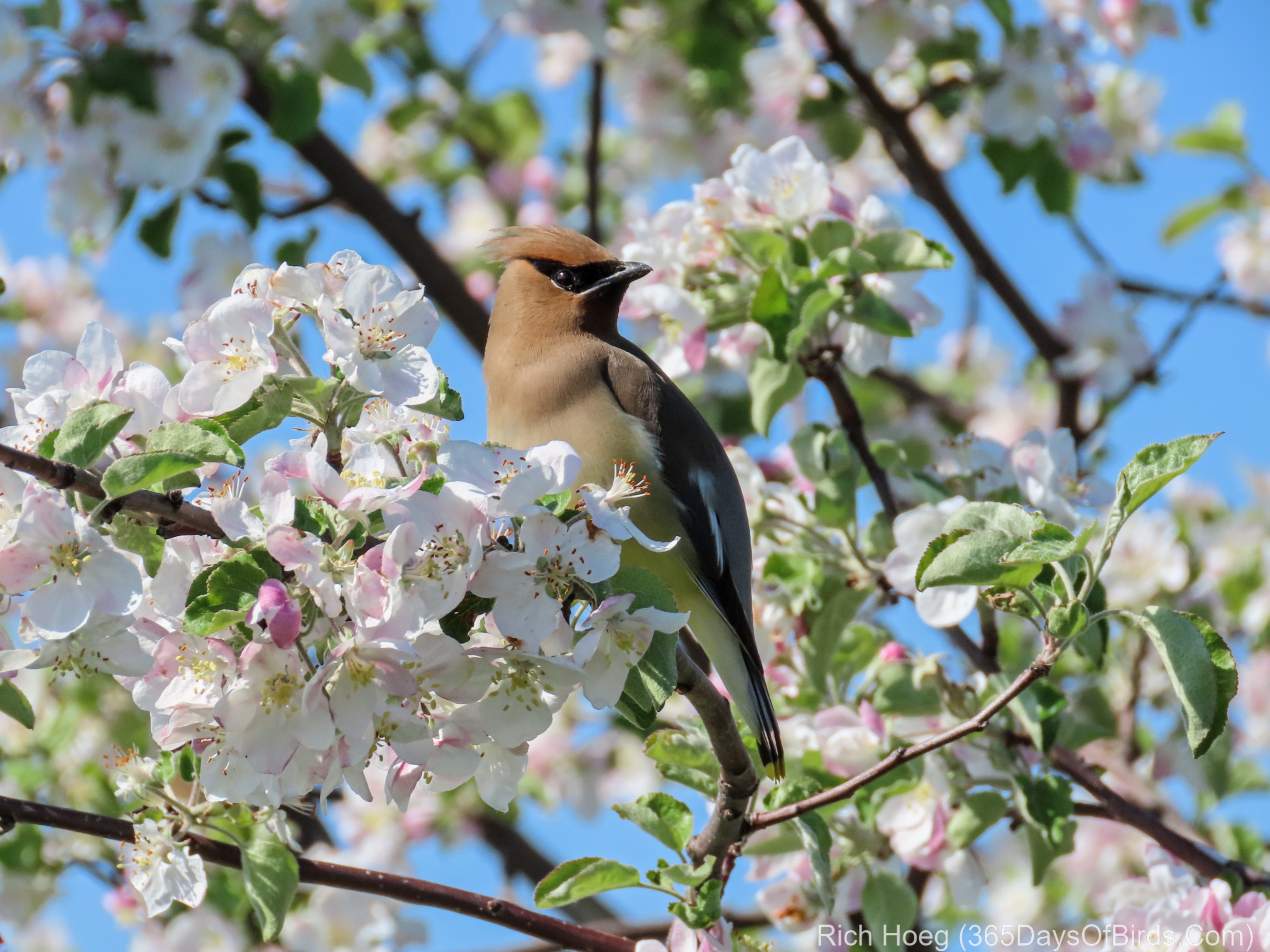
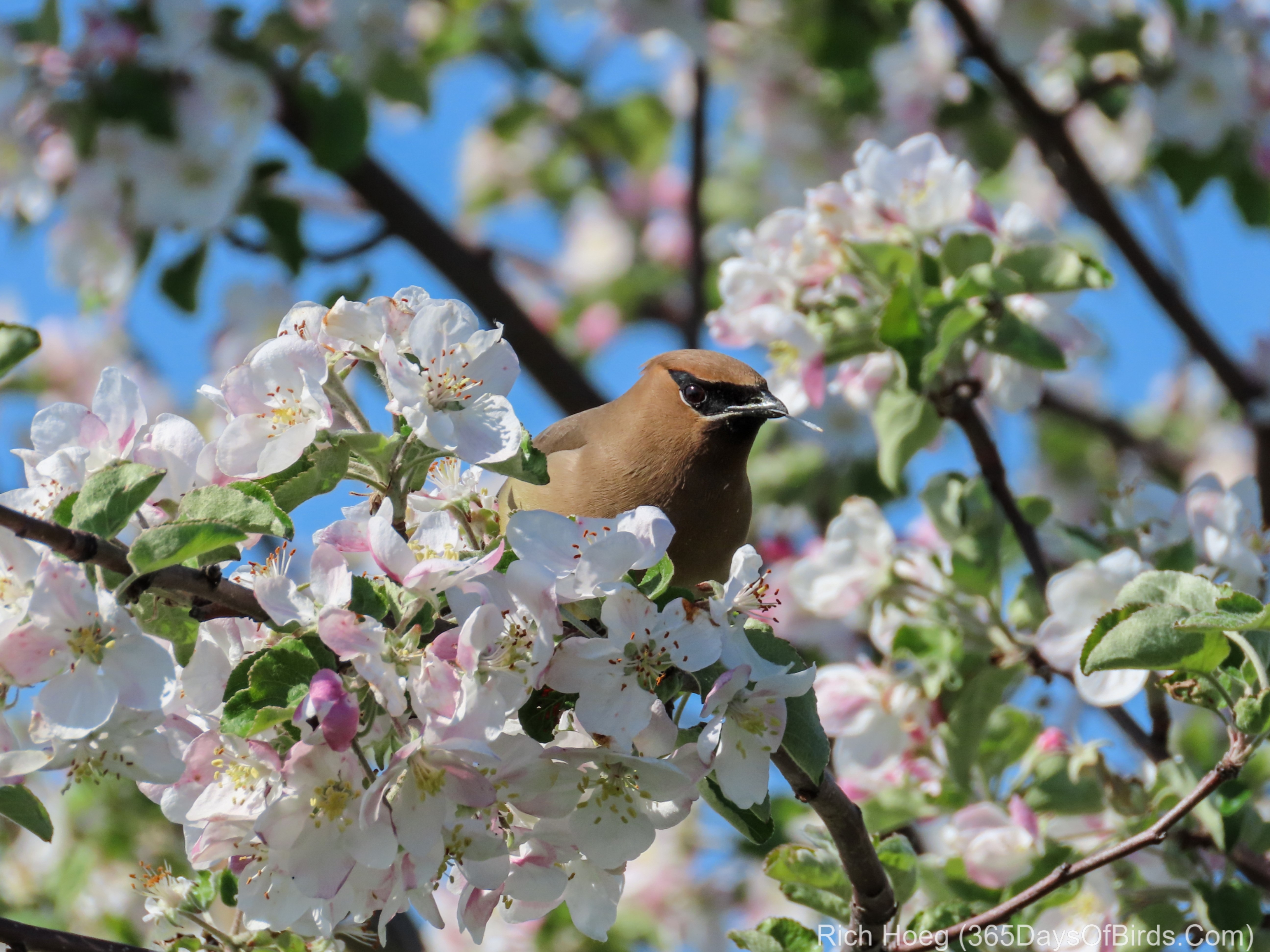
Crab Apple Blossom Birding Reprise!

Same exact tree … different birds (see my Indigo Bunting and Chickadee photos!).

Cedar Waxwings love to eat apple blossoms early in the spring. It is worth learning where the flowering fruit trees are in your own neighborhood. These trees a bird magnets in every season.

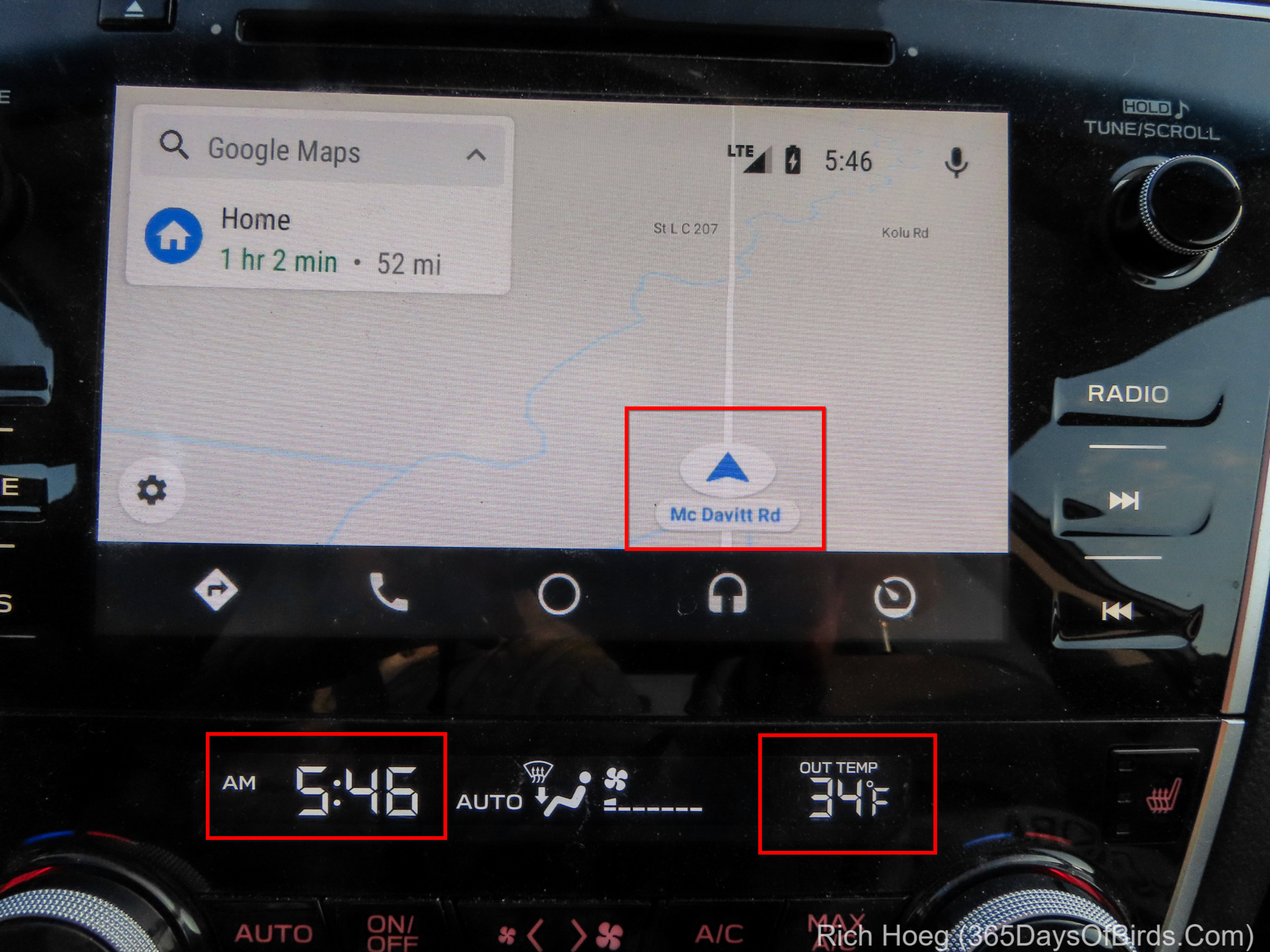
Now if you think my comment about today being “early” in the spring, while that might be a wrong statement for where you live, scroll down to see this morning’s temperature in Sax-Zim Bog)

Cedar Waxwings Eating Crab Apple Blossoms

The Temperature in Sax-Zim Bog this Morning

No Owls Were Found!


Follow me, Rich Hoeg, on Instagram.

Telling the Eastern Meadowlark Story, but Which Story??

Given the water temperature of Lake Superior near my house is still in the 30’s, I decided to drive over to Cloverland, Wisconsin this morning for a visit to the Wisconsin Wetlands. A south wind does not have come across the big lake unlike in NE Minnesota, and thus nature’s rejuvenation each spring is way ahead of my neighborhood.

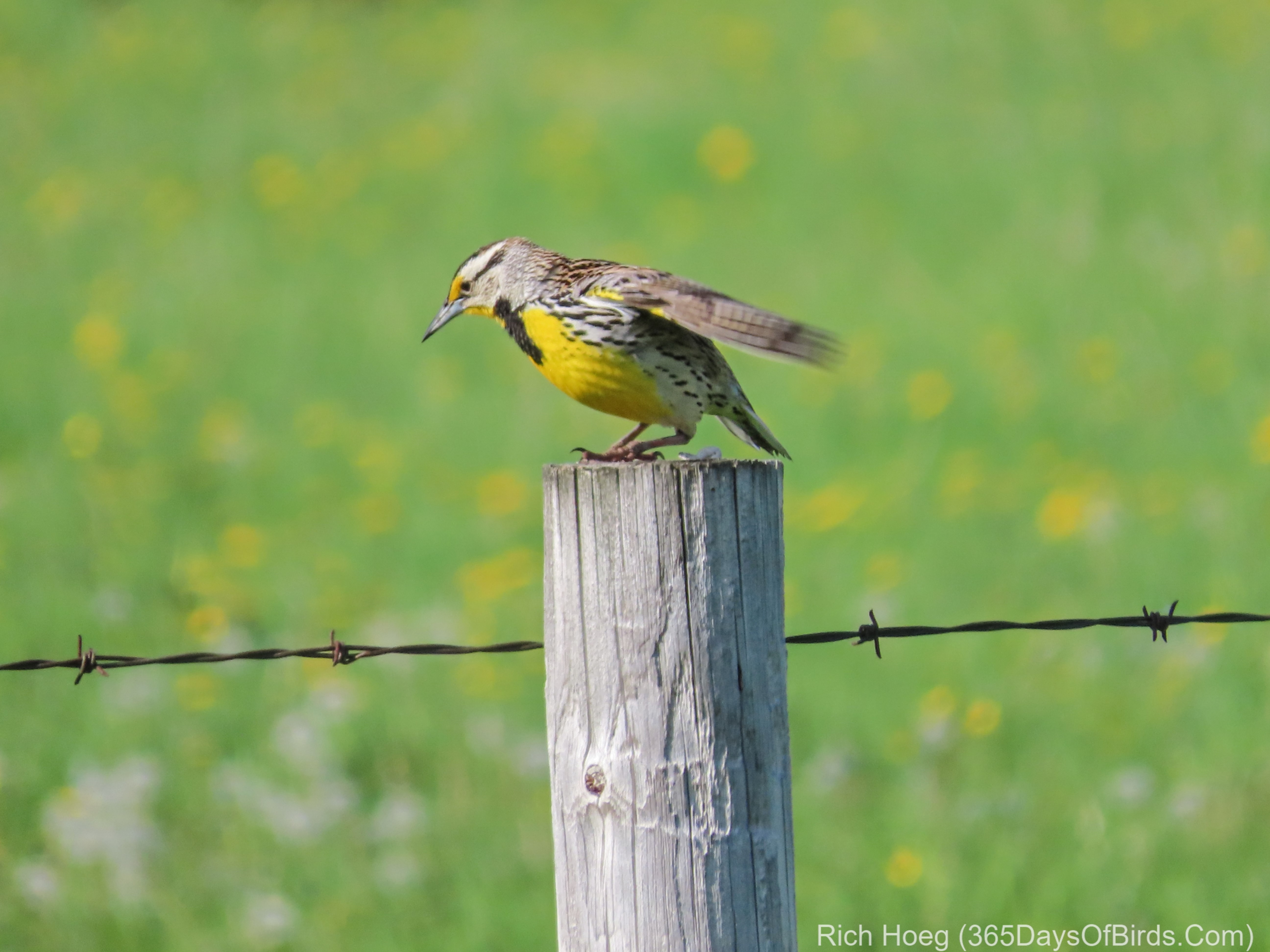
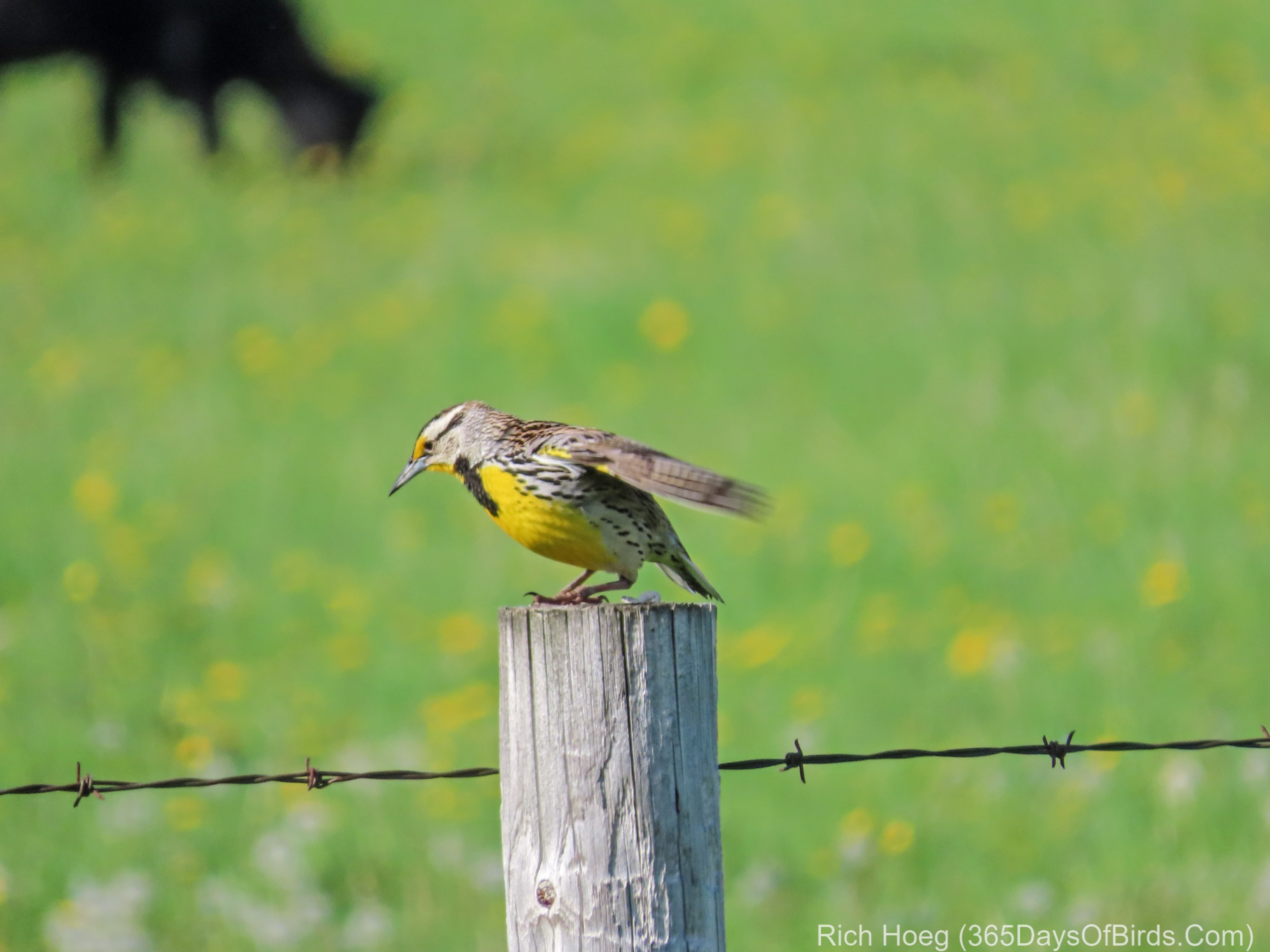
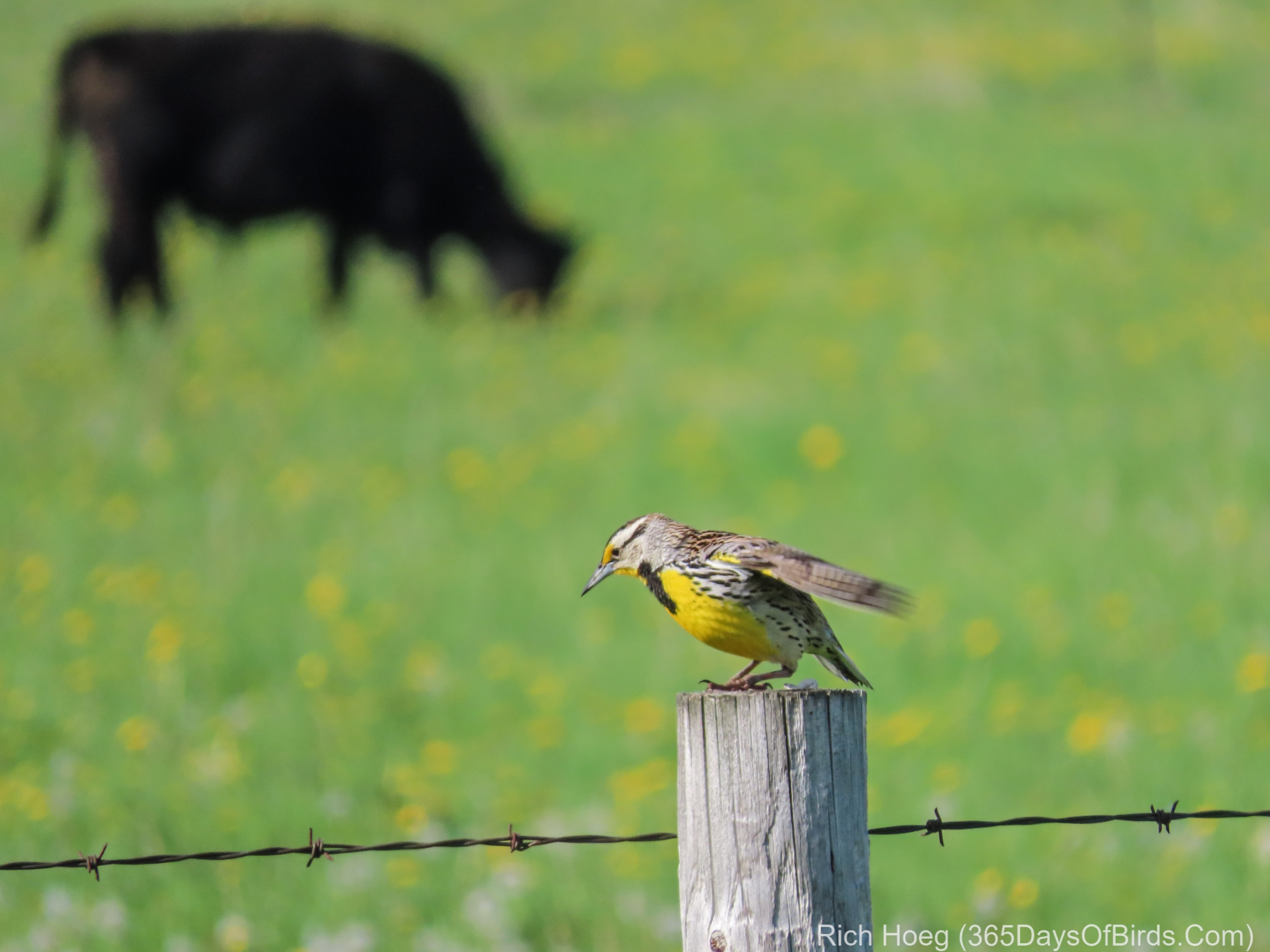
I had fun watching Eastern Meadowlarks, which I would never find in the Boreal Forests near my house. Everyone has heard the catch phrase “every picture tells a story”. As a wildlife photographer the same image can often yield totally different stories. Take a look at the next three photographs which all come from EXACTLY the same image. In post production the photographer decides which story to tell. No story is wrong, just different. At the end of this blog post, I reveal which photo I like the best, but remember there is no wrong answer. Which story do you like better?

Story #1: Eastern Meadowlark about to dive down on some bugs. The close-up crop better shows the birds plumage.

Story #2: Eastern Meadowlark about to dive down on some bugs while a black cow grazes in the background. The partial crop focuses upon the bird, but still emphasizes the pastoral scene.

Story #3: Eastern Meadowlark about to dive down on some bugs while a black cow grazes in the background. The photograph is not cropped and emphasizes the pastoral scene including the full profile of the cow.

Assuming you are still reading the text of this blog post, I used my Canon SX70 for these images with digital zoom turned off. Generally one should never use digital zoom on any camera. It is better to decide in post production which story as a photographer you wish to tell. Sx70 images are capable of being cropped and still yielding good results assuming the ISO is set low enough (100 in this case). My impression of any camera I have ever used is once one turns digital zoom on, and if one is at full zoom, image quality suffers.

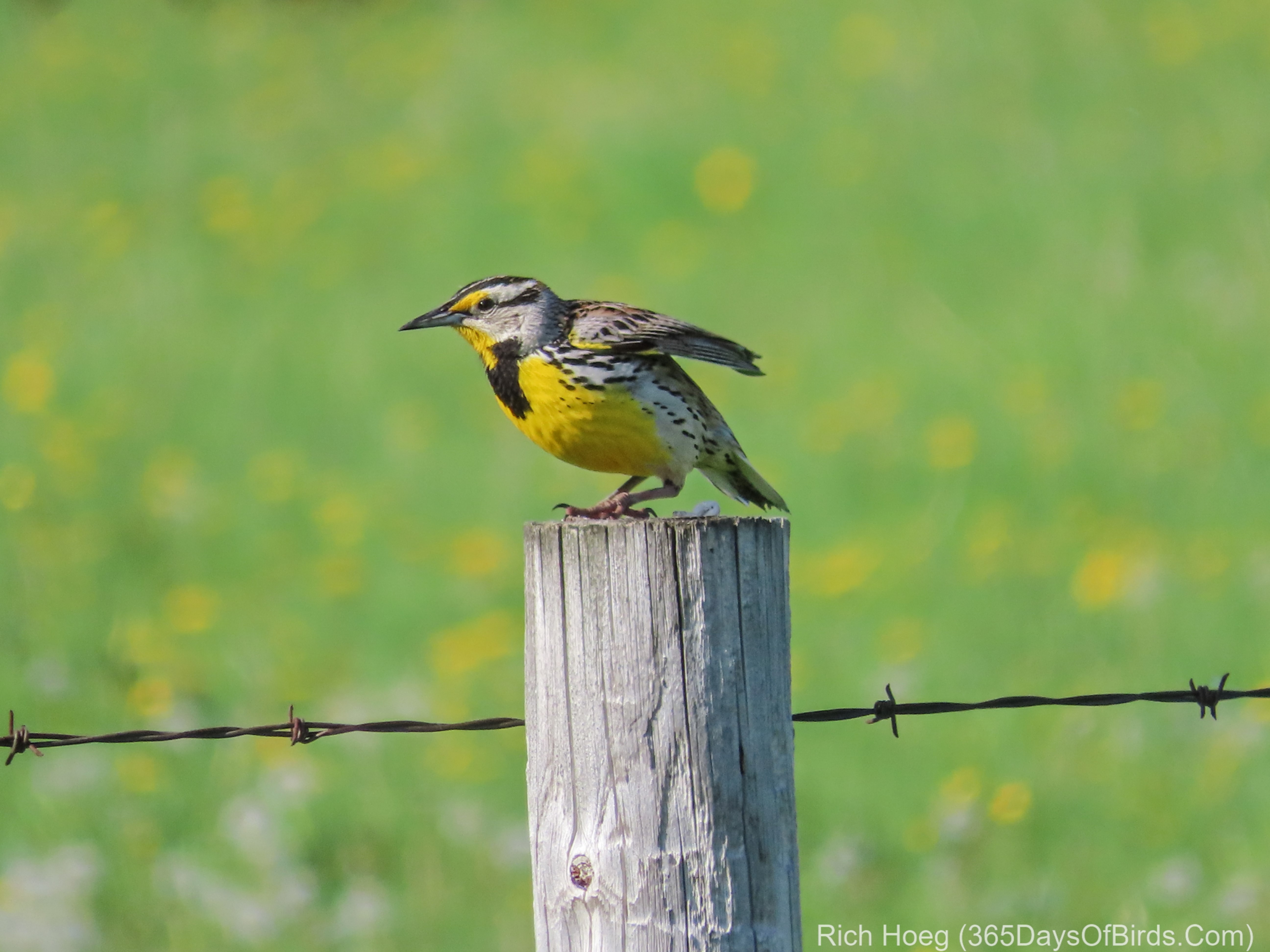
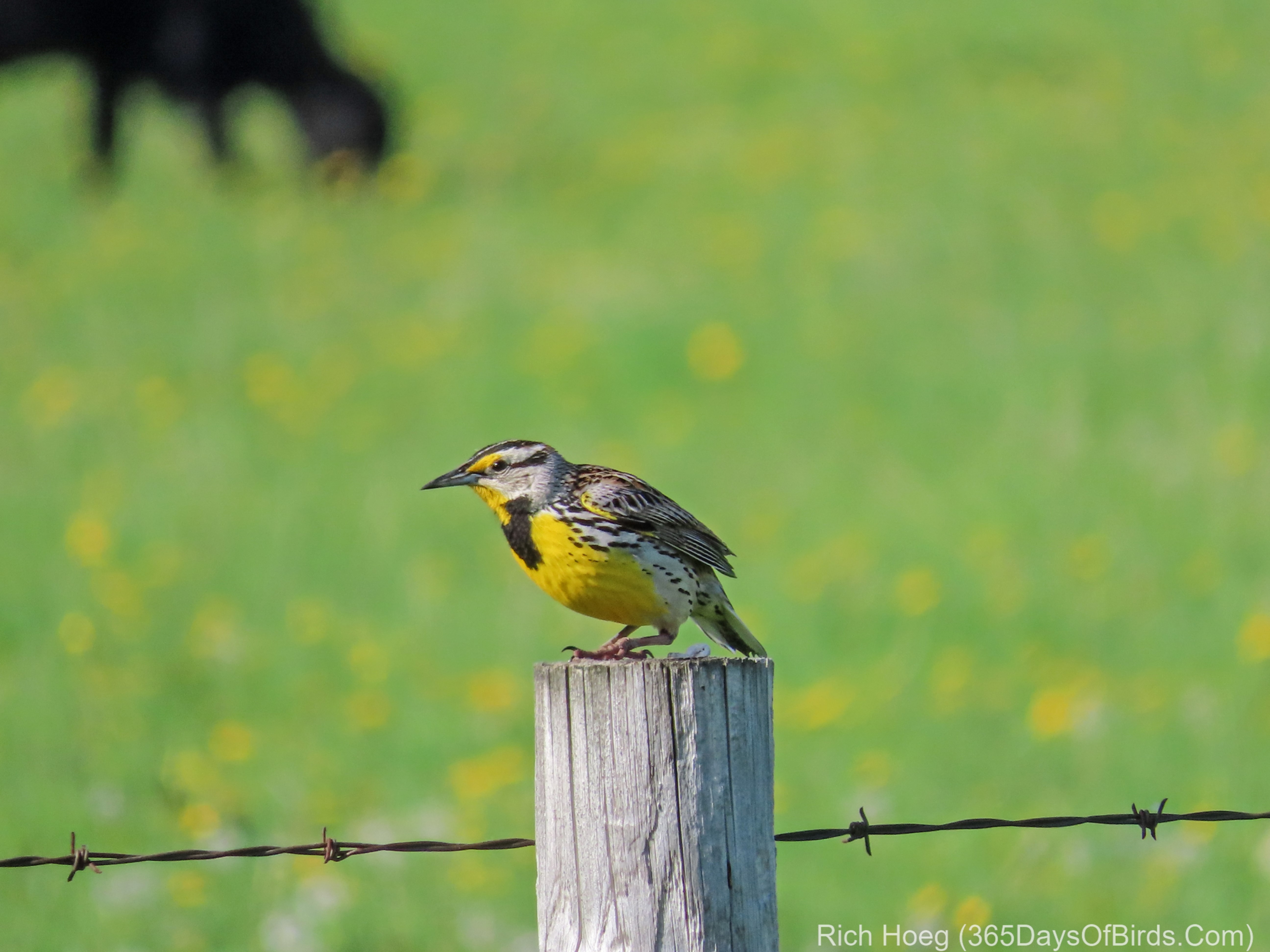
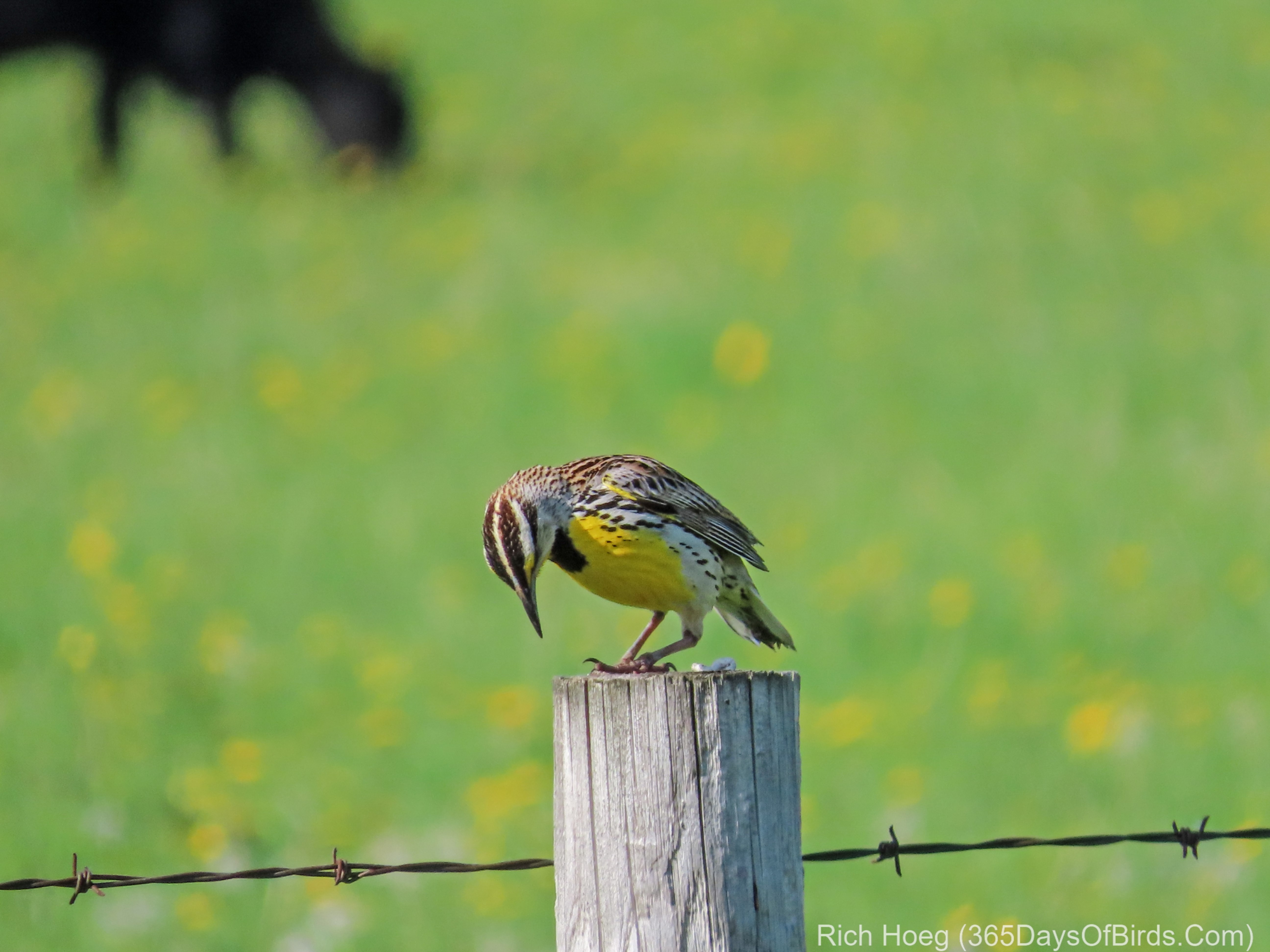
Here are a few more Eastern Meadowlark photos from this morning … all different images in each case.

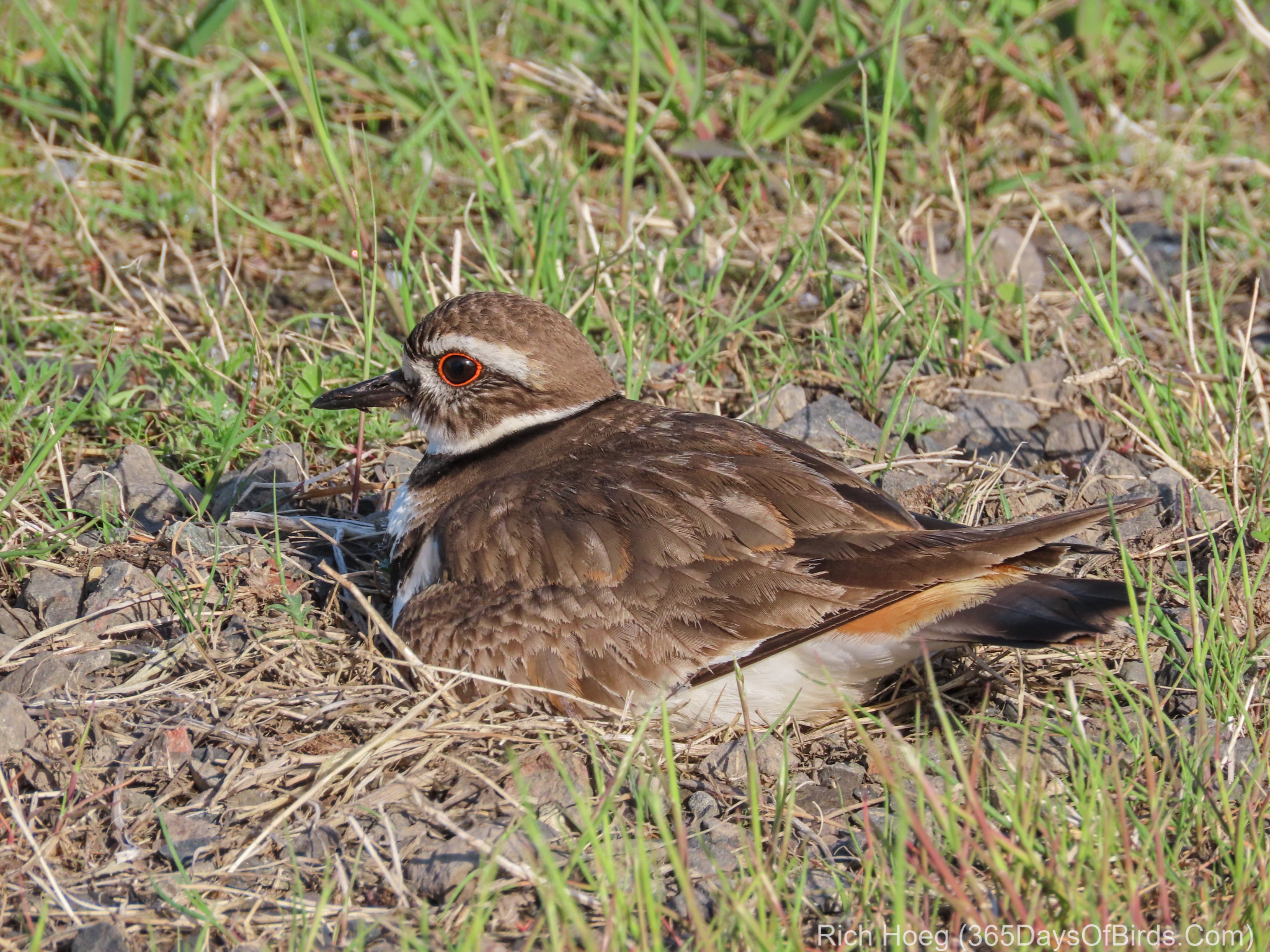
Finally, while hiking I almost stepped on this nesting Killdeer. It is rather amazing how these birds nest right out in the open, and rely upon camouflage for protection.

Finally, I prefer Story #2. I like images which reflect the environment in which a bird is found. As photographers we often want to zoom, zoom, zoom to get as close as possible. Once again, close-ups are not wrong, but I prefer to show off the environment a bit more than in Story #1. In addition Story #2 features a larger sized image of the meadowlark than Story #3, but still includes the cow. Story #3 is my second choice, while Story #1 is my last choice!

One closing comment … even though it looks like the Meadowlark is getting ready to dive down on unsuspecting bugs, the real story is the bird is about to deliver breakfast to hungry young. In just a few minutes I saw not one, but two Meadowlarks use this same post and dive down into the tall grasses. Given the commotion which arose (i.e. screaming young), they had to food to deliver. Thus, sometimes the story is not what one would assume!  🙂