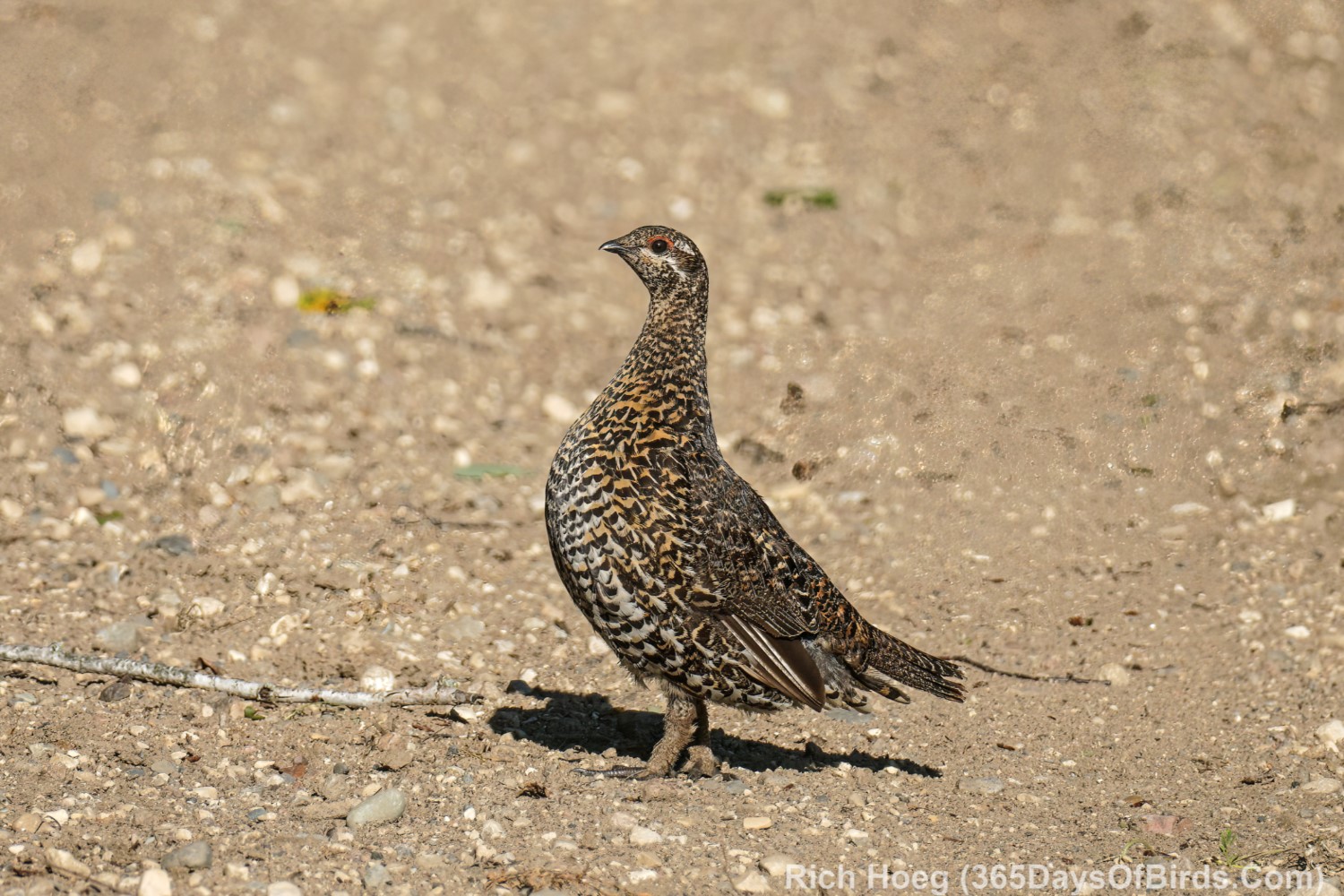
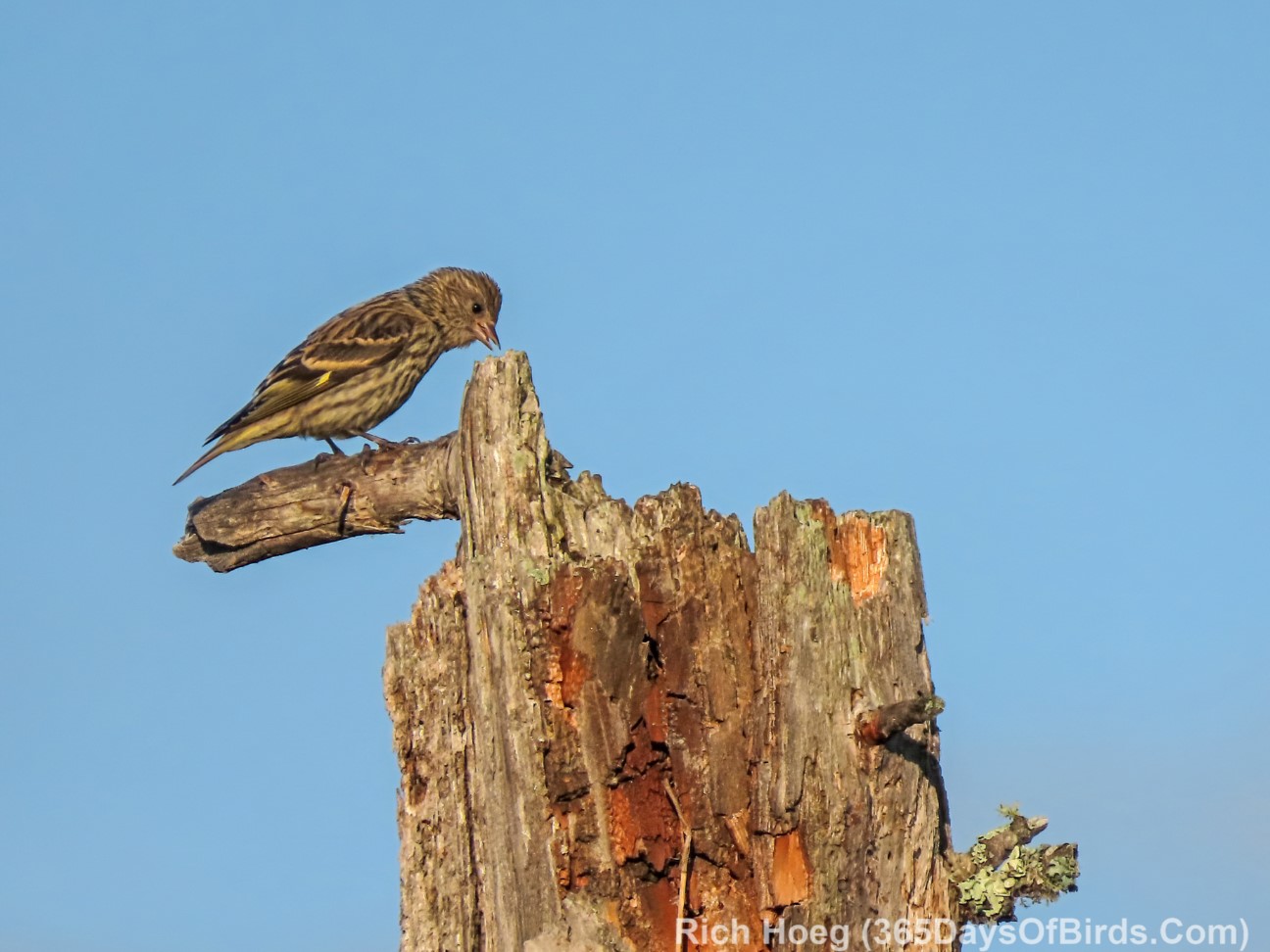
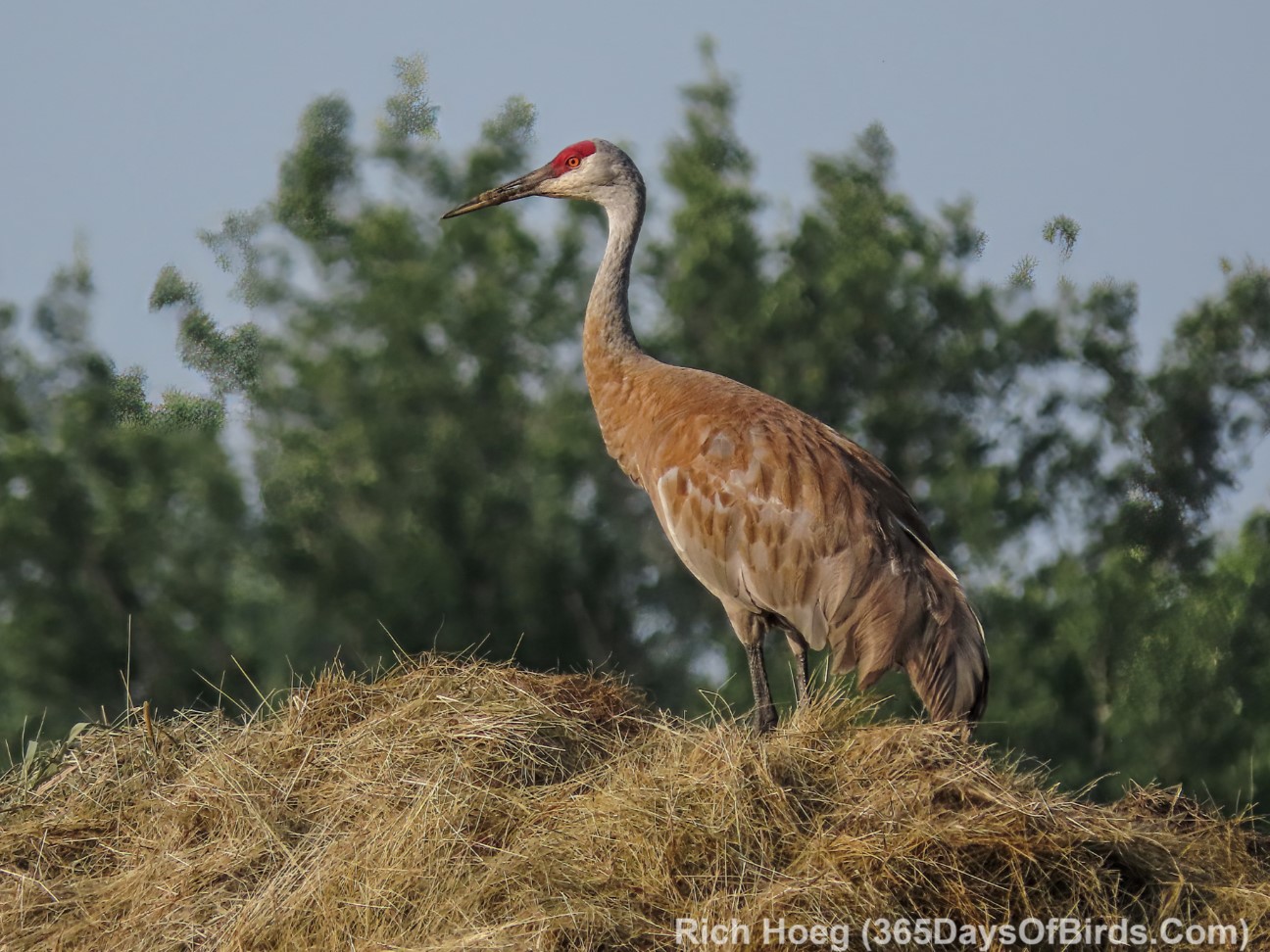
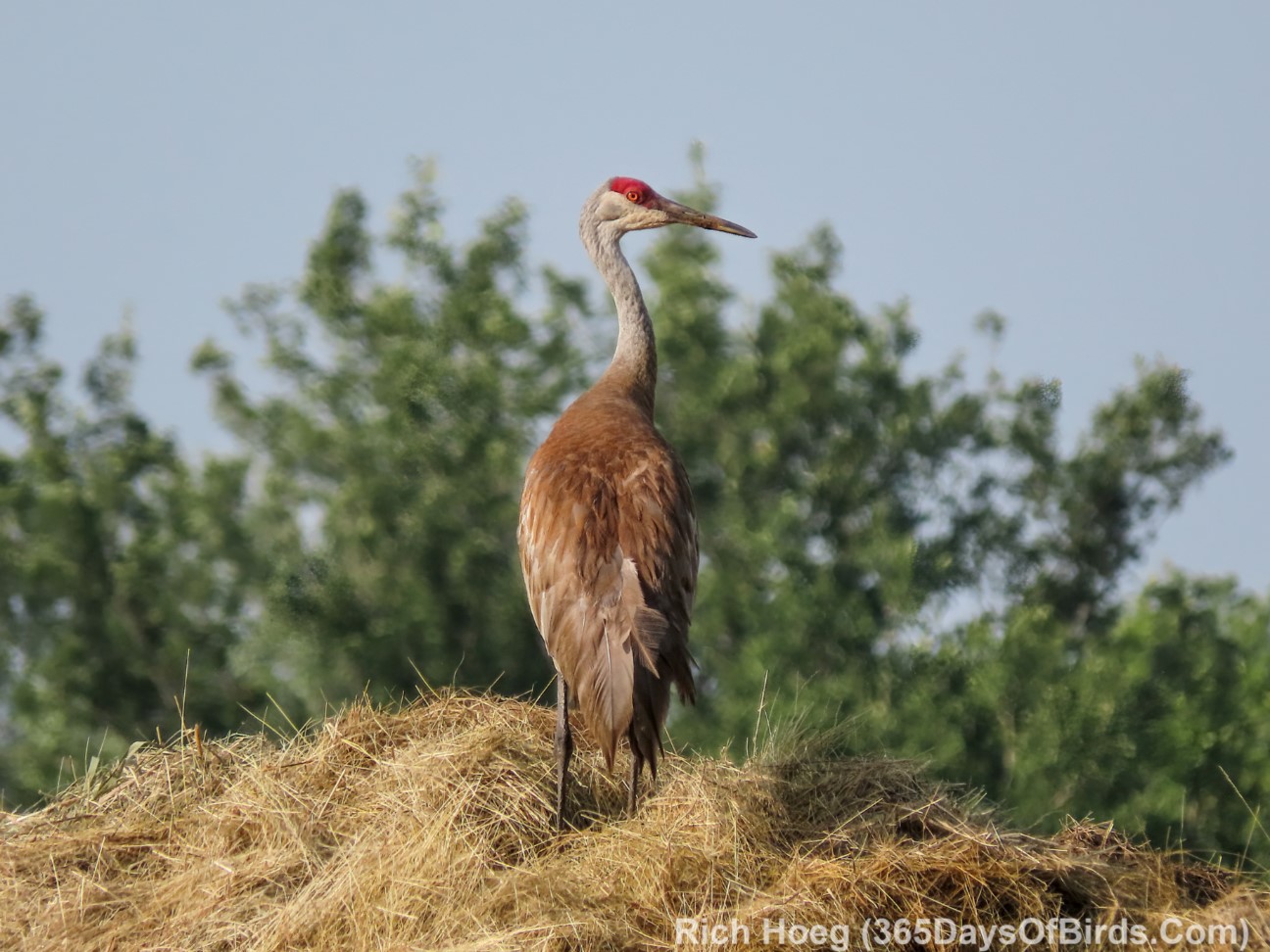
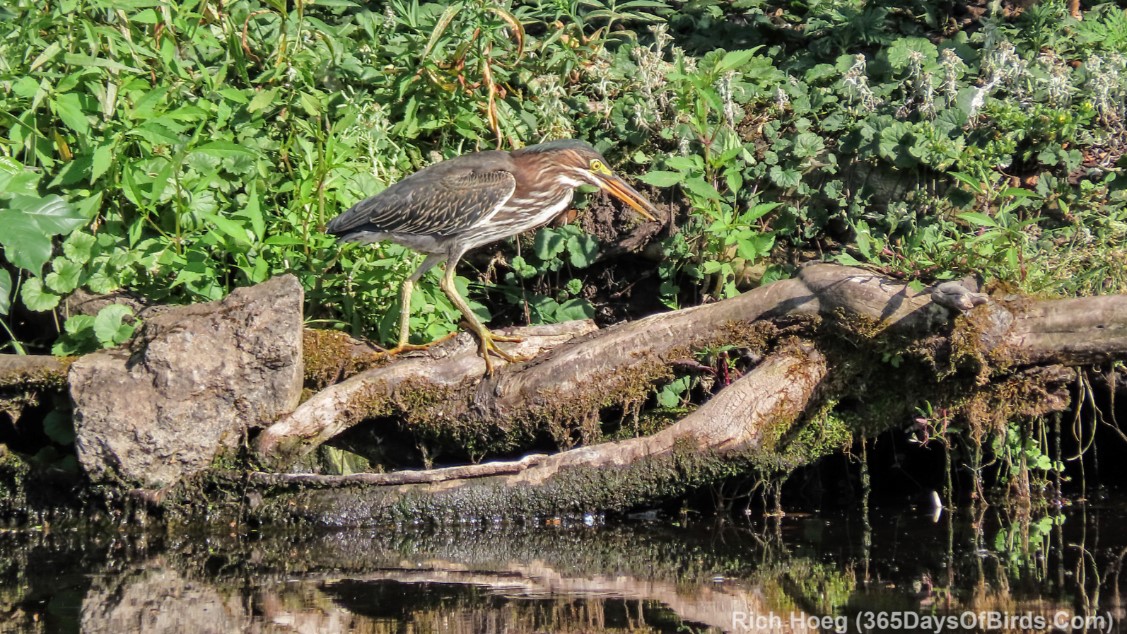
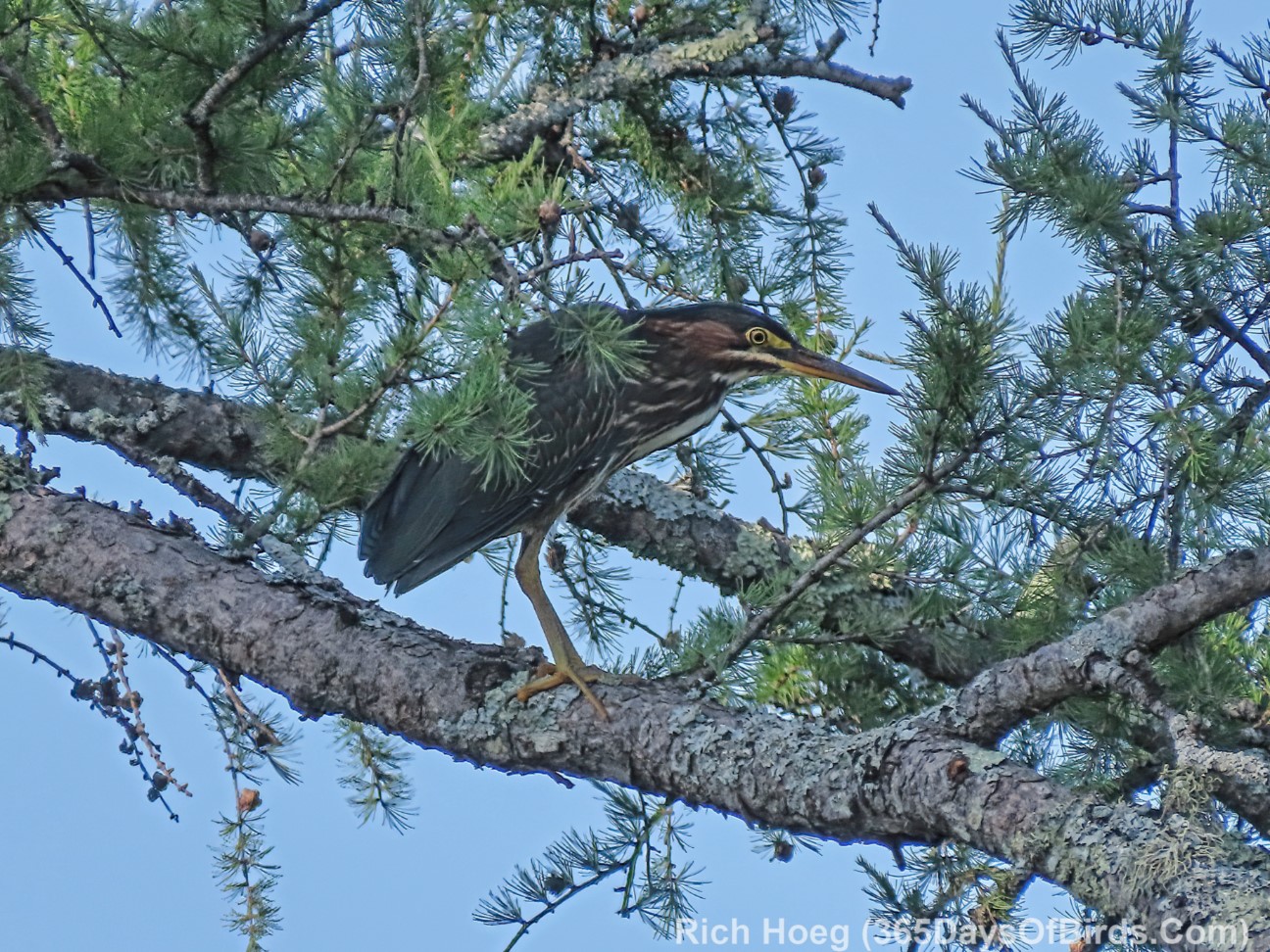
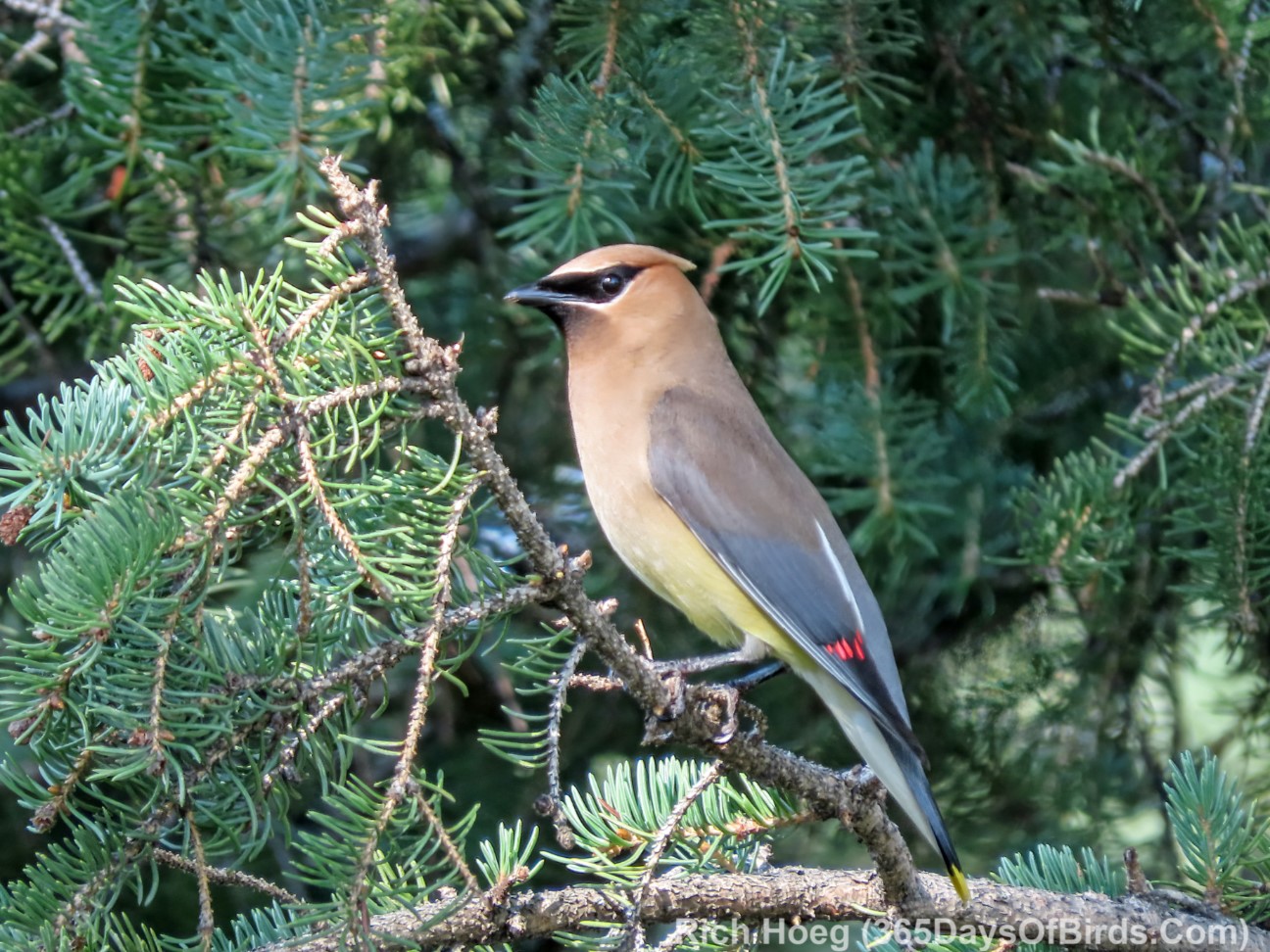
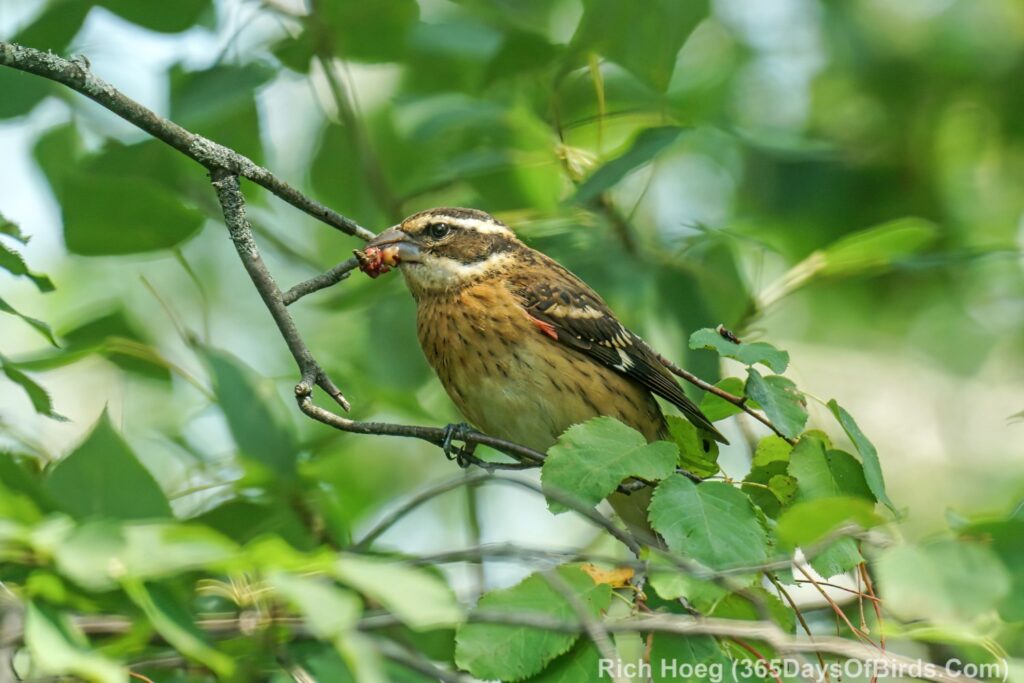
There is lots of food in the forest next to Amity Creek, and my local birds are happy. Here are just a few of the yummy treats awaiting birds in the area. In addition to lots of insects, here are just a few of the bazaar’s offerings:
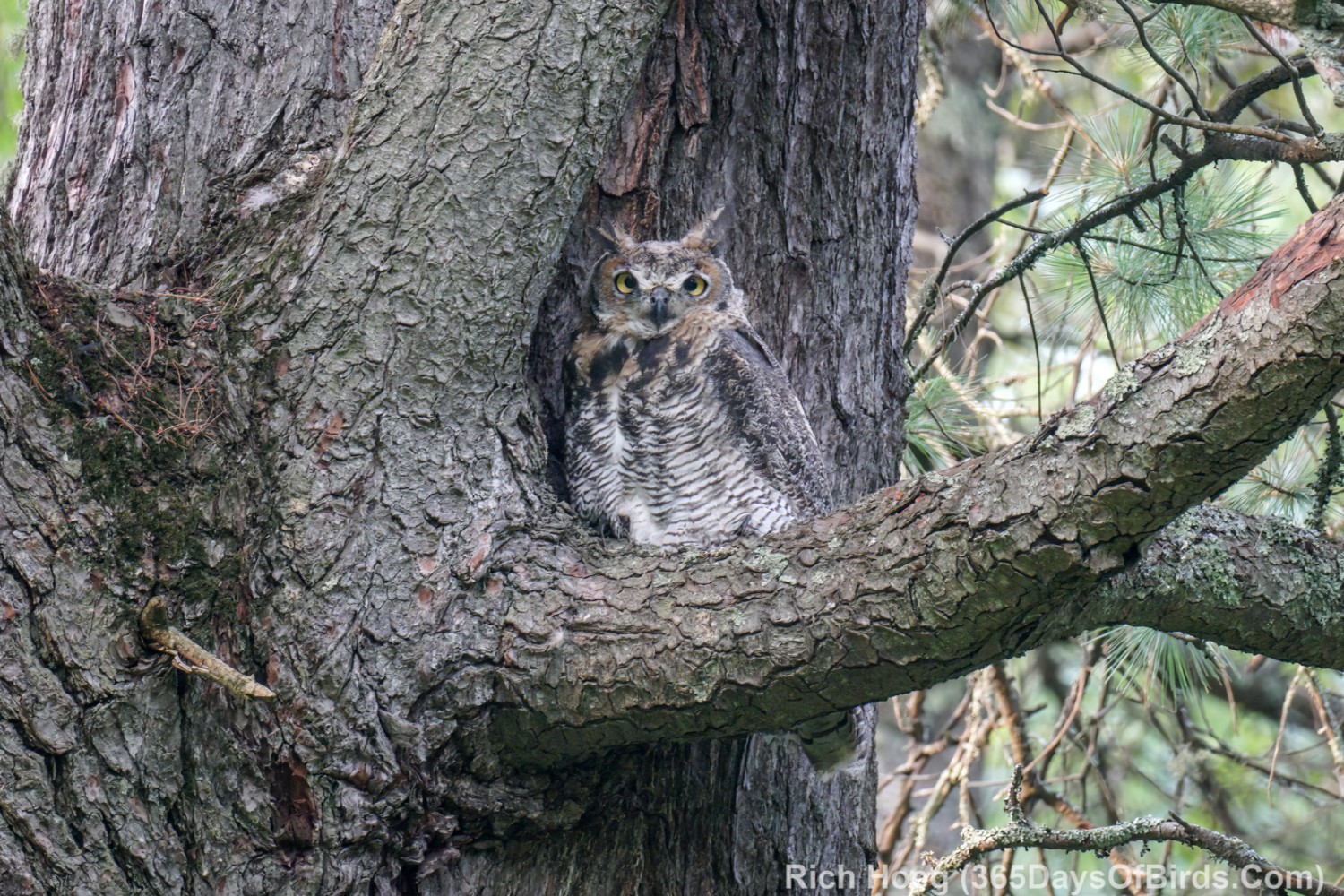
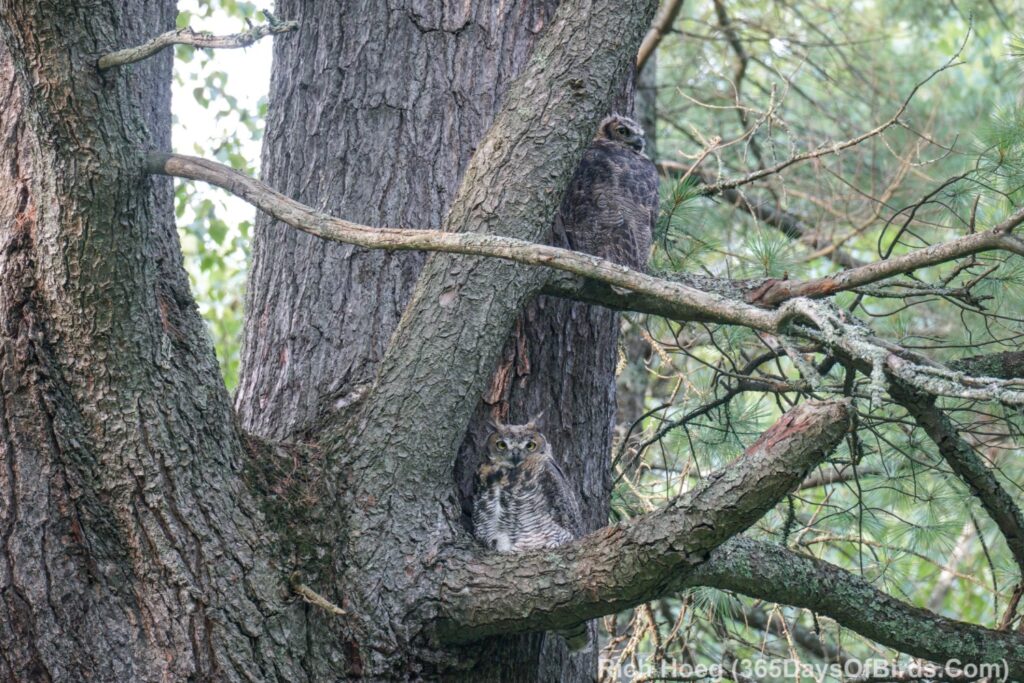
However, food may carry a price. My local Great Horned Owls are hunting the fruit patches for birds and small mammals, while a couple of different species of hawks cruise the neighborhood including my bird feeders and pick off the unwary bird. At the end of this post I will document and show what bird feeders I use (and why) in the eternal battle vs. the pesky gray squirrel.
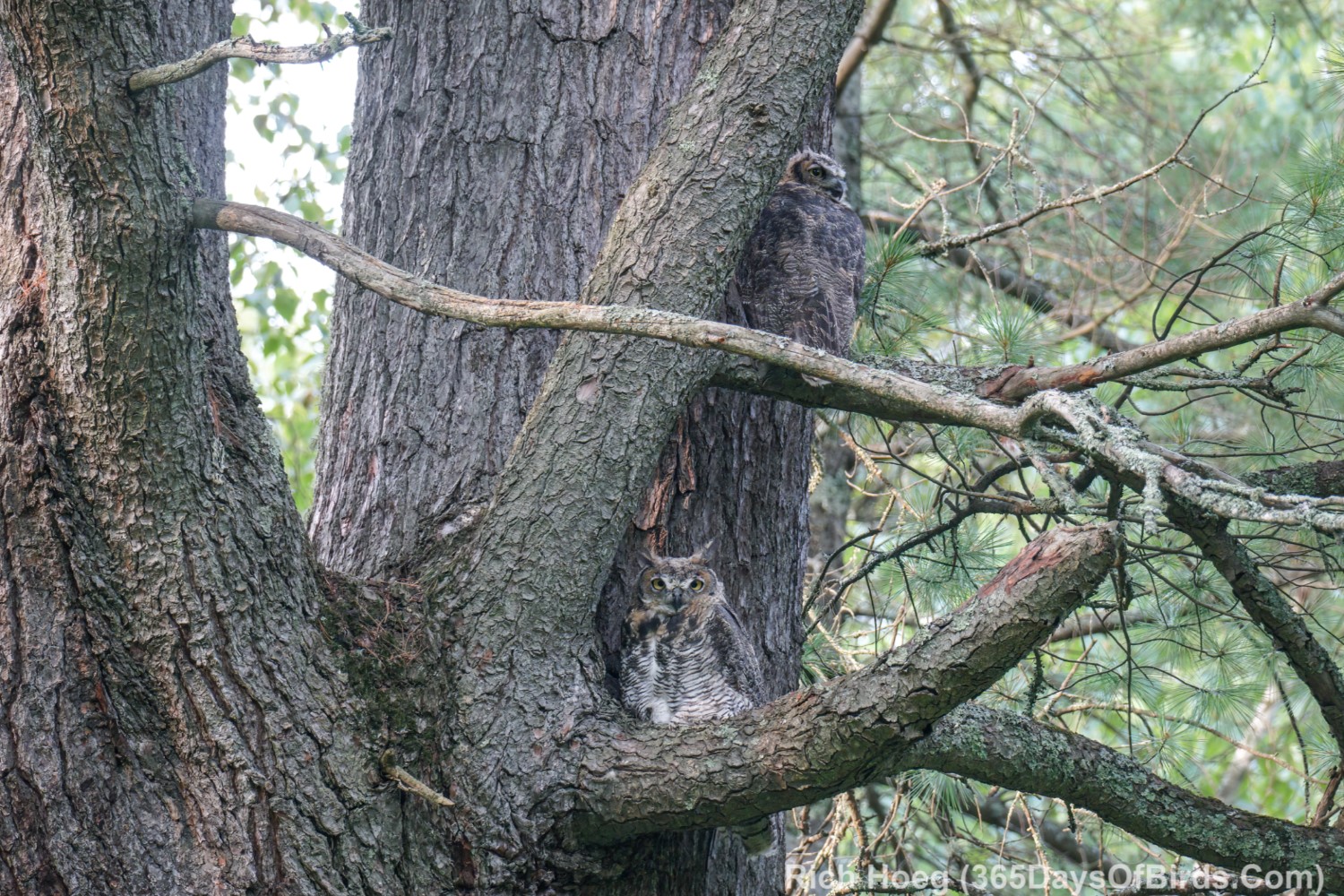
The Owls above the Berry Patch (I snack on berries during owl hikes)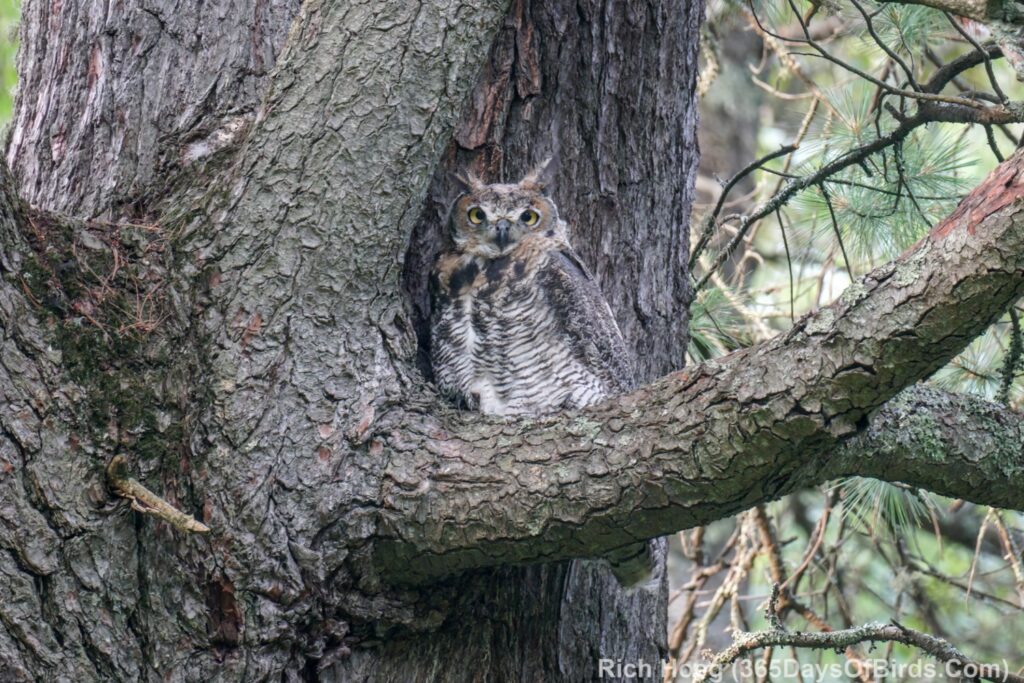
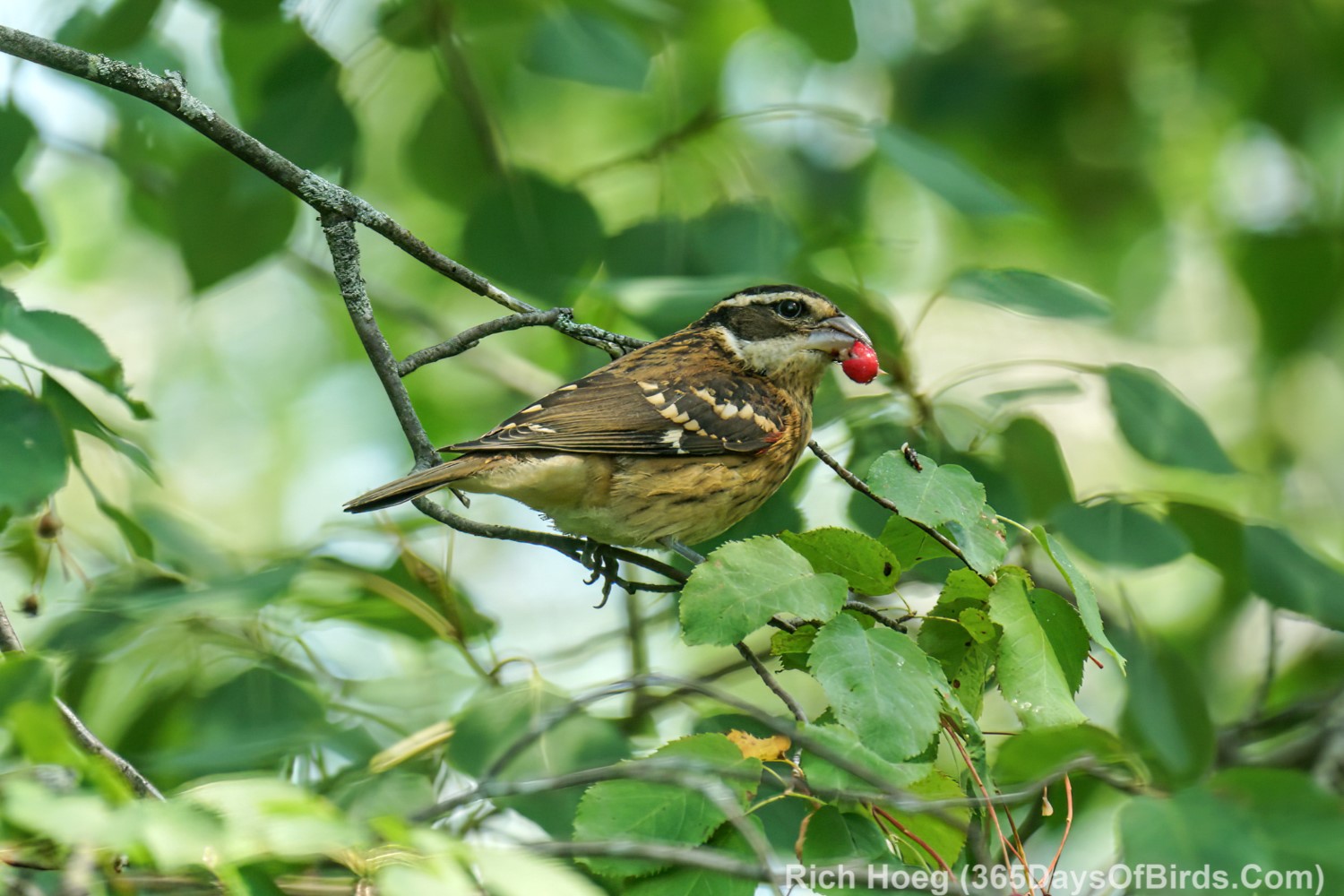
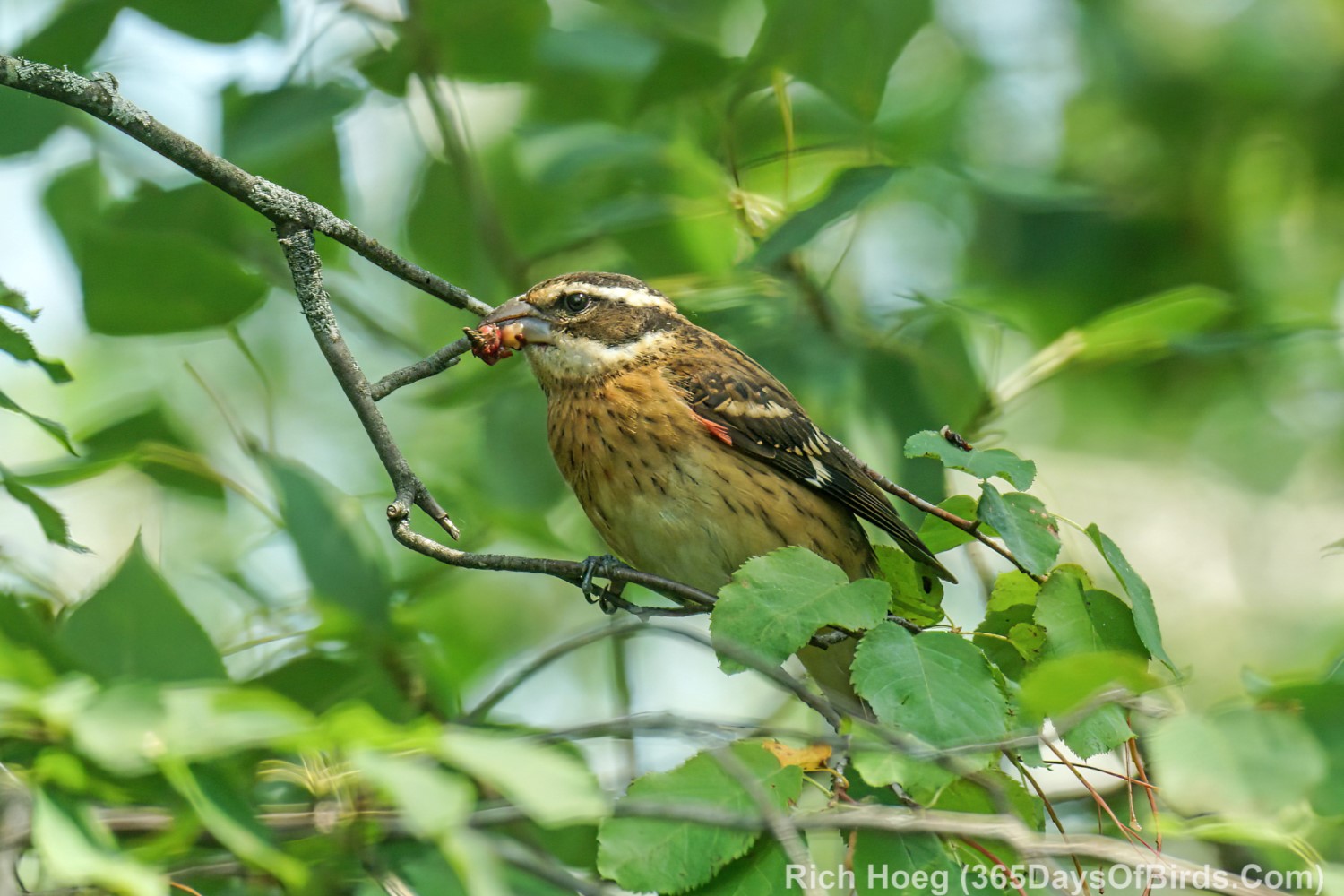
Mountain Maple Seeds (female Rose-Breasted Grosbeak)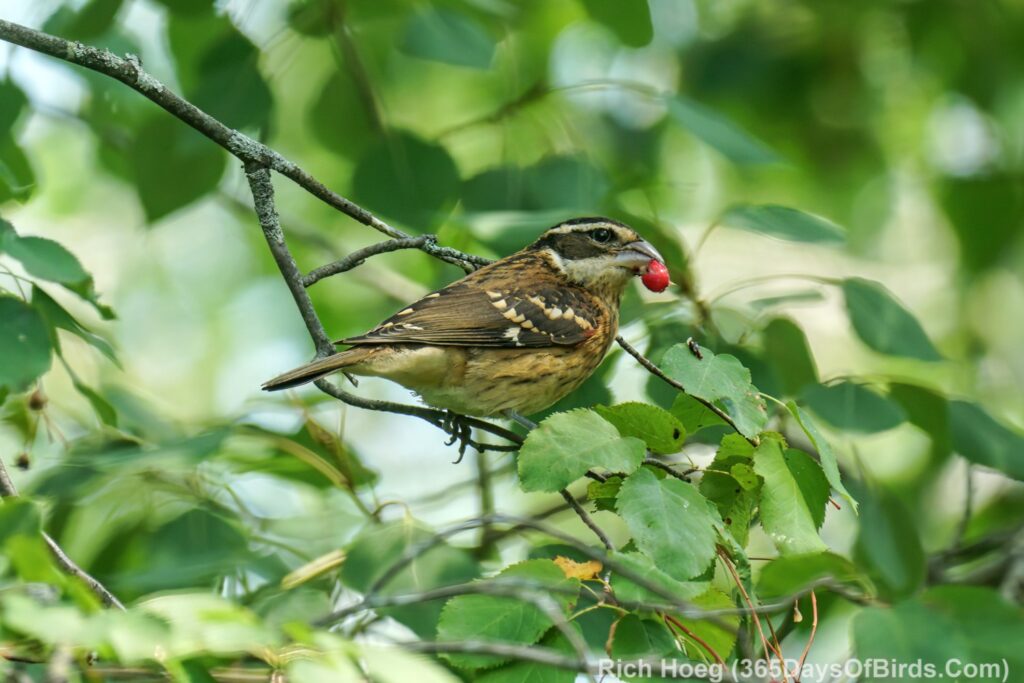
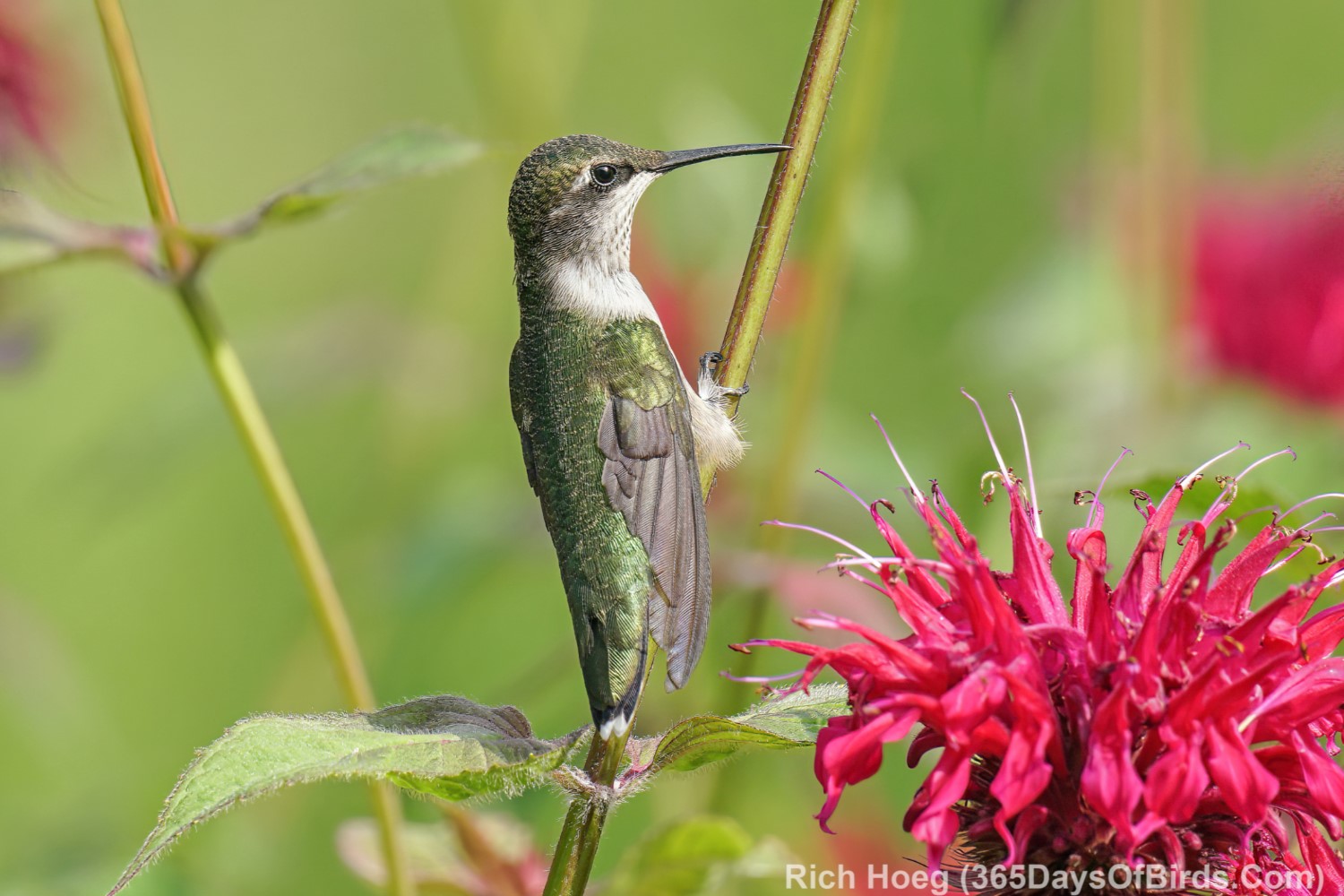
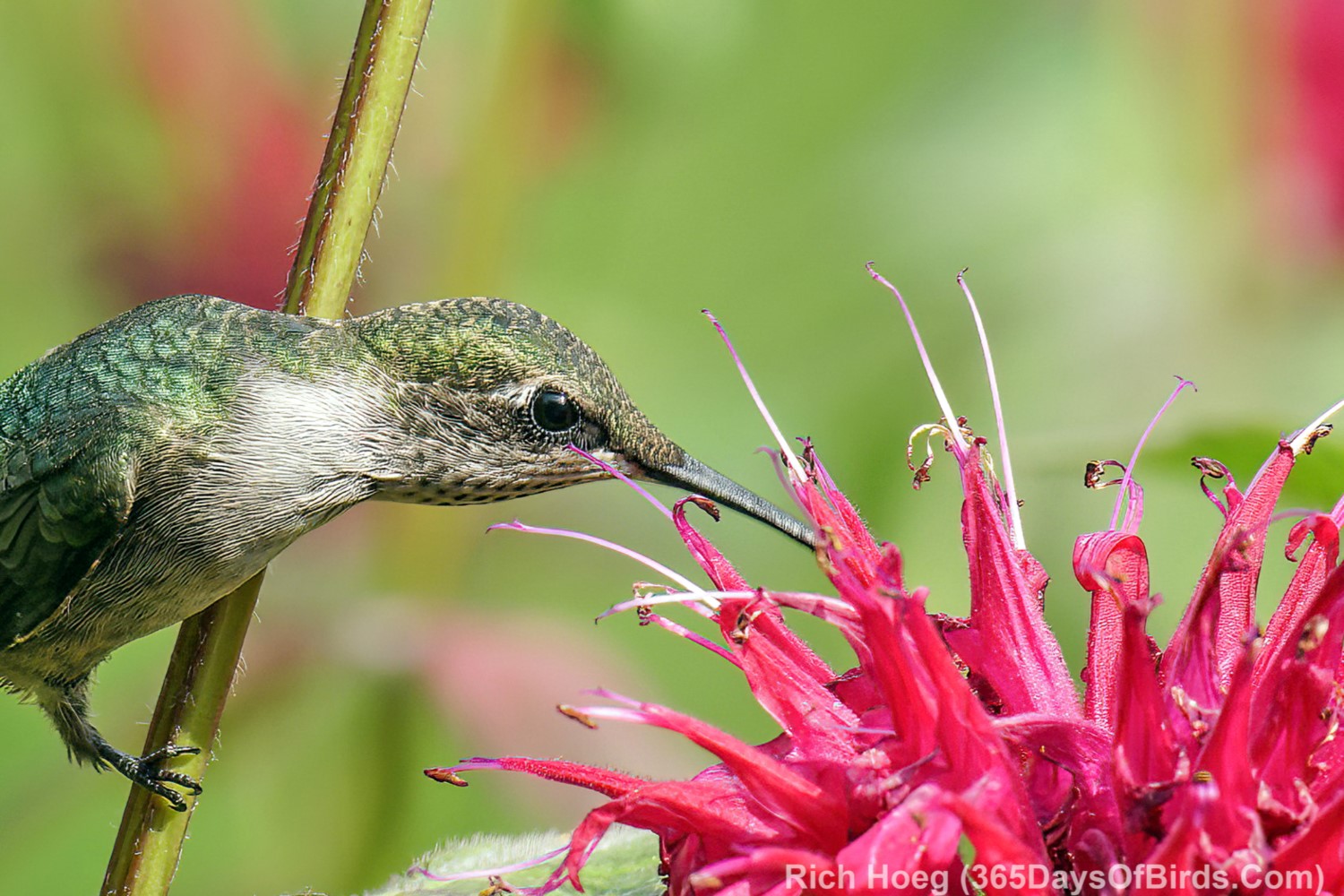
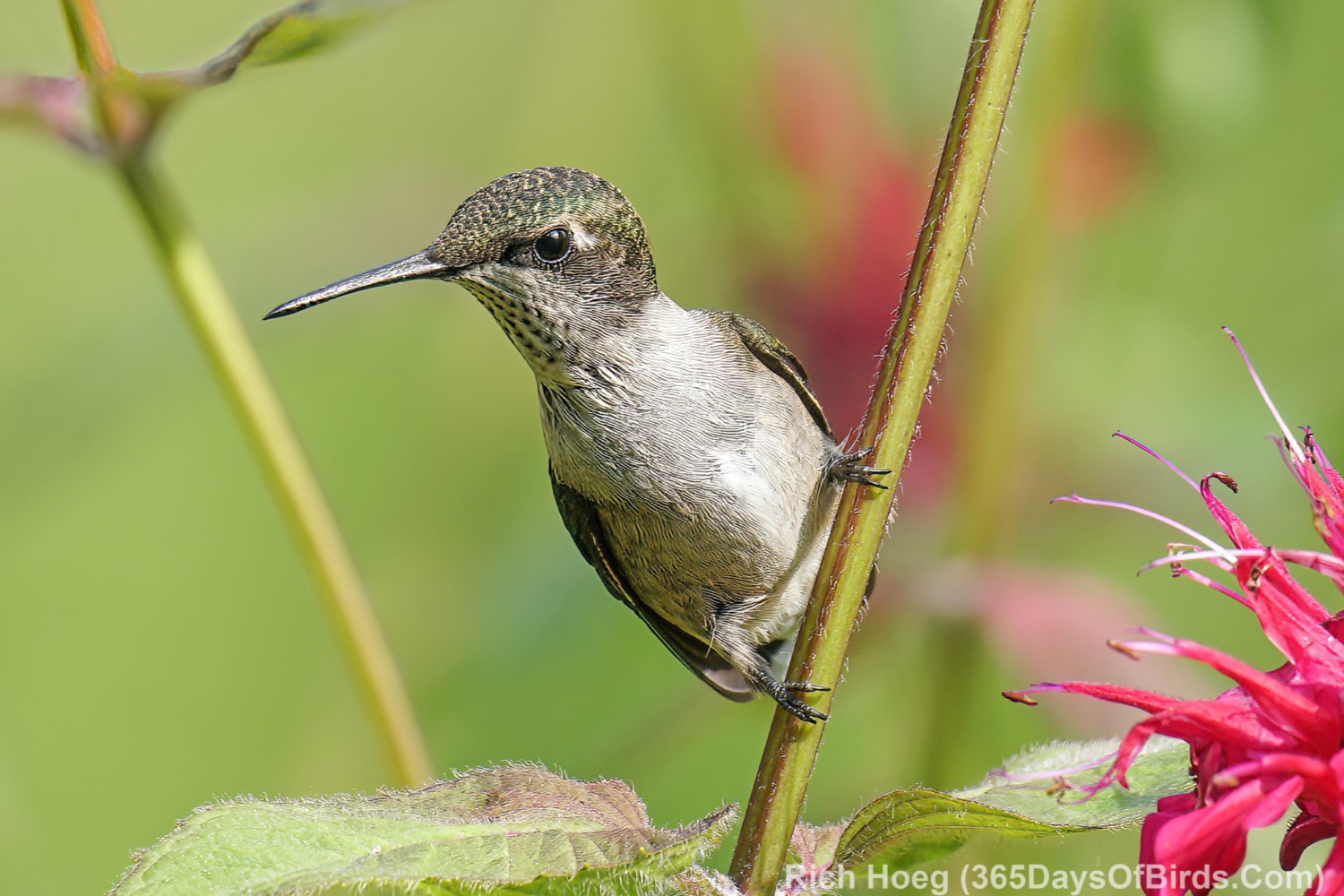
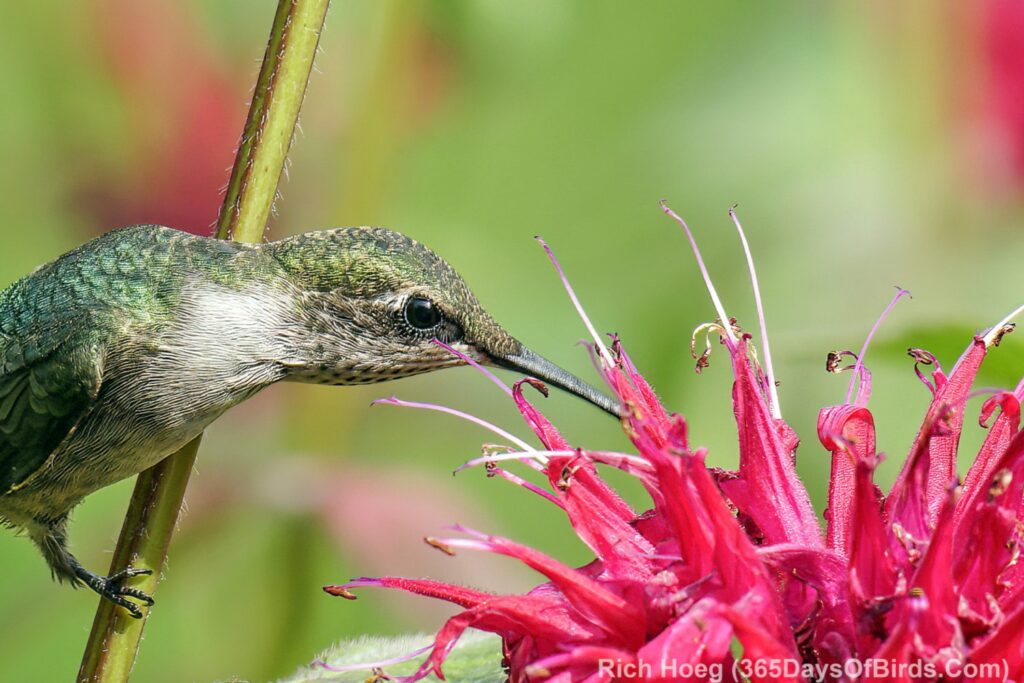
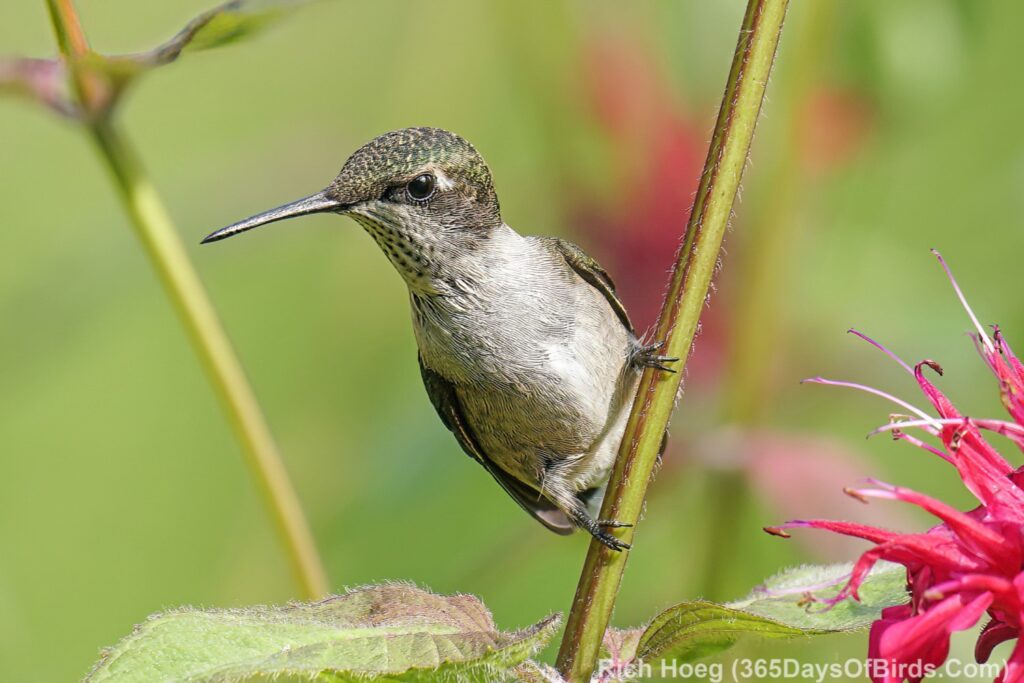
Nectar (Chardonnay not shown!)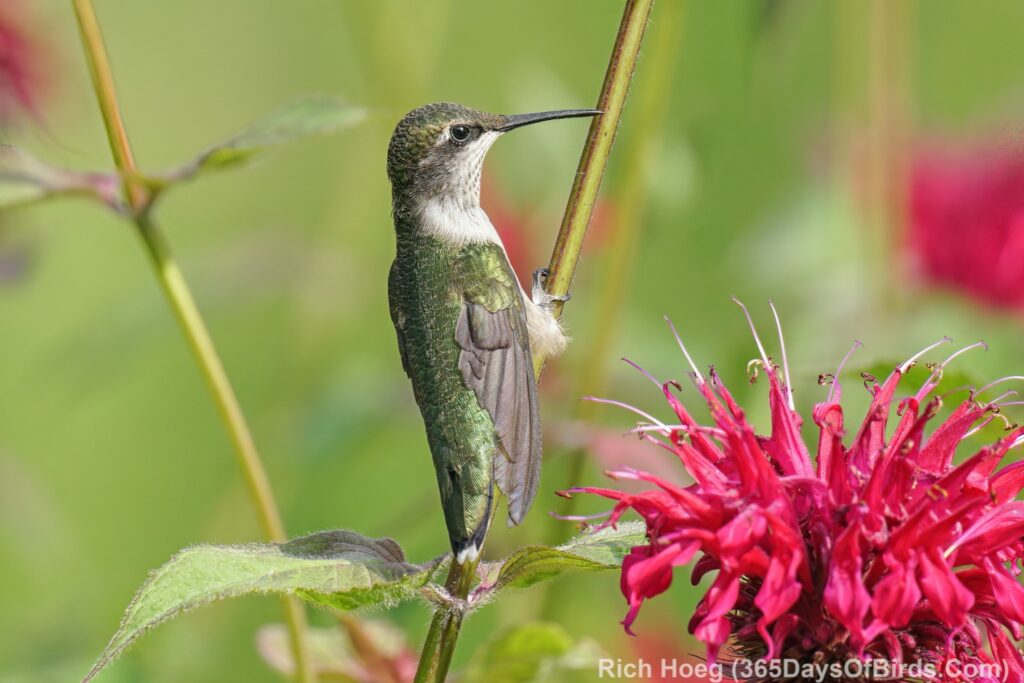
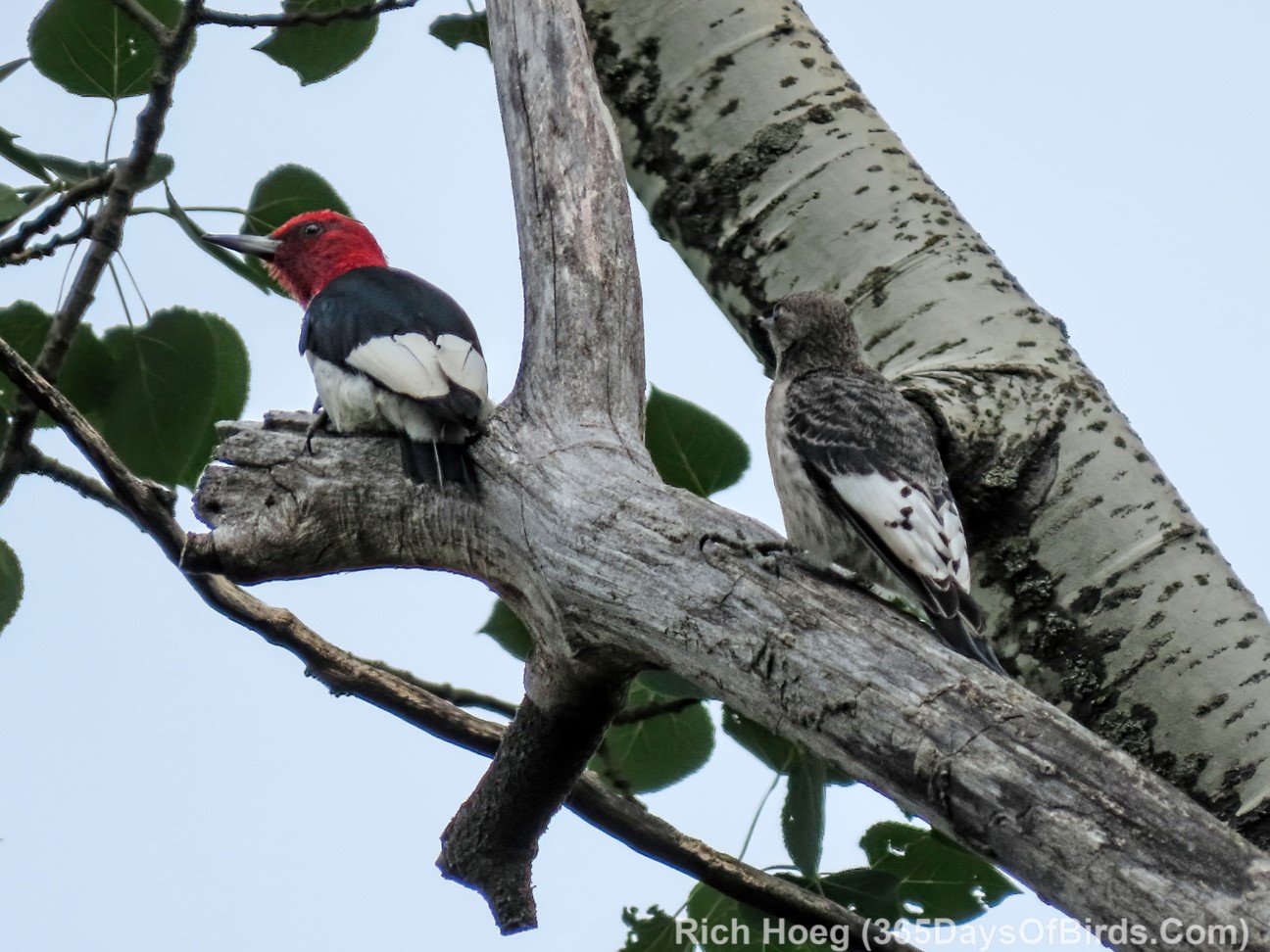
Seeds and Insects (Red-Headed Woodpecker Family!! Ten years ago I needed to drive 175 miles south to see Red-Headed Woodpeckers. 5 years ago I had to drive 45 miles. The past 3 years I needed to drive 5+ miles, and today I hiked under 1/2 mile from my home!!!)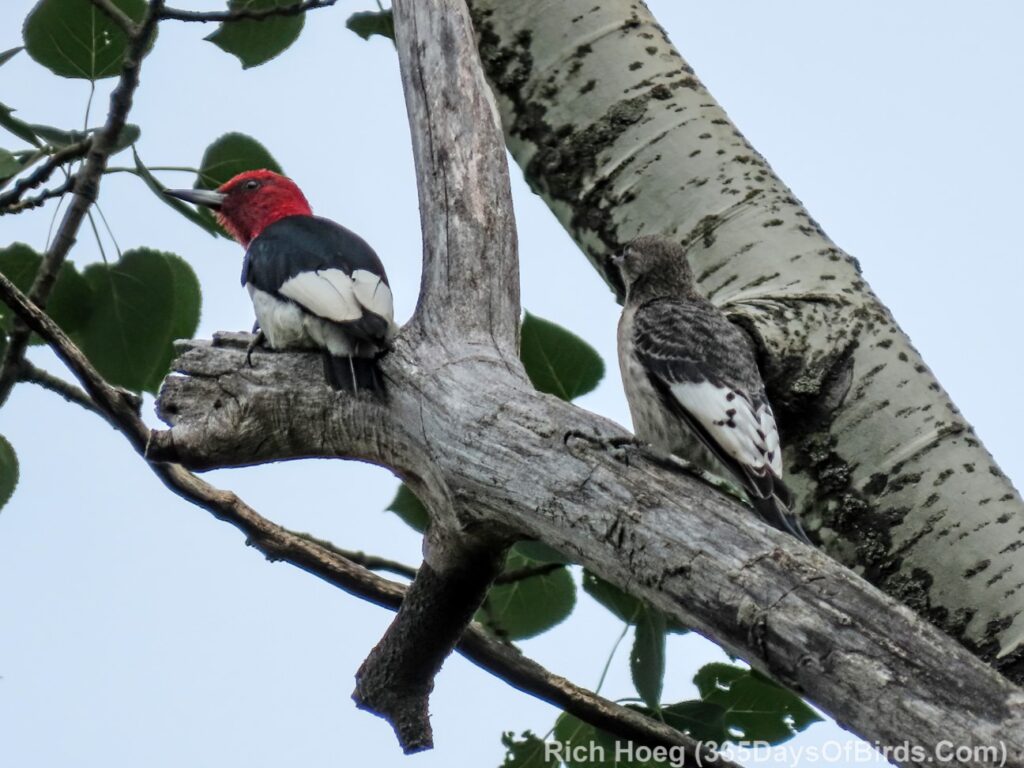
Bird Feeders
I keep my feeders up year round. This does cause problems in the spring and fall when my local black bear population decides to visit, but throughout the rest of the year my BIG problem are gray squirrels. These pesty mammals chew through everything. My problems included:
- Squirrels gnaw through wood or composite suet feeders within 2 weeks.
- Squirrels manage to eat suet cakes in the basic cage … or almost any other suet feeder. My locals gnaw the edges where they can reach suet cakes, and either eat directly or consume what falls upon the ground.
I never thought I would spend almost $100 on a suet feeder, but this feeder from Brome which is made of metal works perfectly. The metal cage slides down and protects the suet if a squirrel visits. A small tray catches any spilled suet from birds. Amazingly, this has led to many different species using the suet feeder. They are able to land on the feeder and eat the leftovers found in the small tray. Finally, I have save so much money because I purchase much less suet, and have less spillage that the $100 is a bargain.
For Sunflower seeds I use the SquirelSolution200. Similar to the Brome Suet Feeder, if a squirrel visits a metal cage slides down to protect the feeding holes. My children had bought me the Yankee Flipper which spins a squirrel off using centrifugal force, but keeping a feeder’s battery charged in Minnesota’s winters was very problematic. However, it was great fun to see the squirrels become astronauts!
All of Brome’s feeders are available via Amazon, but a Google Search found me outdoor stores in this region with better prices.
My feeders are very active year around. During the summer all the parent birds stop by with their kids and teach them the basics of Feeders 101. It’s kind of funny to watch larger birds like Blue Jays and Crows stand in my platform feeder next to a parent, and beg for food. Eventually after a few days they learn that they can eat the seeds or corn directly!