Snow Birds Out, Arctic Birds In!

The town of Two Harbors closed their RV Campground for the season two days ago … The Snowbirds moved out (humans heading south) and the Arctic Birds moved in (migrating Snow Geese, Lapland Longspurs and Snow Buntings). The campground has plenty of food sources, and the birds were just waiting for the pesky humans to leave!

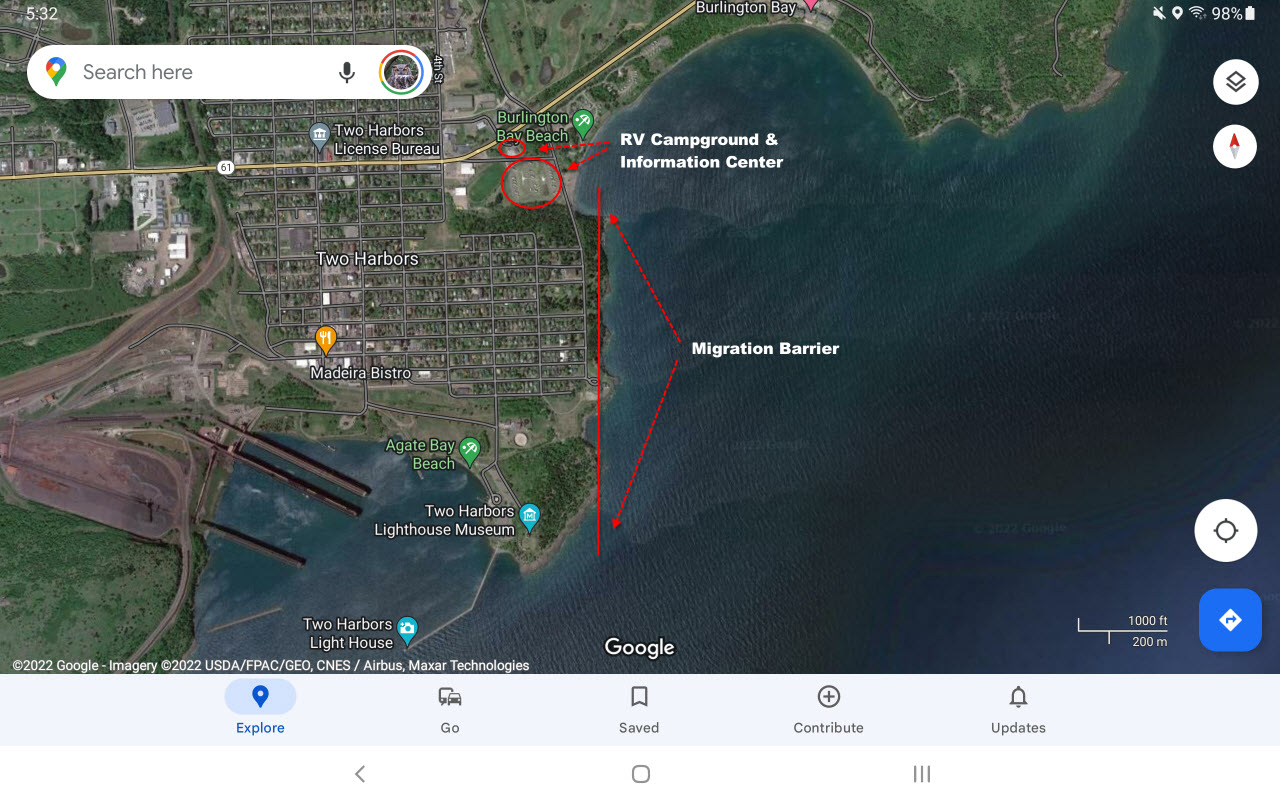
Actually the campground and Two Harbors Information Center have one other benefit for bird watchers … they are right smack dab on a migration barrier. In other words as birds migrate south along the North Shore of Lake Superior, they fly into points which stick out into the lake. Good birding. Take a look at my annotated screenshot.
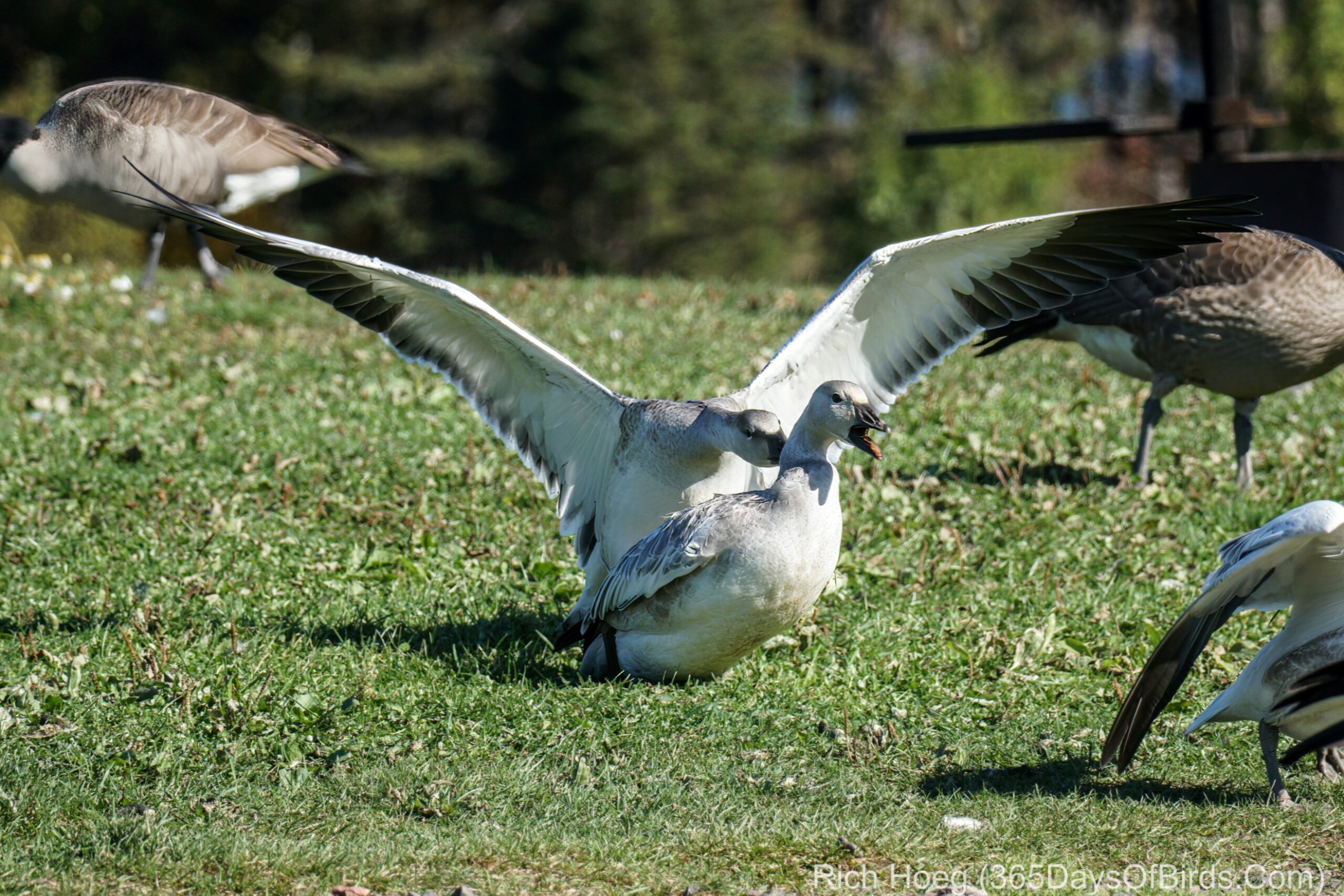
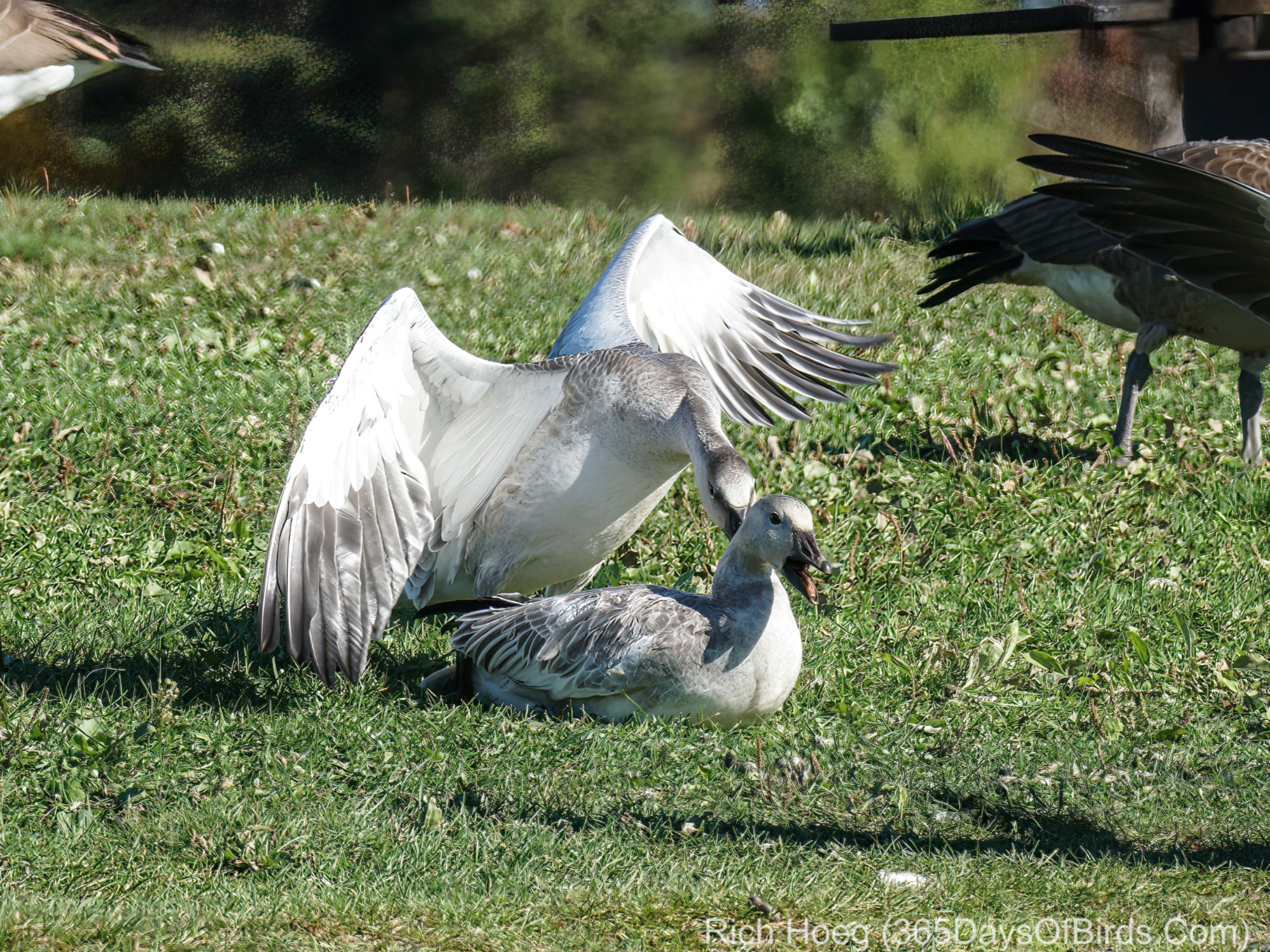
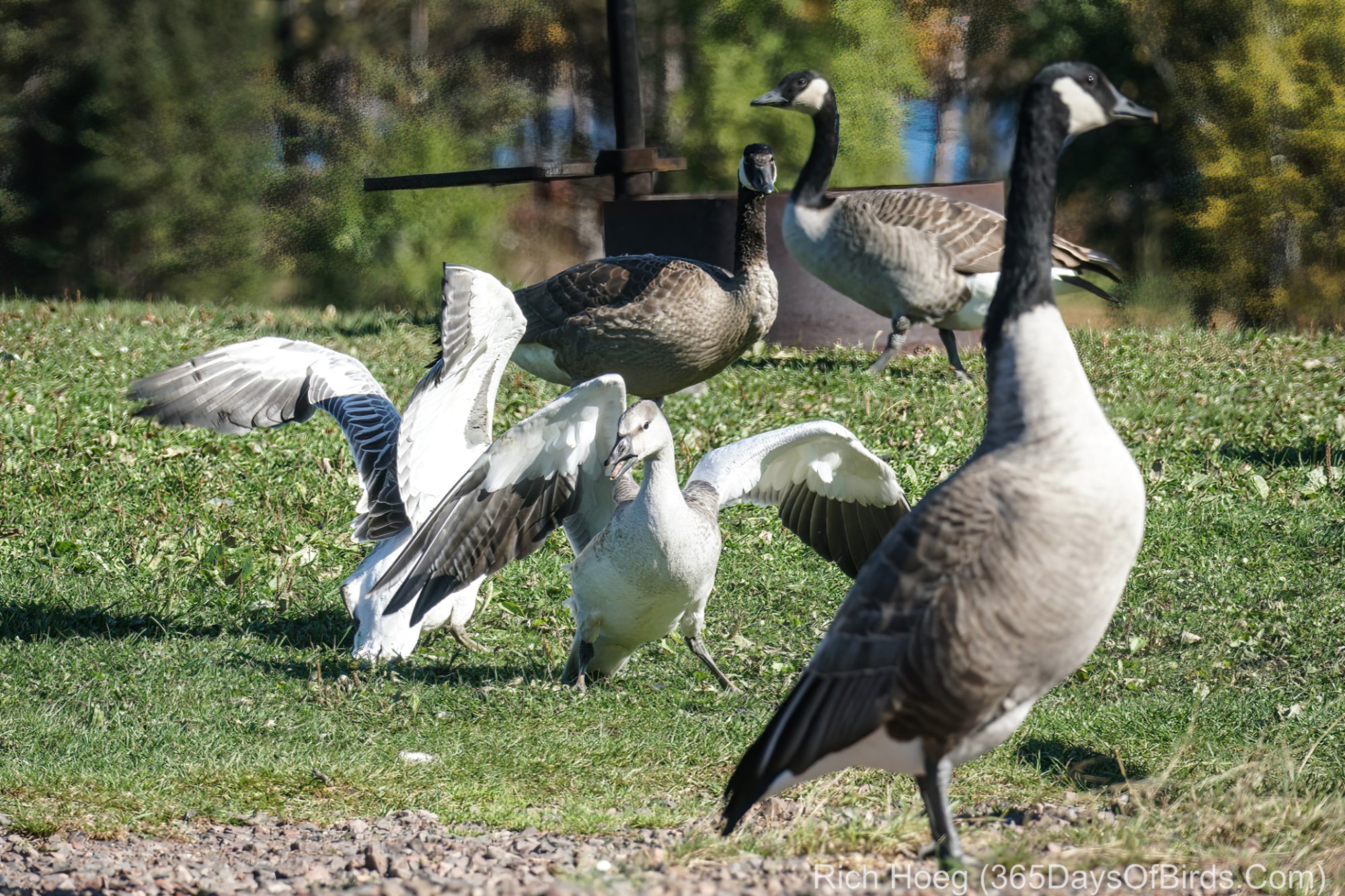
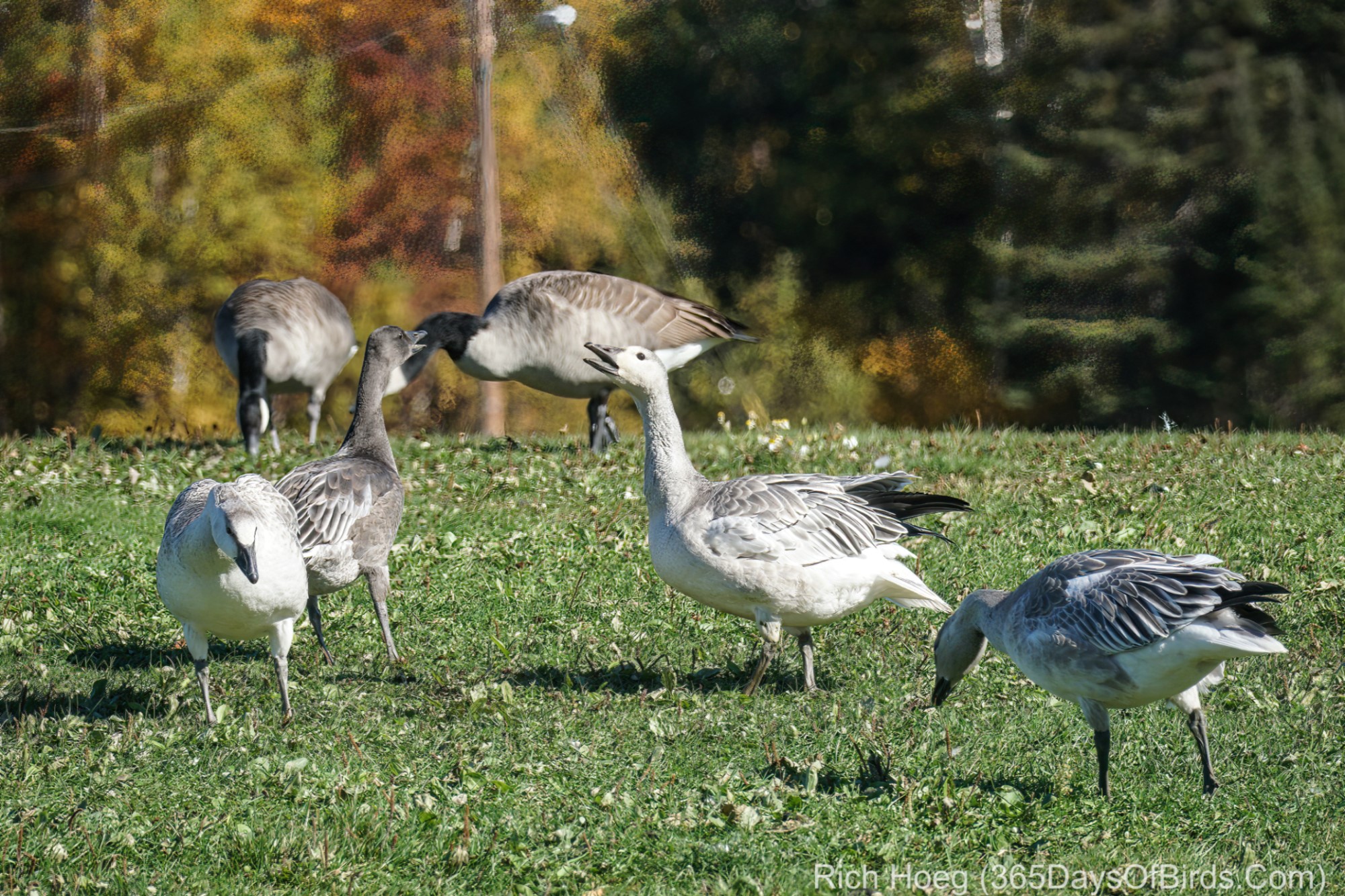
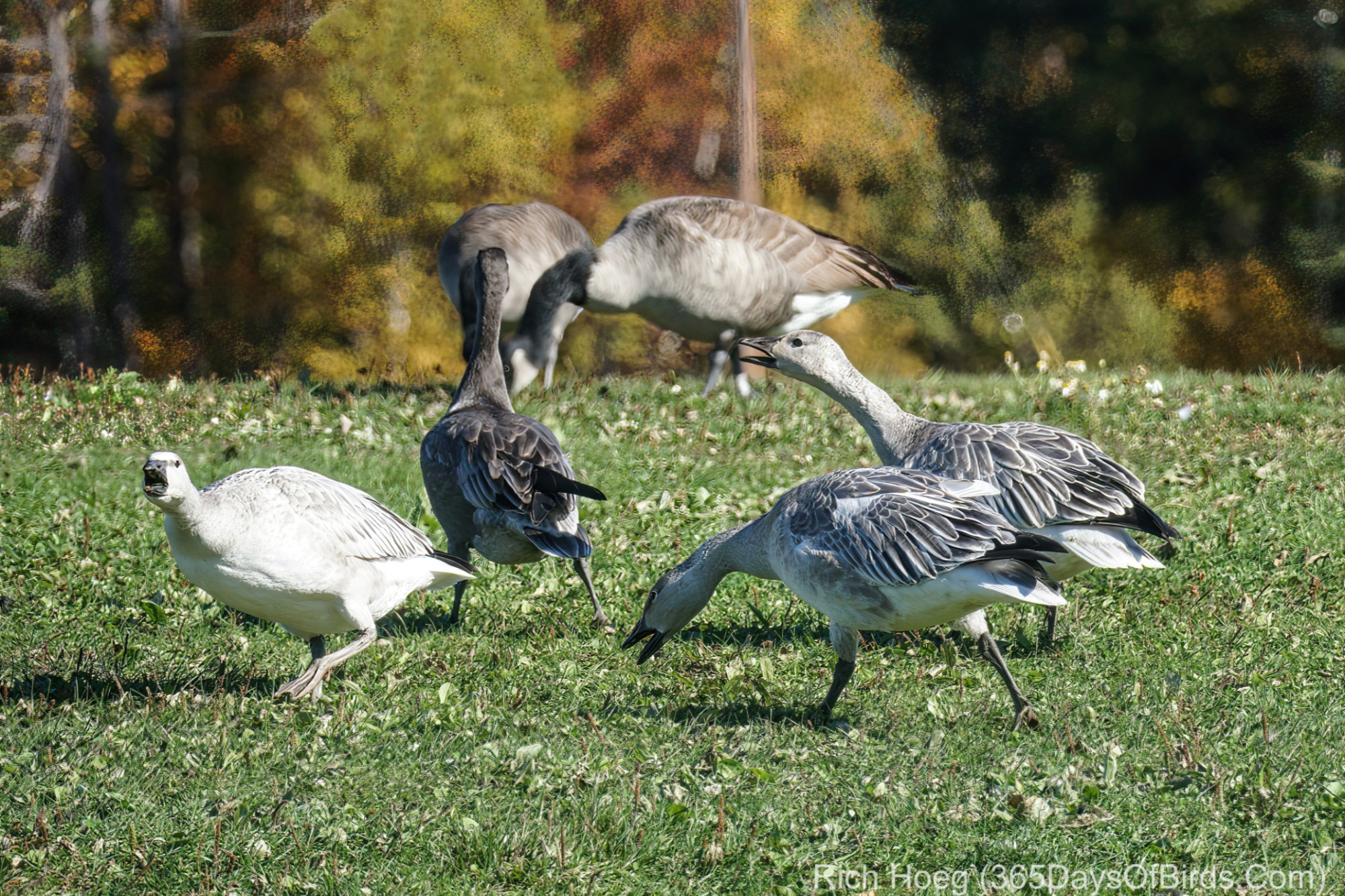
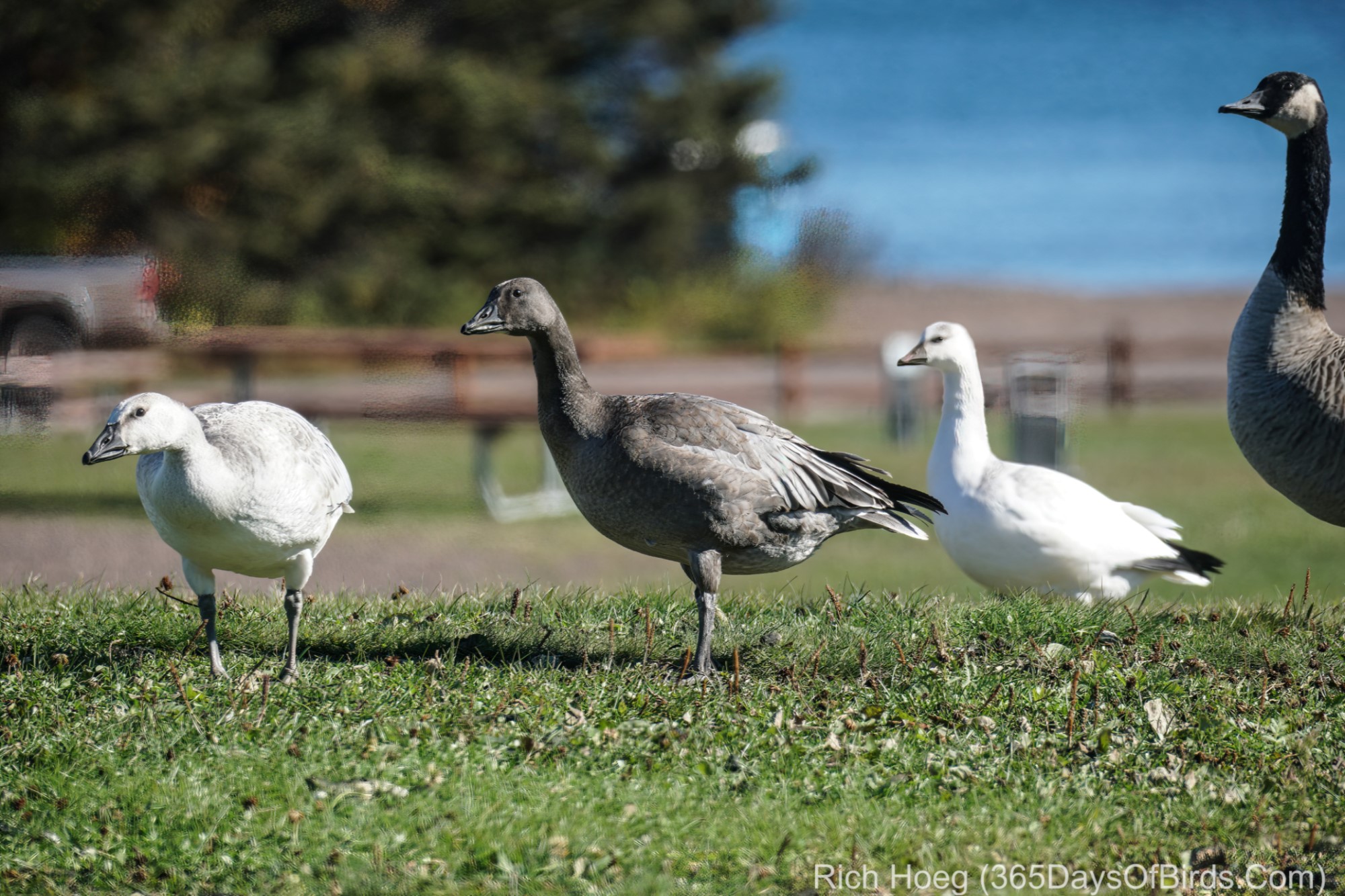
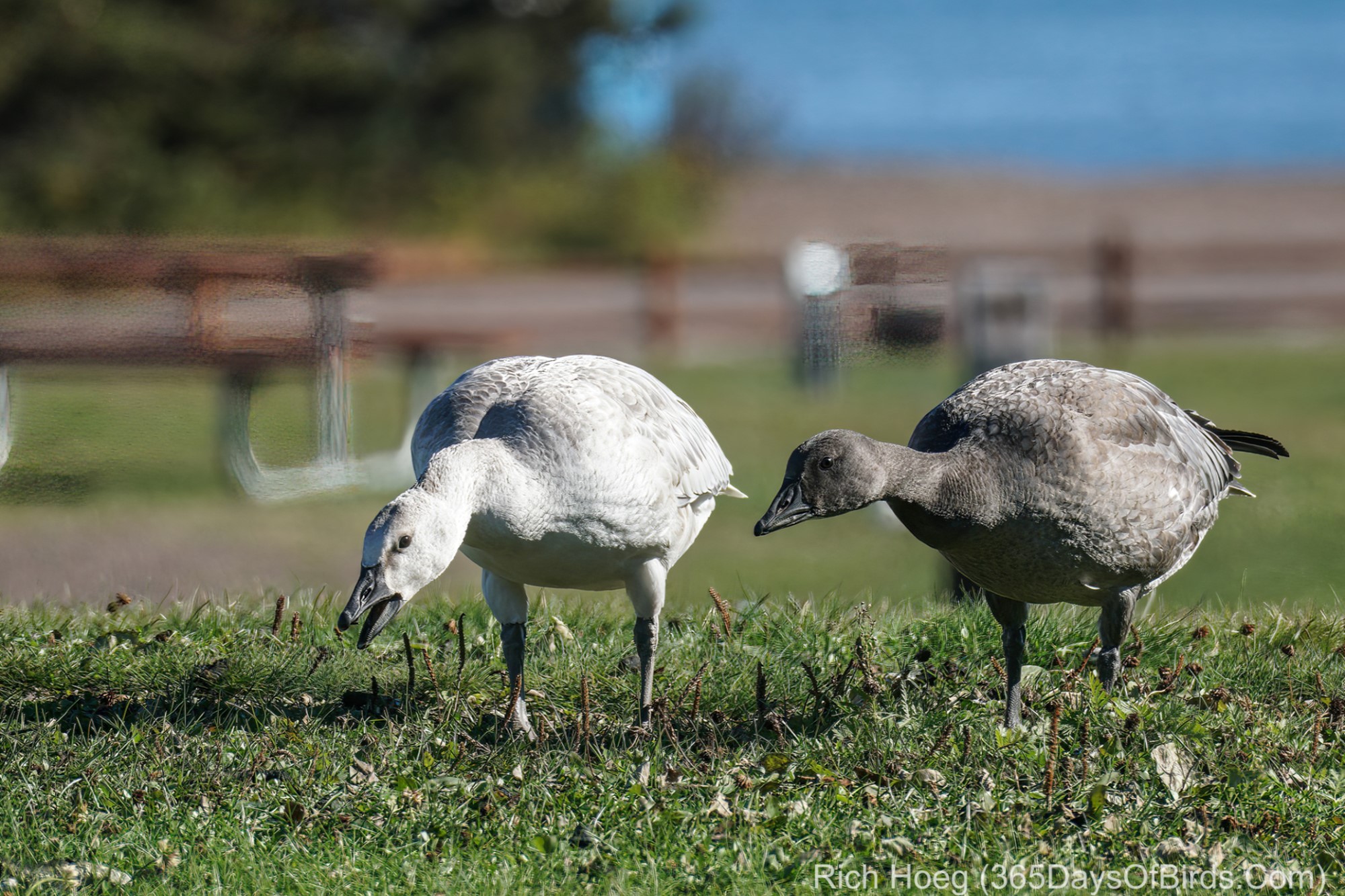
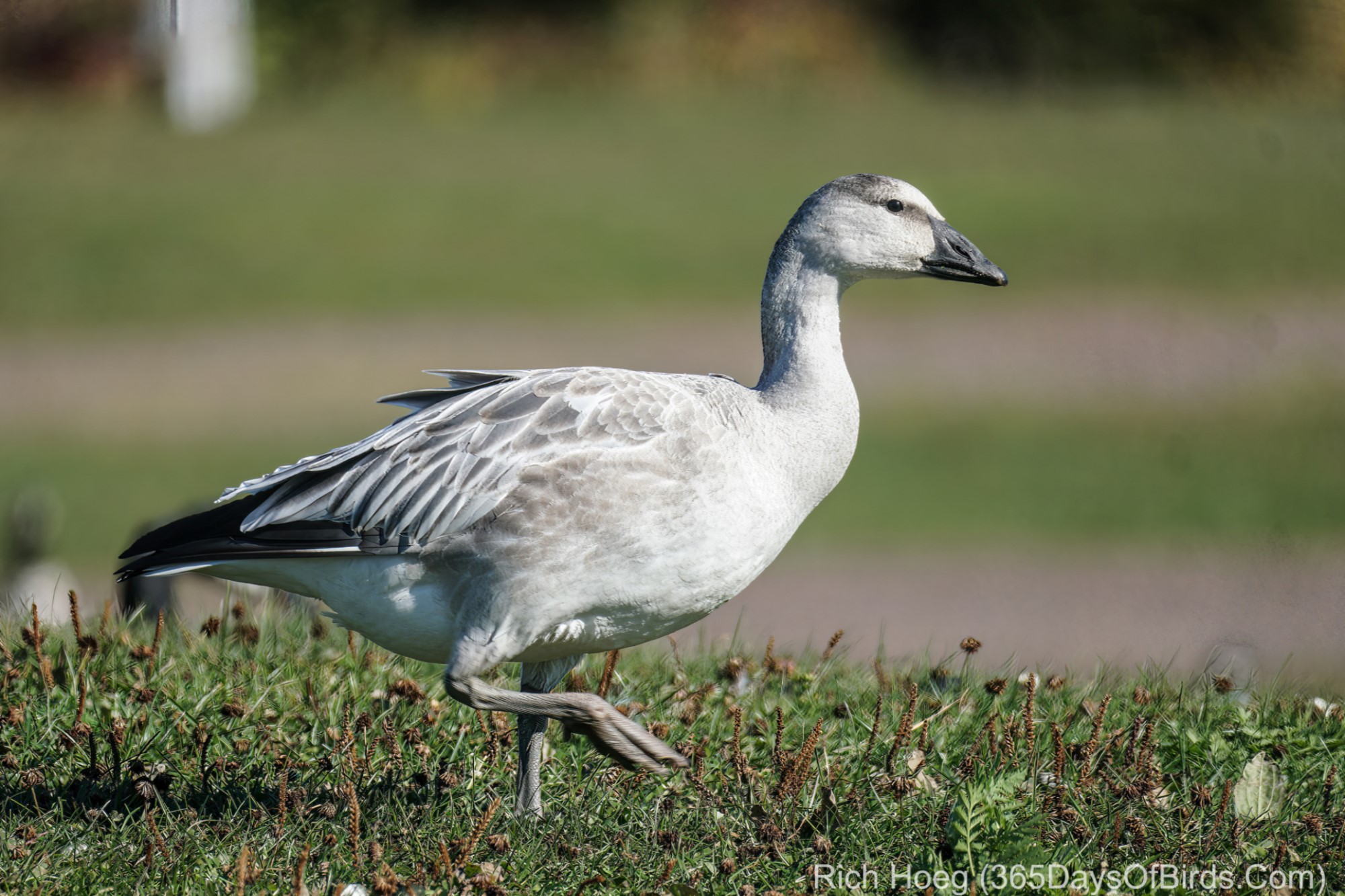
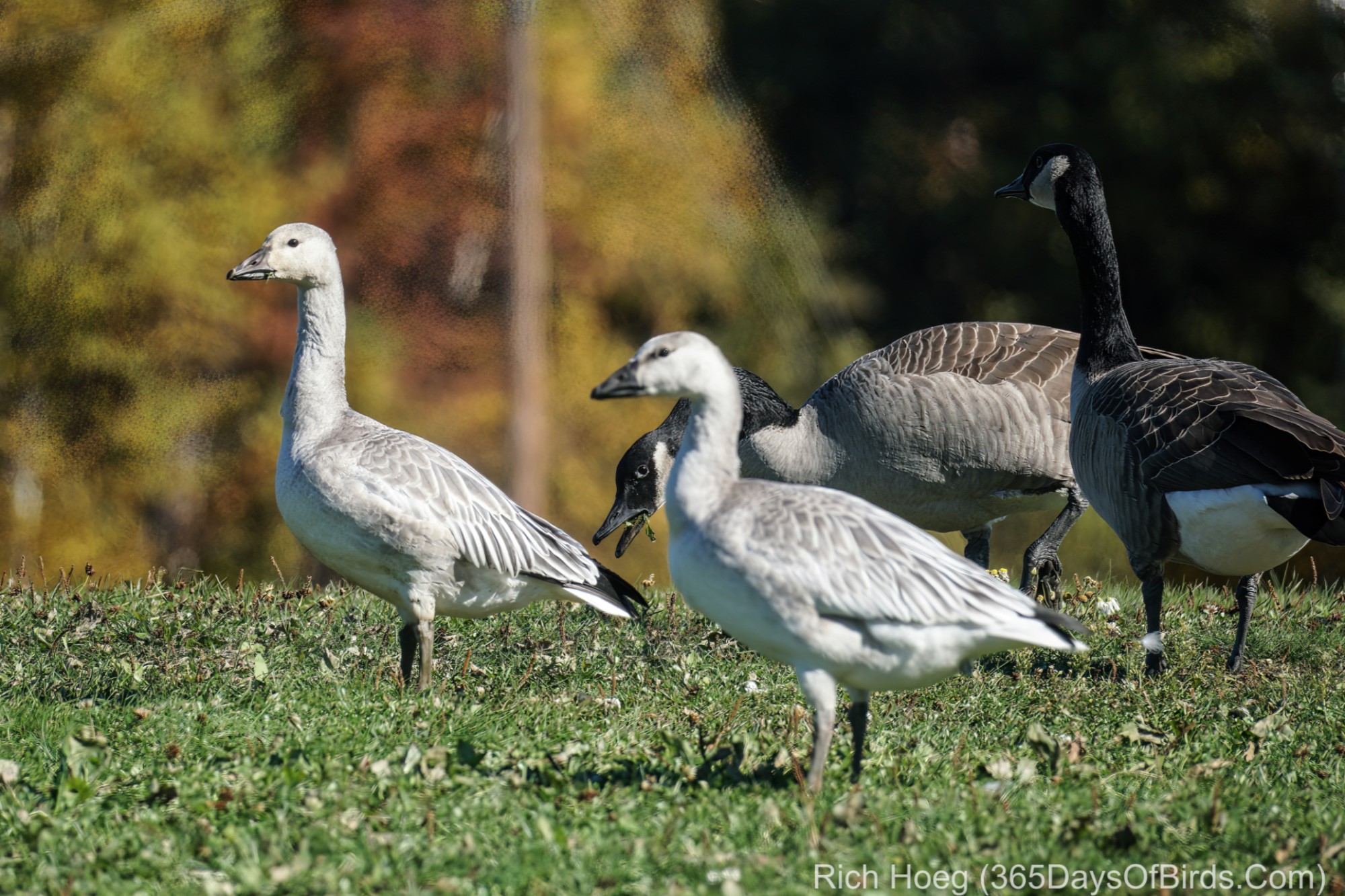
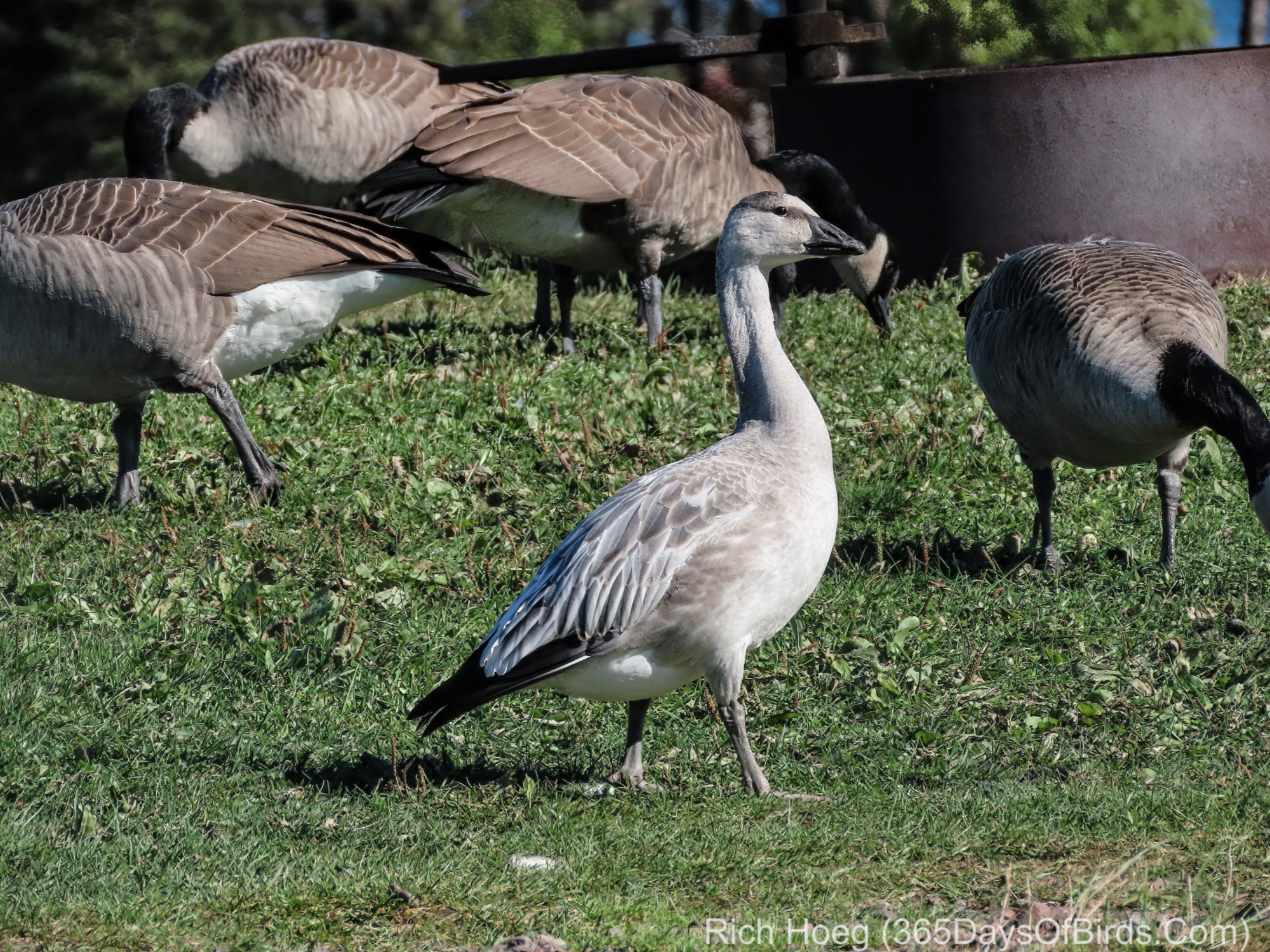
Here are a few images taken yesterday afternoon. In total I found 10 Snow Geese, which is a HUGE number of these birds to find along Lake Superior. One would see 1,000’s during migration 600 miles to my west.

Snow Goose Altercation / Fight!
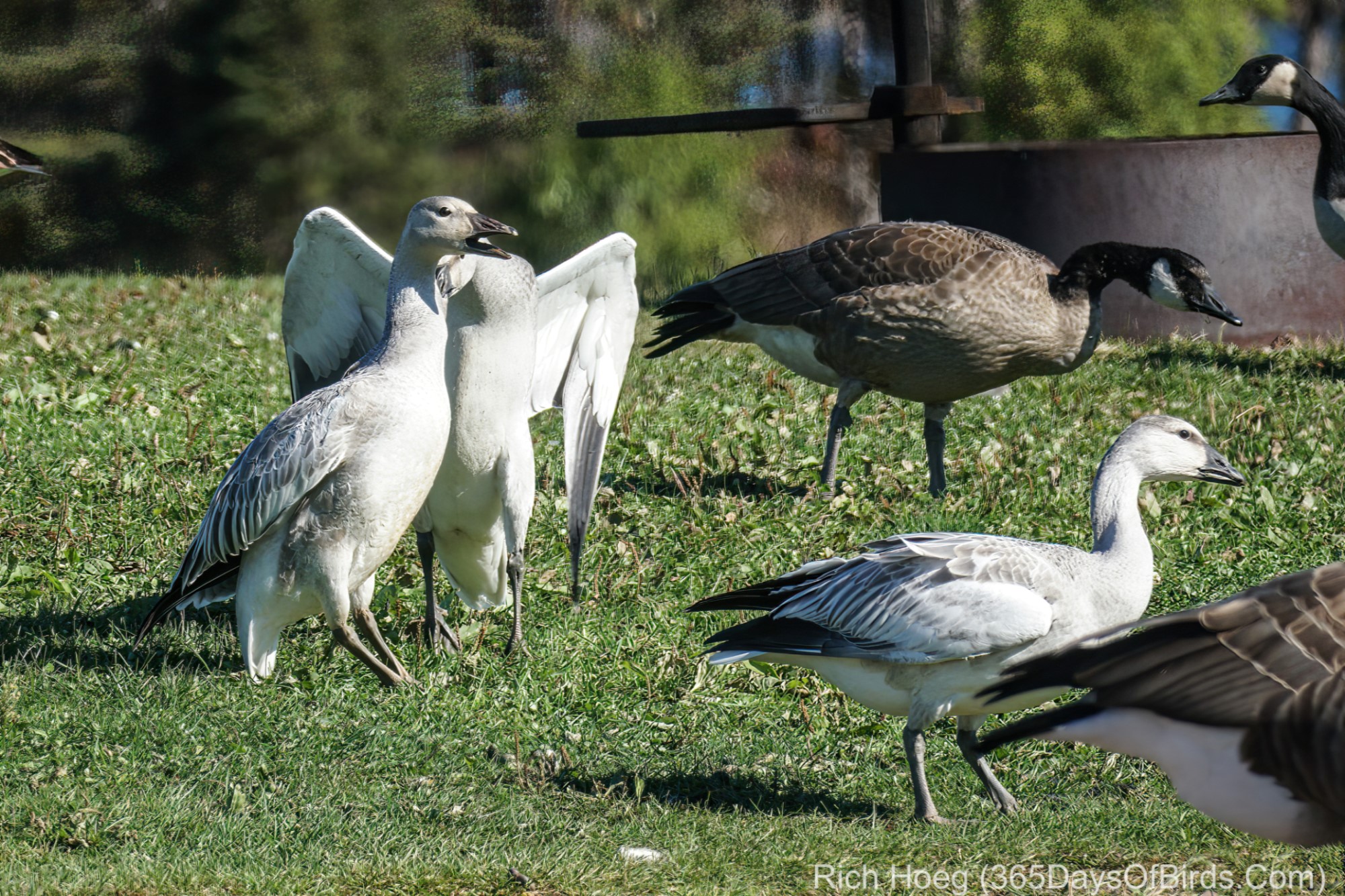
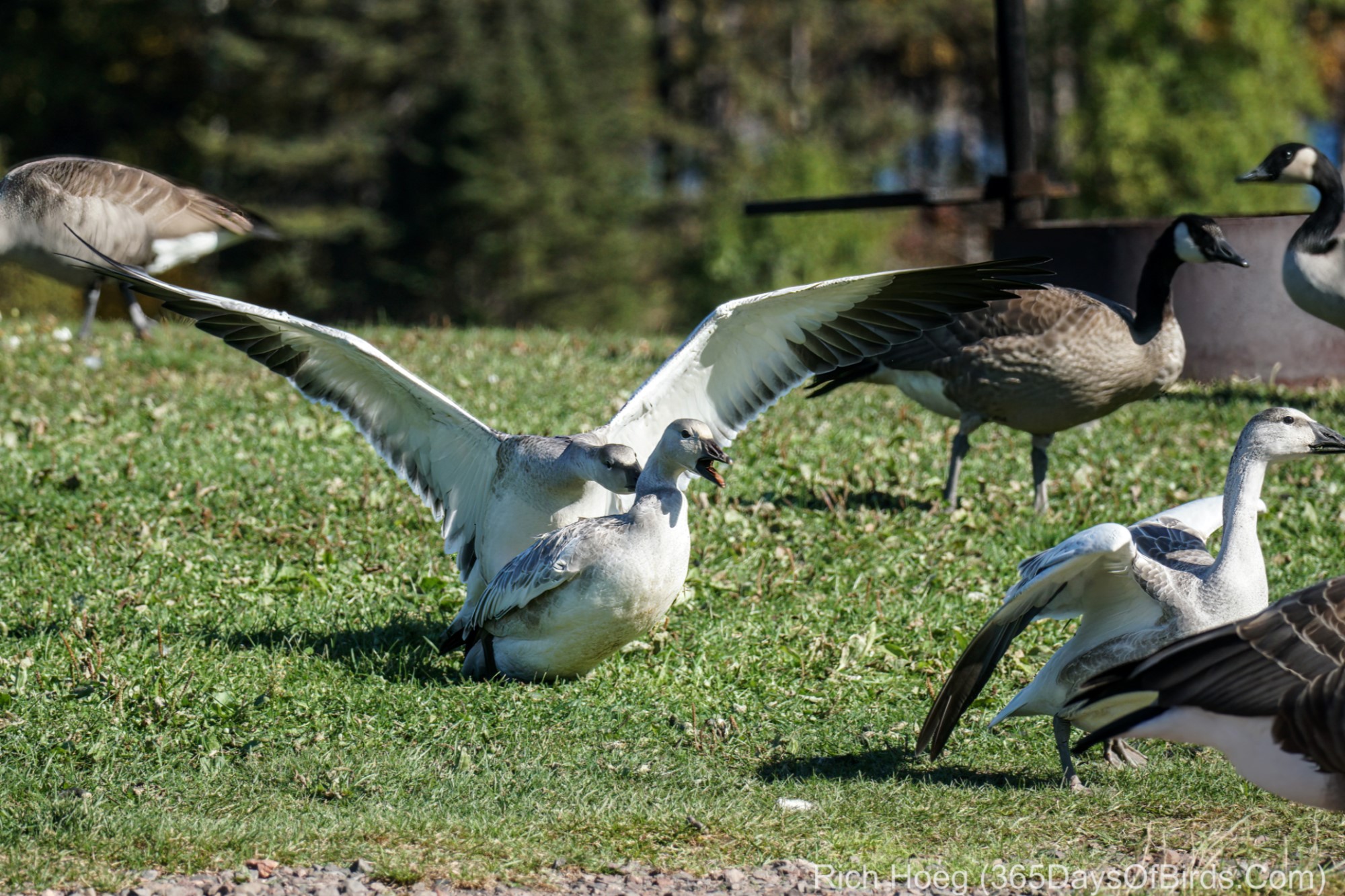
More Snow Geese (notice the different morphs / coloration)
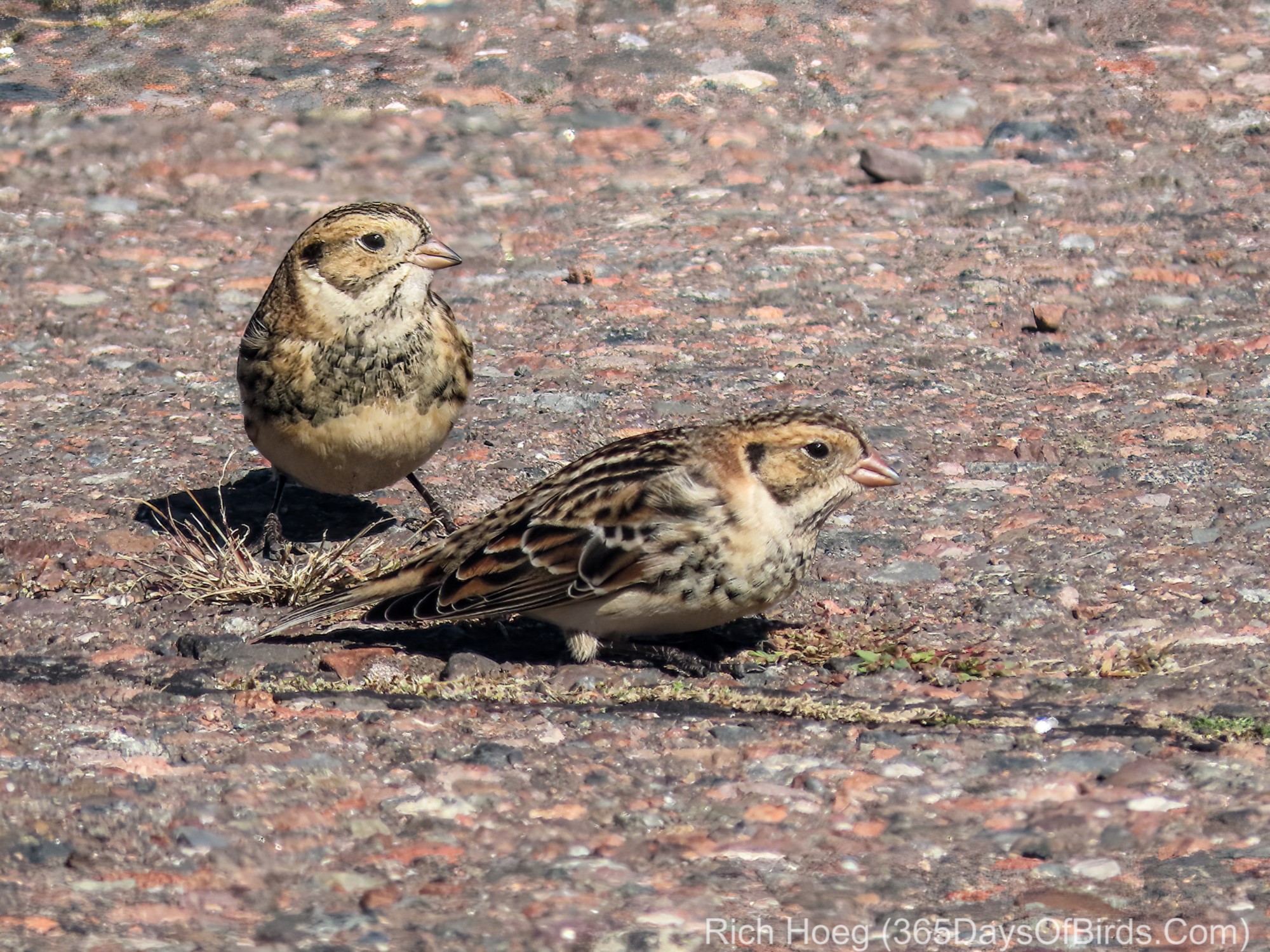
Lapland Longspur Watching Out for Merlins
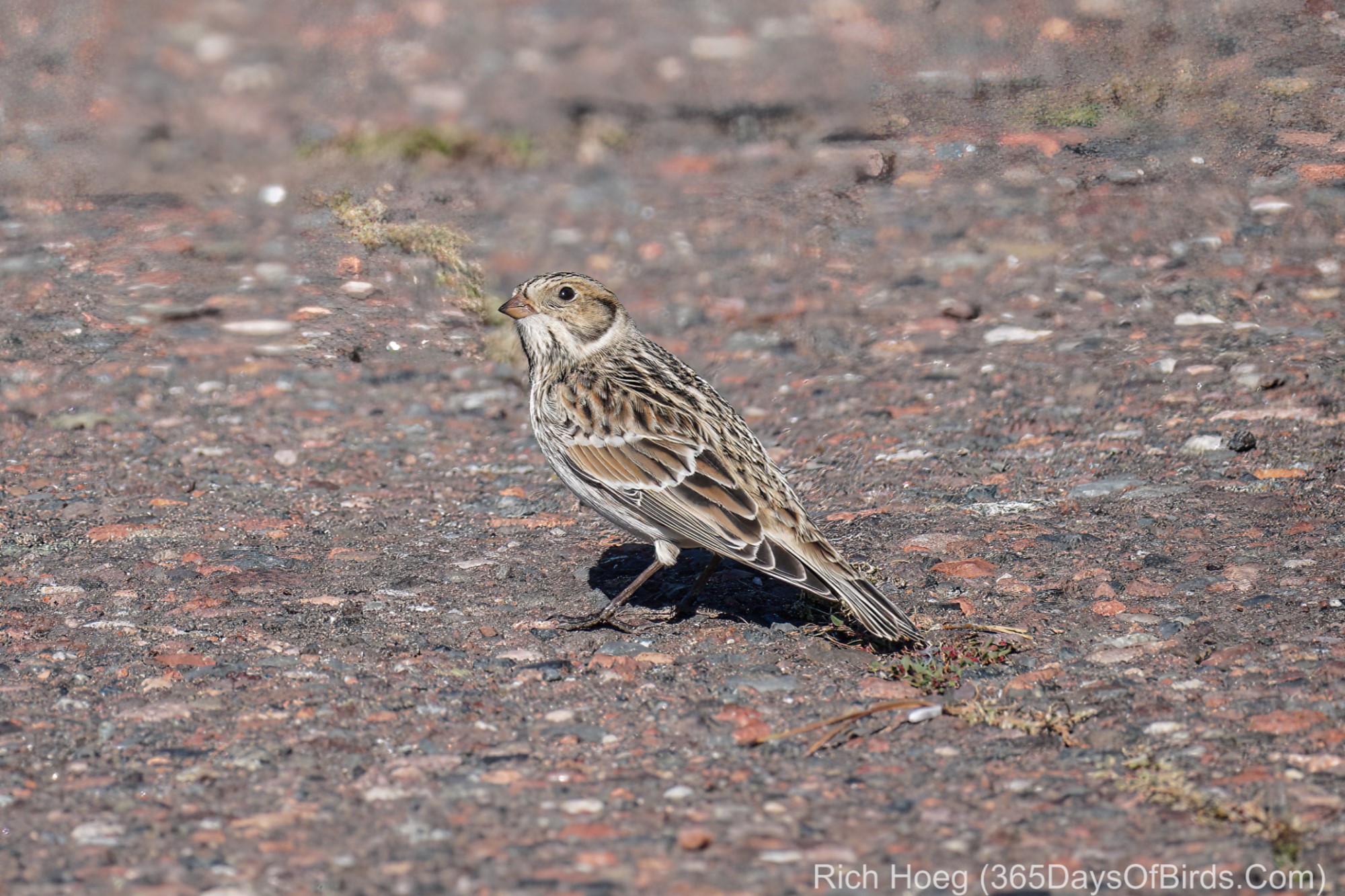
Finding Seeds in a Parking Lot’s Pavement
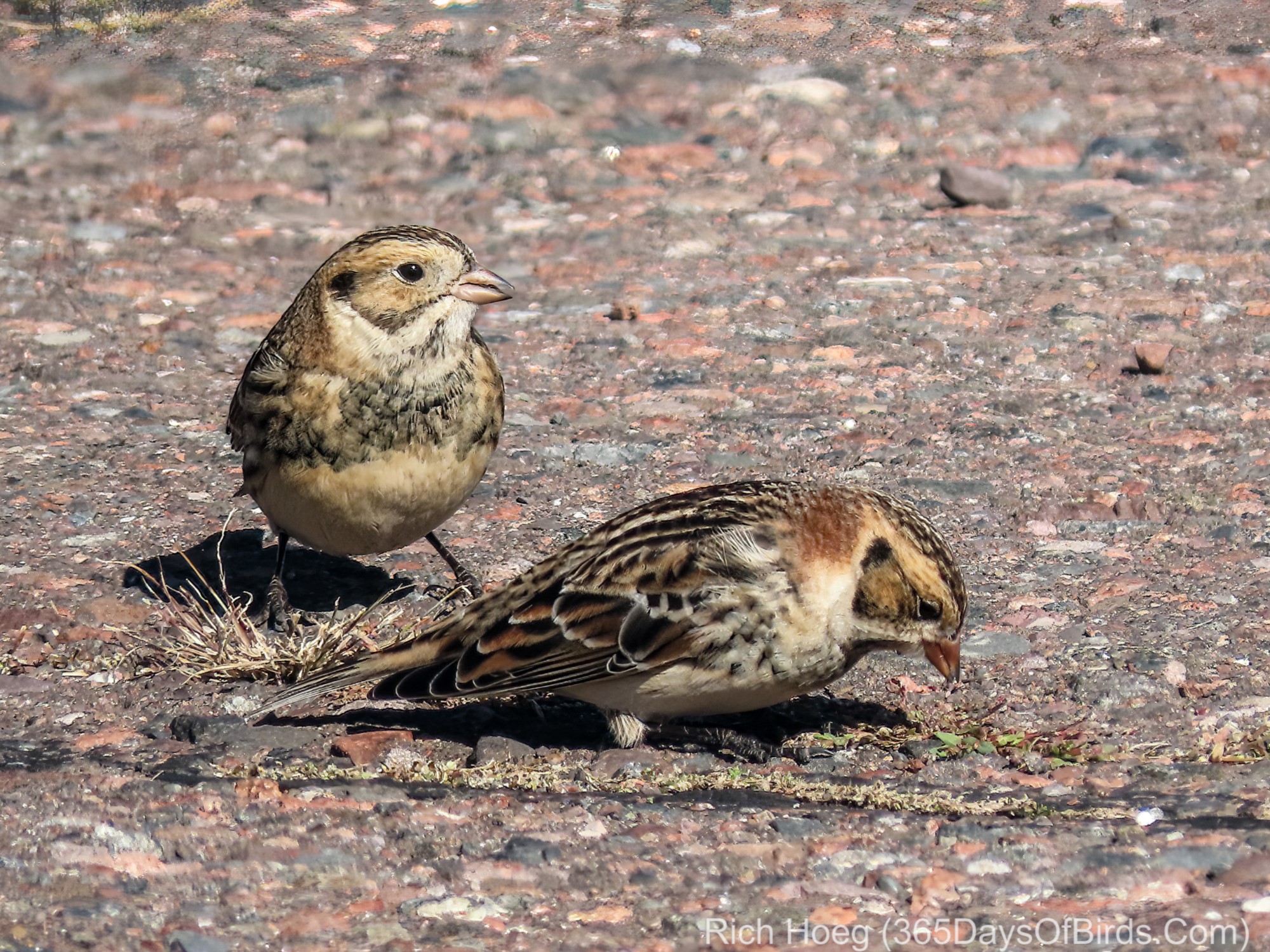
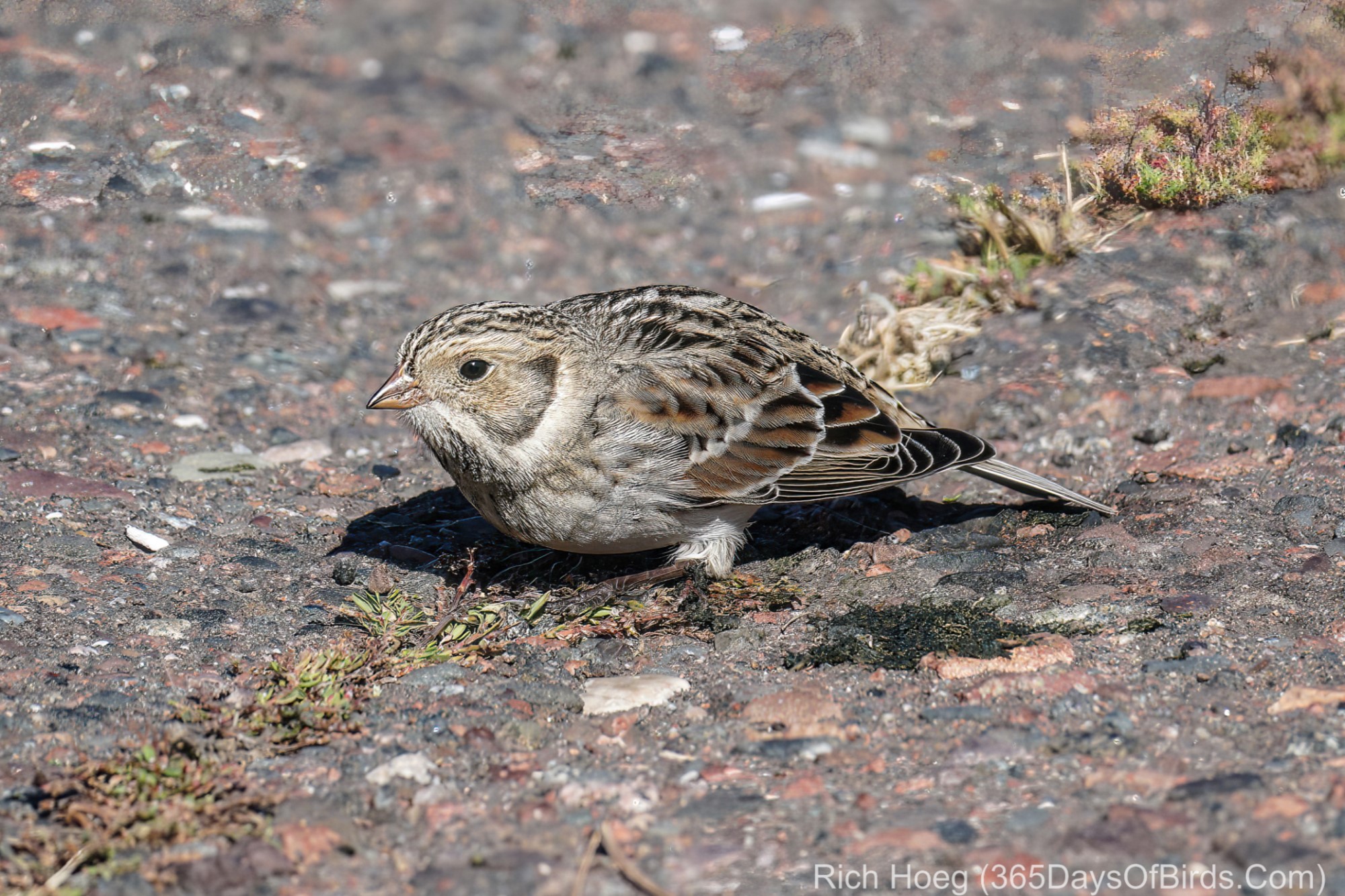
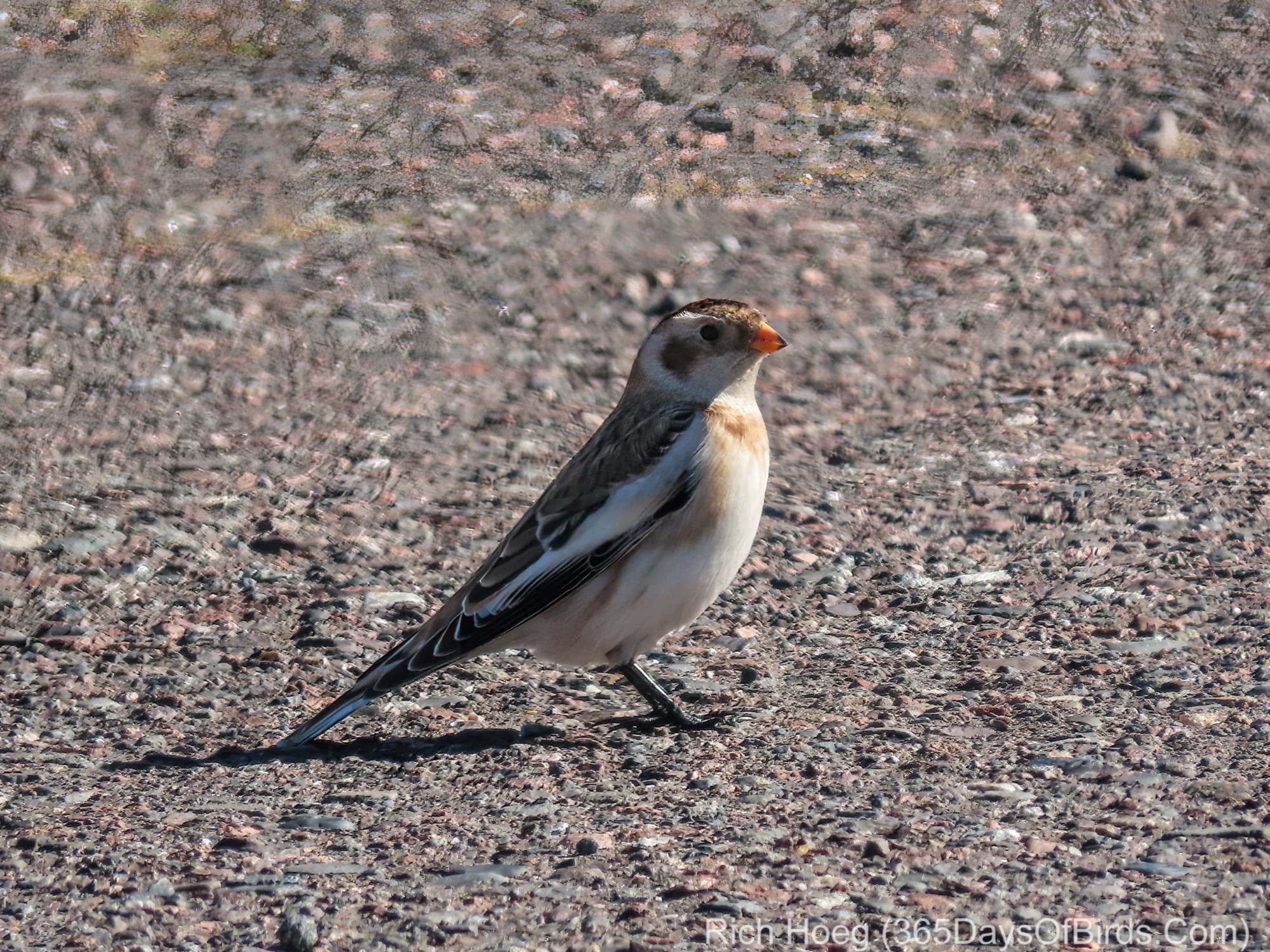
First Snow Bunting of the Season!
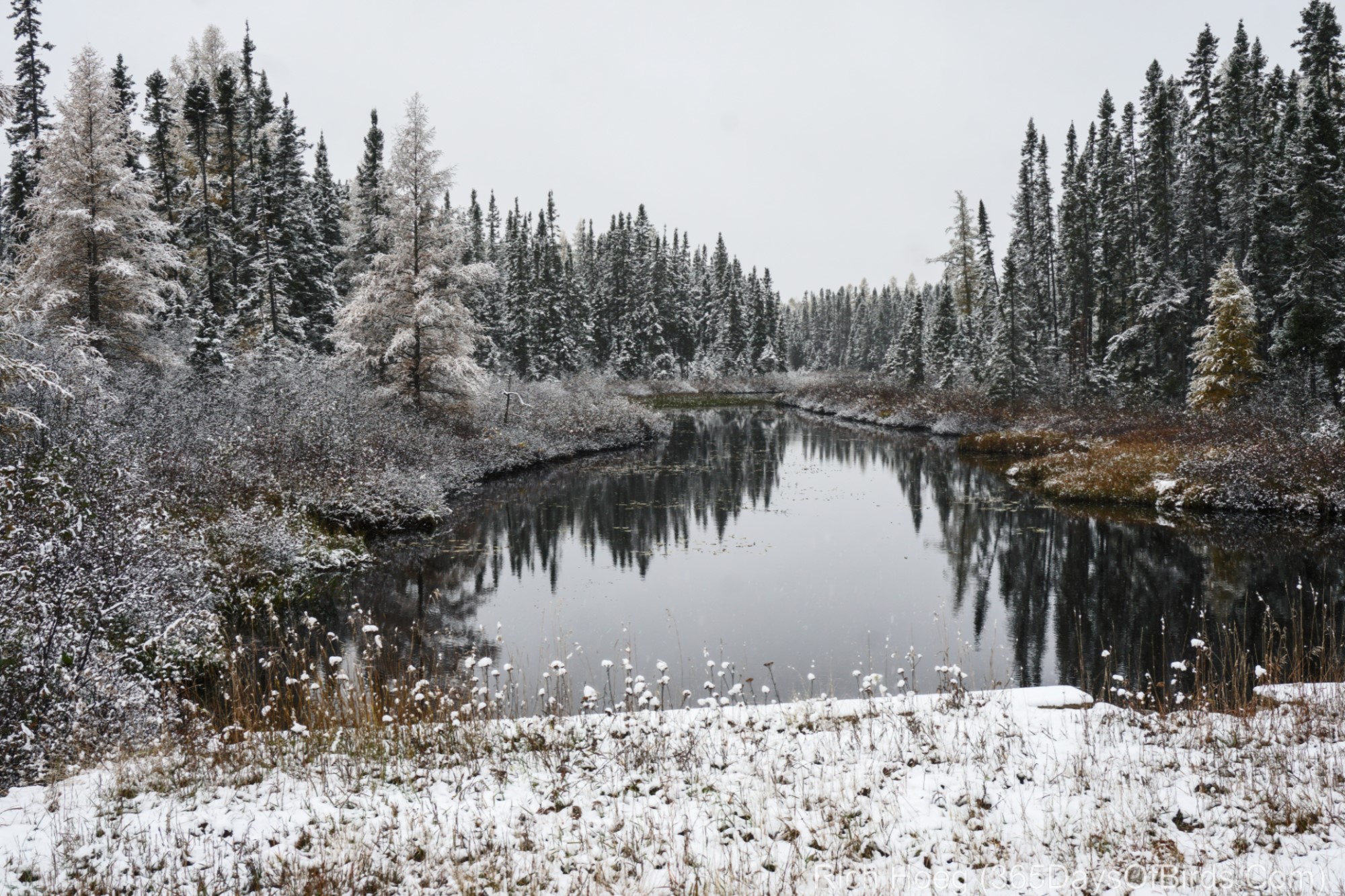
Two Weeks in Time: Northern Forest

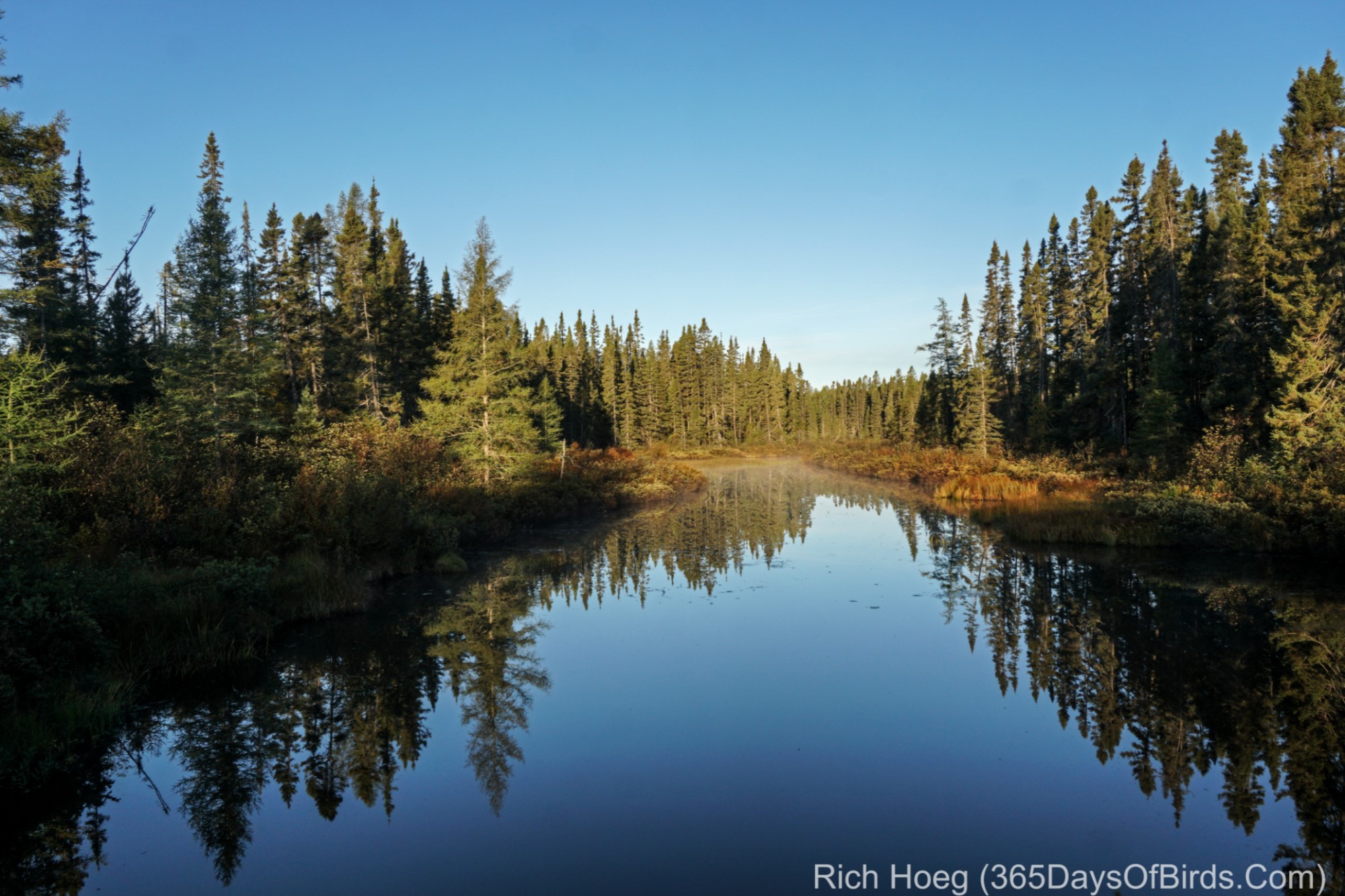
Two Weeks in Time! Langley River in Northeast Minnesota … today (snow) and two weeks ago (sunrise reflections). It should be obvious why I love birding, even if I don’t see anything unusual.

Today: Snow!

Two Weeks Ago: Sunrise Reflections!

Birding at the Top of the Watersheds

Ever heard the term “A Canary in a Coal Mine”? Supposedly years ago coal miners would bring canaries deep into the earth with them while mining. If oxygen levels fell to unsafe levels, the bird would demonstrate the effects first, pass out and thereby tell the miners to seek safety.

Earlier this week Cornell University issued their annual report on bird population health (or lack thereof). Folks, we’re killing our planet. The data is disheartening … from the report’s overview: “The United States and Canada have lost 3 billion breeding birds since 1970—a loss of 1 in 4 birds”. This is not a debate about climate change … the bird population loss is due to reduced or poisoned habitat. We all live in this habitat / land … A Canary in a Coal Mine. Think about it.

Personally I am very lucky and live on a migration highway (the North Shore of Lake Superior) and near the top of not one, but three watersheds (Mississippi River, Hudson Bay, and the Gulf of St. Lawrence). My local water is not downstream of anyone else.

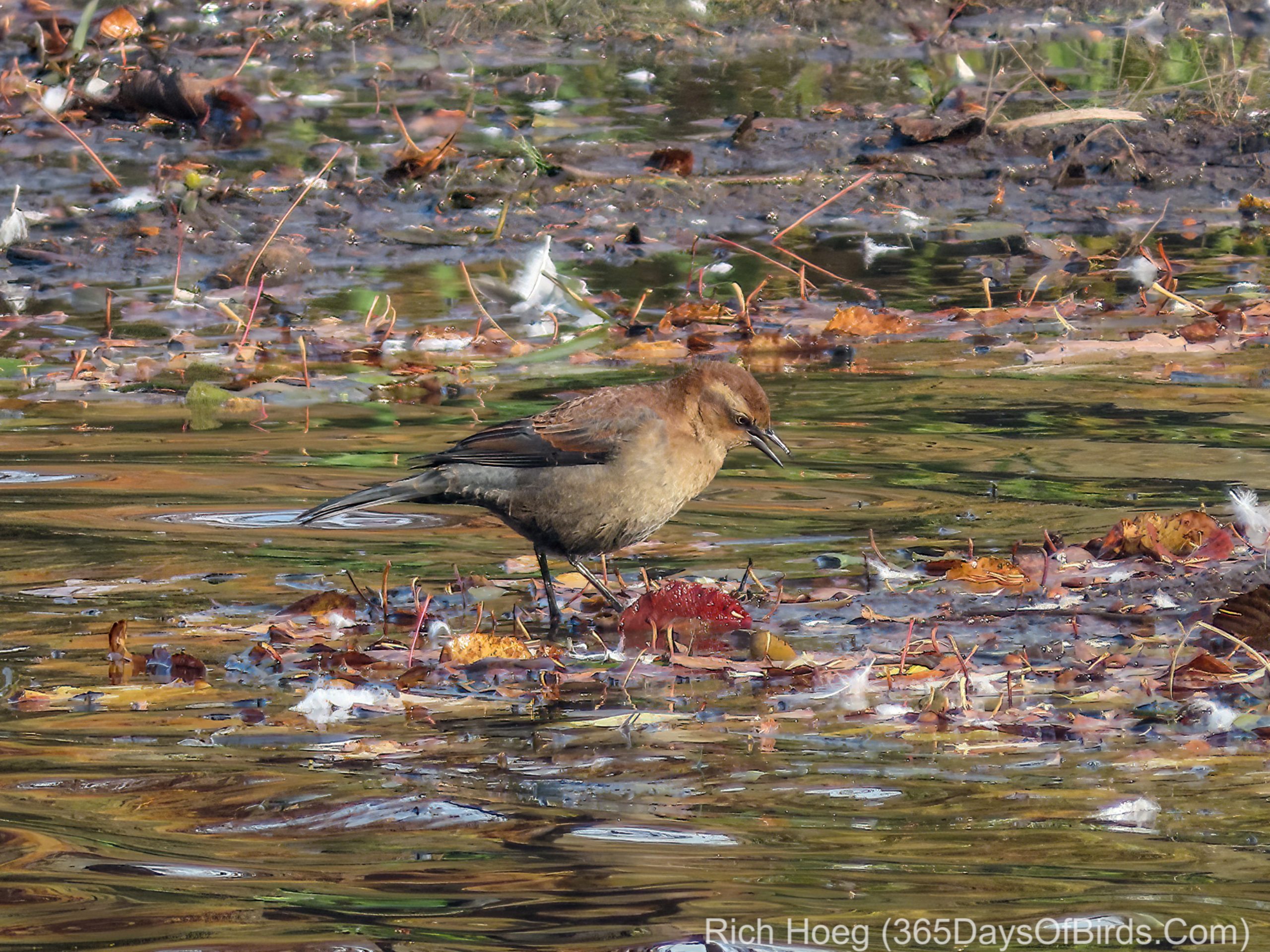
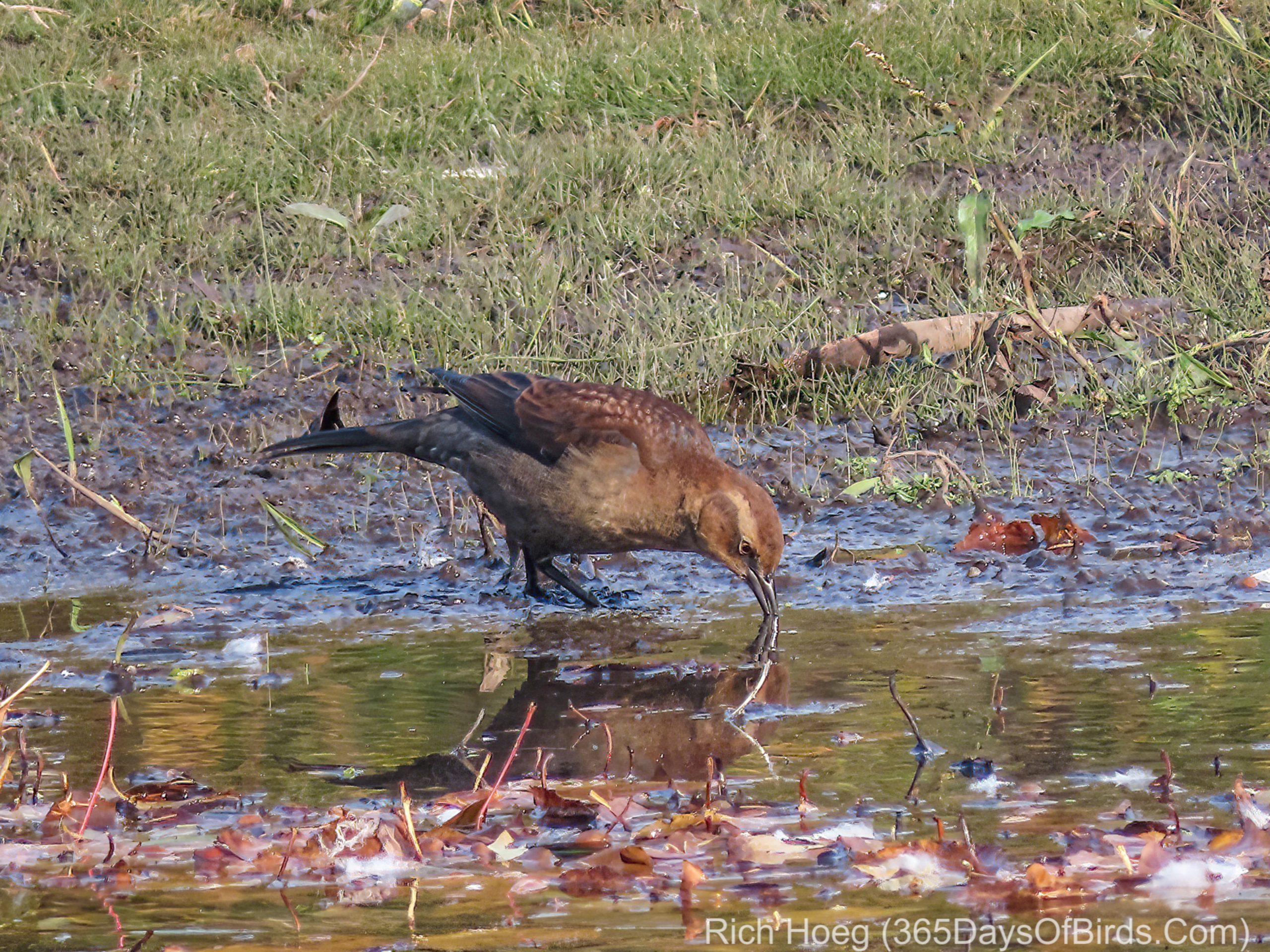
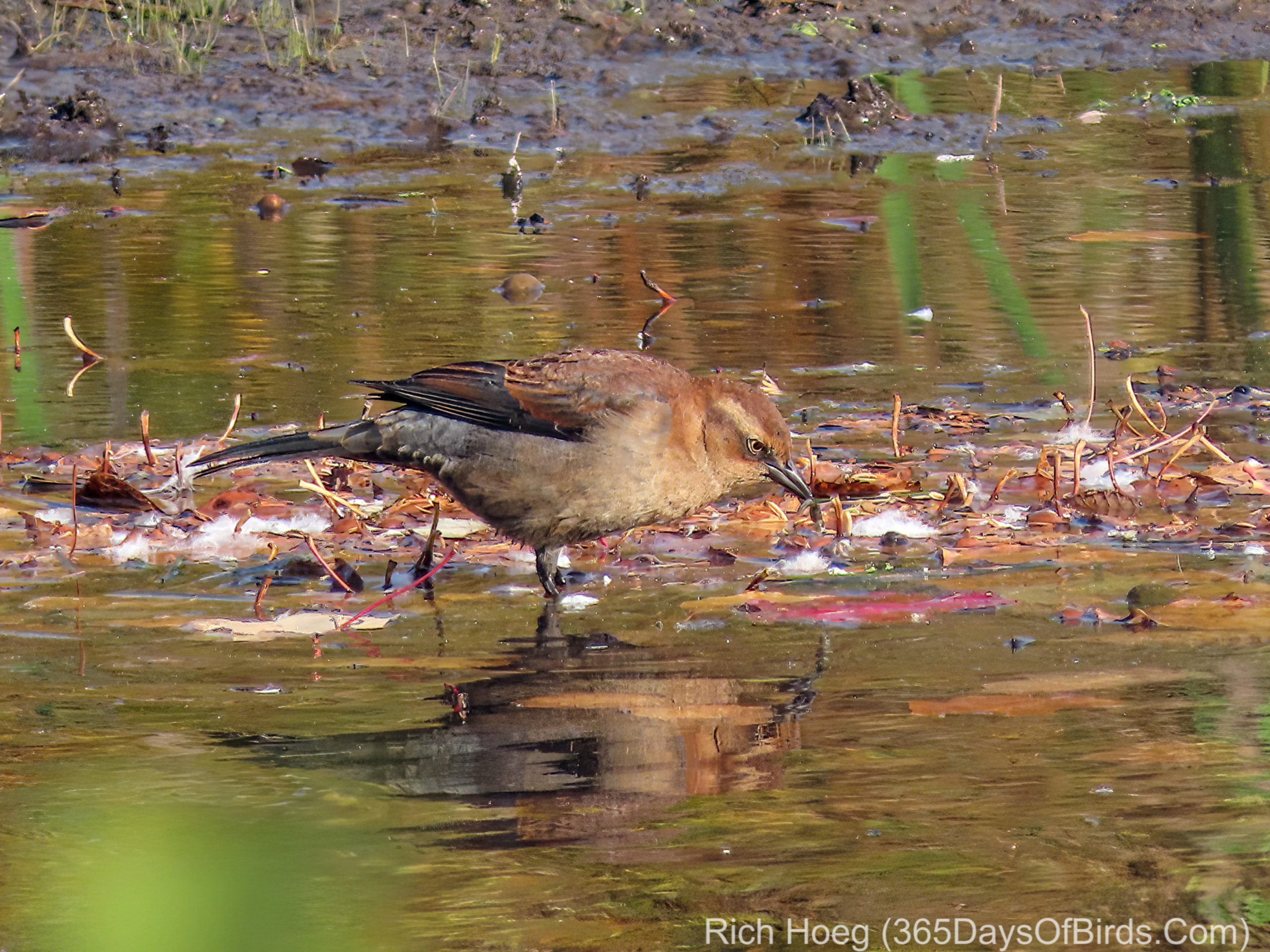
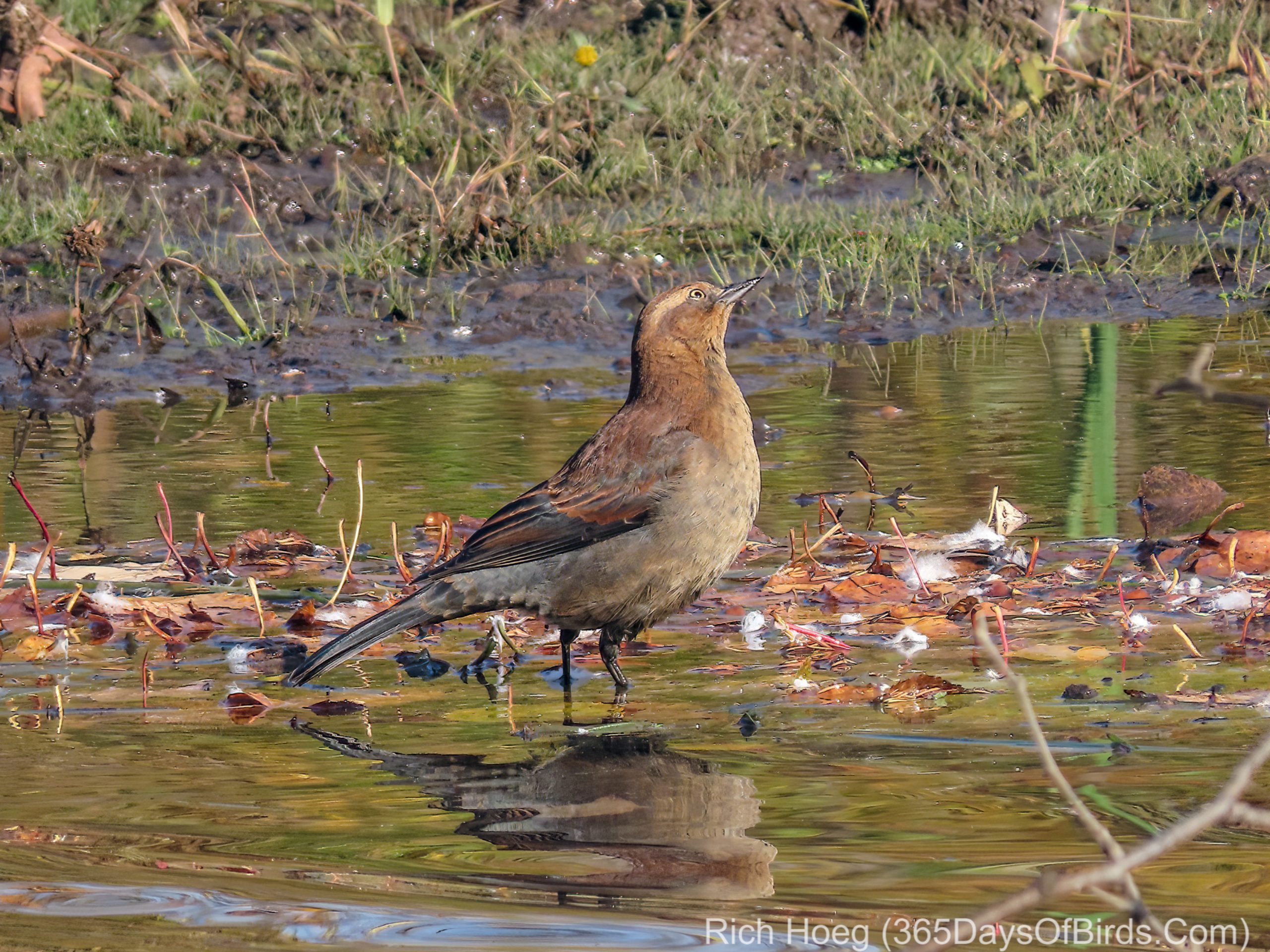
Yesterday was a good example in that I tend to see birds most folks do not come across. Visiting the Forest Hill Cemetery I found a Rusty Blackbird. It was eating bugs in the middle of a small mudflat. Perhaps blackbirds do not excite you, but Rusty Blackbirds are just one small example of the problem. Cornell states: “The population has plunged an estimated 85-99 percent over the past forty years”.

Rusty Blackbird Finding Breakfast

On the Lookout for Merlins and other Raptors

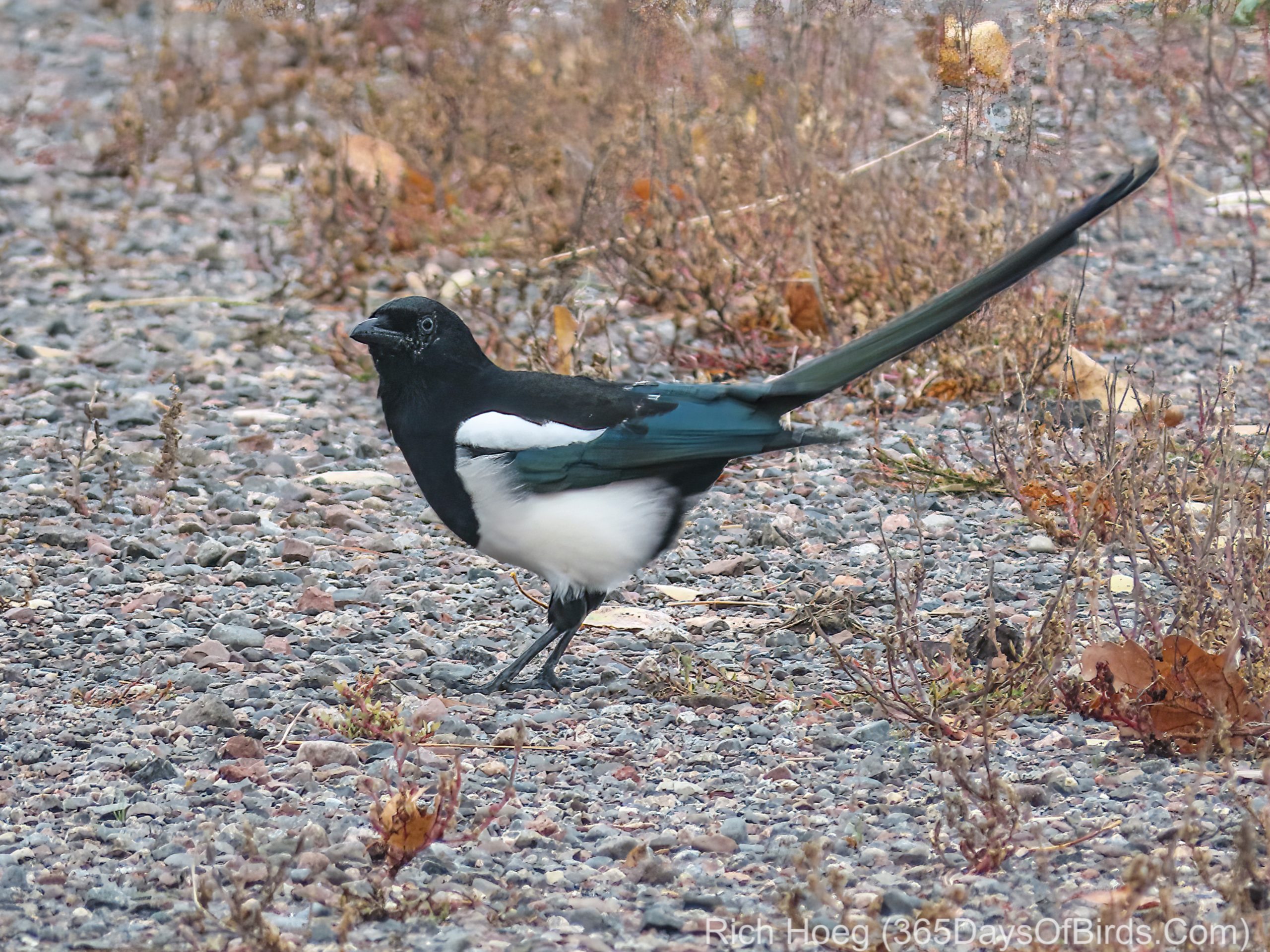
Yesterday I also found a few Black-Billed Magpies up at Sax-Zim Bog.