Almost a Lifer (Oregon Junco)

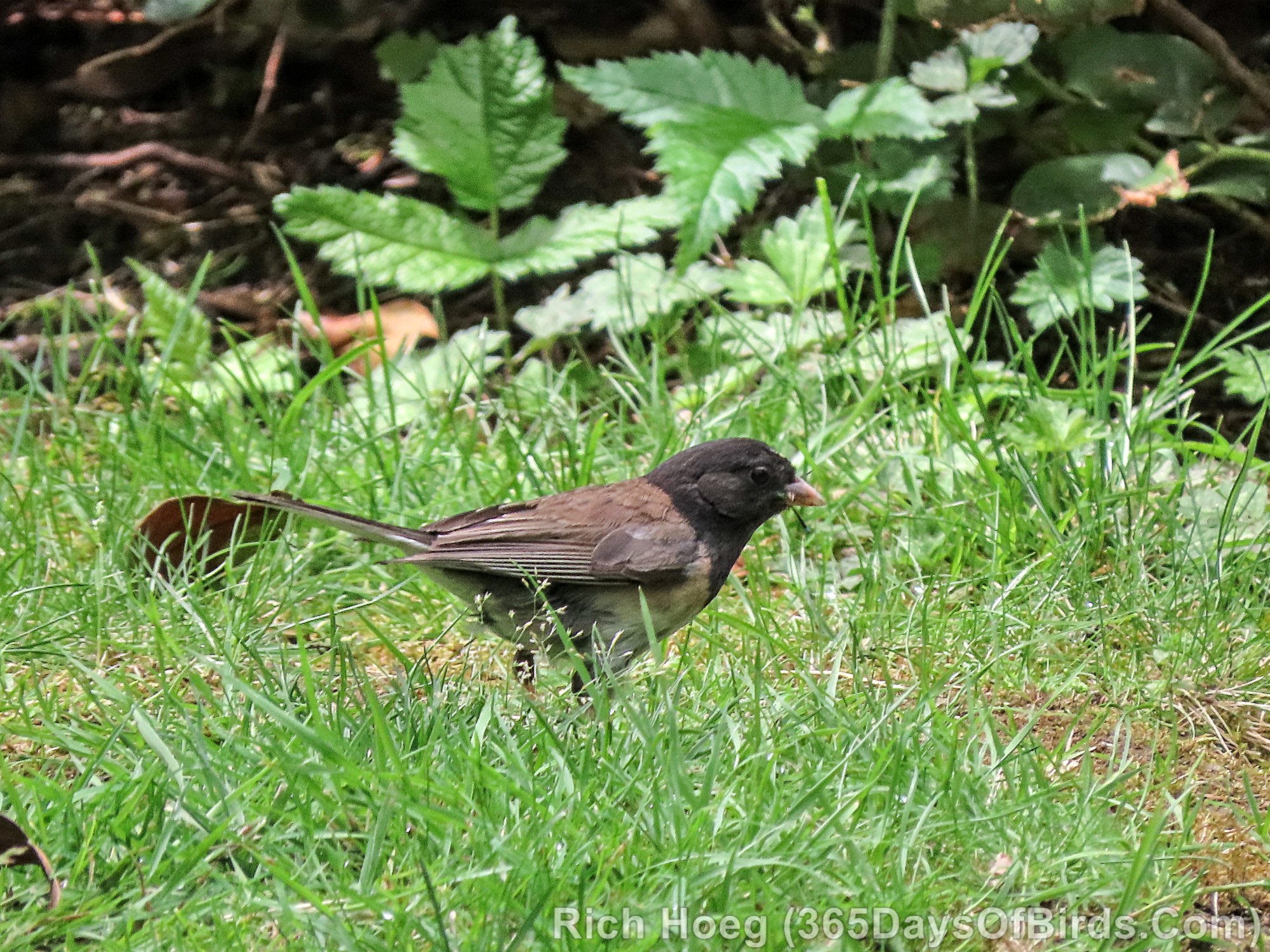
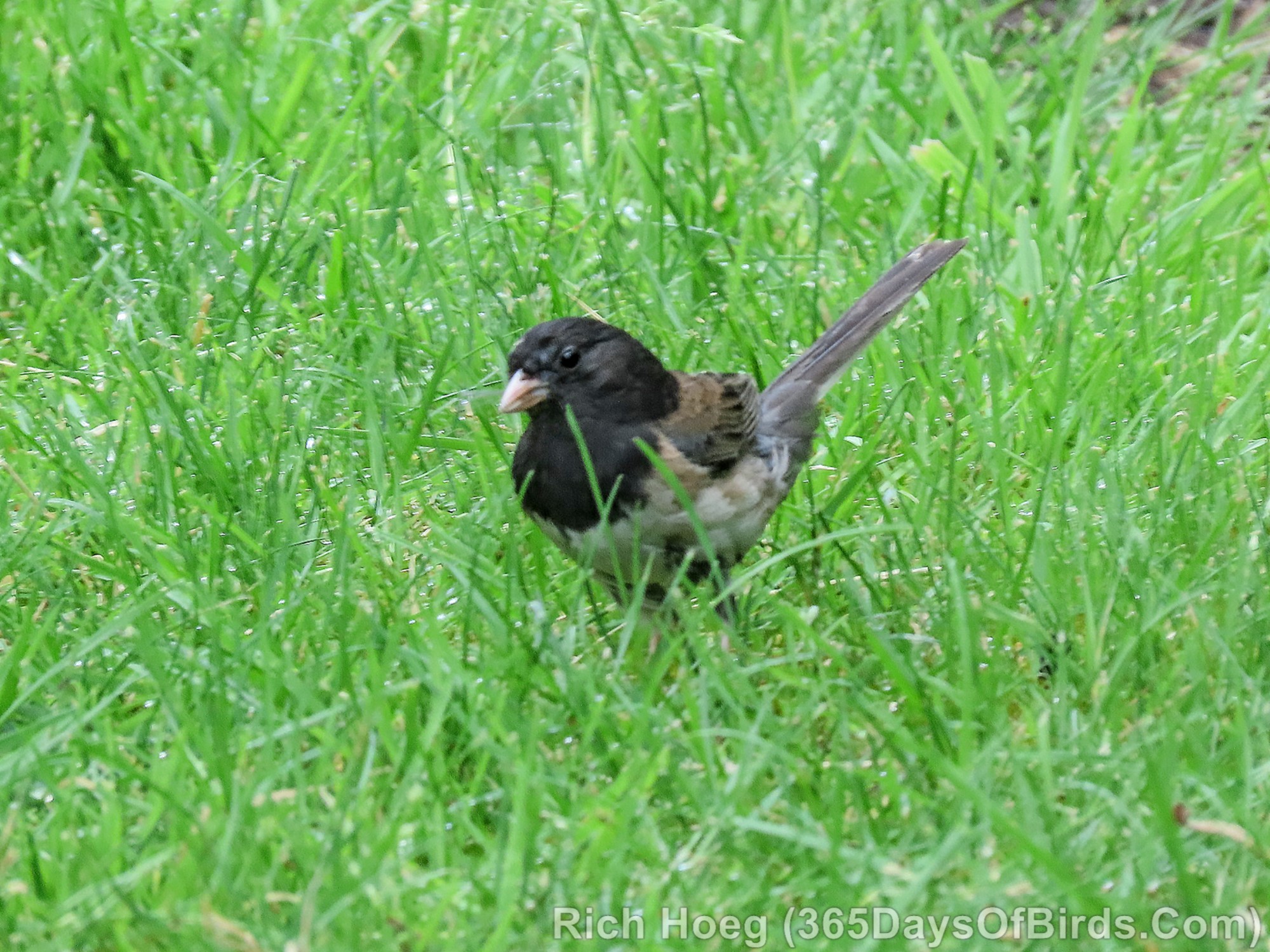
When is a lifer not a lifer? When the “powers that be” in the birding community decide what was once multiple species are now just one specie … no matter how different the sub-variants may appear. Over the past few days I have on two separate occasions watched a cool, small finch looking bird. I knew it was too small to be a grosbeak, but had no clue that Merlin would identify the bird as a Dark Eyed Junco (Oregon variant)(learn more about Cornell’s Merlin Bird ID … previous post of mine)

Oregon Junco (Dark-Eyed Junco)
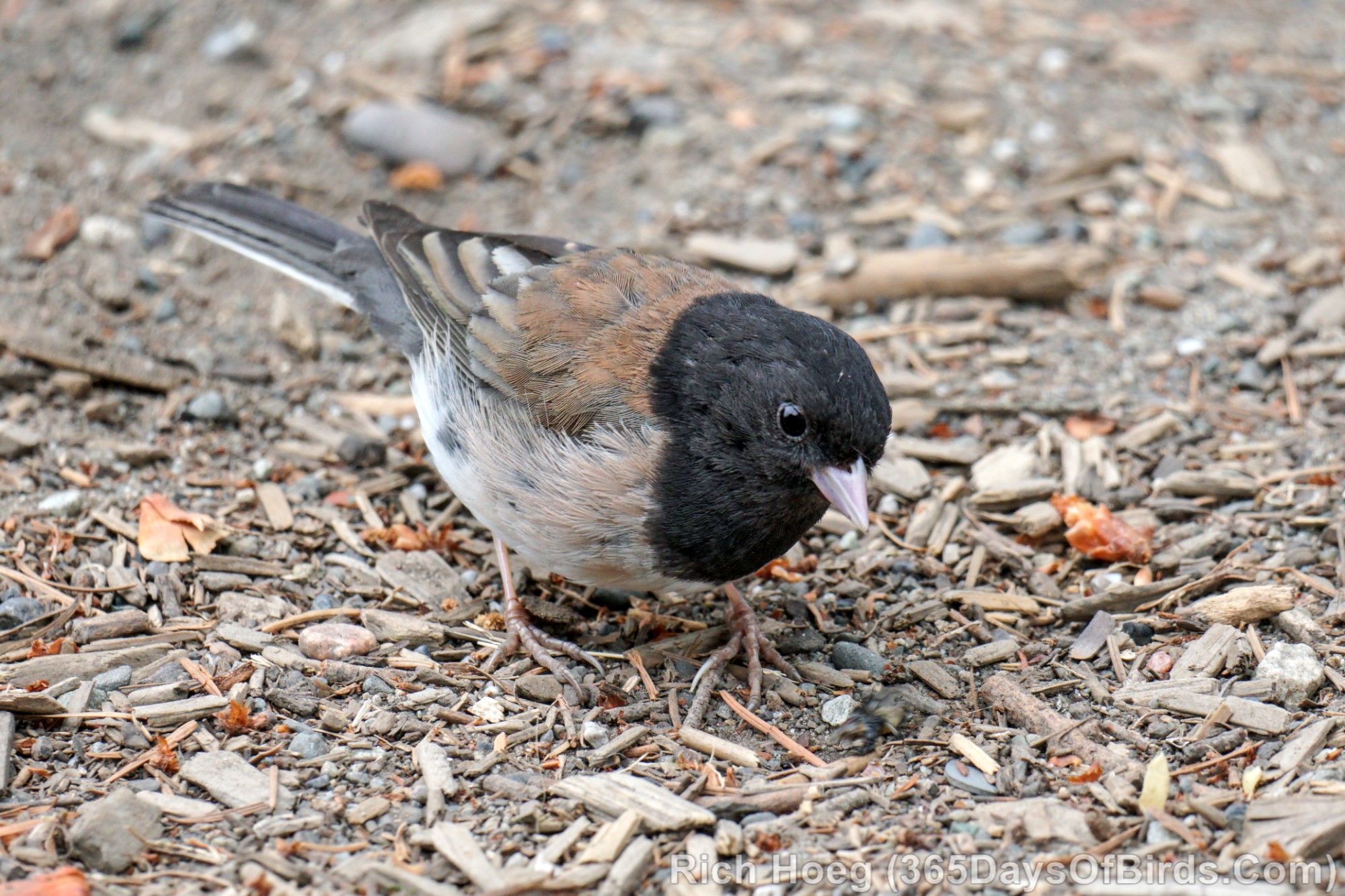
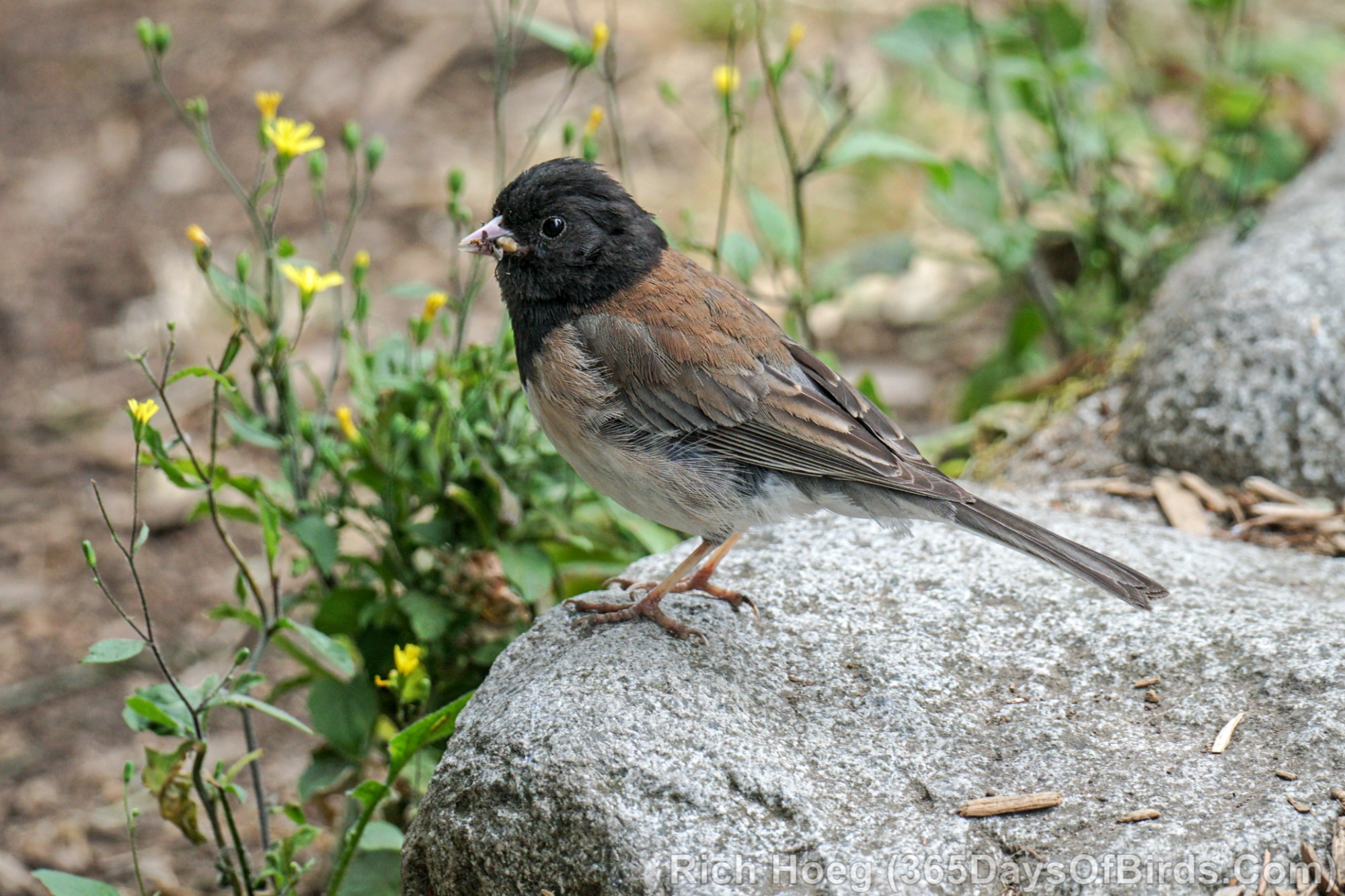
Learn more about the Oregon Junco from the Oregon Encyclopedia.

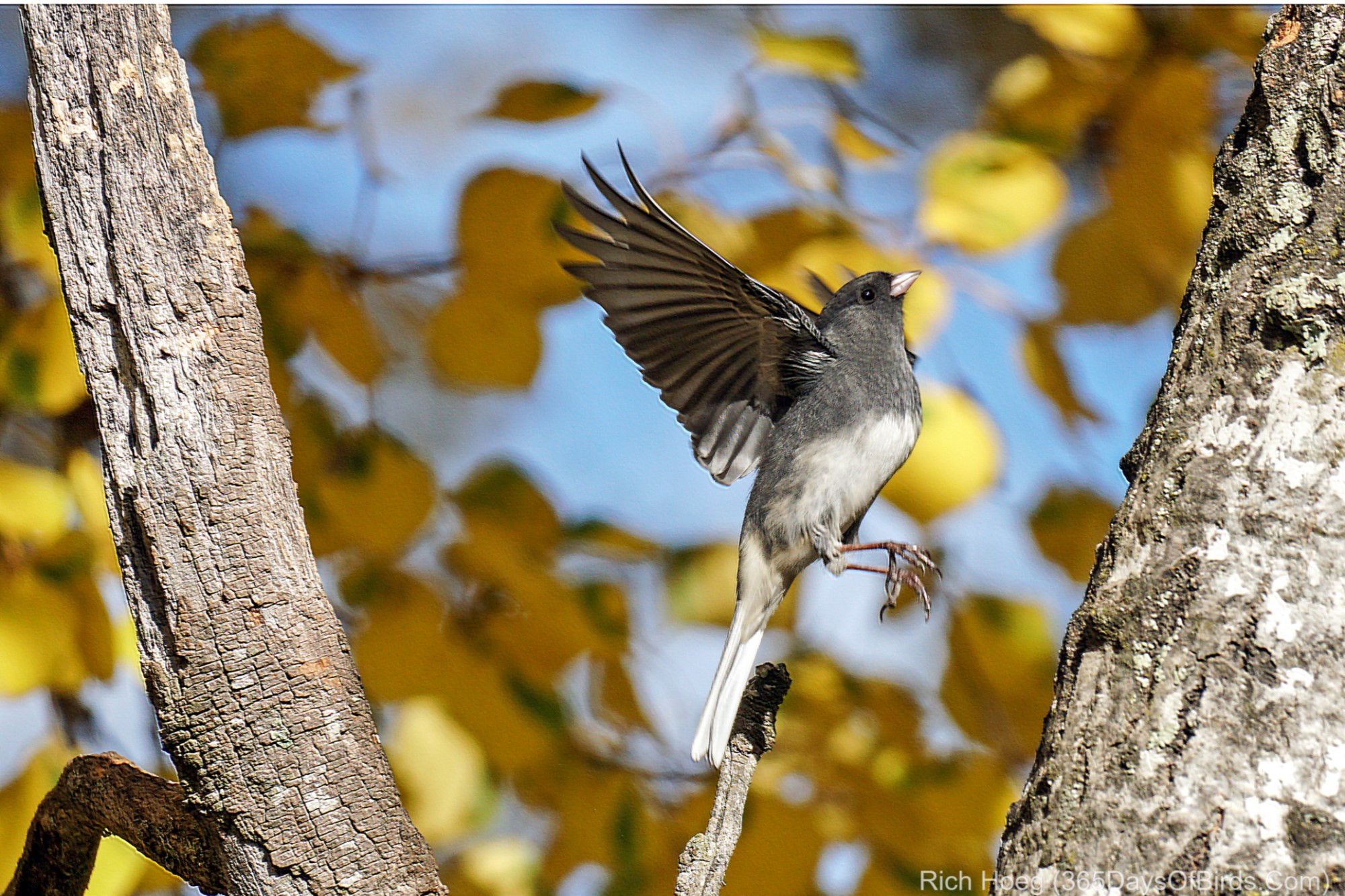
Dark-Eyed Junco (Minnesota version)
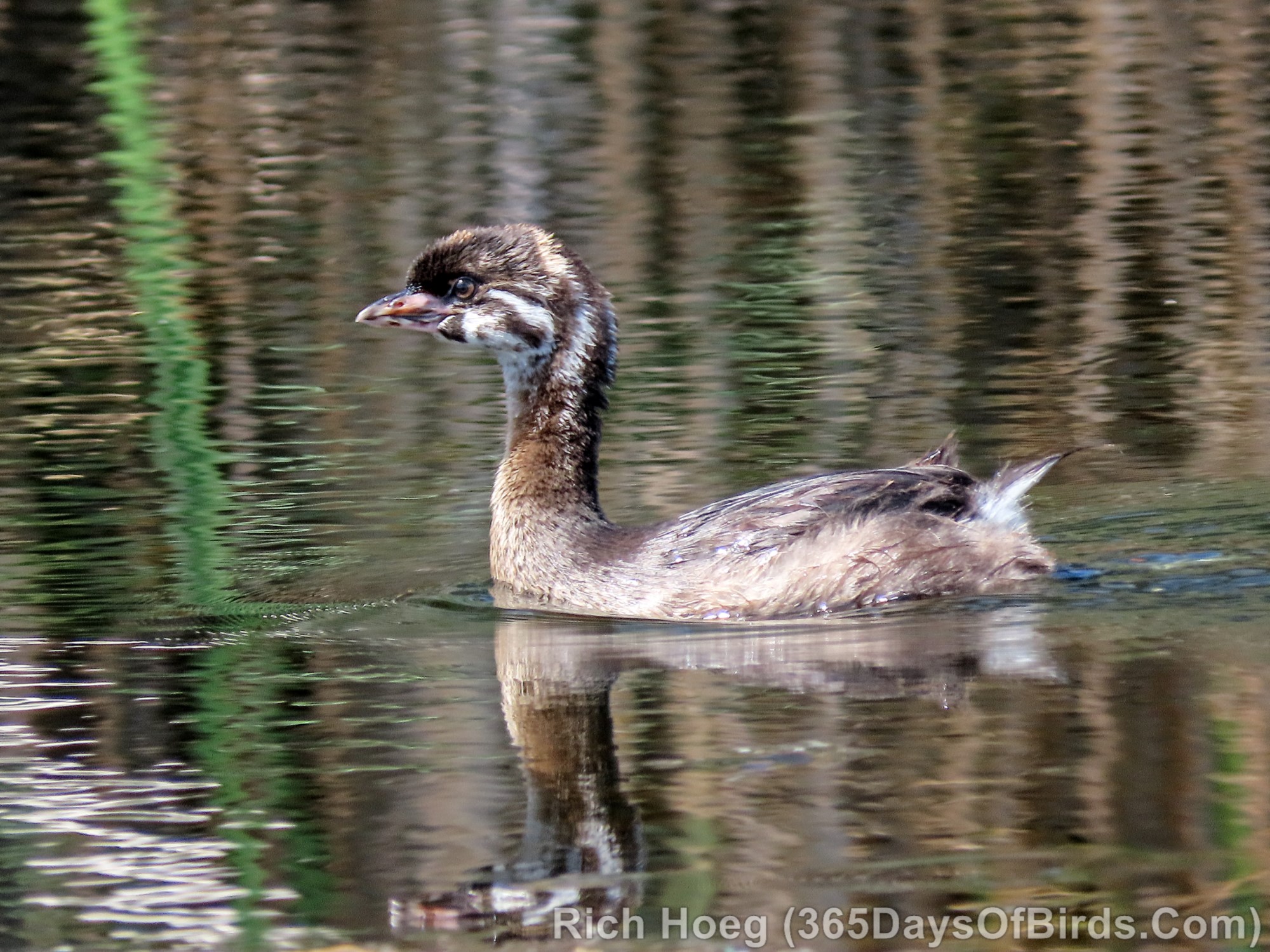
The other use I made of Merlin (the Sound ID module) was identifying the early morning song of a Pied-Billed Grebe in the wetlands next to my son’s home. This led me to traipse through the 8 foot tall reeds, and watch this Pied-Billed Grebe chick.

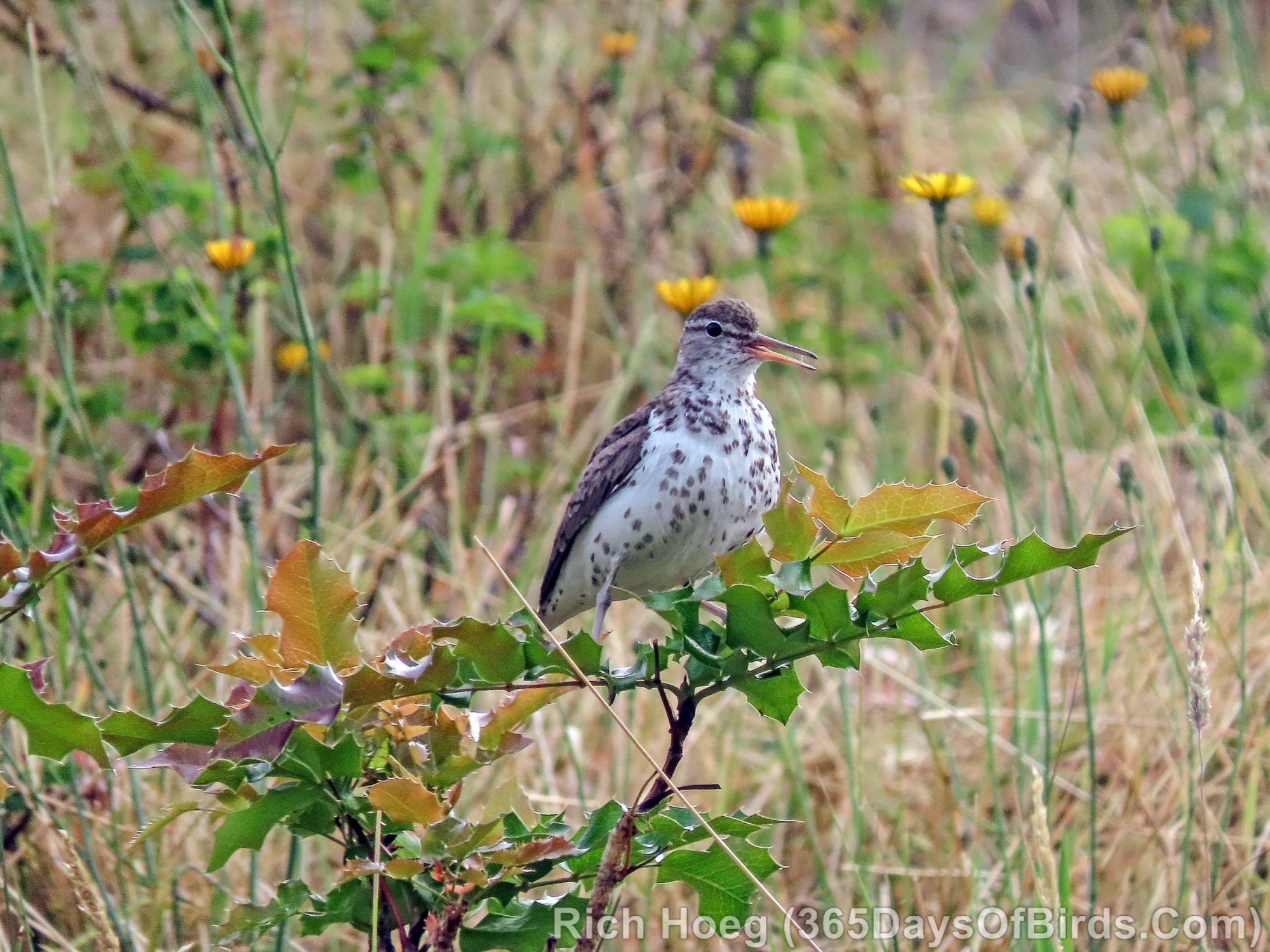
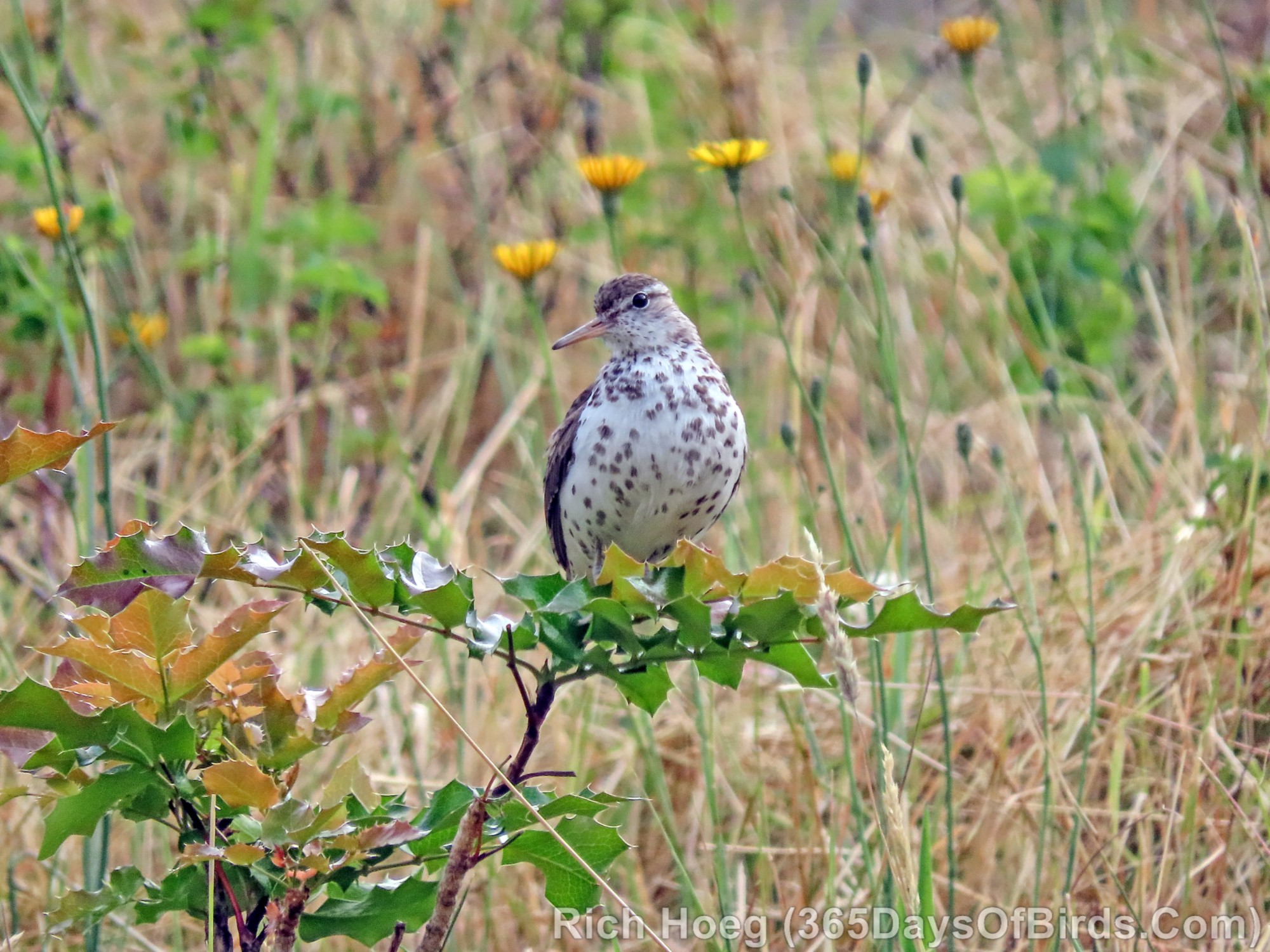
I also found a Spotted Sandpiper family hanging out near a local pond. Here one of the parents surveys the environment.
The Joy of the Birding Commute

I’m spoiled, but I only truly appreciated that truth for the first time yesterday morning shortly after sunrise. By living in northern Minnesota my “birding commute” is often as good, or even better, than actual birding outing once I arrive at my intended destination.

Let me explain … in northern Minnesota within minutes of leaving my home by car, I am driving beautiful back roads with little to no traffic. I often get distracted by some sighting and never visit my intended birding destination. Yesterday morning I experience the total opposite. I am visiting my youngest son and his wife in Seattle. Shortly after 6 am I set off by car via I-90 towards a park which I wanted to bird. While traffic could only be described as “light”, it flustered me and I was also not able to look around and enjoy the local sights. Thirty minutes of driving allowed me to reach my destination … a bit stressed and definitely not relaxed. Yup, I love northern Minnesota.

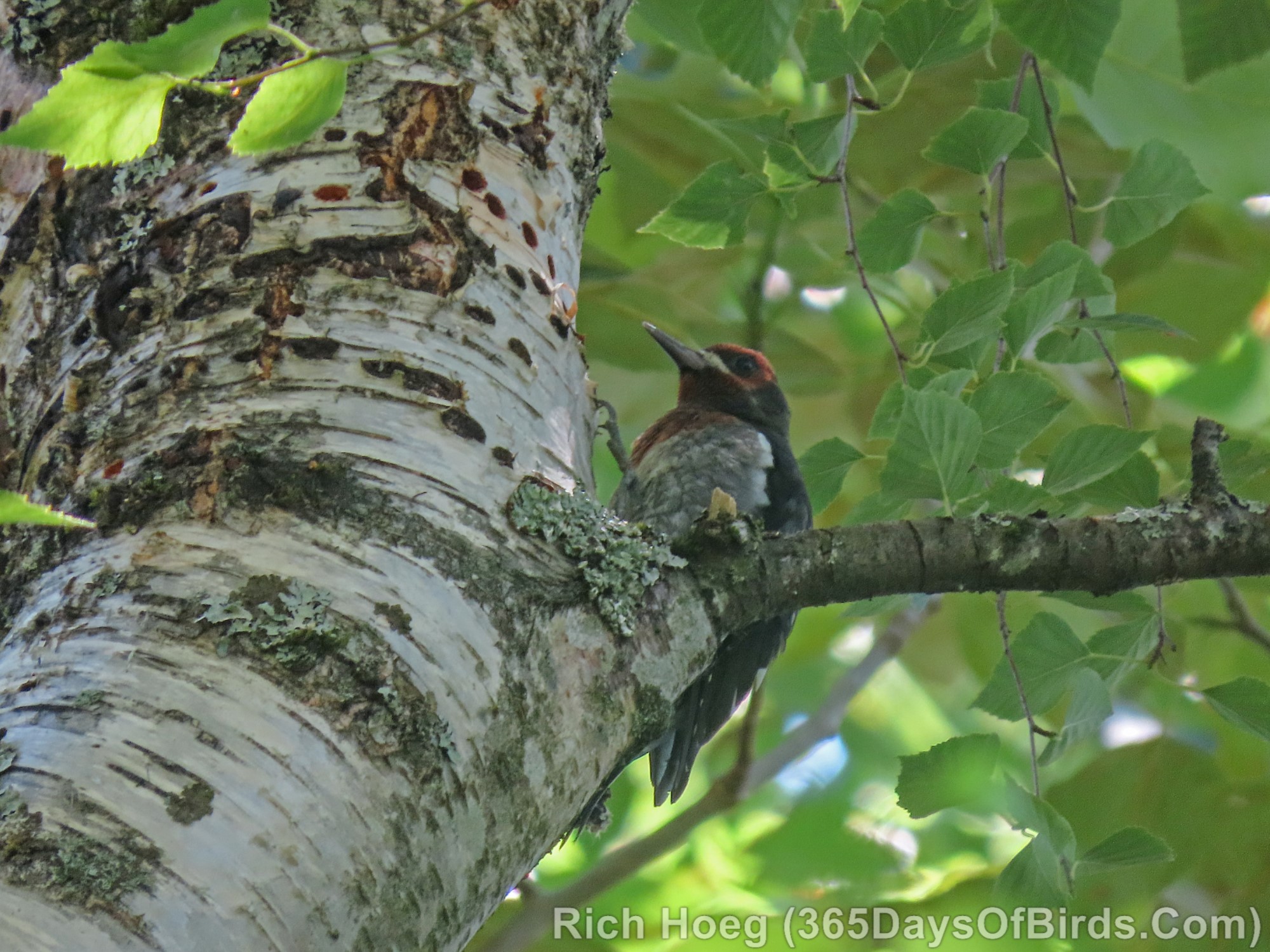
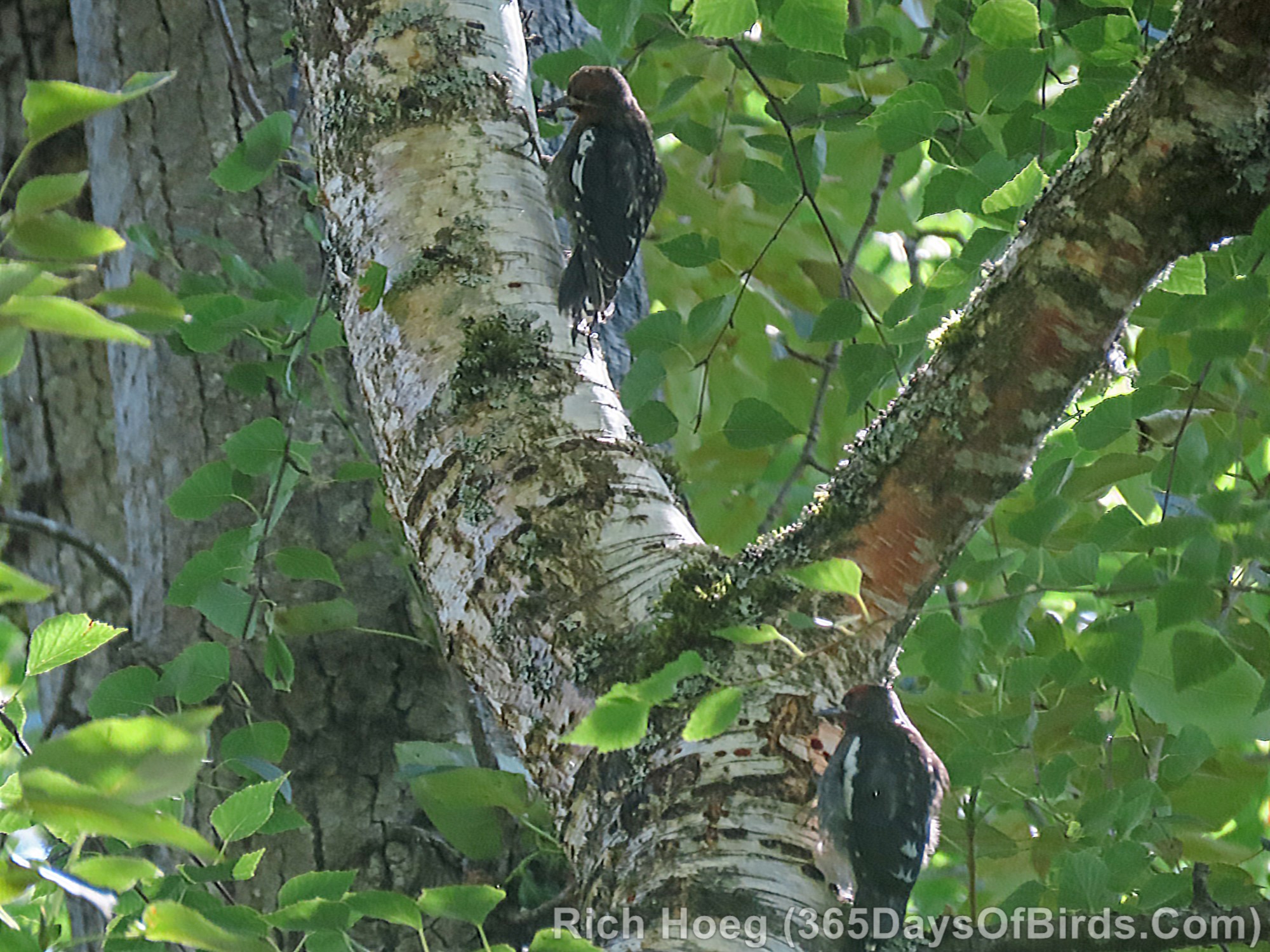
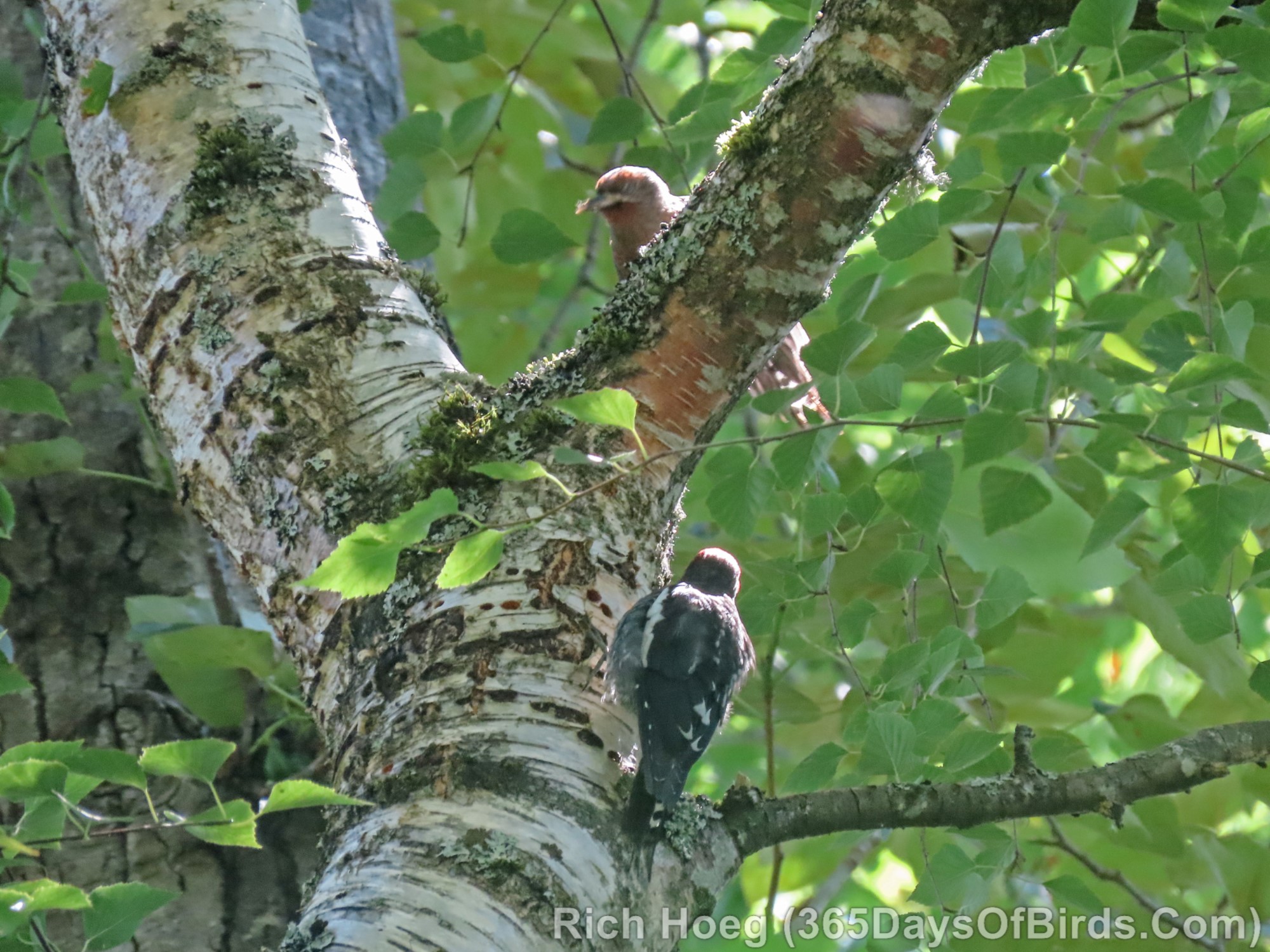
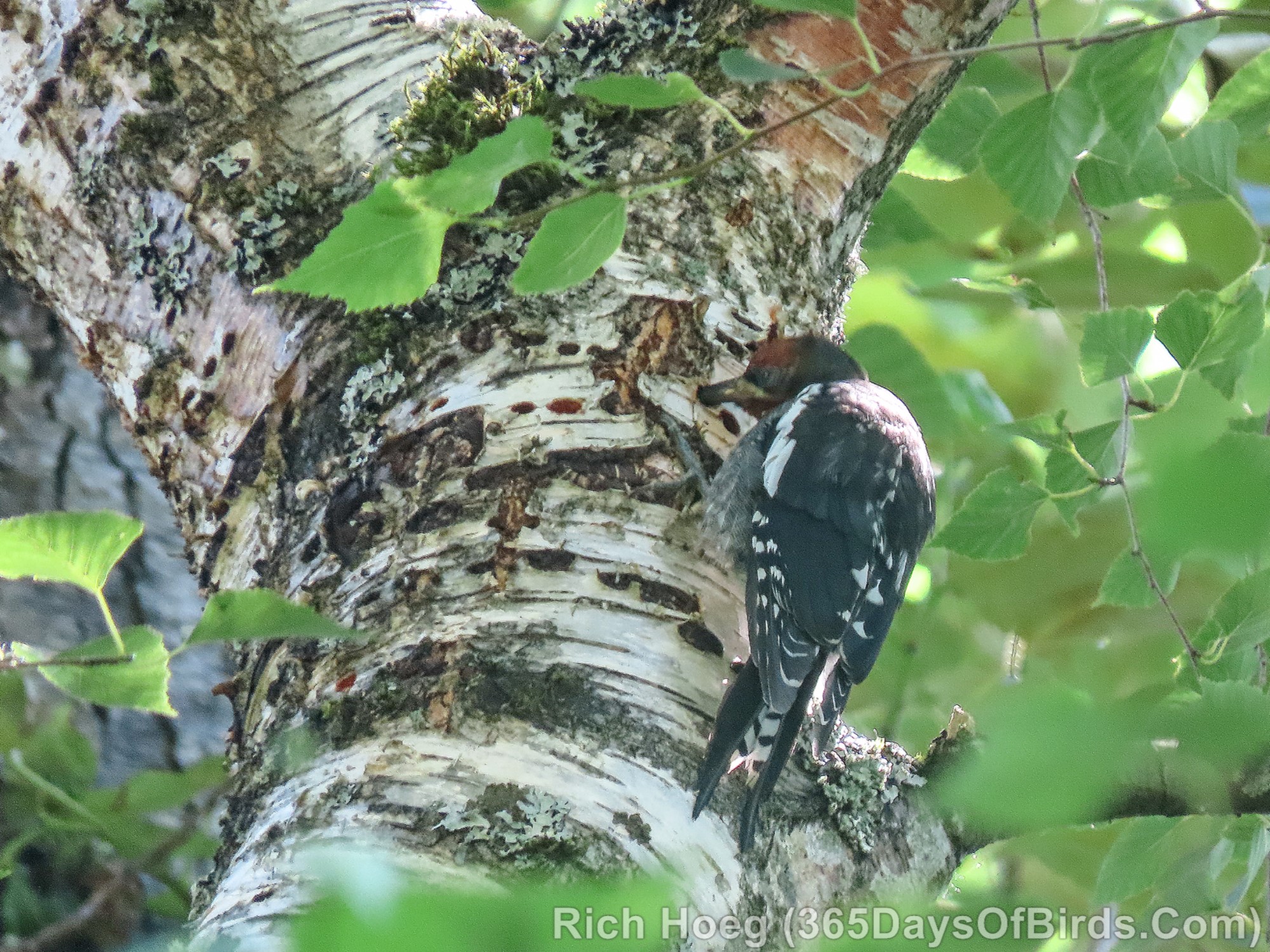
I did have a nice birding experience. While the photographs are not great because I had to point the camera into the sun, I watched a parent Red-Breasted Sapsucker teaching the proper methods for finding food to a juvenile. While we don’t have this kind of woodpecker in Minnesota, it was only a few days ago I watched a Yellow-Bellied Sapsucker being taught proper drumming!

One final note … I am looking forward to today’s commute. After a short drive (my son at the wheel), Erik is taking me on a Puffin Cruise in the Puget Sound! This will be my kind of commute!

Red-Headed Sapsucker

Feeding Time at the Cemetery!

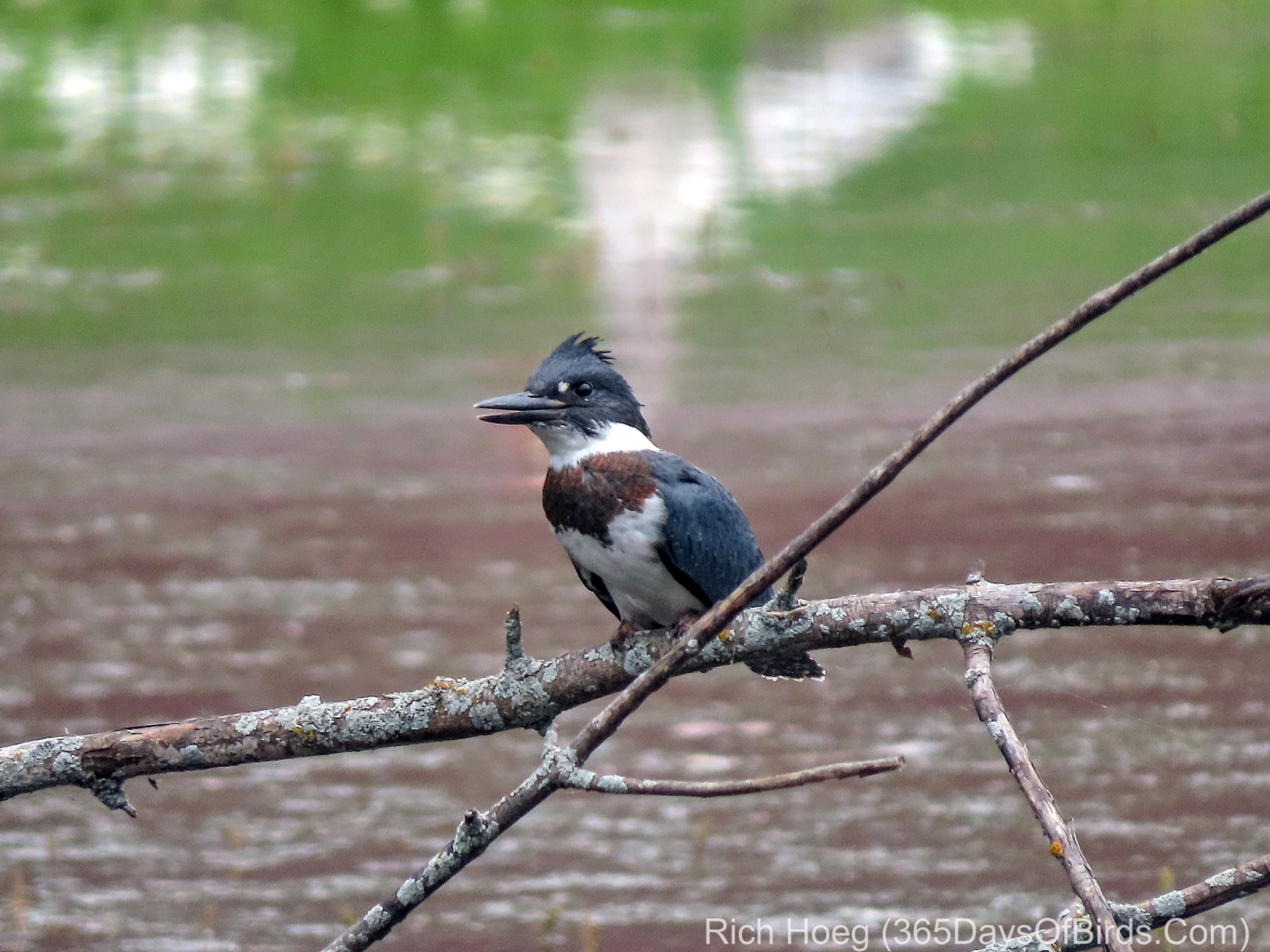
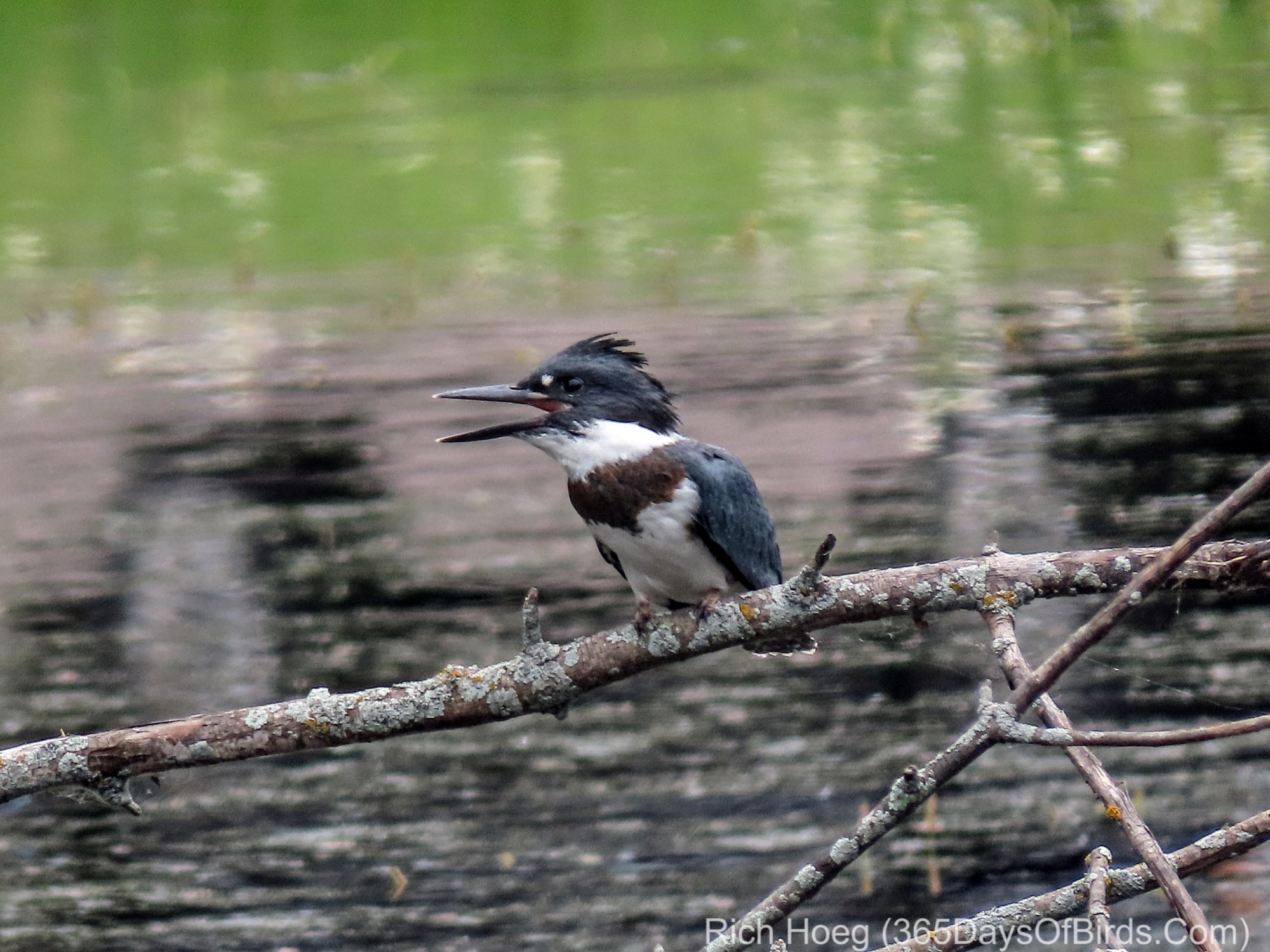
Now is the time to visit your local cemetery if it has a small pond. Belted Kingfishers (and other water birds) are busy feeding their young, and given these birds are used to humans … both above and below ground, good views are often provided. These two pictures of Mom are indicative that the young are back in the nest hole, and both parents are now required to feed growing chicks. In a week or two the youngsters will make their grand appearance and demonstrate lousy fishing technique! In Duluth, my “go to” spot if Forest Hill Cemetery.

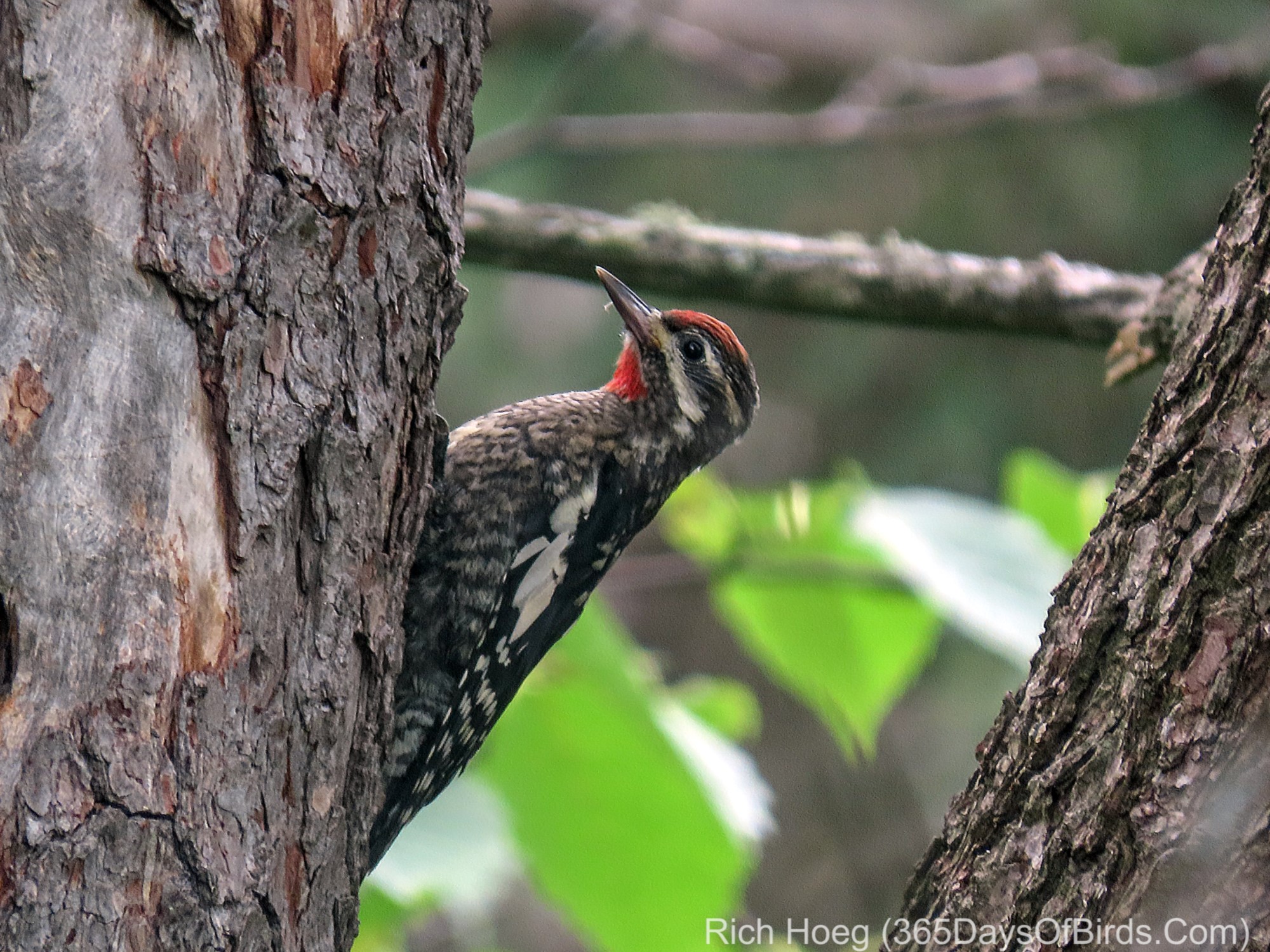
On the home front each day brings another woodpecker lesson. There are three prime drumming trees in my yard, and this juvenile male Yellow-Belled Sapsucker was being taught the finer art of drumming (a parent was about six feet above the juvie)

And a short video of Mom Kingfisher (video link for email subscribers)