Helping Endangered Bird Species

Many of you who read this blog also photograph birds. Should you ever notice while out birding that the individual bird you have found is banded, Try to get a good image of the bird including the band (hard) and then Google the bird’s name and include the words “banded” and “report”. Such was the case for me this morning a few minutes after sunrise on a remote Gulf of Mexico Beach in the Florida Panhandle. Molly and I were stopped on our way back to Minnesota, renting an AirBnB near Bald Point State Park. In fact I was the only person in the park early this morning. Perhaps the locals thought 35F and sunny was too cold (I was wearing shorts and a ski parka … Minnesota high fashion).

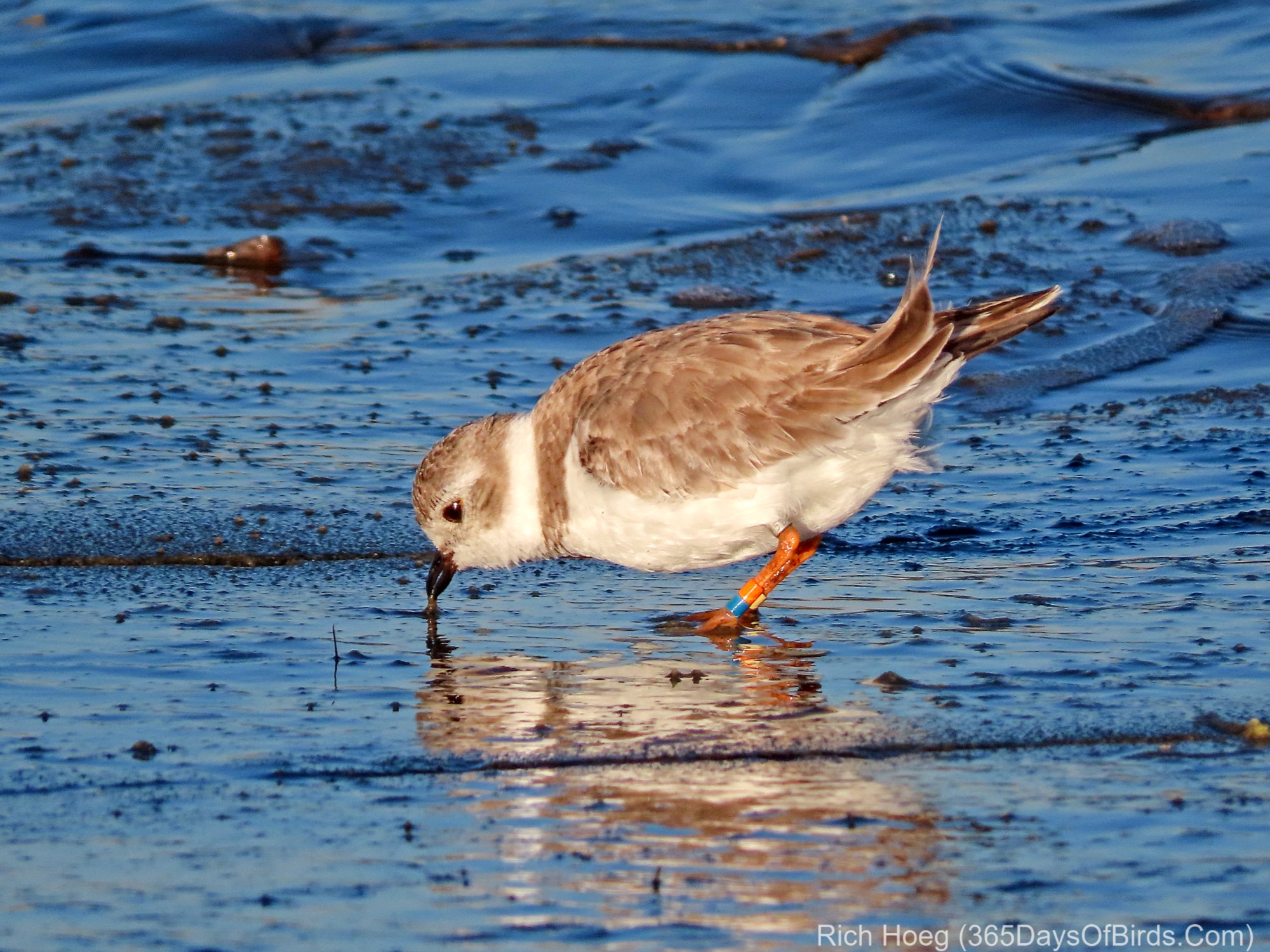
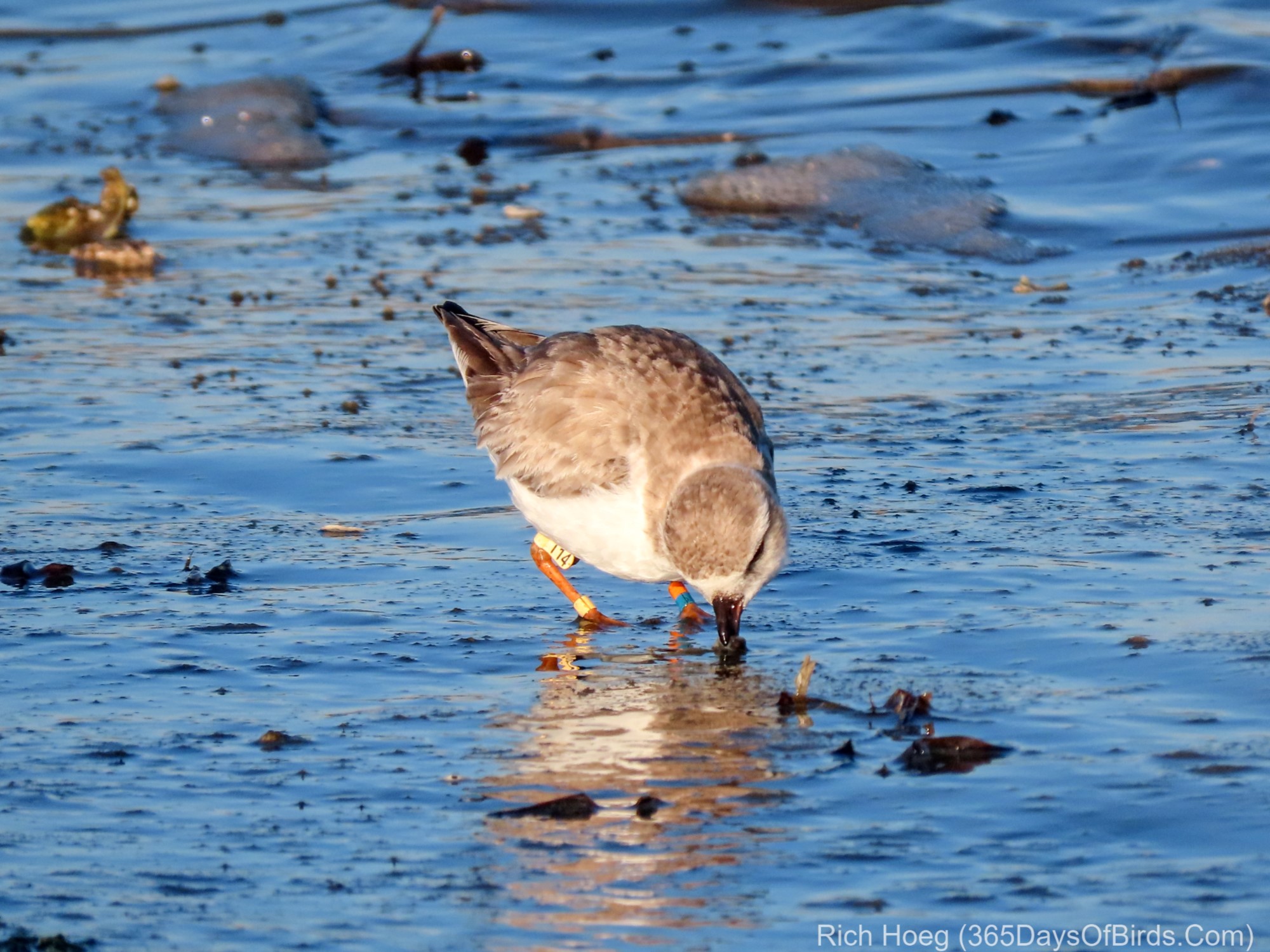
While I was looking for American Oystercatchers which would be a lifer for me, what I first found was a Piping Plover. This Great Lakes population of this species is endangered, and in fact I have only seen these plovers twice in my life. However, even with winter plumage, I was pretty certain a Piping Plover was walking down the beach towards me. Like always I was out on the big sand flats revealed by the morning low tide. The low angle of the sun allowed me to take this image, which includes its banding code, T14. I have submitted a birding report and this pic to the US Fish and Wildlife Service via the Piping Plover Page.
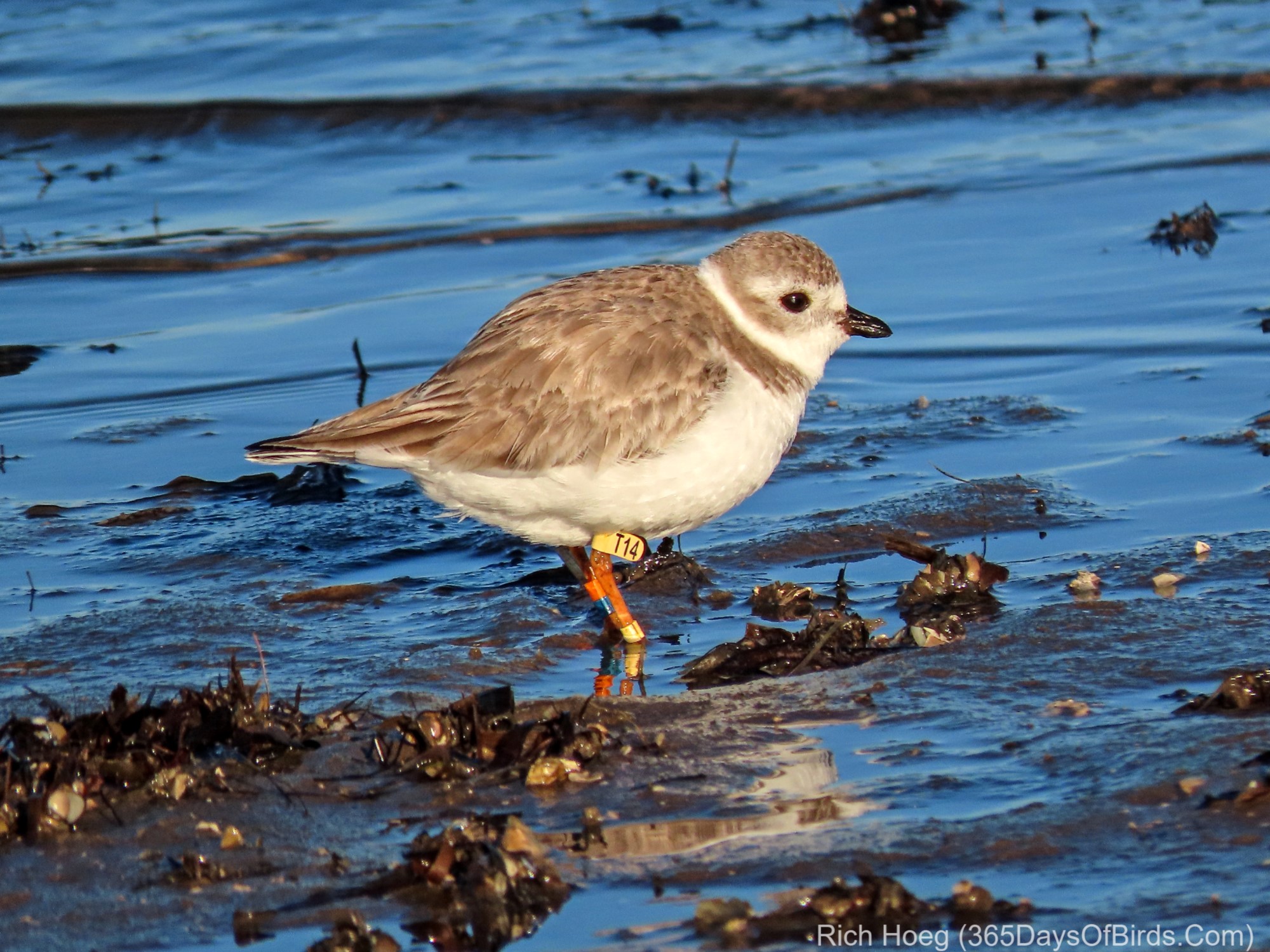
More Piping Plover Images

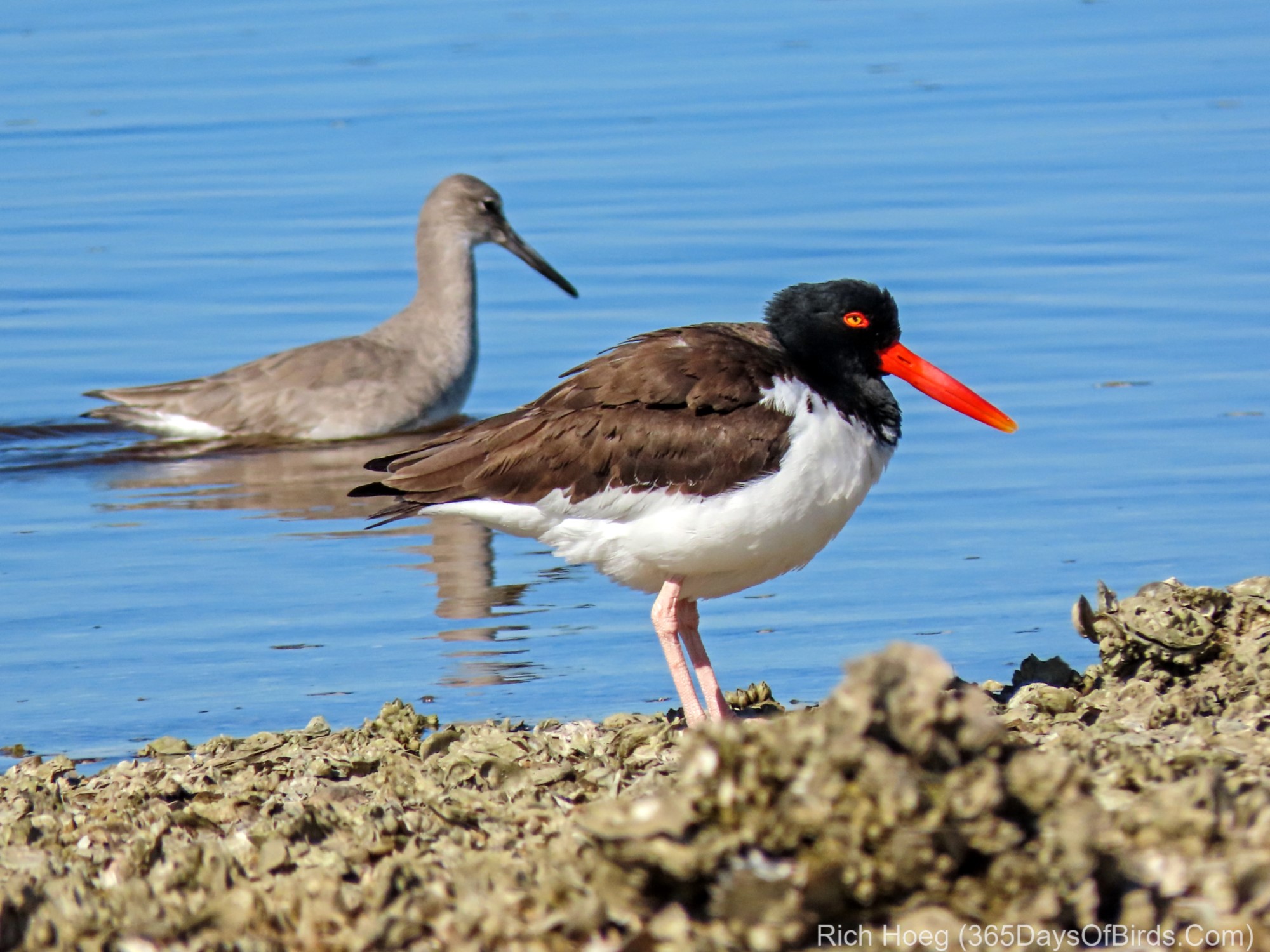
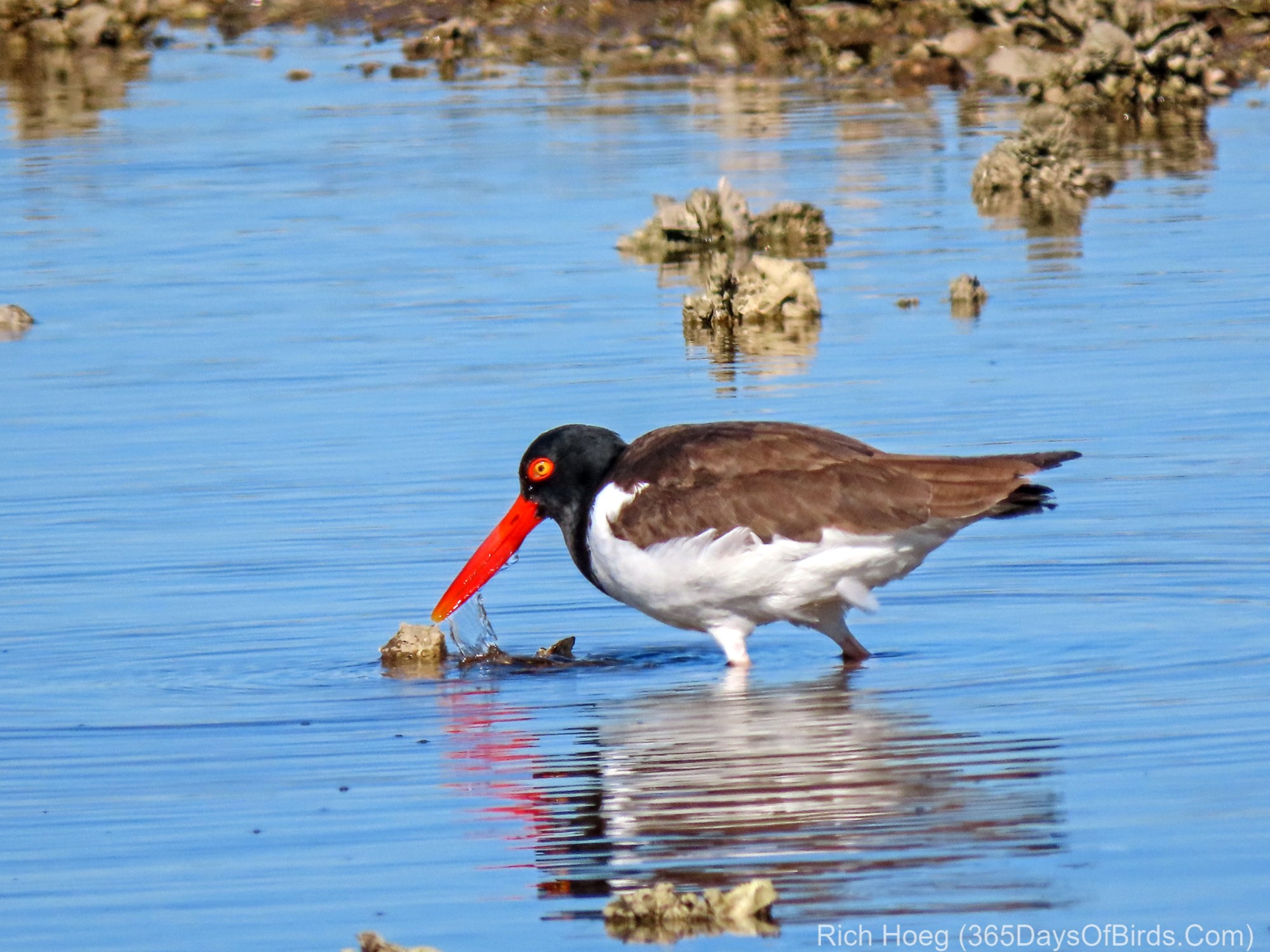
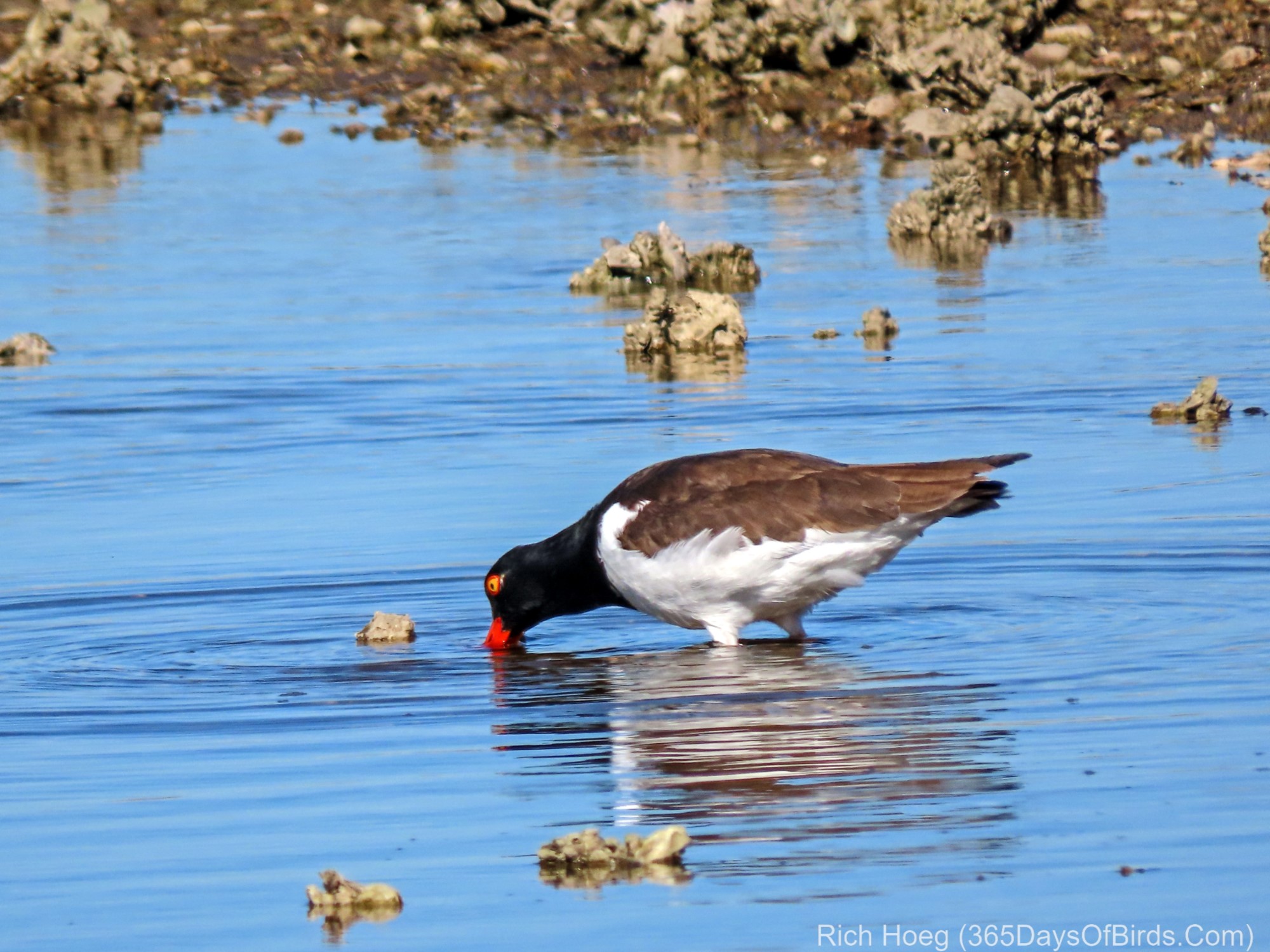
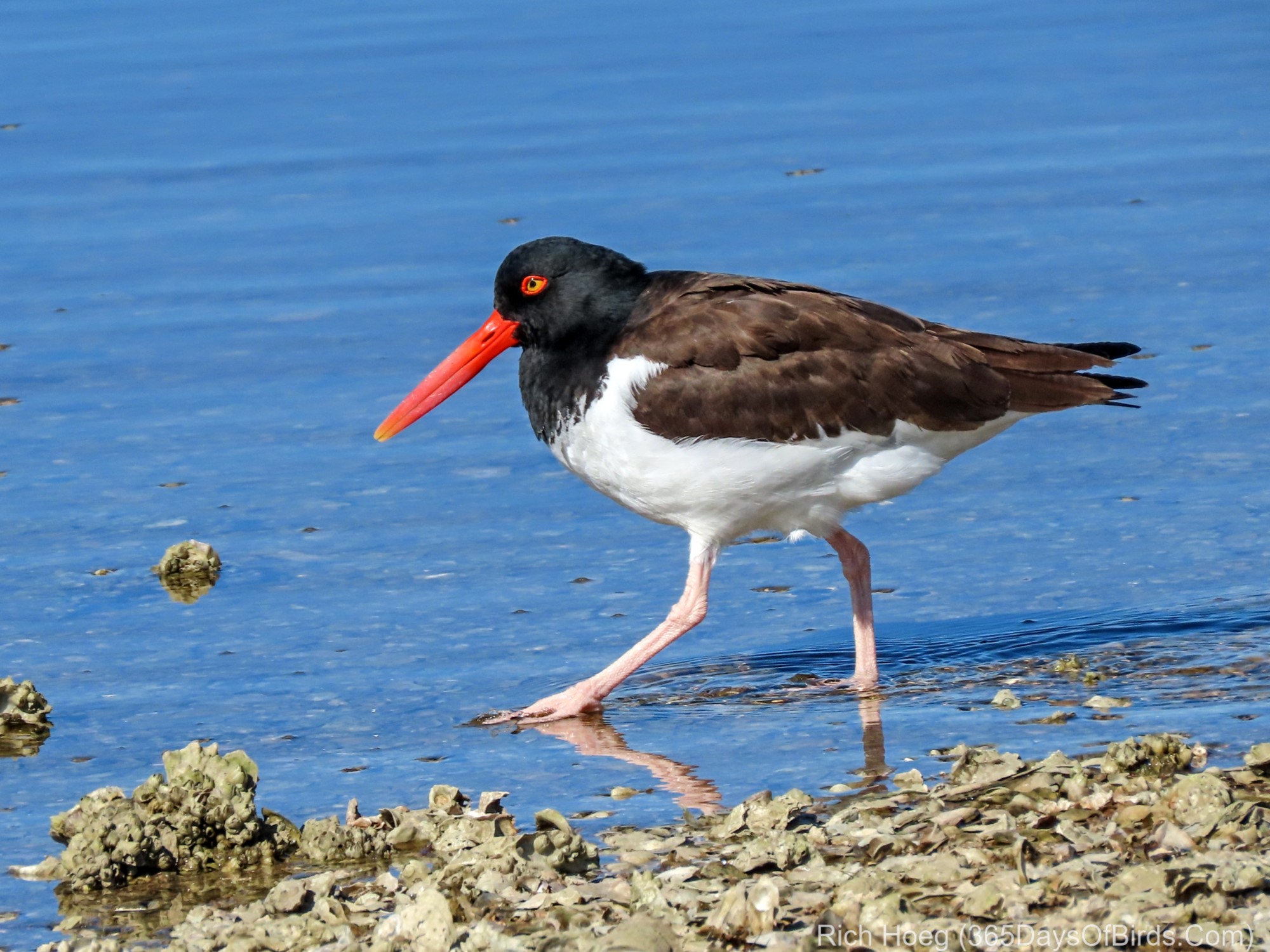
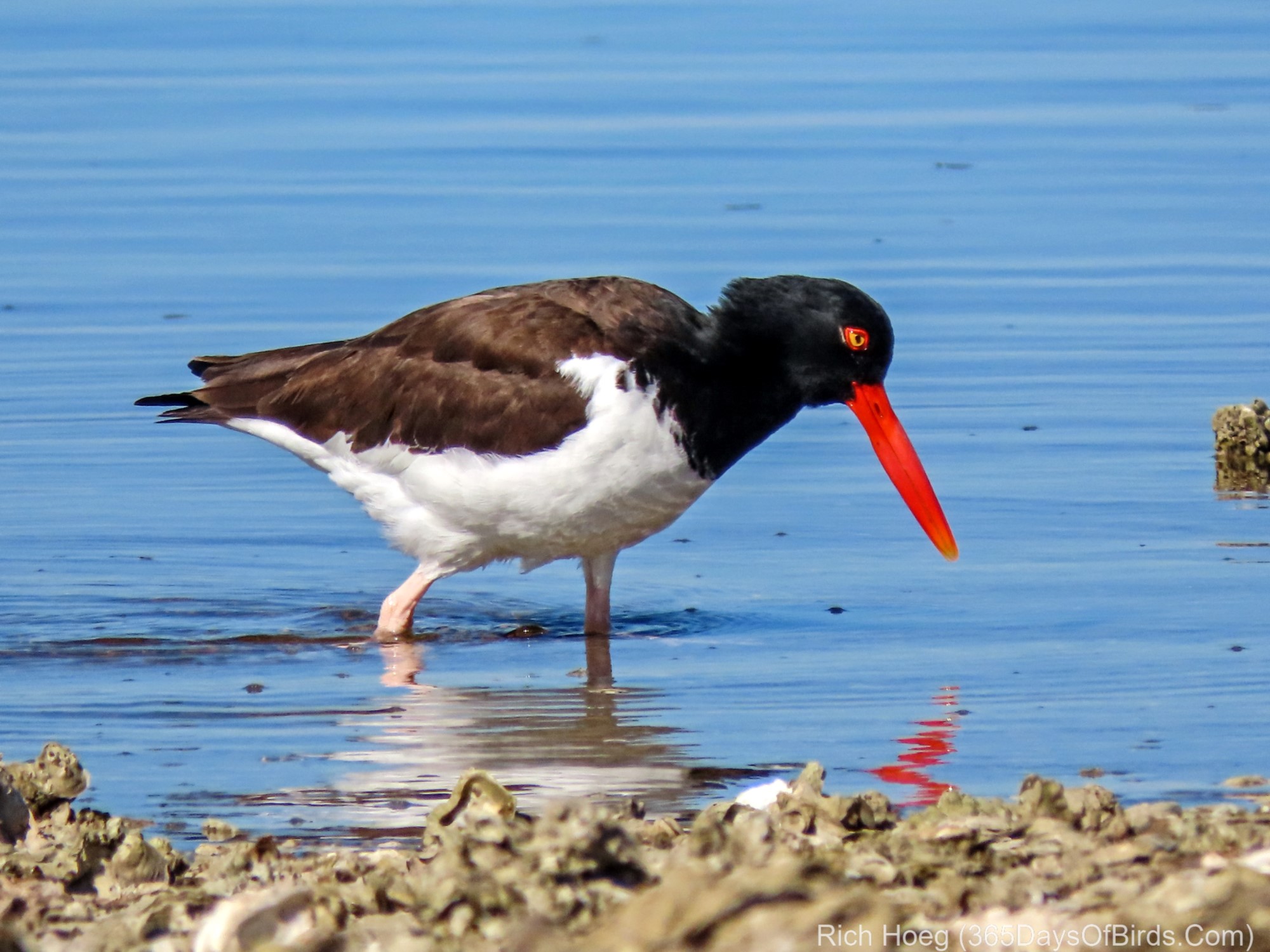
As I mentioned I was looking for American Oystercatchers. While my first trip to the beach did not yield a sighting, my second visit was successful. I first saw an Eurasian Oystercatcher while bike touring in Scotland. Not understanding what I was seeing, I named this bird species “Funky Petit Penguin Bird” till I could make proper identification.

American Oystercatcher (Willet in one pic’s background)
Need Help: 365 Days of Birds

Hi everyone. Thanks for everyone’s kind comments and thoughts over the years that this blog has been in existence (now in year 9). As you know I freely help with birding throughout the Northland, am a volunteer naturalist up at Sax-Zim Bog, and even give away full PDF’s of  my children’s owl picture books (see Do You Hoot?!). Now I need your help.

I have created a Google Business Listing under the subject headed of “bird watching area”. Via Google Maps, my location shows at the Mouth of the Lester River … walking distance from my home. For security and privacy reasons I did not use my actual street address. Please review me using the link found immediately below (good, bad or ugly). Thanks!

Sunday Night at the Movies!

For the first time in two weeks we have rain, actually severe thunder storms, to start out the morning. Thus birding is out and it is time for a “moving recap” of my expeditions down here in Fort Myers. eMail subscribers will have to click on “video link” to watch any movie. Thus, let’s get on with the show!

How many of you remember “Sunday Night at the Movies”?! This TV staple existed before there was Netflix, Hulu, or even Blockbuster Videos. Yes, there was actually a time in America when the family would gather around the television, and watch whatever the television networks offered. In Duluth, we only had two TV channels while I was growing up. ABC was not an option. Our market was too small. Enjoy!


The Morning Feed at Babcock Webb Wildlife Preserve (video link)


Loggerhead Shrike Singing at Harns Marsh (video link)


White Ibis Flock in a Dead Tree at Babcock Webb Wildlife Preserve (video link)


Gray-Headed Swamphen at Harns Marsh (video link)


White Ibis Feeding in a Cypress Swamp (video link)


Remember … the Burrowing Owls and Monk Parakeets of Cape Coral appeared on film in a prior post. Tomorrow morning early we set off back north via Bald Point State Park in the Florida Panhandle where I will search for the immortal bird, the Brown Headed Nuthatch (would be a lifer for me). This park also is known for American Oystercatchers, which are always a treat for me to watch.