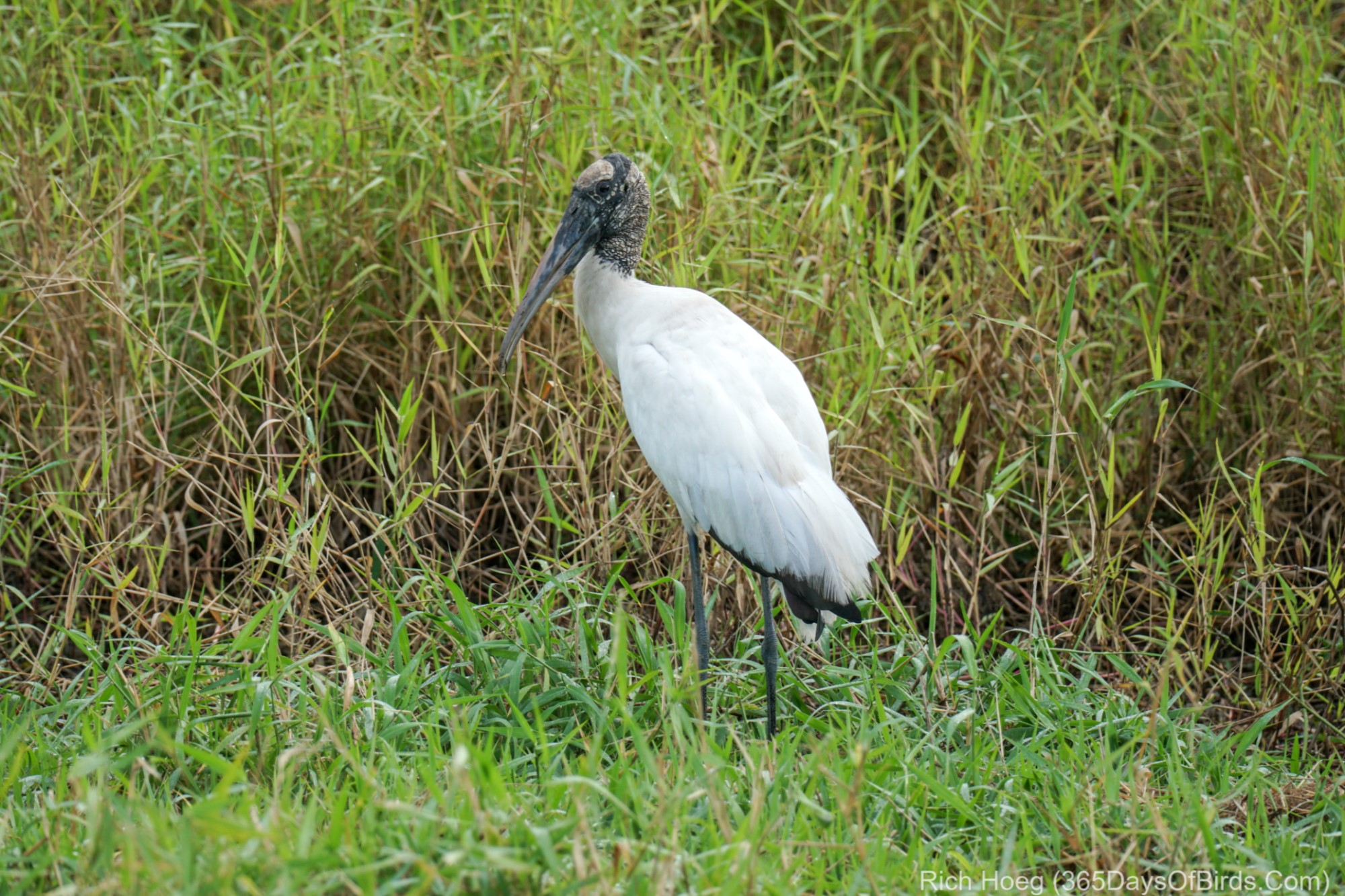
With this post I have finally caught up in term of processing photographs. Over the past seven days I have birded many different locations where one finds the ever present wading and water birds of southern Florida. While many more locations exist for these kinds of birds, my own research seemed to indicate these would be the best birding spots. Each of those locations is listed below, including my opinion both in terms its value as a birding location, and for any tag alongs who do not care if they see another feathered friend ever again. Here are my rankings and comments:
- Harns Marsh: This is my favorite location to see wading and water birds. One parks in a gravel parking lot and walks the path next to the canal / slough. The birds tend to be across the water (only 15 yards) in the marsh area. The walk is peaceful and a pleasant hike even for the non birder. Best time by far to visit starts a few minutes after sunrise. No facilities.
- Ding Darling National Wildlife Preserve: Wilderness Drive is a slow speed birding trail. There are primarily two big viewing area, and lots of little places to obtain views of the water. Cycling is a most excellent option at this location. Non birders will likely quickly get bored. Visiting a bit before low tide will optimize your viewing success. You will see more birds than at Harns Marsh, but I enjoy the marsh for its much more private and calm viewing habitat with much, much fewer people.
- Bunche Beach: A gem most people do not know about in Fort Myers. Visiting a bit before low tide means beachcombing for the non birder, and lots of wading birds for everyone. This is a excellent location for shore birds. No facilities. This location almost edged out Ding Darling in my mind. Often there is not a single other person within hundreds of yards of your location (at least at sunrise)
- Babcock Webb Preserve: This is a great spot a bit north of Fort Myers. The park has a five mile long paved road that basically follows the river / lake and dead ends in a small turn around. Makes for a great bicycle ride with almost zero car traffic. A six dollar entrance fee is required (cash only).
- Six Mile Cypress Slough: The habitat is neat, but I think this spot is greatly overrated in terms of birding. There is a nice boardwalk through the slough / swamp. This is a good place to see alligators.
Use Google Maps to find these locations, and to get directions from wherever you are staying. Now on to catching up in terms of my wading and water birds. The birds in this post were photographed during my bicycle ride at Babcock Webb Preserve, Bunche Beach at low tide, and finally Six Mile Cypress Slough (late afternoon on the boardwalk). See my previous posts over the past few days for the other locations (end of post).
You will GREATLY enhance what you see by either being out at sunrise for locations without tides, and in the hour approaching low tide in ocean affected locations. If you are able to combine a low tide with a sunrise … that’s the best!
Bunche Beach
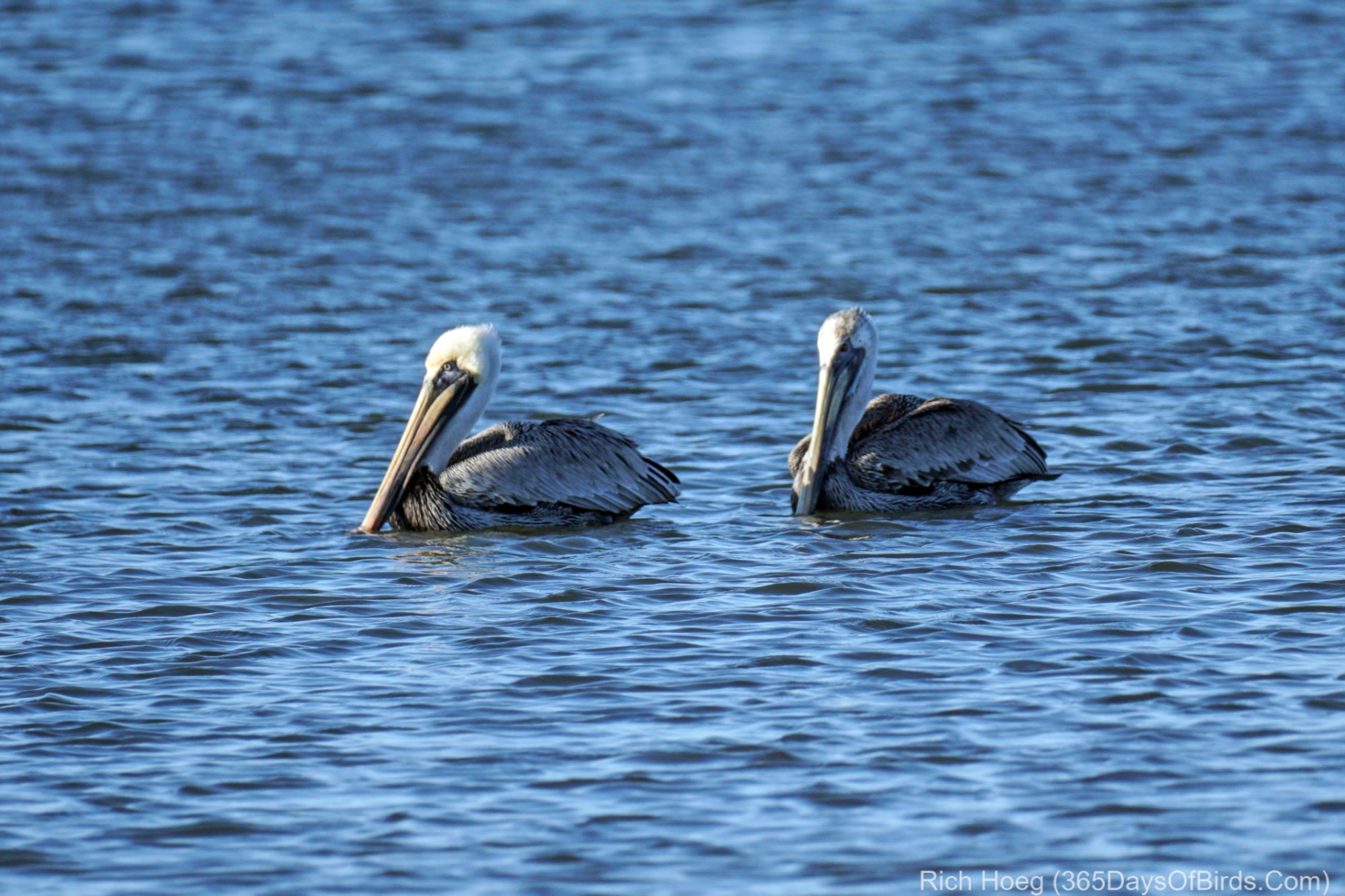
Brown Pelican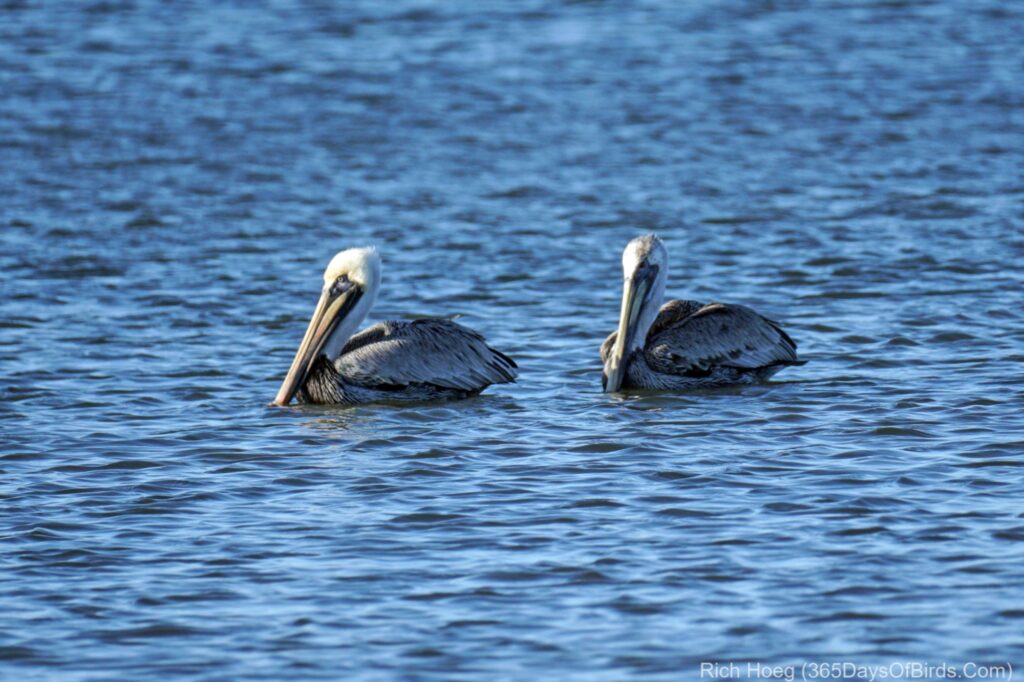
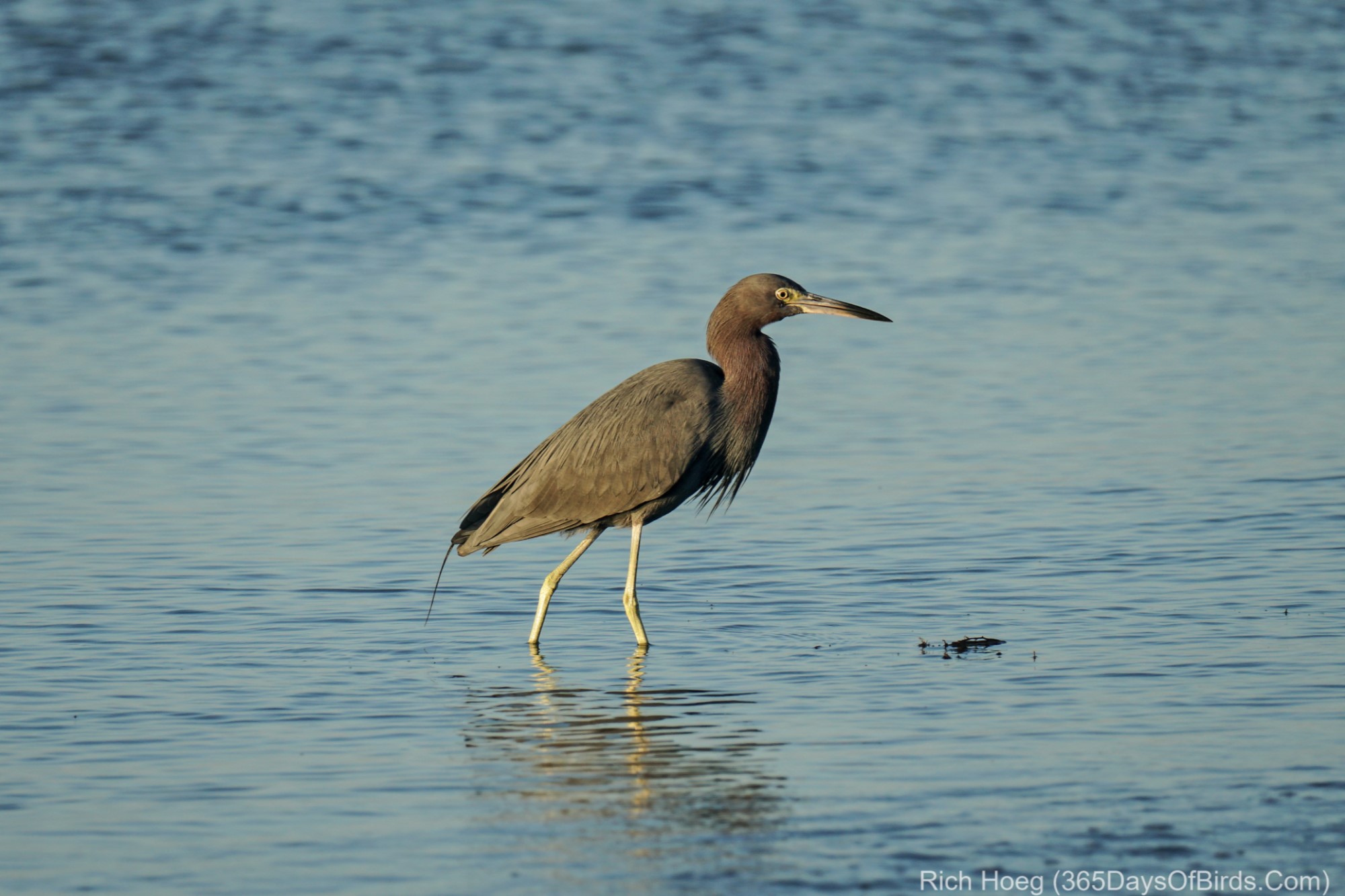
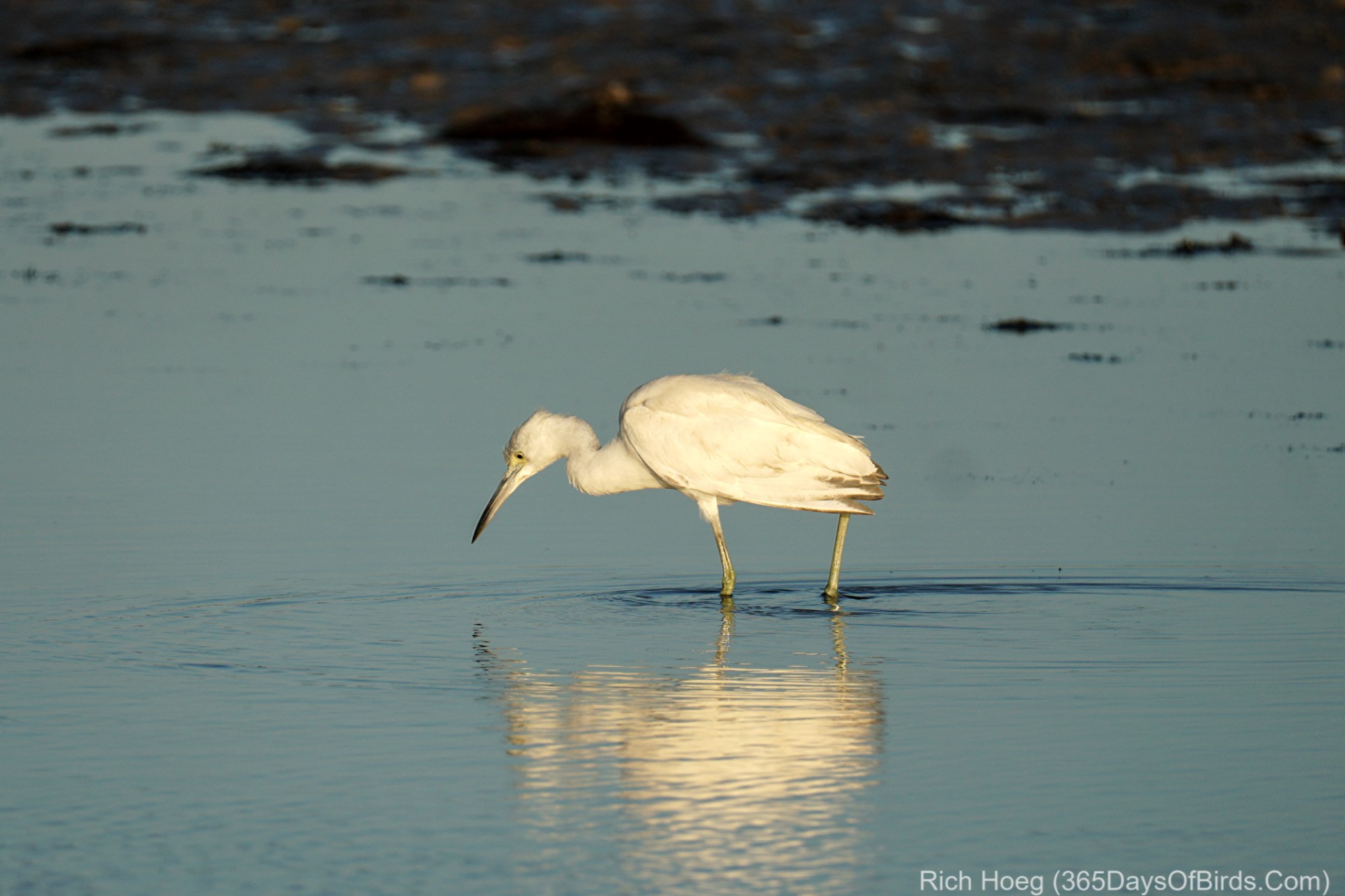
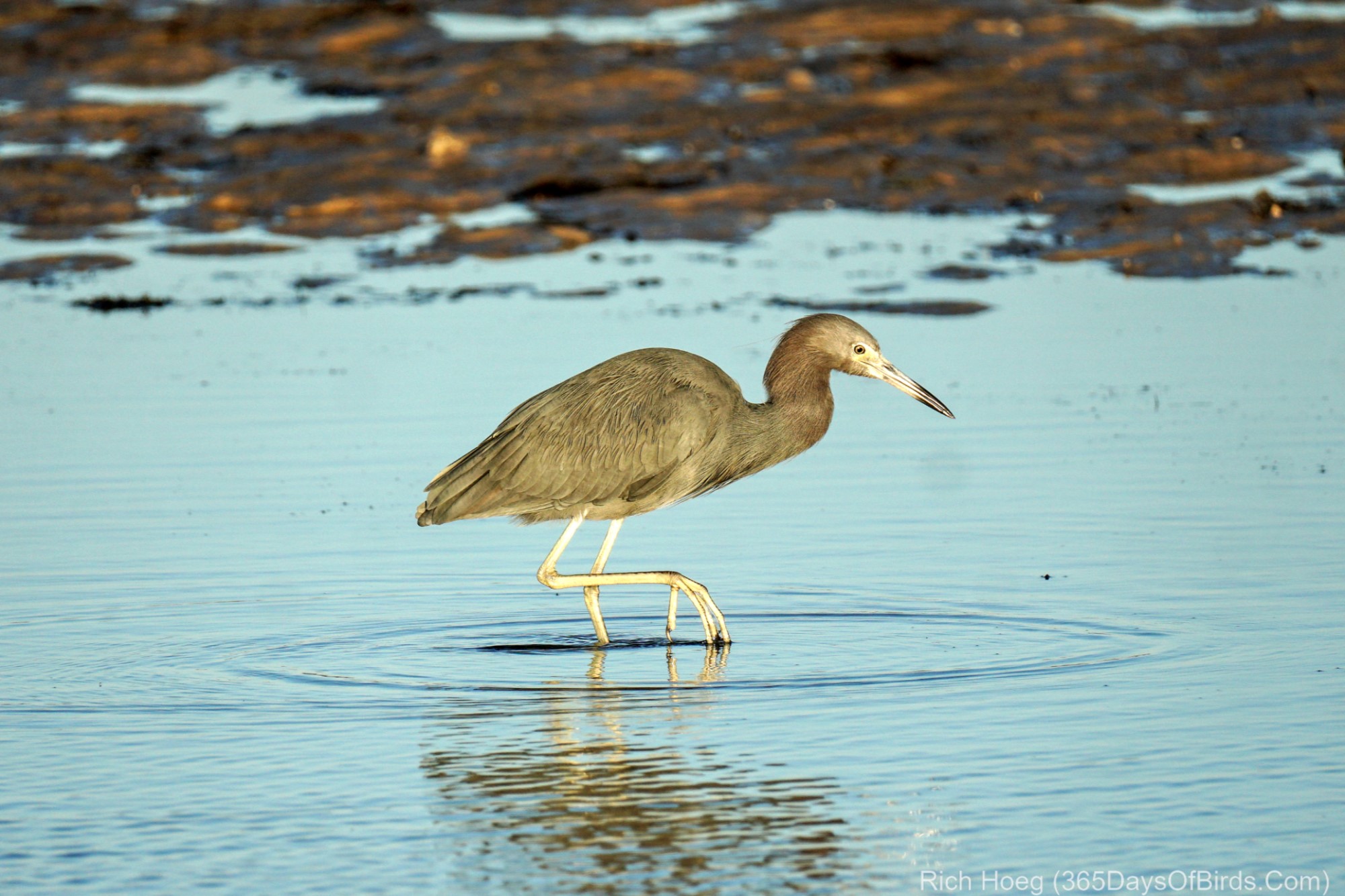
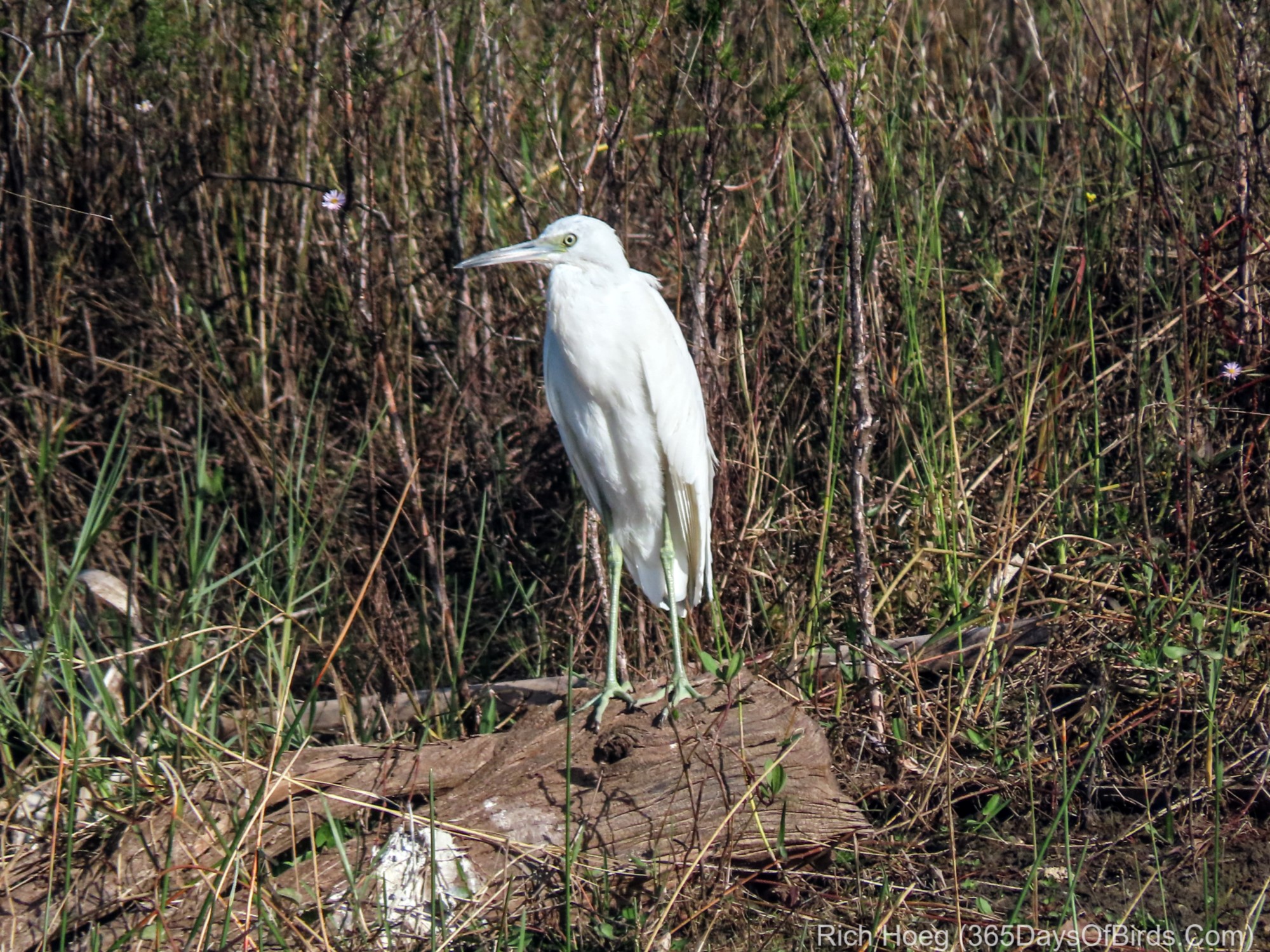
Little Blue Heron (white LBH is an immature bird)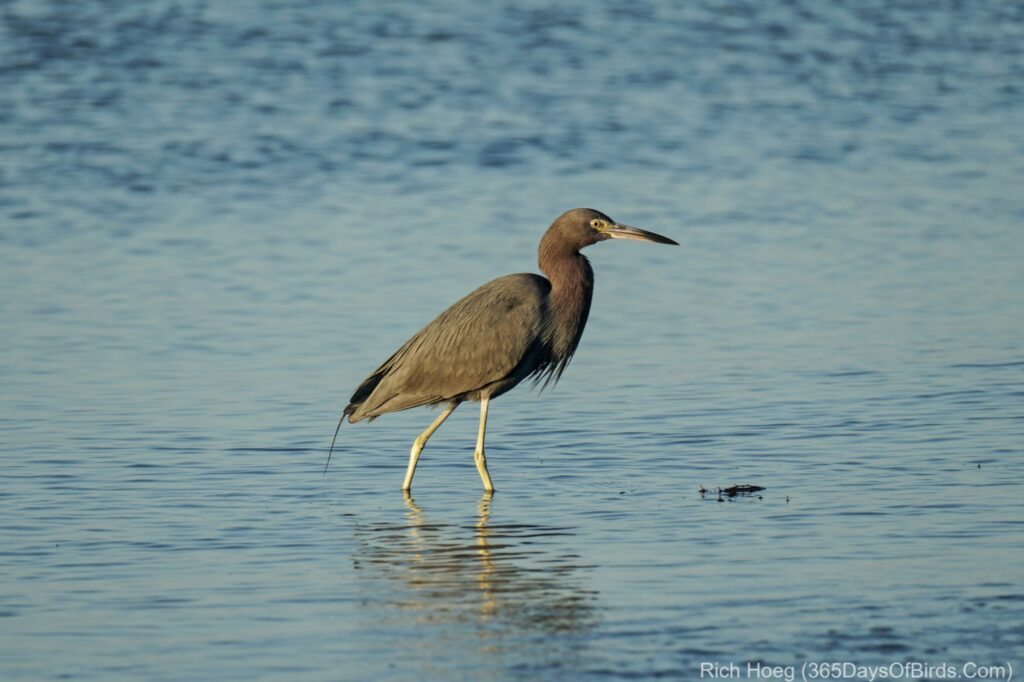
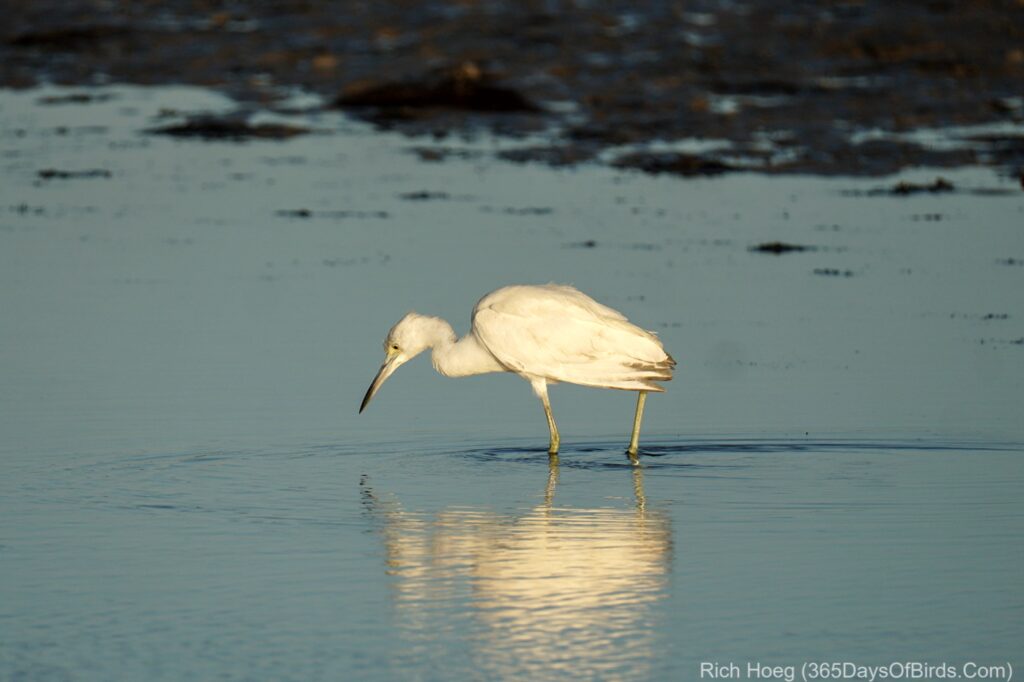
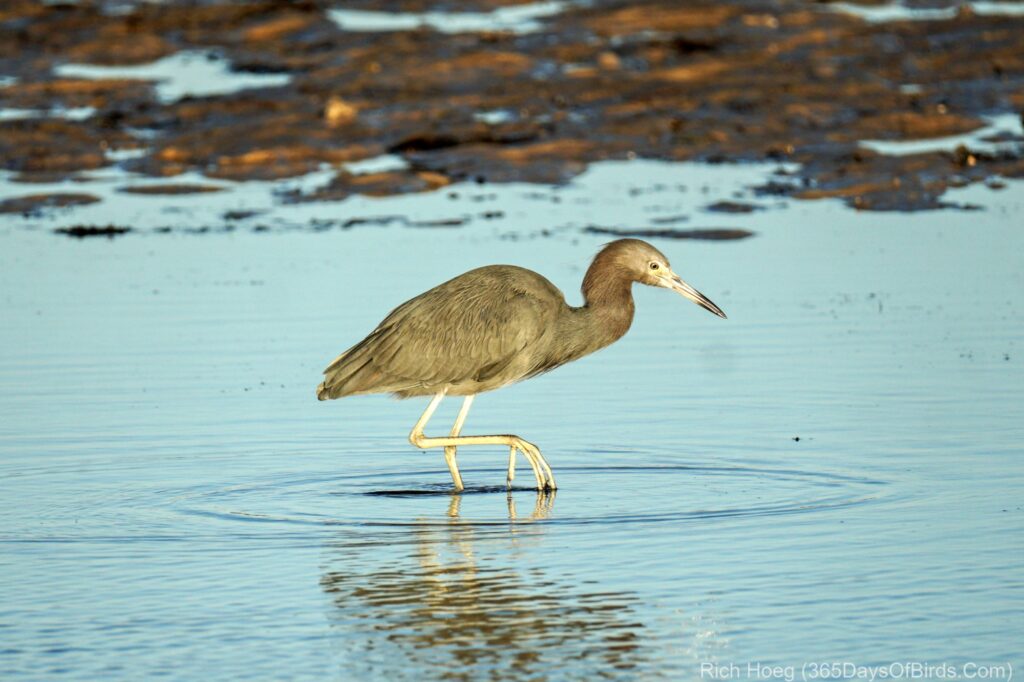
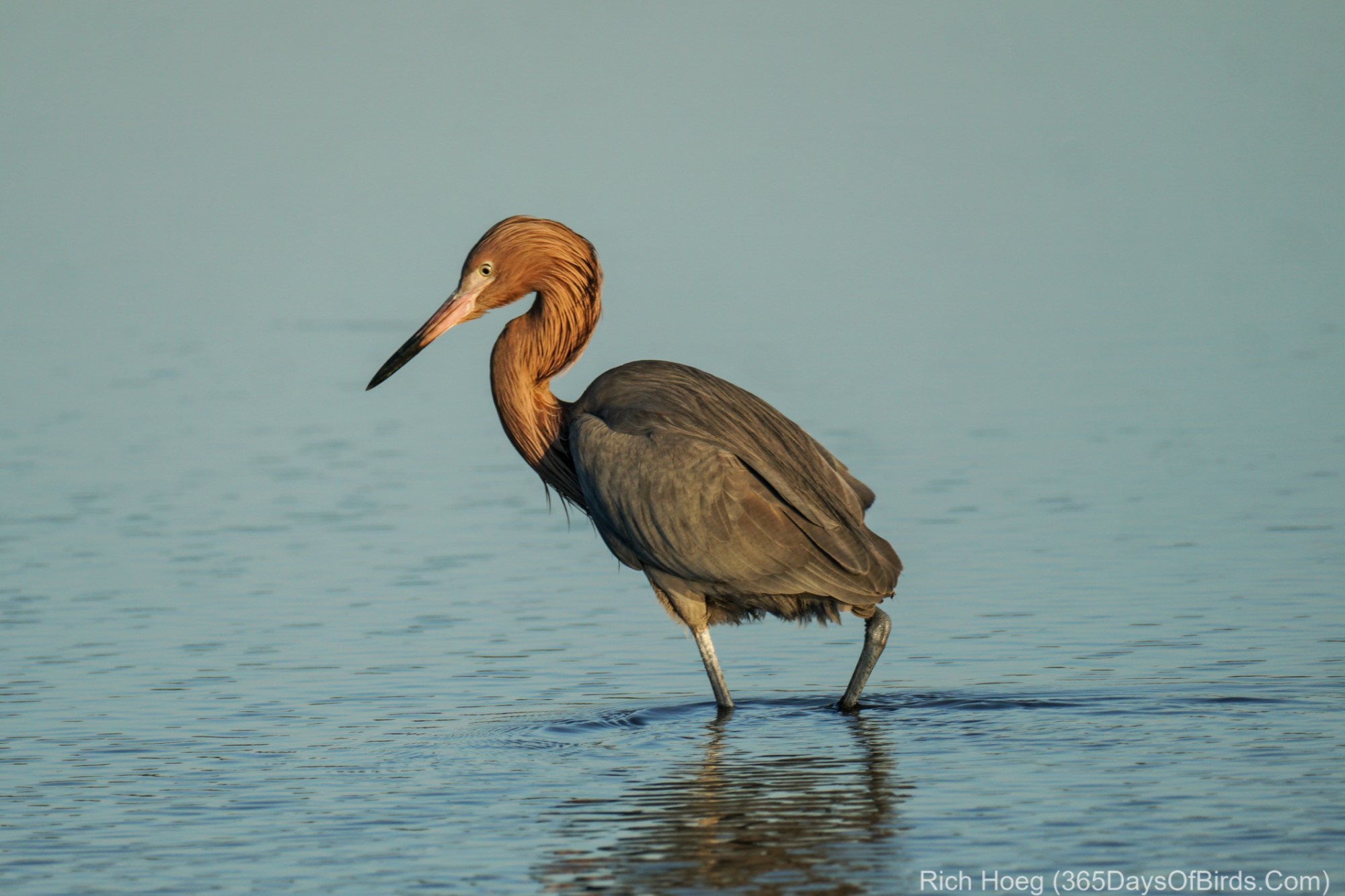
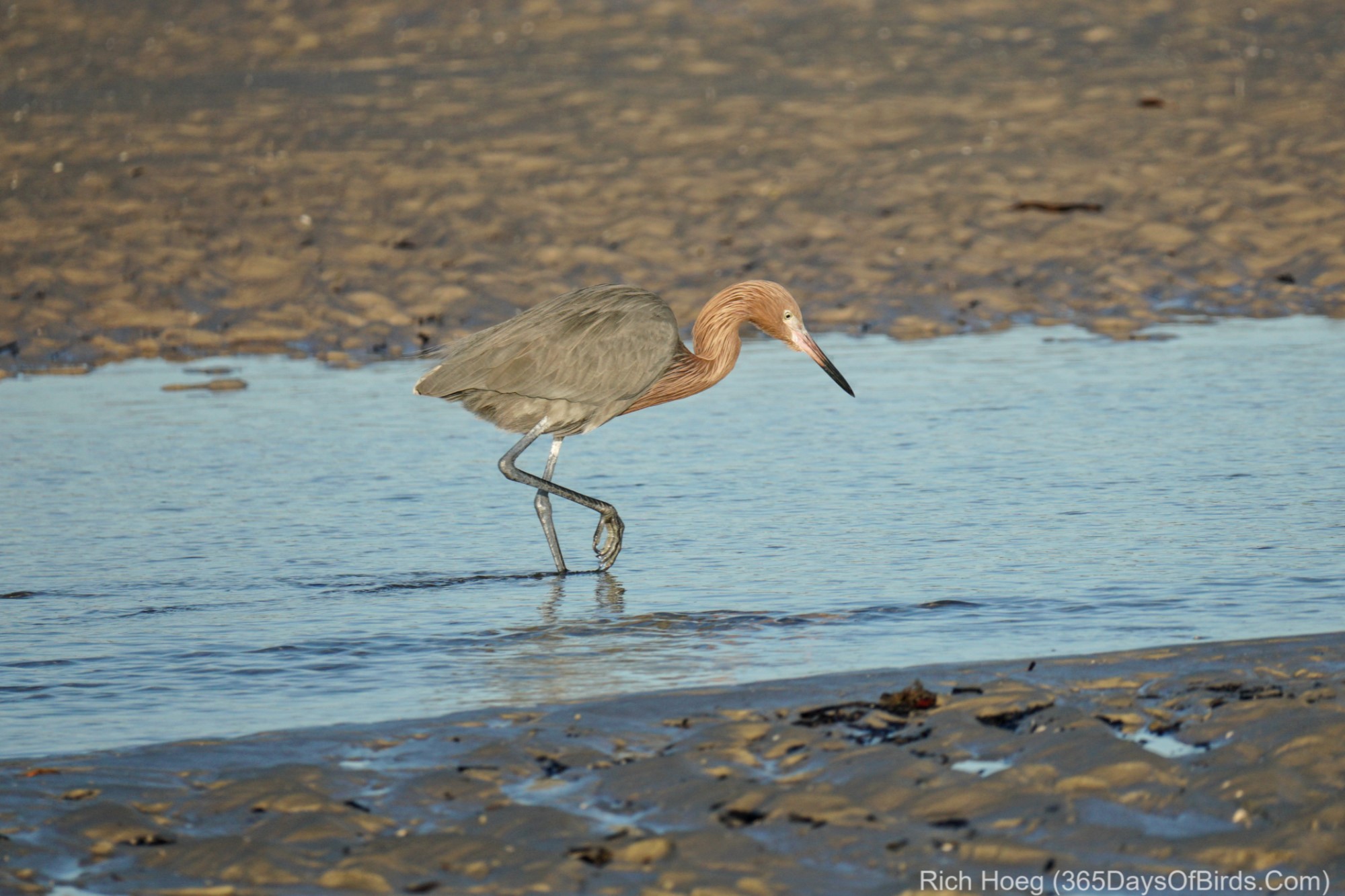
Reddish Egret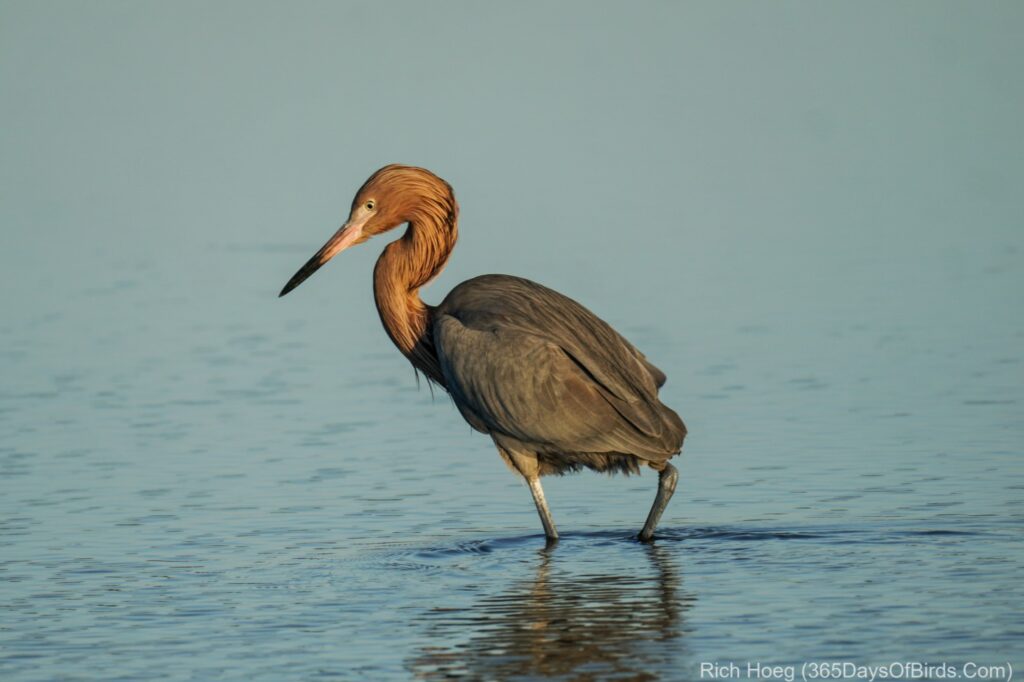
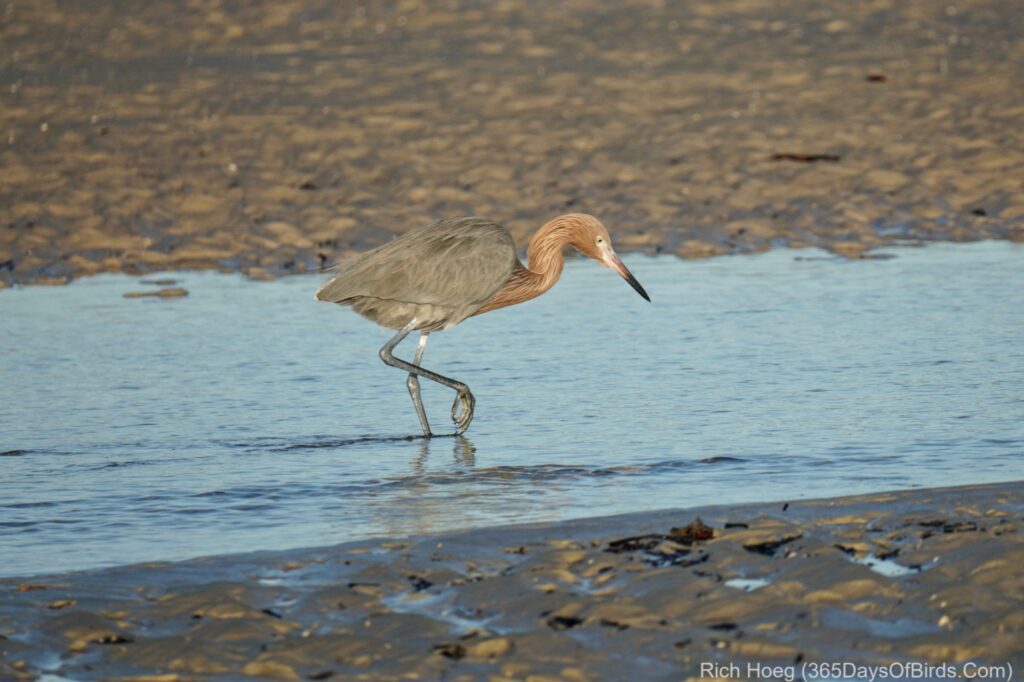
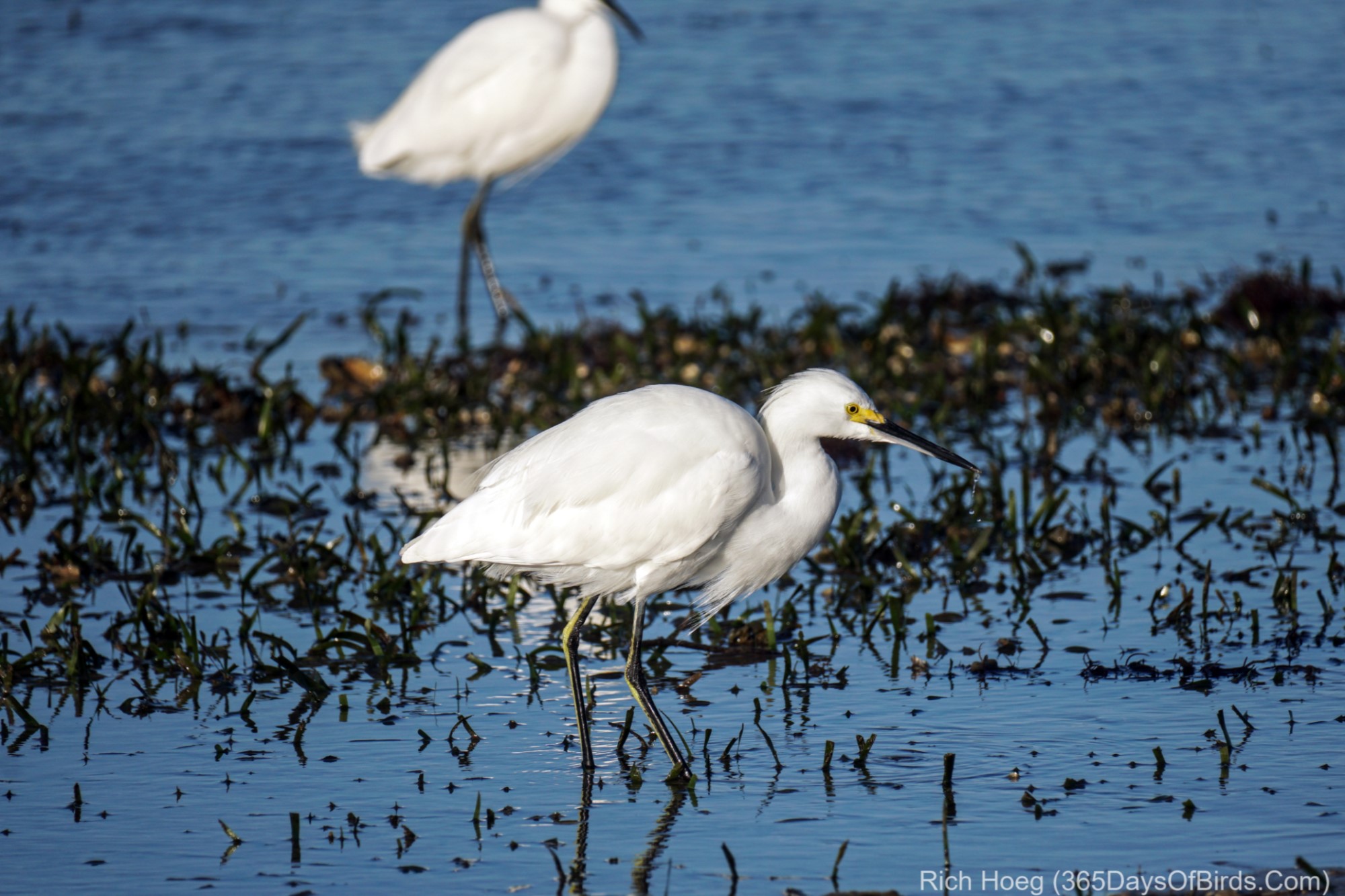
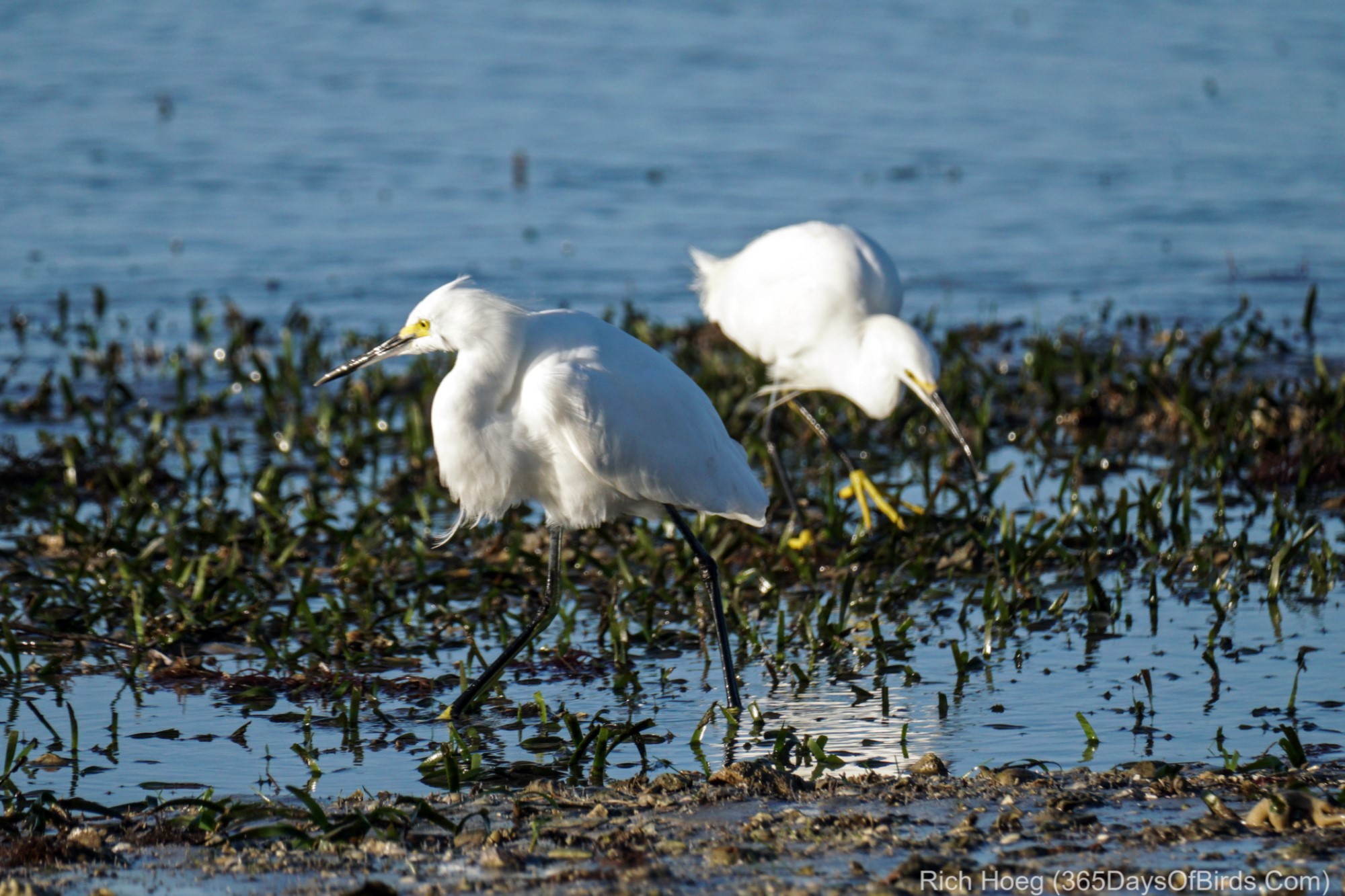
Snowy Egret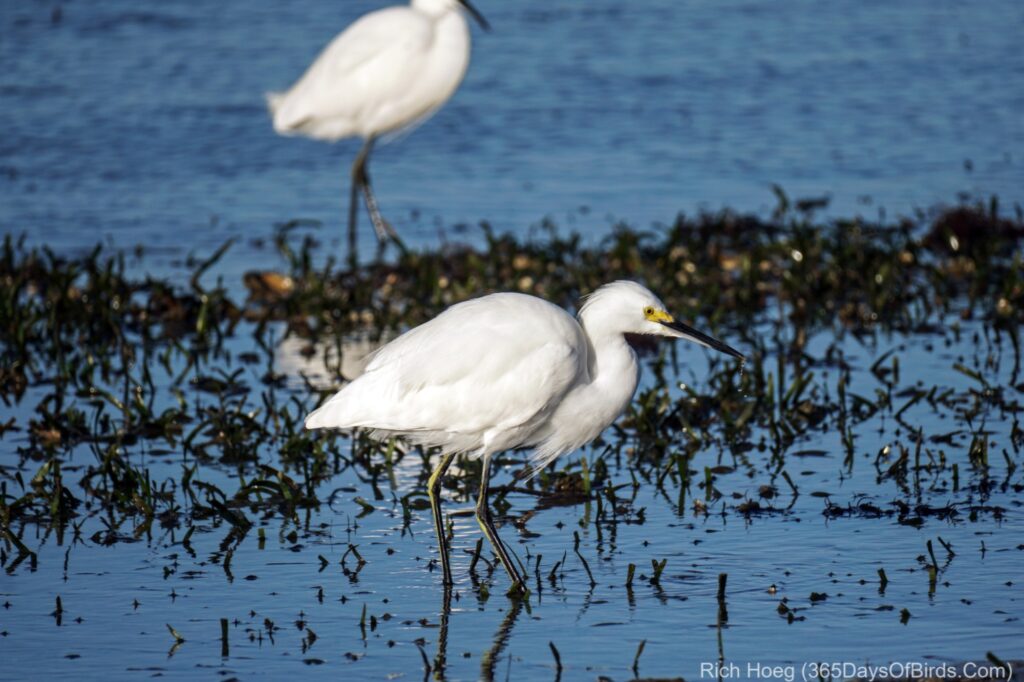
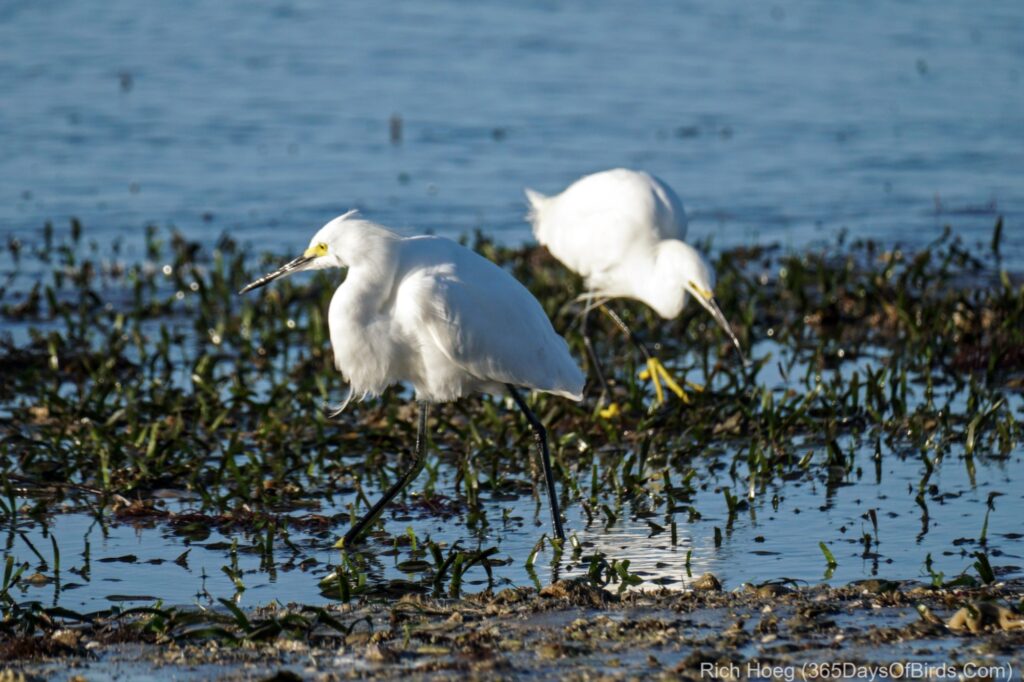
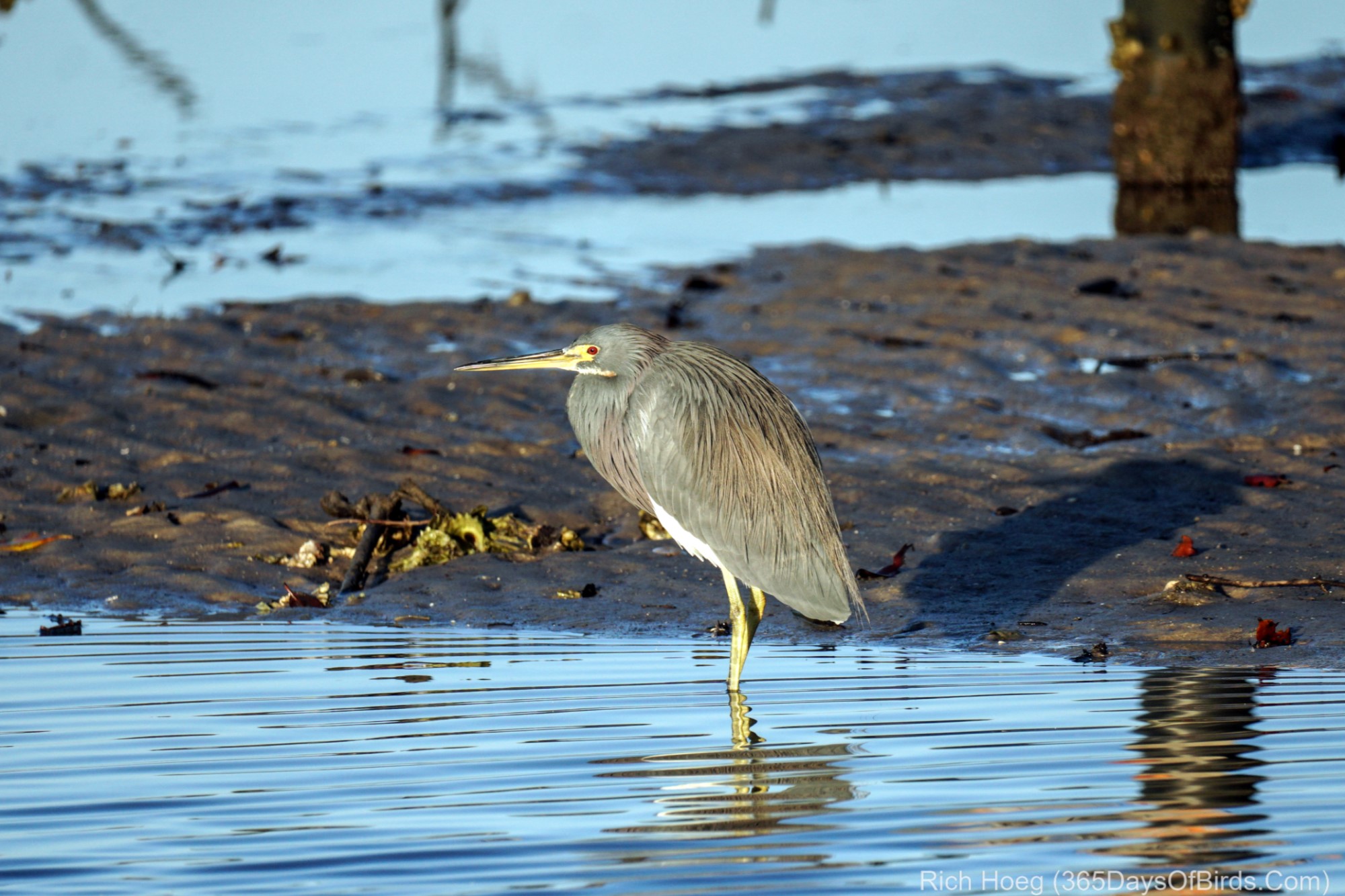
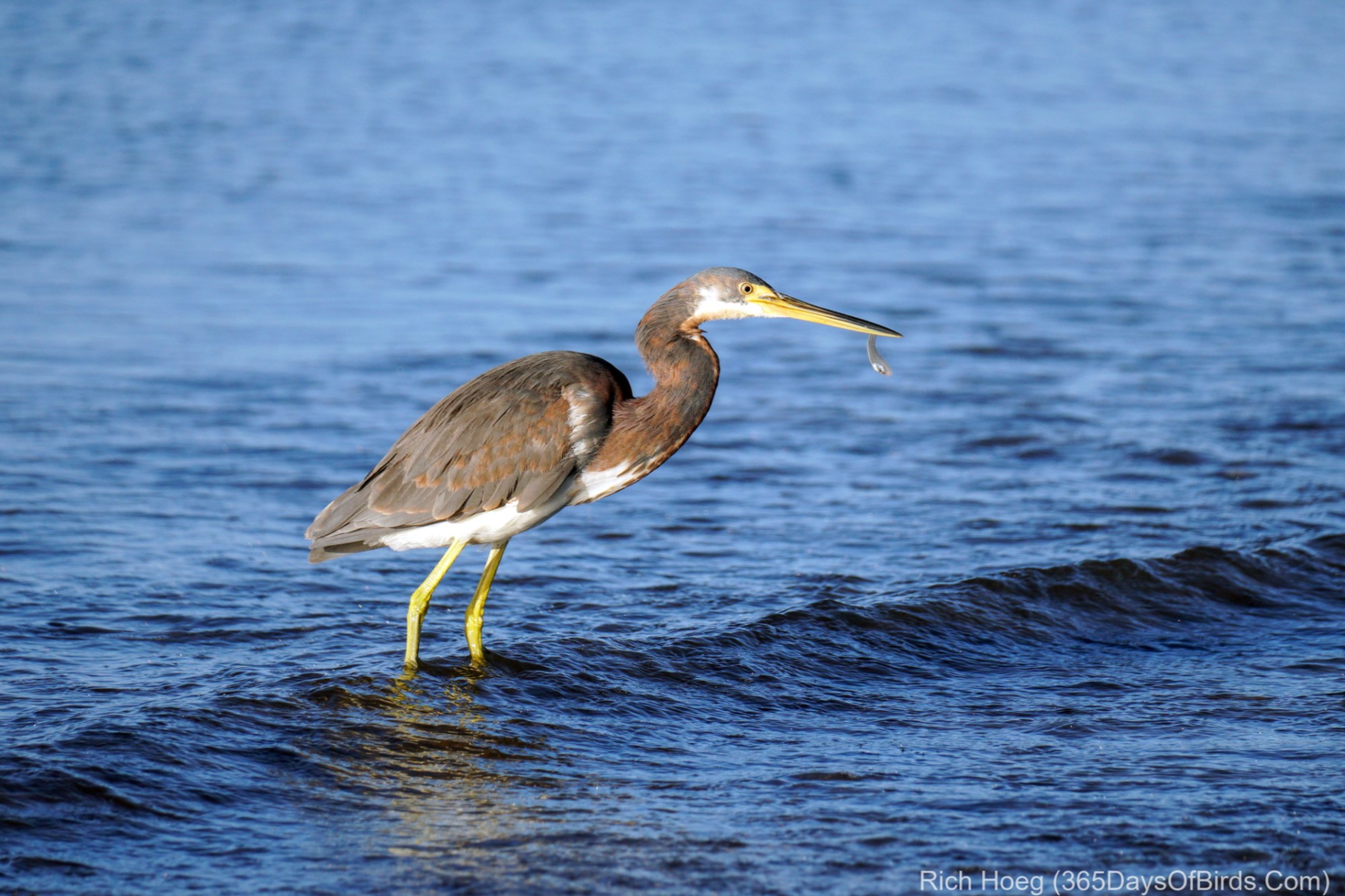
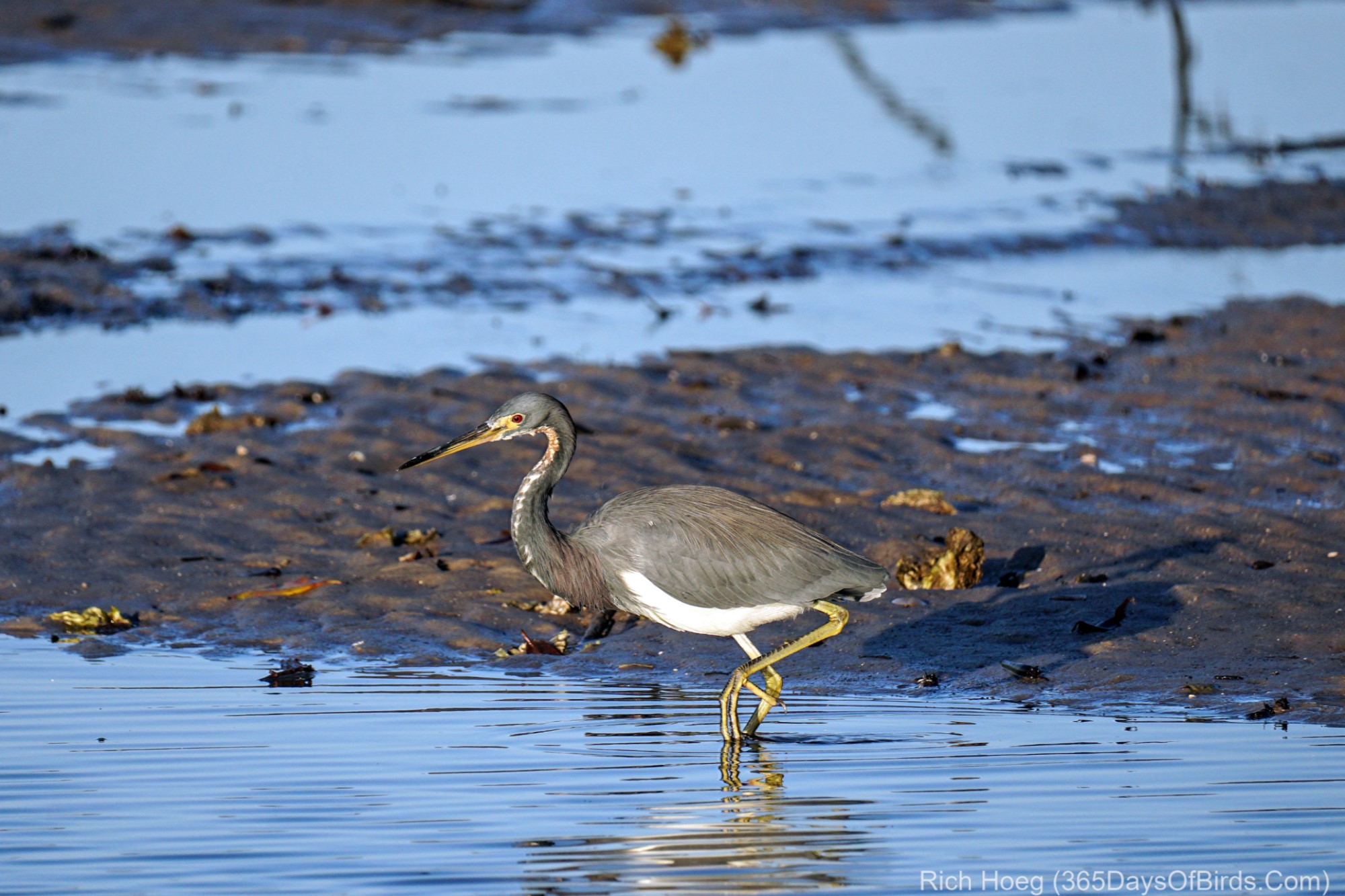
Tri-Colored Heron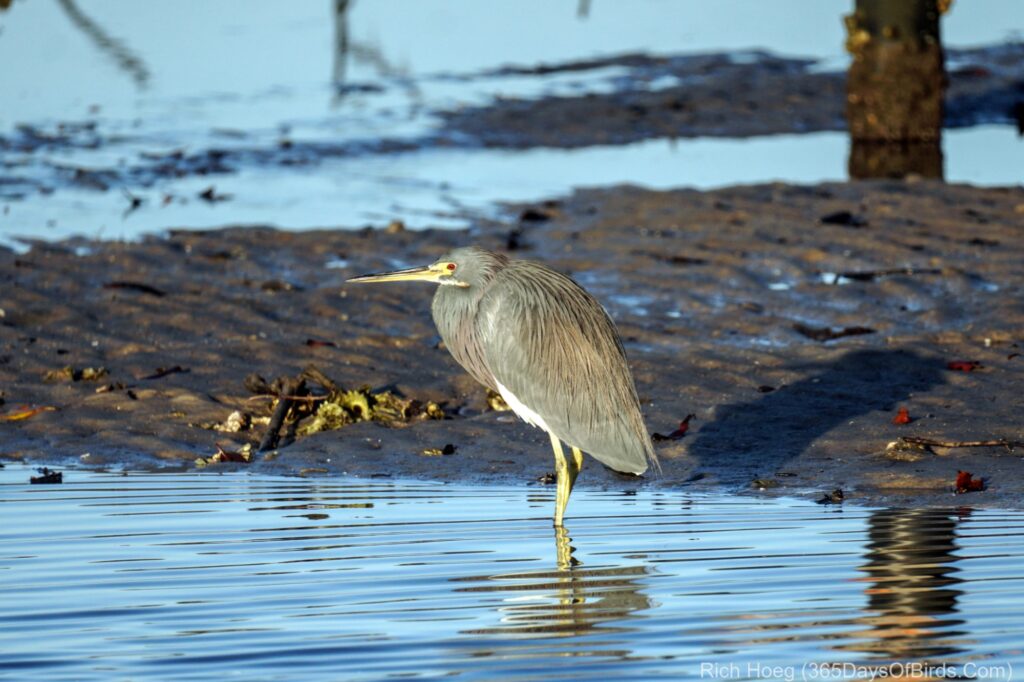
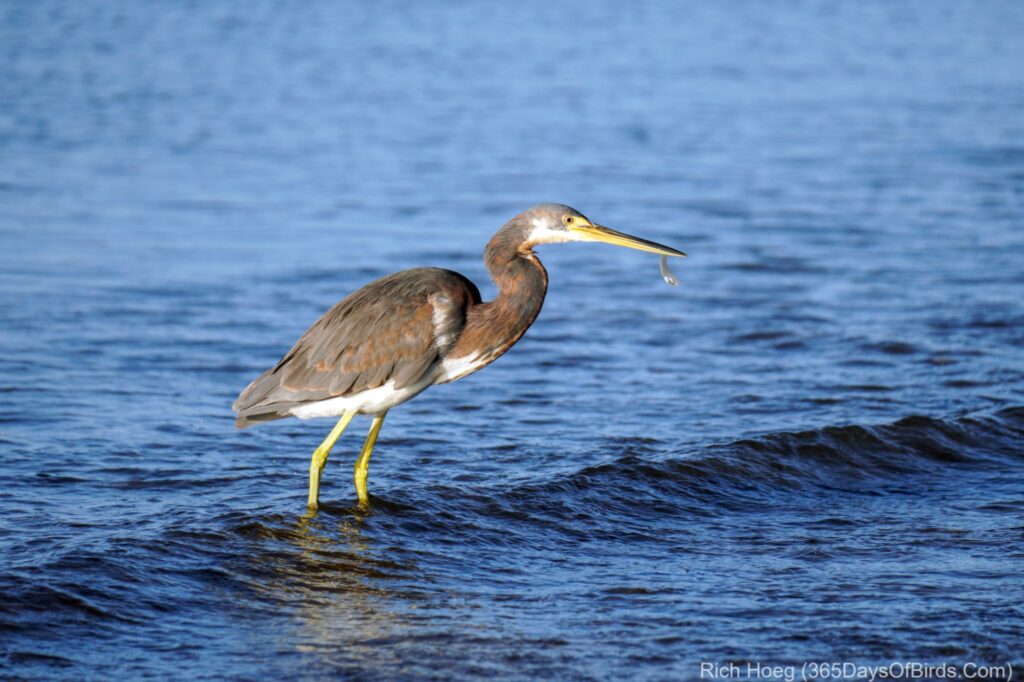
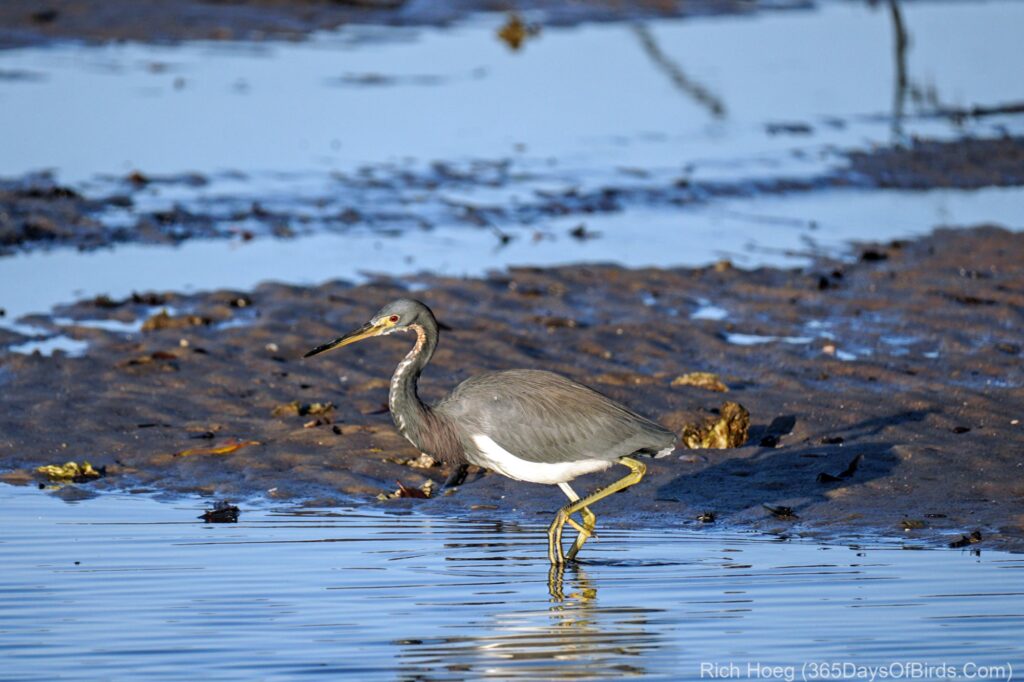
Babcock Webb
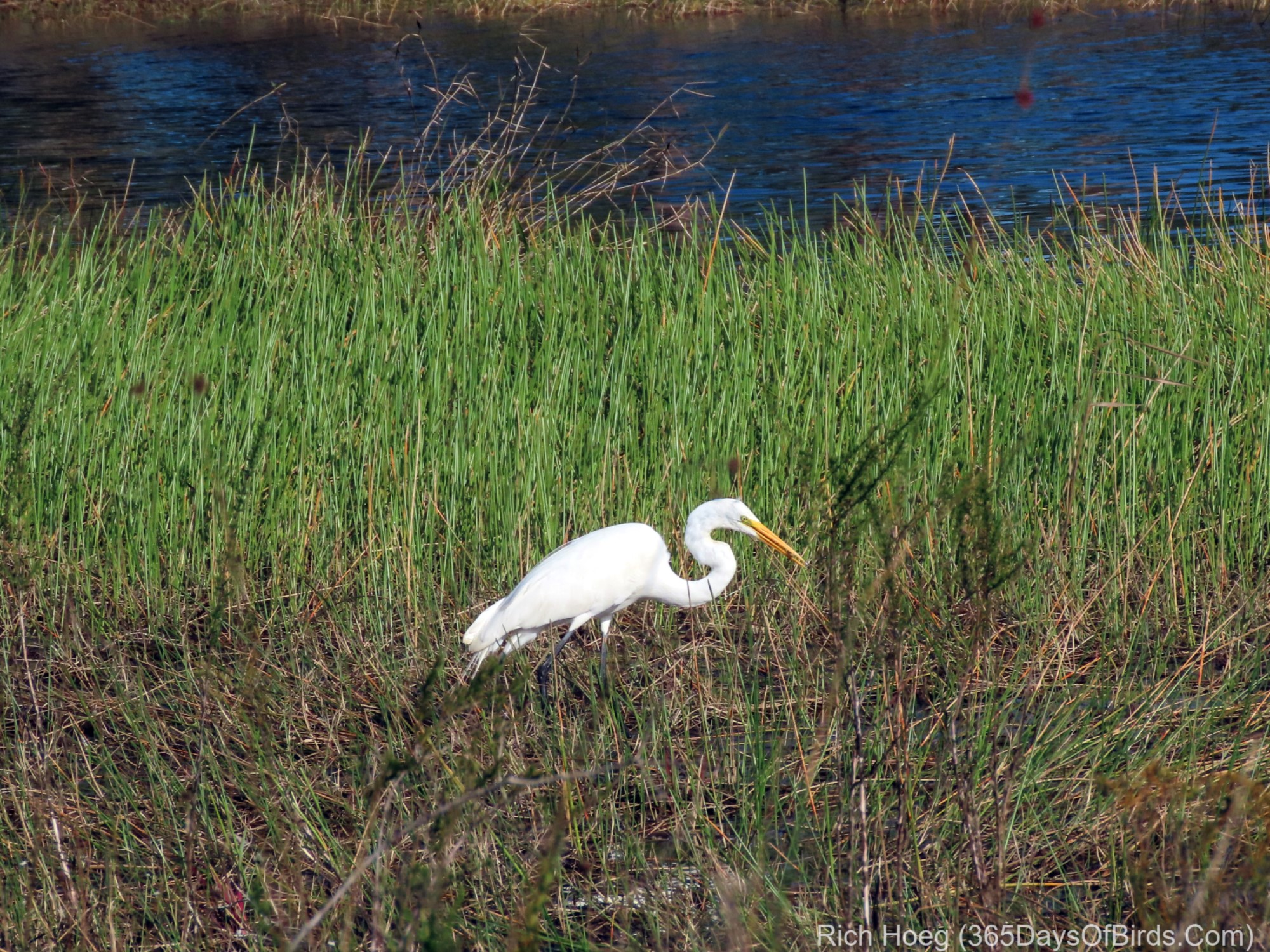
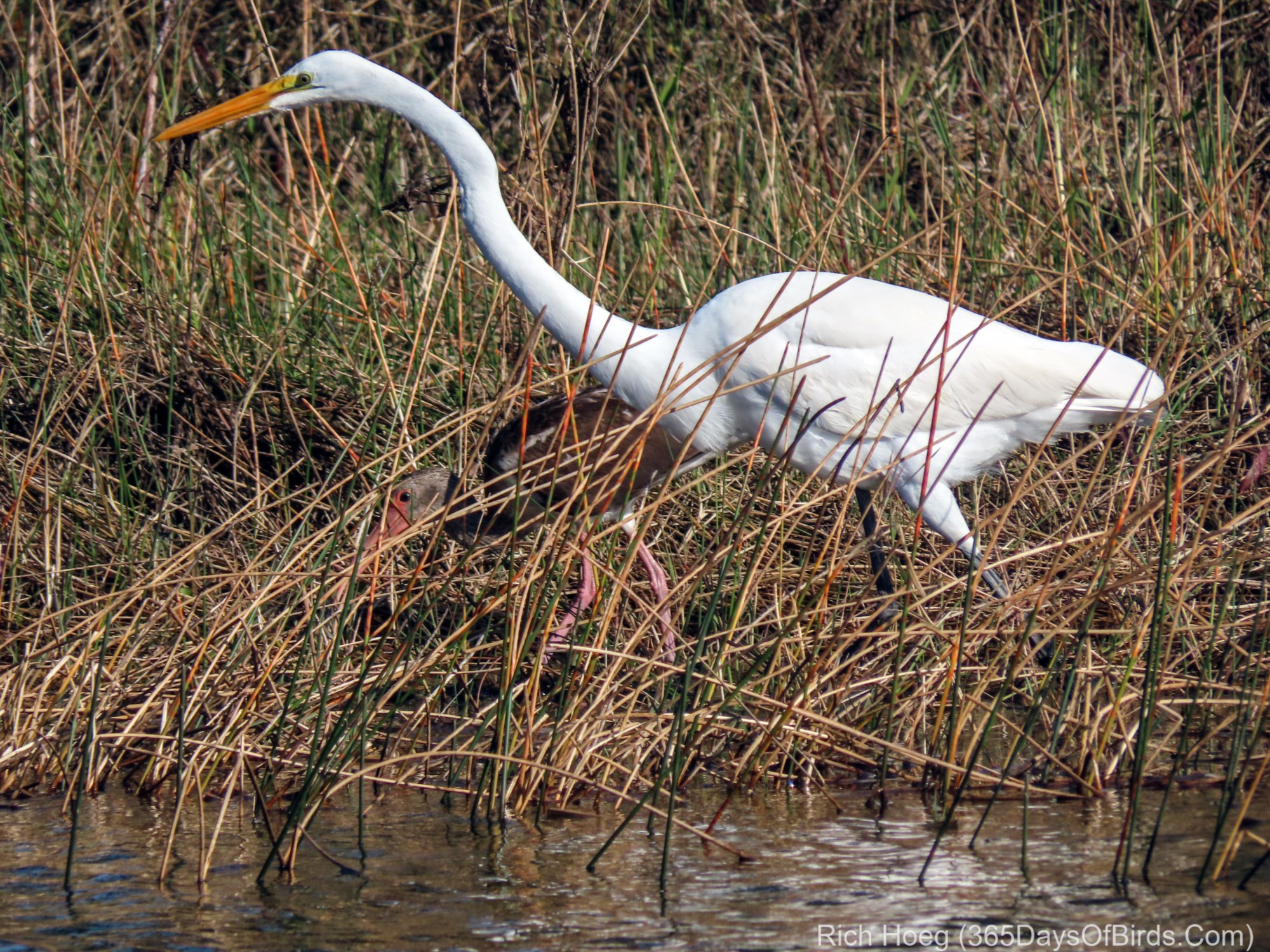
Great Egret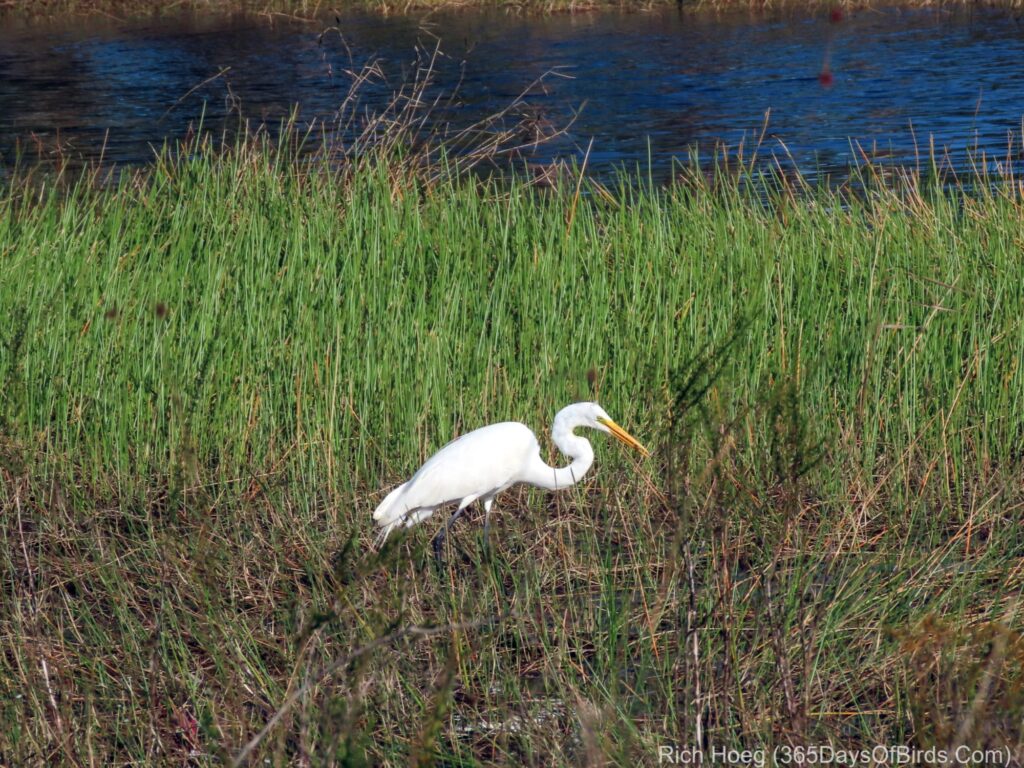
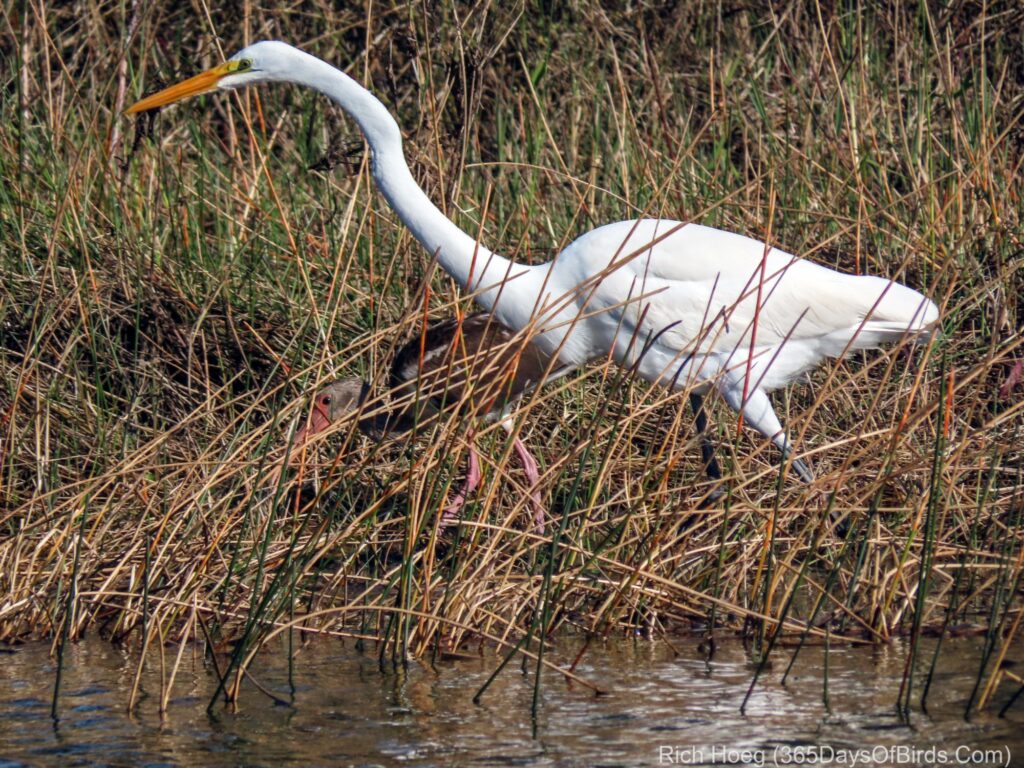
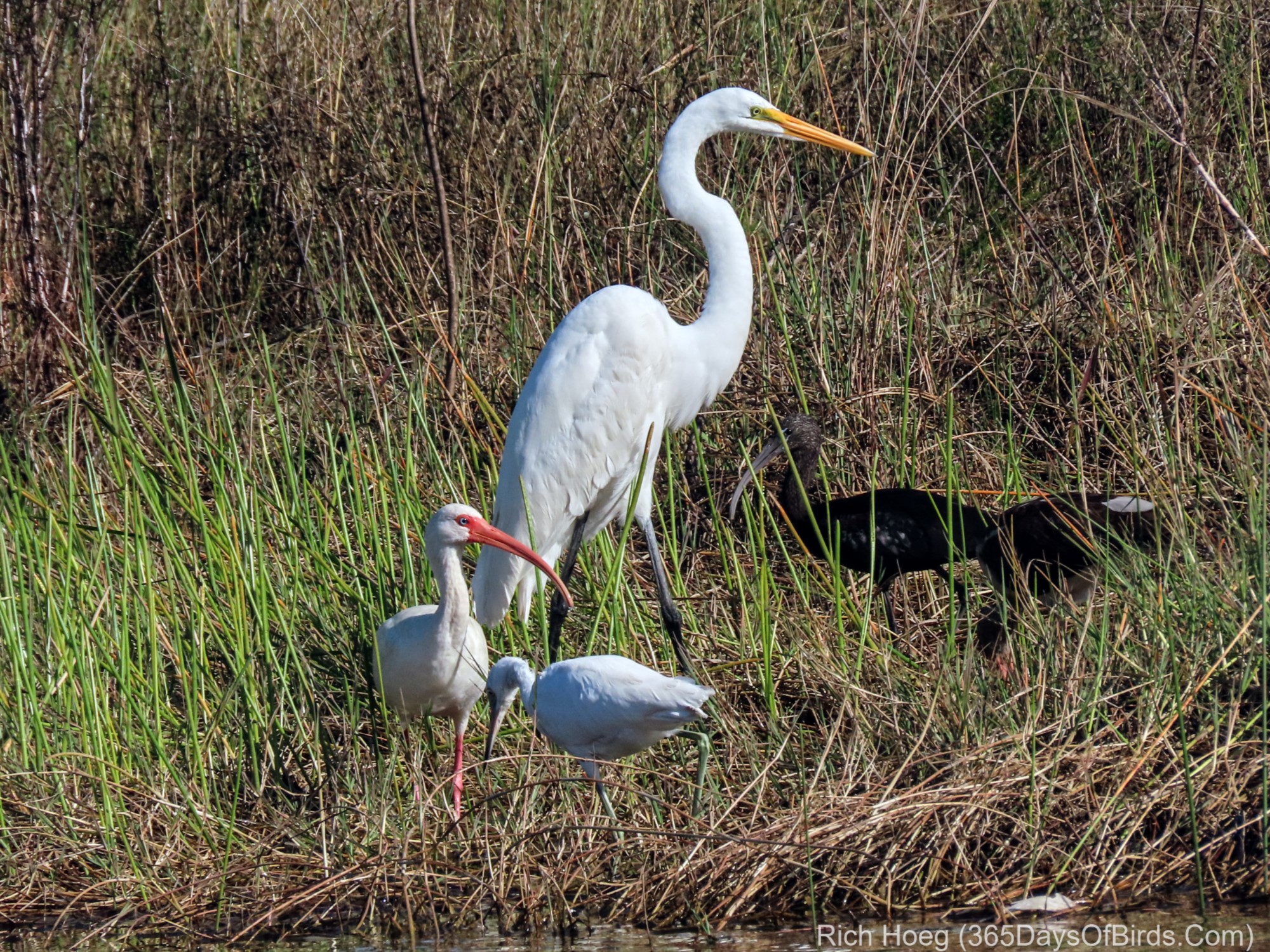
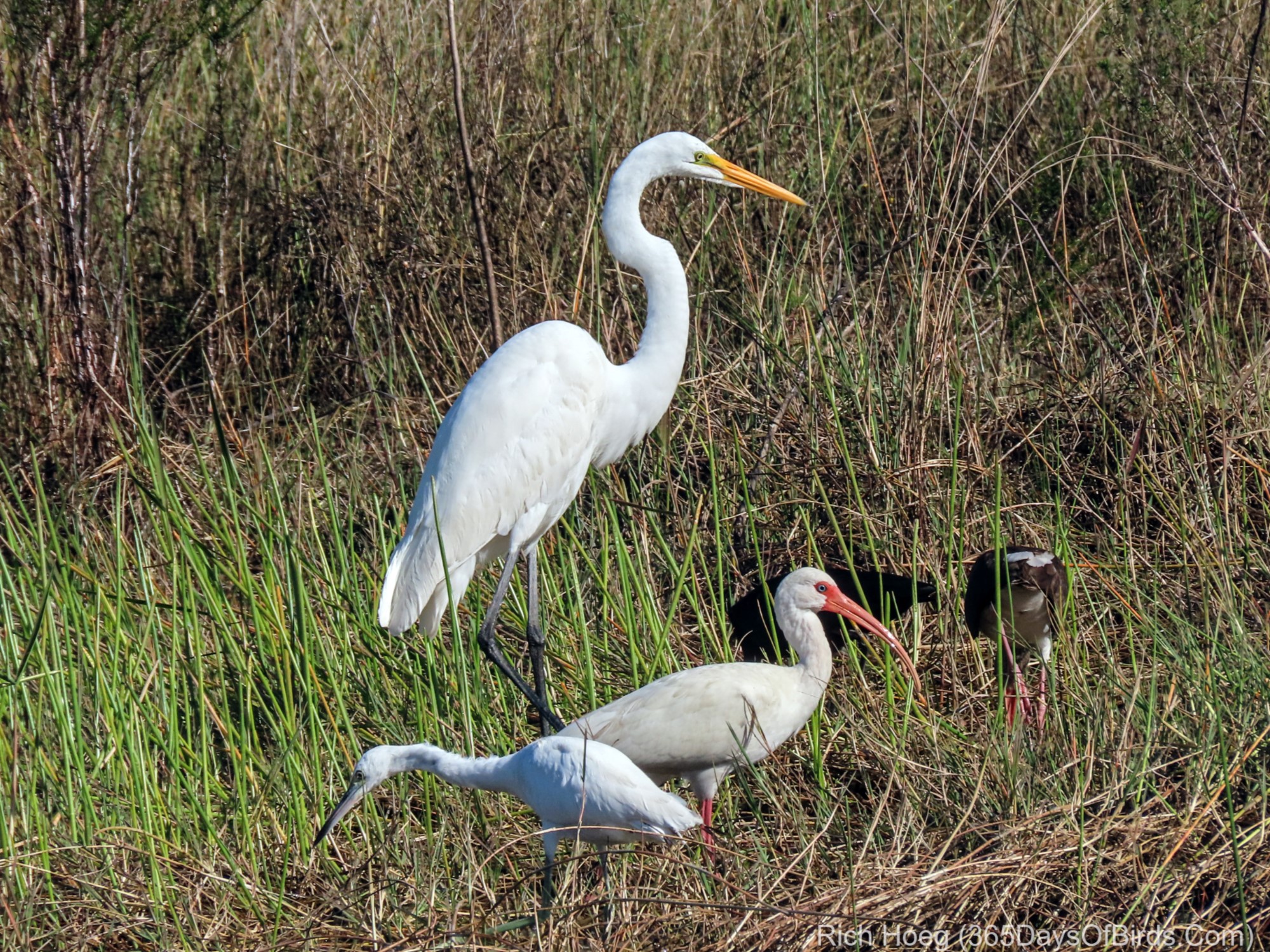
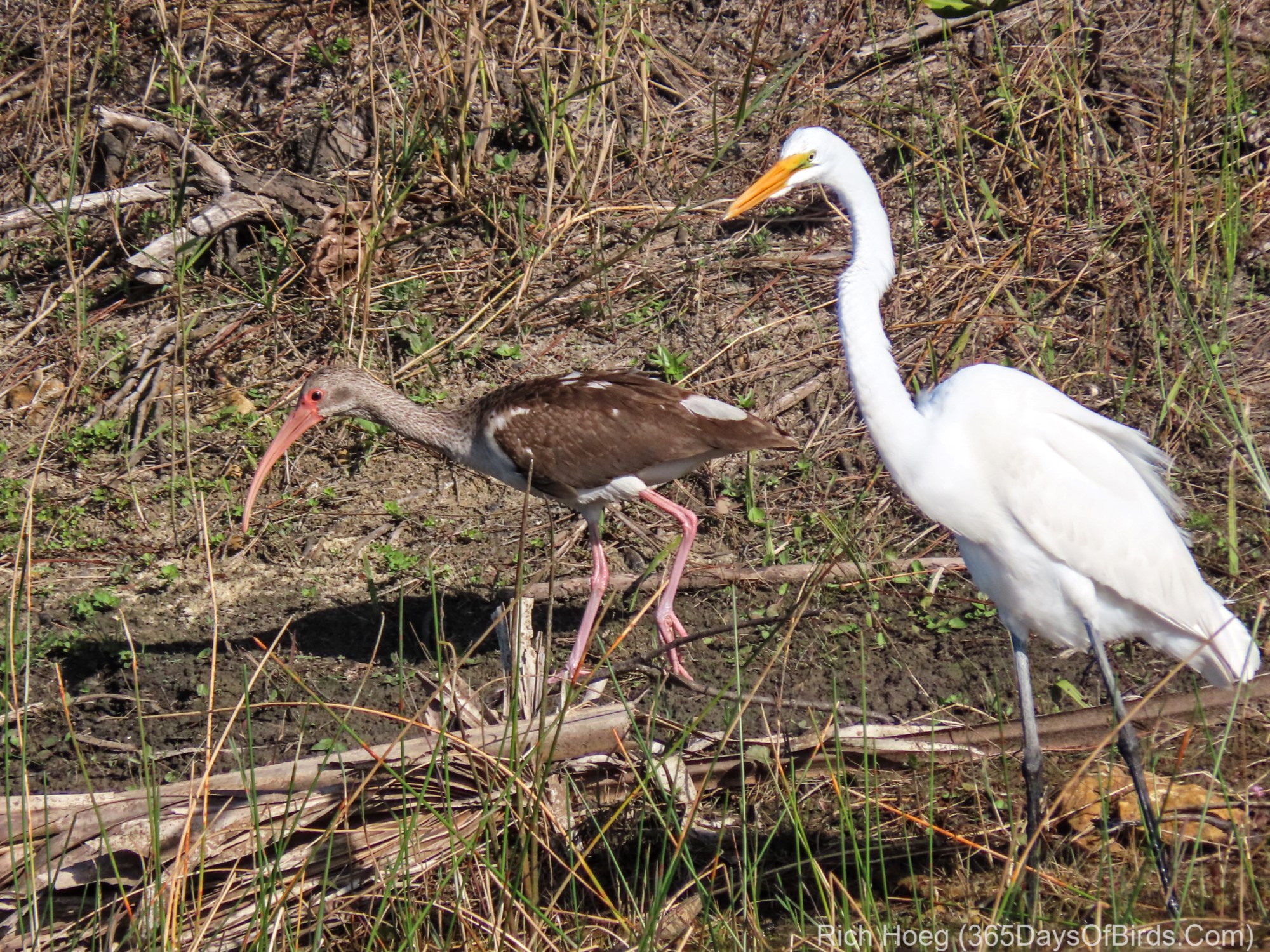
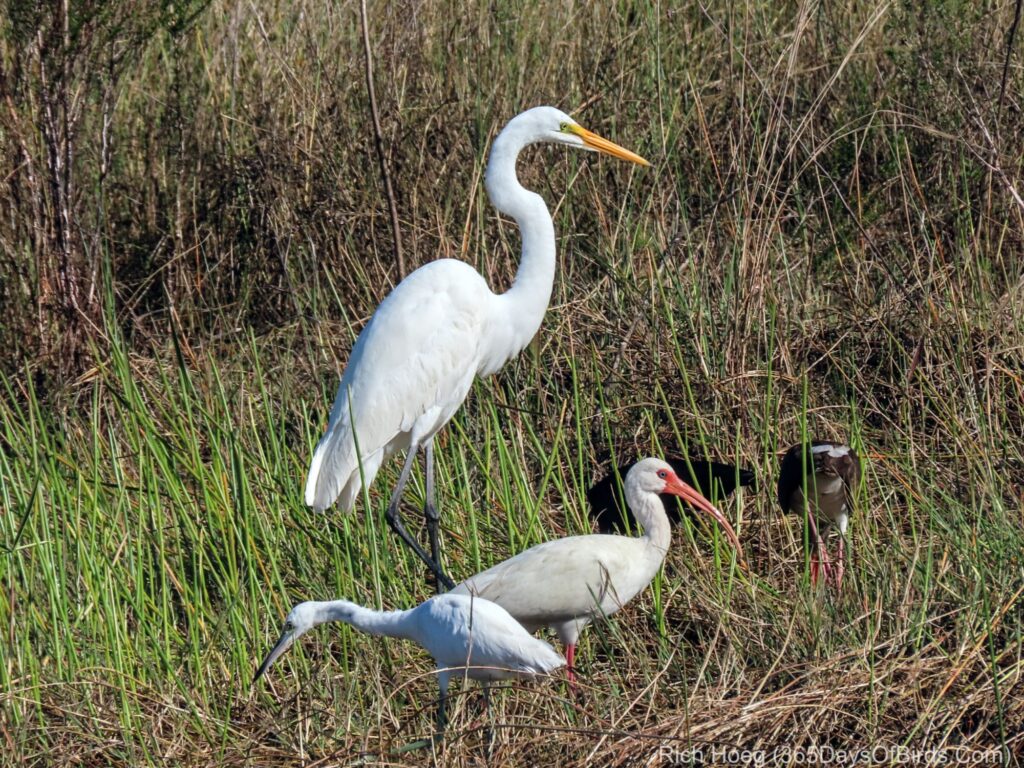
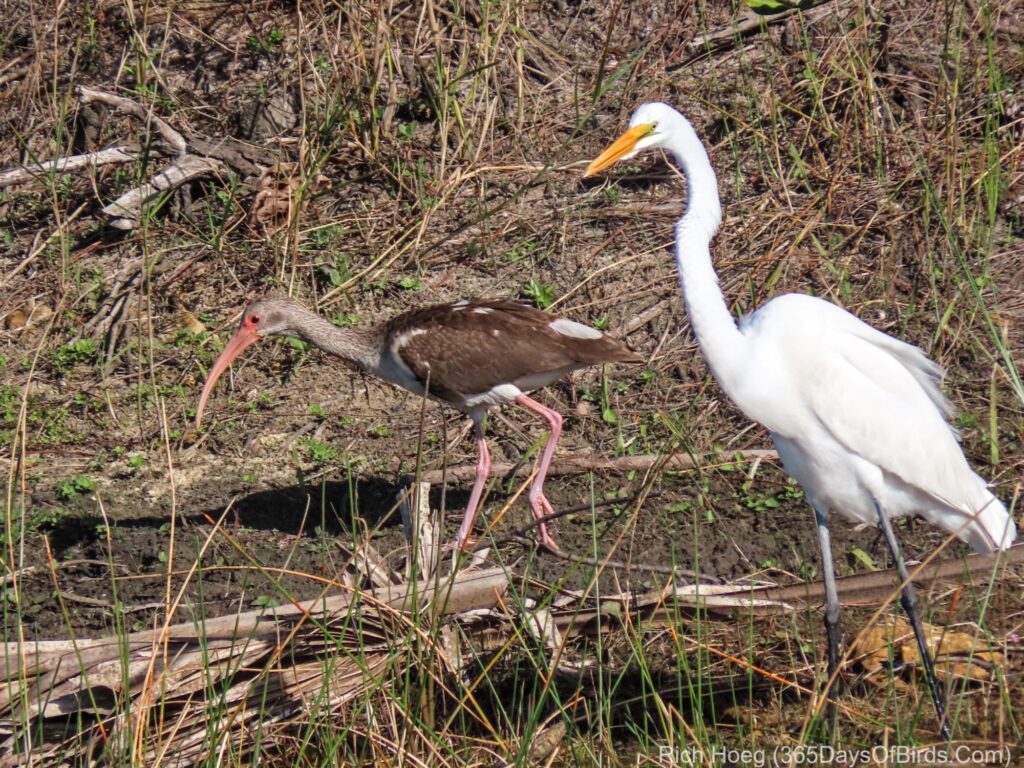
Great Egret and Friends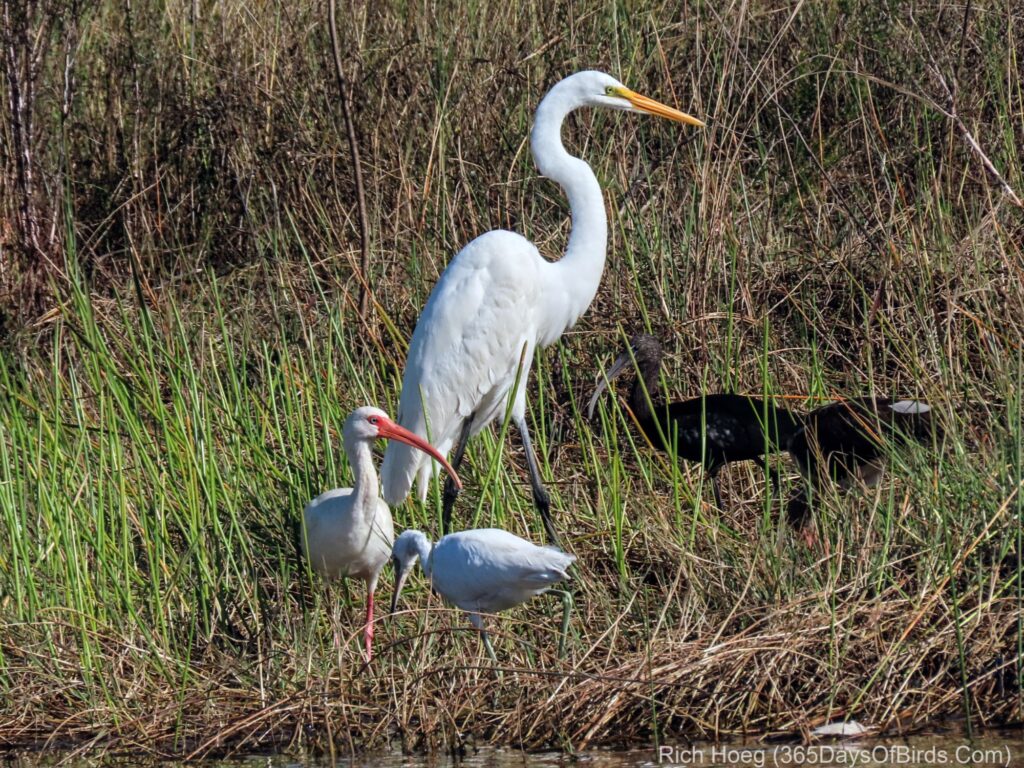
Little Blue Heron (immature)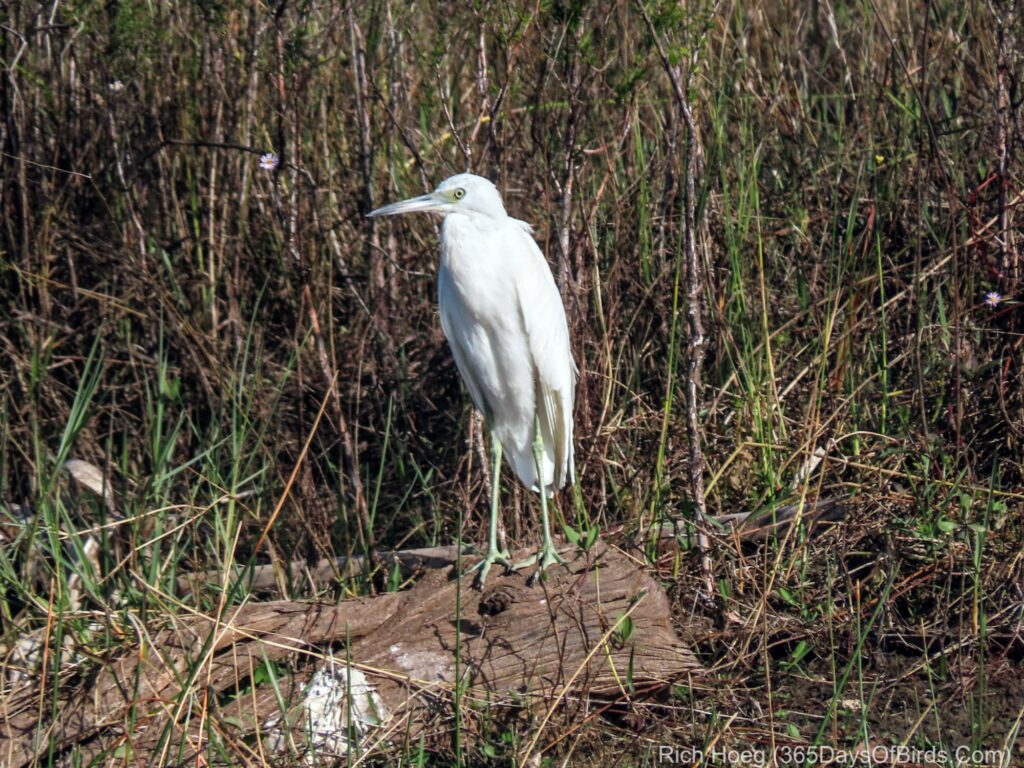
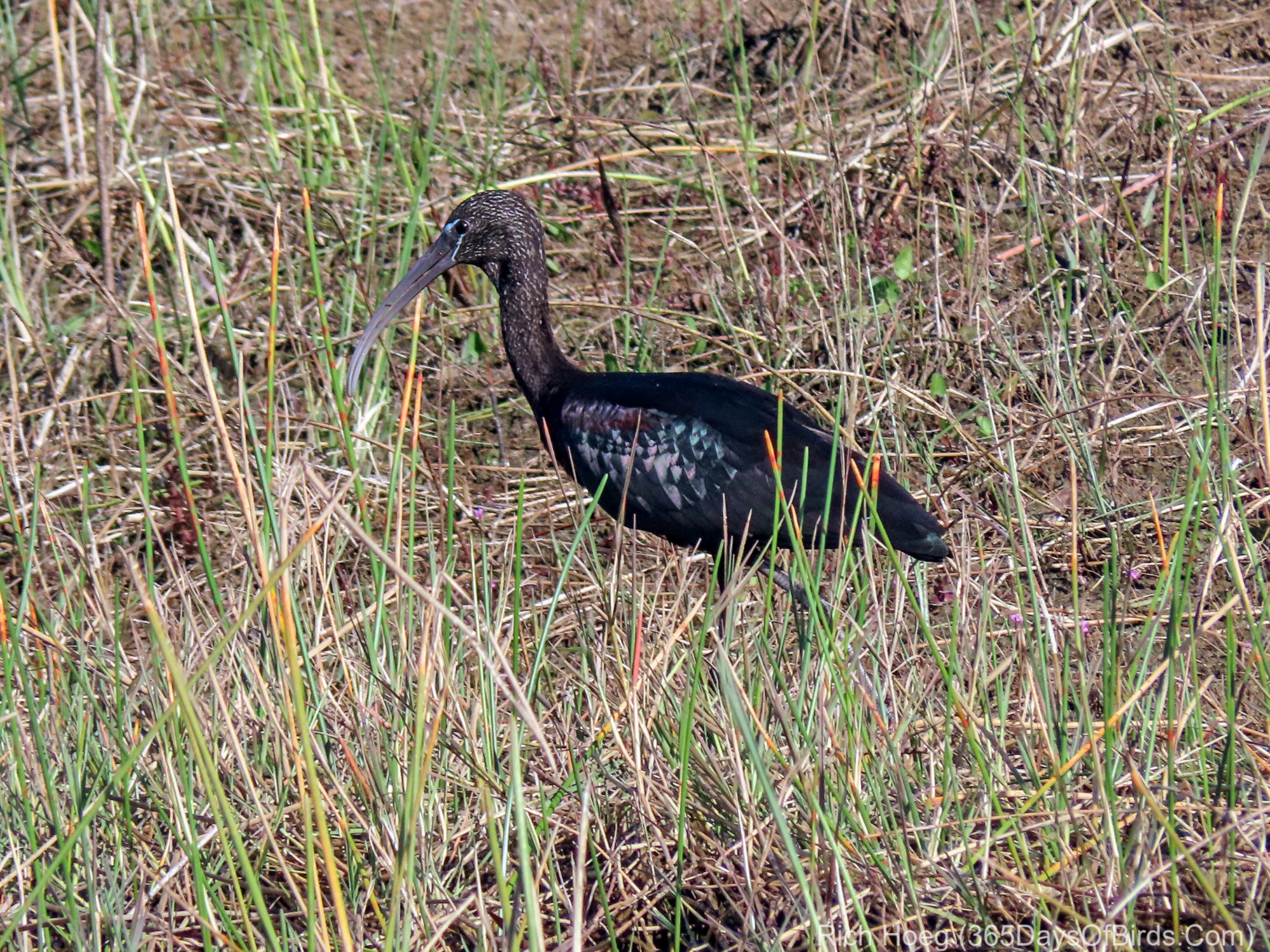
Glossy Ibis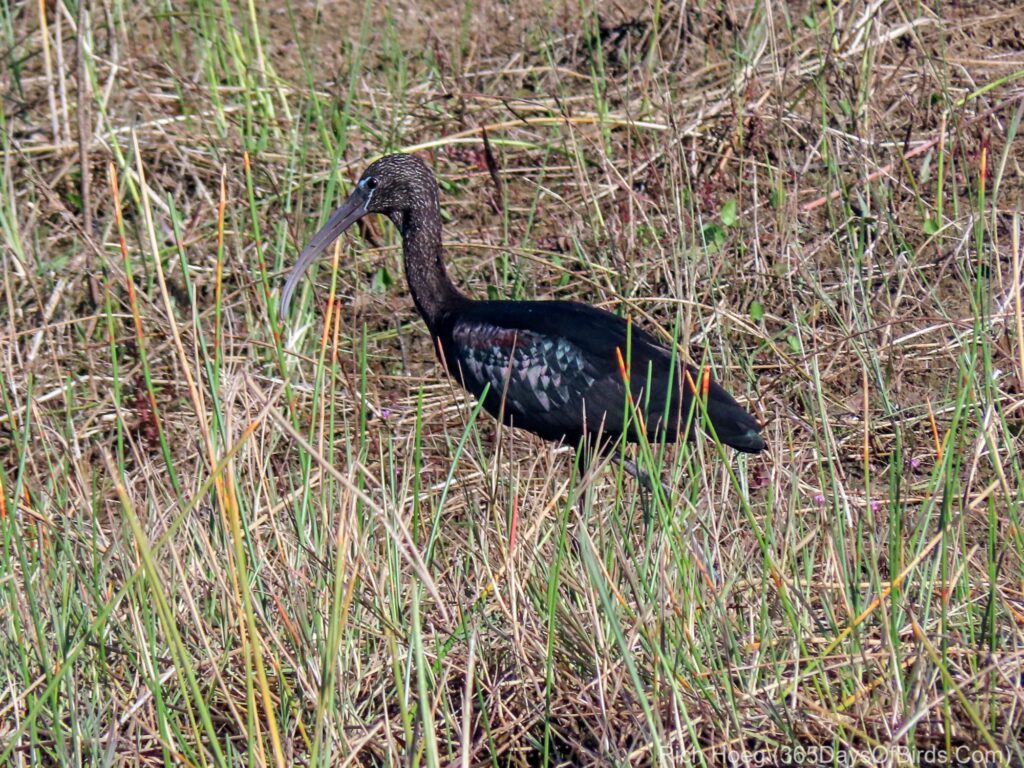
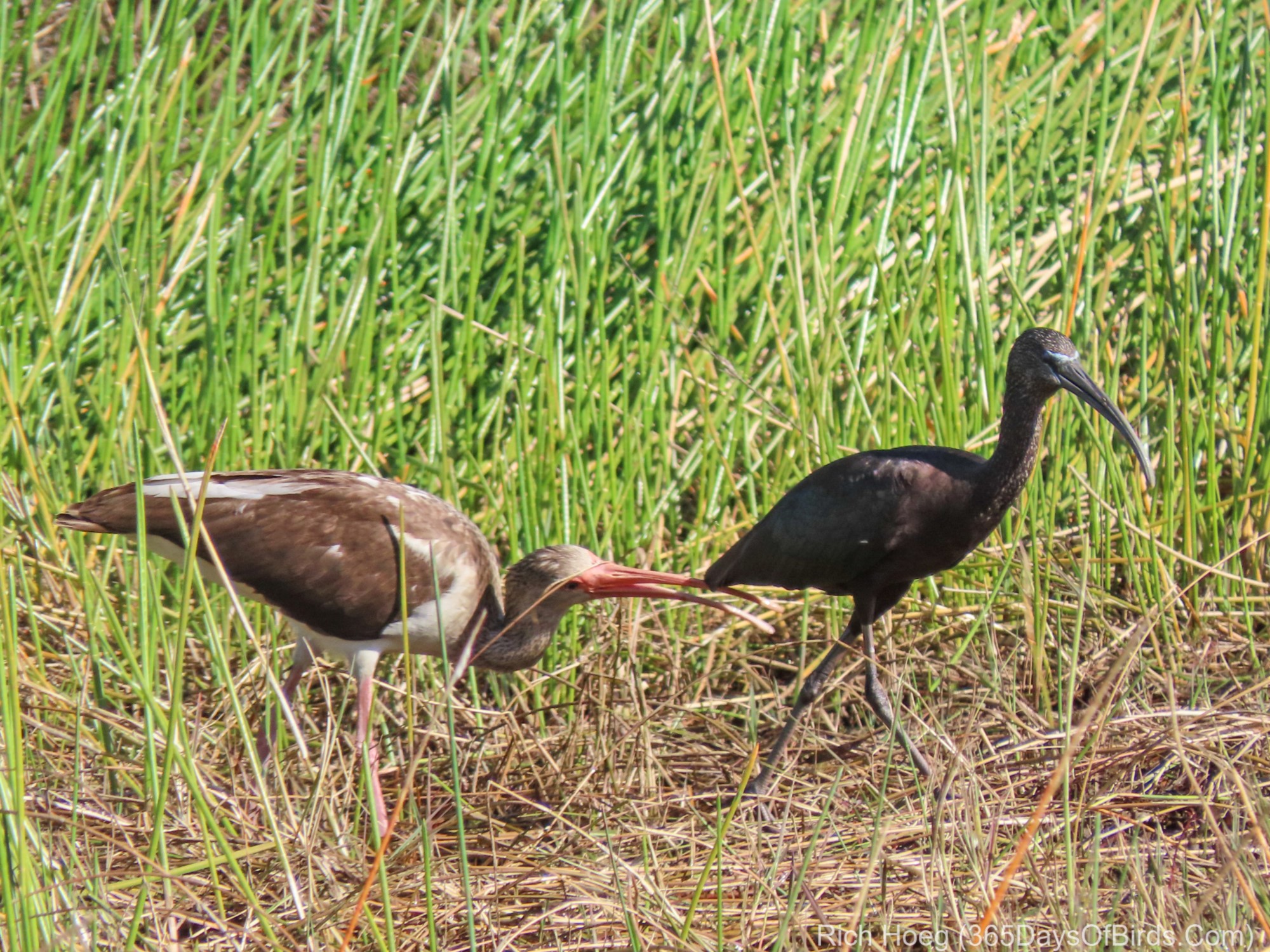
The Ibis Cousins (immature white ibis and glossy ibis)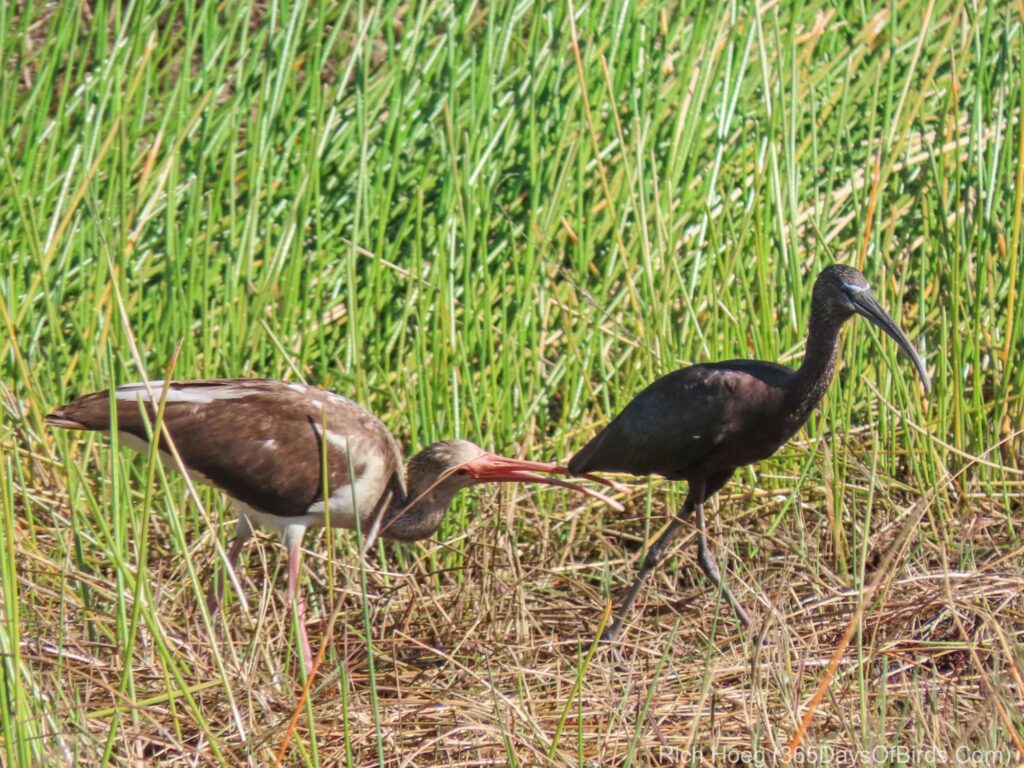
Six Mile Cypress Slough
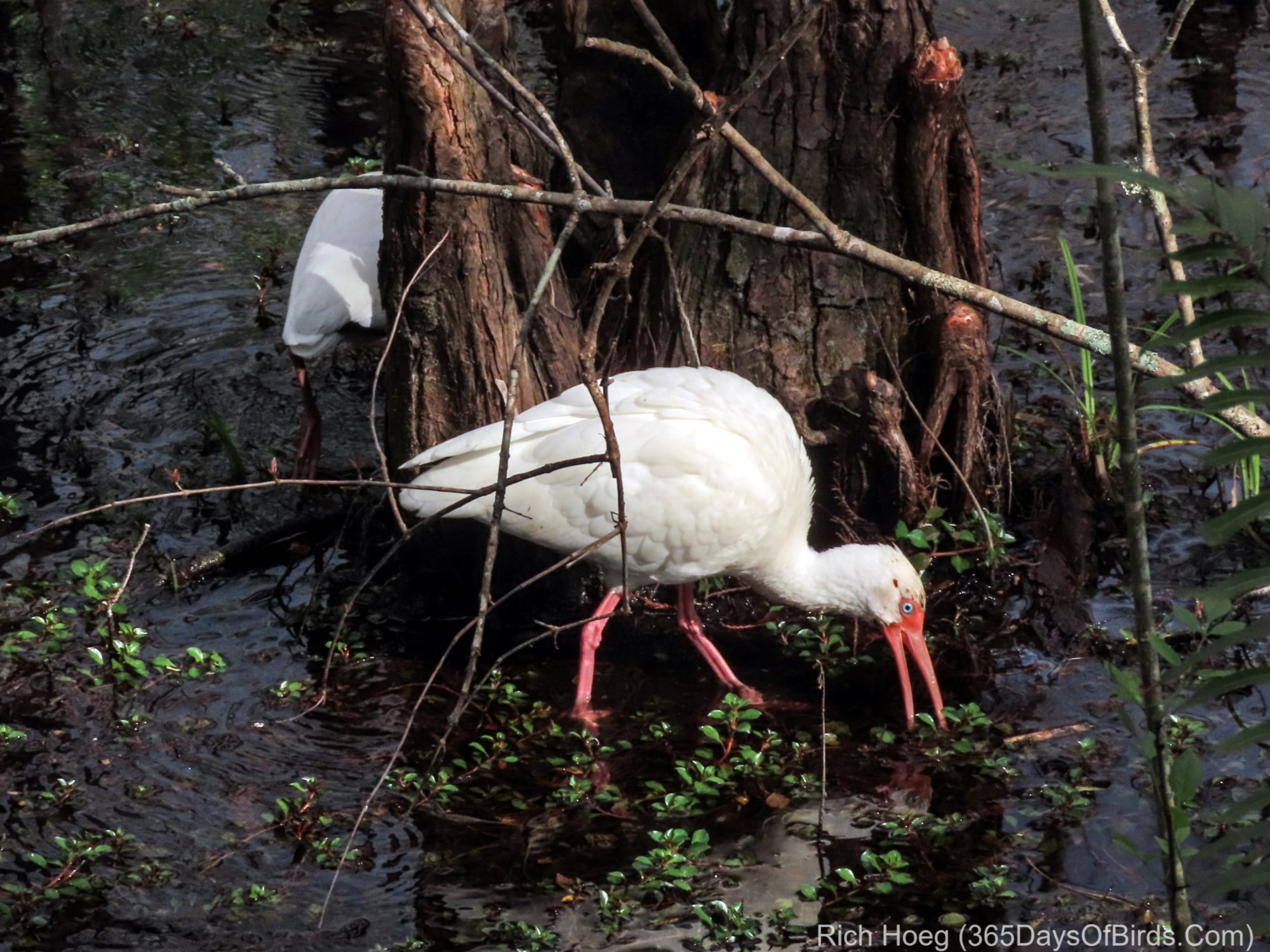
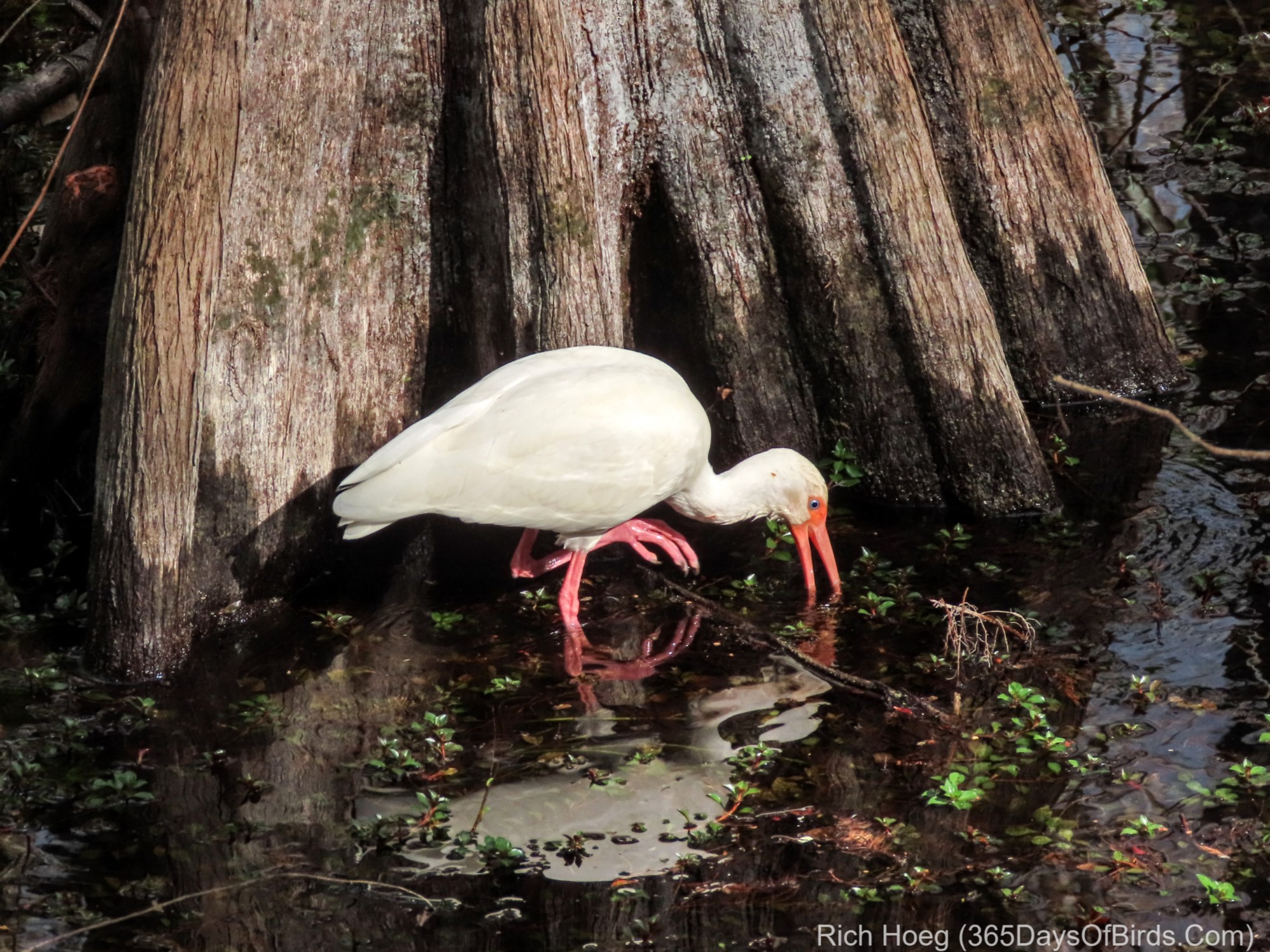
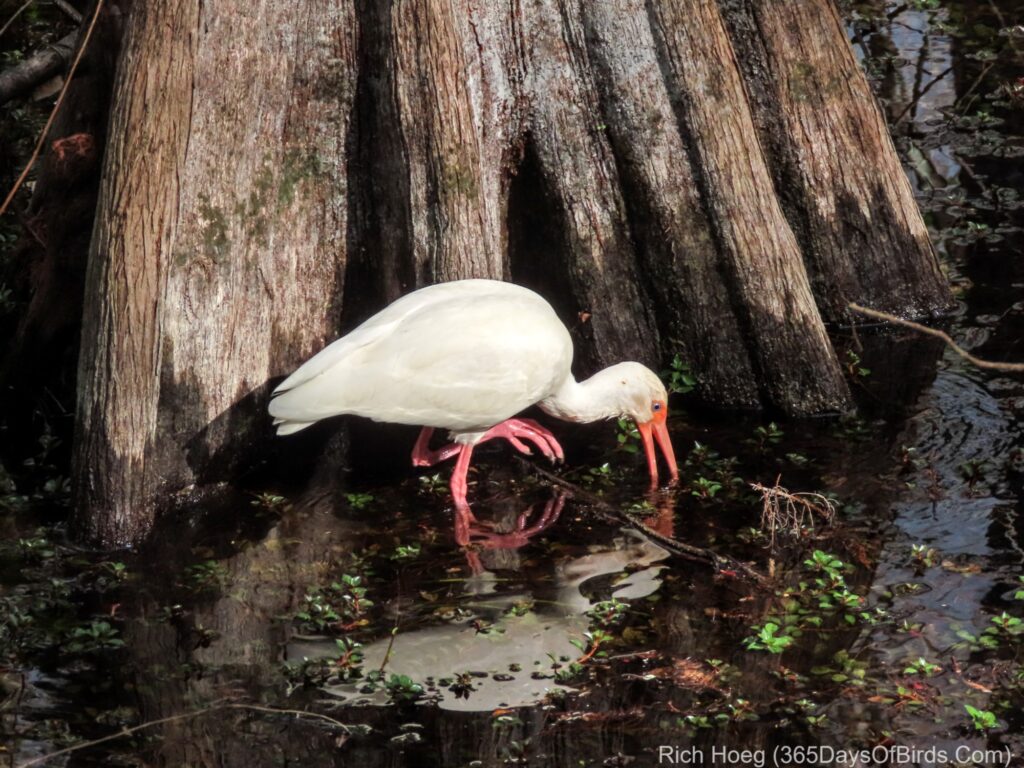
White Ibis (These birds are everywhere … perhaps much more numerous than Robins up north, but I liked seeing them in a slough … think natural environment … than someone’s yard)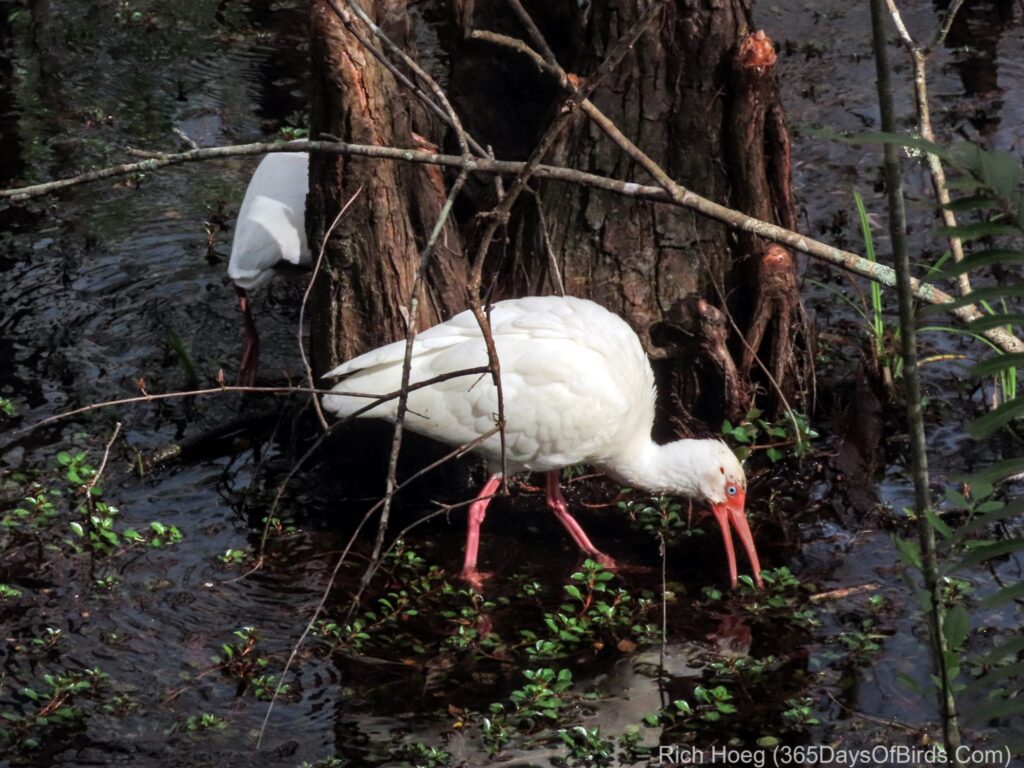
Other Fort Myers Wading and Water Bird Posts