Crested Caracara!

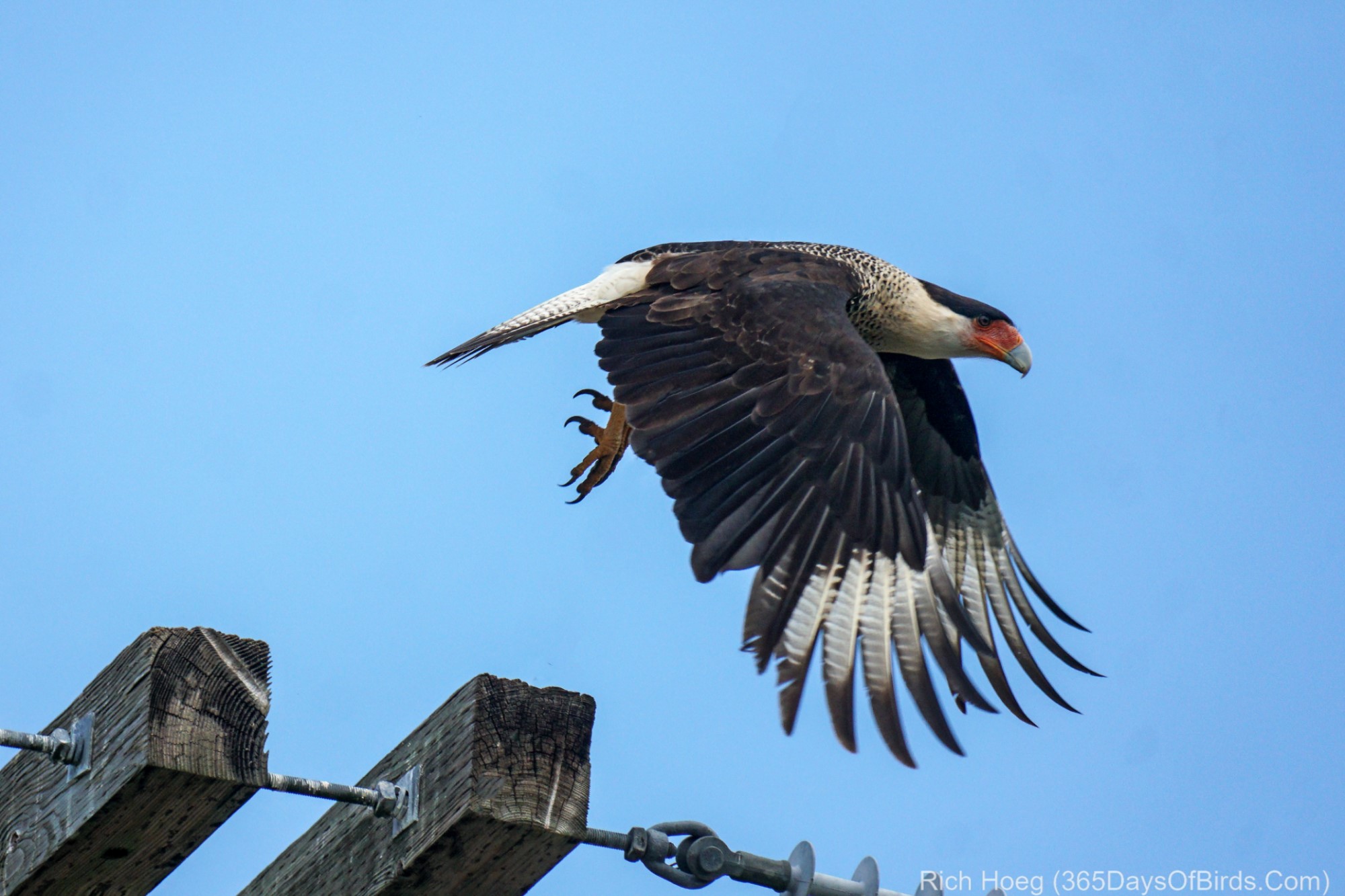
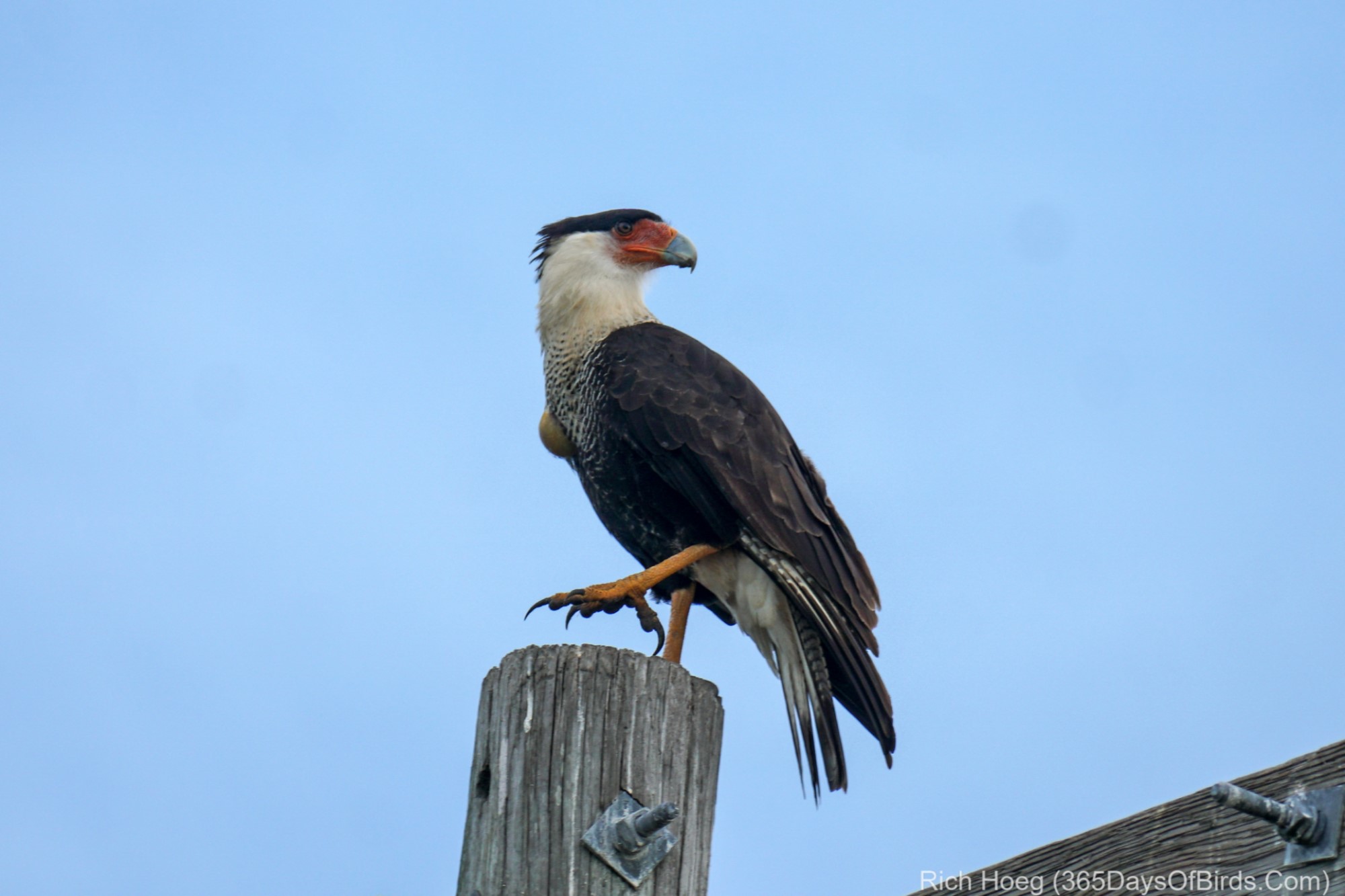
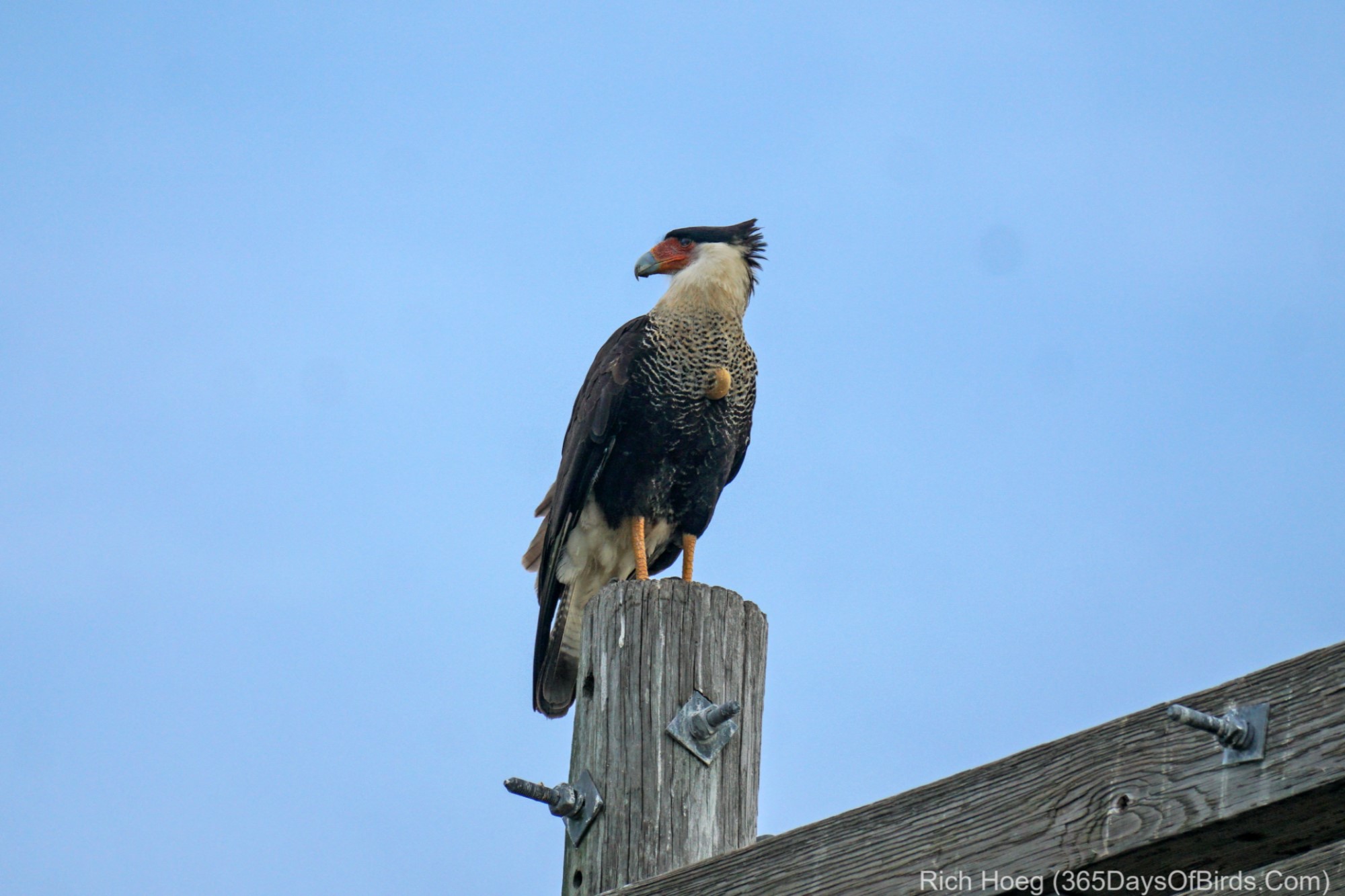
The third time’s a charm! Three times I had looked for Crested Caracaras (Cornell University link) in Florida farm country (yes … farm country actually exists inland from the two coasts). I failed in my first two attempts, but found three Caracaras this morning. The Crested Caracara became one of my favorite birds during a self-supported bike tour in Texas a few years back. I had never seen one, and was hooked immediately.

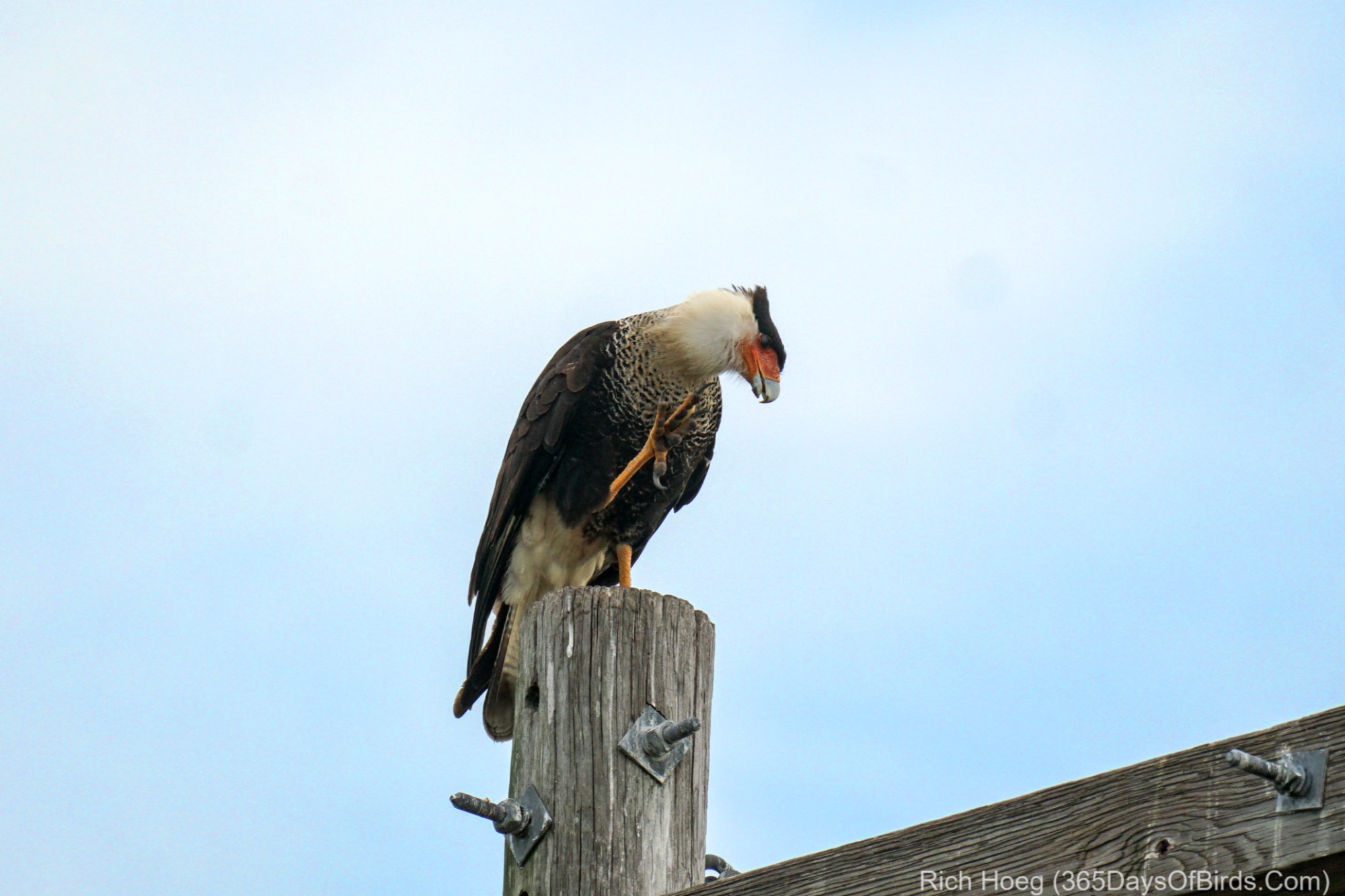
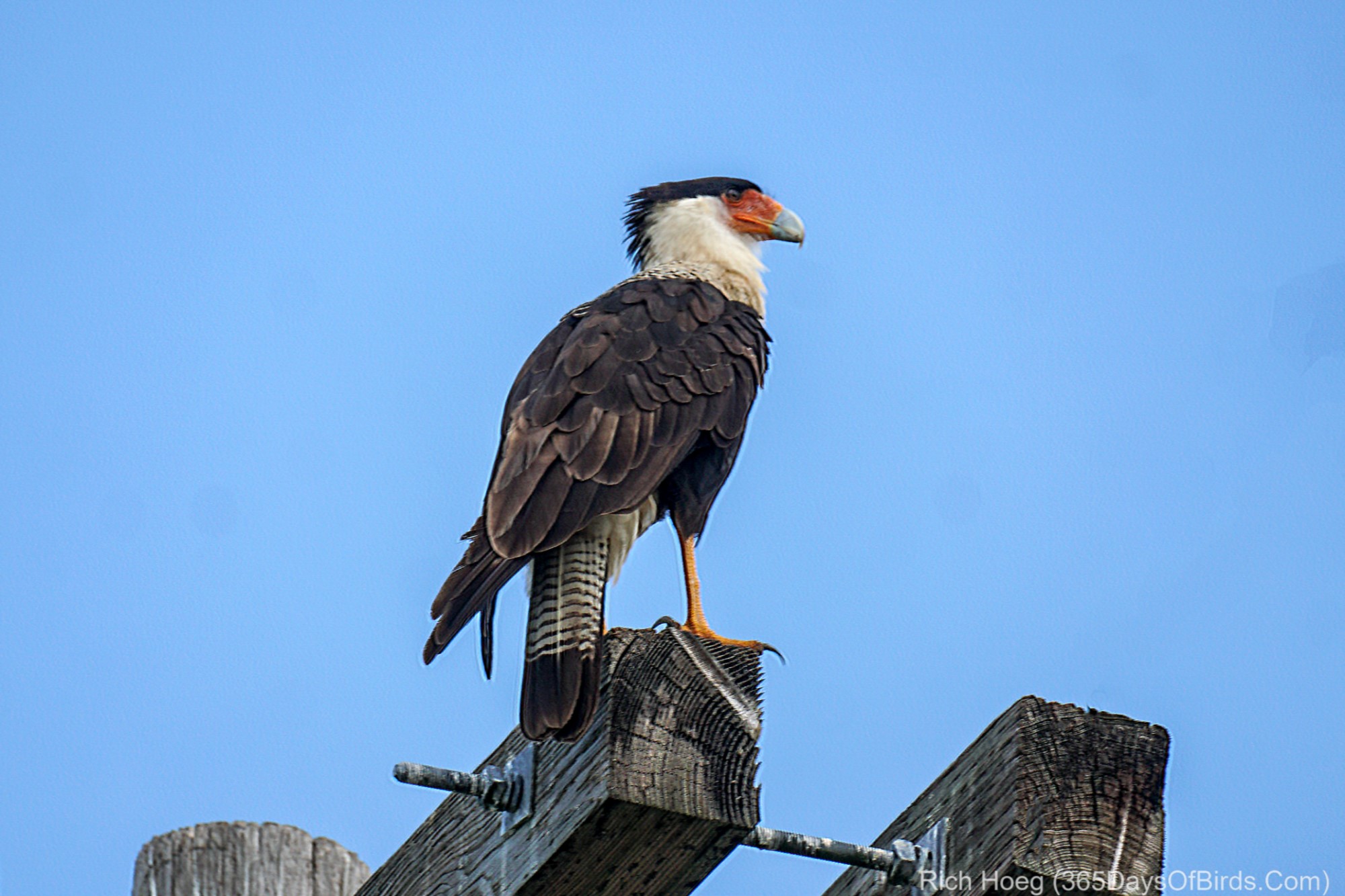
This individual was extremely cooperative. It sat on the same pole for almost an hour, giving me time to mail something at the local post office, come back to watch this take-off. While this bird looks like a hawk or eagle, it is actually a tropical black-and-white falcon. The bird telegraphed its take-off … stretching its head to get a better look at something before going airborne.
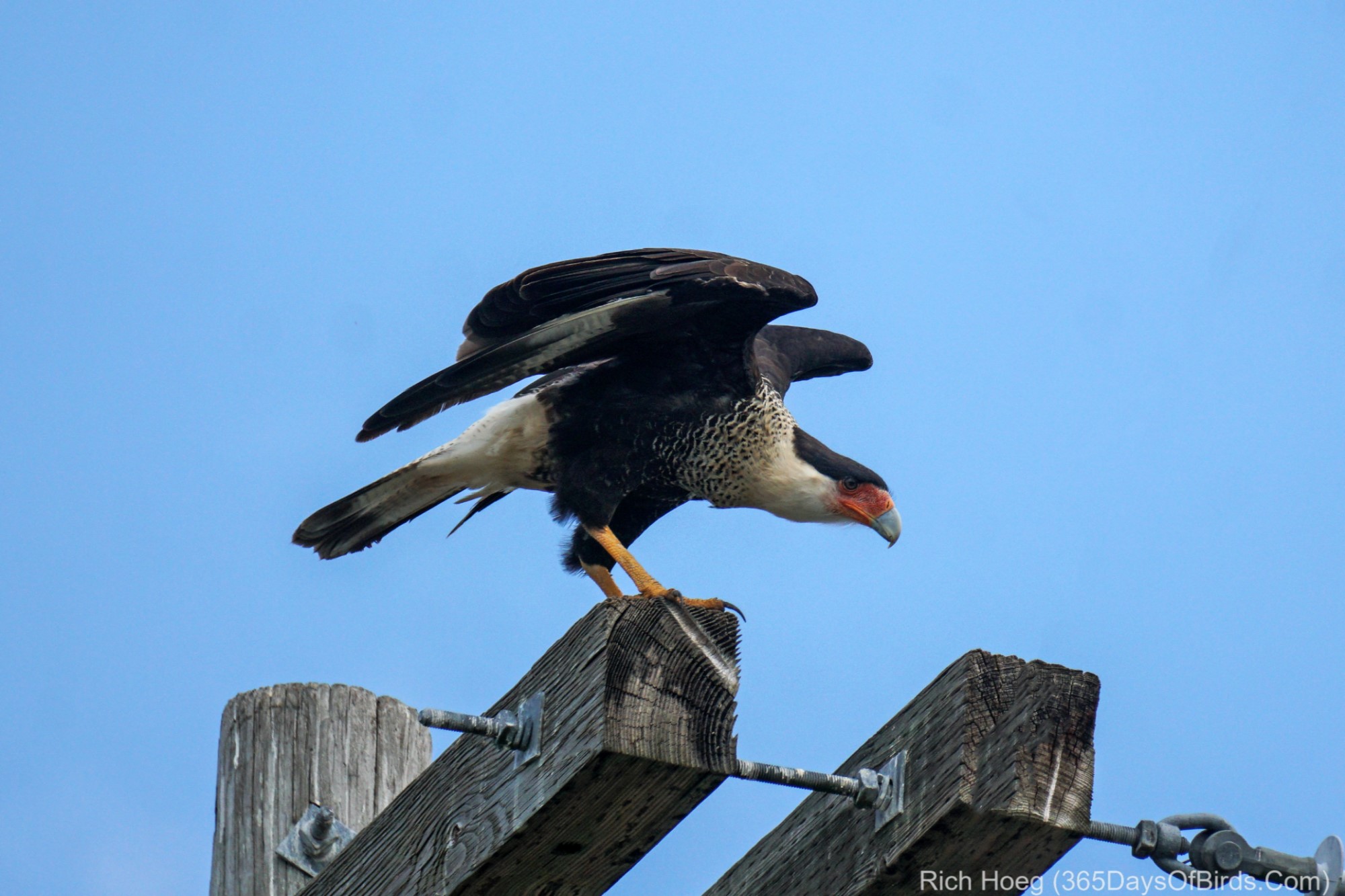
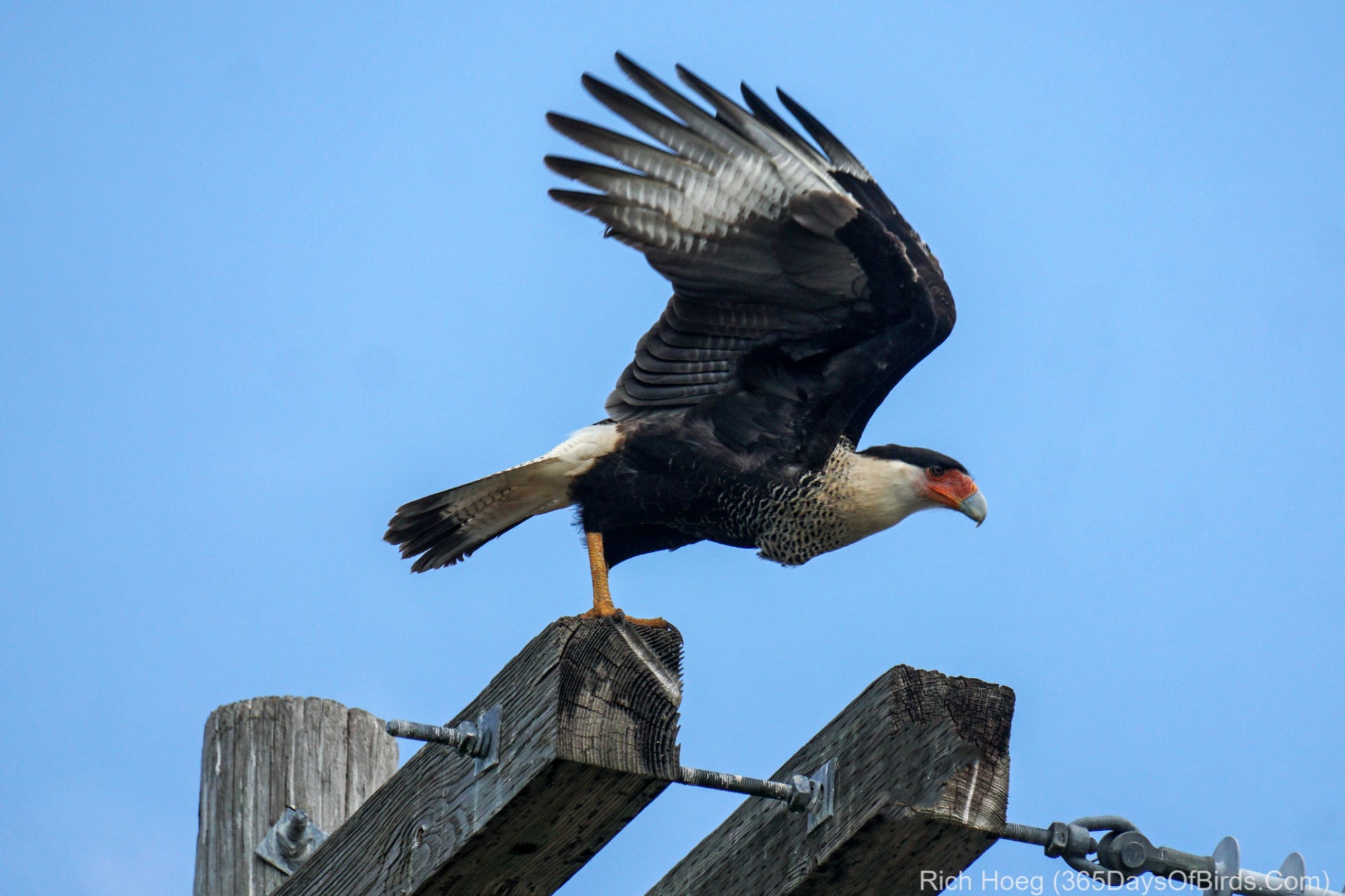
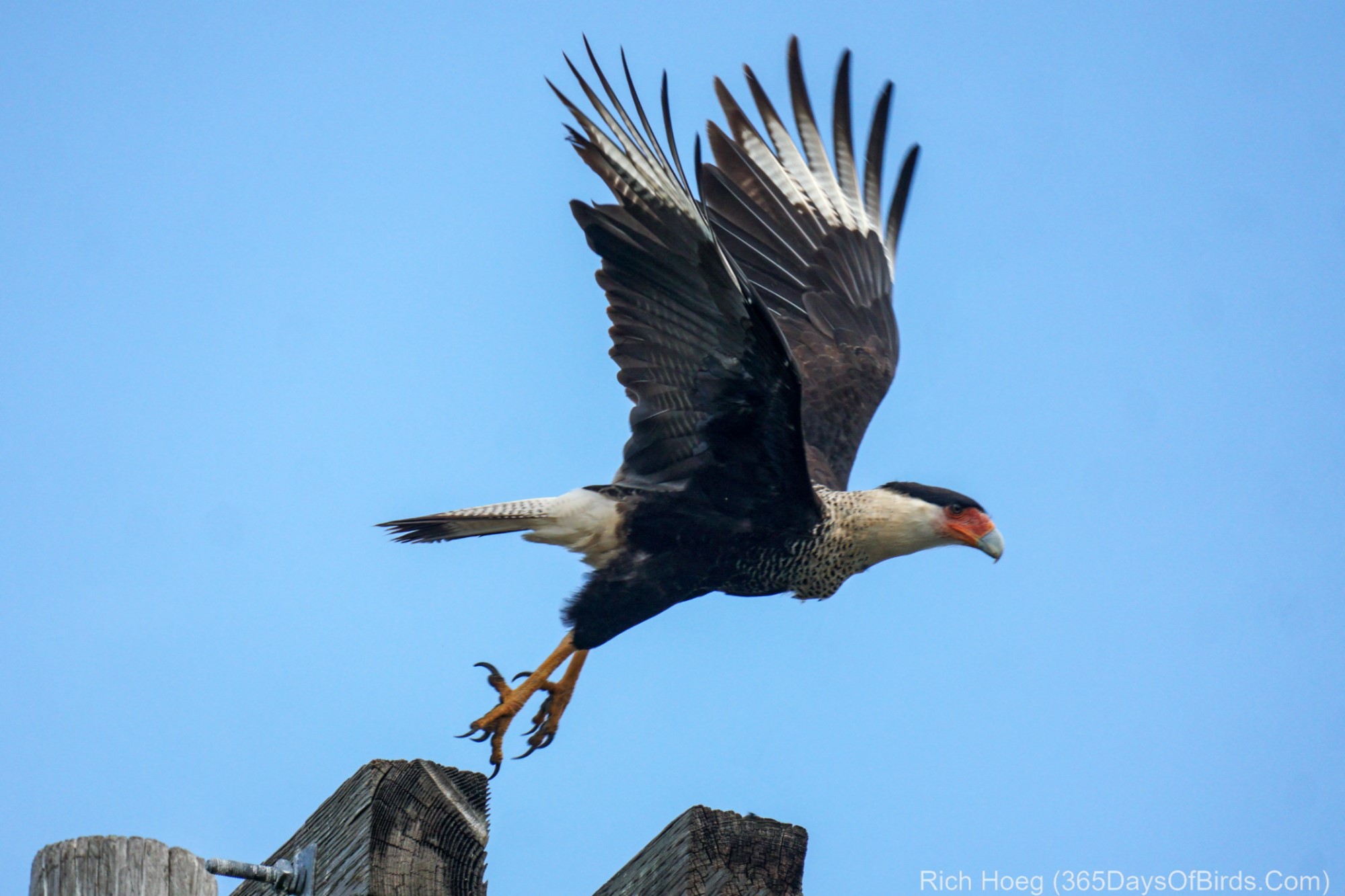
And a few more Crested Caracara pics …
I did my birding near the small town of Felda, Florida. While I can not guarantee you will find anything on Church Road, apparently this is considered a nice birding location just east of Fort Myers. (Google Maps link)
Harns Marsh Birding

I spent a delightful time birdingĀ  just after sunrise this morning at Harns Marsh in the Fort Myers area. I will return with my bicycle (trail bike recommended) such that I may cover more ground. The habitat and location is beautiful. While I am providing the official link to the Lee County web site for Harns Marsh which will help one locate the birding spot, be aware the government web site does ZERO justice in terms of showing the beauty. Here also is the latest eBird lists for Harns Marsh. Just be aware there are no facilities at Harns Marsh.

If one visits in the early morning, the sun will be directly behind you as one may walk well established footpaths next to the open channel, with the marsh just 15 yards distant on the other bank. The birds are fantastic, and somewhat habituated to humans. Finally, there is not a single road in the vicinity which makes for peace and serenity in an area of Florida which is heavily developed.

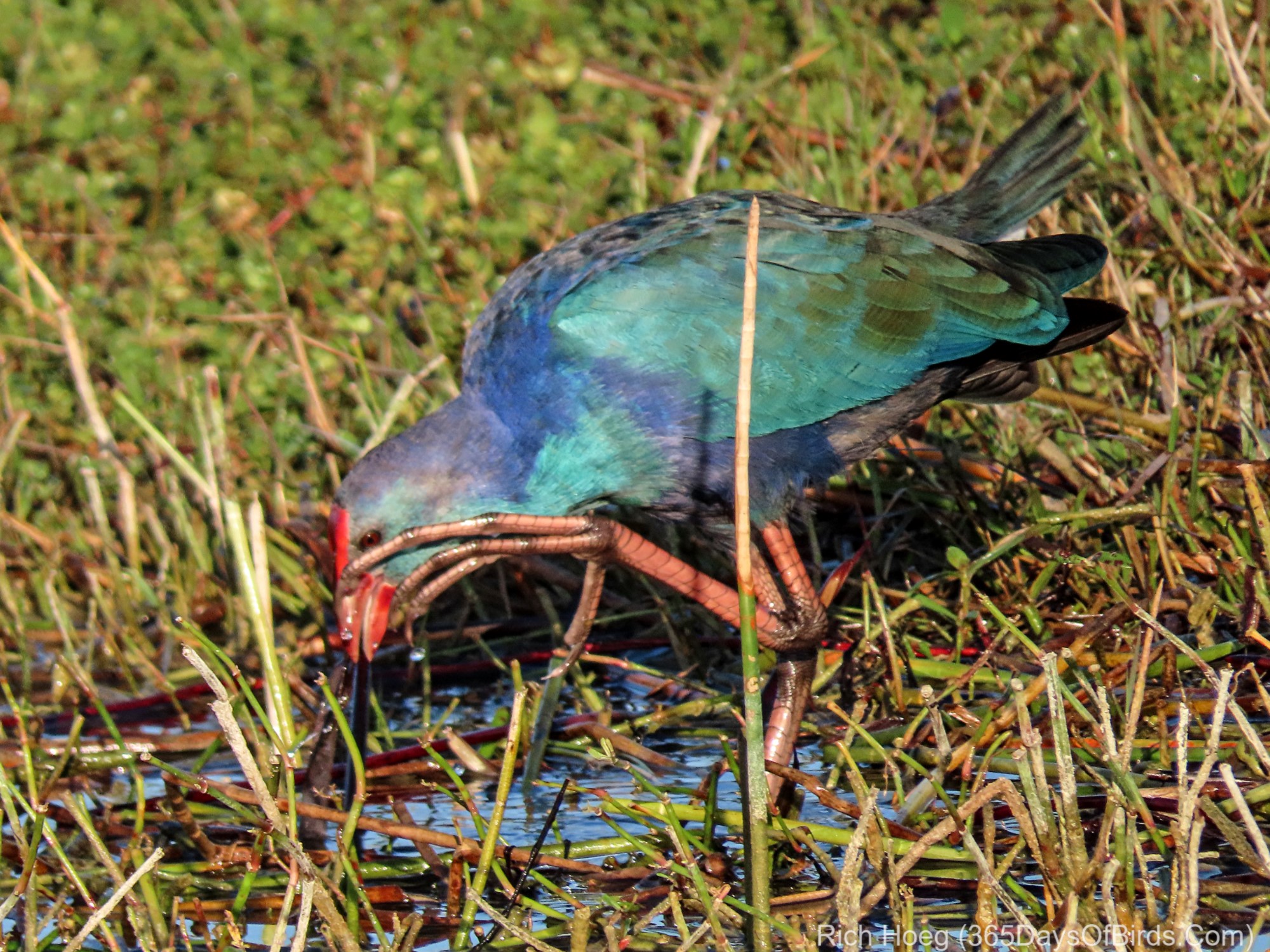
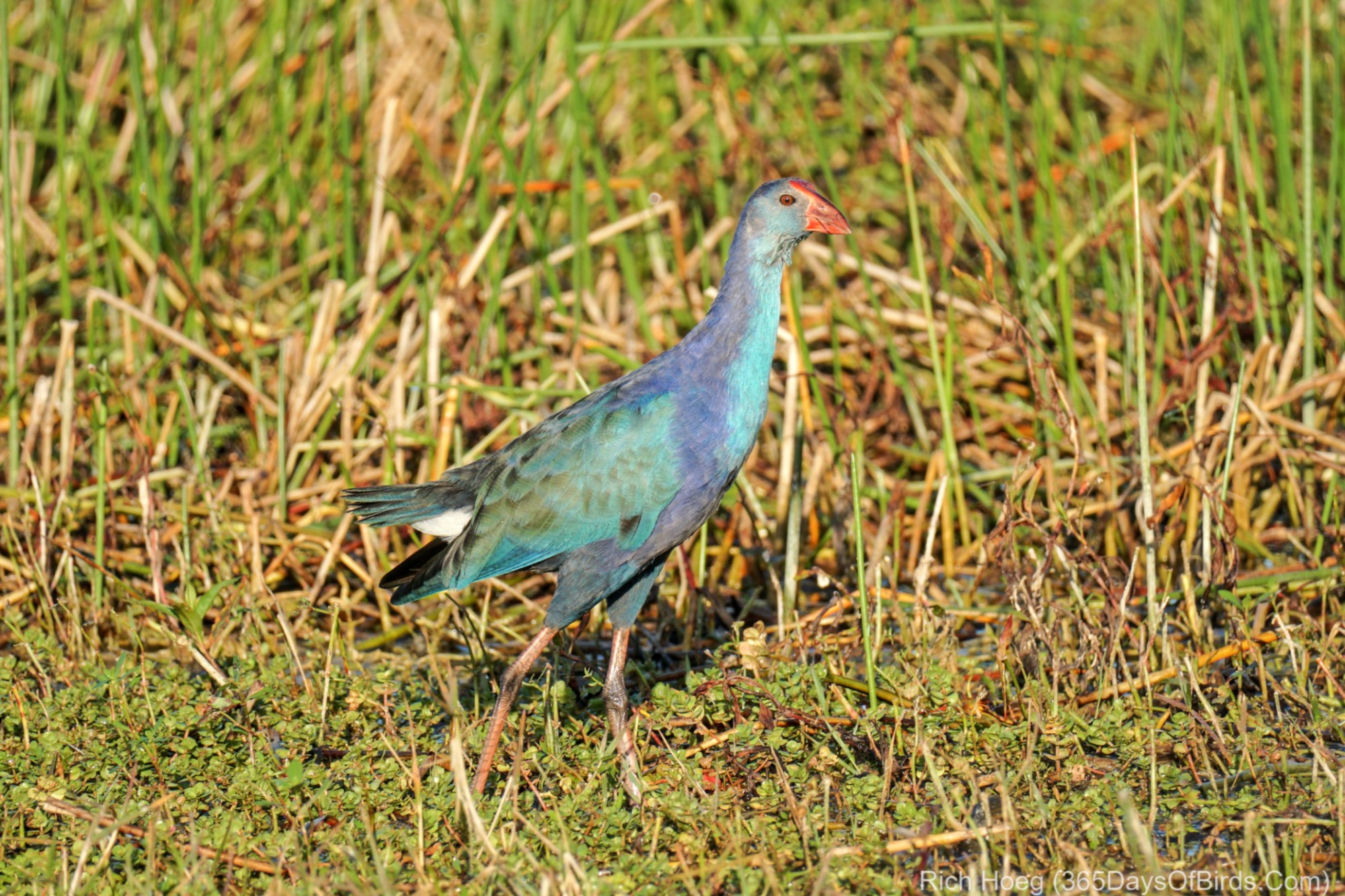
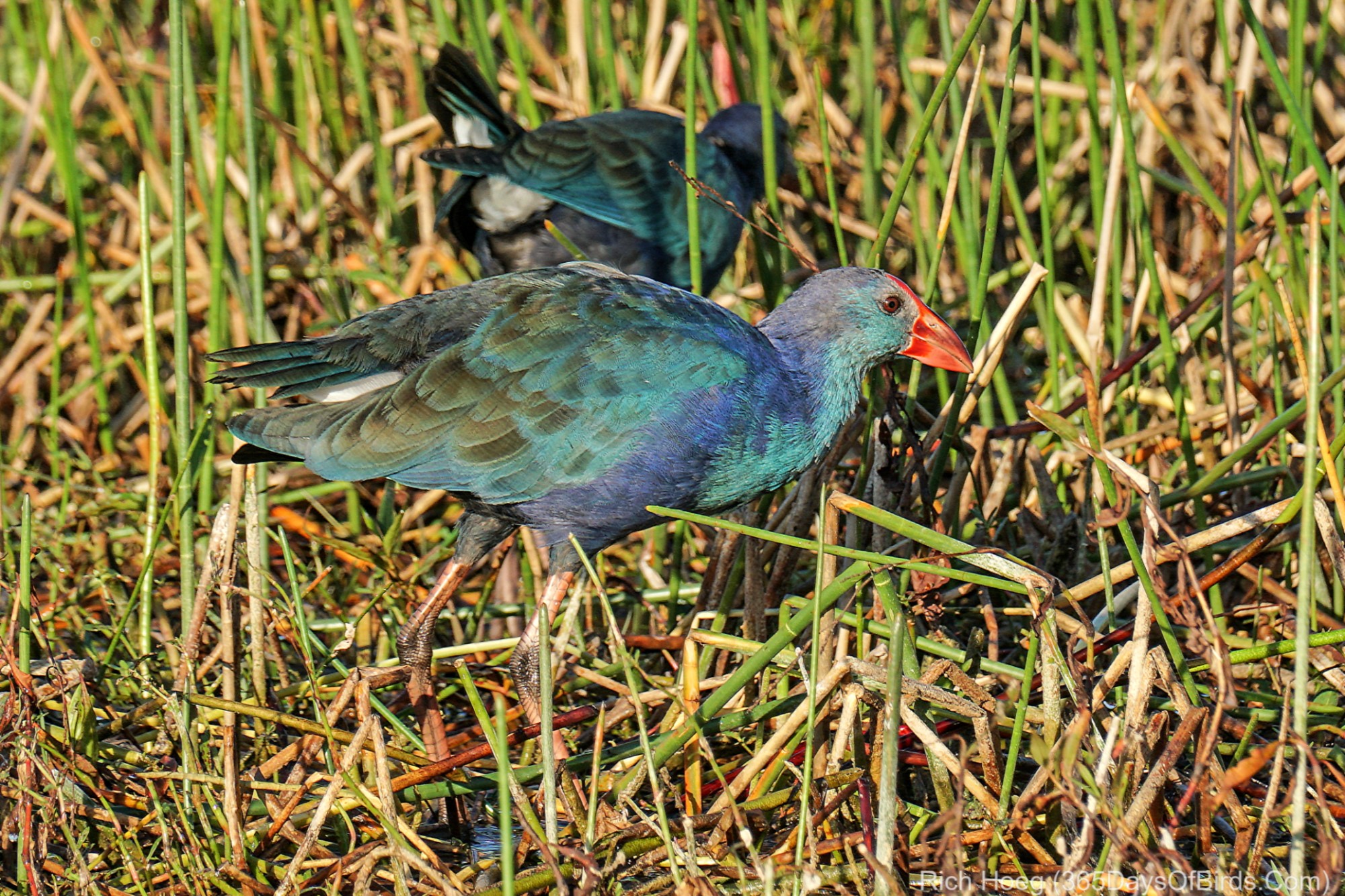
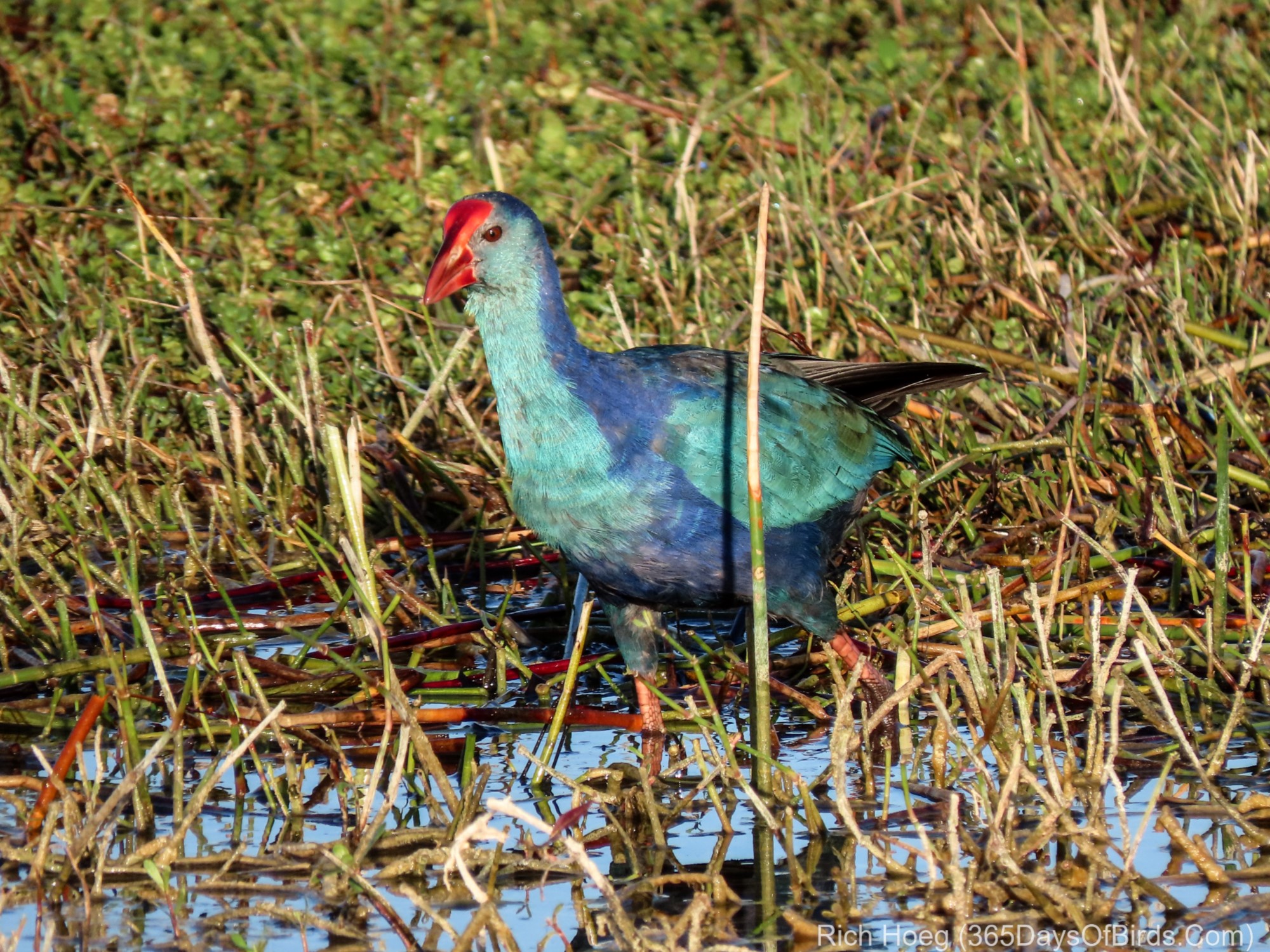
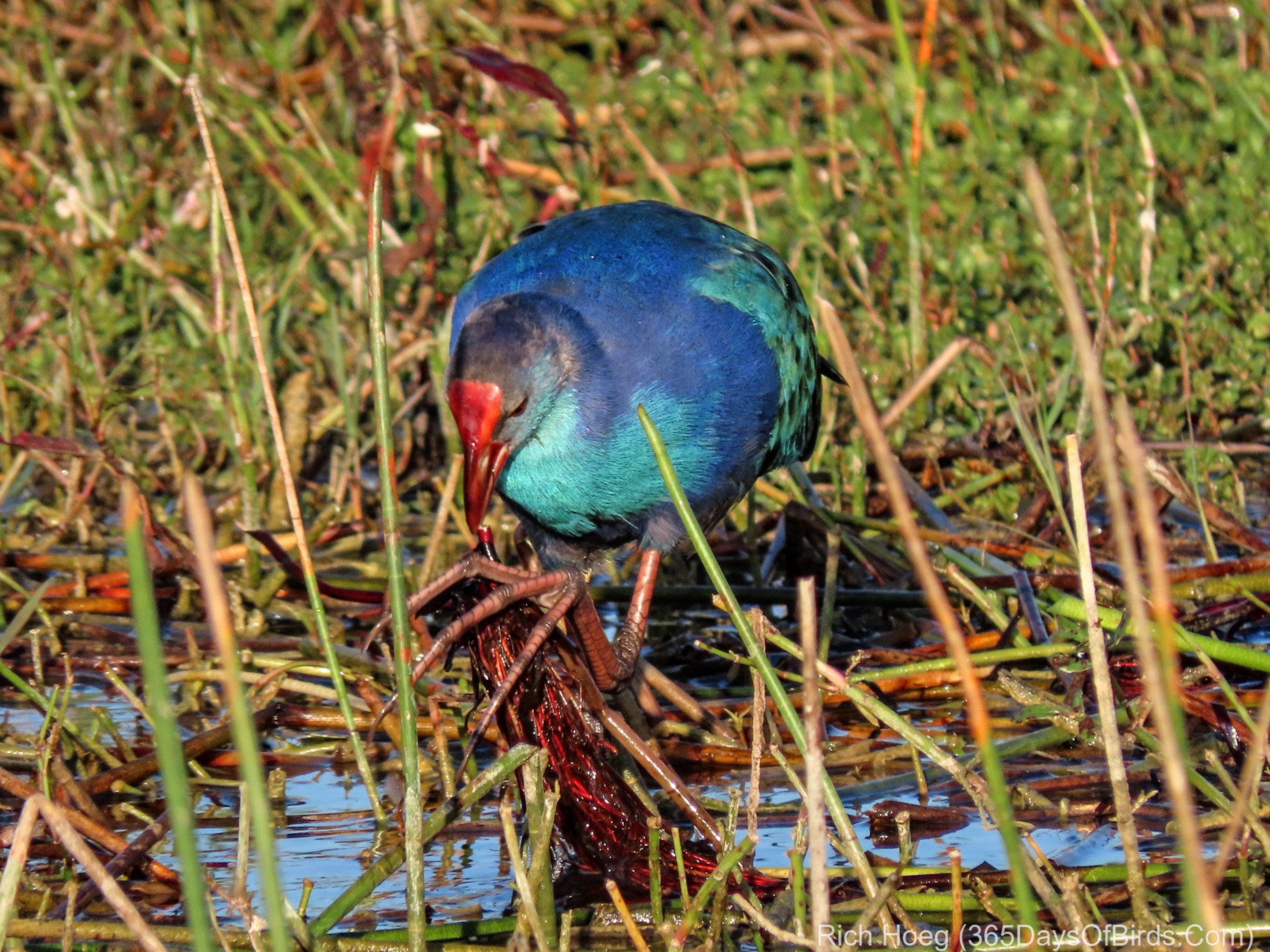
The bird which I enjoyed most this morning was the Gray-Headed Swamphen. In the early morning light its indigo blue plumage was breathtaking. Actually, before yesterday I had never heard of a Gray-Headed Swamphen (Audubon Link). Apparently its is thought this bird, native to SE Asia, escaped from captivity shortly after a Florida hurricane in the 1990’s. Fast forward 25 years and there is now a decent wild population in Florida.

Gray-Headed Swamphens

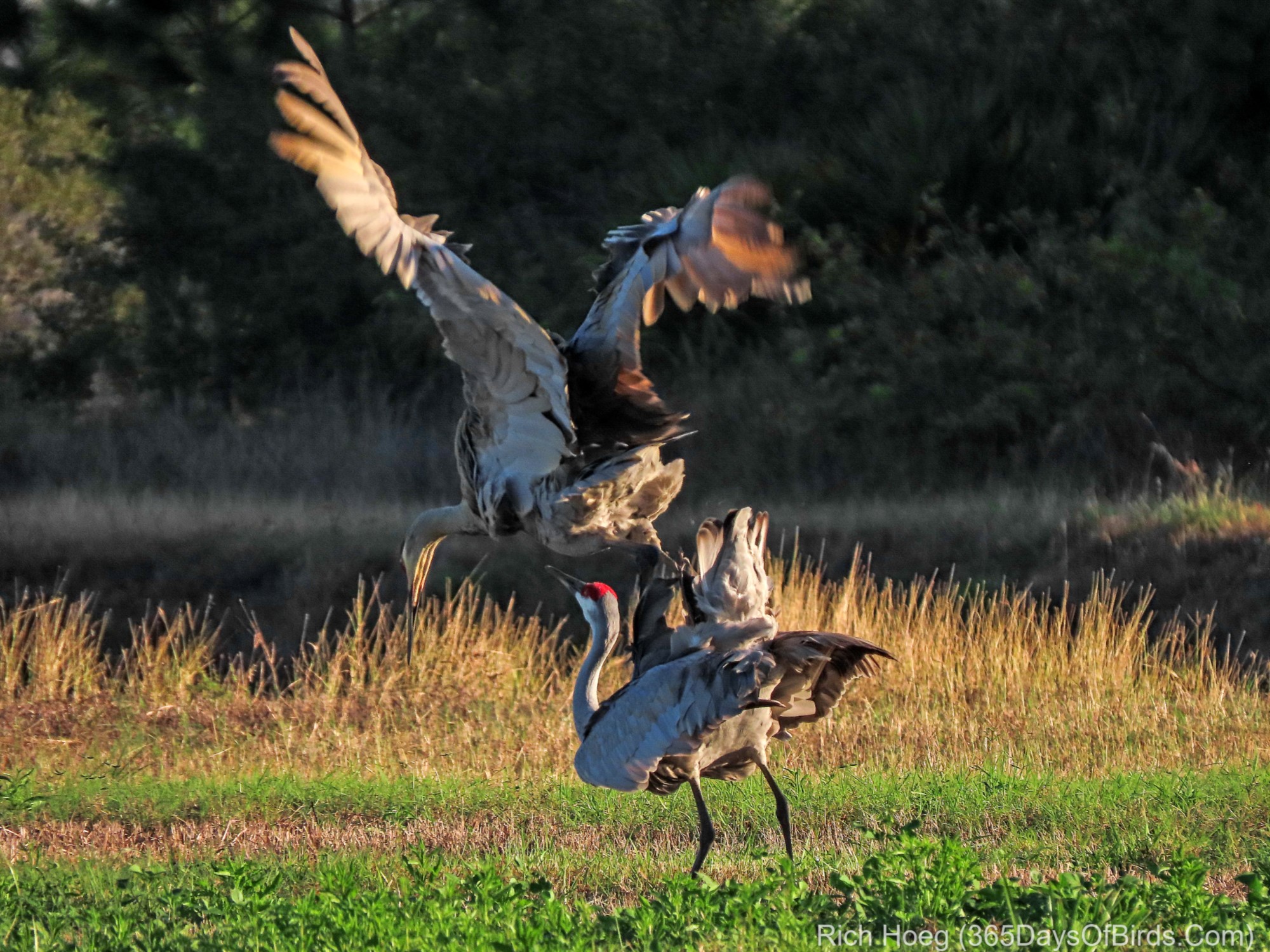
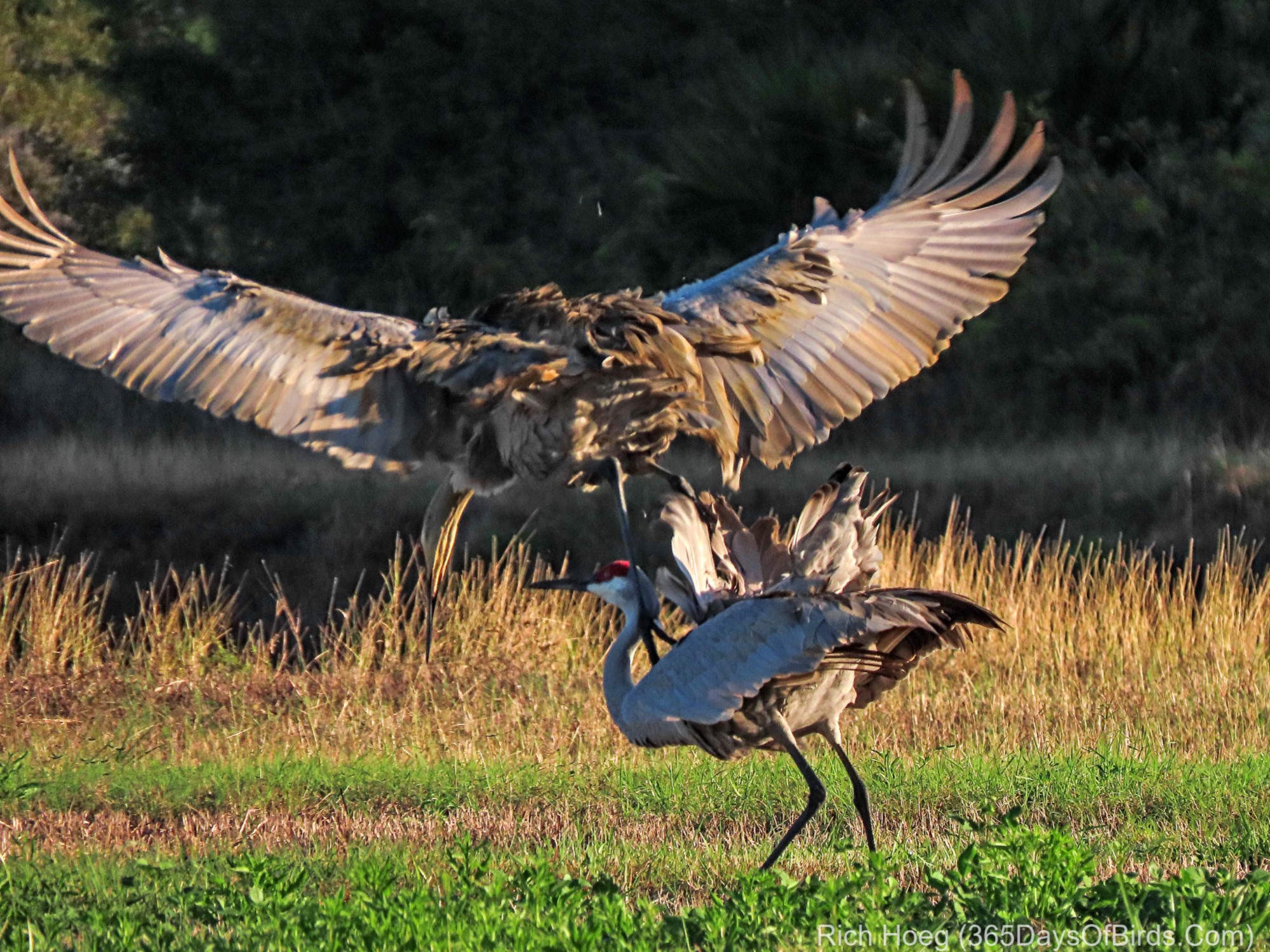
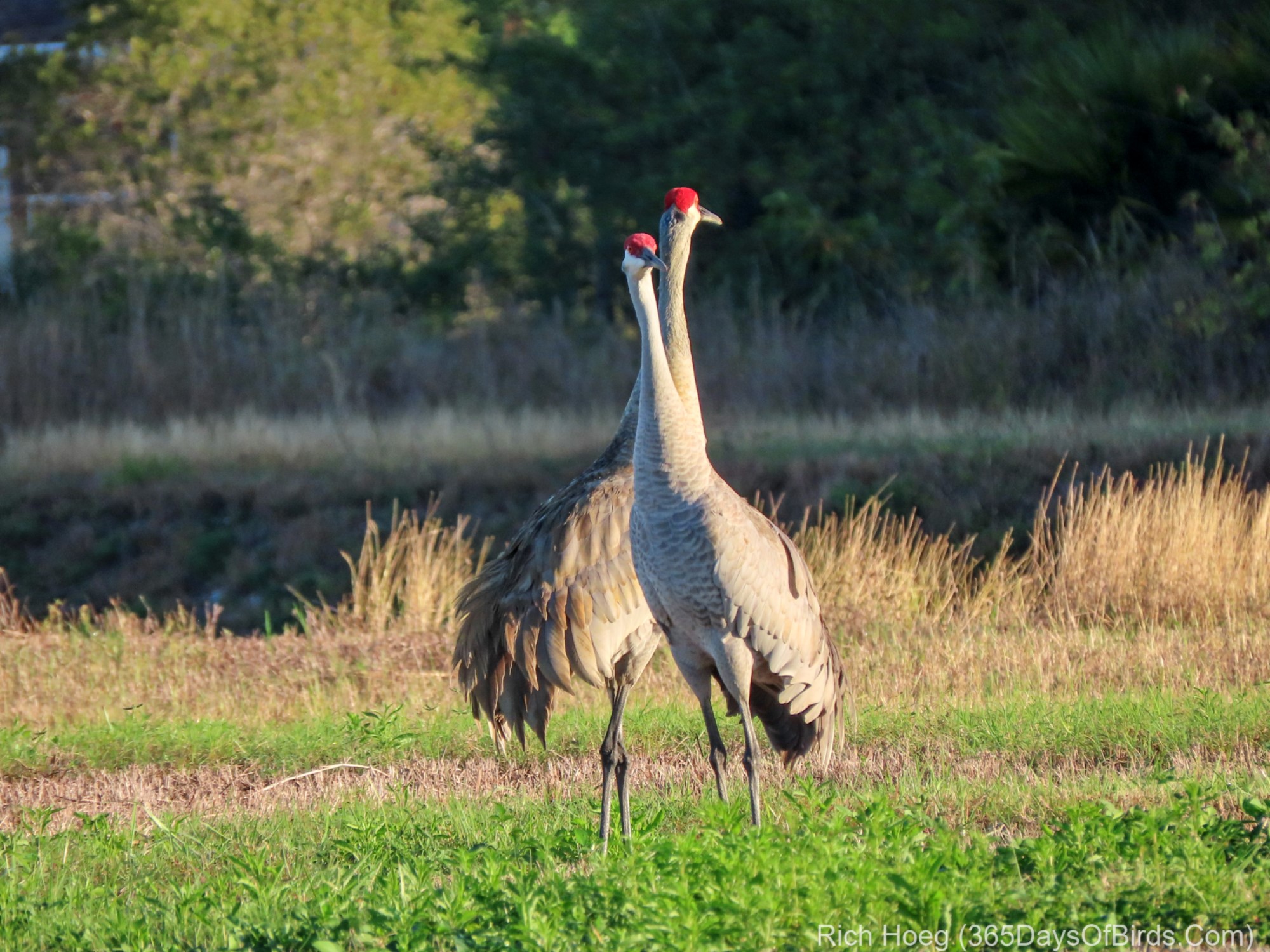
While watching the Swamphens, I saw motion out of the corner of my eye. While I do not find Sandhill Cranes rare and see them commonly up north, I do not normally see them mating. The Cranes at Harns Marsh let one come amazingly close. In the final pic of the mating sequence I can almost imagine one bird saying to its mate … “Was it good for you also!” I actually have quite a few more pictures from the coupling, but all I had time to do was to turn, realize what was happening, zoom and press the shutter. I was lucky that my camera settings sort of worked.

Sandhill Cranes

And a few other birds I enjoyed …

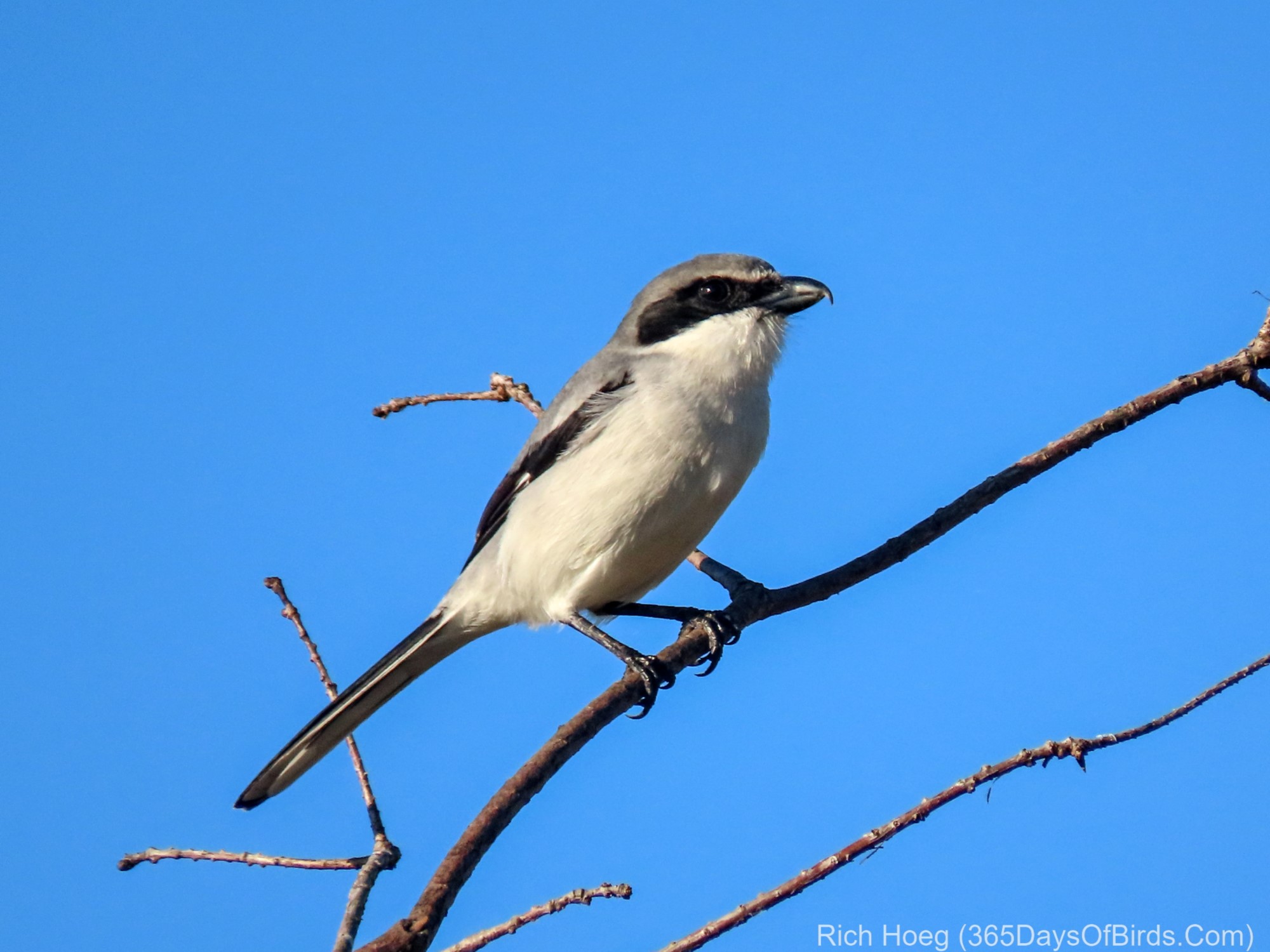
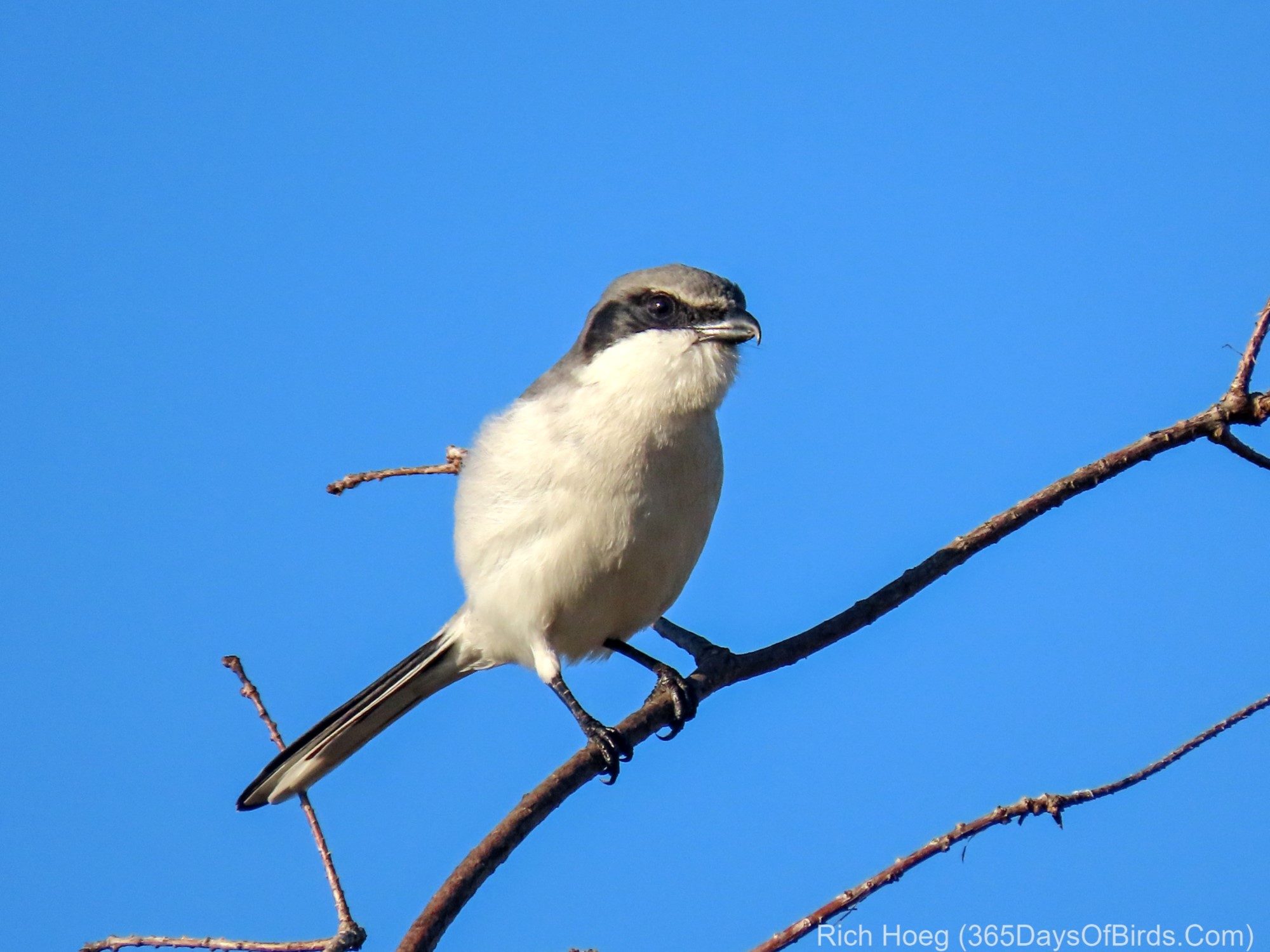
Loggerhead Shrike

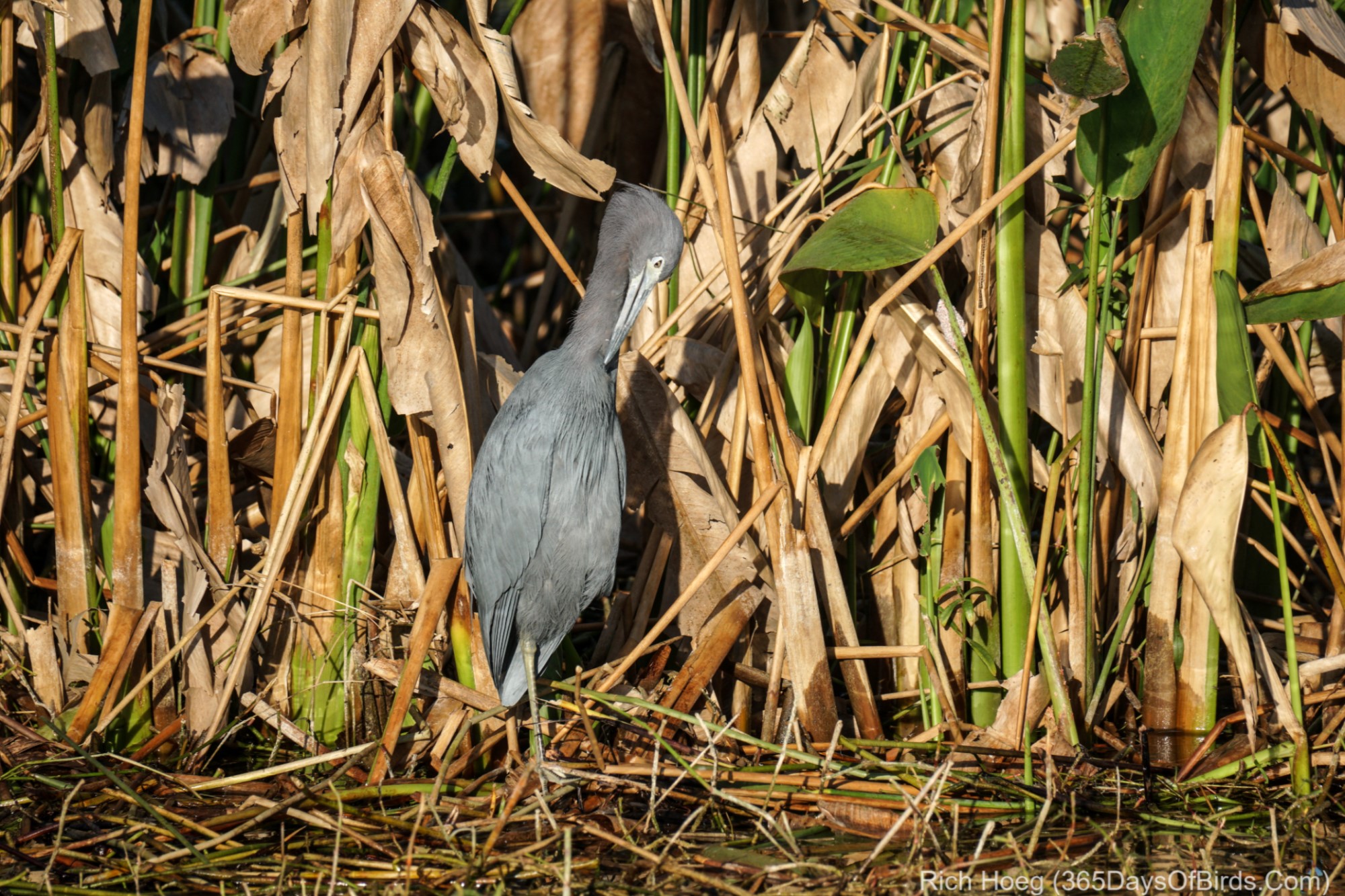
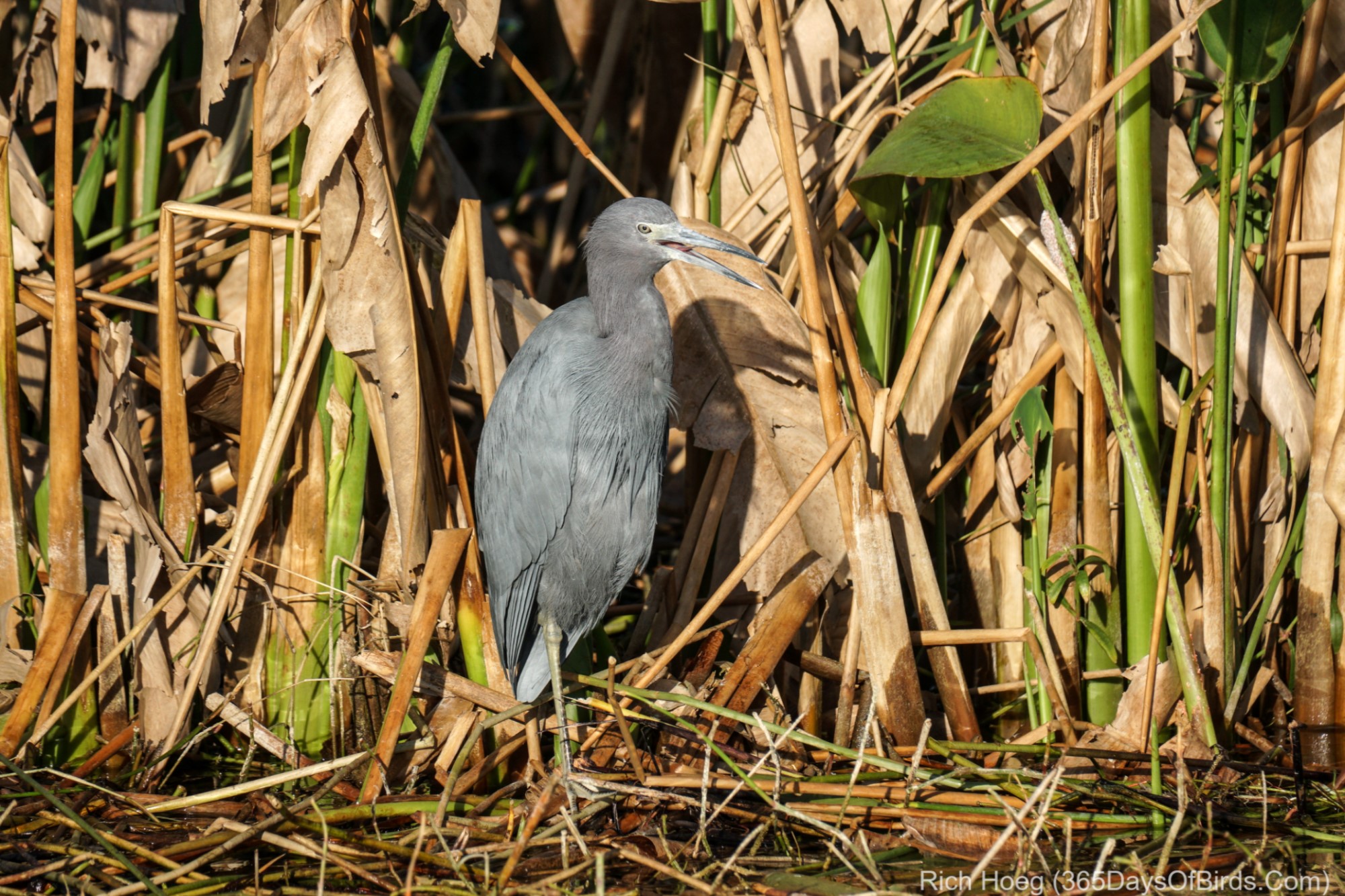
Little Blue Heron

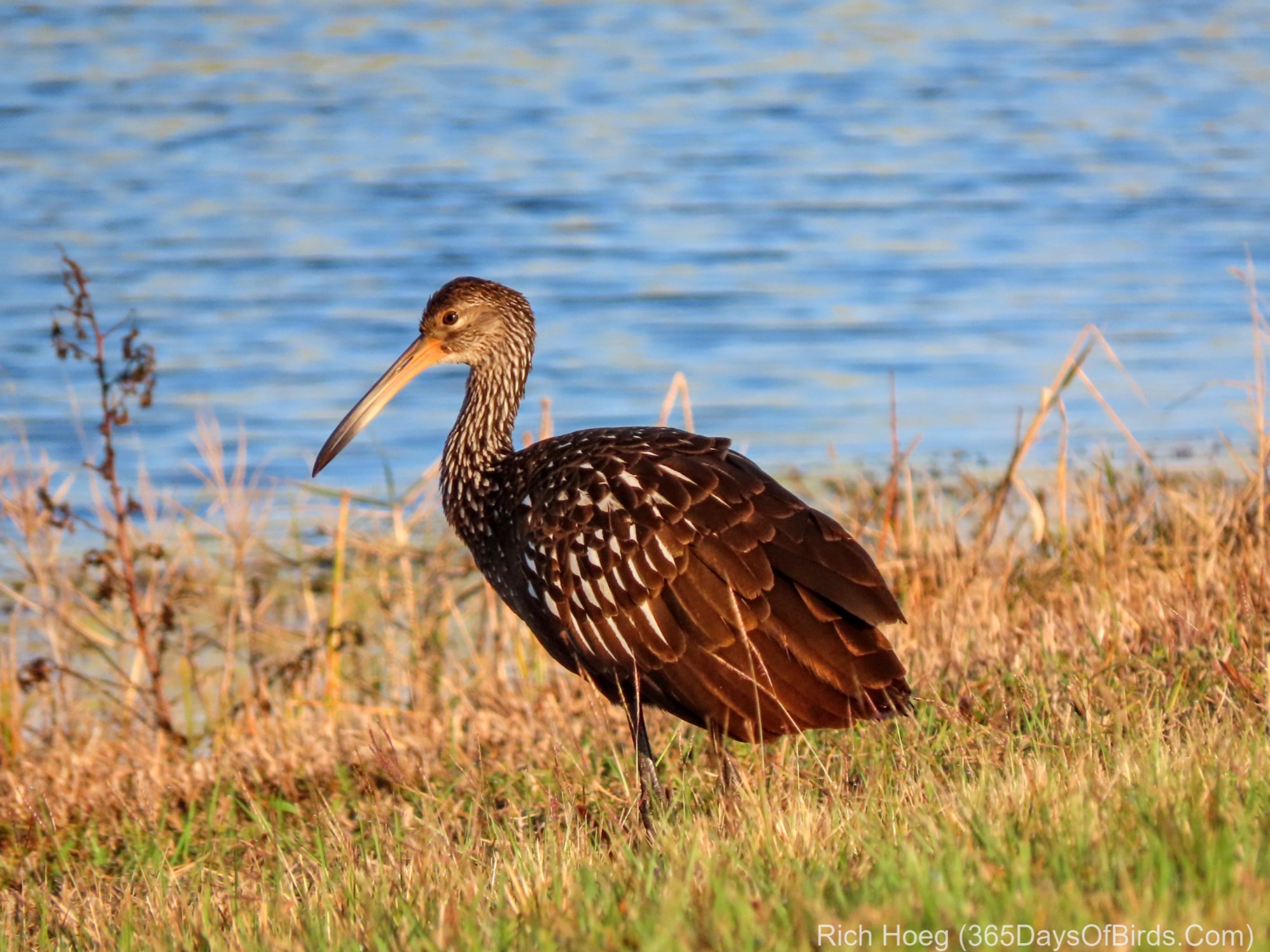
Limpkin

J.N. Ding Darling Wildlife Preserve Bicycle Birding

Late Thursday morning I drove over to Sanibel Island and the J.N. Ding Darling Wildlife Preserve. I timed my arrival to two hours before low tide. As the tide retreats finding food becomes much easier for wading birds. Per my norm I parked at the Visitor Center and then bicycled. Wildlife Drive is one way, has a very slow speed limit, and there are many other cyclists. Taking the entire drive yields an 8 mile ride, and if one breaks off at the bathrooms the loop is one half distance forĀ  4 miles. I took both loops for a total of 12 miles. However, if you bicycle just past the bathrooms at two miles into your ride, and bird the open flats on either side of the road … and then WALK you bicycle back a couple of hundred yards back to the washrooms (do not ride against the one way traffic unless you wish to have US Park Rangers get very mad at you), one may pick up the shorter four mile ride but still visit the best open vistas. Download a PDF map of the preserve for more details.

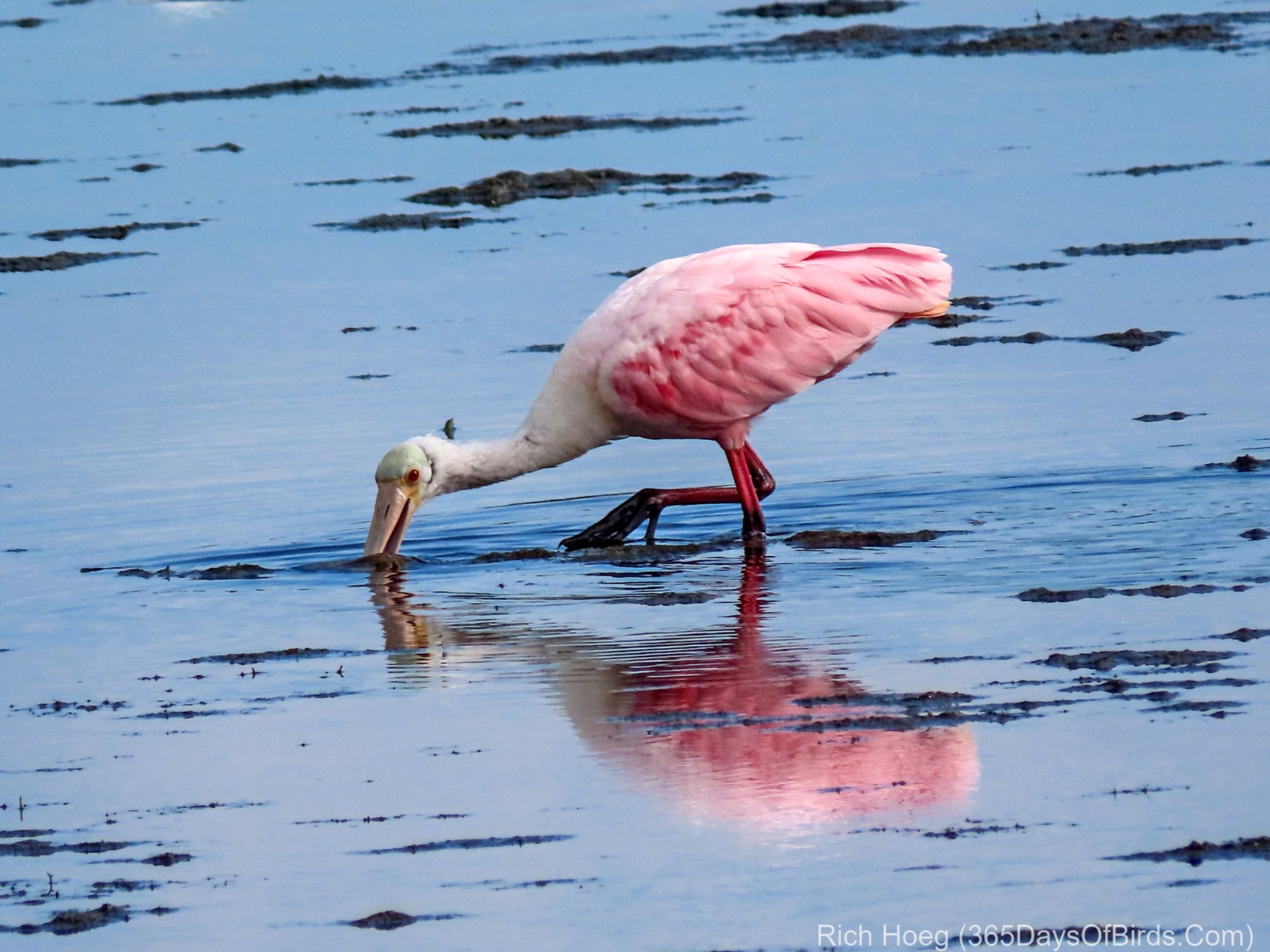
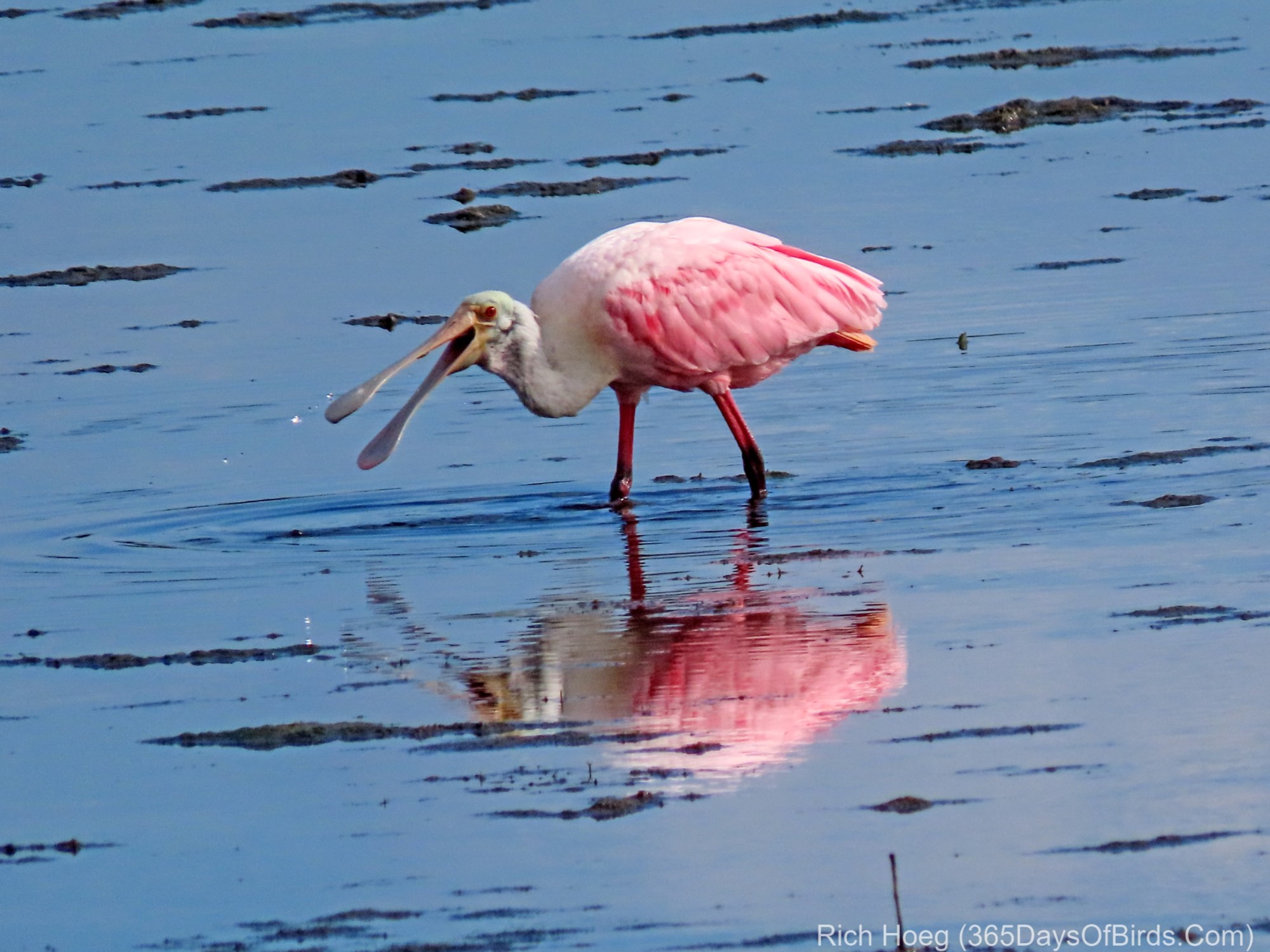
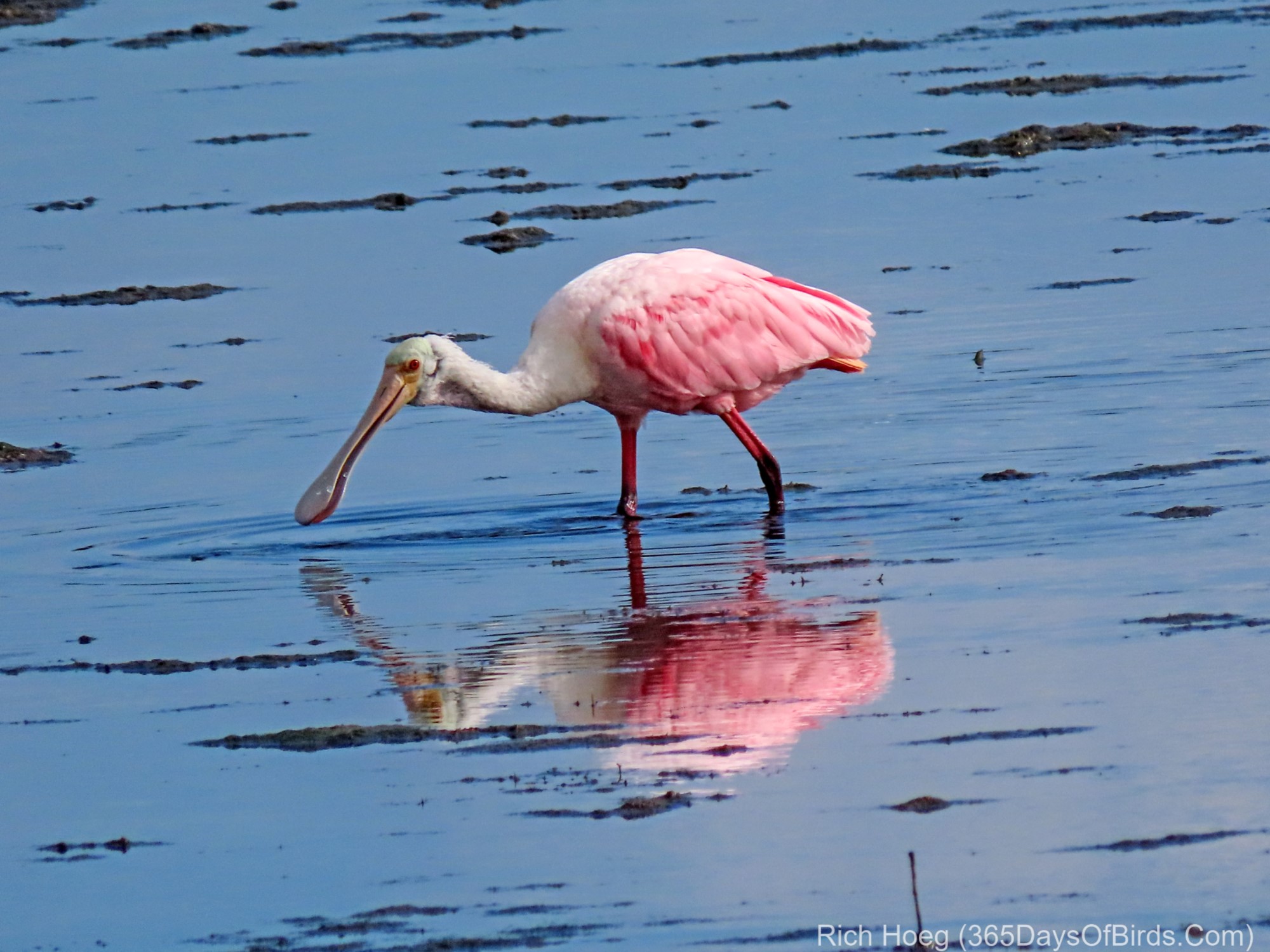
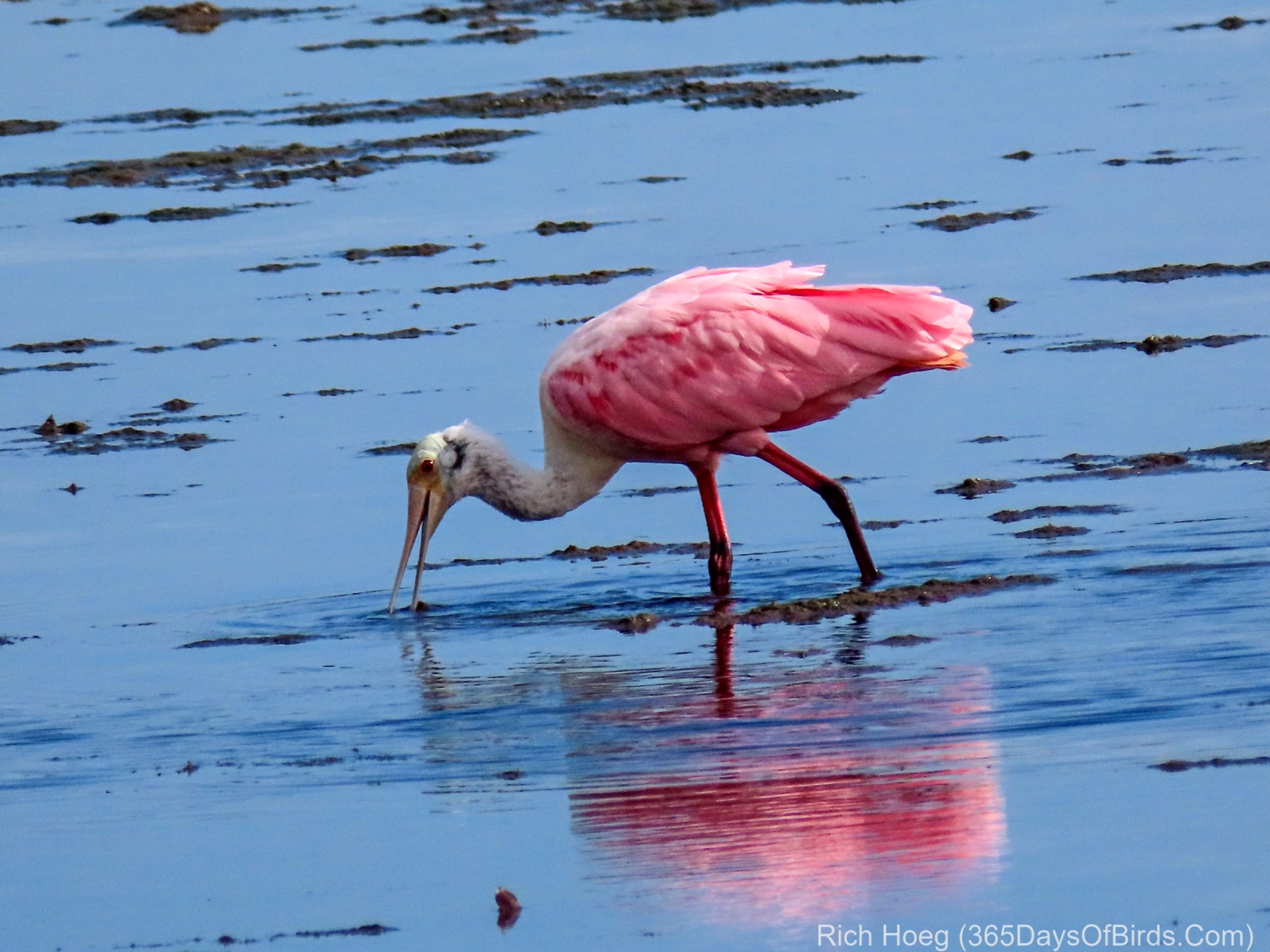
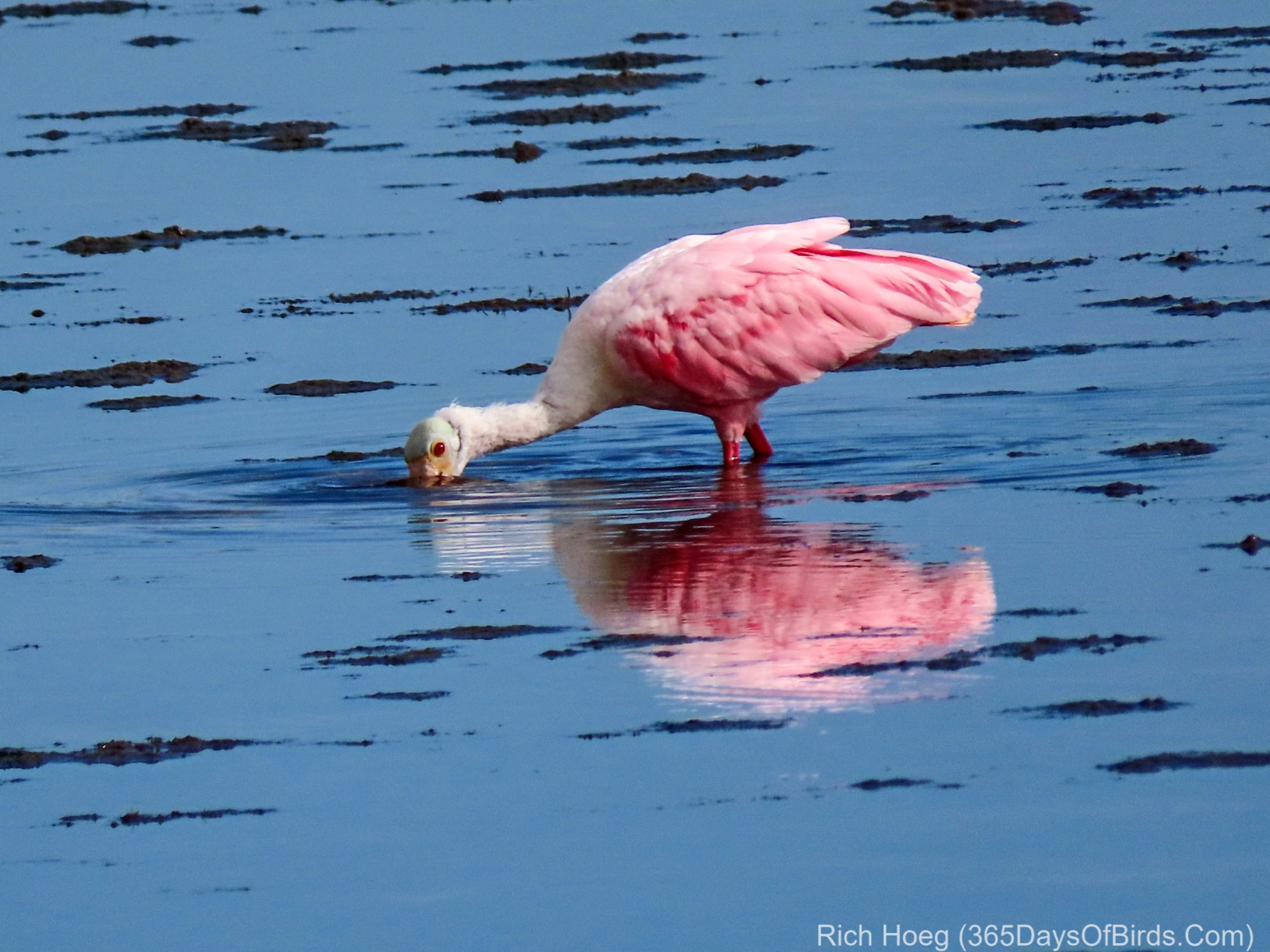
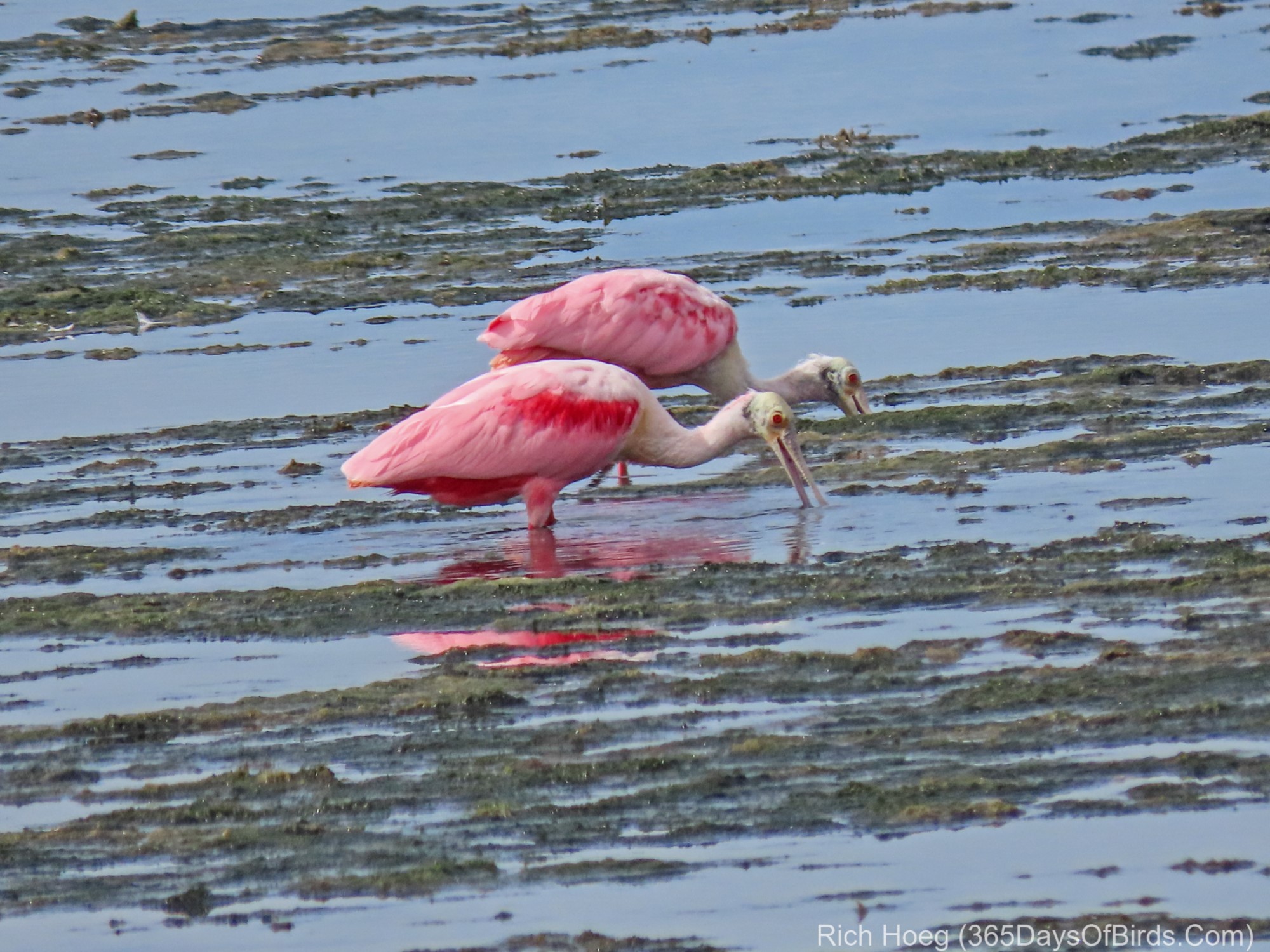
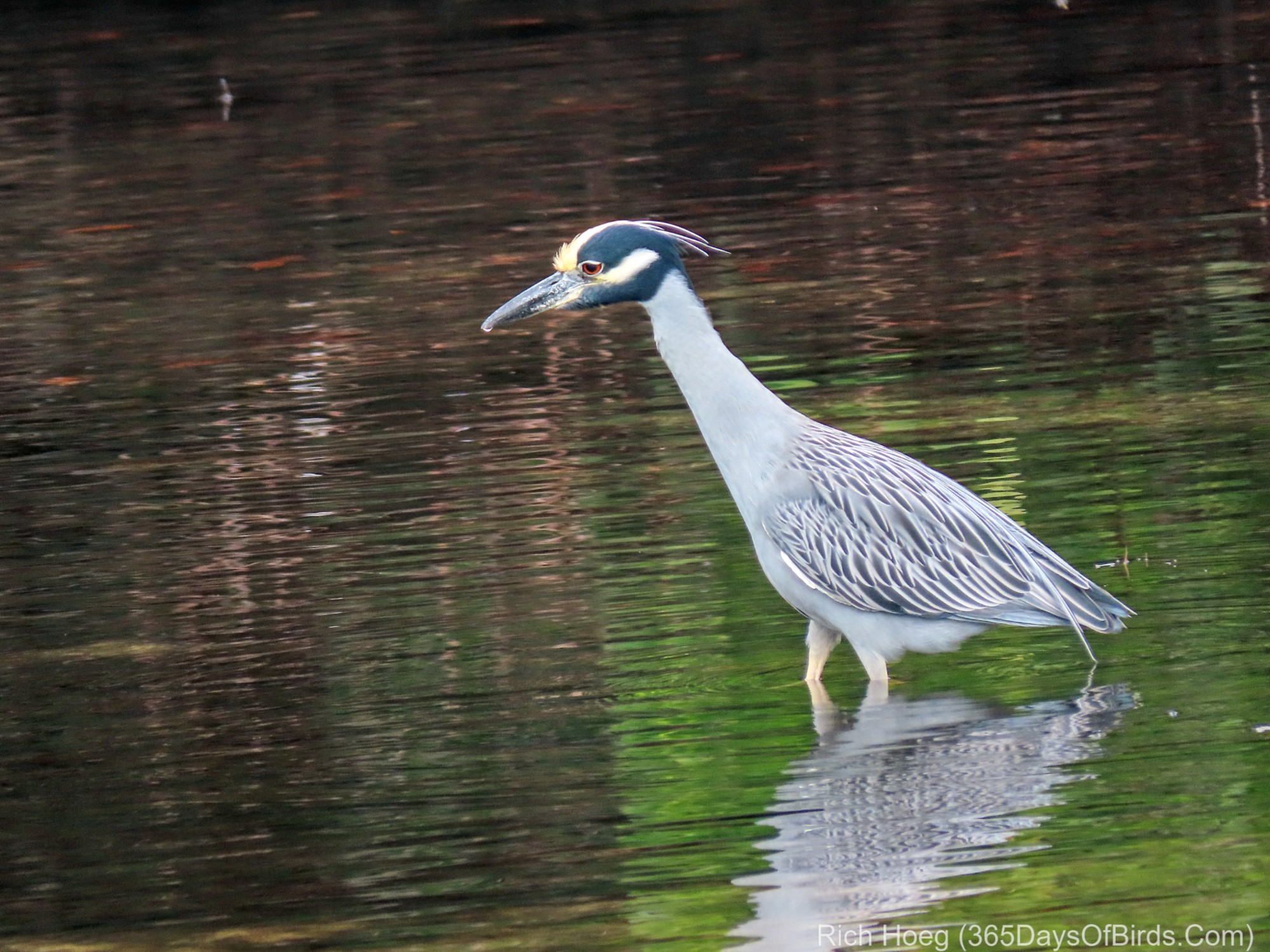
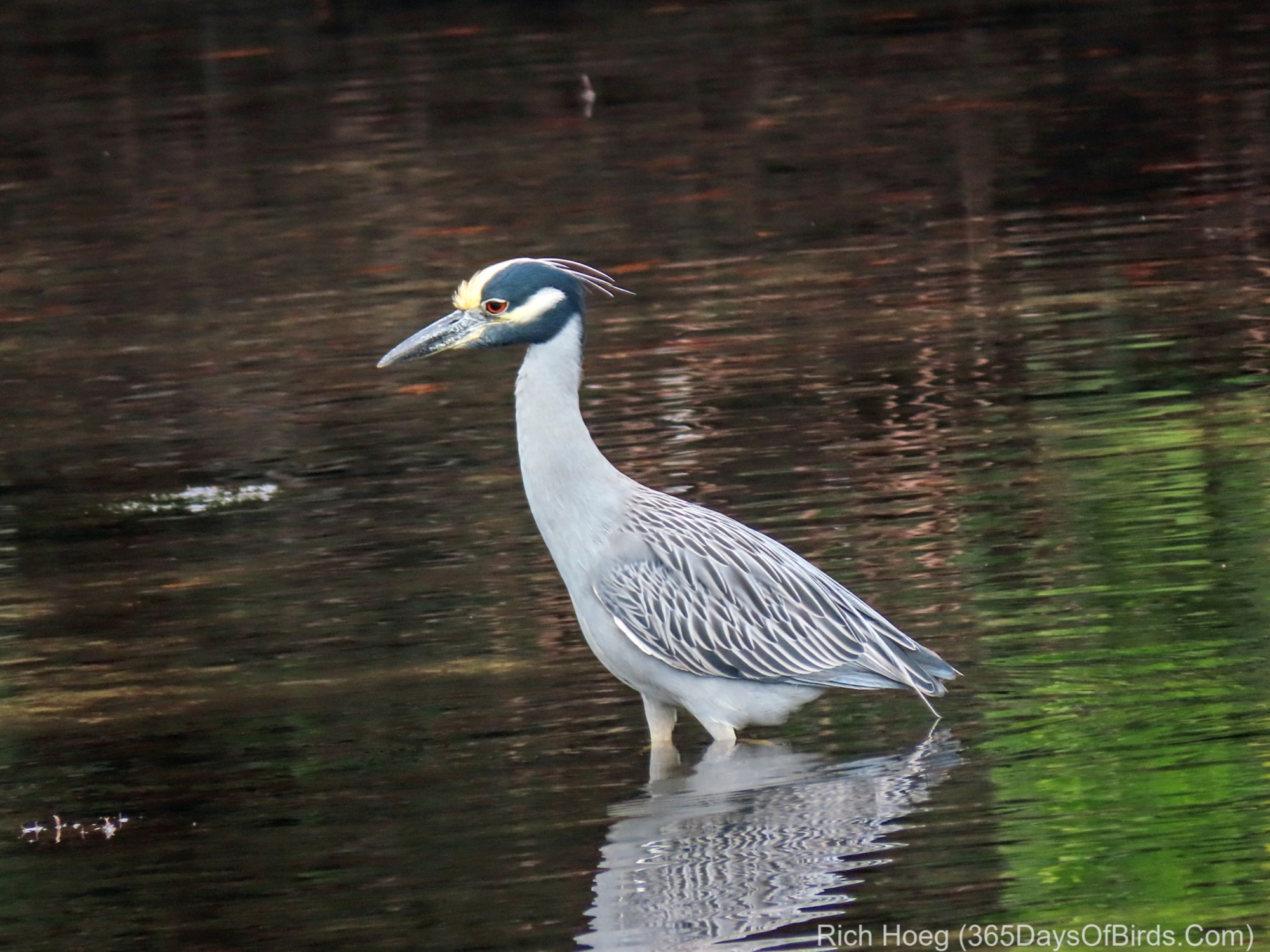
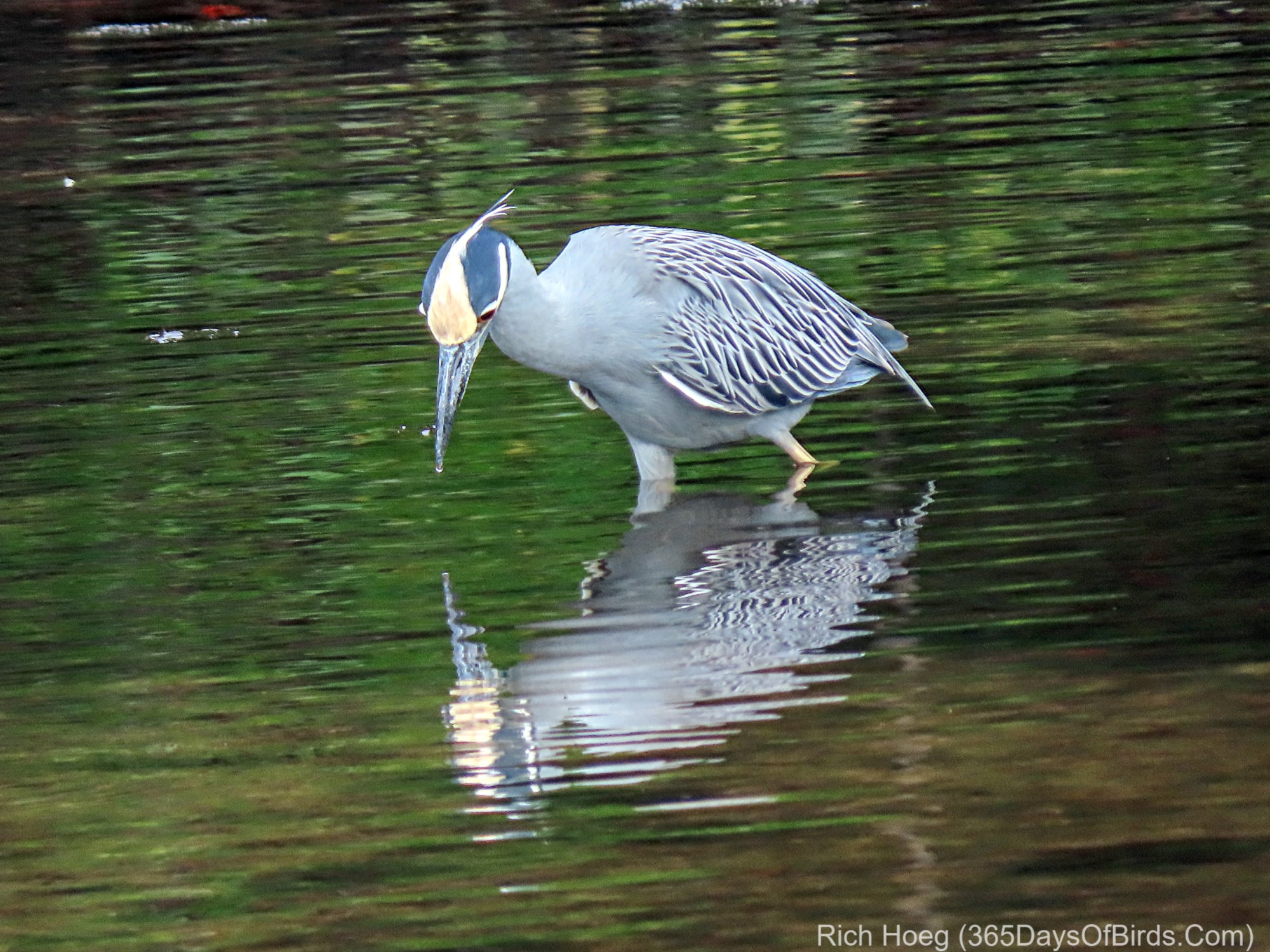
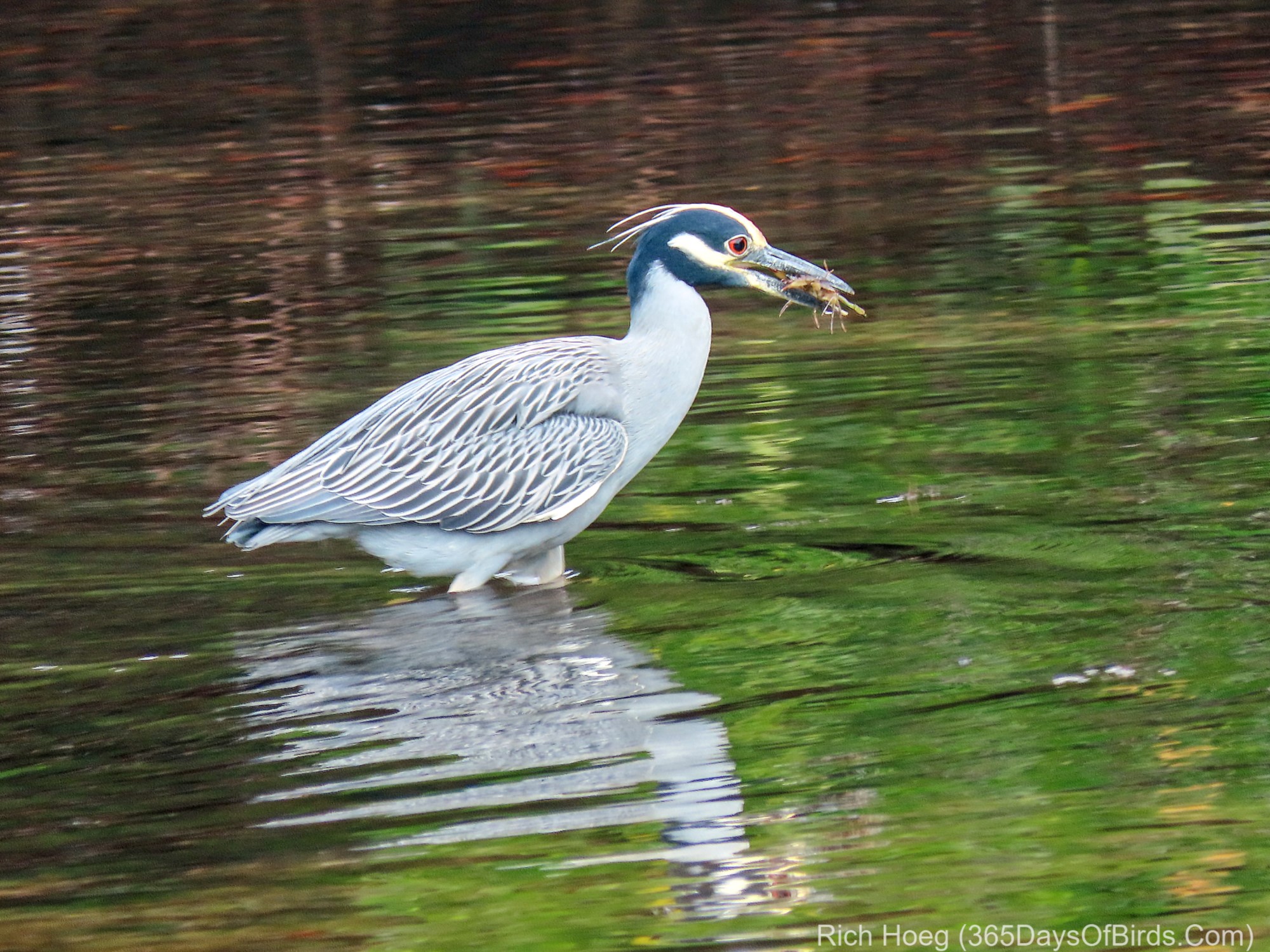
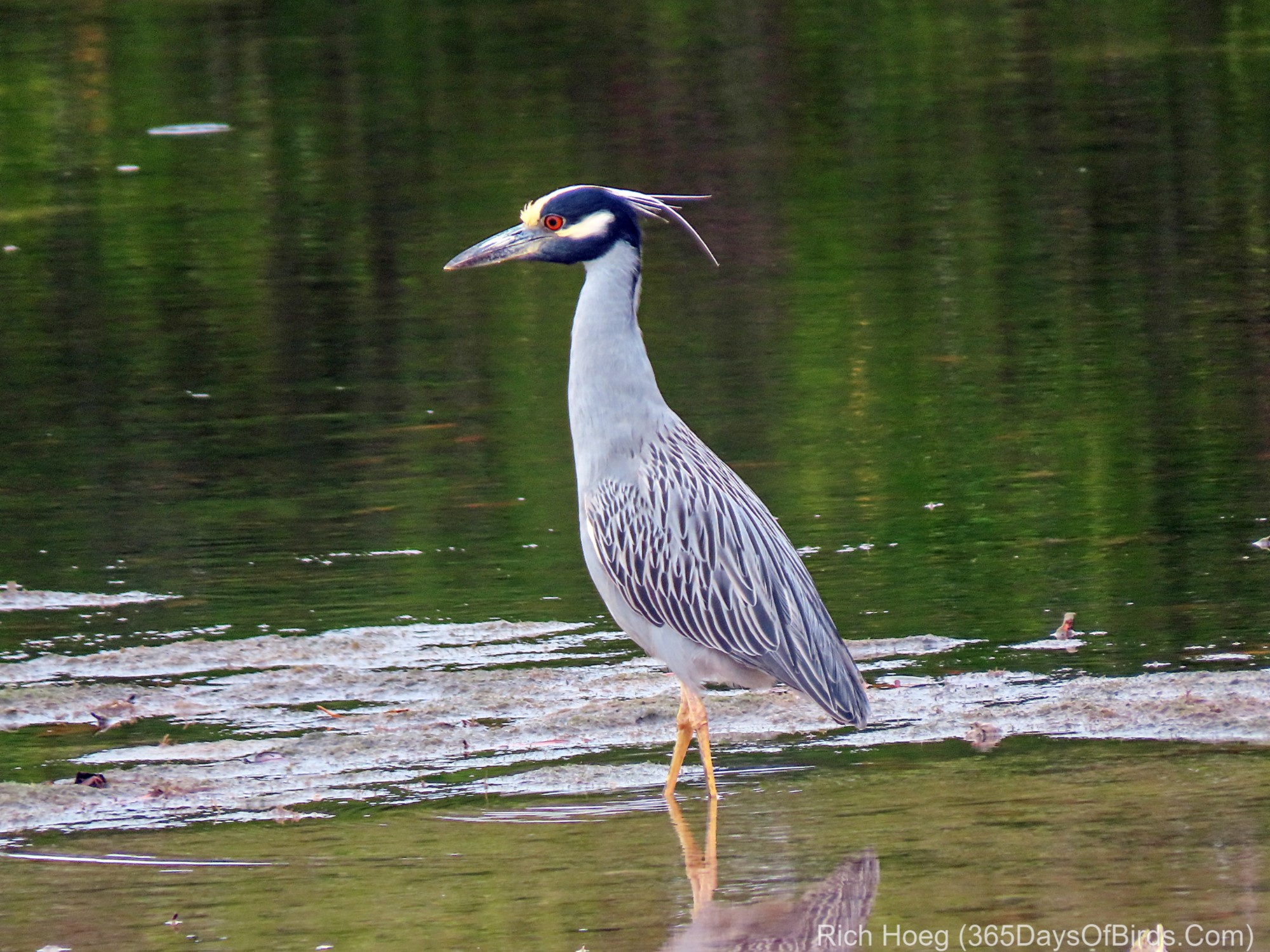
My target birds were Roseate Spoonbills and Yellow Crowned Night Herons. Neither species disappointed me. I saw six Spoonbills and an unbelievable number of Night Herons. I am way behind on processing photographs. Lot of cool places to visit, bicycle and bird.

Roseate Spoonbills

Yellow-Crowned Night Herons