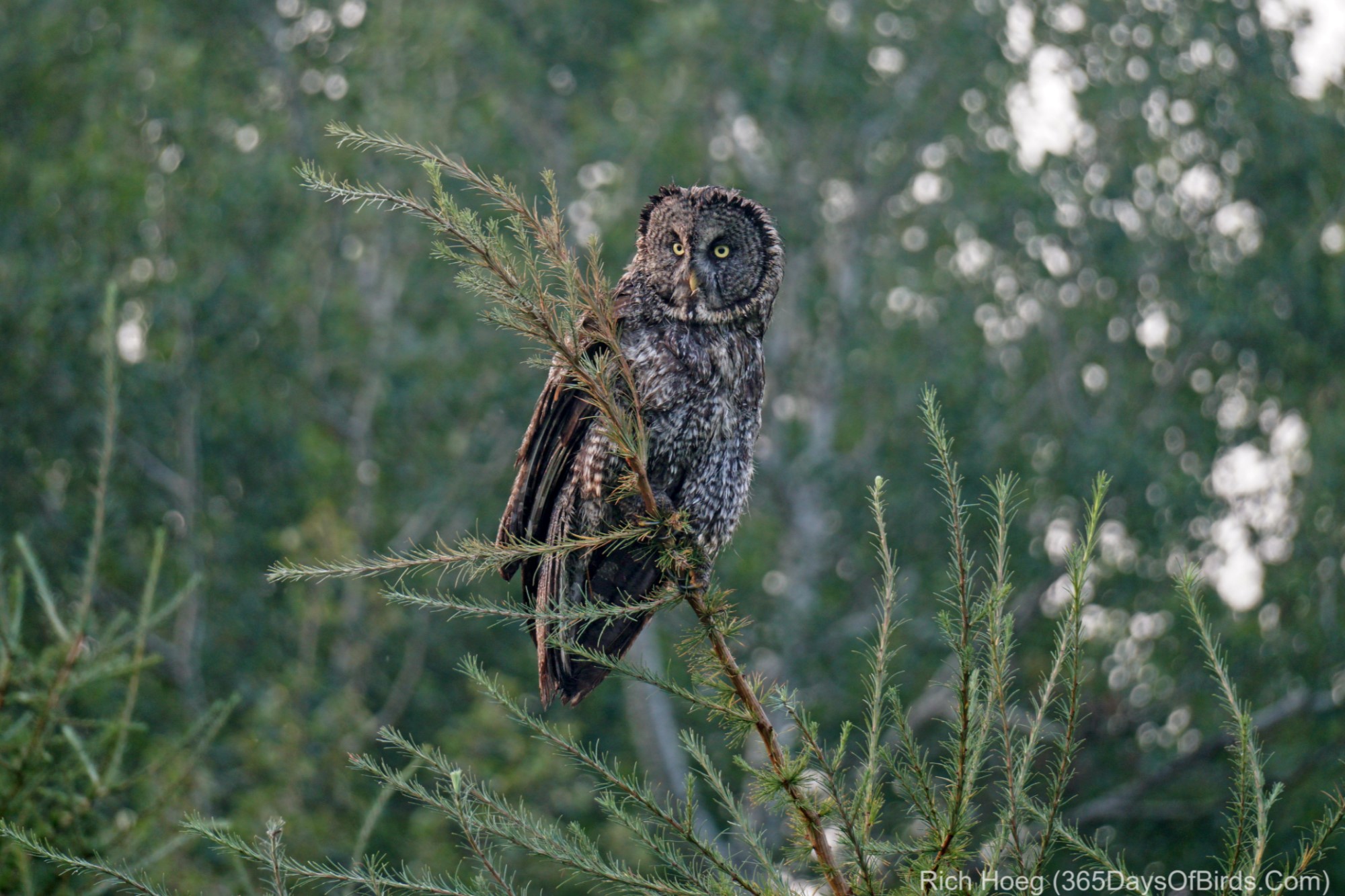
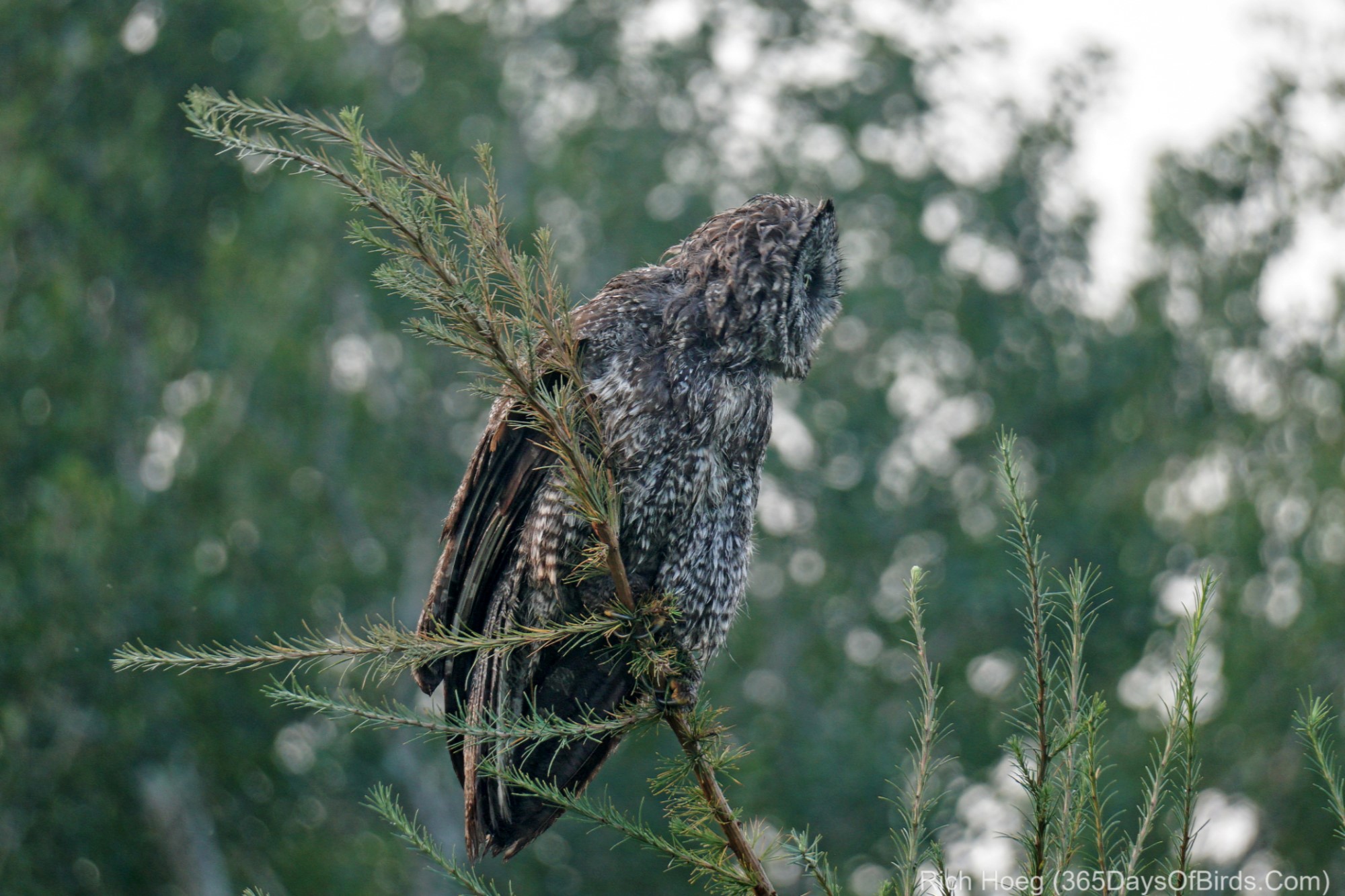
The Greenwood Lake Forest Fire is in the news and for good reason. This fire ignited on August 15th from a lightning strike, and has been growing about 1,000 acres per day due to warm, dry, windy conditions. The prevailing winds have been from the south, which unfortunately threatens many wilderness cabins and homes on the McDougal chain of lakes. Many, many people are threatened by this fire, and have been evacuated including a personal friend, Michael Furtman. Mike has a cabin up on McDougal Lake, and I have been following his story as he tries to learn what is happening to his dream cabin in the woods. He and his wife were evacuated safely. Thus, obviously, I do not mean to discount the personal tragedies which are unfolding. It is a sad situation.
This area about 60 miles from my Duluth home is a favorite spot for me to spend time in the forest. The skies are dark (rated a #1 … the darkest in the world), and the wilderness is unspoiled. Here is a selfie I took five years ago as I watched the Northern Lights in the pre-dawn light from the Greenwood Lake boat launch. The fire started on the north shore of the lake in the direction that I am looking. 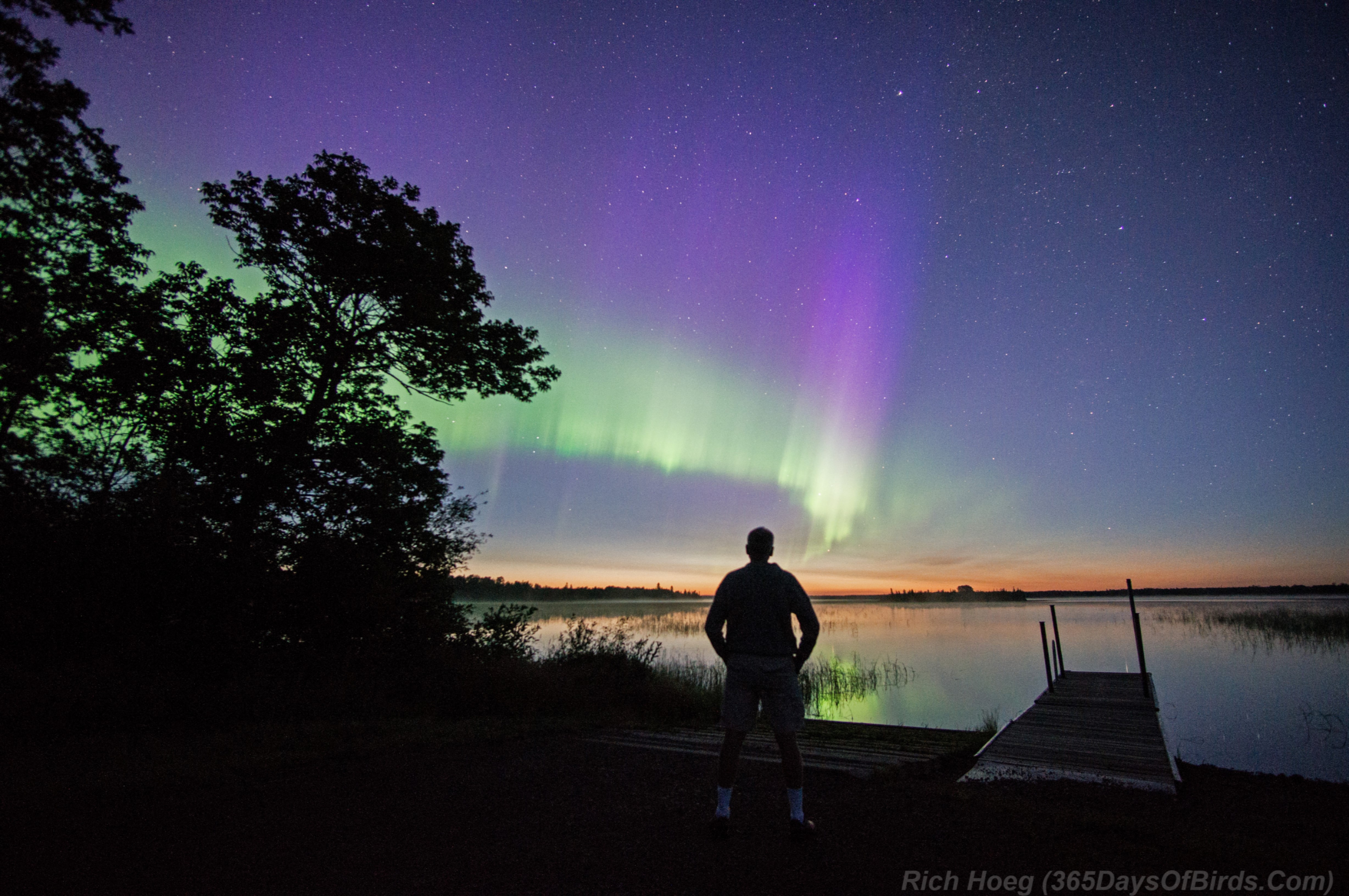
The fire as of this morning (Friday, August 20th) is just under 5,000 acres. The forest service is hoping to use Lake County 2, Minnesota Highway 1, McDougal Lakes and a Power Line Cut on the south of the region to contain the fire. However containment is made difficult when embers skip forward 1/2 mile north of the fire and start new areas burning. The red area just north of Greenwood Lake is the present boundary of the fire.
(source of map and image: Superior National Forest)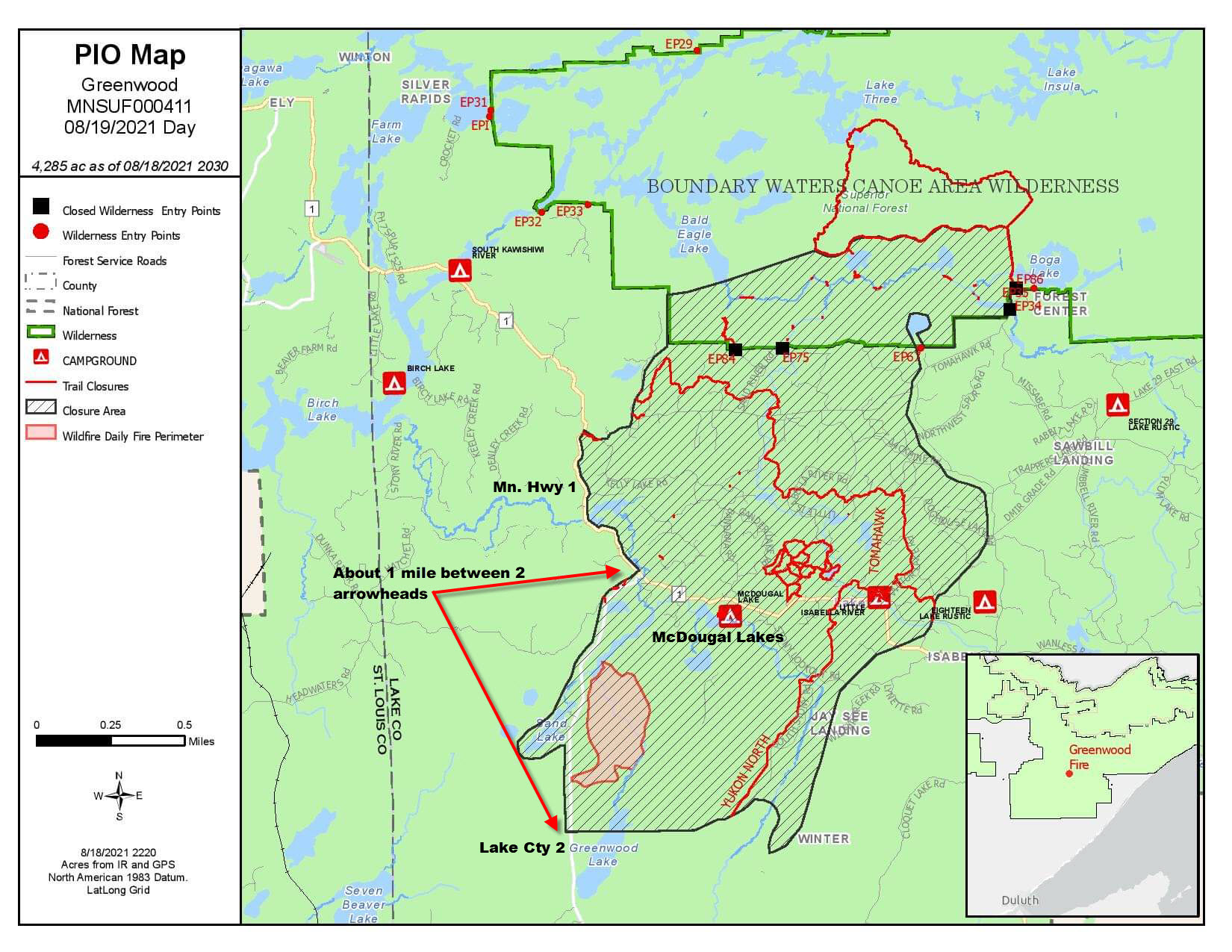
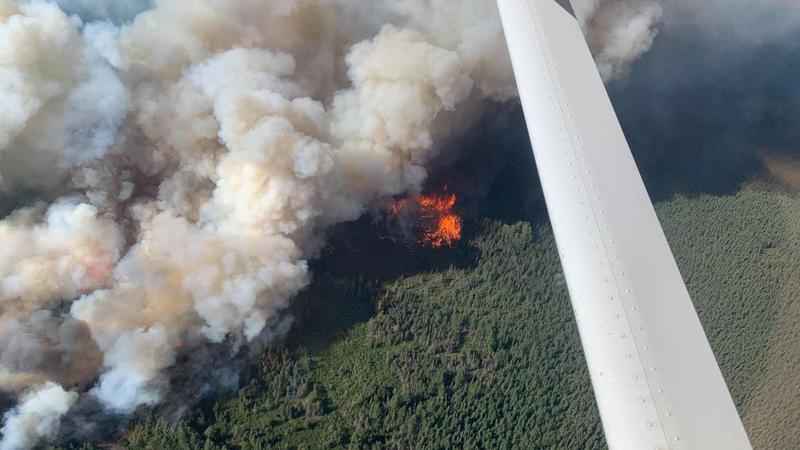
Fires in recent years have proven more of a problem to extinguish. Over the past 50 years, fires were often put out too quickly. While this might seem smart, forest fires are a natural part of the environment. Through fires forest grow anew. Fire management now lets fires burn in areas which do not threaten people. The Forest Service is trying to protect the McDougal Lake area and its cabins.
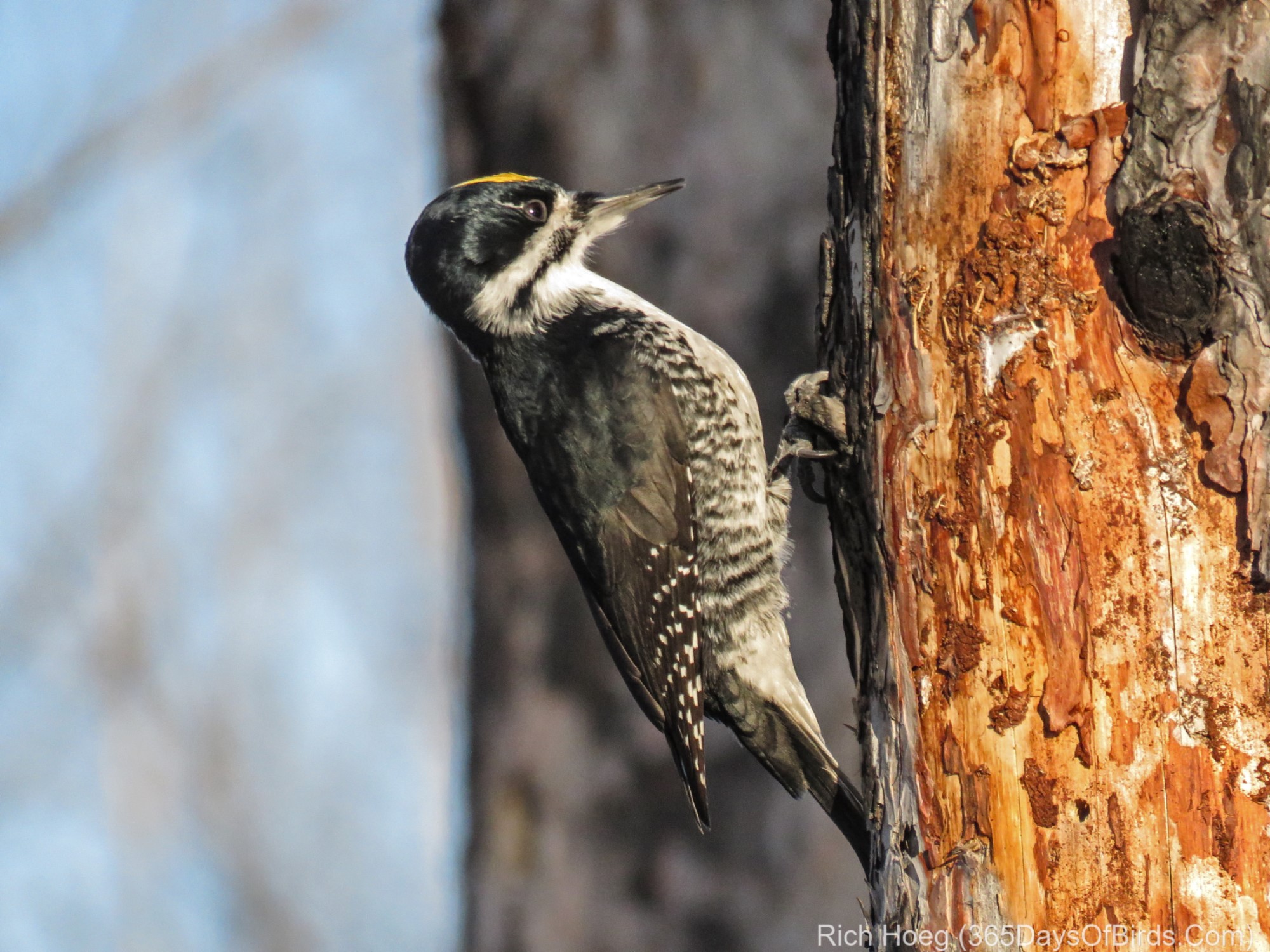
This fire will change the area. Within 5 to 7 years new spruce trees will repopulate the area providing great forage for animals and birds alike. Within a year, one of the first birds that will arrive on the scene will be the Black-Backed Woodpeckers. A few years ago, I actually took these photographs of Black-Backed Woodpeckers in the middle of the Pagami Creek Wildfire burn region. Somehow these woodpeckers figure out there is a new burned out region, and move in for the next five years … enjoying bark beetles that are feasting on the burned out trees.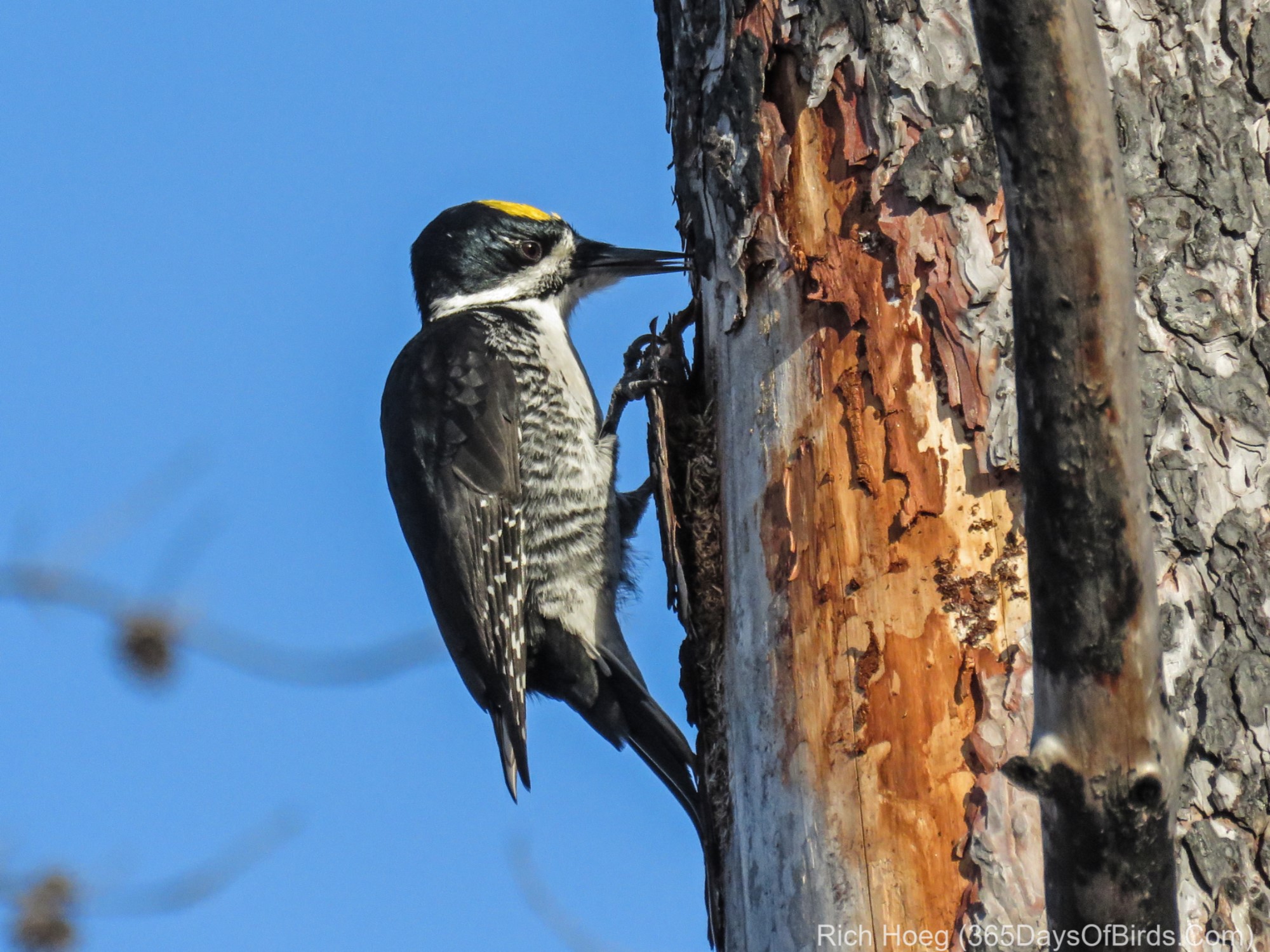
Spruce grouse will rebound in about 5 to 8 years as the new spruce trees grow up. However, there will be slim pickings in terms of food for spruce grouse over the next few years. I took a photo of this Spruce Grouse right within the Greenwood Lake Forest Fire Region last winter. The bird is actually “gritting up” on Lake County 2.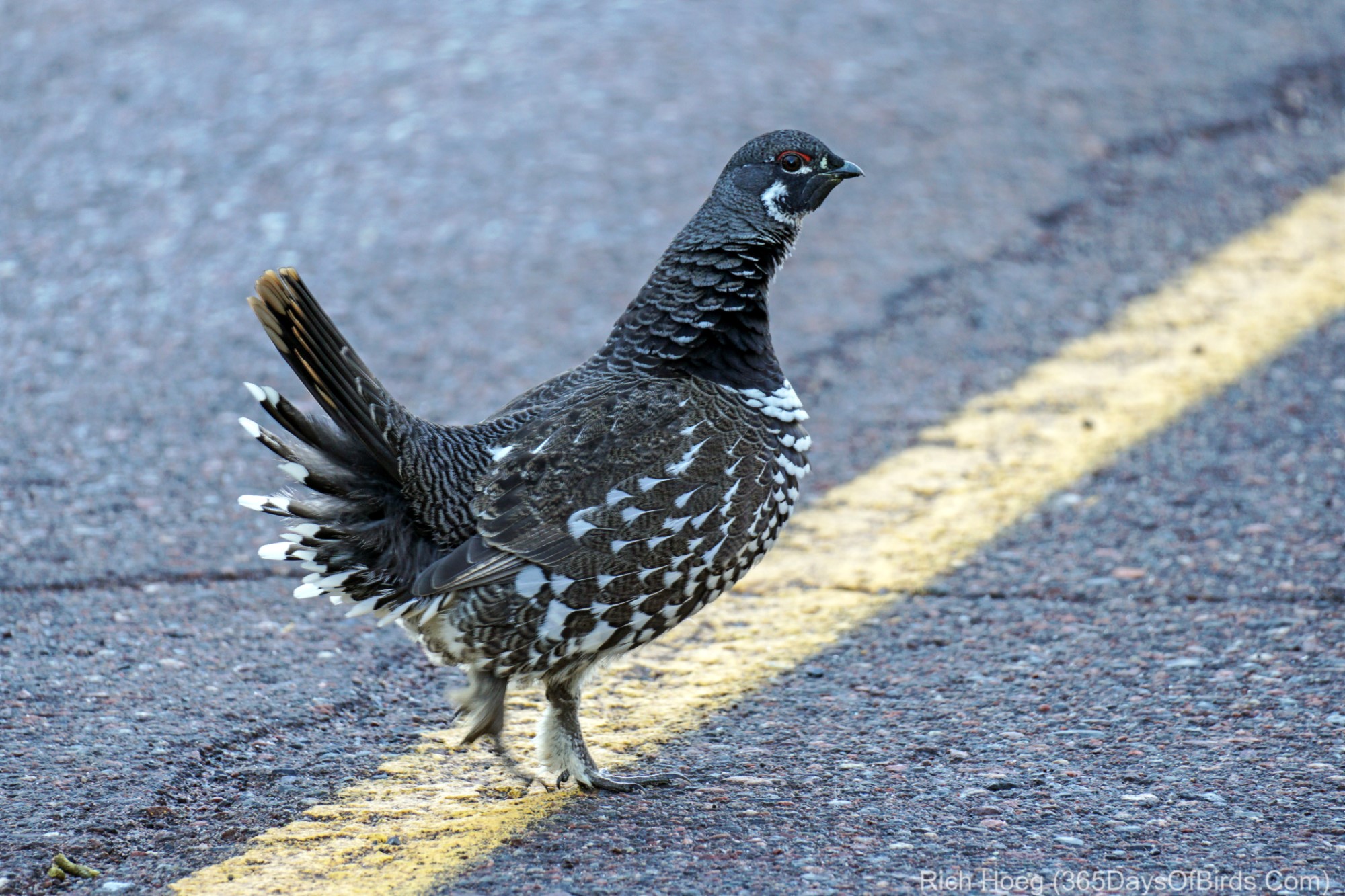
More than birds will be affected. Moose will ultimately move into the regrowth area as the burnt out area provides lots of new forage. However, in the short term this fire may be a tragedy for lots of folks with cabins in the wild. Learn more about forest fire regrowth.