Roadside Ditch Birding!

It does not sound glamorous … roadside ditch birding. Folks talk about taking exotic birding trips to Costa Rica or the Texas barrier islands during spring migration … and where do I bird? Ditches!

Actually my approach makes great sense and is quite productive. After days of rain, and multiple stormy weather days, the ditches hold both water and bugs. Given there is now snow on the ground to our north and west, and overnight lows routinely are down in the 20’s inland from Lake Superior, these ditches represent food to starving, migrating birds. Our weather has caught the late migrants by surprise. Our normal highs for this time of year are 53F. Lately we are lucky if a day tops out at 40F.

The other present birding advantage is starving birds let you get very, very close. While in the spring and summer I need to know habitat, all I need right now for a successful birding excursion is my bicycle which allows me to go slowly and then stop to observe.

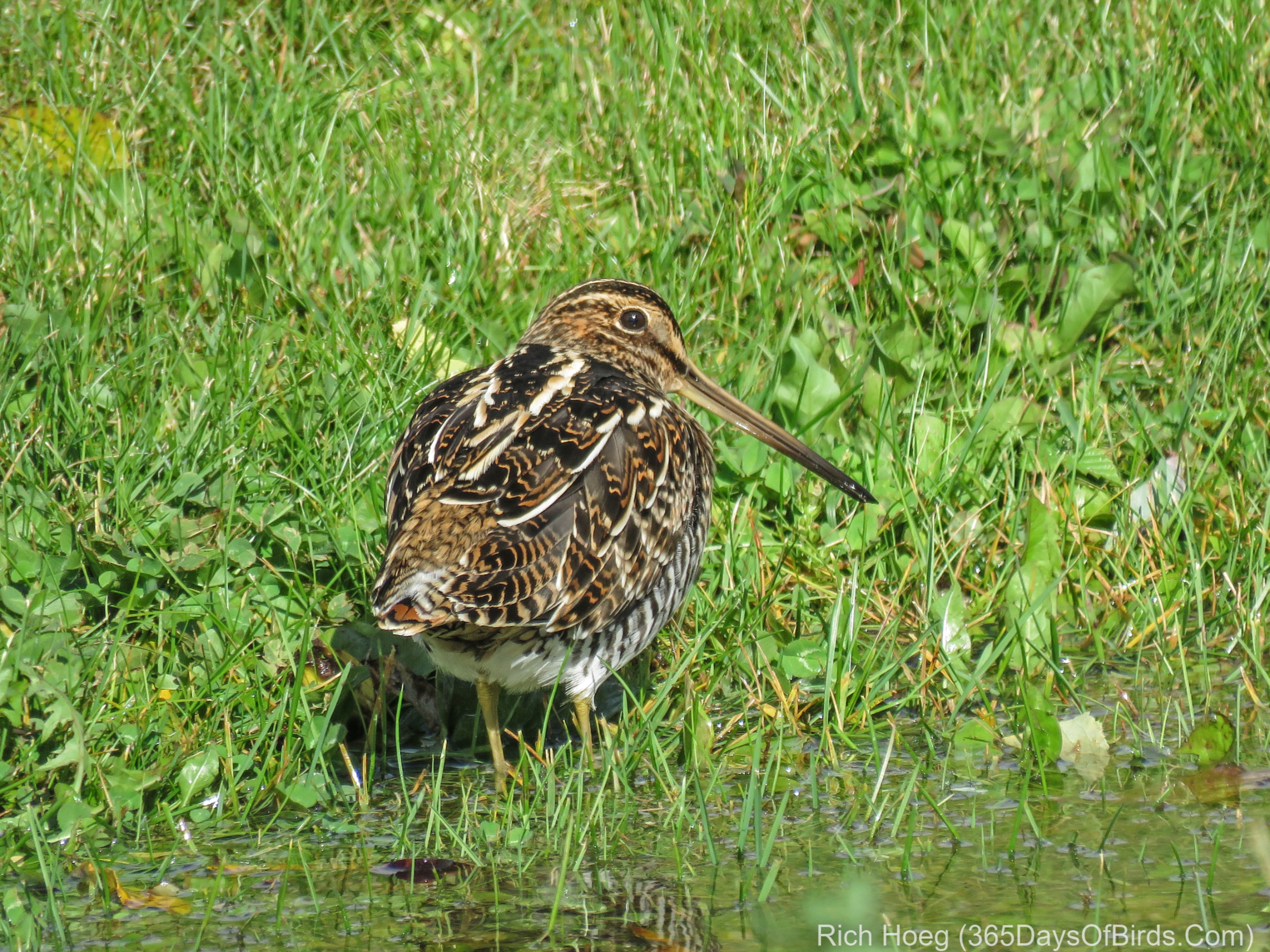
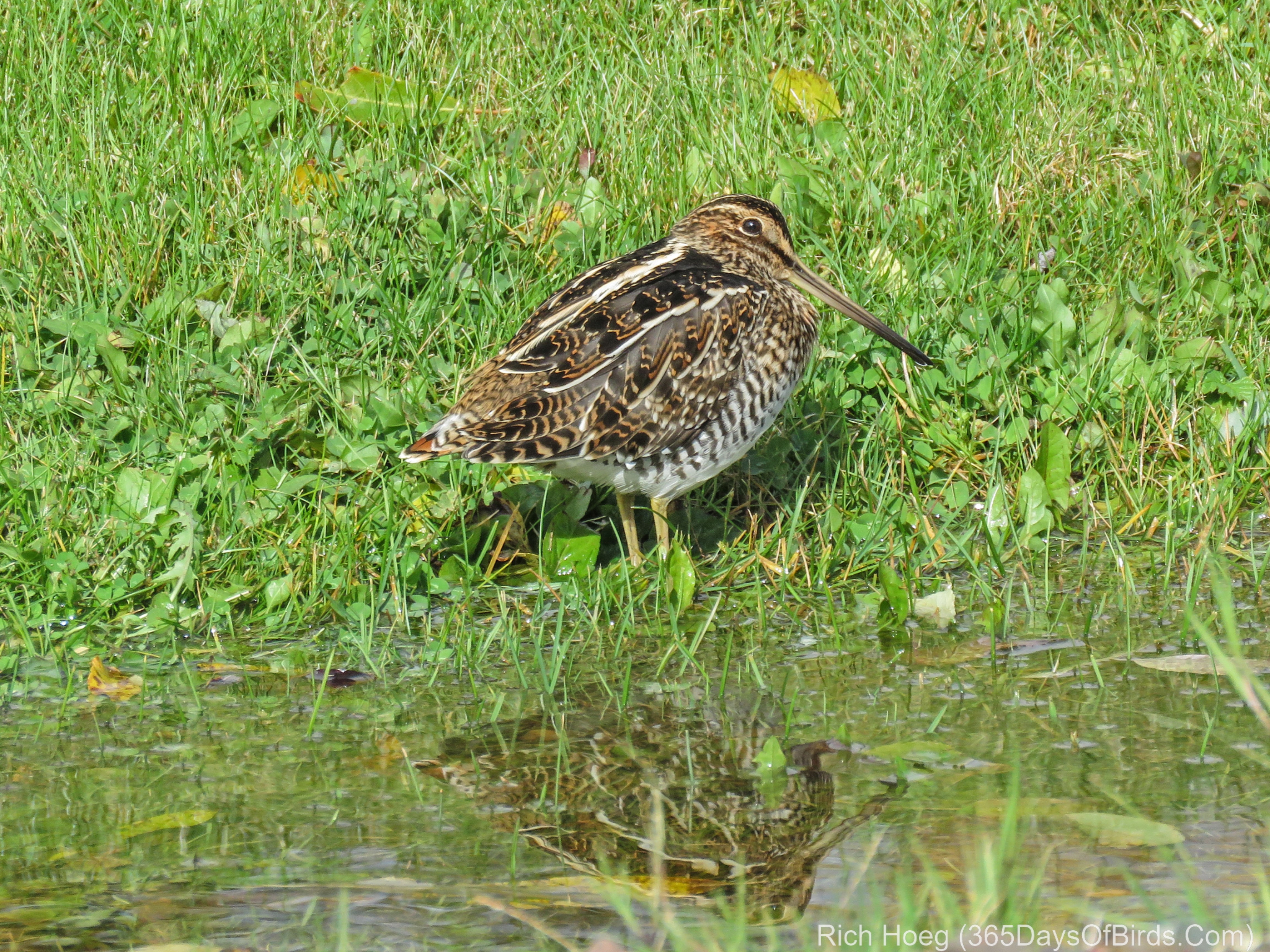
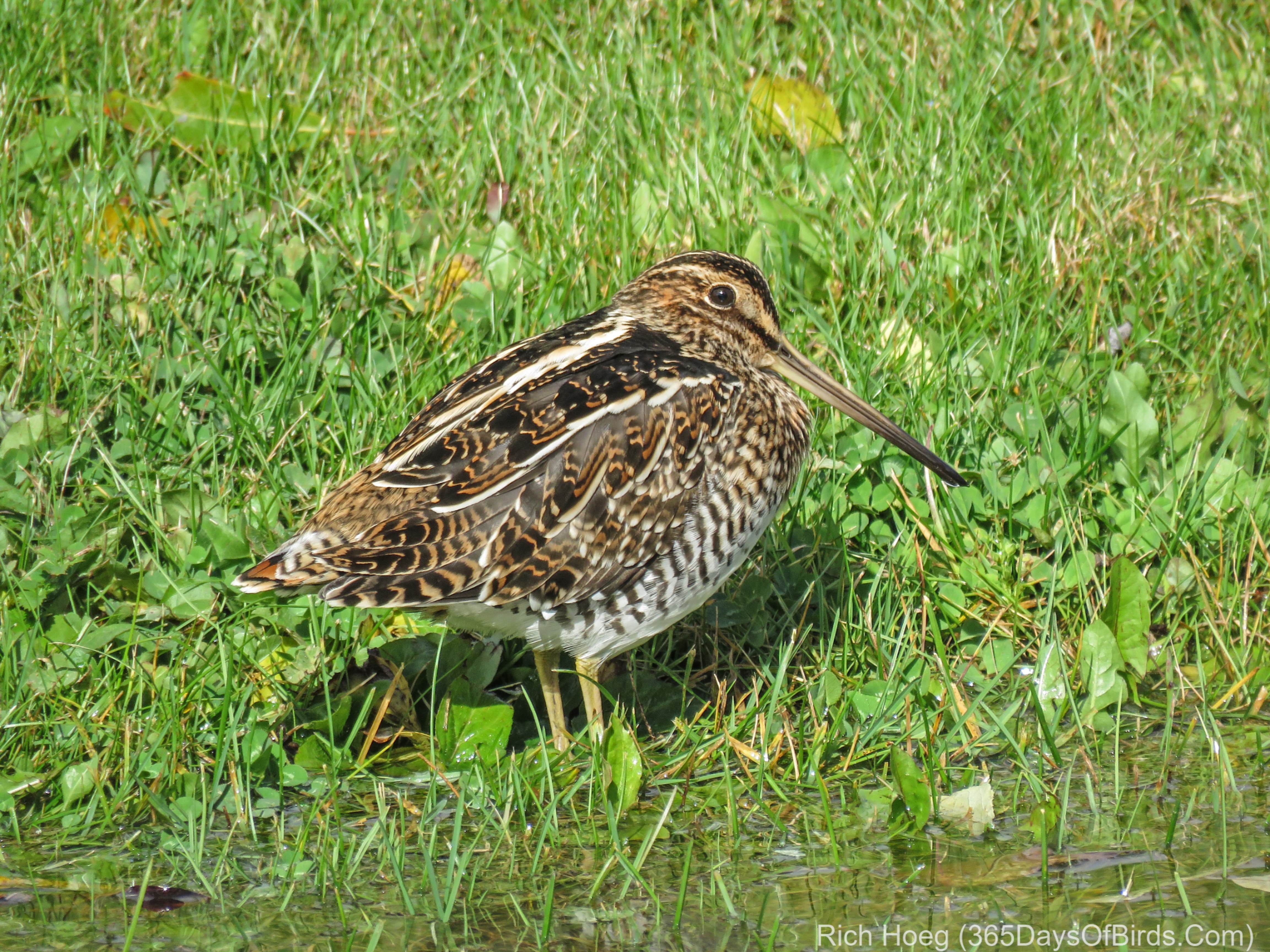
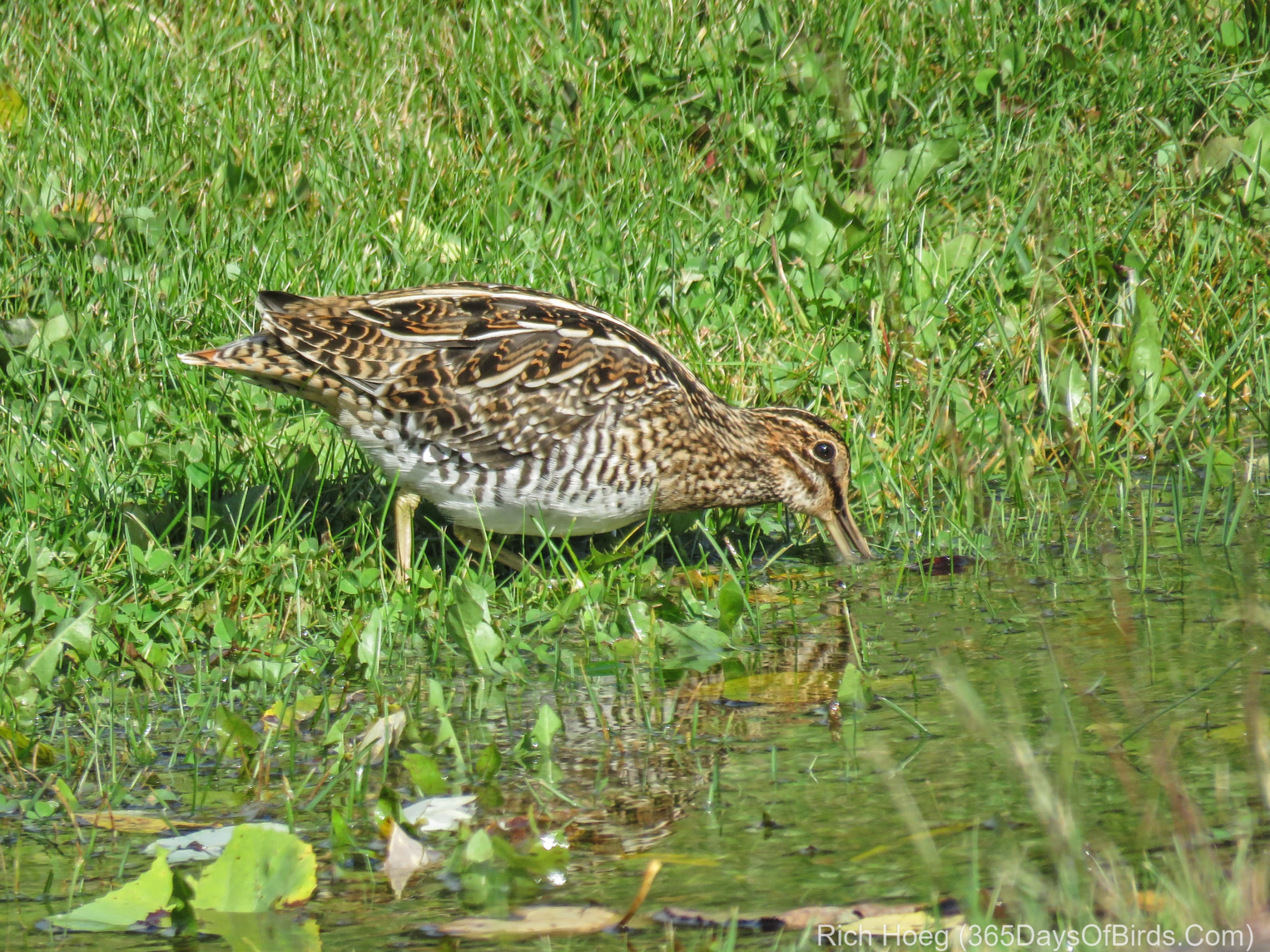
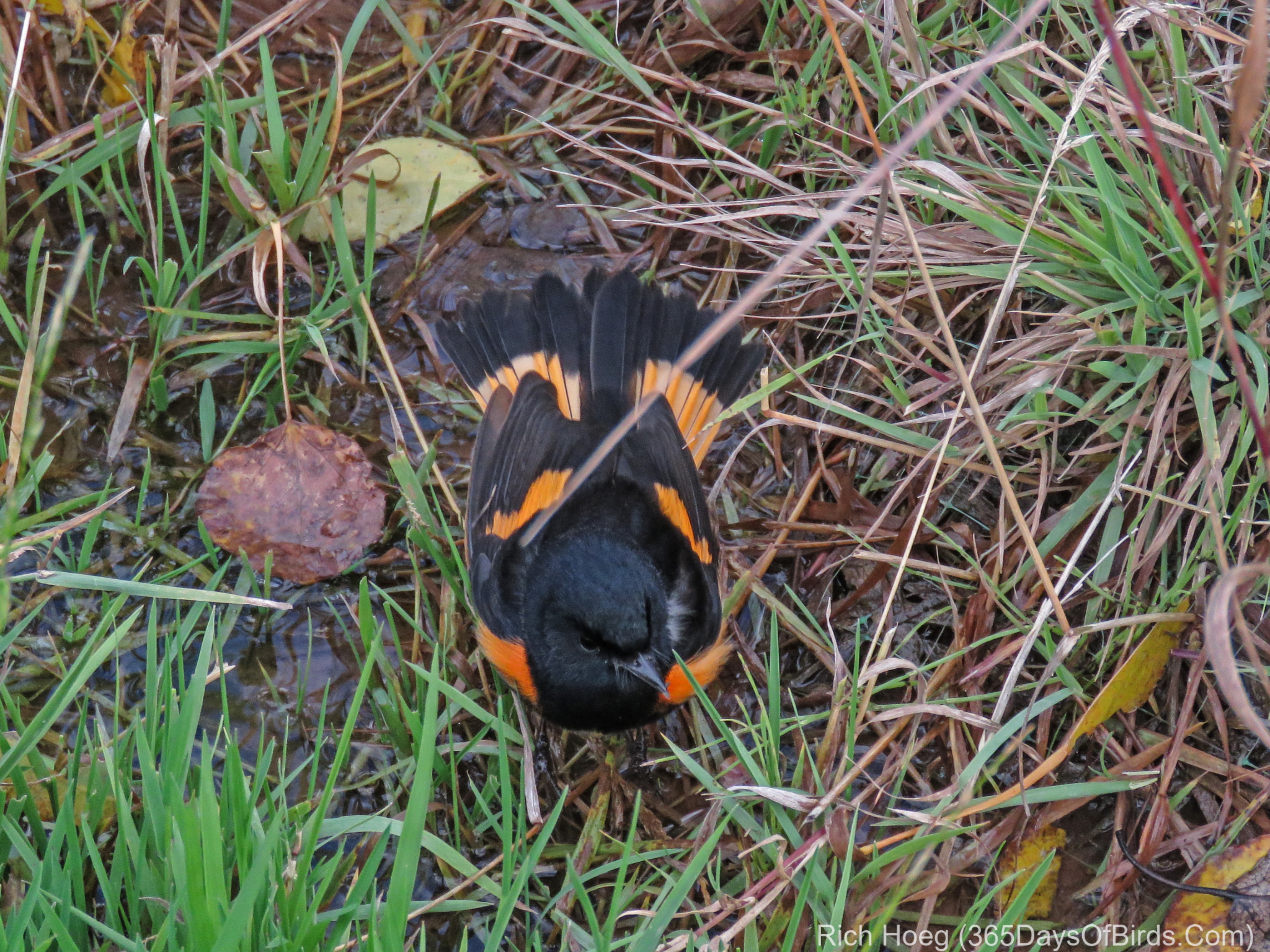
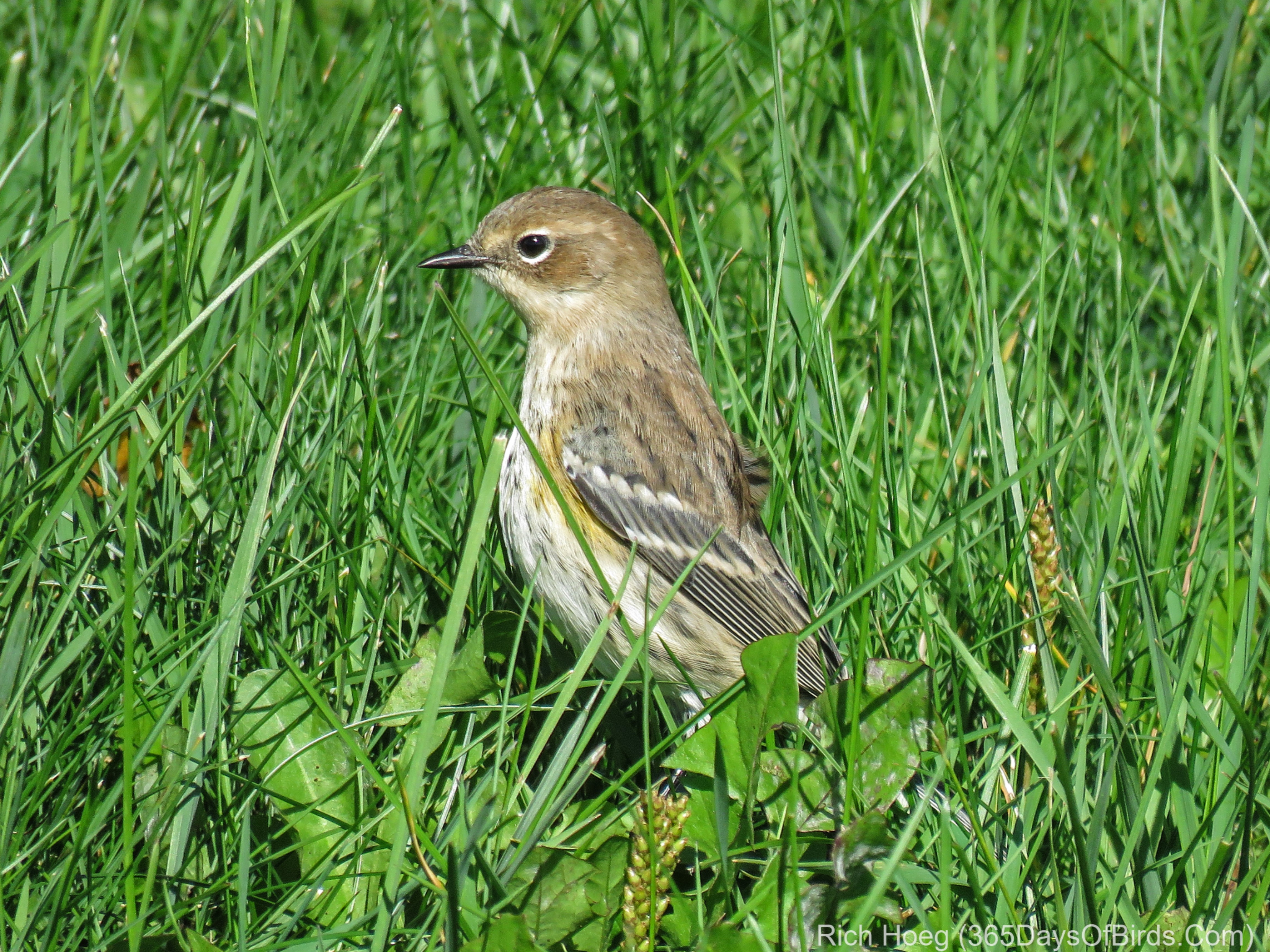
All Roadside Ditch Birdsphotographed from just a few feet distant:

Wilson’s Snipe
American Redstart (at my feet)
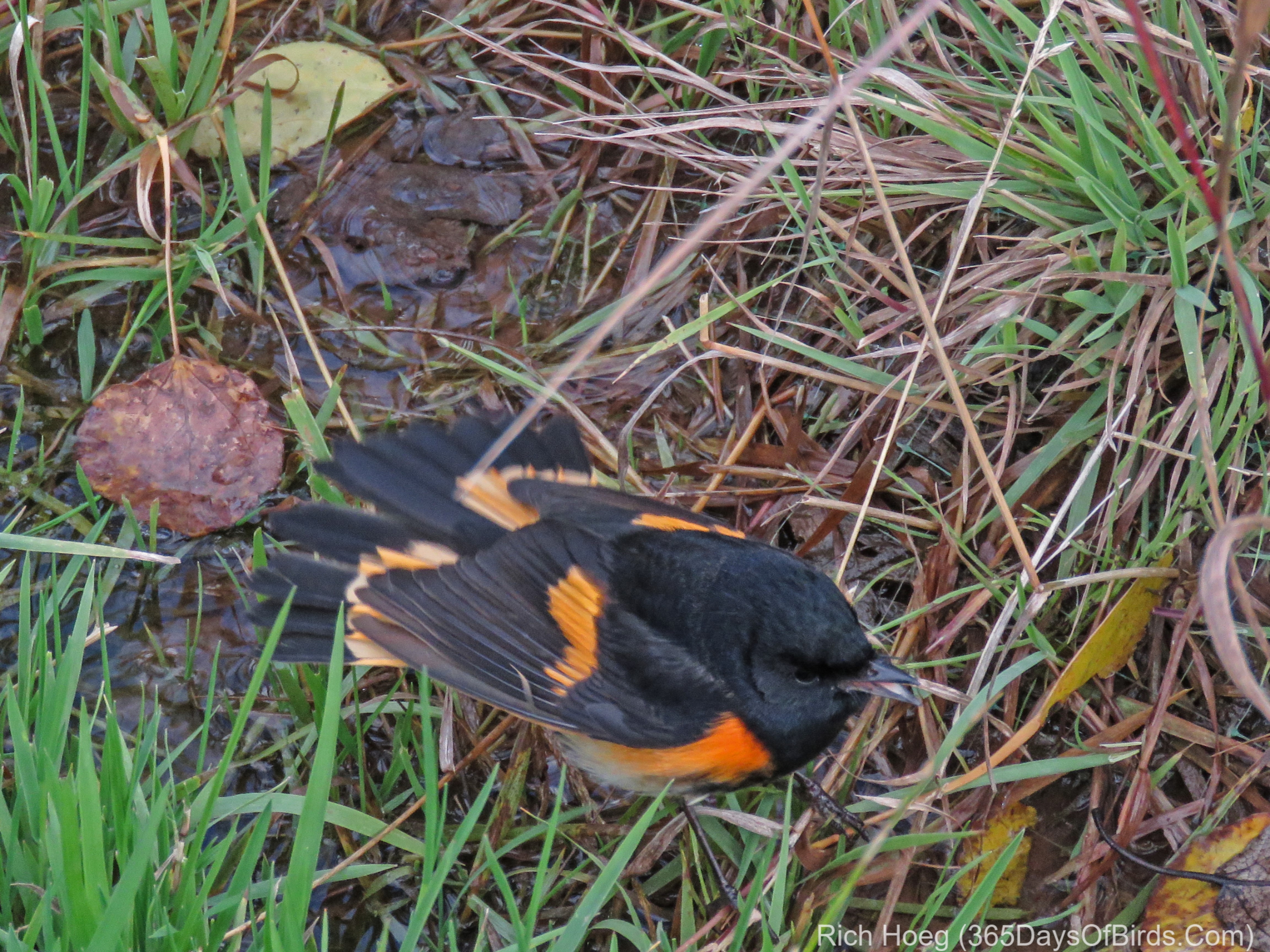
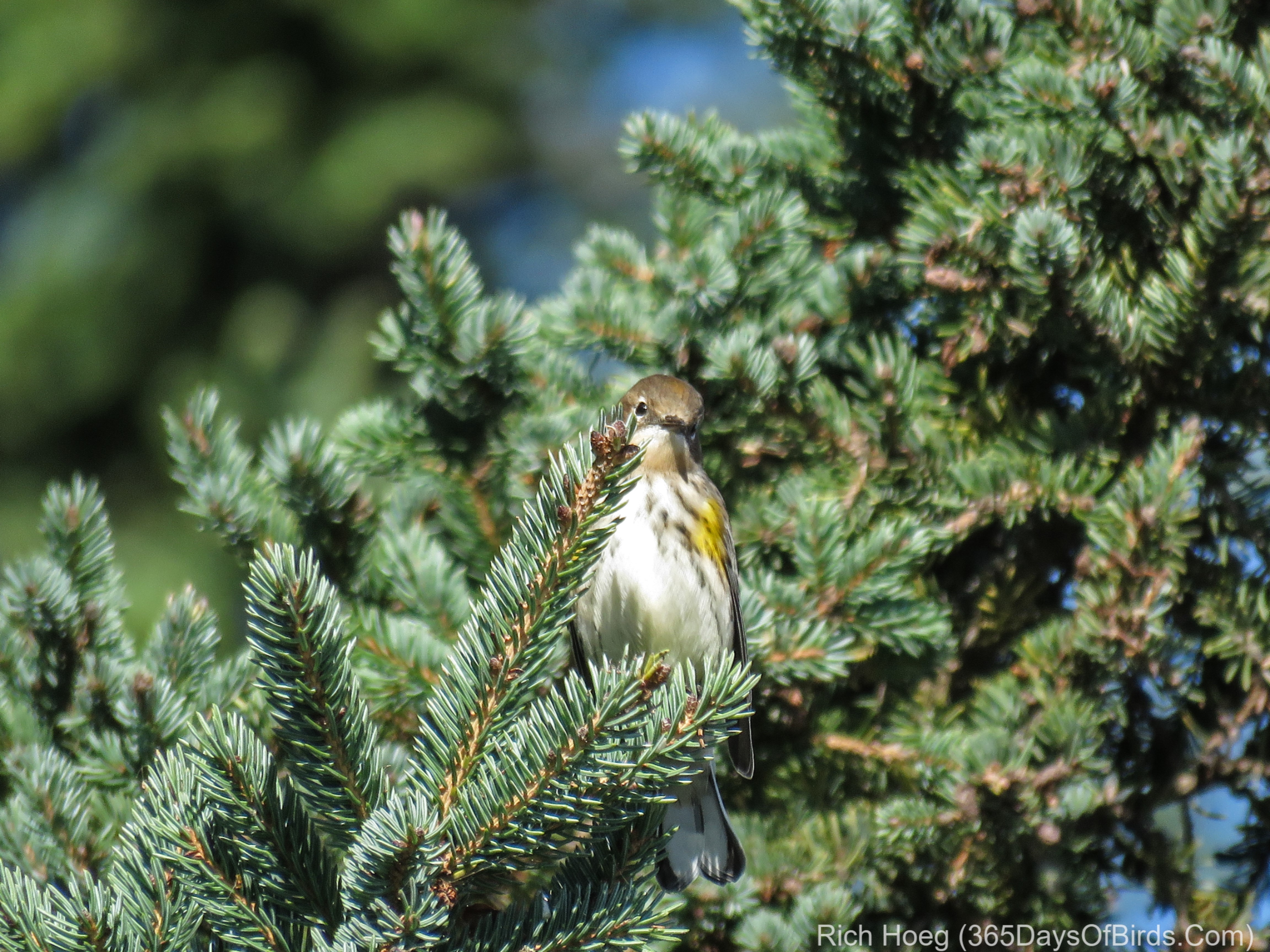
Yellow-Rumped Warbler (and in a pine)
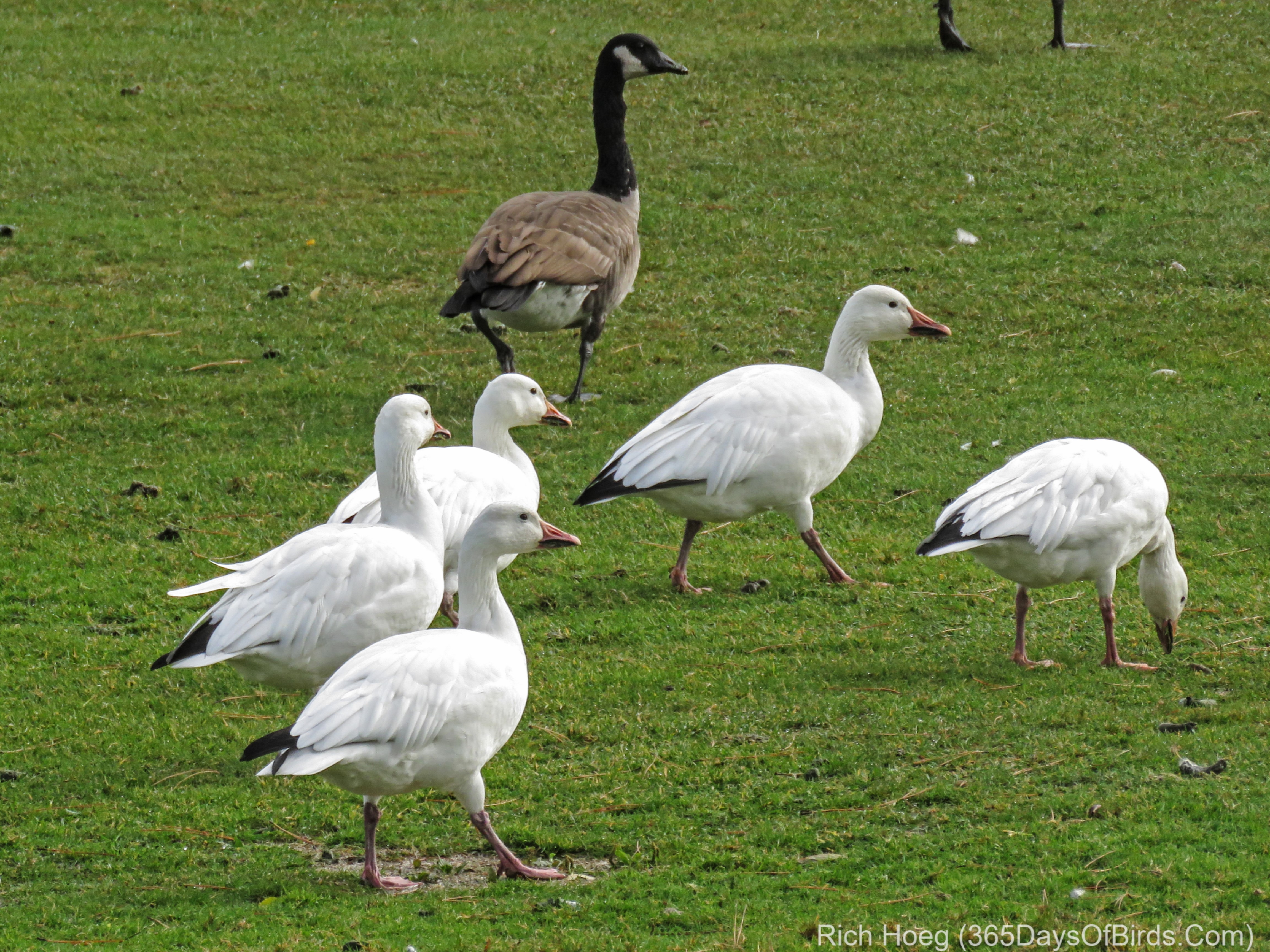
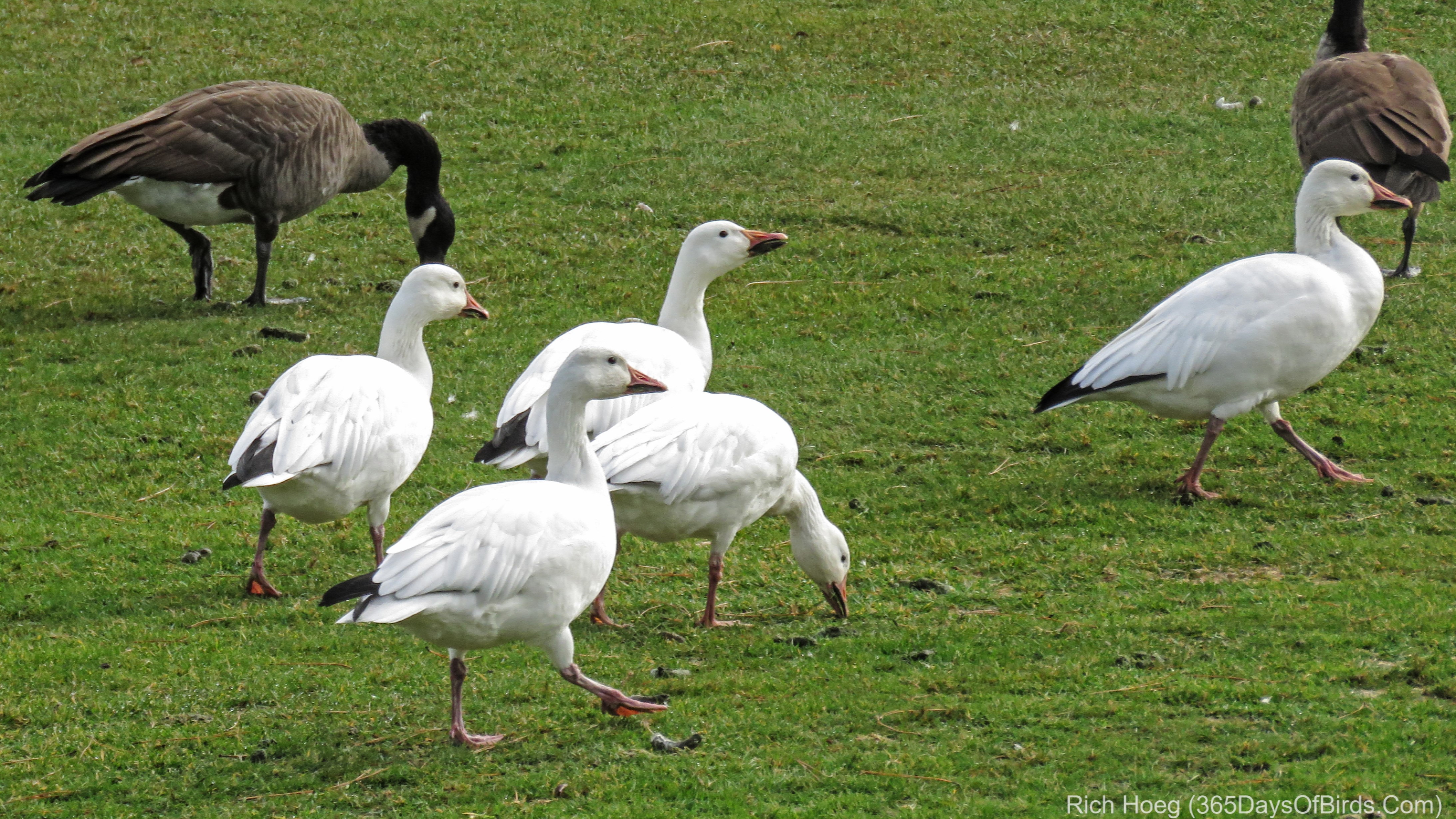
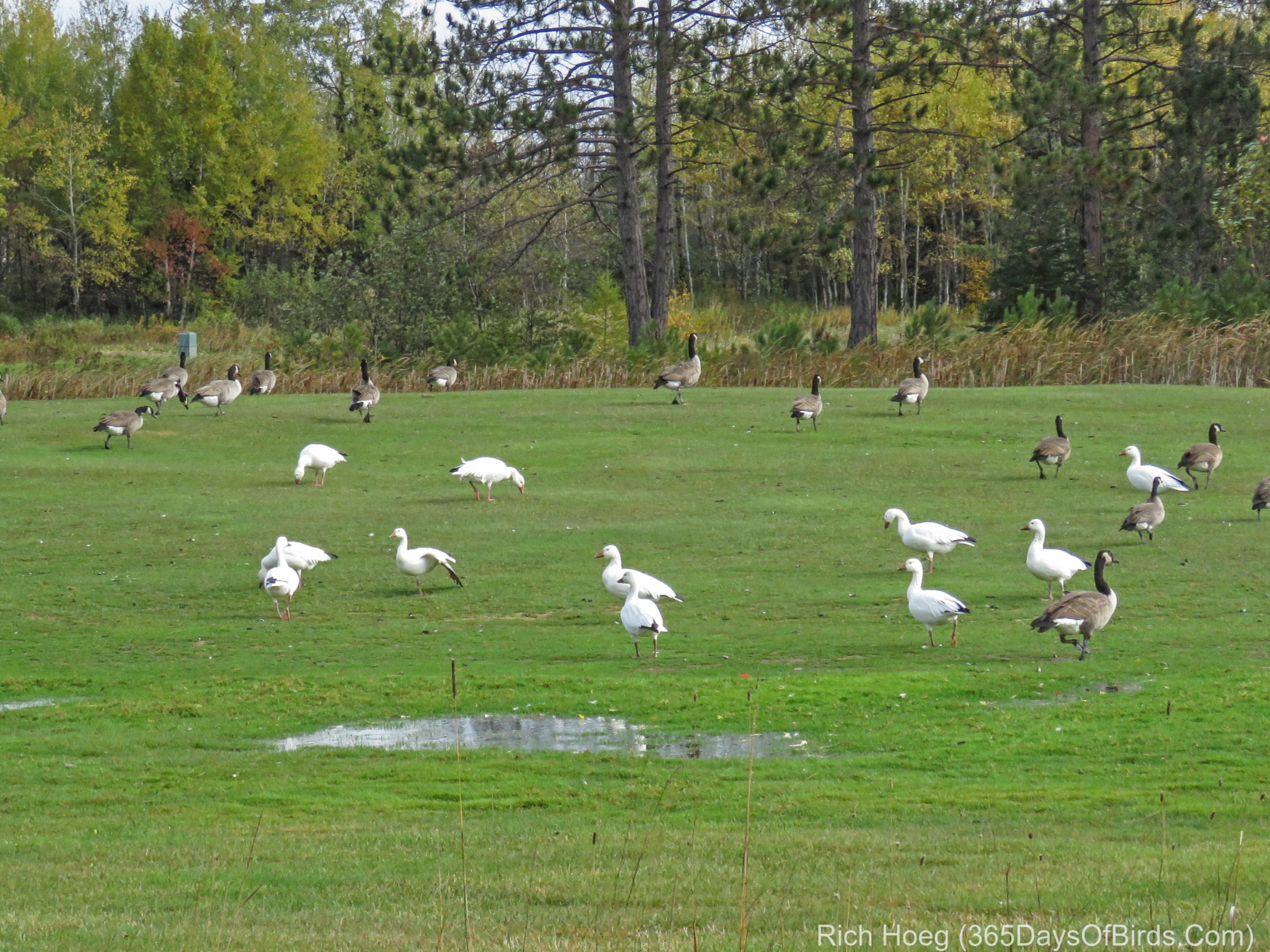
Not in a ditch, but a large group for these parts … Snow Geese in Two Harbors
Lake Superior Storm Waves (video)

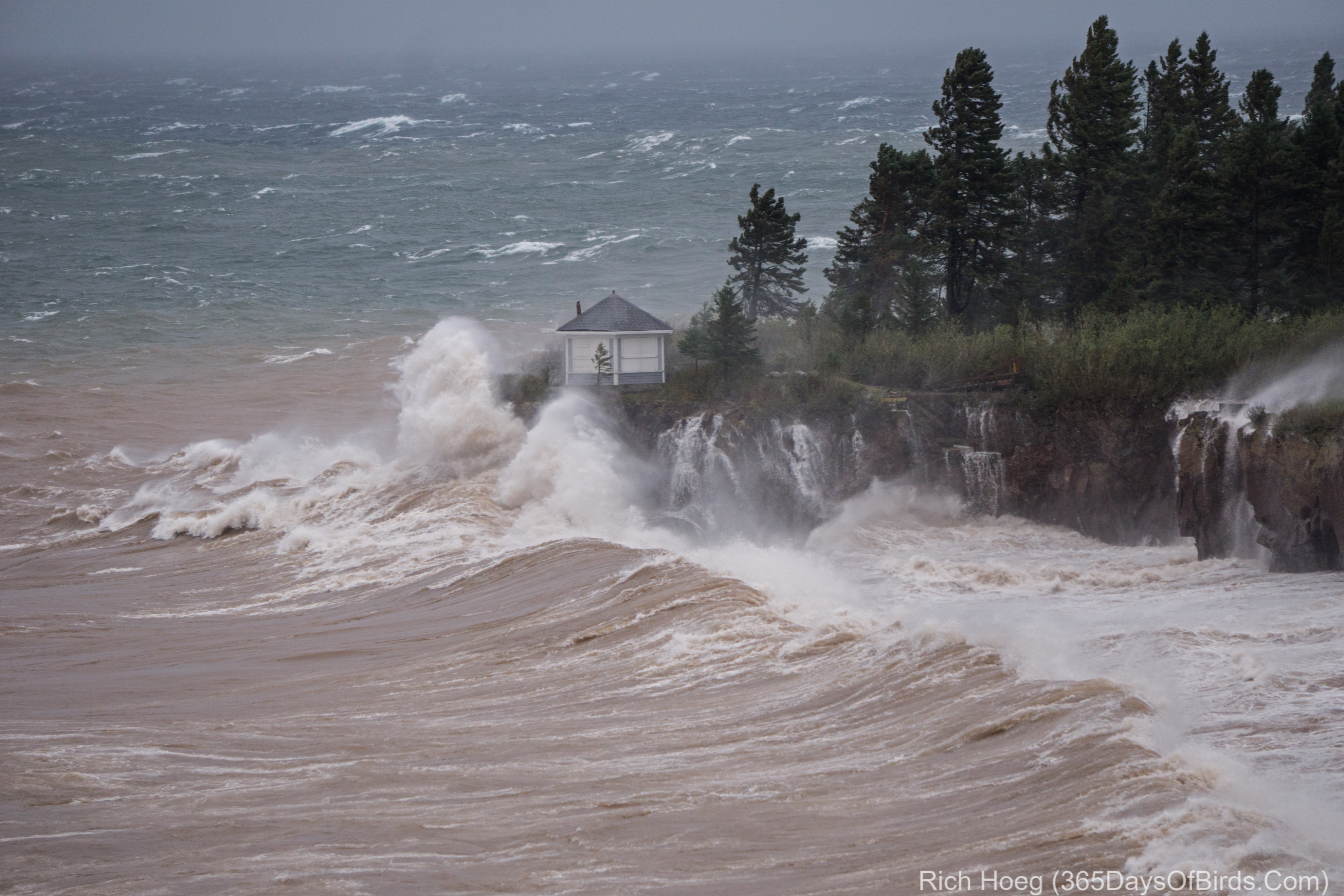
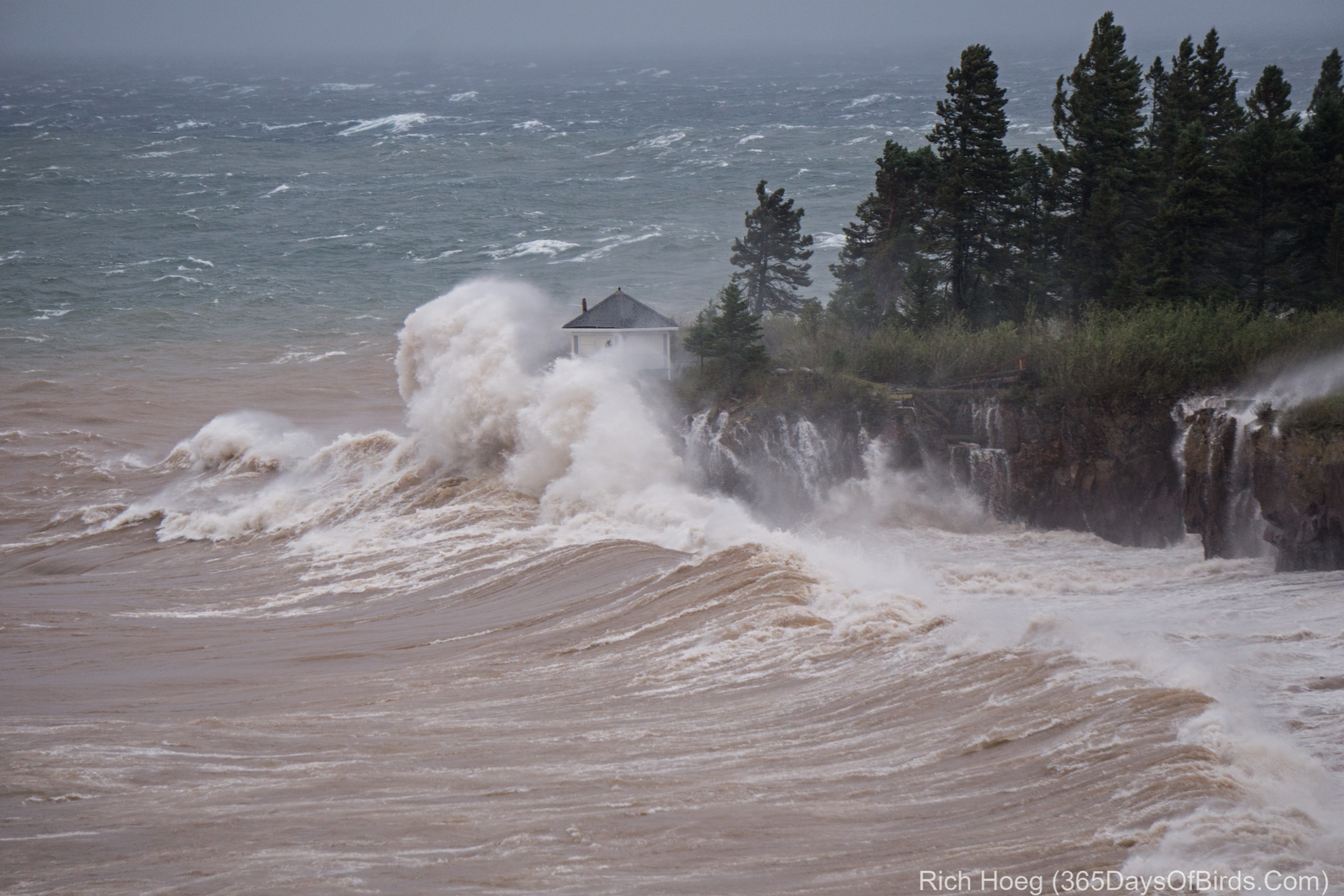
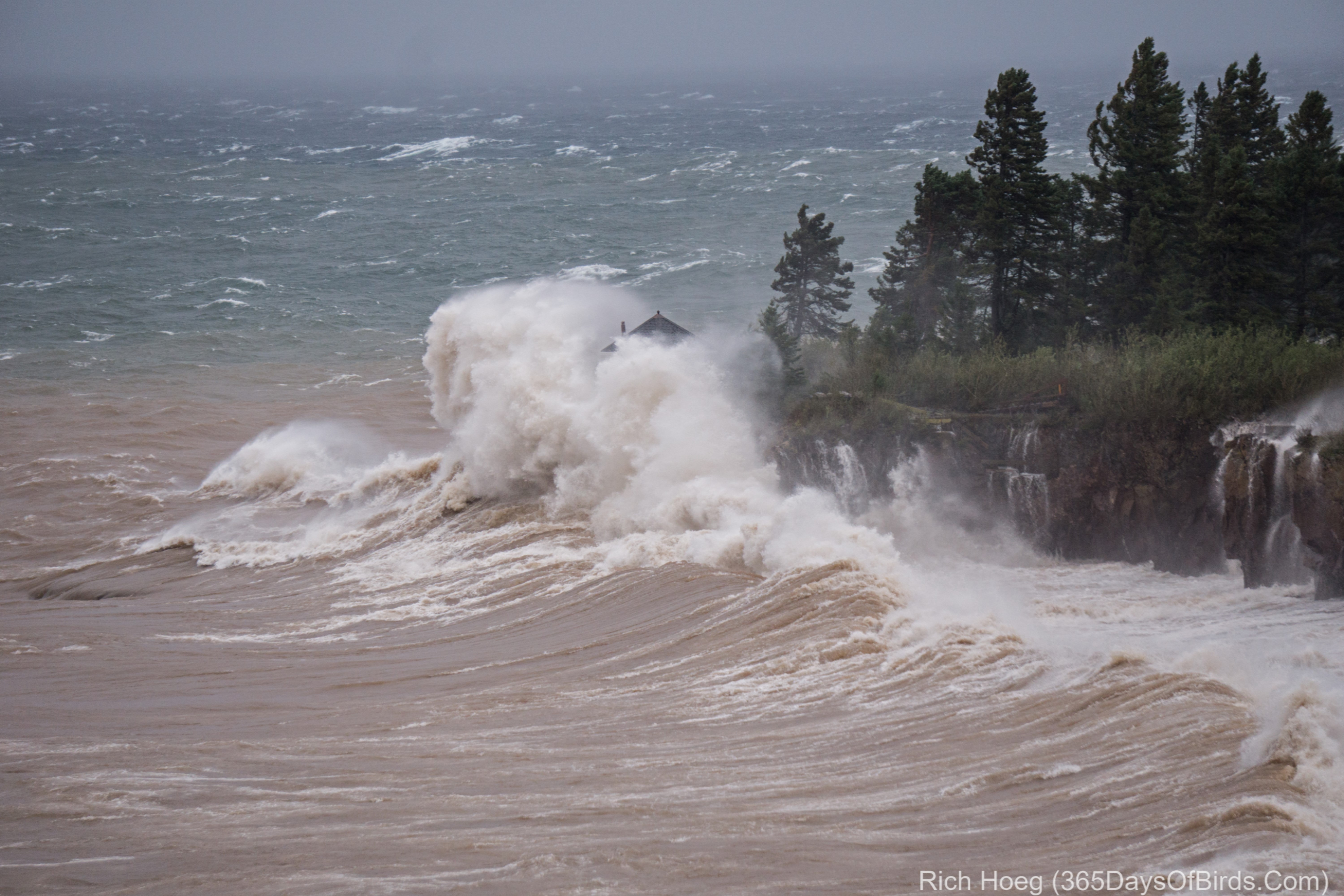
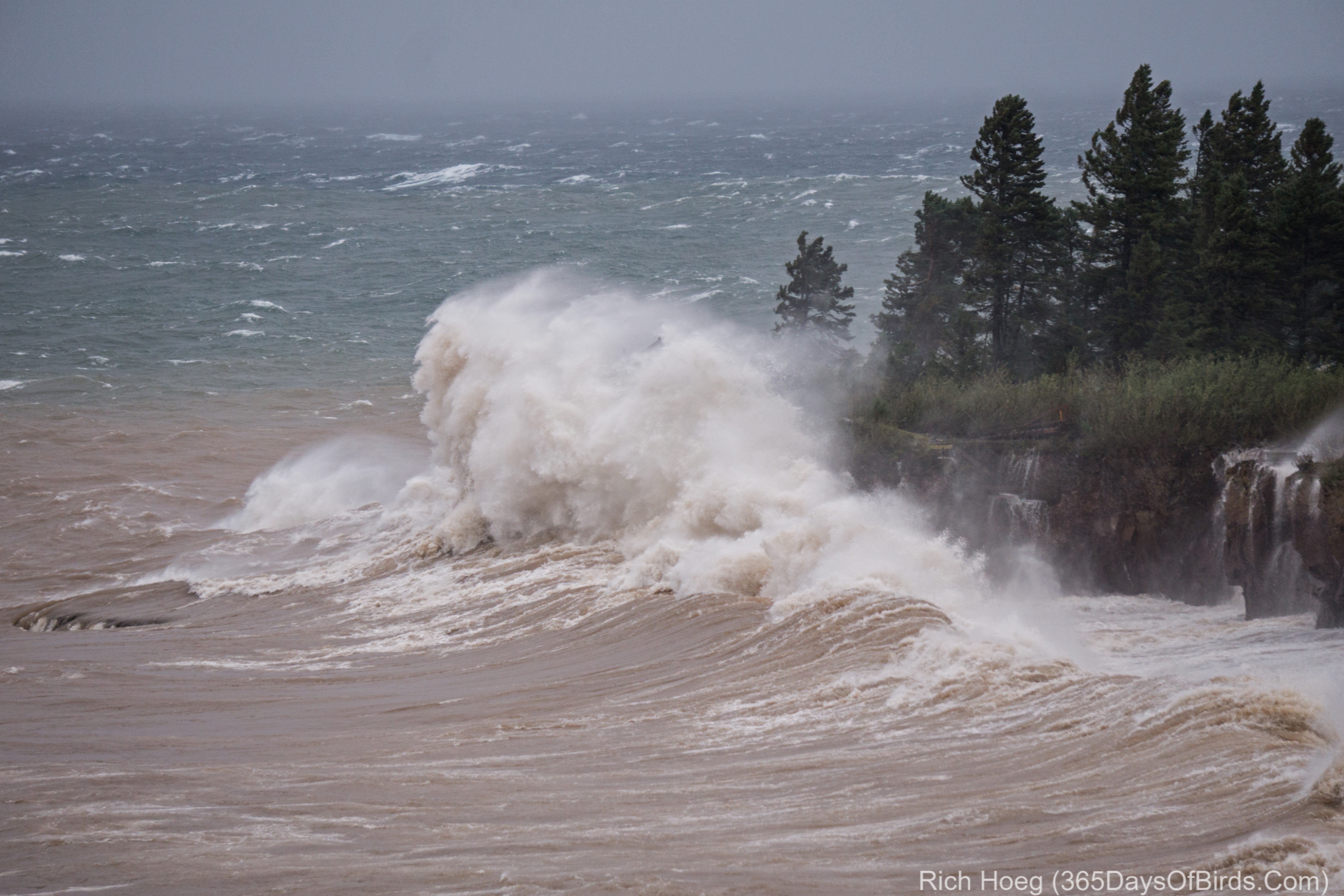
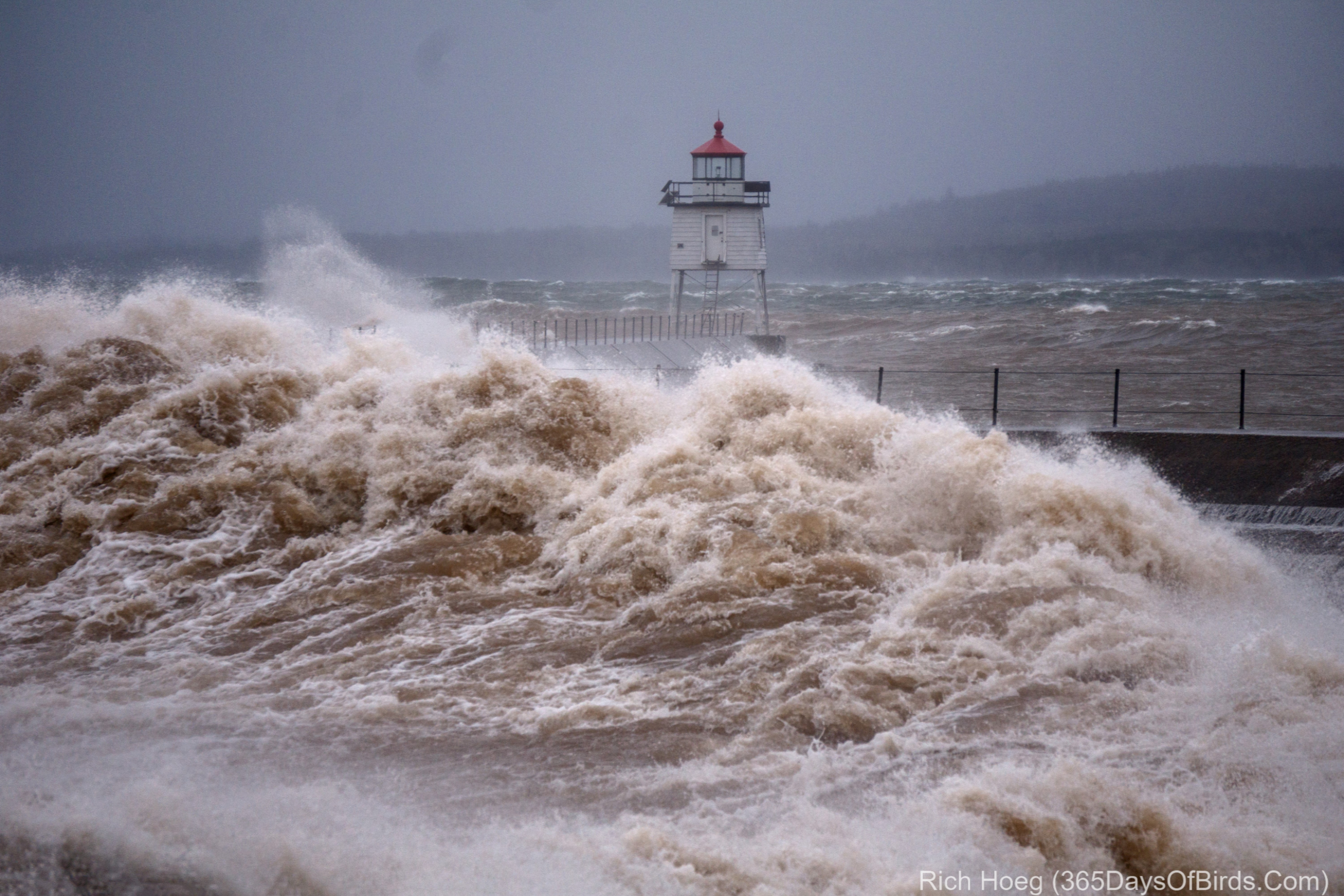
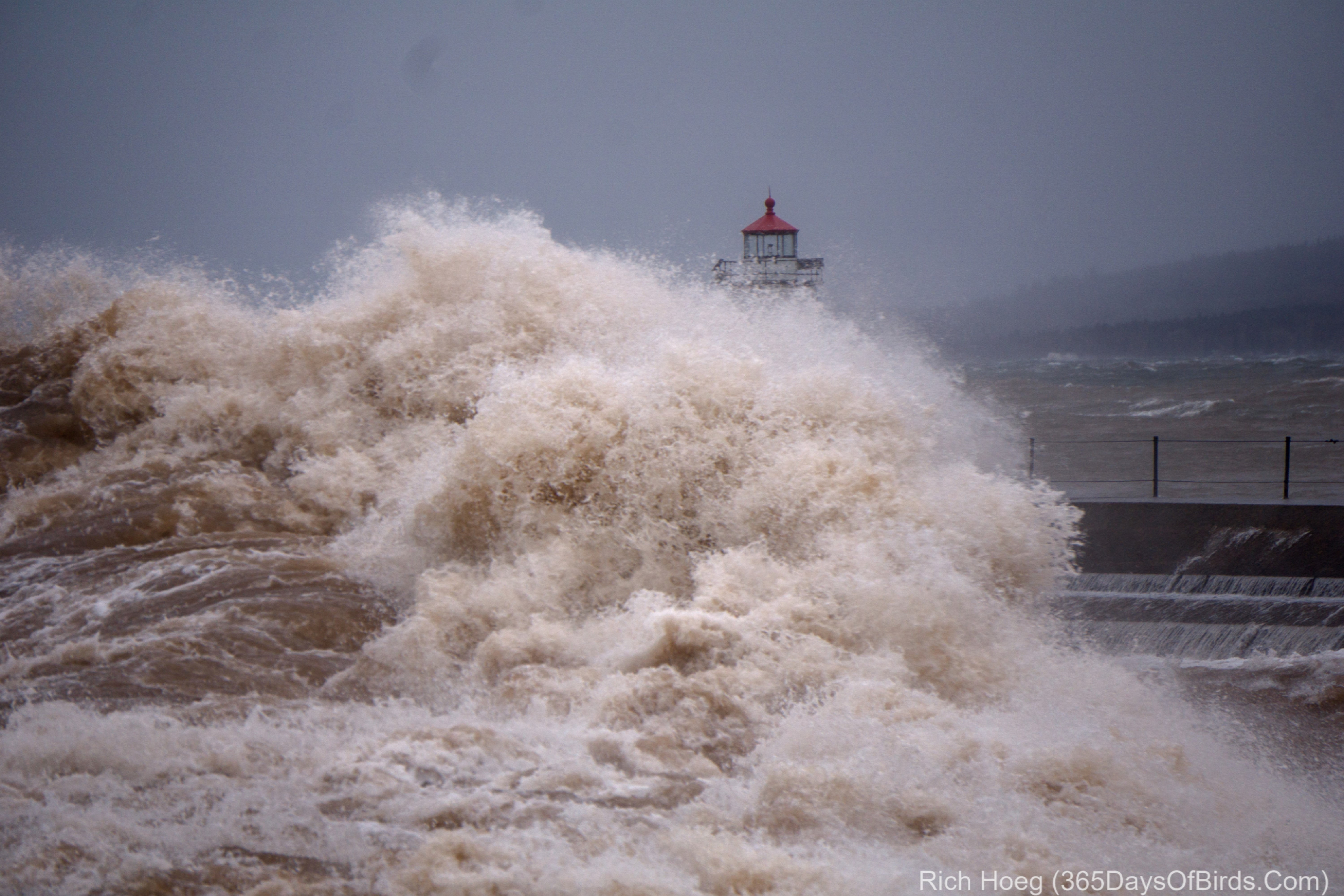
While Lake Superior may not generate hurricanes, today’s 20 foot waves are still most impressive. From Duluth I traveled up the North Shore to Two Harbors and then Silver Cliffs … and yes … the photographer (me!) definitely got wet taking these photographs. However, I never ventured anywhere near where the actual waves were break. That would have been both stupid and life threatening. According to the Duluth newspaper, I freighter out on Lake Superior measured a wind gust at 86 mph not to far from the location of my Silver Cliff photos. The videos are after the still images.

The Case of the Disappearing Gazebo … Silver Cliffs on Lake Superior

Two Harbor’s Agate Bay Lighthouse

Video #1: Silver Cliffs

Video #2: Two Harbors

45F, Windy & Drizzle … Let’s Go Birding!

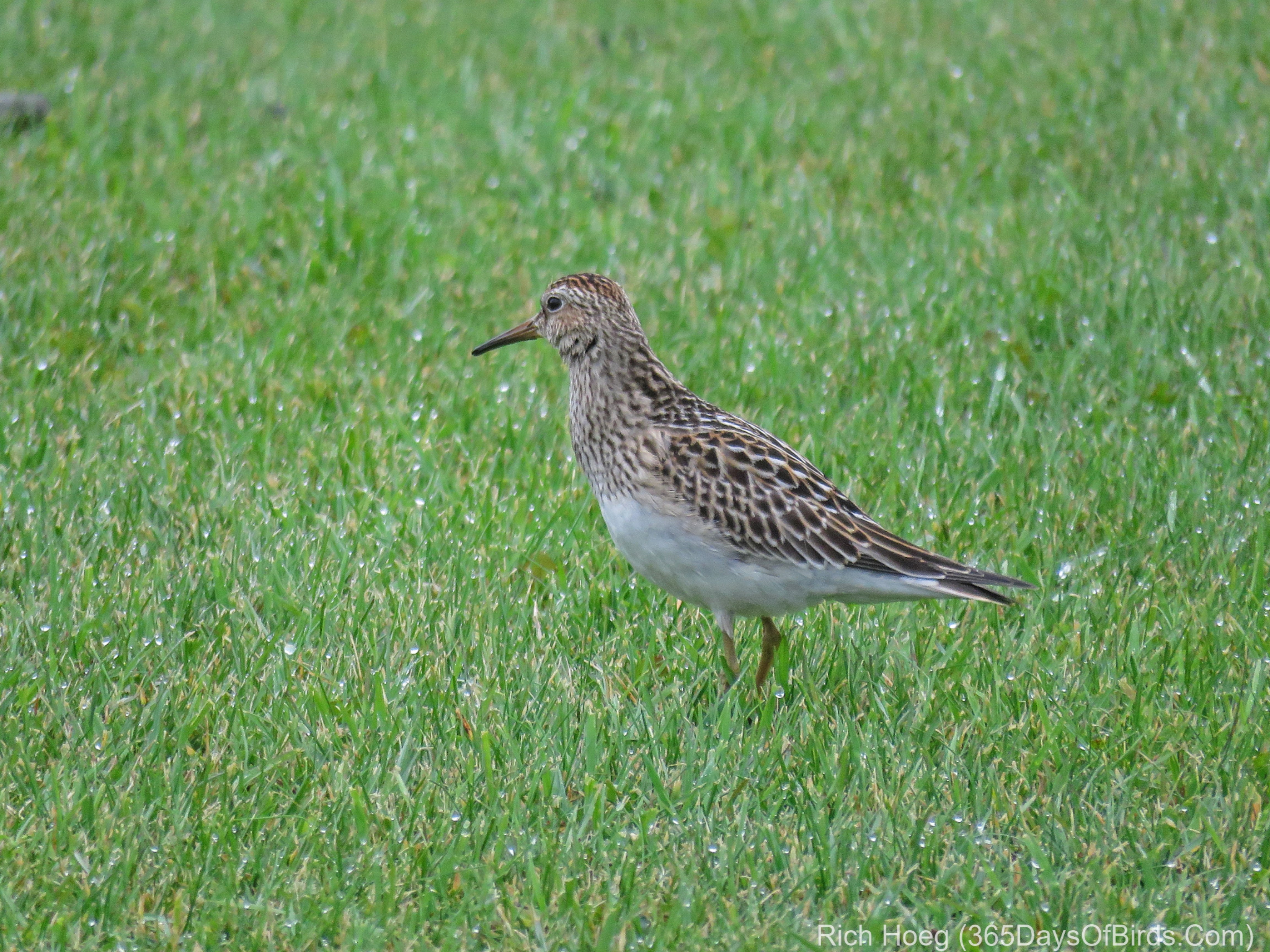
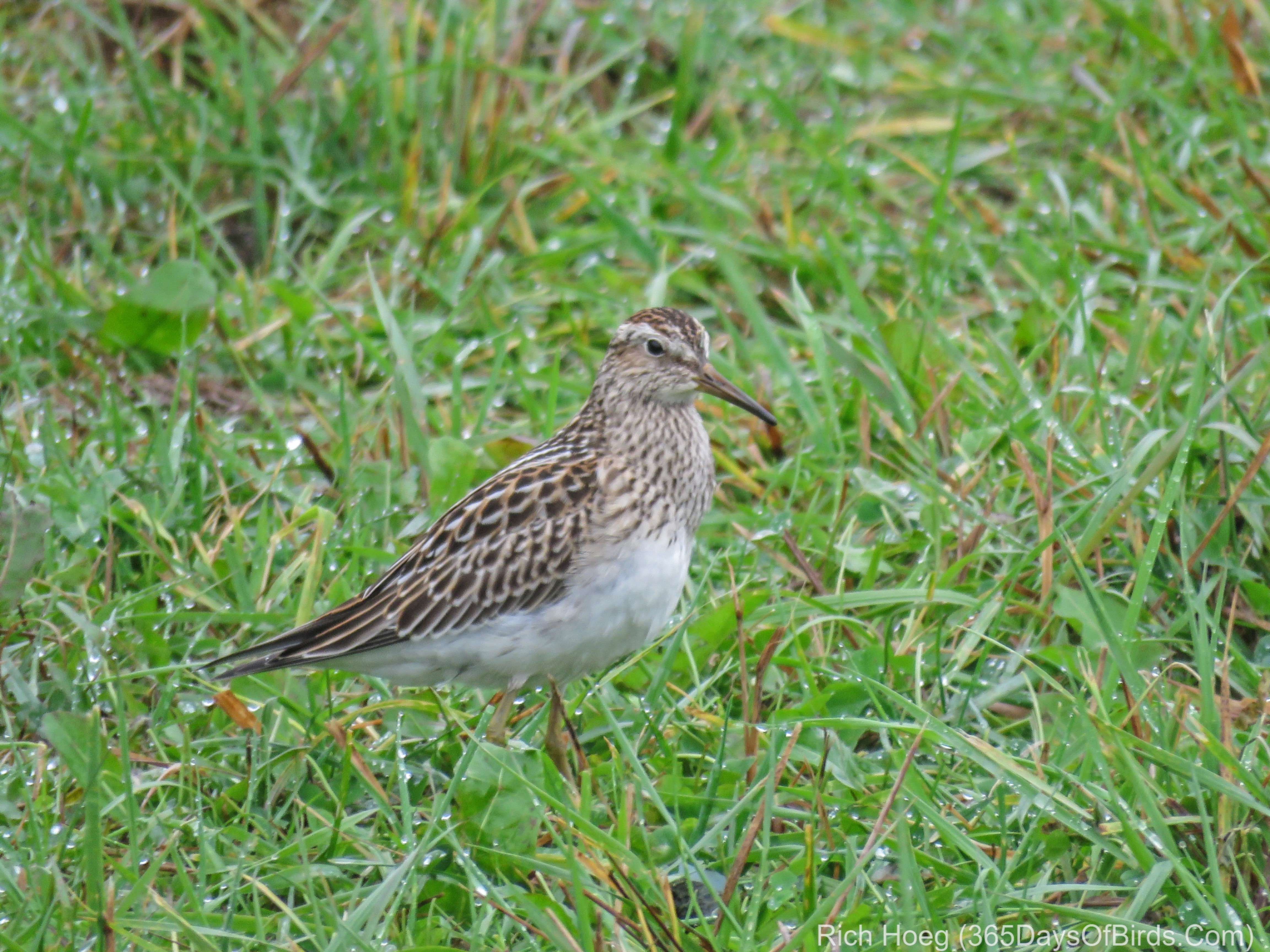
Sounds like a horrible idea, right? However if one always waited for the best weather instead of enjoying ugly conditions I would never have found a Pectoral Sandpiper. The Cornell School of Ornithology describes this “fairly rare bird” in this manner:

A medium-sized, chunky shorebird, the Pectoral Sandpiper is found most commonly on mudflats with short grass or weedy vegetation and seems more at home in the grass than in the water.

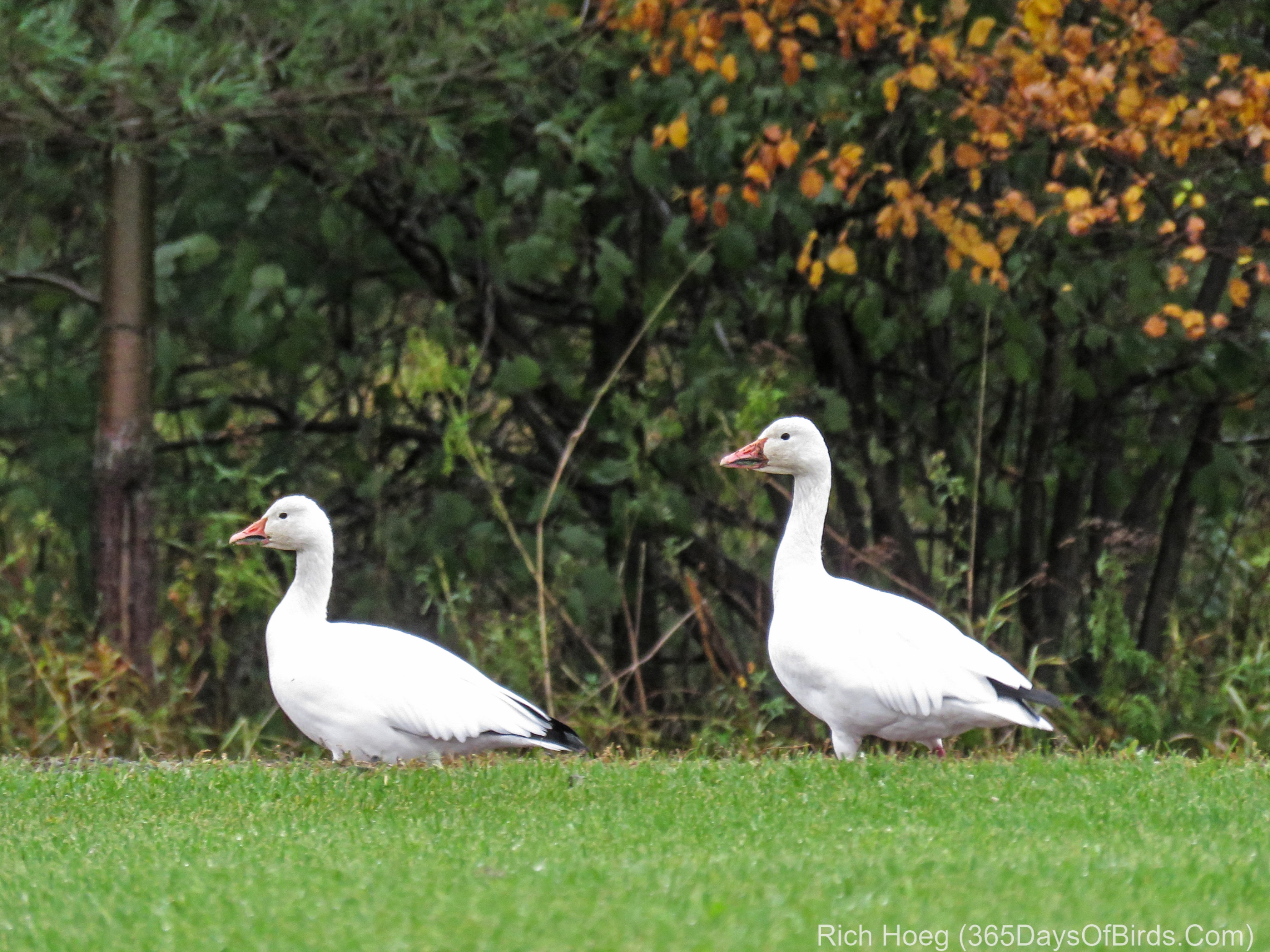
If you inspect the image, please note the water. I got wet watching this bird, and the two Snow Geese for which I had actually driven over to the Riley Road Playing Fields.  I will admit this afternoon was some of the worst photographic conditions I’ve experienced in some time!

Pectoral Sandpiper

Snow Geese