Sherburne National Wildlife Preserve: Cygnets!

Molly and I took a quick overnight trip down to the Twin Cities, which meant before sunrise yesterday I drove northwest to visit the Sherburne National Wildlife Refuge. This wildlife refuge / extensive wetlands is about 40 miles NW of Minneapolis, and has a “wildlife drive” which allows one great access. If you go, make certain to arrive at sunrise. You will have better viewing opportunities, and few people around.

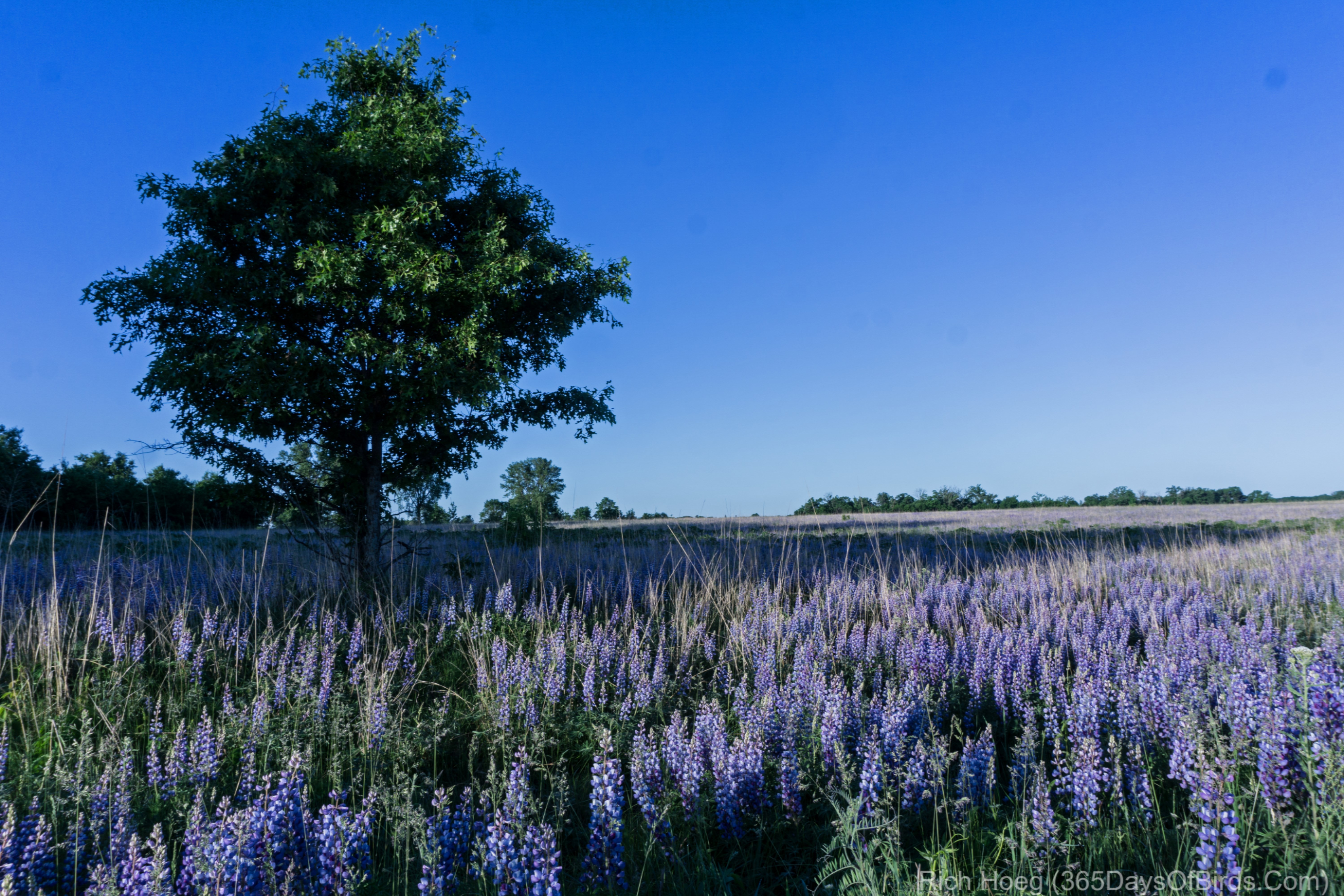
Although I was at Sherburne for birding, I had to immediately stop and enjoy the gorgeous prairie grasses. Wild Lupine were in full bloom. This native lupine is smaller than the flower which is normally seen along roadsides in the Northland. The low light / golden hour meant I was presented with a sea of blue, gold and green! Birding had to wait!
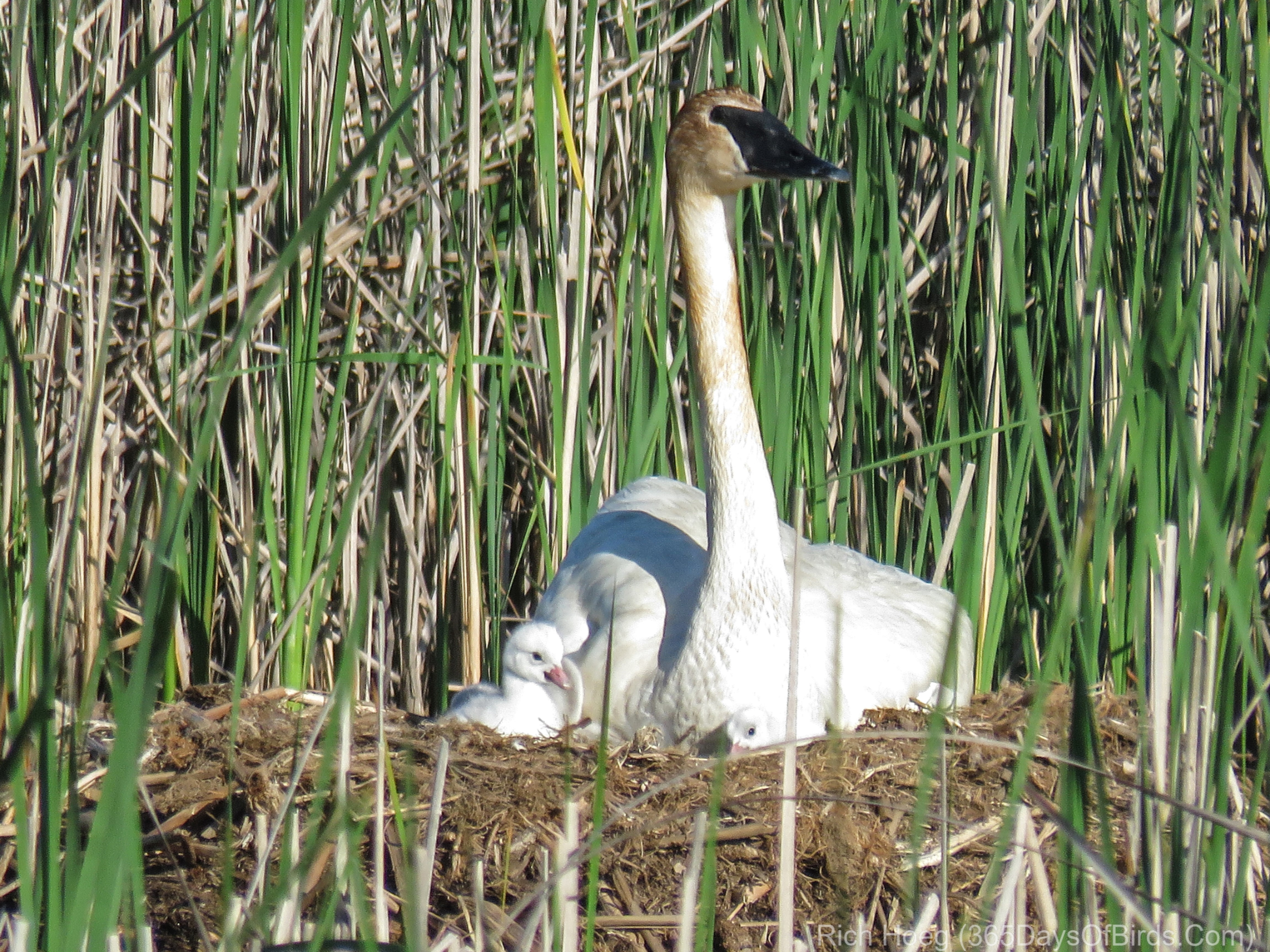
After my prairie experience, it was on to birding. The most exciting discovery of the morning was a Trumpeter Swan with newly hatched chicks / cygnets. It was fun to enjoy the young birds enjoy the morning sun.
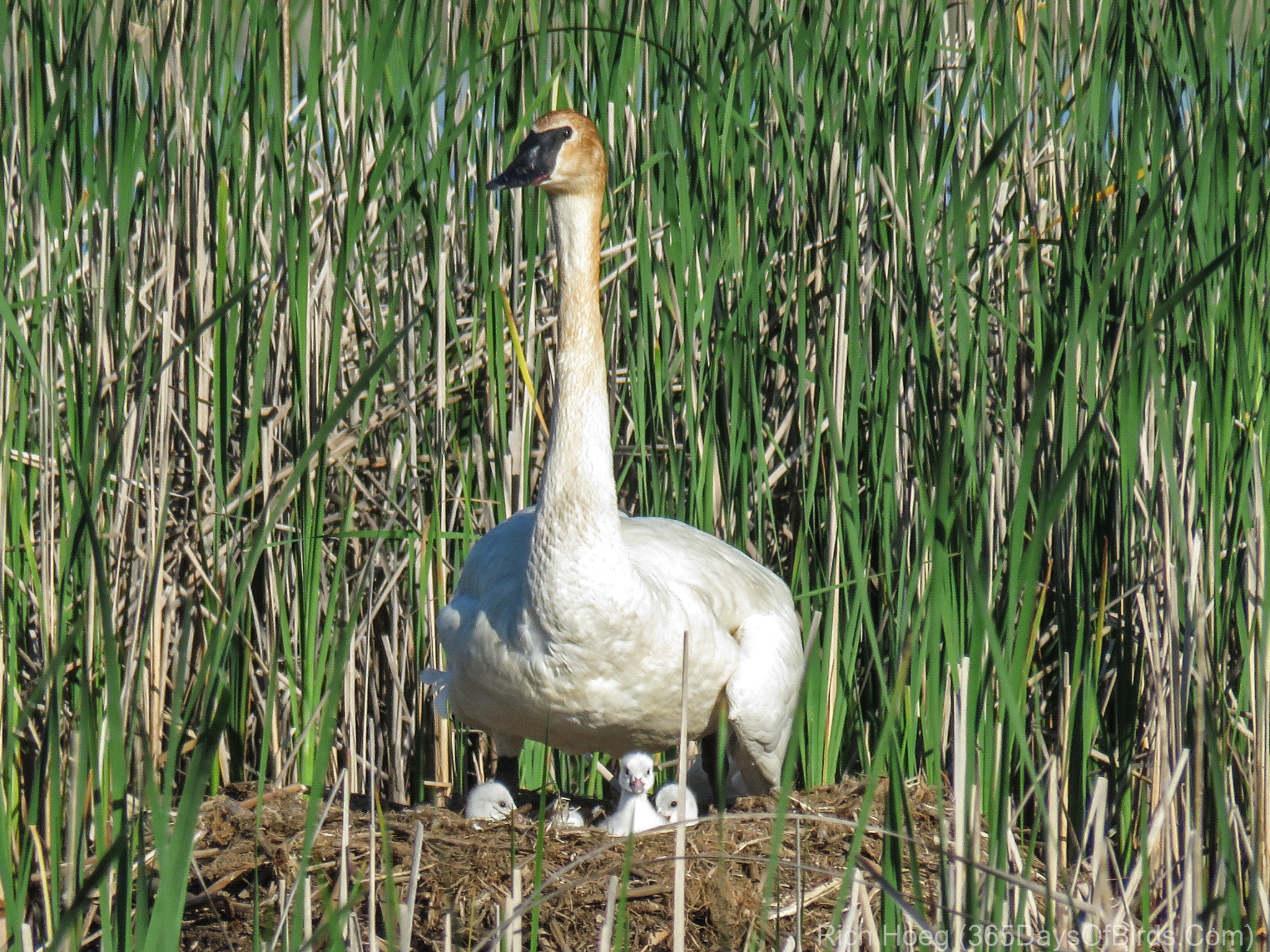
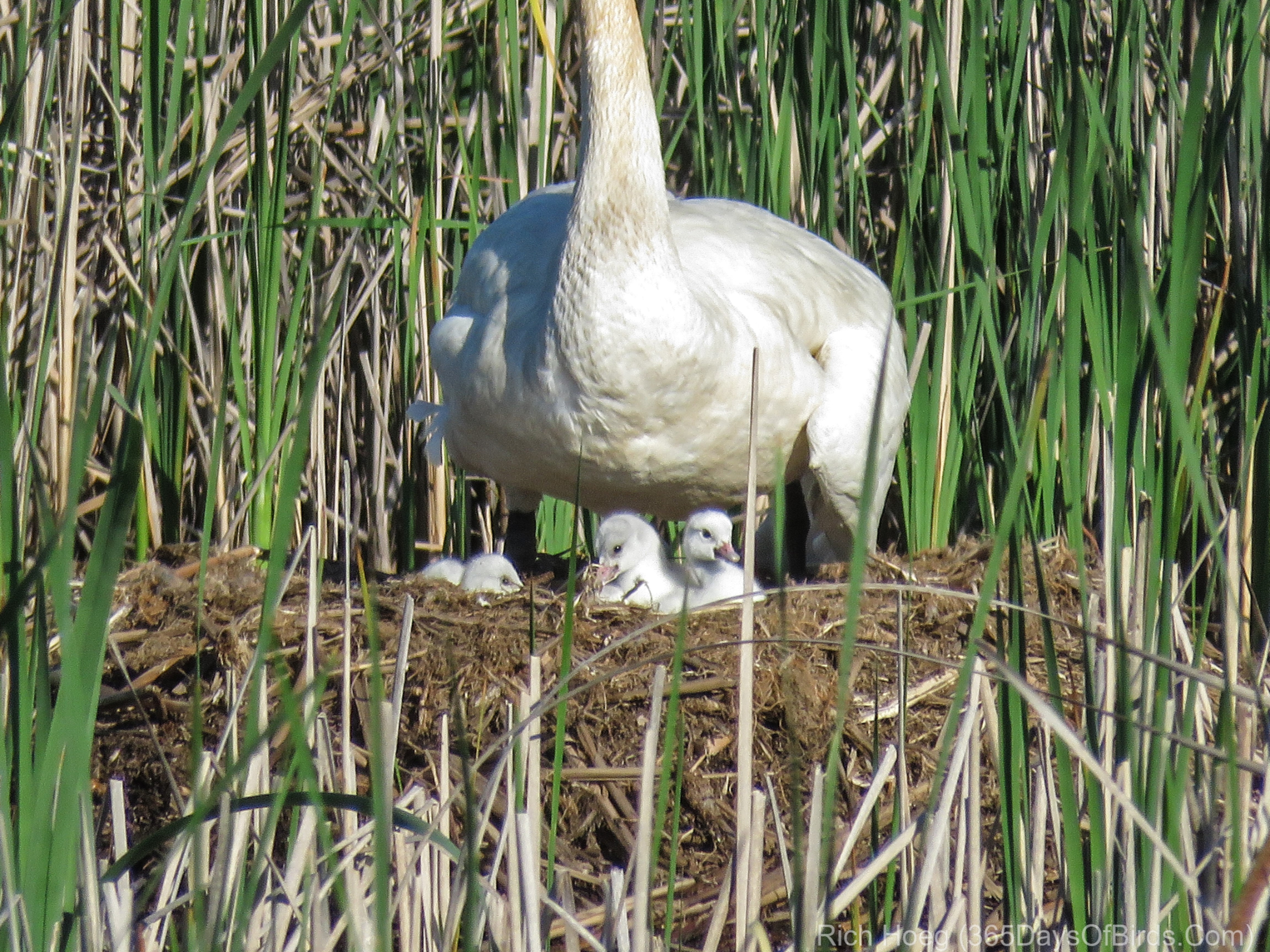
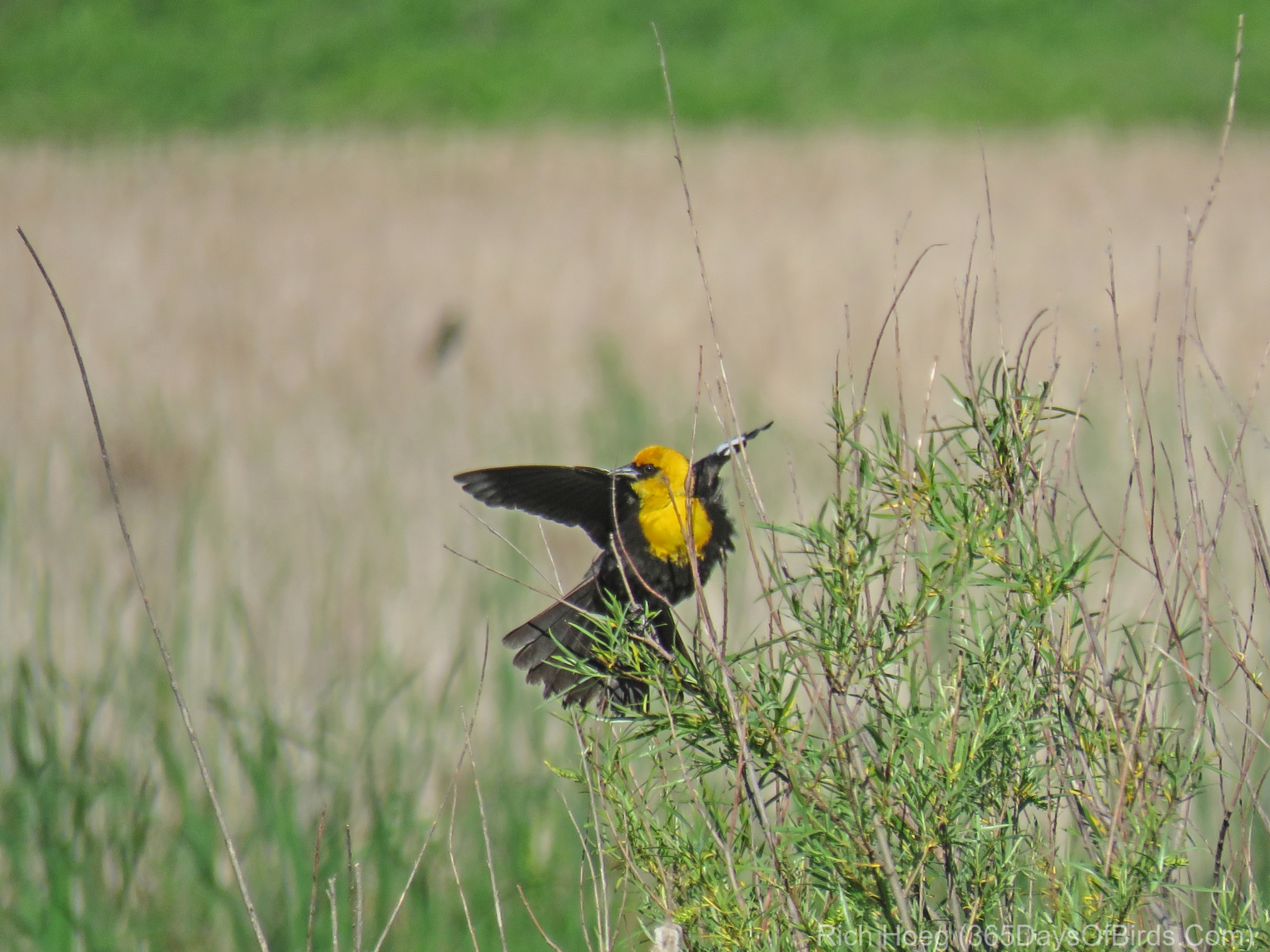
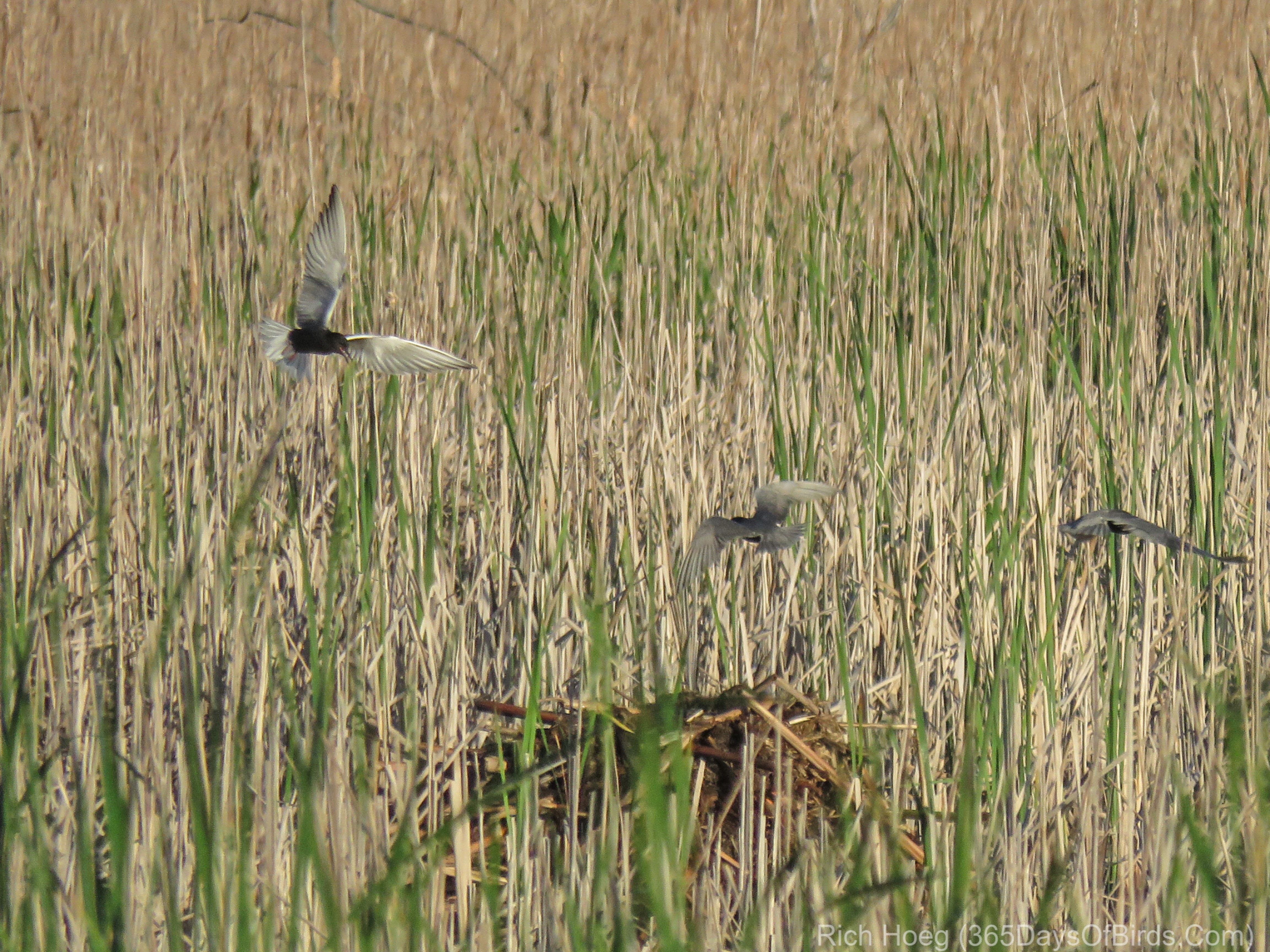
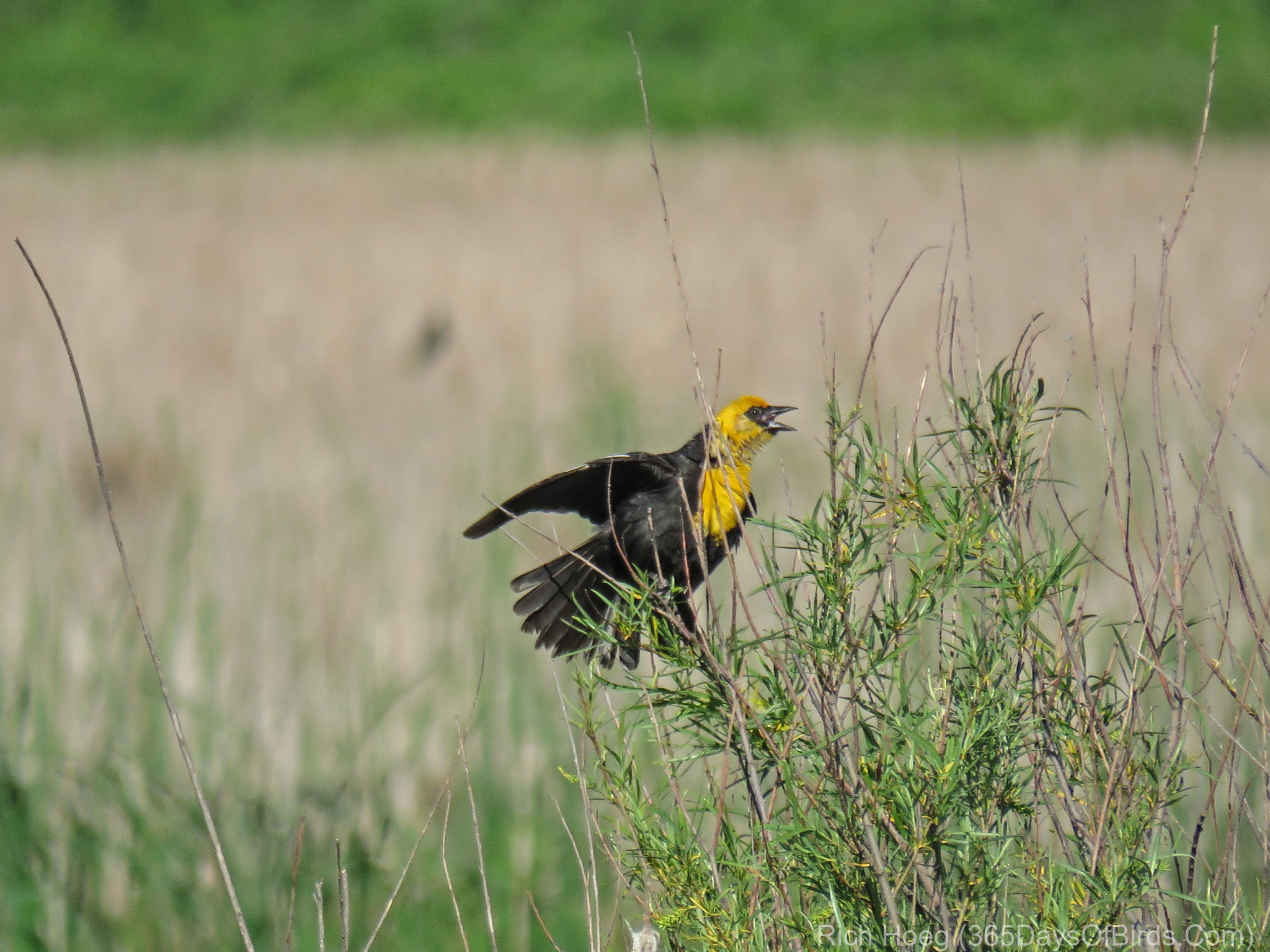
While watching the Trumpeter Swans, the surrounding reeds suddenly became inundated with new birds. Black Terns and Yellow Headed Blackbirds which I did not even know were present, irrupted into both song and flight. It was fantastic.
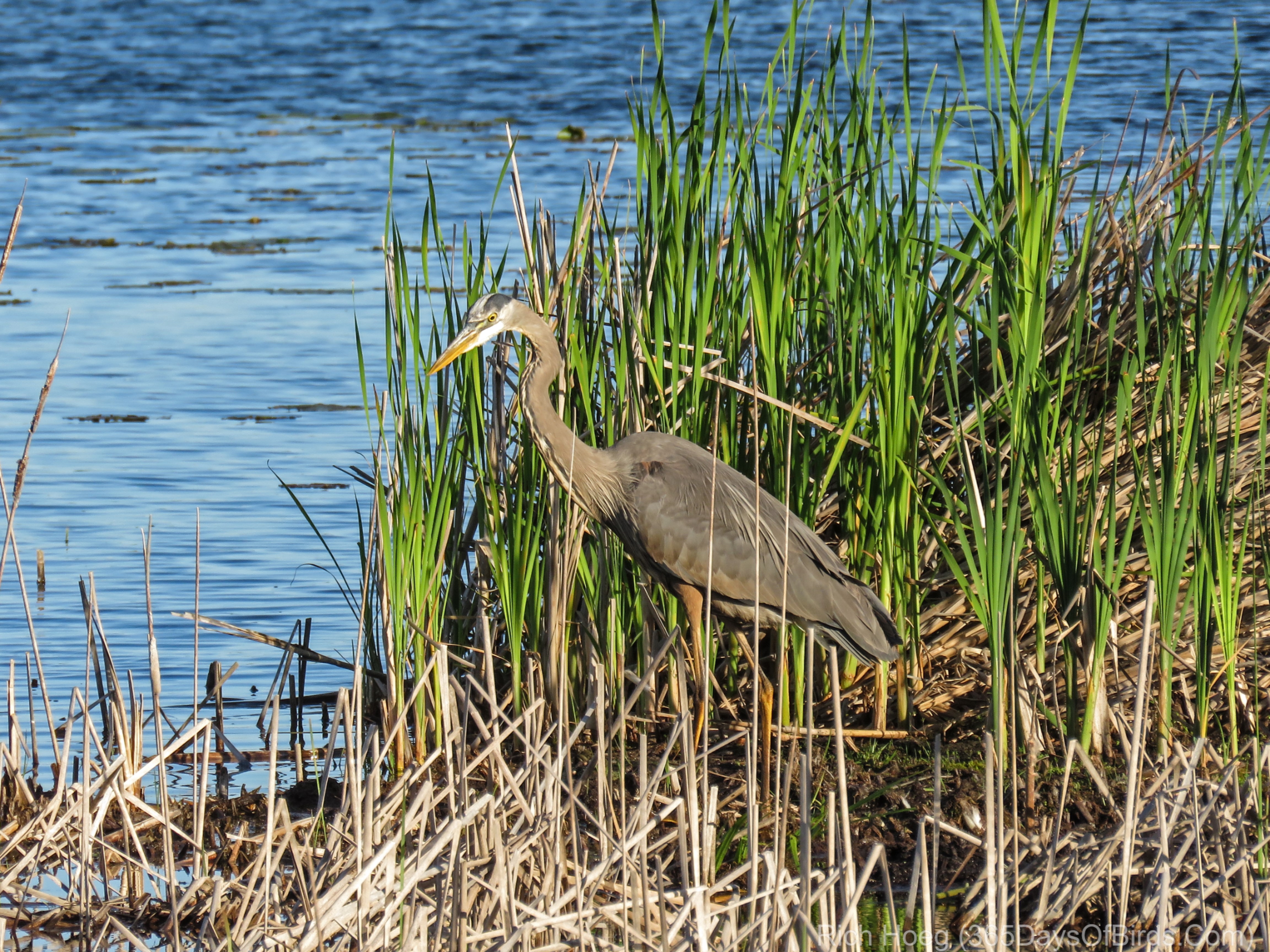
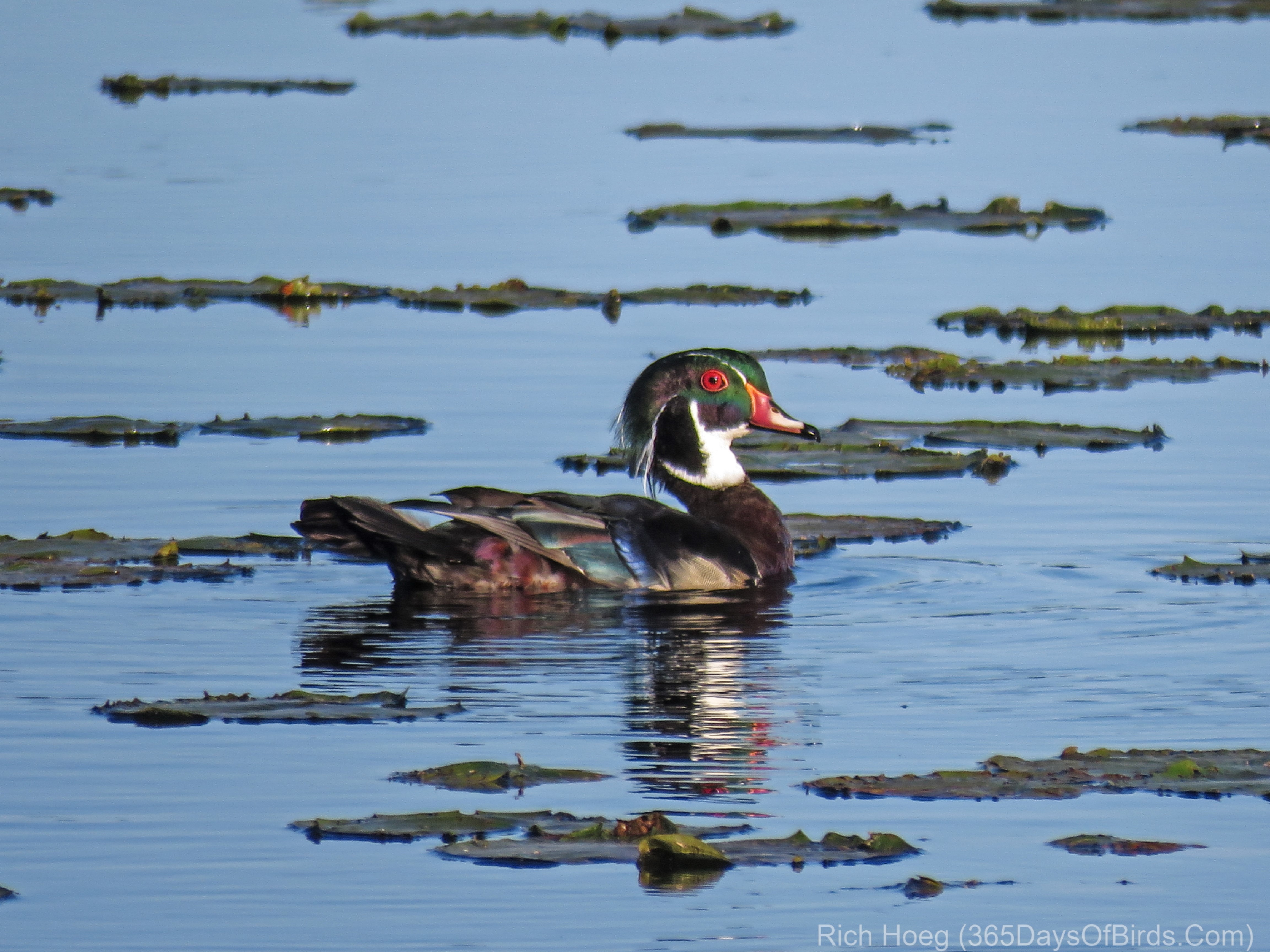
To top off the morning in another pond, I had fun watching this Great Blue Heron hunt for breakfast while a male Wood Duck looked on …
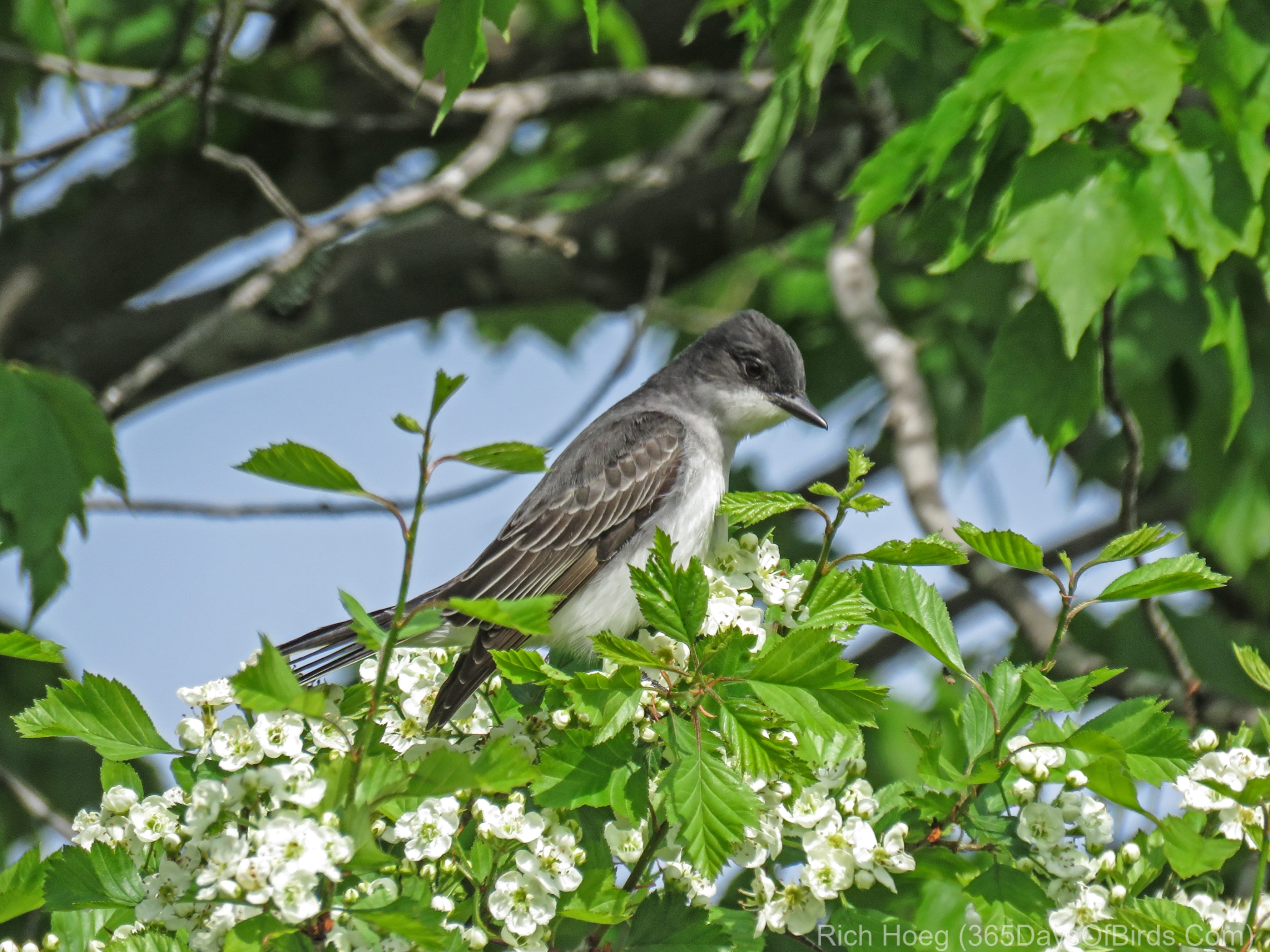
Finally two more “blossom” photos from my Saturday morning outing to the Roy Johnson Wetlands. I love this time of year!
Pagami Creek Forest Fire Region American Woodcock

I drove up to the Pagami Creek forest fire region (NW of Isabella, Minnesota) arriving at the start of Tomahawk Road at 6:30 am this morning. My first comment if you want to bird the area is bring bug repellent. Warm weather has finally arrived up near the Canadian border and with it … lots of black flies and mosquitoes!
 
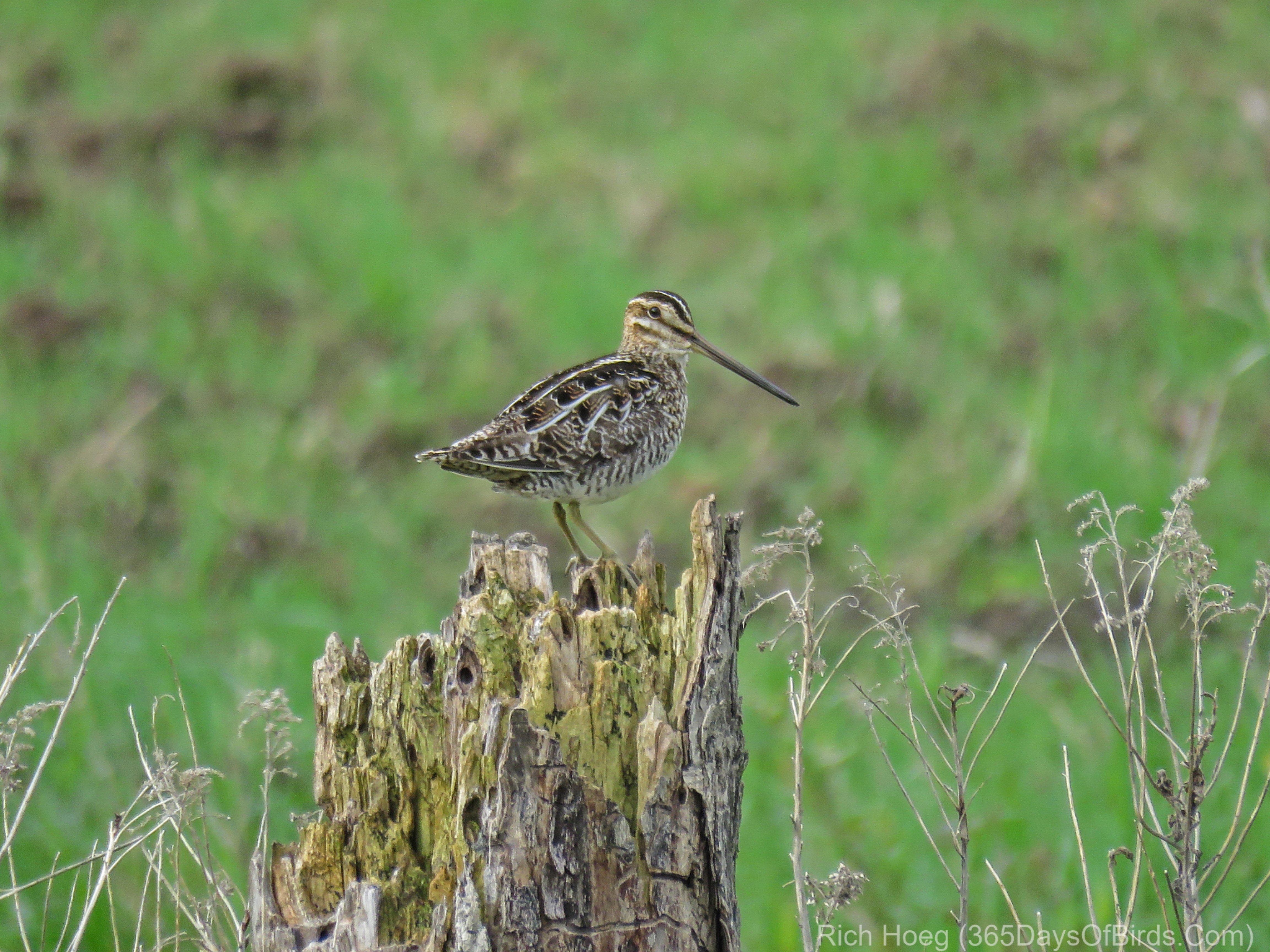
While I did not see any Black Backed Woodpeckers even with an hour’s extensive hiking and listening near the Isabella Lake BWCA Entry Point parking area, there were a huge number of Wilson Snipes and Yellowthroats calling out.
 
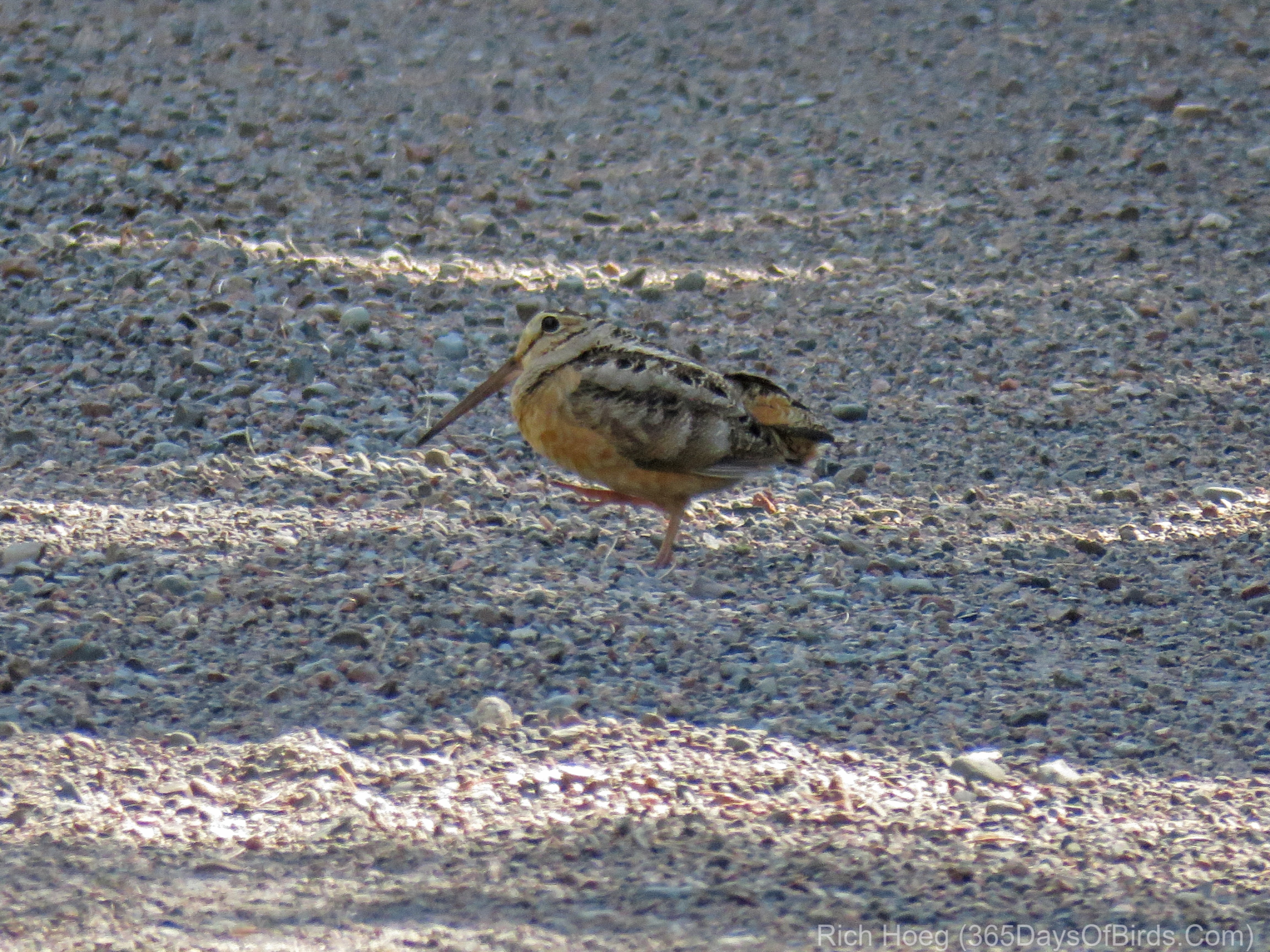
On the way back to Mn Hwy #1, I stopped many times and took short hikes, but still no Black Backed Woodpeckers, or Spruce Grouse. However, what I did see quite a few of were American Woodcock. Between 9 am and 10 am woodcocks were often seen slowly crossing the road.
 
The easiest woodcock location to find is 1/2 mile past the Kelley Loop when you reach the first “Planted in 1946” sign. Slow down way down and over the nest 2/10 of a mile look for rocks which occasionally move … the best way I can describe spotting a woodcock. I found the same bird multiple times, and I suspect it has a nest in that vicinity. I paid a high price in blood for my American Woodcock image. The bugs found me as I stood motionless to take my photographs.
American Woodcock

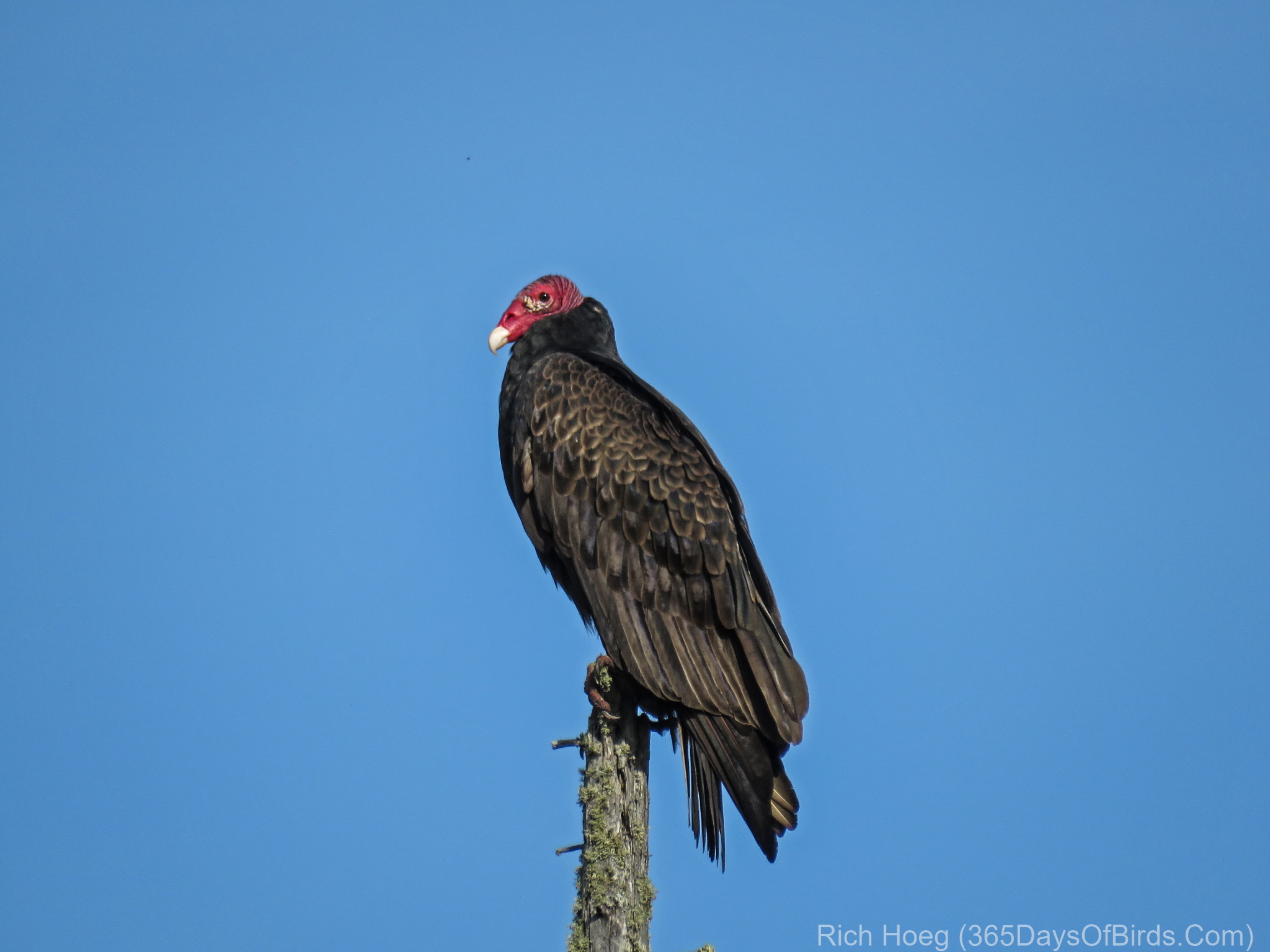
Turkey Vulture (bald can be beautiful!)

Apple Blossoms for Breakfast (and other fine stories)

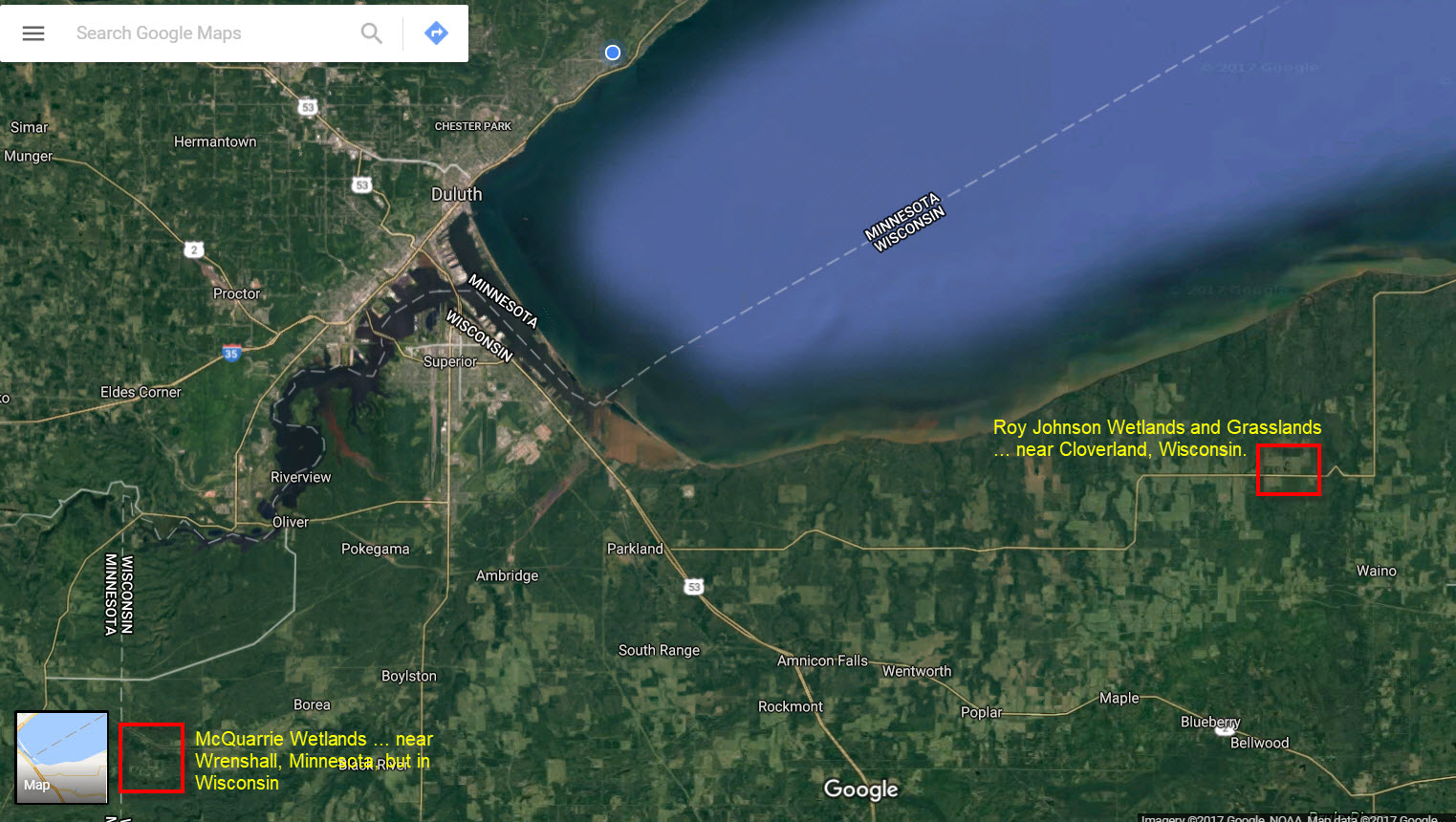
Now that the birding migration is pretty much over, I have changed my tactics. During the migration, birds came to me as they migrated “to” and “through” the Northland. Now I have to go find the birds. This task is not too difficult, and my some of my favorite birding locations early in the mating season are the northwest Wisconsin wetlands:

  • Roy Johnson Wetlands & Grasslands (near Cloverland, Wisconsin)
  • McQuarrie Wetlands (near Wrenshall, Minnesota … but in Wisconsin)

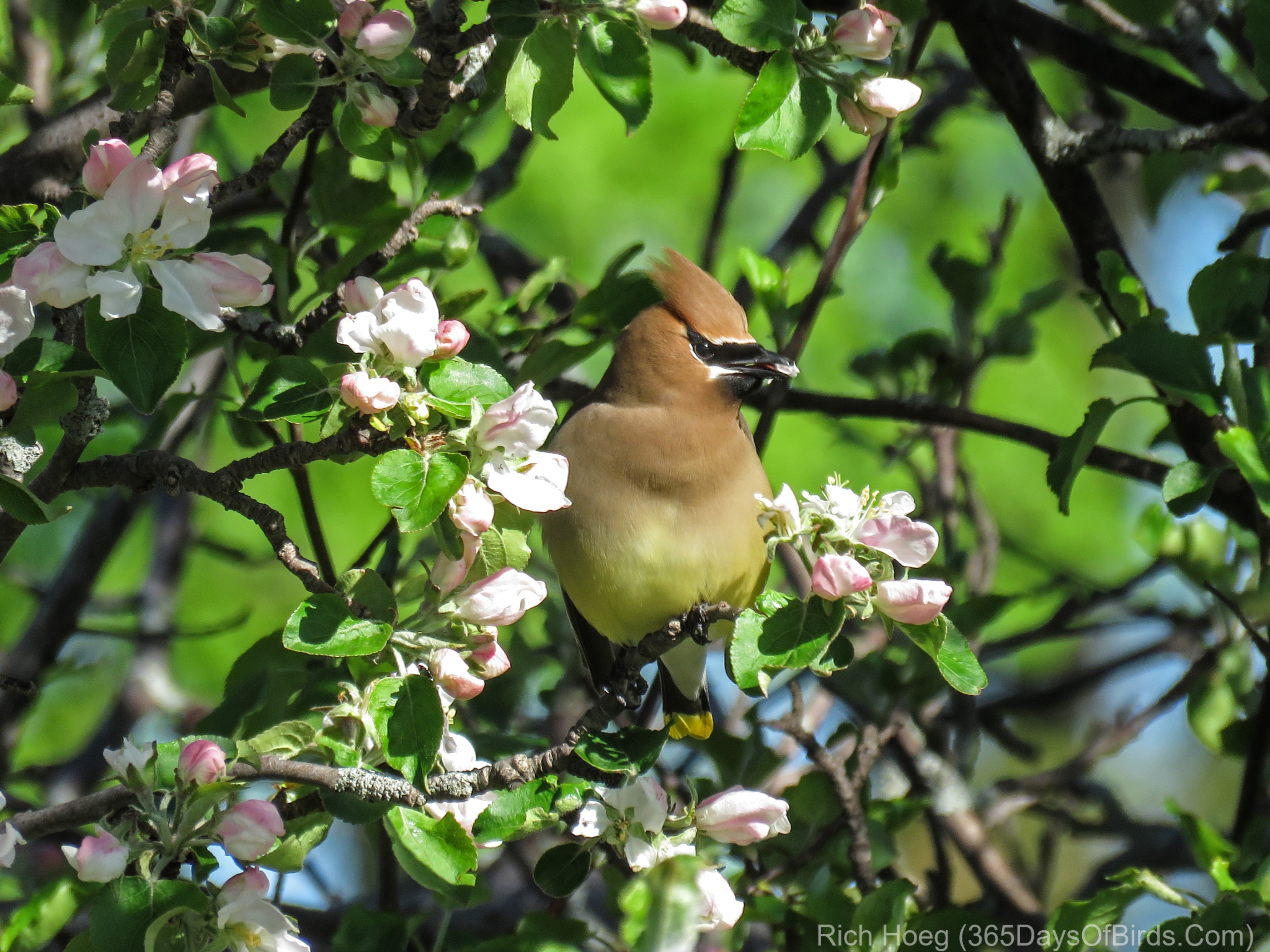
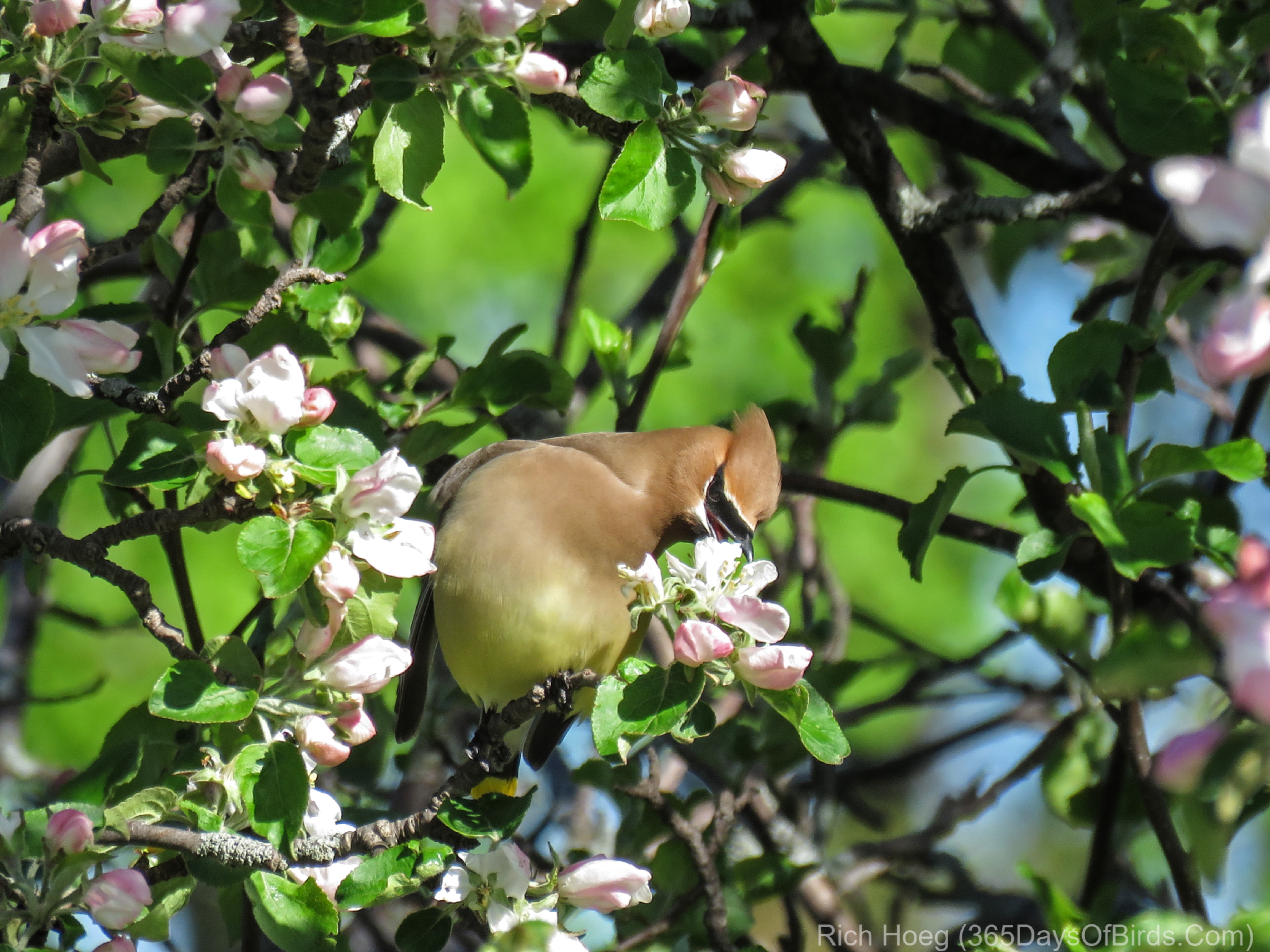
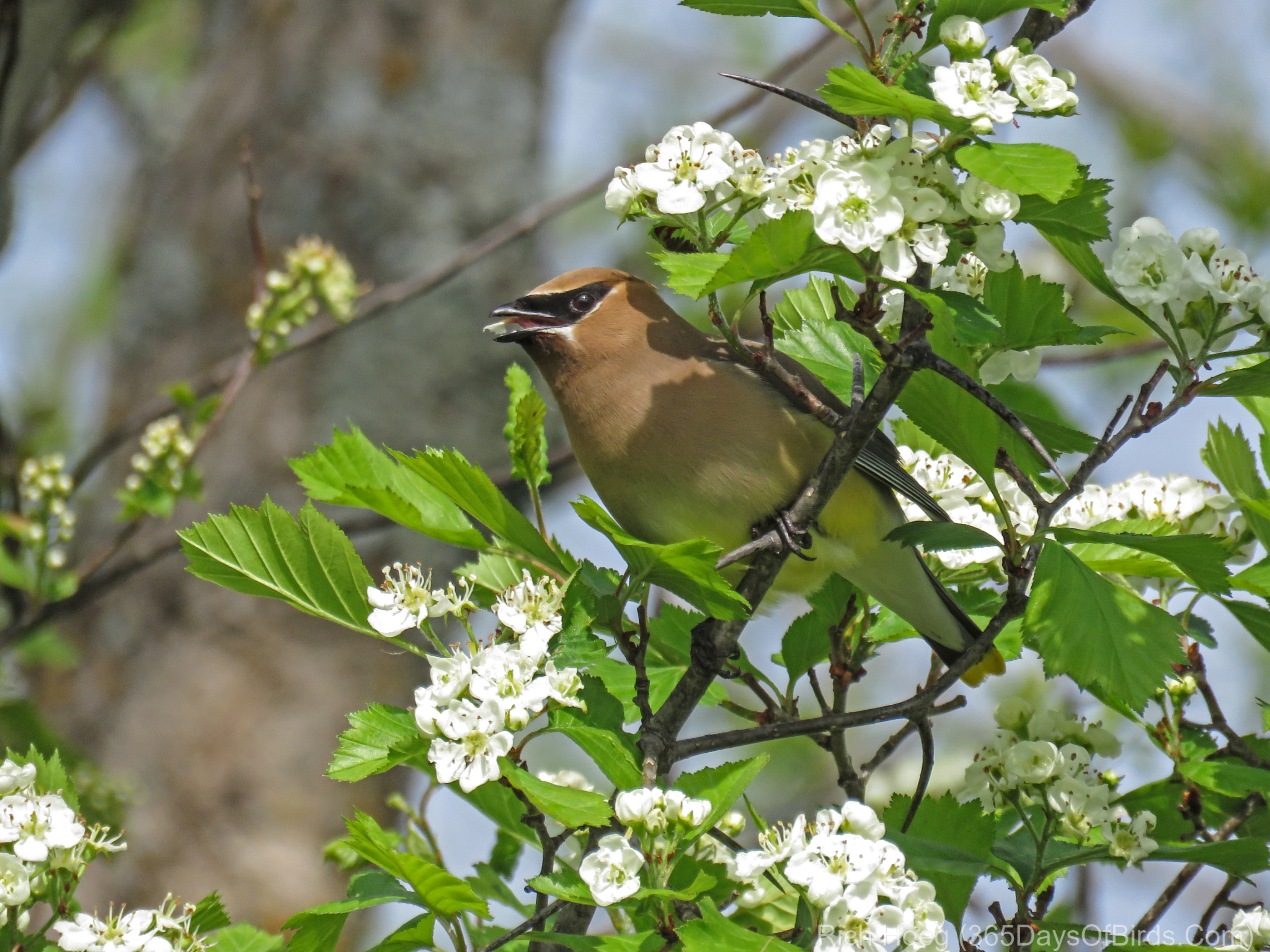
Now on to the birds … I for one did not know Cedar Waxwings actually eat apple blossoms! I thought these birds were eating bugs off the blossoms, but I watched for ten minutes as the waxwings bit off and chewed blossoms completely!

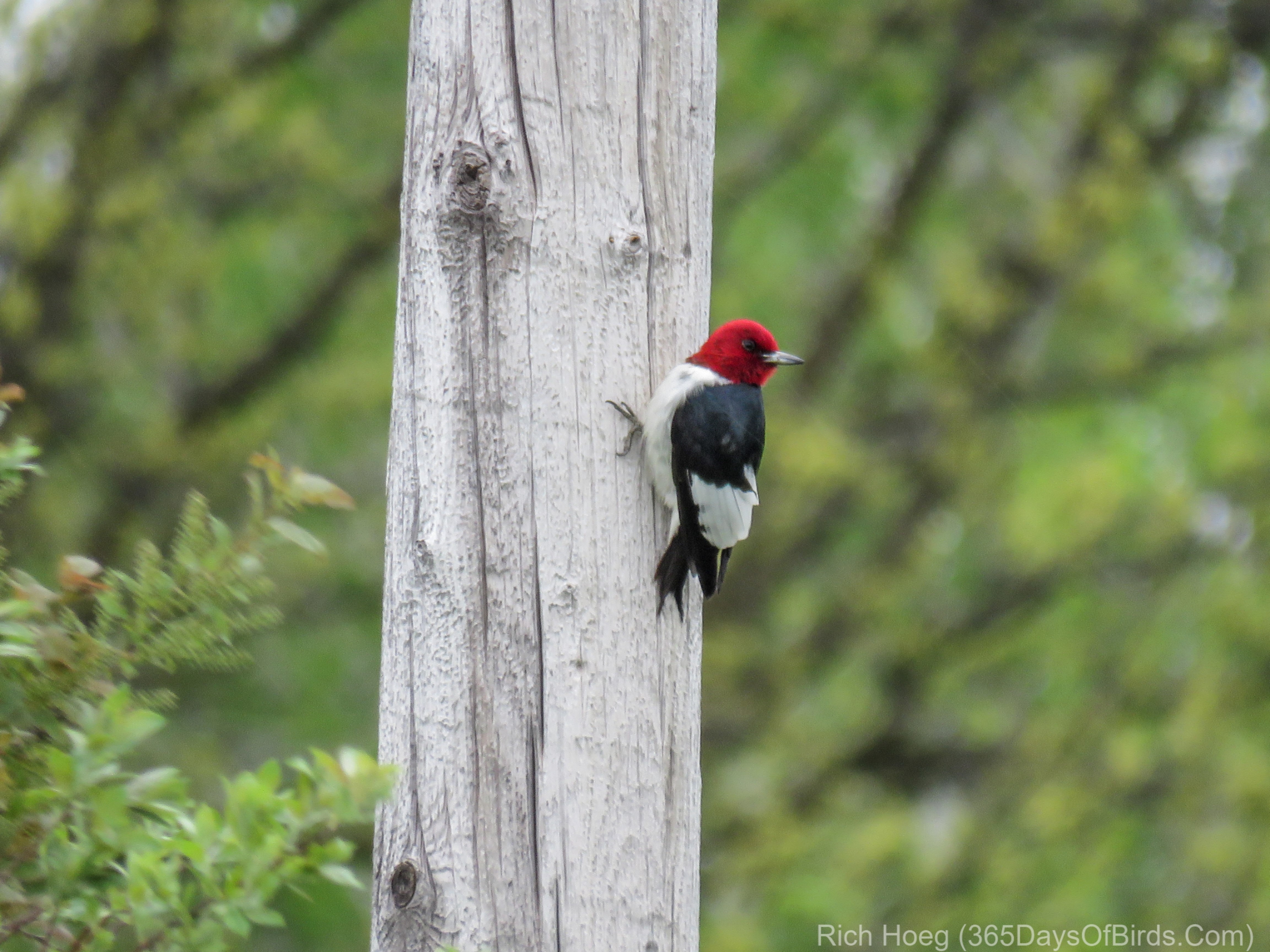
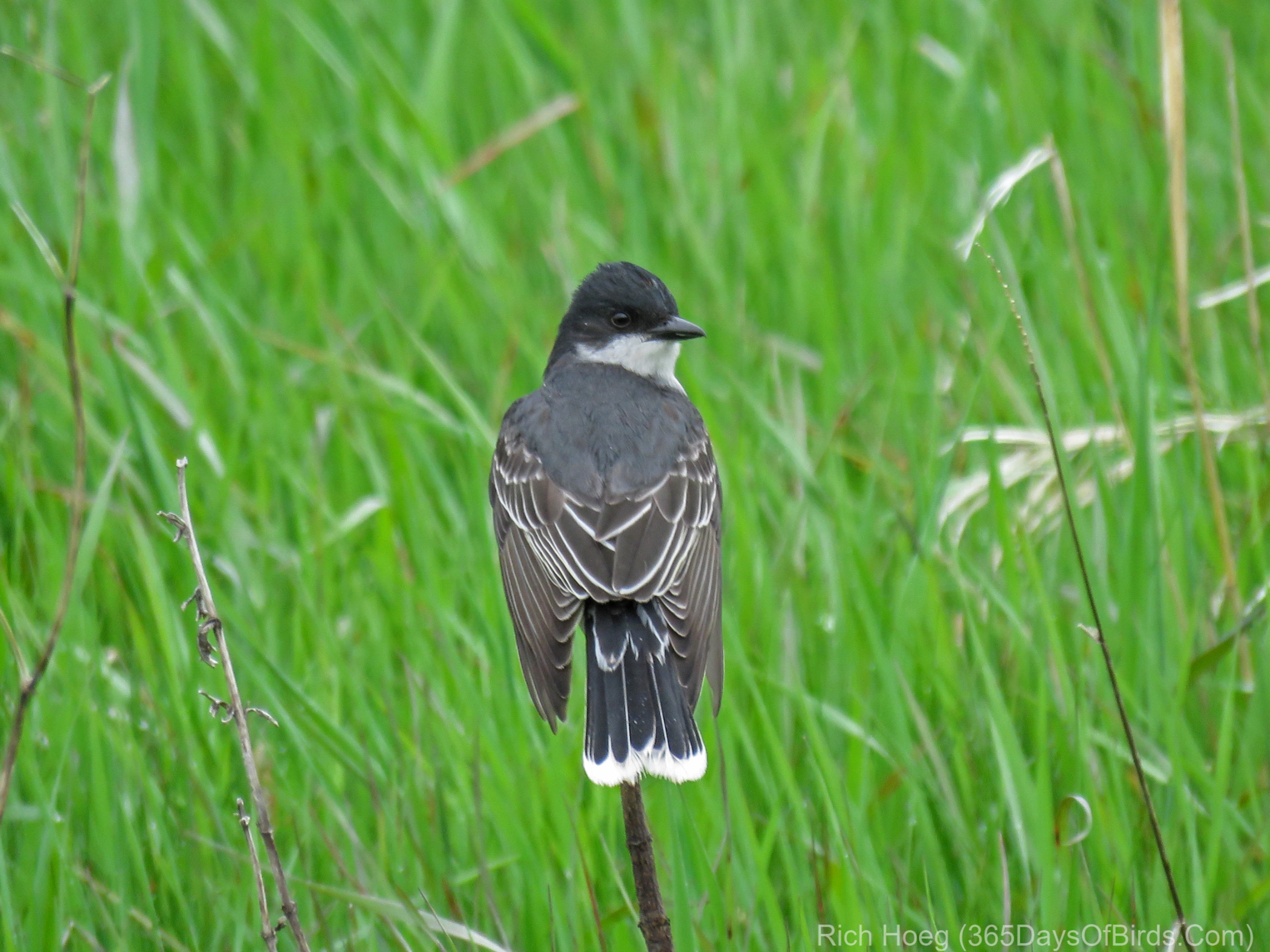
The day before in the rain, but still in the Roy Johnson Wetlands I found lots of other “first birds” for the year.

Red Headed Woodpecker

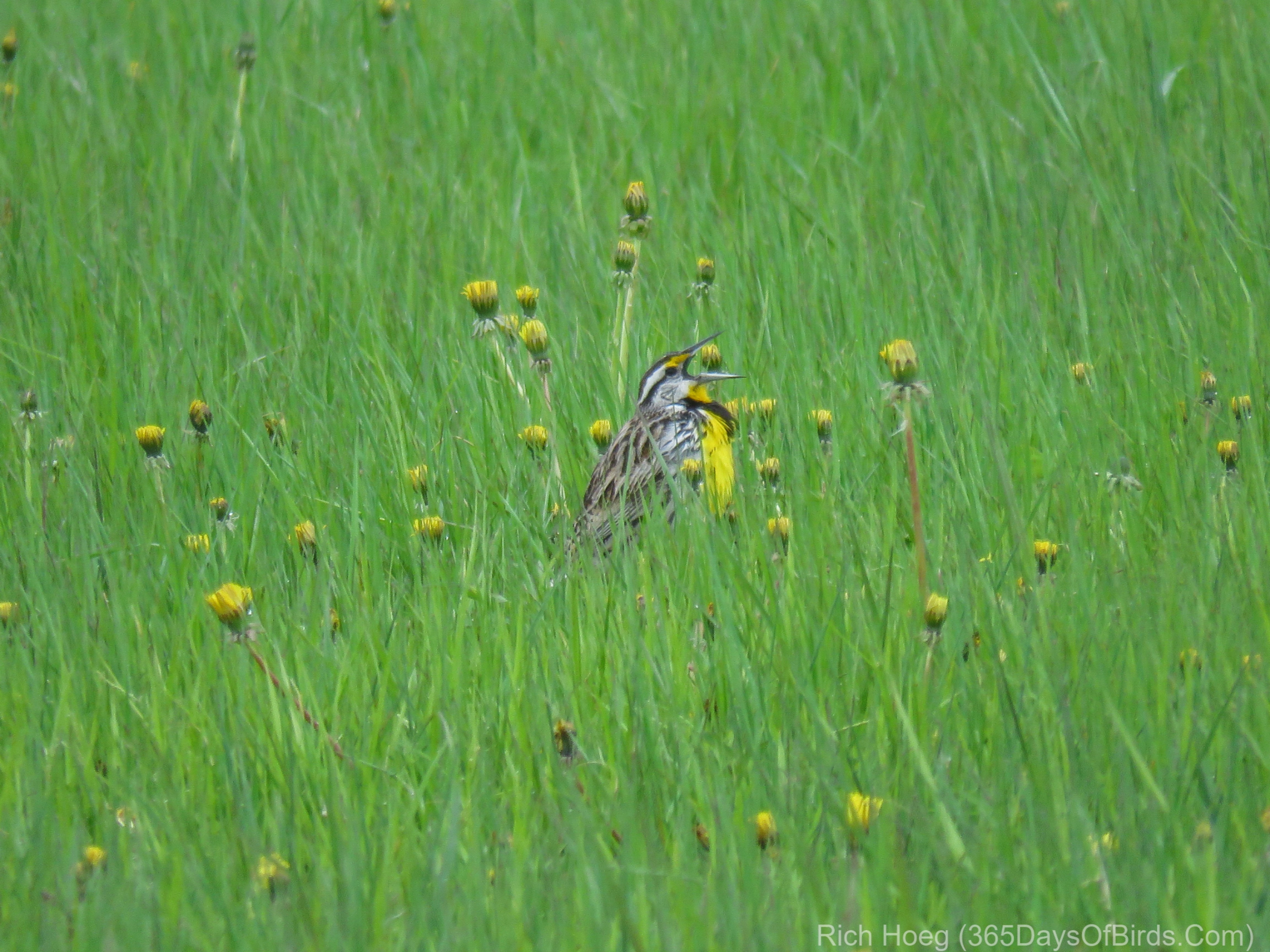
Meadowlark and Wilson Snipe

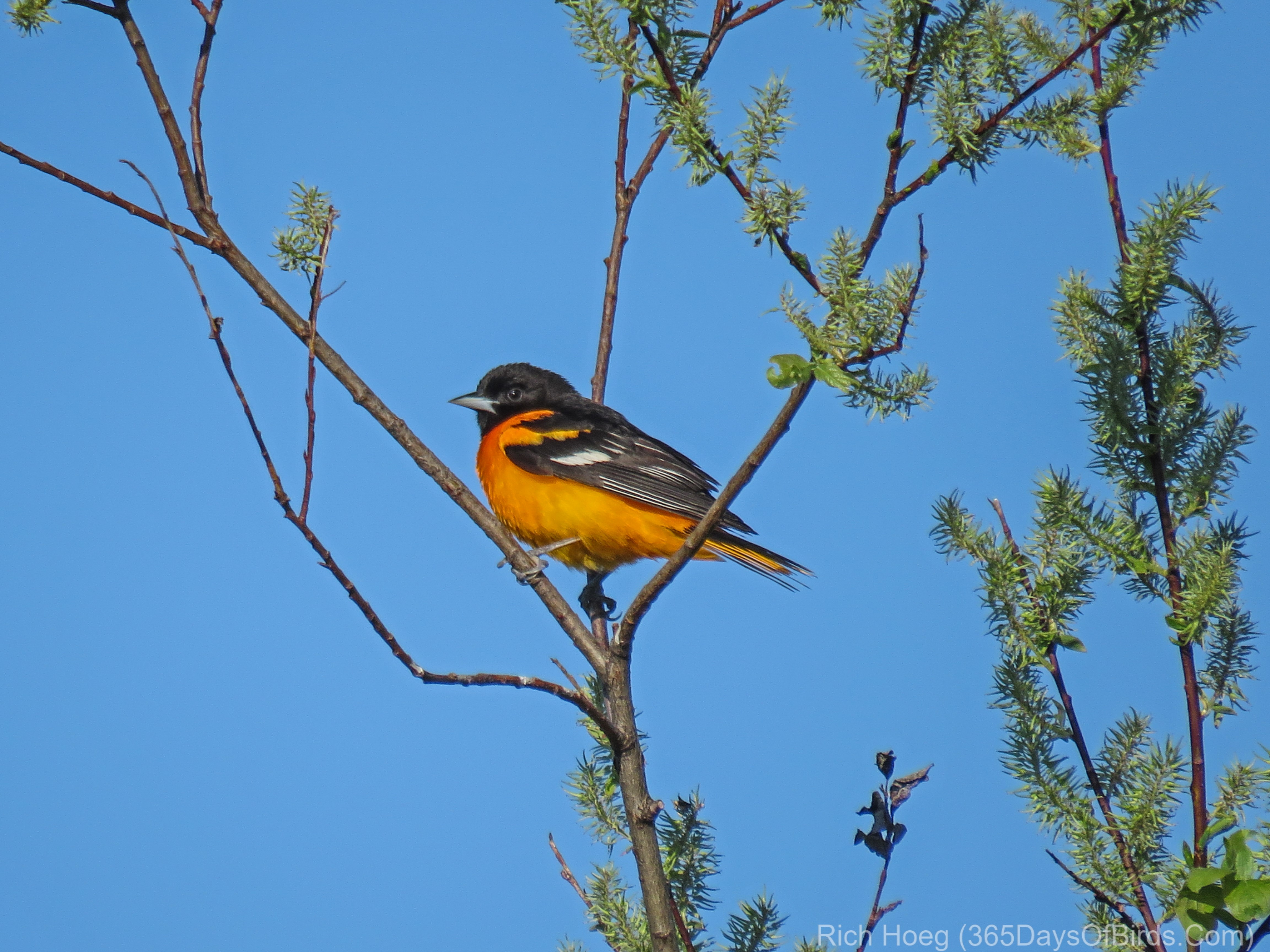
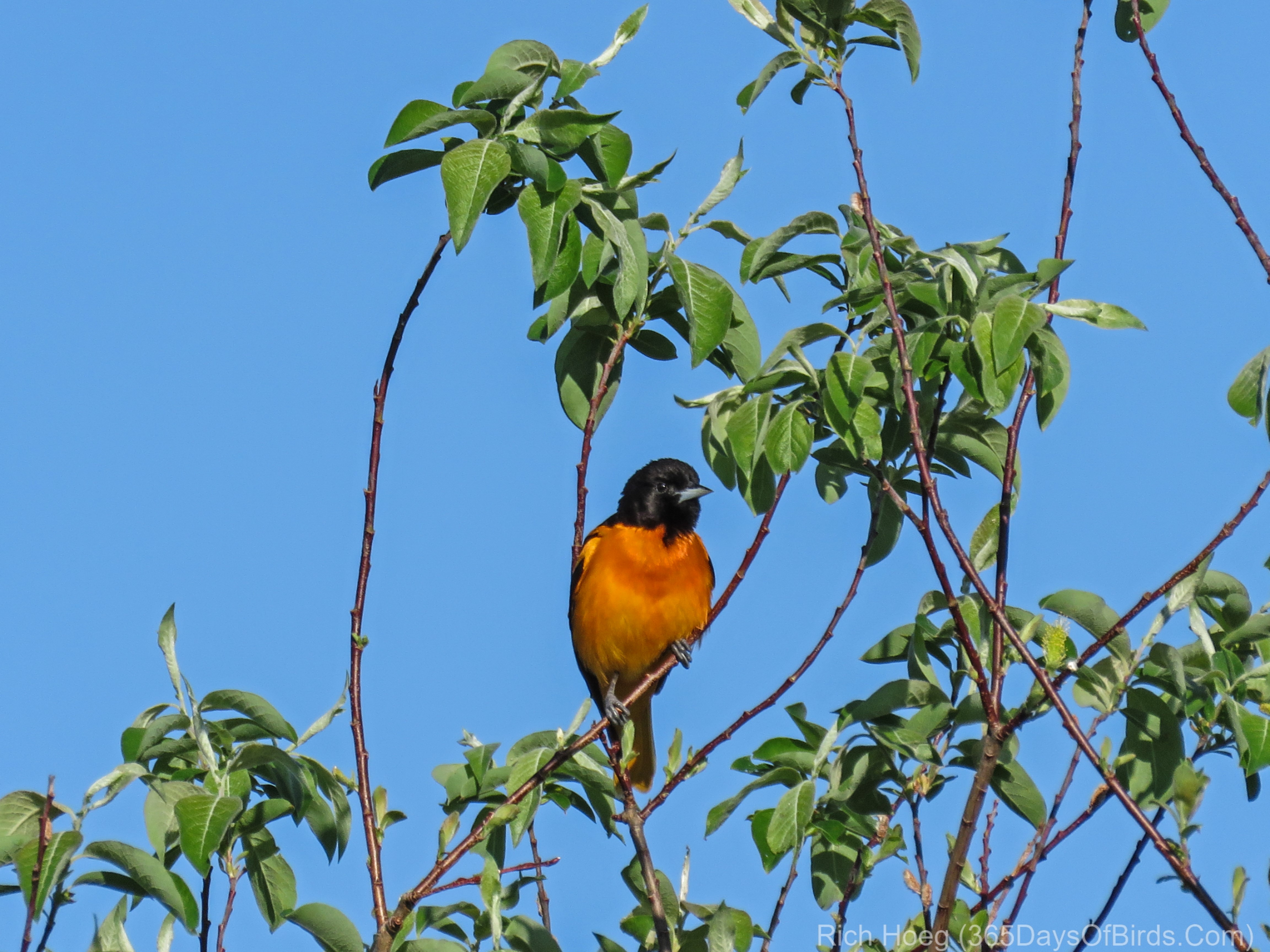
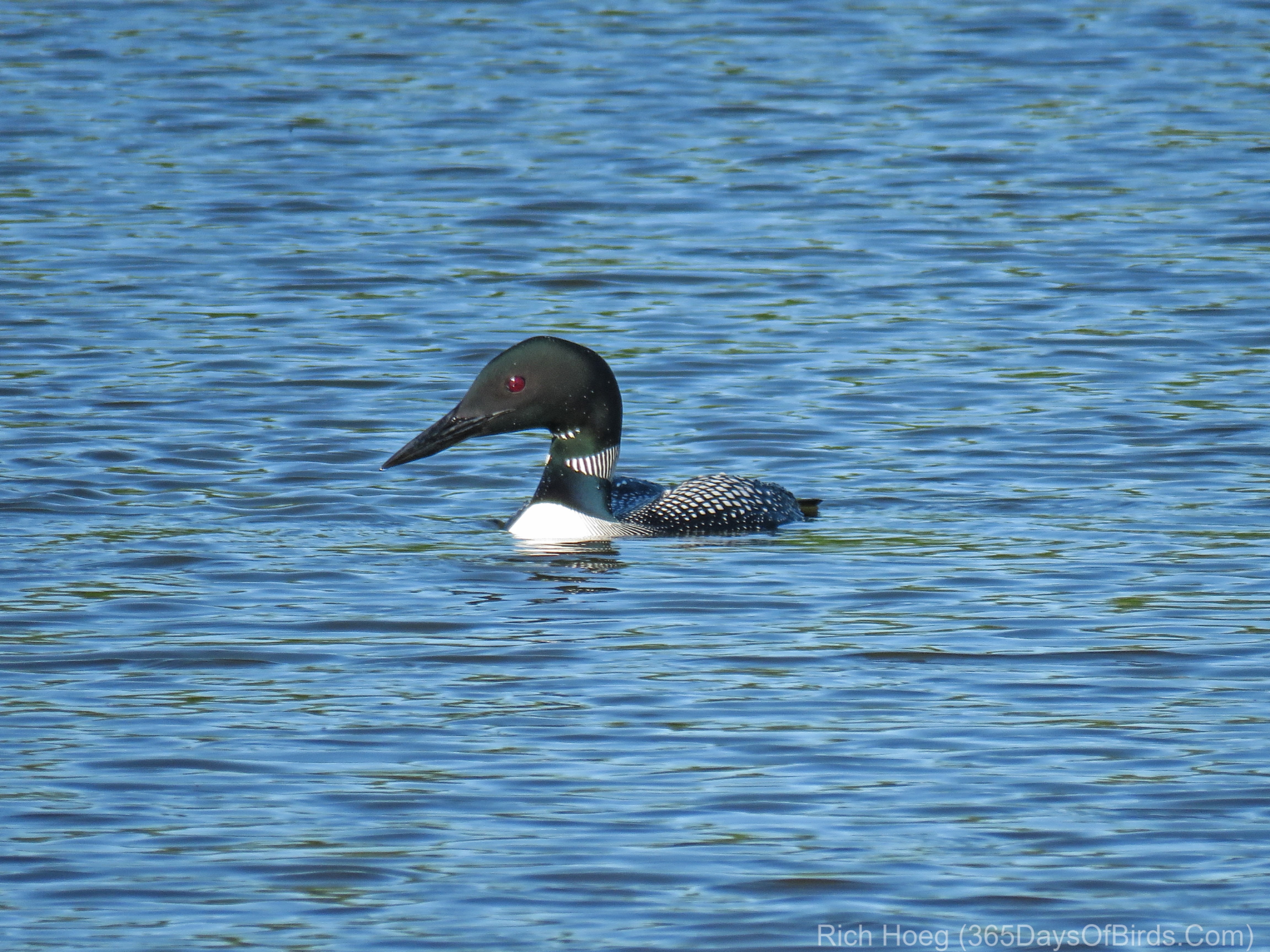
This morning I visited the McQuarrie Wetlands, and had both this Baltimore Oriole, and a pair of Common Loons pose nicely for my camera.

Wisconsin Wetlands Map