Boreal Bog Birds

Frozen Bog! It doesn’t get much better in terms of winter birding! As mentioned before, I often work as a volunteer naturalist at the Sax Zim Bog Visitor Center. The area just north of Duluth is the premier location for finding northern birds which travel south to enjoy our warm winters. Although yesterday’s bright sunny skies made finding the elusive Great Gray Owl difficult, humans and birds enjoyed the balmy weather that saw temperatures climb above freezing for the first time in months. Birds easily found yesterday just to name a few included Boreal Chickadees, Common Redpolls, Evening Grosbeaks, Gray Jays, and Pine Grosbeaks. Before actually driving up to the Bog, I stopped by my favorite Snowy Owl right at the moment of sunrise. Given sunny mornings have been rare recently, I wanted to take advantage of the “golden glow” on a Snowy as the sun shone its initial morning rays.

Sunrise Snowy!
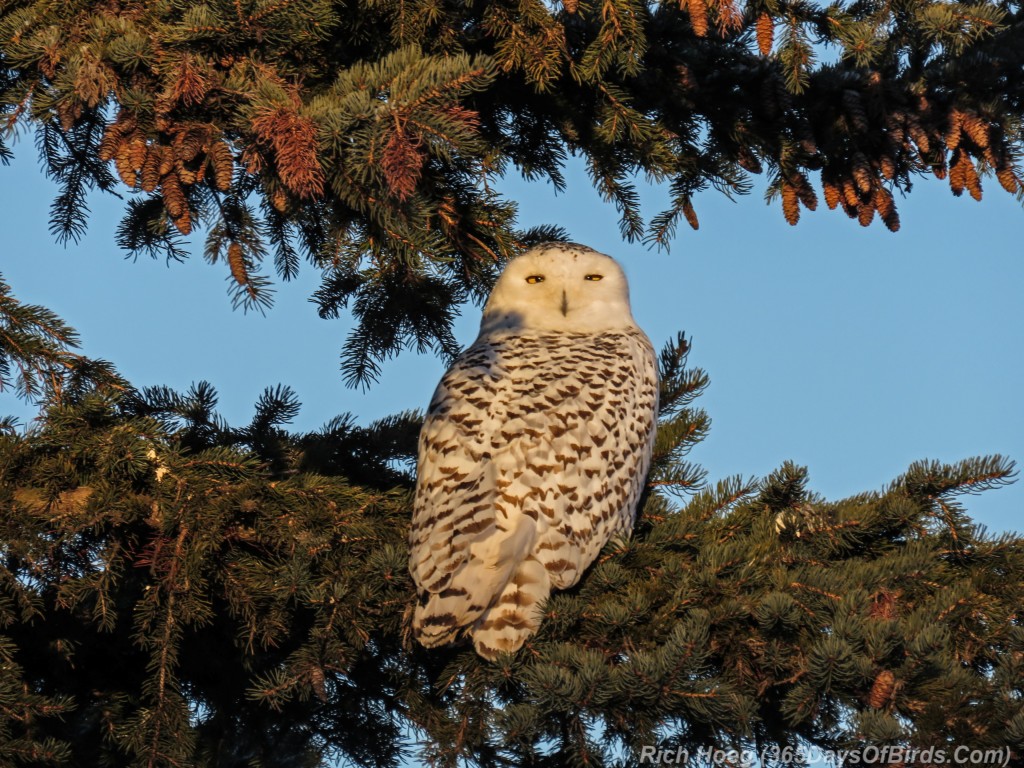
Y3-M01-Sunrise-Snowy-Owl-4

———-

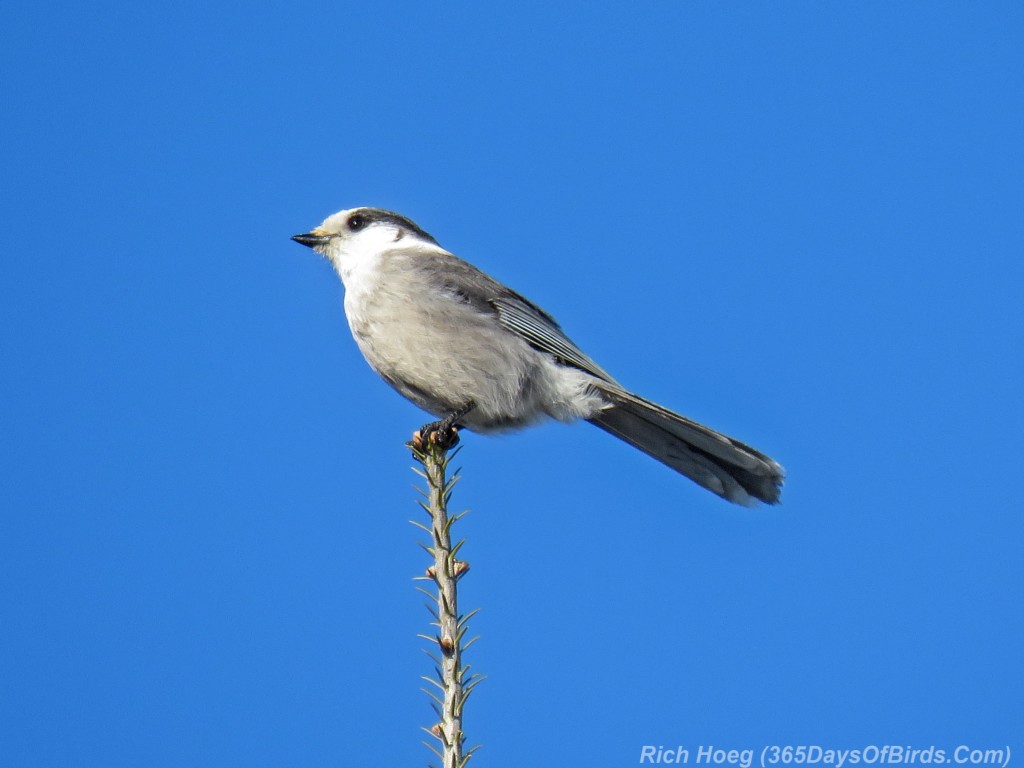
Great Jay or Canada Jay
Y3-M01-Sax-Zim-Bog-Gray-Jay

———-

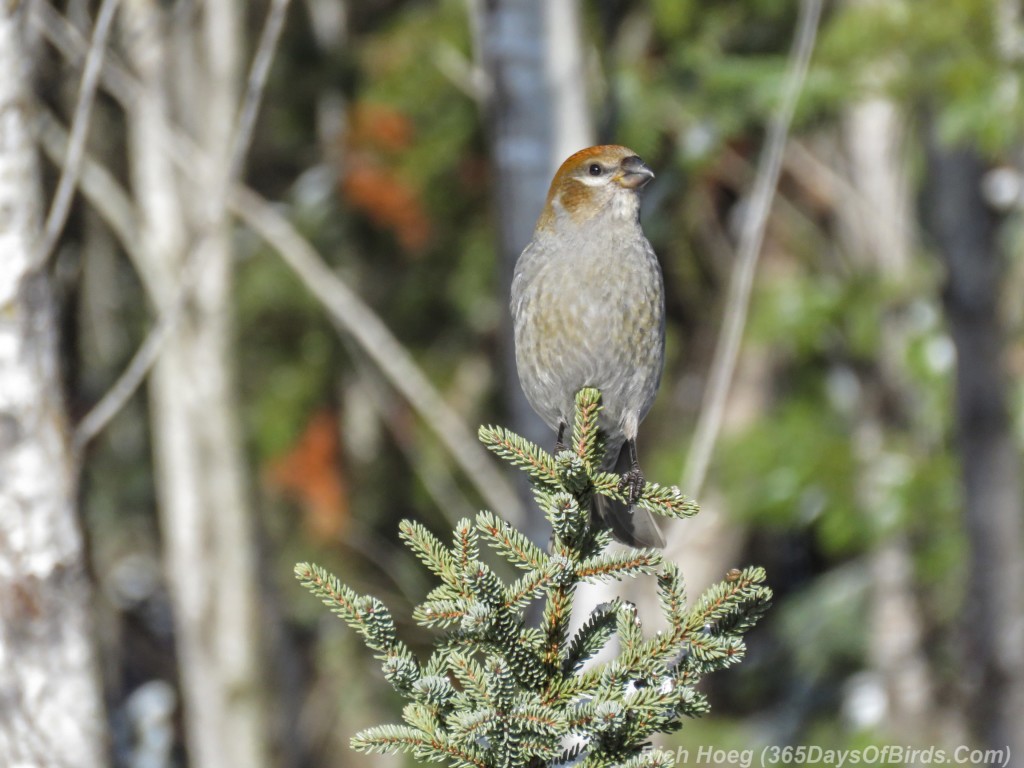
Pine Grosbeak (female)
Y3-M01-Sax-Zim-Bog-Pine-Grosbeak

———-

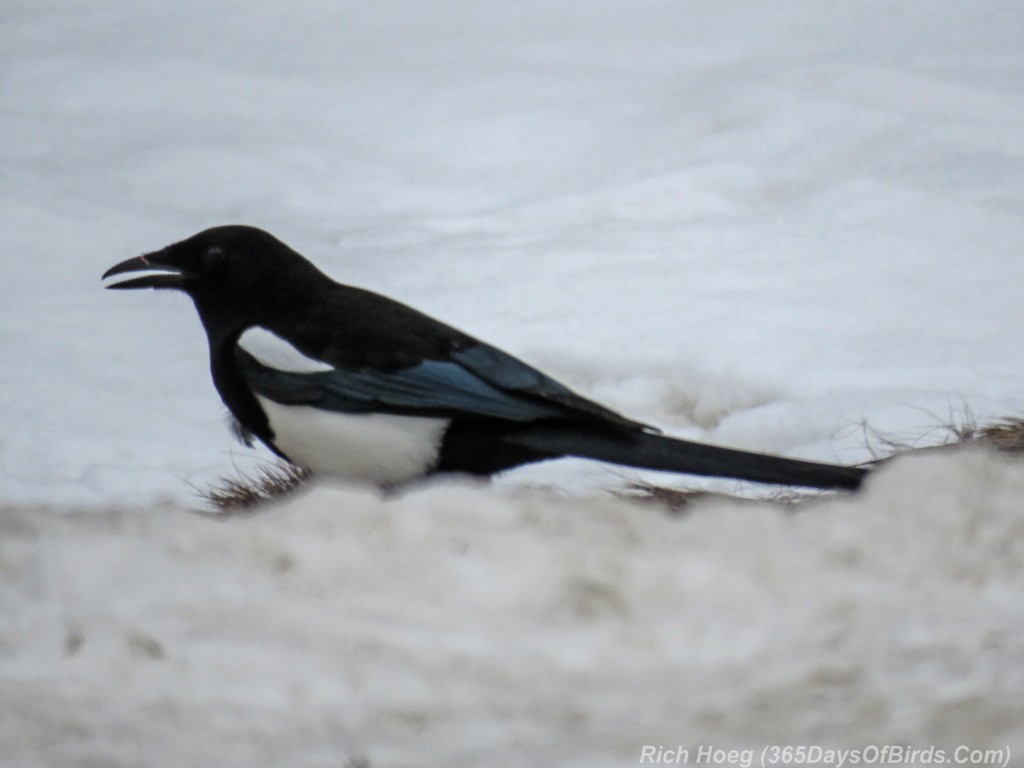
Roadkill Cafe Mapgpie
Y3-M01-Sax-Zim-Bog-Magpie

Peanut Butter Boreal Birds!

Any outdoorsman worth his peanut butter and jelly sandwiches will know it’s worth sharing with the small Boreal birds! Believe it or not, I am not pulling my proverbial reader’s legs. This morning I made a trip north of Duluth to the Sax-Zim Bog. This region is one of the premier winter birding locations in the lower 48 states. Although I work as a volunteer naturalist at the Bog Visitor Center, today’s trip was solely for birding.

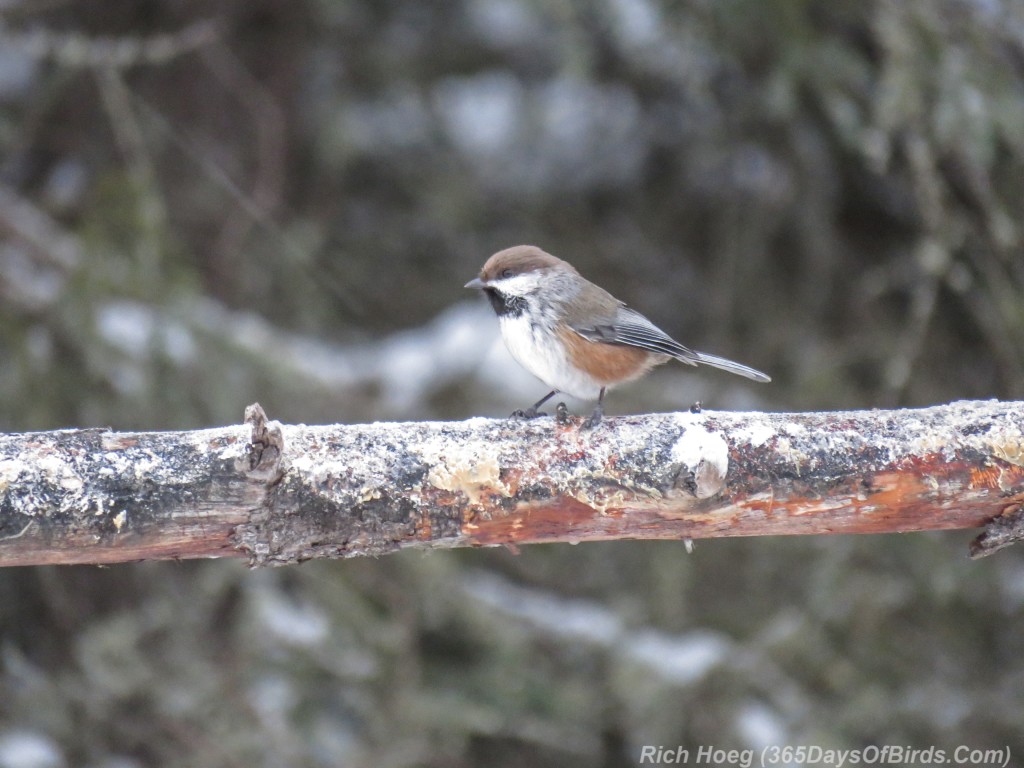
When I arrived at the feeders on Admiral Road around 8:10 am, which was about 1/2 hour after sunrise, conditions were not ideal for the “outdoor photographer”. In fact, in addition to the fact that the sun was not yet very high up in the sky, the globe was hidden behind thick clouds with light sleet in the air. However, birds eat on their own schedule, and a few Boreal Chickadees arrived to feast on peanut butter within ten minutes of my arrival. Like any good photographer, I wanted to capture the image of this northern winter visitor. If you are familiar with chickadees, please understand they are a high energy bird which rarely stands still. Therefore, normally the best photograph settings for a Boreal Chickadee would be a very fast shutter speed. This kind of camera setting was not possible given the weather conditions. One option might be to push the ISO higher and higher to obtain a fast shutter speed. I actually chose a compromise. One HUGE advantage of the burst mode is one can takes lots and lots of pictures. Thus, I pressed the shutter down, and hoped my birds would momentarily stand still such that I would get away with a slower shutter speed, and a lower ISO setting.

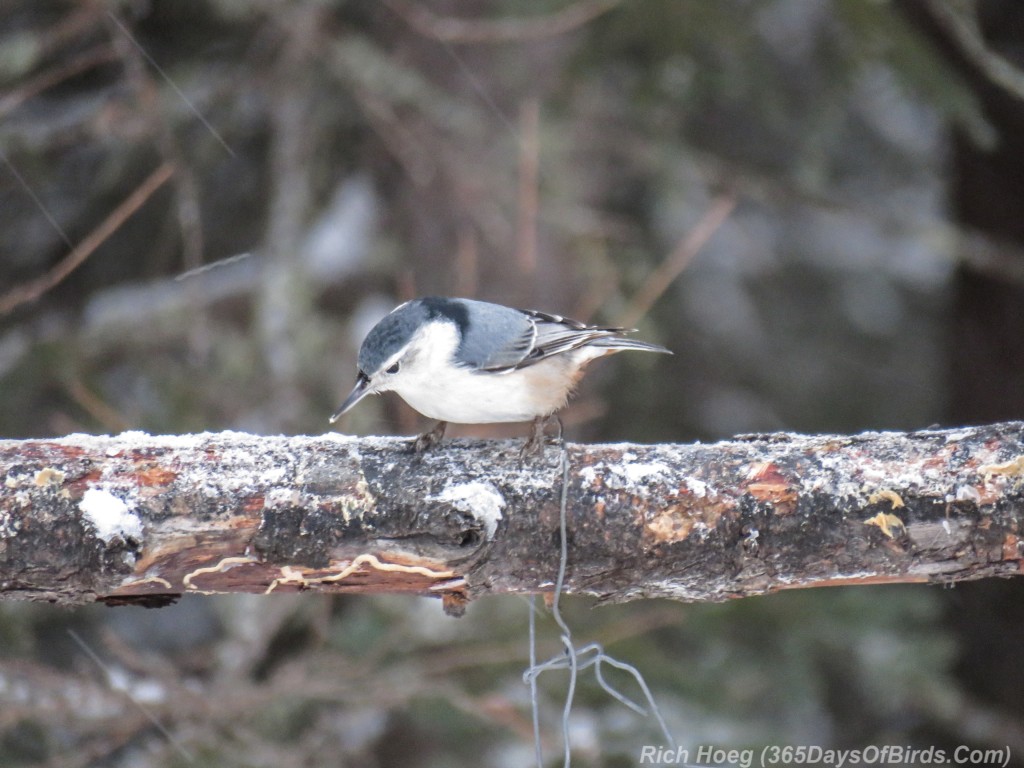
If you look closely at the two images shown below, it is actually possible to see the sleet streaking through the air. The other bird is a white-breasted nuthatch … another bird which does not like to stand still. I threw out many, many blurry photos to obtain these two final images.

Boreal Chickadee and White-Breasted Nuthatch
Y3-M01-Sax-Zim-Bog-Boreal-Chickadee Y3-M01-Sax-Zim-Bog-White-Breasted-Nuthatch

Common Redpoll … Sleeping Snowy

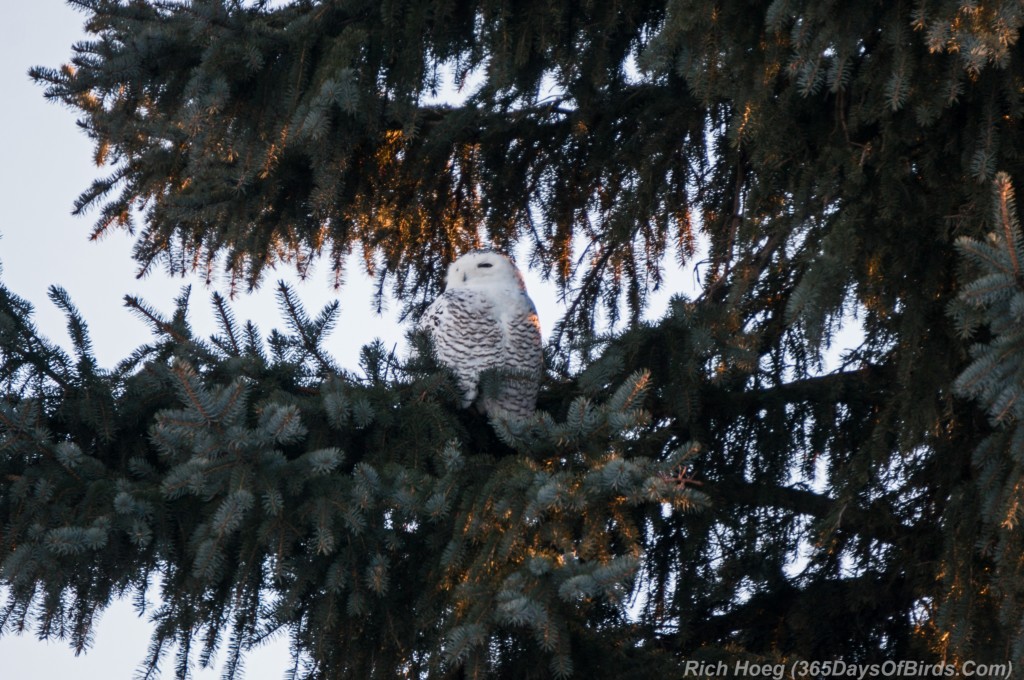
Once again I watched a Snowy Owl sleep today. Some Snowies actually hunt during the day, but not my friend. I spent almost one and one half hours on a beautiful clear afternoon waiting and watching. Watching this owl is kind of like watching paint dry. Some day I will see it hunt!

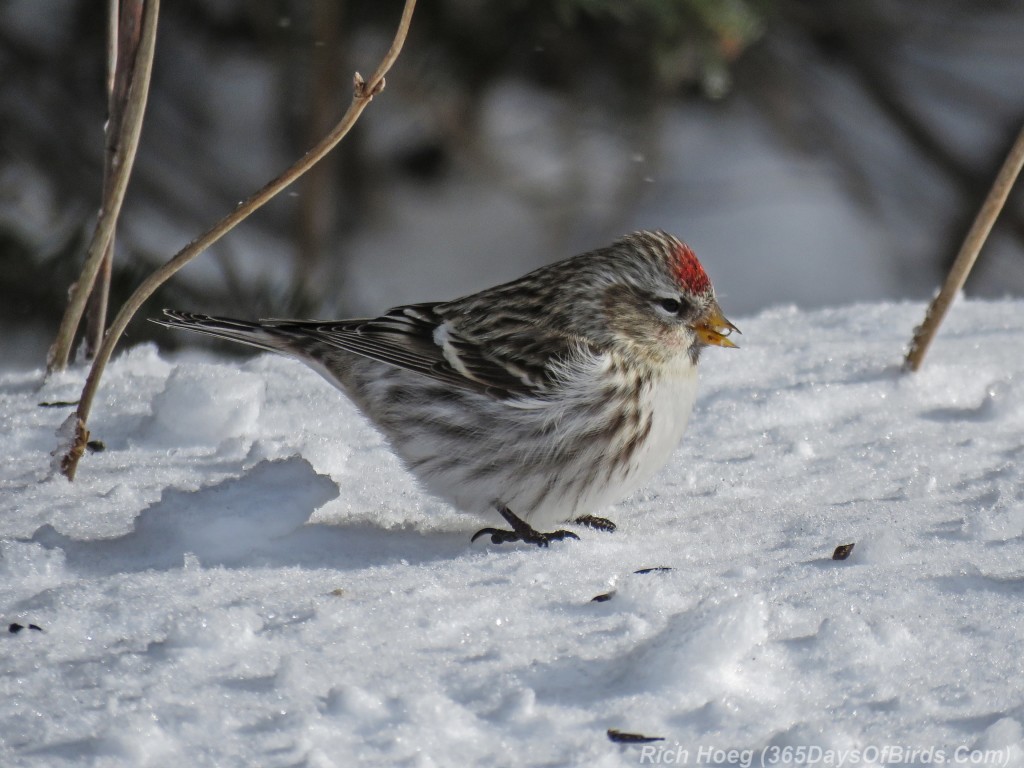
At least my bird feeders on Old Vermilion Trail are now attracting common redpolls in addition to millions of black-capped chickadees.

Common Redpoll
Y3-M01-Old-Vermilion-Common-Redpoll

———-

Sleeping Snowy Owl … moments before sundown
Y3-M01-Sleeping-Snowy-Owl-Sunset