Tag Archives: MN North: Forest Hill Cemetery

The Eternal Golden Hour … Ross’s Goose

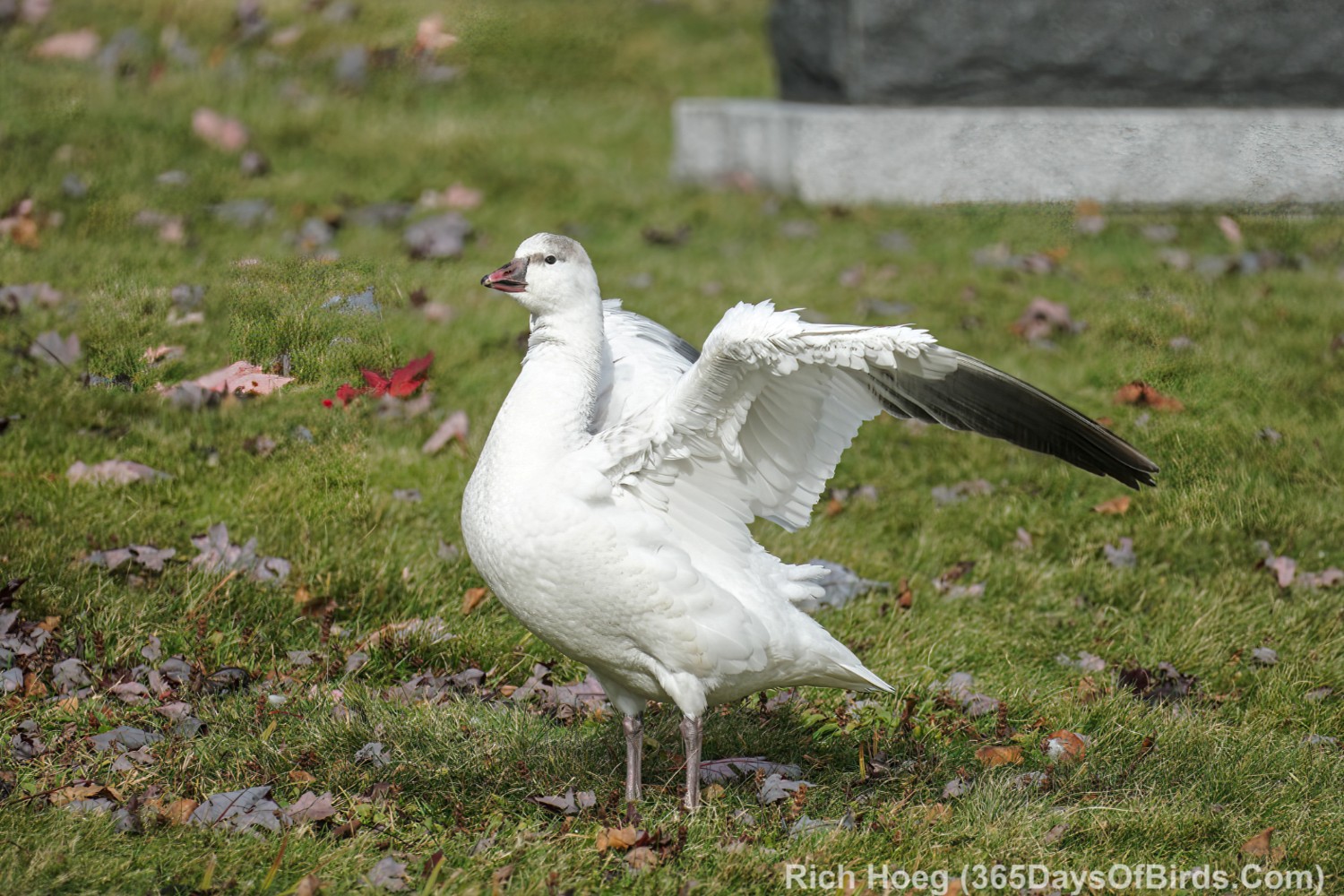
When you live up north the amount of daylight gets shorter and shorter during the winter months. Remember, meteorological winter starts December 1st which will soon be here. One big advantage of winter over summer is the sun now stays much lower in the southern sky. I call November, December and January the eternal “golden hour”. During these months the light available for photography is special … essentially the golden hour all day long. The days are short, but the light is nice.

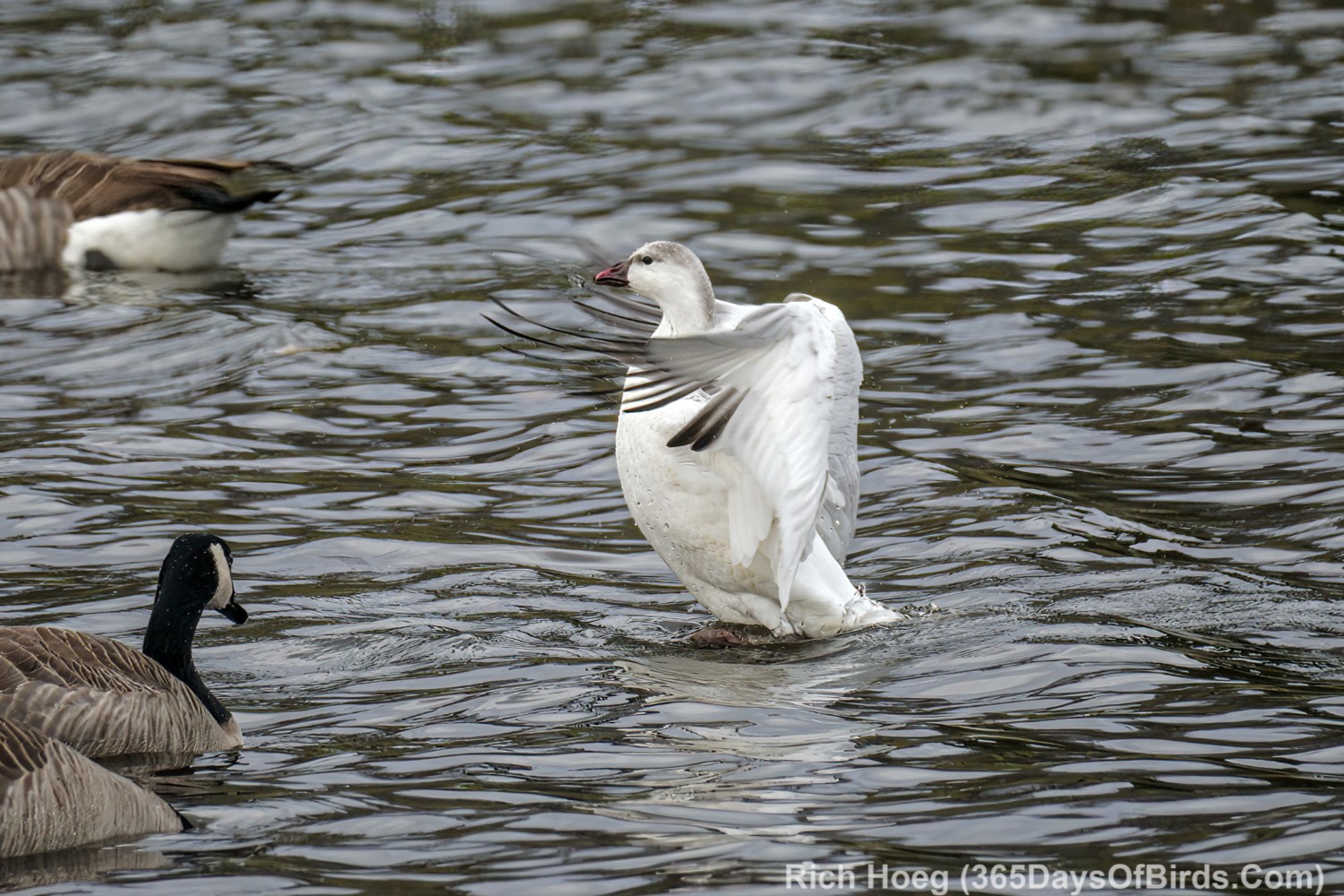
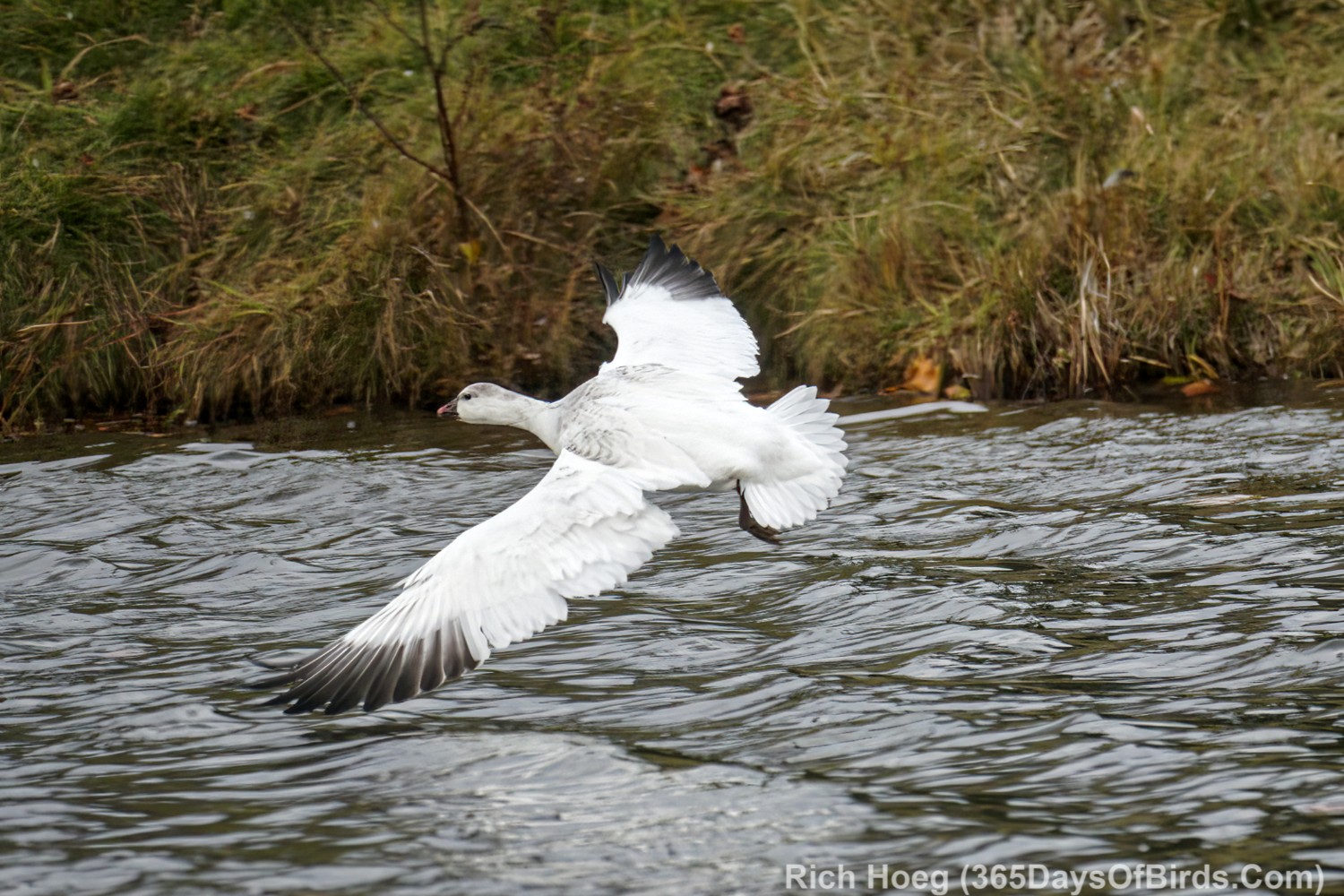
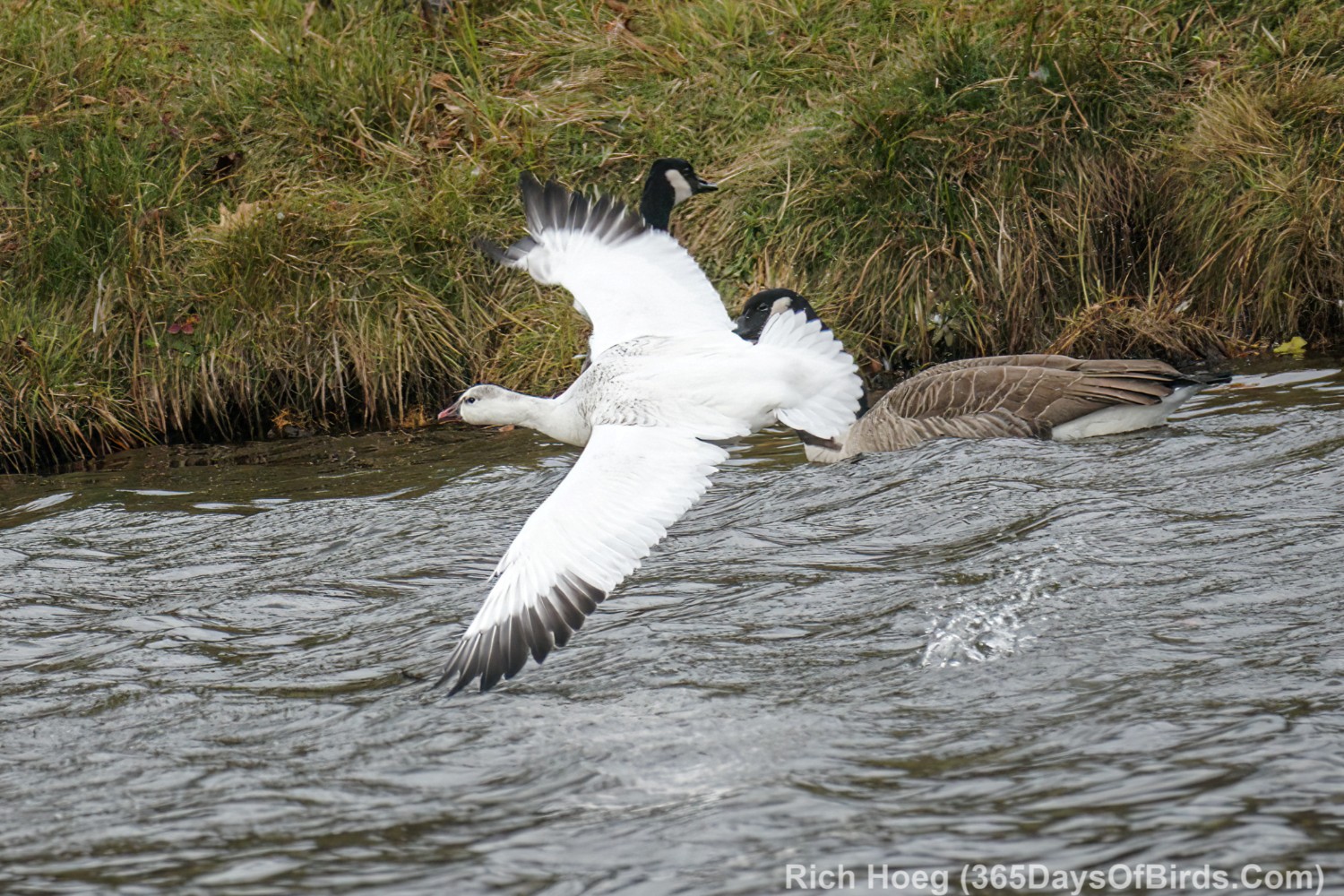
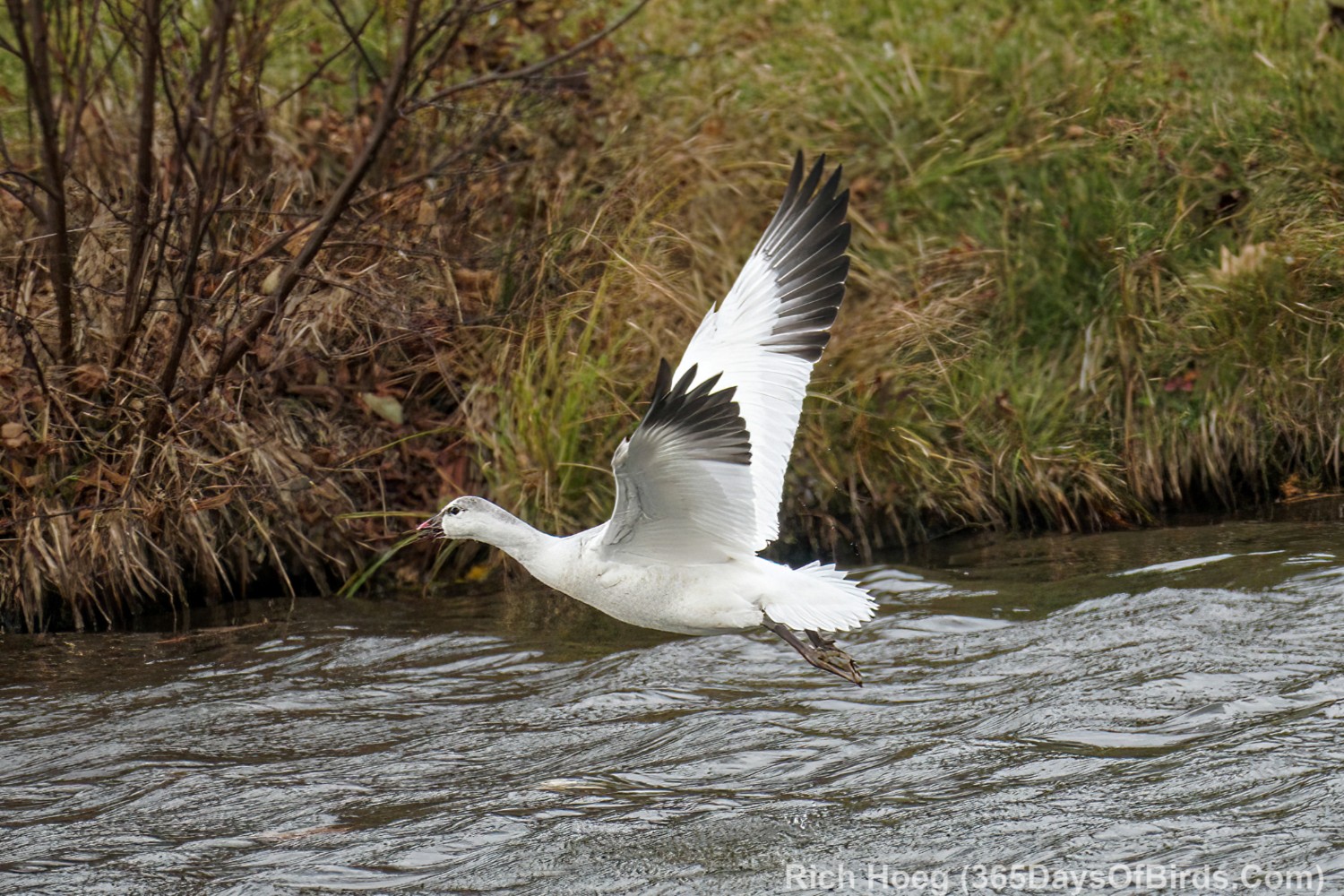
Sunday I experienced a perfect example of this effect. A Ross’s Goose has been hanging out at Forest Hill Cemetery. This rare bird for our migration region has mainly white plumage, which easily gets blown out by the sun while one takes images. For these first two photographs, the sun temporarily came out and the bird was in direct sunlight, but is while plumage did not get blown out. One final note … while the Ross’s Goose is about 1/3 smaller than its Canada Geese cousins, it seemed to be much more aggressive … chasing the Canada folks all over the place!

Eternal Golden Hour Direct Sunlight … middle of the day … Ross’s Goose

More images under cloudy conditions
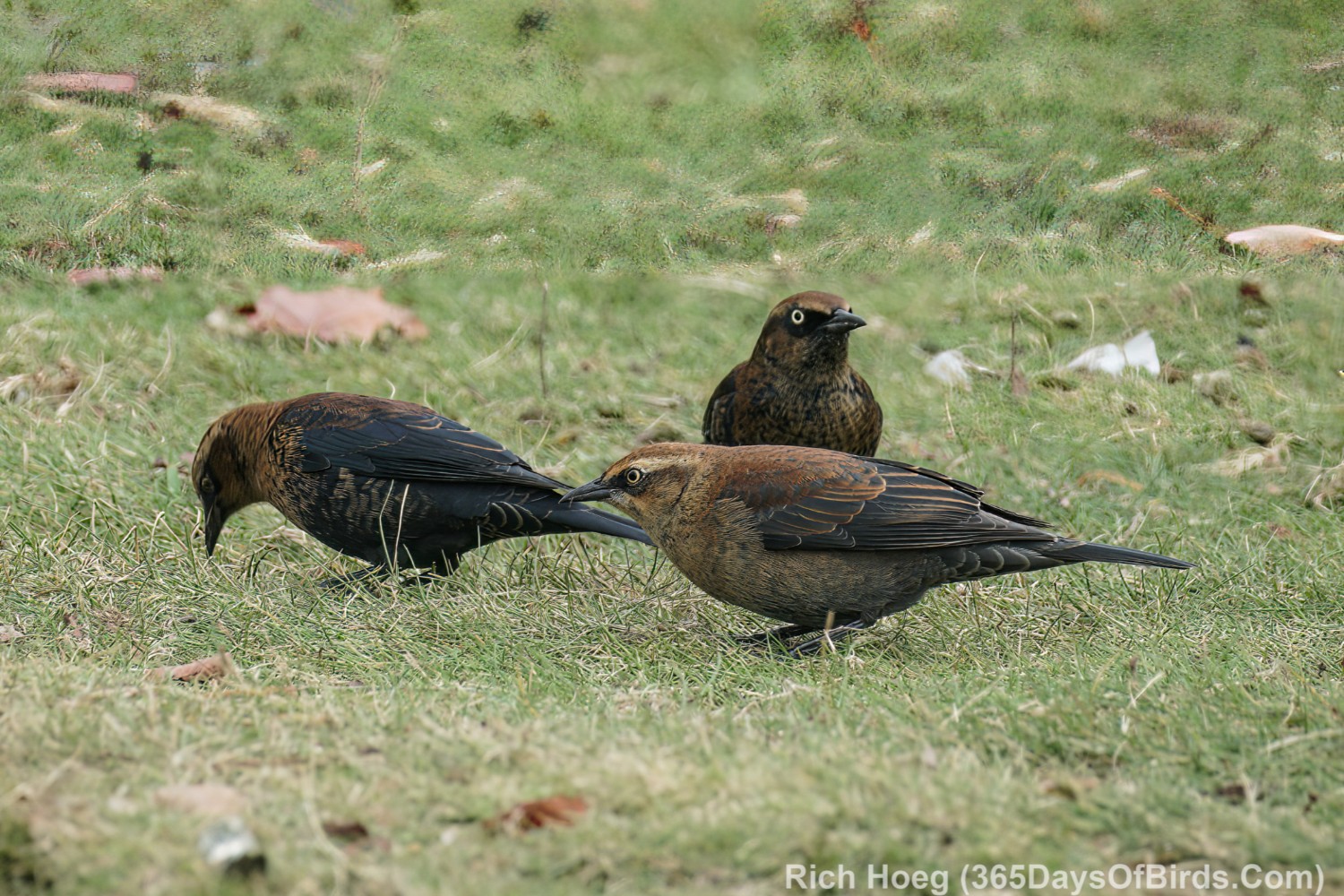
Black Birds Can be Beautiful! (Rusty)

For the last week or so Rusty Blackbirds having been migrating through the Duluth area from their northern Canadian marshes and bogs. While traditionally birders tend to look down upon blackbirds, old Rusty represents something rather different. Normally once per yard I see these birds at Forest Hill Cemetery as they work their way south.

Yup, blackbirds can be beautiful!

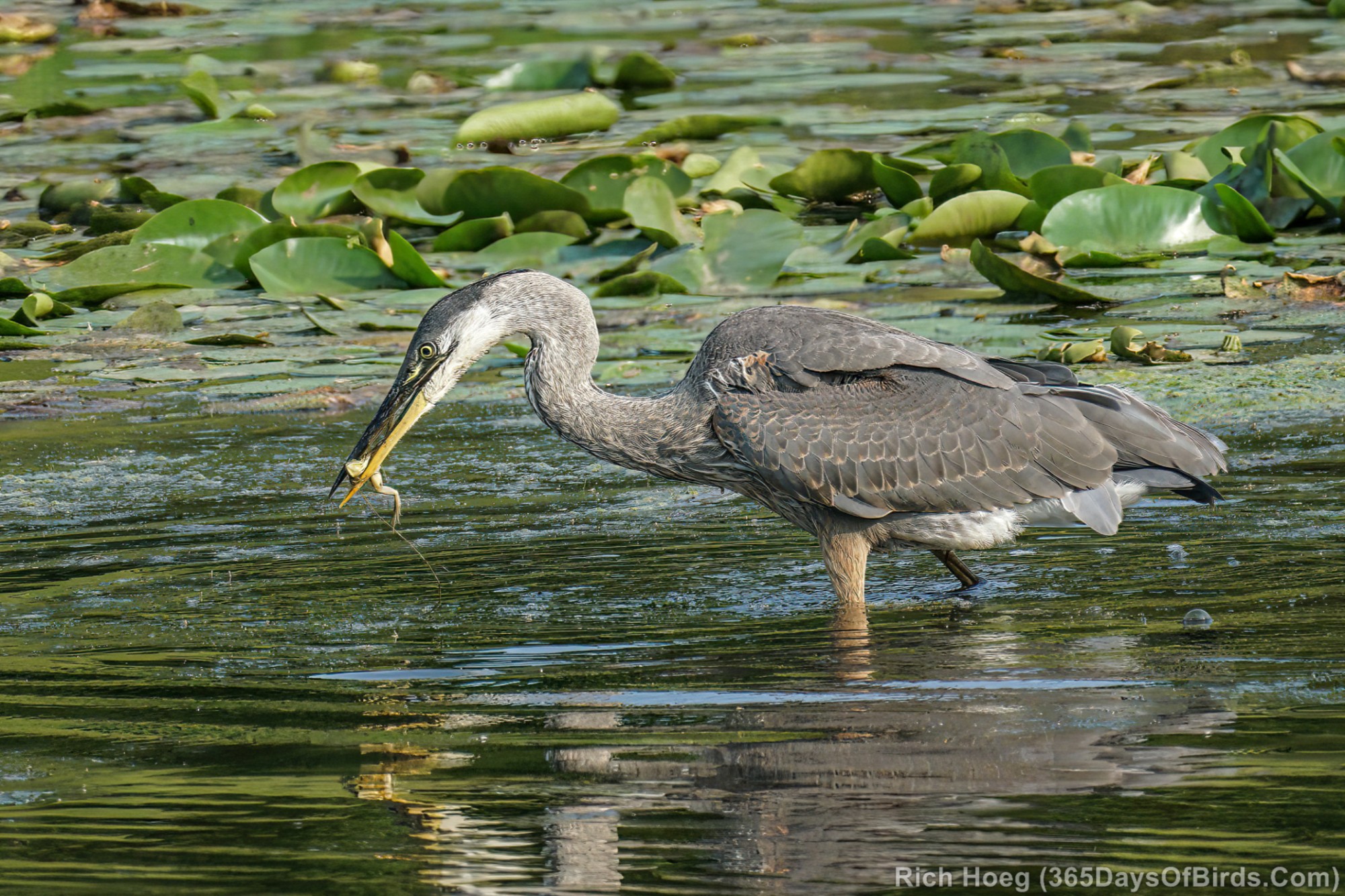
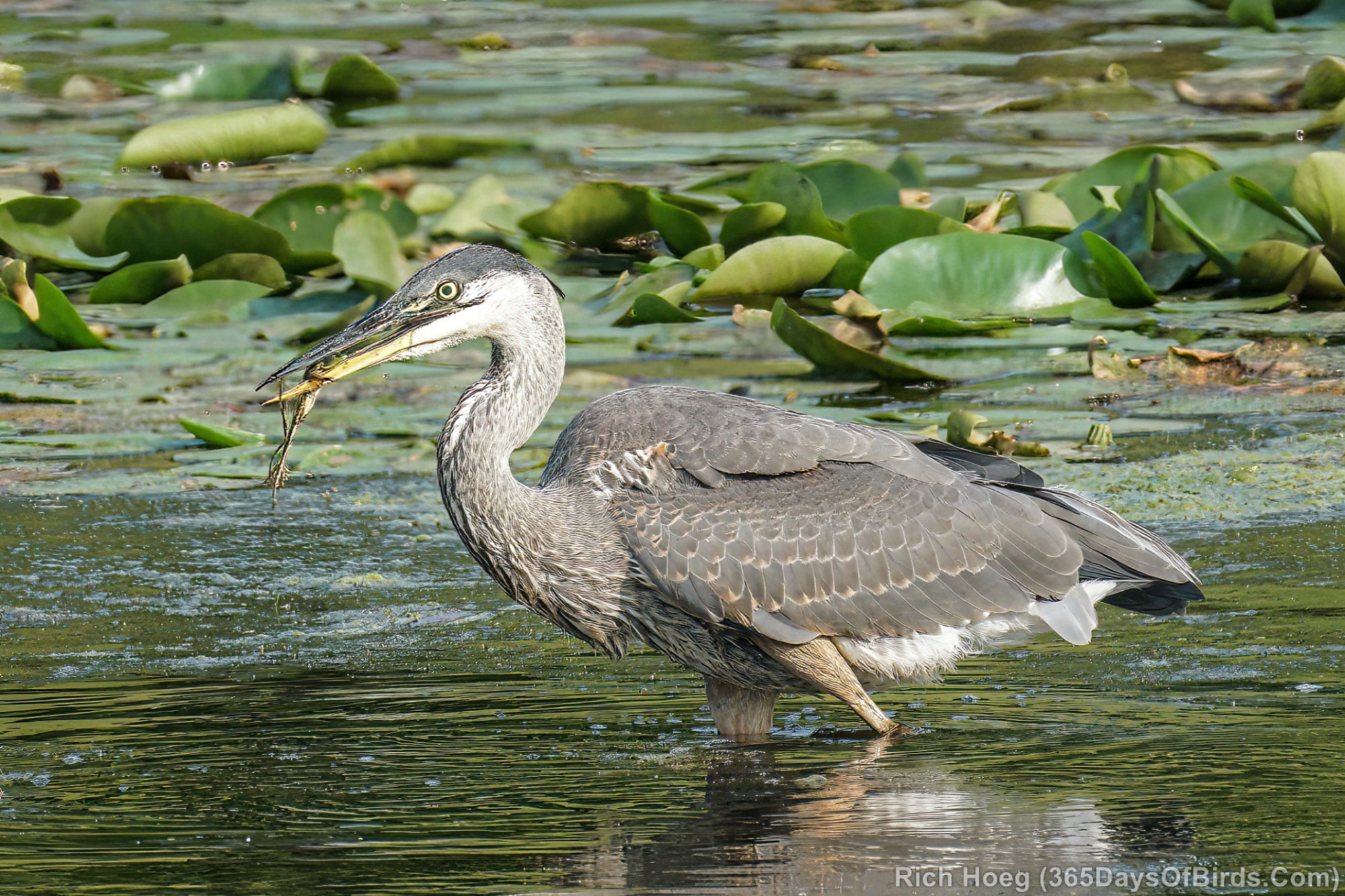
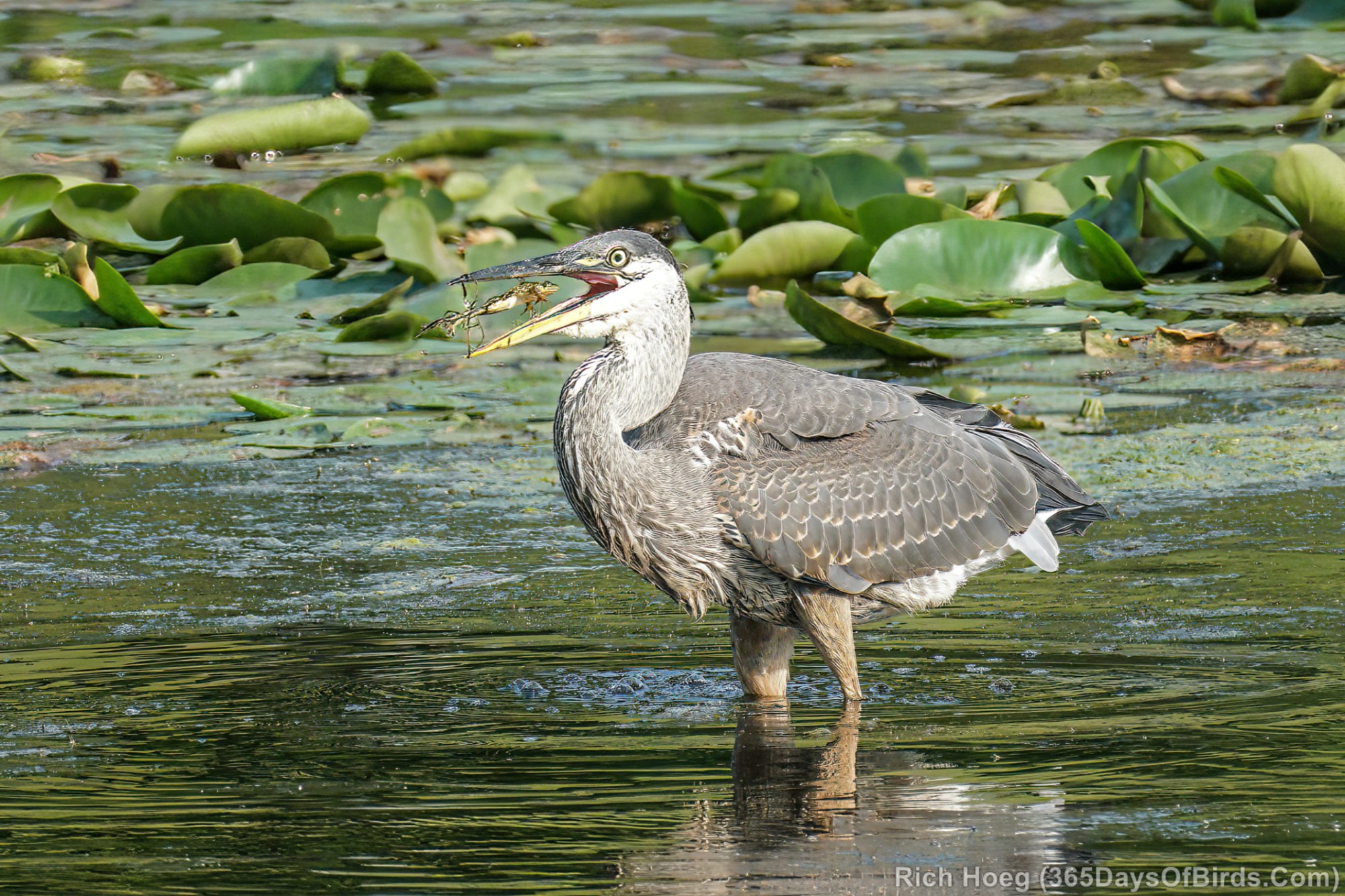
Frog Strike! Great Blue Heron

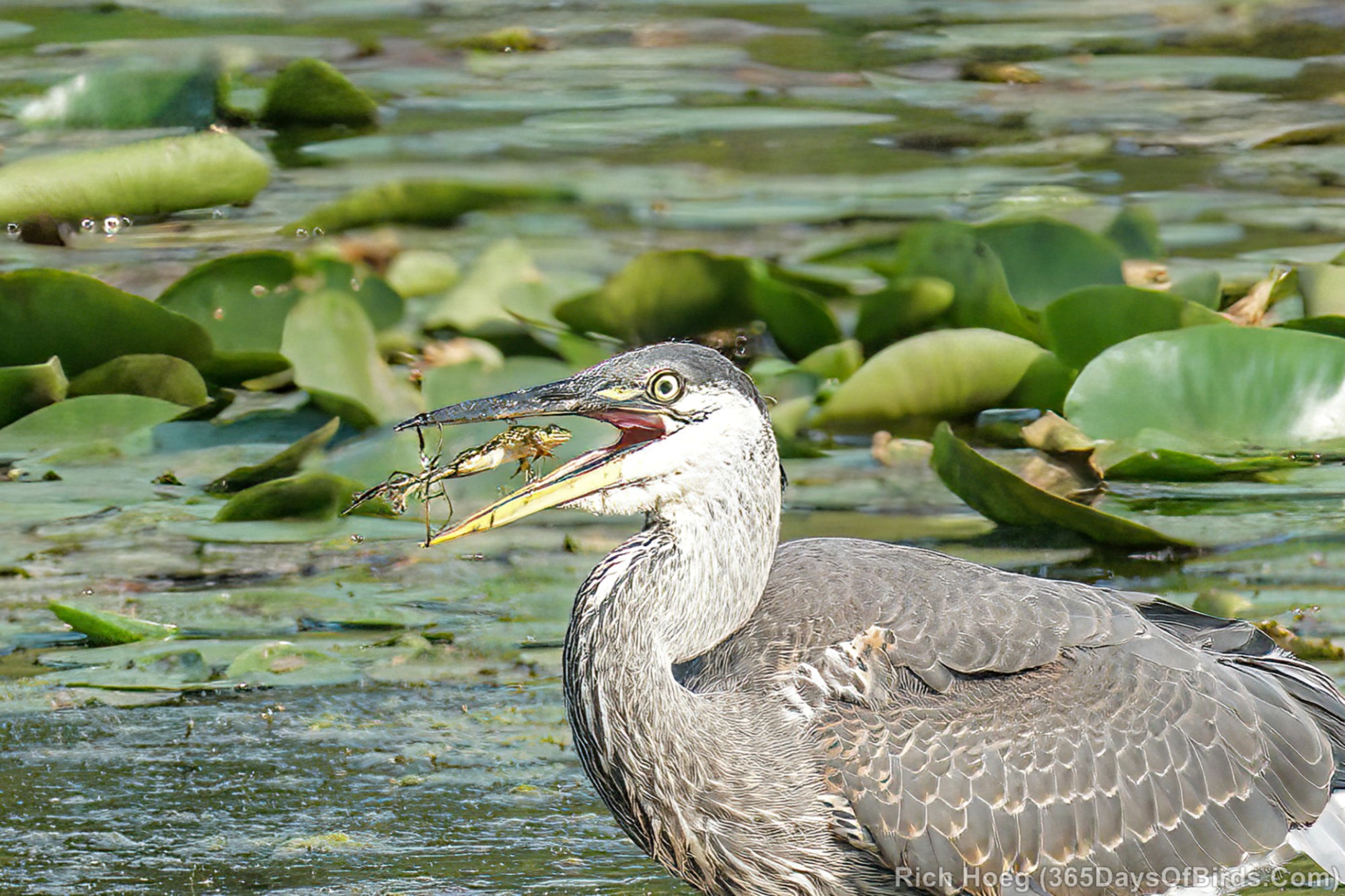
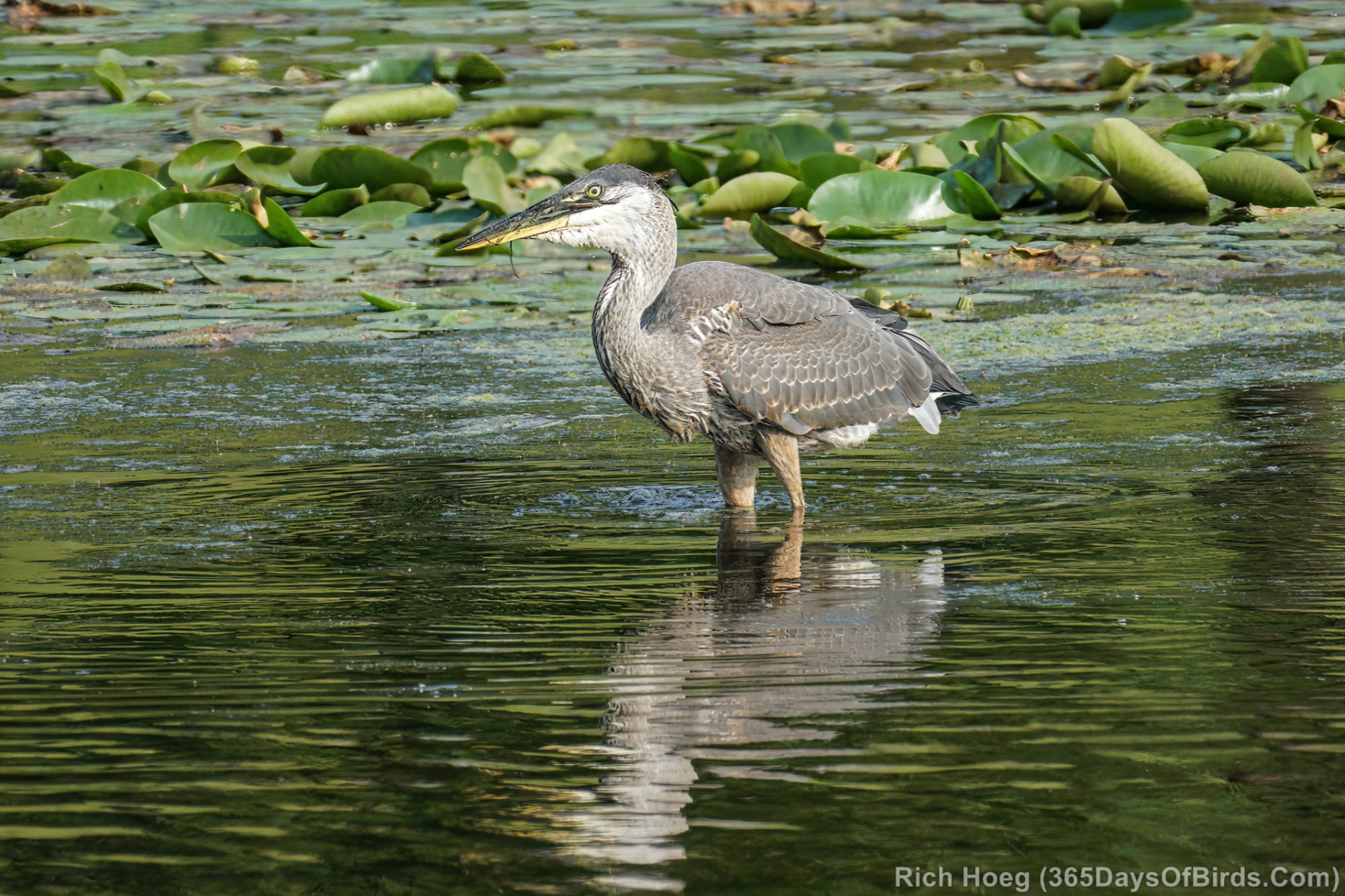
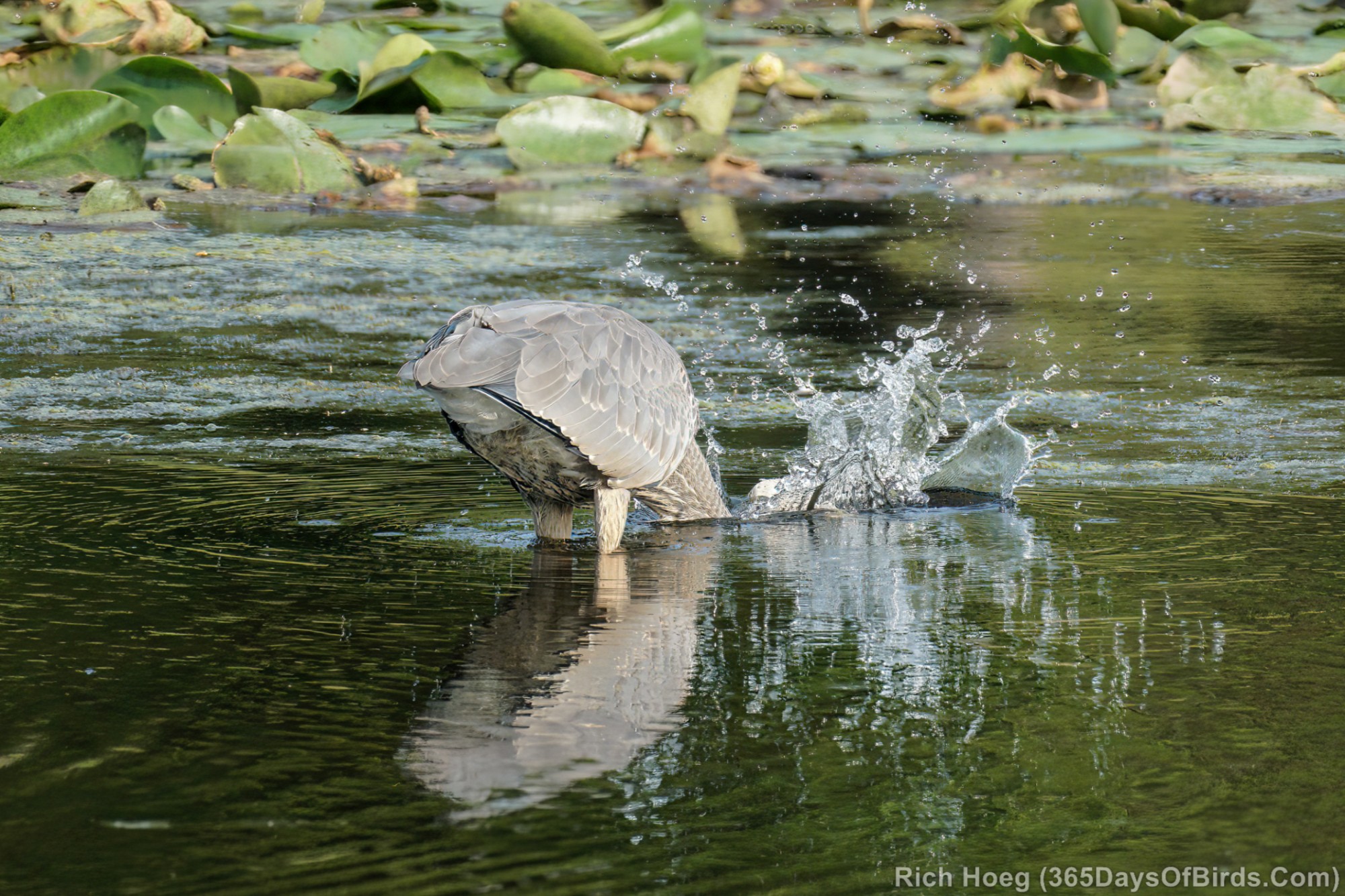
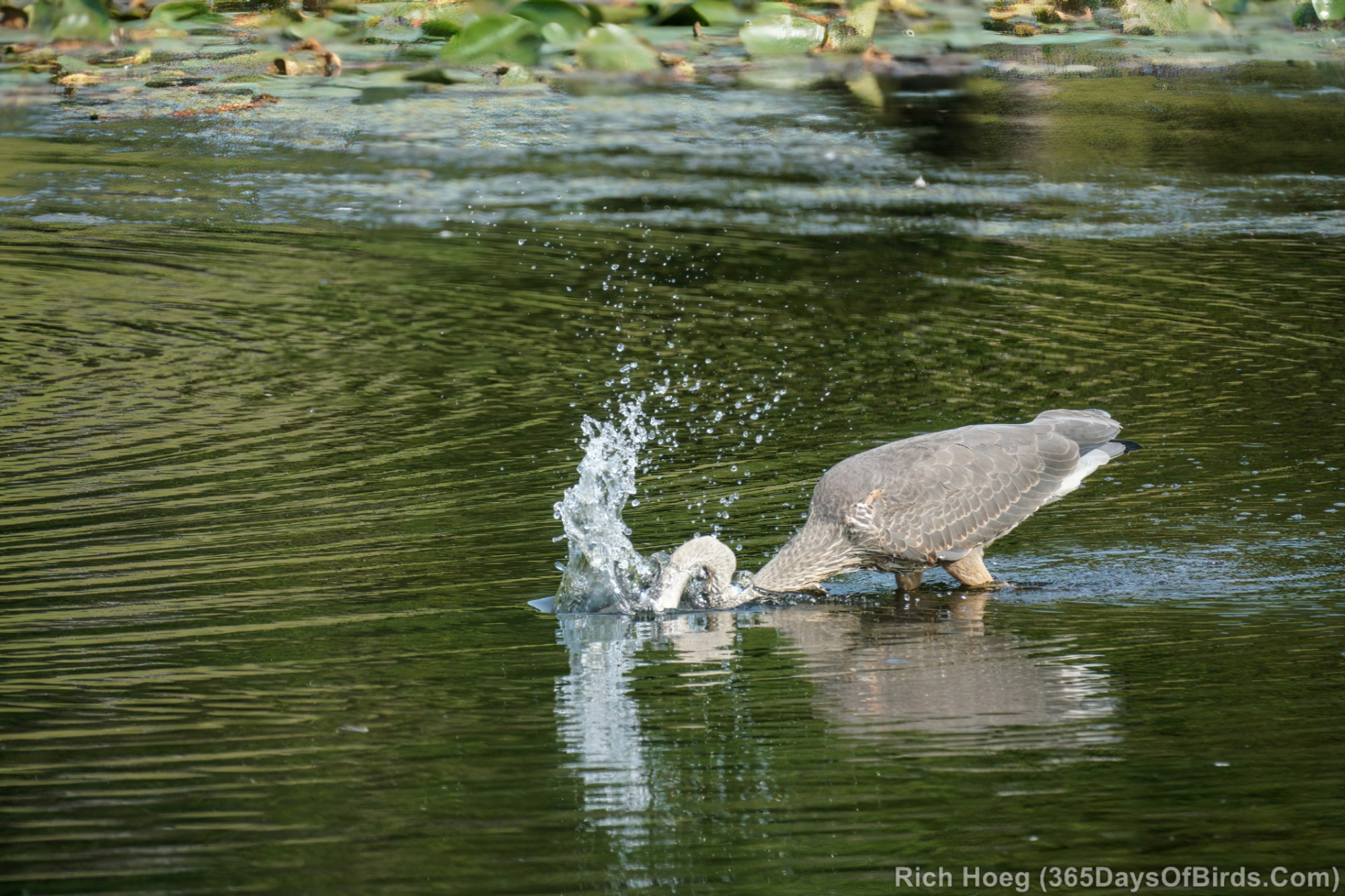
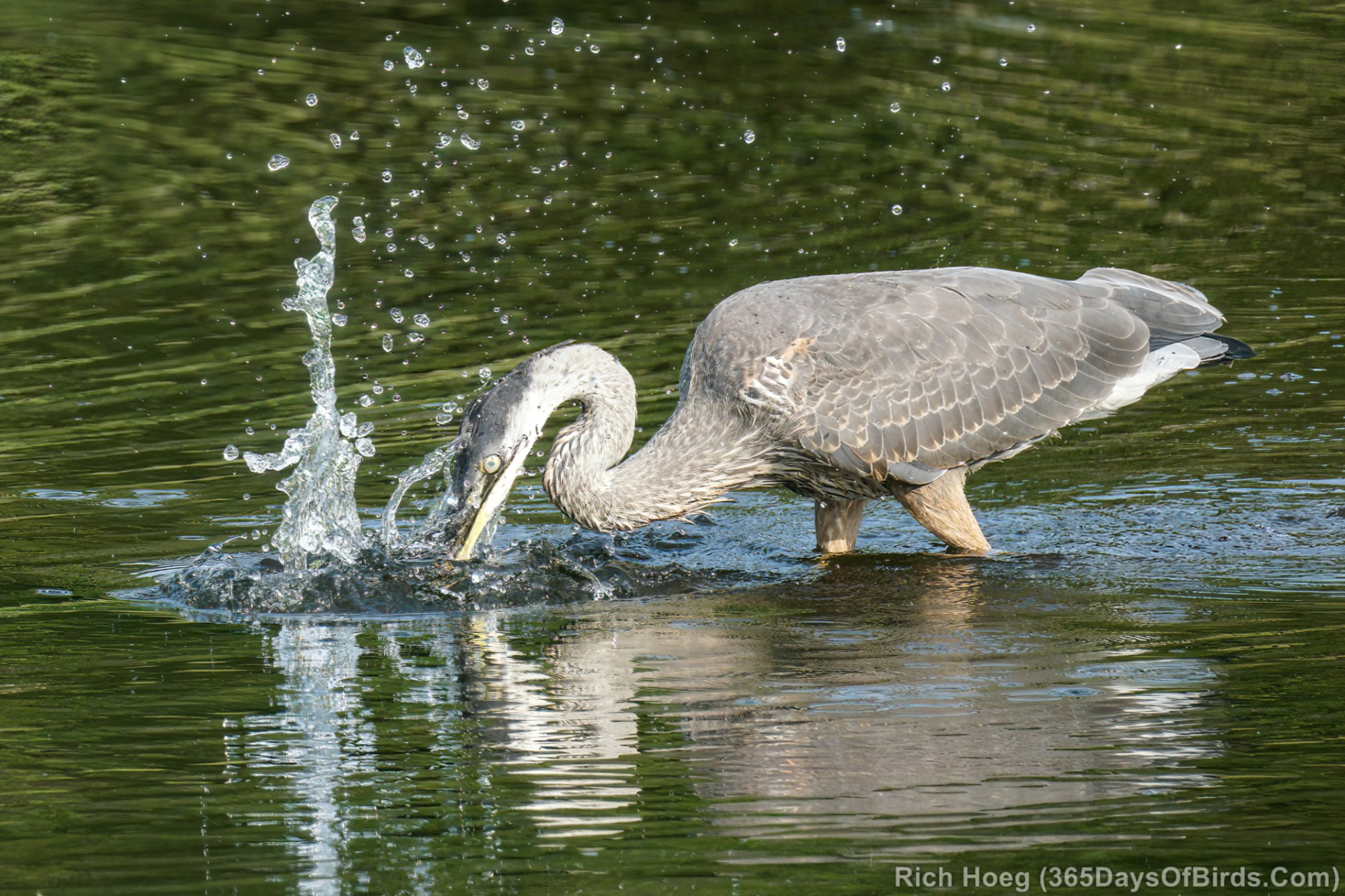
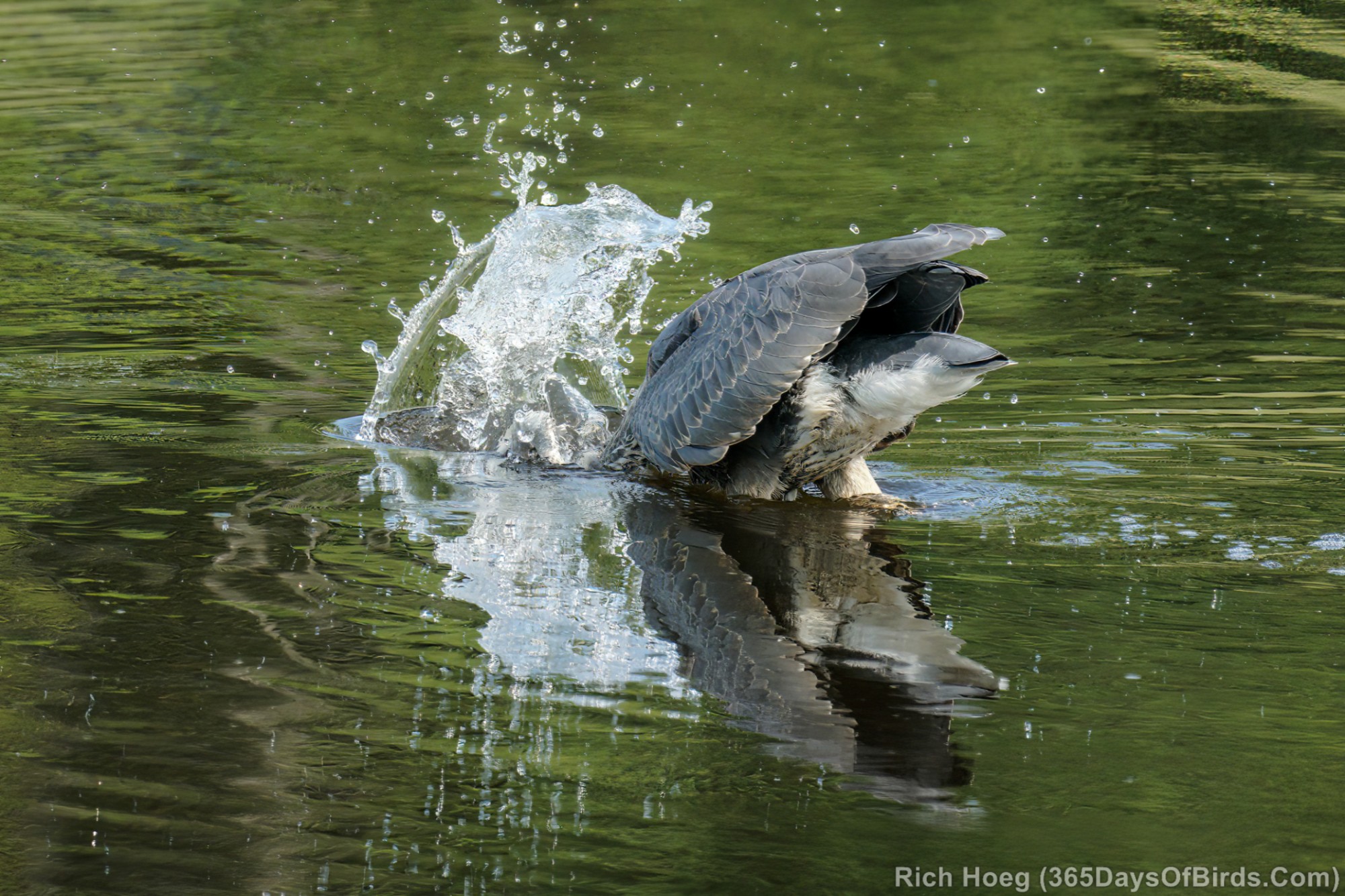
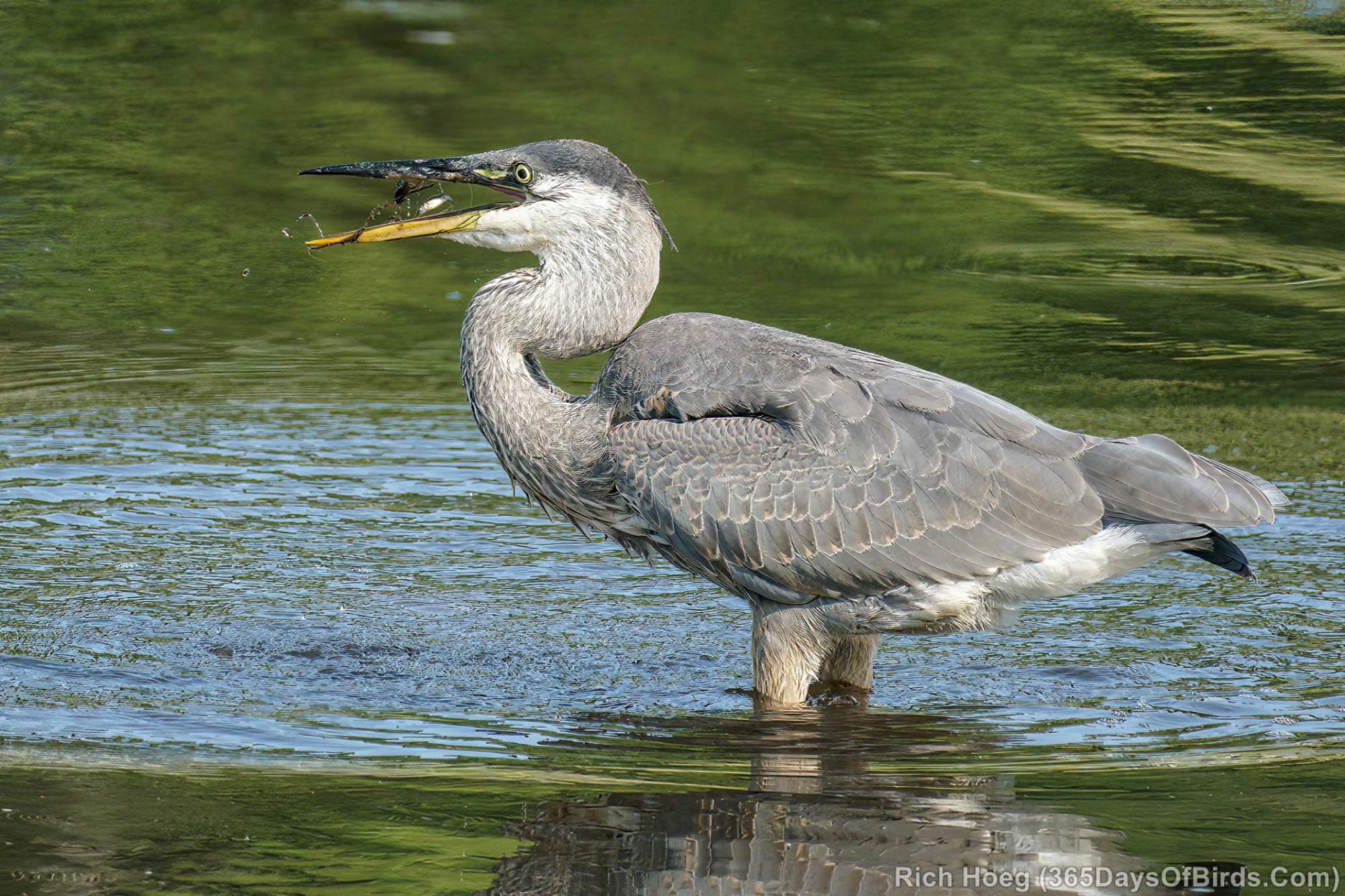
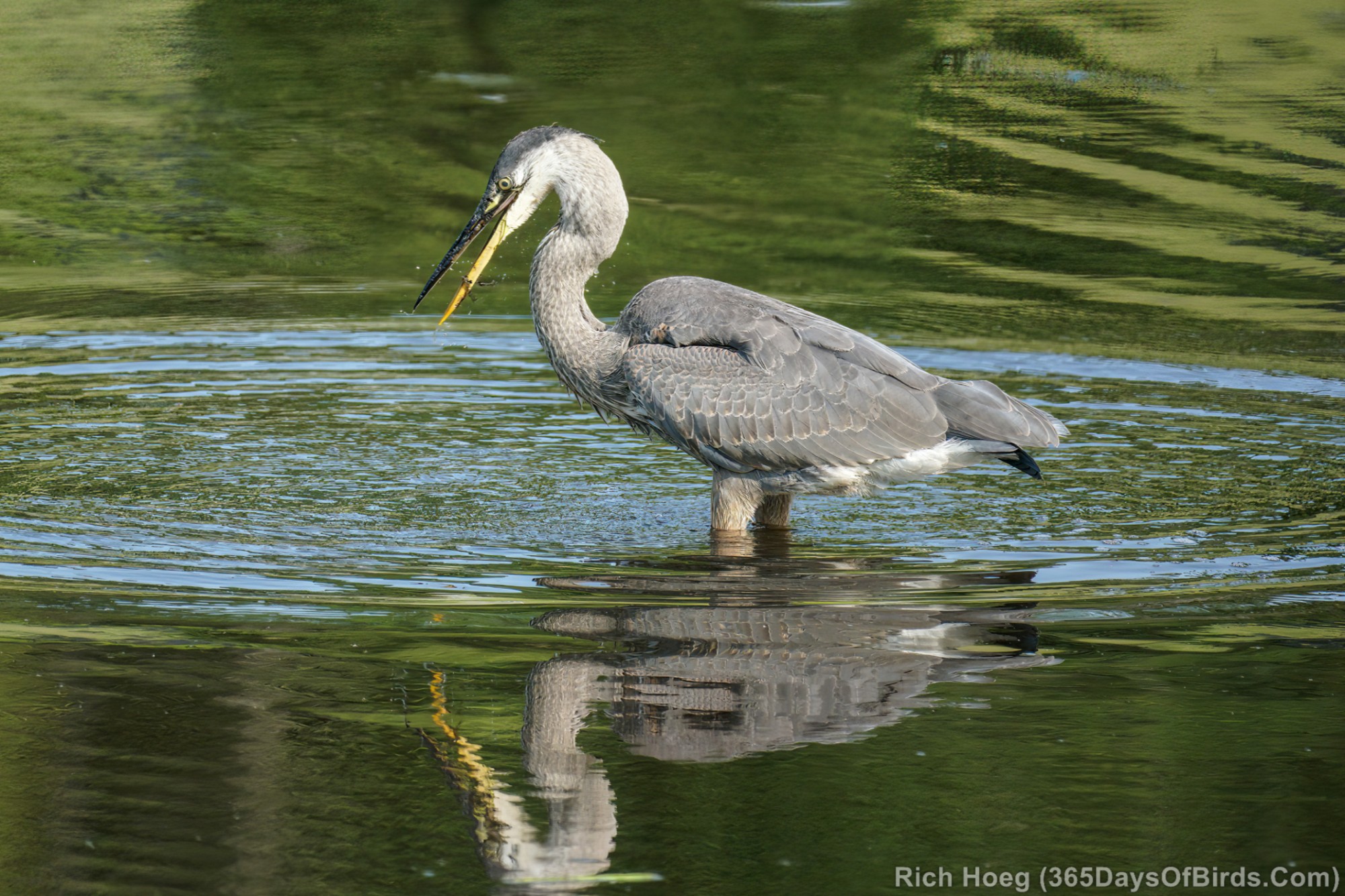
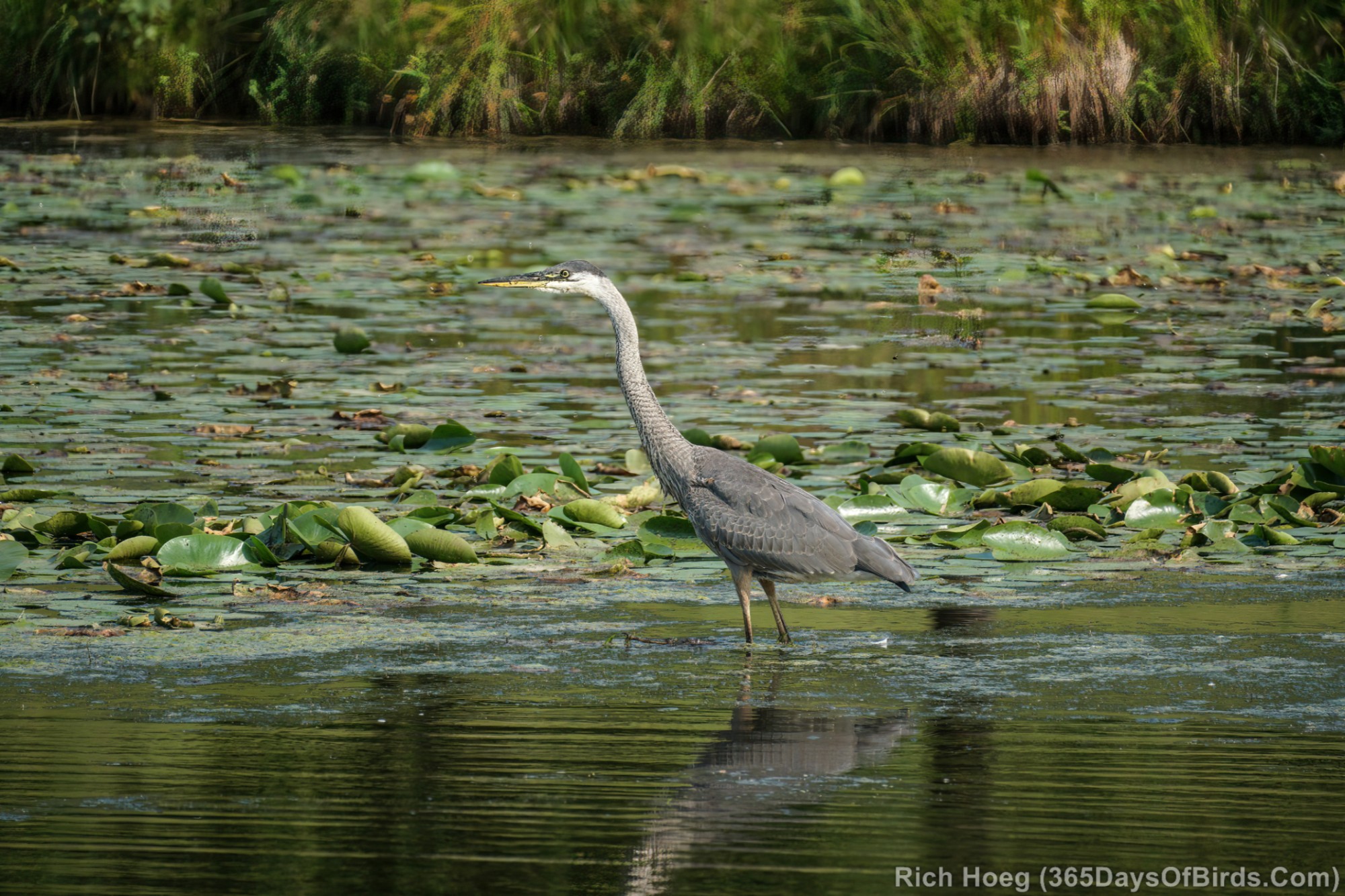
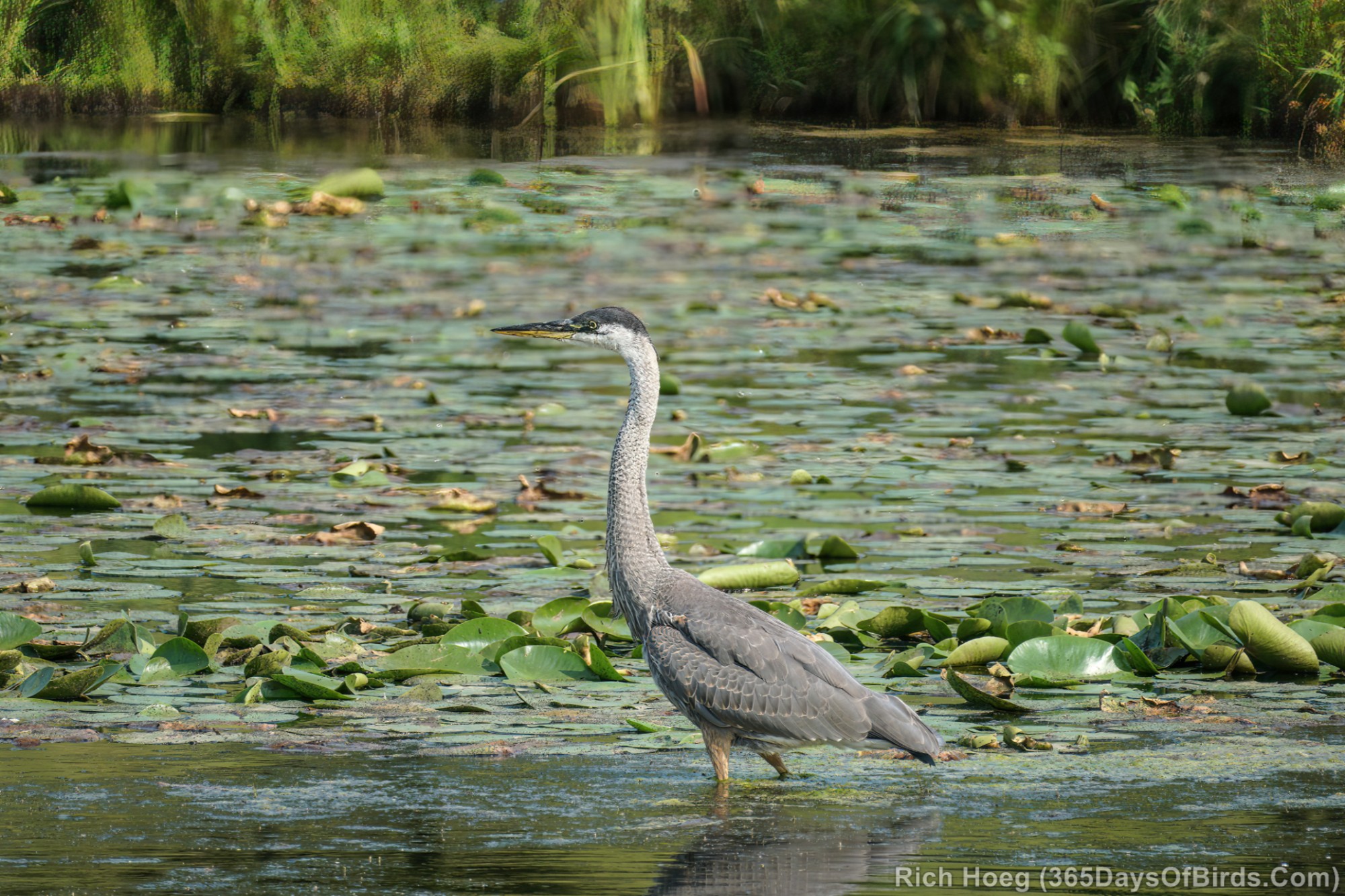
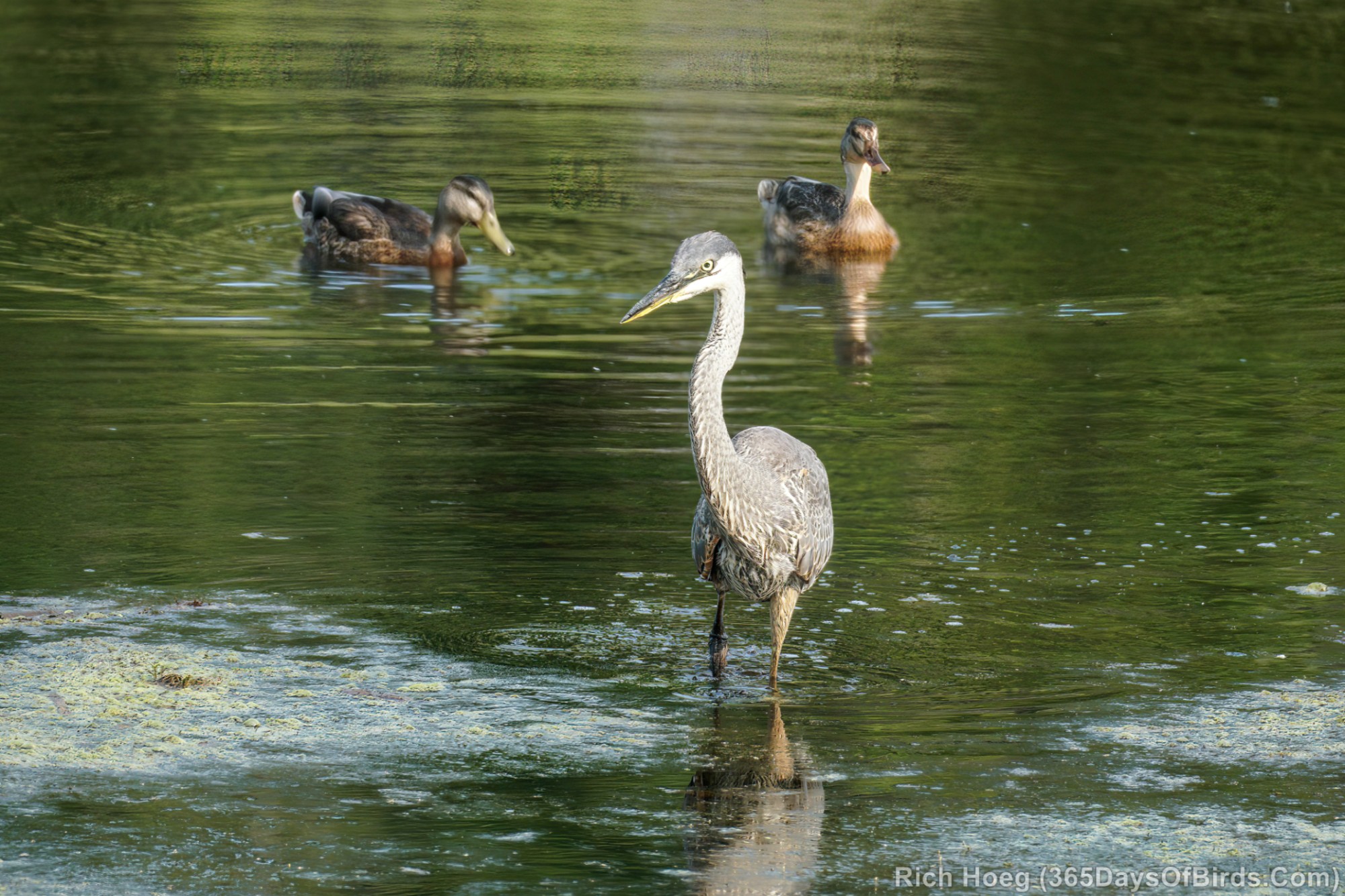
One of the nice items about late summer into early fall is that birds often set up in favorite spots for foraging / hunting / fishing. This gives a person / birder the opportunity to learn the habits of specific birds, and in my case a unique Great Blue Heron. I knew that the individual bird featured in this blog post likes to fish and hunt next to some specific lily pads. The heron’s legs resemble the pad’s stems, which allows the bird to blend in with its environment (under water) and capture food that swims out from under the lily pads.

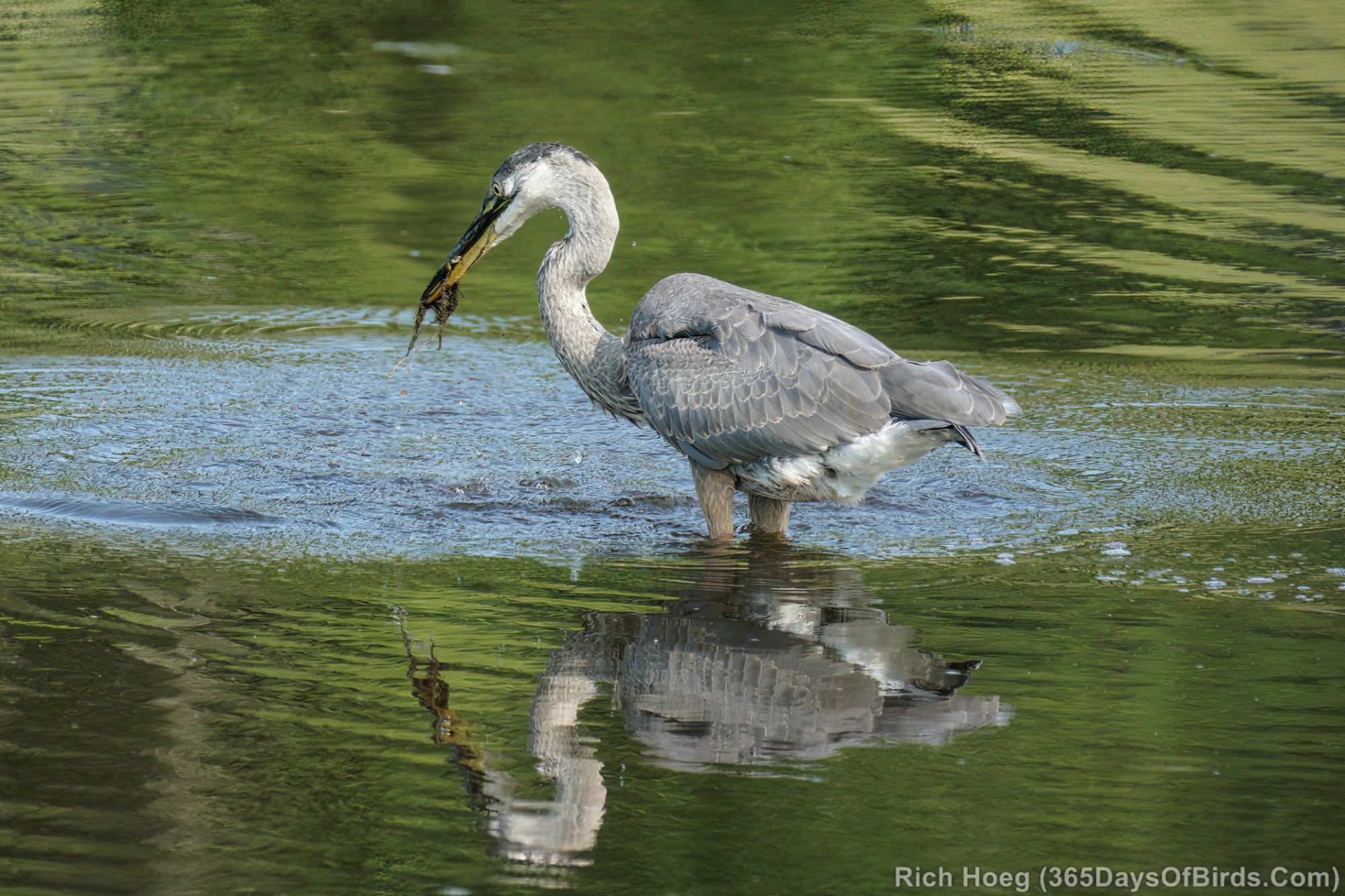
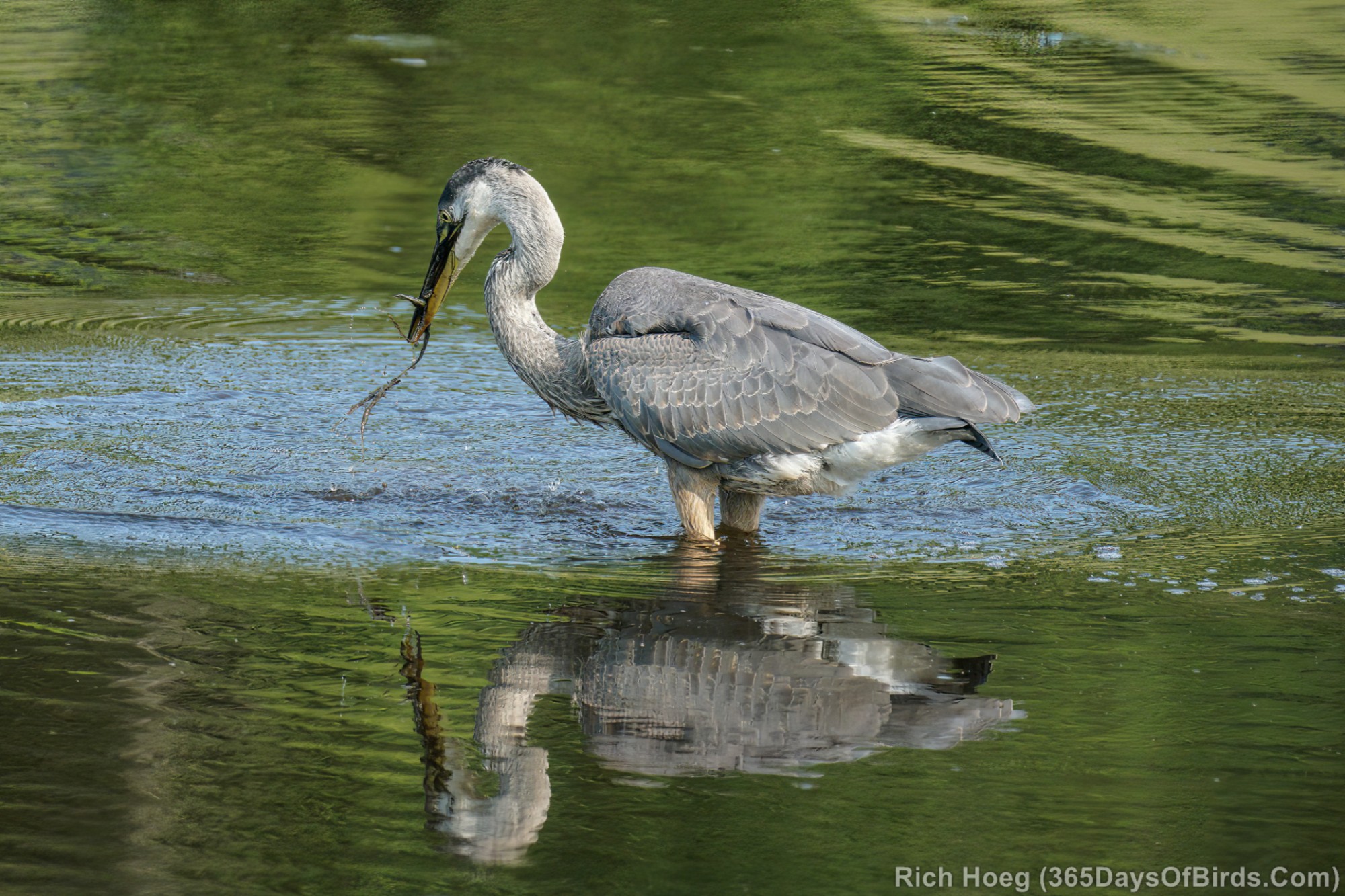
I hope you enjoy this sequence of images. I took the photographs a few days ago, but the planning took place over 10 days prior as I learned about the bird through repeated visits. I definitely wanted to capture strikes, and the frog was a bit of luck! Notice on the minnow strike sequence how much krud the bird also “catches” for a small morsel. The heron then needs to “get rid of” all the weeds and mucks. Finally, when photographing birds with light to white colored plumage, and lots of water think reflective light. Thus, I always under expose my photographs in this kind of situation.

The Frog Strike


Random Strikes


The Minnow Strike


The Finale! (environment images)