Tag Archives: MN North: Greenwood Creek Bog

Ice Planet Birding

As a dangerous blizzard rages outside, it seems like a great time to catch up on recent outings. Today I will be house bound due to dangerous weather, but over the past 7 days we had amazingly mild weather including light winds. I took the opportunity yesterday to drive up to the end of the GunFlint Trail. In short, I was “Ice Planet Birding”.

Prior to our mild stretch we experienced severe cold with temperatures reaching down to -30F to -40F. Lake Superior had some of its highest percentage of ice coverage in years. In fact the National Park’s Ice Caves opened, for one day only, for the first time in ten years (involves a trek over the Lake Superior ice). Today’s storm is breaking up the ice.

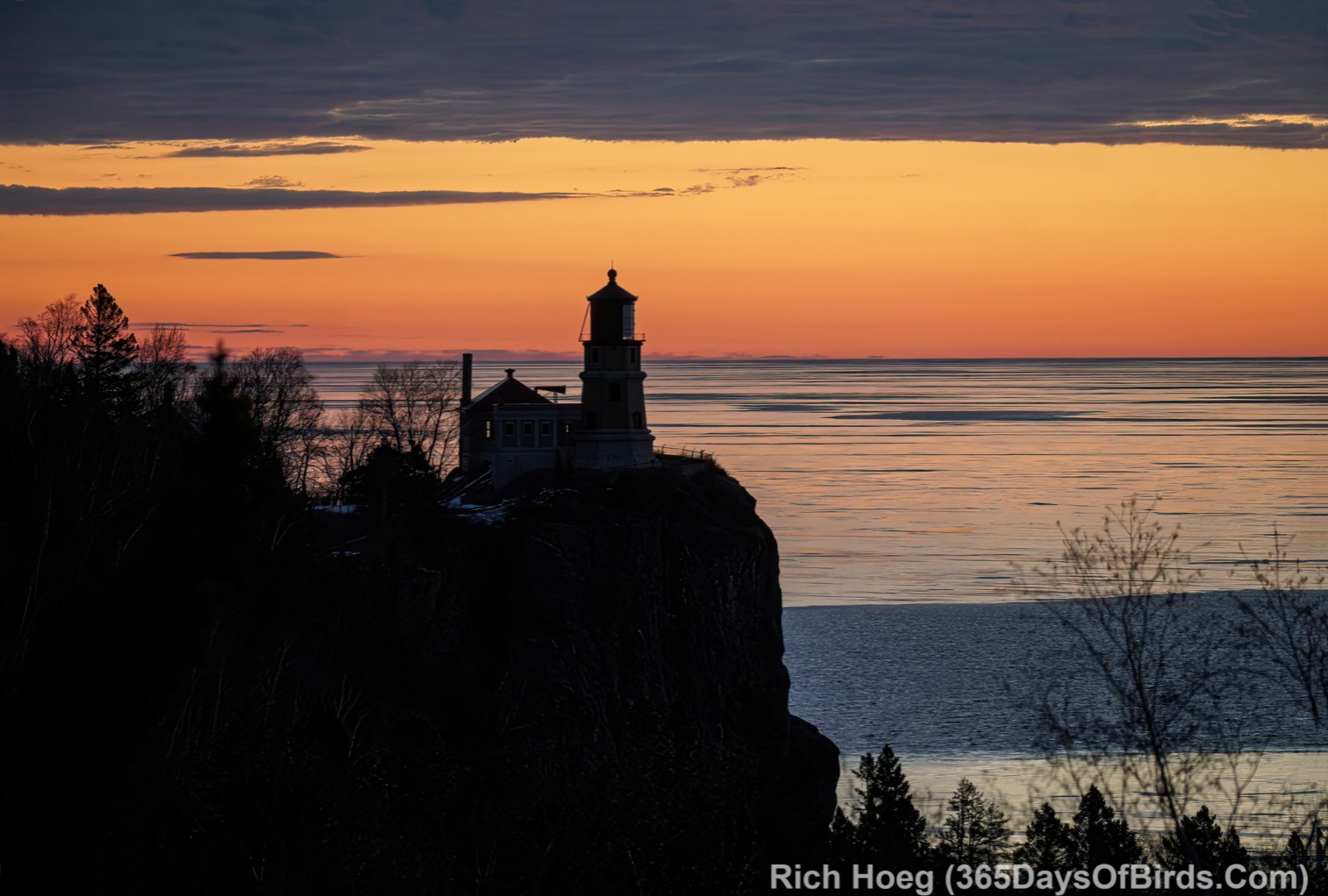
While the caves on the south shore were providing an amazing, beautiful experience, on the North Shore the combination of pre-dawn light and ice created a winter wonderland of color. Until I was north of Tofte, ice stretched out over Lake Superior as far as the eye could see. These photos were taken before sunrise, and then at the actual moment the orange disk popped up over the horizon.

Pre-Dawn at Split Rock Lighthouse
The Moment of Sunrise at Beaver Bay
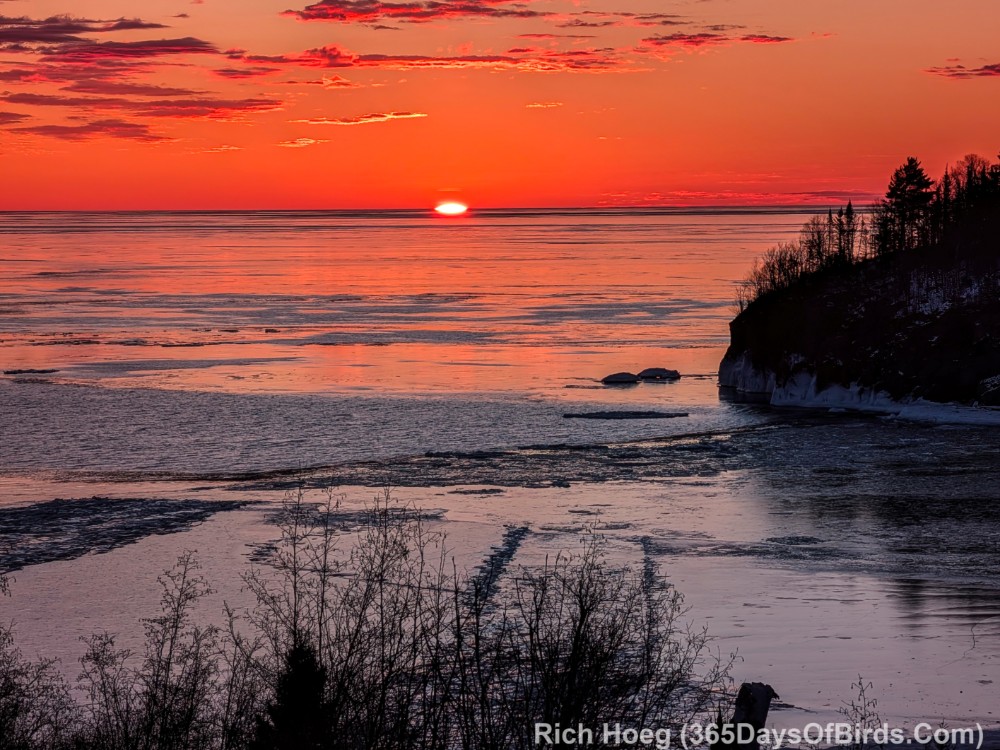
Amazingly all of this ice was gone six hours later. HUGE winds came up out of the Northeast and did a combination of breaking and pushing ice sheets down towards Duluth.


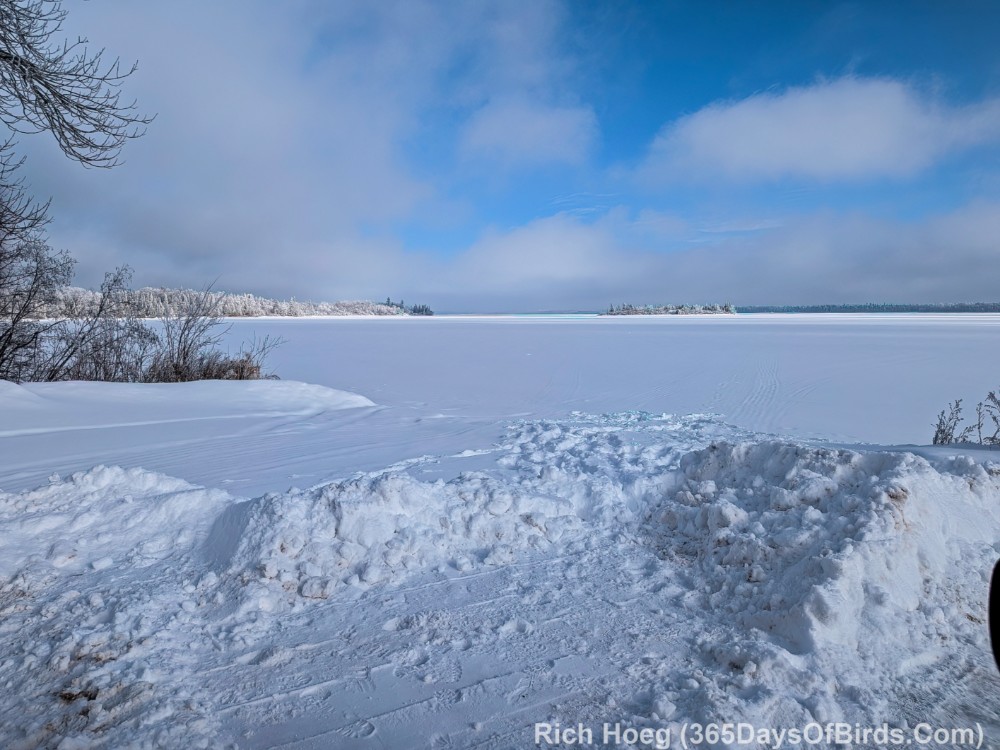
Two days earlier from this trip up the shore, I visited my Greenwood Creek Bird Feeders. Just 1/3 mile north of the feeders is Greenwood Lake. How many of you have ever seen, let alone driven on an ice road?

Greenwood Lake Ice Road (video link for blog email subscribers)
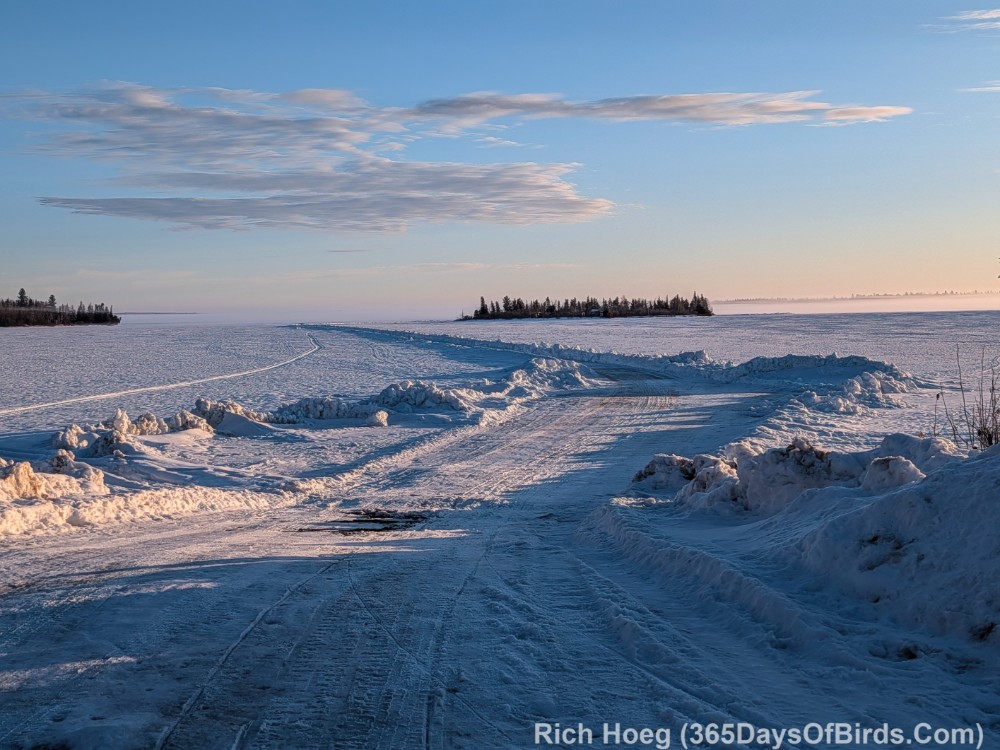
The Movie!


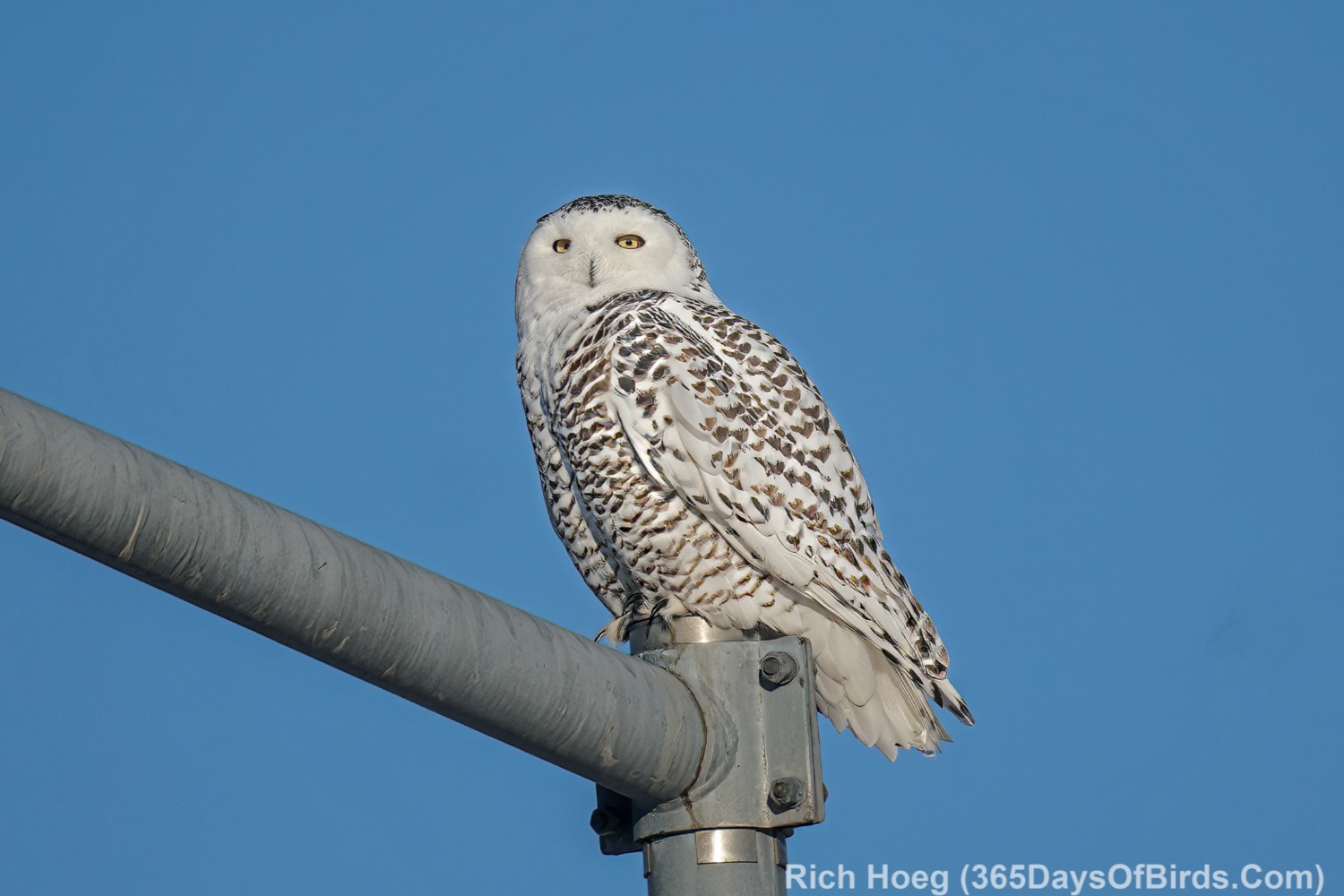
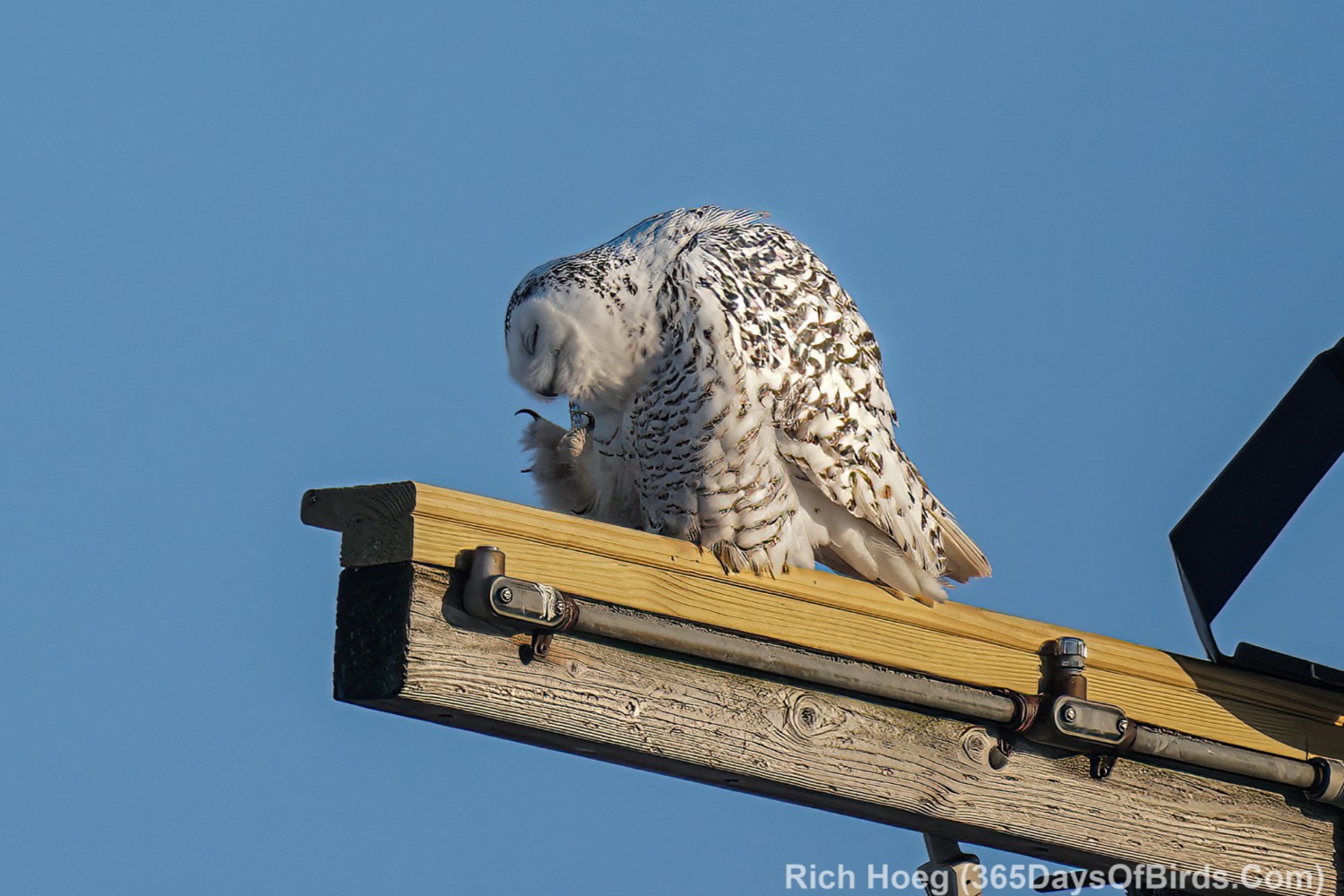
And of course … an Ice Planet winter bird. This Snowy Owl may look like it is waving, but actually it is letting everyone know to behave while birding … or else! Image taken two evenings ago in Superior, Wisconsin.
Northland News Flash: Moose Love Birdfeeders!

Answering the immortal question, do Moose eat sunflower seeds? Apparently the answer is “yes”, as a couple of Moose are raiding my Greenwood Birdfeeders in the middle of the night. Actually, give how Deer love birdseed this answer should not have surprised me. I googled my question to make certain, and Outdoor Life provided me a definitive yes in one of their articles. Anyhow … a trailcam pic from my now renamed … Moose Feeders.

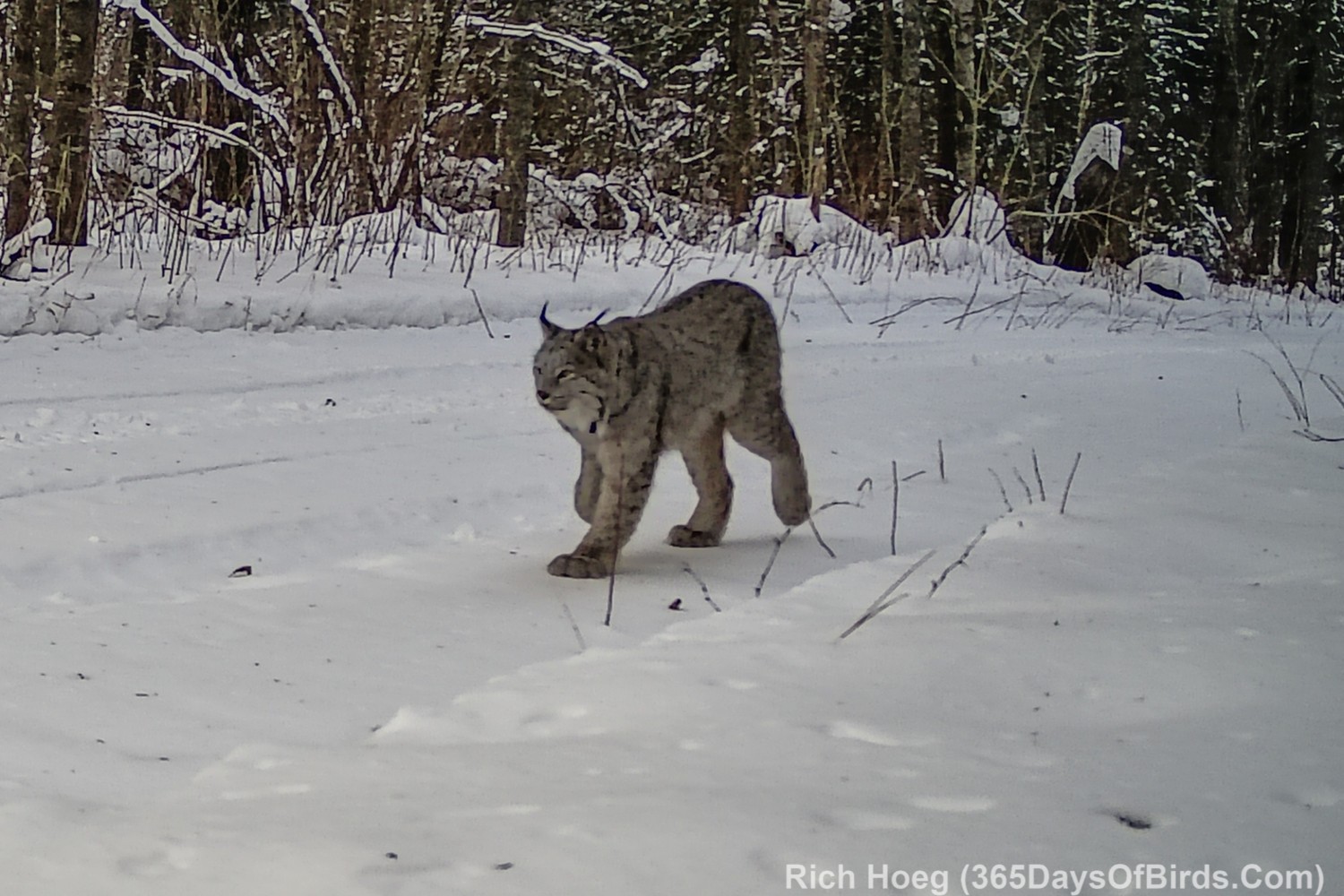
Other mammals visiting my birdfeeders over the past two weeks include timber wolves, red fox, and a Canada Lynx. However, I think their visits are oriented towards preying upon the mice and voles that eat the seed spillage.

Birdfeeder Theft by Moose … the Movie! (video link for blog email subscribers)

Here is a trailcam pic of the lynx. As a fyi, most the mammals tend to visit either at night of during the last hour of daylight or within the first hour of sunrise.


And on the birding front … there are lots of Snowy Owls at the Superior Airport allowing close views (50 yards or less). Arrive about one hour before sunset on a non windy day and check out both the airport, the fairgrounds and Tower Avenue which borders a runway. There are at least three white owls! From Monday afternoon. This photo was taken from the Aldi Supermarket Parking Lot.

Momma Moose in a Winter Wonderland

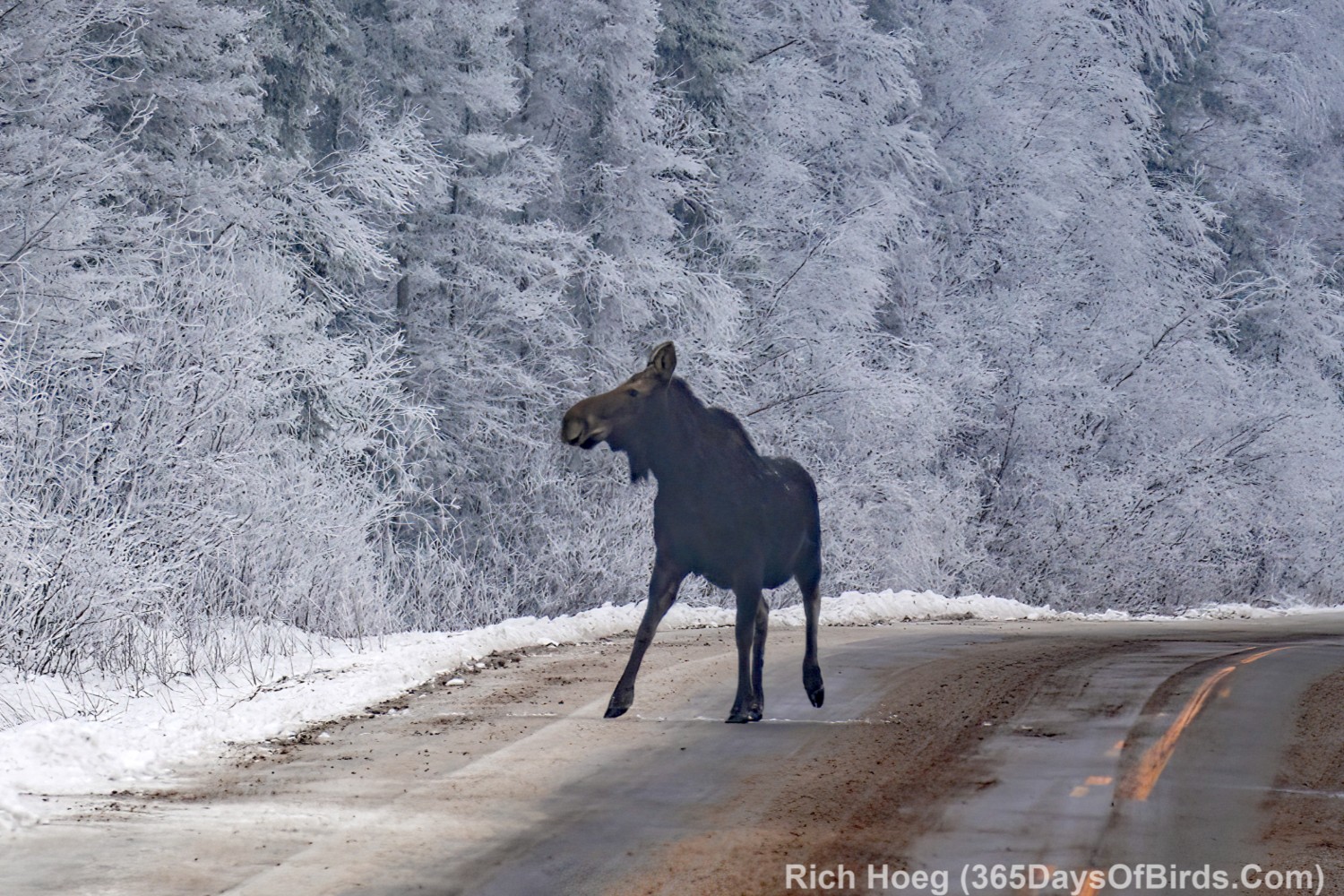
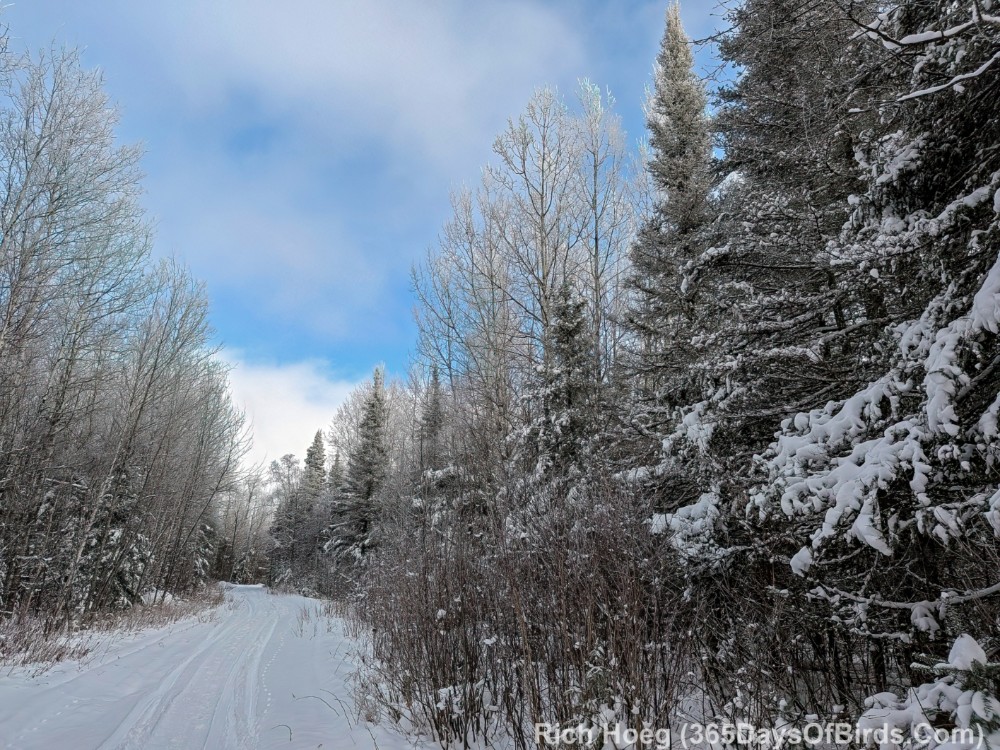
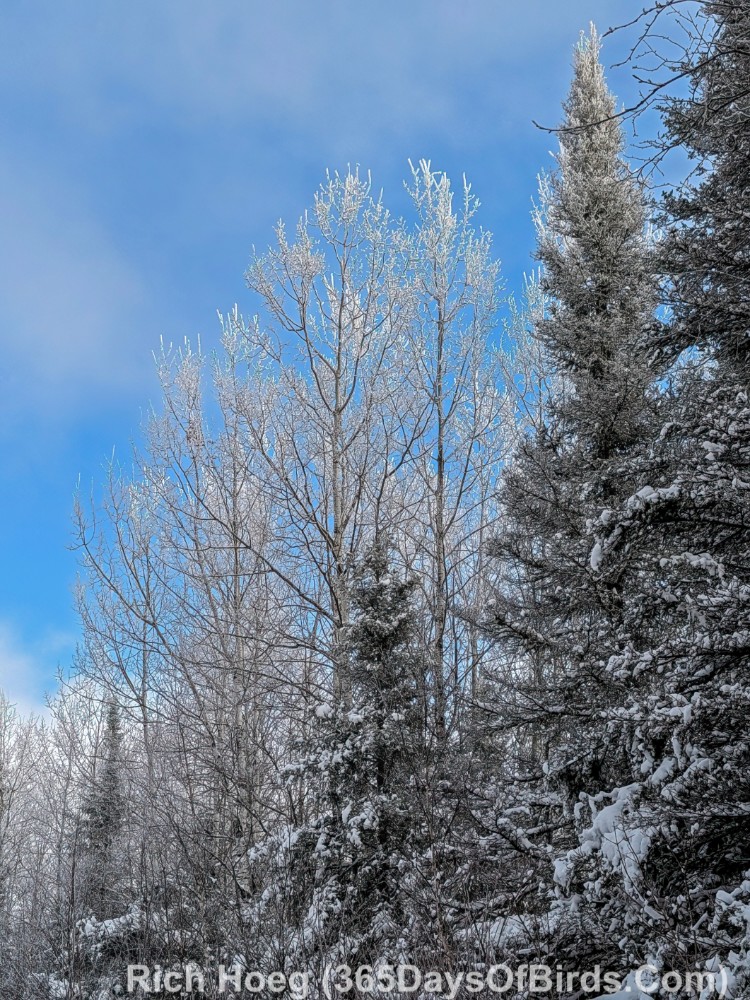
The Greenwood Creek area is gorgeous right now. All the ice fog and snow we have had over the past week has flocked the trees in a most amazing way. It will take me a while to work through my images and videos, but for starters here is Momma Moose from two mornings ago …

Momma Moose (still ice fog in air)

Greenwood Creek Birdfeeders Trail: Sun is burning through the ice fog. Trail is well protected from the wind and packed down by snowmobiles (very few sleds). Saw 3 Black-backed woodpeckers.

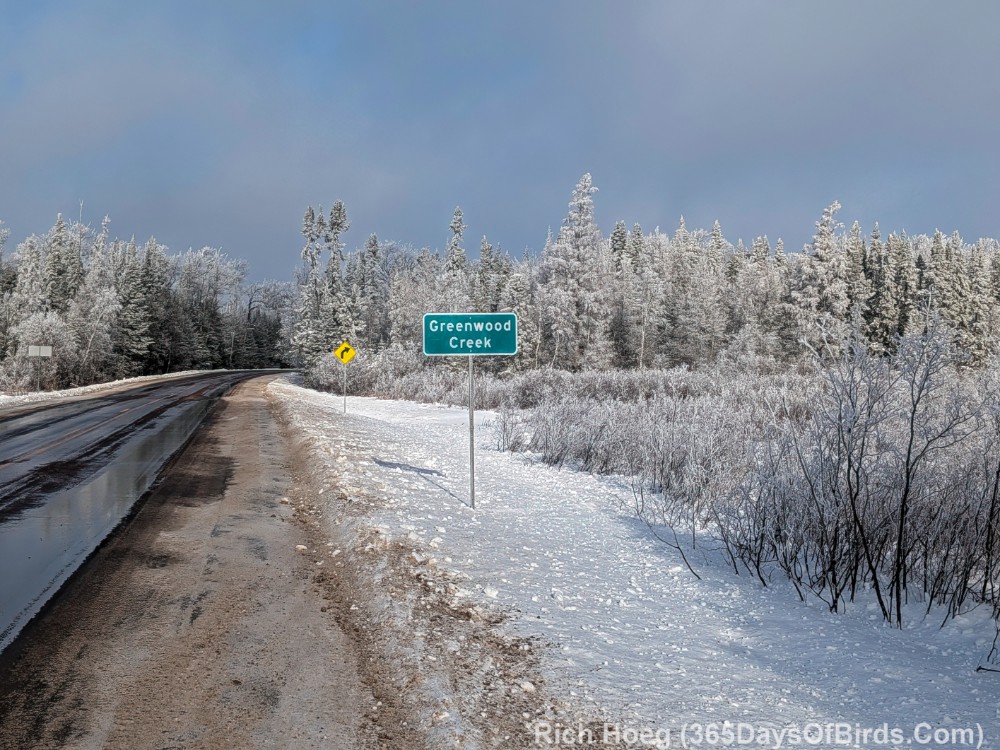
Creekwood Creek: 400 yards north of bird feeder parking area via Lake County Hwy 2

Greenwood Lake Public Boat Access: 800 yards north of bird feeder parking area via Lake County Hwy 2Park here … bird across the road … foot packed trails. American Three-Toed Woodpeckers have been seen via the trail. You will be on Nature Conservancy land.