All posts by richardhoeg@gmail.com

Owls: The Long and the Short of It!

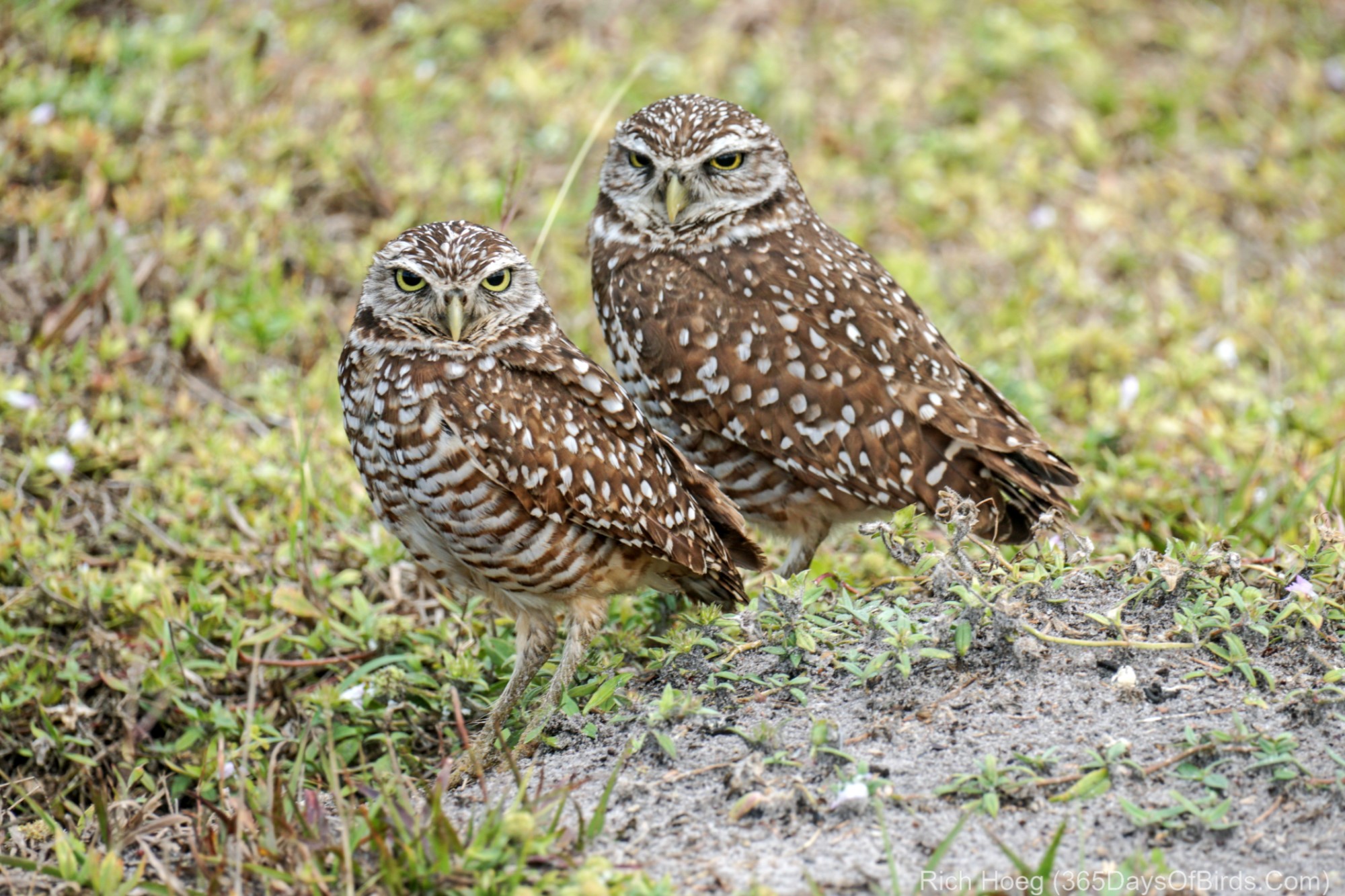
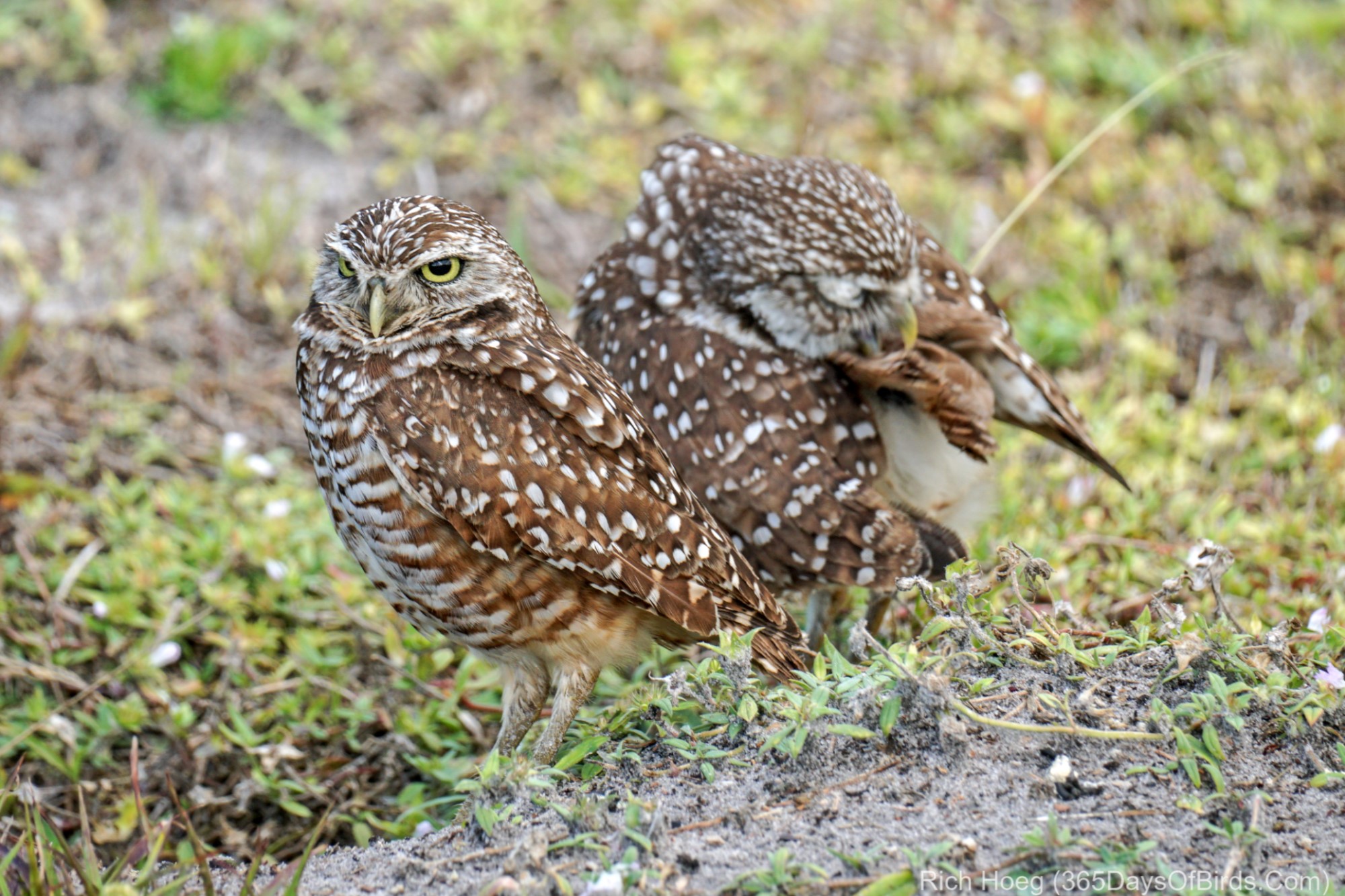
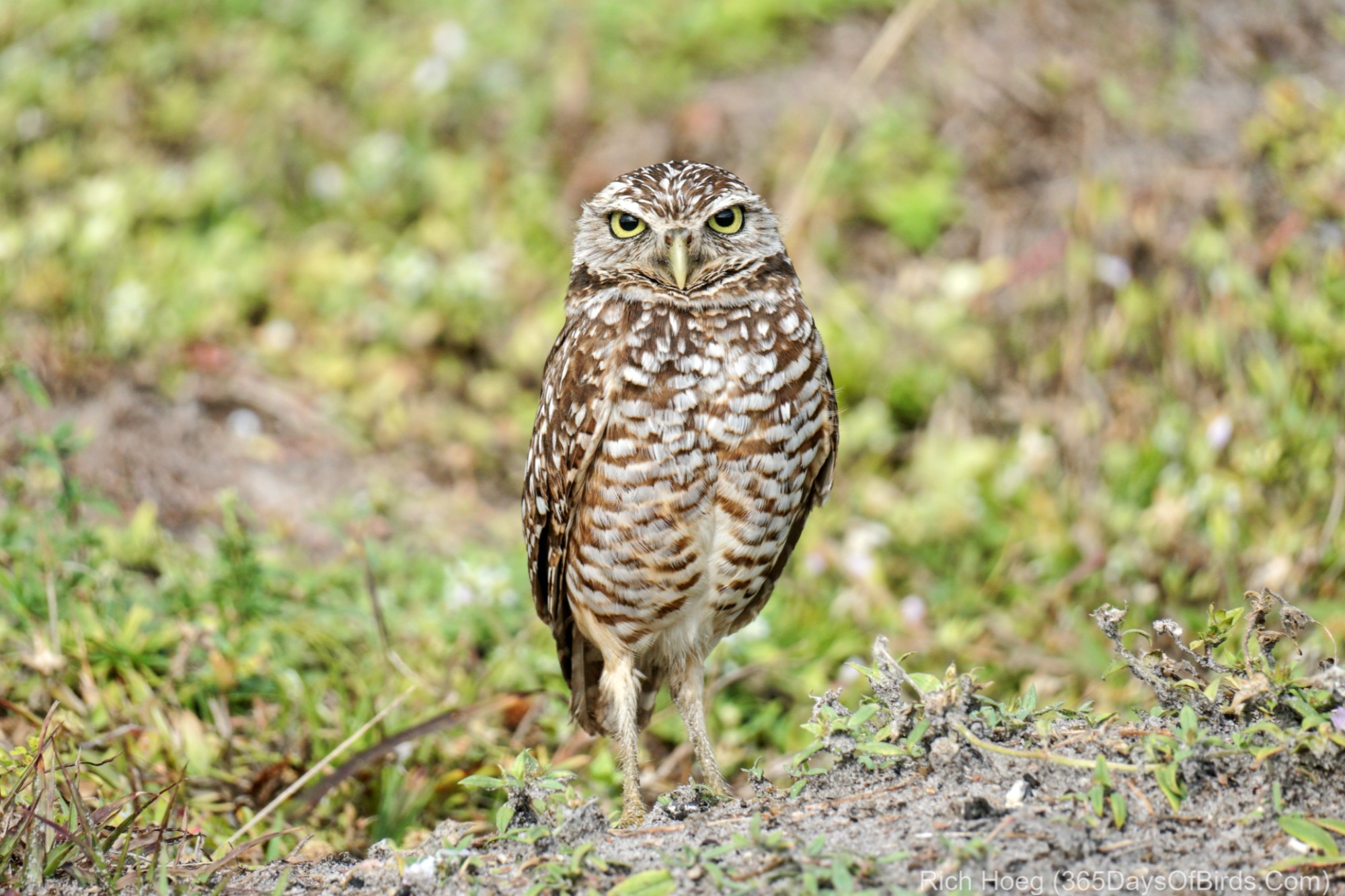
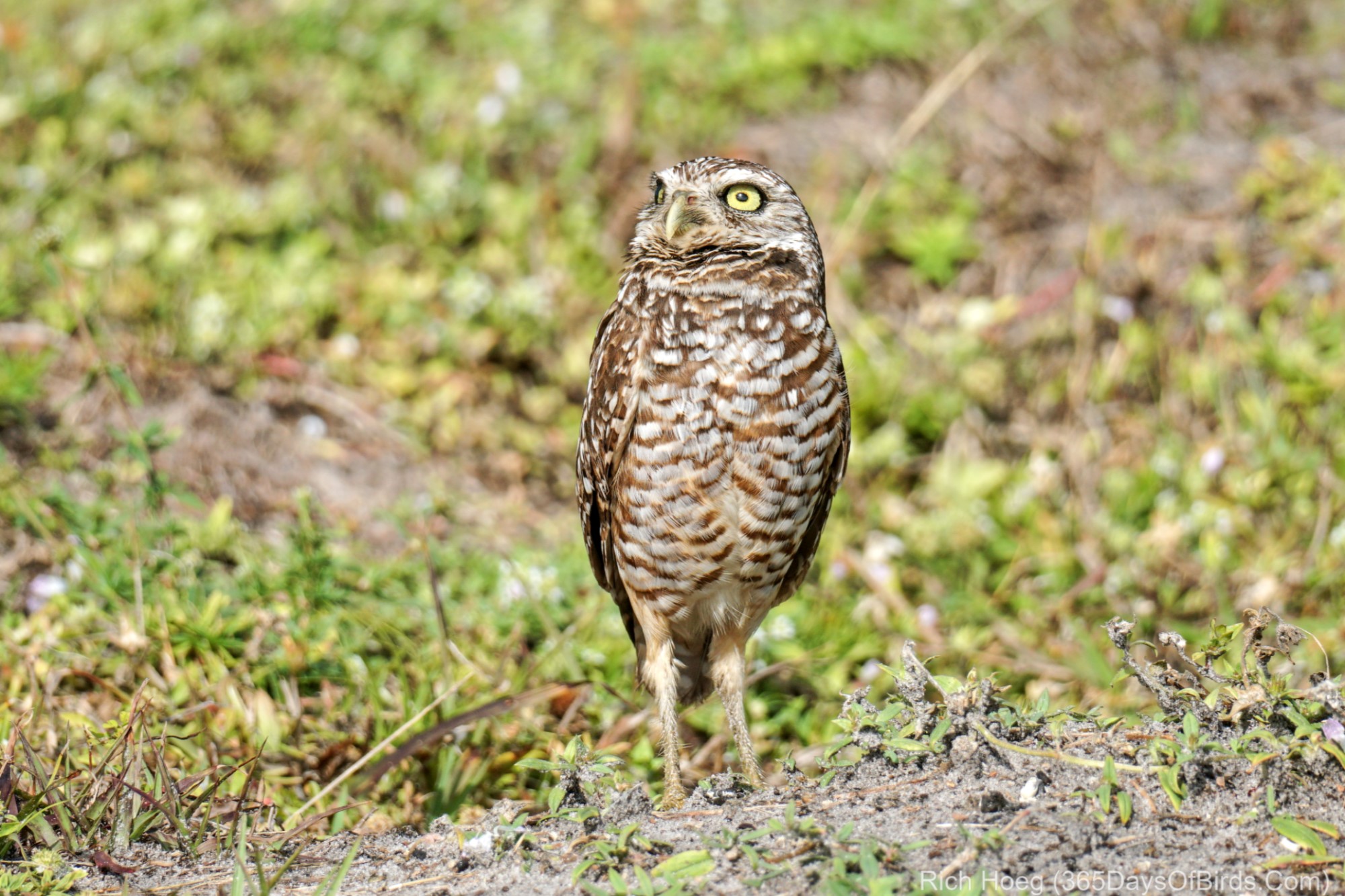
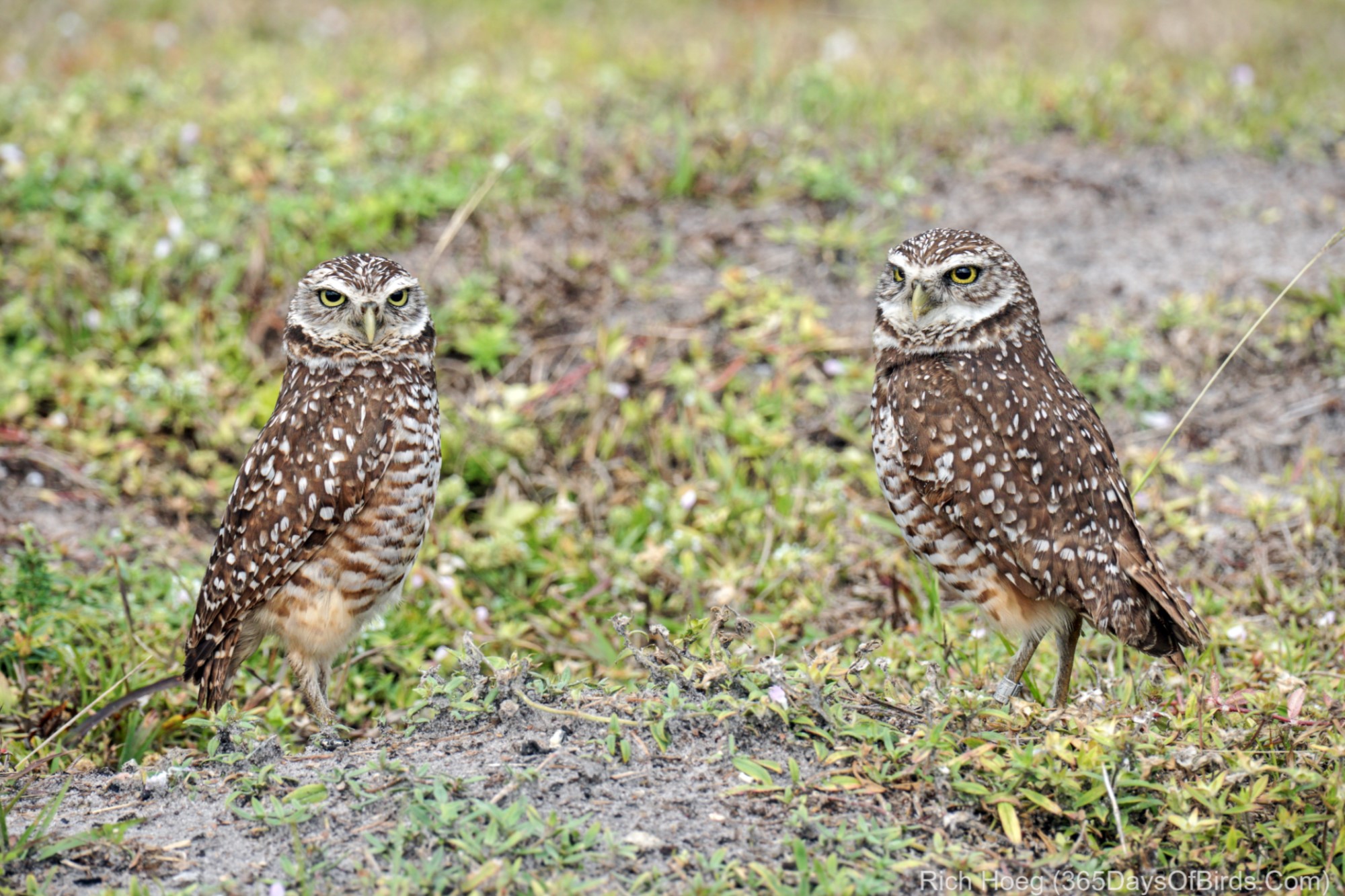
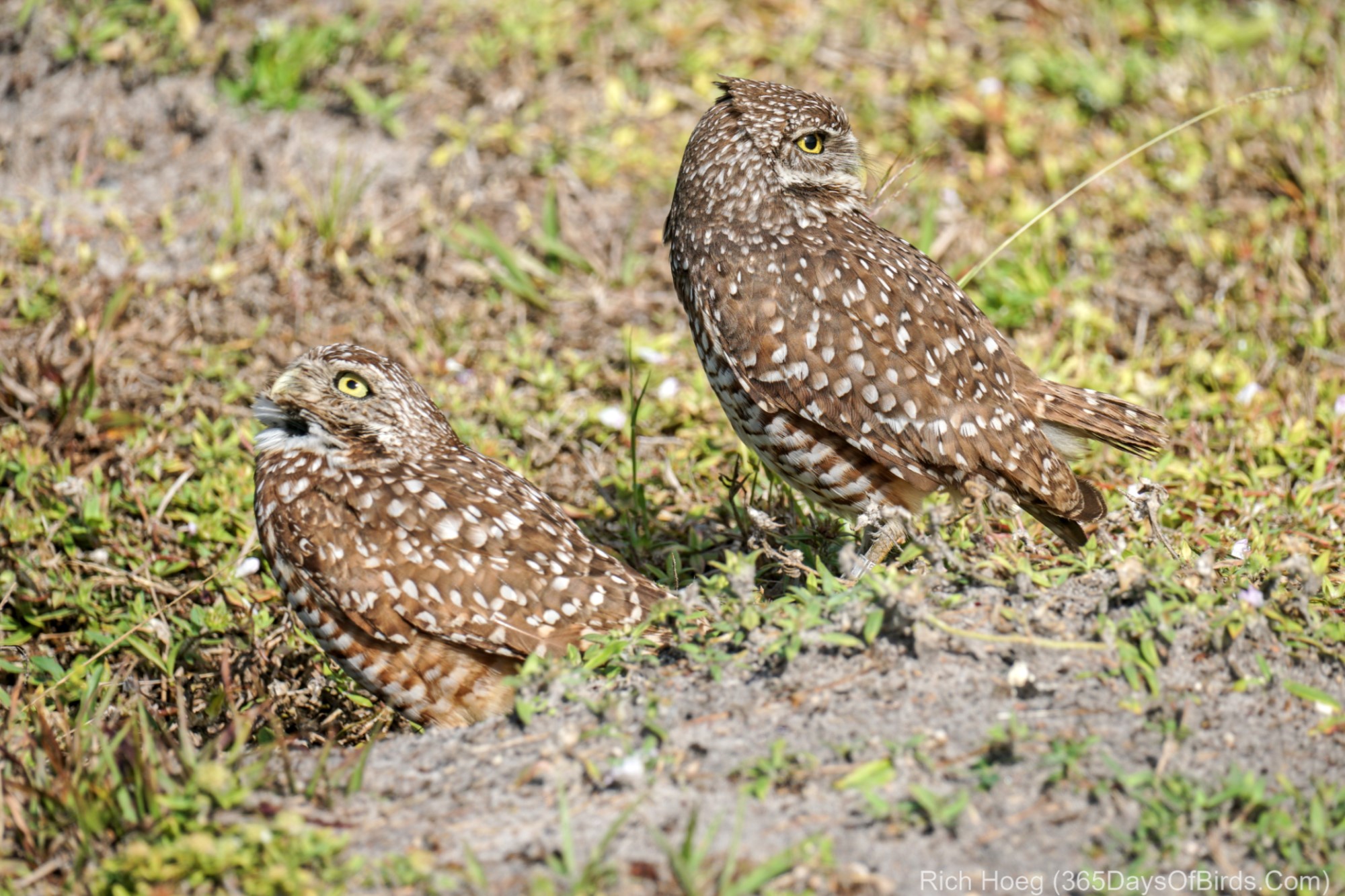
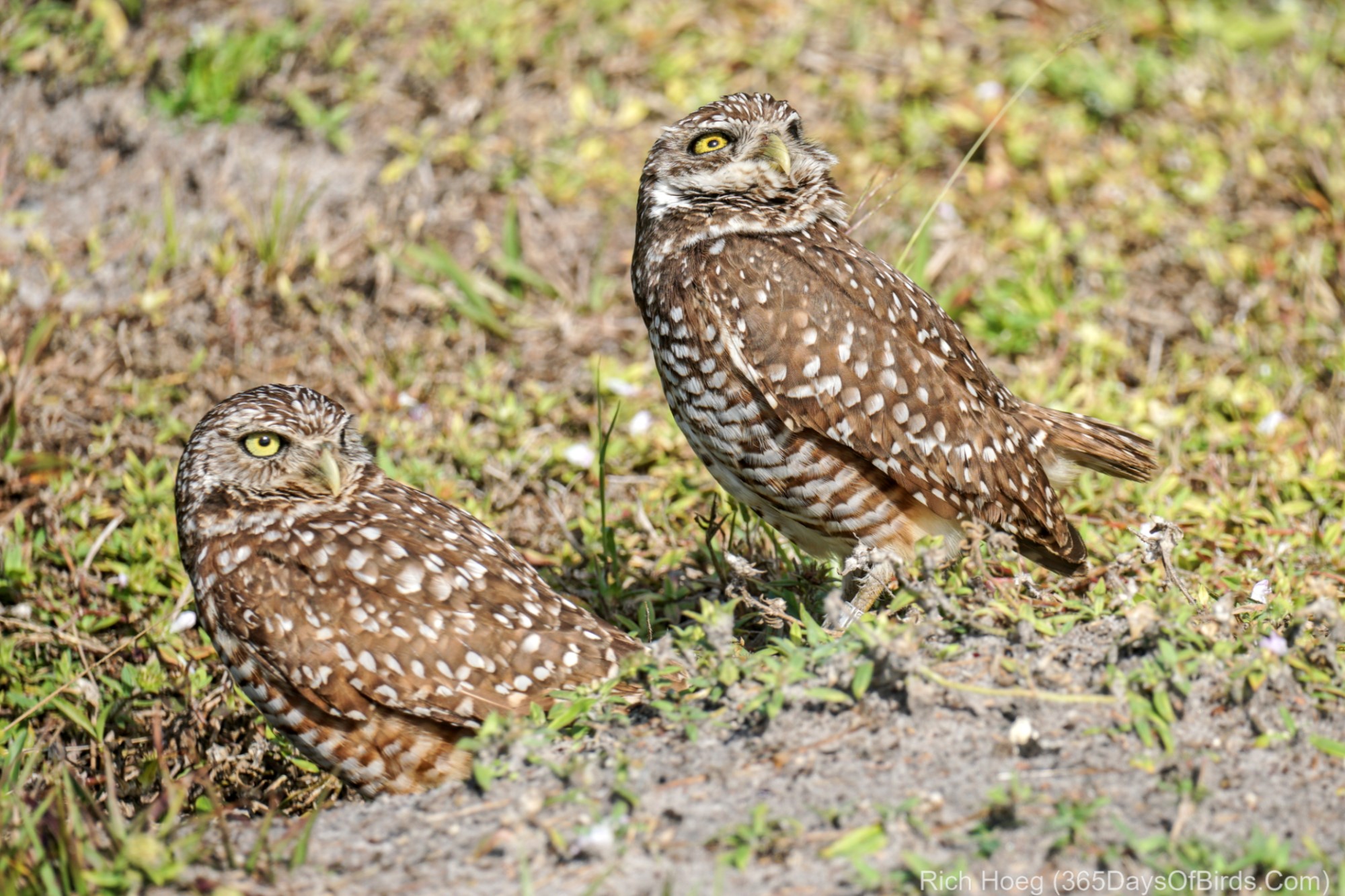
What a difference a few days makes, and 1,500 miles! Sunday afternoon while still in Fort Myers, after the storm clouds cleared, I drove over to the Pelican Ballfields in Cape Coral in the afternoon. A few Burrowing Owls decided to come out and investigate including this couple. Actually I did not even know these two birds were “an item” till the larger of the two owls (female I assume) ran ten yards over to stand with its mate. This movement above ground let me begin to understand that their burrow was at least ten yards wide underground, with multiple entrances. It would be cool to see how extensive their burrow is underground, but not something I will ever learn or see.

Cape Coral Burrowing Owls
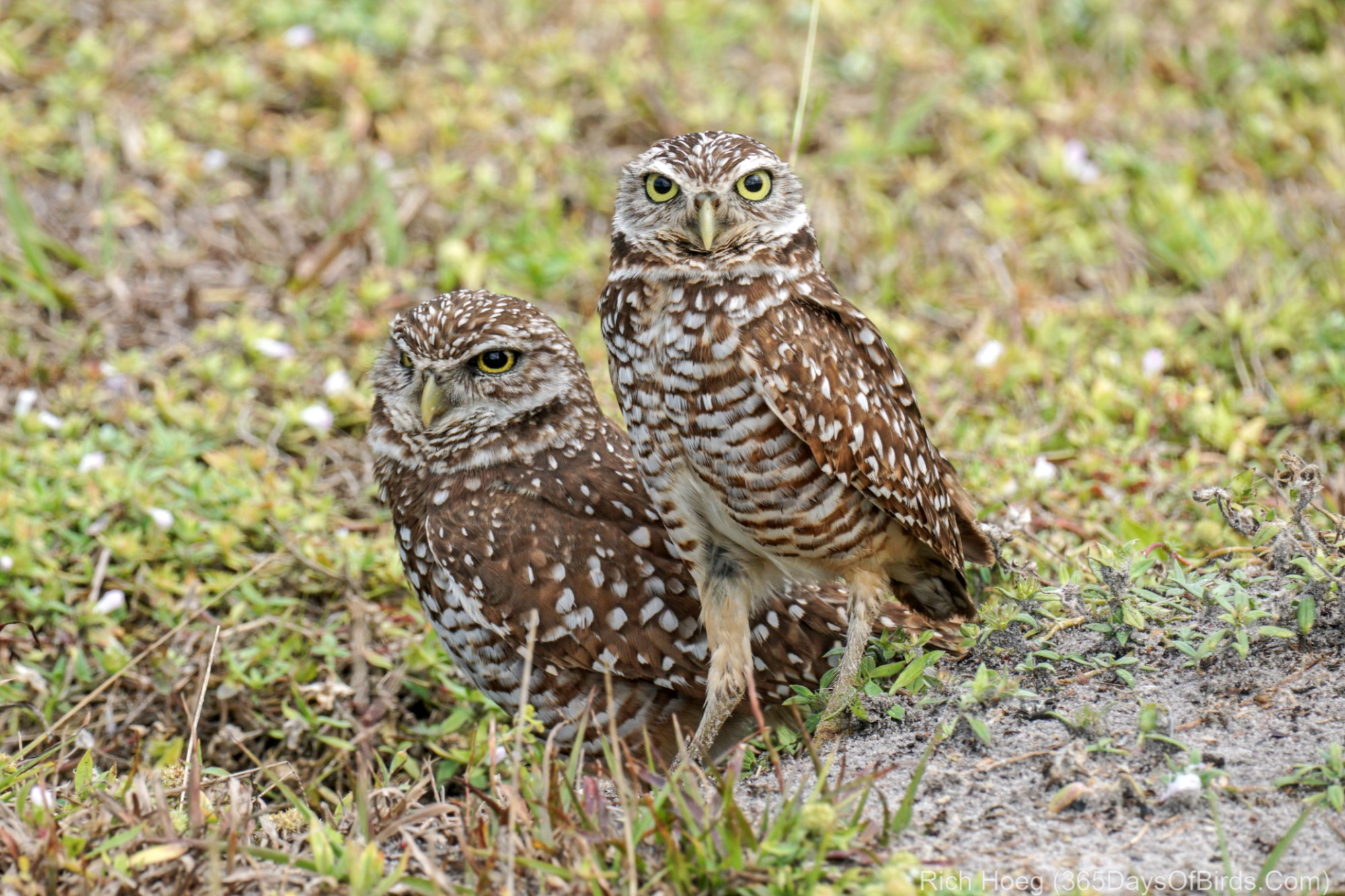
Black-Vultures fly low overhead, and definitely attract the owls’ attention.
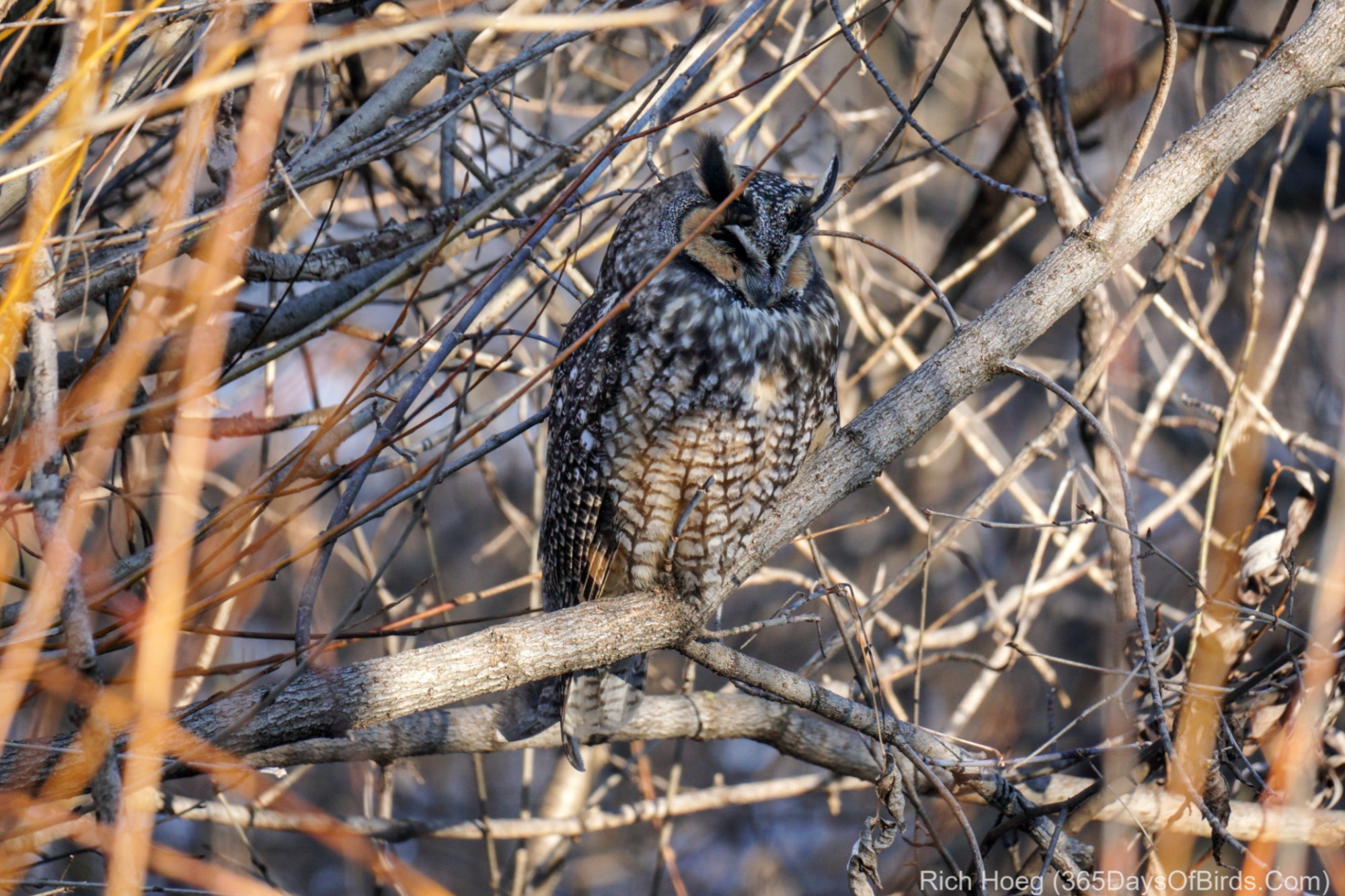
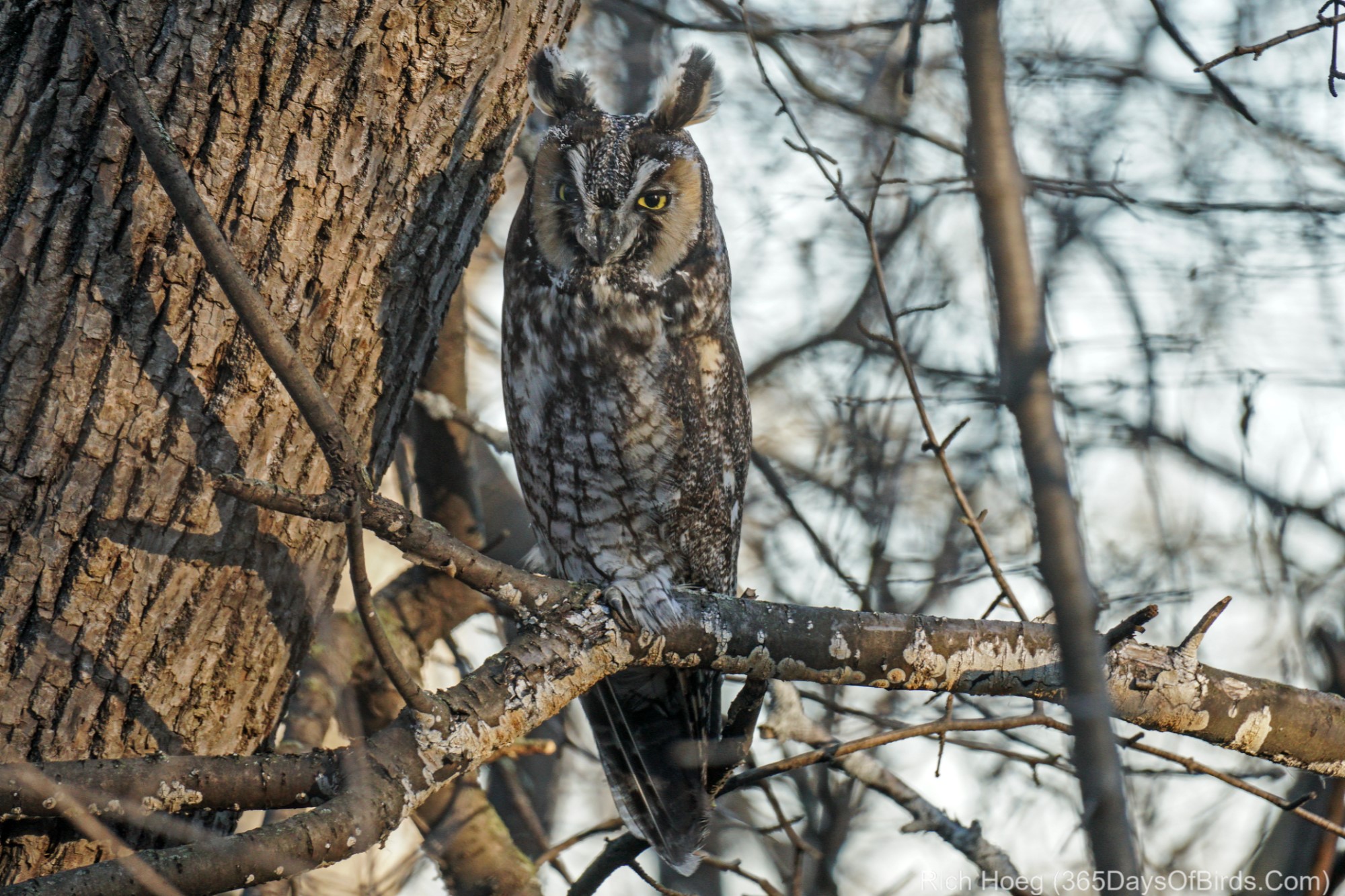
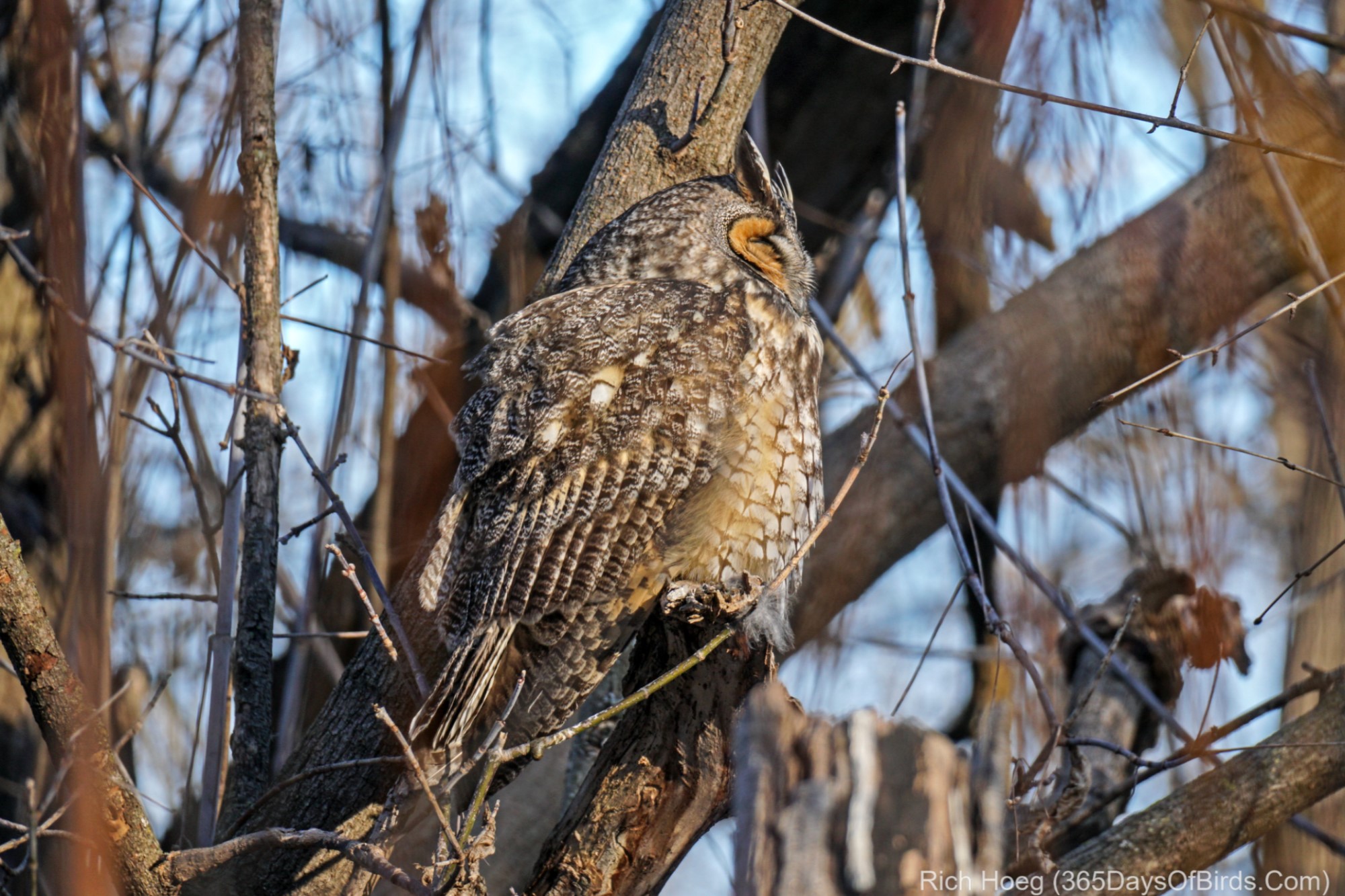
Monday morning it was time to head back north. We are now safely stopped at my son’s house near Milwaukee and seeing my new grandchild again. This morning at sunrise I went out in an attempt to find a Long-Eared Owl winter roosting thicket. Given advance knowledge, I found three Long-Ears. Birding was quite different from Florida given the temperature was only 3F. Oh wow, were my hands cold. Even with winter gloves, I just could not keep my hands warm. I have tried many different gloves over the years, but have never discovered any which work for temperatures below zero. I would love to hear in the comments about what others use to keep their hands warm. Please notice in these images that the owls are sitting in the sunlight. As temperatures drop towards zero and below, owls often sit in the sun / out in the open during the day … protected from any wind but able to feel the thermal warmth.

Milwaukee Long-Eared Owls (3 unique birds … 1 male and 2 sleeping females)
Visiting Sax-Zim Bog During Covid

Just a fyi … an update as of January 18th, only one individual or family group will be allowed in the Sax-Zim Bog Welcome Center at a time due to the present Covid surge. In addition, volunteers like myself will not be present, and only one staff naturalist. The bird feeders will remained filled, so it is still worth visiting, but please realize if another family group is in the Center, you will not be allowed to go inside. Masks are required in the Welcome Center. Most importantly, the outhouse remains open!

Helping Endangered Bird Species

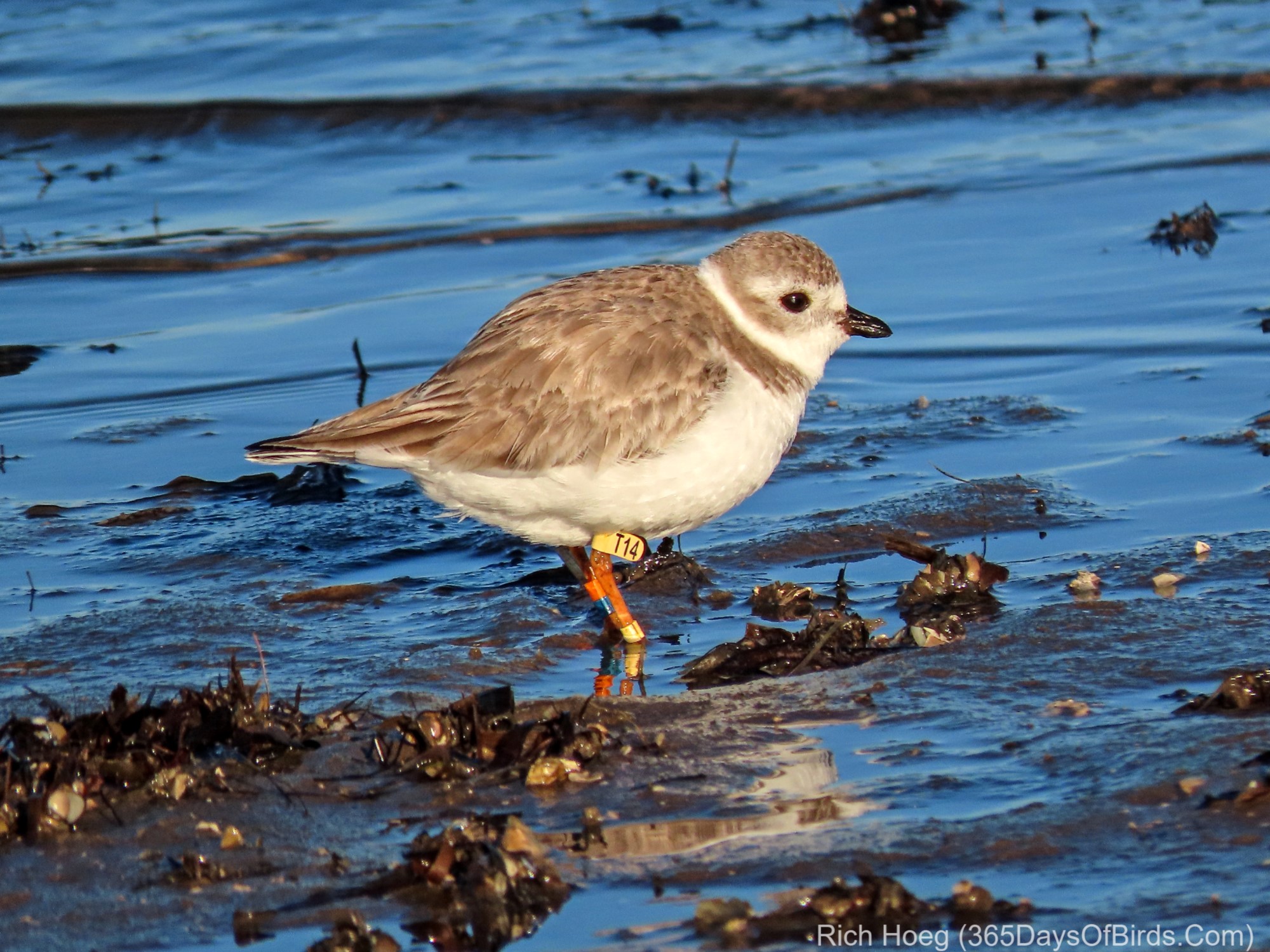
Many of you who read this blog also photograph birds. Should you ever notice while out birding that the individual bird you have found is banded, Try to get a good image of the bird including the band (hard) and then Google the bird’s name and include the words “banded” and “report”. Such was the case for me this morning a few minutes after sunrise on a remote Gulf of Mexico Beach in the Florida Panhandle. Molly and I were stopped on our way back to Minnesota, renting an AirBnB near Bald Point State Park. In fact I was the only person in the park early this morning. Perhaps the locals thought 35F and sunny was too cold (I was wearing shorts and a ski parka … Minnesota high fashion).

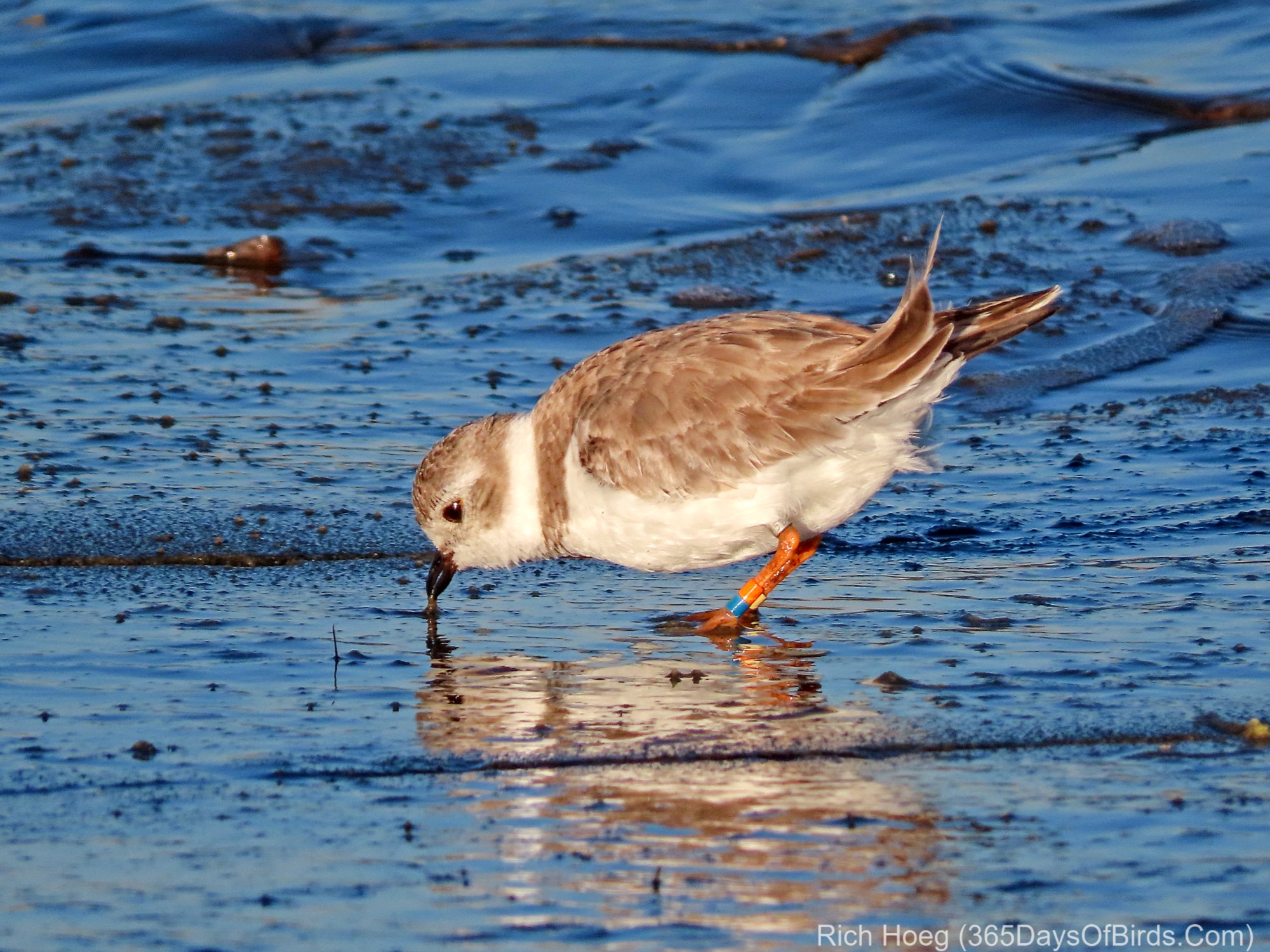
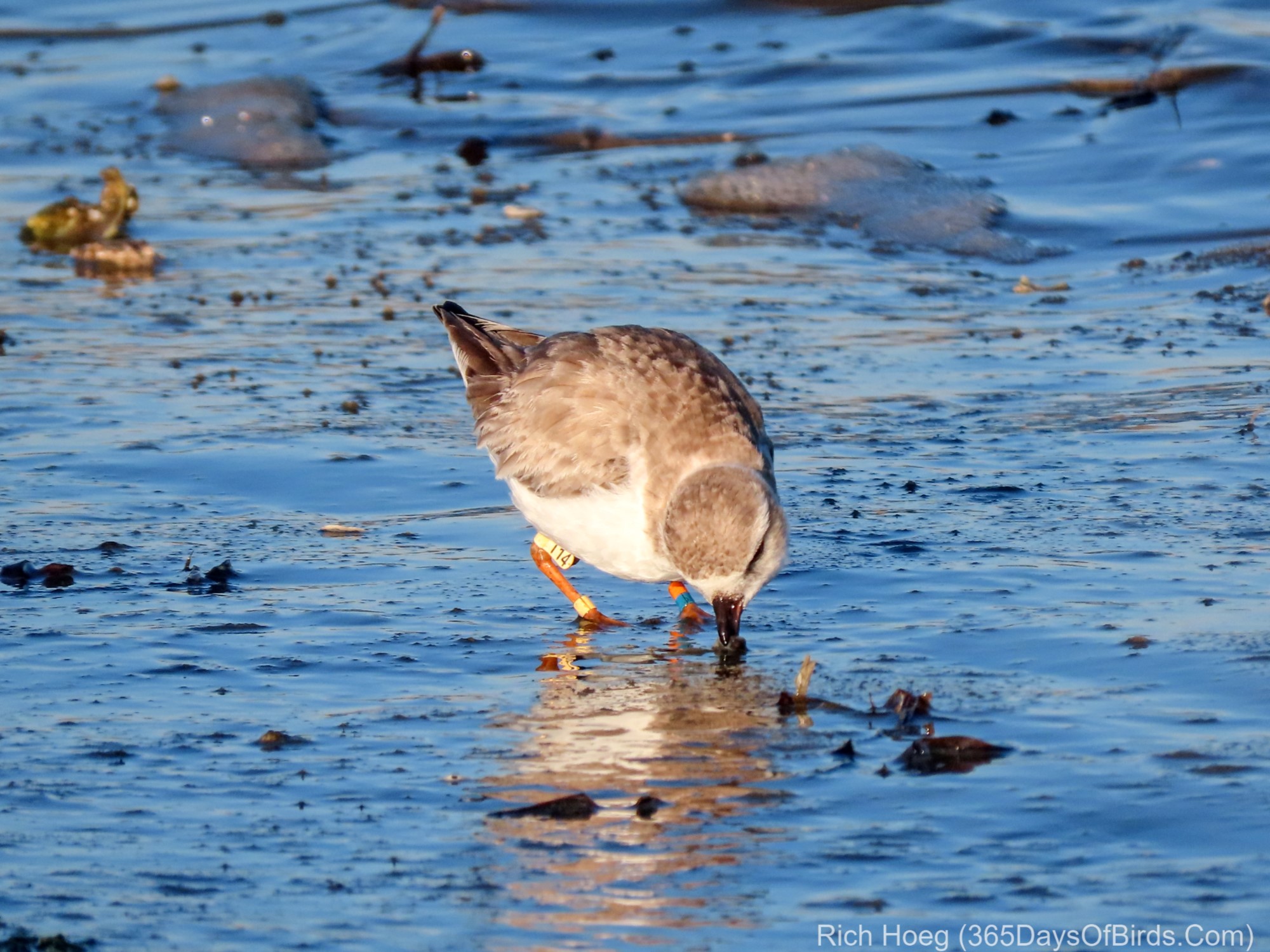
While I was looking for American Oystercatchers which would be a lifer for me, what I first found was a Piping Plover. This Great Lakes population of this species is endangered, and in fact I have only seen these plovers twice in my life. However, even with winter plumage, I was pretty certain a Piping Plover was walking down the beach towards me. Like always I was out on the big sand flats revealed by the morning low tide. The low angle of the sun allowed me to take this image, which includes its banding code, T14. I have submitted a birding report and this pic to the US Fish and Wildlife Service via the Piping Plover Page.

More Piping Plover Images


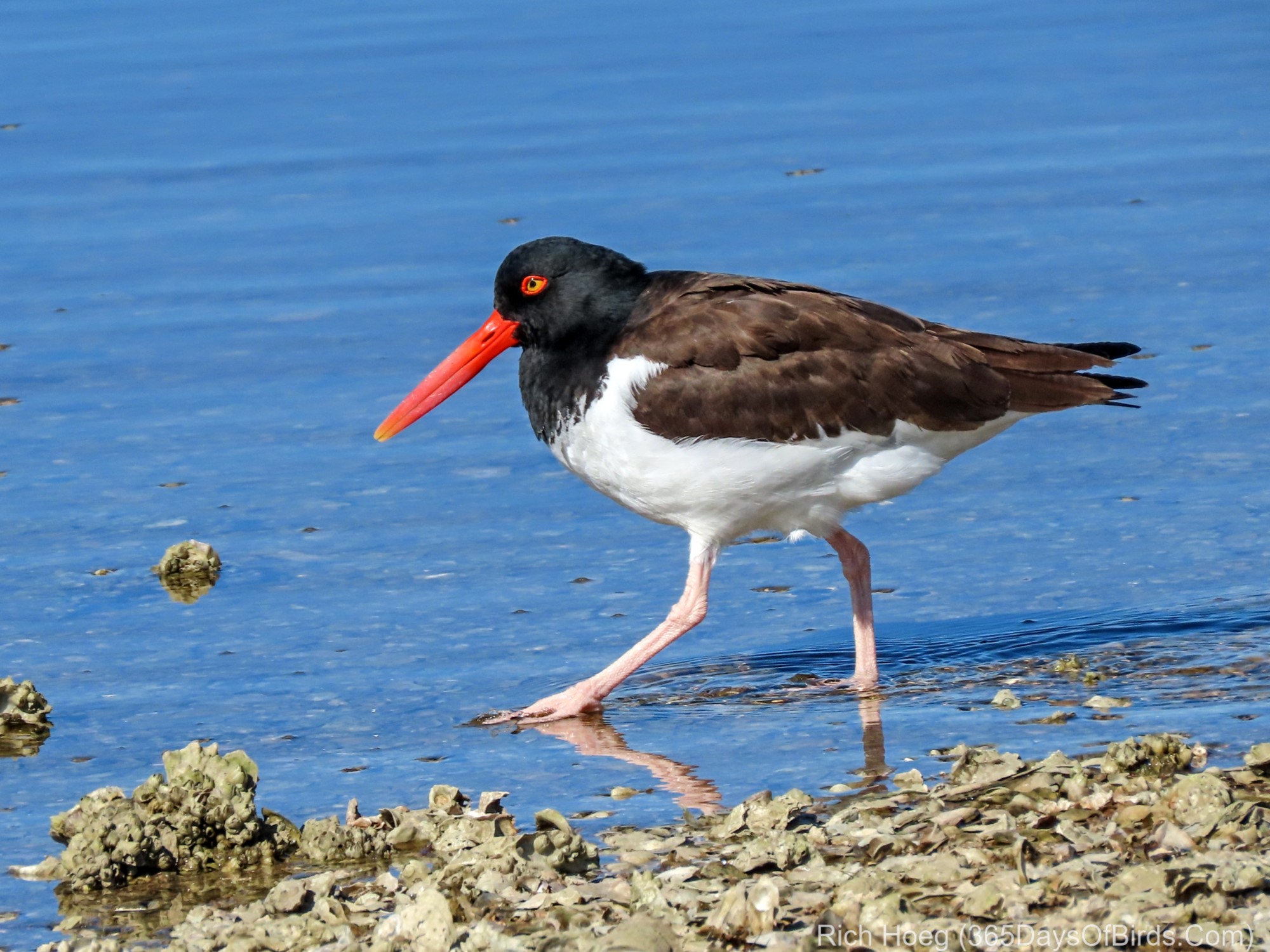
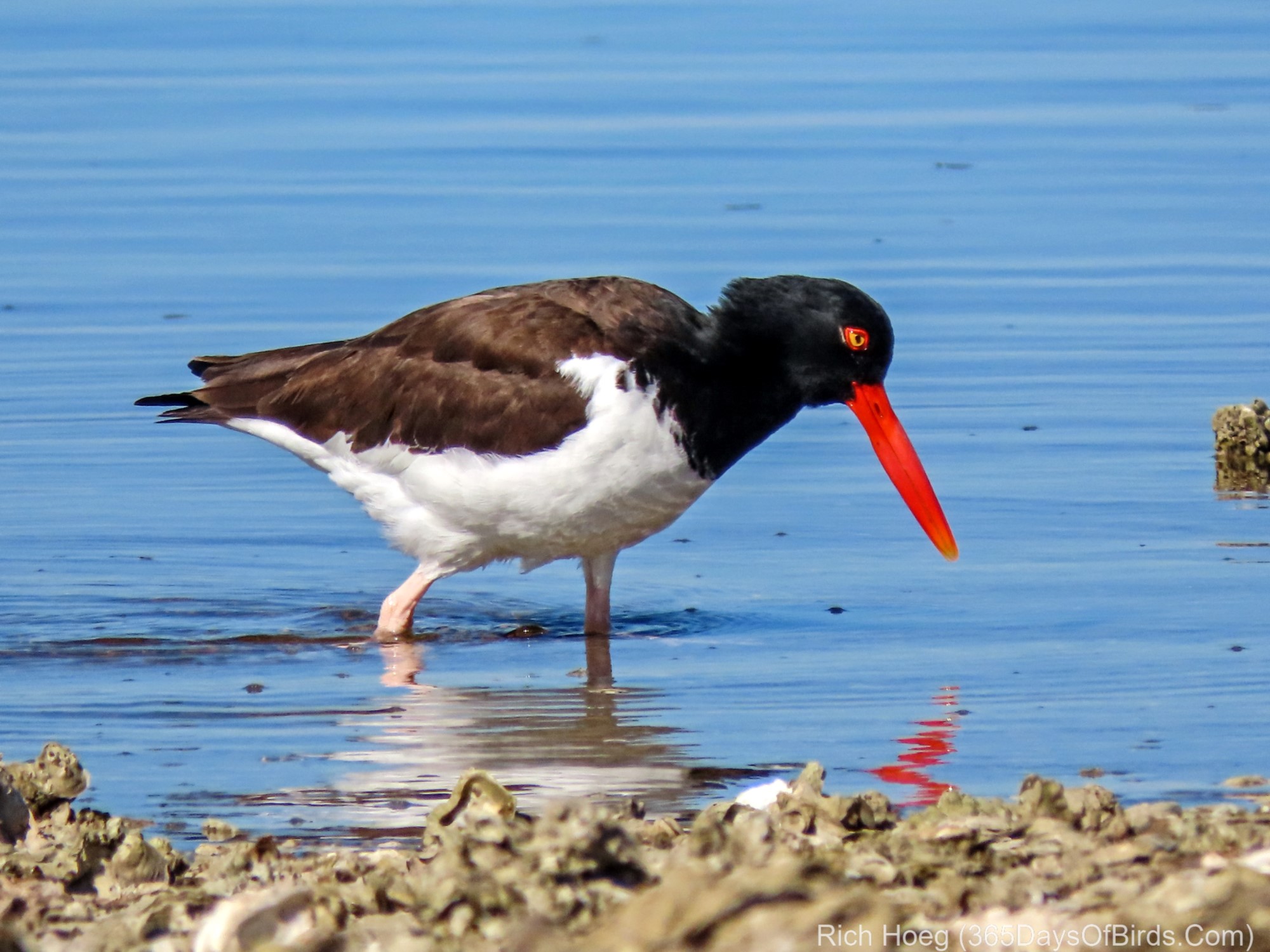
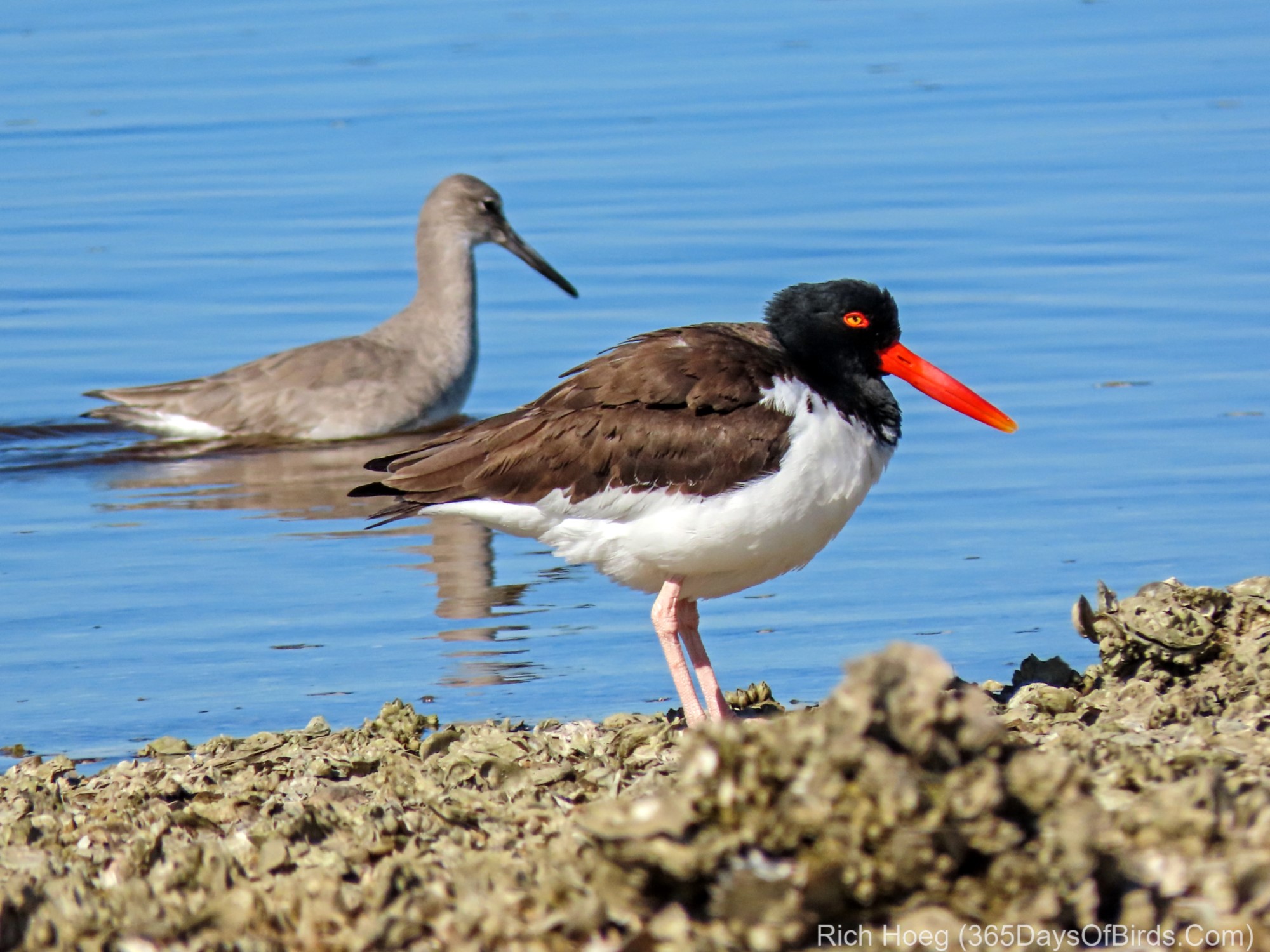
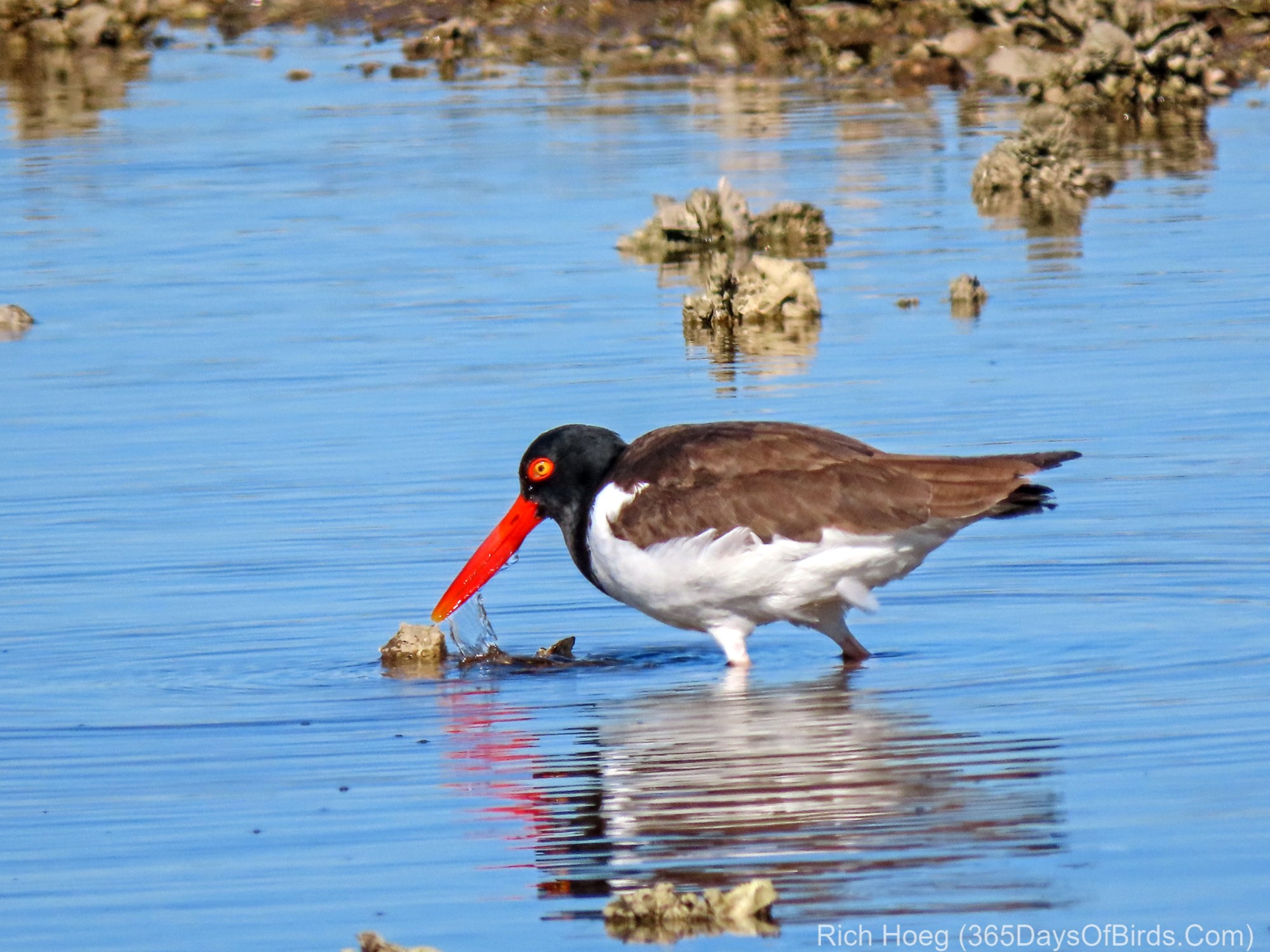
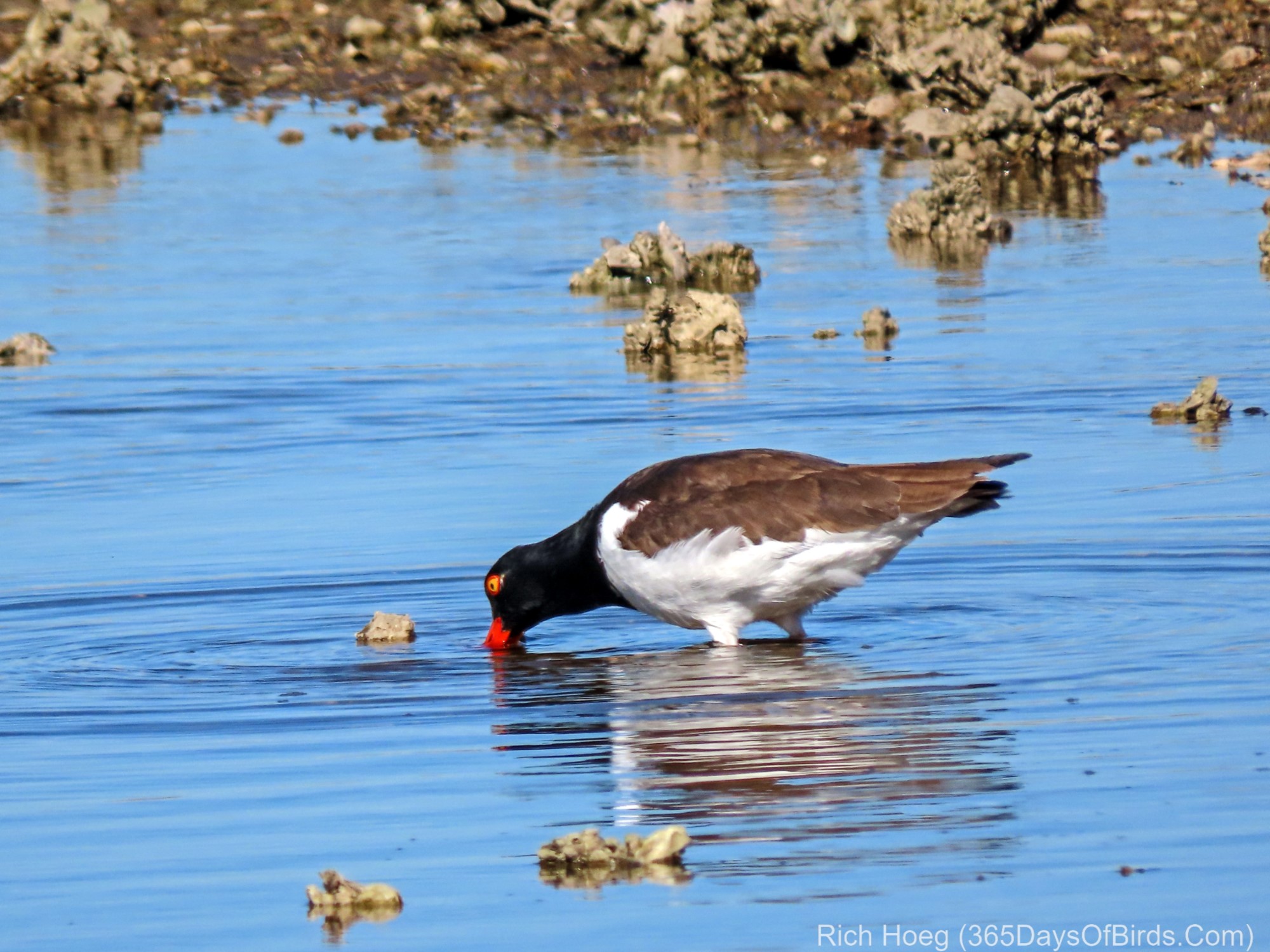
As I mentioned I was looking for American Oystercatchers. While my first trip to the beach did not yield a sighting, my second visit was successful. I first saw an Eurasian Oystercatcher while bike touring in Scotland. Not understanding what I was seeing, I named this bird species “Funky Petit Penguin Bird” till I could make proper identification.

American Oystercatcher (Willet in one pic’s background)