Over the past few years, folks in the know have been able to gather data about the Spring or Fall bird migrations as they were in progress (birding forecasts & real time updates). However it took a Phd in web knowledge to find this data and review same. Now Cornell, Colorado State and UMass Amherst have collaborated to create a great new web site with easily viewable data. Better yet, with just a few clicks you may discover what the expected migration conditions will be like in your home town (or region). The service is called BirdCast.
I have taken nine screenshots via my own mobile phone and annotated the screenshots with red arrows, lines and rectangles to provide a basic introduction to BirdCast’s capabilities. Finally, although the BirdCast service does not provide an automated feed for their migration news updates, I figured out the RSS code required. Thus, if you use a RSS news reader to automatically obtain content updates … use this code stream / url. (copy url … paste into your RSS subscribe content area). Alternatively, you could download and use my free Minnesota Birding News (BirdCast is one of the over 40 web sites to which one may receive automatic updates).
BirdCast Capabilities
(Screenshots taken on my mobile phone. If you connect with a personal computer, the menus will be identical but appear via the menubar found at the top of every web page)
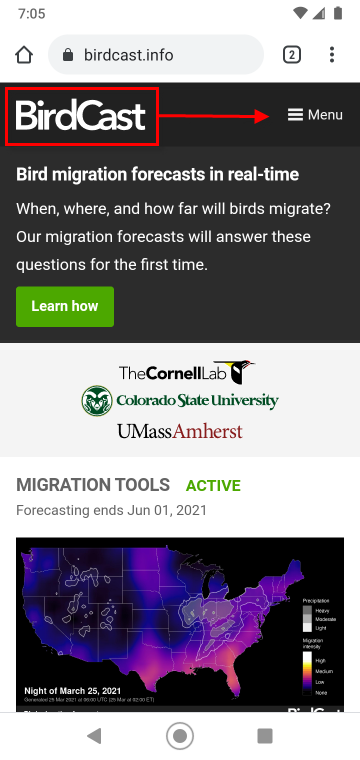
Birdcast Homepage and Main Menu
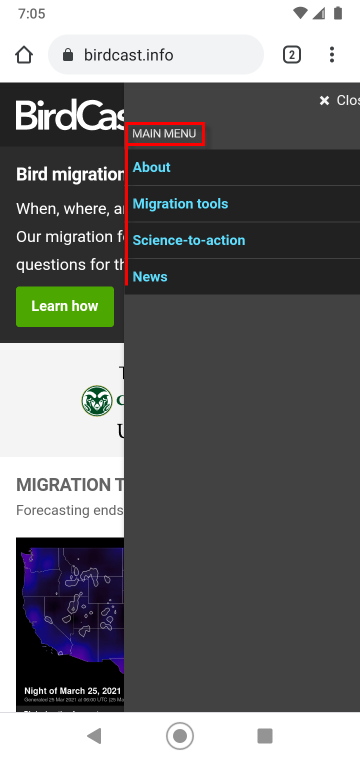
Birdcast Main Menu … Dropdown activated
BirdCast News (use my tools to get auto updates)

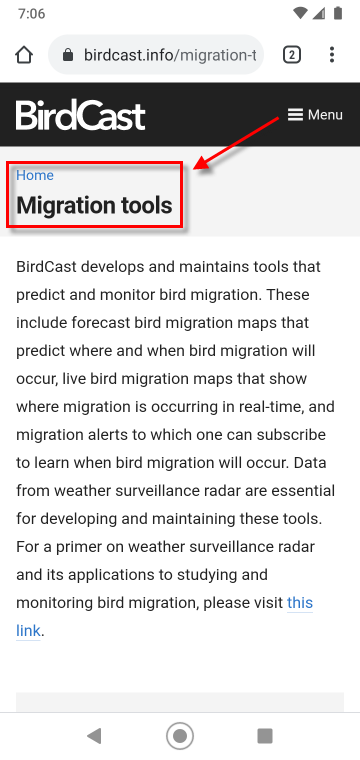
BirdCast Migration Tools
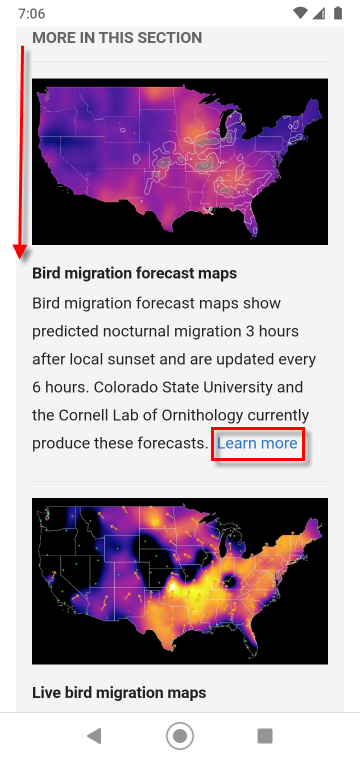
Scroll down to view / select desired tools
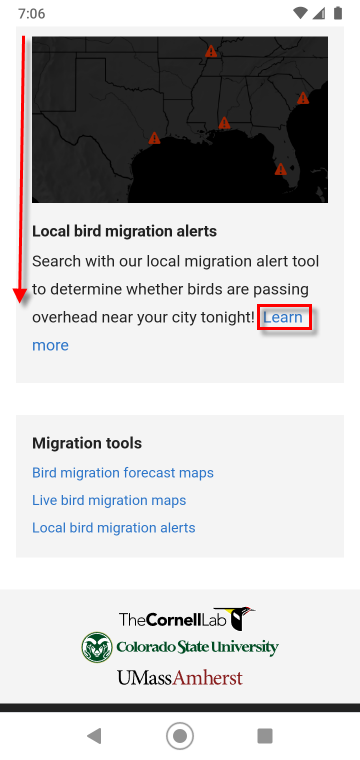
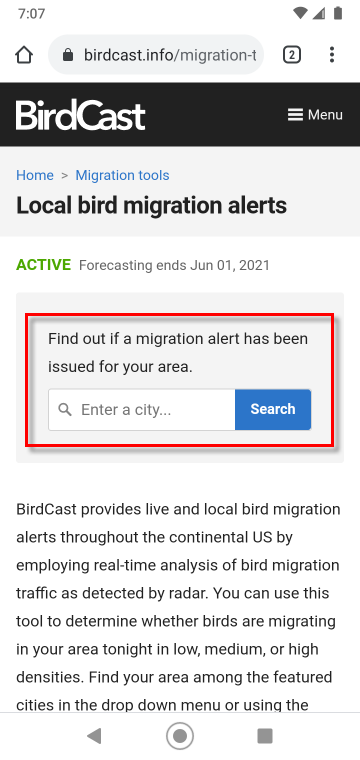
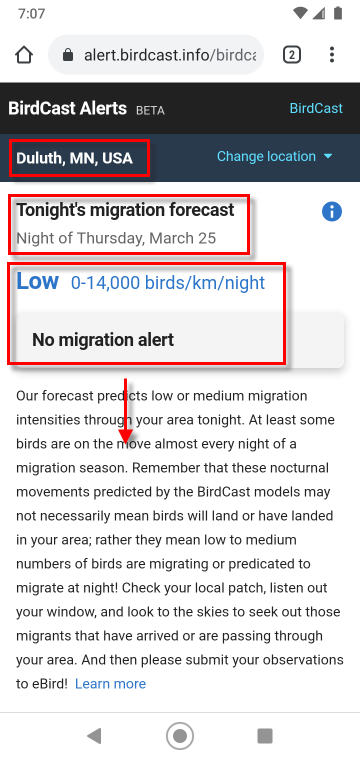
Using the BirdCast “Local” Tool (Duluth selected)

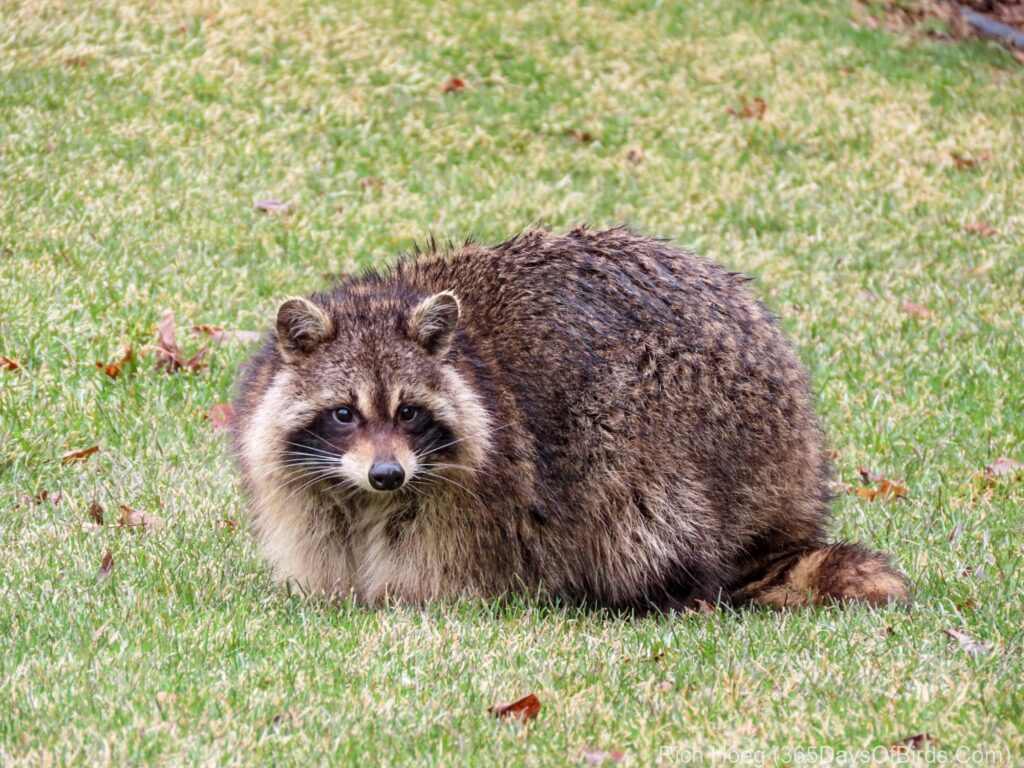
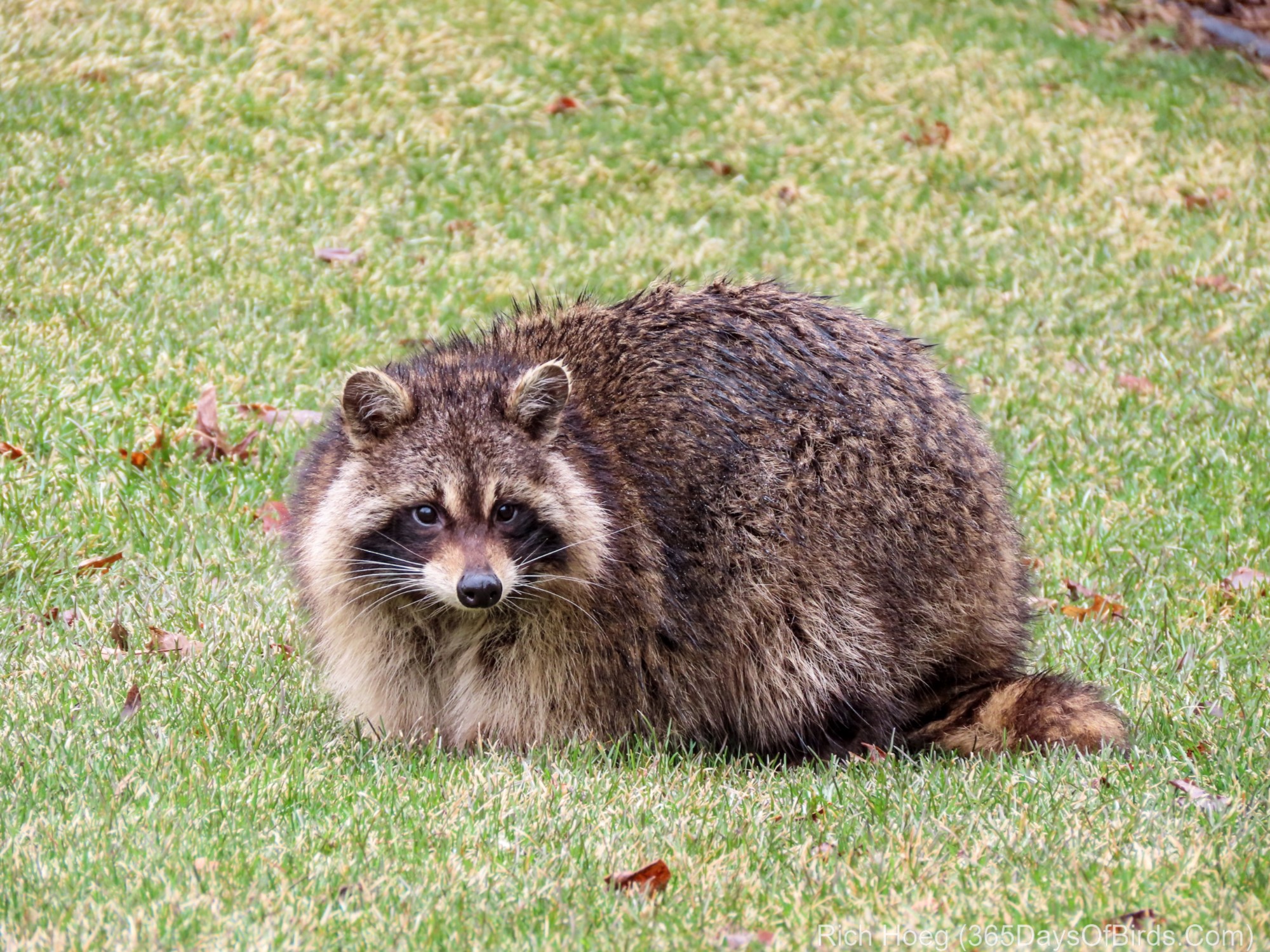
And finally an image from yesterday afternoon. The weather outside did not encourage birding (39F, freezing rain and a strong wind). However, when we arrived at my daughter’s house I heard chickadees scolding something. This Raccoon was the culprit. It was unusual to see “Rory” out in the middle of the afternoon.