Golden Glory Owling

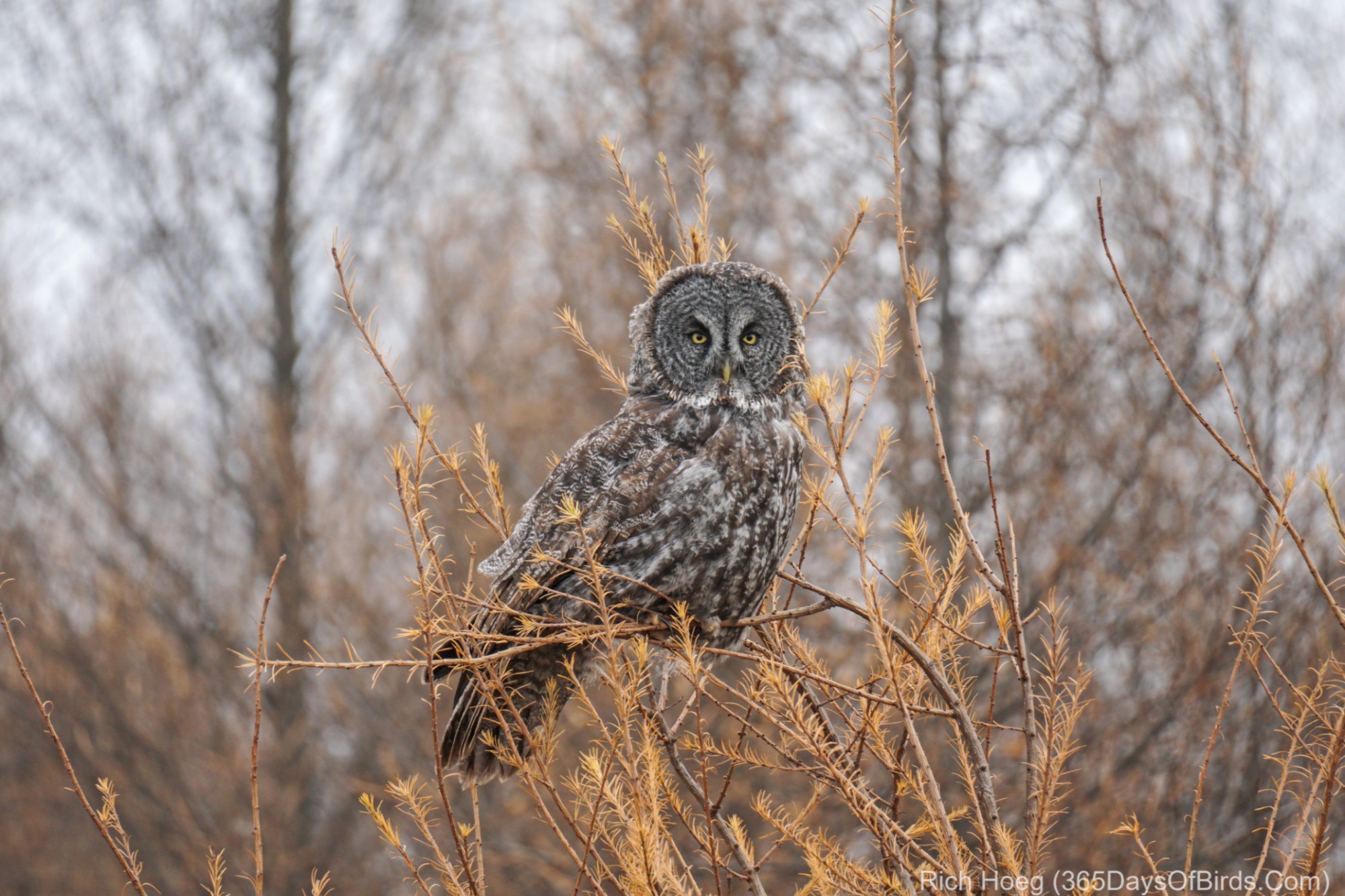
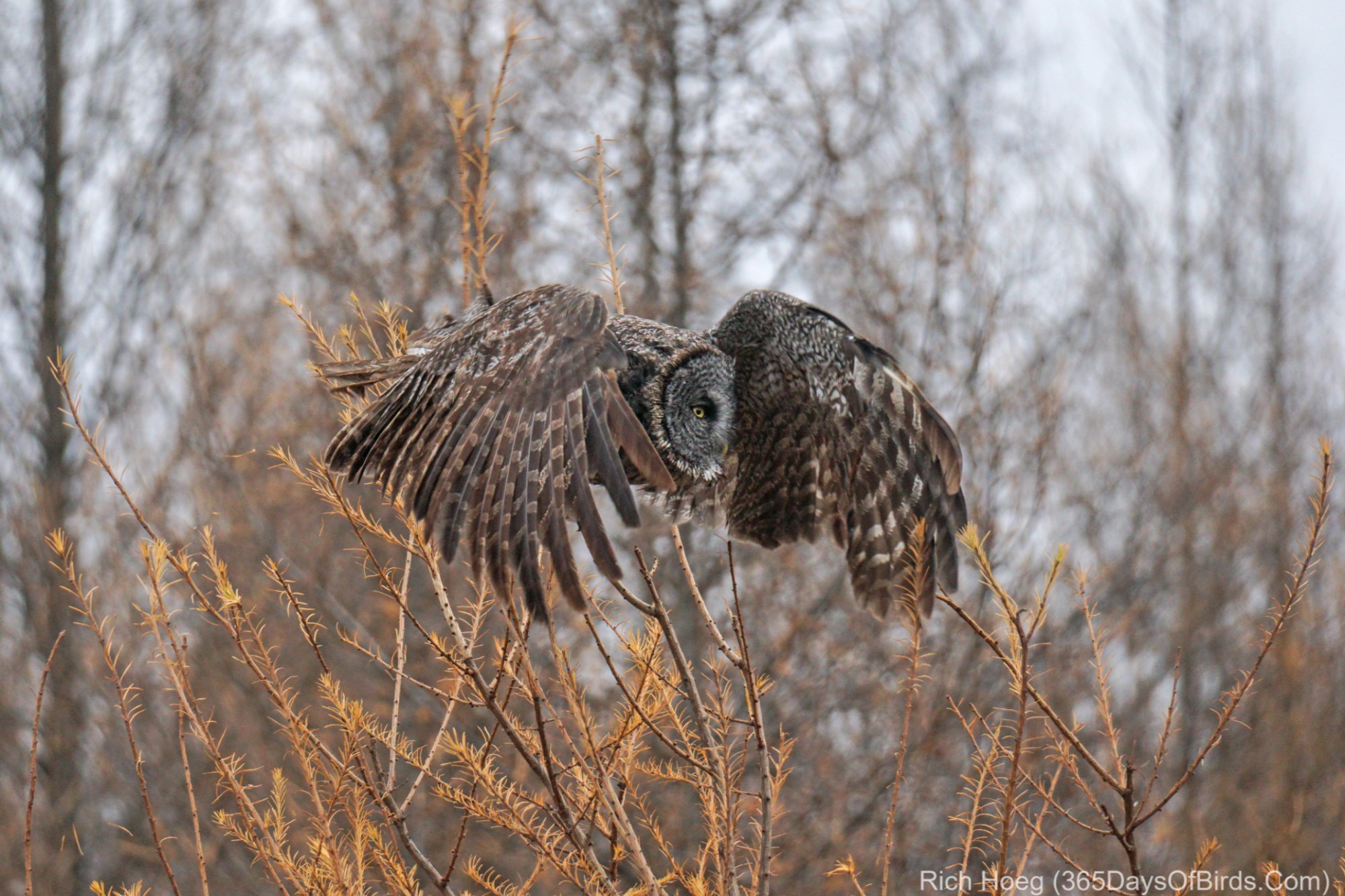
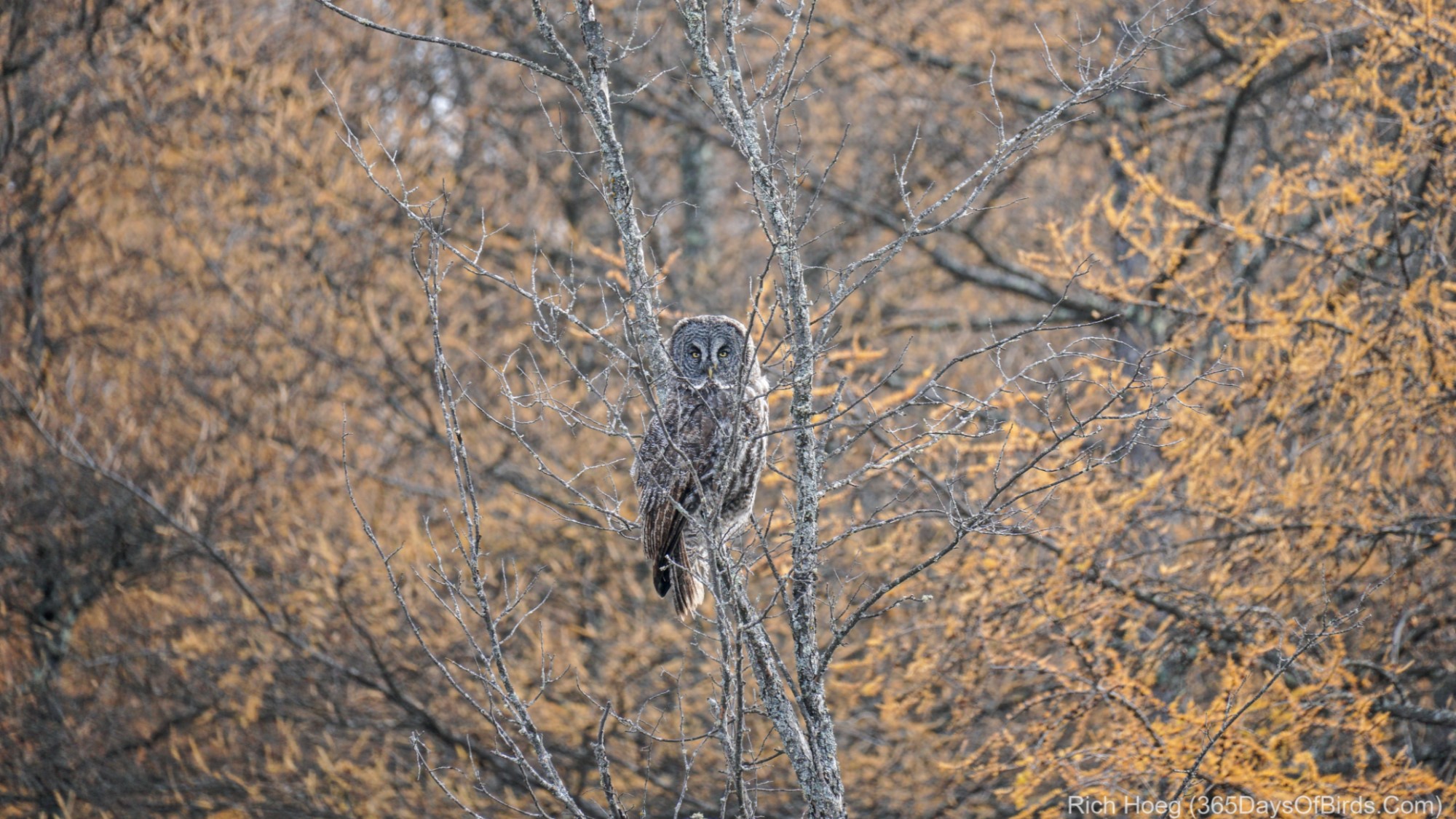
Knowing that the tamarack needles in their golden majesty would soon all be on the forest floor, and thereby heralding the start of winter, I drove up to Sax-Zim Bog for a final version of “Golden Glory Owling”. Thankfully the star performer eventually did arrive. Unlike the other morning when I saw three unique Great Gray Owls, only one wanted its photograph taken this morning. Here were the results.
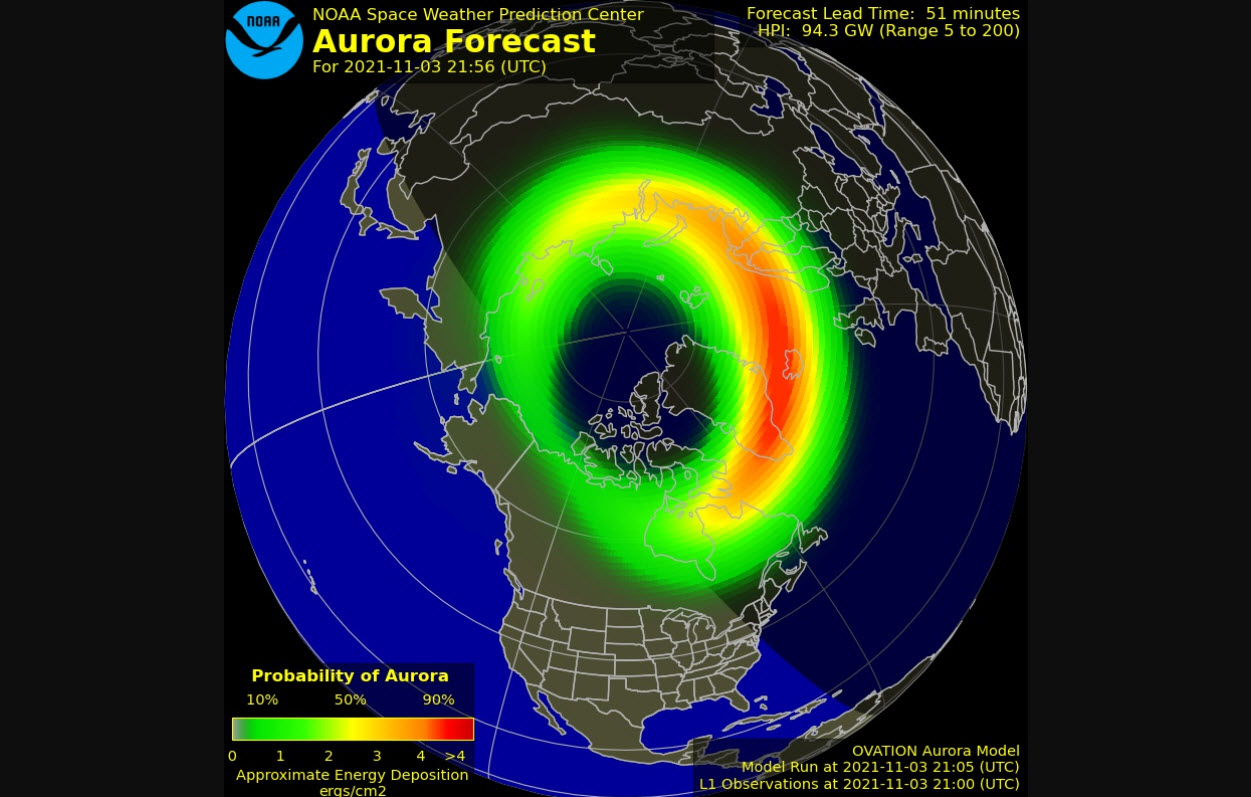
On a final note, if you live anywhere up north with no light pollution, get yourself outside by 7:30 pm TONIGHT. Find a spot with low light which faces north (public boat launches can be great). The numbers for the Northern Lights are looking great at 4 pm CDT. Unlike the big media blitz of last weekend, my own technical read of the data shows something is very much happening. See my Northern Lights Web Page for more information.
Snow Bunting Snow Storm (and Fu Manchu Bird!)

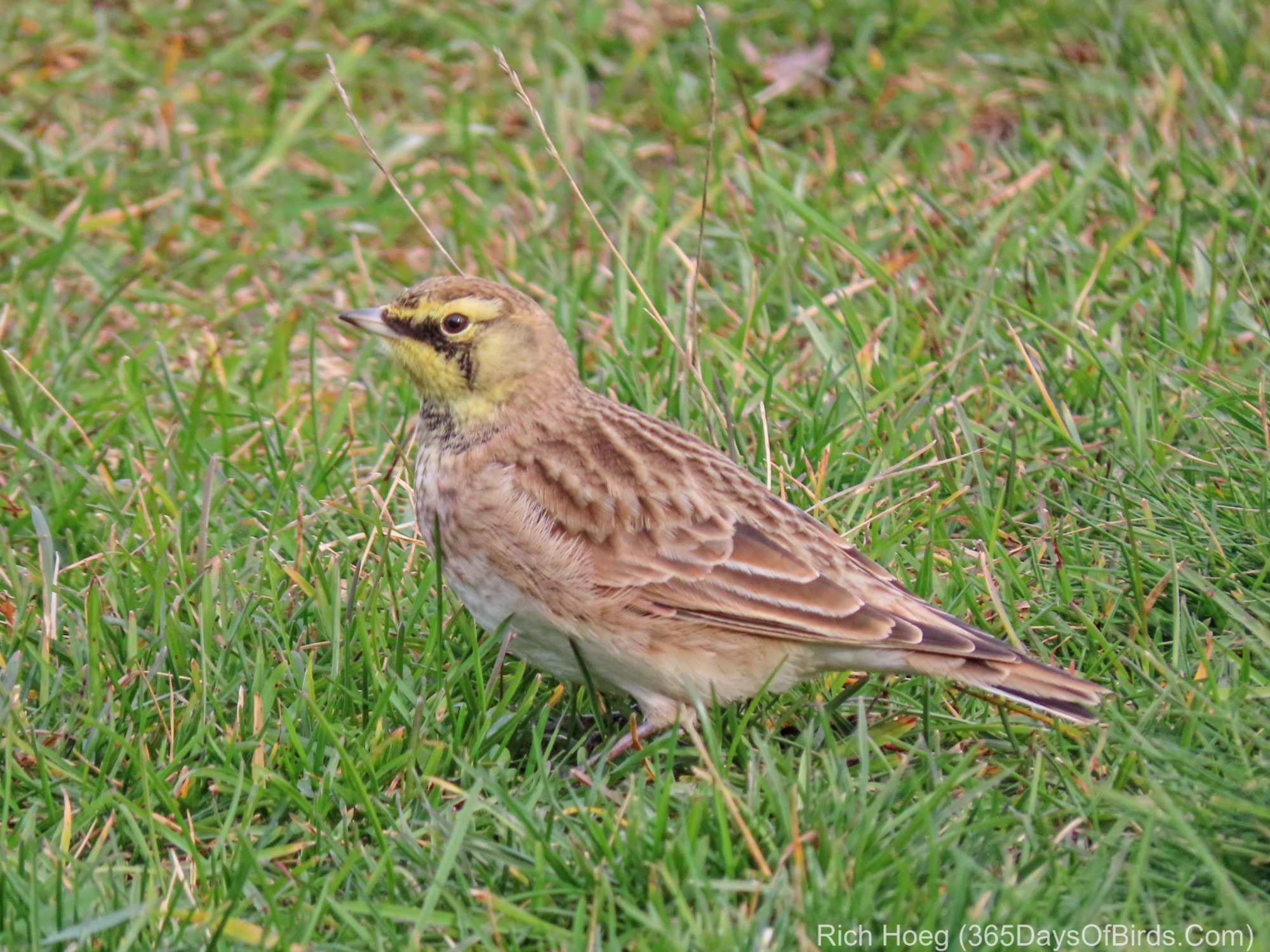
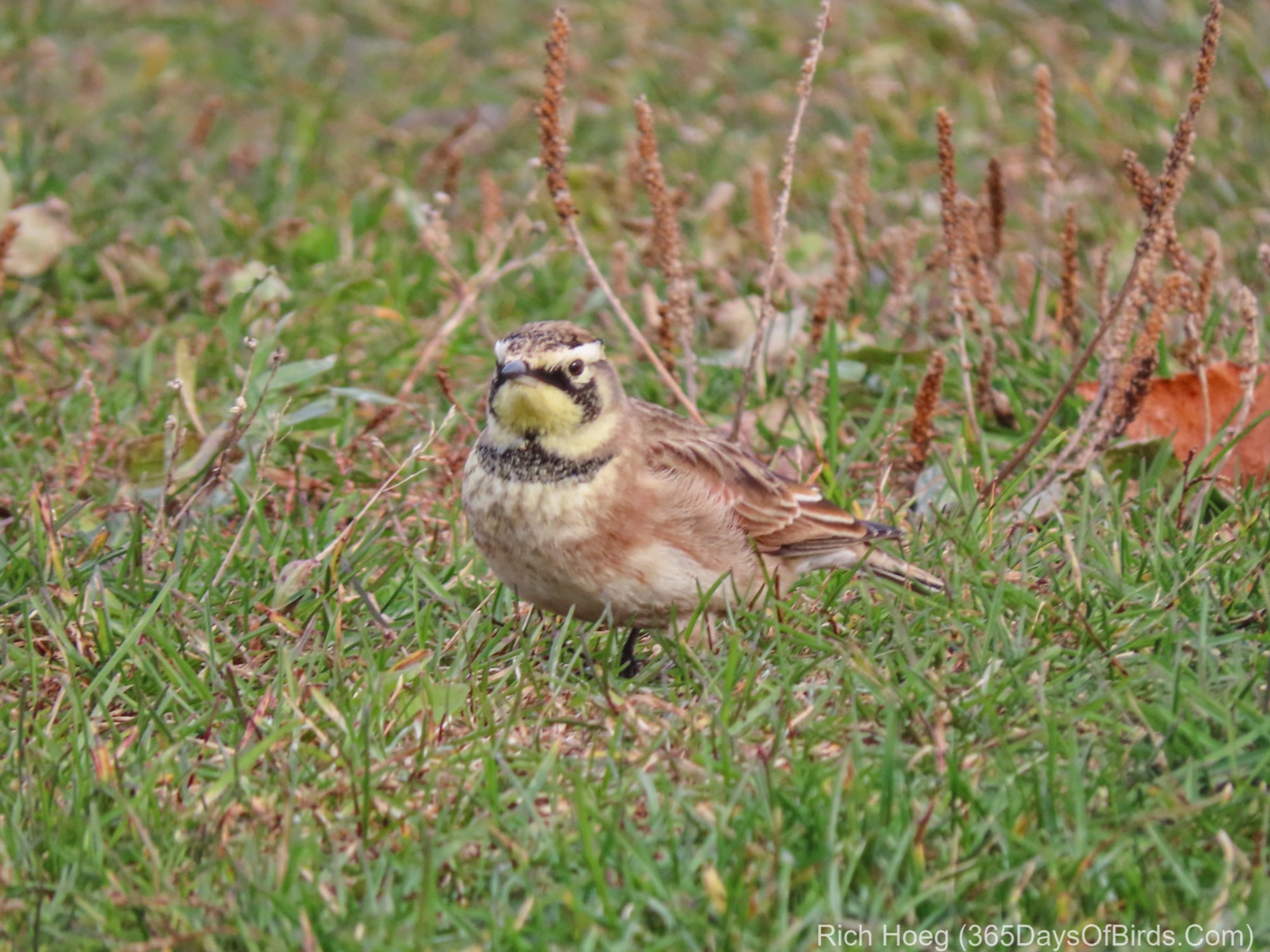
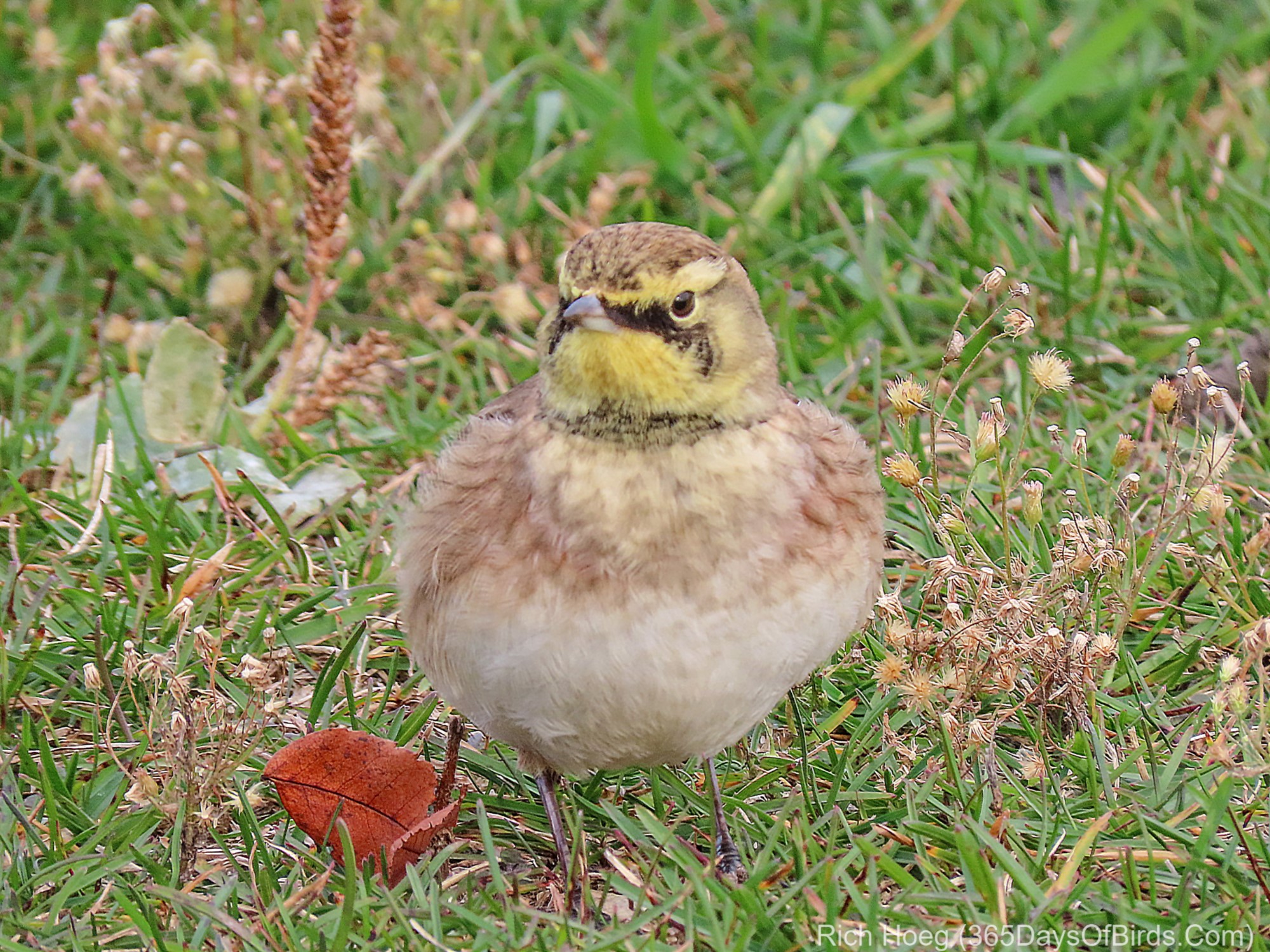
Arctic birds from the tundra were arriving this morning! Snow Buntings were almost falling out of the sky in Two Harbors, Minnesota. Close behind were Horned Larks, which I affectionately know as the “Fu Manchu Bird!” (see a photo to learn why)

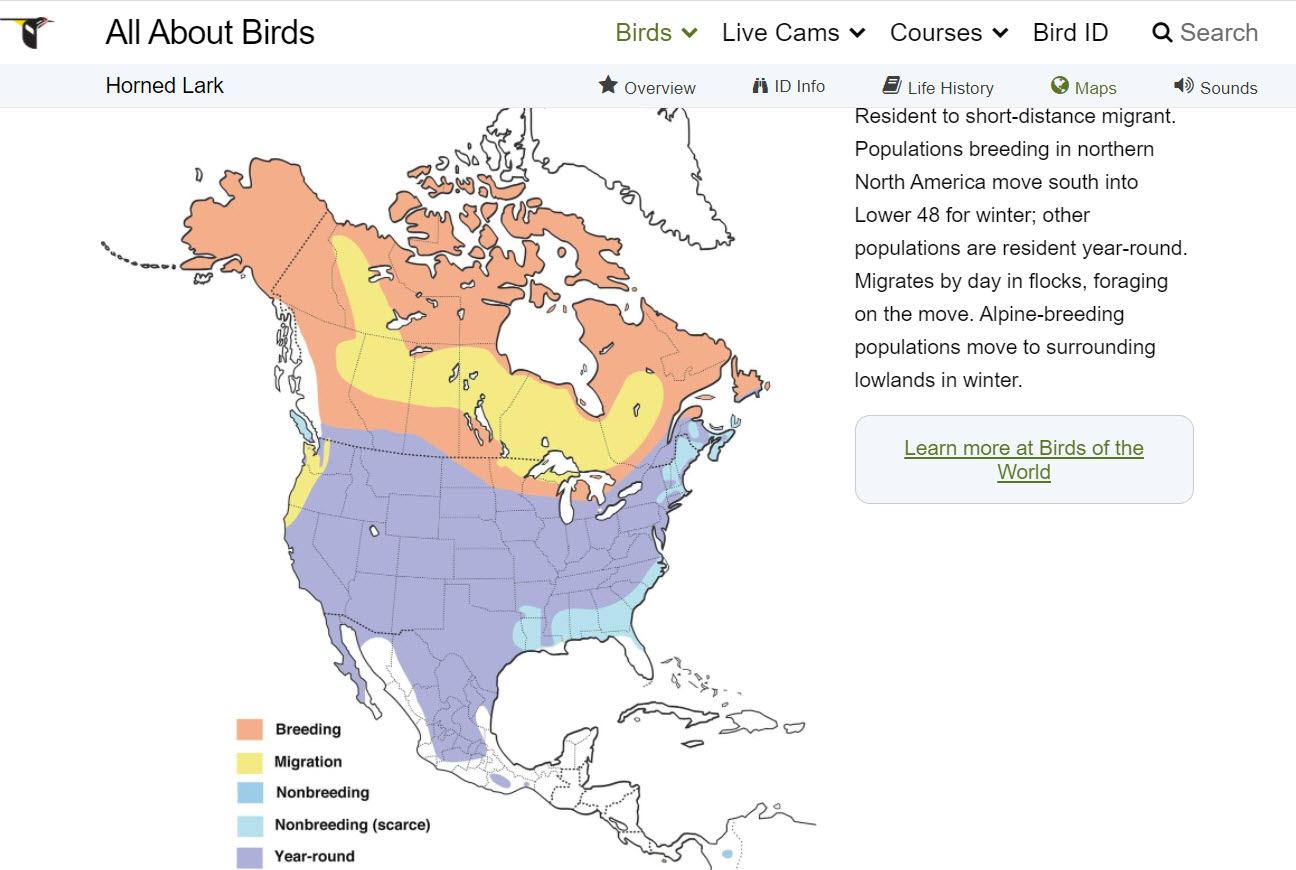
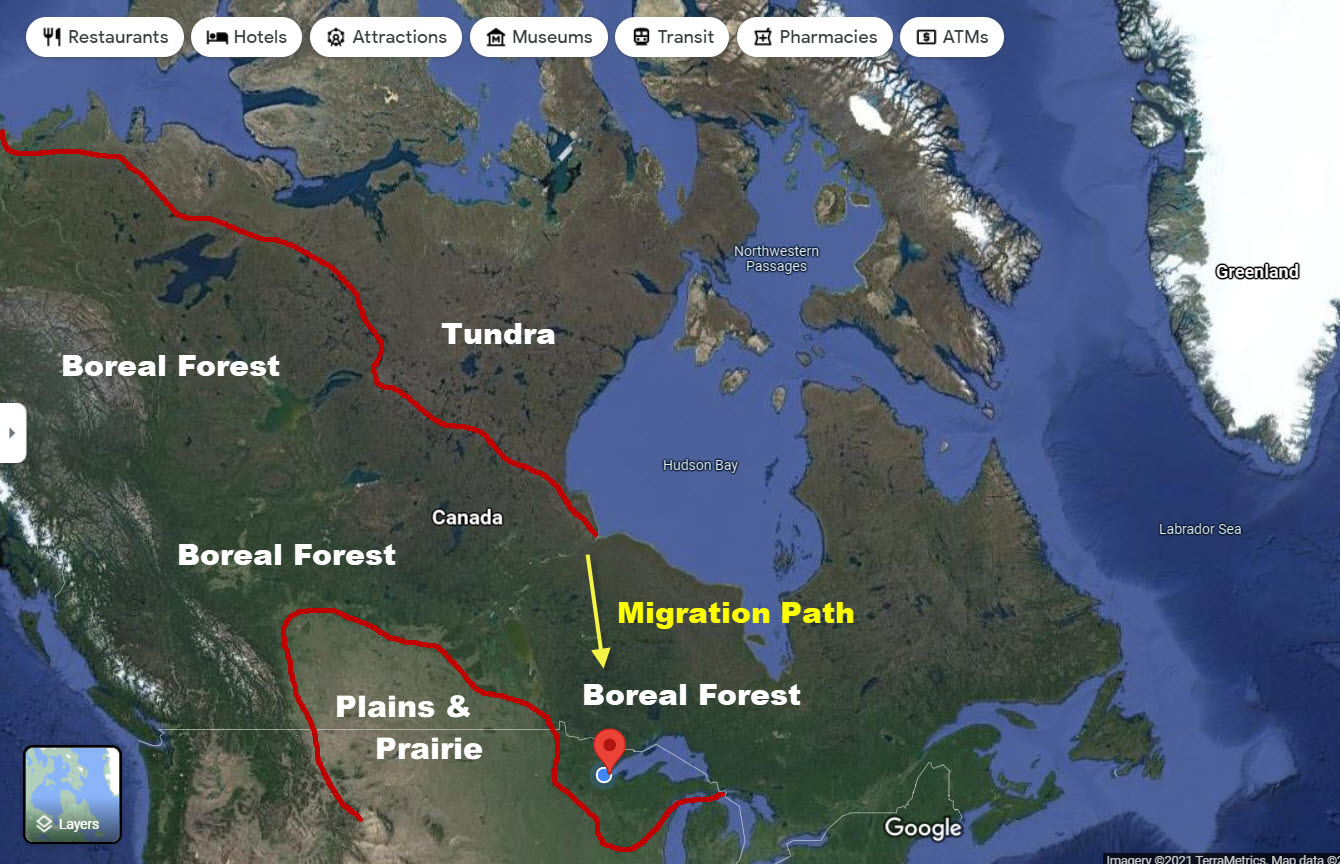
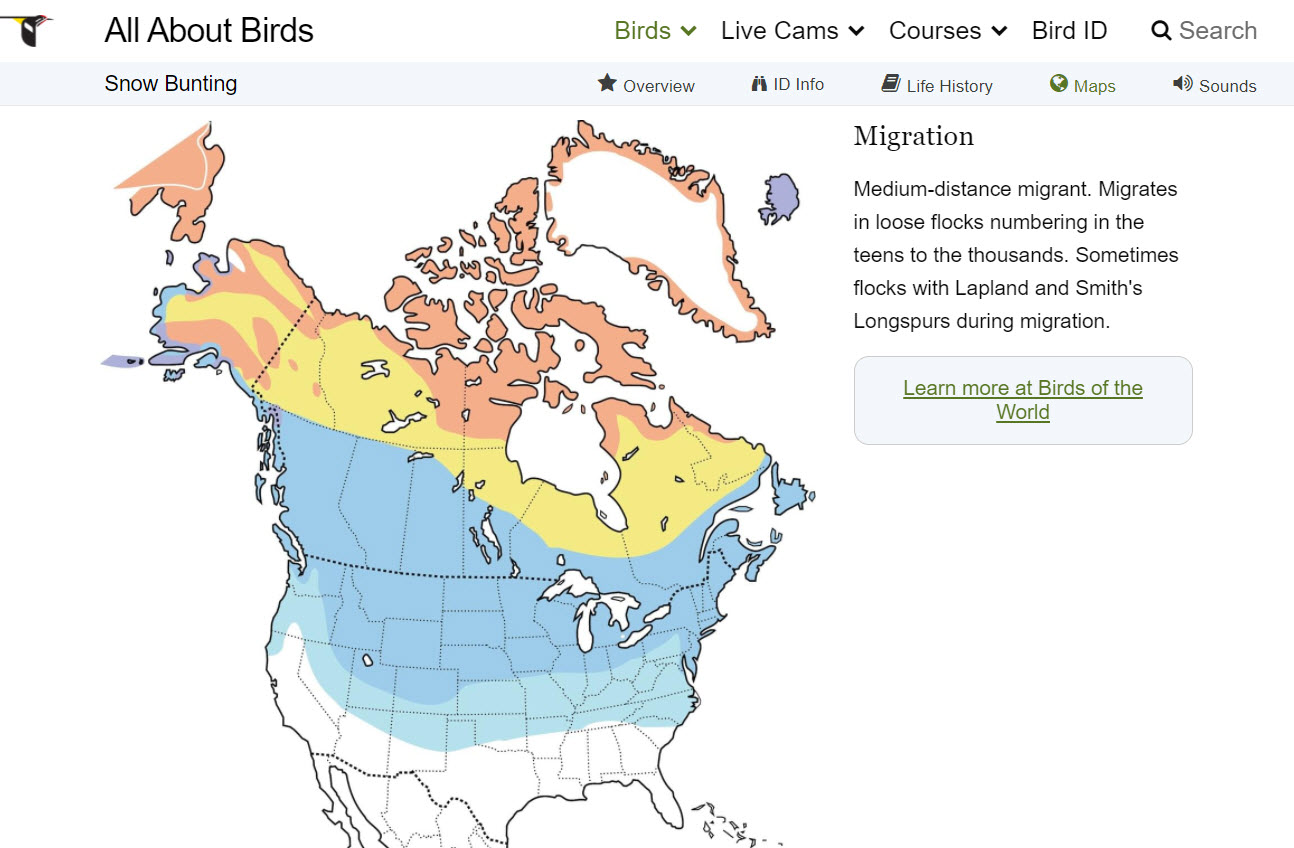
Here is a screenshot from Google Maps which I annotated. Take notice where the Tundra, Boreal Forest and the Plains / Prairie are located in comparison to each of these bird’s range maps, but particularly their breeding locations up in the Arctic (range maps courtesy of Cornell’s School of Ornithology: Snow Bunting & Horned Lark). Neither of these bird species knows how to forage well for food in the Boreal Forest. It’s not their habitat. Two Harbors, and specifically the RV Campground (now closed for the year) is one of the first open spaces they find while migrating along the shores of Lake Superior and through the Boreal Forest. Food!!! (i.e. in the campground’s grassy areas).

Basically, I planted myself at the campground and waited for flocks of birds to come to me. Hungry birds make for birds which are easier to approach. It was a fun morning.

Horned Larks

The Fu Manchu Bird

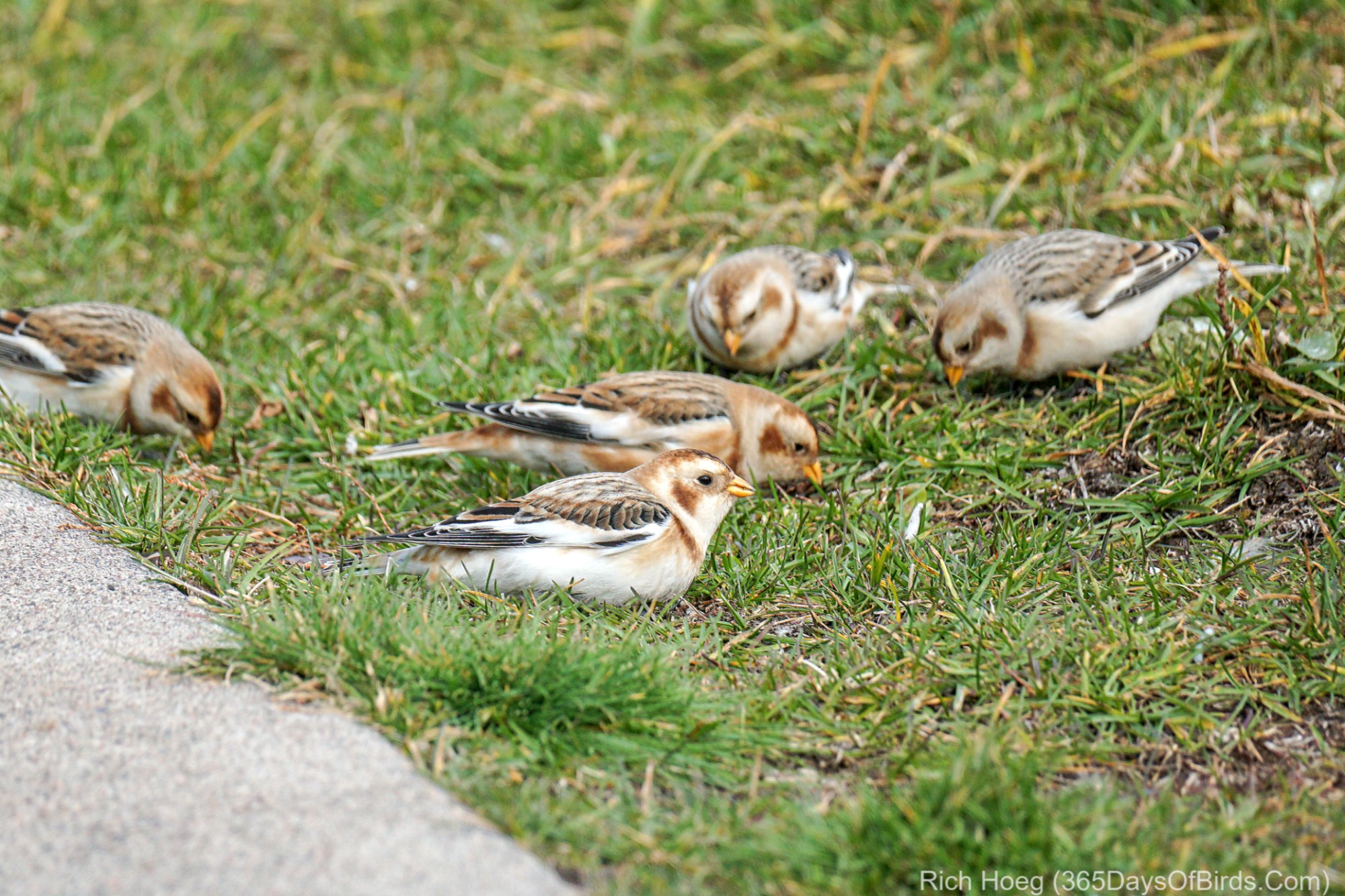
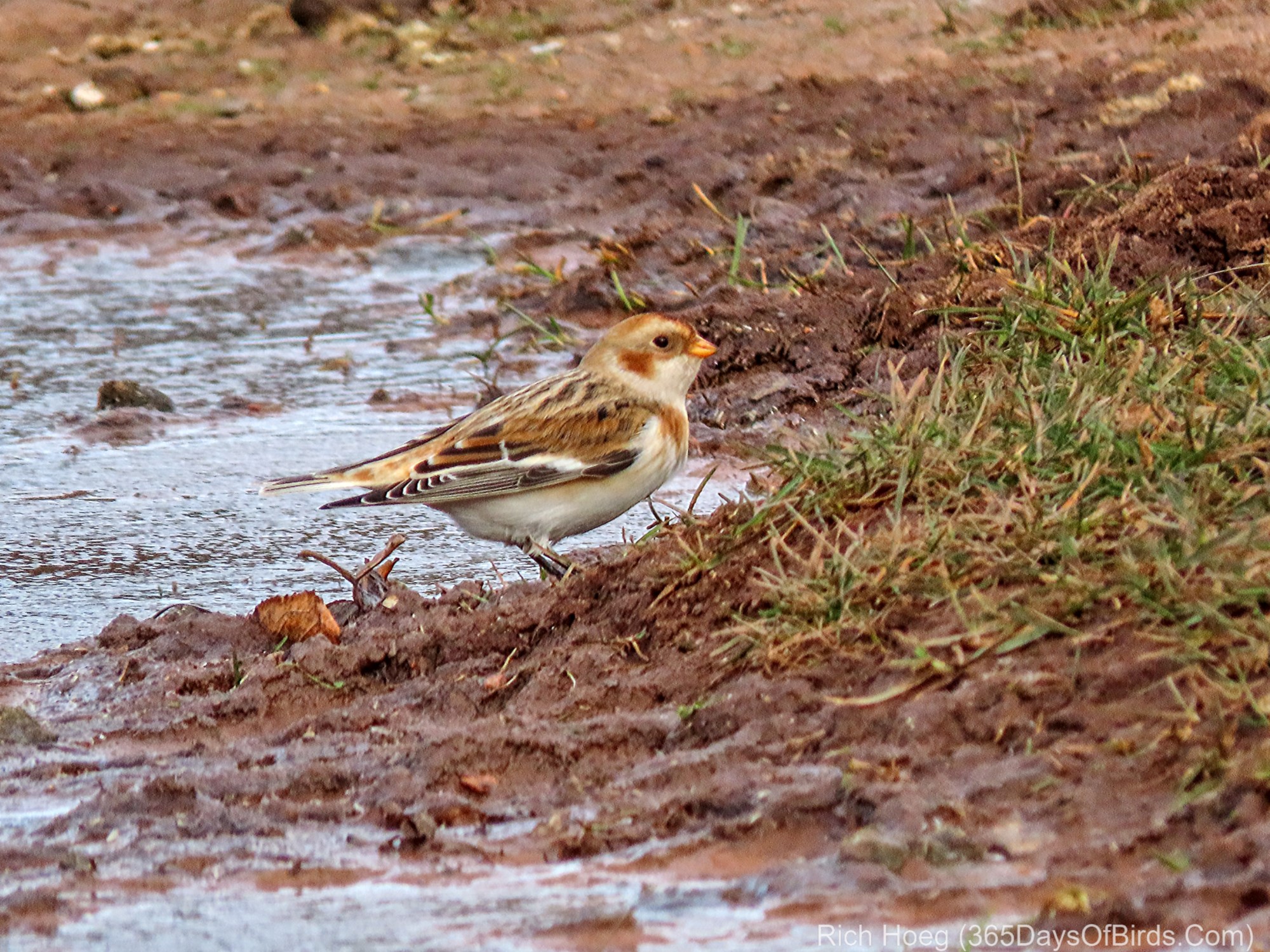
Snow Buntings


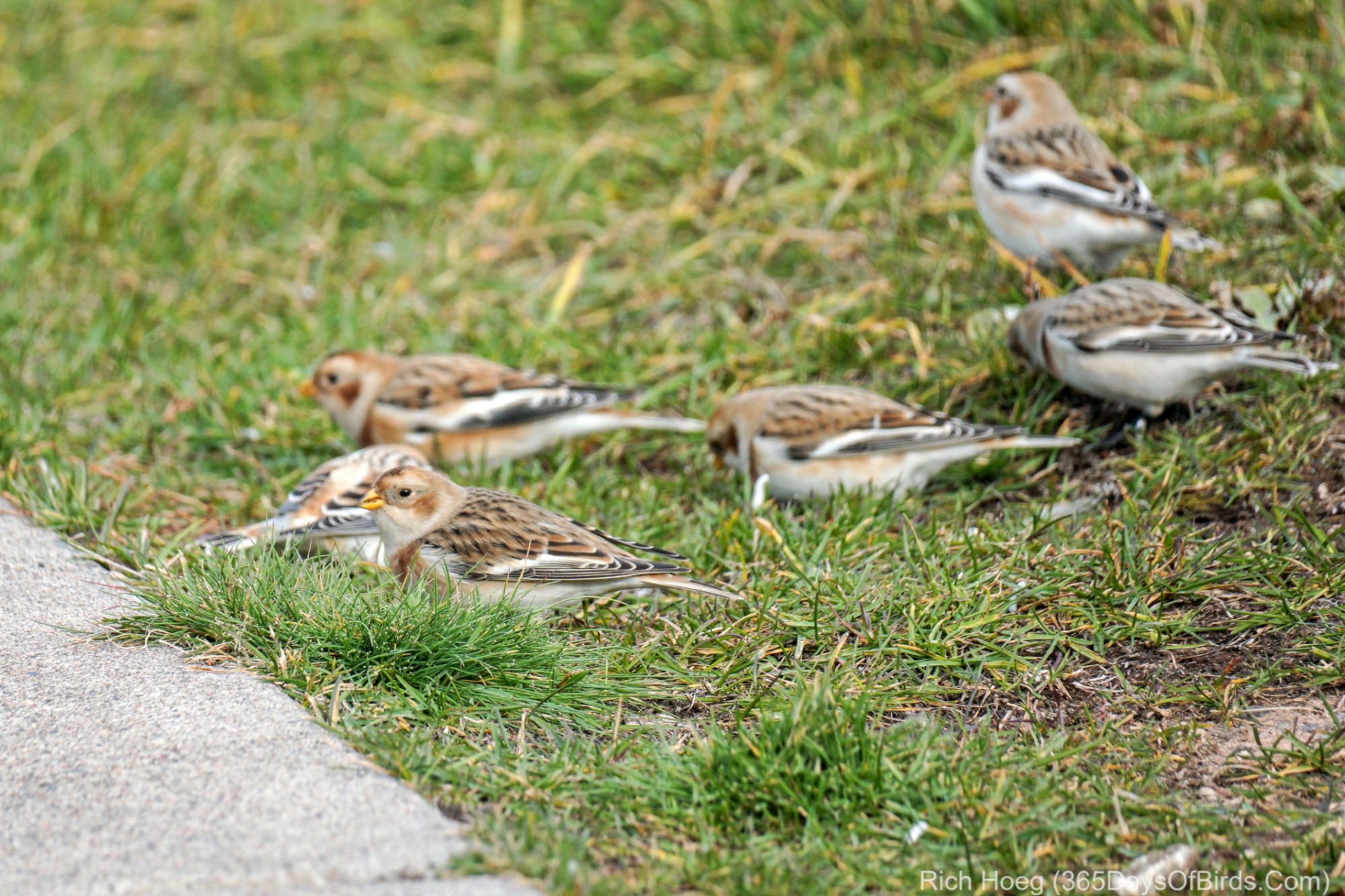
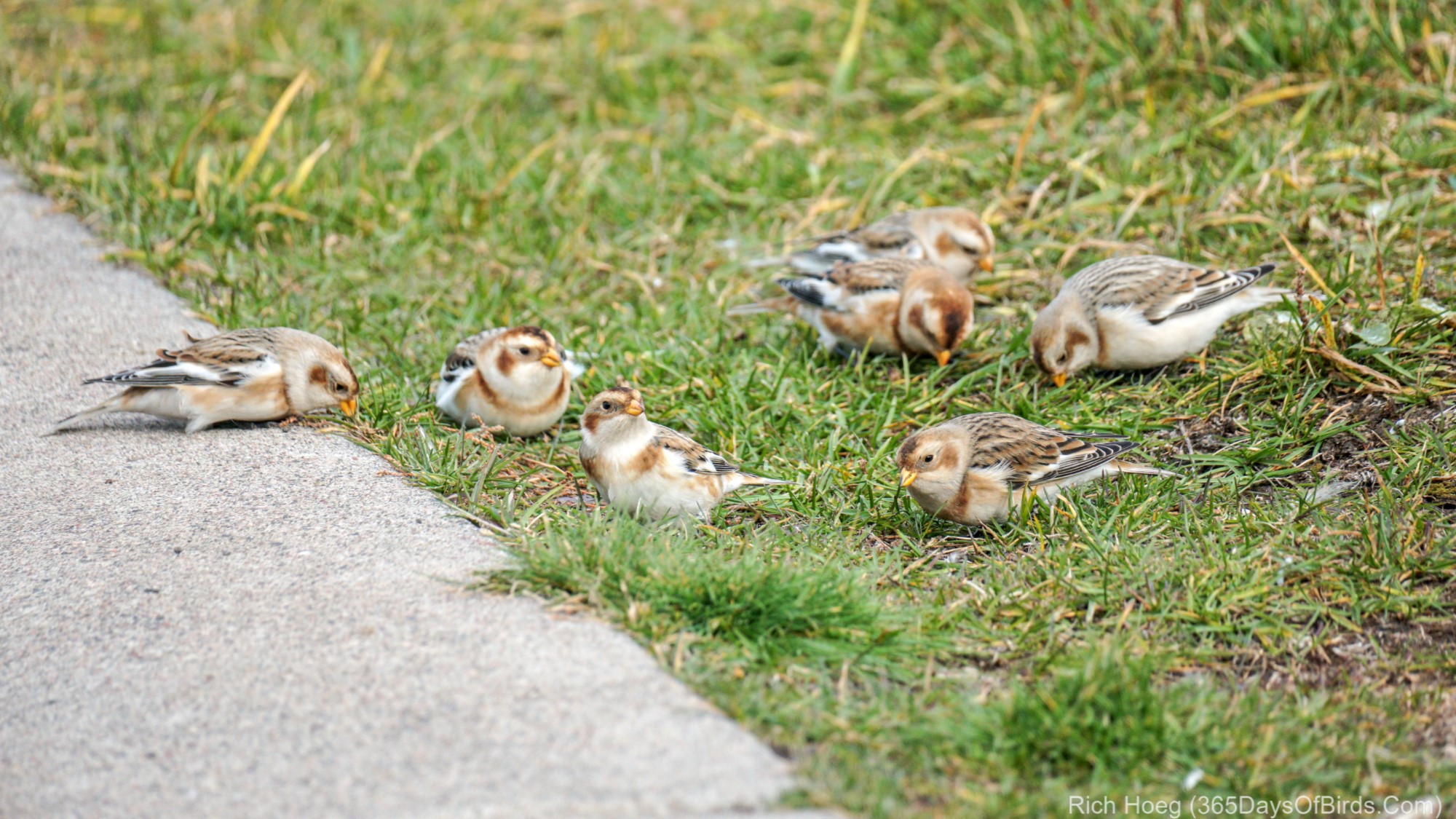
A Post Processing Exercise: You may need to download both of these images and then toggle back and forth between them on your computer. Folks often ask how much post processing I perform (not much), but minor edits and cropping can make a difference. Normally if I make I minor crops, I stay with the photographs’ original dimensions. Take a look at these two images which started from the same original. In the first photograph I utilized a longer and shorter crop (16:9). My goal was to eliminate some of the grassy area above and below the birds which really does not help the artistic presentation of the photograph/birds. The second photograph utilized a minor crop with the standard dimensions … thus narrower and higher. The size of the birds does not really change between the two images. Thus, it’s more about what I wanted to exclude in the first image rather than having an editing goal to increase the size of the birds.

Minnesota Logging in Days of Yore!

Another off topic post (like my recent post about Canal Park and the Alpena). While I don’t want to turn this blog into a northern Minnesota tourist guide, I know many of you have family members who couldn’t care the least about our fine feathered friends. Thus, I like to add an occasional post about things one might do to keep the entire clan happy when visiting / birding northern Minnesota. Today’s topic is “Logging in Days of Yore!”

It is definitely worth a stop at the Minnesota Historical Society’s Forest History Center in Grand Rapids. The “center” is an old logging camp built on the shores of the Mississippi River. Most of the folks you find at the Forest History Center are volunteers who believe passionately in helping you learn the history of the region. Northern Minnesota was essentially clear cut in the early part of the 1900’s.

Take the time to watch this short video about the last log drive on the Little Fork River (a bit north of Grand Rapids). Make sure you click “play”. Don’t skip the first few static minutes, but by about minute #3 you will be treated to watching the last log drive every to occur in Minnesota … year 1938: Last Log Drive on the Little Fork River

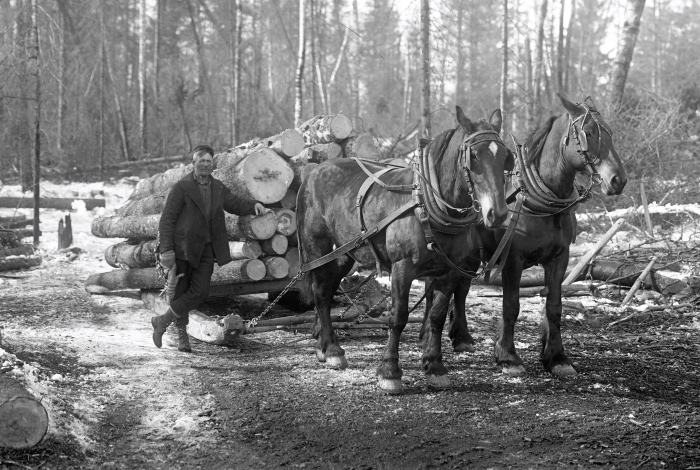
Also a bit north of Grand Rapids is the only remaining Civilian Conservation Corp Camp in the Lower 48 which is in remotely good shape: Camp Rabideau. All the hiking trails I use near my own house were built by the CCC in the 1930’s. If you would like to read about the logging industry in northern Minnesota, here is a great overview from the Minnesota Historical Society. The picture is theirs, not mine.


I will never post about “tourist / historical sites” unless I have personally visited the spot in question, and found the experience extremely interesting.