Birding Duluth’s Industrial Past

Let the fall migration begin! While one might not expect to find beautiful birding areas in the old industrial heartland of West Duluth, this is in fact exactly what one will find … gorgeous areas where one may spend hours without being disturbed by another human.

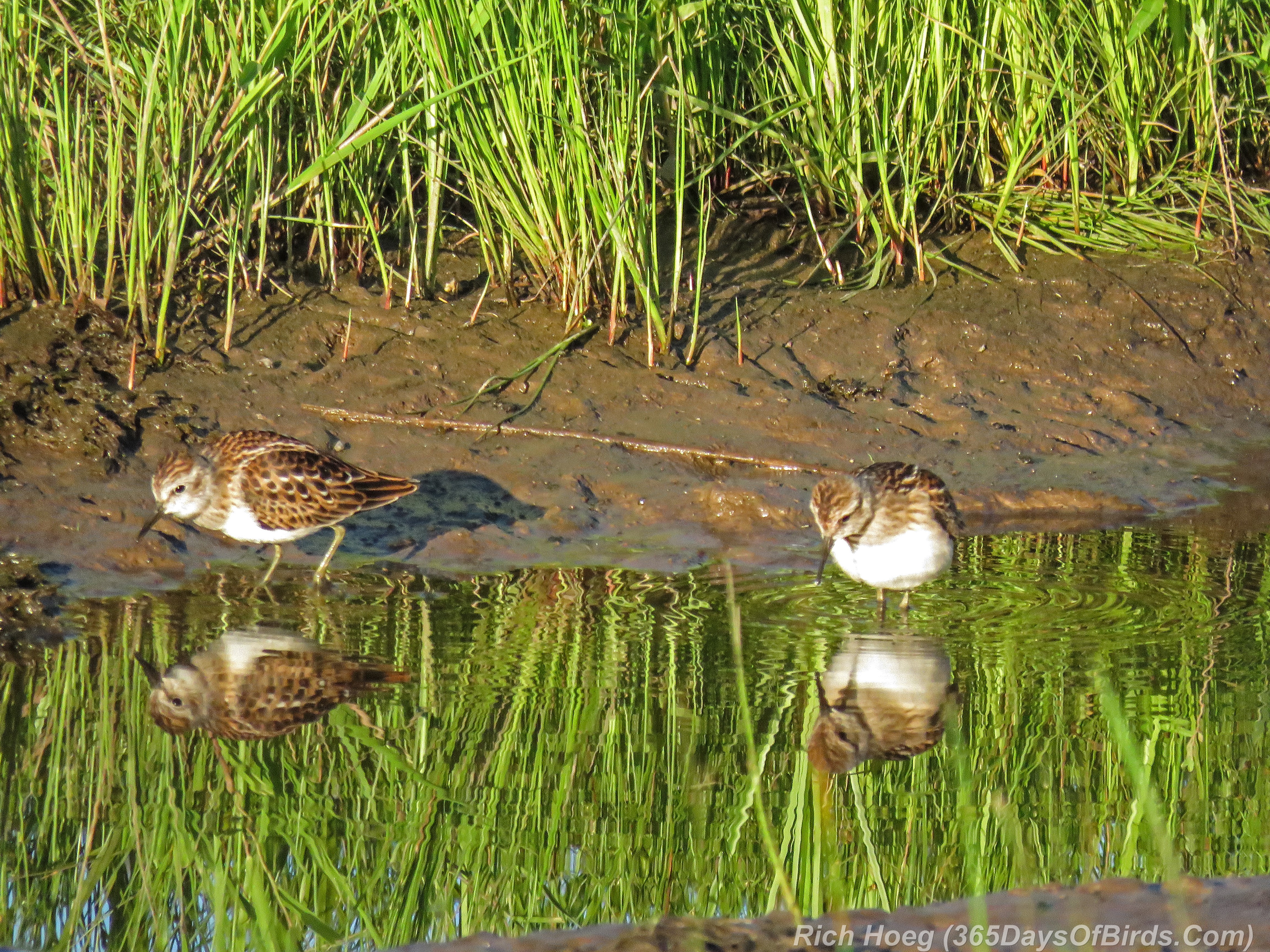
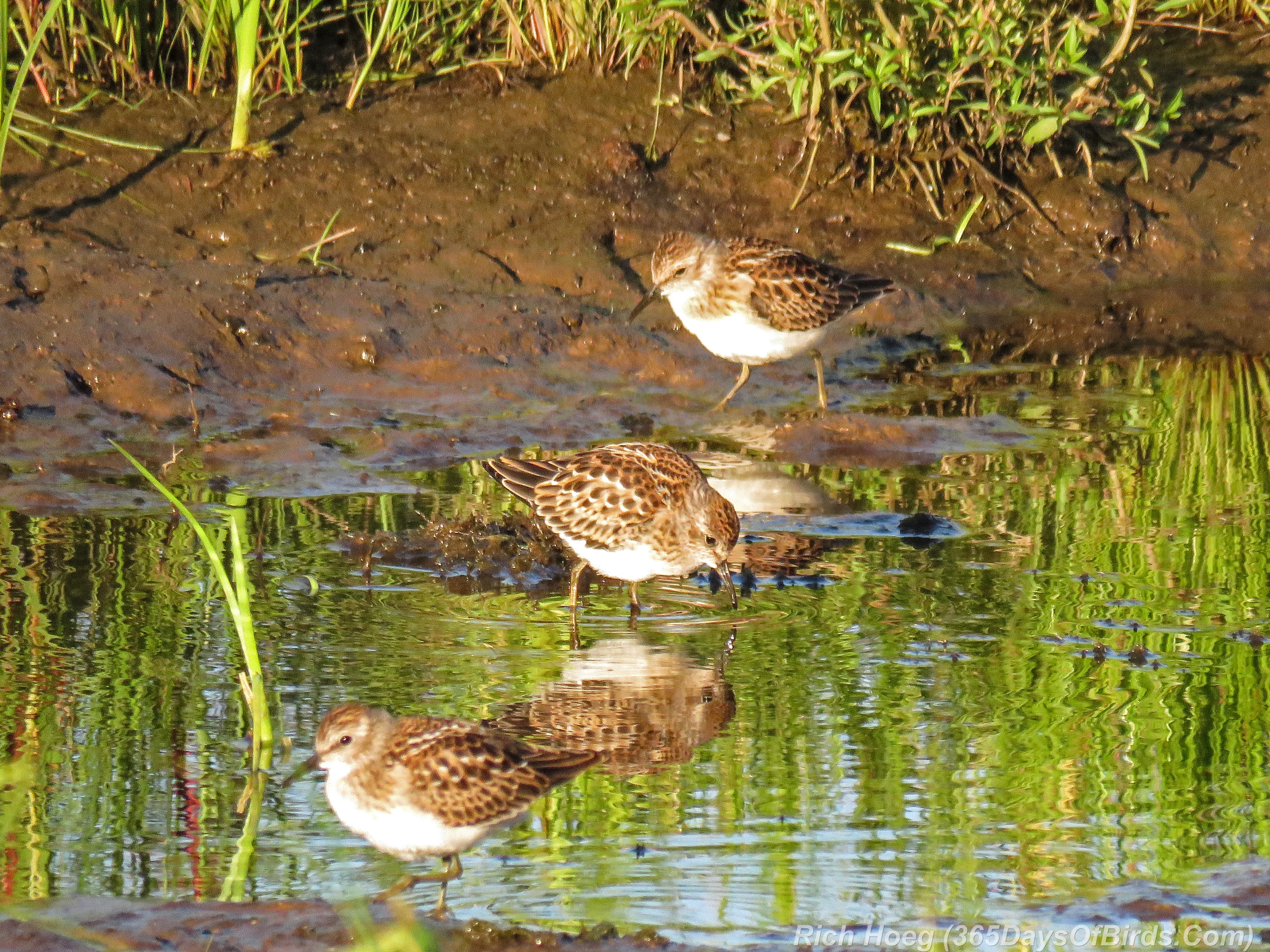
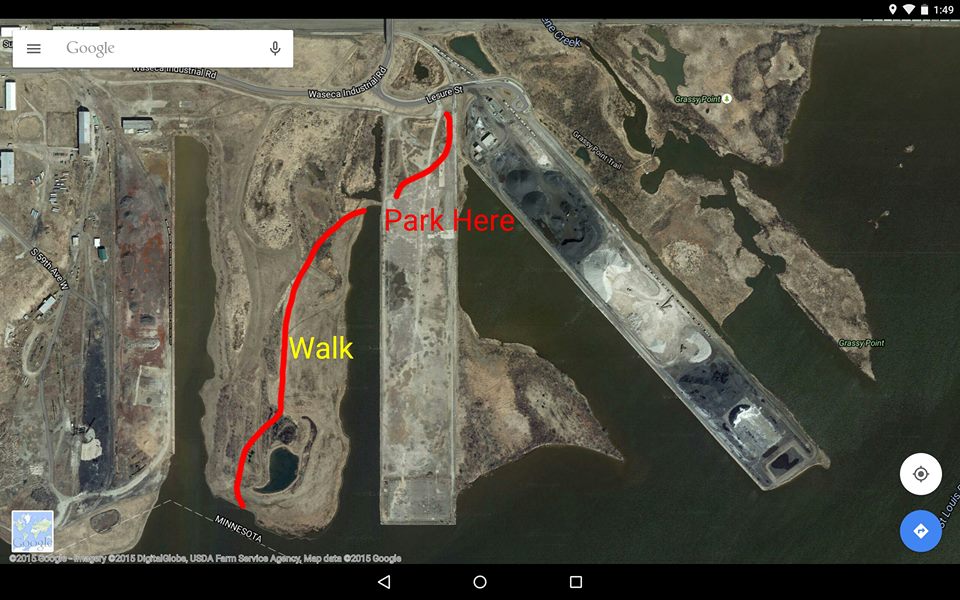
This morning I found two flocks of Least Sandpipers out at the end of the abandoned pier off Waseca Industrial Blvd Rd. In addition there were lots of warblers, cedar waxwings, and hummingbirds present. Better yet, the hike out to the end of the pier is a wildflower lover’s dream. Just park in the “ugly” abandoned pier; walk across a mucky connector path, and then you will hike amongst grass and wildflowers often over six feet tall! Take a look at the “map” for more directions, but follow the old tire ruts. It will lead you ultimately up into a grove of trees and to the end of the pier. Don’t miss checking out the opening in the grove of trees at the end of the pier … lots of wildflowers, milkweed,  and berry producing trees. The birds love this spot.

Least Sandpipers … first fall migrants … off to Central and South American
Y2-M08-Least-Sandpipers-Trio-b Y2-M08-Least-Sandpipers-Duo-3

———-

Directions to the Abandoned Pier
Duluth-Old-Pier

Blue Moons and Birds!

I consider myself lucky to live in the Northland. Photographic opportunities abound, and the day of the Blue Moon was no different (Friday, July 31st). After a session with my kingfisher family, I awaited moonrise and sunset. In both instances, my photoshoot locations were Northland Rivers that provided my both beauty and opportunity.

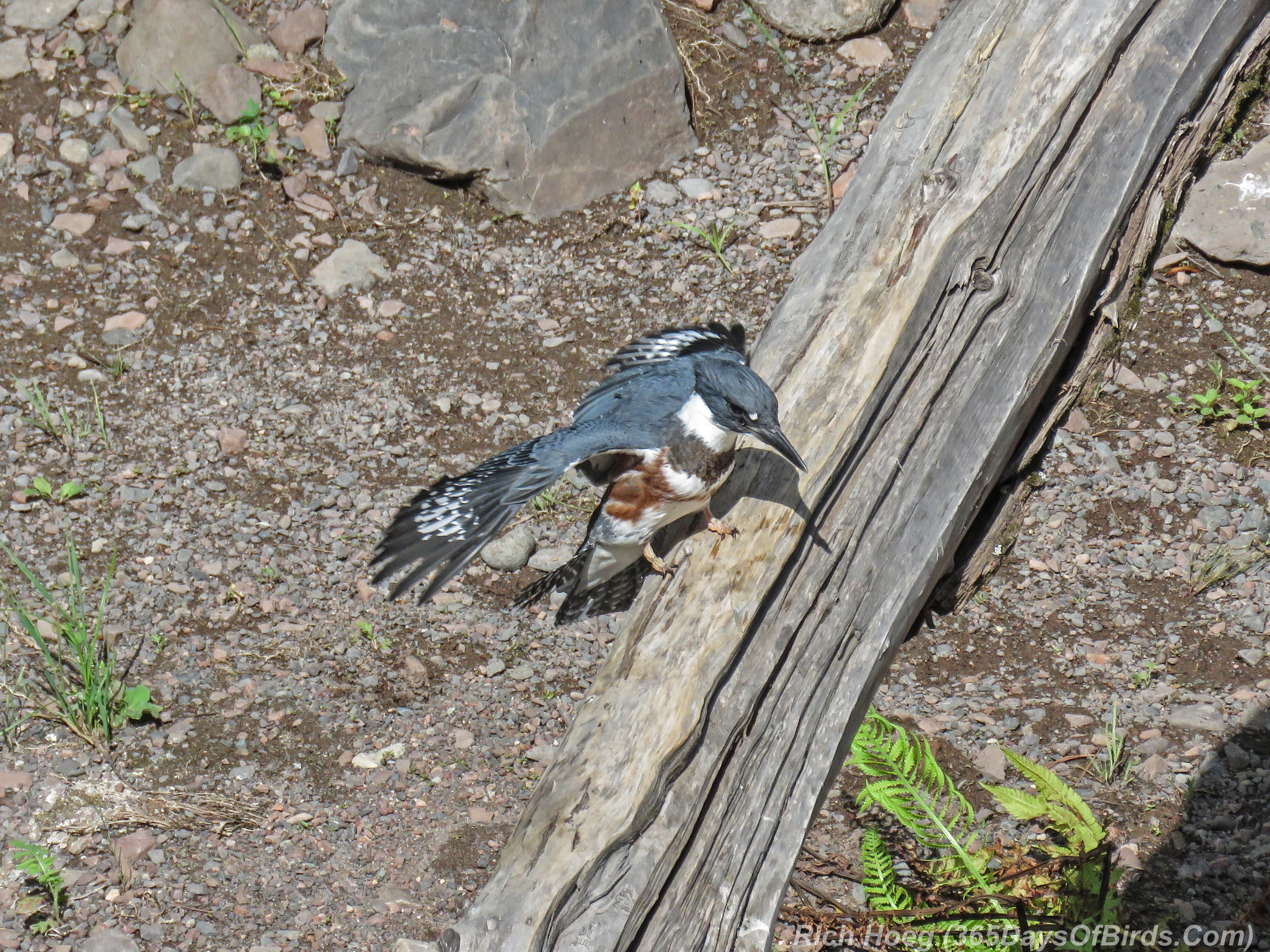
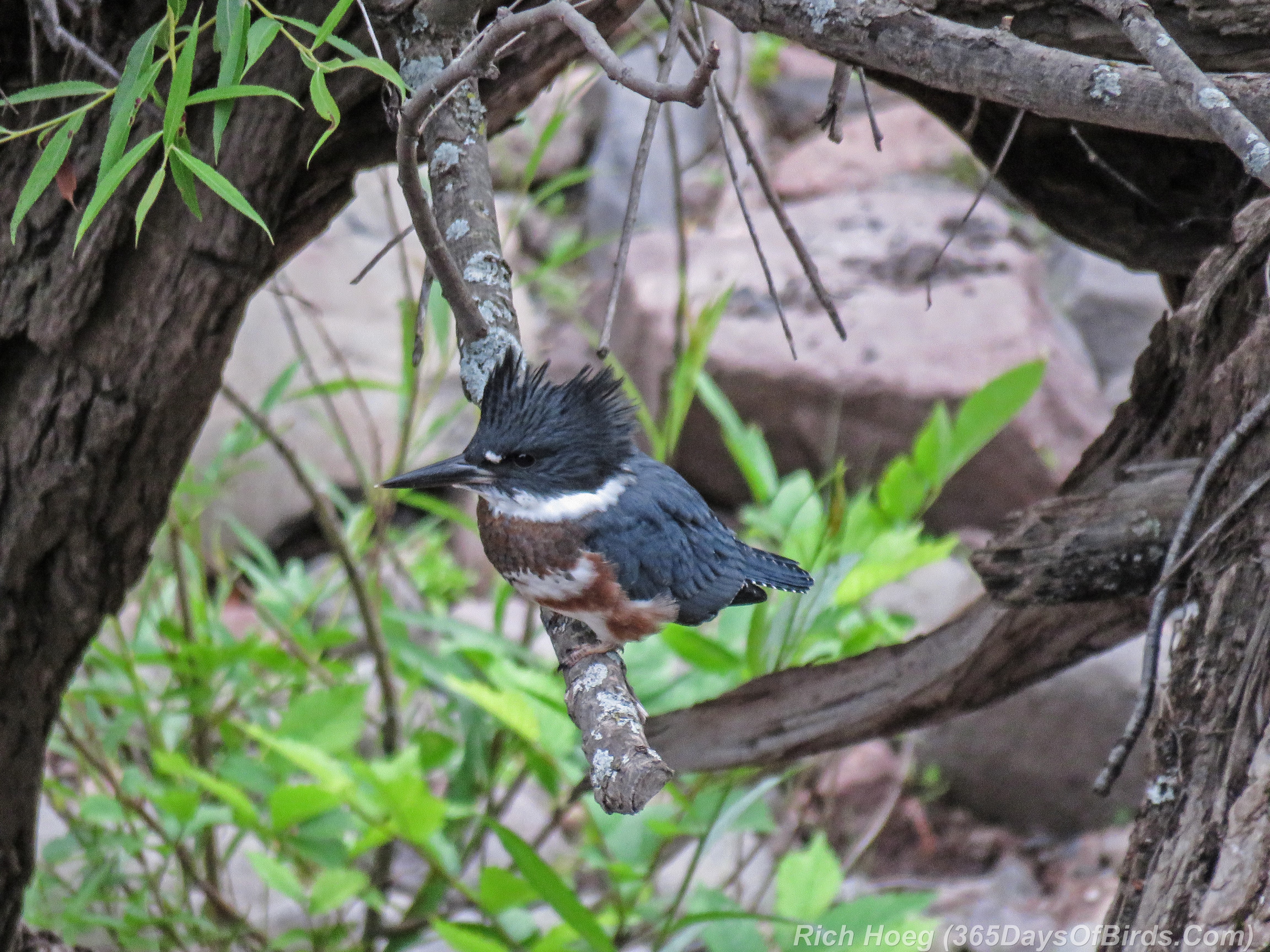
Over the past week I’ve had fun watching the kingfisher kids on the Lester River at the edge of Duluth. Between London Road and Superior Street along 61st Avenue East there are a number of ravine overlooks. Kingfishers, a bird which spooks very easily, occationally don’t look up which thus provides me my photo ops!

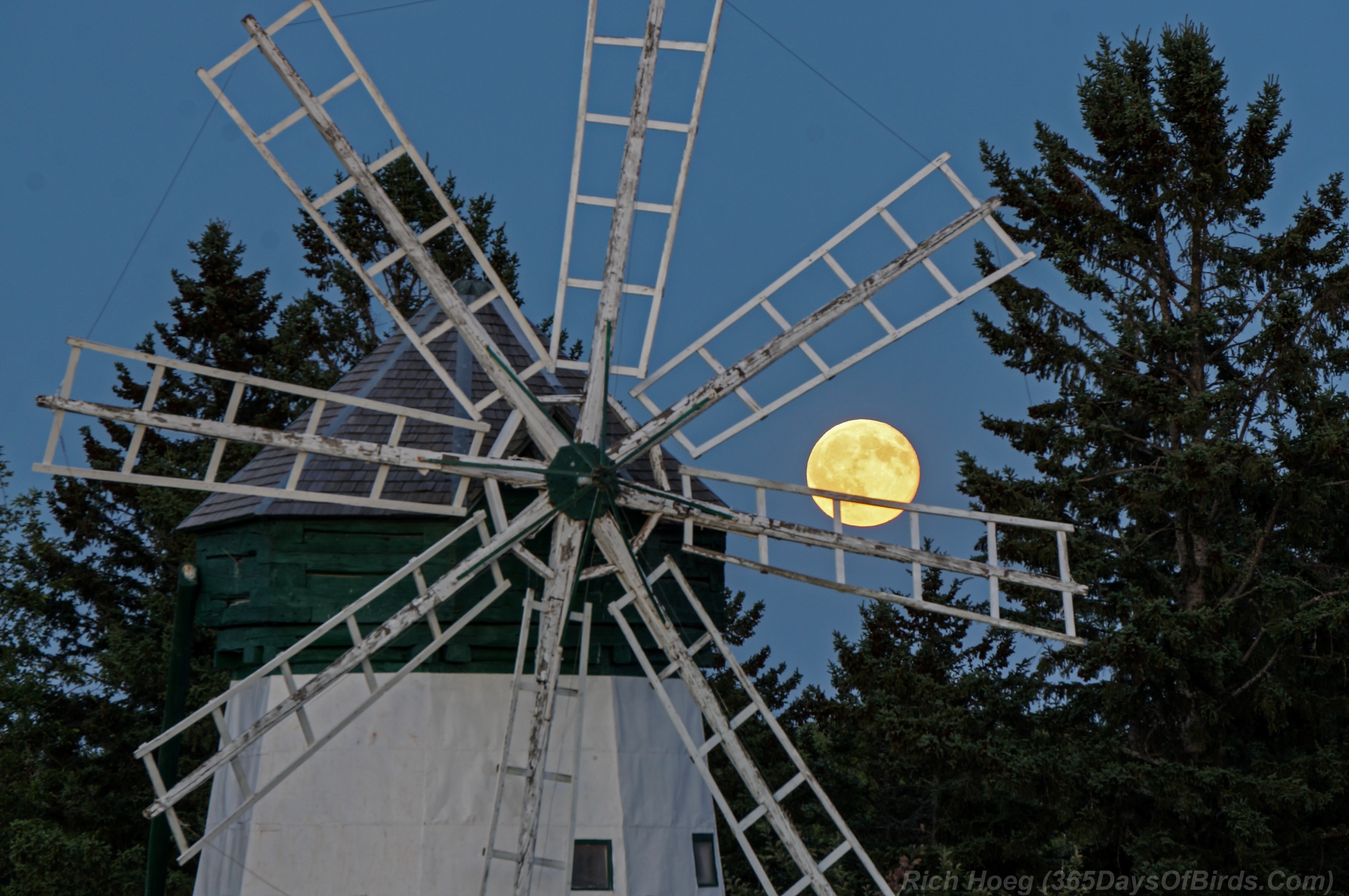
Finishing with the kingfishers, I drove over to the Amnicon River just outside of Superior Wisconsin. Located high above the river is the Davidson Windmill. This windmill was completed in 1904 by Finnish immigrants to the area. Thanks to the use of PlanIt! I knew when and where the moon would be rising … thus the reason for my trip to the local windmill.

The Kingfisher Kids
Y2-M07-Lester-River-Kingfishers-5 Y2-M07-Lester-River-Kingfisher-2

———-

Blue Moon!
Davidson-Windmill-Blue-Moon

July Bird Boredom: Not!

This is the second in my new series, July Bird Boredom (first post). Folks tell me that July means bad birding opportunities, which just is NOT true. Yesterday I needed to be down in the Minneapolis area, and thus I grabbed the opportunity to visit the Sherburne National Wildlife Refuge shortly after sunrise.

Although the birding opportunities are not as dramatic as earlier in the summer when birds are “a courting”, I think you’ll find using these birds as evidence, birding in July is anything but boring. It is important to get out early. Given the sun rises in these parts not to long after 5 am, one must be willing to get up early. If one waits till 9 or 10 am to head out, you won’t see anywhere near as many birds.

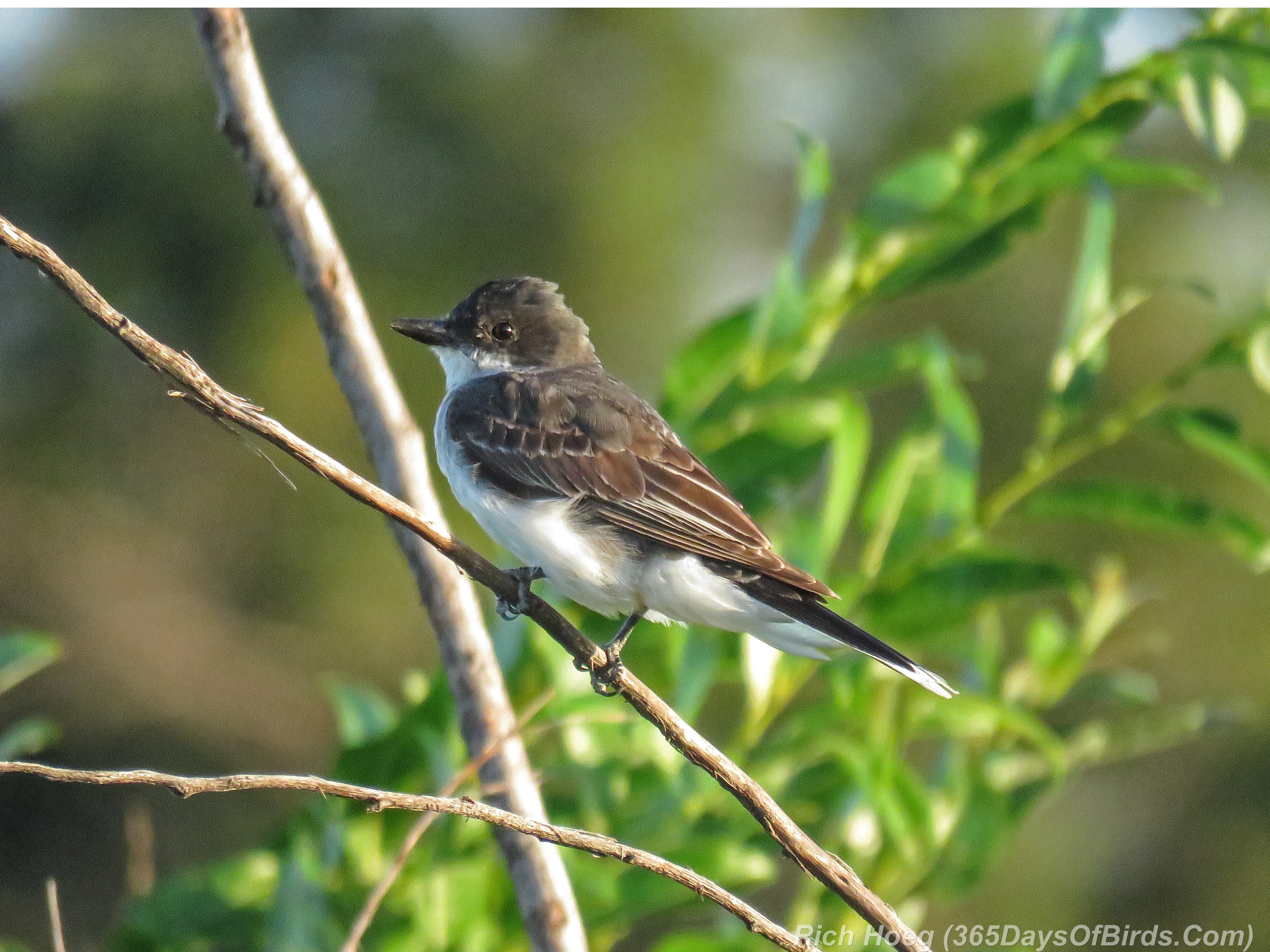
Eastern Phoebe
Y2-M07-Sherburne-Eastern-Phoebe

———-

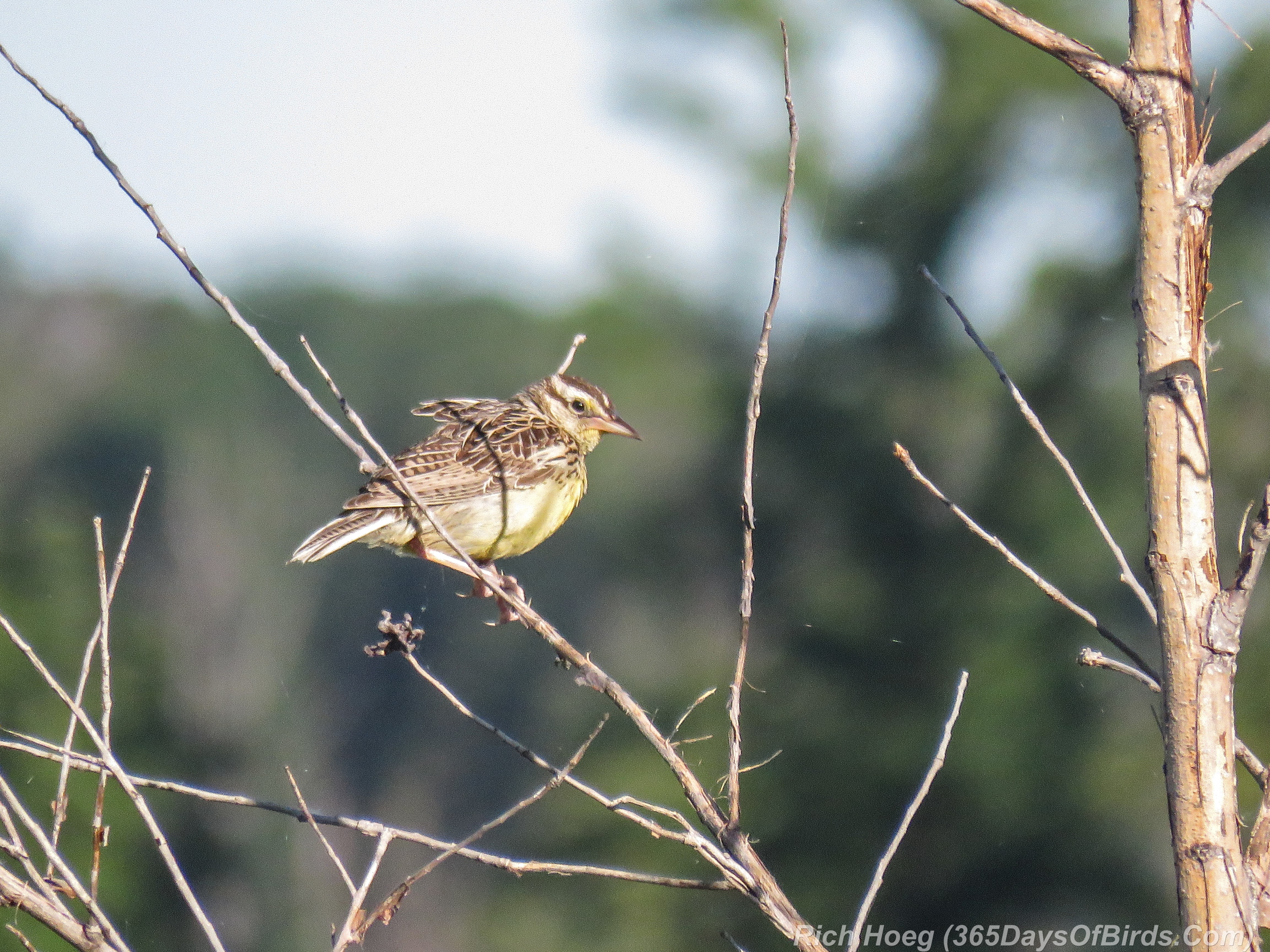
Dickcissel
Y2-M07-Sherburne-Dickcissel

———-

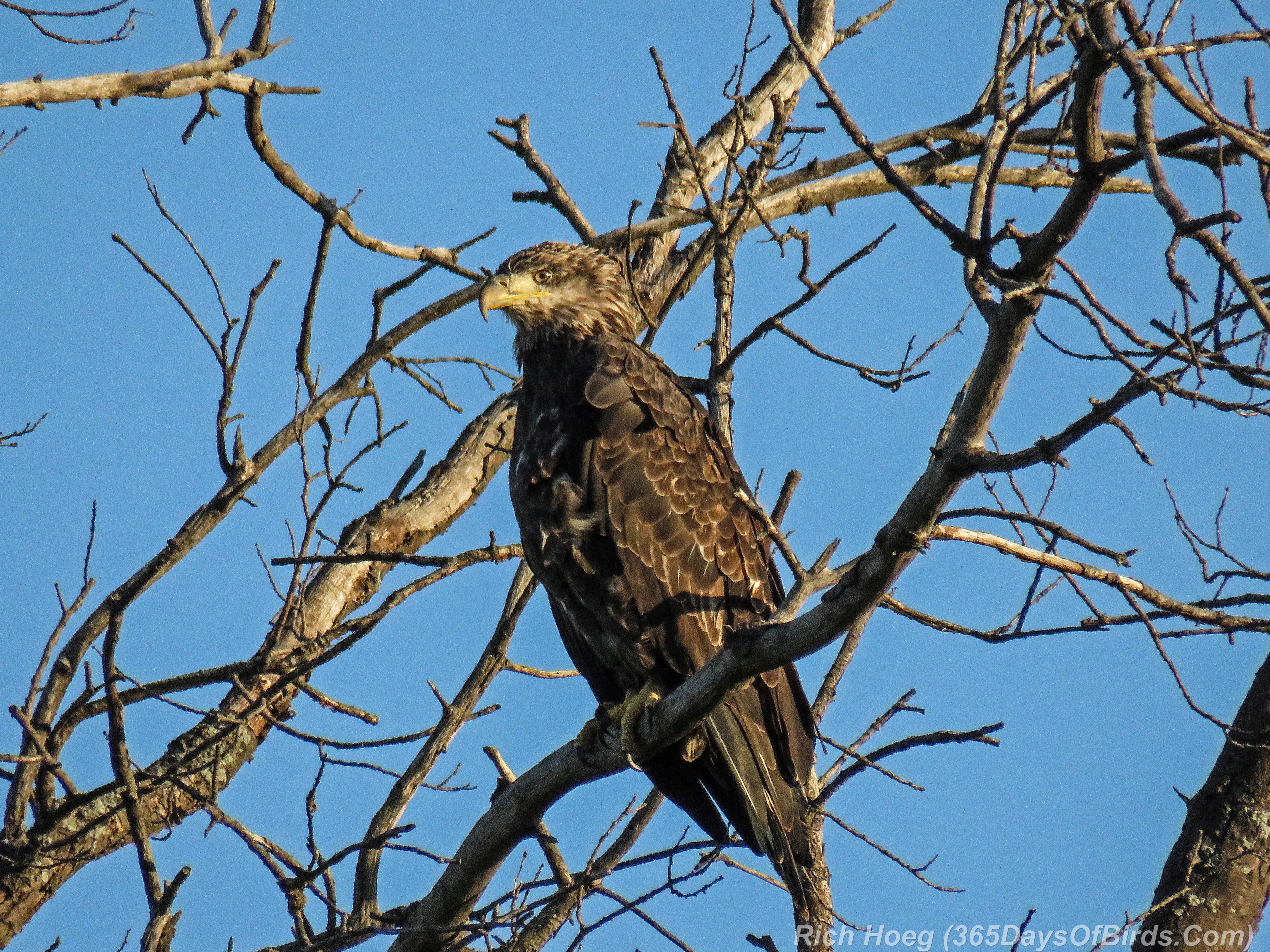
Bald Eagle (immature)
Y2-M07-Sherburne-Bald-Eagle-Immature

———-

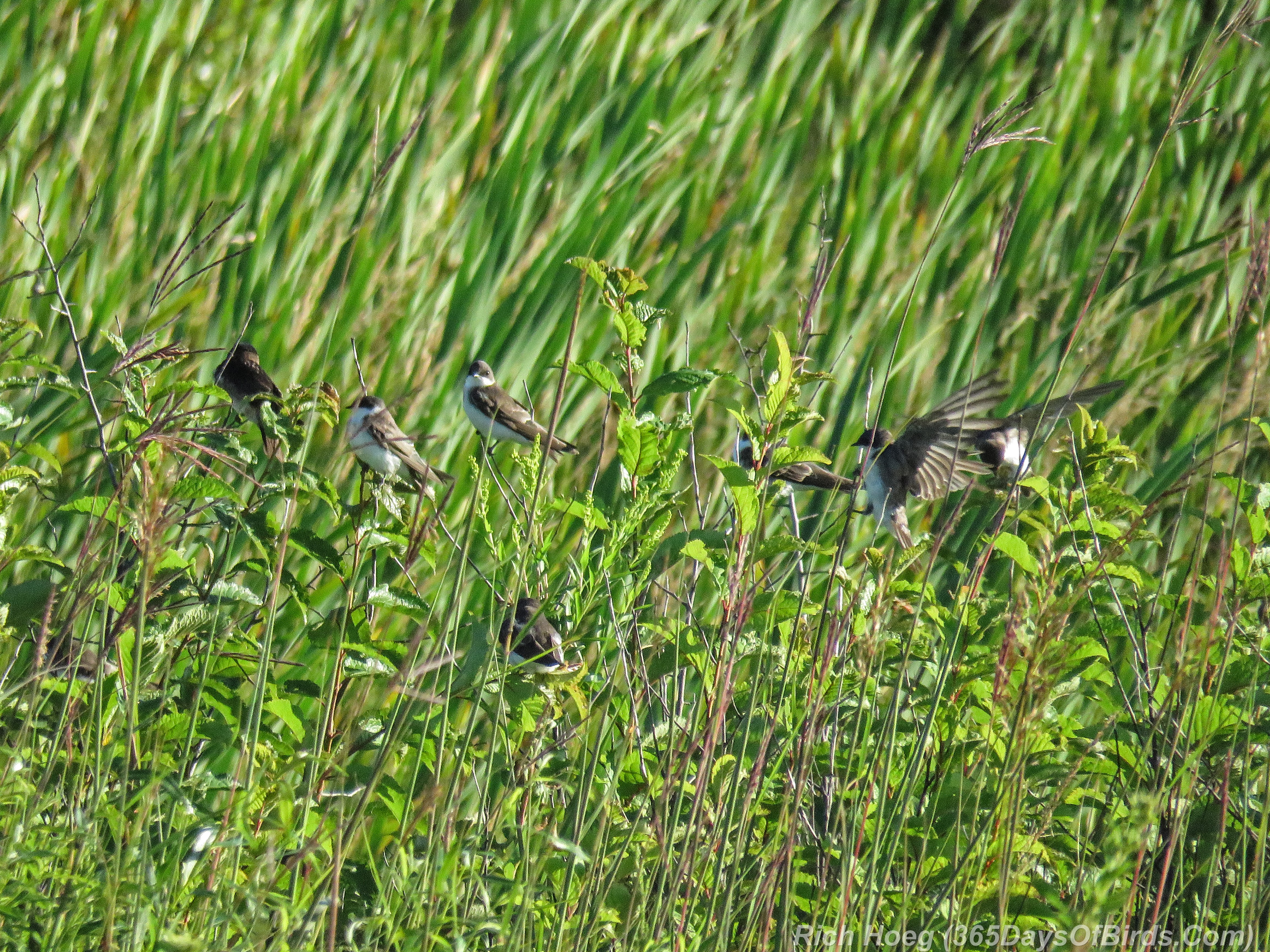
Tree Swallows
Y2-M07-Sherburne-Tree-Swallows

———-

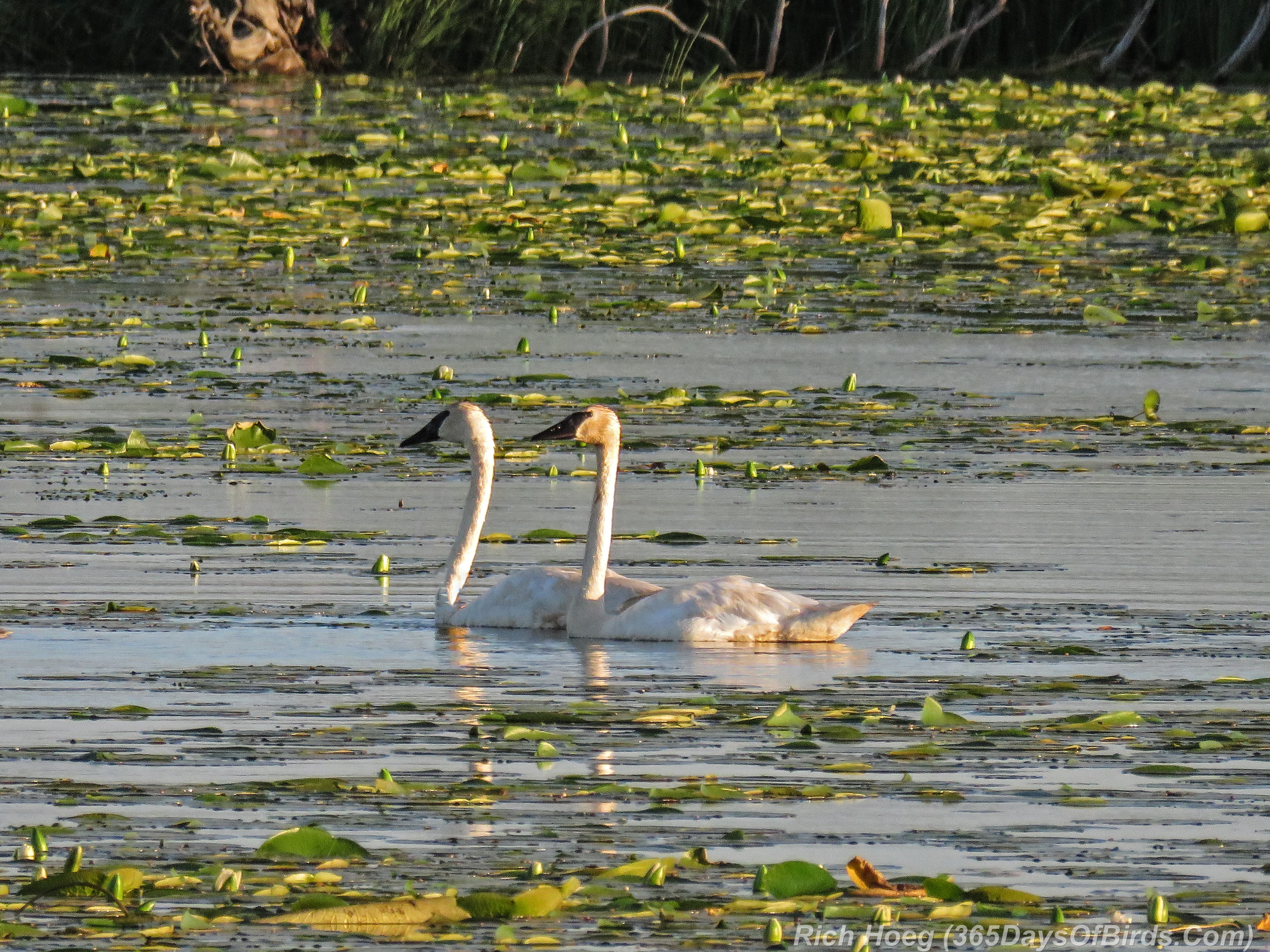
Trumpeter Swans
Y2-M07-Sherburne-Trumpeter-Swans

———-

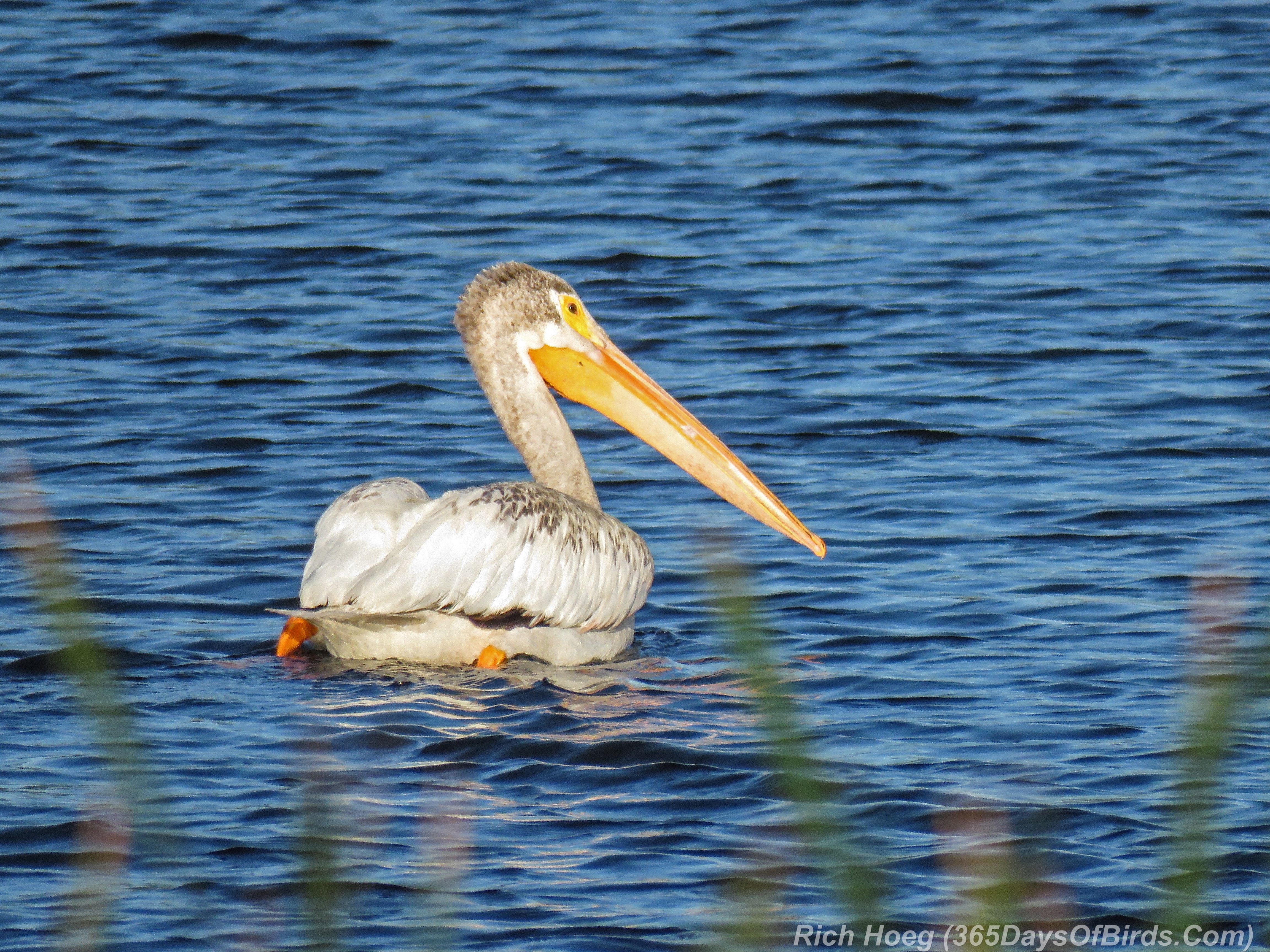
White Pelican
Y2-M07-Sherburne-White-Pelican

———-

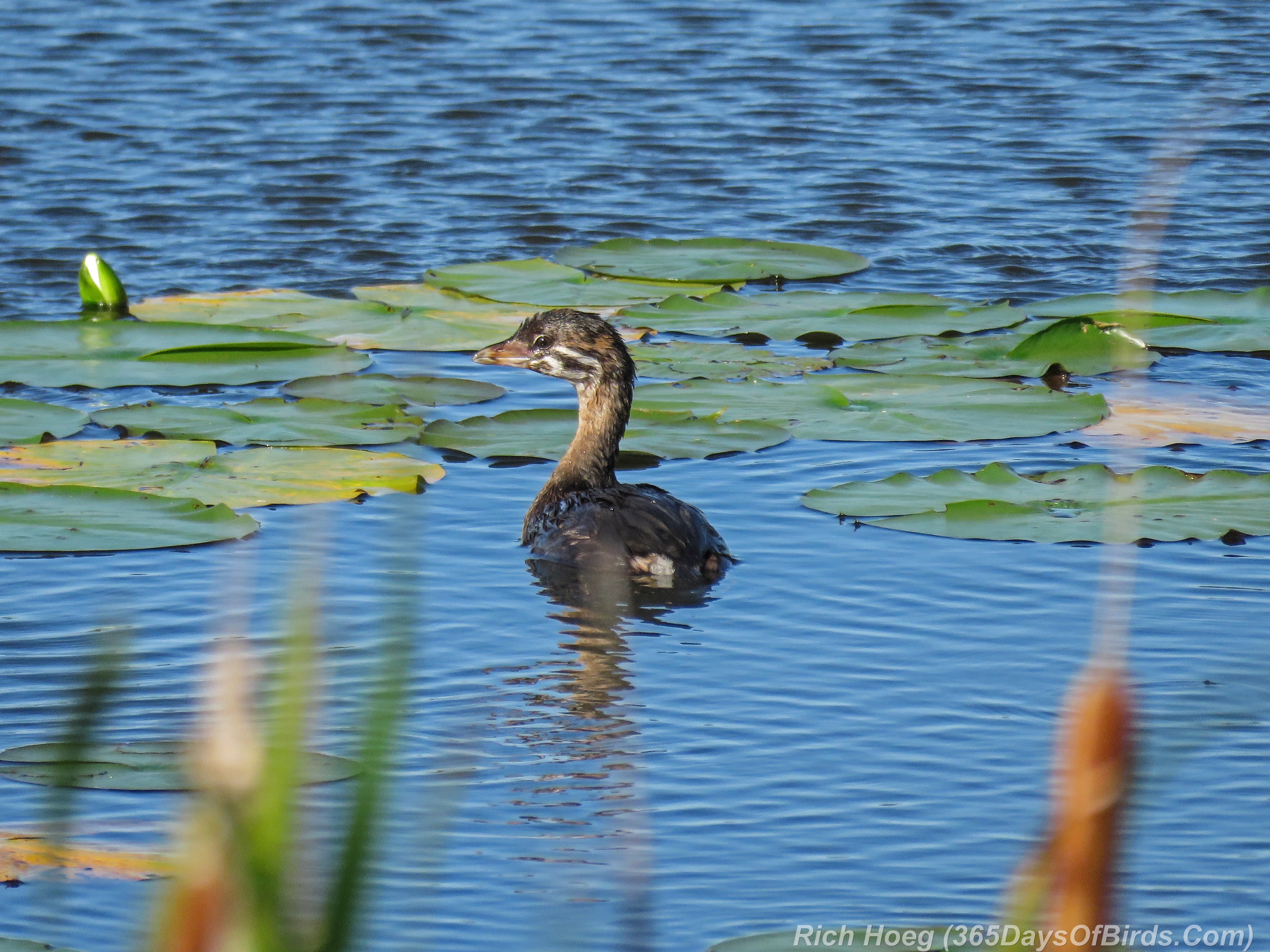
Pied Bill Grebe (chick)
Y2-M07-Sherburne-Pied-Bill-Grebe-Chick

———-

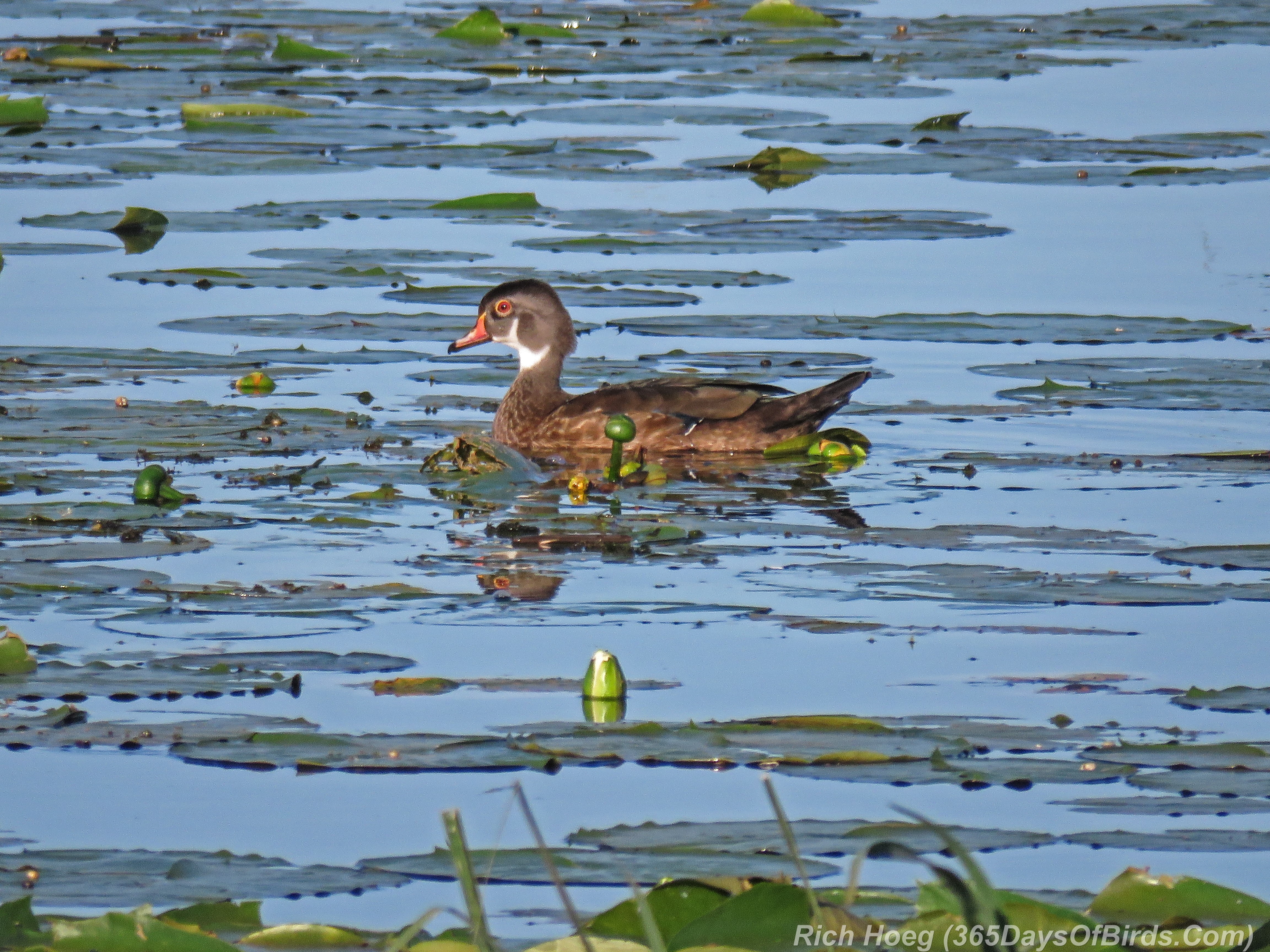
Wood Duck
Y2-M07-Sherburne-Wood-Duck

———-

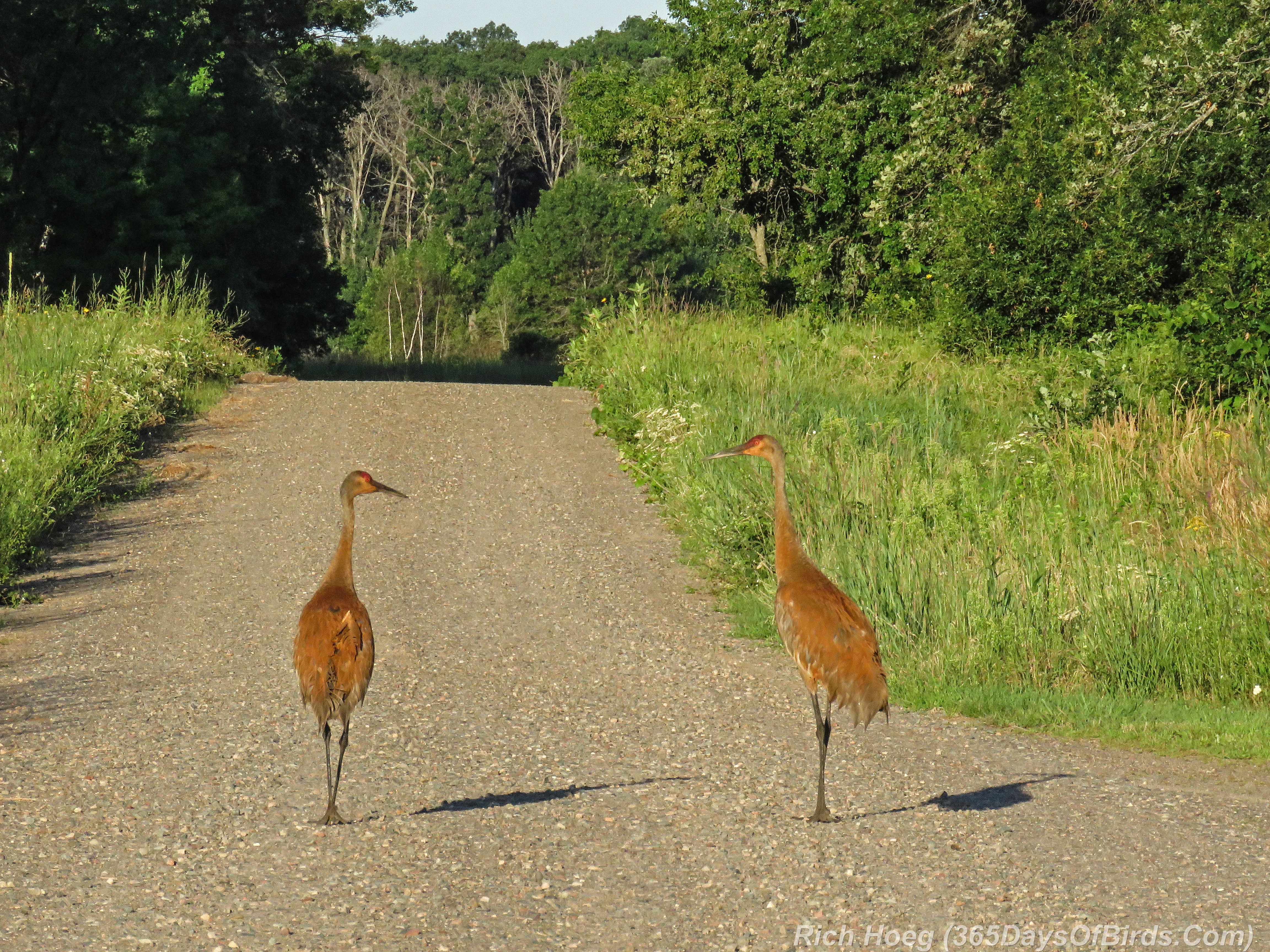
Sandhill Cranes
Y2-M07-Sherburne-Sandhill-Cranes

———-

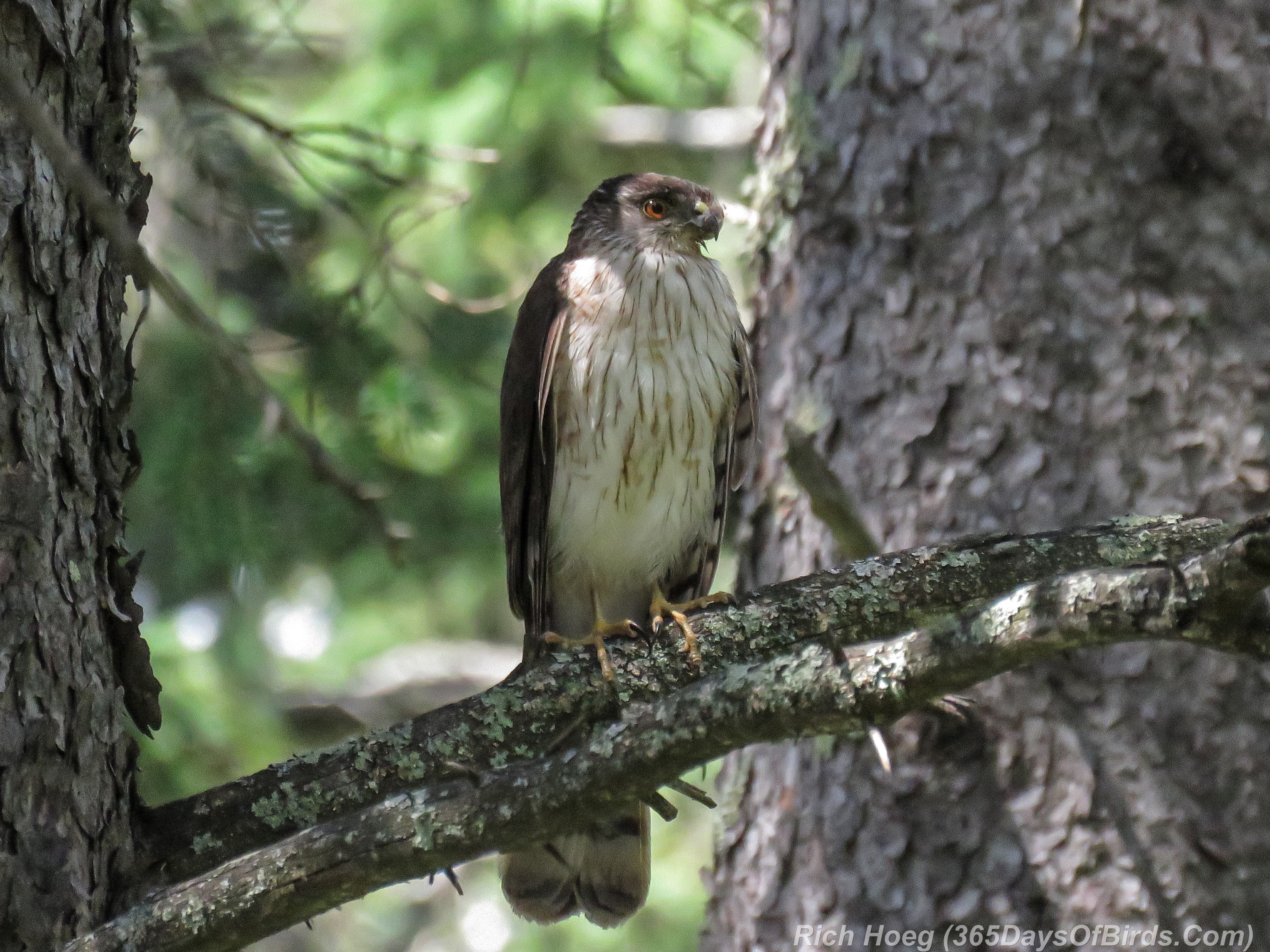
Sharp Shinned Hawk (greeted me when I got home!)
Y2-M07-Sherburne-Sharp-Shinned-Hawk-1