Lester River Birding Report

I took a sunrise bike ride up the shore of Lake Superior this morning from Duluth as far as French River. With the gale force winds there were not many birds out on the big lake itself, but I found huge numbers of birds at Lester River upon returning to Duluth and turning up the hill at 61st Avenue East. Unfortunately the sun had now disappeared behind the clouds which made for difficult photography. However, work all the overlooks from the river mouth up to the Lakewalk Bridge over the river. At 6:45 am this morning I saw:

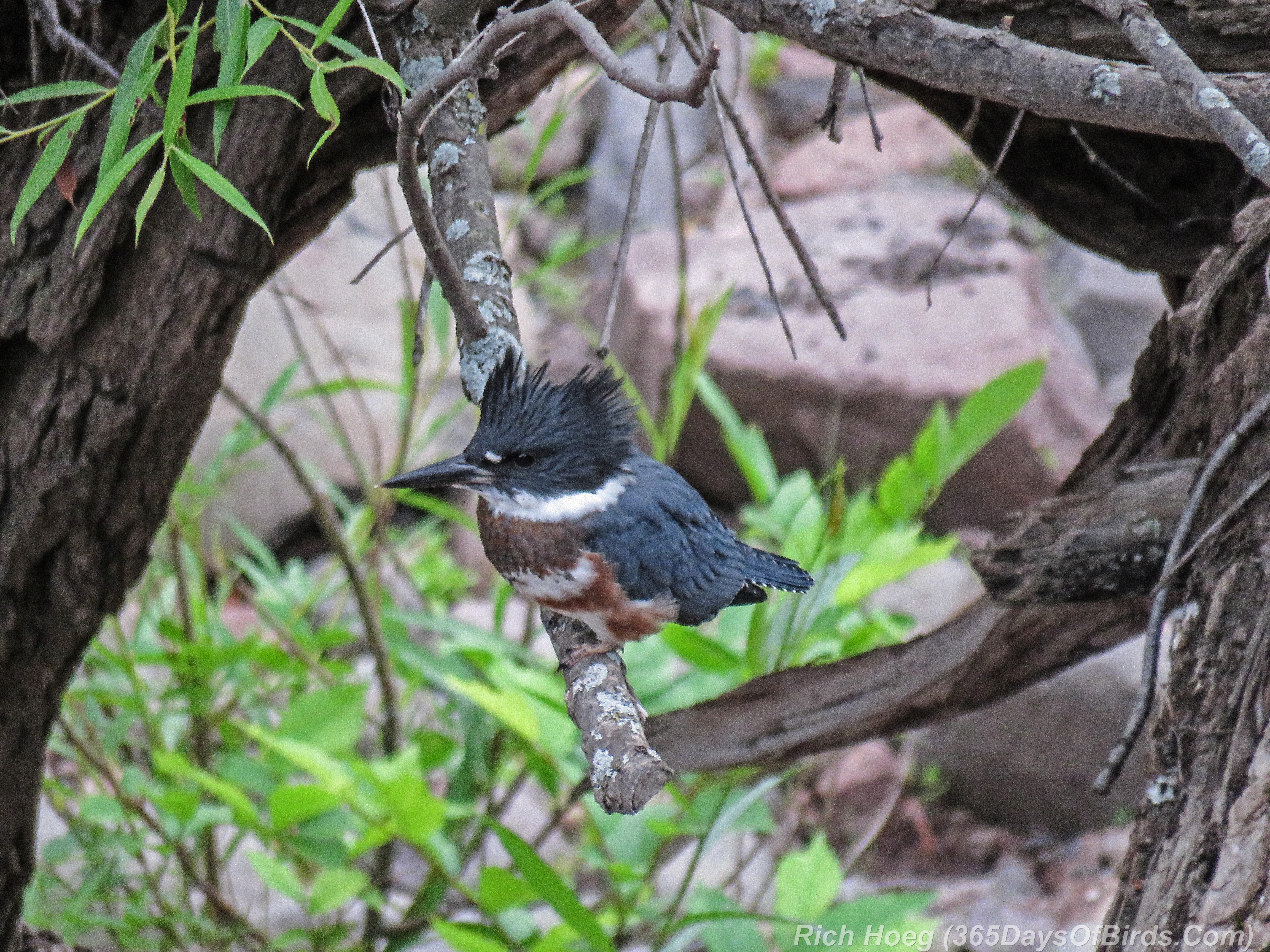
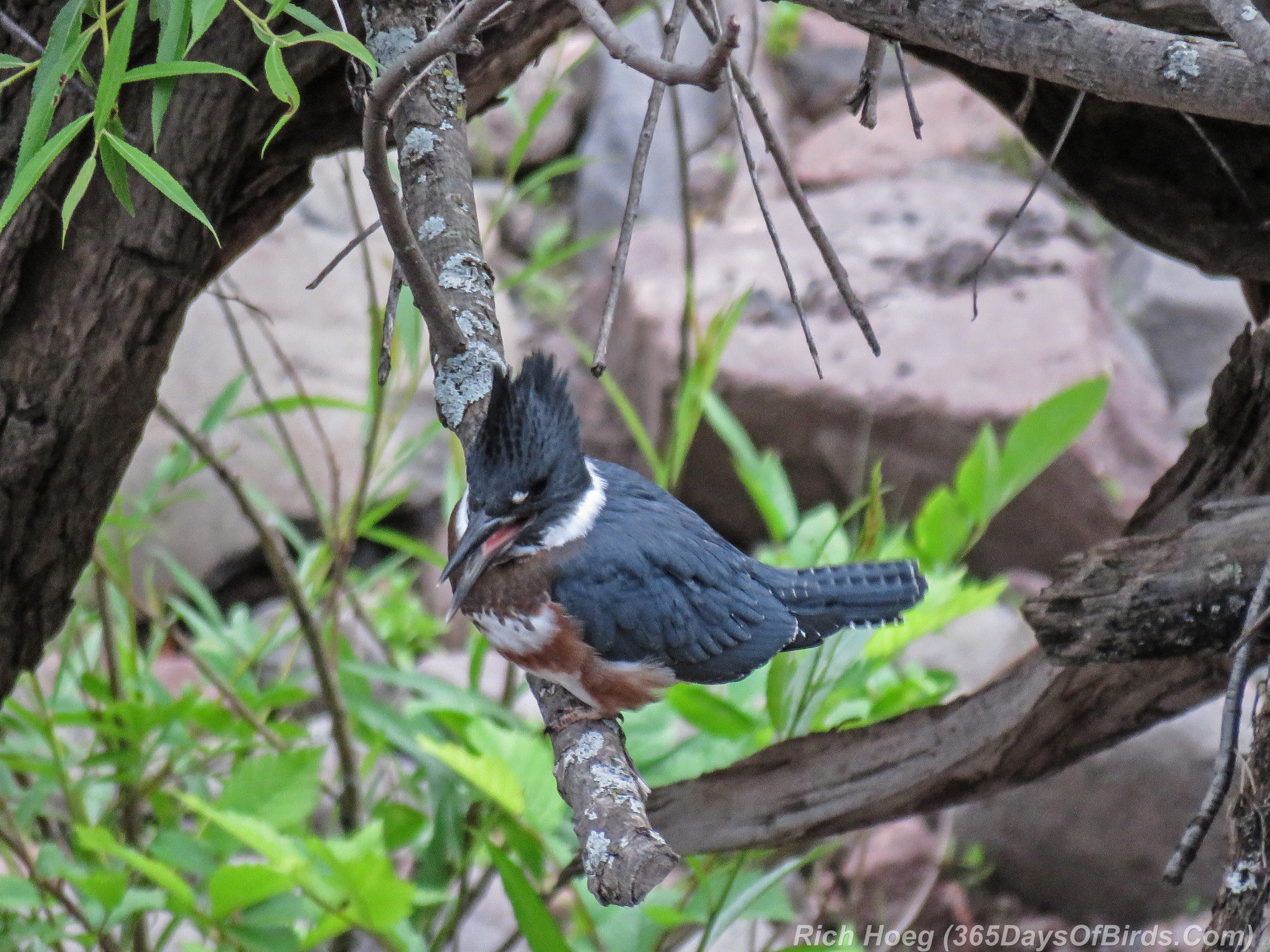
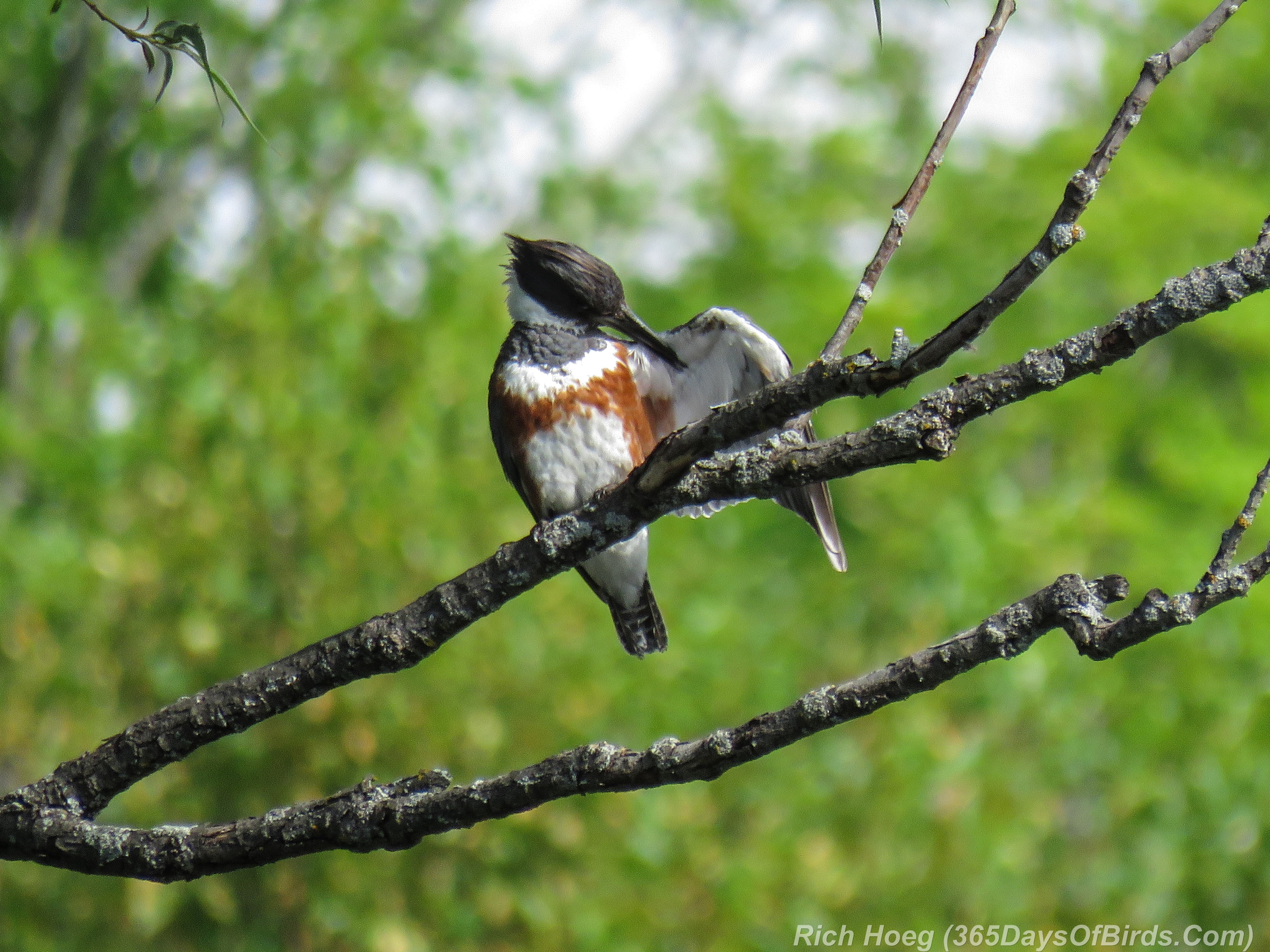
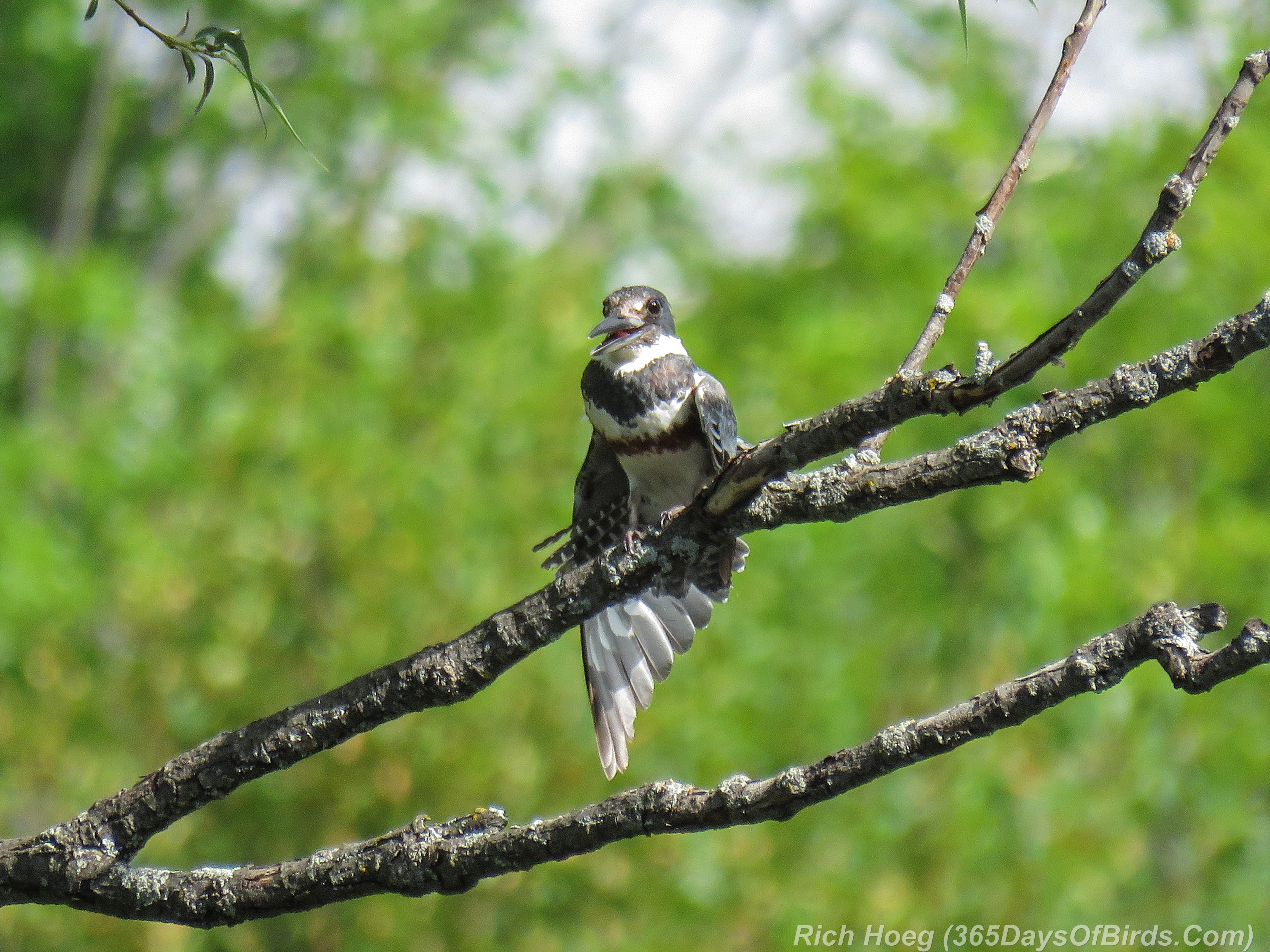
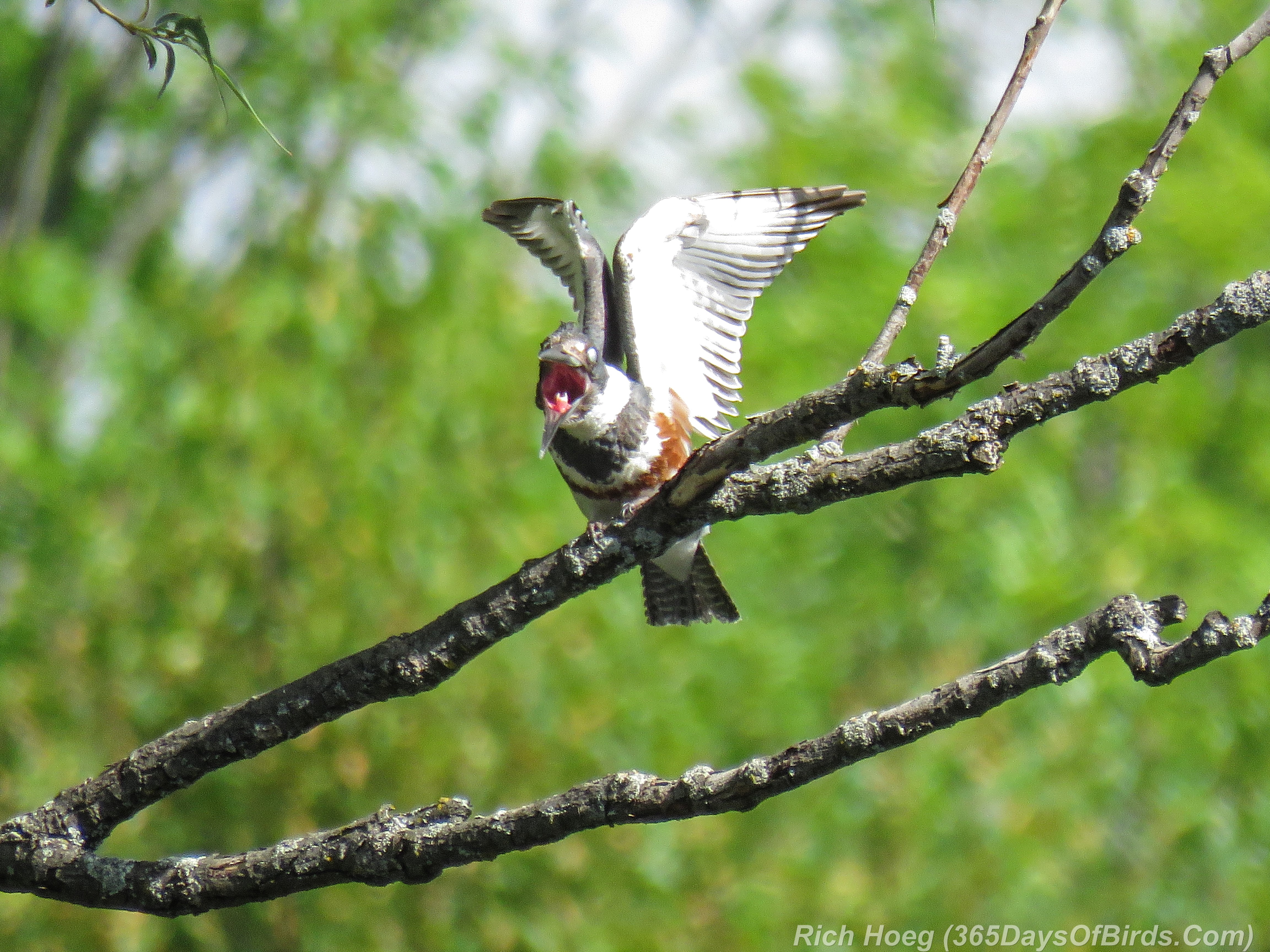
  • A Family of Kingfishers
  • A Huge flock of Cedar Waxwings (berry supply is plentiful on the trees)
  • A new brood of Common Merganser Chicks and their mom.

I don’t expect any of these birds to move far today. The winds will keep the mergansers off Lake Superior. The chicks are only a few days old, and much to small to handle the big waves. The Kingfisher parents have been in this area for over a month and I would be extremely surprised if the newly fledged Kingfisher kids move out of the area soon. Finally the berry supply for the cedar waxwings should last a few days.

Cedar Waxwings
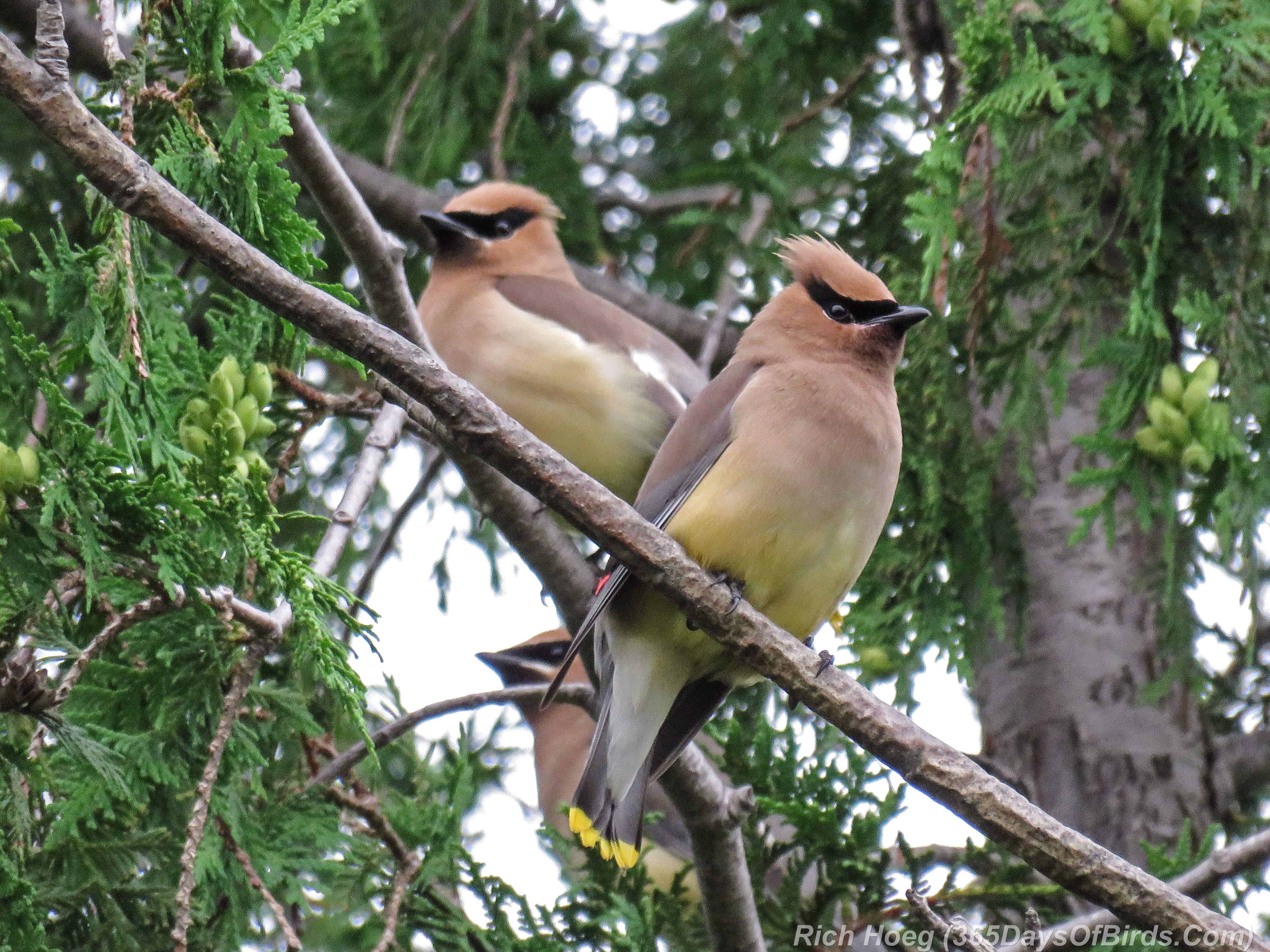
Y2-M07-Lester-River-Cedar-Waxwings-2

———-

Belted Kingfisher
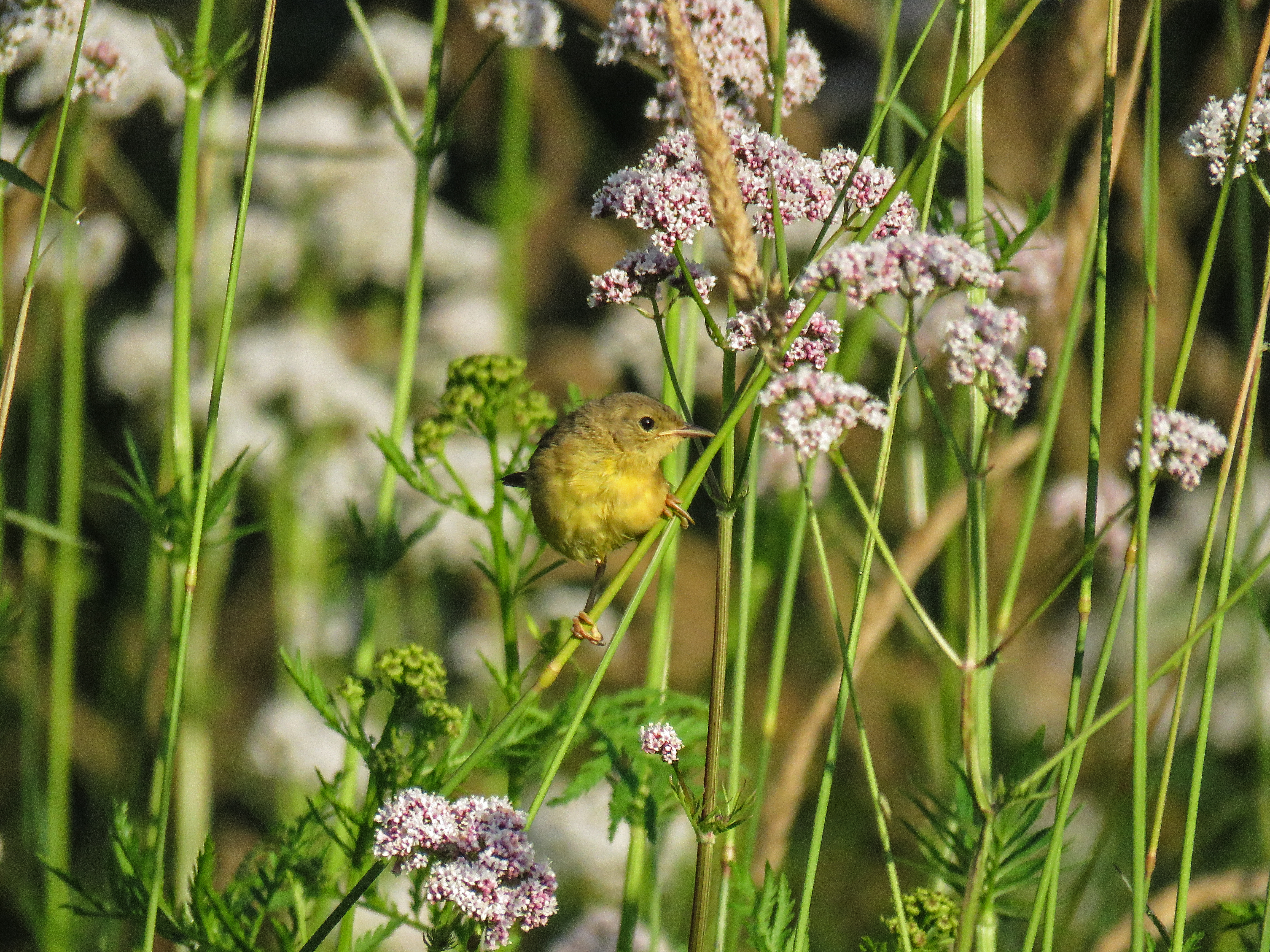
Y2-M07-Lester-River-Kingfisher-2 Y2-M07-Lester-River-Kingfisher-1

Fledged in Northern Minnesota (yr 2, mth 7)

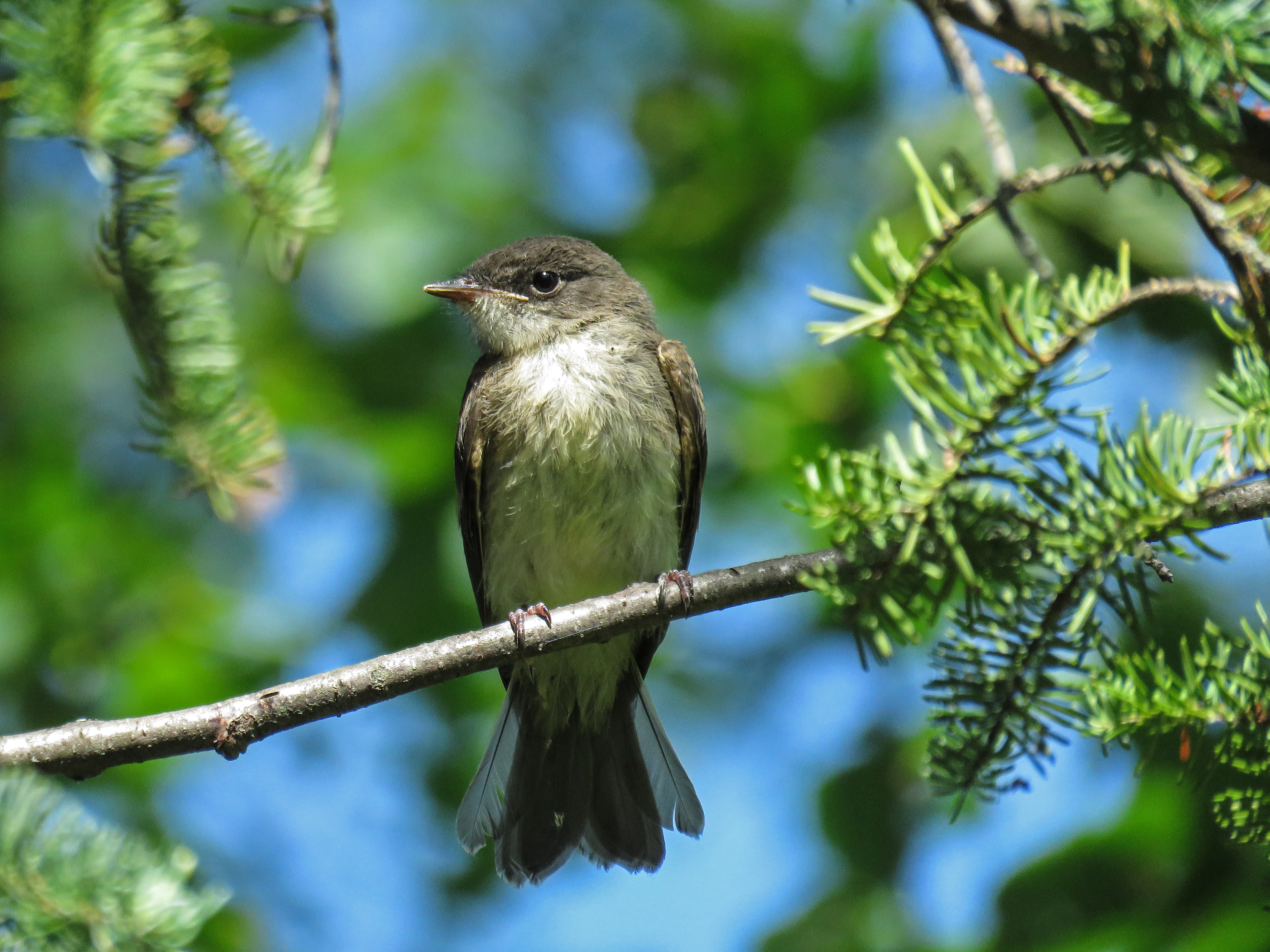
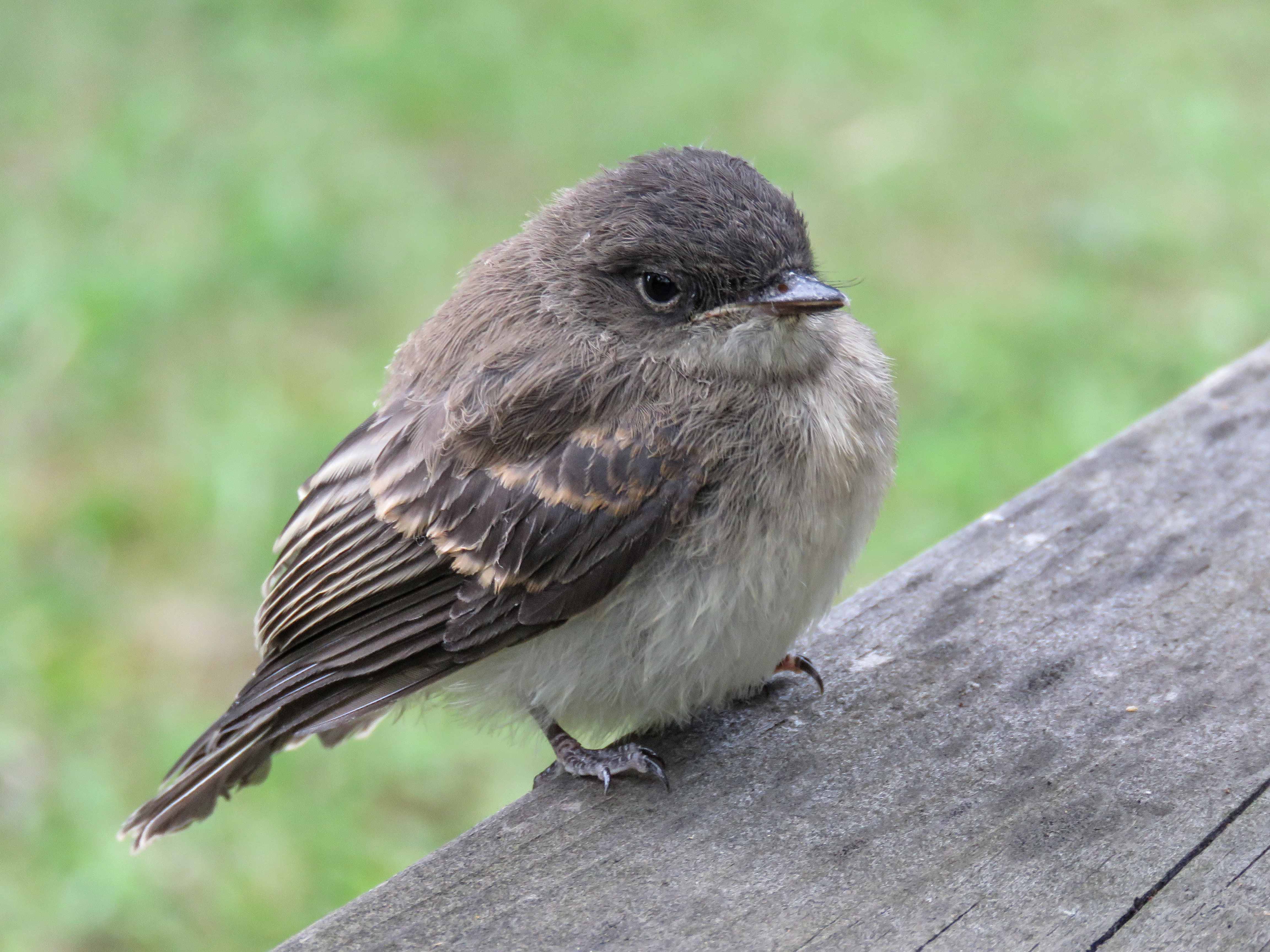
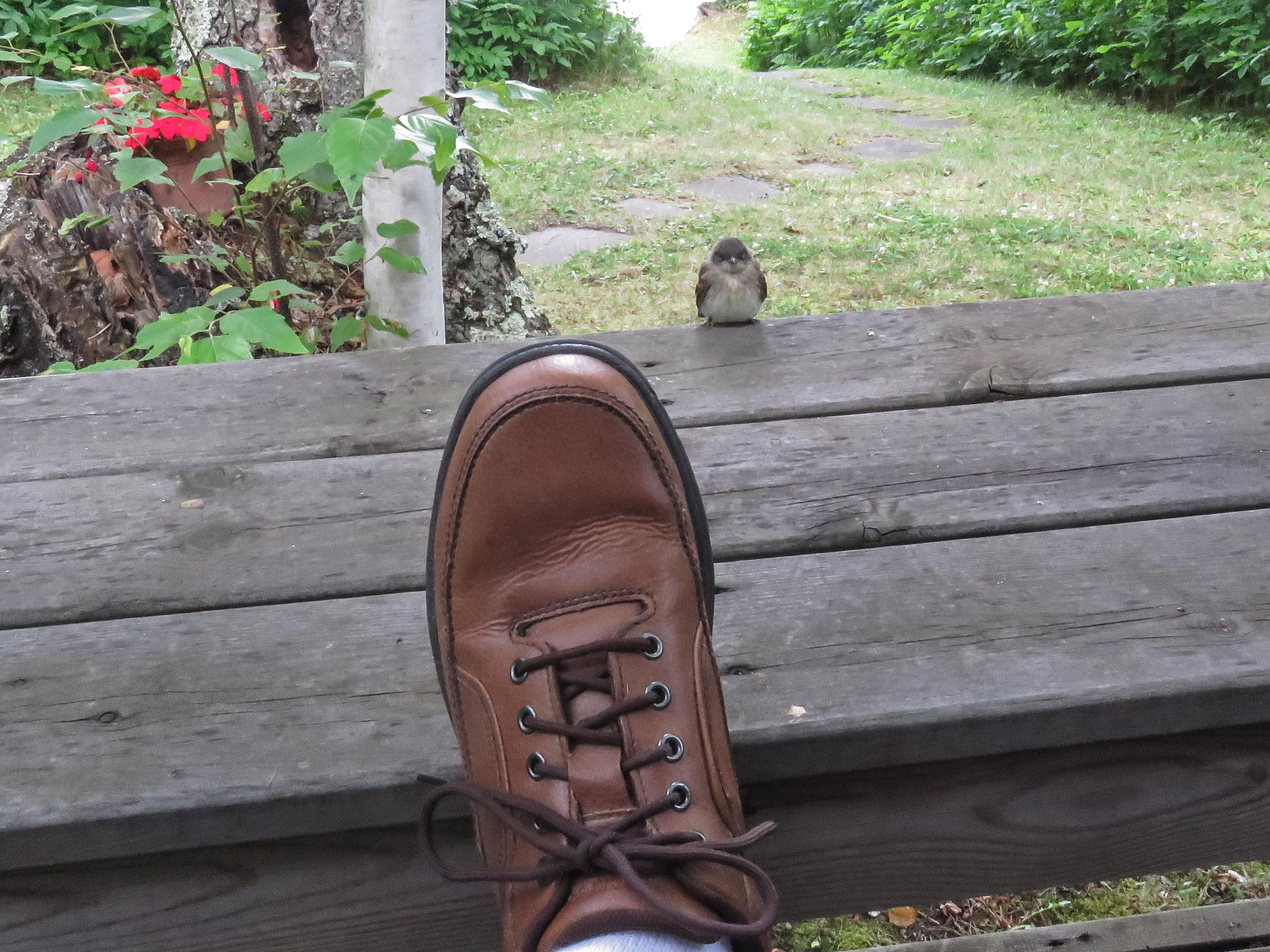
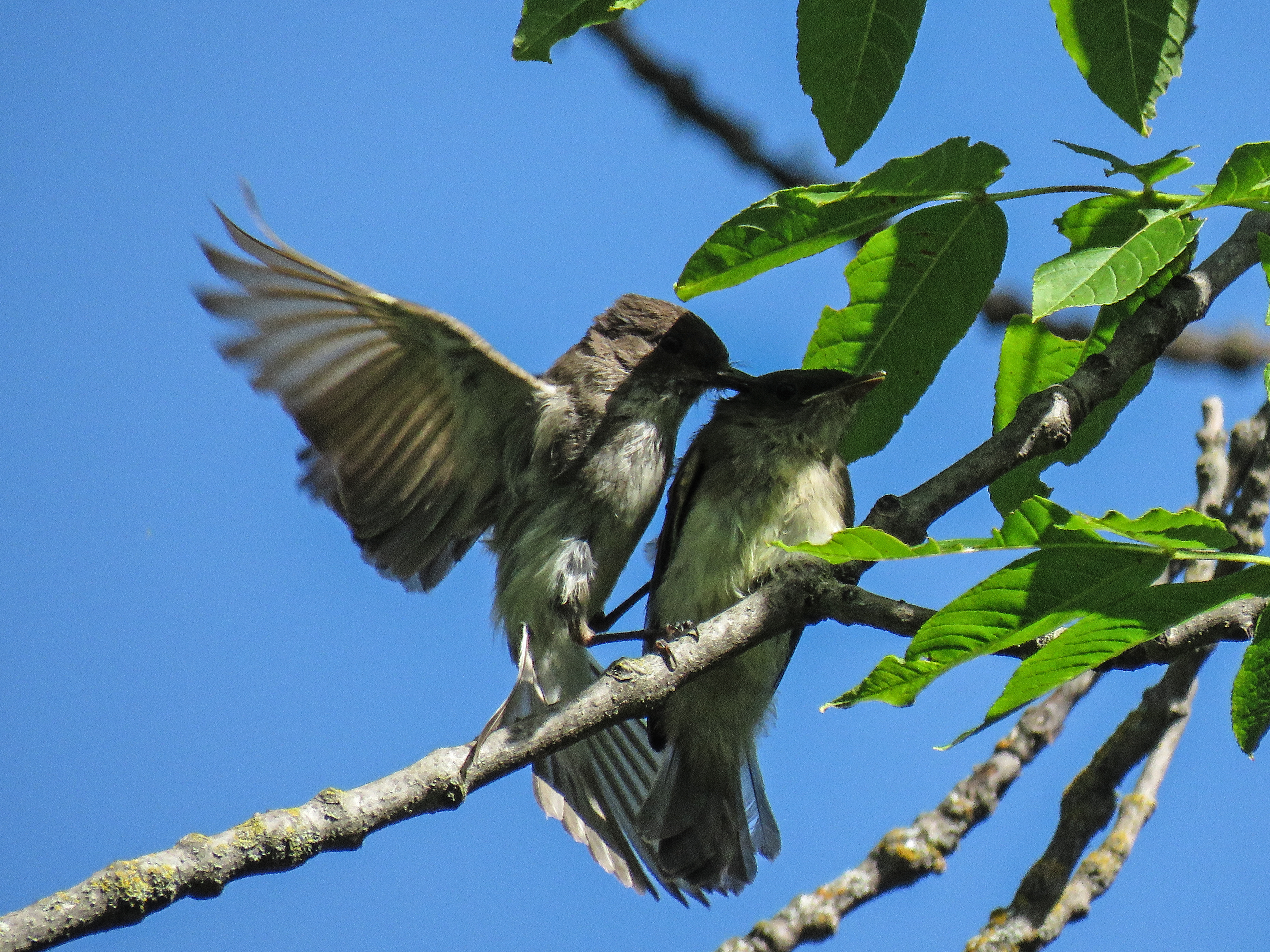
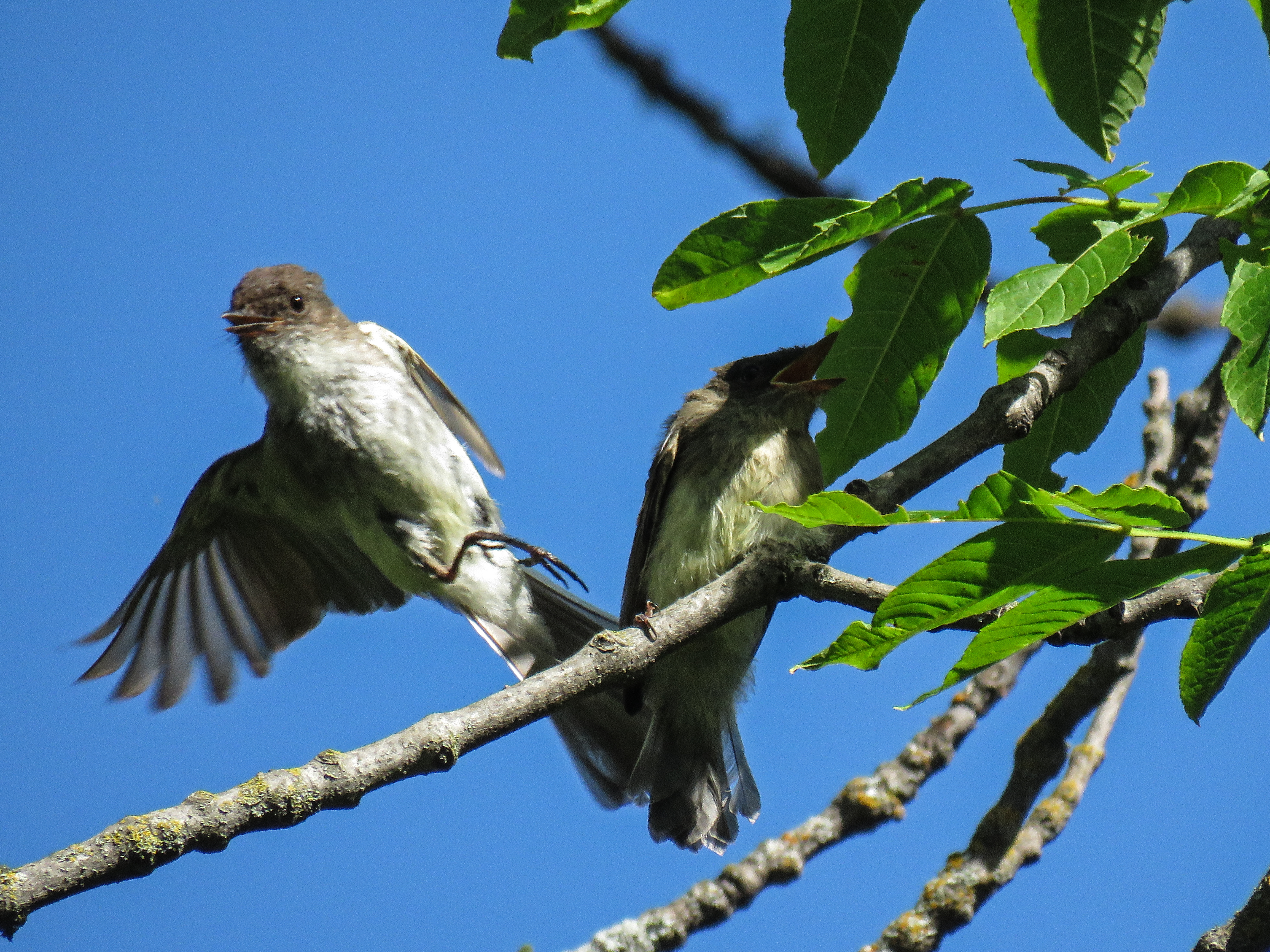
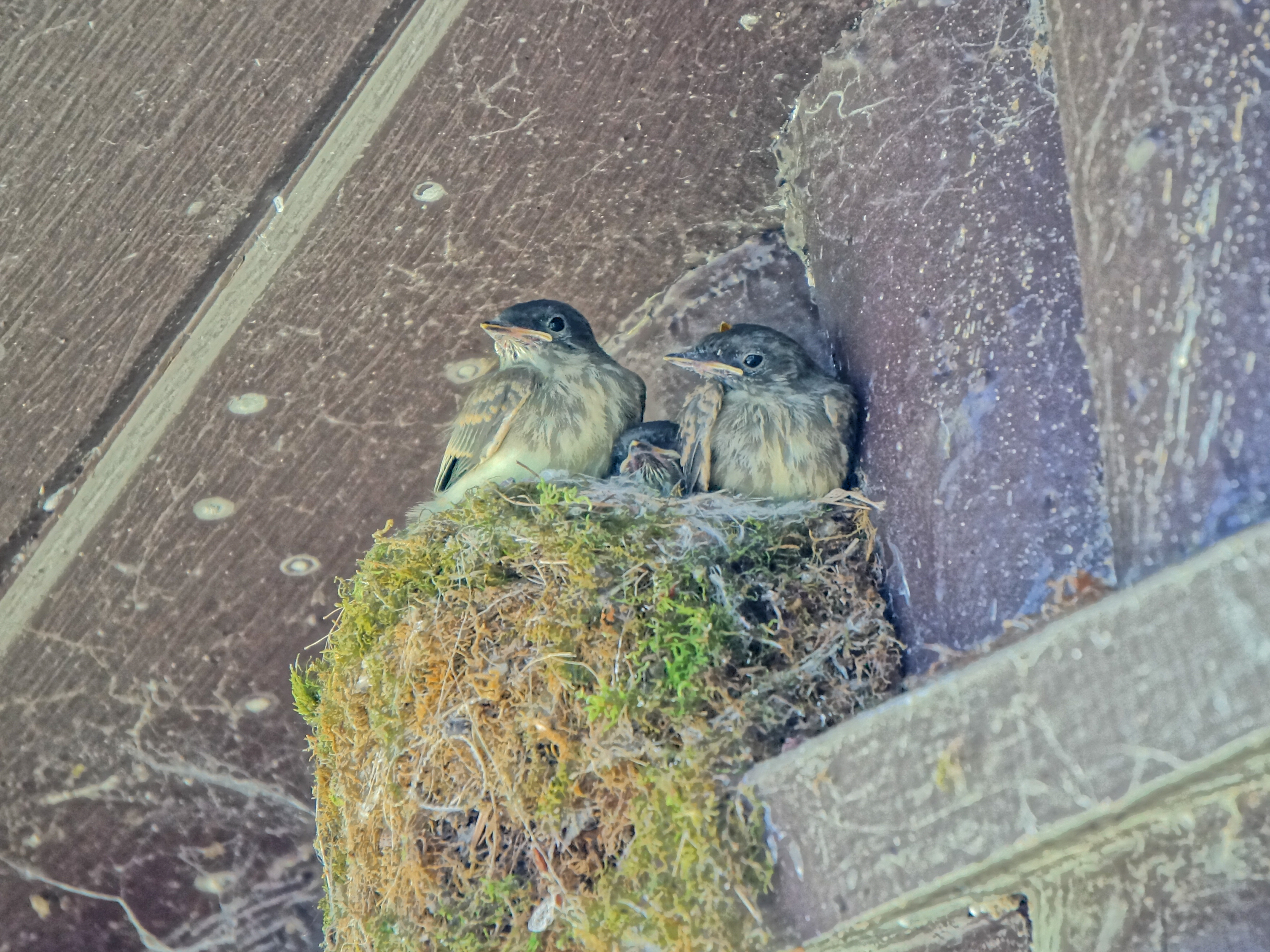
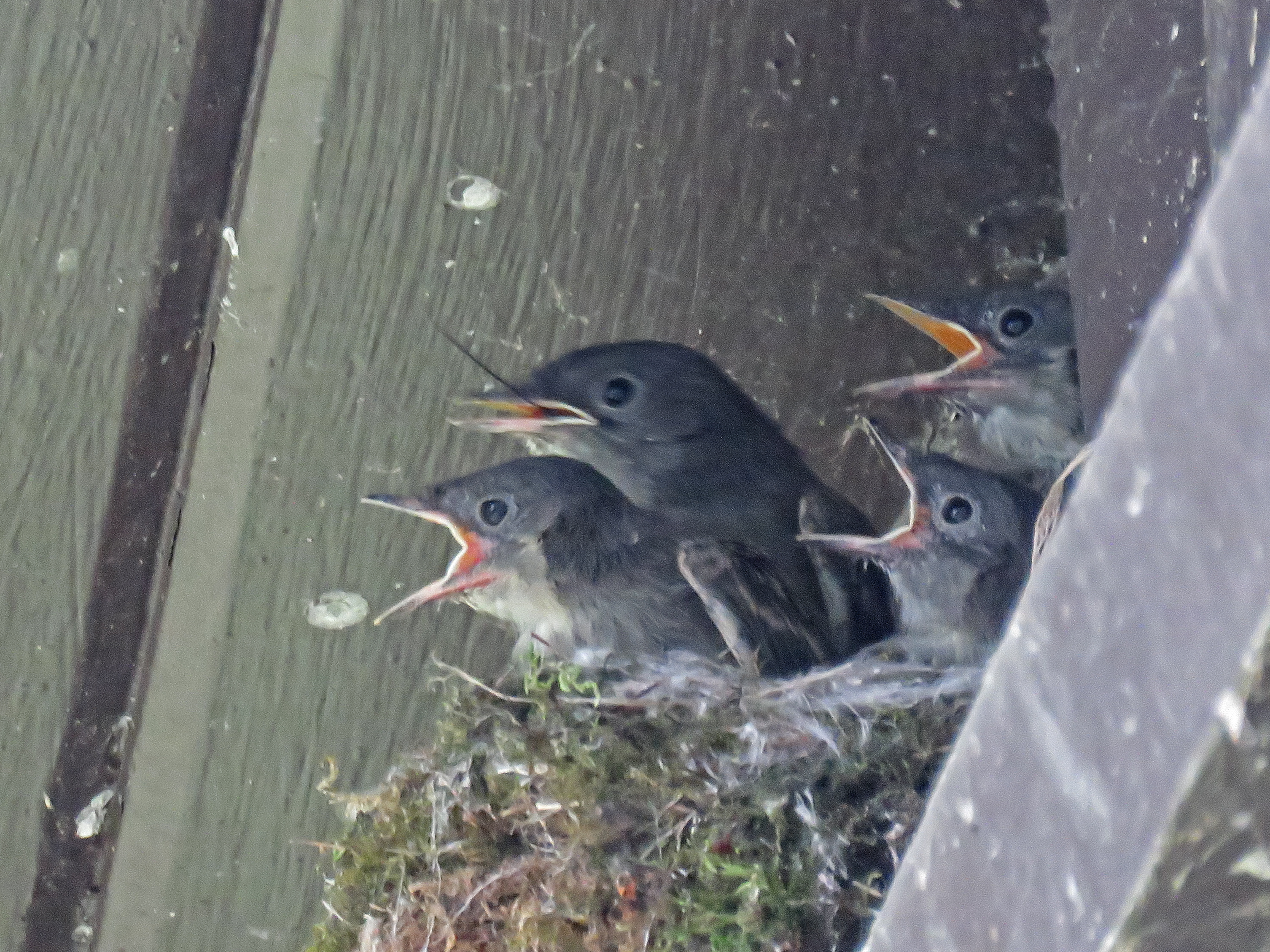
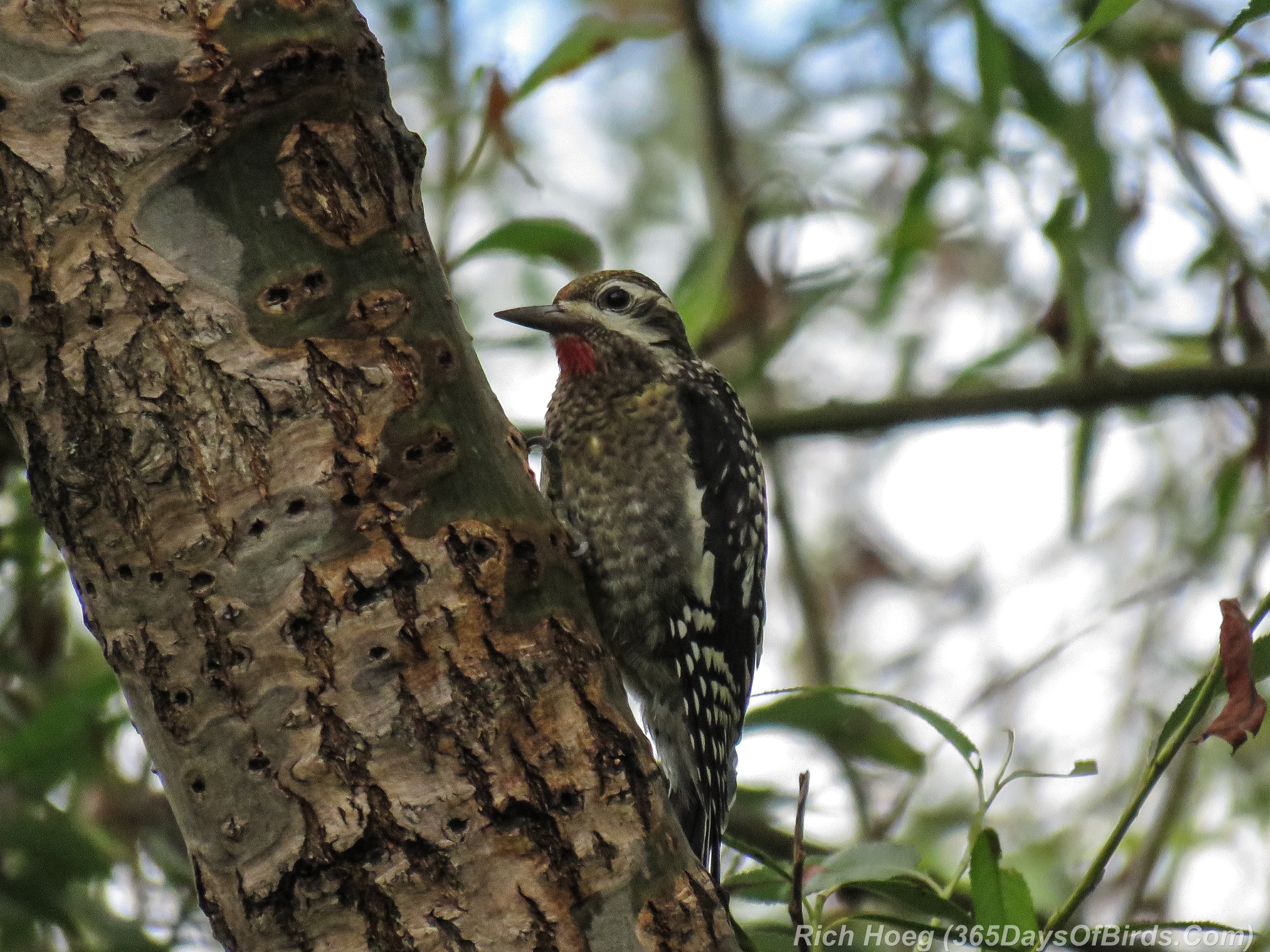
I hear many folks talk about how July is a horrible month for birding opportunities. Not true. While the unexpected jackpot finds during the spring and fall migrations are not possible, and the leaves block the view of birds you hear but can not see … July is a great month for birding. Think young! In other words, find the nests and the fledglings and you will be treated to neat views. Young birds have often not learned to be scared of us humans, and their parents are often so busy feeding their offspring who are almost their own size, that the adult birds sometimes lose a bit of their wariness.

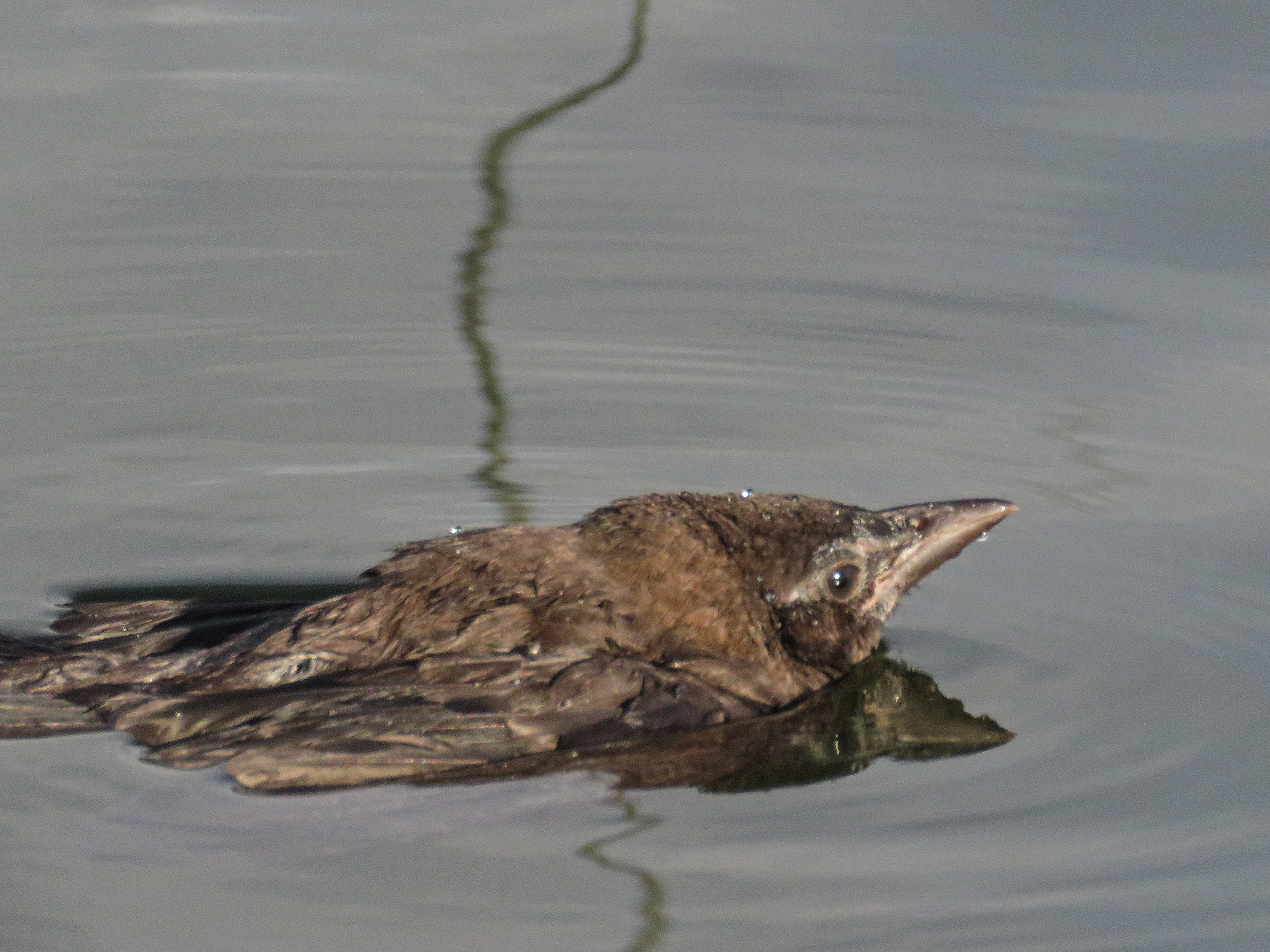
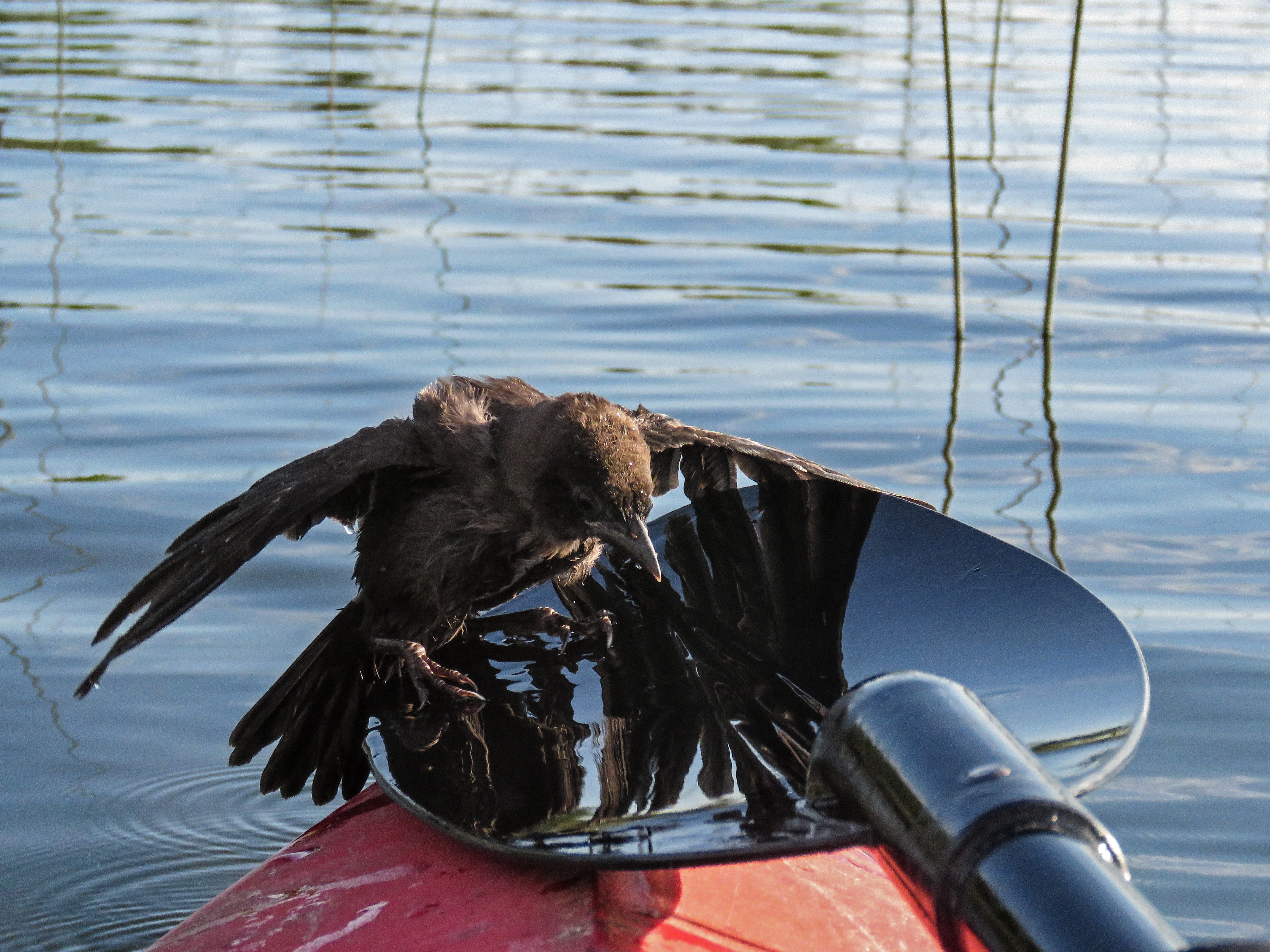
The images below were taken over the course of the past week of fledglings. In short, get out there and enjoy the July heat!

Eastern Phoebe Family
Y2-M07-Eastern-Phoebe-5-Pine-Branches-Frame Y2-M07-Eastern-Phoebe-4 Y2-M07-Eastern-Phoebe-3 Y2-M07-Eastern-Phoebe-6-Tag-Your-It Y2-M07-Eastern-Phoebe-7-Tag-Your-It Y2-M07-Eastern-Phoebe-1 Y2-M07-Eastern-Phoebe-2

———-

Yellow-Bellied Sapsucker Kid
Y2-M07-Yellow-Bellied-Sapsucker-Juvenile-01

———-

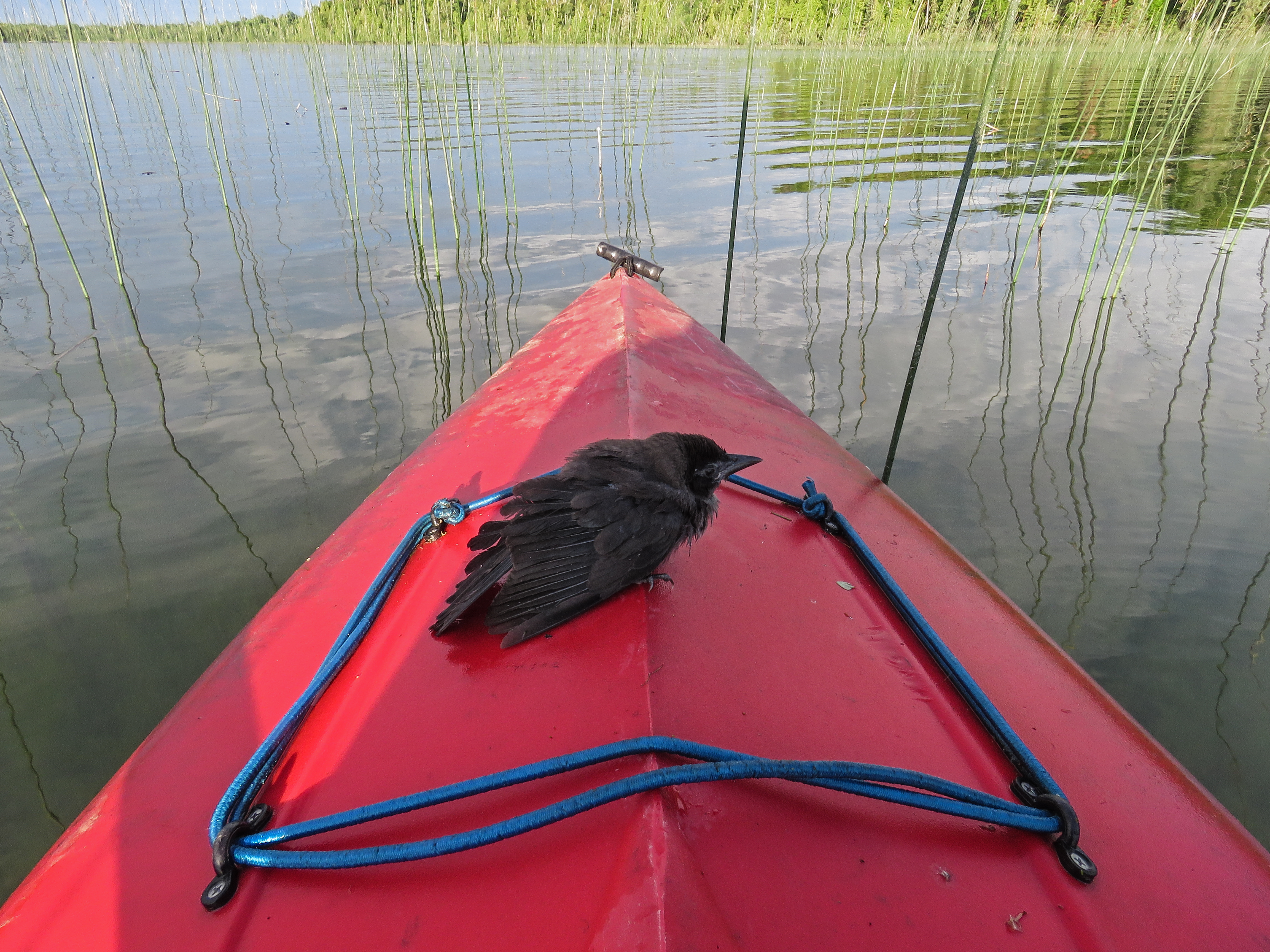
Rescued Crow on an Early Morning Kayak
Y2-M07-Crow-Rescue-01 Y2-M07-Crow-Rescue-02c Y2-M07-Crow-Rescue-03-Horizon

———-

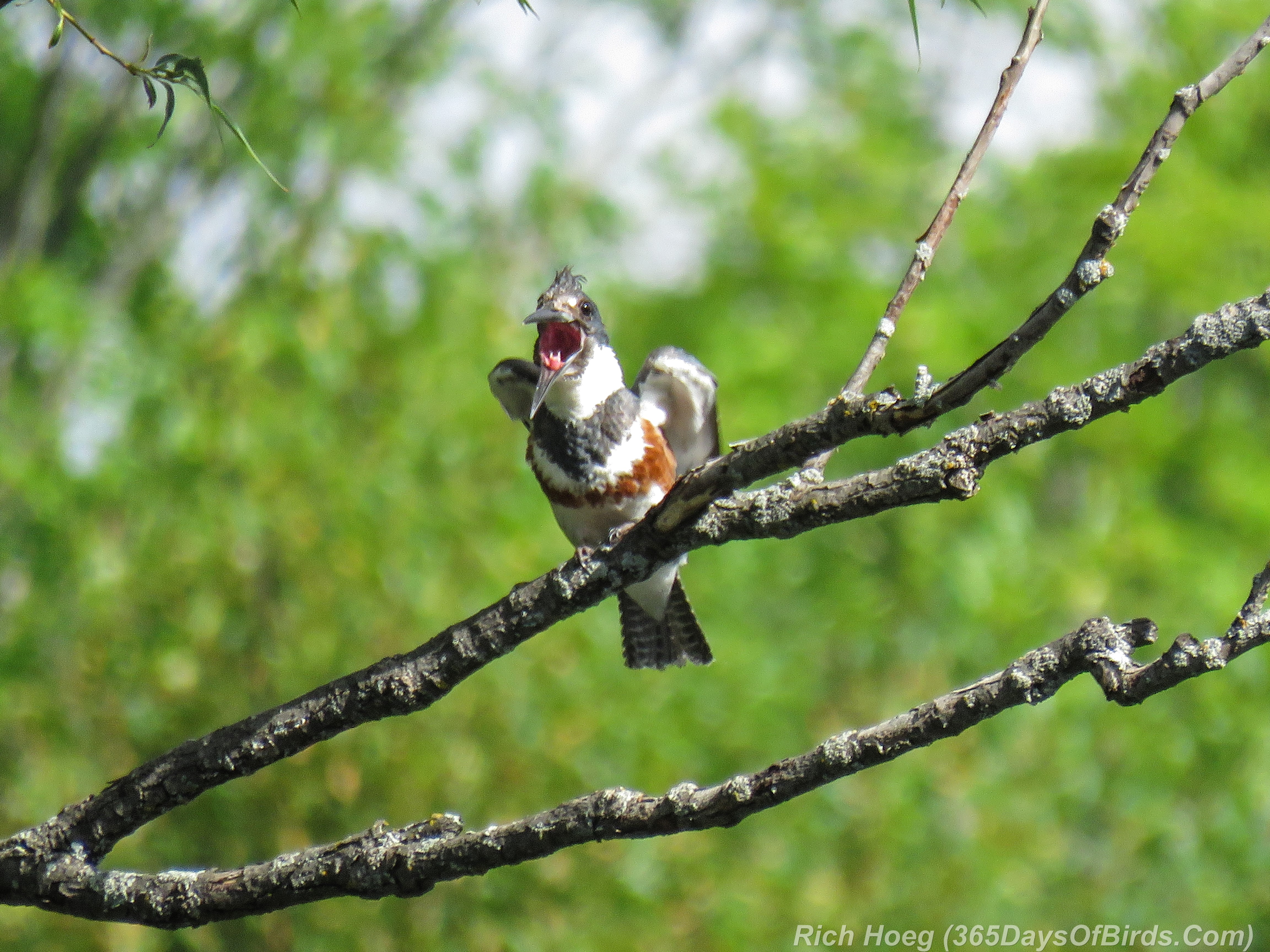
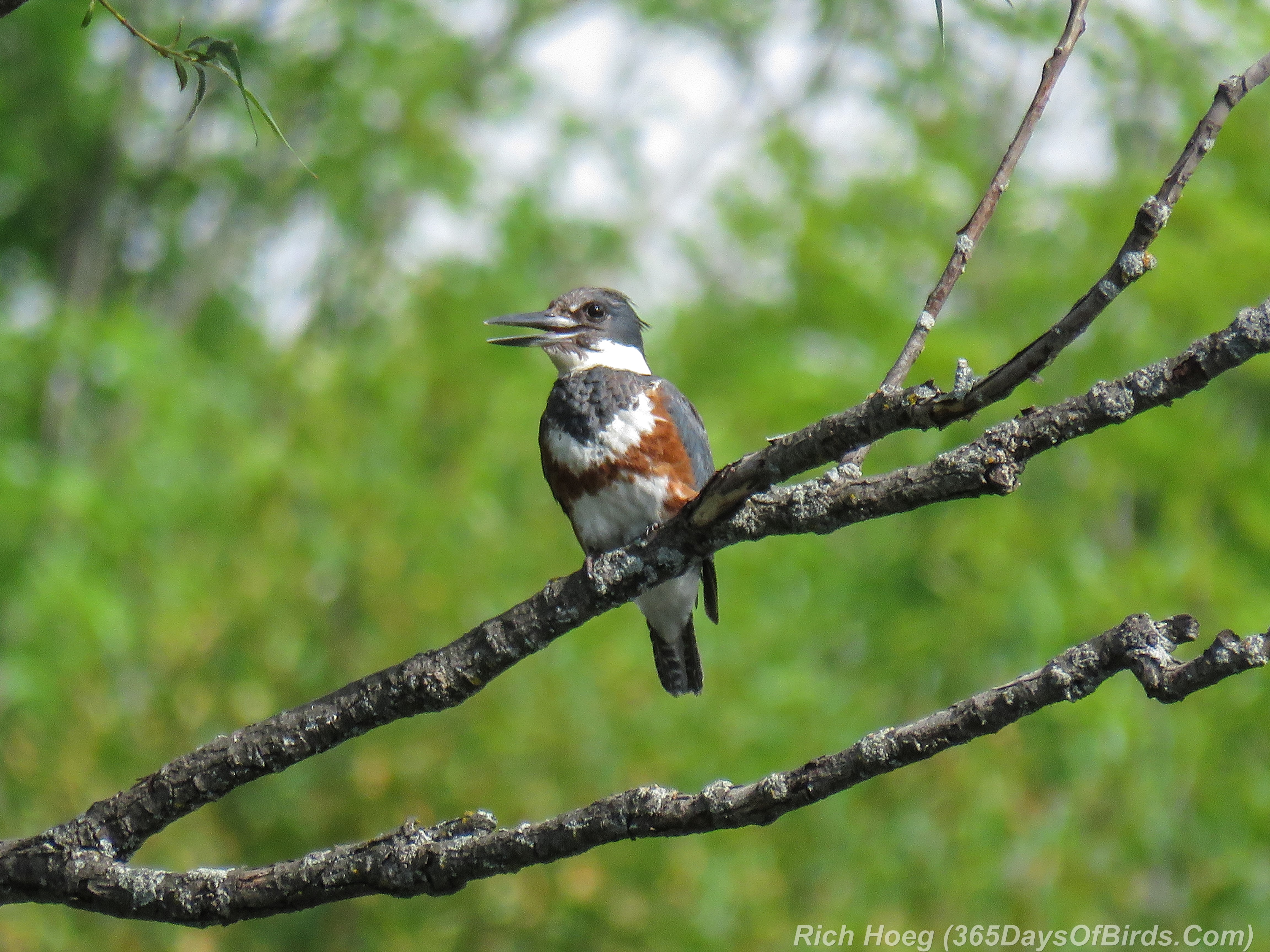
Belted Kingfisher
Y2-M07-Kingfisher-05-Preen-Mouthing-Off-B

———-

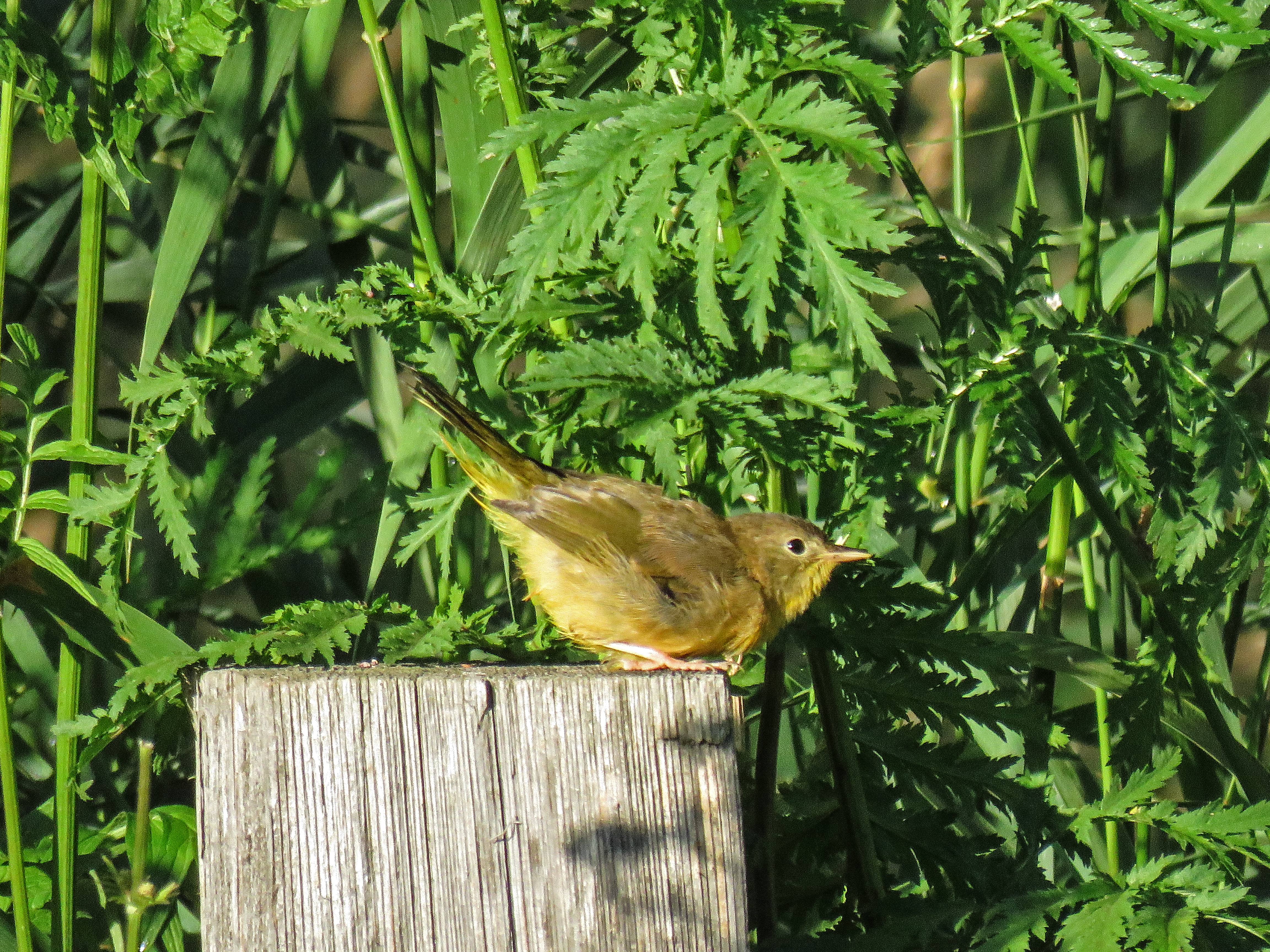
Common Yellowthroat
Y2-M07-Common-Yellow-Throat-Female-Ambush Y2-M07-Common-Yellow-Throat-Female-Flowers

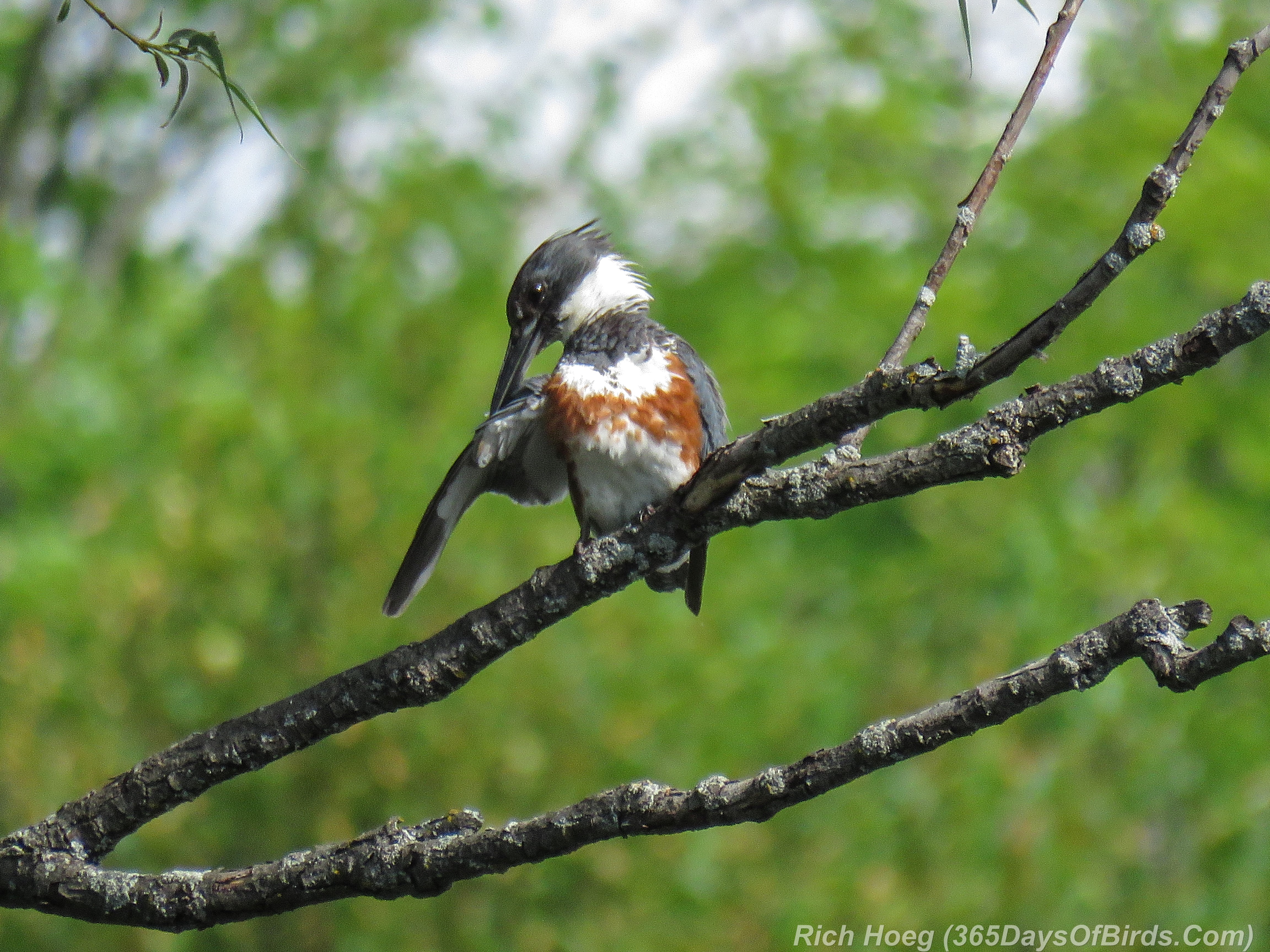
Belted Kingfisher Preening Time

It is vitally important for all birds to take care of their feathers. Most birds have a preen or oil glad. They rub their bills over the gland; pick up some oil and then rub the oil over their feathers.

This morning I had the privilege of watching a belted kingfisher preen itself. Given how skittish these birds are, I was happy to just have a seat near by, but then the kingfisher put on a show for me!

Announcing Belted Kingfisher Preening Time!
Y2-M07-Kingfisher-01-Preening-Time-Annoucement

———-

Wings
Y2-M07-Kingfisher-03-Preen-Right-Wing Y2-M07-Kingfisher-02-Preen-Left-Wing

———-

Stretch!
Y2-M07-Kingfisher-04-Preen-Stretch

———-

Mouthing Off!
Y2-M07-Kingfisher-05-Preen-Mouthing-Off-A Y2-M07-Kingfisher-05-Preen-Mouthing-Off-B