Tag Archives: MN North: Canosia Wildlife Area

Spring (?) Birding … Ice and Owls!

The calendar might claim we are well into spring … whether you like to count either the first day of meteorological spring (March 1st) or astronomical spring (March 21st) as when the season arrives. Here in the Northland, we know better than to be fooled by either of those two dates. In the forests inland from Lake Superior, snow is still deep on the ground. Area lakes have not started to ice out, with only very small areas of open water where currents rule. In short, we continue to earn our nick name, the Arctic Riviera!

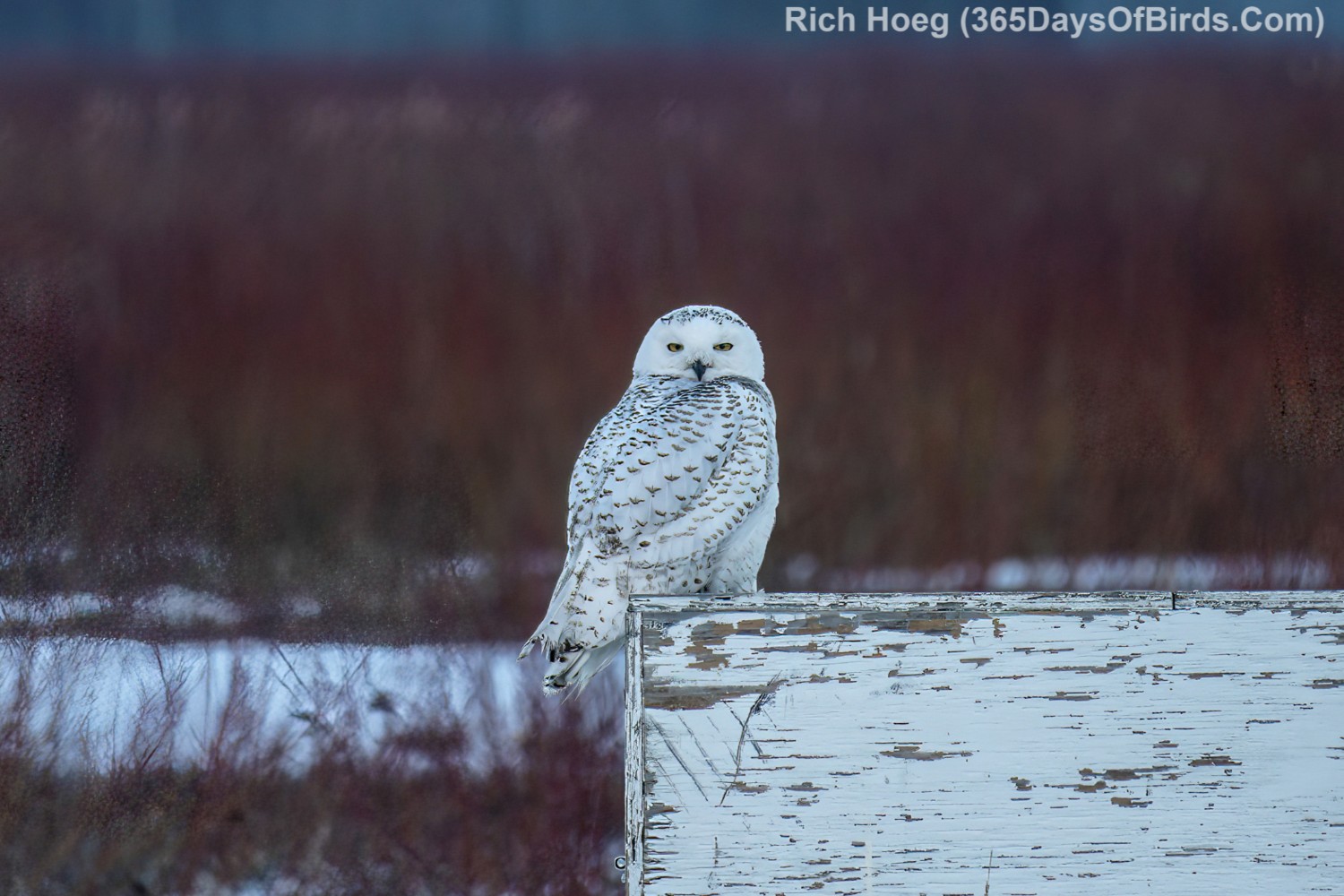
Here is a Snowy Owl I photographed yesterday evening. It was actually one of two Snowy Owls I saw at the traditional Snowy Owl wintering grounds here at the Head of the Lakes. Our visitors seem in no hurry to migrate north to the Arctic. Given this year’s Snowy Owls which are visiting our region are almost certainly only one or two years old, and given Snowy Owls do not breed till they reach three or four years of age, these local birds do not have hormones screaming at them to fly north!

Snowy Owl on April 8th

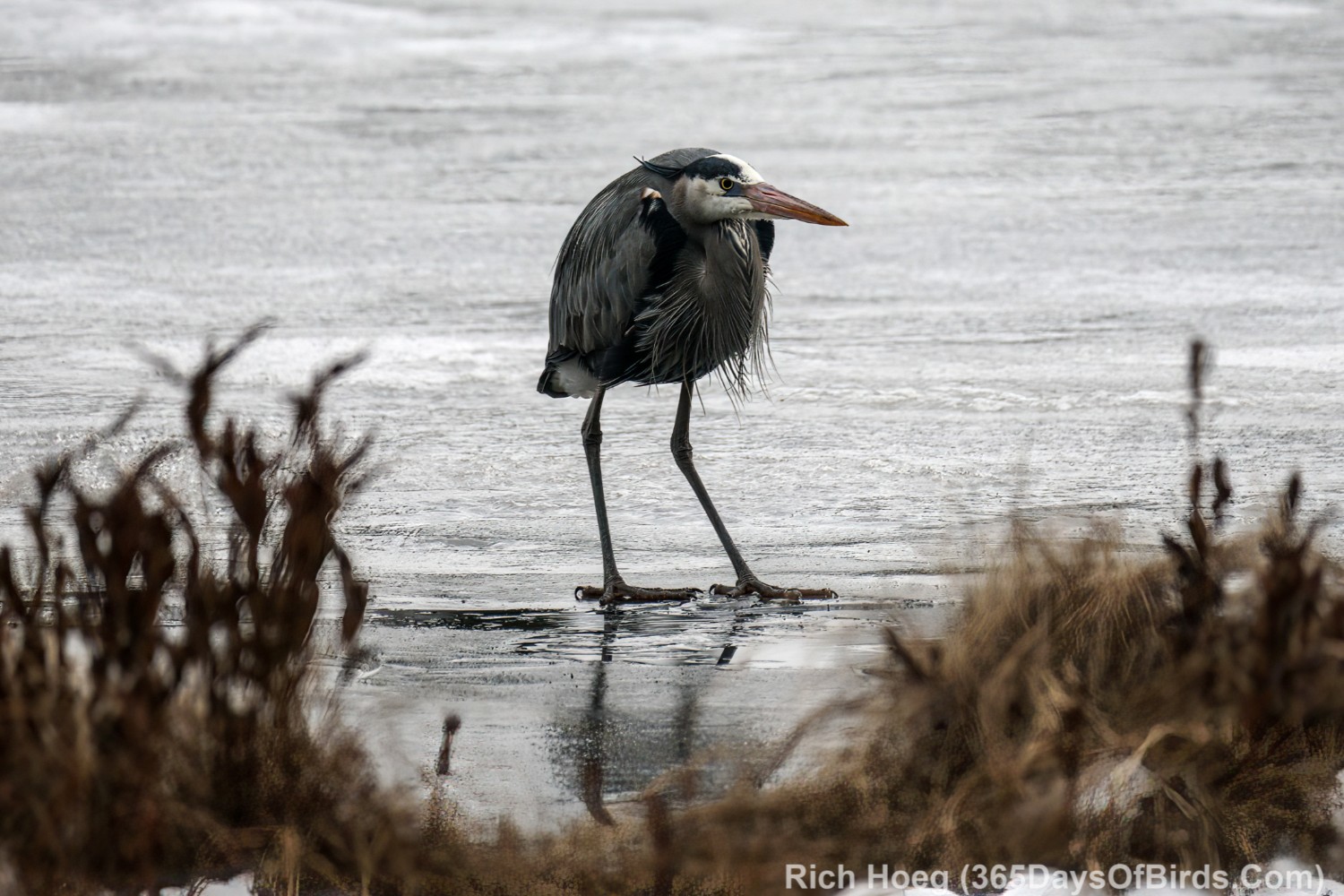
On the “spring migrant front”, the early birds which have returned to our area may be regretting their early plane ticket. I think this Great Blue Heron does not look very happy. It had found a very small spot of open water next to a beaver mound, but I doubt it was catching any fish. When I checked on the bird a second time after one hour had passed, it had not moved an inch. Where would it move, the pocket of open water was only 15 years in length.

These Canada Geese only had open water in the harbor because the US Coast Guard Cutter Spar and broken ice!


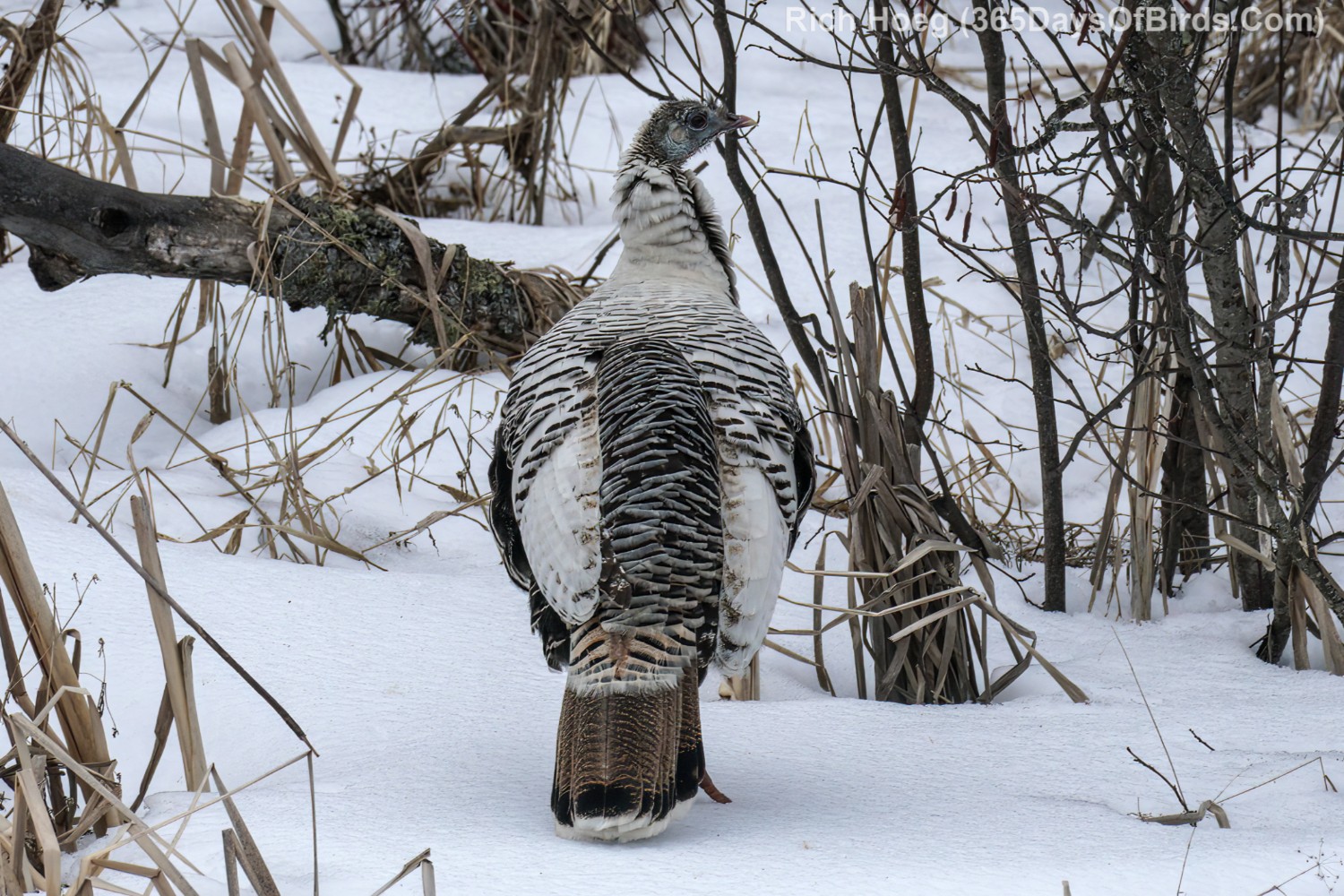
Now we venture up to the northern edges of Duluth and the Canosia Wildlife Preserve. These wetlands are a great birding spot, but the trails and ponds are still socked in with snow and ice. These turkey’s were courting and I particularly enjoyed this “Smokey Gray” morph turkey. Here is what the National Wild Turkey Federation says about this color:

“Its mutation is based on the fact that it has no brown pigments within its feathers. Coloration varies, but white is typically the dominant tone with black and dark gray contrasting tones, especially on the back, wings and tail feathers.”
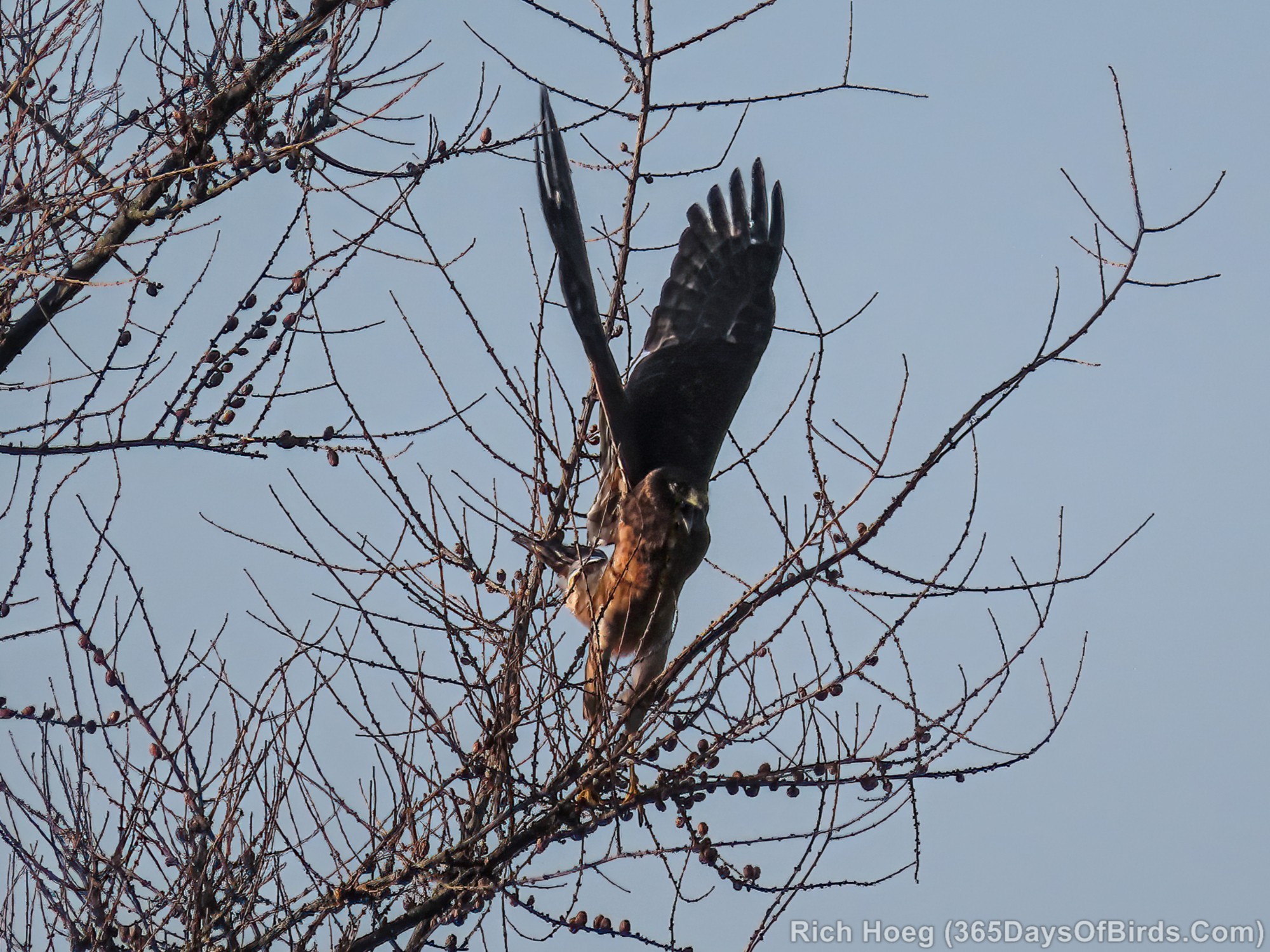
Finally, I zipped up to Sax-Zim Bog where I found lots of incoming Northern Harriers and Rough-Legged Hawks which were returning to the Sub-Arctic.
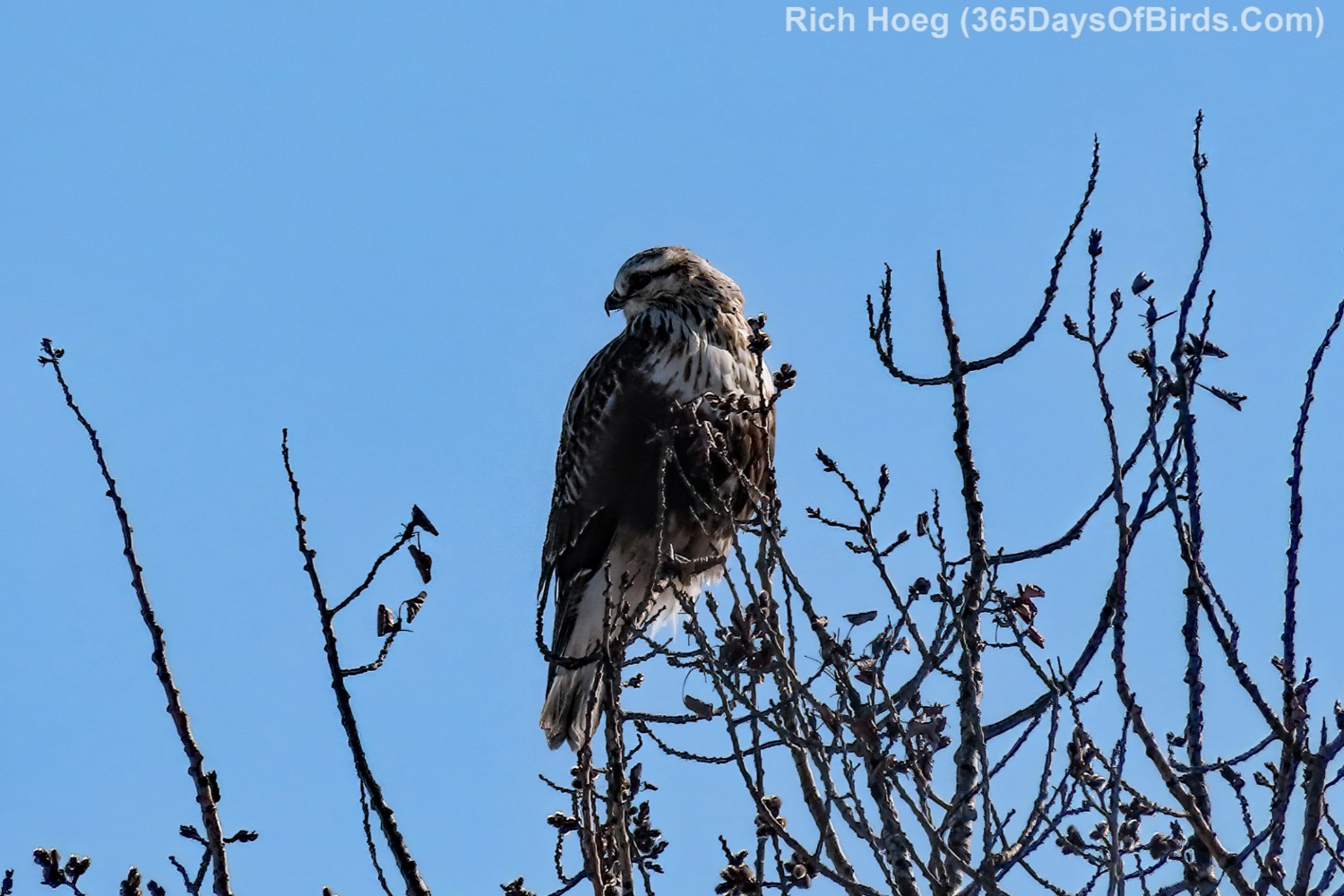

Eventually Spring will come, but not today (snow in the forecast).
 

Comparing my Birding Cameras

A number of folks have asked which camera I have used for some of my recent photographs. This post attempts to provided some feedback.

A quick comment … my Sony A6300 with its 70-350 mm lens is definitely a better camera that my Canon sx70, however each camera has its strengths and weaknesses:

  1. The Canon has a amazing zoom, but a tiny sensor. This means I tend to only use this camera when there is very good light, and I have a bird subject that is far away.
  2. The Sony has a great combined package with great low light capabilities, but I need to get much closer to my subject.
  3. The Sony and its 70-350 is not a full sensor camera, nor do I have a big lens (by choice). I like the smaller form factor which is much more practical for hiking. You will never see me taking bird photographs with a tripod. I move around two much, and am very often a long ways away from my car.

Here are some images from the past few days.

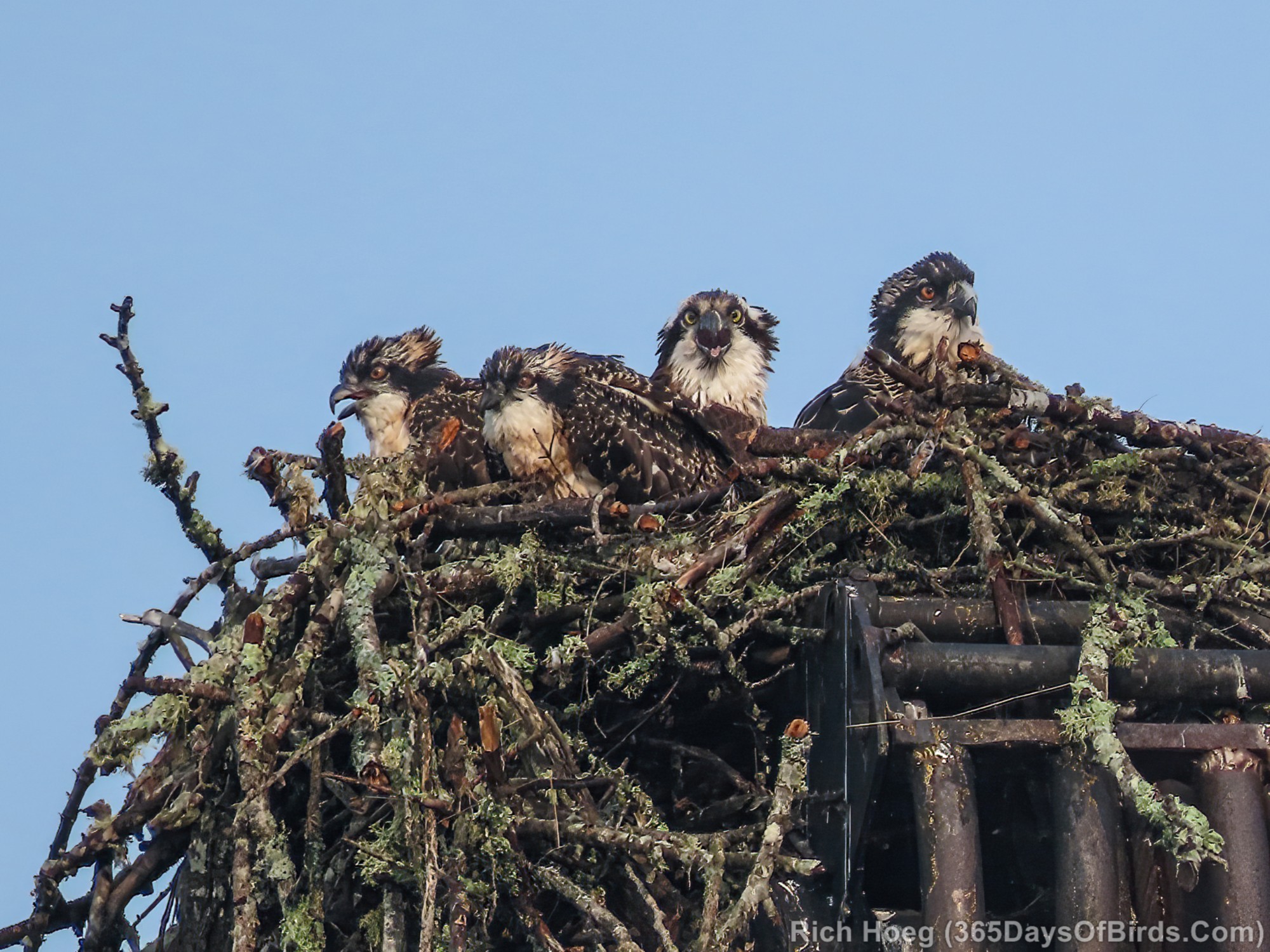
Steam Shovel Sally and her 3 Juveniles – Ospreys (Canon)


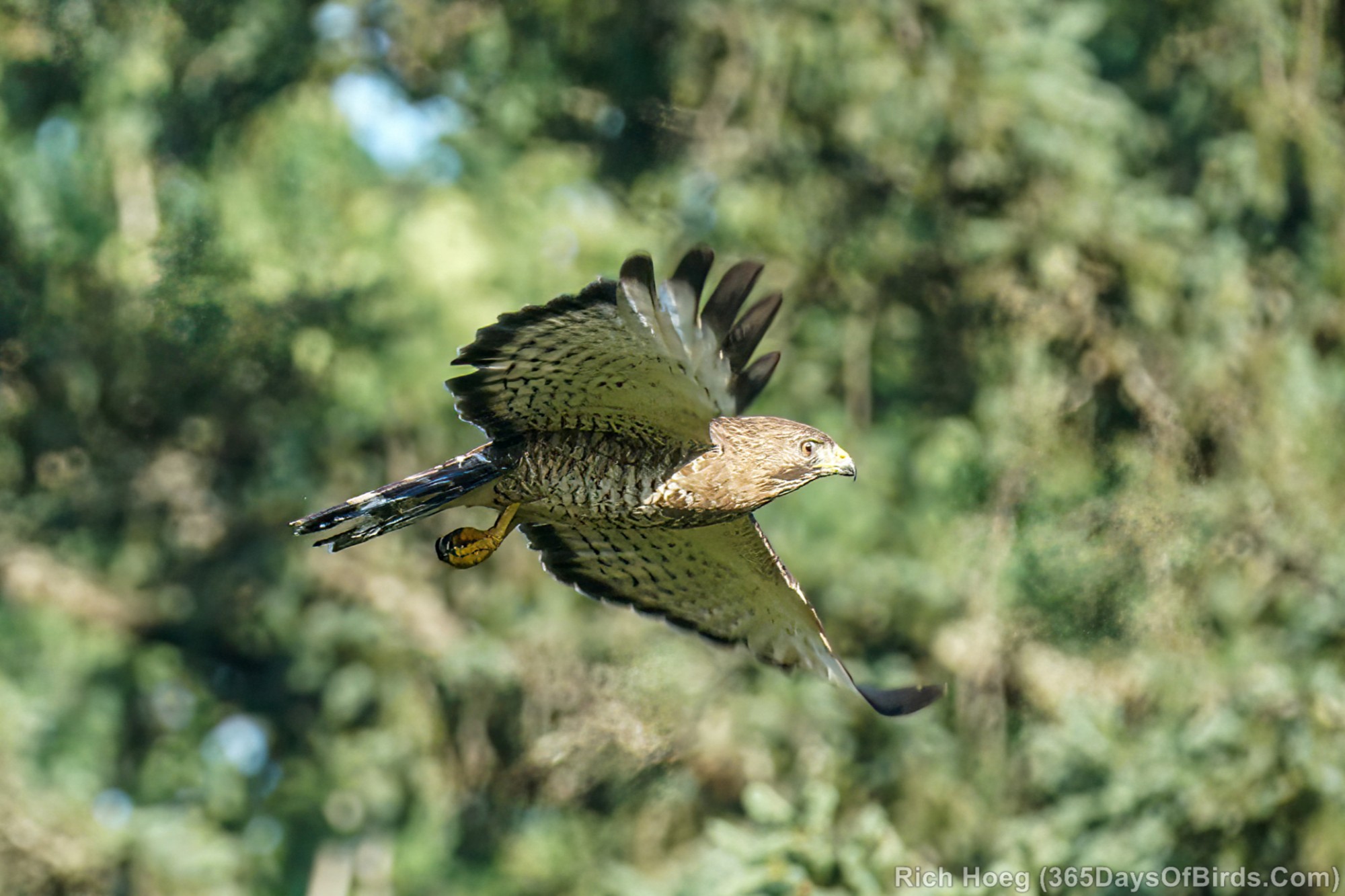
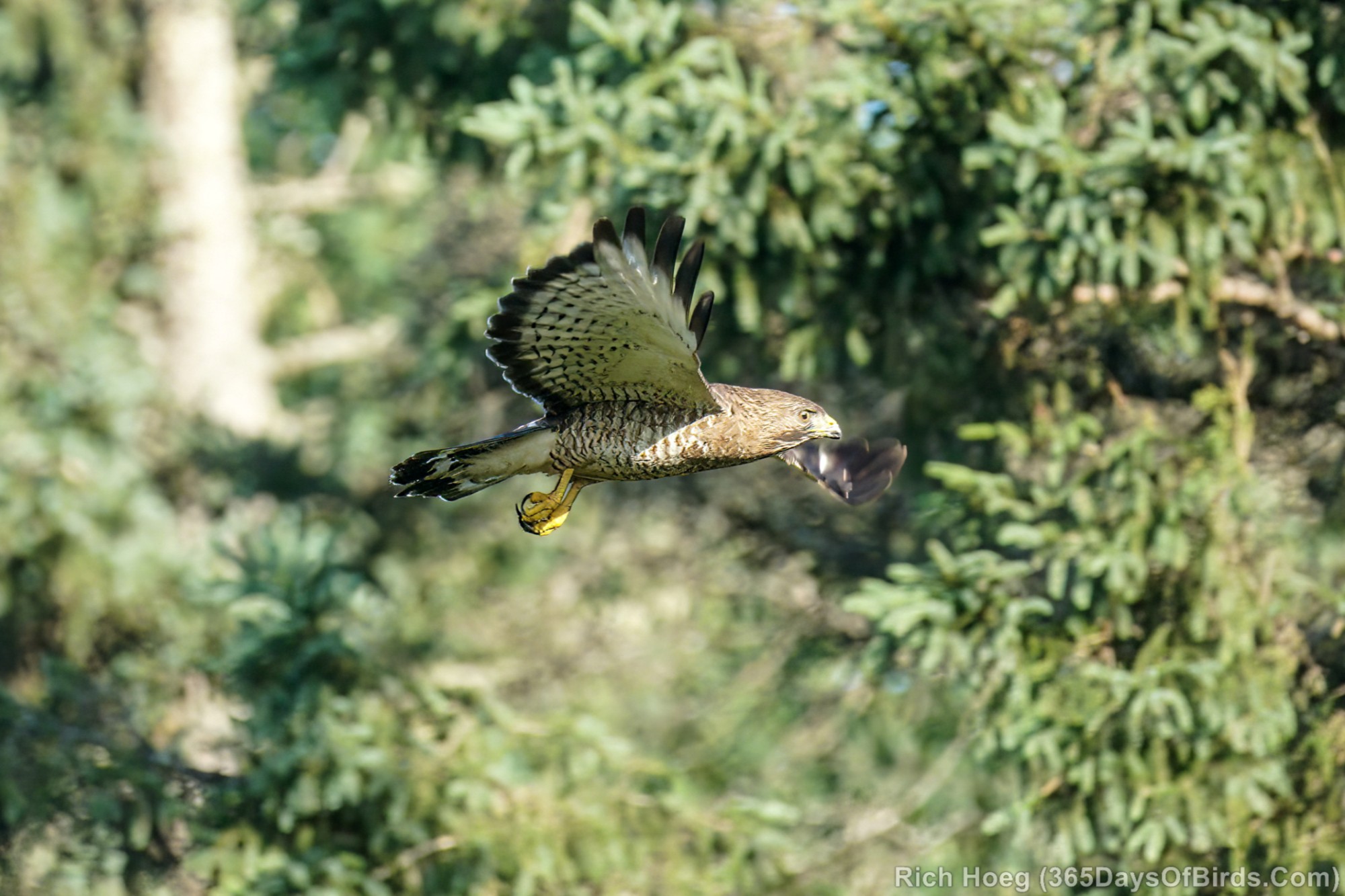
Broad-Winged Hawk in Flight (Sony)


Northern Harrier (Canon … the harrier is quite far away)


If you use a Windows PC, Windows File Explorer gives you the ability to always determine my camera and the settings used.

  1. Download the photo in question
  2. Highlight the filename of the photo using Windows File Explorer
  3. Select the “details tab”
  4. Scroll down to see an image’s details / settings

Tall Birds During a Time of Plenty

I have been birding the Canosia Wildlife Preserve and South Bog over the past few days. While I had hoped to find just fledged Northern Harriers, the birds that have appeared have been the “Tall Ones”! This Great Blue Heron likes to hang out on the beaver mound in the small lake on West Lizmore near the rookery. I have seen it two days in a row, and watched it for almost an hour each day.

Another fun haunt of mine is the Culver, Minnesota area, which I call the “south bog”. There is a nice mix of bog, boreal forest and farms, and it is closer to my home in Duluth than Sax-Zim. Here are three GSP Google Maps links:

  1. Where I turn off Highway #7 (Burnett Road intersection)
  2. The Culver Volunteer Volunteer Fire Department (in the middle of my birding drive)
  3. Where I turn around (Brookston Way / Eklund Way intersection)

Map of Birding Area (press or click upon to maximize)

Most of this birding drive is along dirt roads. I LOVE the farm at the end of my drive (where I turn around. This Sandhill Crane was standing on a hay mound at the farm. I also saw a Broad-Winged Hawk catch a snake at the Artichoke River (GPS Link).